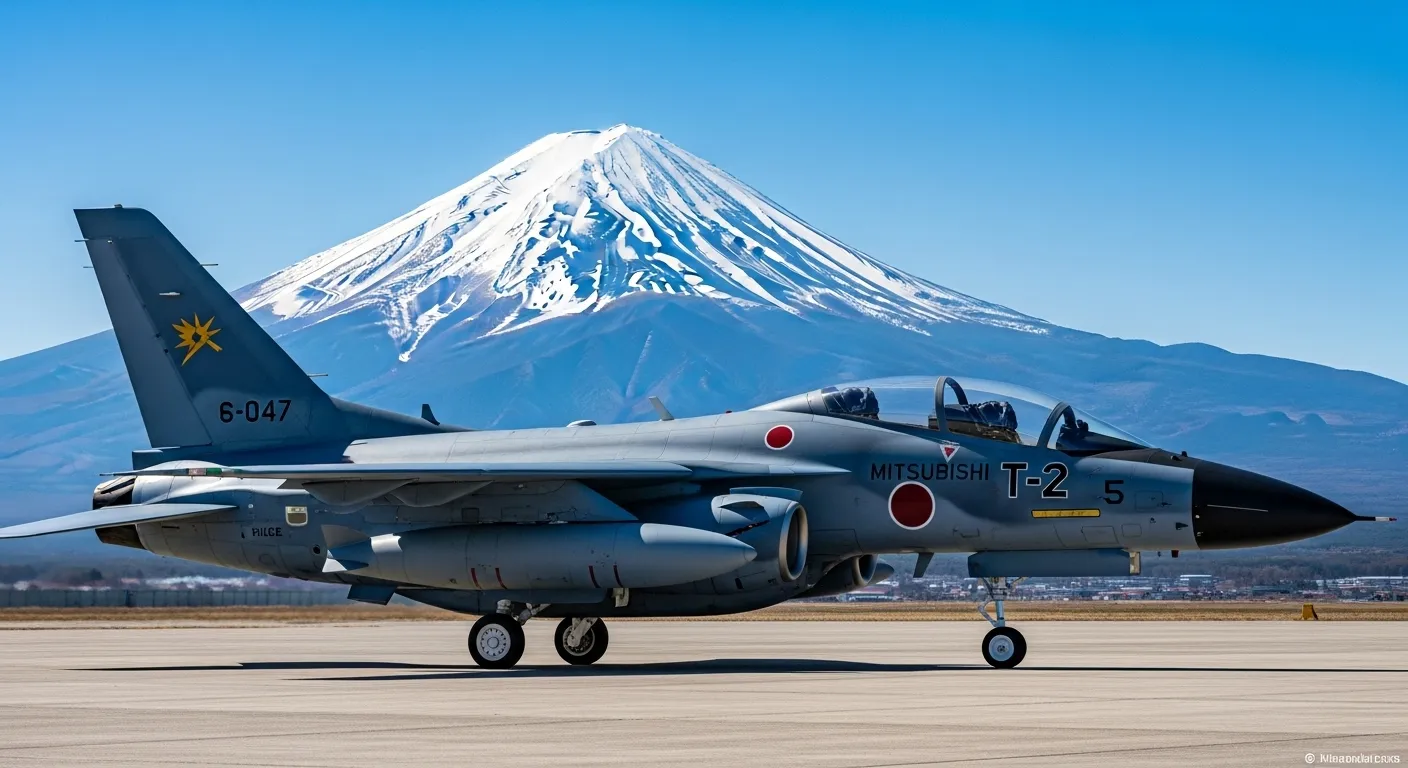
Mitsubishi T-2 | |
|---|---|
| Country | Japan |
| Role | Supersonic jet trainer |
| First flight | 20 July 1971 |
| Built | 96 |
The Mitsubishi T-2 was a supersonic jet trainer aircraft used by the Japan Air Self-Defense Force. Introduced in 1975, it was the first Japanese-designed aircraft to break the sound barrier. It was the basis of the Mitsubishi F-1 strike fighter. All T-2s were retired by 2006.
Source: Mitsubishi T-2 on Wikipedia
| Mitsubishi T-2 Walk Around | |
|---|---|
| Photographer | Meindert de Vreeze |
| Localisation | Unknow |
| Photos | 34 |
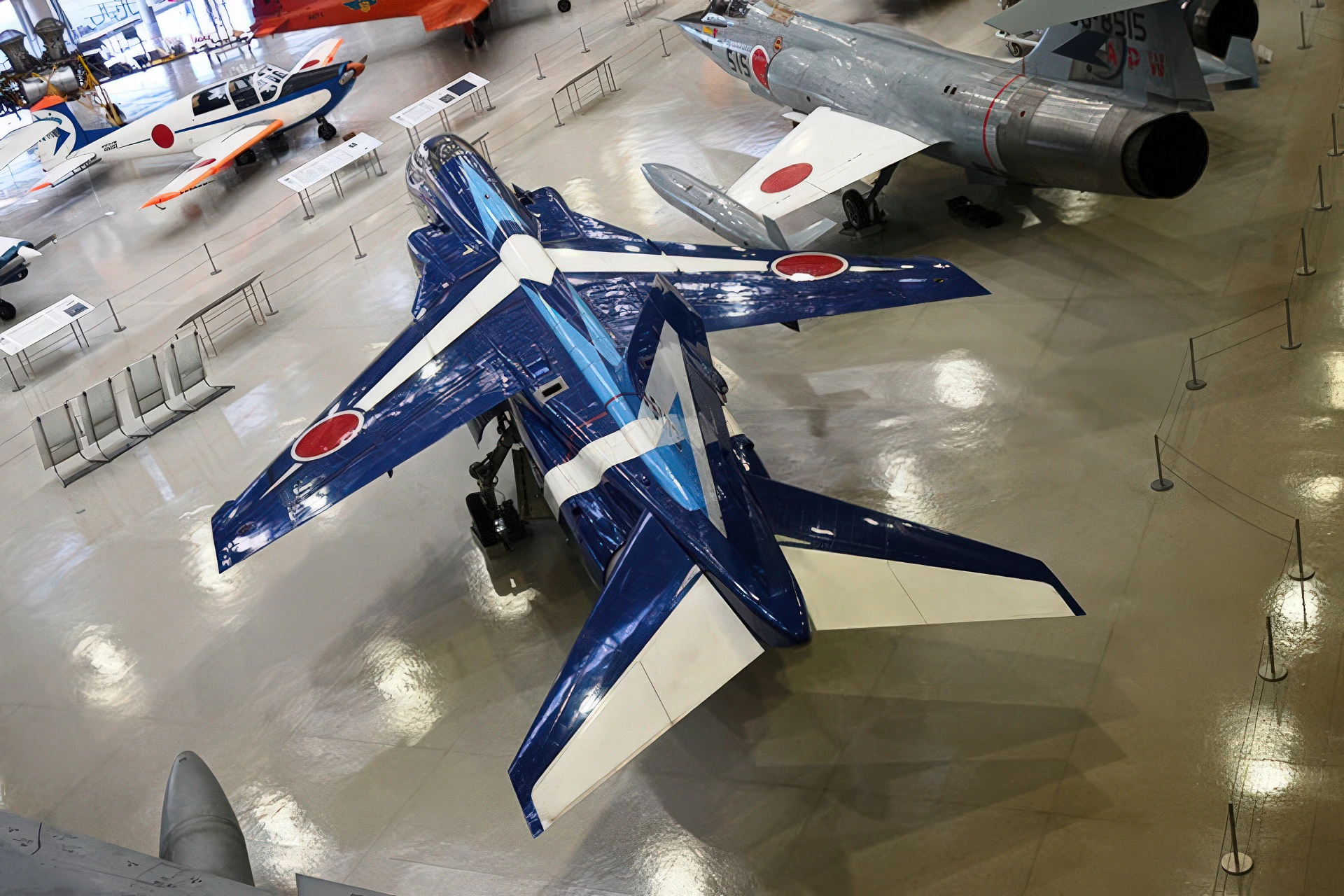
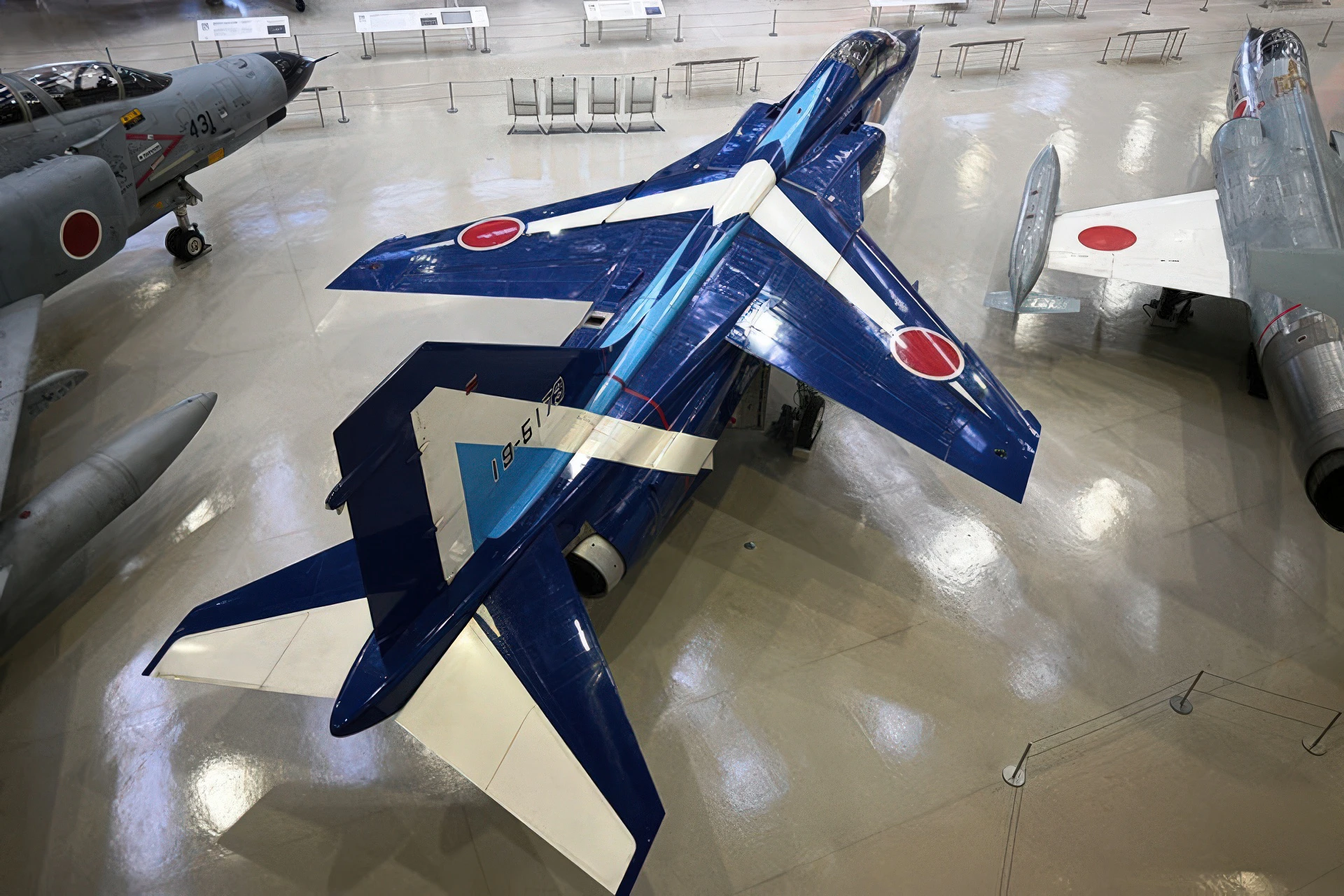

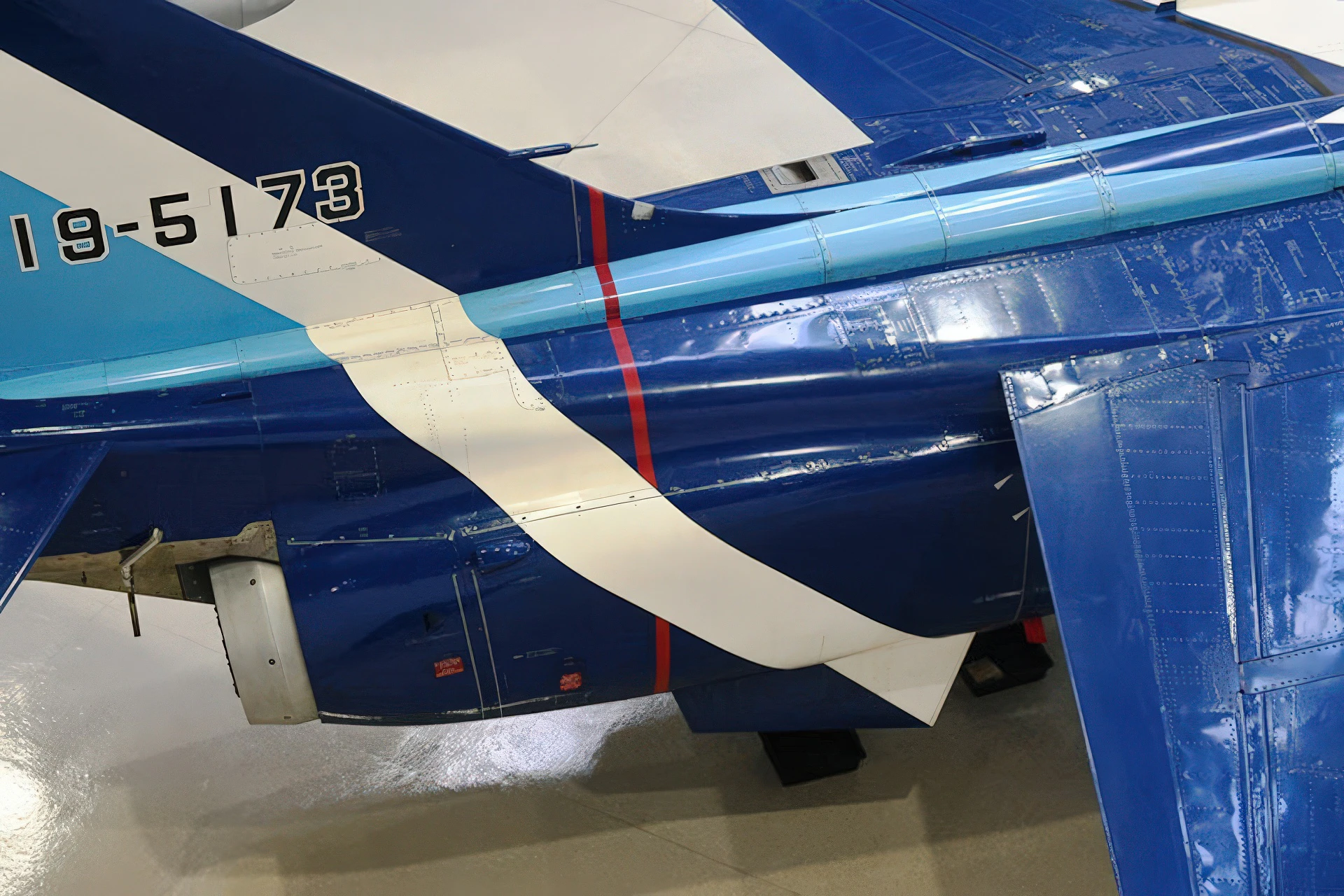
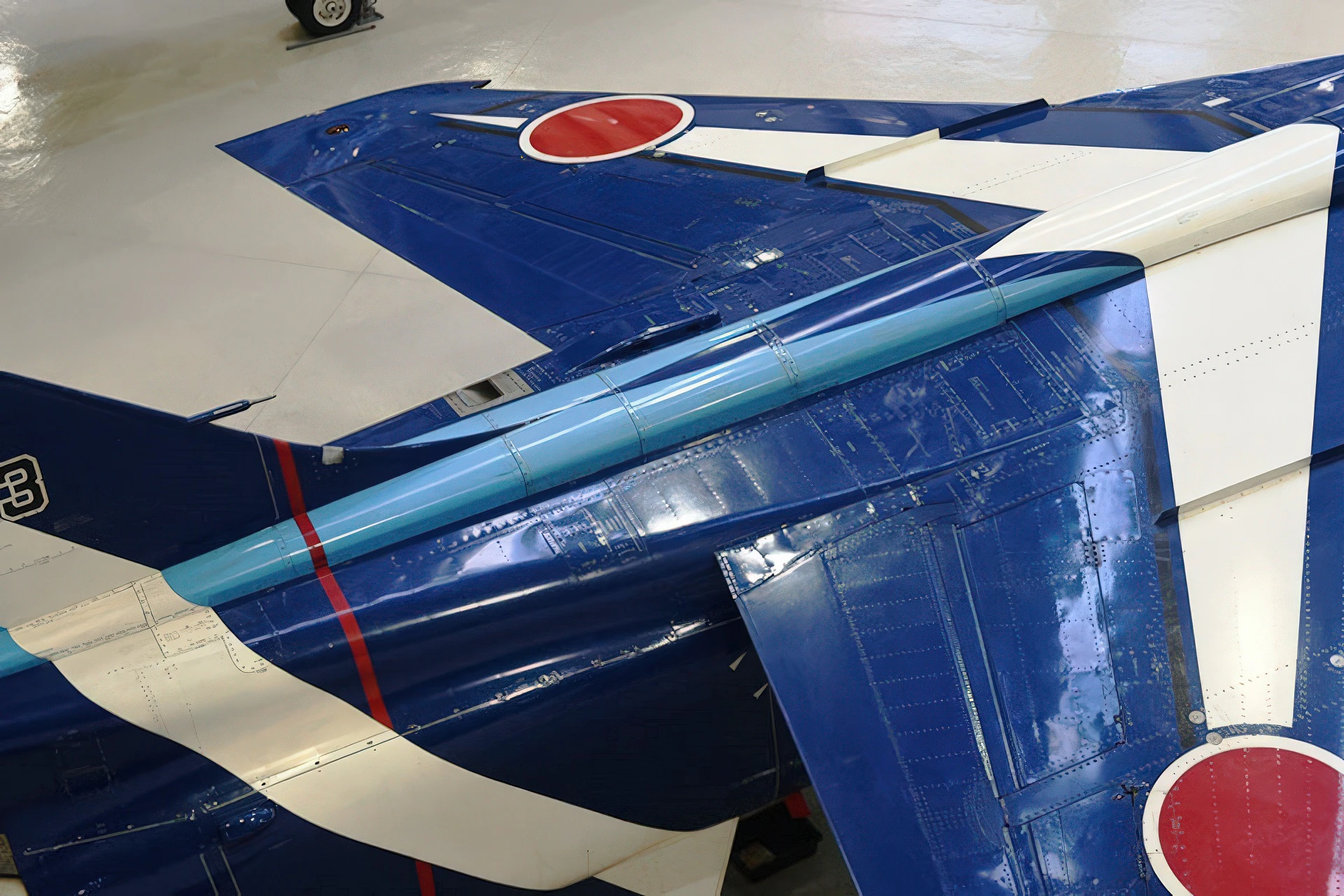
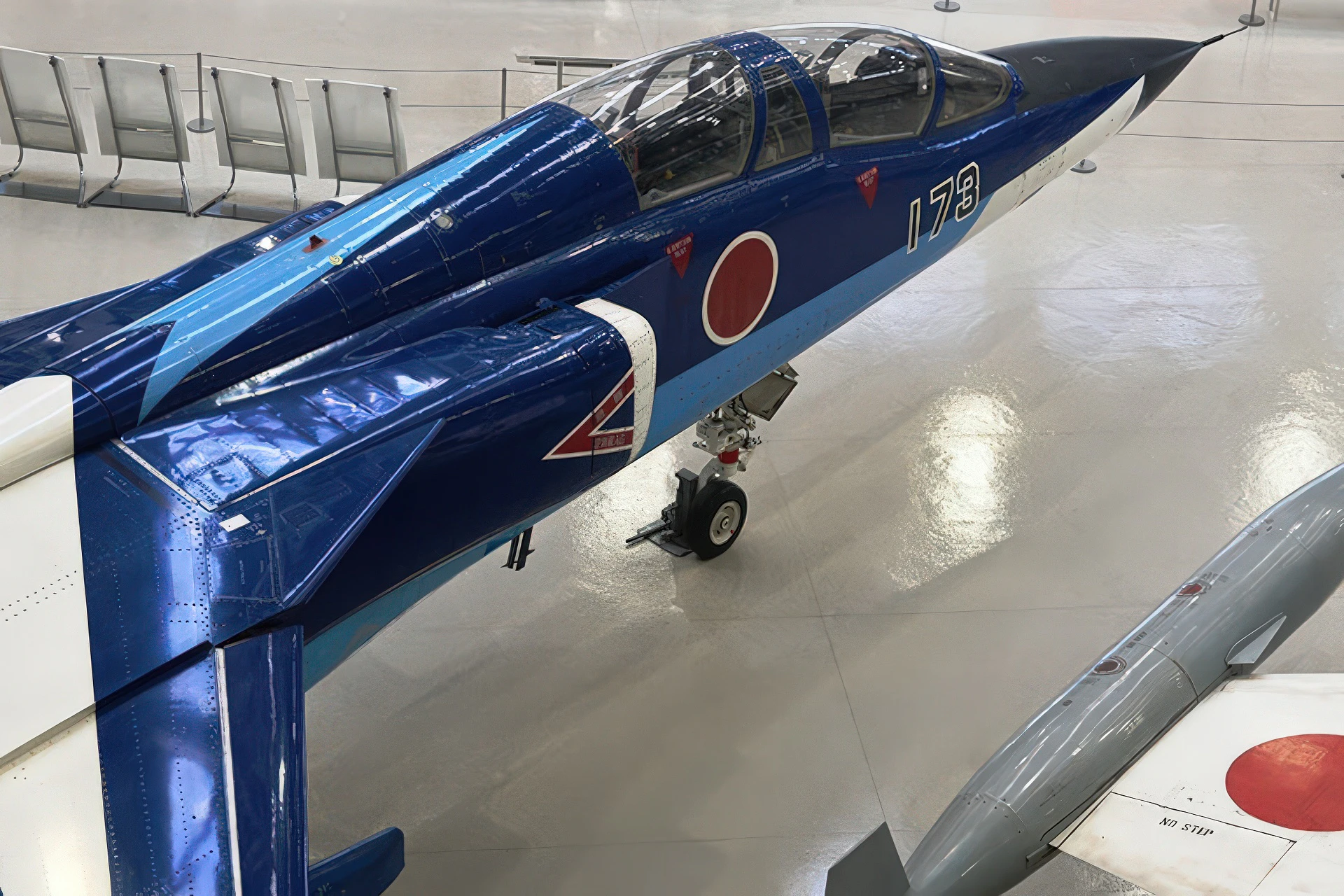

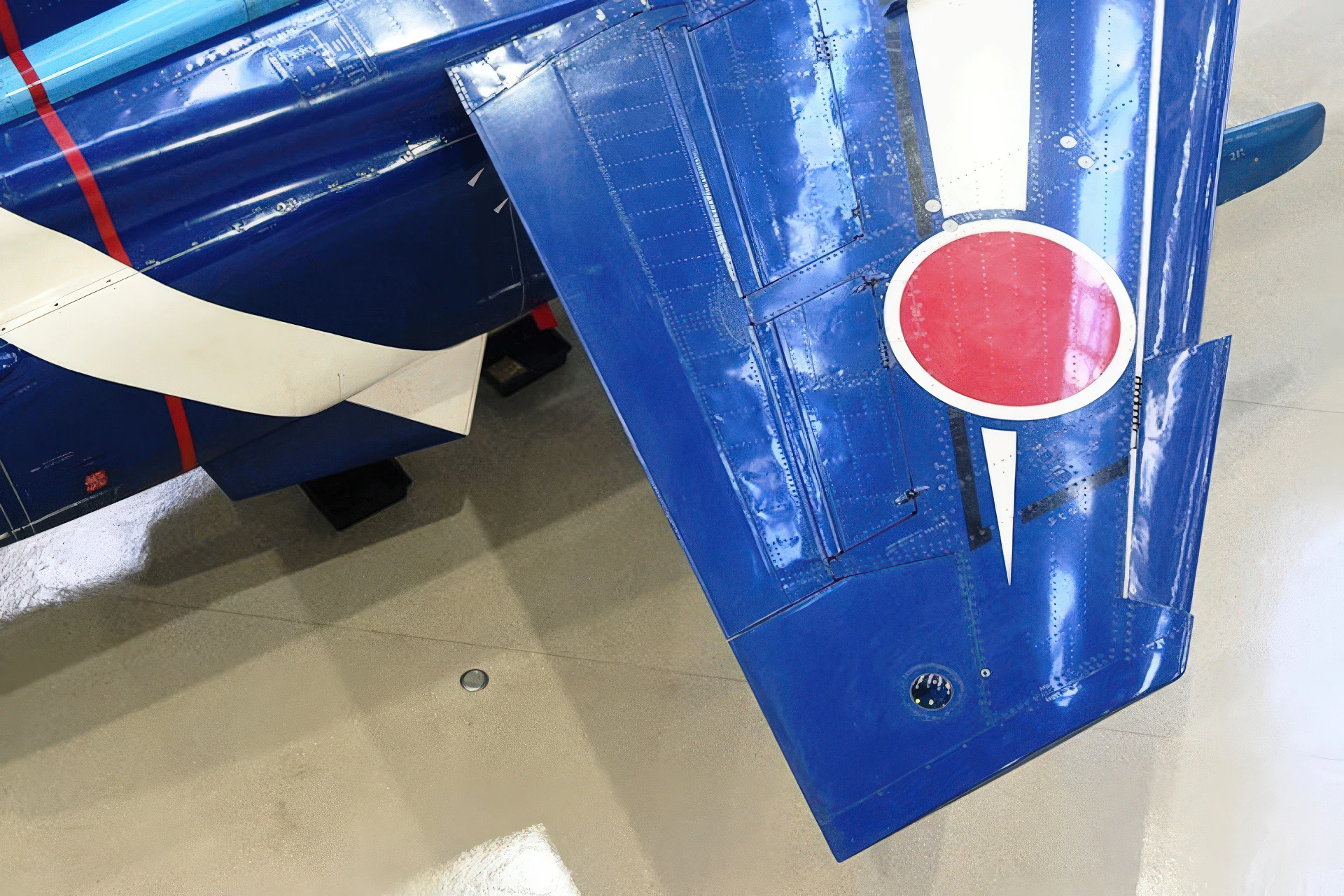
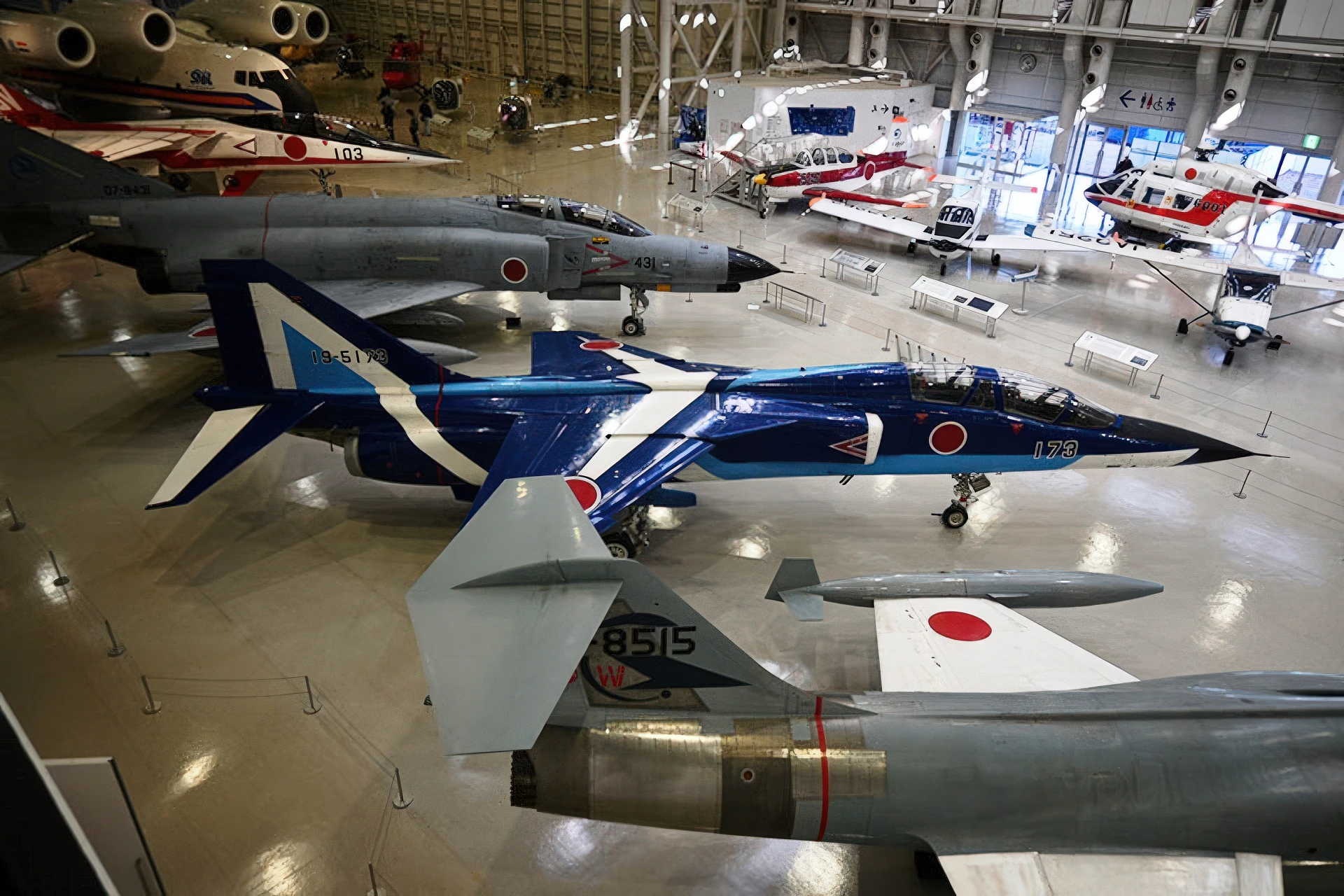

See also:


Development and Strategic Importance
The Mitsubishi T-2 was a milestone for the Japanese aerospace industry, representing the first time a domestically designed aircraft broke the sound barrier (achieved in 1971). Developed to replace the aging F-86 Sabre in the advanced training role, it provided the Japan Air Self-Defense Force (JASDF) with a high-performance platform to train pilots for Mach 2-class fighters. Its sleek, “pen-like” design was heavily influenced by the Anglo-French SEPECAT Jaguar, sharing a similar high-wing, twin-engine configuration. Beyond training, the T-2 served as the direct airframe basis for the Mitsubishi F-1, Japan’s first indigenous supersonic strike fighter.
| Attribute | Standard Specification (Mitsubishi T-2) |
|---|---|
| Role | Supersonic Advanced Jet Trainer |
| Crew | 2 (Student and Instructor in tandem) |
| Powerplant | 2 x Ishikawajima-Harima TF40-IHI-801A afterburning turbofans |
| Maximum Speed | Mach 1.6 (approx. 1,700 km/h) at 11,000 m |
| Length | 17.85 meters (58 ft 7 in) |
| Wingspan | 7.88 meters (25 ft 10 in) |
| Empty Weight | 6,197 kg (13,662 lb) |
| Service Ceiling | 15,240 meters (50,000 ft) |
Design and Flight Characteristics
- Vectored Controls: Unlike many of its contemporaries, the T-2 utilized spoilers on the upper wing surfaces for roll control instead of traditional ailerons, allowing for full-span trailing-edge flaps to improve low-speed performance.
- Stability Features: The slab tailplanes feature a prominent 15-degree anhedral (downward slope) to keep them clear of the wing wash and engine exhaust, ensuring stability at high supersonic speeds.
- Avionics Suit: The armed T-2(K) variant was equipped with a Mitsubishi Electric J/AWG-11 search and ranging radar and a license-built Thomson-CSF Head-Up Display (HUD).
- CCV Variant: A special “Control Configured Vehicle” (T-2 CCV) was used to test early digital fly-by-wire technology and featured distinctive horizontal and vertical canards on the forward fuselage.
Service and Blue Impulse
- The Blue Impulse Era: The T-2 is fondly remembered as the mount for the JASDF’s “Blue Impulse” aerobatic team from 1982 to 1995. It brought a new level of power and noise to their displays, though its high wing-loading made for much larger turning radii than the previous Sabres.
- Aggressor Role: A small number of T-2s were used by the JASDF Tactical Fighter Training Group (Aggressors) to simulate Soviet-bloc aircraft threats until they were replaced by the F-15J.
- Variants: Produced in two main versions—the T-2(Z) “Zenkigata” (early unarmed trainer) and the T-2(K) “Kokigata” (late armed version).
- Armament: The armed version carried a 20mm JM61A1 Vulcan cannon and was capable of carrying AIM-9 Sidewinder missiles on wingtip rails.
Views : 392
You can see also :
 McDonnell Douglas KC-10 Extender – Photos & Video
 McDonnell FH Phantom – Photos & Video
 C-130J Hercules – Photos & Video
 Macchi MC-200 - WalkAround
 PZL P.11 – WalkAround
 P-51 Mustang vol2 – Walk Around
 Bell P-63E KingCobra - WalkAround
 Vought F4U Corsair – WalkAround
 F4U-7 Corsair - WalkAround
 Douglas A-26 Invader – WalkAround