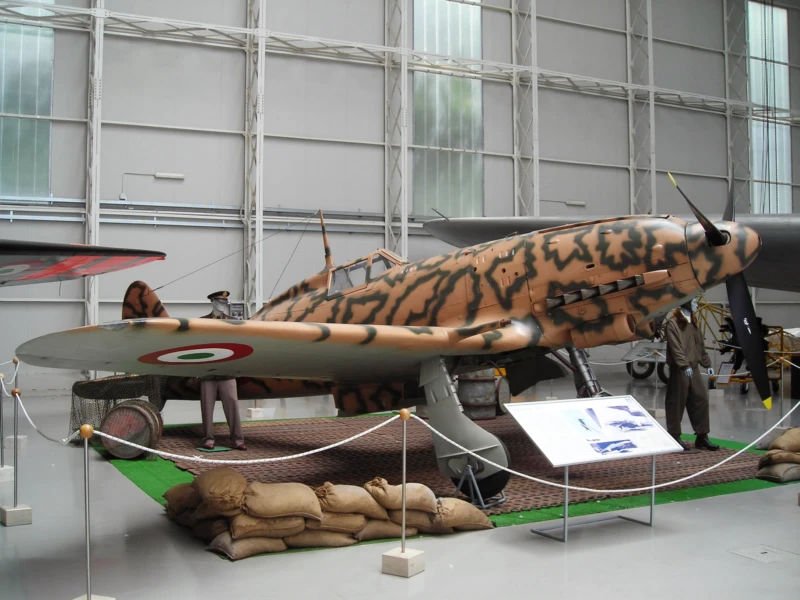
Macchi MC 205 Veltro | |
|---|---|
| Country | Italy |
| Role | Fighter aircraft |
| First flight | 19 April 1942 |
| Number built | 262 |
Photo gallery of a Macchi MC 205 Veltro at The Italian Air Force Museum, The Macchi C.205 (also known as MC.205, “MC” standing for “Macchi Castoldi”) Veltro (Italian: Greyhound) was an Italian World War II fighter aircraft built by the Aeronautica Macchi. Along with the Reggiane Re.2005 and Fiat G.55, the Macchi C.205 was one of the three “Serie 5” Italian fighters built around the powerful Daimler-Benz DB 605 engine. The C.205 was a development of the earlier C.202 Folgore. With a top speed of some 640 km/h (400 mph) and equipped with a pair of 20 mm cannon as well as 12.7 mm Breda machine guns, the Macchi C.205 Veltro was highly respected by Allied and Axis pilots alike. Widely regarded as the best Italian aircraft of World War II, in action it proved to be extremely effective, destroying a large number of Allied bombers and capable of successfully clashing on equal terms with fighters such as the North American P-51D Mustang, a capability which encouraged the Luftwaffe to use a number of these aircraft to equip one Gruppe.
Source: Macchi MC 205 Veltro on Wiki
| Macchi MC 205 Veltro | |
|---|---|
| Photographer | Andrew Birnie |
| Localisation | Italian Air Force Museum |
| Photos | 18 |
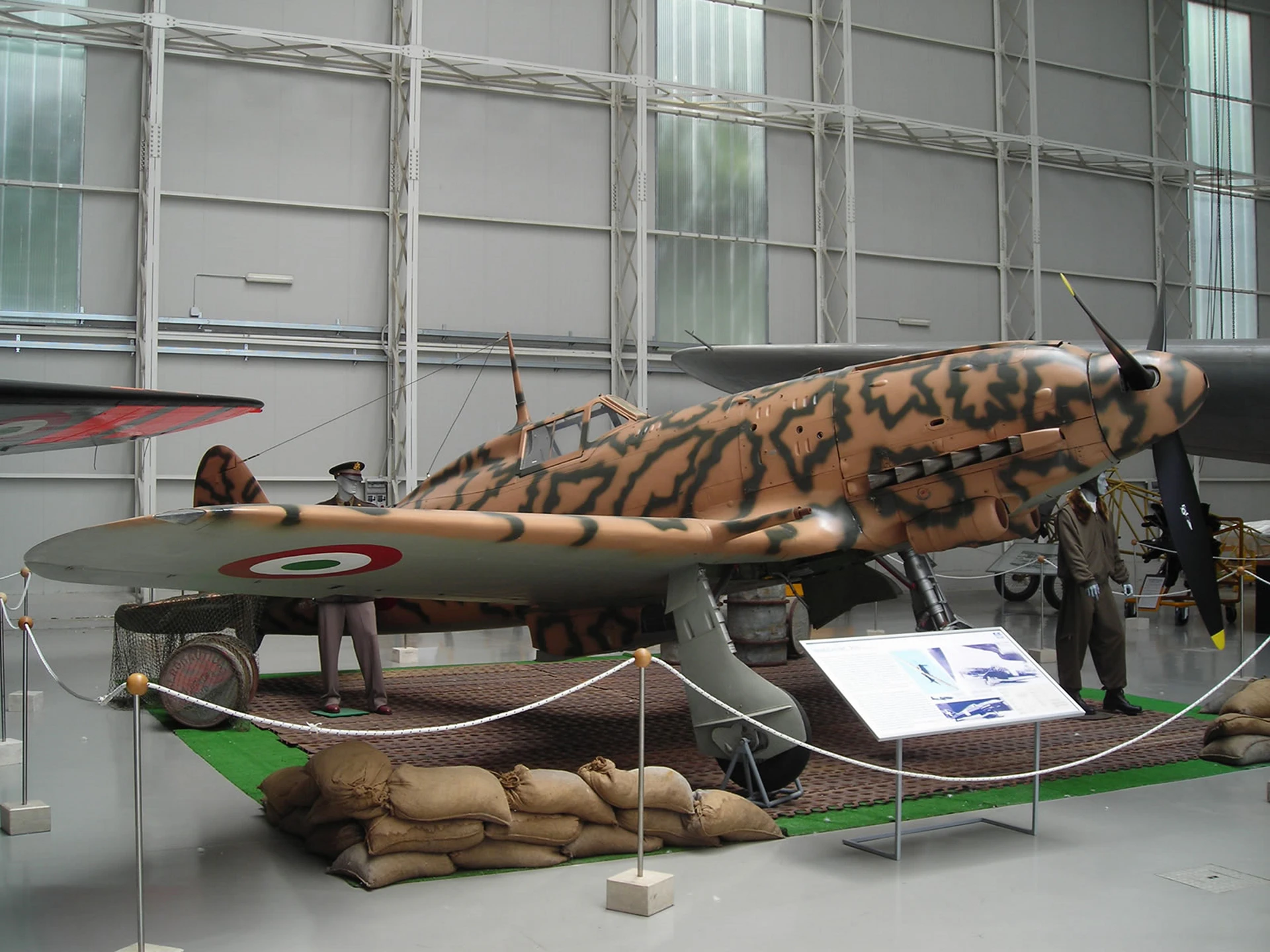

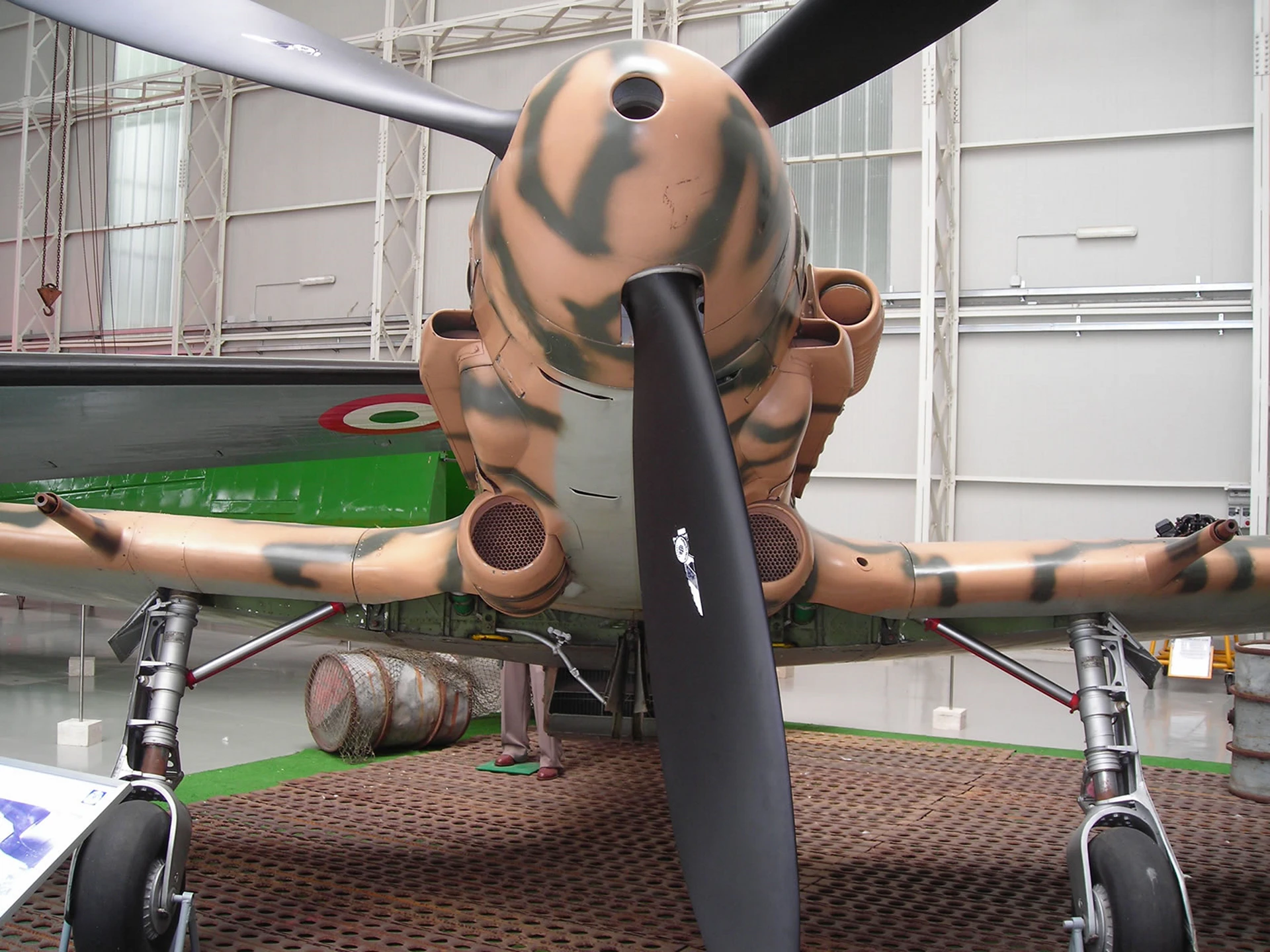

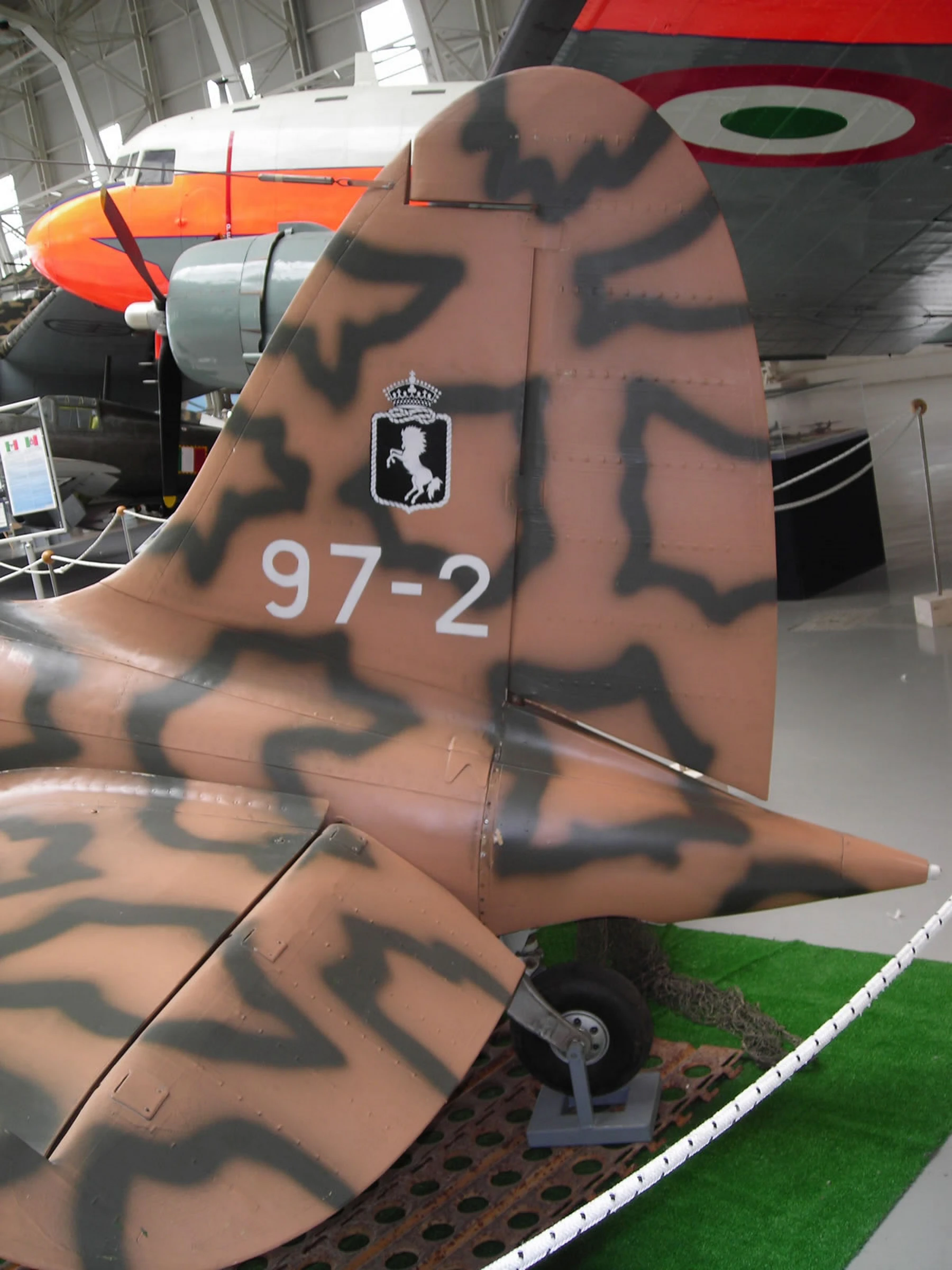

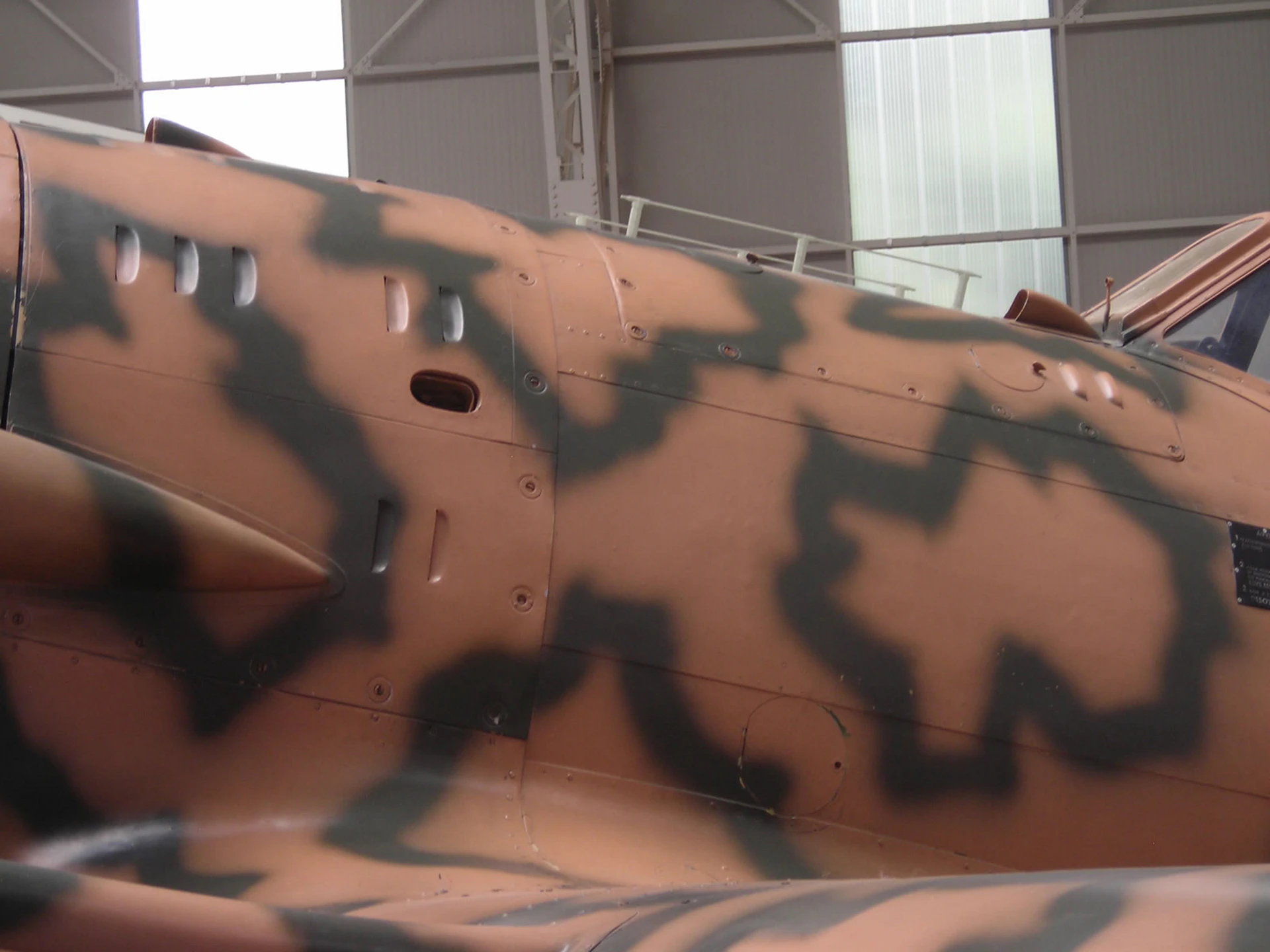

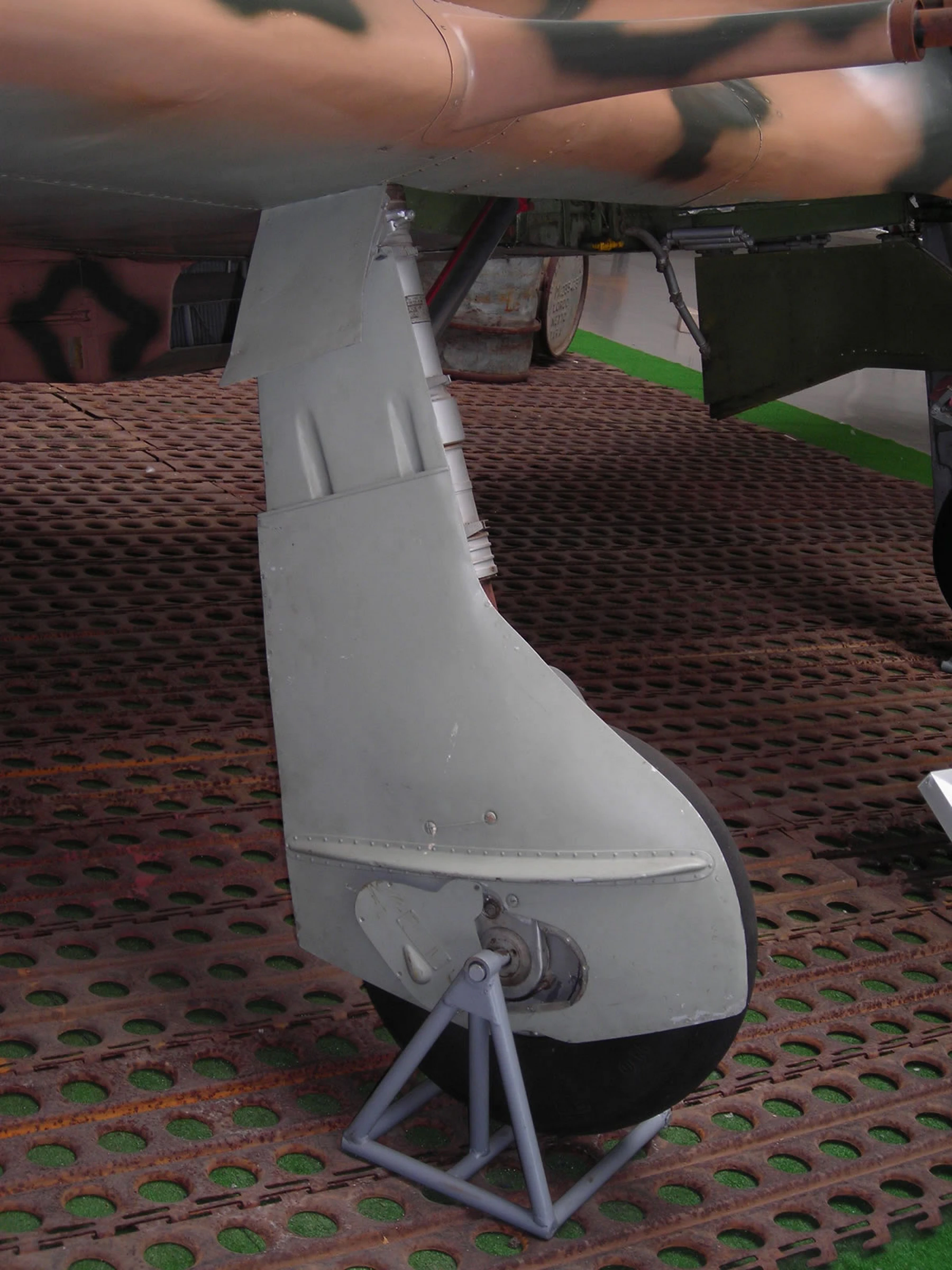

| Macchi C.205 Walk Around | |
|---|---|
| Photographer | Giacomo Gramazio |
| Localisation | Unknow |
| Photos | 22 |
| Macchi MC-205 Veltro Walk Around | |
|---|---|
| Photographer | Unknow |
| Localisation | Unknow |
| Photos | 20 |
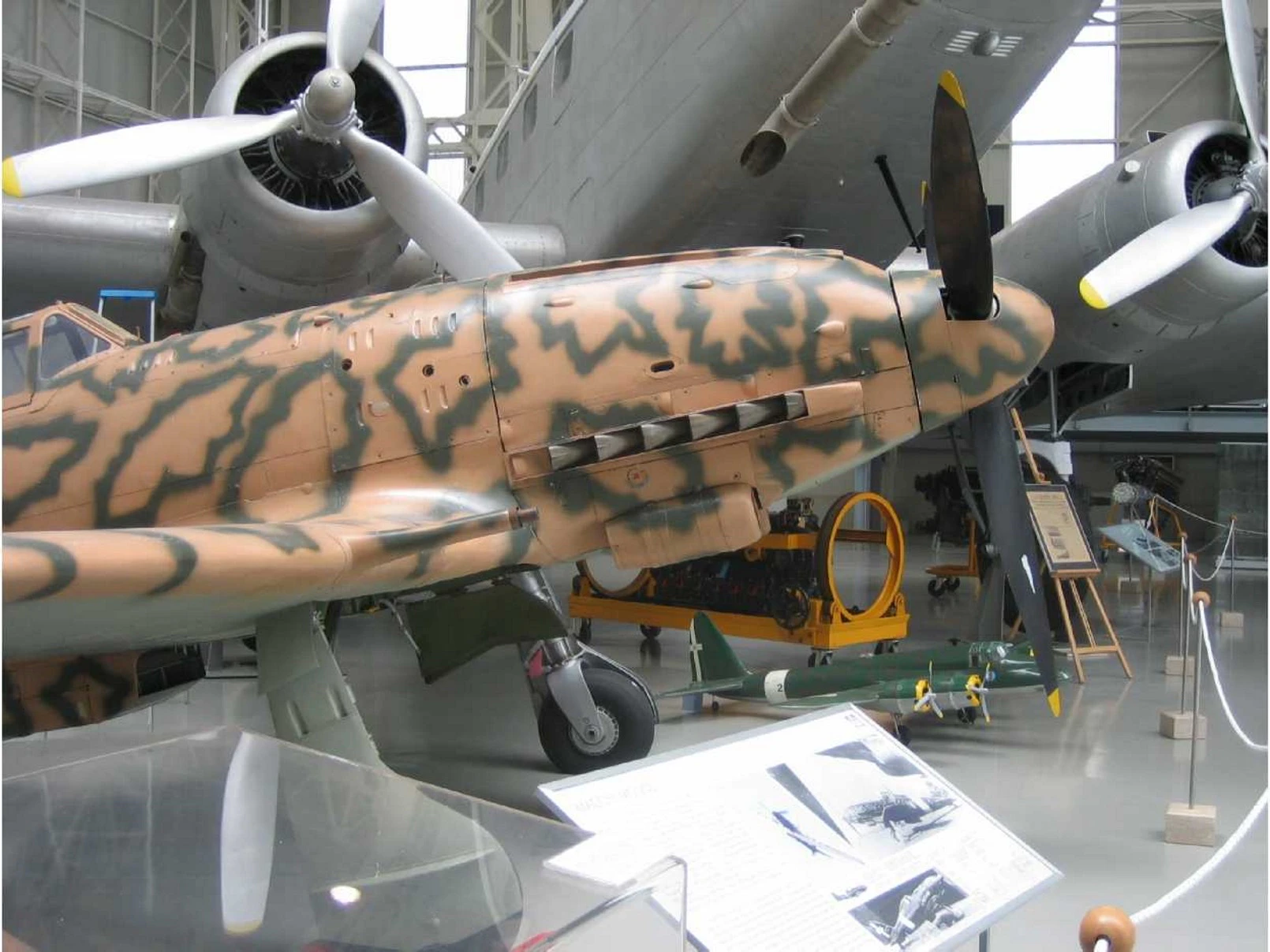
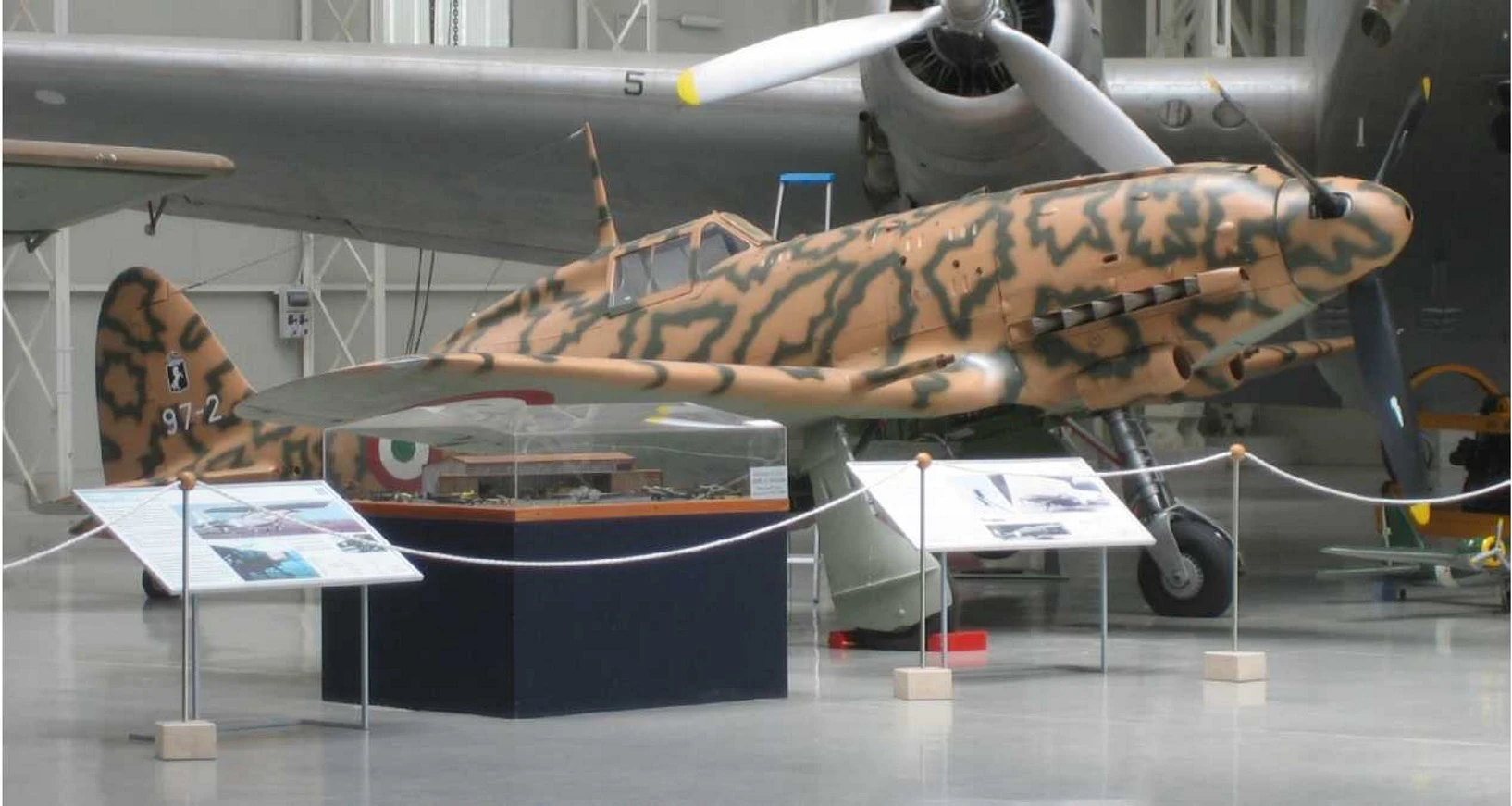
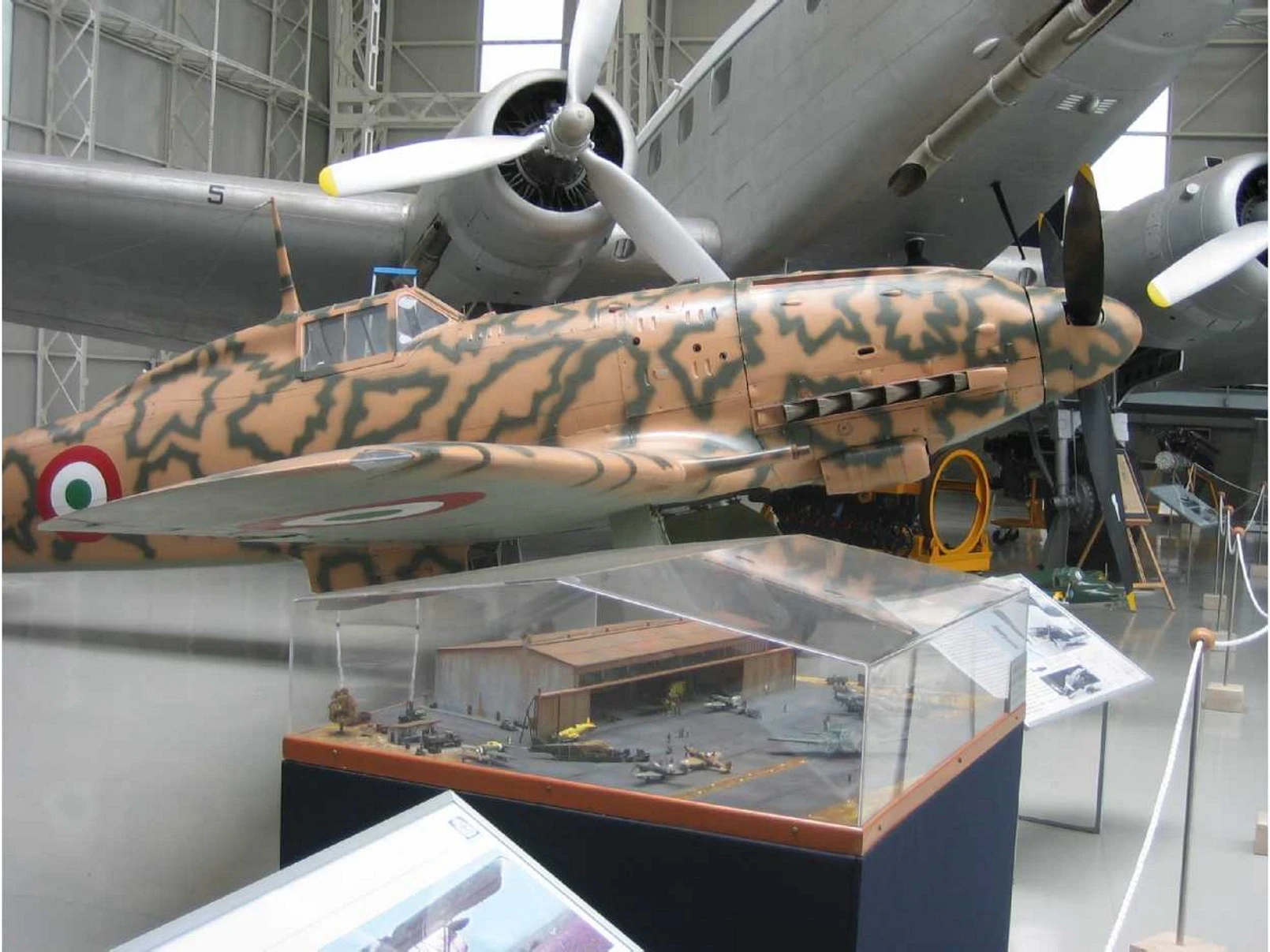
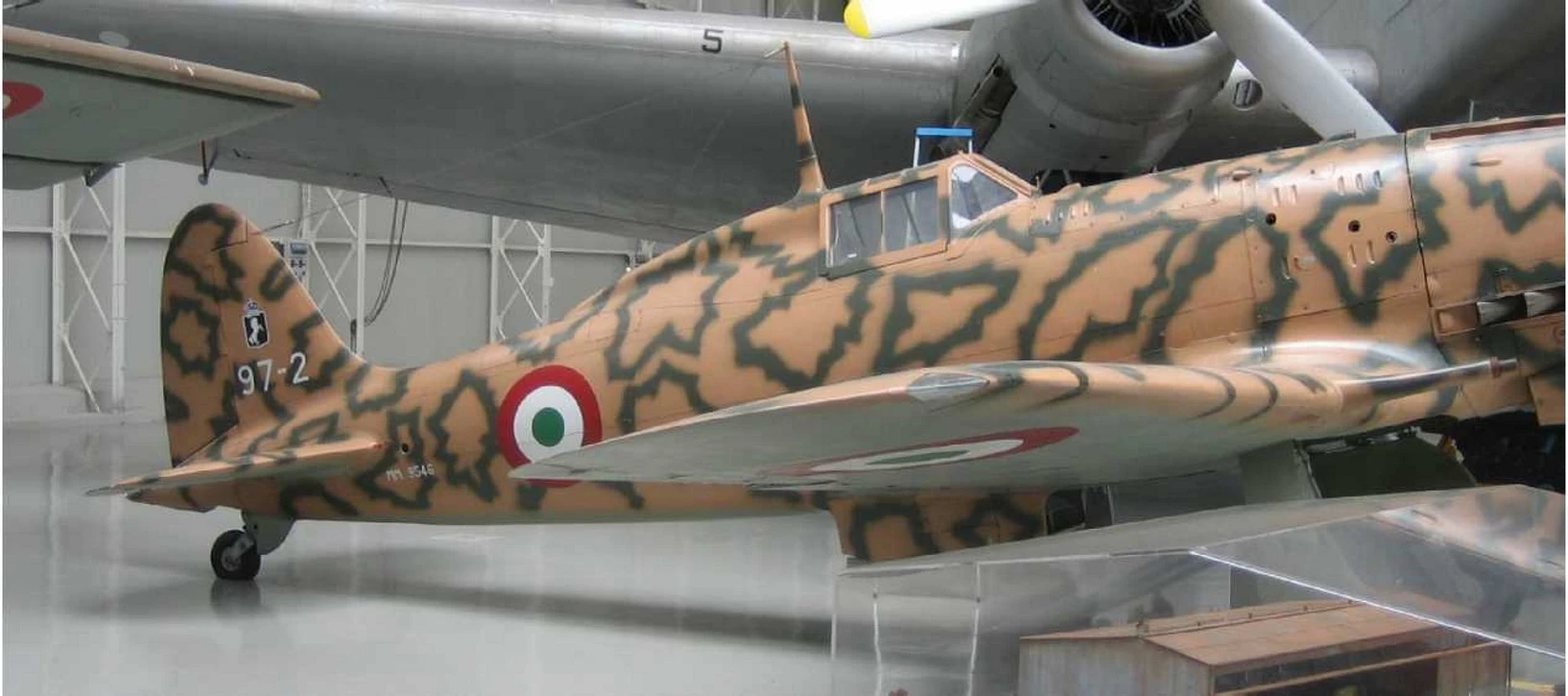
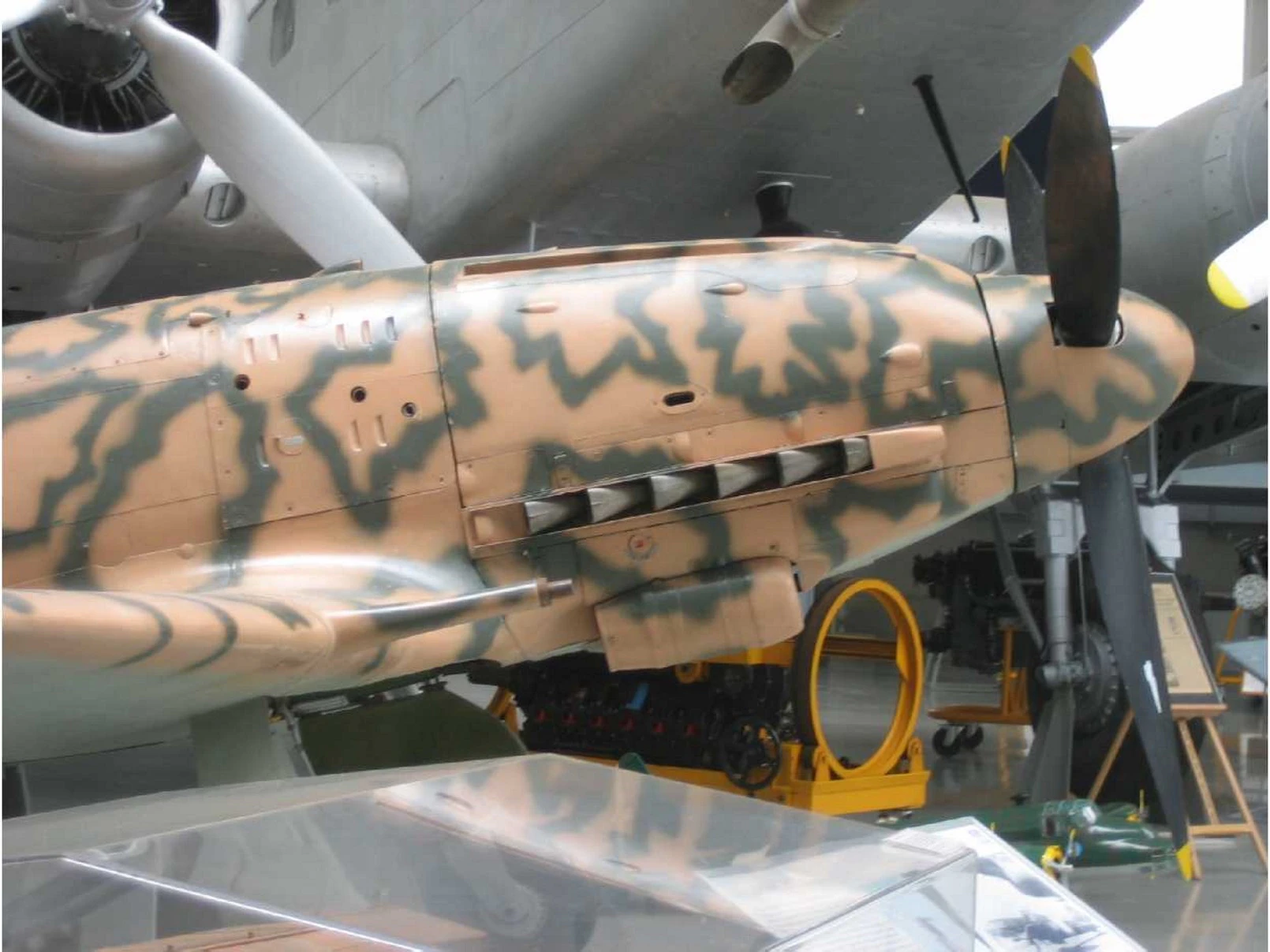

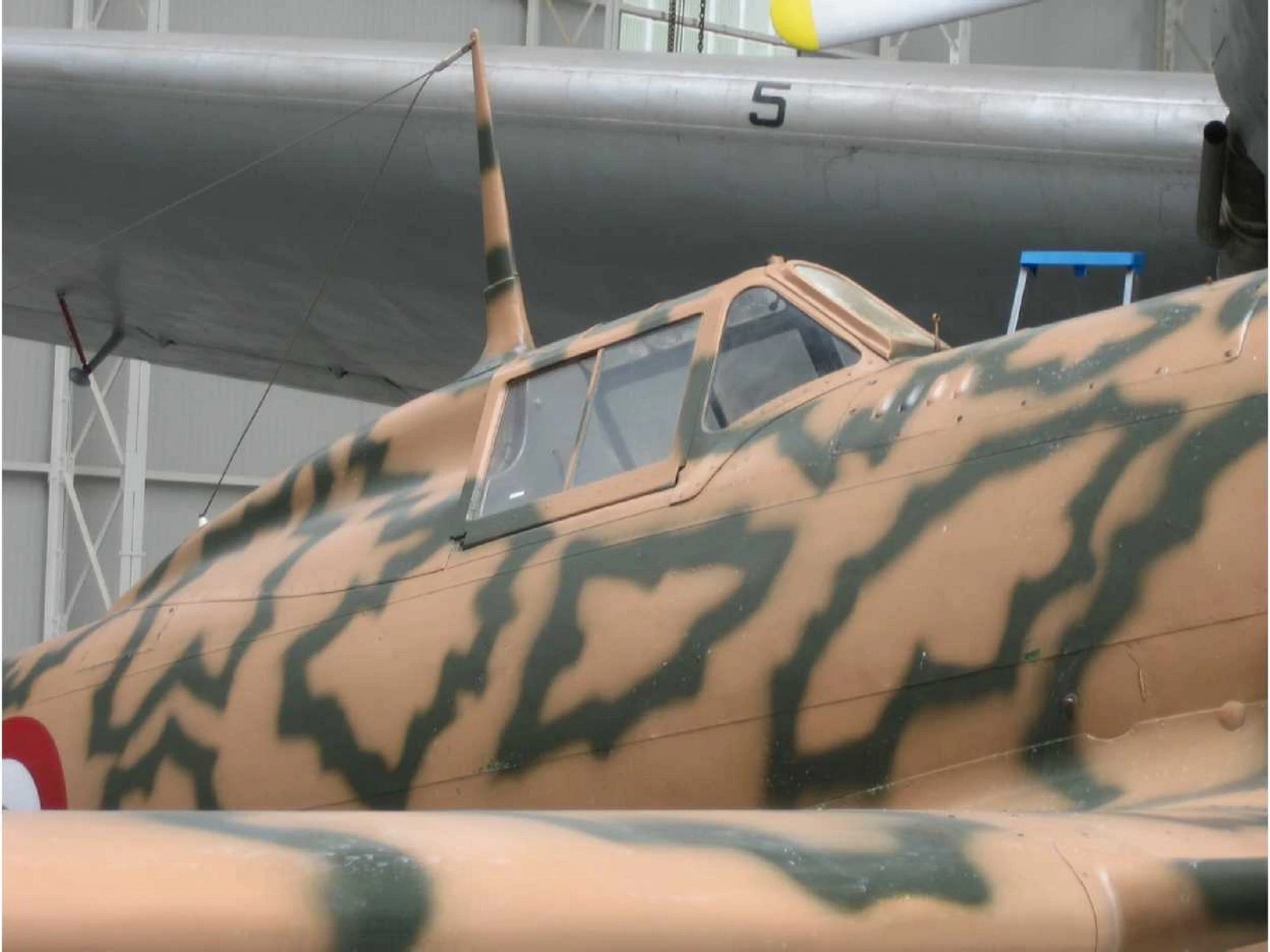
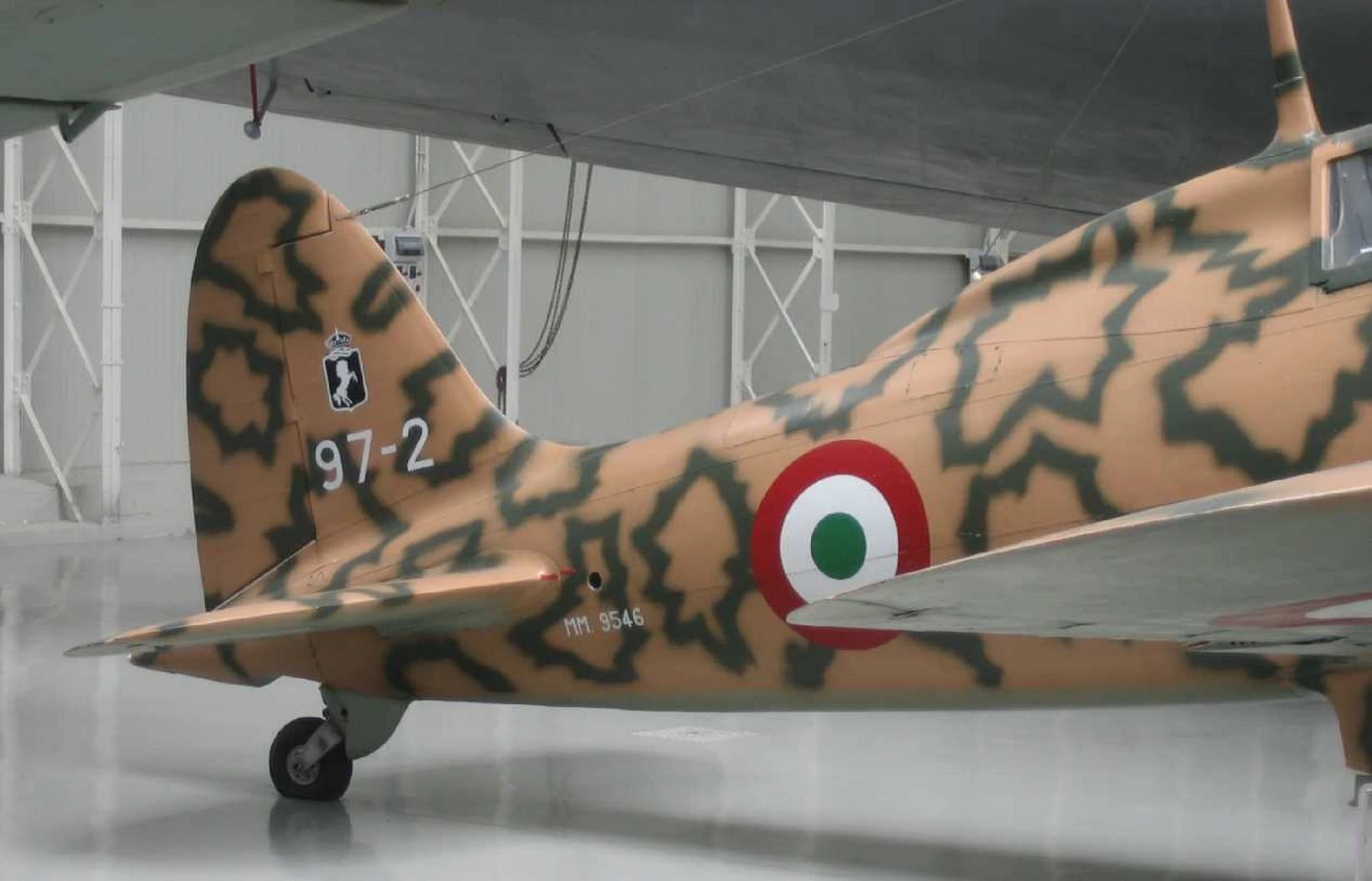
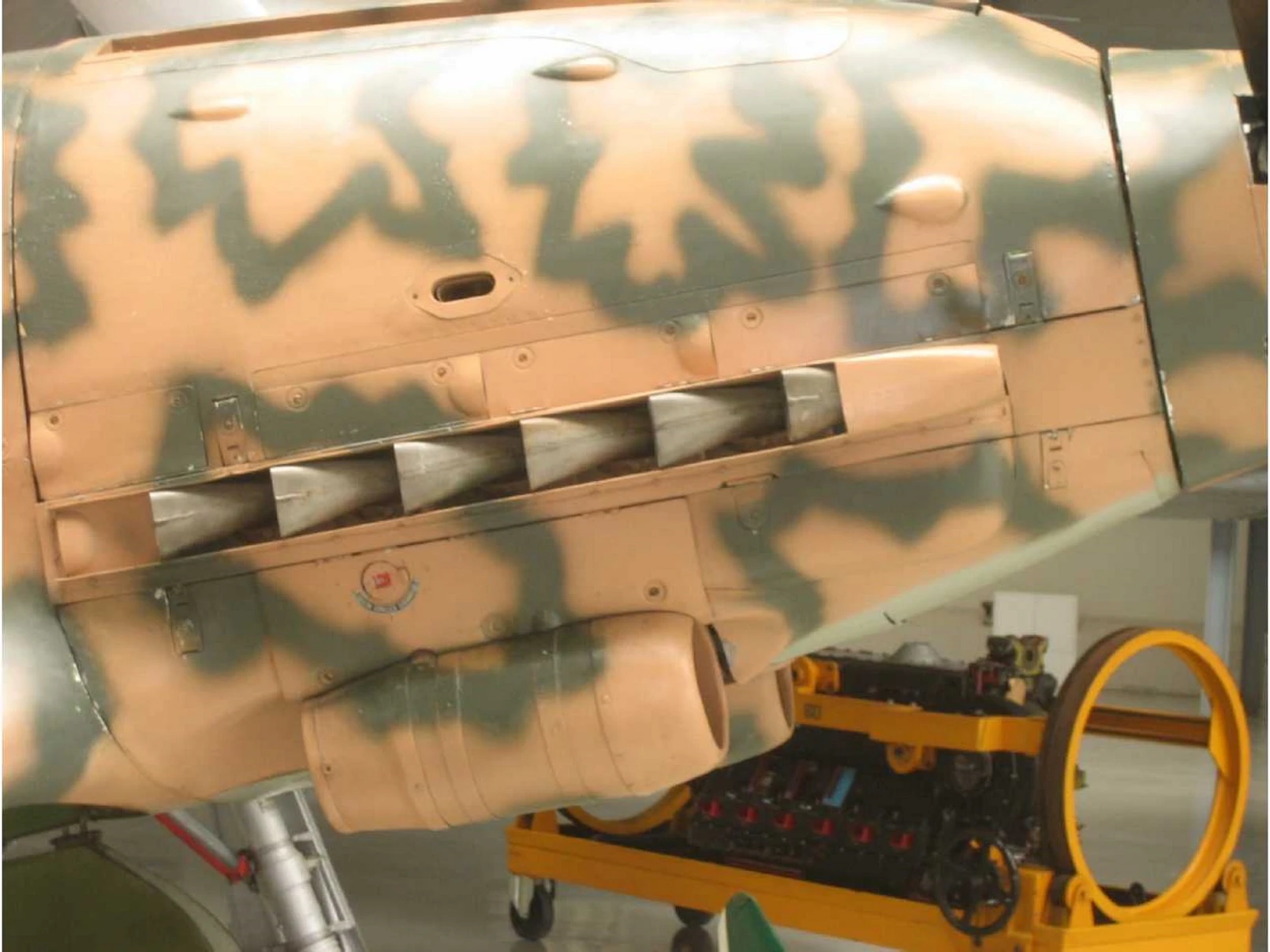
| Macchi MC.205 Veltro Walk Around | |
|---|---|
| Photographer | Unknow |
| Localisation | Unknow |
| Photos | 38 |
See also:


The Pinnacle of the Folgore Line
The Macchi C.205 Veltro (Greyhound) was the definitive evolution of the Macchi C.202. By taking the superb aerodynamic airframe of the Folgore and marrying it to the powerful German Daimler-Benz DB 605 engine, Italy created a fighter that could finally trade blows with the P-51 Mustang and the Spitfire Mk.IX. Though it arrived late in the war and in small numbers, the Veltro was highly respected by Allied pilots for its incredible speed and agility at medium altitudes.
| Attribute | Technical Specification (MC.205V) |
|---|---|
| Role | Fighter / Interceptor |
| Crew | 1 (Pilot) |
| Powerplant | 1 × Fiat RA.1050 RC.58 Tifone (Licensed DB 605A-1) |
| Horsepower | 1,475 hp (1,100 kW) |
| Maximum Speed | 640 km/h (400 mph) at 7,500 m |
| Service Ceiling | 11,500 m (37,730 ft) |
| Main Armament | 2 × 20 mm MG 151 cannons (wings); 2 × 12.7 mm Breda-SAFAT MGs (nose) |
| Combat Weight | 3,408 kg (7,513 lbs) |
Design Engineering: Aerodynamic Grace
- Asymmetrical Wings: Like its predecessor, the Veltro featured a left wing that was 20 centimeters longer than the right. This ingenious design helped counteract the massive torque of the engine’s rotation, preventing the plane from “rolling” during takeoff and high-power maneuvers.
- The “Tifone” Engine: The transition to the DB 605 (built under license as the Fiat 1050) required only minor modifications to the fuselage. This allowed Macchi to produce the Veltro quickly, though Italy’s industrial output remained a bottleneck.
- Cannon Upgrade: Earlier Macchi fighters were notoriously under-armed with only machine guns. The Veltro Series III introduced German-made 20mm MG 151 cannons in the wings, giving it the “bite” necessary to down heavy Allied bombers like the B-17 Flying Fortress.
- Retractable Tailwheel: To maximize speed, the Veltro featured a fully retractable tailwheel and extremely clean lines, making it one of the most aesthetically pleasing and aerodynamically efficient aircraft of the era.
Combat Legacy and the Division of Italy
- The Defense of Sicily: The Veltro saw its first major combat during the Allied invasion of Sicily. It proved more than a match for the Spitfire Mk.V, but the overwhelming numbers of the Allied Air Forces eventually ground down the Italian squadrons.
- A Divided Force: After the September 1943 armistice, the Veltro served on both sides. It flew for the ANR (Aeronautica Nazionale Repubblicana) in the north alongside the Luftwaffe, and for the Italian Co-belligerent Air Force in the south, fighting for the Allies.
- Luftwaffe Service: The Germans were so impressed by the MC.205 that they equipped a whole group (II./JG 77) with the aircraft while their Bf 109s were being serviced. German pilots praised its handling, though they found the cockpit cramped and the armament layout complex.
- Egyptian Service: After the war, the Macchi 205 continued to fly. It was exported to the Royal Egyptian Air Force and saw combat against the Israeli Air Force during the 1948 Arab-Israeli War.
Views : 6185
You can see also :
 Boeing 80 – Photos & Videos
 Lockheed C-5 Galaxy – Photos & Videos
 Canadair CF-104 Starfighter – Photos & Videos
 SPAD S.XIII – Photos & Videos
 Macchi C.200 Saetta – Walk Around
 CASA 2.111 vol3 – WalkAround
 AV-8B Harrier II Plus – WalkAround
 Mikoyan MiG-29 – WalkAround
 C-17 Globemaster – WalkAround
 Macchi MC-200 - WalkAround