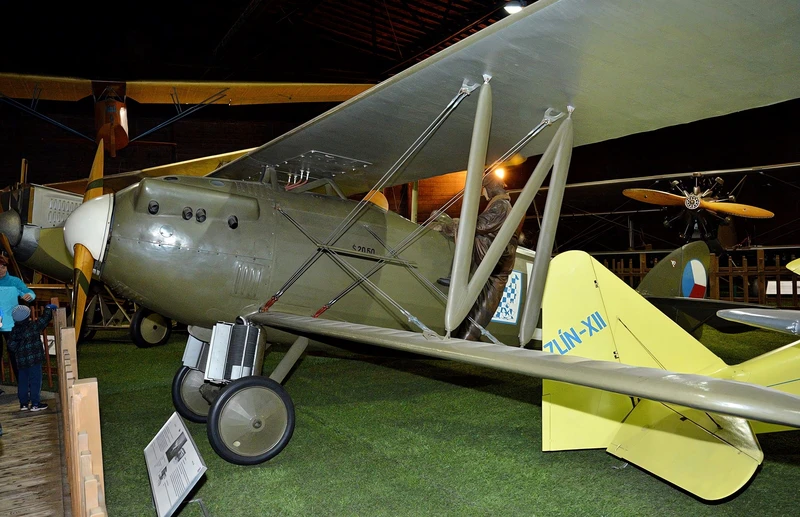
Letov S-20 | |
|---|---|
| Country | Czechoslovakia |
| Type | Fighter |
| First flight | 1925 |
| Built | 118 |
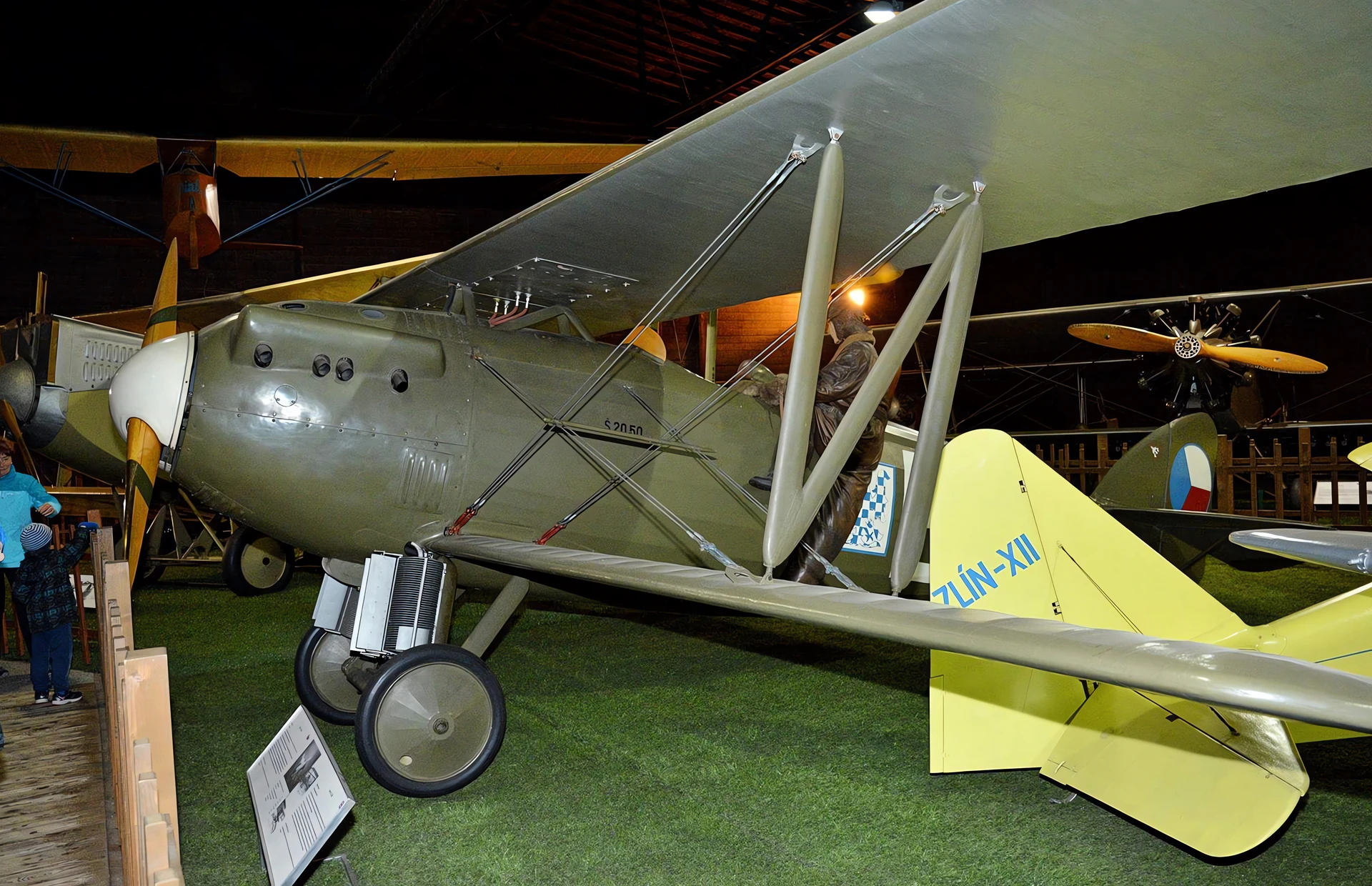
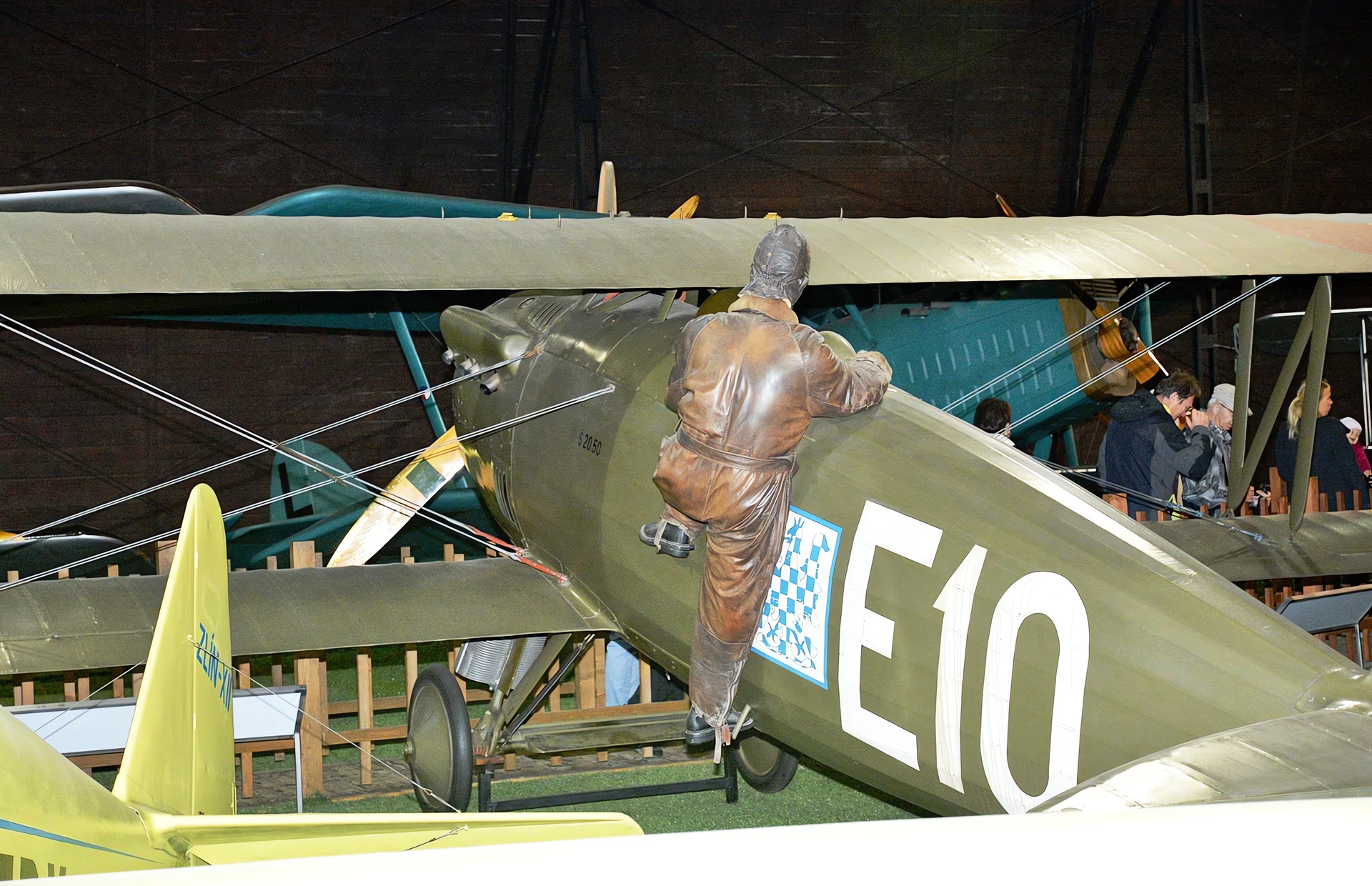
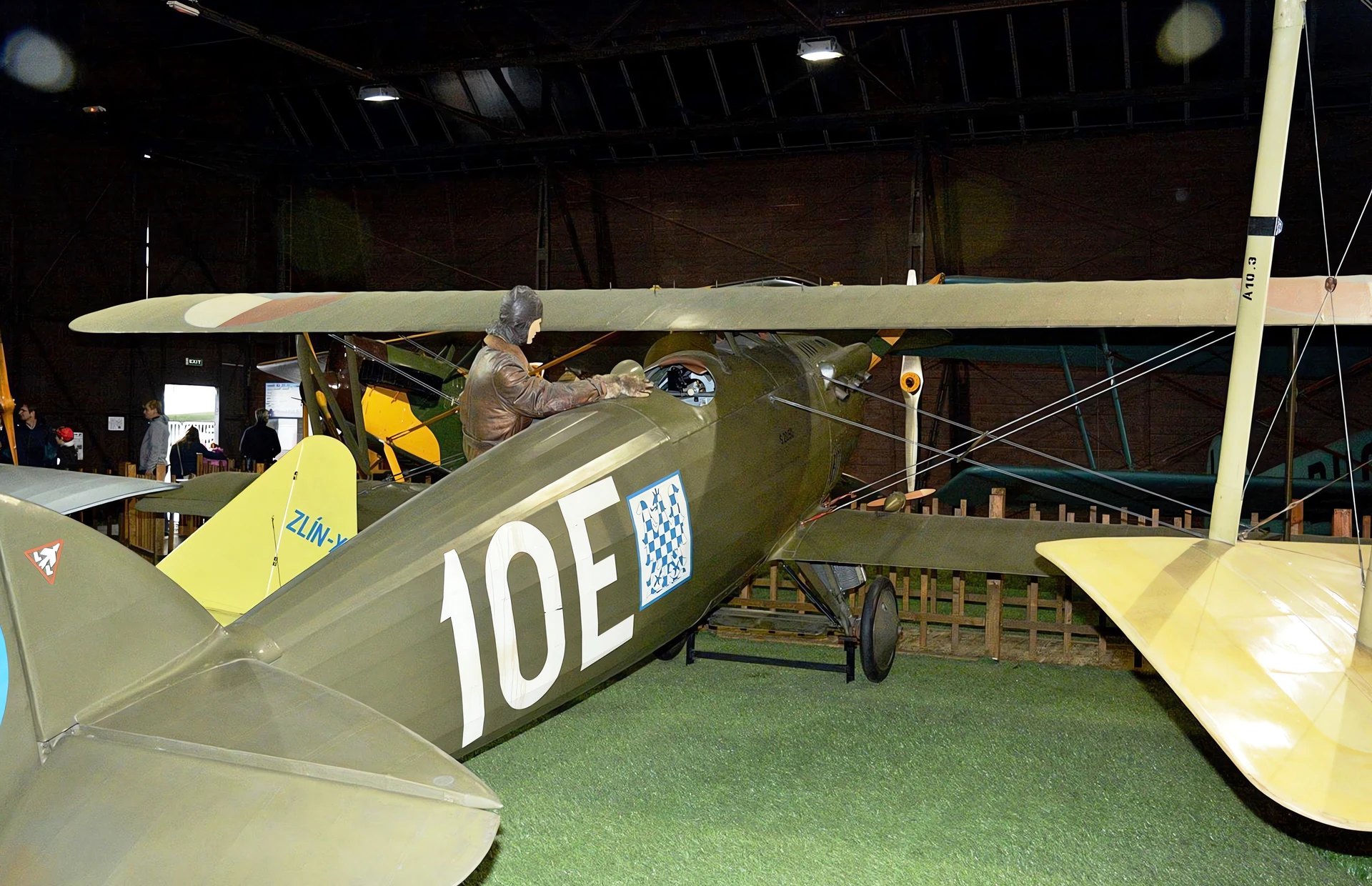
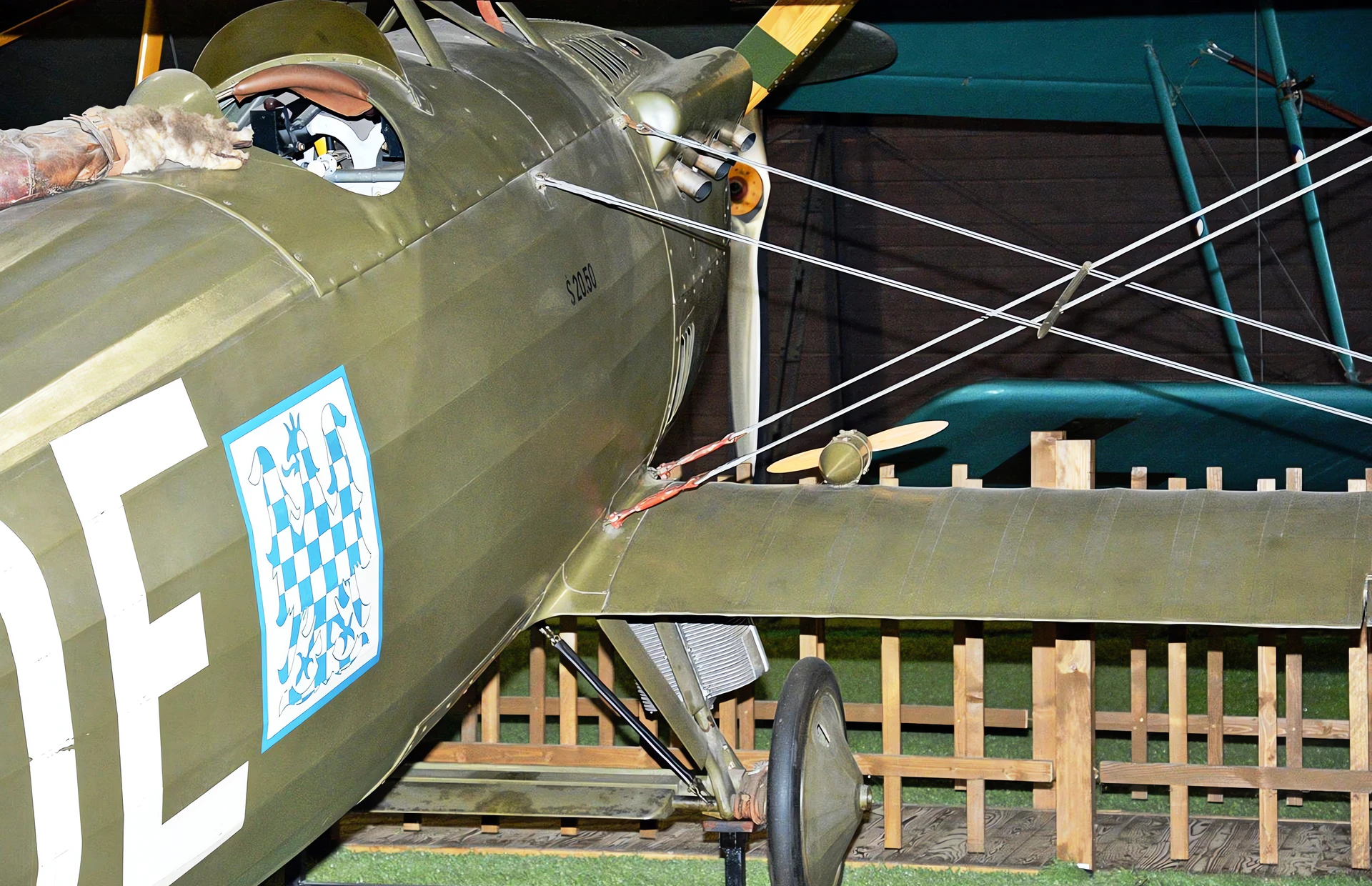
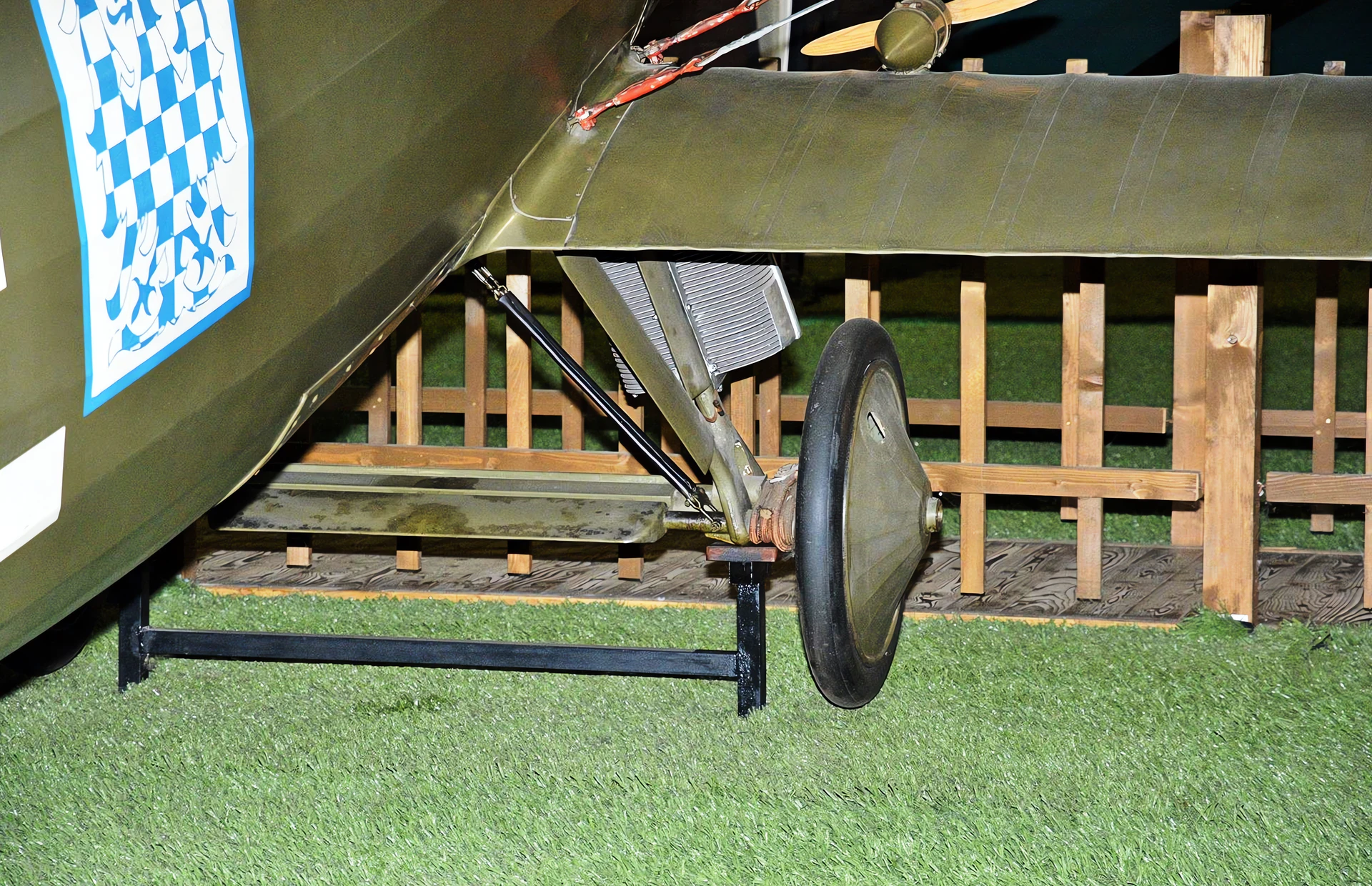
The Letov Š-20 was a fighter aircraft produced in Czechoslovakia during the 1920s. The Letov Š-20 was a conventional, single-bay biplane with unstaggered wings, braced by N-struts. In overall appearance, it greatly resembled contemporary SPAD fighters. The fuselage and empennage were of welded steel tube construction and covered in fabric. The wings had a tubular metal spar but were otherwise wooden, and also fabric-covered
Source: Wikipedia
| Letov S-20 Walk Around | |
|---|---|
| Photographer | Pavel Senk |
| Localisation | Unknow |
| Photos | 26 |
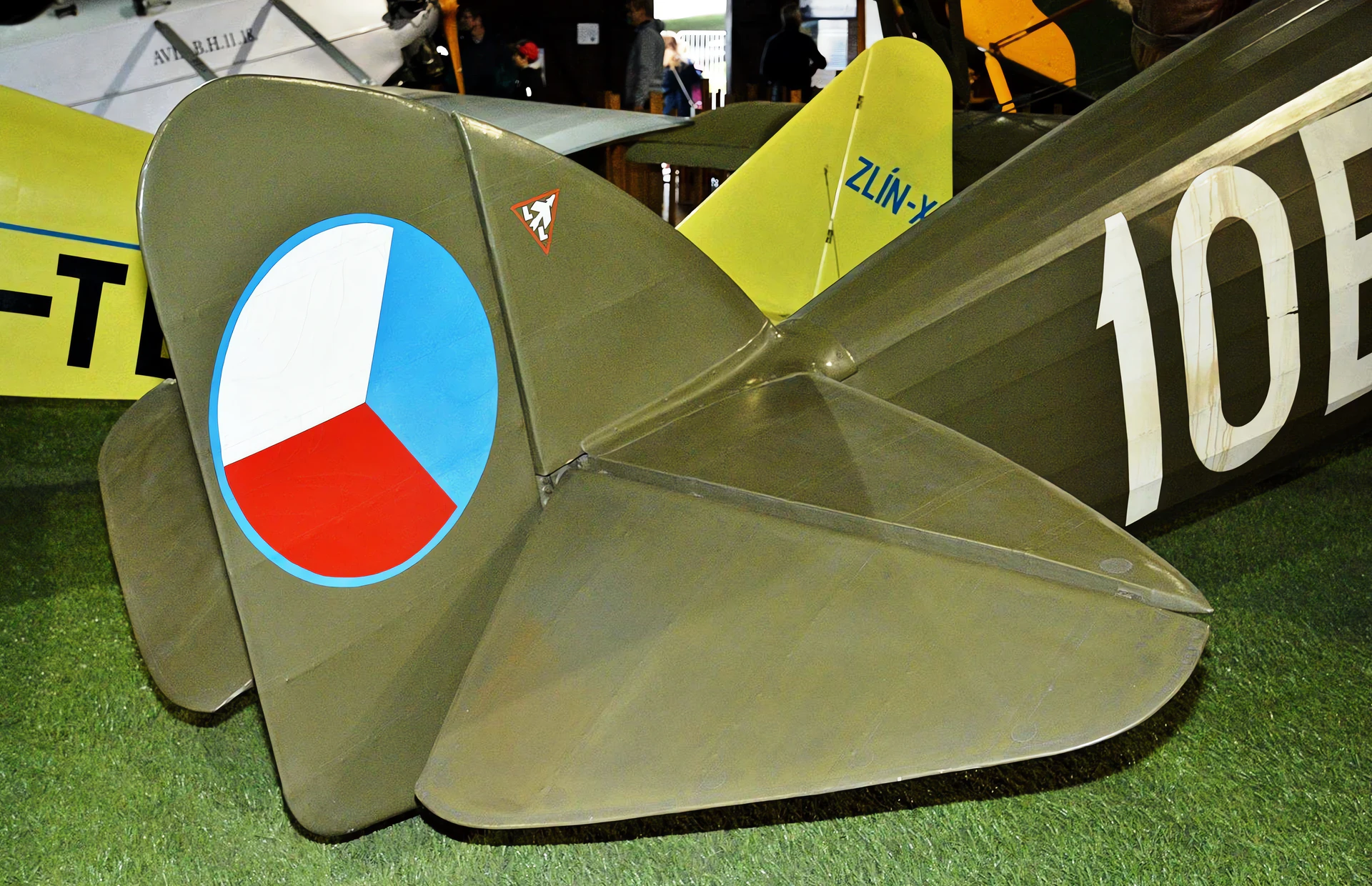
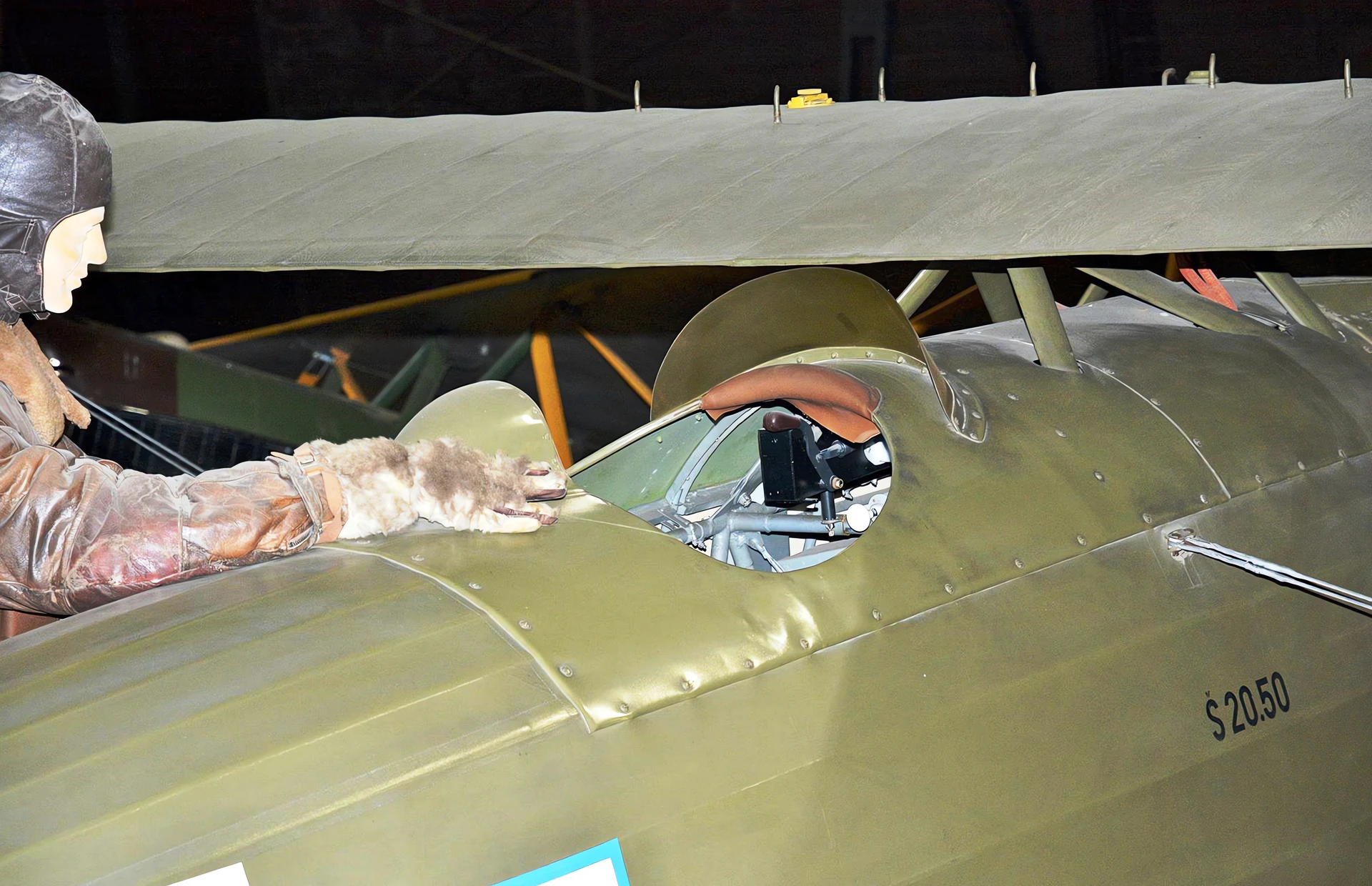
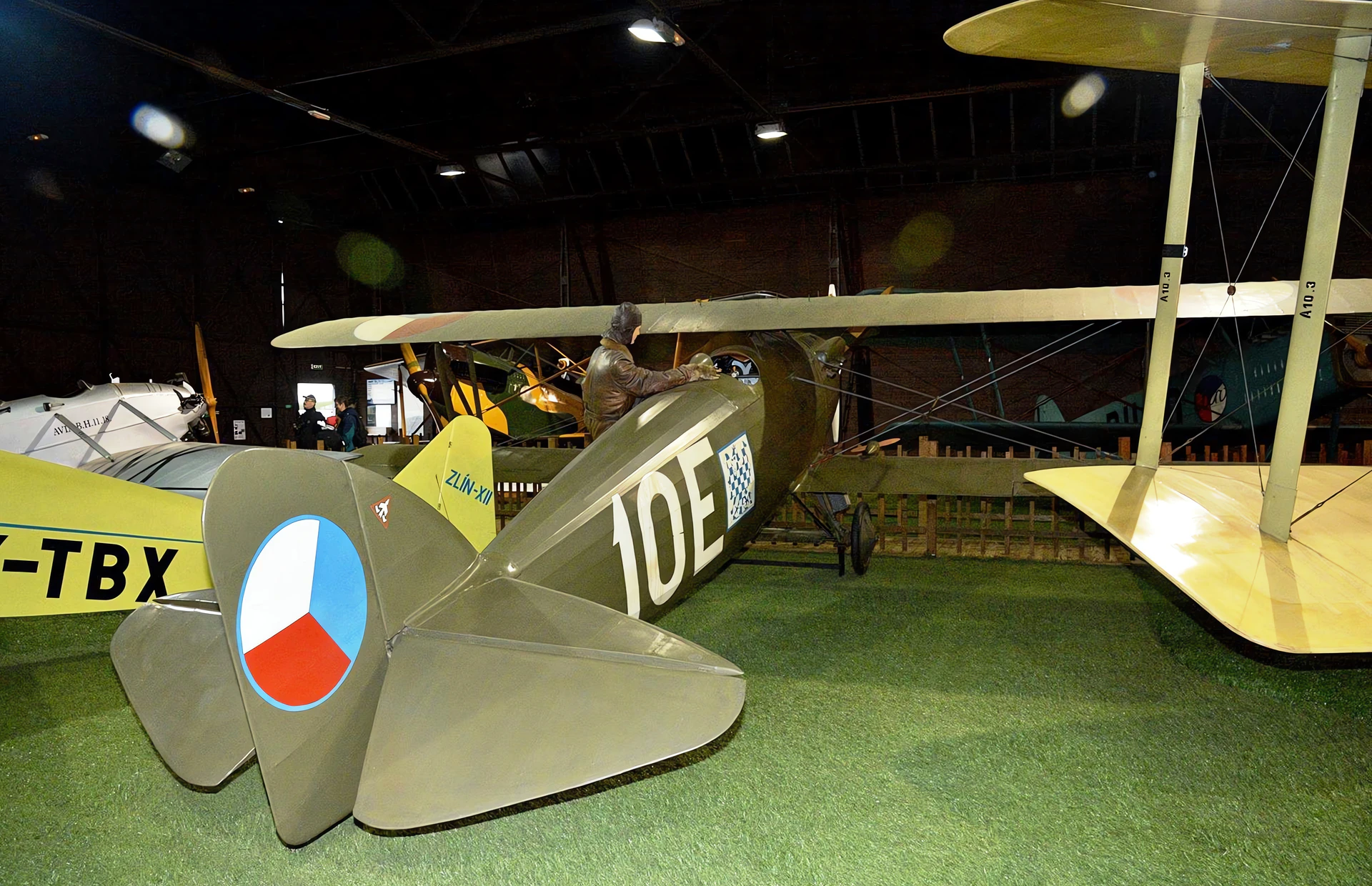
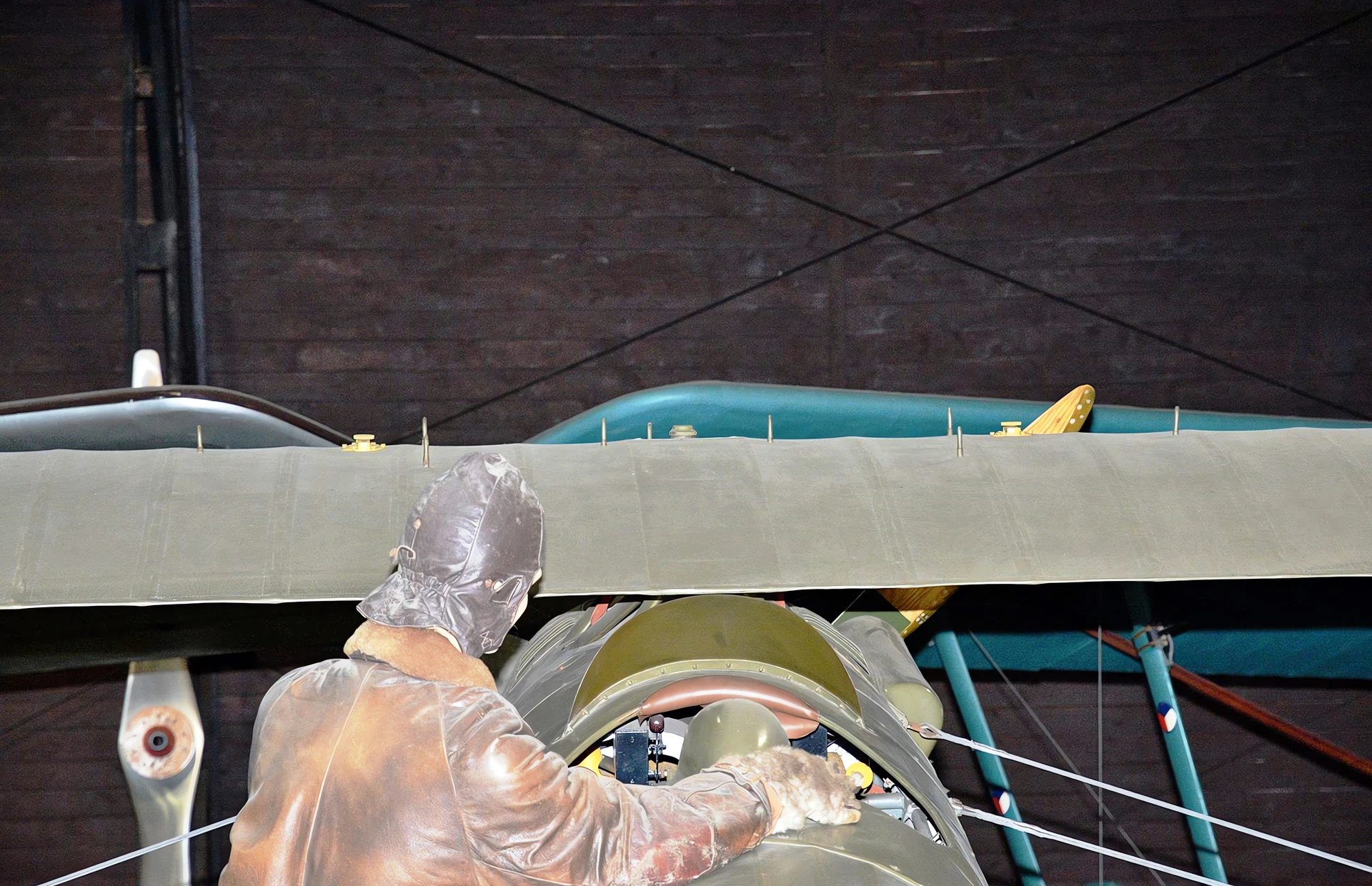


See also:


General Characteristics
The Letov Š-20 was a Czechoslovak single-seat fighter biplane designed by Alois Šmolík in the mid-1920s. It was a standard fighter aircraft of the Czechoslovak Air Force during that period, replacing earlier French-designed fighters and marking a significant step in the nation’s domestic military aviation development. It was characterized by its clean design, which resembled contemporary SPAD fighters, and its solid performance for the era.
| Property | Typical Value (Š-20 / Š-20M) |
|---|---|
| Role | Single-Seat Fighter |
| Manufacturer | Letov Kbely (Czechoslovakia) |
| First Flight | 1925 |
| No. Built | Approximately 115–120 (for Czechoslovakia and Lithuania) |
| Crew | 1 (Pilot) |
| Length | 7.44 m (24 ft 5 in) |
| Wingspan | 9.70 m (31 ft 10 in) |
| Wing Area | 18.4 m² (198 sq ft) |
| Max Takeoff Weight | 1,050 kg (2,315 lb) |
Design and Powerplant
- Engine: One Škoda-built Hispano-Suiza 8Fb V-8 water-cooled piston engine.
- Power Output: Approximately 221 kW (300 hp).
- Construction: The fuselage and empennage were constructed from welded steel tubes covered in fabric. The wings used tubular metal spars with wooden ribs and were fabric-covered.
- Configuration: Conventional single-bay biplane with fixed landing gear. The main production variant, the Š-20M, featured improved aerodynamics, particularly a slimmer rear fuselage.
- Fuel: The main fuel tank was located in the fuselage behind the engine, with a gravity feed service tank in the upper wing.
⚡ Performance and Armament
- Maximum Speed: Up to 257.5 km/h (160 mph, 139 knots).
- Cruise Speed: Approximately 225 km/h (140 mph, 122 knots).
- Service Ceiling: 7,250 m (23,790 ft).
- Range: 528 km (328 mi, 285 nmi).
- Time to Altitude: 5,000 m (16,400 ft) in 13 minutes 40 seconds.
- Fixed Armament: Two fixed, forward-firing, synchronized 7.7 mm (0.303 in) Vickers machine guns (ZB vz.09) mounted in the forward fuselage upper decking above the engine.
- Notable Variant: The Š-20J variant was fitted with a more powerful Walter Jupiter IV radial engine (430-480 hp), achieving a Czechoslovak altitude record of 8,700 m (28,500 ft).
Views : 491
You can see also :
 Avro 504 – Photos & Videos
 Polikarpov I-15 – Photos & Videos
 Beechcraft Model 17 Staggerwing – Photos & Videos
 Beechcraft Model 17 – Photos & Videos
 Verville-Sperry M-1 Messenger – Photos & Video
 Curtiss P-6 Hawk – Photos & Video
 Farman HF.20 – Photos & Video
 Stampe SV.4 – Photos & Video
 Polikarpov Po-2 – Photos & Video
 Caudron G.4 – Photos & Video