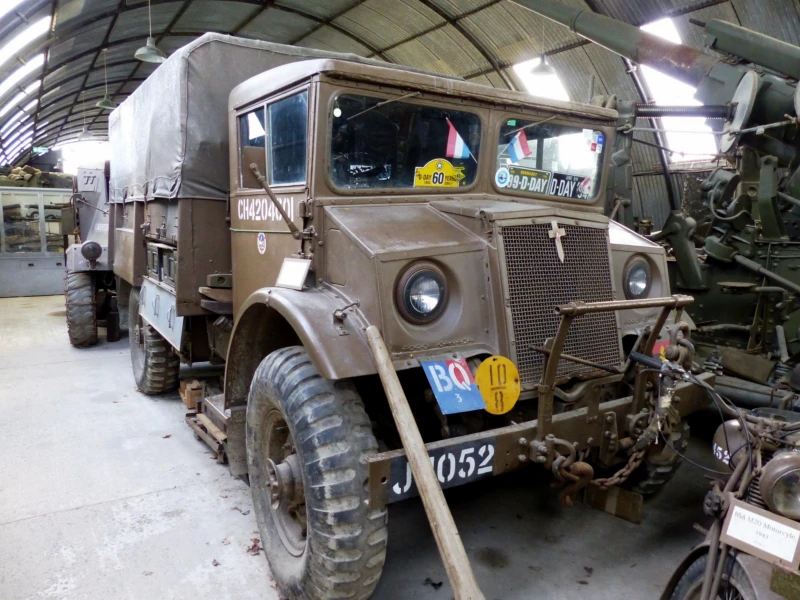
Ford CMP 15cwt 4×4 GS | |
|---|---|
| Country | UK |
| Type | Light truck |
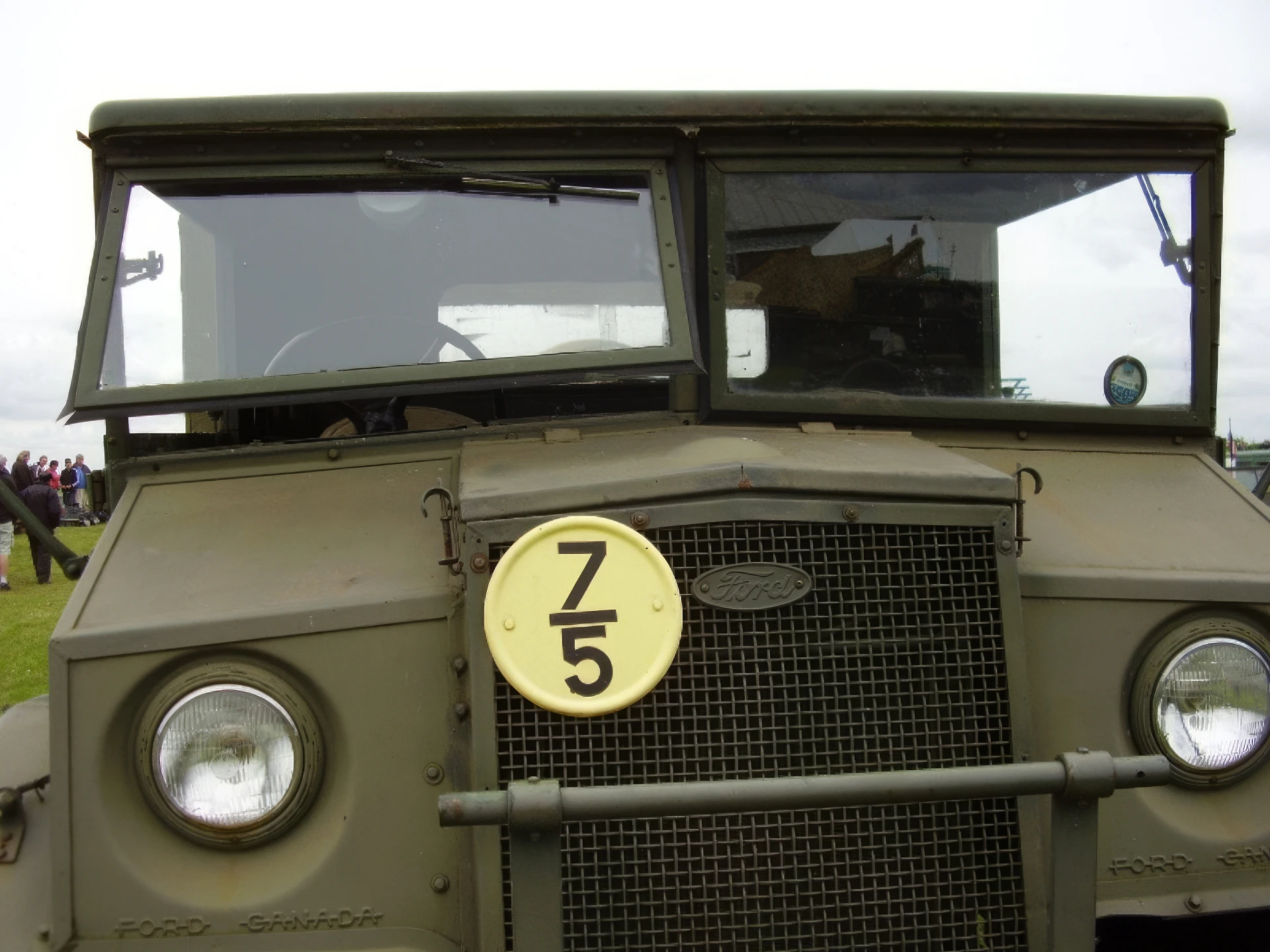
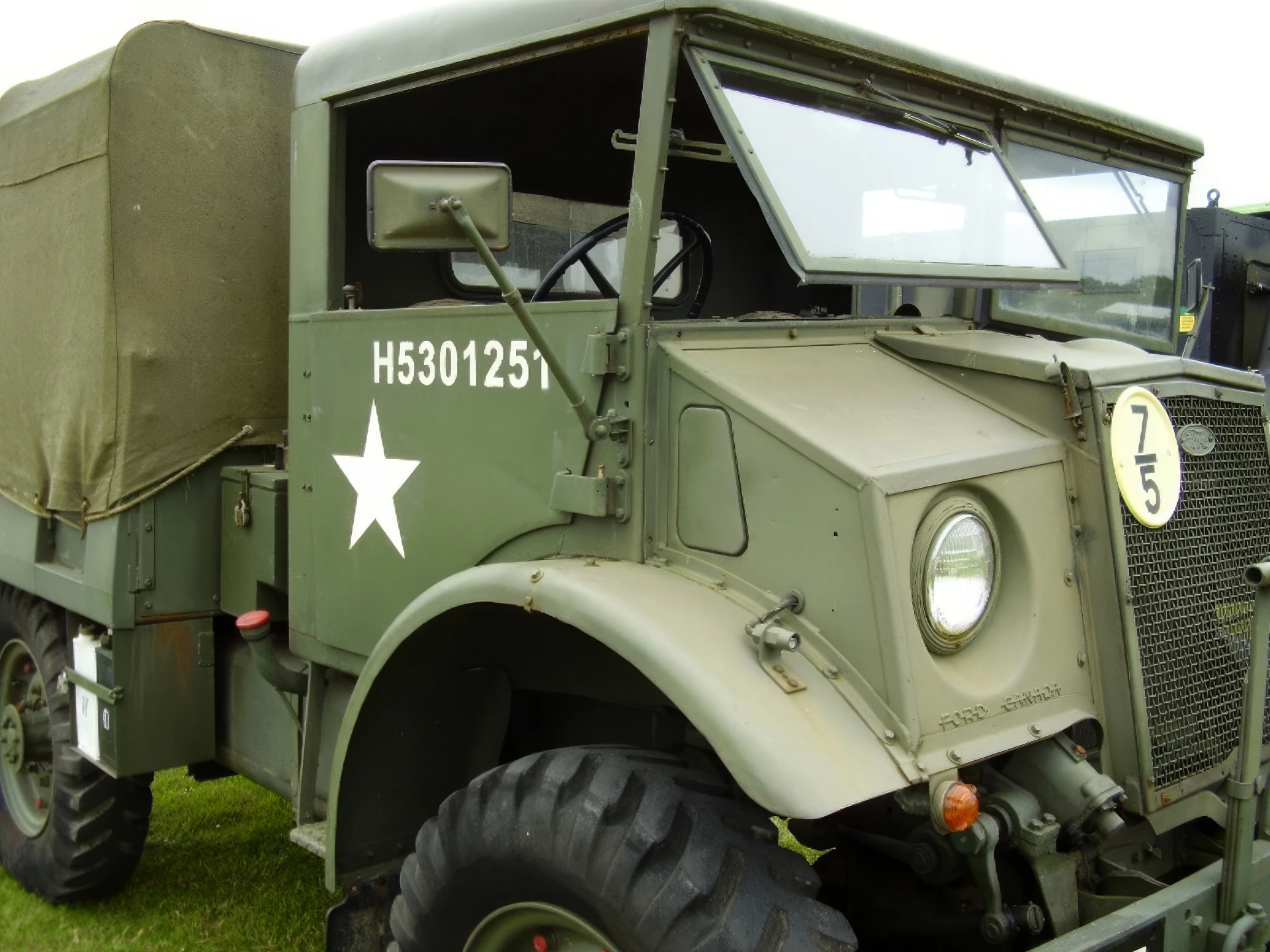
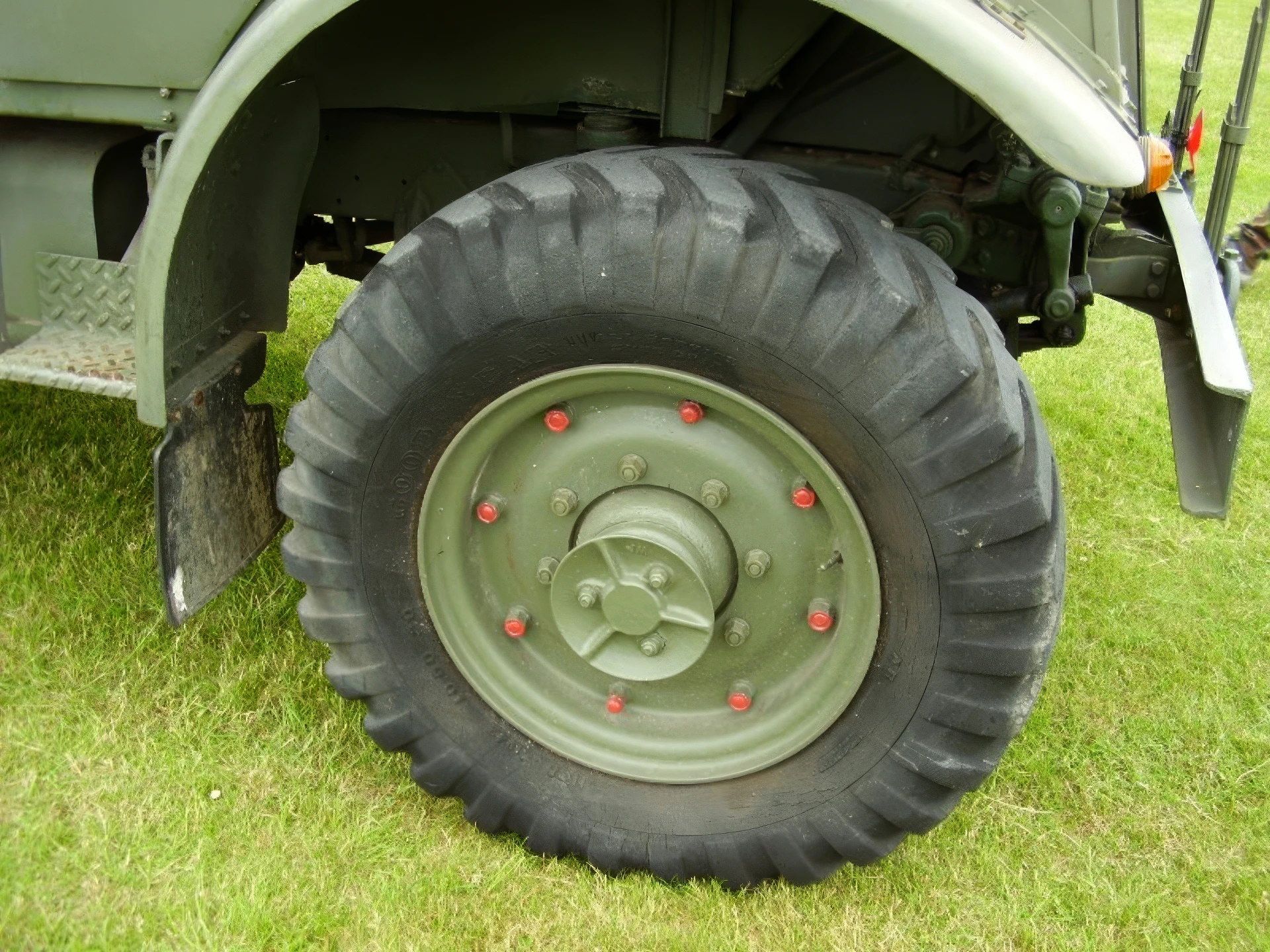
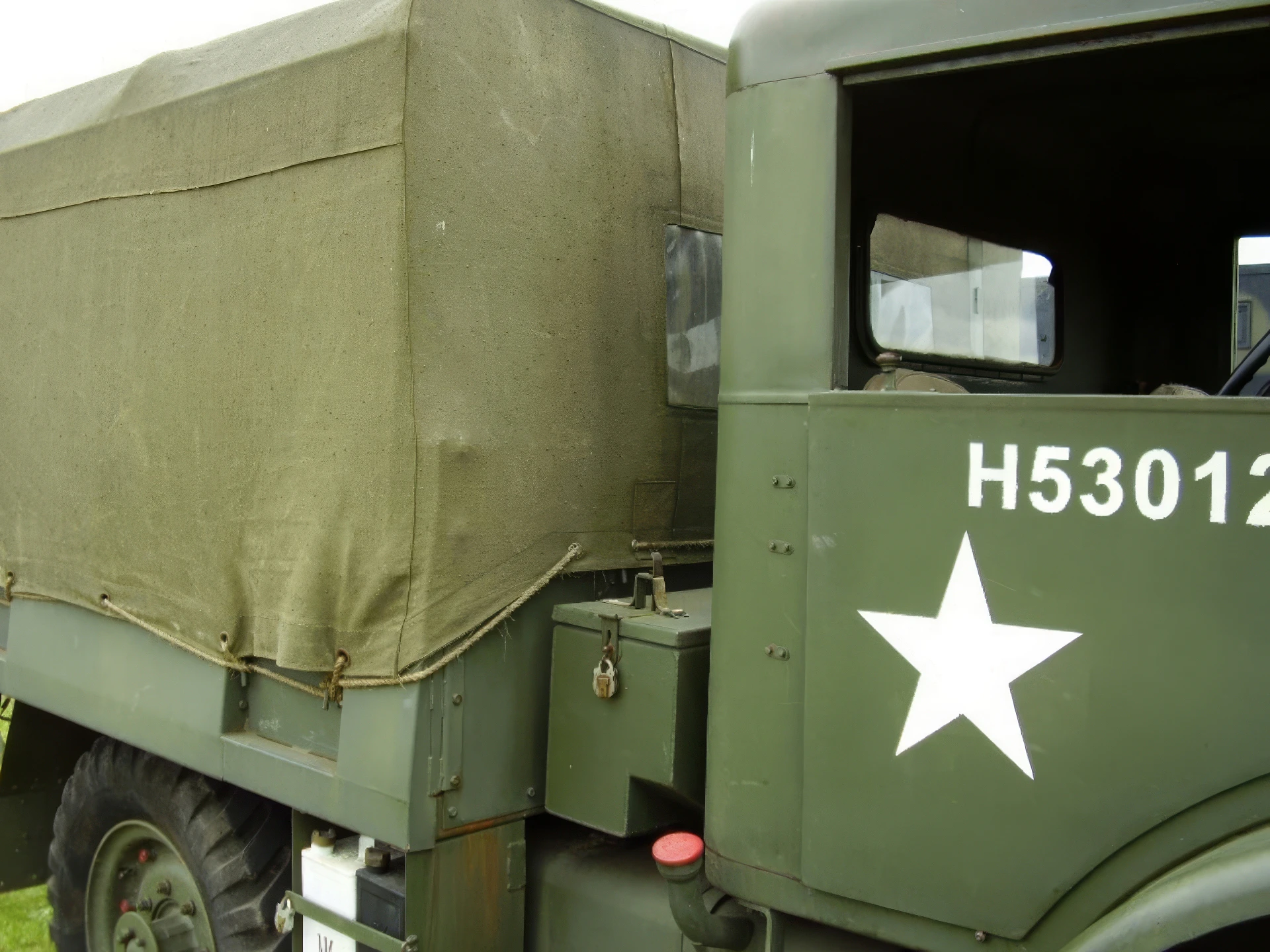
Photo gallery of a Ford CMP 15cwt 4×4 GS, The 15 cwt class of vehicle was the most common of the lighter trucks, coming into British service in the early 1930s.
| Ford CMP 15cwt 4×4 GS | |
|---|---|
| Photographers | Unknow |
| Localisation | Unknow |
| Photos | 40 |
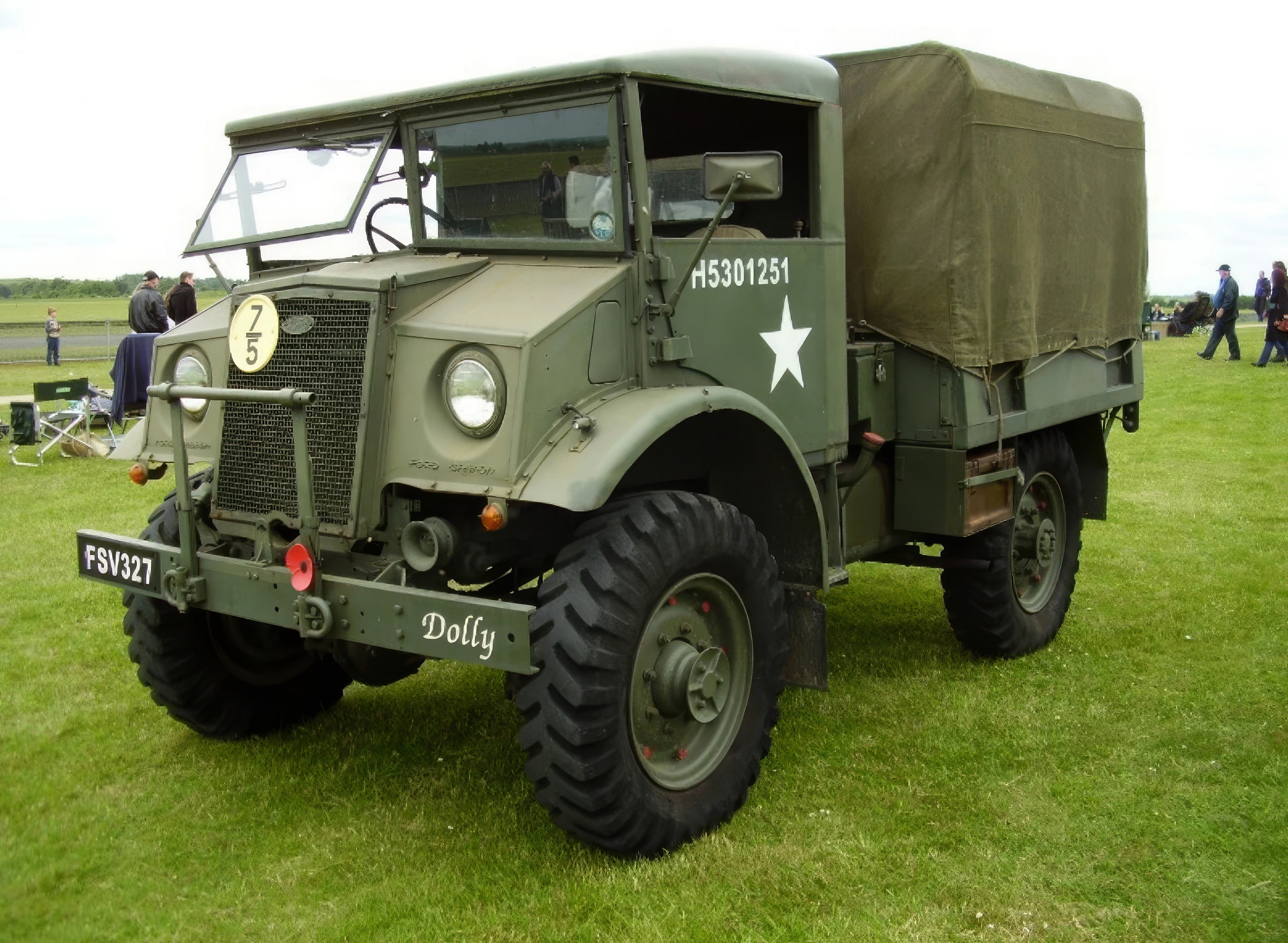
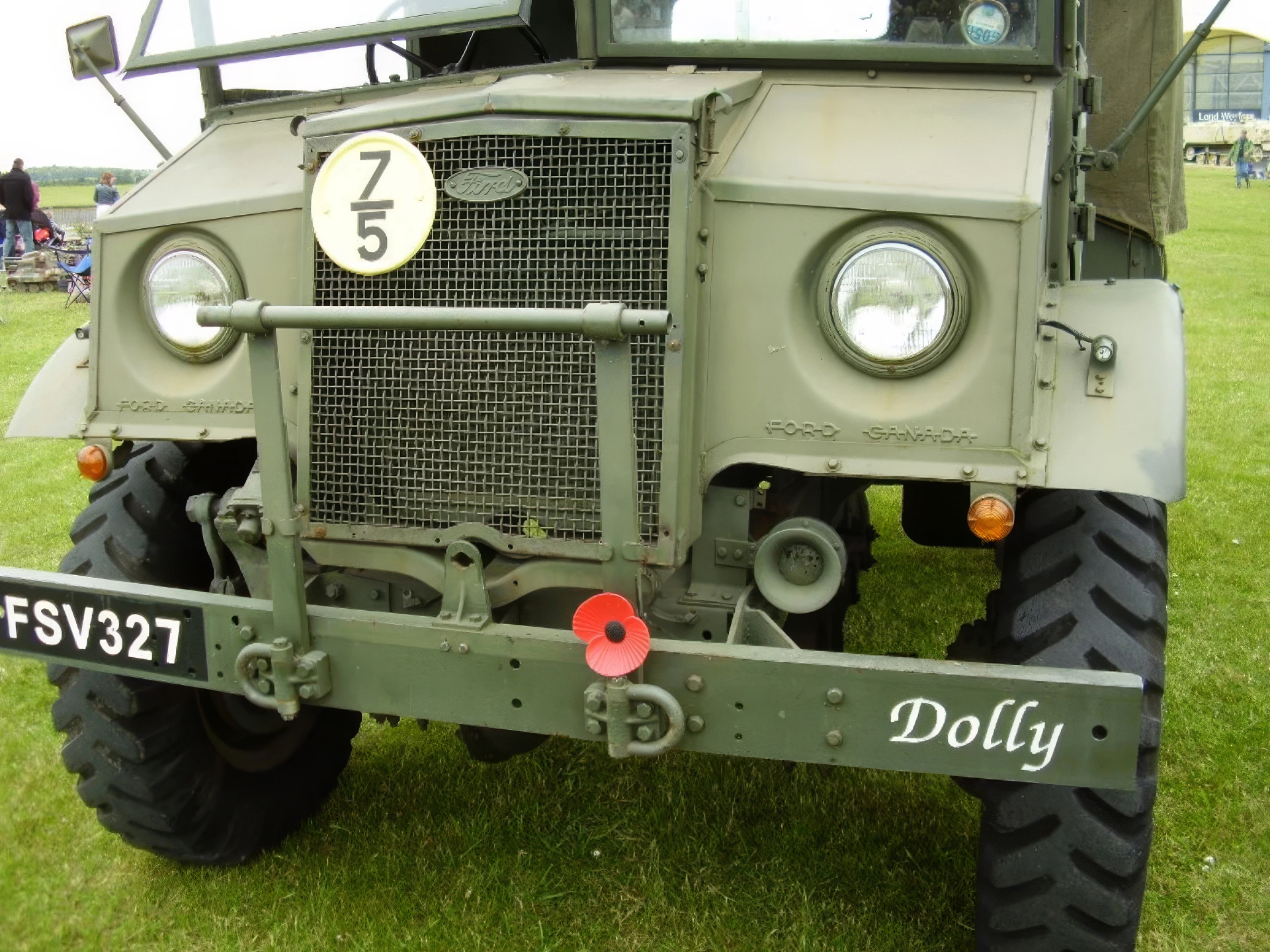
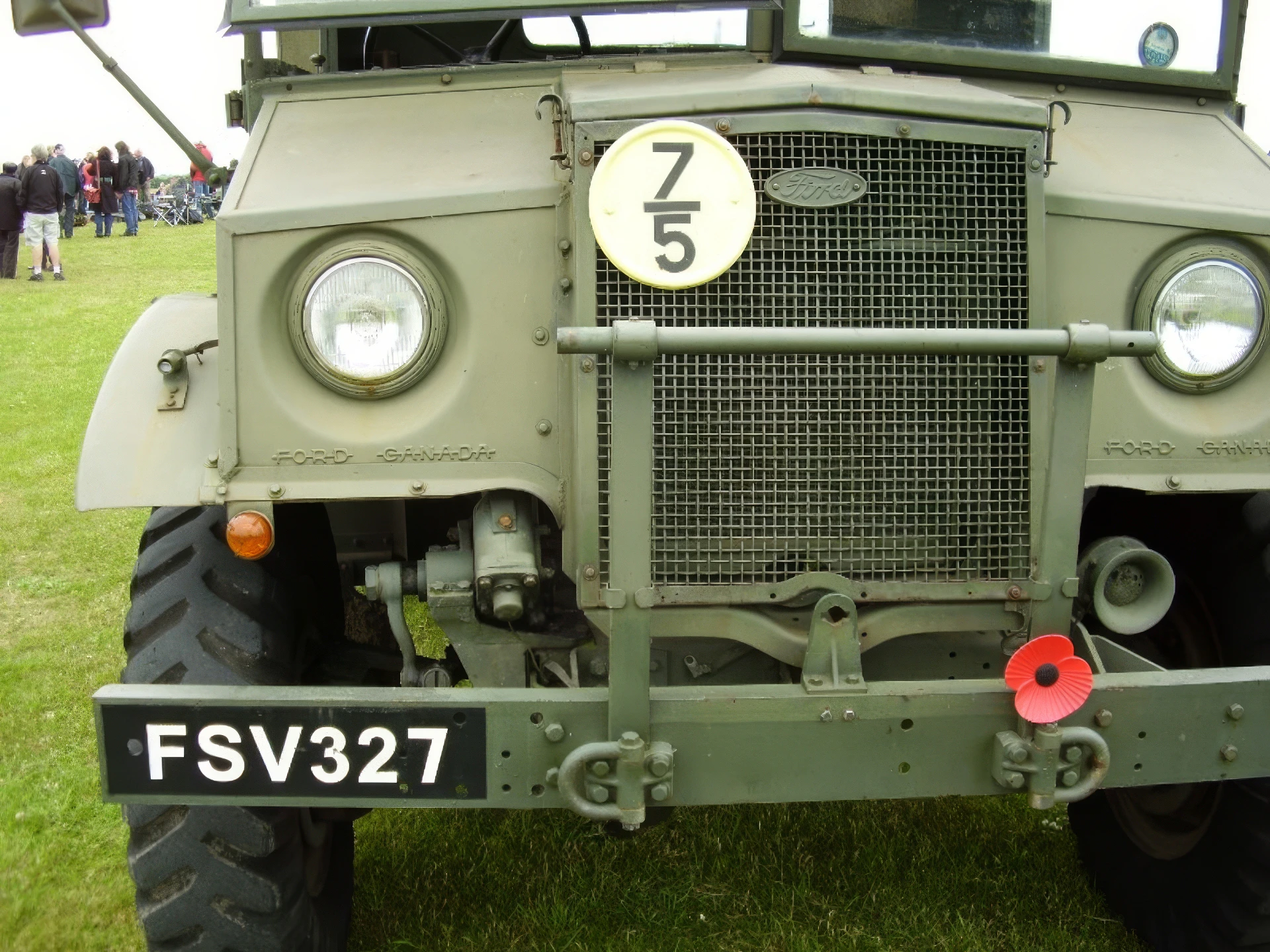
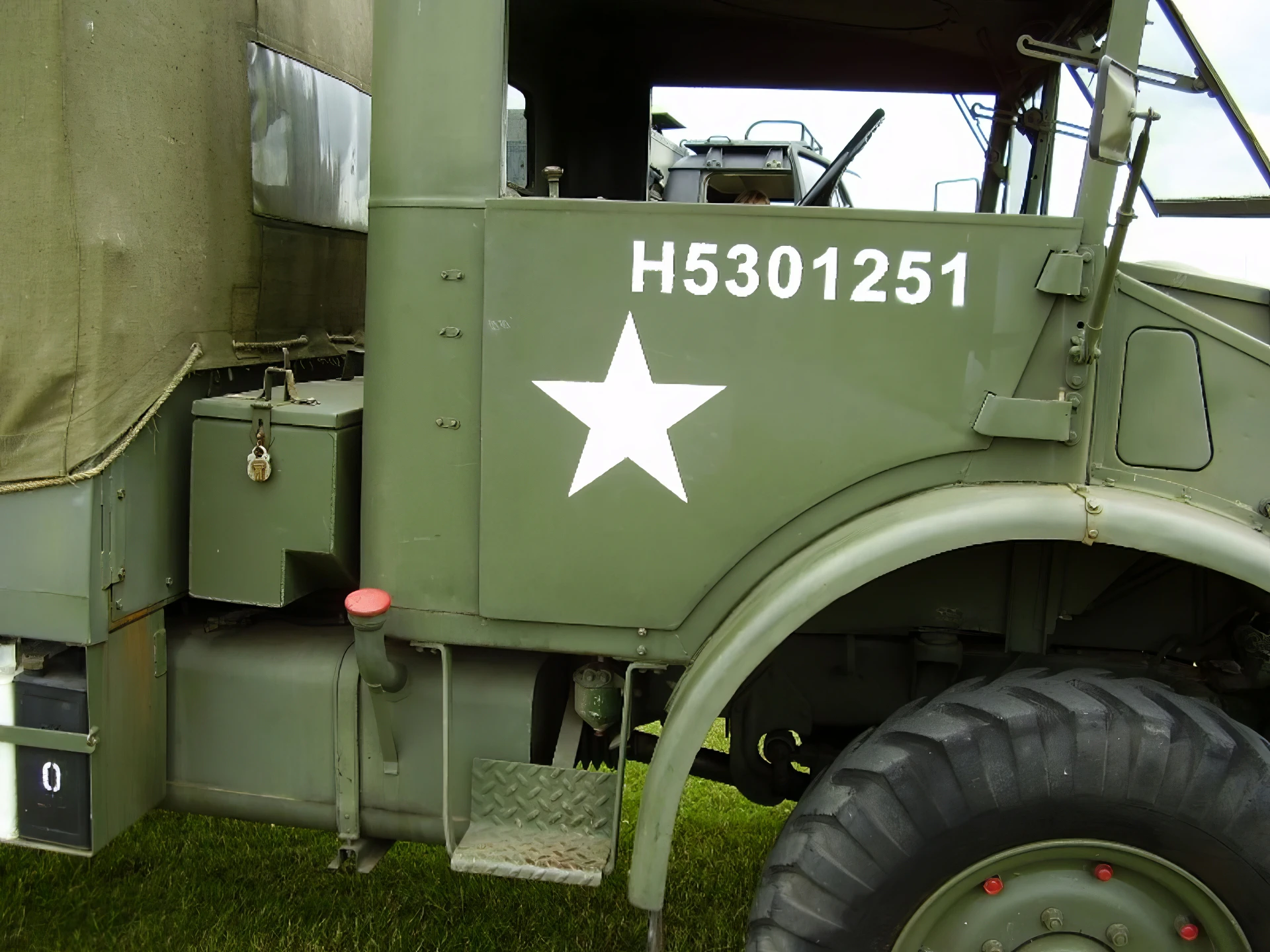
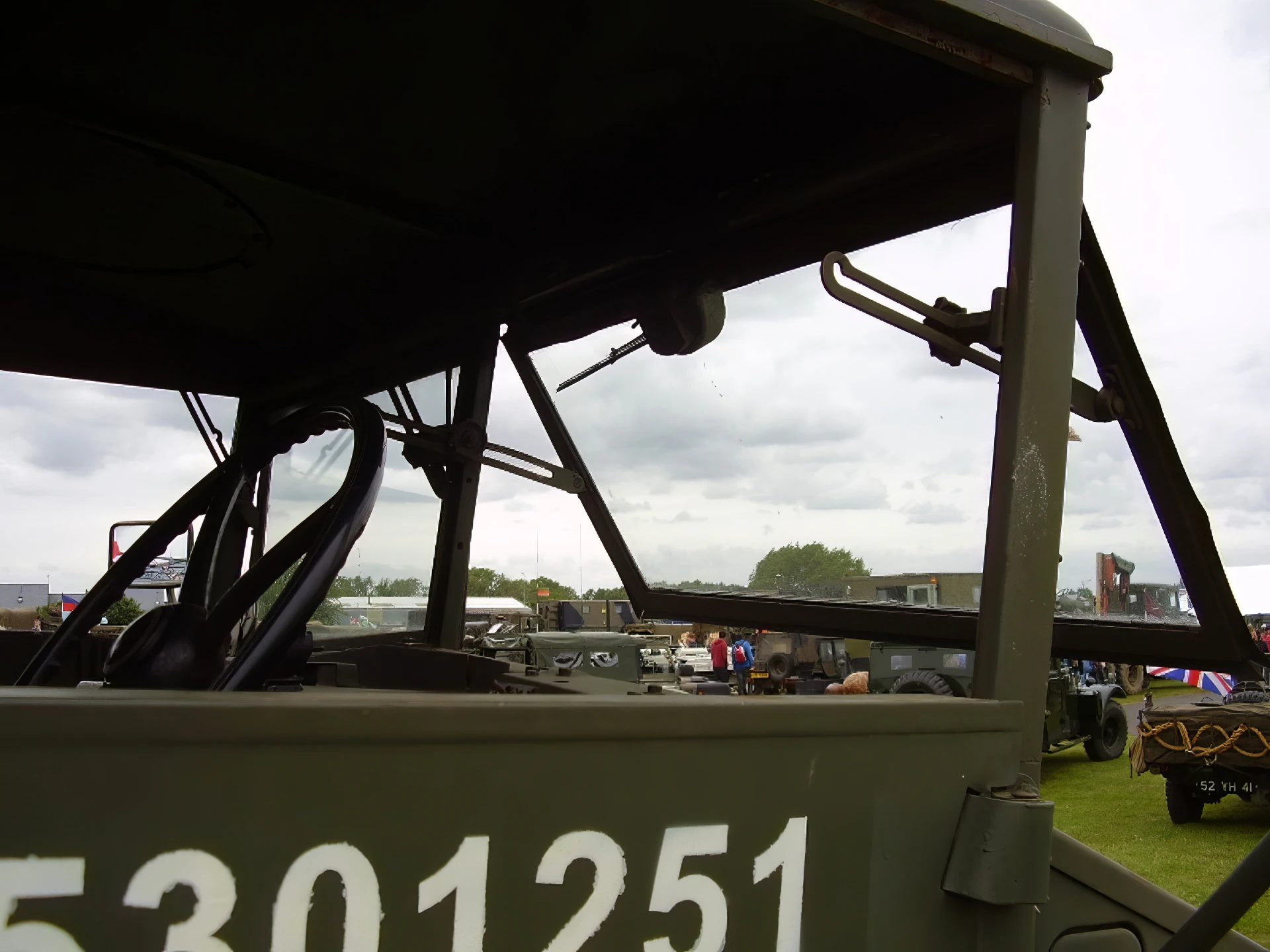

| Ford Canada F60S CMP LAAT Walk Around | |
|---|---|
| Photographers | Unknow |
| Localisation | Unknow |
| Photos | 11 |
See also:


General Characteristics and Role
The Ford CMP (Canadian Military Pattern) 15 cwt (hundredweight) 4×4 GS truck was a key component of the Commonwealth’s logistics during World War II. The CMP family of trucks was a standardized design produced in Canada by Ford and General Motors of Canada, built to British military specifications. They were distinctive for their snub-nosed, cab-over-engine design, which helped meet British requirements for compact vehicles suitable for shipping. The 15 cwt (approximately 750 kg) 4×4 General Service variant was a versatile light truck used primarily for transporting troops, ammunition, supplies, and towing small artillery pieces. Its all-wheel-drive capability made it invaluable for navigating the harsh terrains encountered in North Africa, Italy, and Northwest Europe.
| Property | Typical Value (Ford F15A) |
|---|---|
| Type | Light Military Cargo Truck / Troop Carrier |
| National Origin | Canada (Built to British Pattern) |
| Manufacturer | Ford Motor Company of Canada |
| Entered Service | 1940 |
| Crew/Capacity | 1 (Driver) + up to 8 personnel or cargo |
| Payload Capacity | 15 cwt (Approx. 750 kg or 0.75 tons) |
| Production Total | Tens of thousands of 15 cwt models were built |
Powerplant and Mobility
- Engine: 1 x Ford G28T flathead V8 gasoline engine.
- Engine Power: Approx. 85 hp (63 kW).
- Drivetrain: All-wheel drive (4×4), providing excellent traction and off-road performance.
- Maximum Road Speed: Approx. 80 km/h (50 mph).
- Steering Wheel Placement: Most CMP trucks featured a right-hand drive configuration, regardless of the ultimate destination, to align with British and Commonwealth standardization.
- Cab Design: Employed several cab variations (Cab No. 11, 12, and 13), with the later Cab No. 13 being the most common. The distinctive short, rounded hood and vertical grille were characteristic of the design.
- Brakes: Hydraulic brakes.
Service History and Legacy
- War Service: The CMP trucks were utilized by nearly all Allied forces, including Canadian, British, Australian, New Zealand, Indian, South African, and later, Soviet forces via the Lend-Lease program.
- The “Kitchener Truck”: Due to the massive scale of Canadian production, the CMP truck family (including all tonnages) became unofficially known as the “Kitchener truck” in some regions.
- Reliability: The Ford V8 engine was generally reliable and provided a decent power-to-weight ratio for the truck’s operational roles.
- Versatility: The 15 cwt chassis was also converted into specialized vehicles such as field workshops, wireless vans, and anti-tank gun tractors.
- Post-War Life: After the war, thousands of surplus CMP trucks were sold worldwide, continuing to serve as agricultural and commercial vehicles in countries like Greece, Egypt, and Portugal for decades.
Views : 7126
You can see also :
 Albion CX22S – Photos & Videos
 Berliet CBA – Photos & Videos
 Heavy Wrecking Truck M1 – Photos & Video
 Bedford QL – Photos & Videos
 MAZ-543 – Photos & Videos
 Pinzgauer High-Mobility All-Terrain Vehicle – Photos & Video
 KraZ-255 – Photos & Video
 M52A2 Truck – Photos & Video
 MAN TGA 5t – Photos & Video
 Ford Maultier v1939 – Walk Around