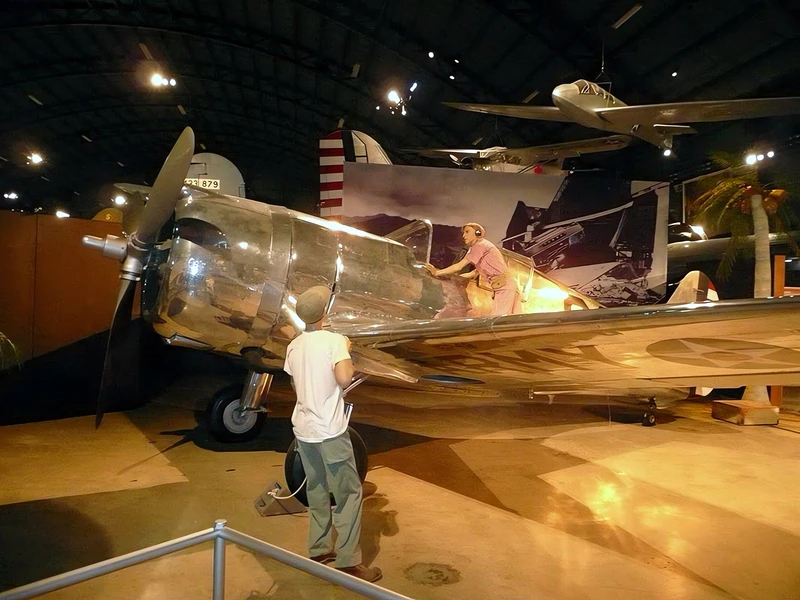
Curtiss P-36 Hawk | |
|---|---|
| Country | USA |
| Role | Fighter |
| First flight | 6 May 1935 |
| Built | 215 |
The Curtiss P-36 Hawk, also known as the Curtiss Hawk Model 75, is an American-designed and built fighter aircraft of the 1930s and 40s. A contemporary of both the Hawker Hurricane and Messerschmitt Bf 109, it was one of the first of a new generation of combat aircraft—a sleek monoplane design making extensive use of metal in its construction and powered by a powerful radial engine. Perhaps best known as the predecessor of the Curtiss P-40 Warhawk, the P-36 saw little combat with the United States Army Air Forces during World War II. It was nevertheless the fighter used most extensively and successfully by the French Armee de l’air during the Battle of France. The P-36 was also ordered by the governments of the Netherlands and Norway, but did not arrive in time to see action before both were occupied by Nazi Germany. The type was also manufactured under license in China, for the Republic of China Air Force, as well as in British India, for the Royal Air Force (RAF) and Royal Indian Air Force (RIAF).
Source: Curtiss P-36 Hawk on Wikipedia
| Curtiss P-36A Hawk Walk Around | |
|---|---|
| Photographers | John Heck, Vladimir Yakubov |
| Localisation | The National Museum of the USAF |
| Photos | 50 |
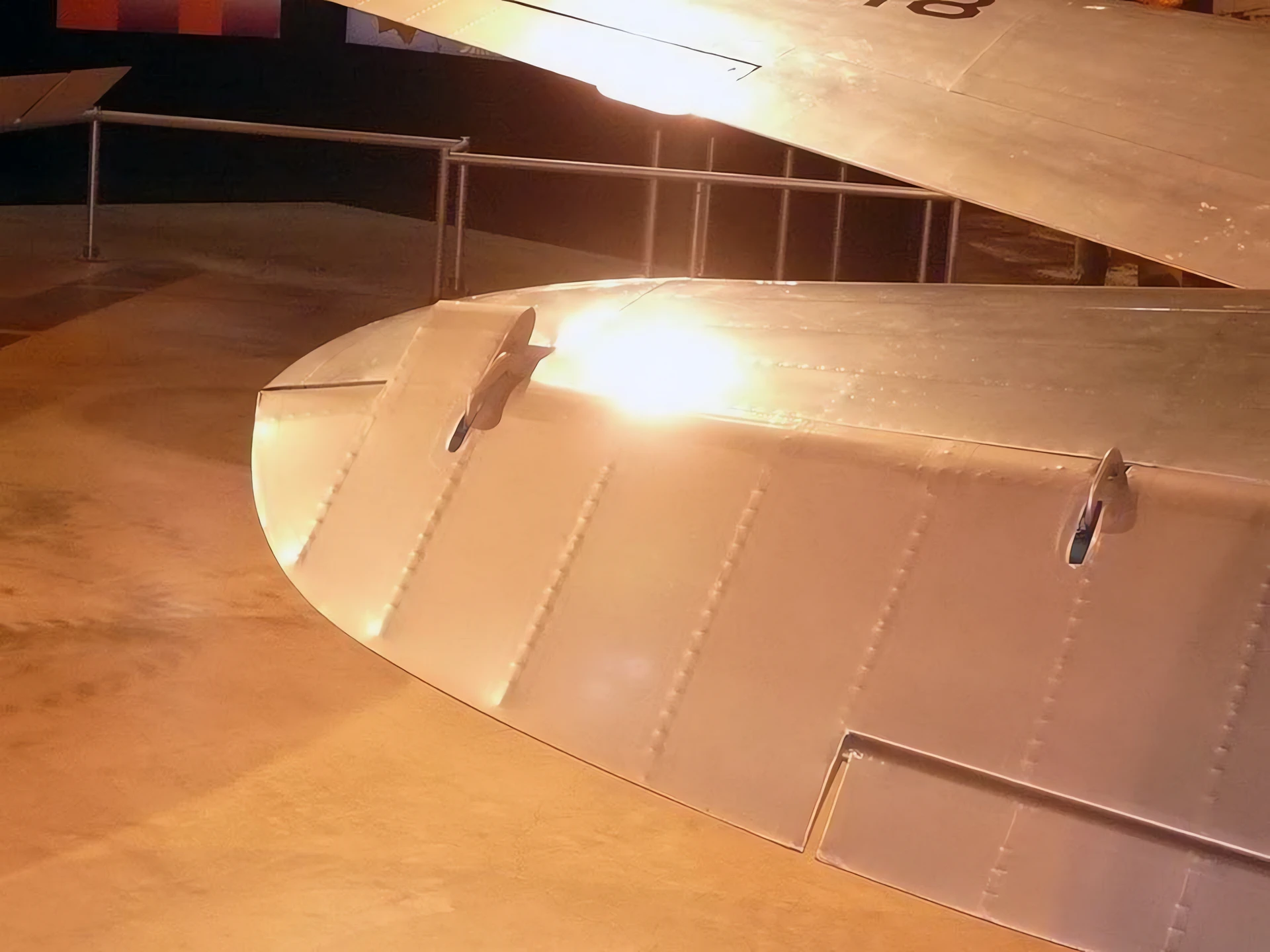
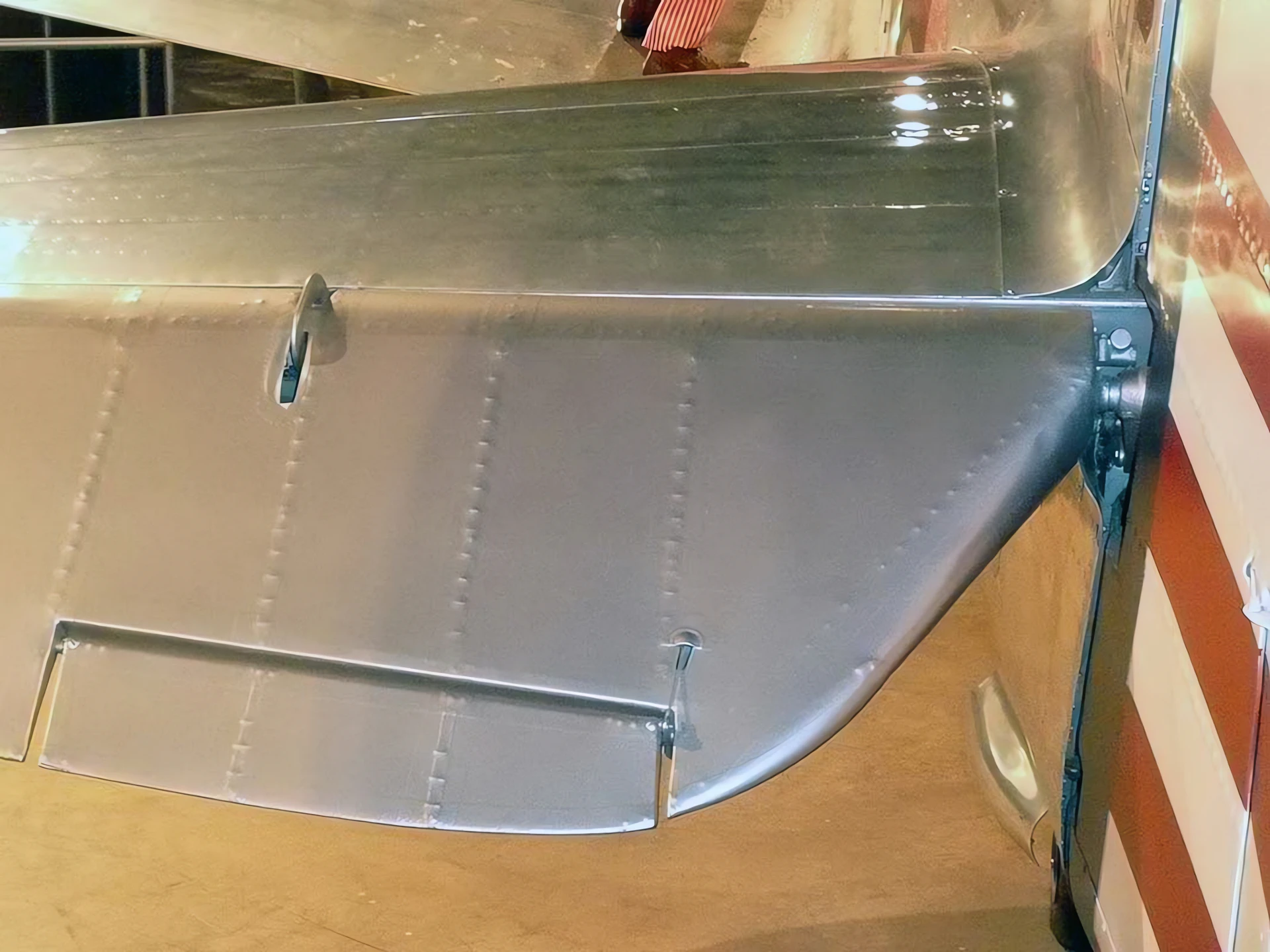
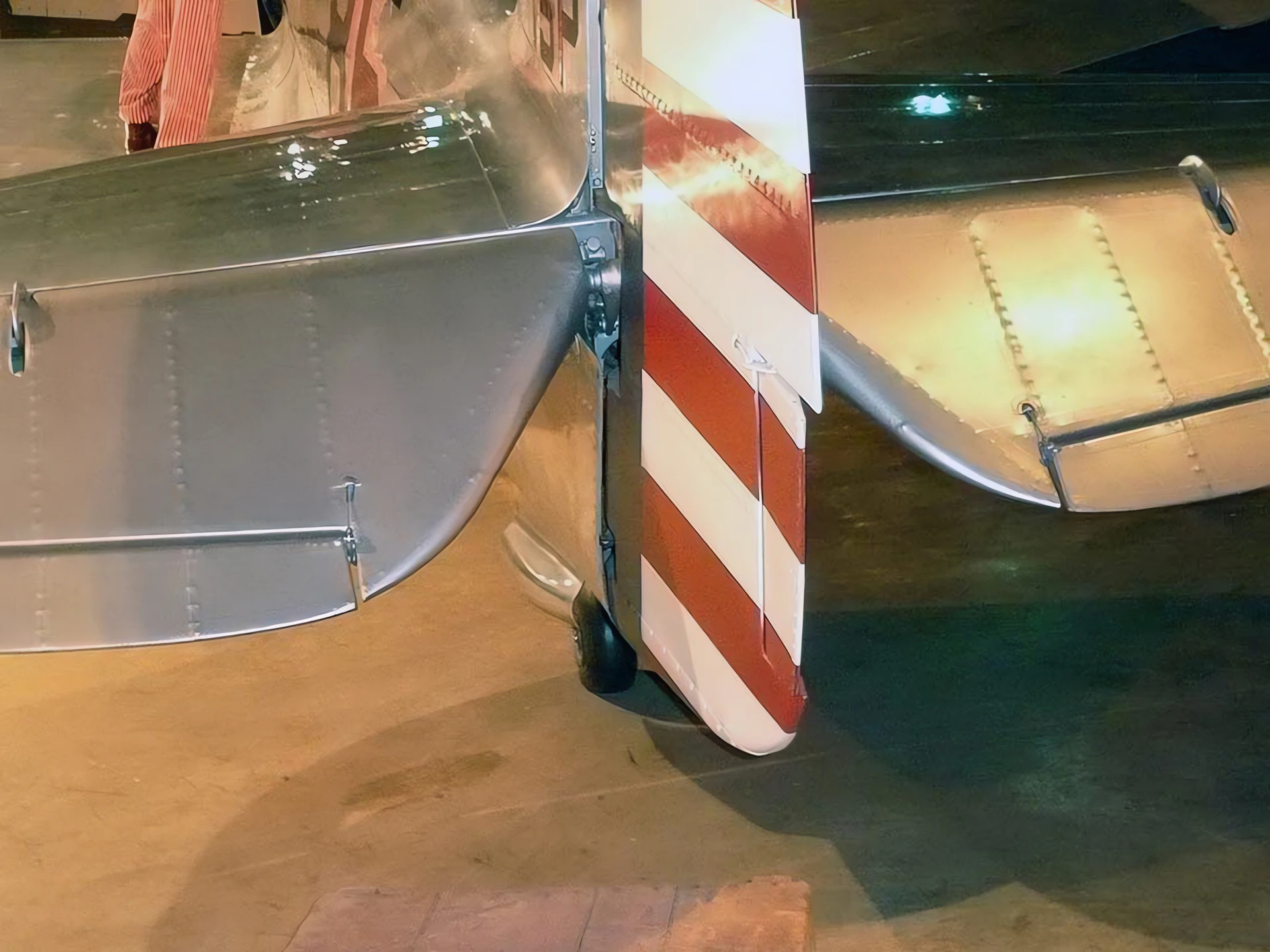
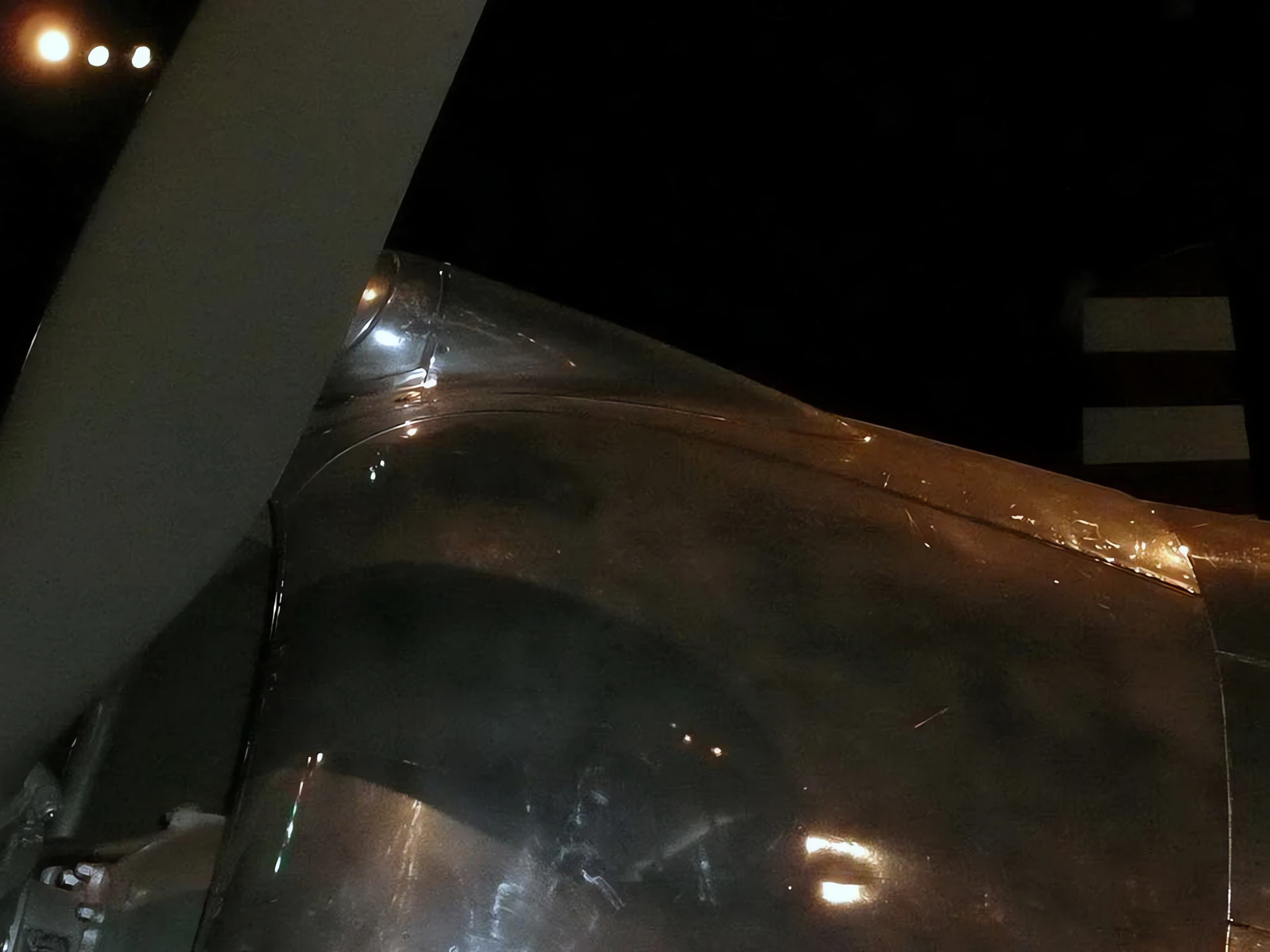
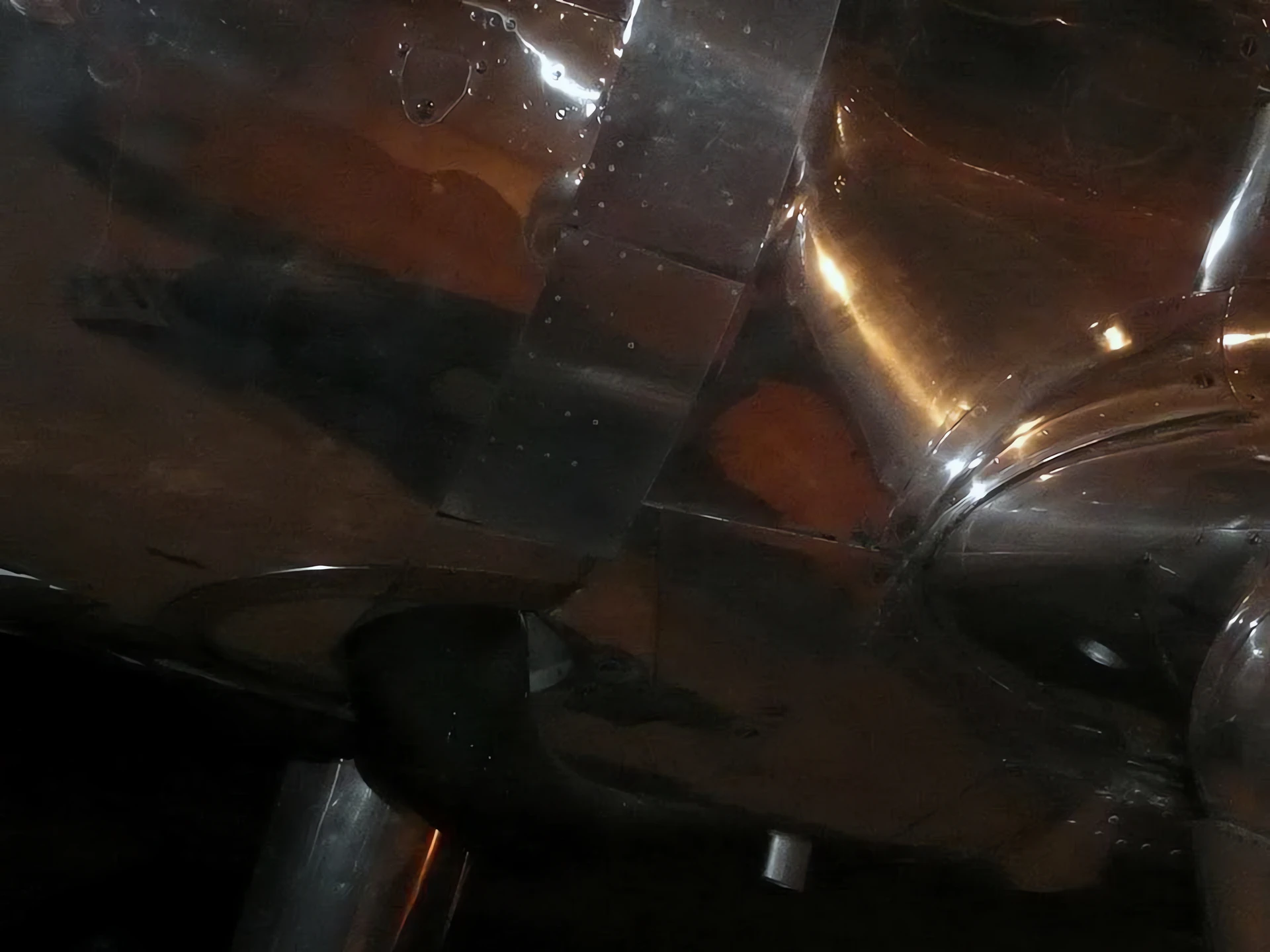

See also:


General Characteristics and Role
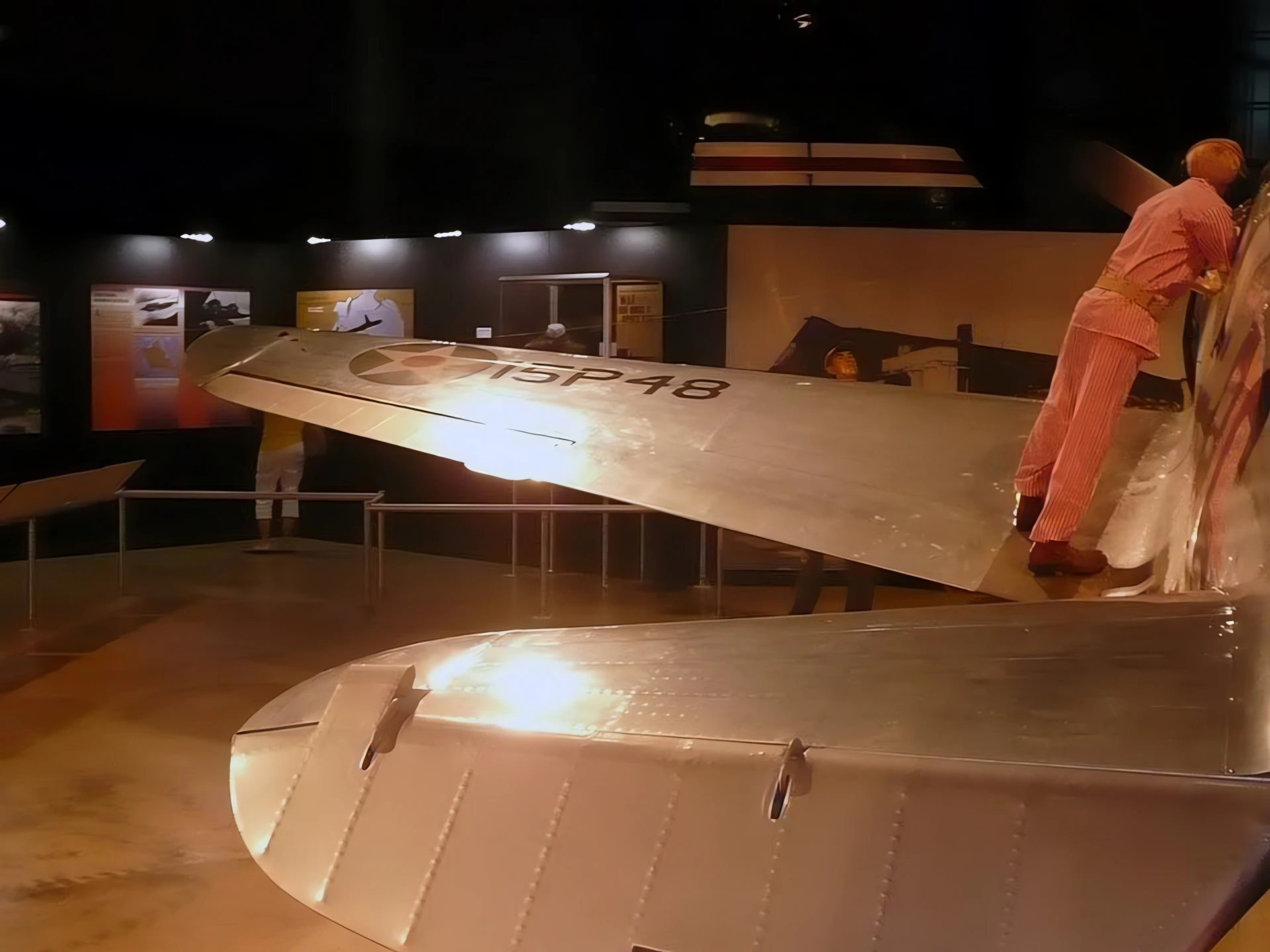
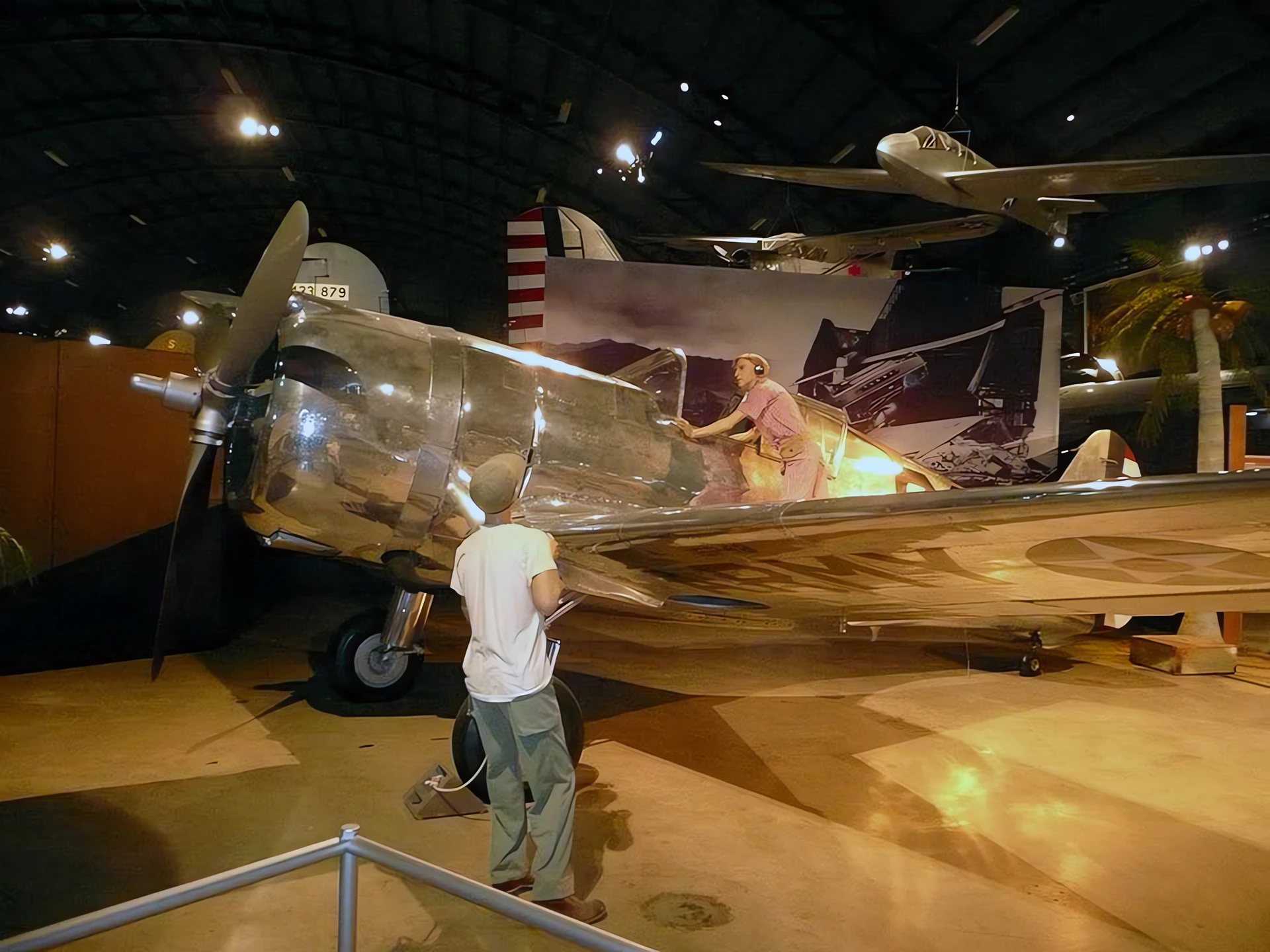
The Curtiss P-36A Hawk, also known as the Curtiss Model 75, was an American pursuit (fighter) aircraft developed in the mid-1930s. It represented an important transitional design, moving from biplane technology to modern monoplane fighters, and was the direct predecessor to the iconic P-40 Warhawk. The P-36 featured all-metal construction, a retractable landing gear, and a powerful radial engine. While quickly becoming obsolescent compared to later European designs like the Messerschmitt Bf 109, the P-36 was a popular export fighter, seeing extensive service with the French and Finnish air forces early in World War II, where it performed surprisingly well. The P-36A was the initial production model for the U.S. Army Air Corps (USAAC).
| Property | Typical Value (P-36A) |
|---|---|
| Role | Fighter / Pursuit Aircraft |
| National Origin | United States |
| Manufacturer | Curtiss-Wright Corporation |
| First Flight (Prototype) | 6 May 1935 |
| Crew | 1 (Pilot) |
| Length | 8.53 m (28 ft 0 in) |
| Wingspan | 11.53 m (37 ft 10 in) |
| Height | 2.57 m (8 ft 5 in) |
| Empty Weight | 2,100 kg (4,630 lb) |
| Max Takeoff Weight | 2,700 kg (5,950 lb) |
Powerplant and Performance
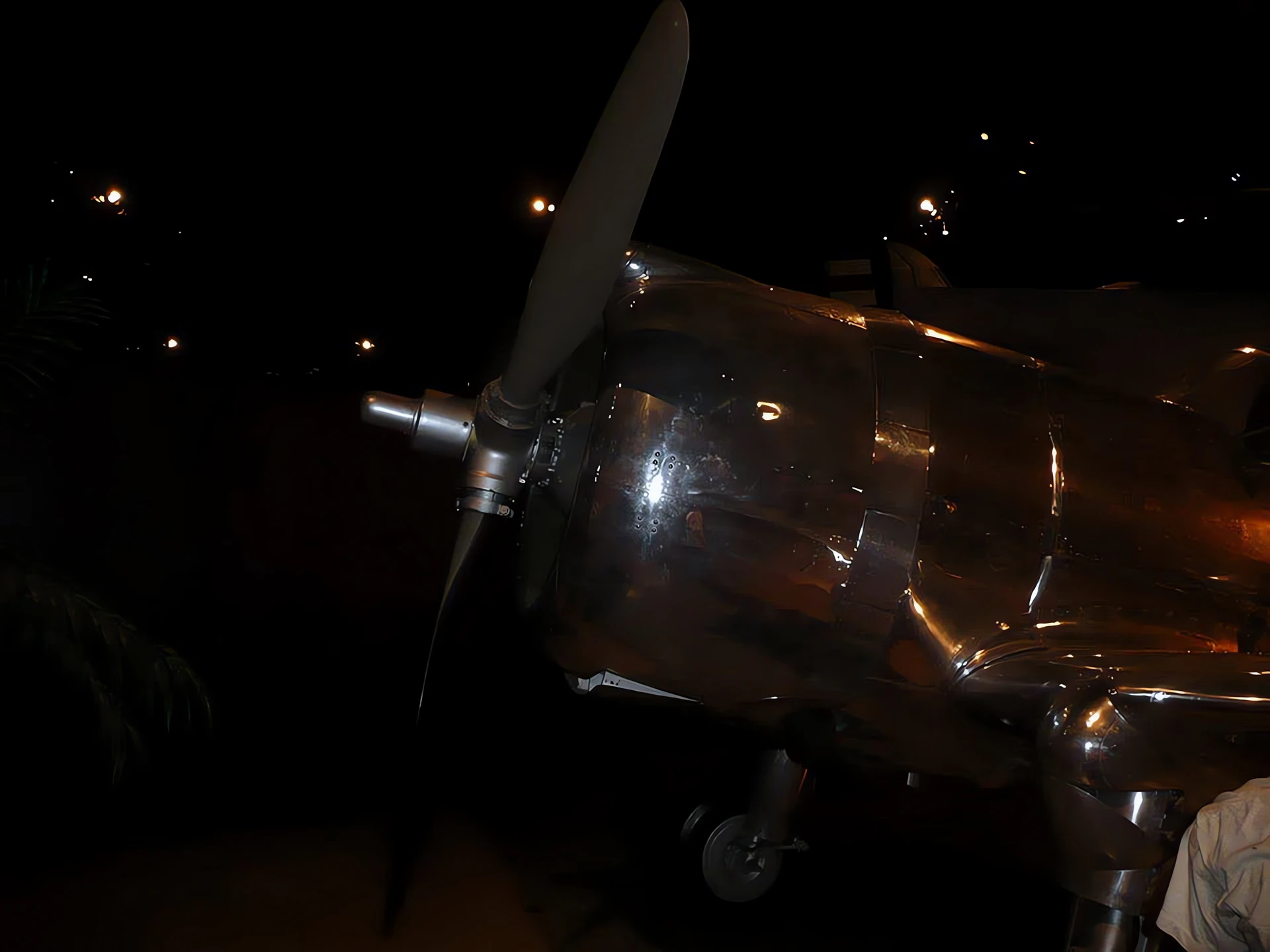
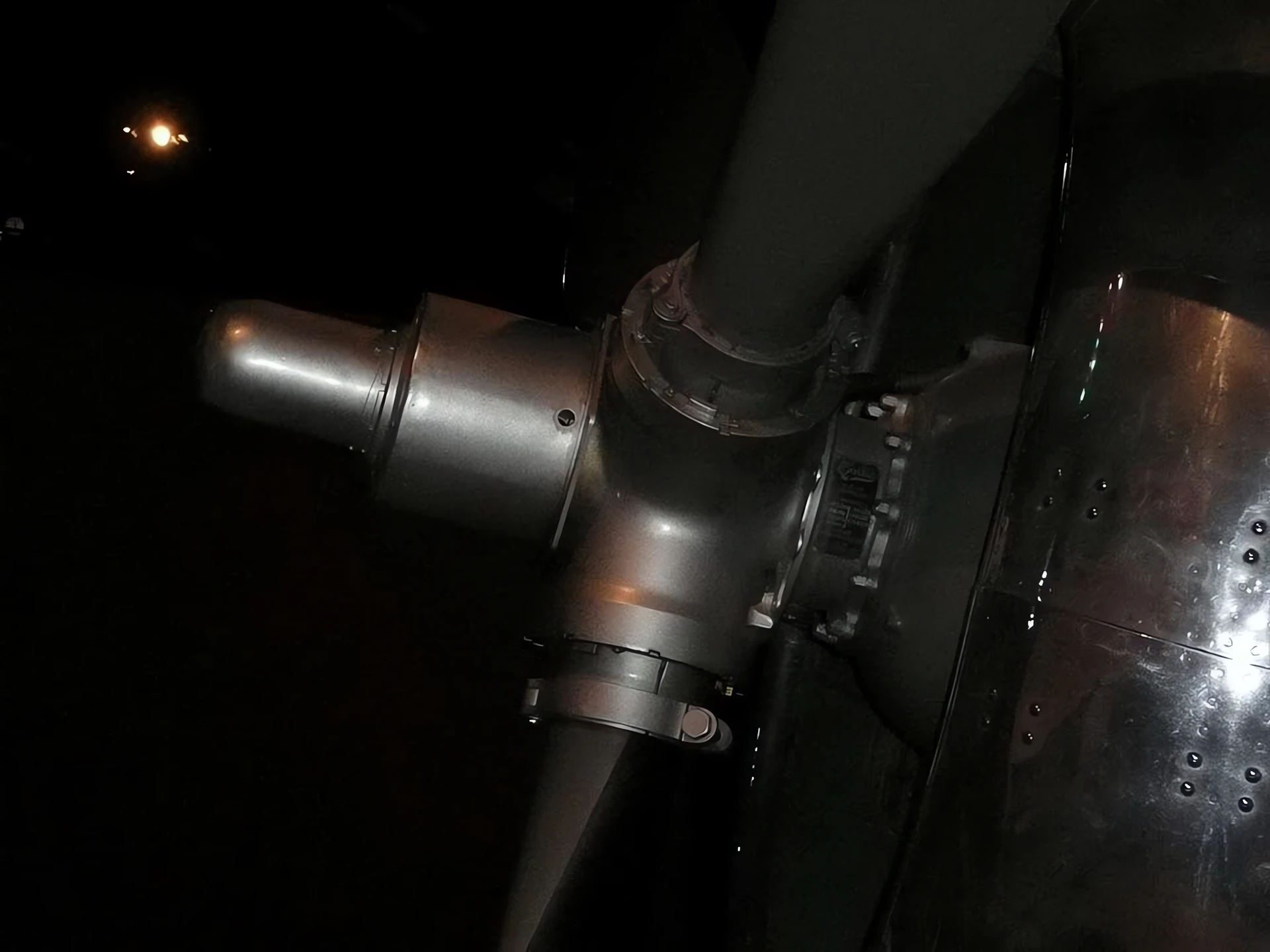
- Engine: 1 x Pratt & Whitney R-1830-17 Twin Wasp 14-cylinder radial engine.
- Power Output: 1,200 hp (895 kW).
- Maximum Speed: 500 km/h (311 mph; 270 kn) at 3,000 m (10,000 ft).
- Service Ceiling: 9,900 m (32,500 ft).
- Range: 1,000 km (620 mi; 540 nmi).
- Landing Gear: Featured a unique main landing gear that rotated 90 degrees before retracting backward into the wing.
Armament and Combat Service
- Armament (Typical P-36A): 1 x .50 caliber (12.7 mm) machine gun and 1 x .30 caliber (7.62 mm) machine gun, mounted in the nose.
- Export Success: Over 200 aircraft were ordered by France as the Hawk 75, where they saw significant action during the Battle of France in 1940.
- Pearl Harbor: The P-36 was one of the few U.S. aircraft to get airborne and engage the Japanese attackers during the attack on Pearl Harbor in December 1941, claiming two confirmed kills.
- Legacy: The P-36 airframe formed the basis for the more powerful, liquid-cooled Curtiss P-40 Warhawk, which became a mainstay fighter for the Allies in the early years of World War II.
Views : 3197
You can see also :
 Curtiss F11C Goshawk – Photos & Videos
 Curtiss O-52 Owl – Photos & Video
 Curtiss C-46 Commando – Photos & Video
 Curtiss JN-4D Jenny – Photos & Video
 Curtiss P-6 Hawk – Photos & Video
 Curtiss-Wright SNC-1 Falcon – Photos & Video
 Curtiss N-9H – Photos & Video
 Curtiss F9C-2 Sparrowhawk – Photos & Video
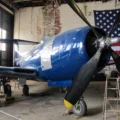 Curtiss XF15C-1 – Photos & Video
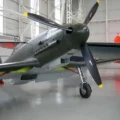 Fiat G-55 Centauro – Walk Around