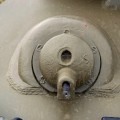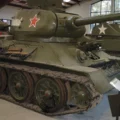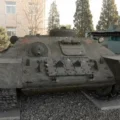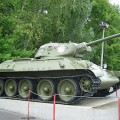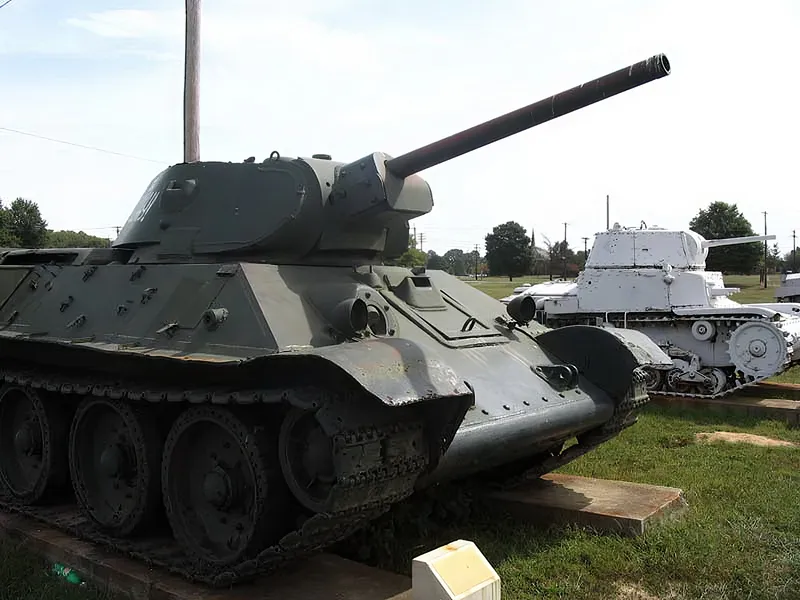
T-34/76 Model 1941 | |
|---|---|
| Pays | Ussr |
| Type | Medium tank |
The T-34 is a medium tank that entered service in 1940 in the Red Army. At the time, it was a remarkable balance between the three major factors that defined the quality of an armoured vehicle: firepower, protection and mobility. This success made it one of the Soviet Union's strengths in the face of the invasion of the Wehrmacht. In order to counter it, it will have to revise its armoured design policy by developing, for example, the Panzer-V 'Panther', which borrowed some of its technical features from the T-34. Although it was quickly overtaken by foreign productions, the T-34 will still remain in production from 1940 to 1958, with a total of units produced estimated at 84,070, making it the second most produced tank of all time, just behind its successors, the T-54 and T-55.
Source: Tank T-34/76 on Wikipedia
| T-34/76 Modèle 1941 | |
|---|---|
| Photographer | Unknow |
| Localisation | Unknow |
| Photos | 26 |
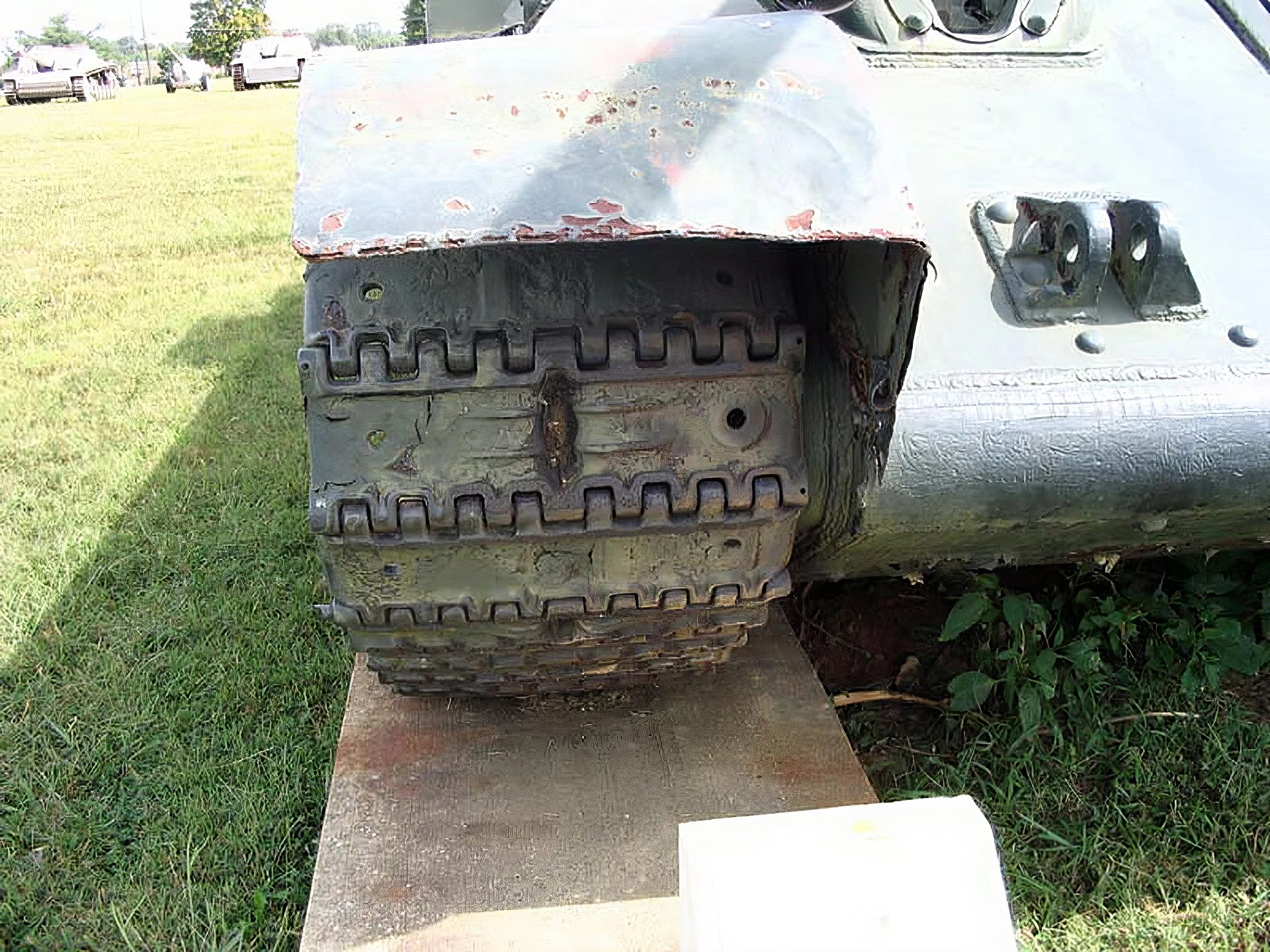
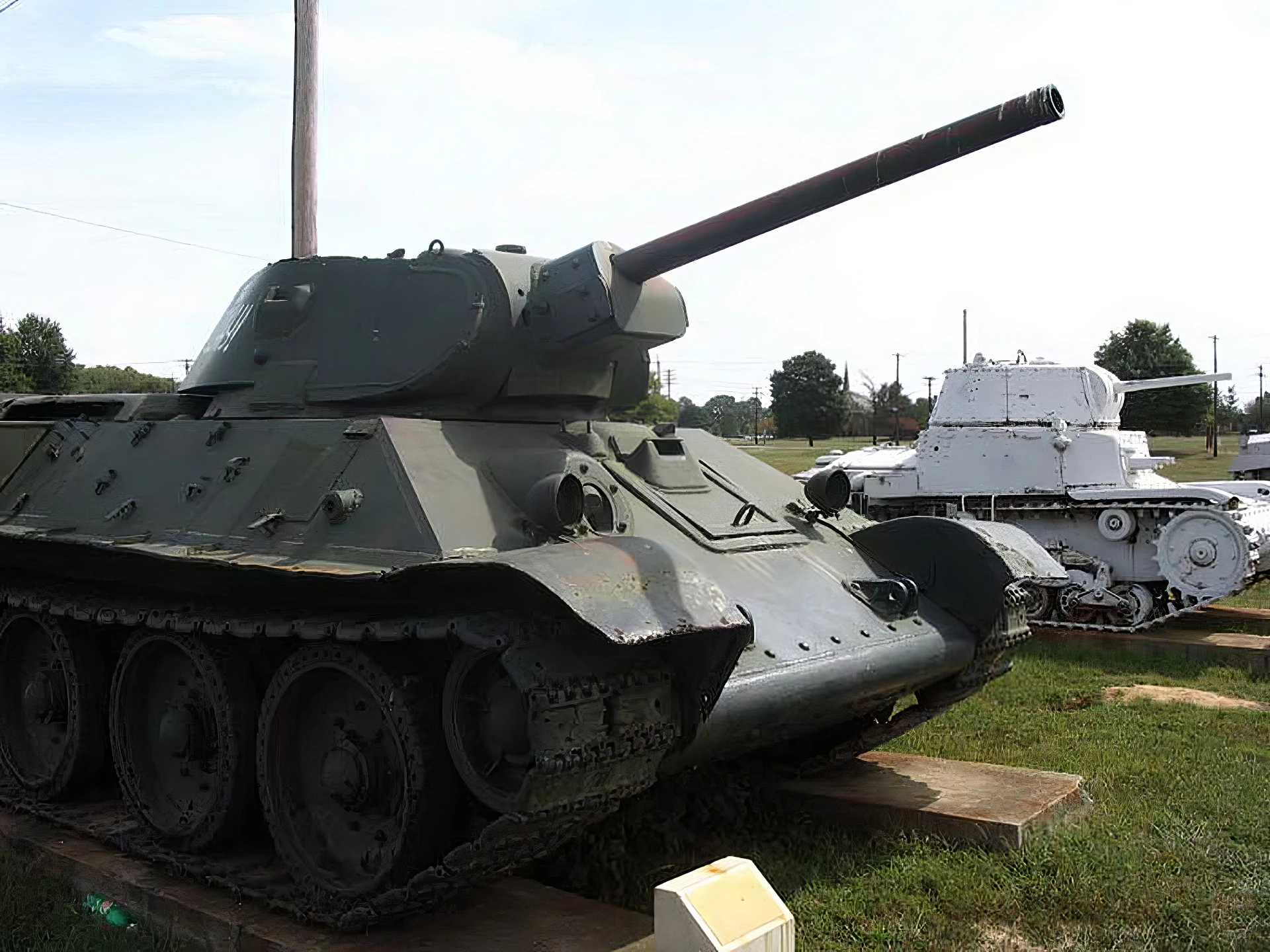
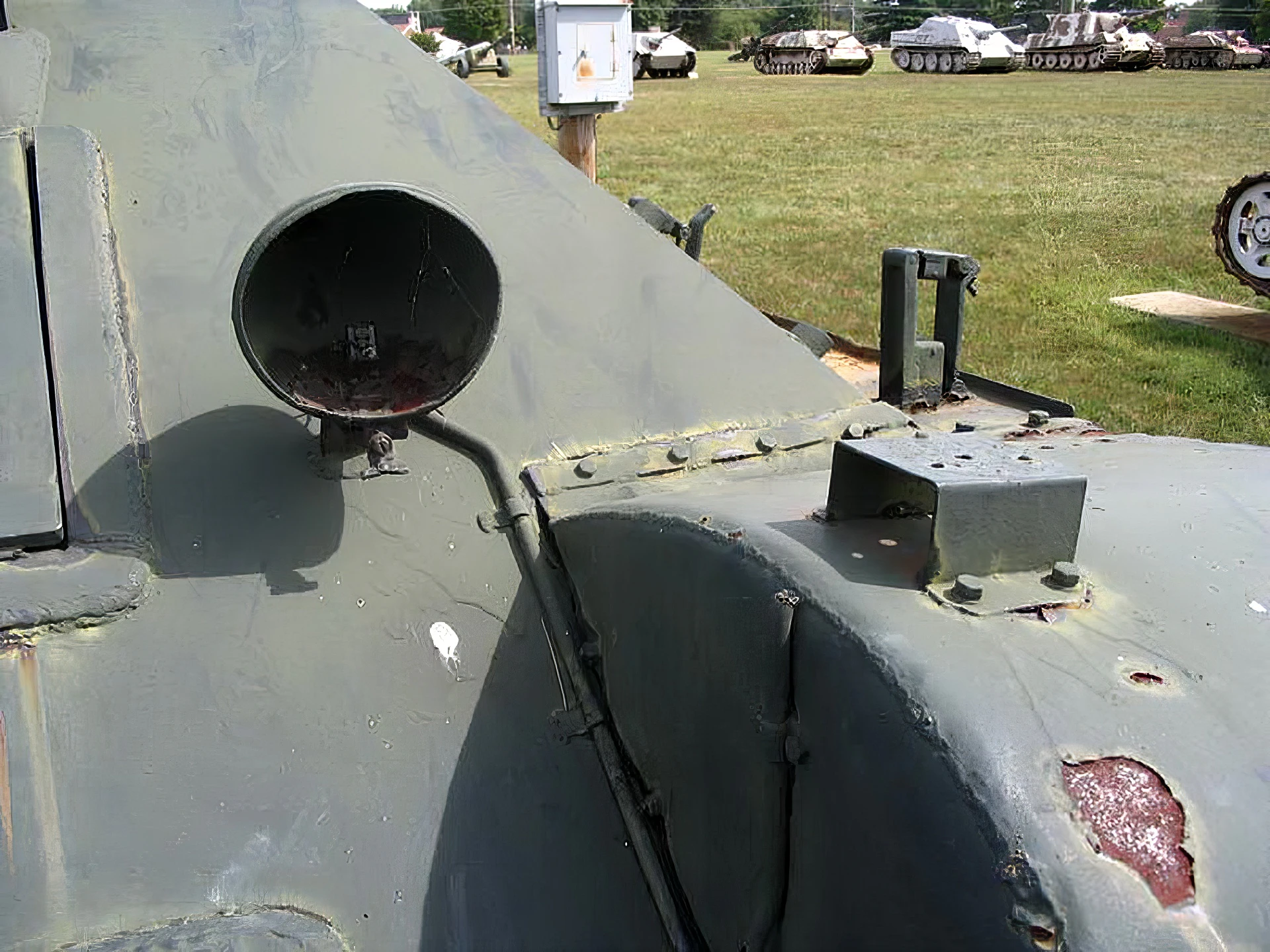
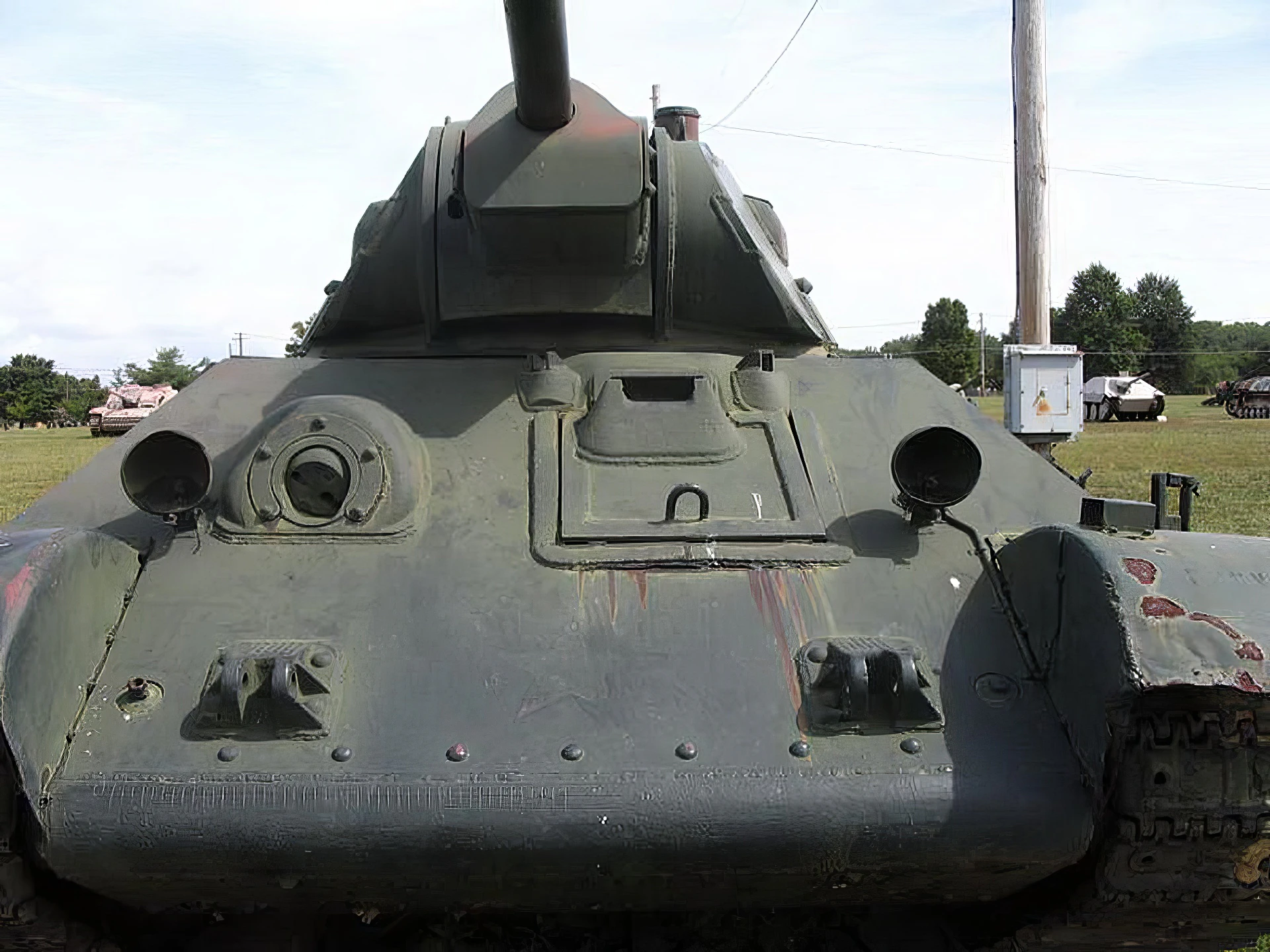
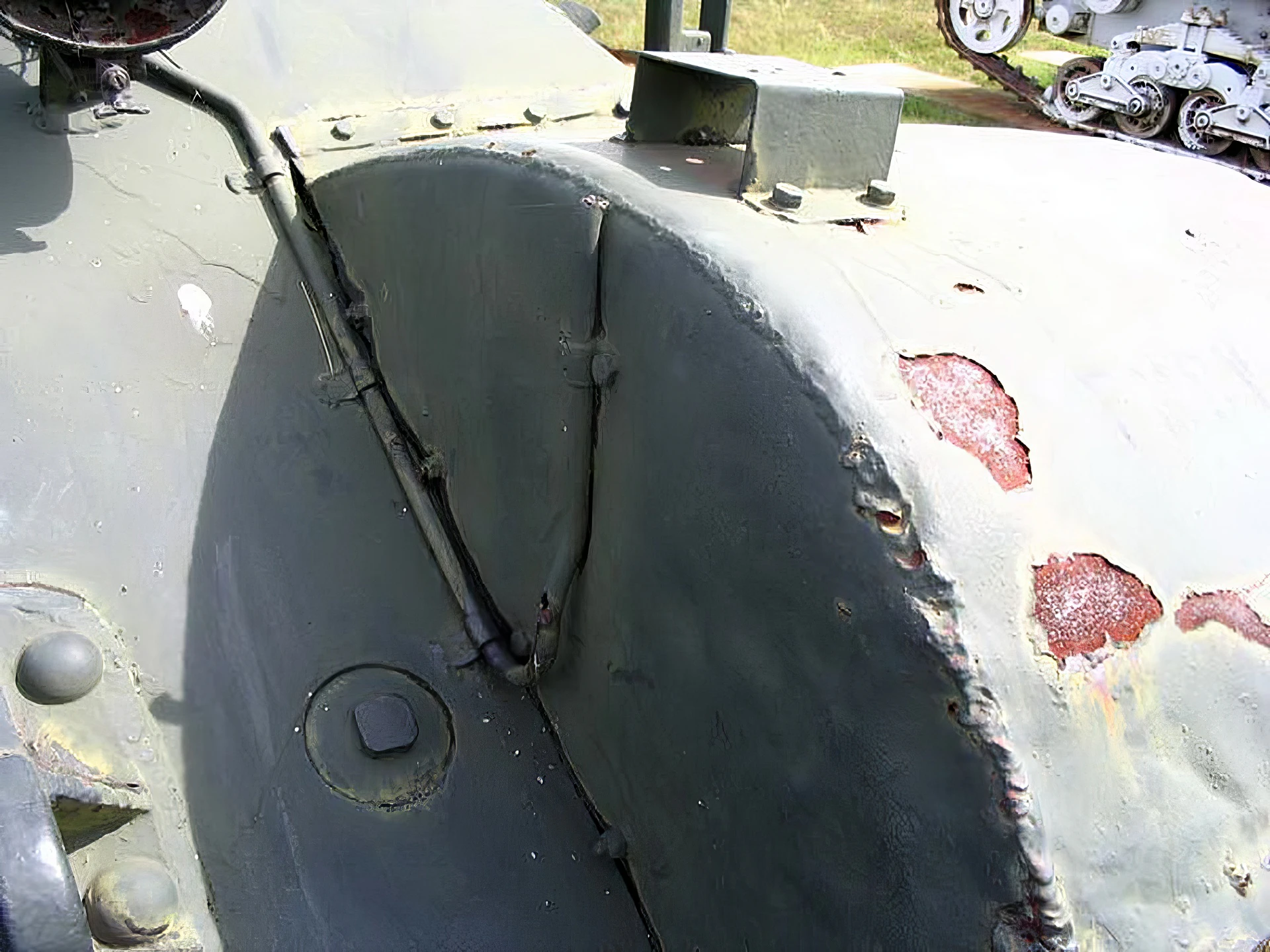
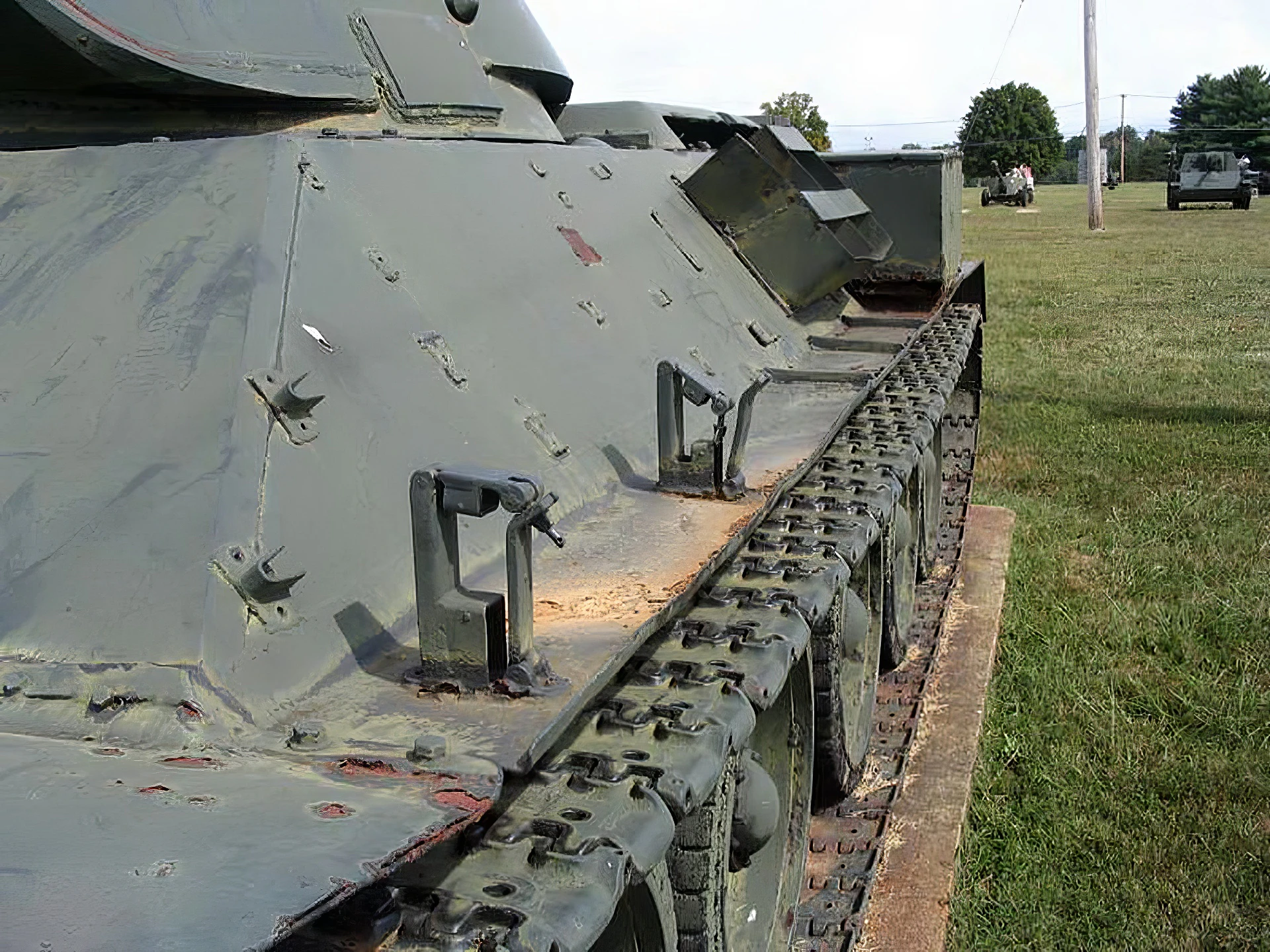
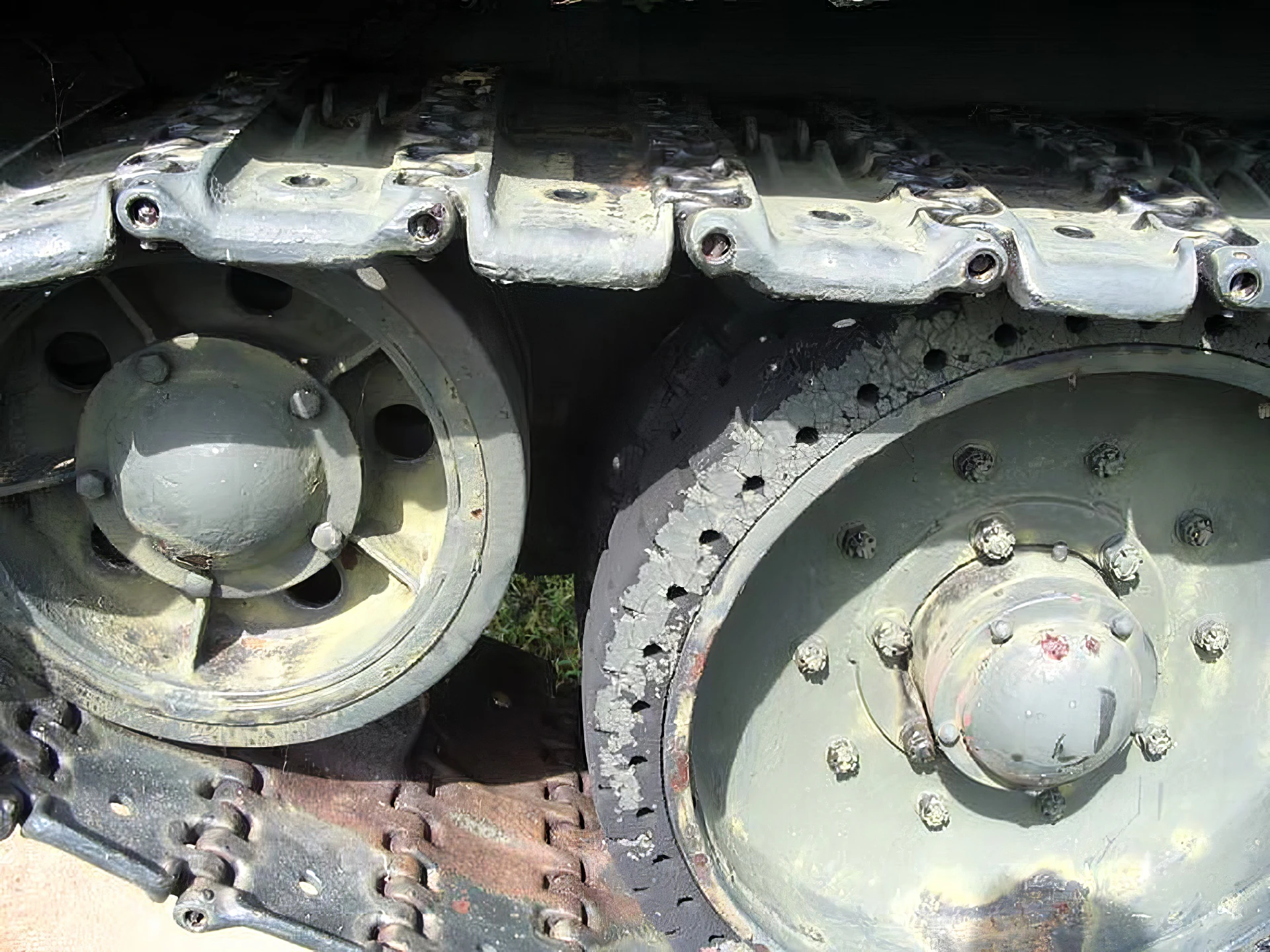
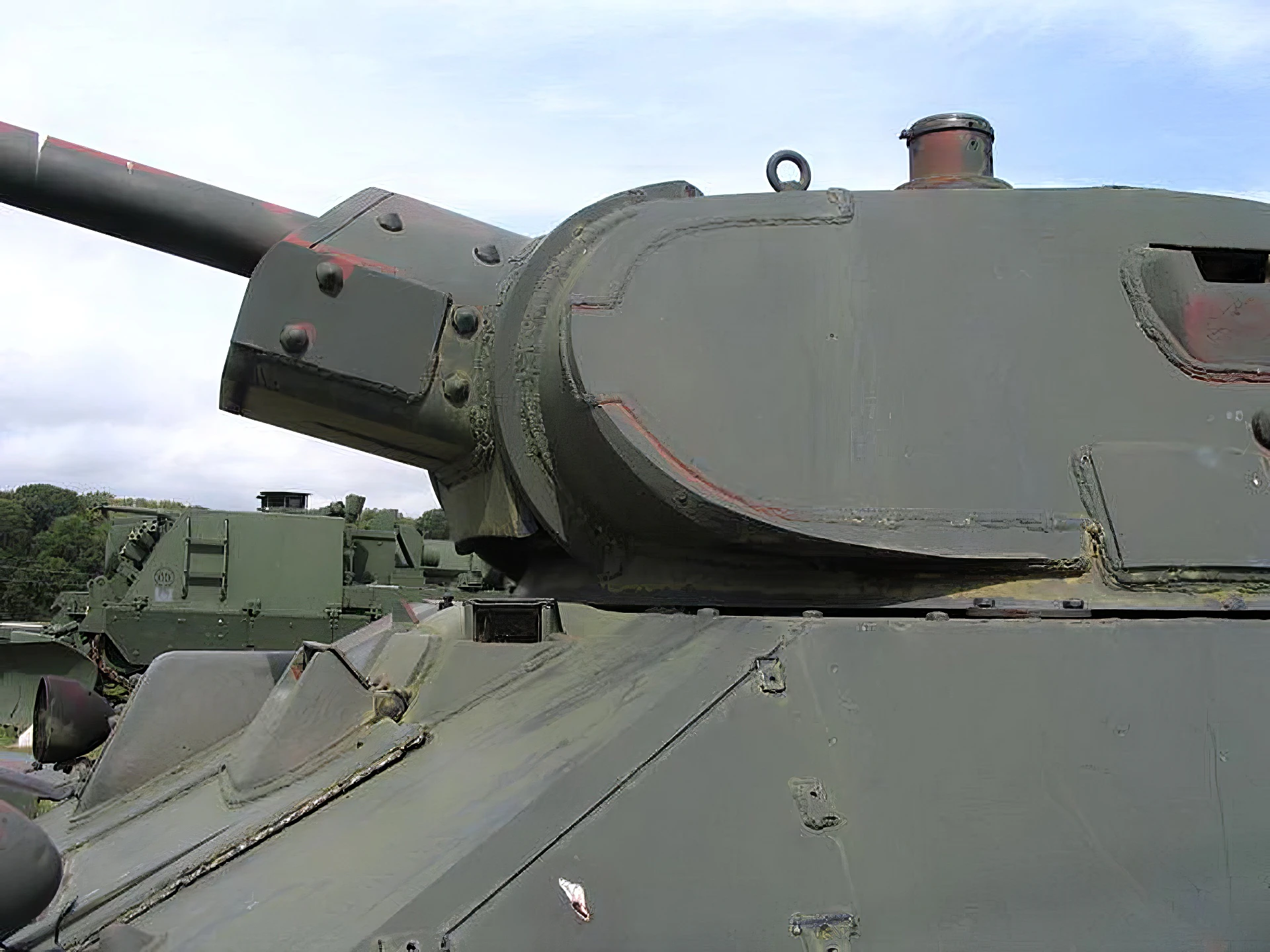
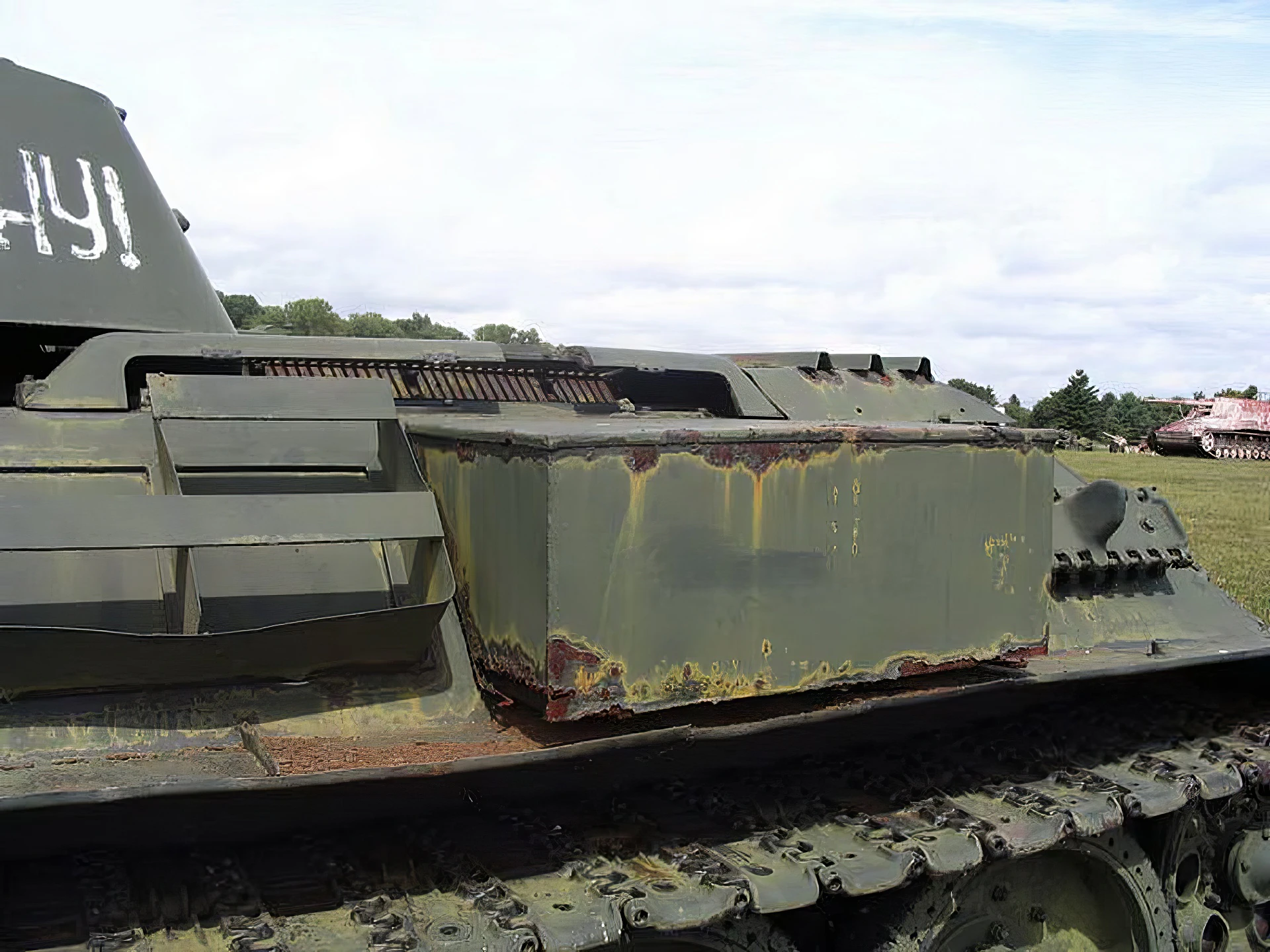

| T-34-76 | |
|---|---|
| Photographer | Unknow |
| Localisation | Unknow |
| Photos | 12 |
| T-34-76 Mod. 1943 Walk Around | |
|---|---|
| Photographer | Unknow |
| Localisation | Unknow |
| Photos | 43 |
See also:


The T-34/76 was a Soviet medium tank introduced in 1940. It is widely regarded as one of the most important and influential tank designs of World War II, combining revolutionary sloped armor, a powerful diesel engine, and a capable 76.2 millimeter gun, which gave it a major edge over contemporary German tanks in 1941.
Key Specifications (Model 1941/42)
| Feature | Detail |
|---|---|
| Role | Medium Tank |
| Crew | 4 (Commander/Gunner, Loader, Driver, Radio Operator/Hull Machine Gunner) |
| Main Armament | 76.2 millimeter F-34 Tank Gun |
| Engine | V-2 Diesel Engine, 500 horsepower (approx.) |
| Armor Thickness (Hull Front) | 45 millimeter sloped at 60 degrees |
| Maximum Speed | 53 kilometers per hour (33 mph) |
| Weight | Around 26.5 metric tonnes |
Revolutionary Design Elements
The T-34’s initial success stemmed from three primary innovations:
- Sloped Armor: The highly angled armor plating greatly increased the effective thickness and deflected incoming rounds, making it difficult for early German anti-tank guns to penetrate.
- V-2 Diesel Engine: This engine provided superior power-to-weight, excellent range, and used diesel fuel, which was less flammable than the gasoline used by most contemporary German and Western Allied tanks.
- Wide Tracks: The broad tracks and Christie suspension gave the tank superior mobility over the mud, snow, and poor roads of the Eastern Front, where German tanks often struggled.
Production Priority: Due to the desperate need for tanks following the German invasion (Operation Barbarossa), the Soviet government prioritized rapid, mass production over quality control, leading to high numbers of tanks but also initial issues with reliability, particularly with the gearbox and engine.
Views : 4072