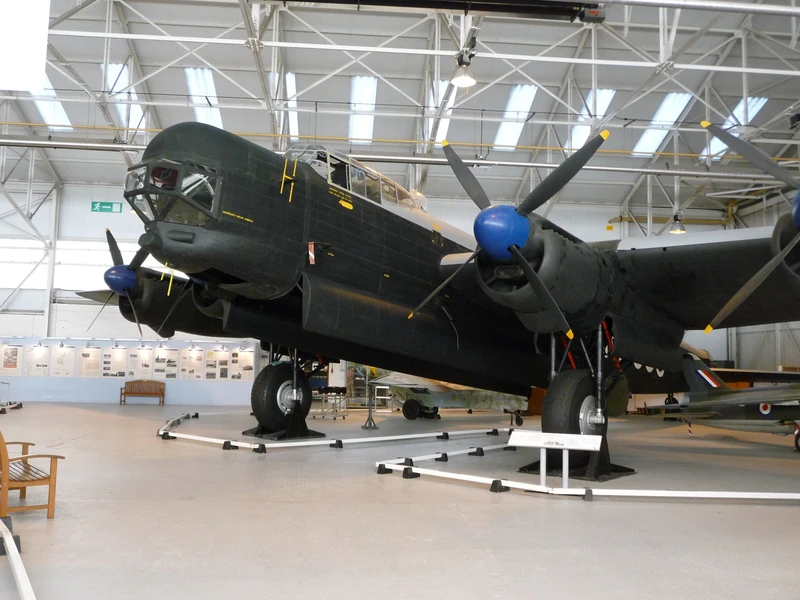
Avro Type 694 Lincoln | |
|---|---|
| Country | UK |
| Role | Heavy bomber |
| First flight | 9 June 1944 |
| Built | 604 |
The Avro Type 694 Lincoln is a British four-engined heavy bomber, which first flew on 9 June 1944. Developed from the Avro Lancaster, the first Lincoln variants were initially known as the Lancaster IV and V; these were renamed Lincoln I and II. It was the last piston-engined bomber operated by the Royal Air Force (RAF).
Source: Avro Type 694 Lincoln on Wikipedia
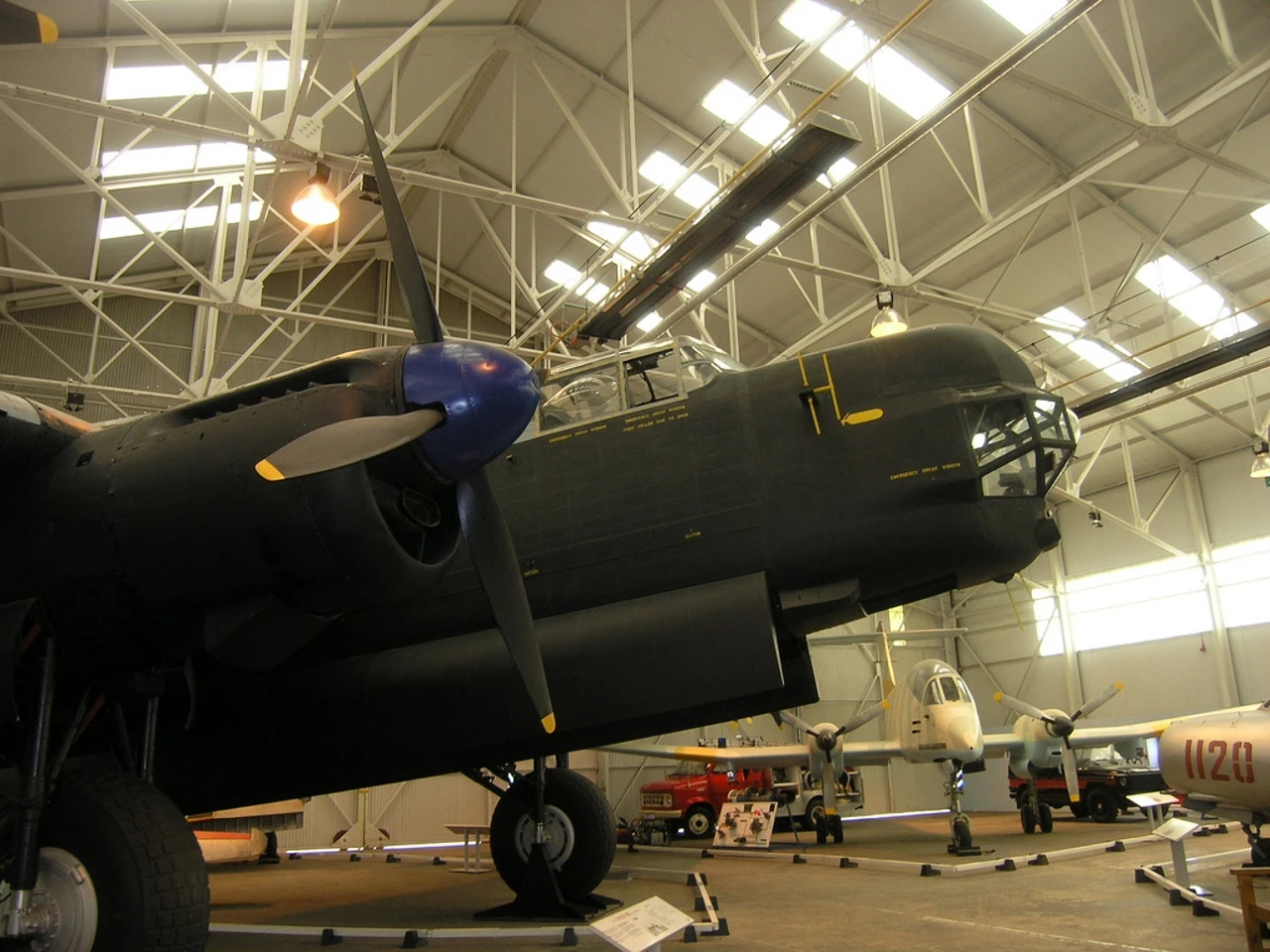
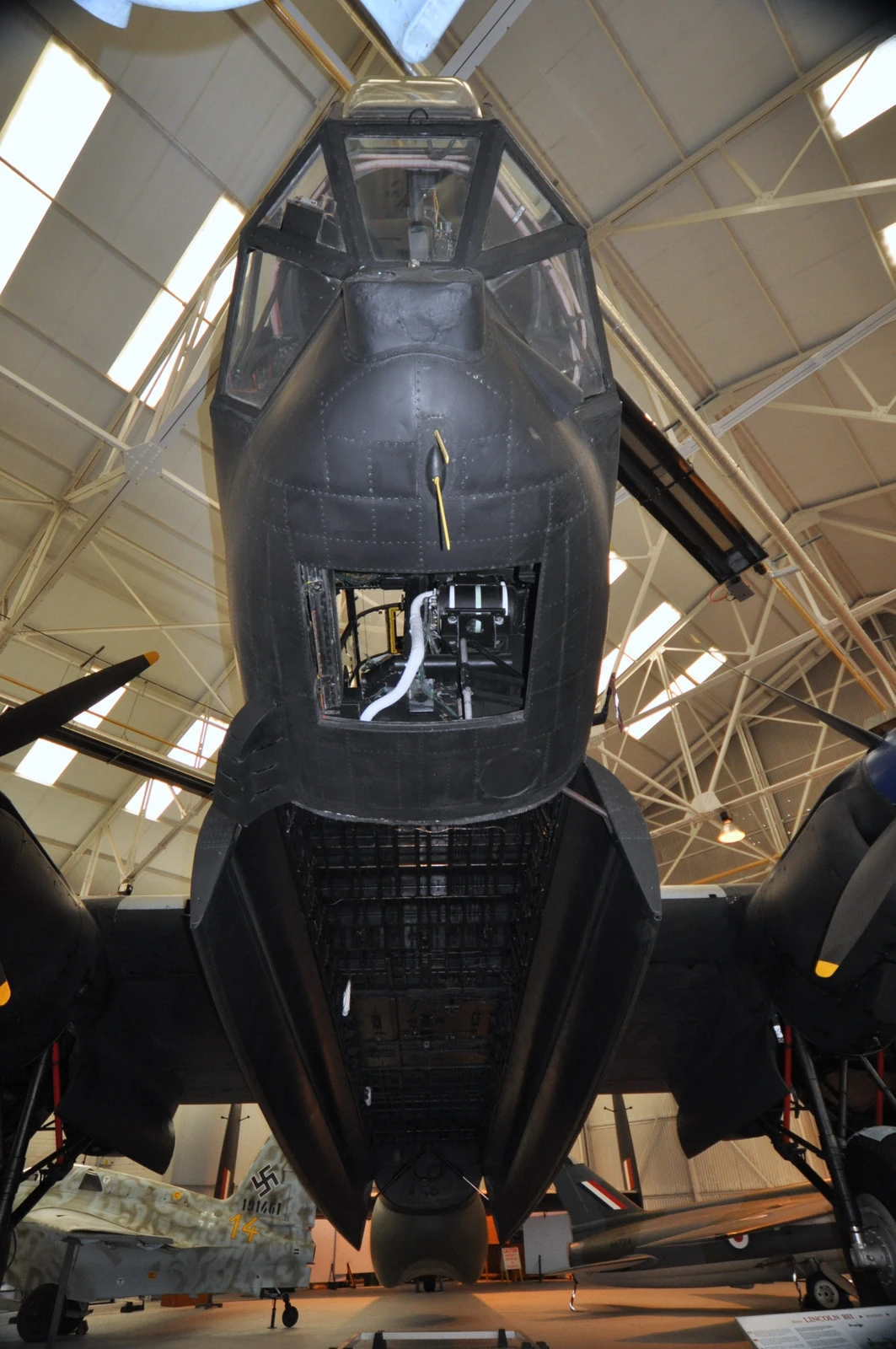
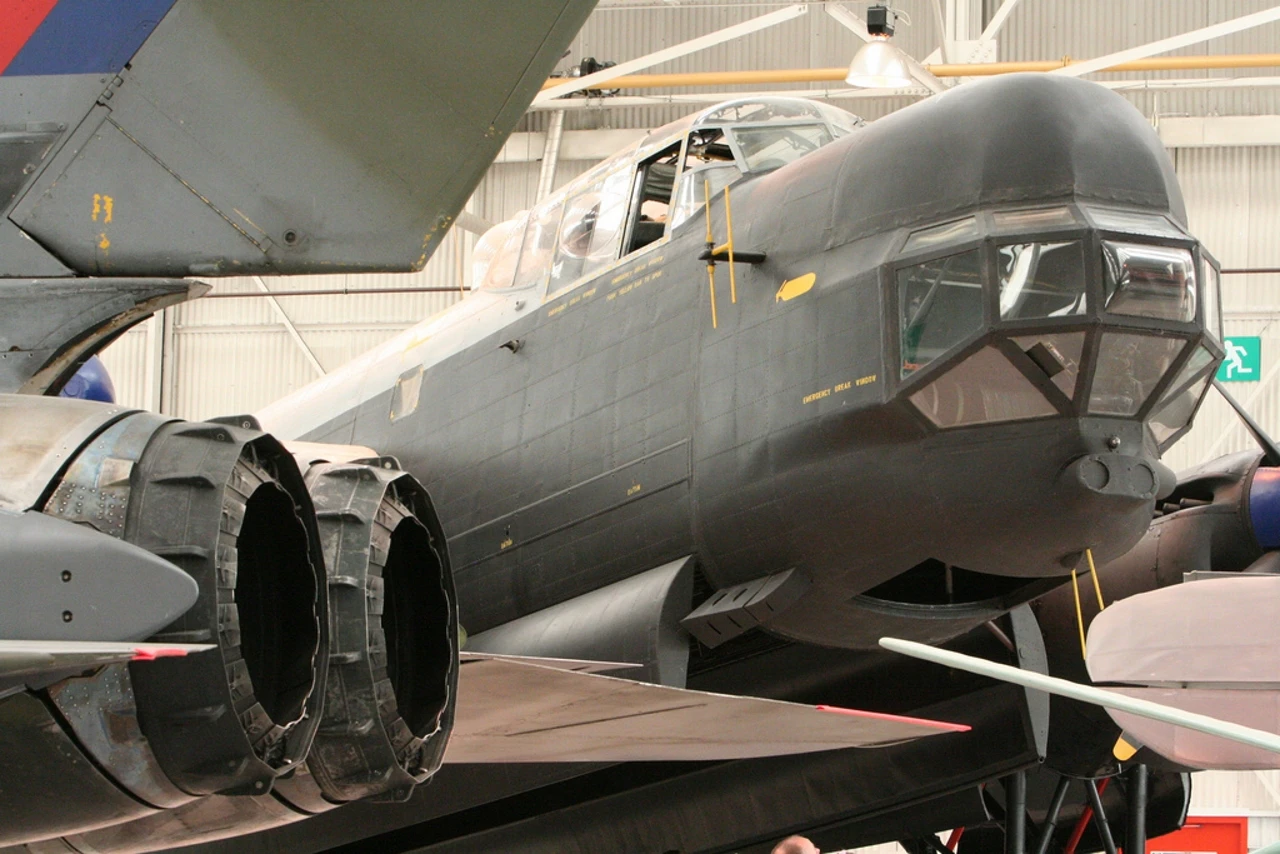
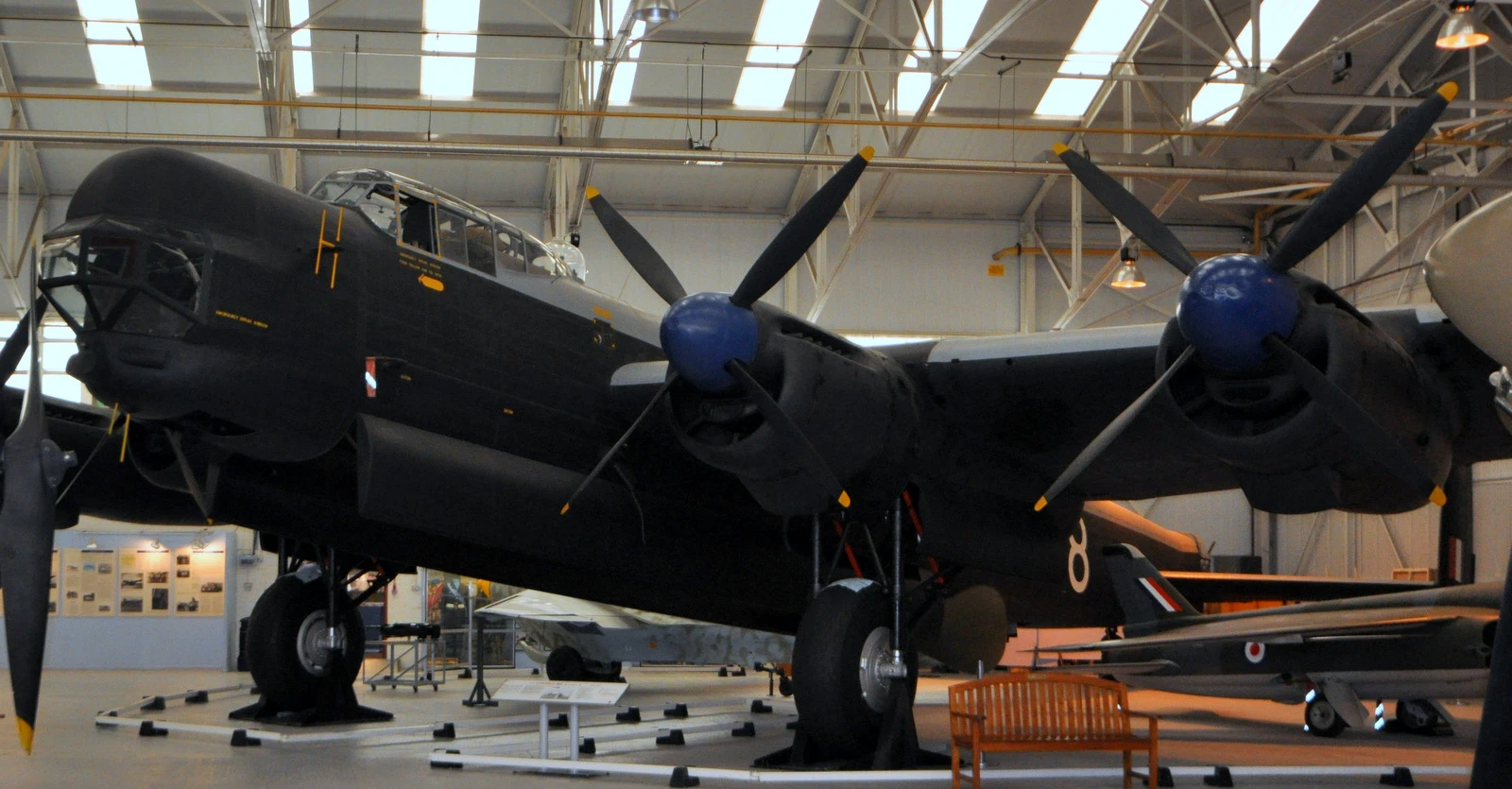
| Avro Type 694 Lincoln II Walk Around | |
|---|---|
| Photographer | Unknow |
| Localisation | Unknow |
| Photos | 23 |
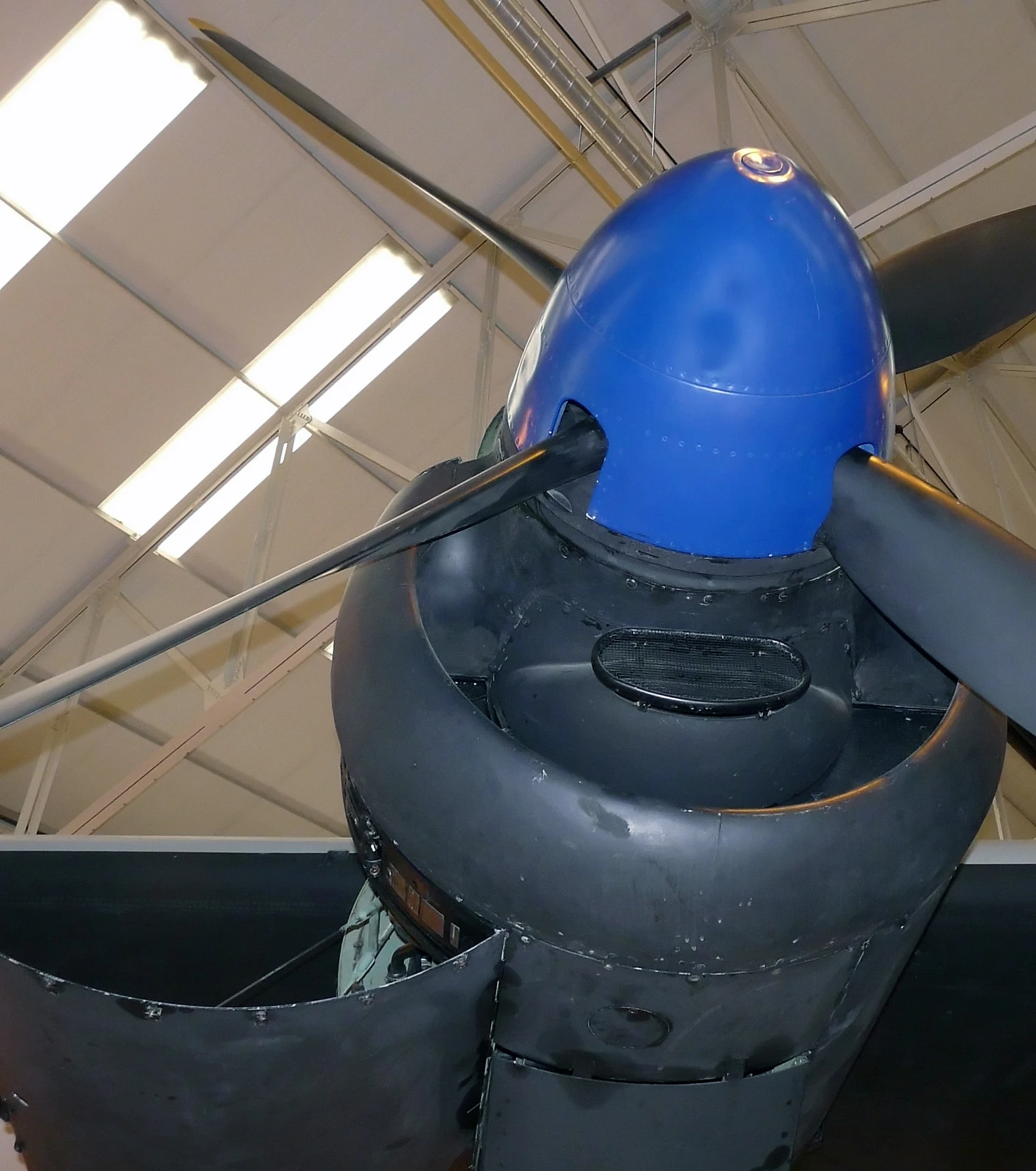
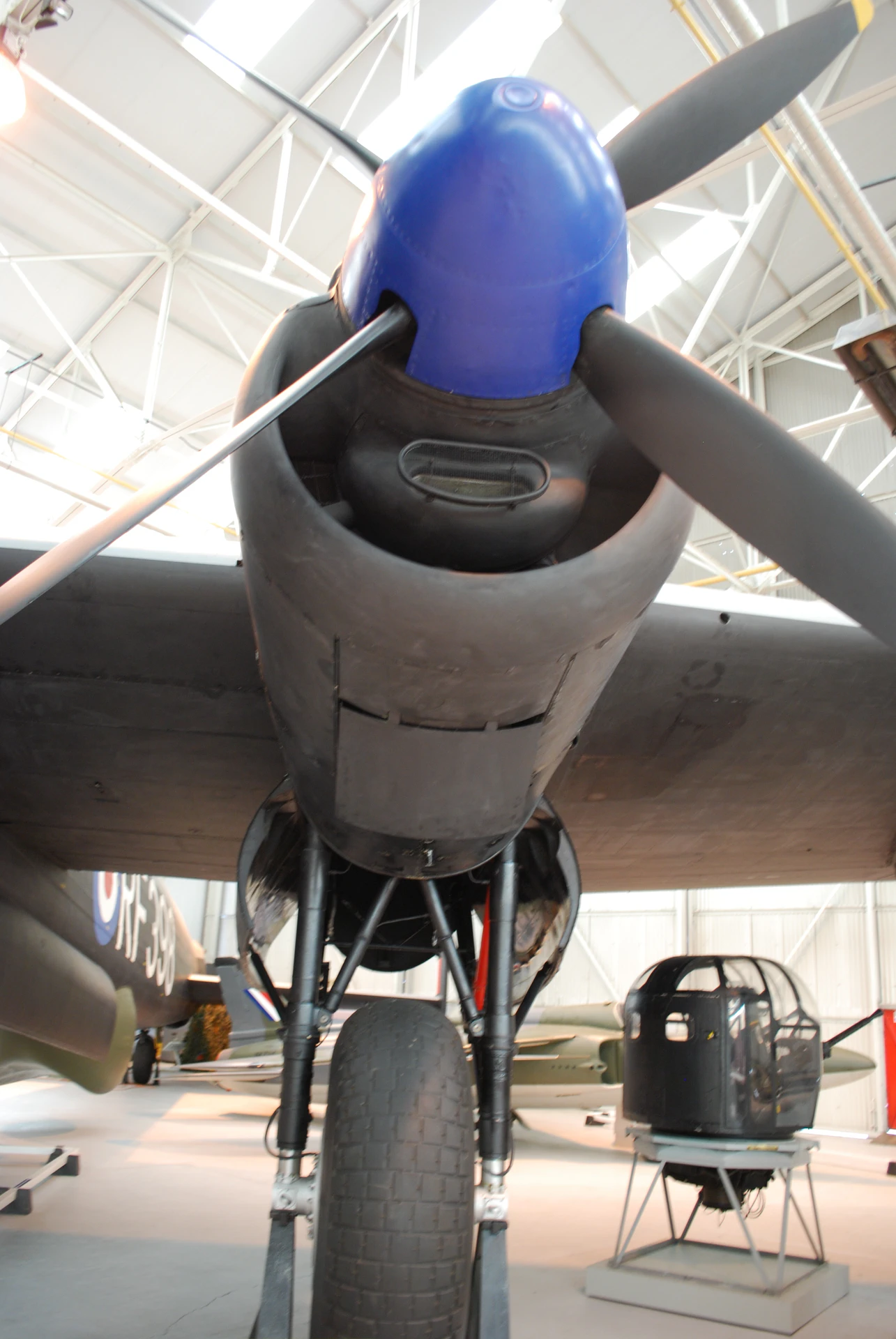


See also:


General Characteristics
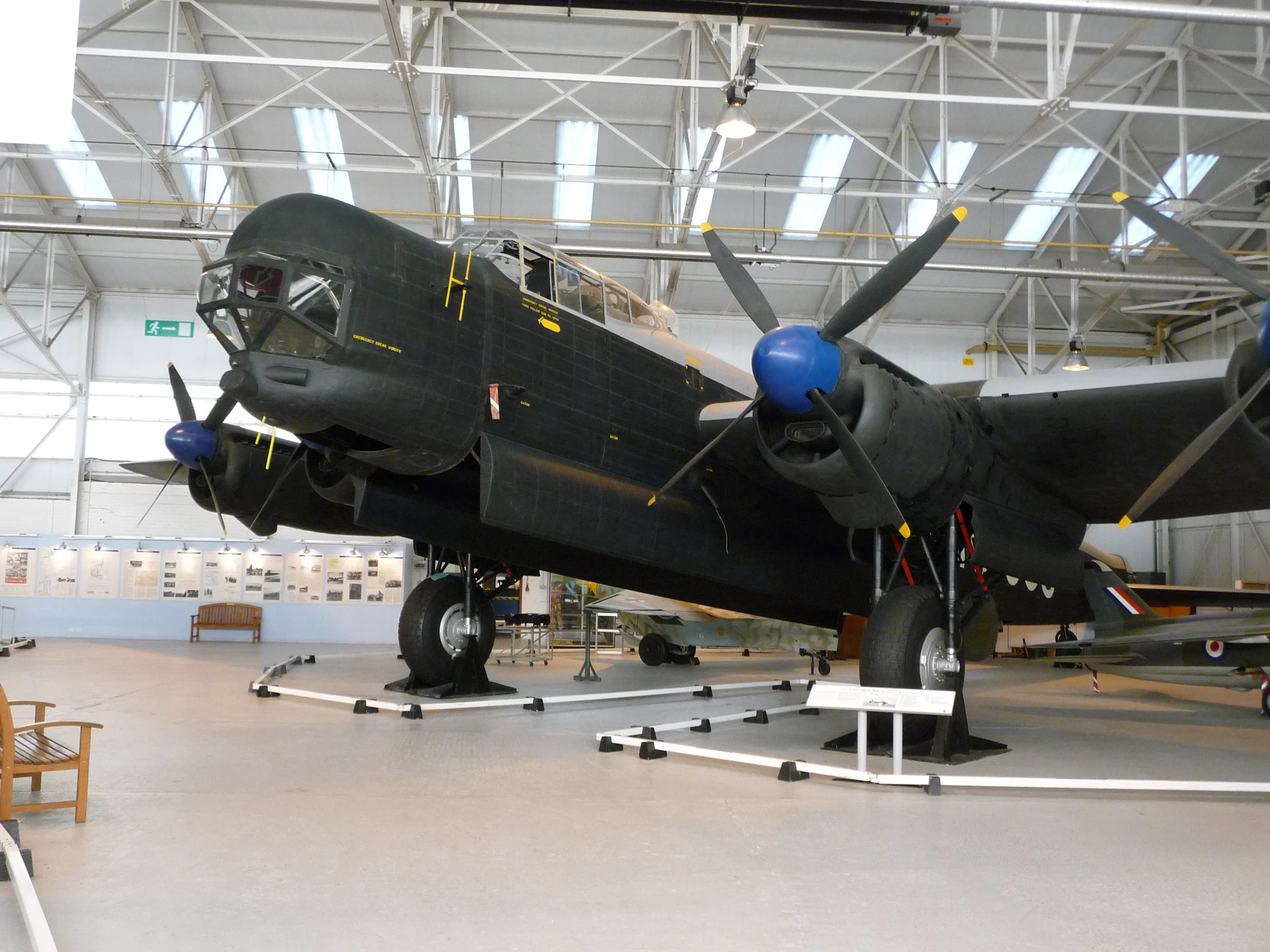
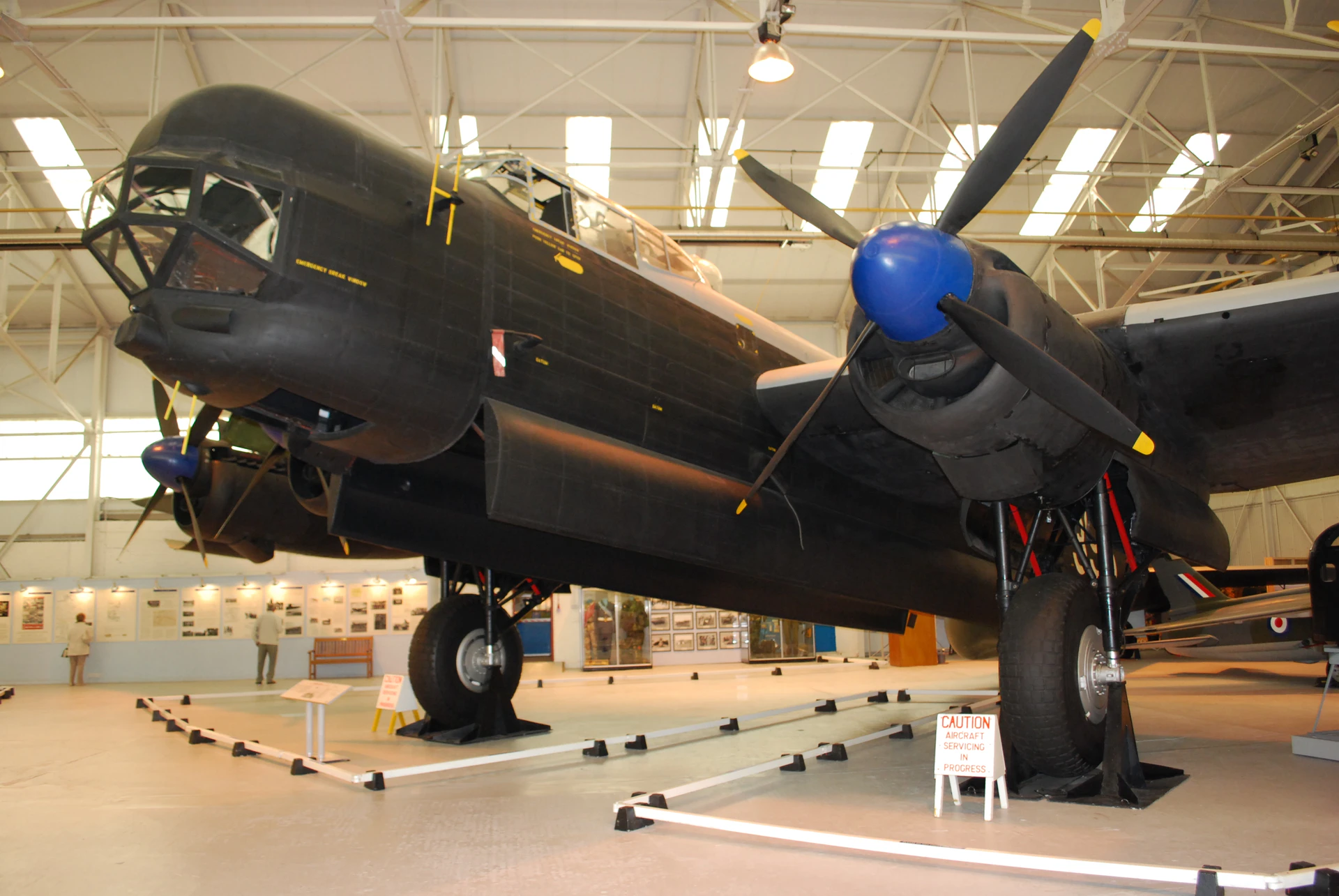
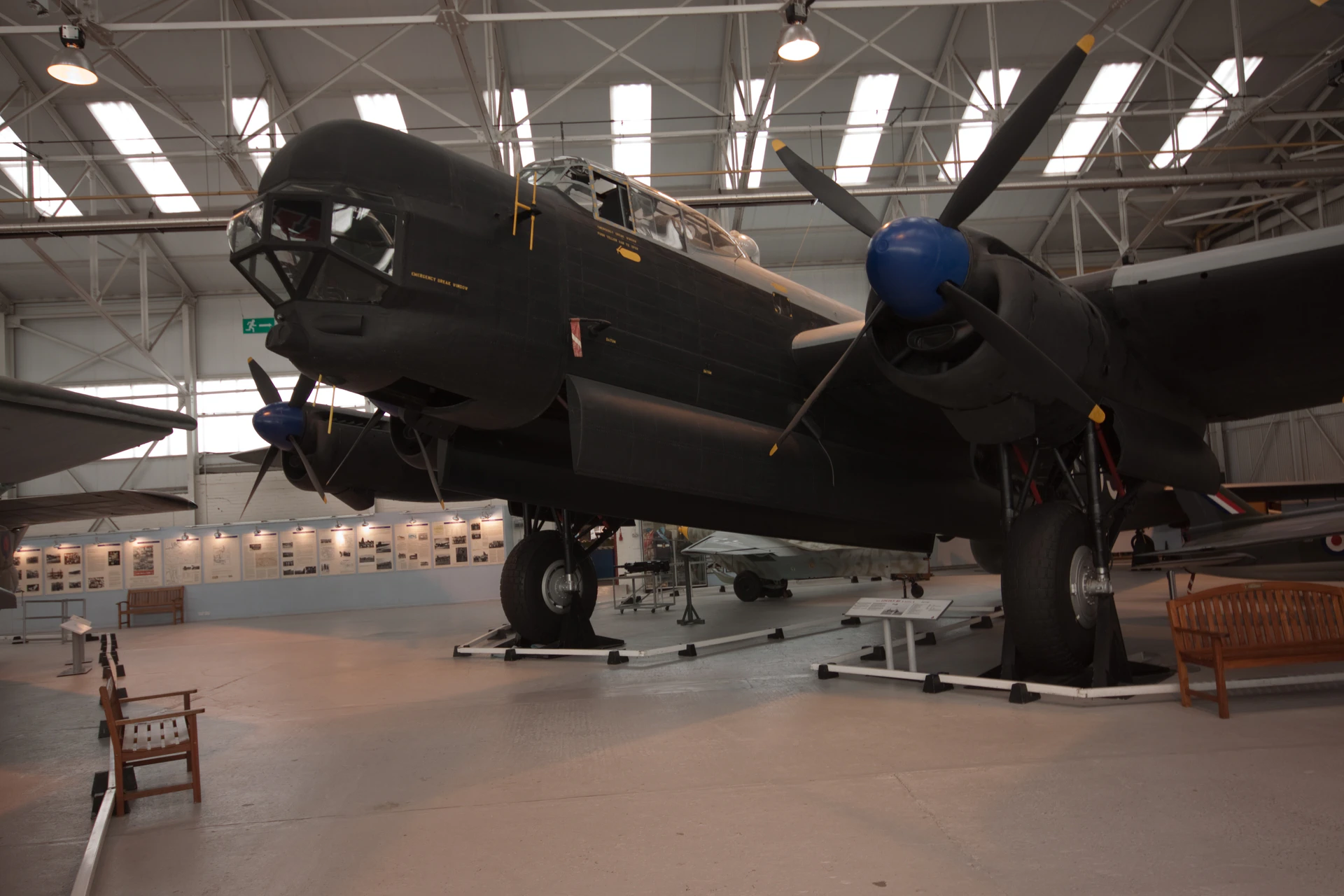
The Avro Lincoln was a British four-engined heavy bomber developed from the highly successful Avro Lancaster to meet Air Ministry Specification B.14/43 for a high-altitude, long-range bomber. Initially designated the Lancaster Mk IV and Mk V, the differences in its enlarged fuselage and longer, stronger wings led to it being given the new name Avro Lincoln. The Lincoln II variant was the main production model, serving as the last piston-engined bomber operated by the Royal Air Force (RAF). Although designed to participate in the final stages of the war against Japan as part of the “Tiger Force,” the war ended before it saw combat, leaving it as a primary RAF bomber throughout the 1950s.
| Property | Typical Value (Lincoln II) |
|---|---|
| Role | Long-Range Heavy Bomber |
| National Origin | United Kingdom |
| Manufacturer | Avro, Armstrong-Whitworth, Vickers-Metropolitan |
| First Flight | June 9, 1944 |
| In Service (RAF) | 1945–1963 |
| Crew | 7 (Pilot, Flight Engineer, Navigator, Wireless Operator, Bomb Aimer/Nose Gunner, Dorsal Gunner, Tail Gunner) |
| Length | 23.86 m (78 ft 3.5 in) |
| Wingspan | 36.58 m (120 ft 0 in) |
| Max Takeoff Weight | 37,195 kg (82,000 lb) |
Powerplant and Performance
- Engine: 4 x Rolls-Royce Merlin 66, 68A, or 300 V-12 liquid-cooled piston engines.
- Power Output (each): Approximately 1,305 kW (1,750 hp).
- Maximum Speed: 499 km/h (310 mph) at altitude.
- Cruise Speed: 346 km/h (215 mph).
- Service Ceiling: 9,300 m (30,500 ft).
- Maximum Range (Light Bomb Load): Up to 7,160 km (4,450 miles).
- Design Note: The higher aspect ratio wings and two-stage supercharged engines (Rolls-Royce or Packard-built) gave it better performance at high altitudes and significantly longer range than the Lancaster.
Armament and Ordnance
- Nose Turret: 2 x 12.7 mm (.50 in) M2 Browning machine guns (Boulton Paul Type F).
- Dorsal Turret: 2 x 20 mm Hispano Mk. IV or Mk. V cannons (Bristol B.17).
- Tail Turret: 2 x 12.7 mm (.50 in) M2 Browning machine guns (Boulton Paul Type D, often fitted with radar sight).
- Maximum Bomb Load: 6,350 kg (14,000 lb) standard, with the capacity to carry heavier ordnance like the 10,000 lb (4,536 kg) or 12,000 lb (5,443 kg) bombs, and even the massive **Grand Slam** bomb.
- Operational History: Saw action in the 1950s against insurgents during the Malayan Emergency and the Mau Mau Uprising in Kenya. Its airframe was also the basis for the **Avro Shackleton** maritime patrol aircraft.
Views : 1122
You can see also :
 Sikorsky S-39 – Photos & Videos
 North American NA-64 Yale – Photos & Videos
 Sud-Ouest Triton – Photos & Video
 Culver PQ-14 Cadet – Photos & Video
 Northrop F-20 Tigershark – Photos & Video
 Aeronca L-3 – Photos & Video
 McDonnell F2H Banshee – Photos & Video
 Macchi MC-202 – WalkAround
 Fairey Battle – WalkAround
 Hawker Sea Fury – Walk Around