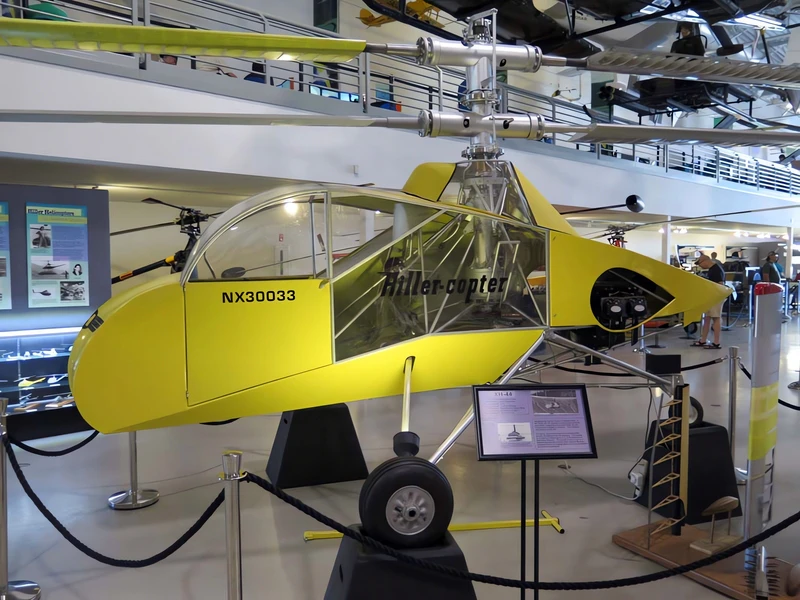
Hiller XH-44 | |
|---|---|
| Land | Usa |
| Role | Coaxiaal-roto helikopter |
| Eerste vlucht | 1942-1944 |
| Gebouwd | Onbewust |
Hiller Aircraft Company was founded in 1942 as Hiller Industries by Stanley Hiller to develop helicopters. Stanley Hiller, then seventeen, established the first helicopter factory on the West Coast of the United States, located in Berkeley, California, in 1942, under the name “Hiller Industries,” to develop his design for the coaxial-rotor XH-44 "Hiller-Copter" voor het Amerikaanse leger. De XH-44 werd operationeel in 1944. In samenwerking met Henry J. Kaiser werd het in 1945 United Helicopters. In de naoorlogse jaren produceerde United Helicopter een aantal innovatieve helikopterontwerpen voor militaire en civiele doeleinden, waaronder coaxiale rotor- en staartloze ontwerpen, evenals meer conventionele modellen. In januari 1949 werd een Hiller 360 de eerste civiele helikopter die de Verenigde Staten doorkruiste
Bron: Hiller XH-44 op Wikipedia
| Hiller XH-44 Walk Around | |
|---|---|
| Photographer | Vladimir Yakubov |
| Localisation | Hiller Aviation Museum, San Carlos |
| Photos | 57 |
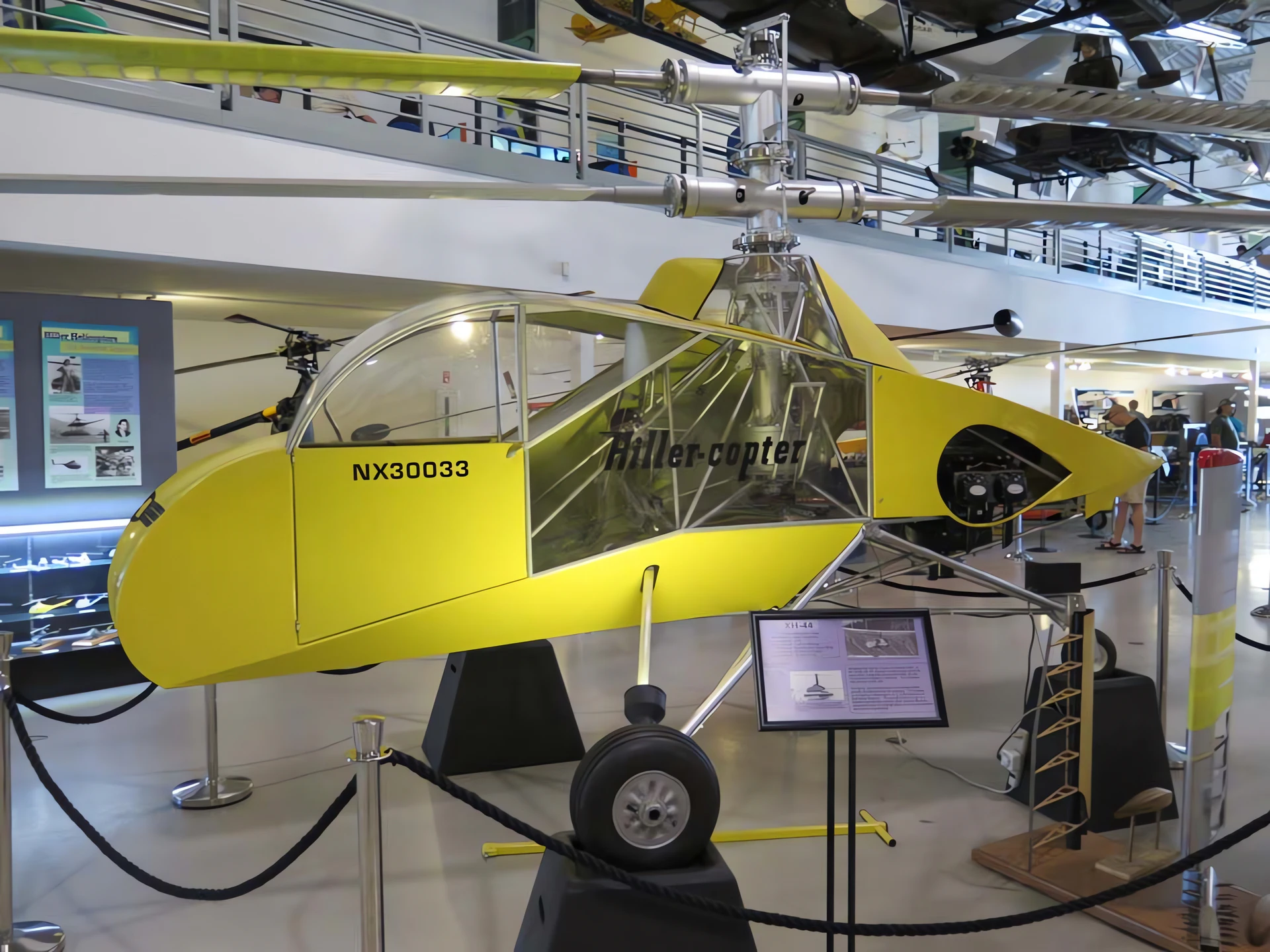
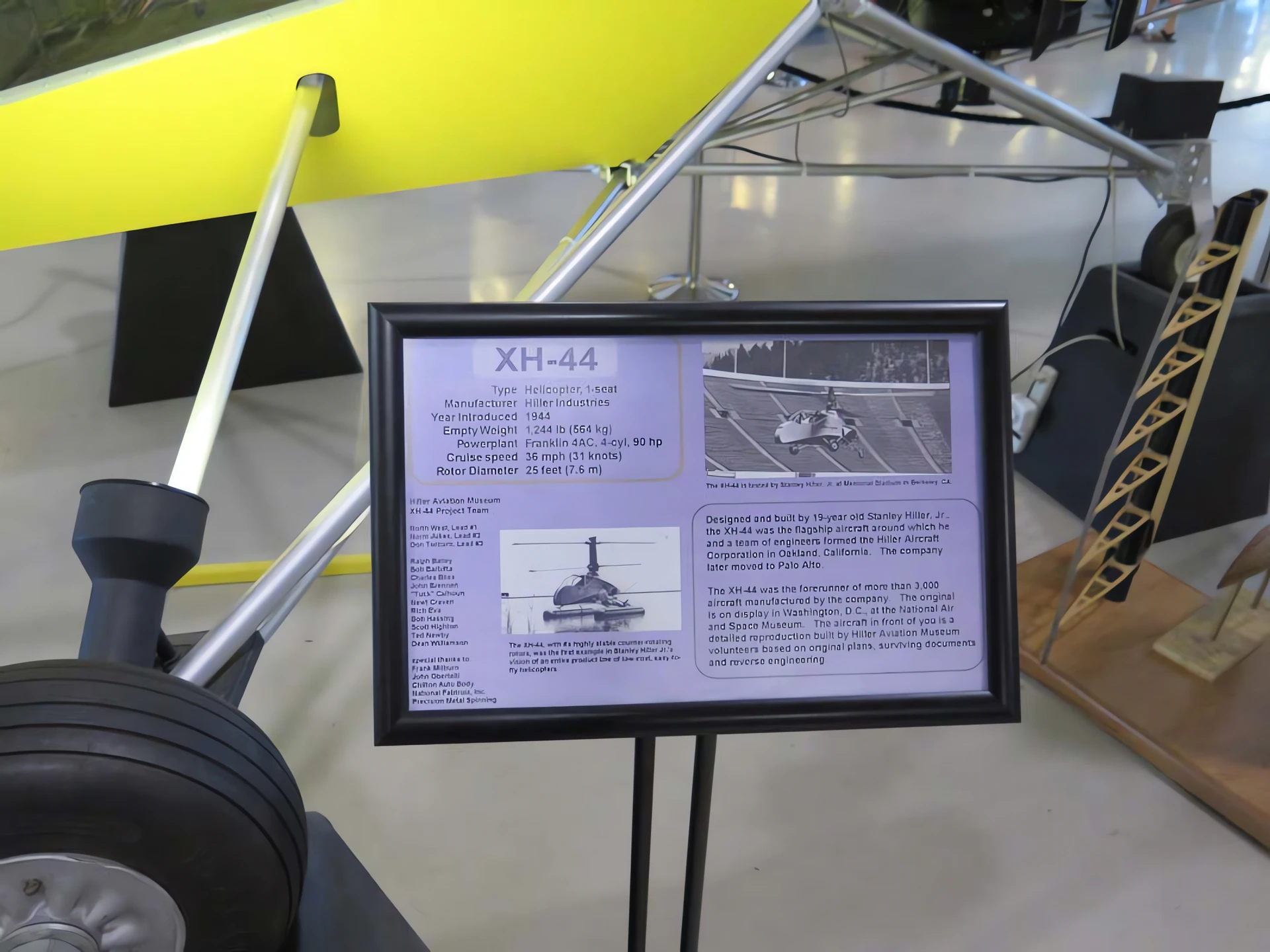
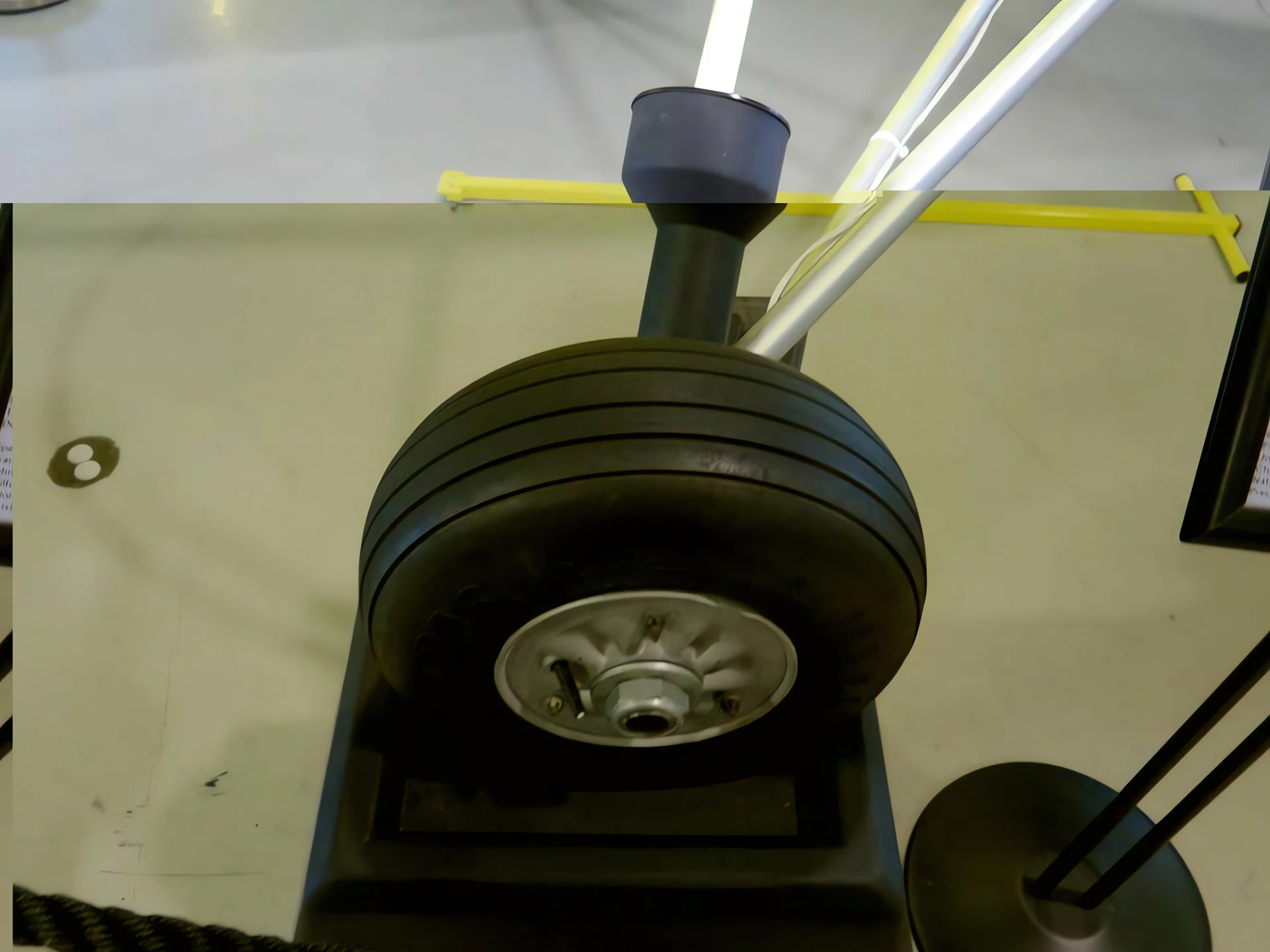
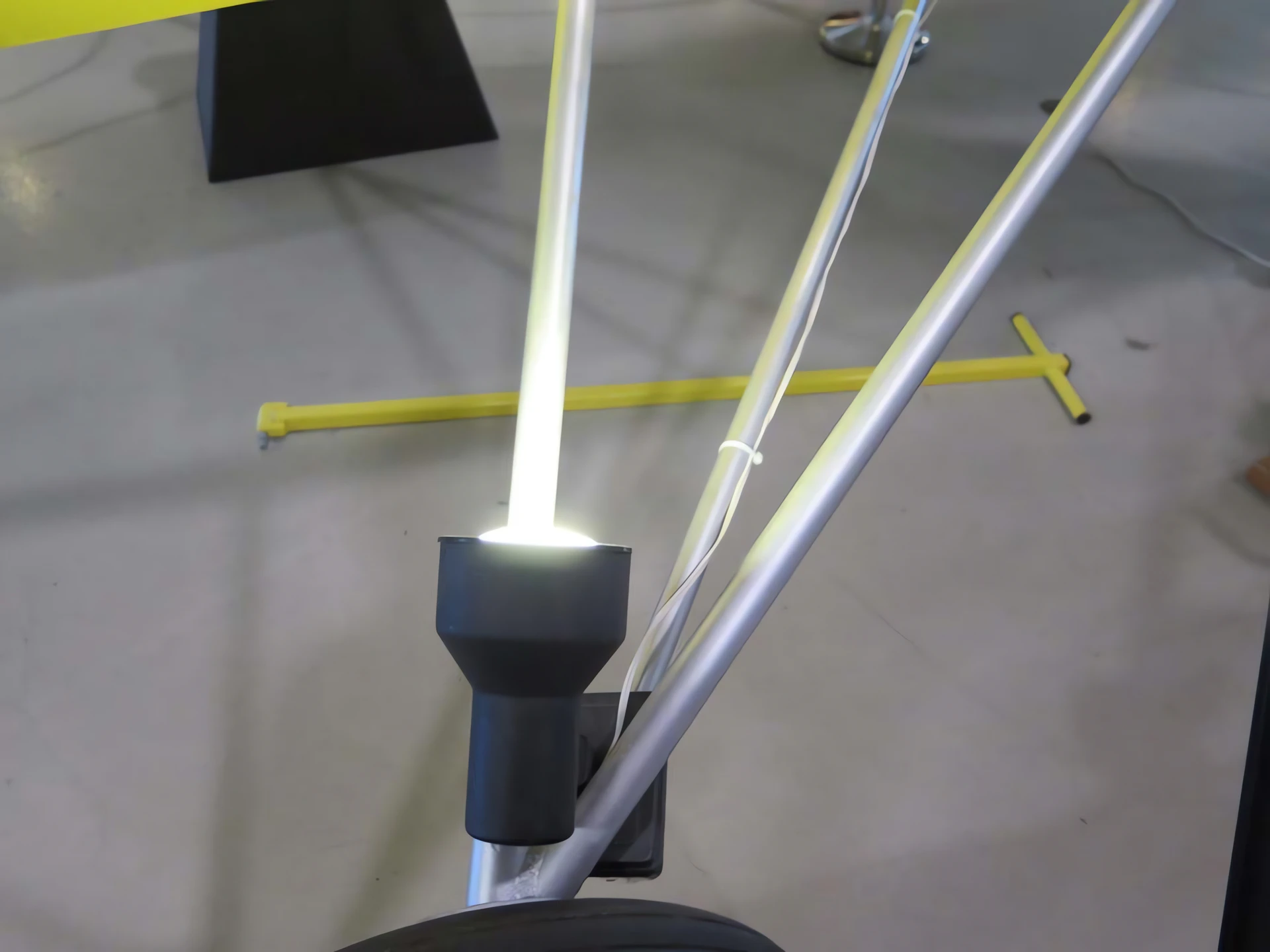
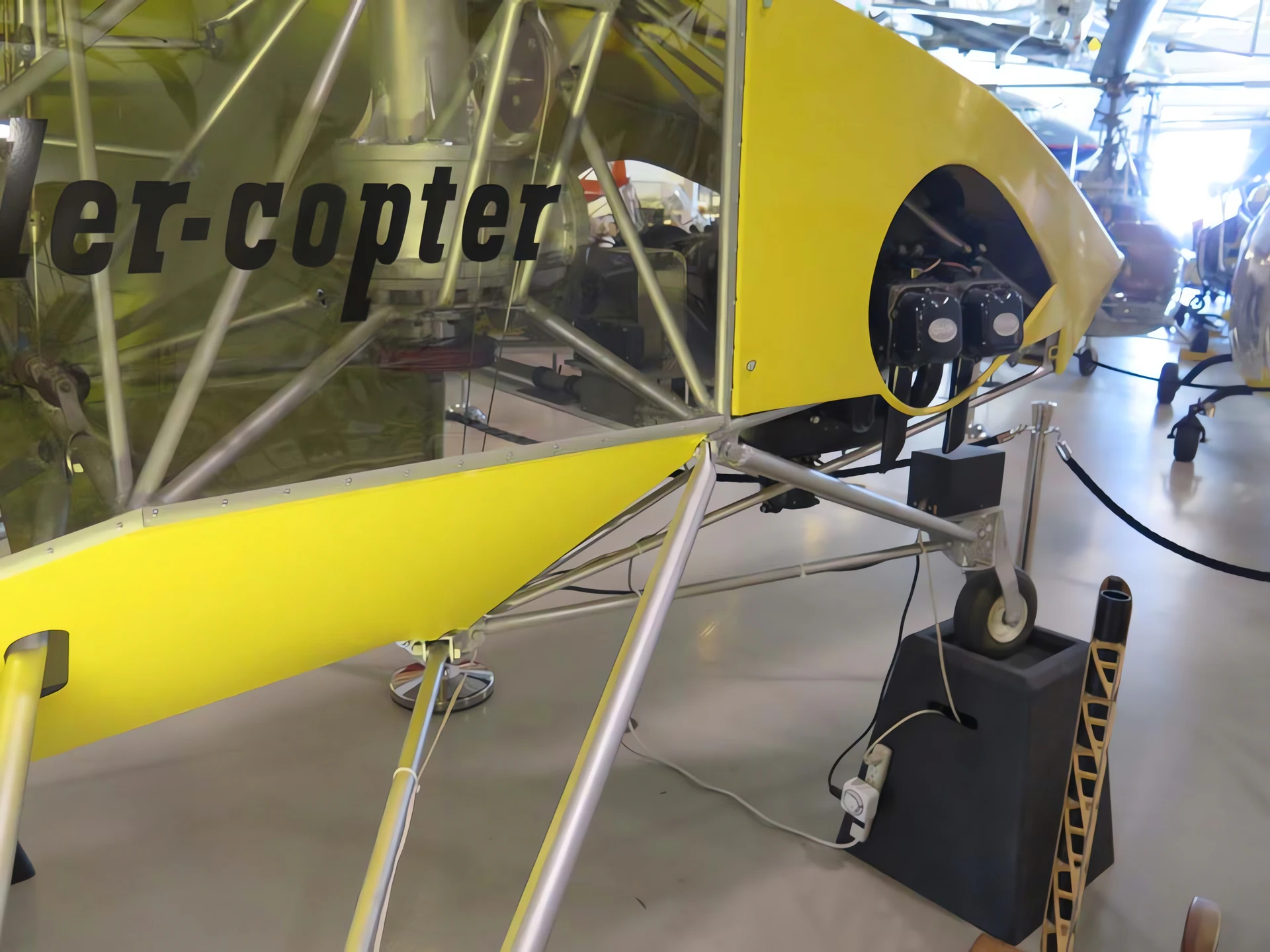
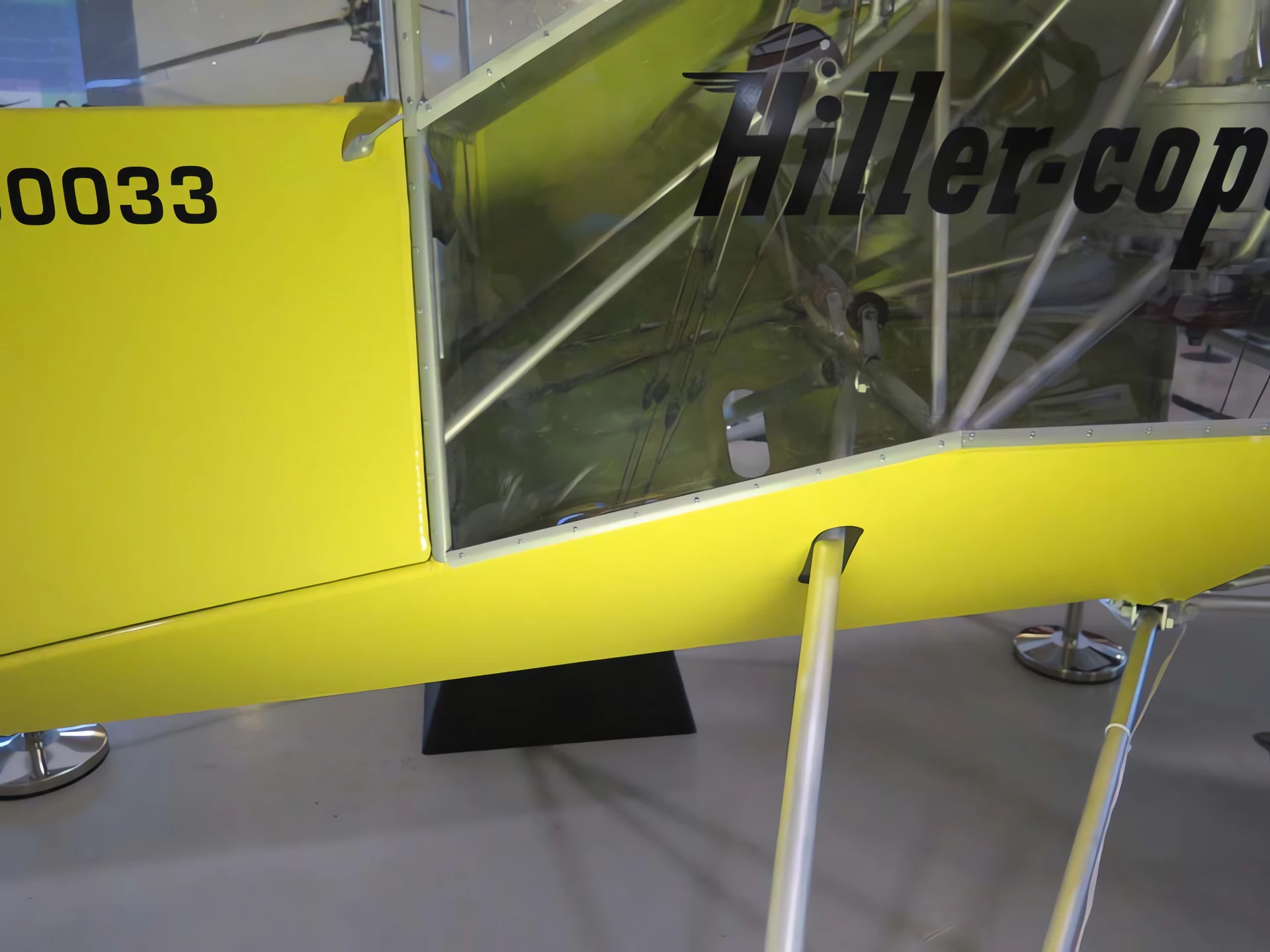
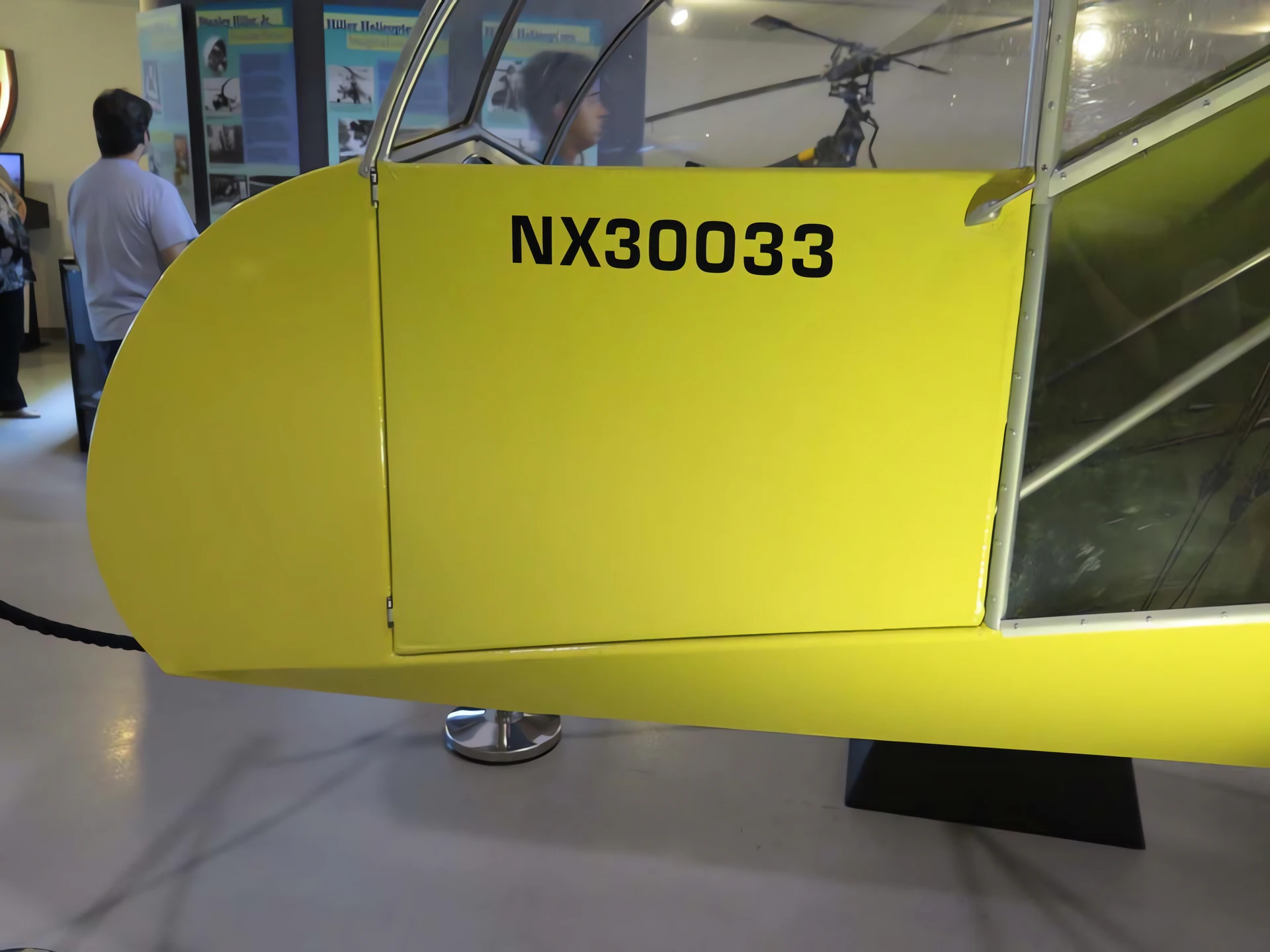
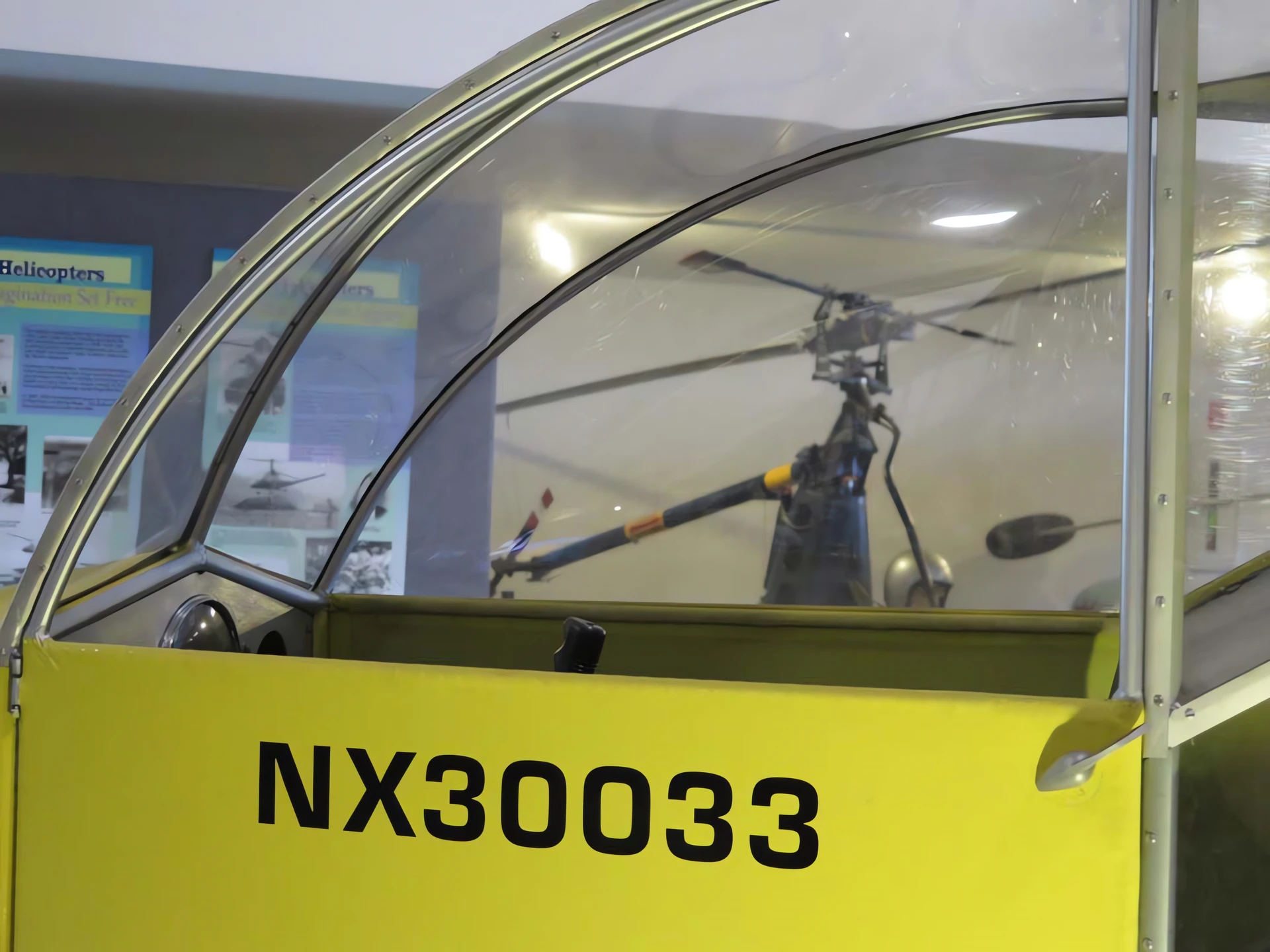
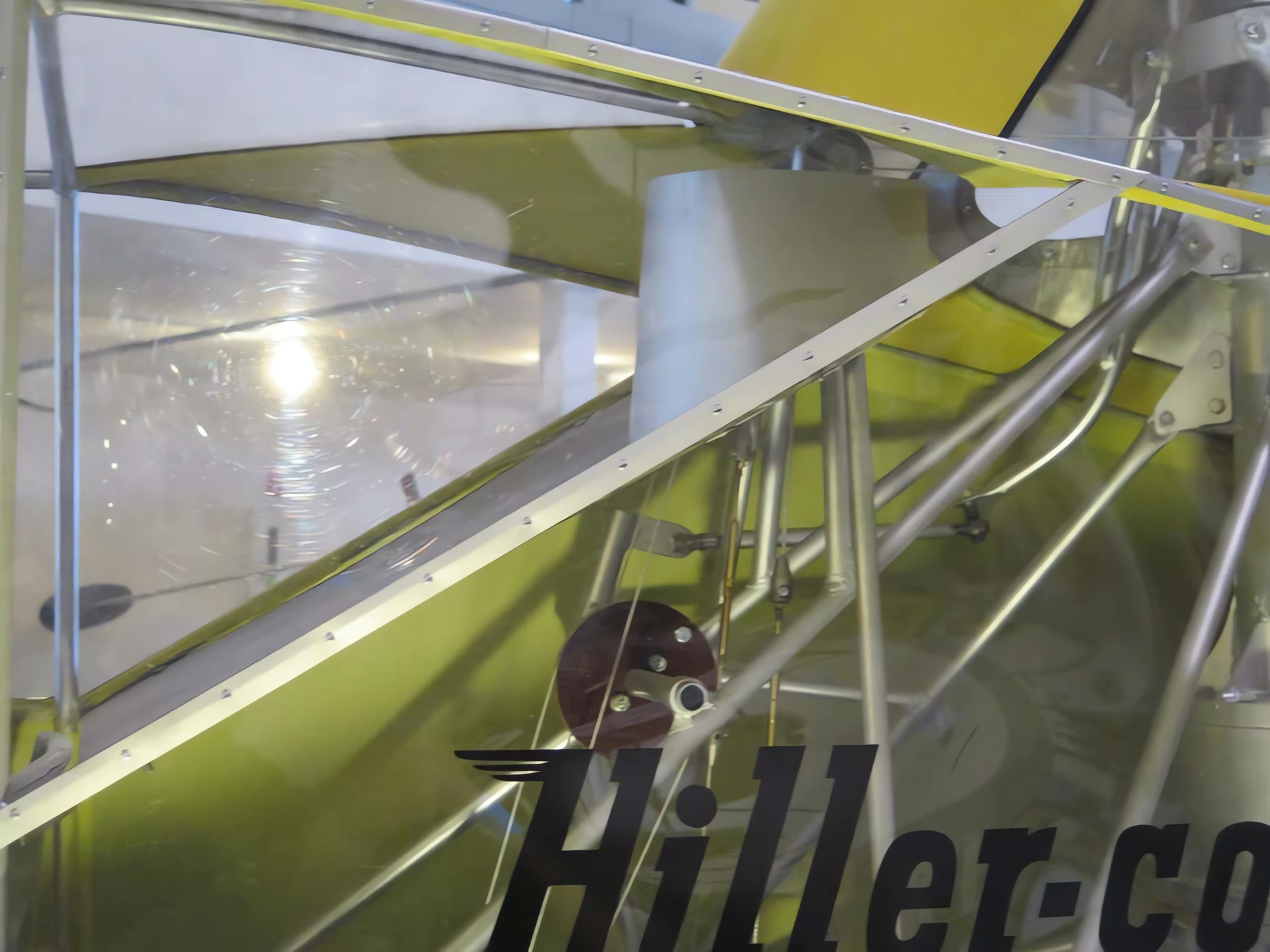

Zie ook:


General Characteristics and Role
The Hiller XH-44 “Jet-Rotor” was an early and highly experimental American helicopter, developed by Stanley Hiller, Jr., during the 1940s. It was the first helicopter to use a unique propulsion system known as tip-jet drive, where compressed air mixed with fuel was ignited and expelled from the tips of the main rotor blades to provide thrust. The primary advantage of this “cold jet” or “hot jet” system was the elimination of the complex and heavy mechanical drivetrain and anti-torque tail rotor typically required by conventional helicopters. The XH-44 was an exceptionally simple and light aircraft for its time, and while it did successfully fly, demonstrating the tip-jet principle, the concept suffered from high fuel consumption and noise, leading to its eventual discontinuation for practical use. The XH-44 was the first helicopter produced by Hiller and helped launch the company’s career in aviation.
| Property | Typical Value (XH-44 Prototype) |
|---|---|
| Role | Experimental Proof-of-Concept Helicopter |
| National Origin | Verenigde Staten |
| Fabrikant | Hiller Helicopters (Hiller-Copter) |
| First Flight | July 1944 |
| Bemanning | 1 (Pilot) |
| Rotor System | Two-bladed main rotor |
| Rotor Diameter (Approx.) | 7.62 m (25 ft 0 in) |
| Length (Fuselage) | 3.78 m (12 ft 5 in) |
| Empty Weight (Approx.) | 145 kg (320 lb) |
| Gross Weight (Approx.) | 300 kg (660 lb) |
Powerplant and Propulsion
- Engine: 1 x Franklin 4ACG-199 piston engine driving an air compressor (not driving the rotor directly).
- Rotor Drive: Tip-jet system. The engine drove a compressor that sent compressed air through ducts in the rotor blades. Fuel was injected and ignited at the tip nozzles to generate propulsive jet thrust (a “hot cycle”).
- Maximum Speed: Approximately 137 km/h (85 mph; 74 kn).
- Range: Very short, due to the low fuel efficiency of the tip-jet concept.
- Tail Rotor: None required. Torque reaction from the main rotor was eliminated because the thrust was applied at the blade tips, making the fuselage inherently stable in yaw.
Design Legacy
- Significance: The XH-44 proved that the jet-powered rotor concept was feasible, attracting initial interest from the U.S. Navy.
- Design Simplicity: The elimination of the heavy transmission, gears, and tail rotor simplified the design and reduced manufacturing complexity.
- Successor: Hiller’s next and more successful designs, such as the Hiller 360, abandoned the jet-rotor in favor of a conventional mechanical drive but retained Hiller’s revolutionary use of a servocontrol paddle system for simplified control input.
- Preservation: The original XH-44 prototype is preserved and on display at the Smithsonian National Air and Space Museum.
Aantal keren bekeken: 1211
U ook zien :
 Sikorsky S-76 – Foto's &video's
 Bristol Belvedere – Foto's & Video's
 Agusta A129 Mangusta – Foto's & Video's
 Sikorsky HH-52 Seaguard – Foto's &video's
 Hiller HJ-1 Hornet – Foto's & Video's
 Sikorsky S-64 Skycrane – Foto's &Video
 Kaman HH-43 Huskie – Foto's & Video
 Hiller OH-23 Raven – Foto's &Video
 Kamov Ka-50 Hokum – Foto's & Video
 SA.318C Alouette II – Foto's & Video