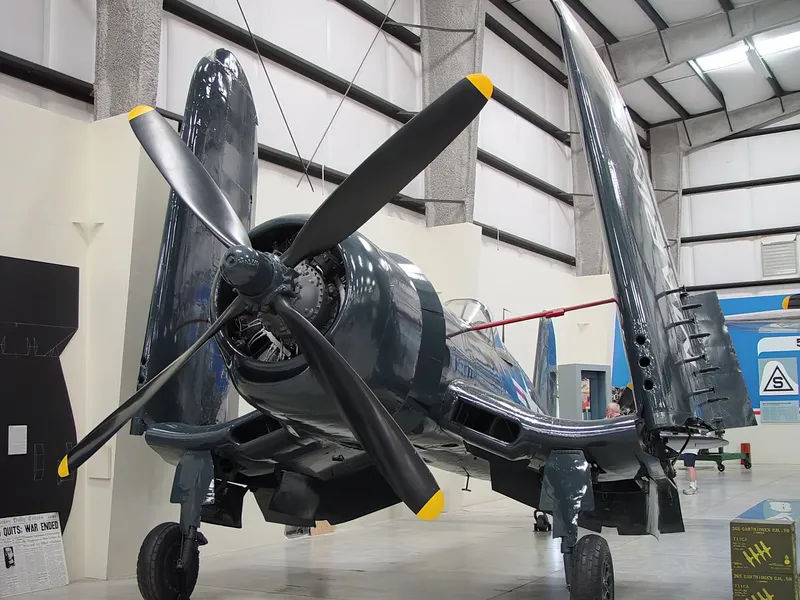
F4U-4 Pima Corsair | |
|---|---|
| Betaalt | Usa |
| Type | Het vliegtuig van de vechter |
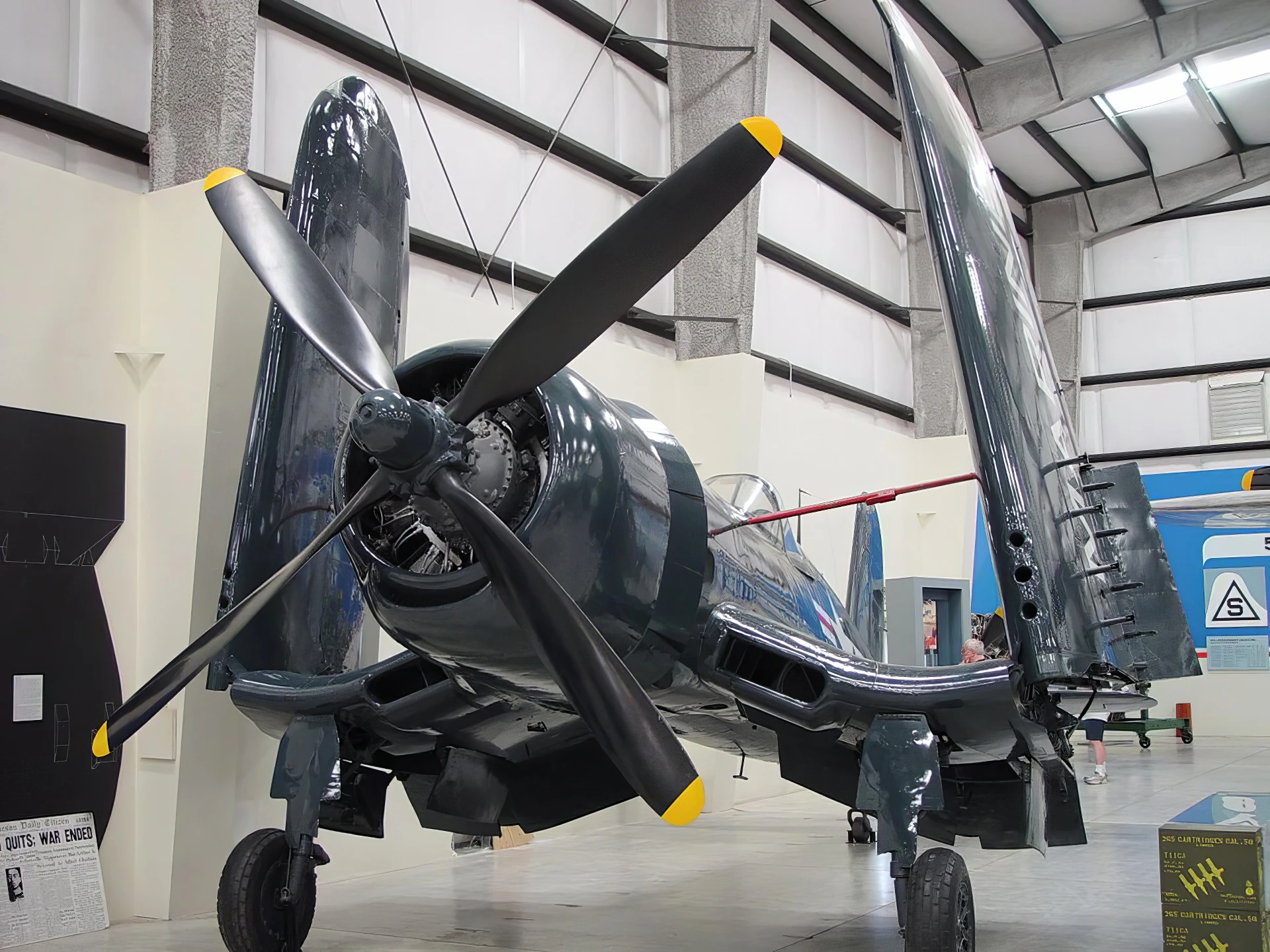
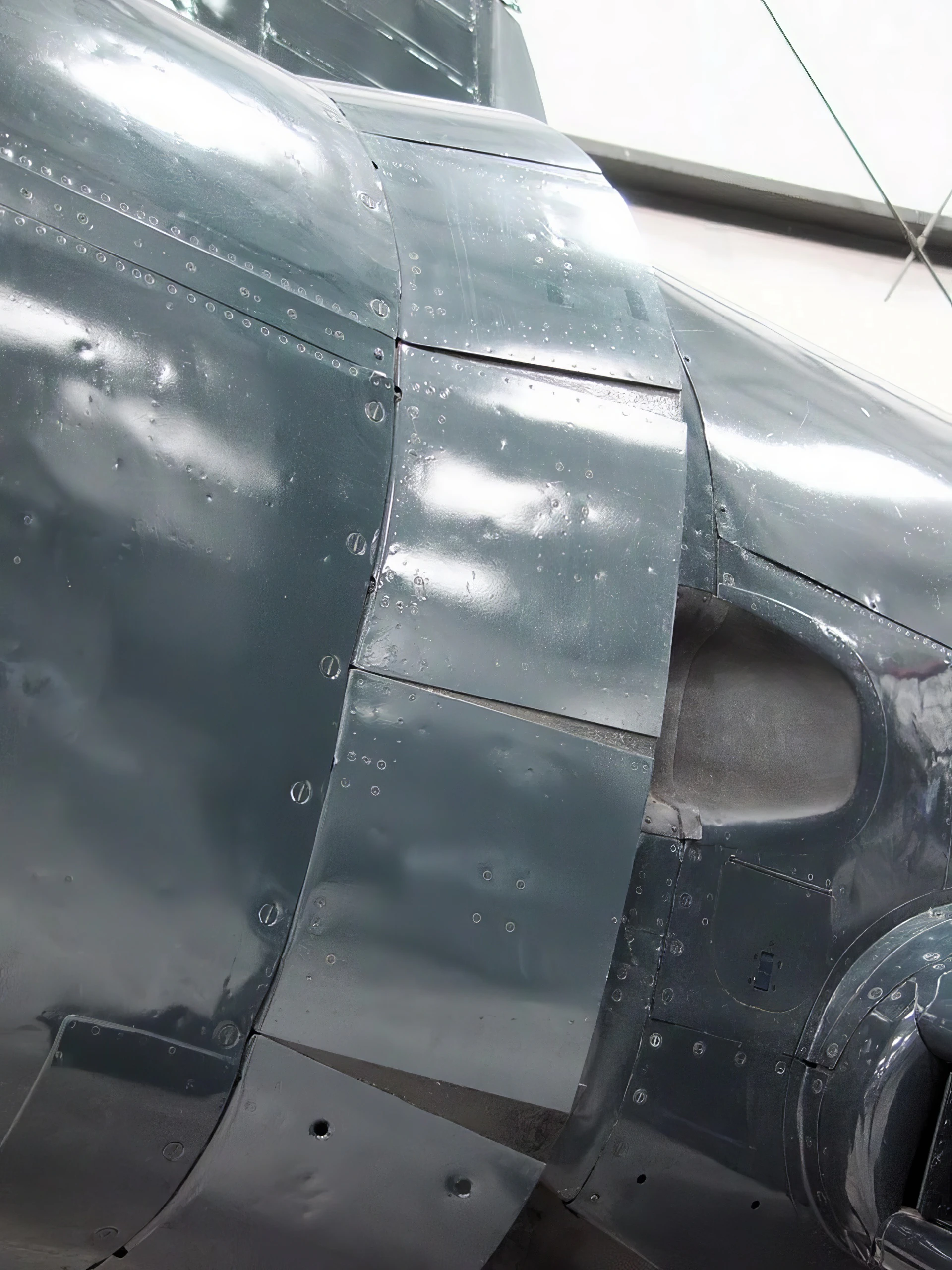
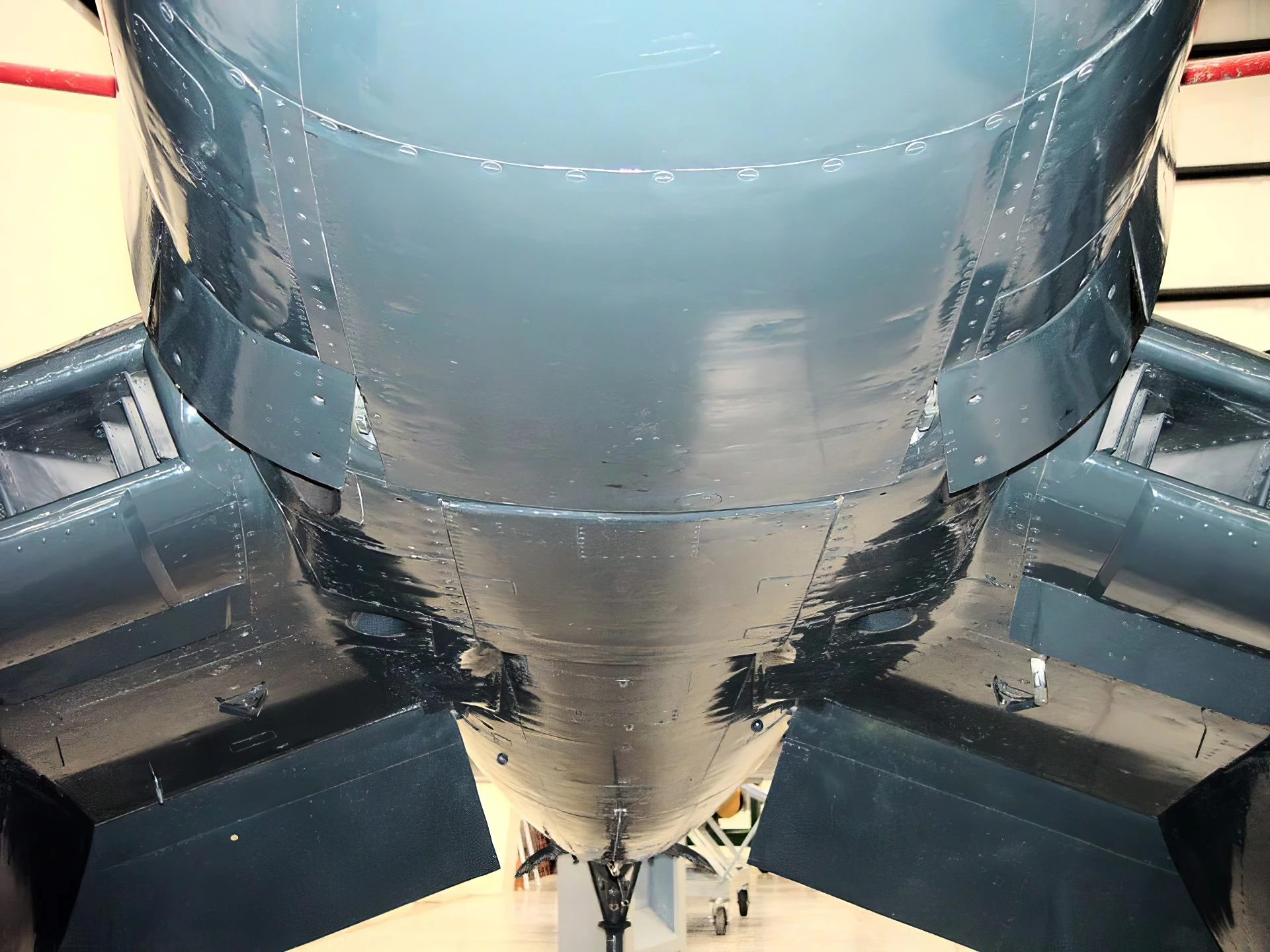
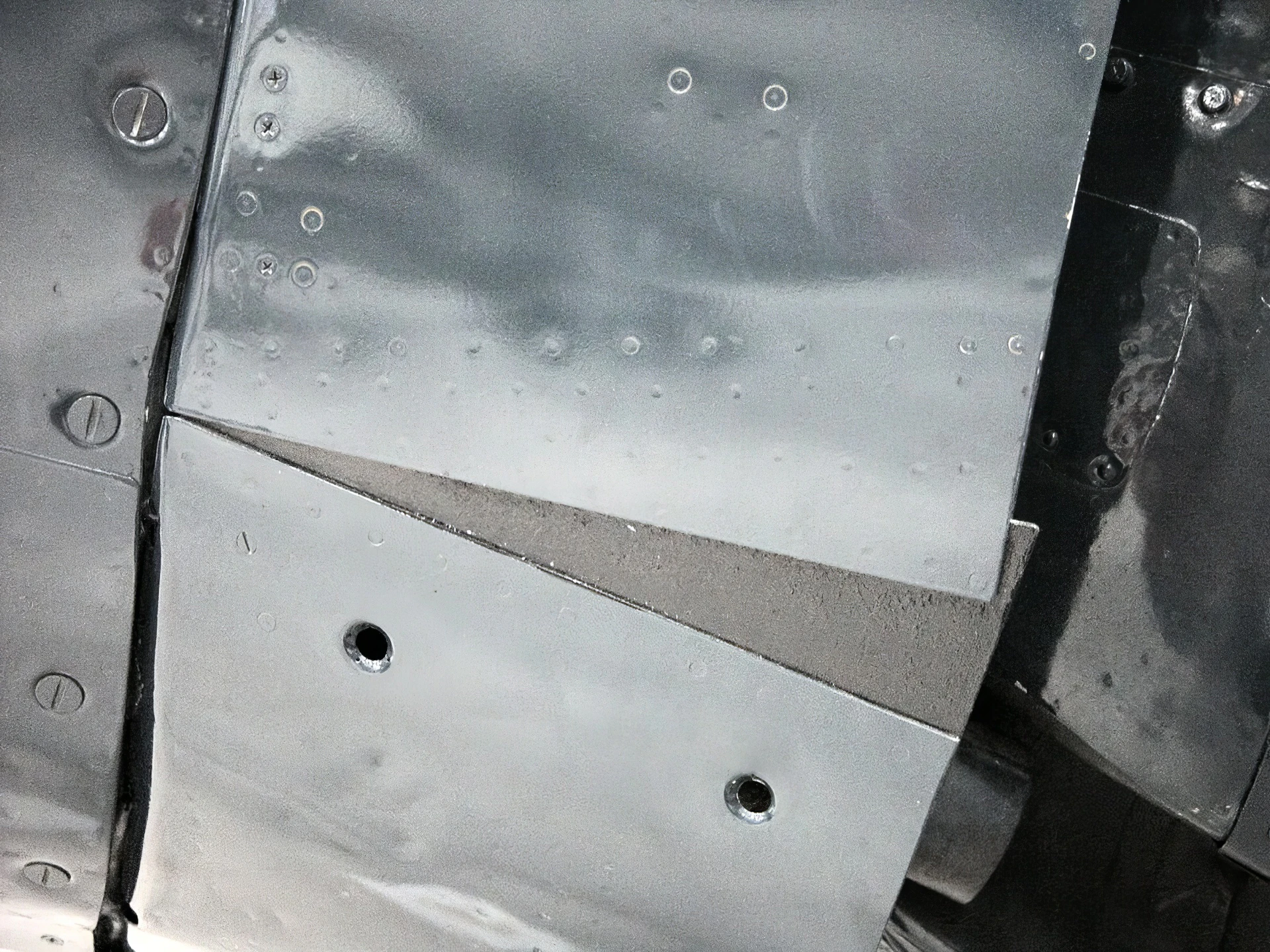
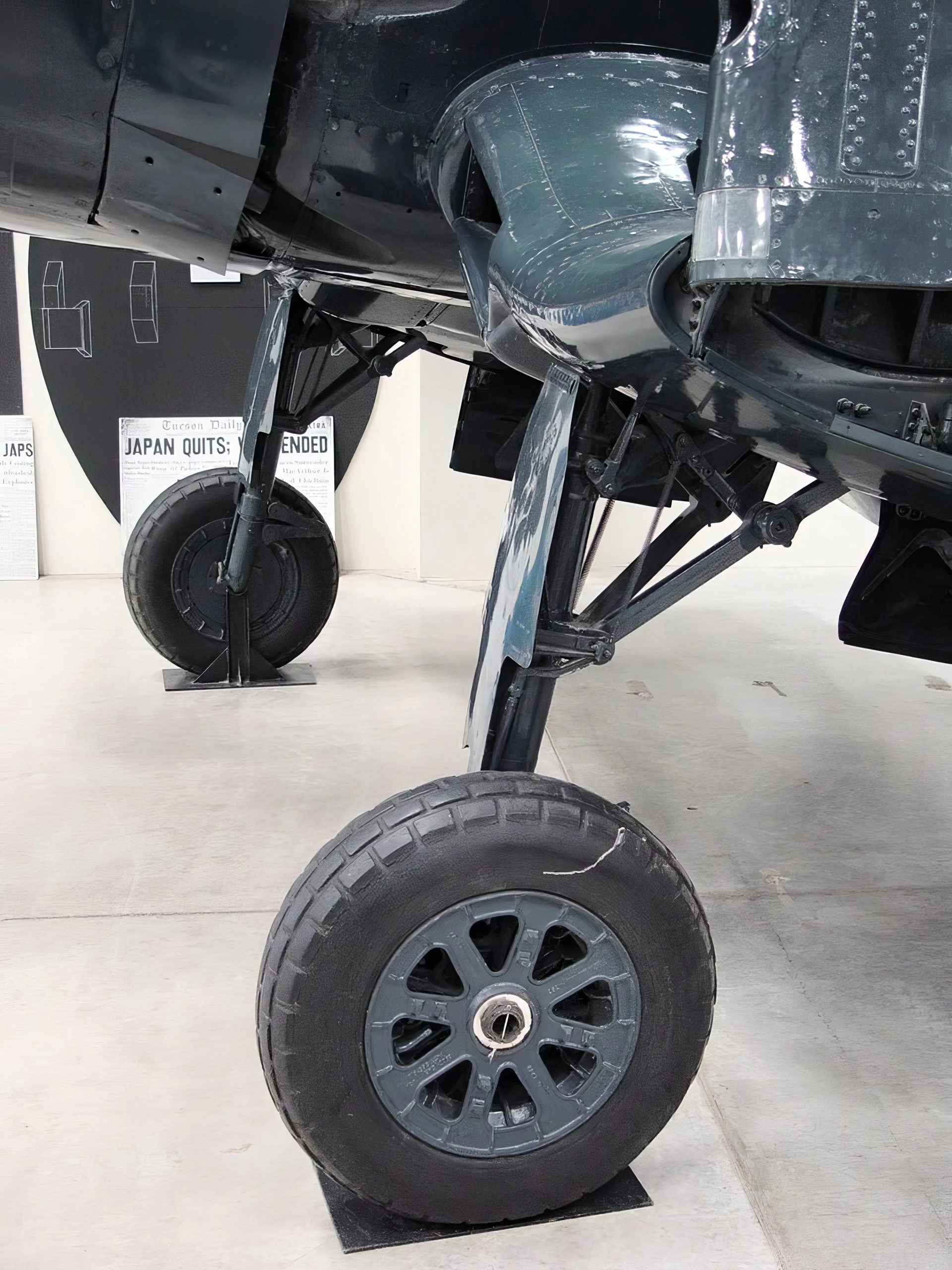
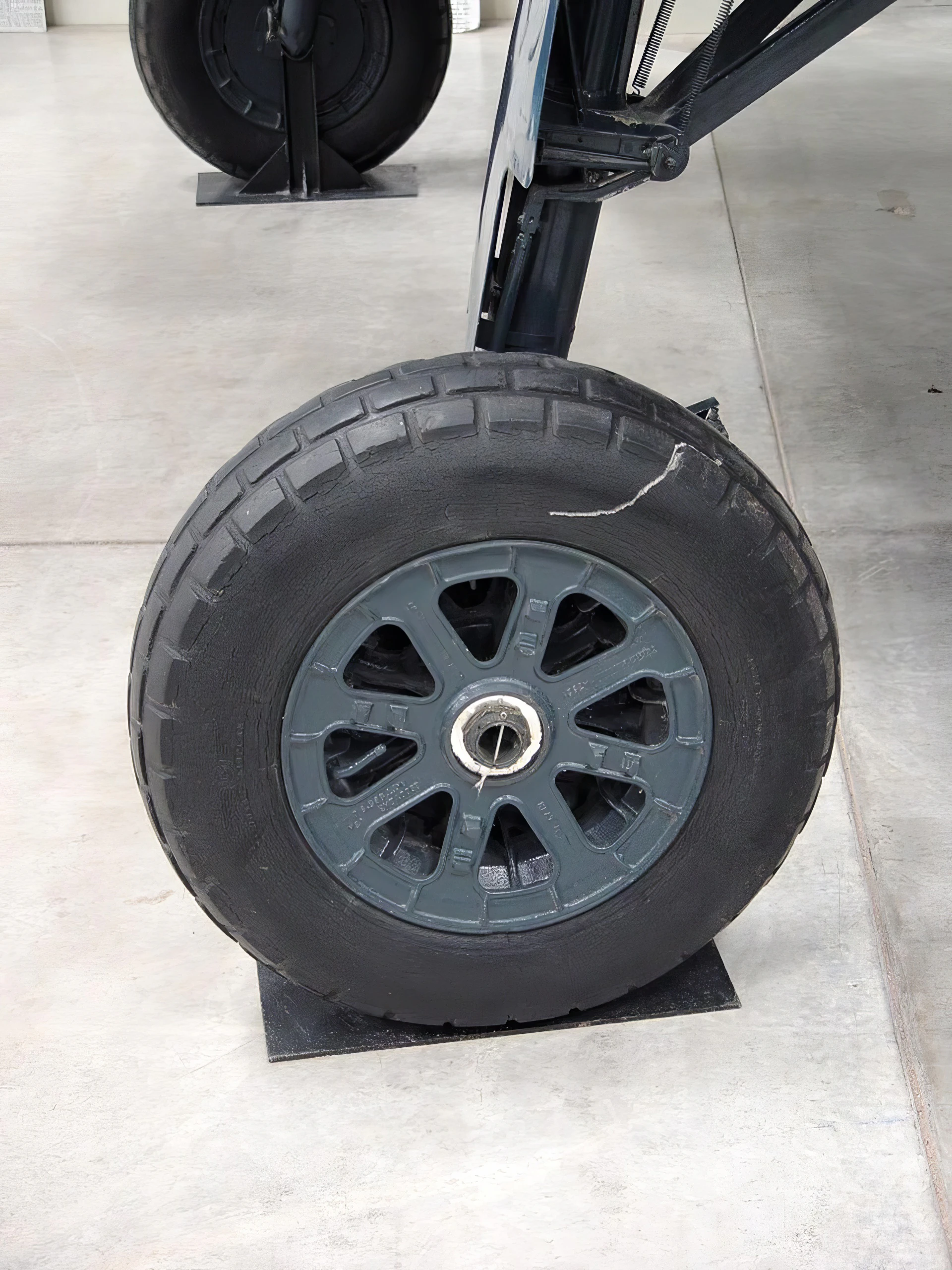
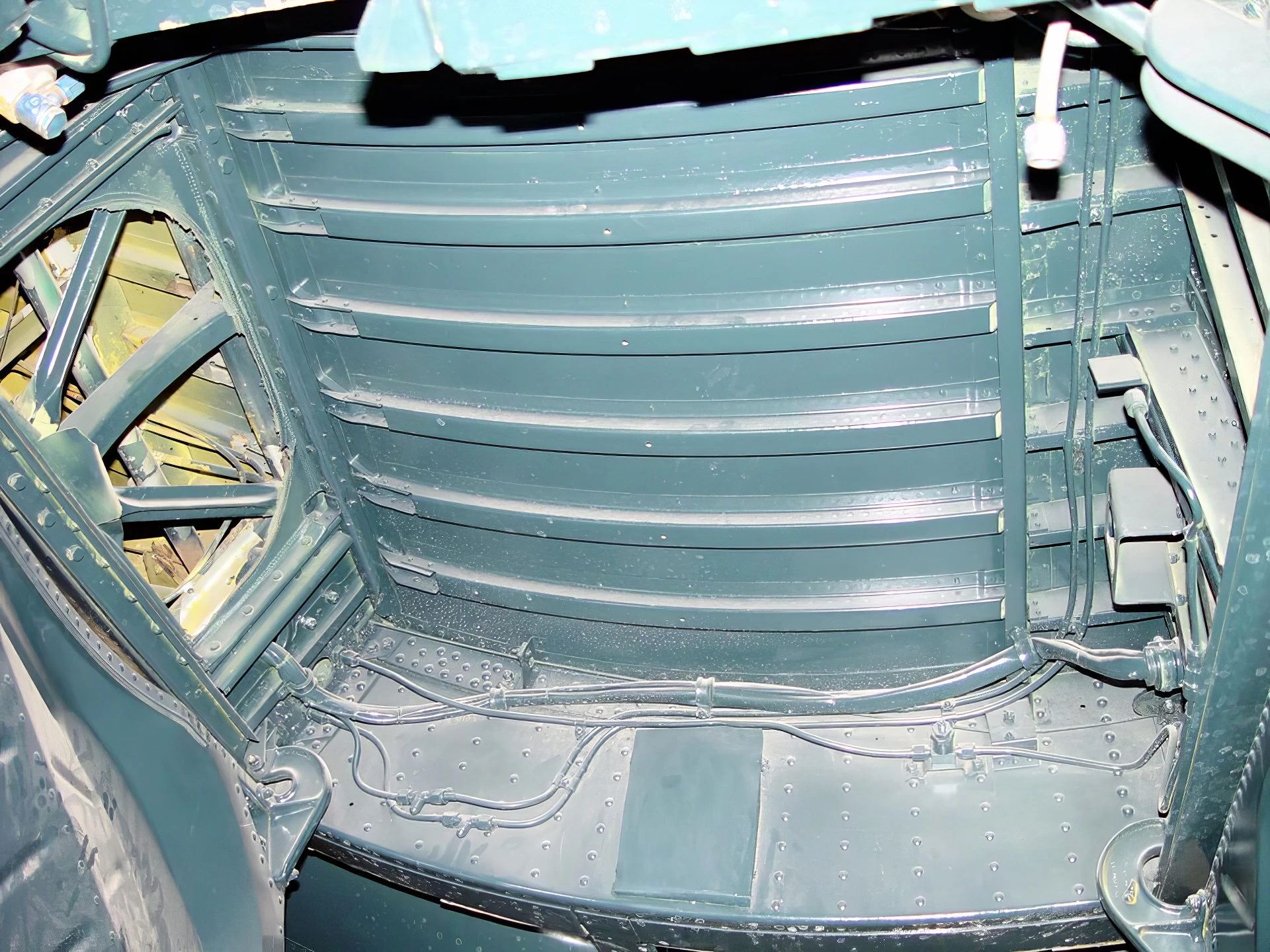
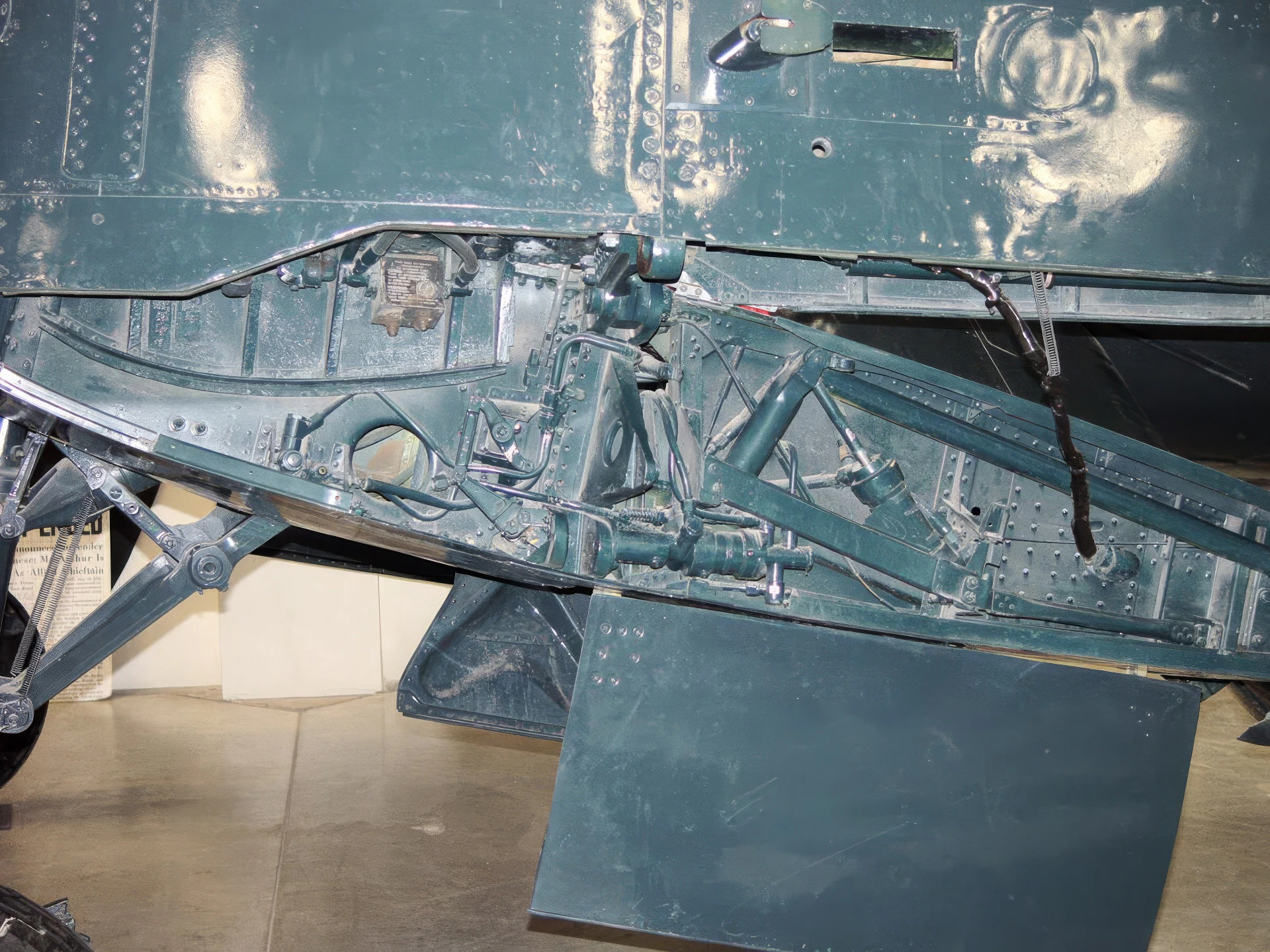
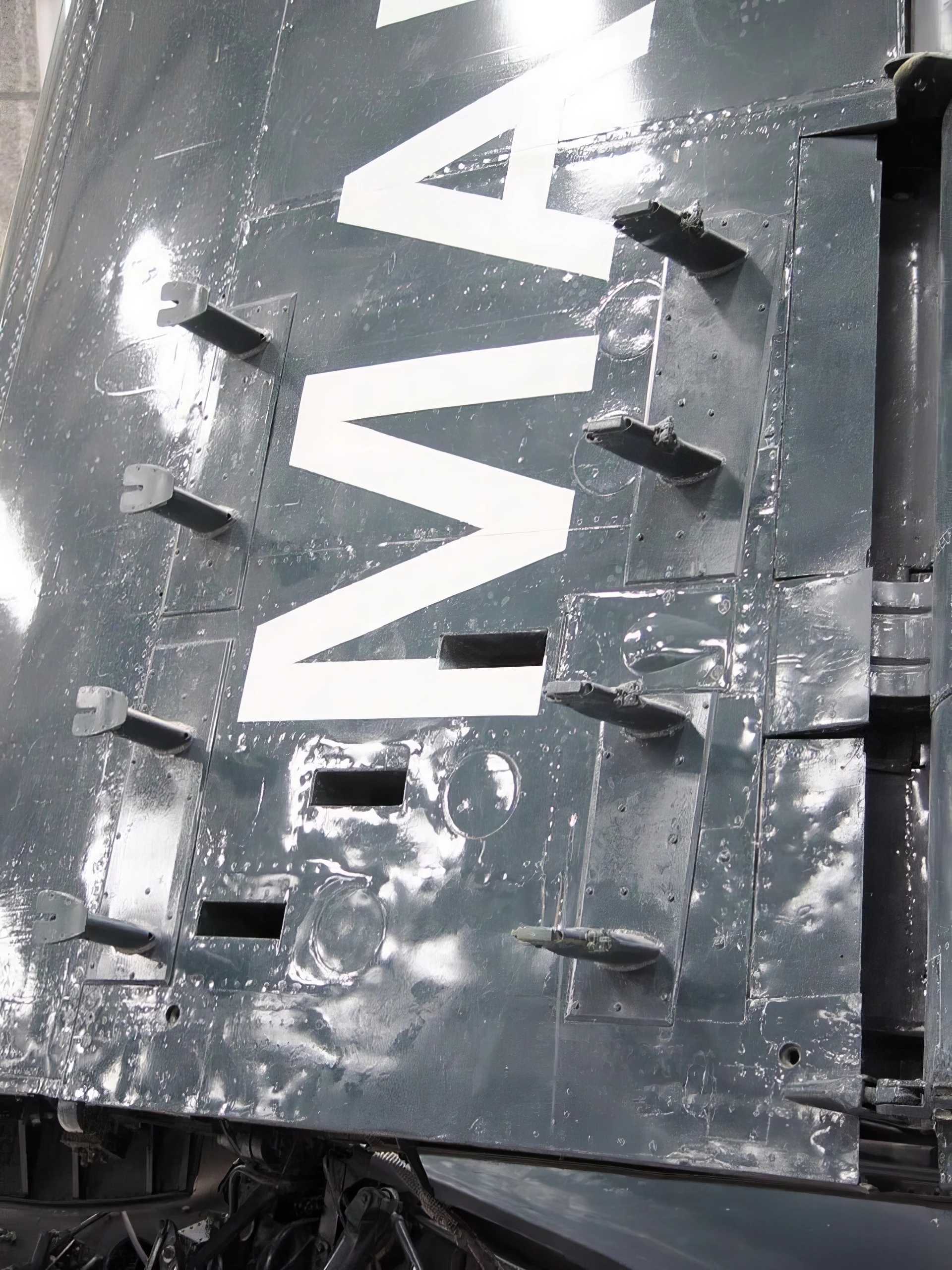
| Beschrijving | Album 21 walk-around foto's van de "F4U-4 Pima Corsair" |
Fotogalerij op een F4U-4 Pima Corsair, The Vought Chance F4U Corsair est un avion militaire, fabriqué par les États-Unis, utilisé de la Seconde Guerre mondiale jusqu’en 1968. C’est l’un des appareils les plus connus de la Seconde Guerre mondiale, notamment grâce à la série télévisée Les Têtes brûlées. Il s’illustra essentiellement dans le Pacifique, servant à la fois au sein de l’US Navy et de l’US Marine Corps. Le Corsair werd voornamelijk ingezet tijdens de Pacifische campagnes om de nieuwe vijand van het Japanse keizerlijke leger vanaf 1943 te bestrijden. Tussen 7 en 30 april 1945 Corsair werd ingezet op 305 vliegtuigen door de Amerikaanse marine voor de Slag bij Okinawa, met de steun van 192 andere Marine Corps Corsairs. Van de 600 missies wonnen deze eenheden 124 overwinningen, waardoor de Corsair een legendarisch vliegtuig werd en de bijnaam "Sweetheart of Okinawa" kreeg. In totaal had het vliegtuig meer dan 2.140 overwinningen, waardoor het het op een na meest gecrediteerde vliegtuig in de Stille Oceaan was, en slechts 189 vliegtuigen werden neergeschoten in luchtgevechten.

Zie ook:


The F4U-4 was one of the most significant later variants of the Vought Corsair, a legendary US Navy and Marine carrier-based fighter. It featured a major engine upgrade, improving its speed and climb performance for the late stages of World War II and heavy use in the Korean War.
Key Characteristics of the F4U-4
- strong Engine Upgrade:strong The primary difference from earlier models (like the F4U-1) was the shift to the more powerful Pratt & Whitney R-2800-18W Double Wasp engine, producing 2,100 hp (up to 2,450 hp with water injection).
- strong Speed and Climb:strong This gave the F4U-4 a top speed of up to 446 mph and an impressive initial climb rate of 3,870 ft/min.
- strong Role:strong The -4 model excelled as both a high-altitude fighter and a tough ground attack aircraft (fighter-bomber), utilizing its heavy payload capacity.
- strong Armament:strong The F4U-4 could be fitted with six .50 caliber machine guns or four 20mm cannons, along with up to 4,000 lbs of bombs or eight 5-inch rockets (HVARs).
- strong Distinctive Feature:strong Externally, the F4U-4 typically featured an air intake scoop at the bottom of the engine cowling, differentiating it from the earlier models.
Pima Air & Space Museum Exhibit
The Pima Air & Space Museum in Tucson, Arizona, often features an F4U-4 Corsair among its collections, representing its crucial role in US military aviation.
- The F4U-4 on display (Bureau Number 97142) is typically on loan from the National Museum of the Marine Corps.
- It represents the aircraft that was the backbone of Marine close air support during the Korean War (1950–1953).
F4U-4 Corsair Specifications Summary
| Category | Specificatie |
|---|---|
| strong Powerplantstrong | Pratt & Whitney R-2800-18W (2,100–2,450 hp) |
| strong Wingspanstrong | 40.90 ft (12.47 m) |
| strong Lengthstrong | 33.67 ft (10.26 m) |
| strong Max Speedstrong | 446 mph (718 km/h) at sea level |
| strong Service Ceilingstrong | 41,500 ft (12,650 m) |
| strong Armament (Typical)strong | 6 x .50 cal MGs OR 4 x 20mm cannons |
Bekeken : 5330
U ook zien :
 Canadair CF-104 Starfighter – Foto's & Video's
 SPAD S.XIII – Foto's &video's
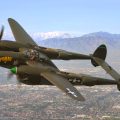 Lockheed P-38 Lightning – Foto's &Video
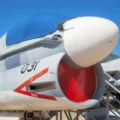 A-7B Corsair II – WalkAround
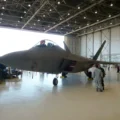 Lockheed F-22A Raptor – Foto's &Video
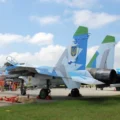 Sukhoi Su-27 – WalkAround
 Grumman F7F Tigercat – WalkAround
 Vought F4U Corsair – WalkAround
 F4U-4 Corsair – WalkAround
 F4U-7 Corsair – WalkAround