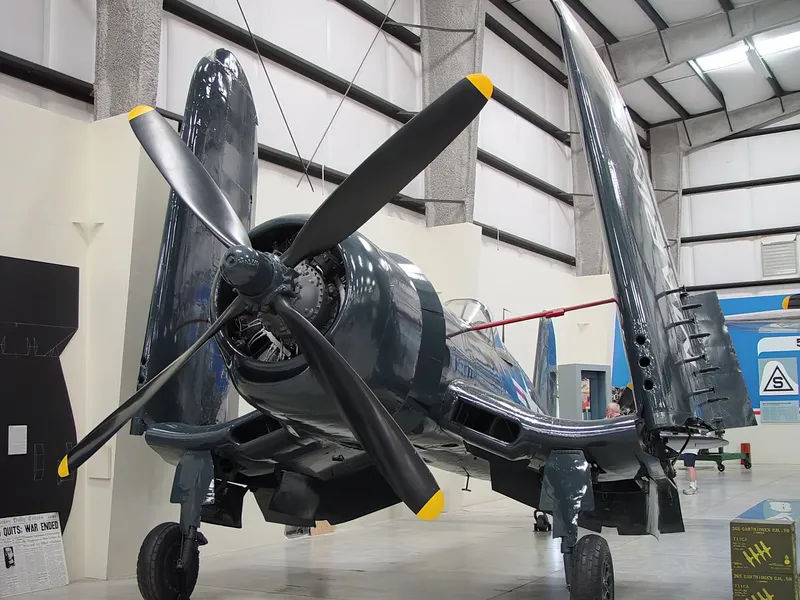
F4U-4 Pima Corsair | |
|---|---|
| Riik | USA |
| Tüüp | Hävituslennukid |
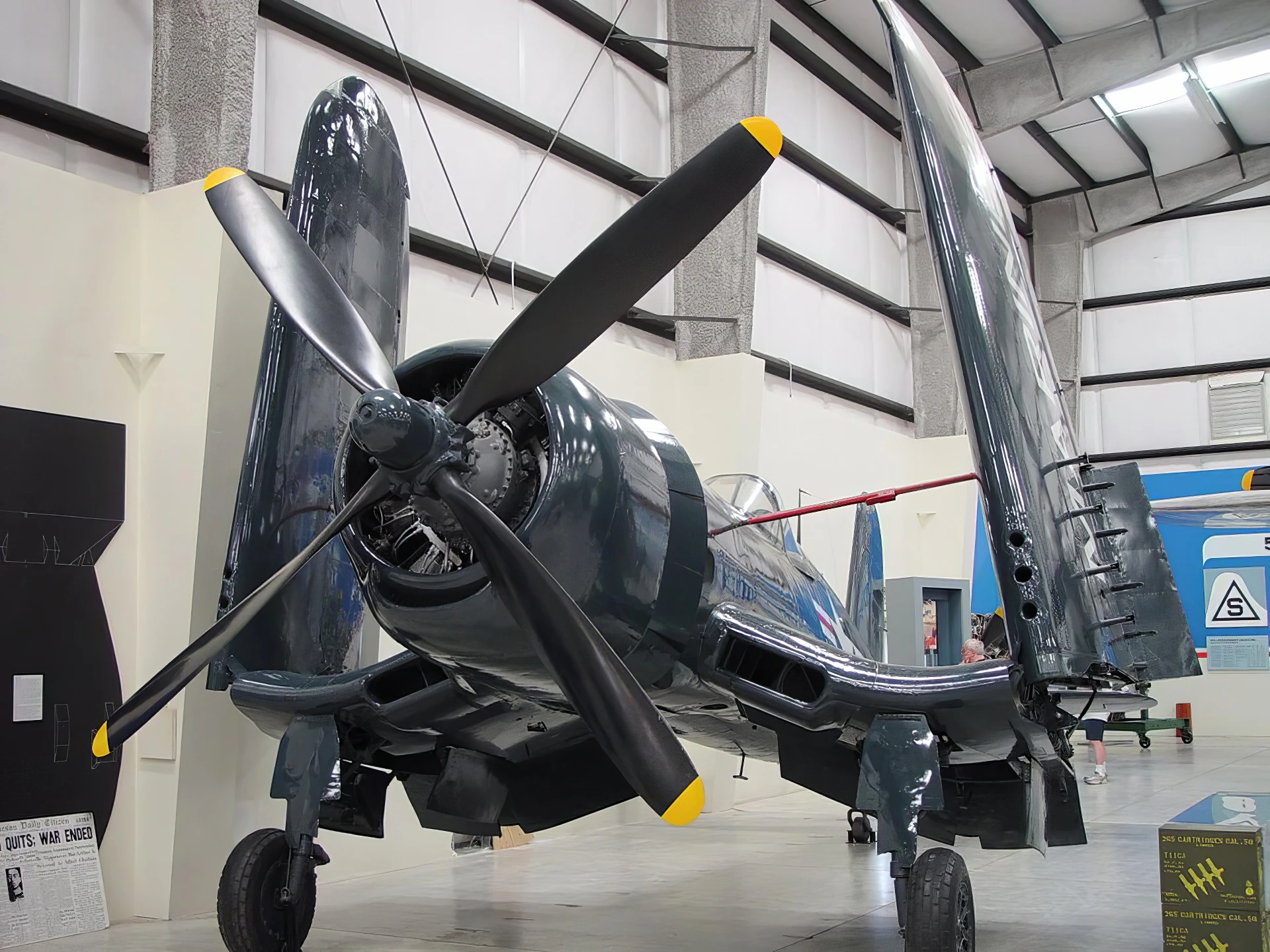
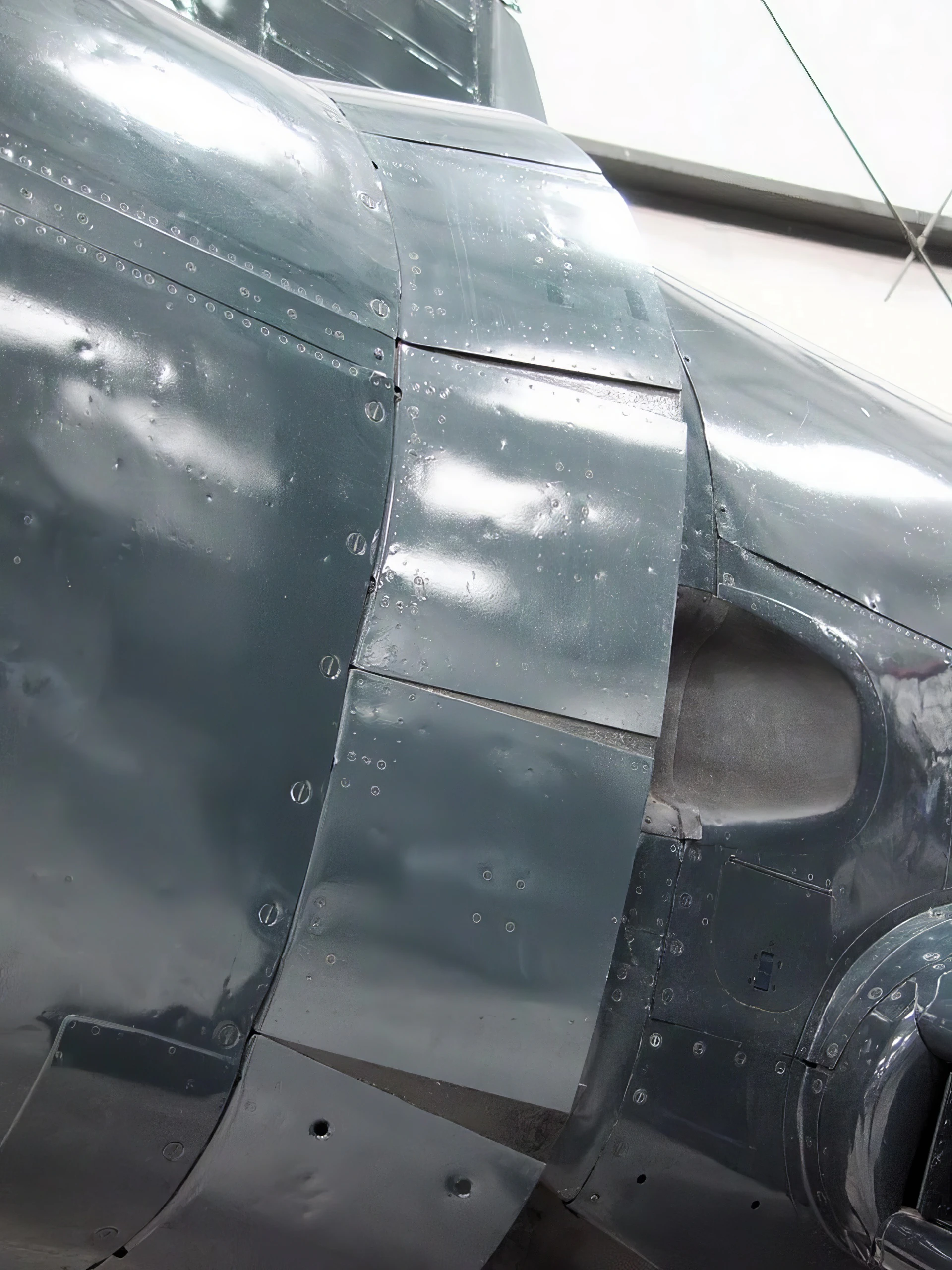
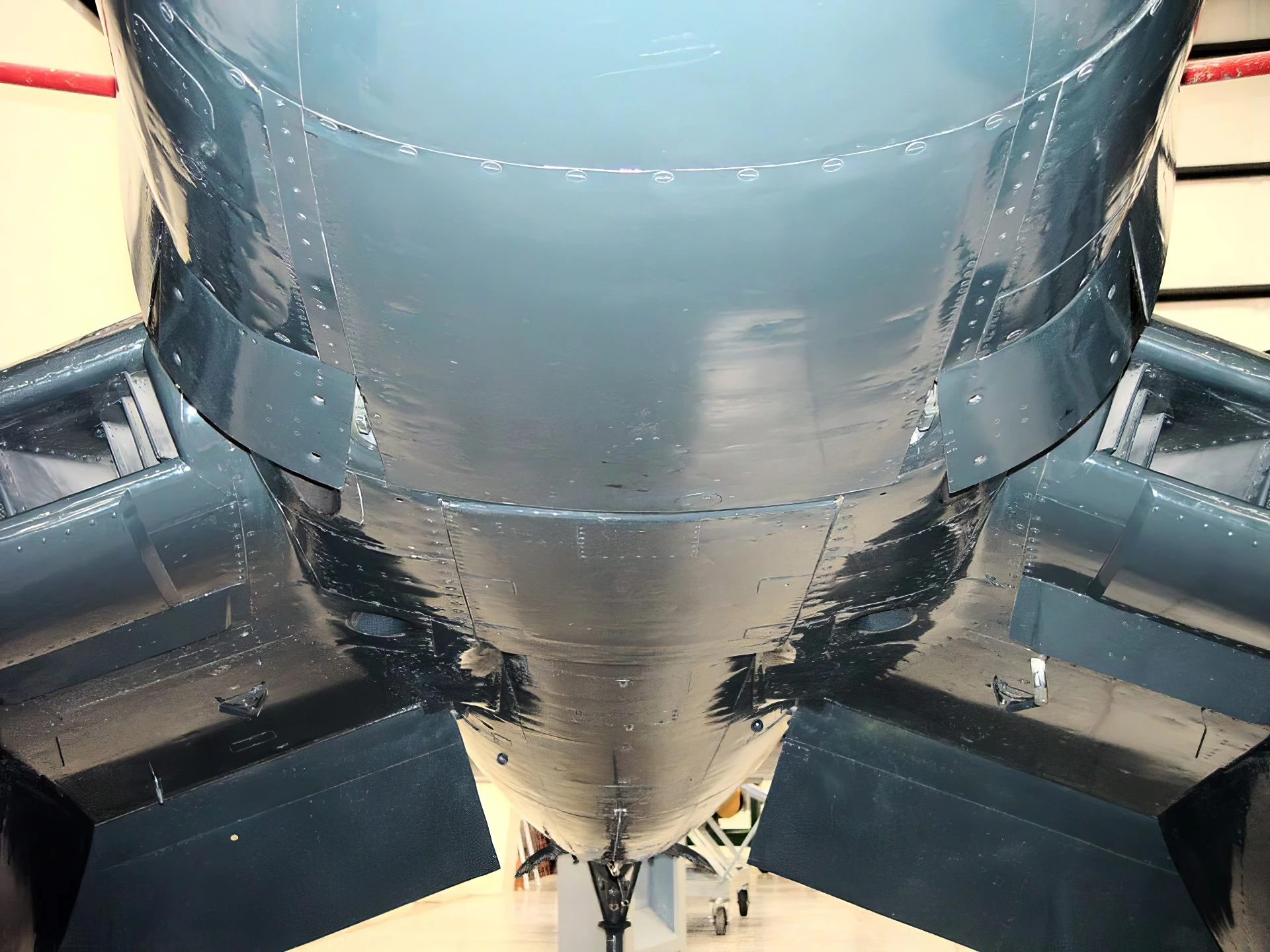
| Kirjeldus | Album 21 "F4U-4 Pima Corsairi" jalutuskäigu fotod |
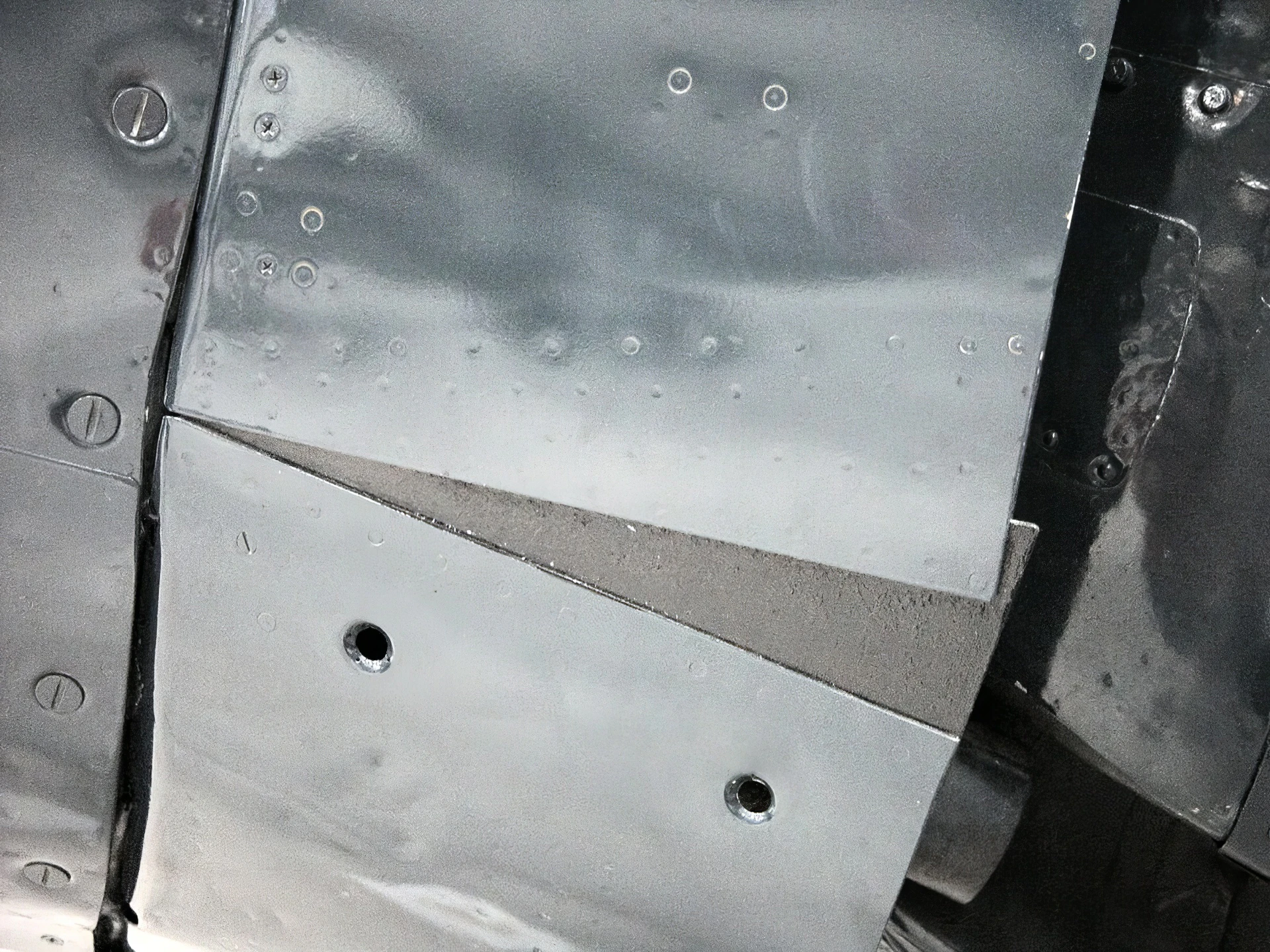
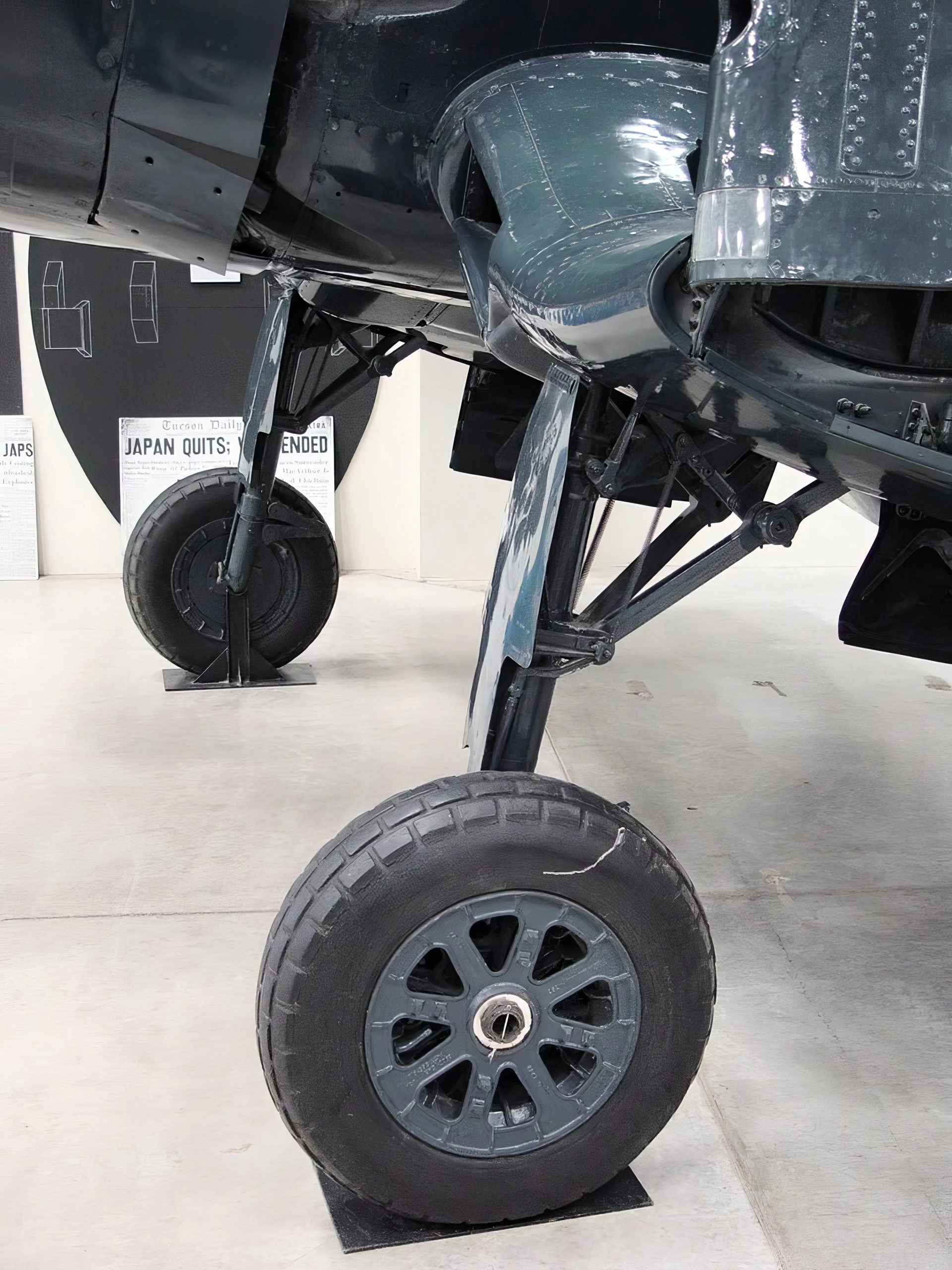
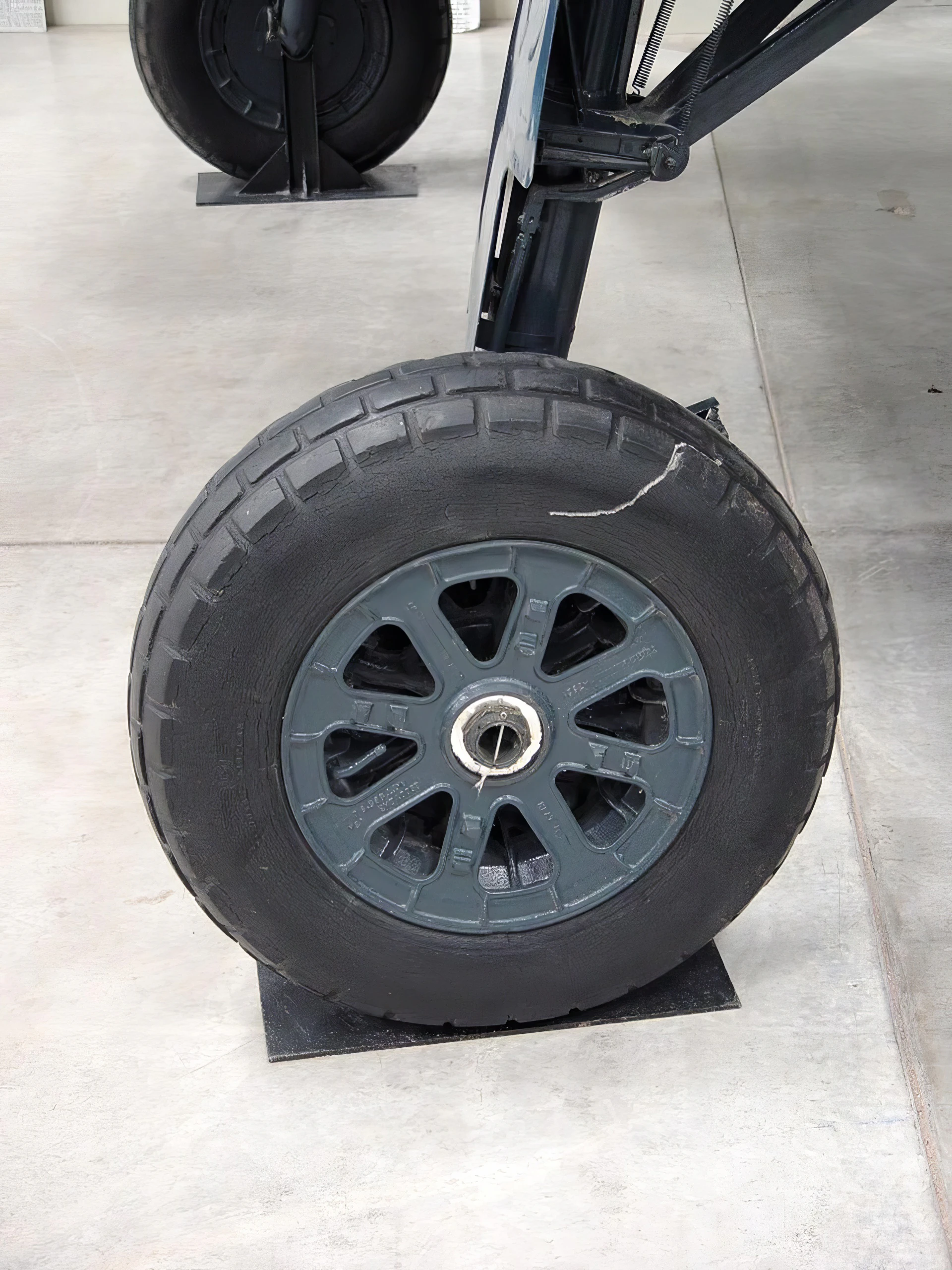
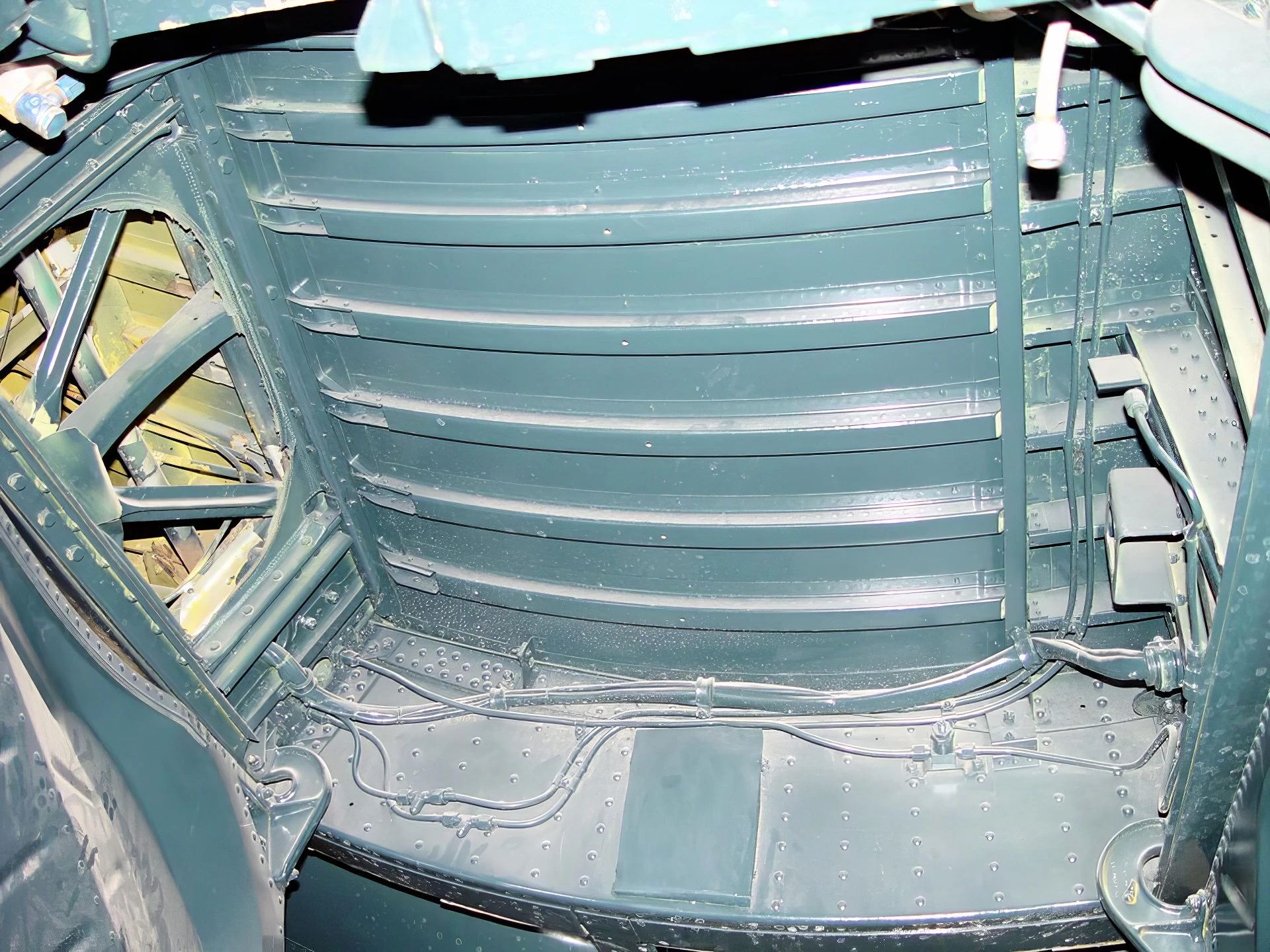
Fotogalerii F4U-4 Pima Corsairil, Le Chance Vought F4U Corsair est un avion militaire, fabriqué par les États-Unis, utilisé de la Seconde Guerre mondiale jusqu’en 1968. C’est l’un des appareils les plus connus de la Seconde Guerre mondiale, notamment grâce à la série télévisée Les Têtes brûlées. Il s’illustra essentiellement dans le Pacifique, servant à la fois au sein de l’US Navy et de l’US Marine Corps. Le Corsair seda kasutati peamiselt Vaikse ookeani kampaaniate ajal, et võidelda uhiuue vaenlase vastu, kes moodustas Jaapani keiserliku armee alates 1943. aastast. 7.–30. aprillil 1945 Corsair Okinawa lahingu ajal paigutas USA merevägi 305 lennukile veel 192 merejalaväe korsaari toetusel. 600-st läbi viidud missioonist võitsid need üksused 124 võitu, tuues Corsairi legendaarse õhusõiduki auastmesse ja hüüdnimega "Okinawa kullake". Kokku sai see lennuk rohkem kui 2140 võitu, muutes selle Vaikse ookeani piirkonna teiseks kõige krediteeritumaks õhusõidukiks ja õhuvõitluses tulistati alla ainult 189 lennukit.
Allikas: F4U-7 Corsair Vikipeedias
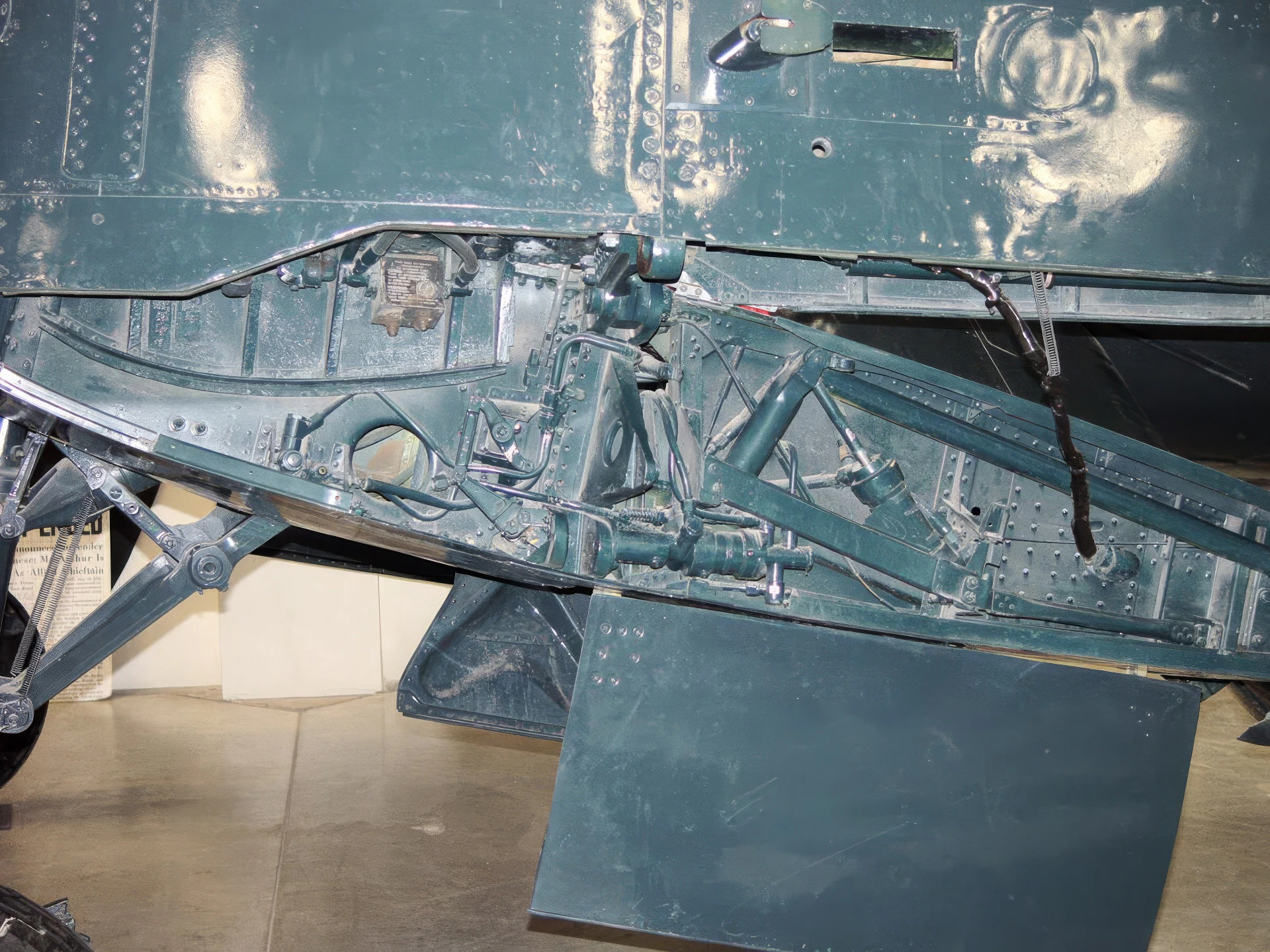
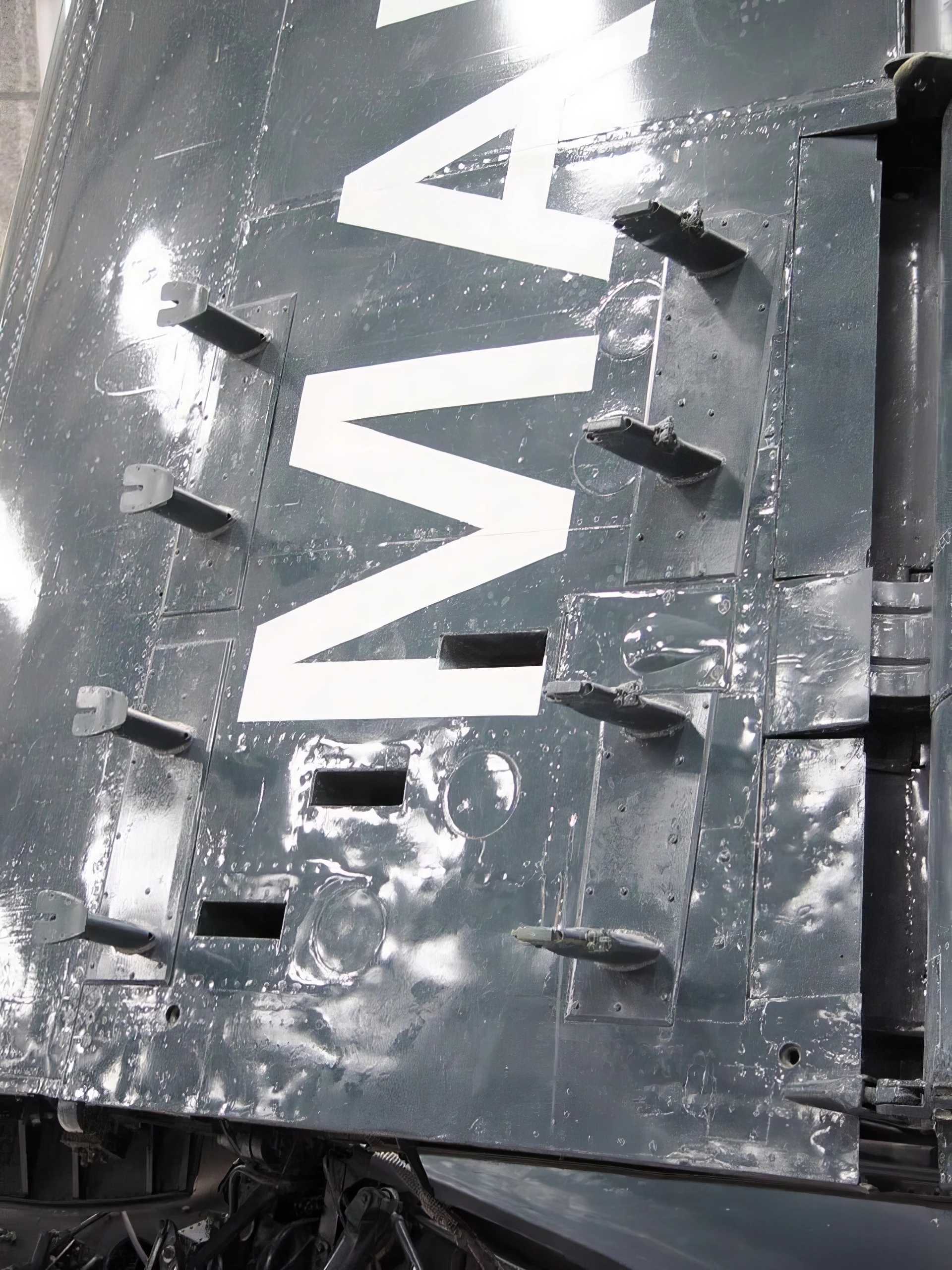

Vaata ka:


The F4U-4 was one of the most significant later variants of the Vought Corsair, a legendary US Navy and Marine carrier-based fighter. It featured a major engine upgrade, improving its speed and climb performance for the late stages of World War II and heavy use in the Korean War.
Key Characteristics of the F4U-4
- strong Engine Upgrade:strong The primary difference from earlier models (like the F4U-1) was the shift to the more powerful Pratt & Whitney R-2800-18W Double Wasp engine, producing 2,100 hp (up to 2,450 hp with water injection).
- strong Speed and Climb:strong This gave the F4U-4 a top speed of up to 446 mph and an impressive initial climb rate of 3,870 ft/min.
- strong Role:strong The -4 model excelled as both a high-altitude fighter and a tough ground attack aircraft (fighter-bomber), utilizing its heavy payload capacity.
- strong Armament:strong The F4U-4 could be fitted with six .50 caliber machine guns or four 20mm cannons, along with up to 4,000 lbs of bombs or eight 5-inch rockets (HVARs).
- strong Distinctive Feature:strong Externally, the F4U-4 typically featured an air intake scoop at the bottom of the engine cowling, differentiating it from the earlier models.
Pima Air & Space Museum Exhibit
The Pima Air & Space Museum in Tucson, Arizona, often features an F4U-4 Corsair among its collections, representing its crucial role in US military aviation.
- The F4U-4 on display (Bureau Number 97142) is typically on loan from the National Museum of the Marine Corps.
- It represents the aircraft that was the backbone of Marine close air support during the Korean War (1950–1953).
F4U-4 Corsair Specifications Summary
| Category | Spetsifikatsioon |
|---|---|
| strong Powerplantstrong | Pratt & Whitney R-2800-18W (2,100–2,450 hp) |
| strong Wingspanstrong | 40.90 ft (12.47 m) |
| strong Lengthstrong | 33.67 ft (10.26 m) |
| strong Max Speedstrong | 446 mph (718 km/h) at sea level |
| strong Service Ceilingstrong | 41,500 ft (12,650 m) |
| strong Armament (Typical)strong | 6 x .50 cal MGs OR 4 x 20mm cannons |
Views : 5329
Näete ka :
 Canadair CF-104 Starfighter – fotod ja videod
 SPAD S.XIII – fotod ja videod
 Lockheed P-38 välk - fotod ja video
 A-7B Corsair II – WalkAround
 Lockheed F-22A Raptor - fotod ja video
 Sukhoi Su-27 – WalkAround
 Grumman F7F Tigercat – WalkAround
 Vought F4U Corsair – WalkAround
 F4U-4 Corsair – WalkAround
 F4U-7 Corsair – WalkAround