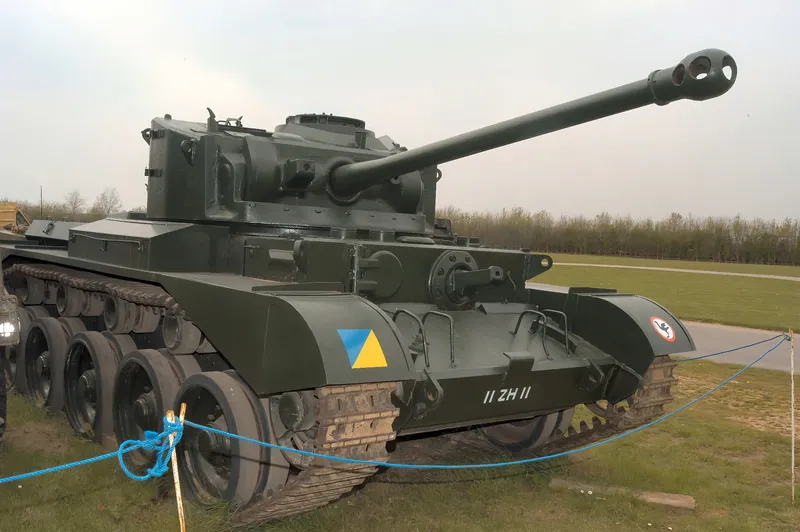
Komeet Tank | |
|---|---|
| Betaalt | Uk |
| Type | De tank van de kruiser |
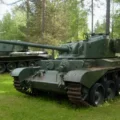
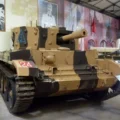
Fotogalerij op een Komeettank, De Komeet (A-34) was een Britse hoofdslagtank die aan het einde van de Tweede Wereldoorlog in dienst kwam en ook werd gebruikt tijdens de Koreaanse Oorlog.
Bron: Char Comet sur Wikipedia
| Comet Walk Around | |
|---|---|
| Fotograaf | Onbewust |
| Lokalisatie | Onbewust |
| Foto 's | 37 |
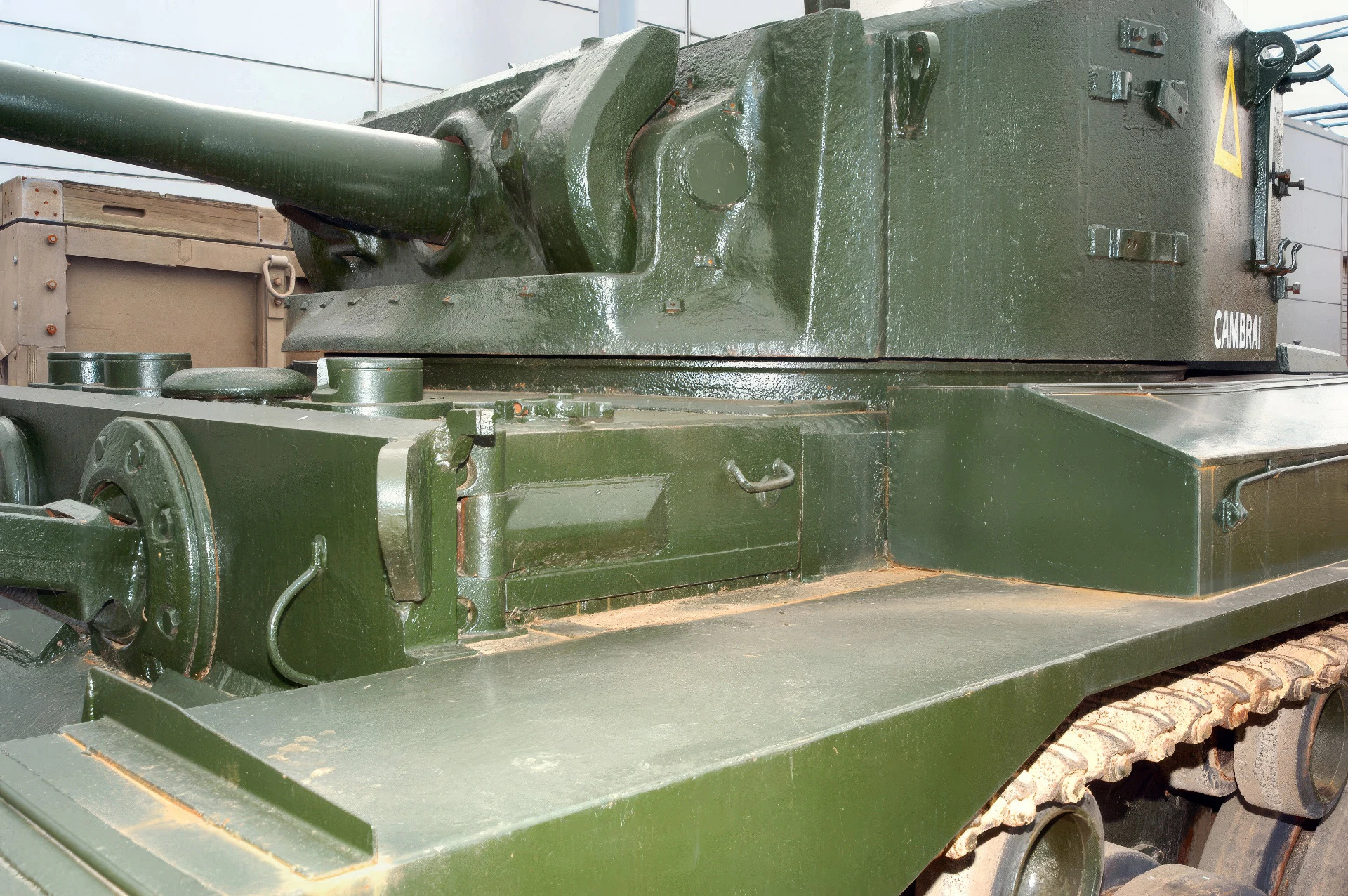
Comet 01
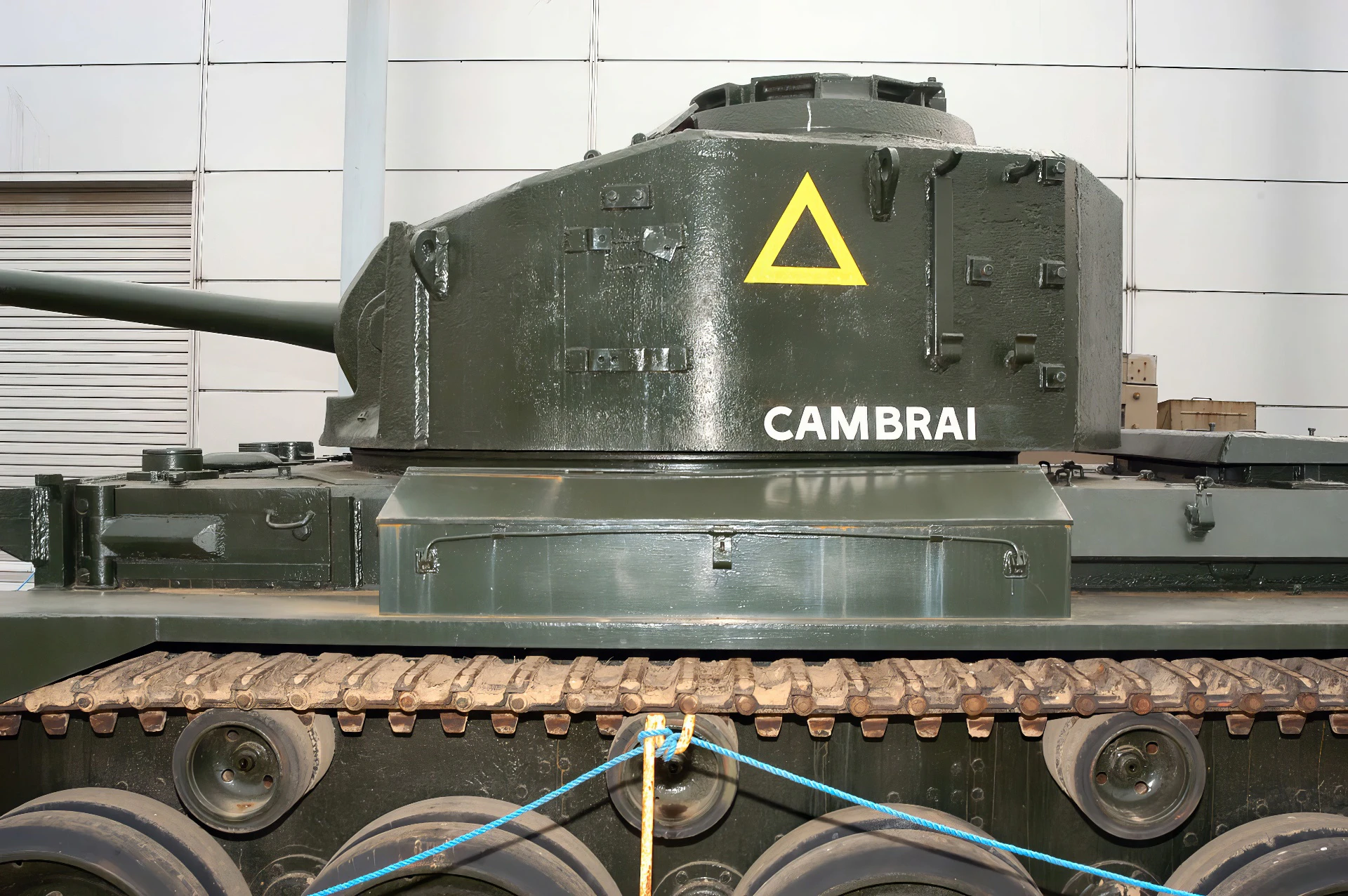
Comet 02
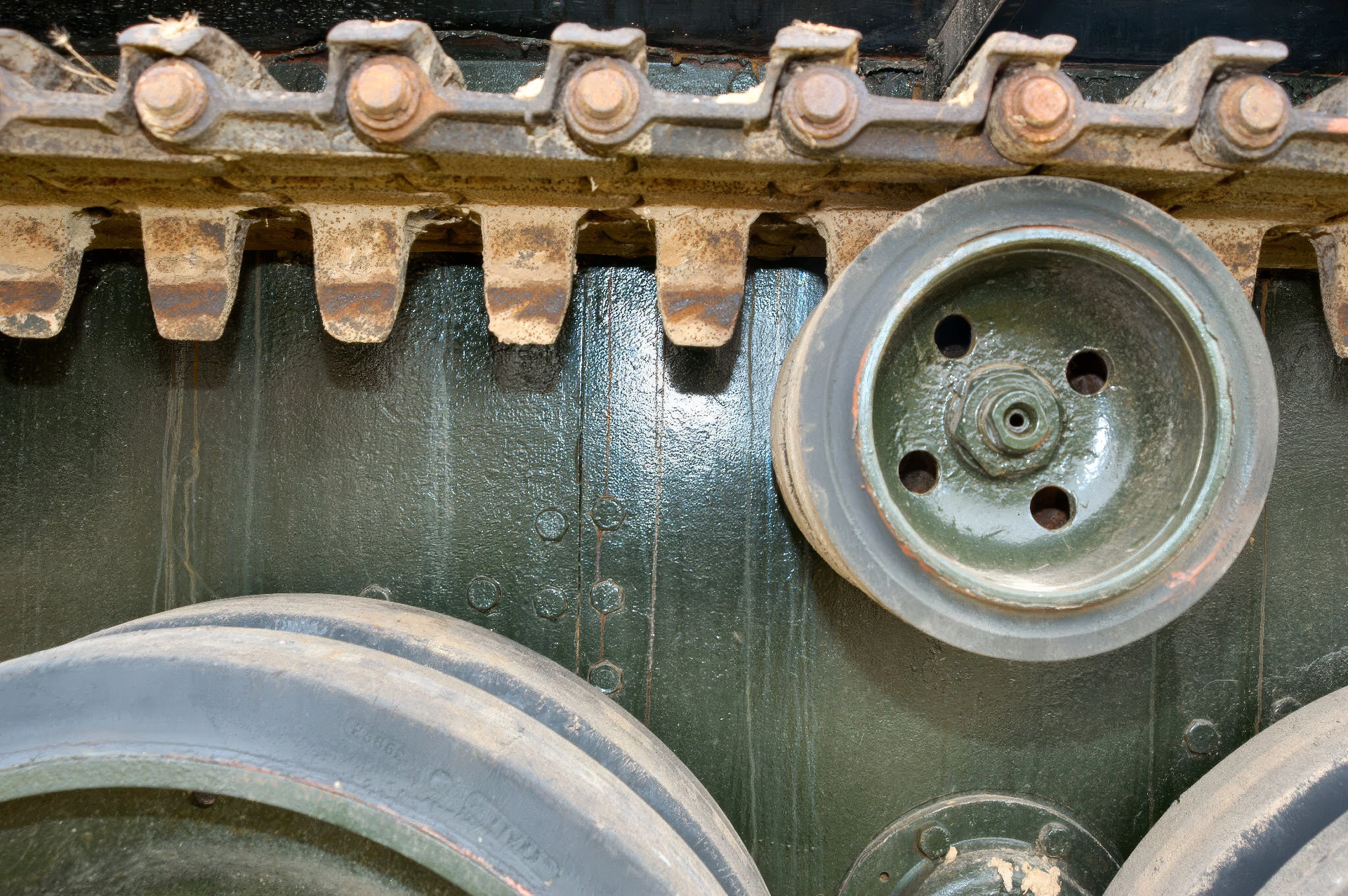
Comet 03
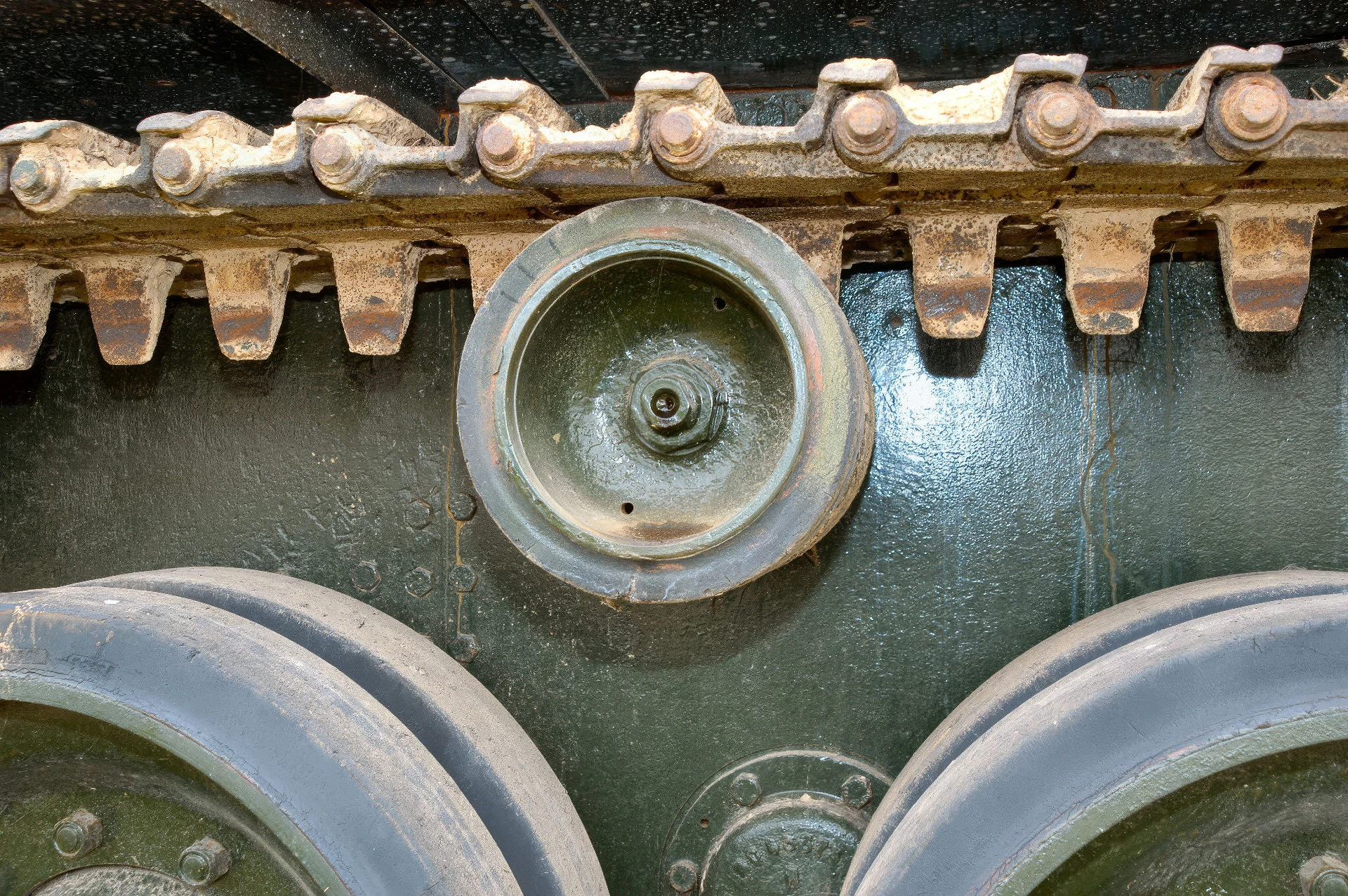
Comet 04
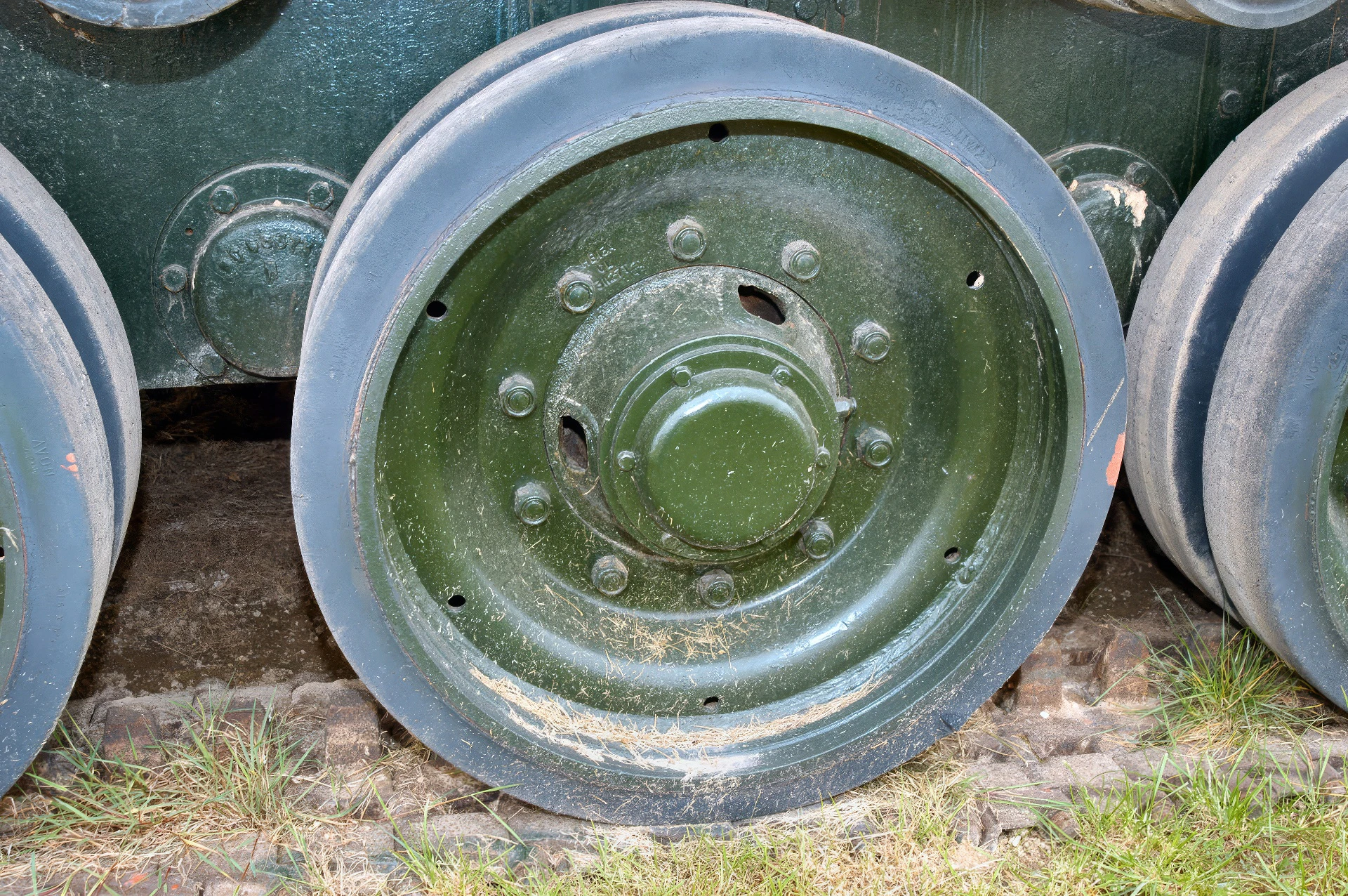
Comet 05
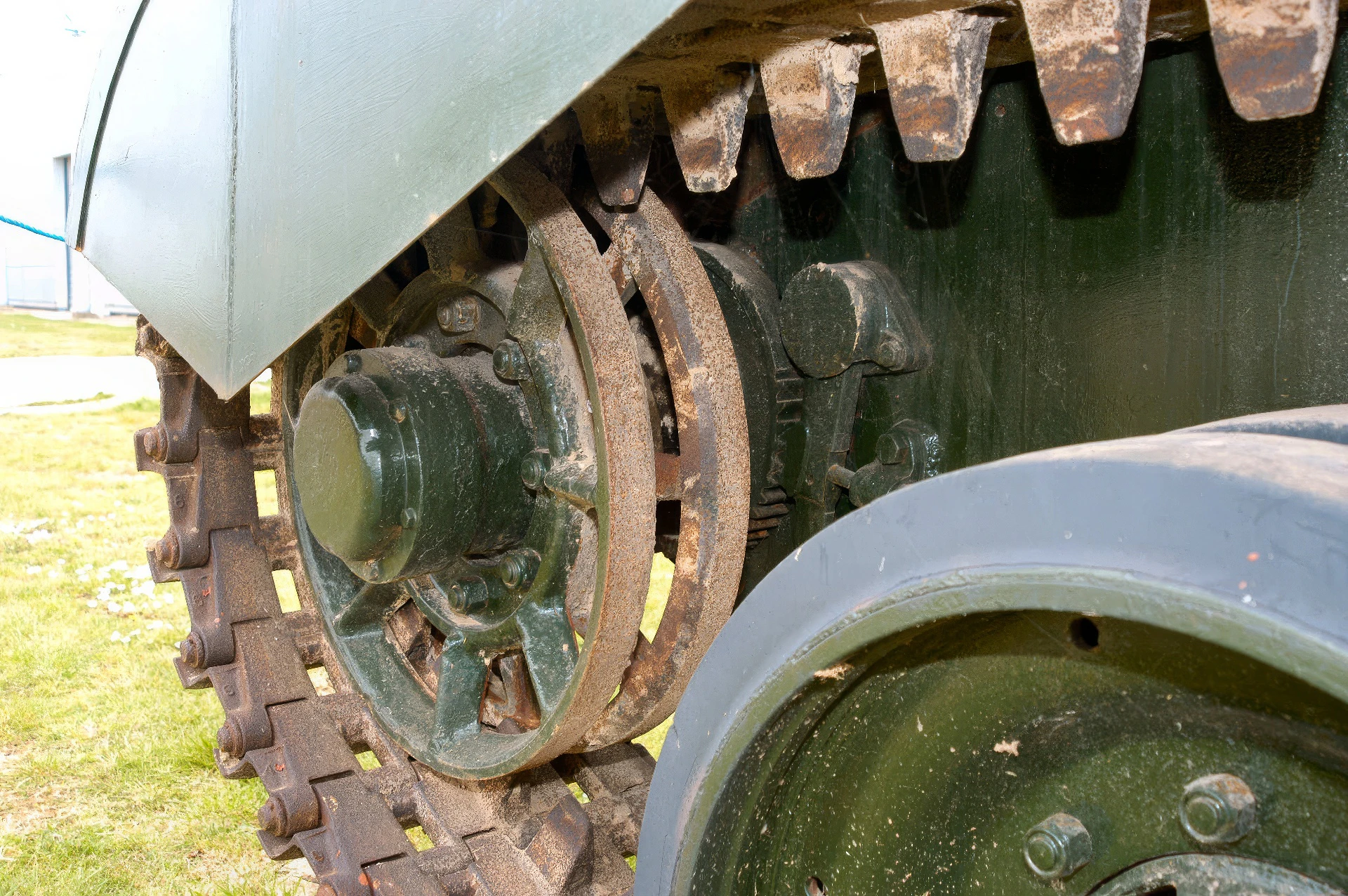
Comet 06
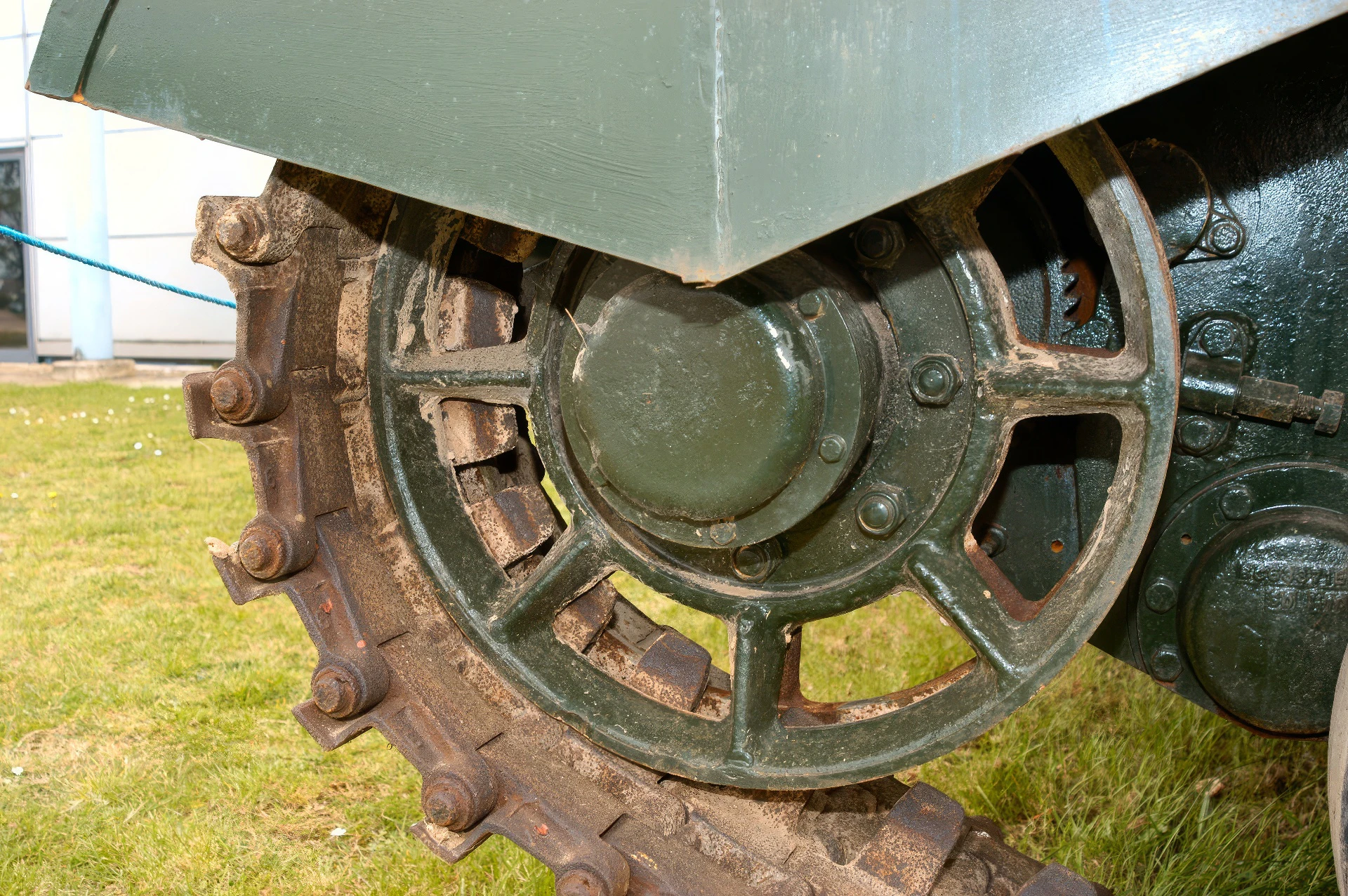
Comet 07
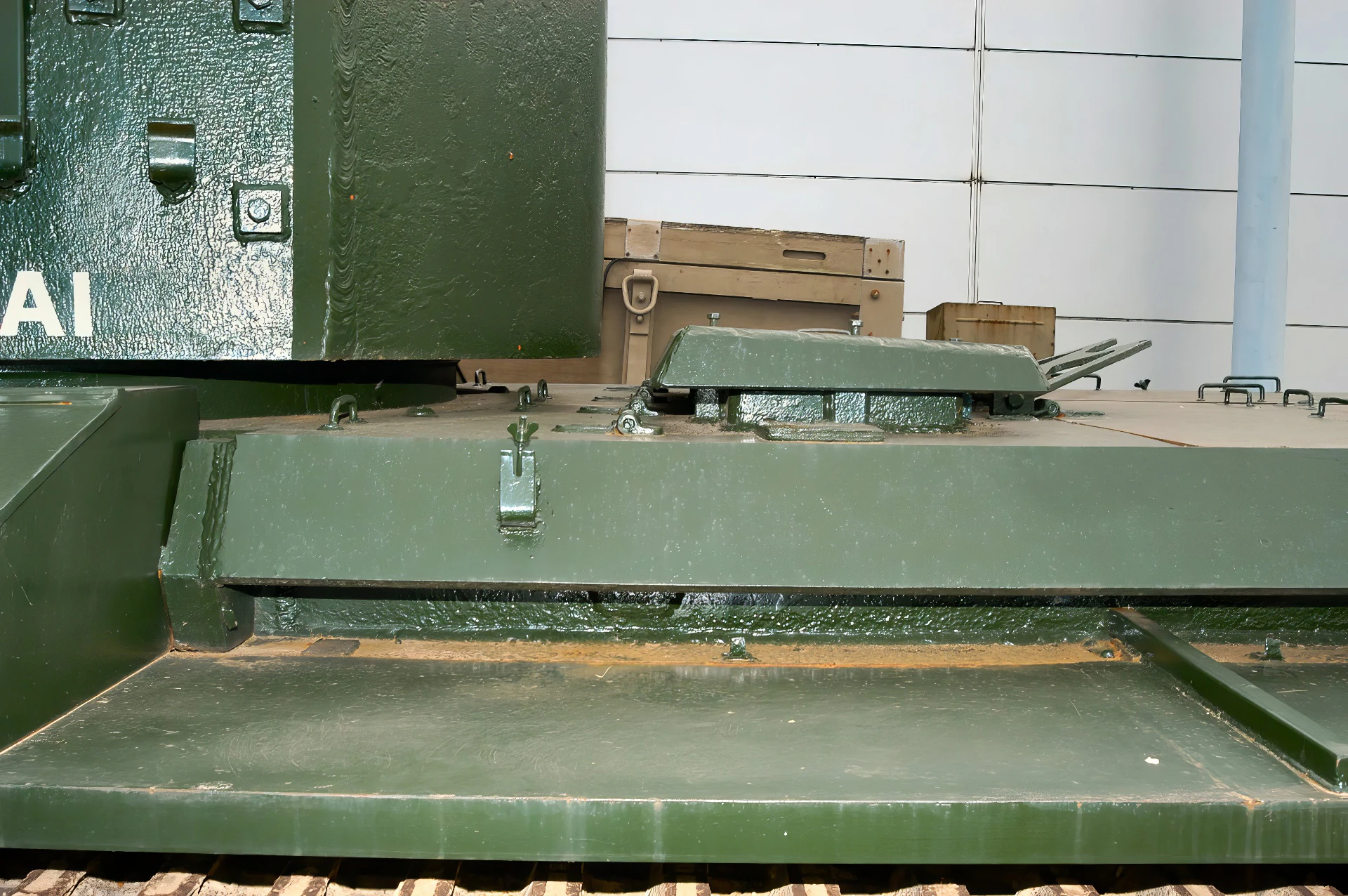
Comet 08
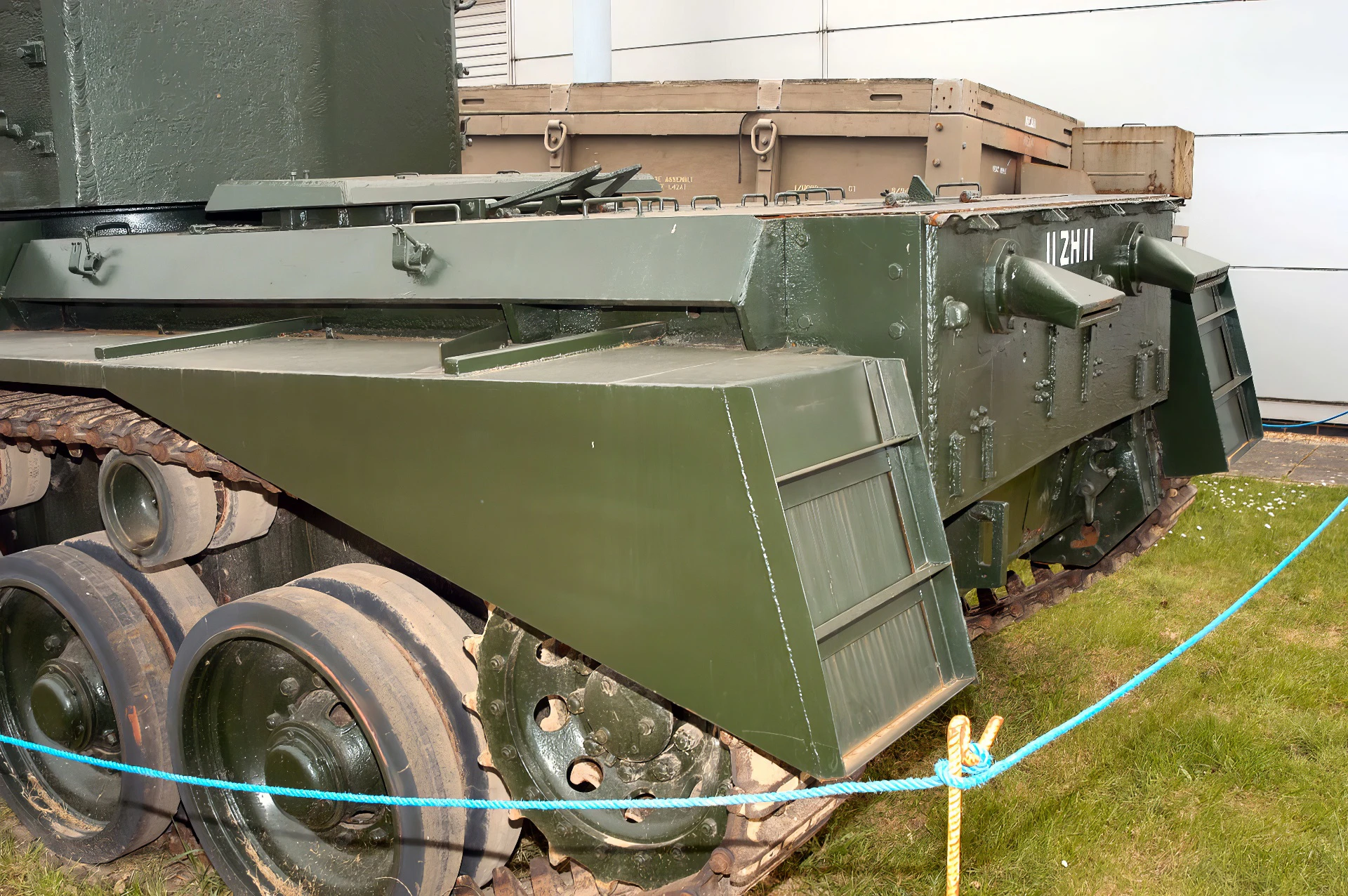
Comet 09
Wacht, Komeetfoto's voor je zoeken ...

Zie ook:


Wacht, Komeetfoto's voor je zoeken ...
Significance: The Comet was the final and most successful of the British Cruiser tank line of World War II. It addressed the need for a tank that could effectively engage late-war German heavy armor like the Panther and Tiger. It is considered a crucial stepping stone to the post-war Centurion tank.
Development and Design
The Comet (formally Tank, Cruiser, Comet I) was developed from the earlier Cromwell tank in 1943. It was designed to incorporate a powerful main gun without the bulk or mechanical issues of its predecessor, the Challenger.
- Chassis It was based on the Cromwell chassis, but with many improvements, including a larger turret ring, strengthened Christie suspension, and an all-welded hull construction.
- Armament: It mounted the new 77 mm High Velocity (HV) gun. This gun used the same 76.2 mm projectiles as the powerful 17-pounder anti-tank gun but fired them in a shorter, more compact cartridge case. This made the ammunition easier to store and handle inside the turret. When firing Armour-Piercing Discarding Sabot (APDS) rounds, the 77 mm HV gun was superior to the 75 mm KwK 42 gun of the Panther in terms of armor penetration.
- Engine: It retained the highly reliable **Rolls-Royce Meteor V12 petrol engine** from the Cromwell, providing 600 hp and excellent mobility.
- Armor: The armor protection was improved over the Cromwell, with a maximum thickness of 101 mm on the turret front. It featured a new, lower-profile welded turret with a cast gun mantlet.
Combat History and Service
The Comet entered active service in December 1944. Although it arrived too late to participate in the major actions of the Normandy campaign, it saw its first major combat during the Western Allied invasion of Germany in early 1945.
- World War II: The Comet fully equipped the British 11th Armoured Division and participated in the crossing of the Rhine and the final advance into Germany. It proved to be a reliable tank, popular with its crews, and was capable of defeating German heavy armor.
- Post-War Service: The Comet remained in British service until 1958. Its robust design and effective gun were a great influence on the design of the post-war Centurion tank, a highly successful Main Battle Tank.
- Export: The tank was exported to several countries, including Finland and South Africa, and continued to serve with some international armies into the 1980s.
Specifications (Comet I A34)
| Characteristic | Specificatie |
|---|---|
| Country of Origin | Verenigd Koninkrijk |
| Type | Cruiser Tank |
| Massa | 35 long tons (35.6 tonnes) |
| Hoogte | 2.68 m (8 ft 9.5 in) |
| Armament (Main) | 77 mm HV QF Gun |
| Armament (Secondary) | 1 x 7.92 mm Besa Machine Guns |
| Bemanning | 5 (Commander, Gunner, Loader/Operator, Driver, Hull Gunner) |
| Max Speed (Road) | 51 km/h (32 mph) |
| Production Total | Around 1,200 |
Aantal keren bekeken: 1878