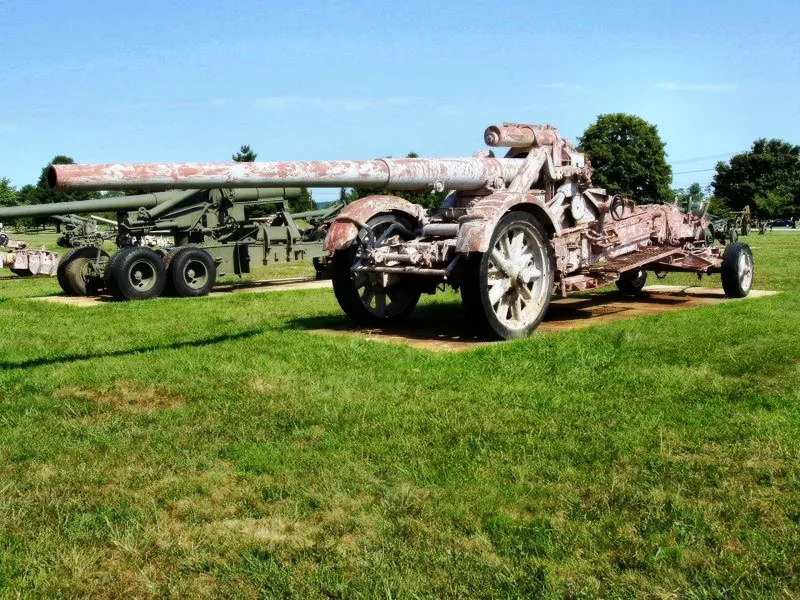
17 cm Kanone 18 | |
|---|---|
| Land | Duitsland |
| Type | Zwaar geweer |
| In gebruik | 1941–1945 |
| Gebouwd | 338 |
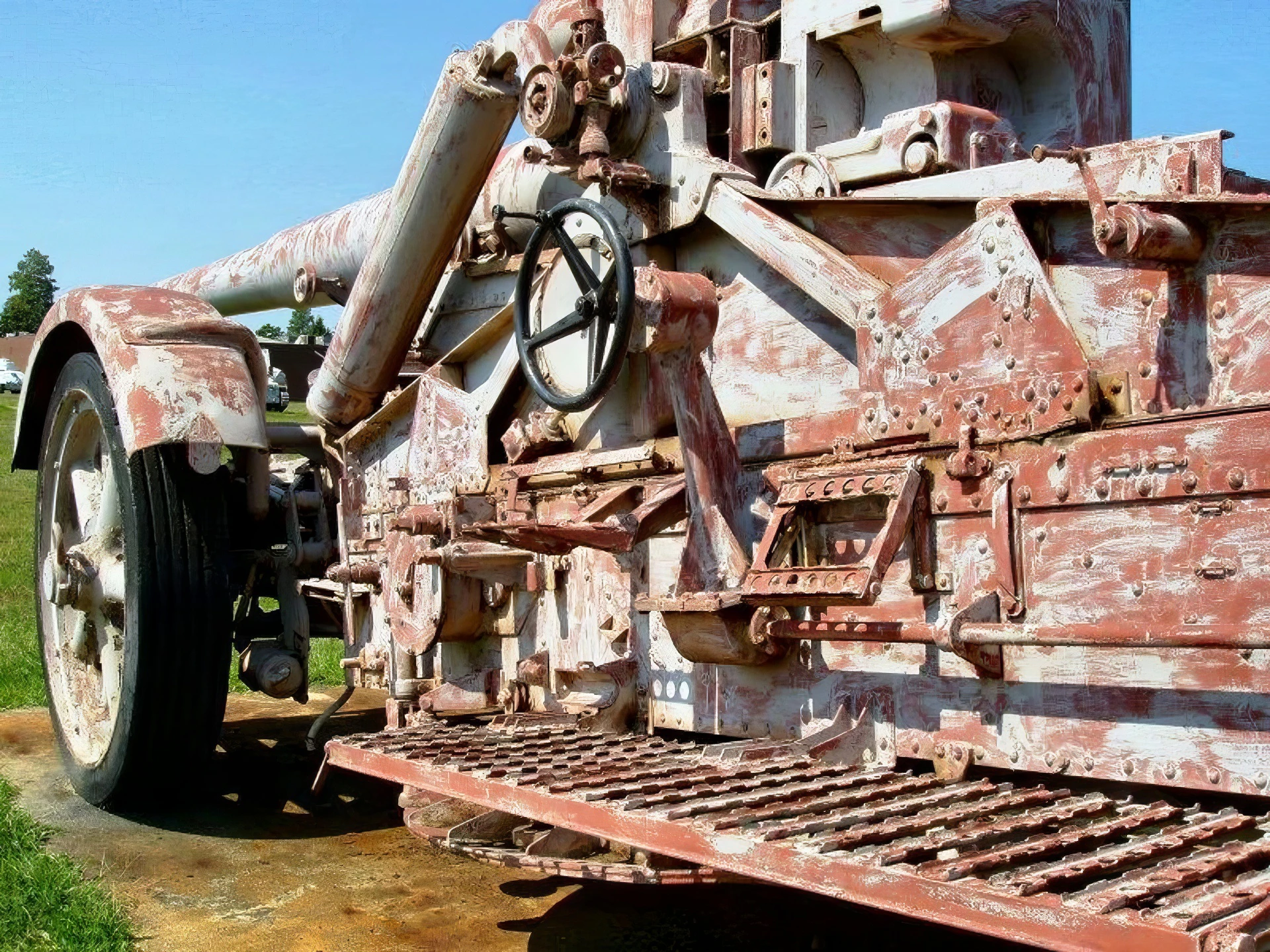
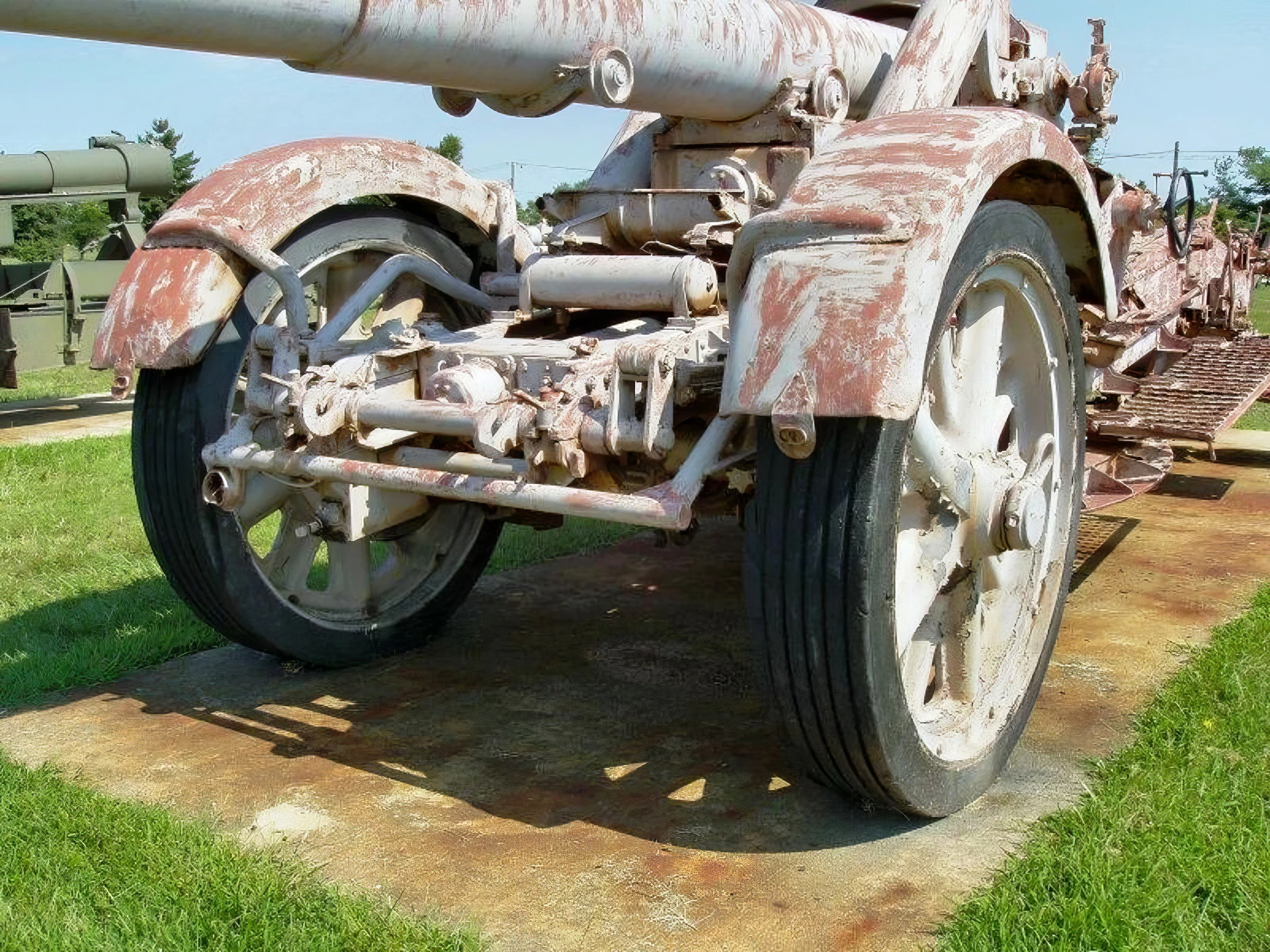
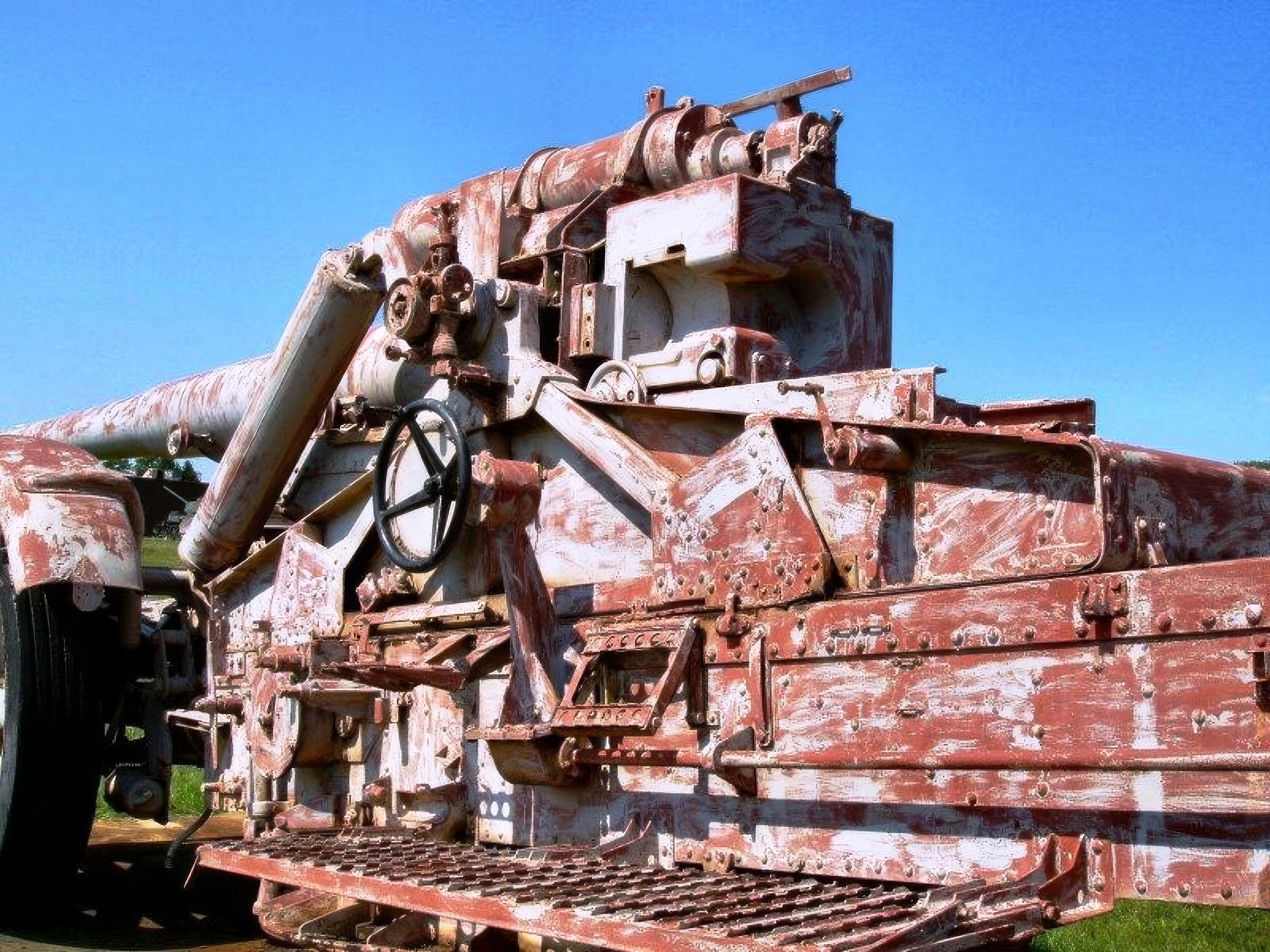
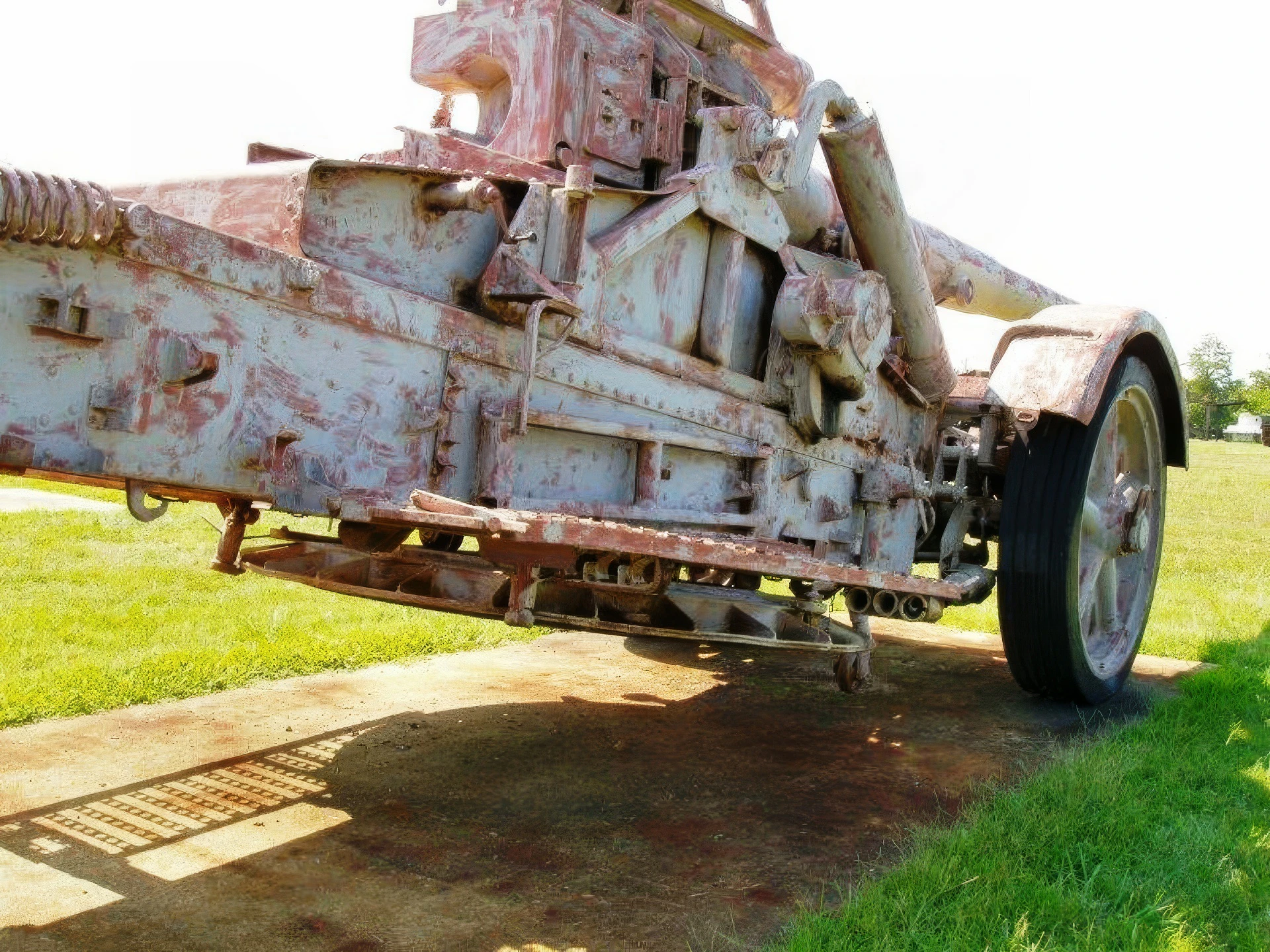
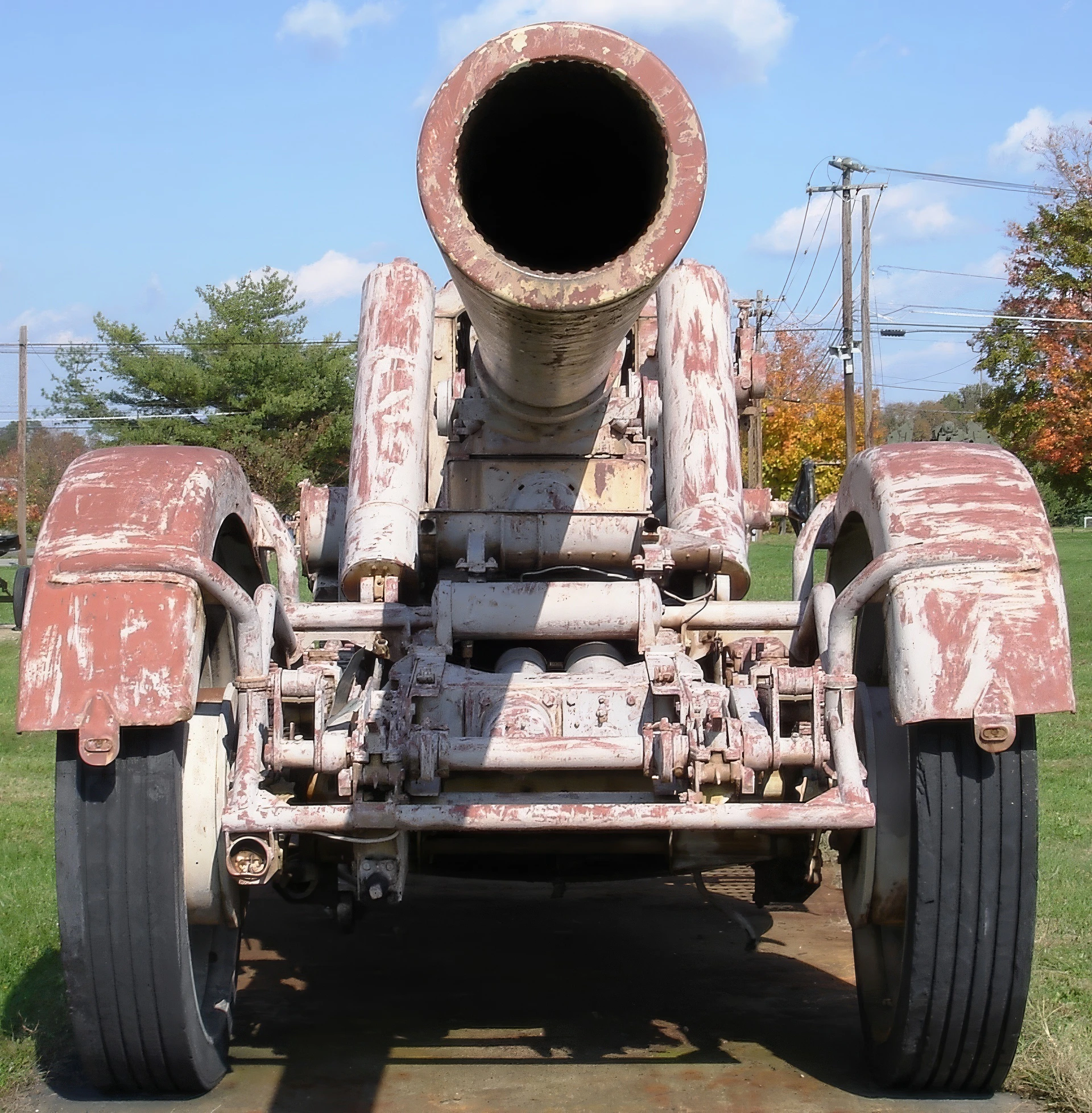
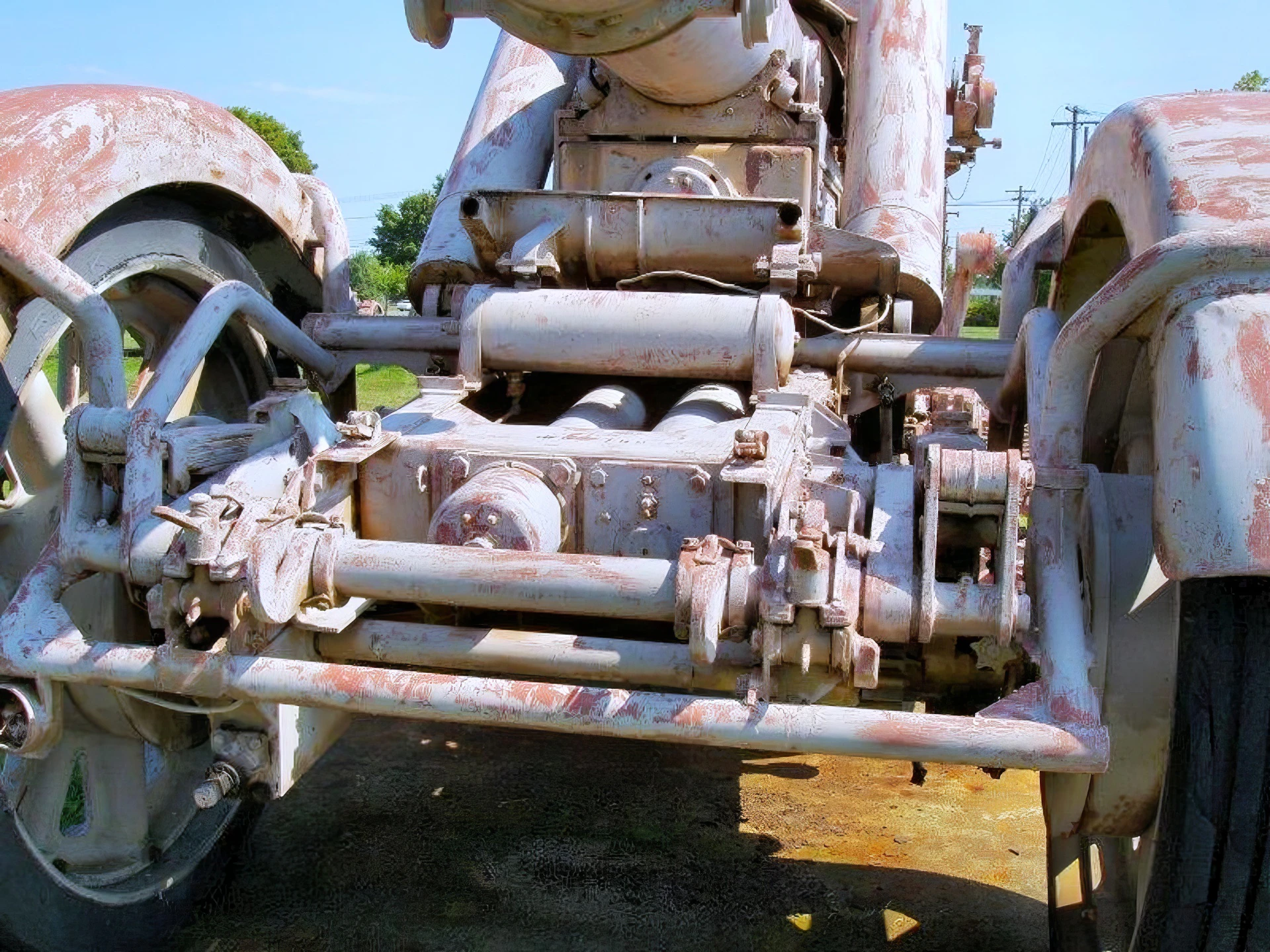
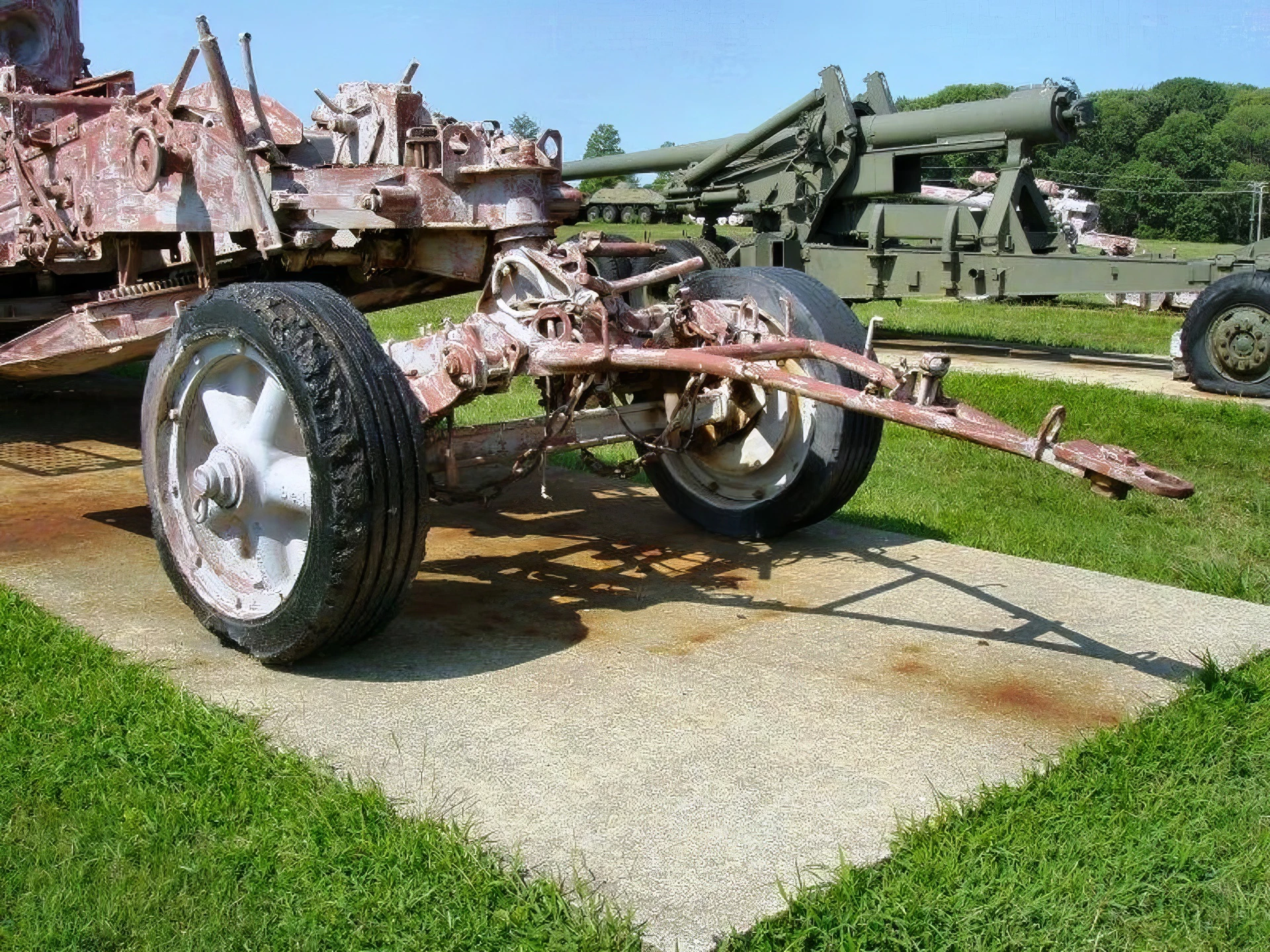
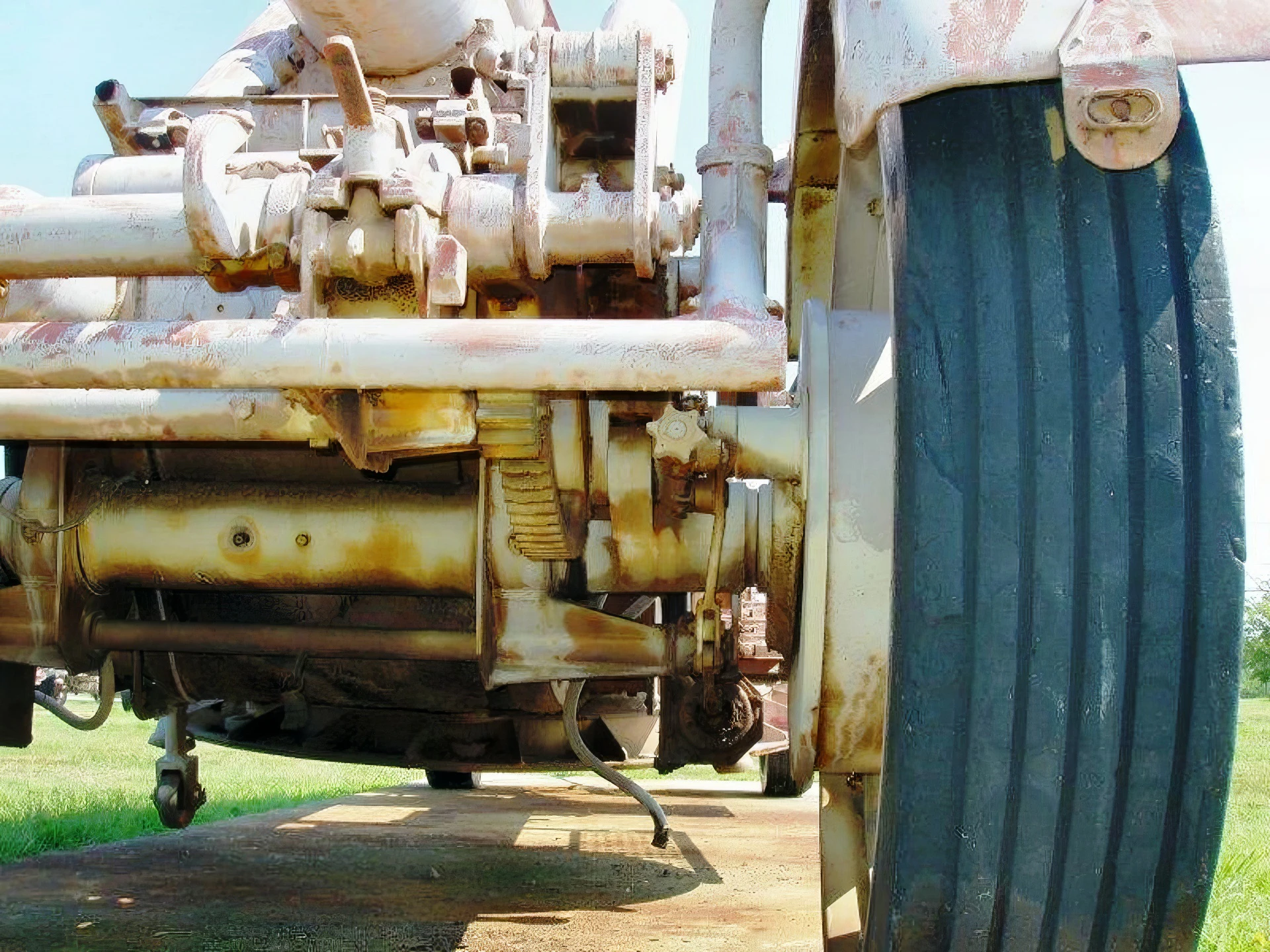
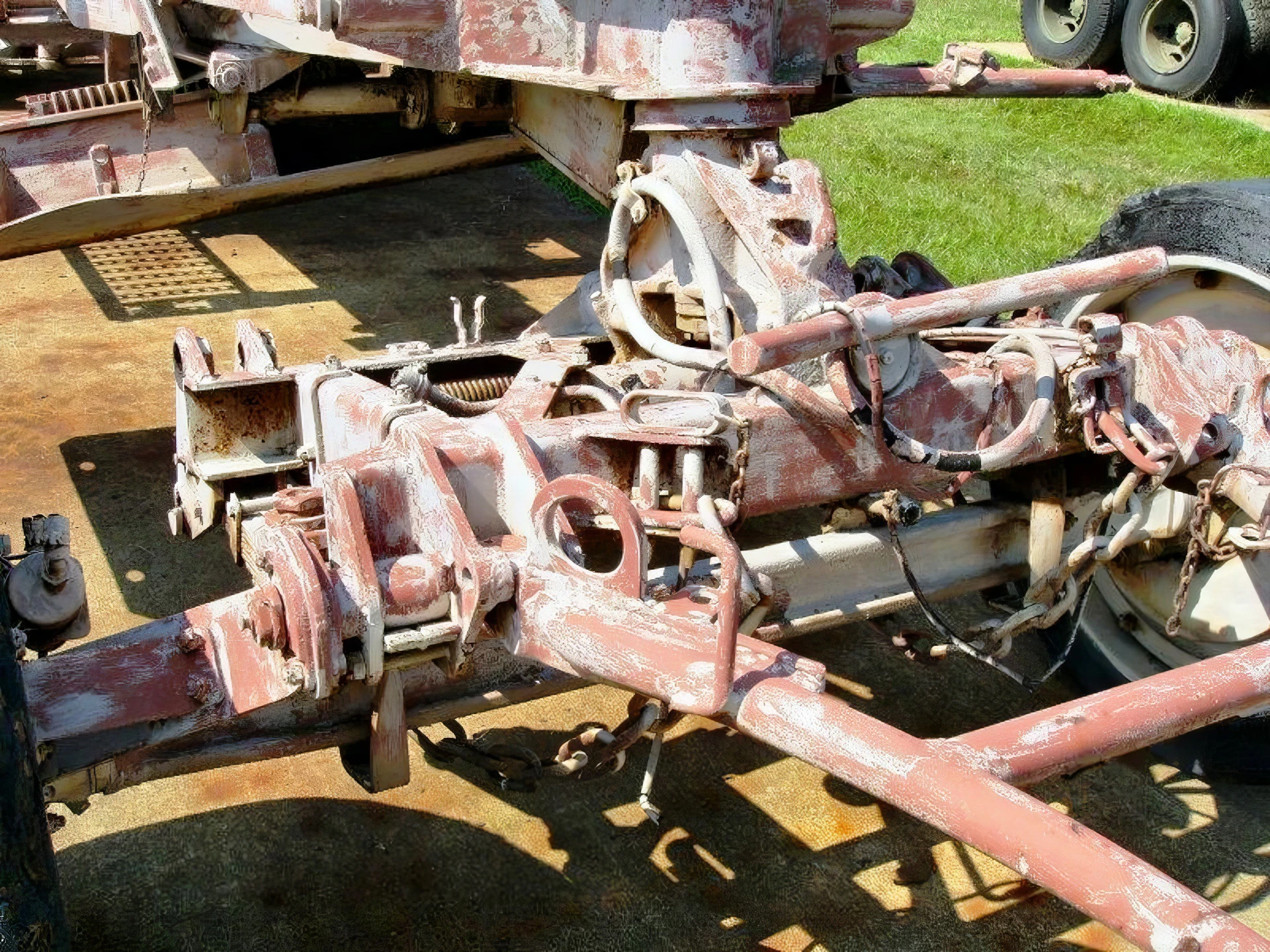
De 17 cm Kanone 18 in Mörserlafette (Engels: 17 cm Cannon 18 on Mortar Carriage), afgekort als 17 cm K 18 in MrsLaf was een Duits zwaar kanon dat tijdens de Tweede Wereldoorlog werd gebruikt.
Bron: Wikipedia
| 17 cm Kanone 18 | |
|---|---|
| Fotograaf | Onbewust |
| Lokalisatie | Onbewust |
| Foto 's | 28 |
Wait, Searching 17 cm Kanone 18 for you…

 Koop een koffie voor mij

Zie ook:


General Characteristics (World War II Era)
The 17 cm Kanone 18 (K 18) was a German heavy, long-range field gun intended for corps-level counter-battery fire. It shared the same highly complex carriage, known as the *Mörserlafette* (Mortar Carriage), with the 21 cm Mörser 18. It was introduced after 1941 to provide significantly greater range than the 21 cm Mörser, quickly becoming the preferred heavy field artillery piece for the Wehrmacht.
| Property | Value (K 18) |
|---|---|
| Role | Heavy Field Gun / Long-Range Counter-Battery |
| Designer | Krupp |
| Entered Service | 1941 |
| Calibre | 172.5 mm (6.79 in) |
| Barrel Length | 8.625 m (28 ft 3.6 in) (L/50) |
| Weight (Firing Position) | 17,520 kg (38,625 lb) |
| Weight (Travel Position) | 23,375 kg (51,533 lb) |
| Units Built | ~338 |
Design and Mobility
- Carriage: Shared the box-trail carriage with the 21 cm Mörser 18, utilizing a unique dual-recoil system. This system had a barrel recoil and a secondary carriage recoil to absorb forces, resulting in exceptional accuracy for a gun of its size.
- Transport: Due to its extreme weight, the gun required a heavy half-track tractor (like the Sd.Kfz. 8). For long distances, the weapon had to be broken down into two loads (barrel and carriage) using a system of ramps and winches.
- Traverse: Could achieve a full 360-degree traverse when mounted on its heavy firing platform, or 16 degrees when fired directly from its wheels (only for short-distance towing).
- Crew: 10 gunners.
- Cost: Considered an excellent weapon technically, but was highly complex, expensive to manufacture, and required careful maintenance.
Performance and Ammunition
- Projectile Weight (Long-Range): 62.8 kg (138 lb) HE shell (17cm K Gr 38 Hb).
- Muzzle Velocity: Up to 925 m/s (3,030 ft/s) with maximum charge.
- Maximum Firing Range: 29,600 m (29.6 km or 18.4 miles). This long range was its decisive advantage over the 21 cm Mörser 18.
- Rate of Fire: Slow, approximately 1 round per minute (some sources indicate 2 rpm).
- Elevation: 0° to +50°.
- Ammunition Types: Fired separate-loading, bagged-charge ammunition, including standard HE, long-range HE with ballistic cap, and Armour-Piercing (AP) shells.
- Role: Primarily used for long-range counter-battery fire and heavy support, often against fortifications like those found on the Atlantic Wall.
Bekeken : 539
U ook zien :
 Type 90 75 mm field gun – Photos & Video
 Astros II MLRS – Foto's &video's
 L-33 Roem – Foto's &Video's
 ZiS-2 – Foto's & Video's
 QF 4,5-inch houwitser – Foto's & Video
 M198 Houwitser – Foto's &Video
 M65 atoomkanon – Foto's &Video
 76 mm divisiekanon M1939 – Foto's &Video
 21 cm MORSER m10-16 – Foto's & Video
 130 mm getrokken veldkanon M1954 (M-46) – Foto's & Video