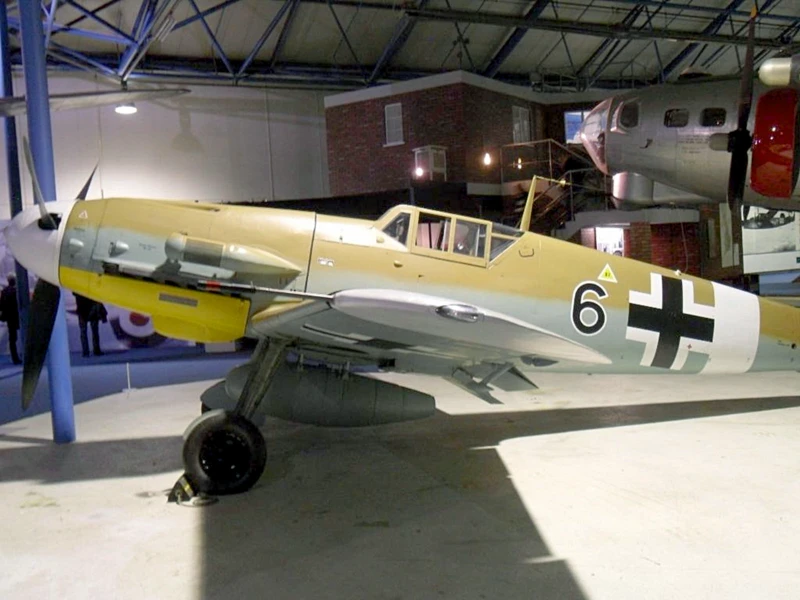
Messerschmitt Bf 109G | |
|---|---|
| Šalies | Vokietija |
| Tipas | Naikintuvai |
| Pirmasis skrydis | 1935 m. gegužės 29 d. |
| Pastatytas | 33984+ |
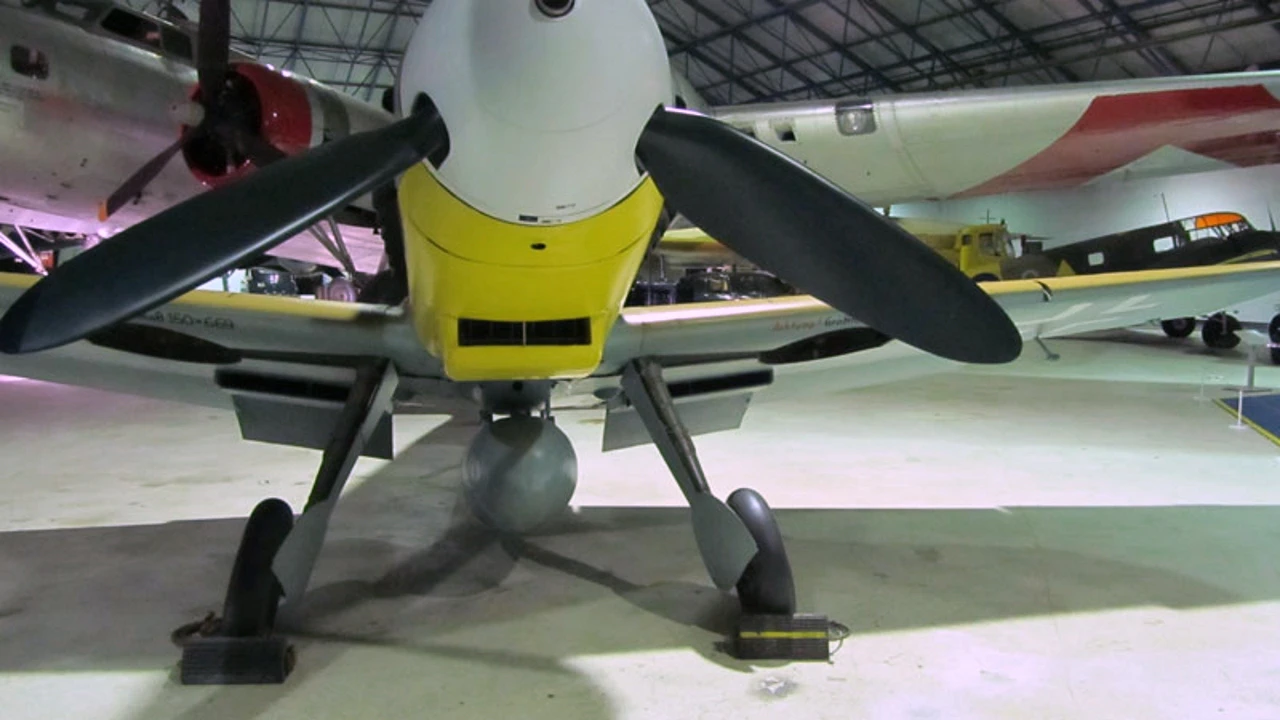
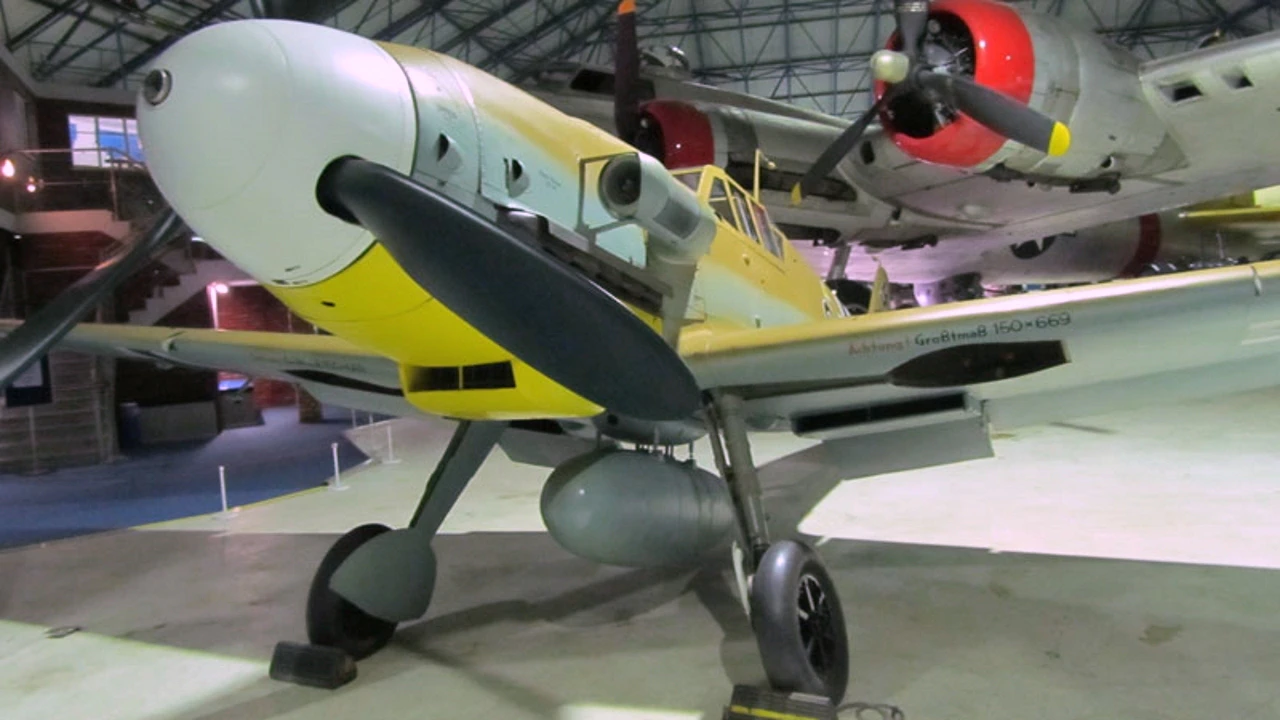
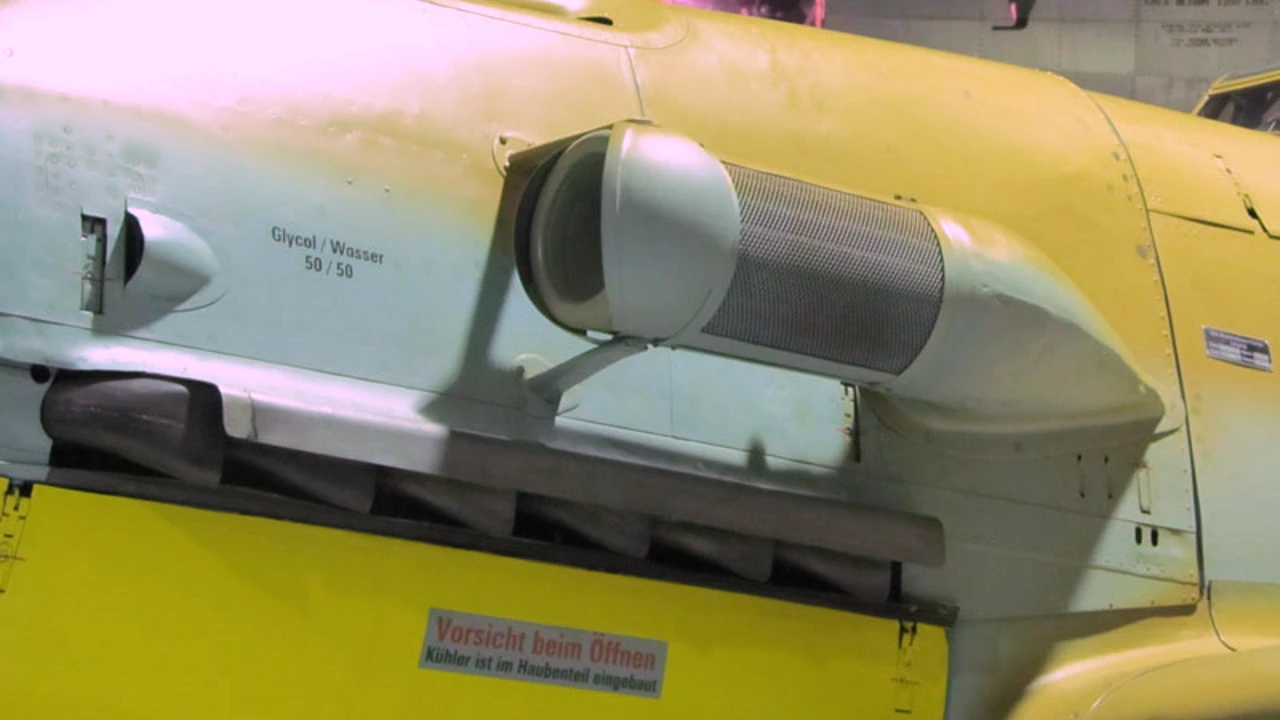
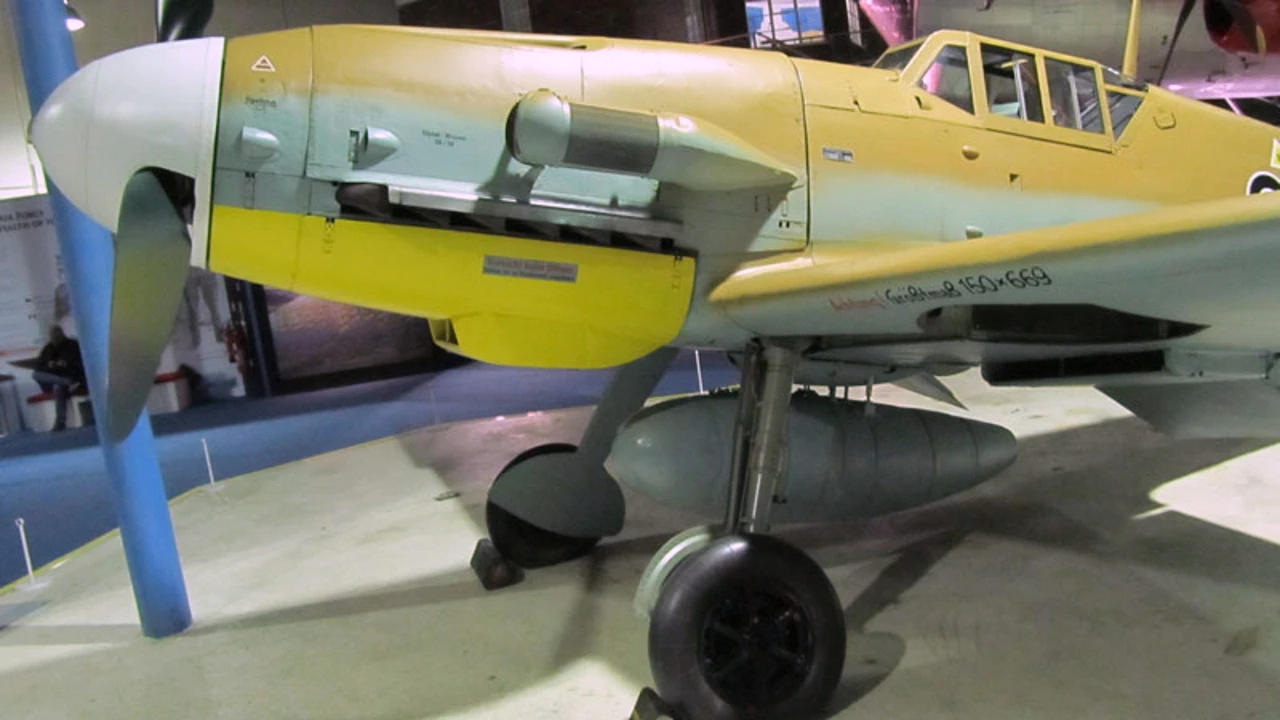
"Messerschmitt Bf 109G" nuotraukų galerija, Messerschmitt Bf 109, dažnai vadinamas "Me 109", buvo Vokietijos Antrojo pasaulinio karo naikintuvas, kurį 1930-ųjų pradžioje ir viduryje sukūrė Willy Messerschmittas ir Robertas Lusseris. Tai buvo vienas iš pirmųjų tikrai modernių eros kovotojų, įskaitant tokias savybes kaip metalo monokoko konstrukcija, uždara baldakimu, ištraukiama važiuoklė, ir buvo varomas skysčiu aušinamu, apverstu V12 aeroinžineriu
Šaltinis: Messerschmitt Bf 109G on Wikipedia
| Messerschmitt Bf 109G | |
|---|---|
| Fotografas | Nežinoti |
| Lokalizavimo | Nežinoti |
| Nuotraukos | 20 |
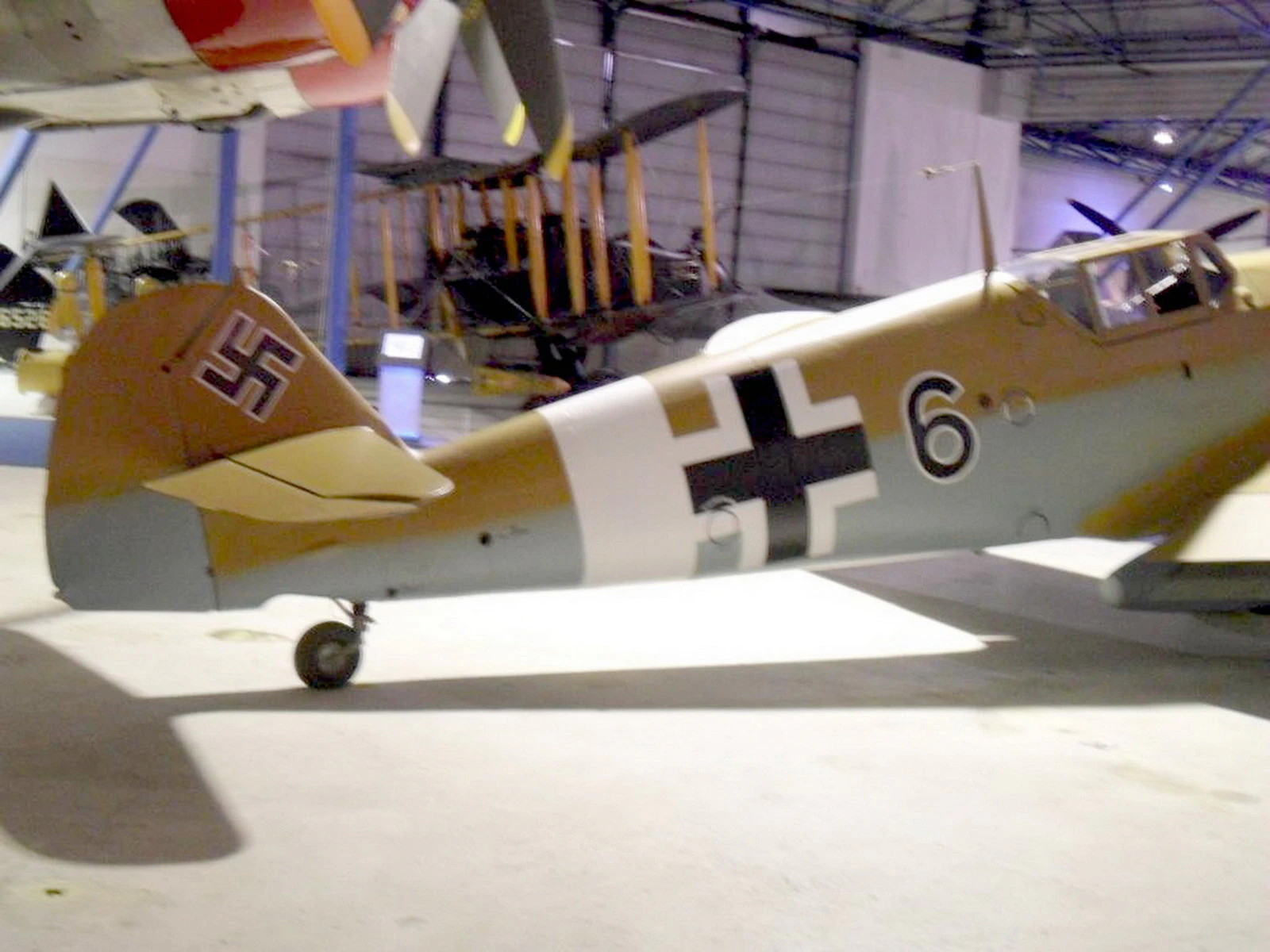
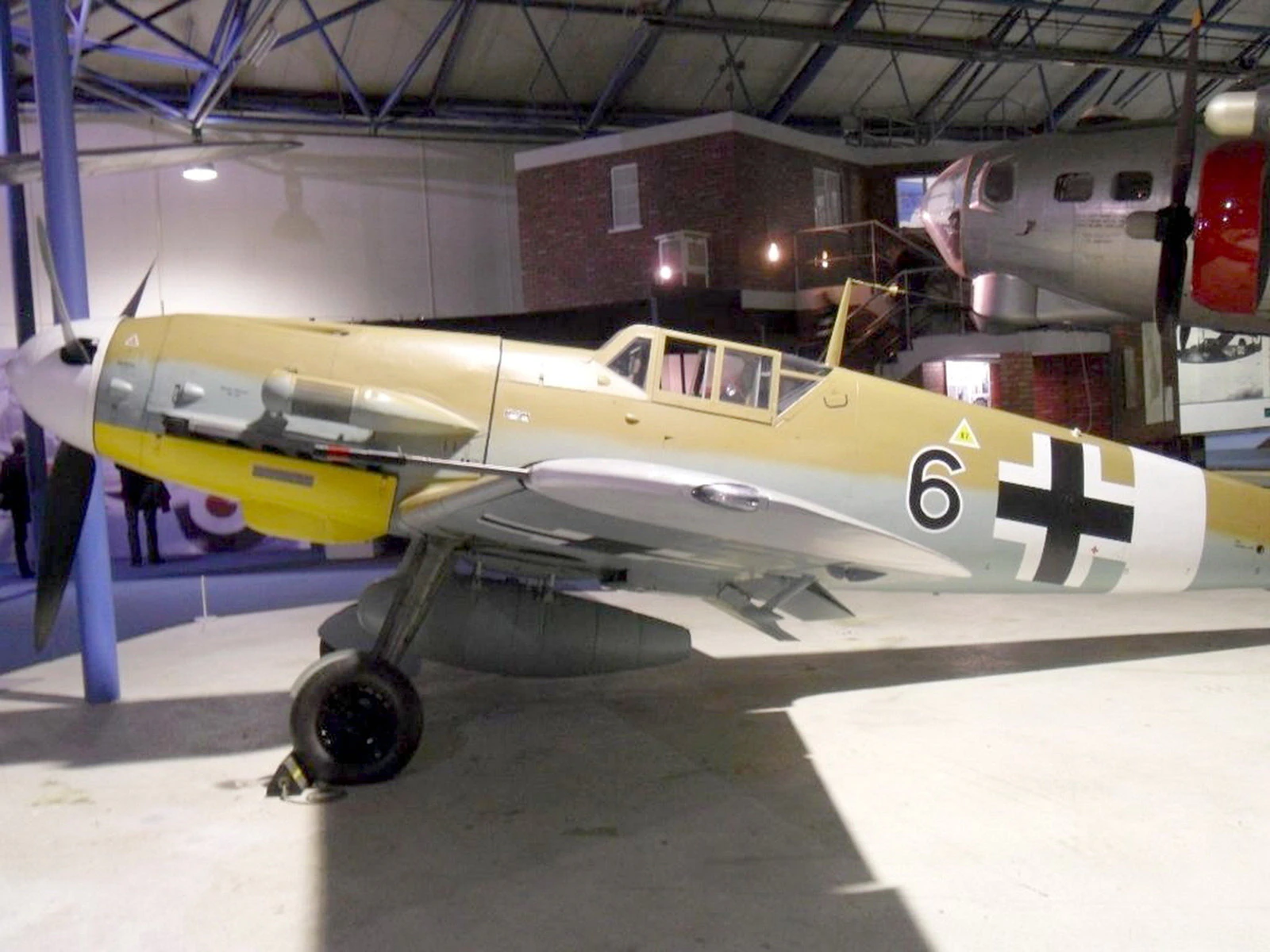
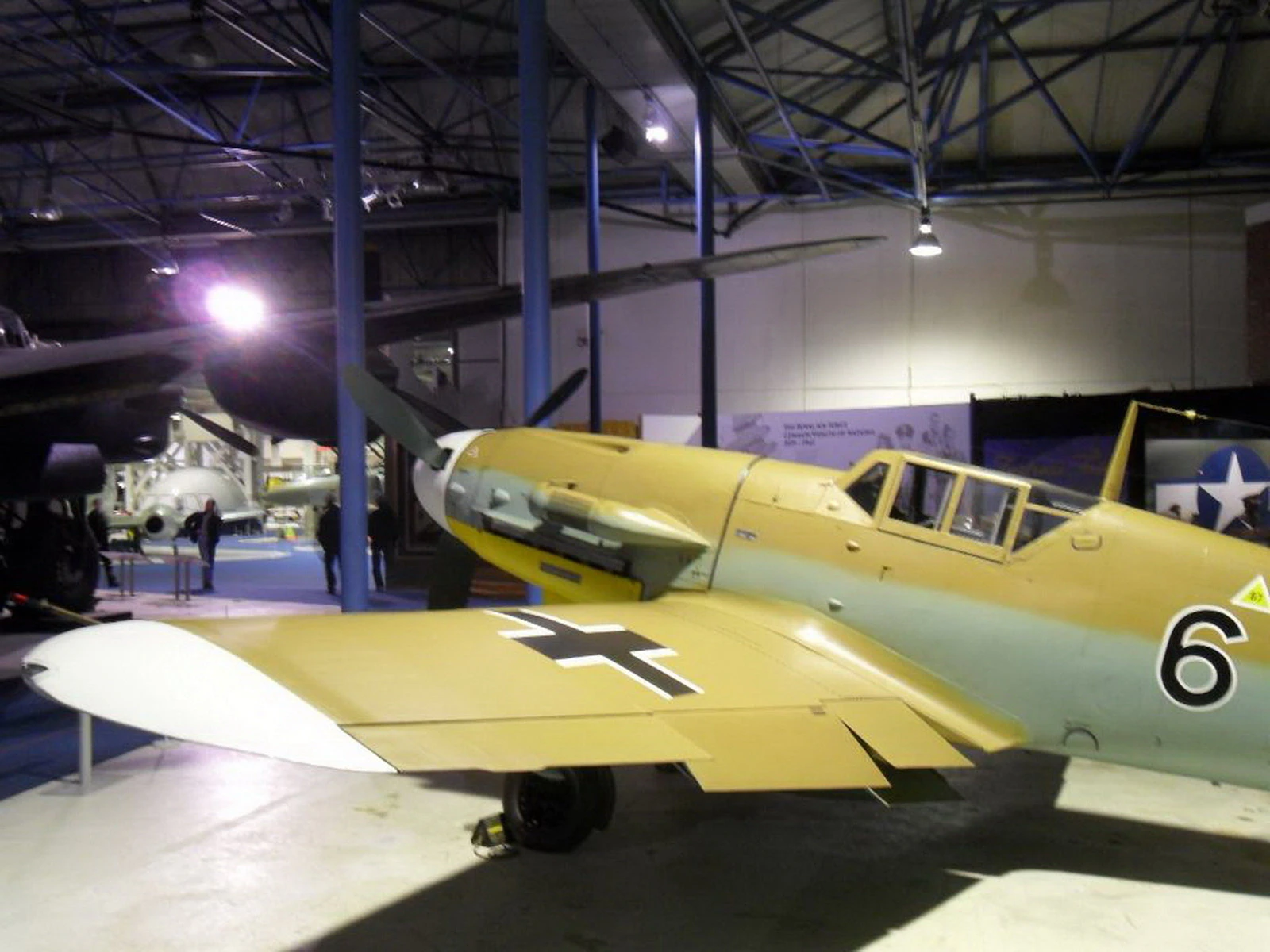
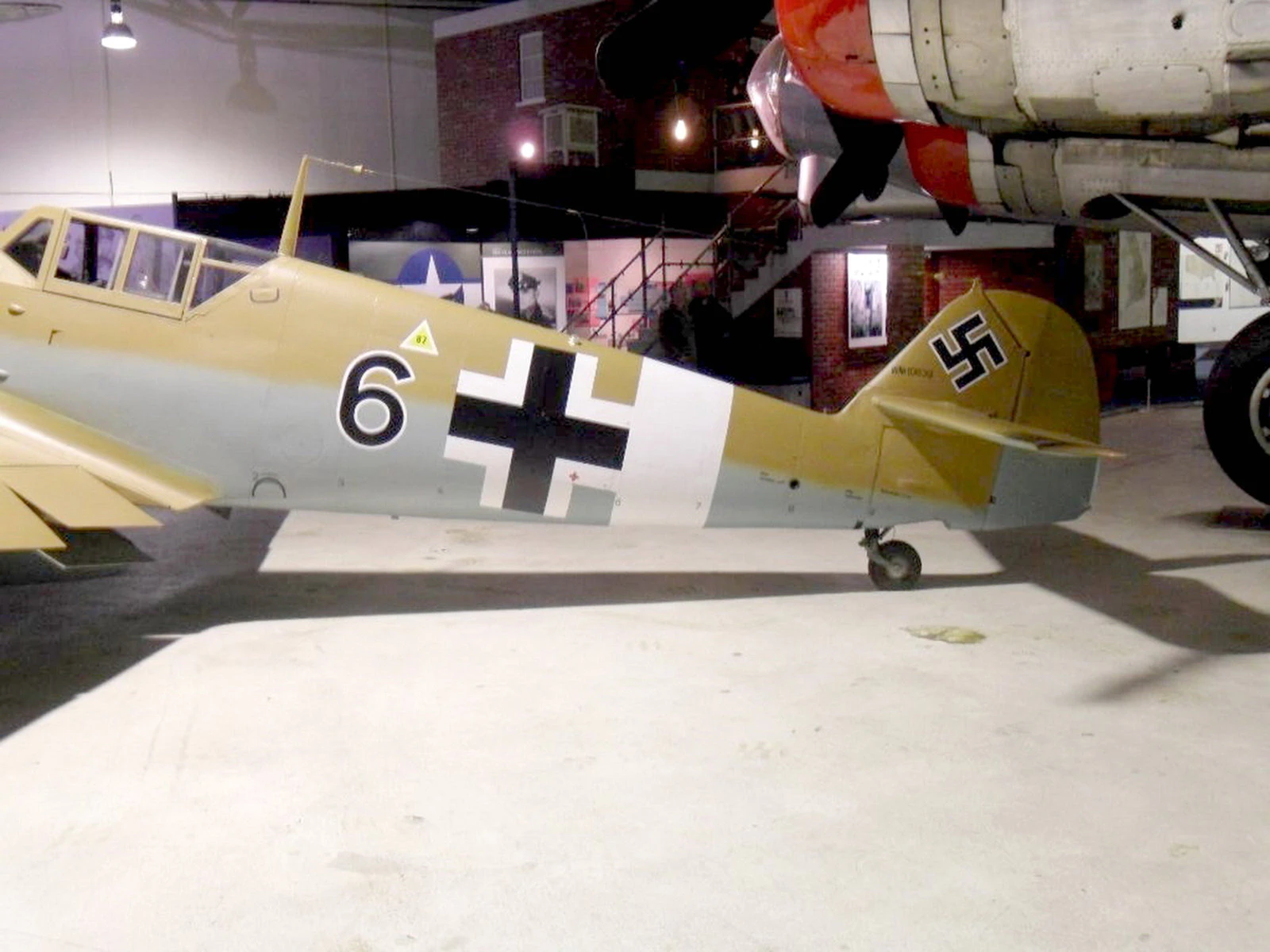
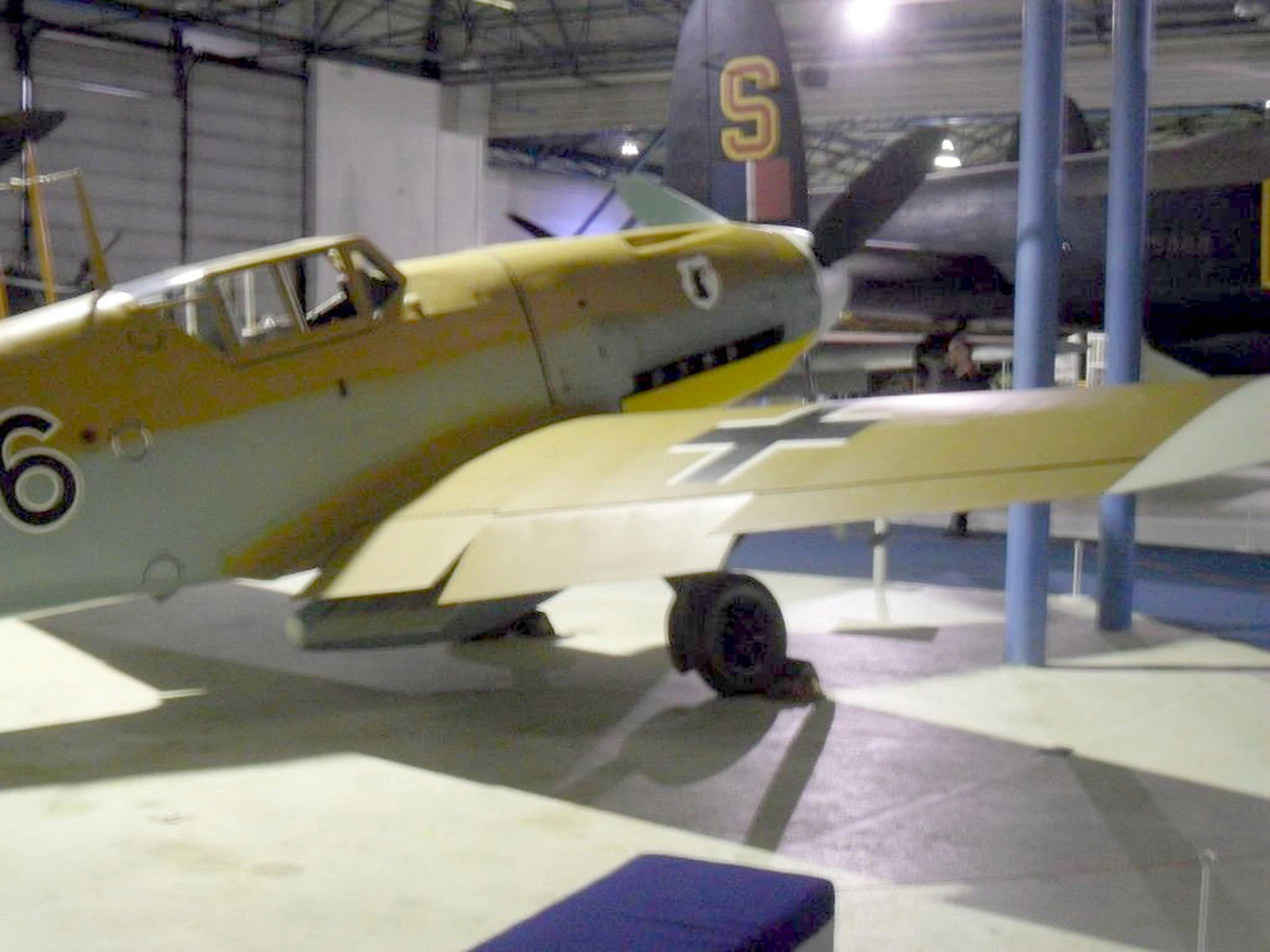
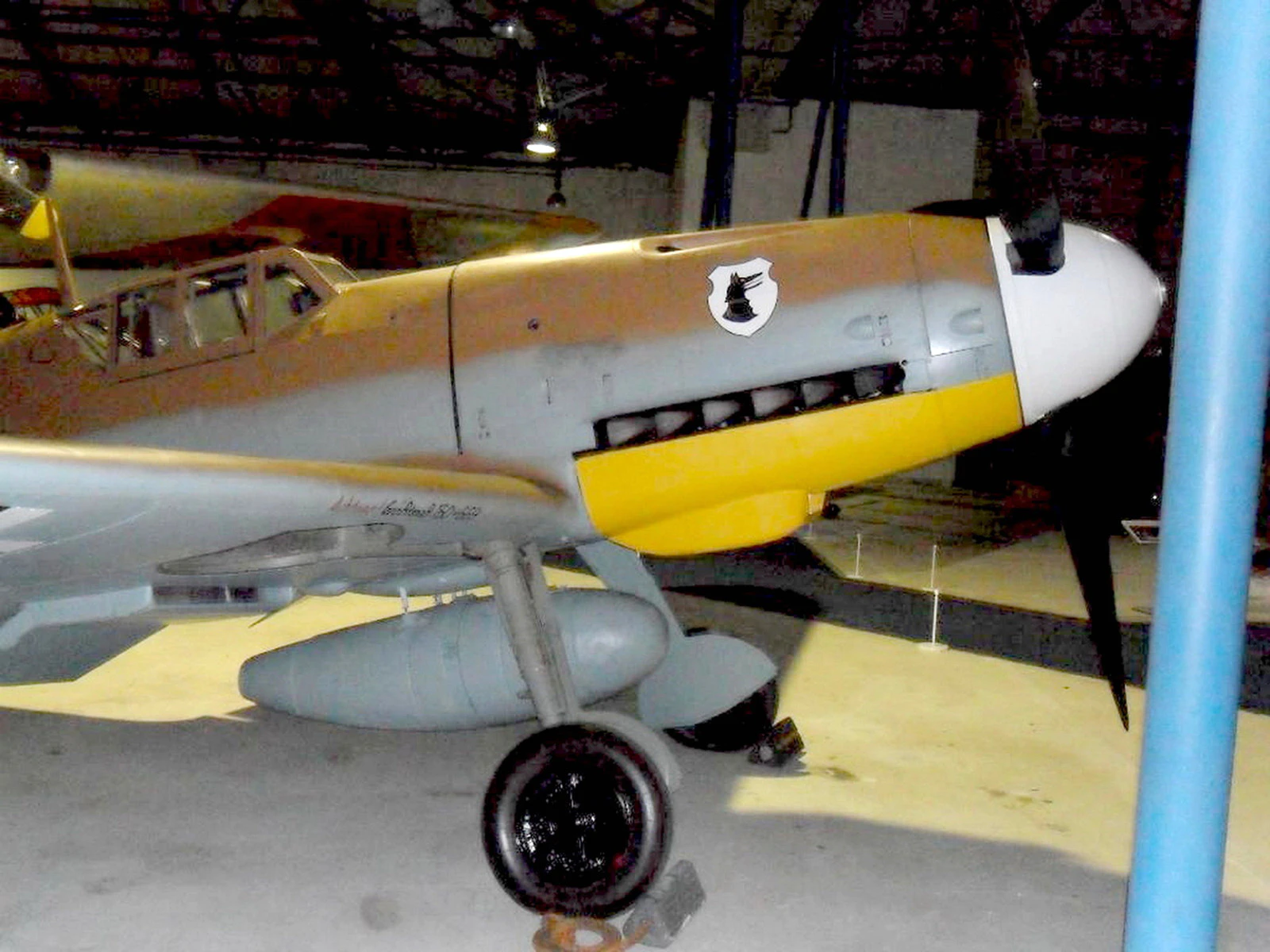
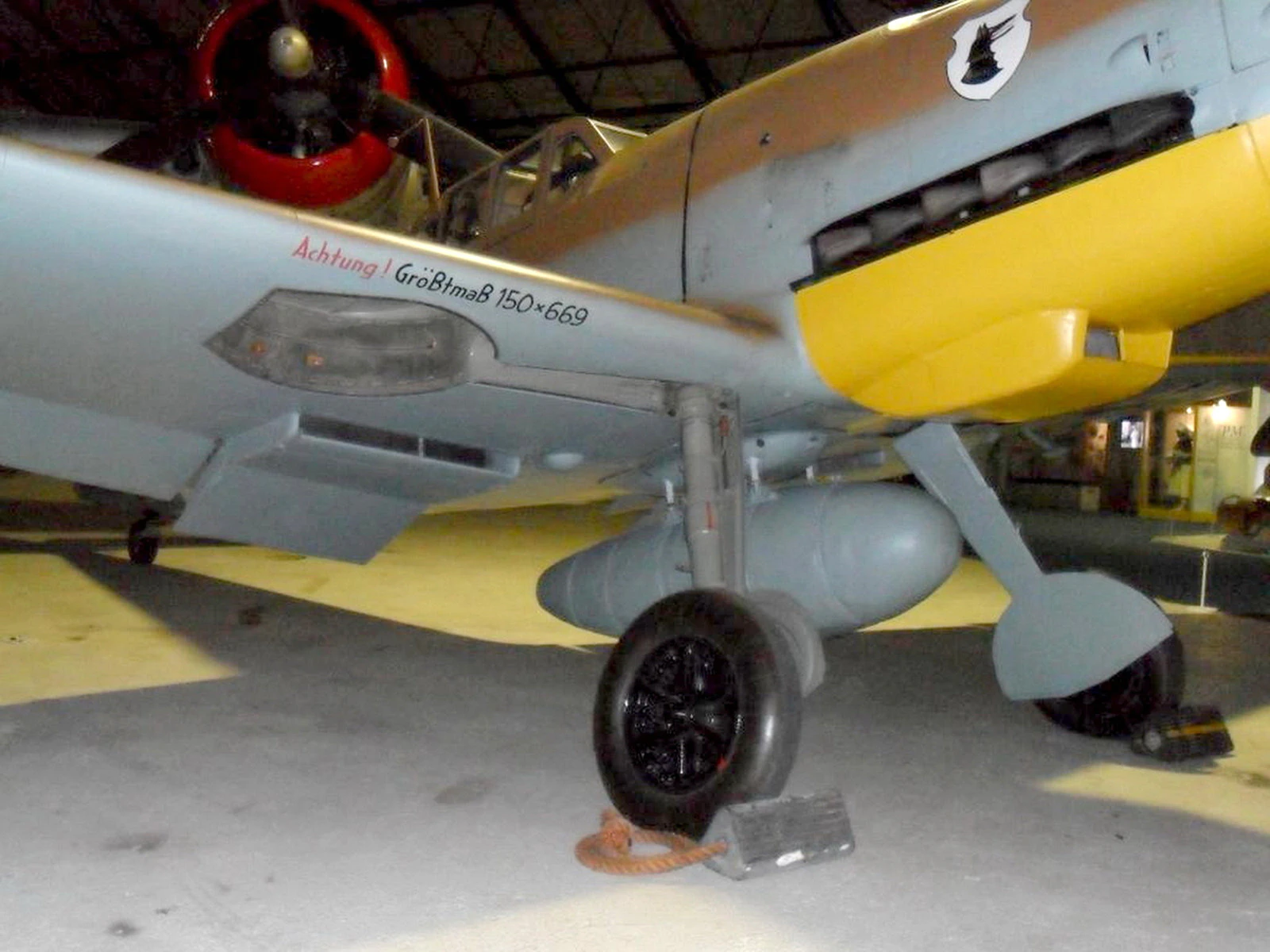
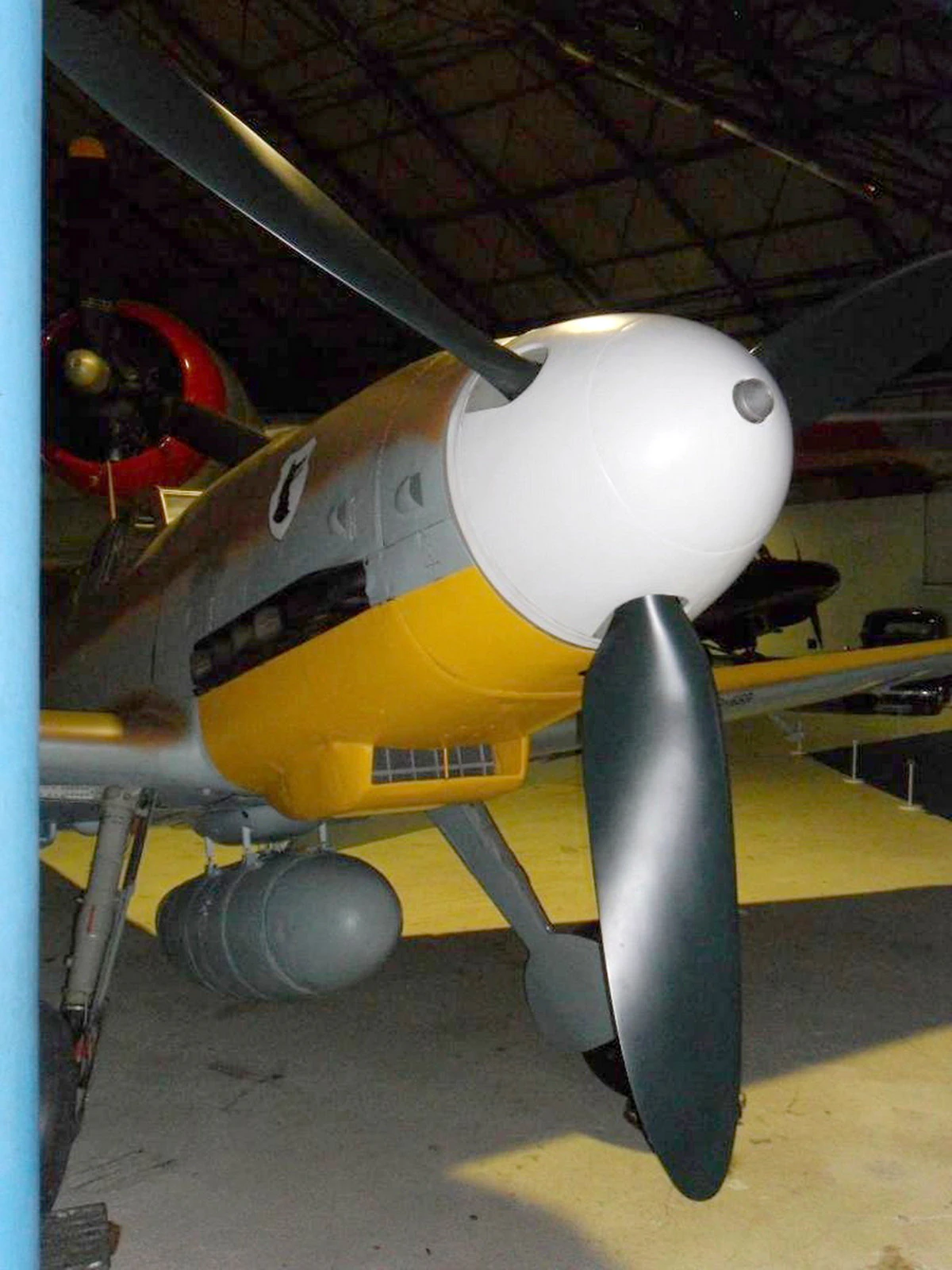
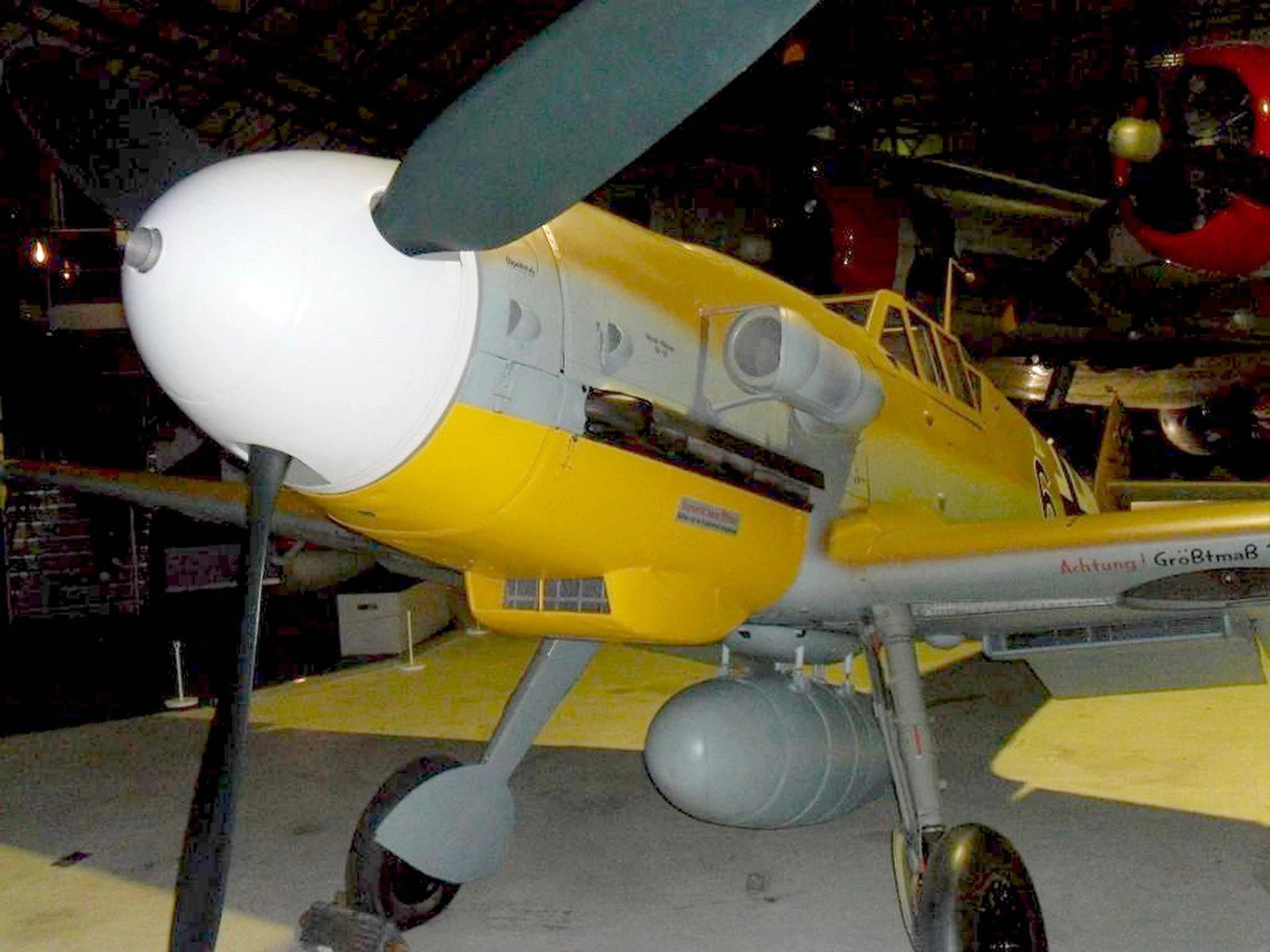

| Bf 109E pasivaikščiojimas | |
|---|---|
| Fotografas | Andrejus Ieshkinas |
| Lokalizavimo | Imperatoriškojo karo muziejus Duxfordas |
| Nuotraukos | 42 |
| Messerschmitt Bf.109 G Walk Around | |
|---|---|
| Fotografas | Cees Hendriksas |
| Lokalizavimo | Nežinoti |
| Nuotraukos | 37 |
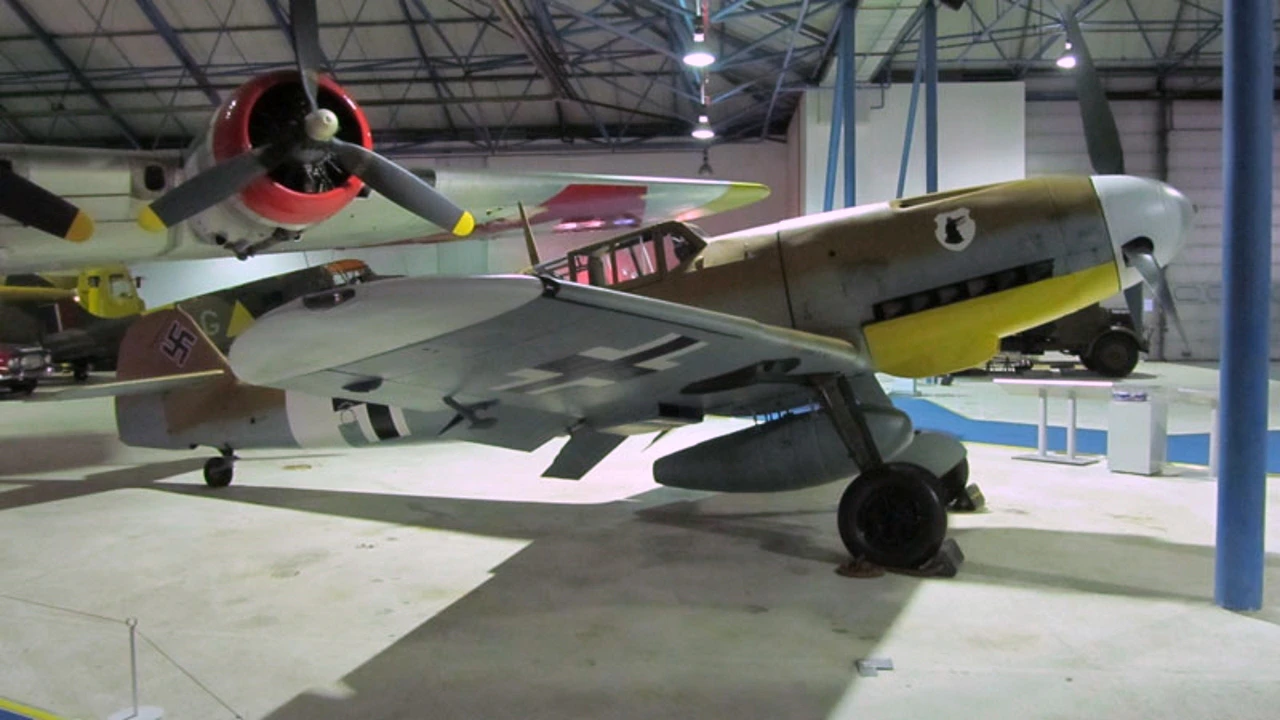
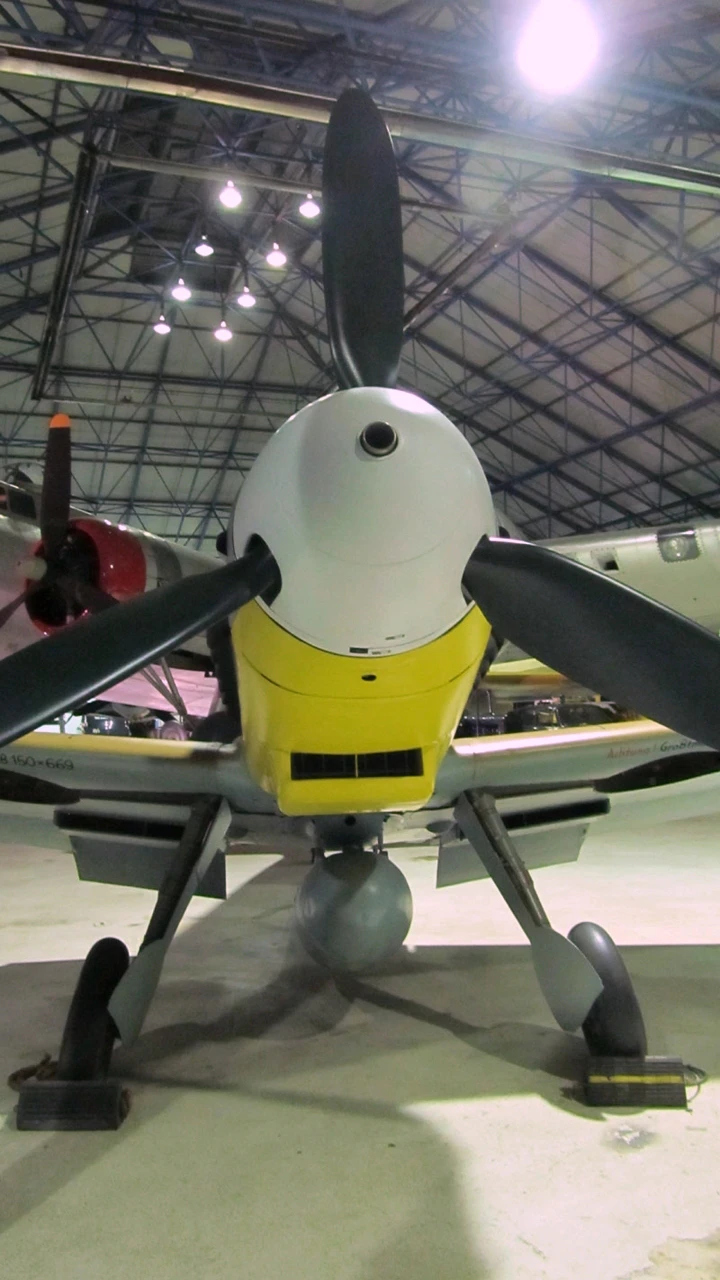
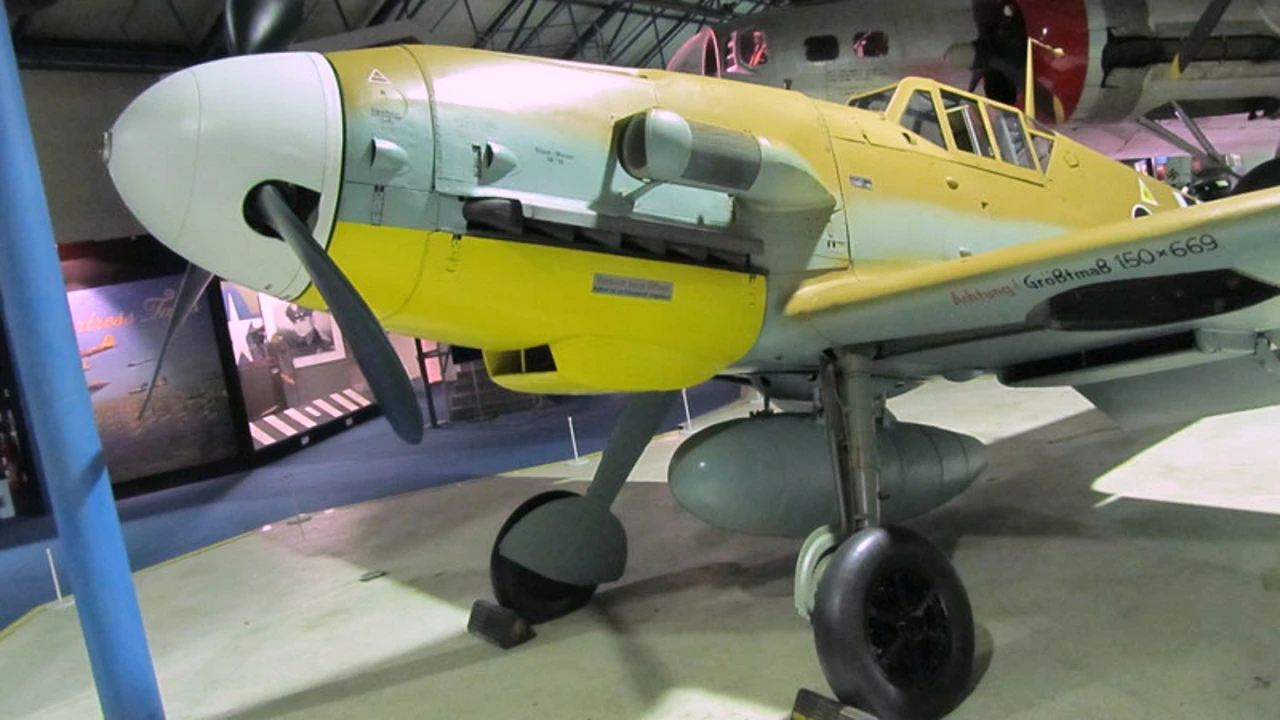
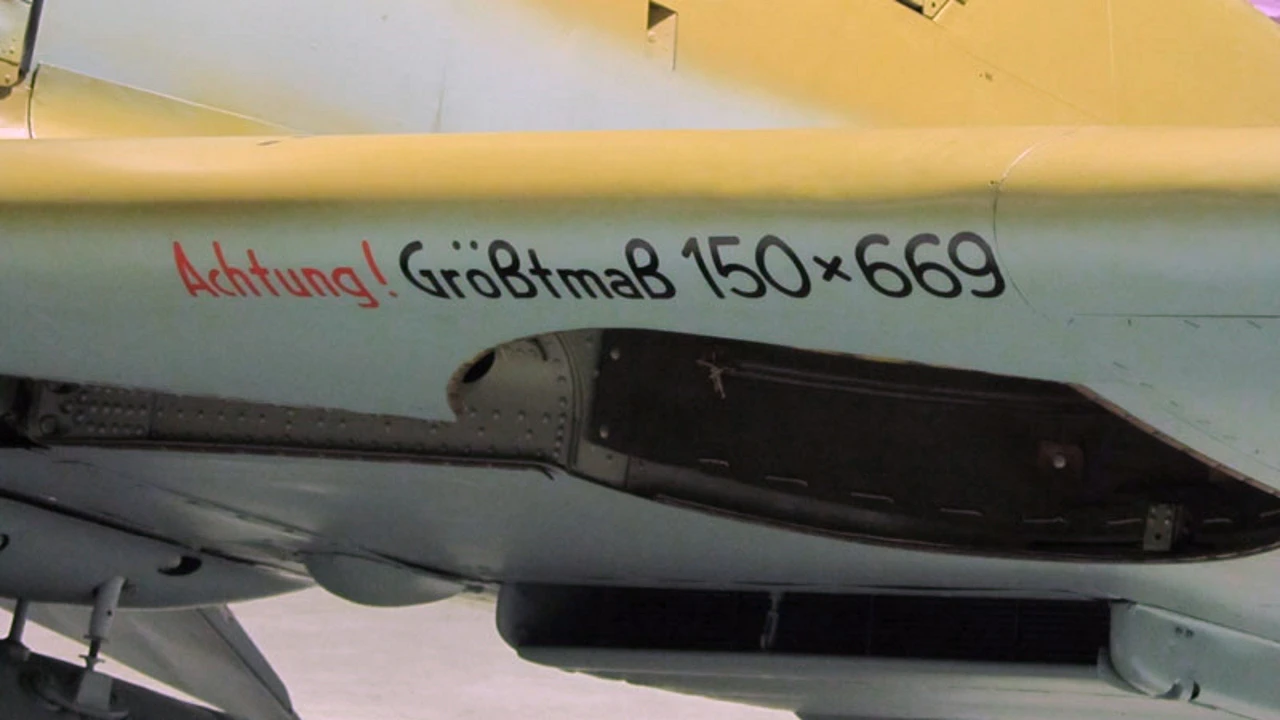
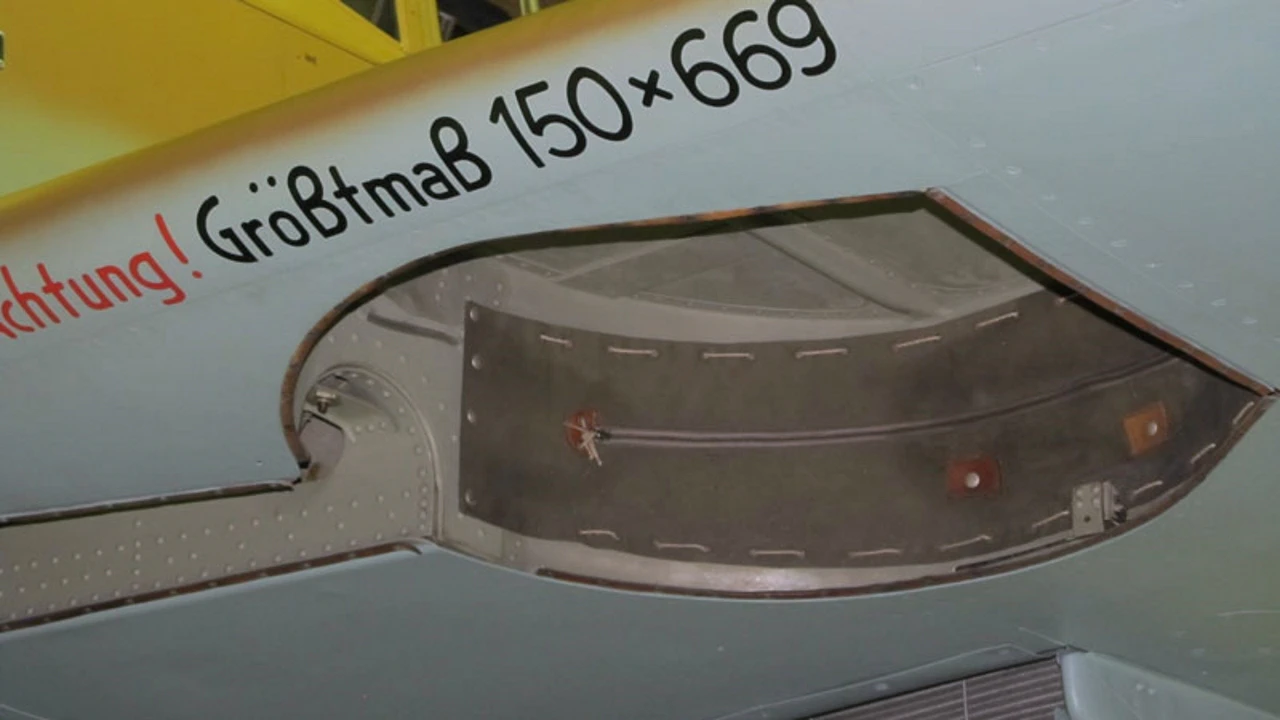
Taip pat žiūrėkite:


The Standard-Bearer of the Luftwaffe
2007 Bf 109G, or “Gustav,” was the most produced variant of the famous Messerschmitt fighter line, accounting for about 70% of all 109s built. Introduced in 1942, it was designed to handle the increasing weight of heavy armament and armor while fighting at higher altitudes. While the earlier “Friedrich” (Bf 109F) was considered the peak of the 109’s handling, the Gustav was the “brute” that kept the Luftwaffe in the fight against an ever-growing tide of Allied bombers and superior escort fighters.
| Attribute | Technical Specification (Bf 109 G-6) |
|---|---|
| Vaidmenį | High-Altitude Interceptor / Fighter |
| Įgulos | 1 (Pilot) |
| Variklis | Daimler-Benz DB 605A-1 inverted V12 (1,455 hp) |
| Maximum Speed | 640 km/h (398 mph) at 6,300 m |
| Service Ceiling | 12,000 m (39,370 ft) |
| Main Armament | 1 × 20 mm MG 151/20 (engine-mounted) + 2 × 13 mm MG 131 machine guns |
| External Options | Underwing 20 mm cannon pods (Rüstsätze) or rockets |
| Construction | All-metal stressed skin monocoque |
Design Engineering: Power vs. Drag
- The DB 605 Engine: To maintain performance as weight increased, the Gustav used the larger-displacement DB 605. This engine featured an inverted V-layout, which gave the pilot a better view over the nose and allowed for the 20mm cannon to fire through the propeller hub (the Motorkanone).
- The “Beulen” (Bumps): One of the most famous features of the G-6 model was the pair of bulbous fairings in front of the cockpit. These were necessary to house the breeches of the larger 13mm MG 131 machine guns, which had replaced the lighter 7.92mm guns of earlier models.
- Leading-Edge Slats: To compensate for its high wing loading, the 109G retained automatic leading-edge slats. These popped out at low speeds or during sharp turns, providing extra lift and preventing the narrow wings from stalling too early in a dogfight.
- MW 50 and AS Variants: To counter the P-51 Mustang at high altitudes, later Gustavs were fitted with larger superchargers (G-6/AS) or the MW 50 water-methanol injection system, which could boost engine power to nearly 2,000 hp for short bursts.
Operational History: The Ace Maker
- Record-Breaking Stats: The Bf 109G was the mount of the highest-scoring ace in history, Erich Hartmann (352 kills). Most of the Luftwaffe’s top “Experten” scored the majority of their victories in a Gustav on the Eastern Front.
- The “Wild Boar” (Wilde Sau): As Allied bombing intensified, the Gustav was used in nighttime “Wilde Sau” tactics, where single-seat day fighters would hunt bombers over burning German cities, guided by the light of the fires below.
- Weight and Complexity: By 1944, the Gustav had become heavy and difficult to fly for novice pilots. Its narrow landing gear—always a weakness of the 109—led to thousands of accidents on the ground, especially as the airframes were pushed to their limits with heavy underwing cannon pods.
- International Reach: The G-series was exported to Finland, Hungary, Romania, and Italy. The Finnish “Mersu” pilots, in particular, used the Gustav with incredible efficiency to halt Soviet air offensives in 1944.
Views : 6998
Taip pat galite pamatyti:
 Messerschmitt Me-108 Taifun – nuotraukos ir vaizdo įrašas
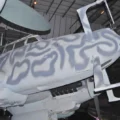 Messerschmitt Bf 110 – nuotraukos ir vaizdo įrašai
 Messerschmitt Me 262 – nuotraukos ir vaizdo įrašai
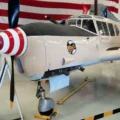 Messerschmitt Me208 – nuotraukos ir vaizdo įrašai
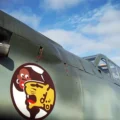 HA-1112-M1L Buchon – Vaikščioti aplink
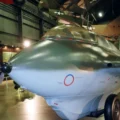 Messerschmitt Me 163B - WalkAround
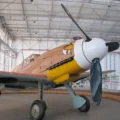 Messerschmitt Bf 109G-2 – Vaikščioti aplink
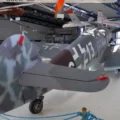 Messerschmitt Bf 109G-6 – Vaikščioti Aplink
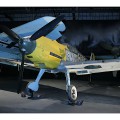 Messerschmitt Me-109E – Vaikščioti aplink
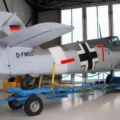 Messerschmitt Bf 109G-4 Puvinys 7 – Vaikščioti aplink