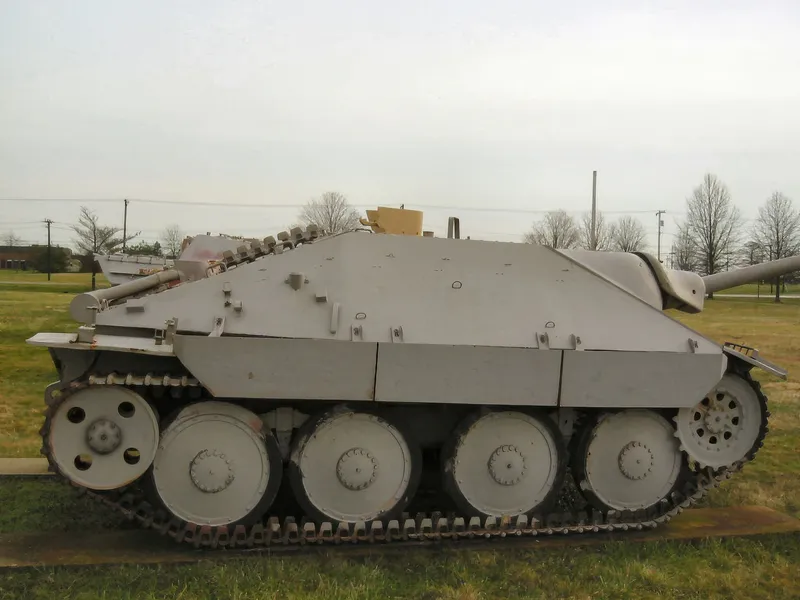
Hetzer | |
|---|---|
| Šalies | Nacistinė Vokietija |
| Vaidmenį | Šviesos bako naikintuvas |
| Tarnyboje | 1944–1945 |
| Pastatytas | 2850+ |
Jagdpanzer 38 (Sd.Kfz. 138/2), buvo Vokietijos šviesos bakas naikintuvas Antrojo pasaulinio karo remiantis modifikuota Čekoslovakijos Panzer 38(t) važiuoklės.
Šaltinis: Hetzer Vikipedijoje
| Hetzer | |
|---|---|
| Fotografas | Nežinoti |
| Lokalizavimo | Nežinoti |
| Nuotraukos | 90 |
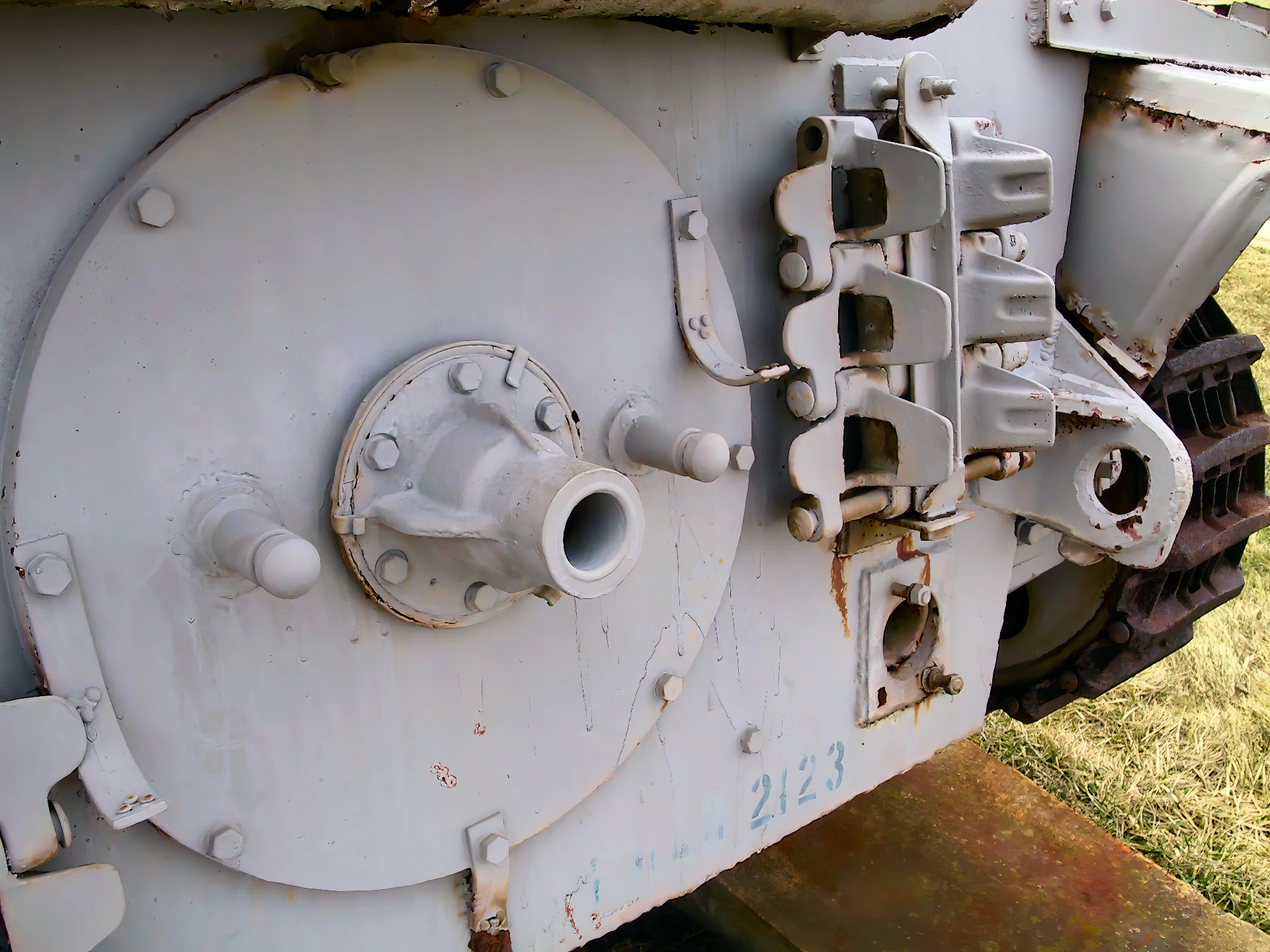
Hetzer 02
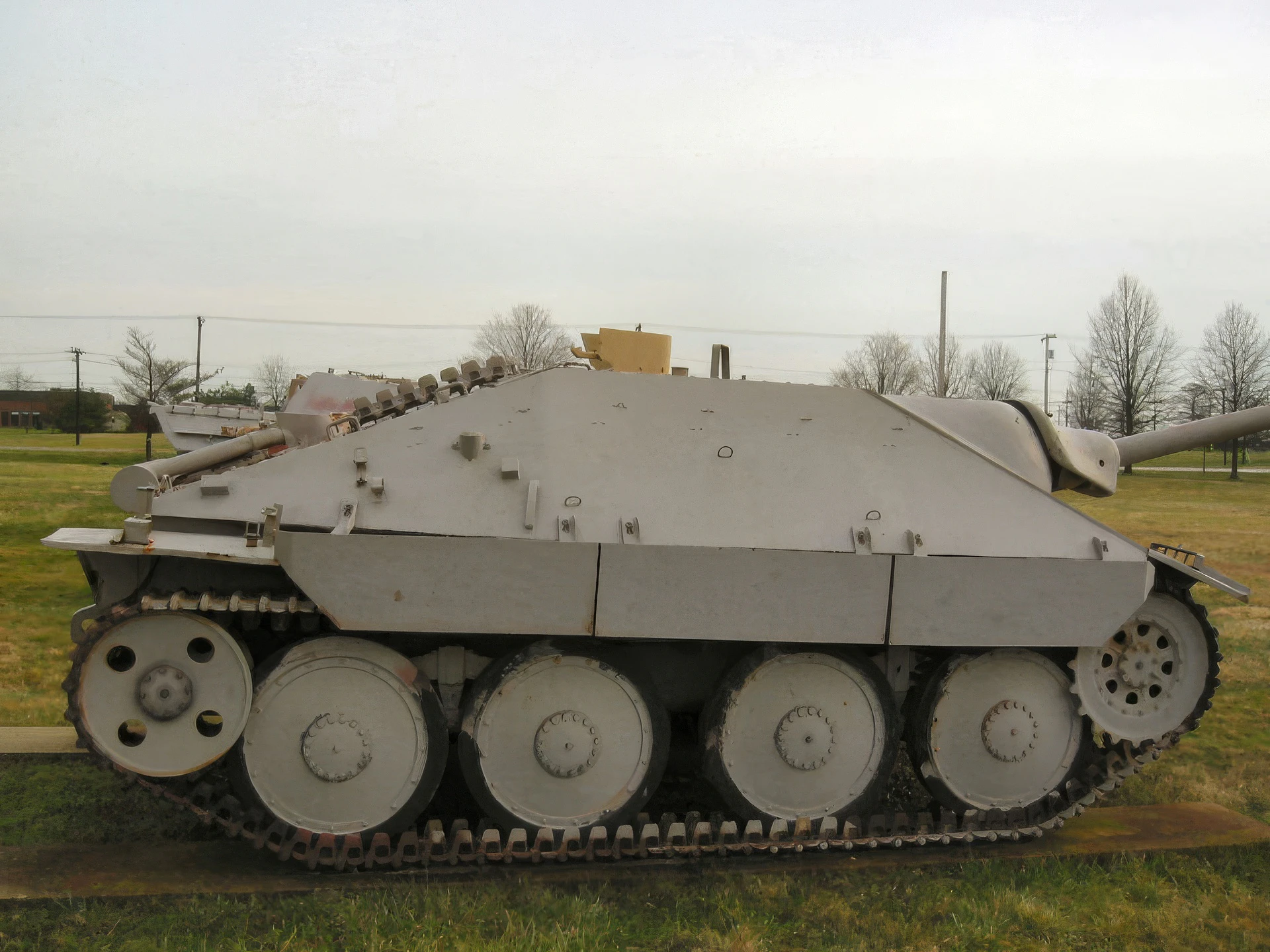
Hetzer 01
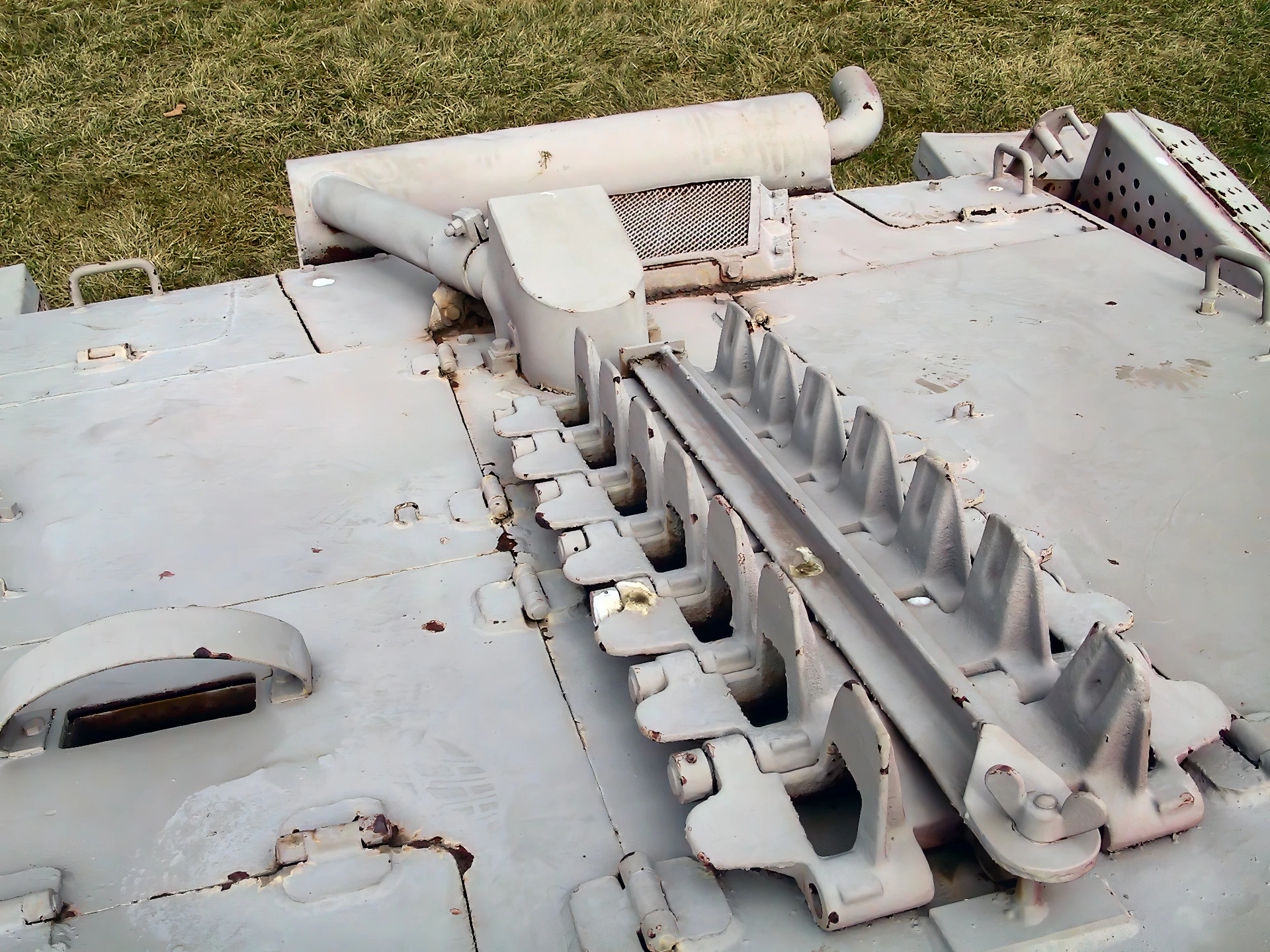
Hetzer 03
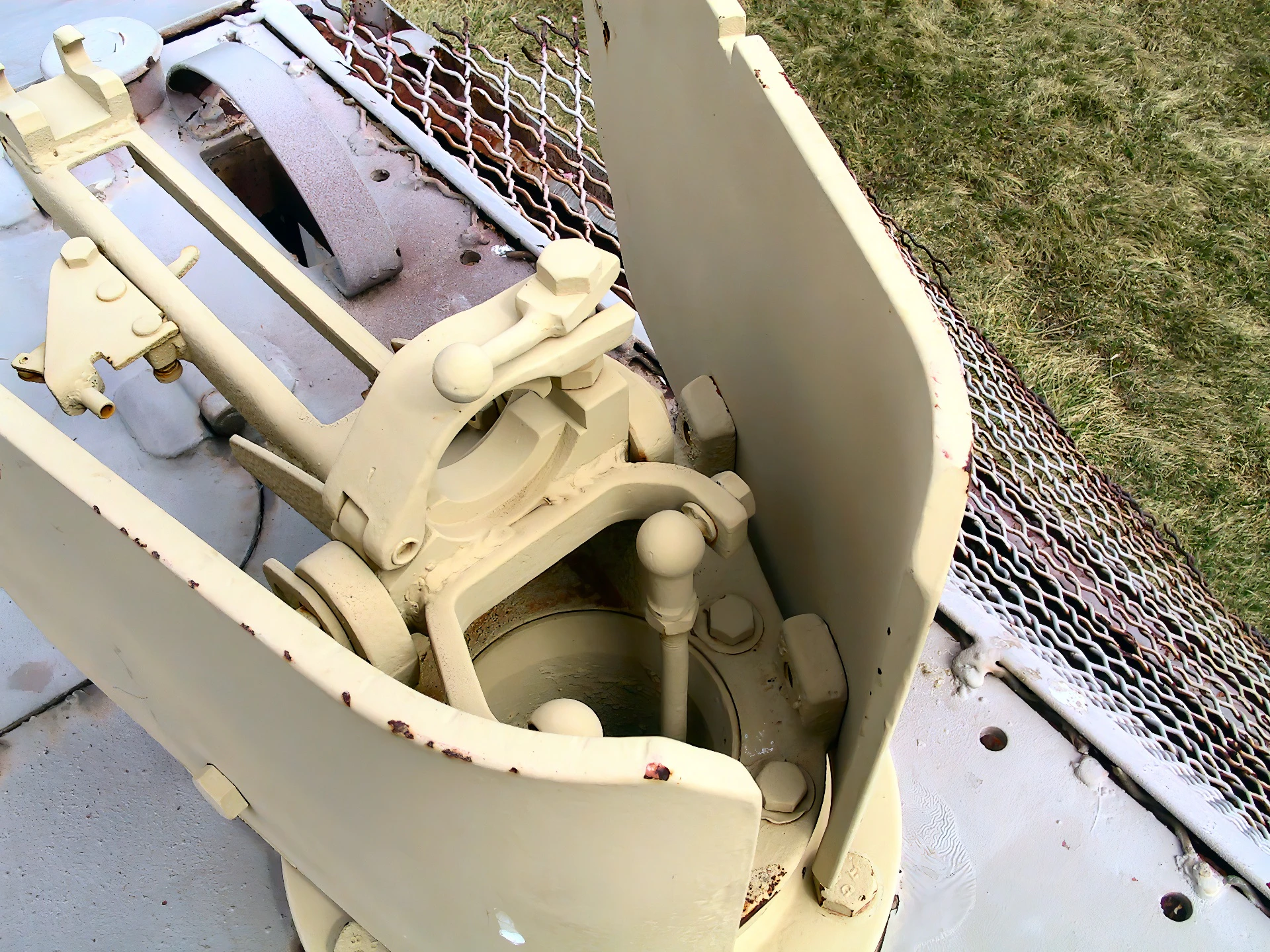
Hetzer 04
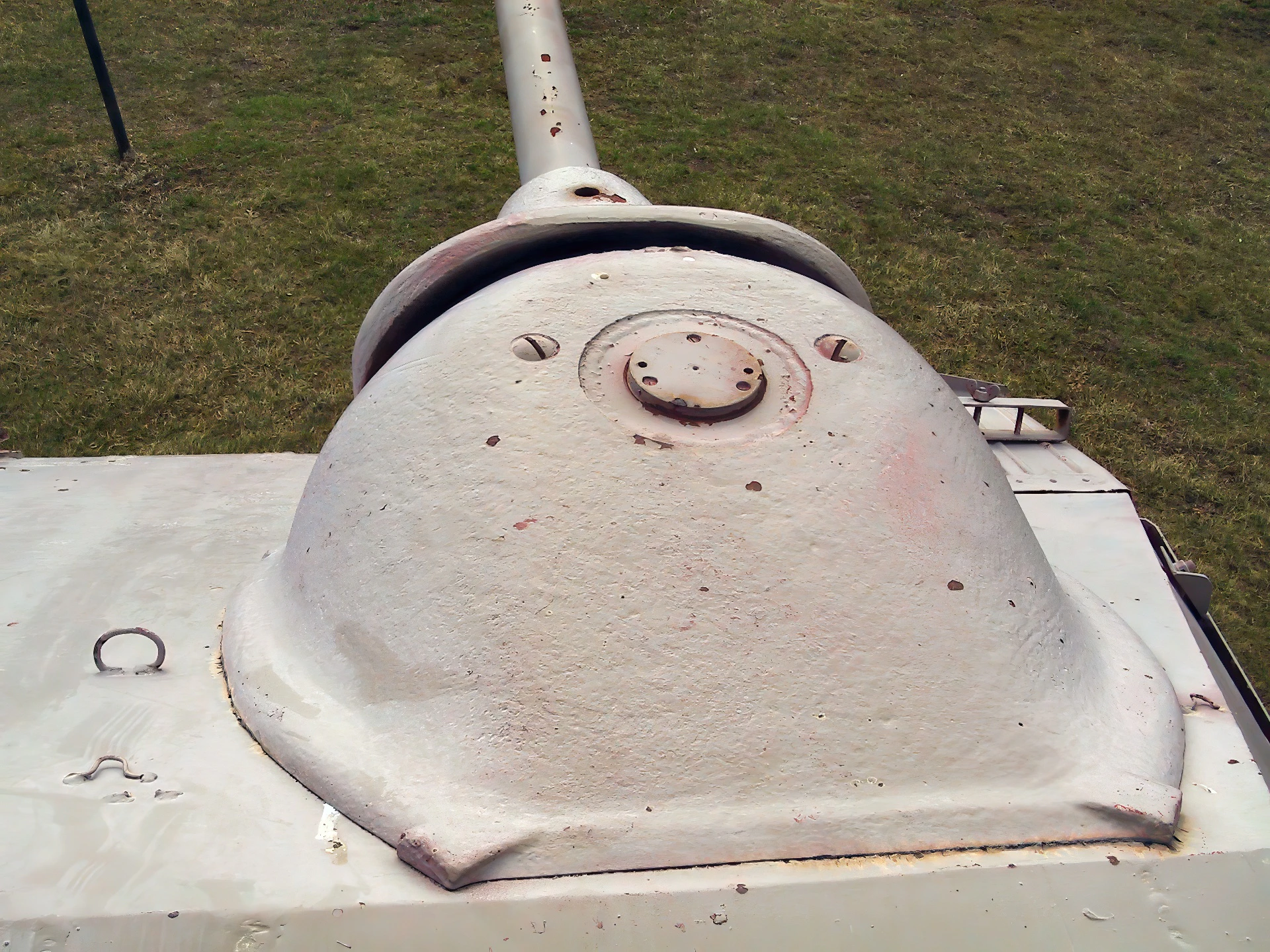
Hetzer 05
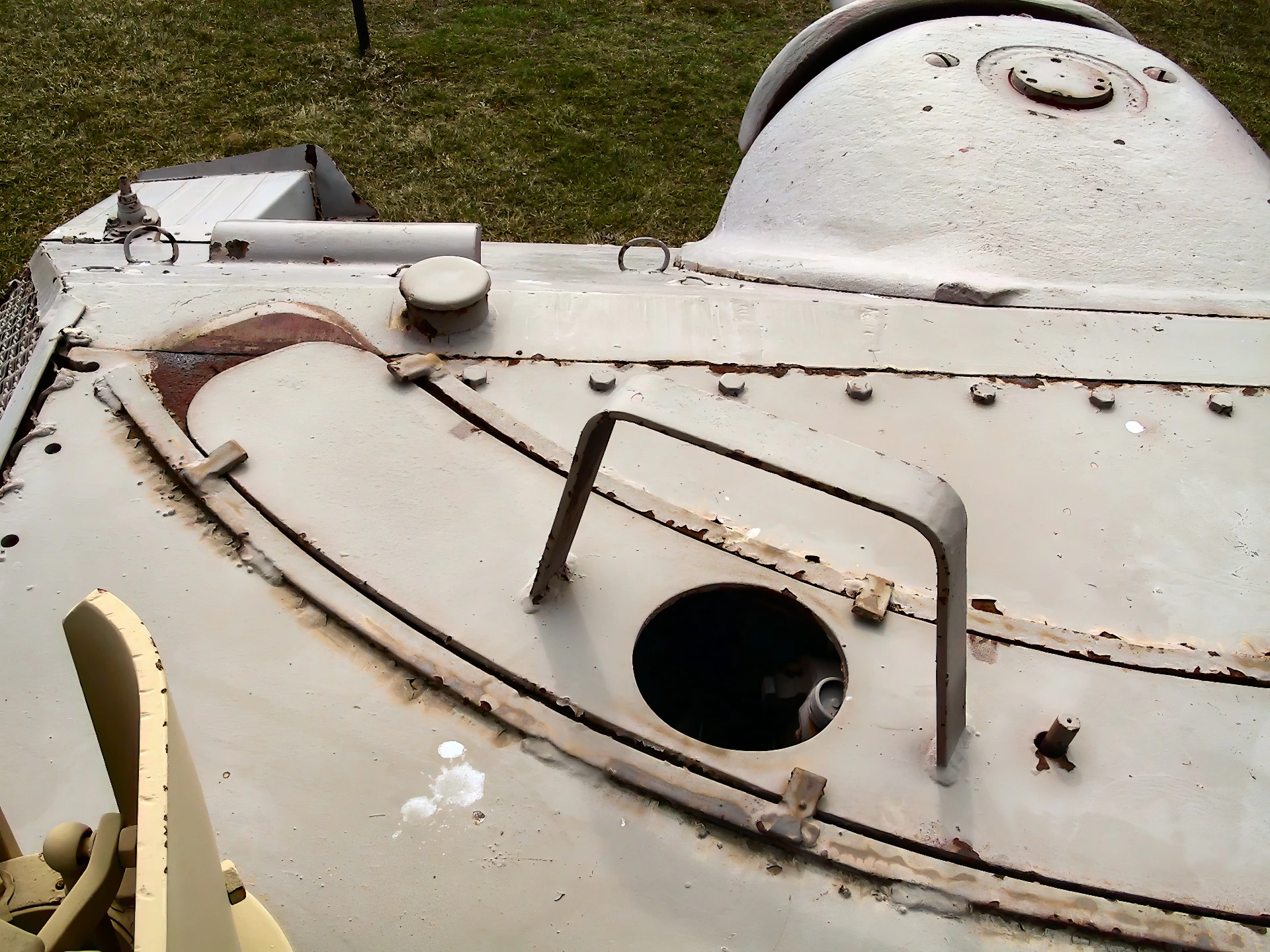
Hetzer 06
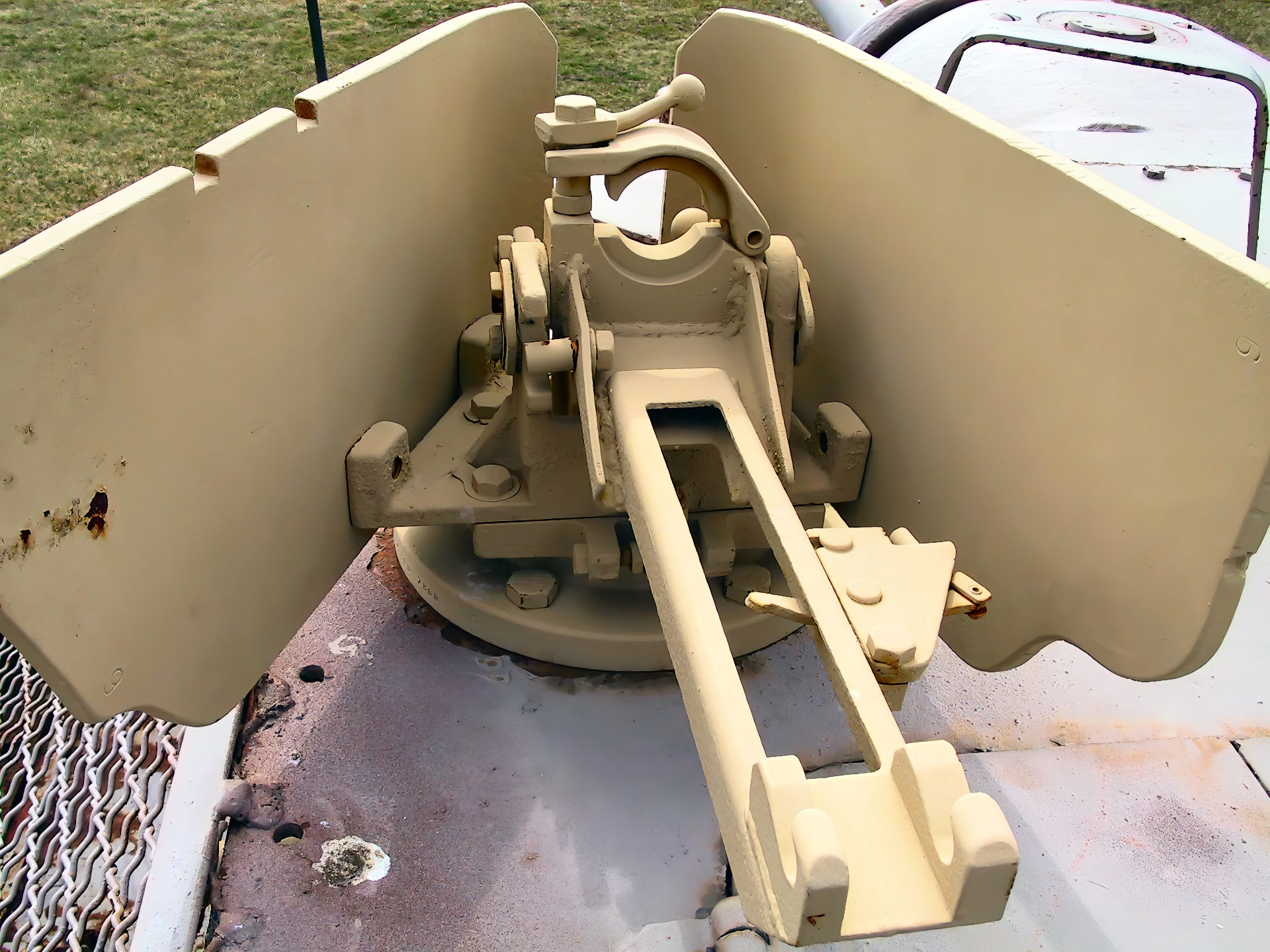
Hetzer 07
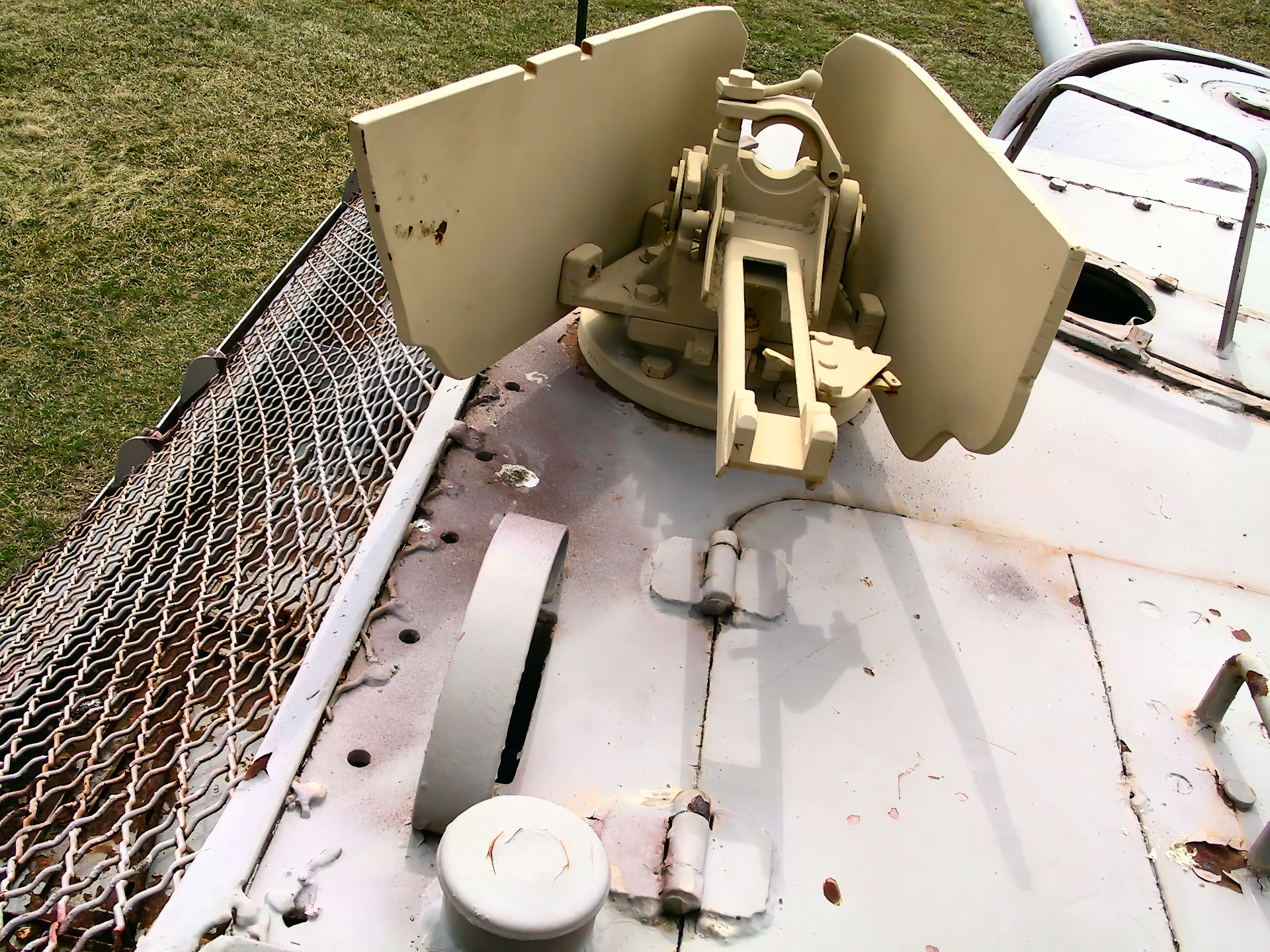
Hetzer 08
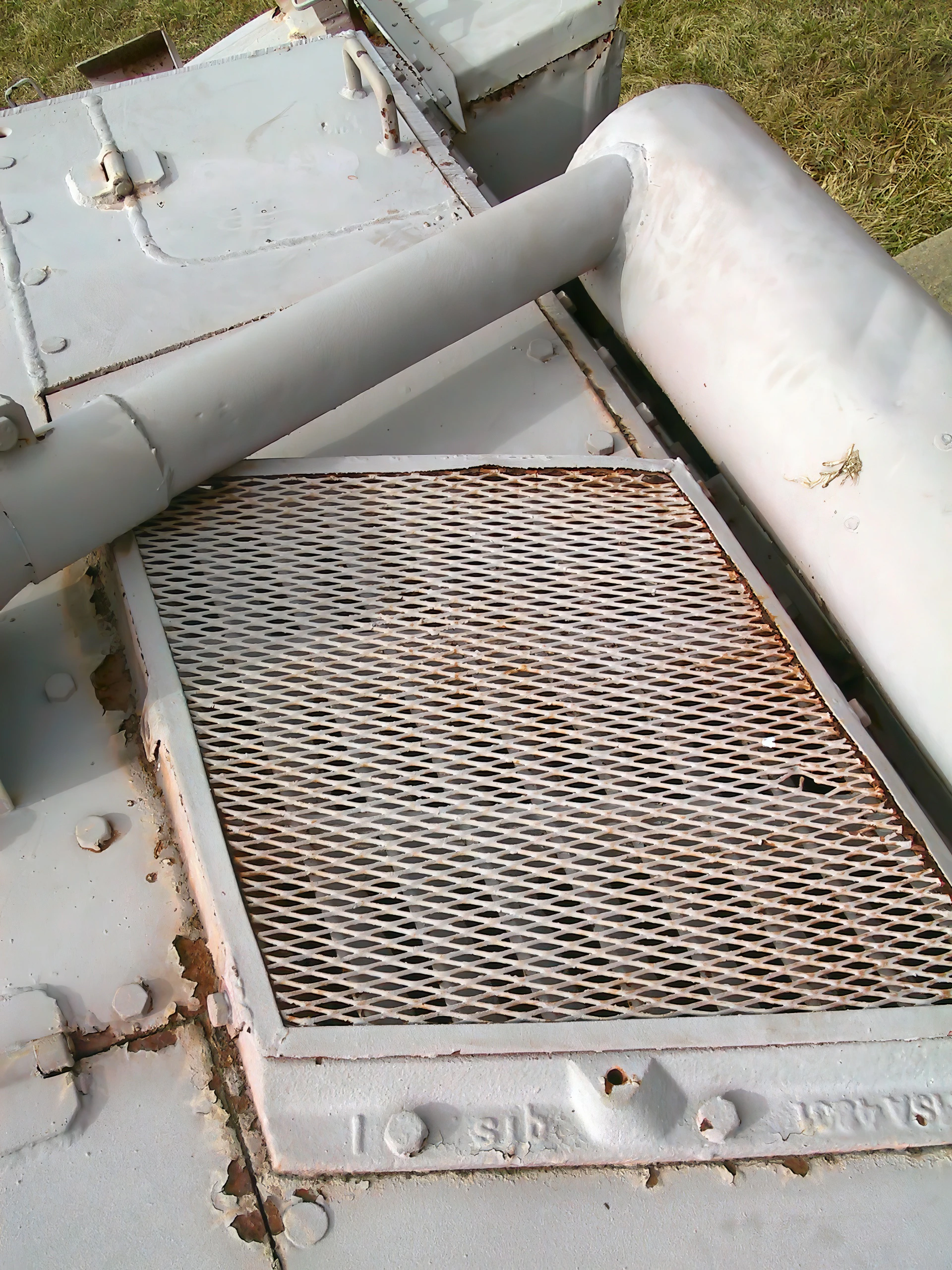
Hetzeris 11
Laukti, Ieško Hetzer nuotraukas už jus...

| Hetzer Jagdpanzer 38(F) | |
|---|---|
| Fotografas | Darrenas Bakeris |
| Lokalizavimo | Nežinoti |
| Nuotraukos | 85 |
| Hetzer Jagdpanzer 38(t) Walk Around | |
|---|---|
| Fotografas | Billas Maloney |
| Lokalizavimo | Nežinoti |
| Nuotraukos | 10 |
Taip pat žiūrėkite:


| Jagdpanzer Hetzer Walk Around | |
|---|---|
| Fotografas | Unknow |
| Lokalizavimo | Nežinoti |
| Nuotraukos | 55 |
Laukti, Ieško Hetzer nuotraukas už jus...
| Hetzer Walk Around | |
|---|---|
| Fotografas | Unknow |
| Lokalizavimo | Nežinoti |
| Nuotraukos | 41 |
Significance: The Hetzer (German for “Baiter” or “Chaser”) was a German light tank destroyer of World War II, highly valued for its low profile, sloped armor, and ease of mass production.
Development and Design
The Jagdpanzer 38 was developed in 1944 to fulfill the urgent need for a cost-effective and easily produced tank destroyer, especially after Allied bombing raids crippled production of the StuG III. Its design prioritized defensive capabilities over comfort or complexity.
- **Chassis:** It was based on a modified version of the reliable Czechoslovakian **Panzer 38(t) light tank chassis**. This lineage allowed for rapid design and deployment.
- **Armor:** It featured heavily **sloped armor**, with the frontal plate being 60 mm thick and angled at 60°. This angle significantly increased its effective protection against many Allied anti-tank guns.
- **Low Profile:** Its most significant tactical feature was its extremely **low silhouette** (only 2.10 m high), making it a formidable weapon when employed in ambush tactics.
- **Main Gun:** It was armed with the powerful **7.5 cm PaK 39 L/48 anti-tank gun** mounted in a fixed casemate structure.
- **Design Flaw:** To fit the large gun, it was mounted far to the right of the center line. This resulted in a very **cramped fighting compartment** and poor visibility for the gunner and commander, particularly to the right and rear.
Combat History and Legacy
The Hetzer was distributed to tank destroyer detachments and infantry units starting in mid-1944. It proved highly effective in its intended role as an ambush predator on both the Eastern and Western Fronts.
- **Effectiveness:** Its combination of powerful armament and excellent frontal protection allowed it to engage and destroy heavier Allied and Soviet tanks from concealed positions.
- **Production and Deployment:** The simple, efficient design enabled the factories (primarily in Czechoslovakia) to maintain high production, with **over 2,800 units built** by May 1945, ensuring its widespread use in the final year of the war.
- **Post-War Service:** The vehicle’s utility was so high that Czechoslovakia continued to produce a version of it (known as the **G-13**) after the war. This version was widely exported and used by the Swiss Army until the late 1960s.
Specifications (Jagdpanzer 38)
| Characteristic | Specifikacijos |
|---|---|
| Country of Origin | Nazi Germany (produced in Czechoslovakia) |
| Tipas | Tank Destroyer (Jagdpanzer) |
| Masė | 16 tonnes (15.7 long tons) |
| Aukštis | 2.10 m (6 ft 10.6 in) |
| Armament (Main) | 7.5 cm PaK 39 L/48 Gun |
| Armament (Secondary) | 1 x 7.92 mm MG 34 or MG 42 (Remote-controlled) |
| Įgulos | 4 (Commander, Gunner, Loader, Driver) |
| Max Speed (Road) | 42 km/h (26 mph) |
| Production Total | Over 2,800 |
Views : 9227
Taip pat galite pamatyti:
 Jagdpanzer 38(t) – Hetzer – sdkfz.138/2 – Wydawnictwo Militaria 056
![Jagdpanzer 38(t) Hetzer [Vėlyvosios gamybos versija] – AKADEMIJA 13230](https://cdn.net-maquettes.com/2012/03/Jagdpanzer-38t-Hetzer-Late-Production-Version-–-ACADEMY-13230-120x120.jpg) Jagdpanzer 38(t) Hetzer [Vėlyvosios gamybos versija] – AKADEMIJA 13230
Jagdpanzer 38(t) Hetzer [Vėlyvosios gamybos versija] – AKADEMIJA 13230
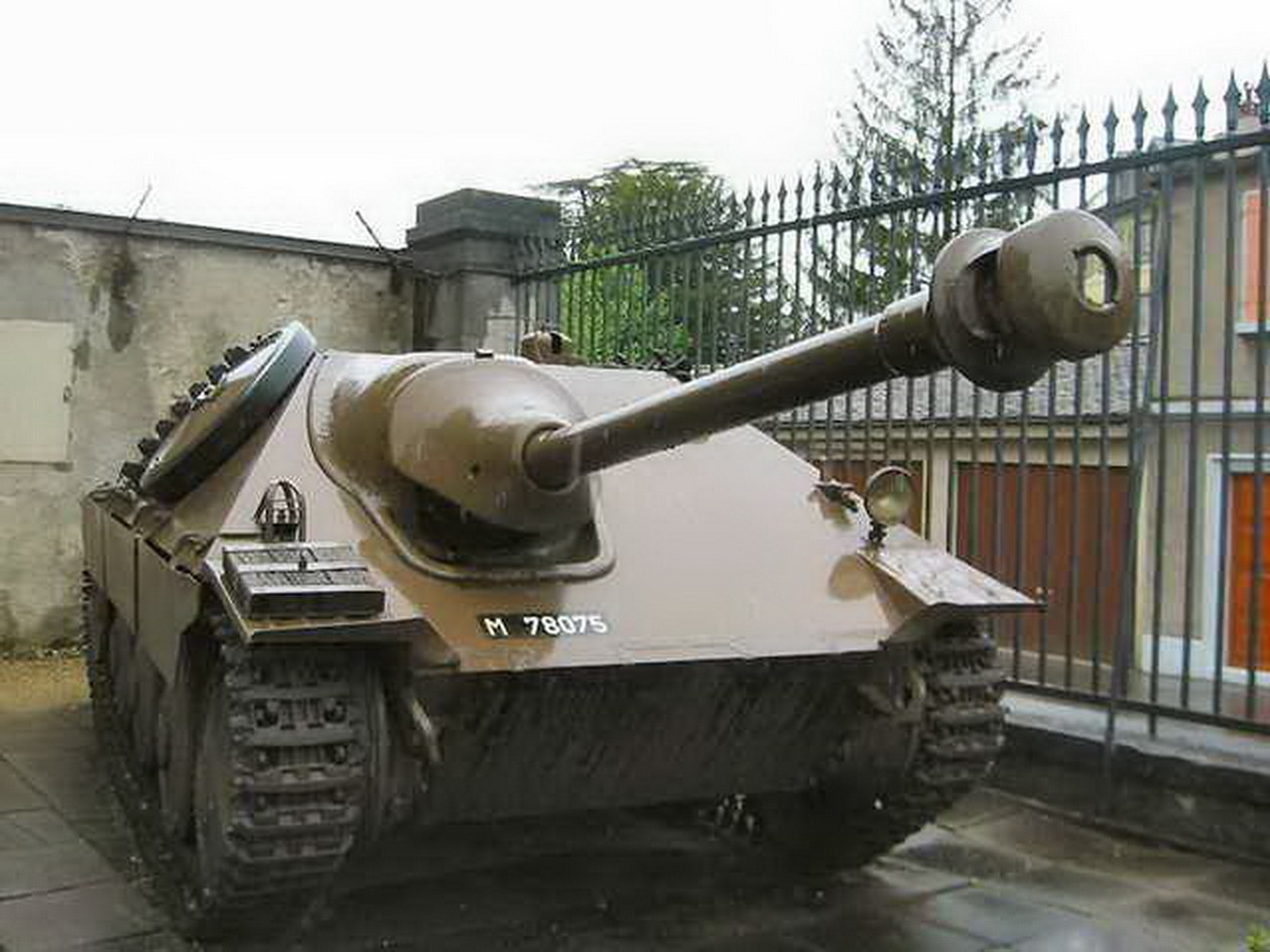 Jagdpanzer 38 – Hetzer G13-D – Vaikščioti aplink
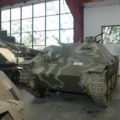 Jagdpanzer 38 – Hetzer G – Vaikščioti aplink
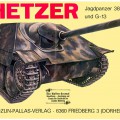 Hetzer – Vaffenas Arsenalas 053
 Jagdpanzer 38(t) – Hetzer G13-D – Vaikščioti aplink