
메르세데스-벤츠 W136 | |
|---|---|
| 국가 | 독일 |
| 형식 | 중형 럭셔리 / 이그제큐티브 차량 |
| 생산 | 1935–1955 |
| 내장 | +170000 |
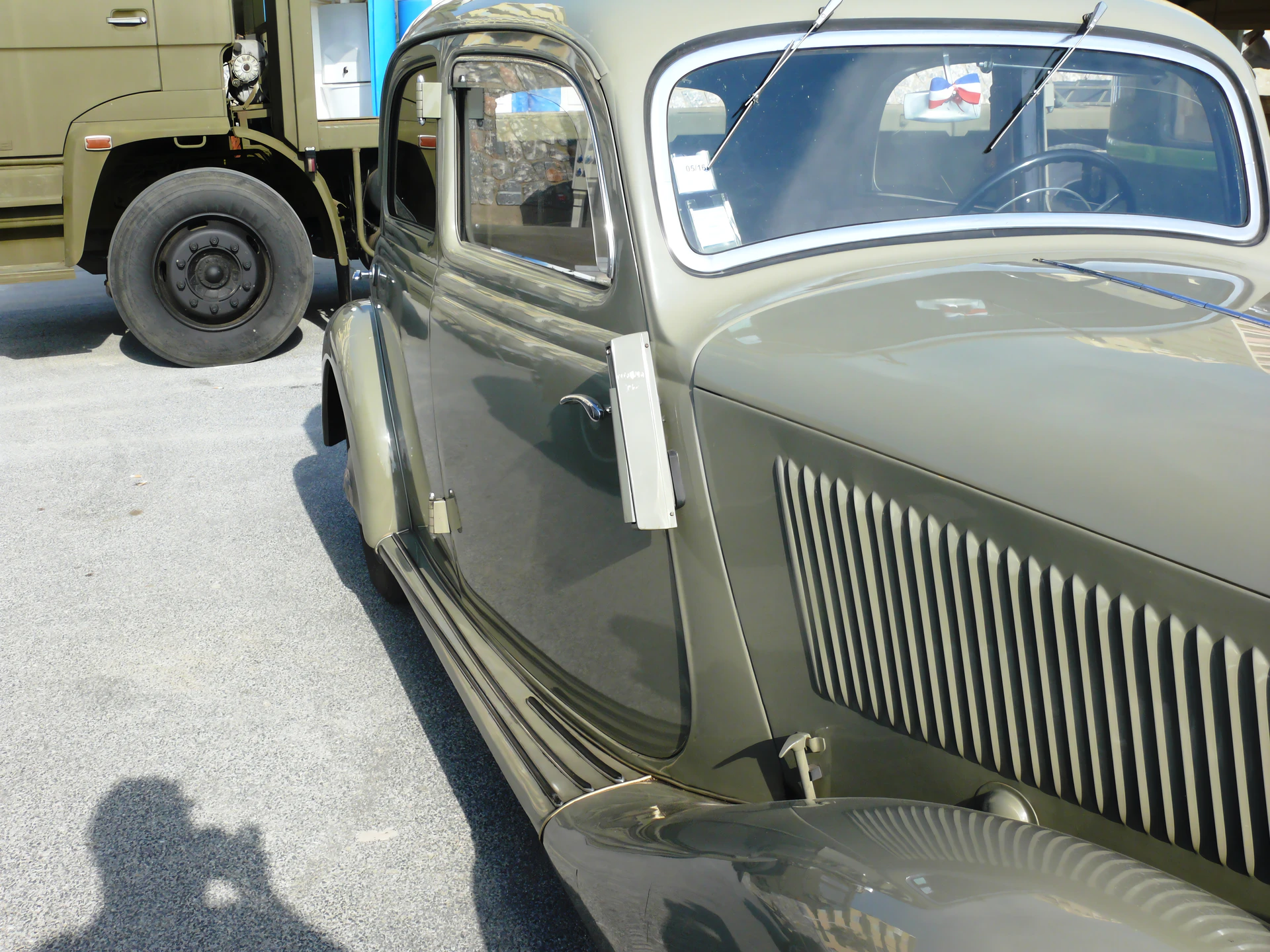
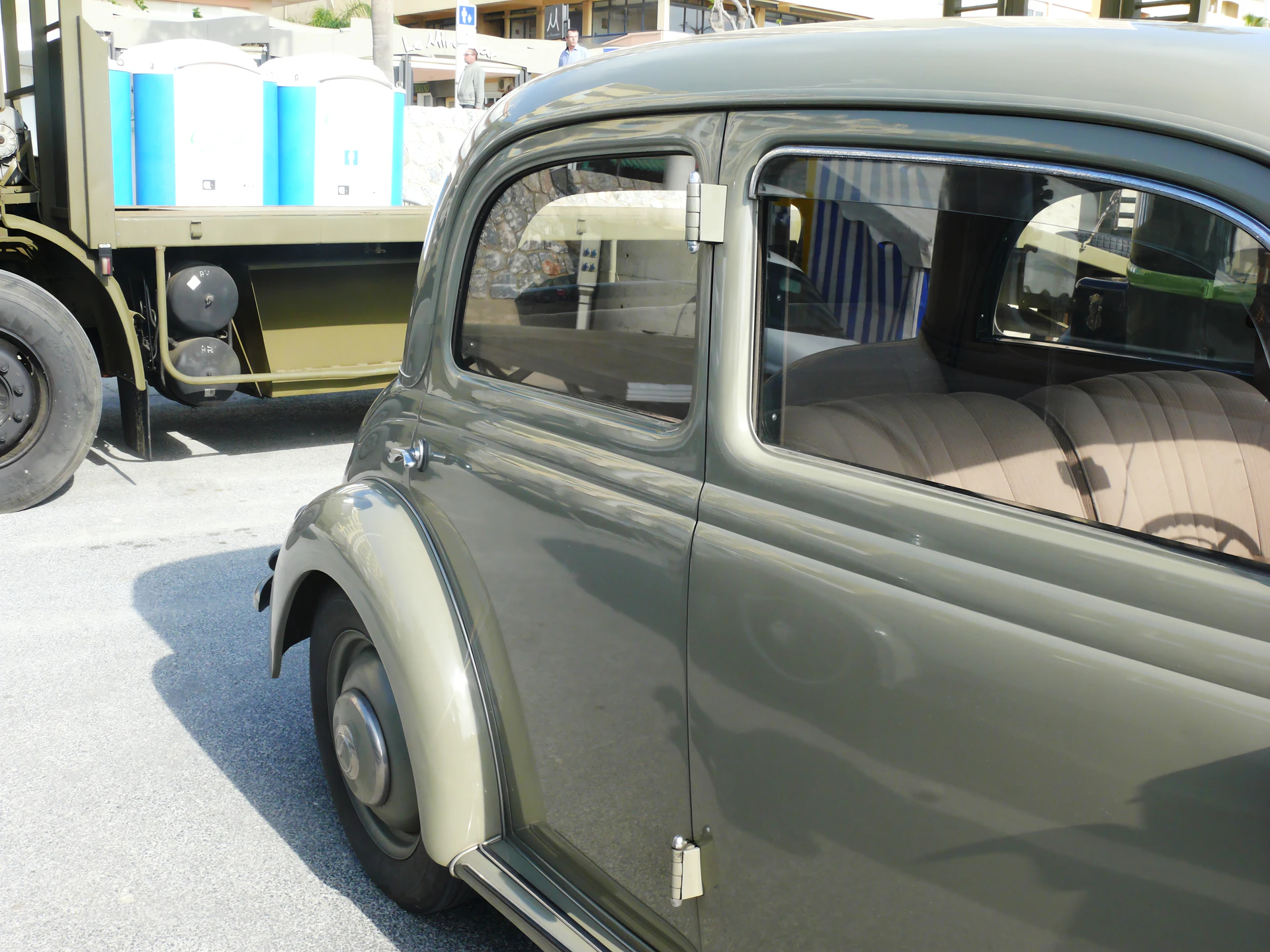
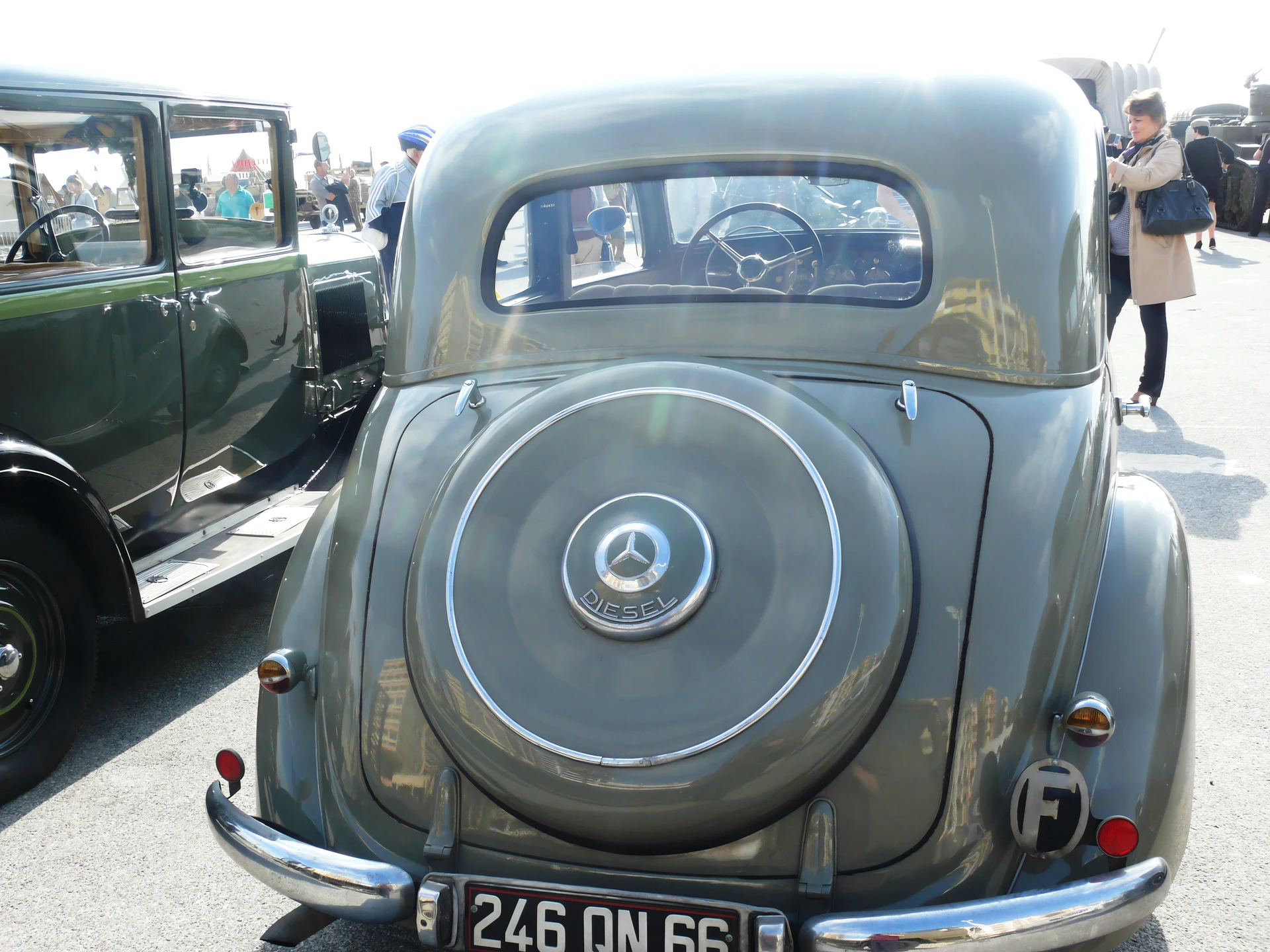
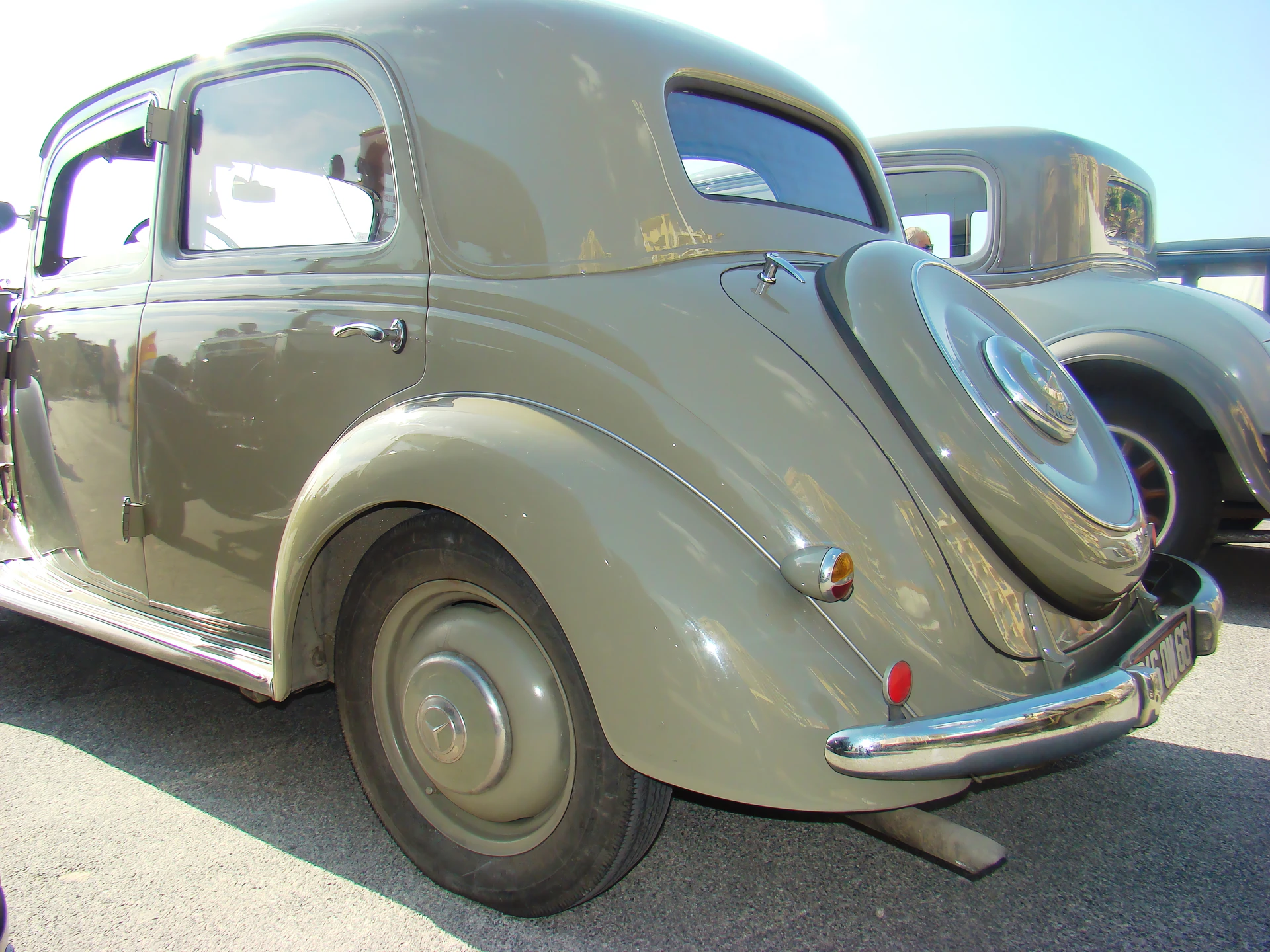
Tthe 메르세데스-벤츠 W136 was Mercedes-Benz’s main line of inline-four cylinder motorcars from the mid-1930s into the 1950s. The model 170 V made its public debut as successor to the W15 Typ 170 in February 1936. Between 1936 and 1939 it was Mercedes’ top selling model. Between 1936 and 1942 over 75,000 were built making it by far the most popular Mercedes-Benz model up till that point. Enough of the W136’s tooling survived Allied bombing during World War II (or could be recreated post-war) for it to serve as the foundation upon which the company could rebuild. By 1947 the model 170 V had resumed its place as Mercedes’ top-seller, a position it held until 1953. The “V” in the 170 V’s name was an abbreviation of “Vorn” (front), added to differentiate it from the contemporary rear-engined Mercedes-Benz 170H (W28) (“H” for “Heck”, rear) which used the same four cylinder 1697cc engine, but positioned at the back of the car.
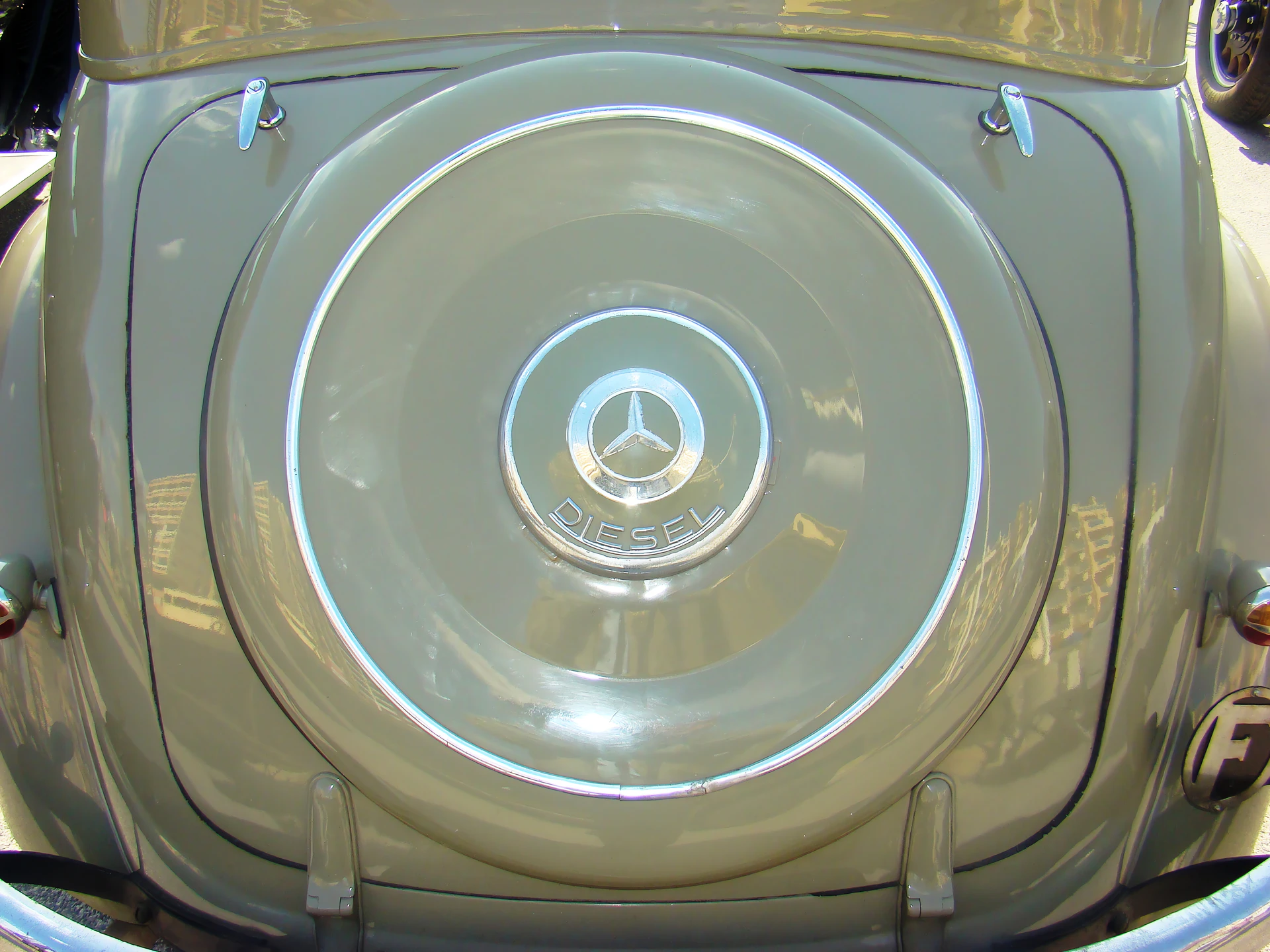
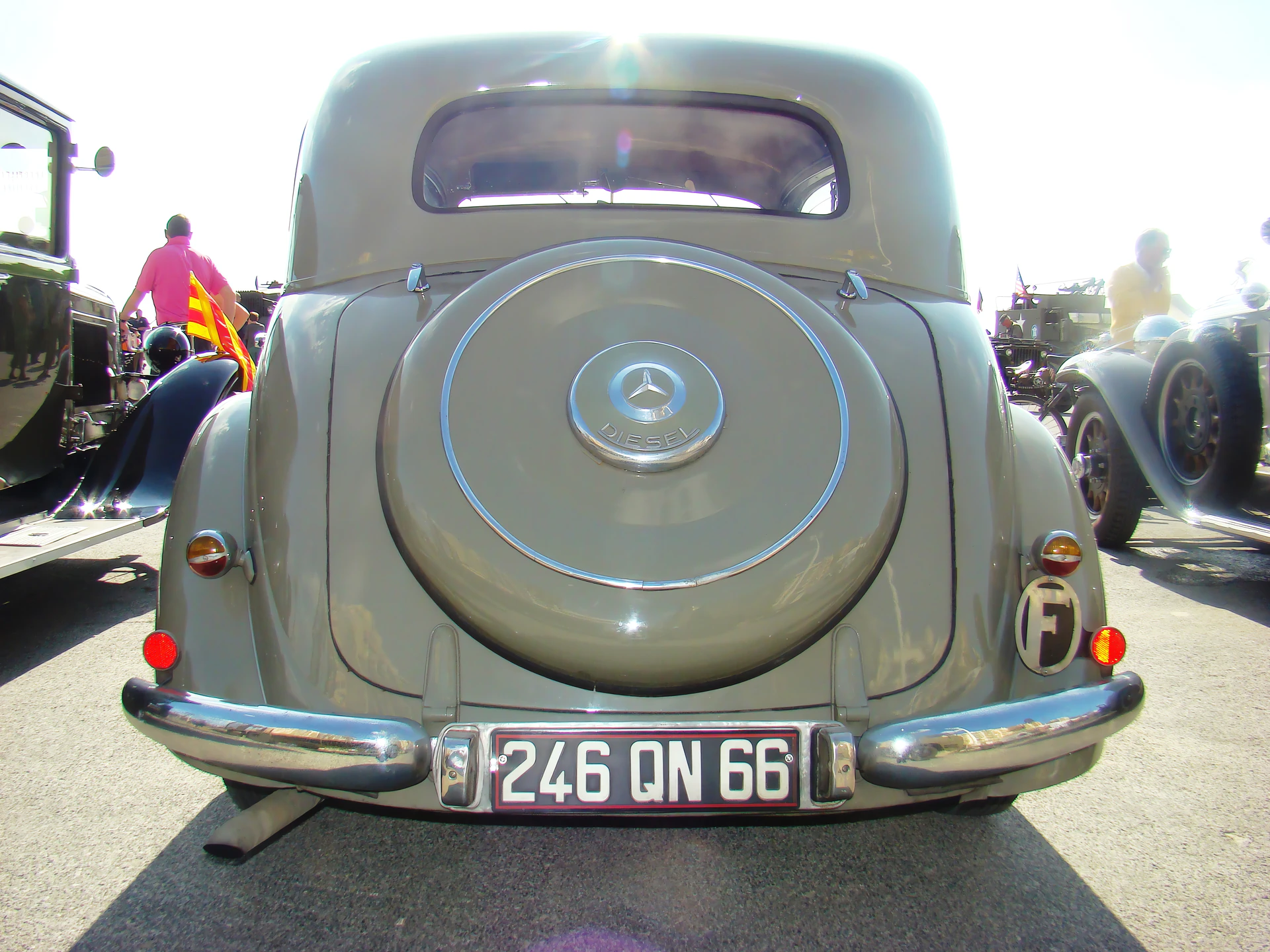
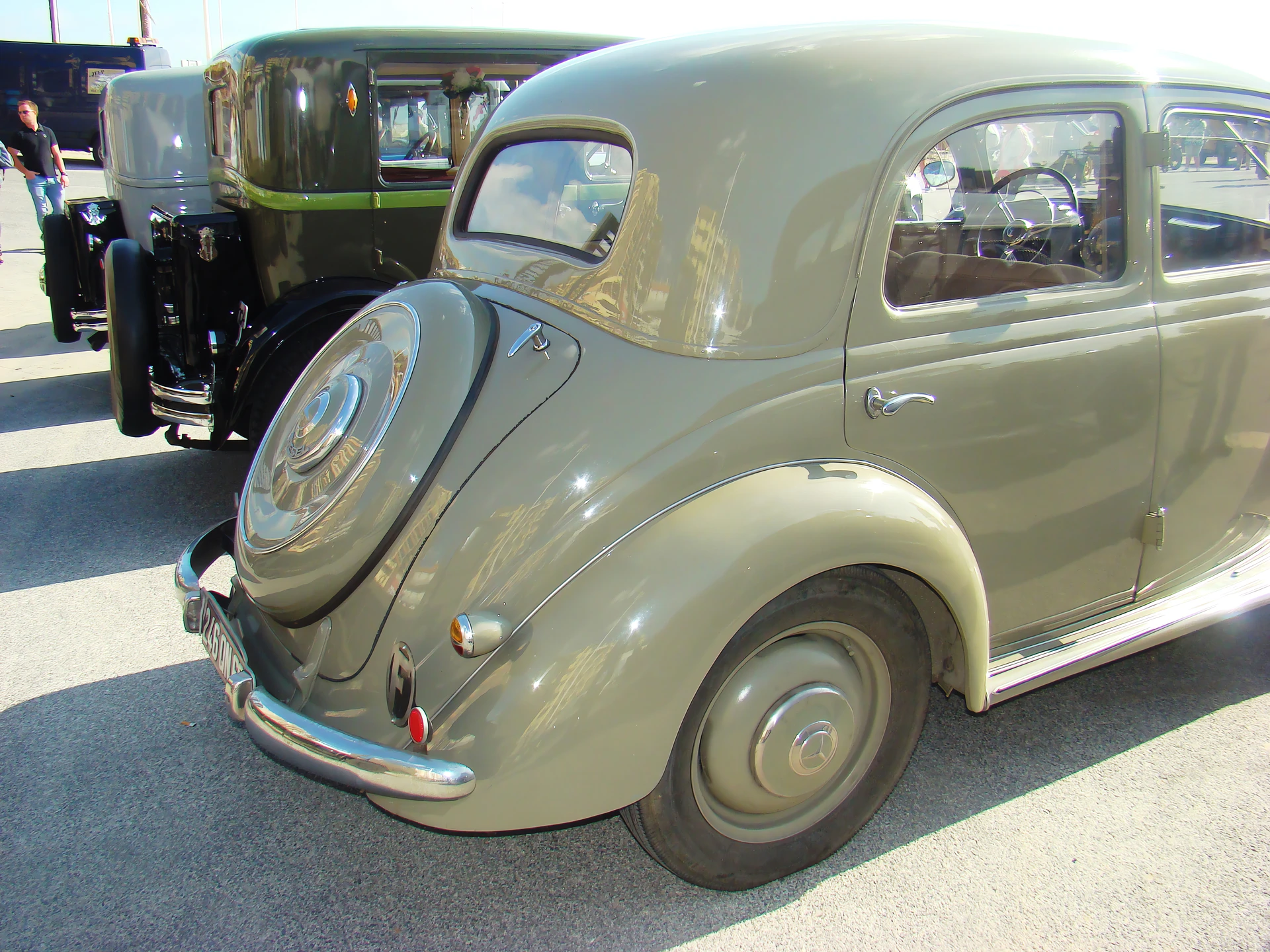
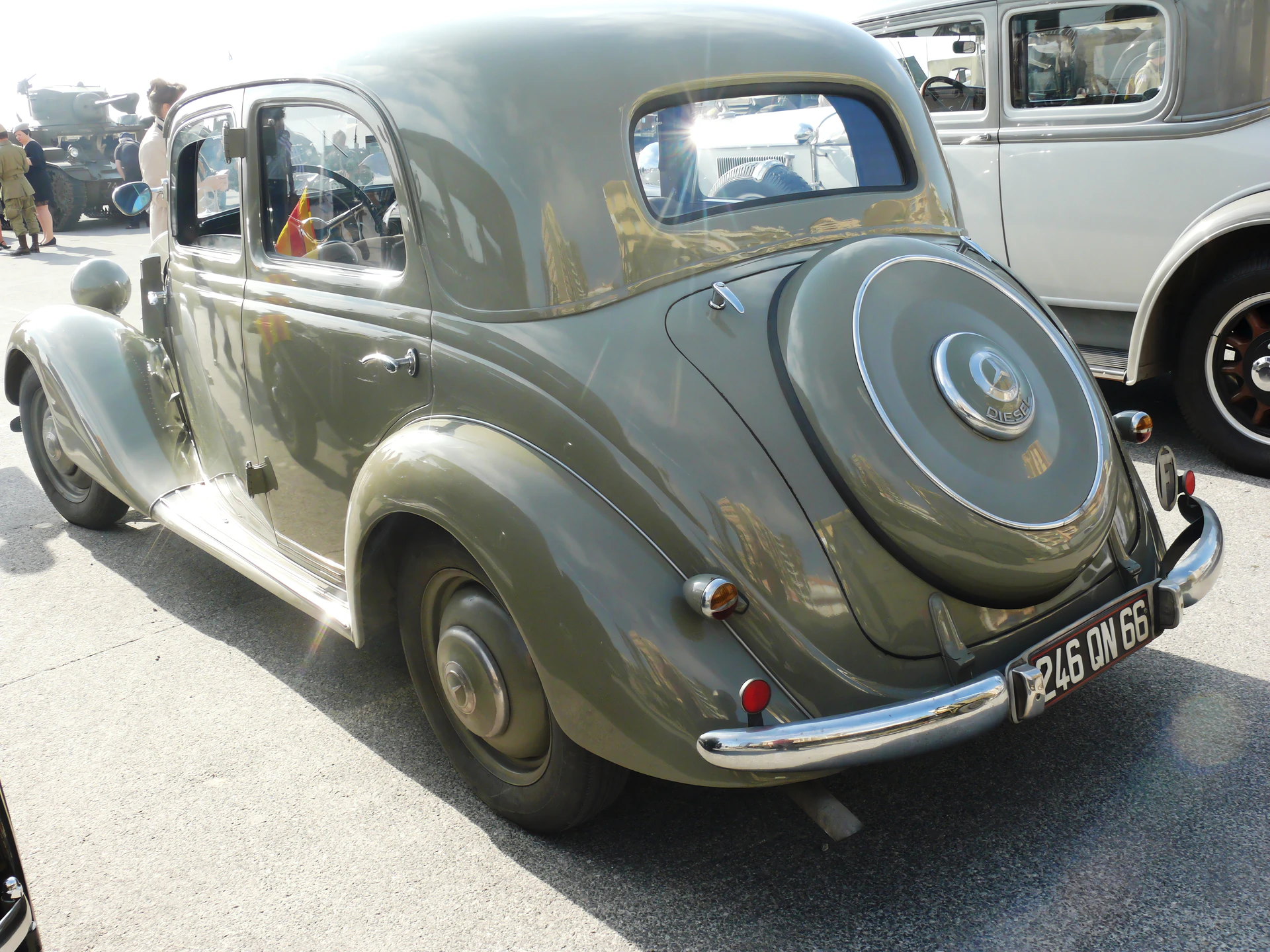
| Mercedes 170 VA 1951 Walk Around | |
|---|---|
| 사진 작가 | Unknow |
| 로컬라이제이션 | Unknow |
| 사진 | 33 |


참고 항목:


A Bridge Between Eras
Tthe Mercedes-Benz 170 VA, produced starting in May 1950, was a critical bridge for Daimler-Benz as it transitioned from pre-war designs to modern luxury. While it maintained the classic “upright” aesthetics of the 1930s, the “A” in 170 VA signaled significant technical improvements over the standard 170 V. It was rugged enough to handle the bombed-out roads of post-war Europe yet refined enough to maintain the brand’s prestige.
| Attribute | Technical Specification (1951 170 VA) |
|---|---|
| Model Series | W136 (Type 170) |
| Engine Type | M136 Inline-4 Petrol |
| Displacement | 1,767 cc (Upgraded from 1,697 cc) |
| Horsepower | 45 hp (33 kW) @ 3600 rpm |
| Transmission | 4-Speed Manual |
| Top Speed | 116 km/h (72 mph) |
| Fuel Economy | Approx. 10 L/100km (23.5 mpg) |
| Chassis Type | X-shaped oval tube frame |
Key Innovations of the ‘VA’ Series
- Engine Displacement Bump: The 170 VA saw the engine bored out from 1.7L to 1.8L, increasing output from 38 hp to 45 hp. This allowed for better highway cruising as the Autobahn network began to recover.
- External Trunk Access: One of the most beloved “modern” upgrades in the 1950-51 models was a trunk lid that opened from the outside. In previous 170 V models, luggage had to be reached from behind the rear seats inside the cabin.
- Telescopic Shock Absorbers: The VA replaced the old lever-type shocks with modern telescopic units, significantly improving ride quality over rough cobblestones.
- Safety Upgrades: The rear track was widened for better stability, and the braking surface area was increased to handle the higher top speeds.
Historical Significance
- The “Mother-in-Law” Seat: While the 1951 170 VA was primarily a 4-door sedan, rare 2-seater roadster variants still featured the “mother-in-law” rumble seat in the rear.
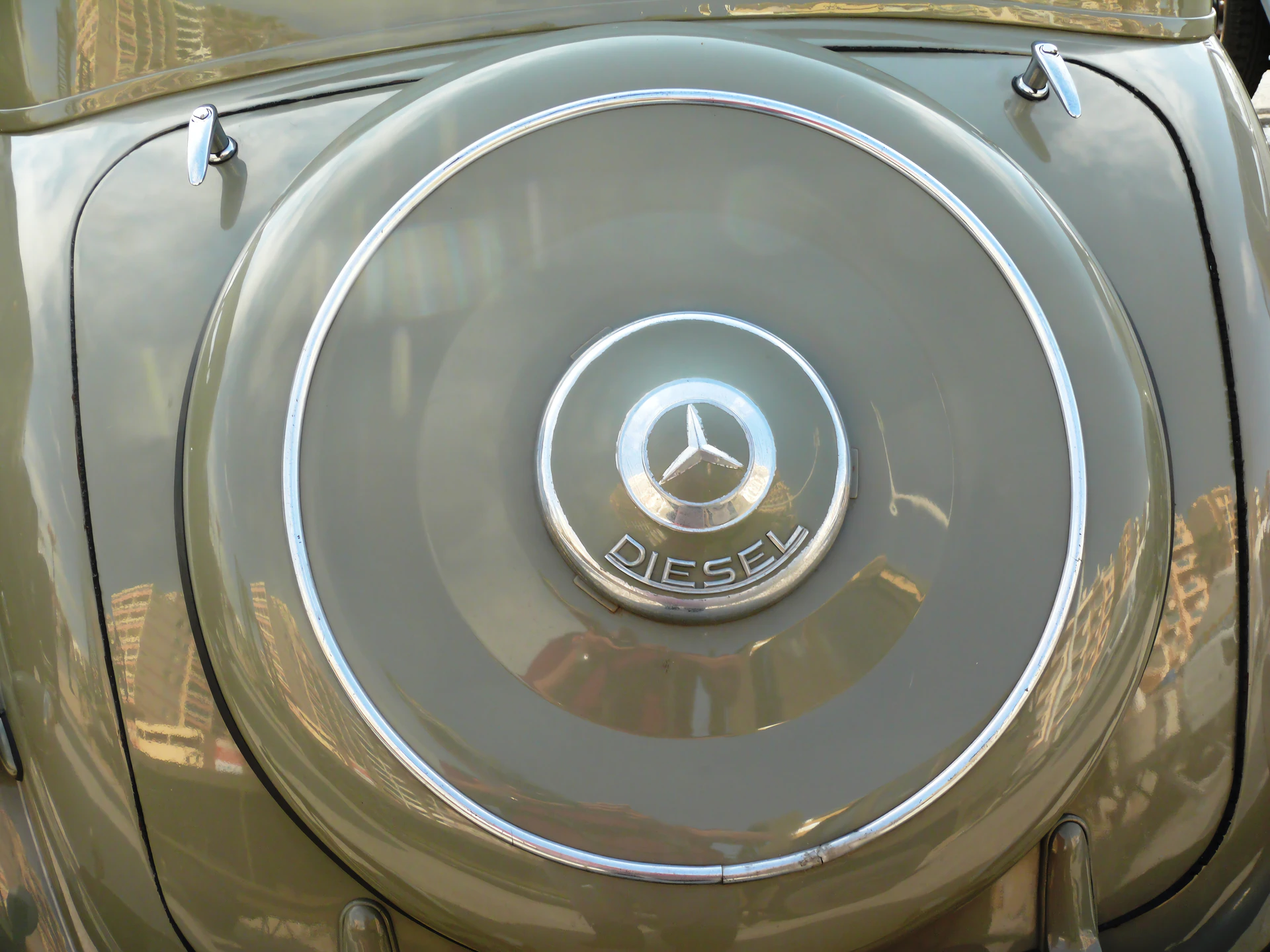
- Foundation for the Diesel Era: The petrol 170 VA was produced alongside the 170 DA, the car that pioneered the modern diesel passenger car market.
- The “OTP” Variant: In 1951, a special 4-door open-top version (Offener Tourenwagen Polizei) was produced for the West German police, appearing much like a pre-war staff car.
- Succession: The 170 VA was eventually succeeded by the 170 Vb (wider track/windshield) and finally the “Ponton” 180 series, which moved away from the separate fender/frame design entirely.
조회수 : 1069