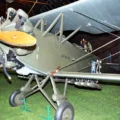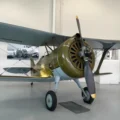
이맘로 37비스 | |
|---|---|
| 국가 | 이탈리아 |
| 역할 | 정찰 복엽기 |
| 첫 비행 | 1933년 11월 6일 |
| 내장 | 617 |
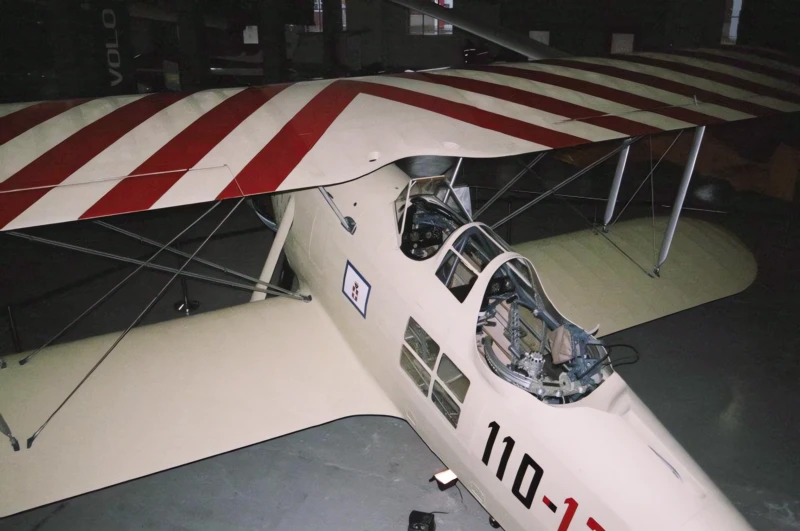
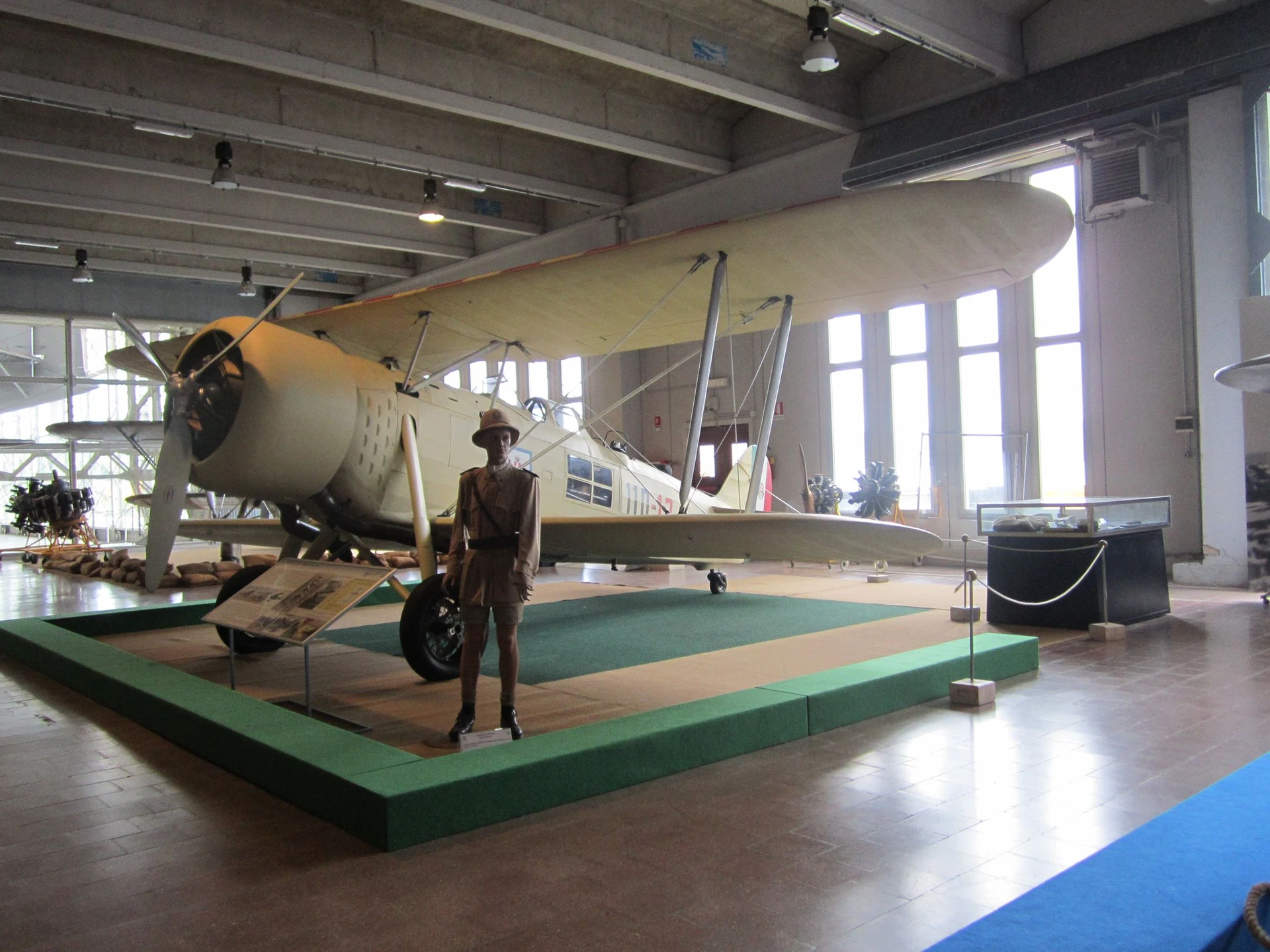
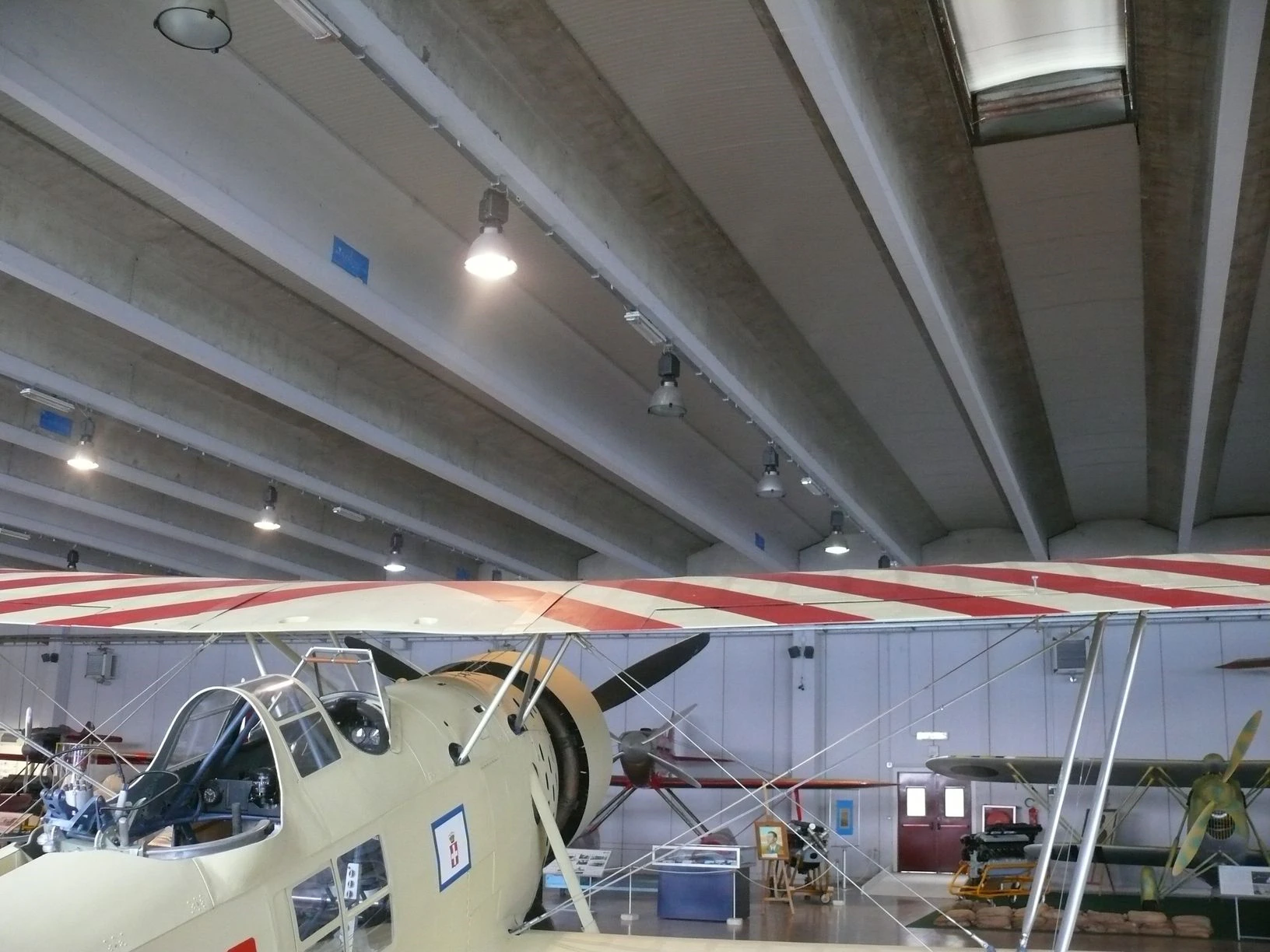
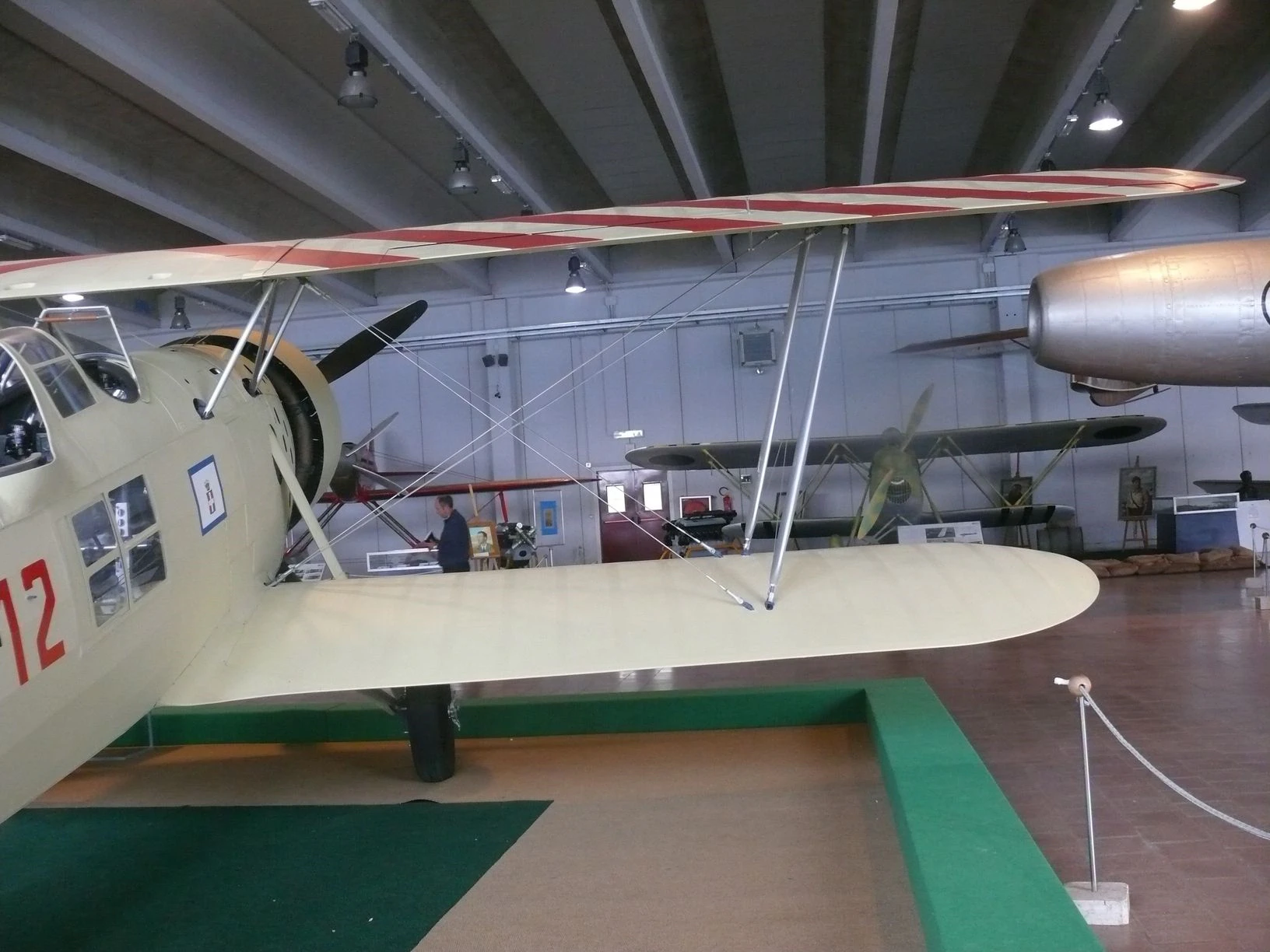
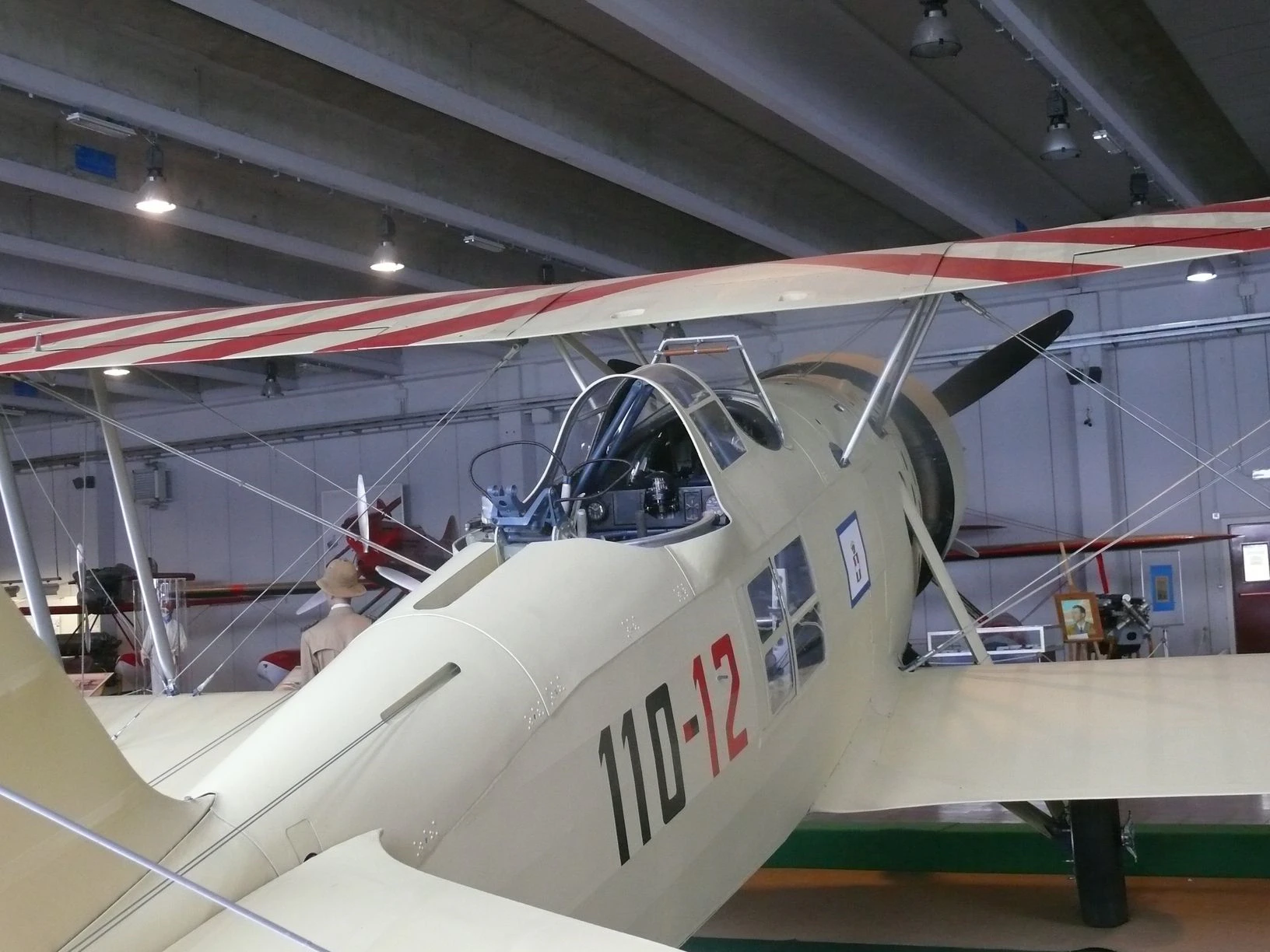
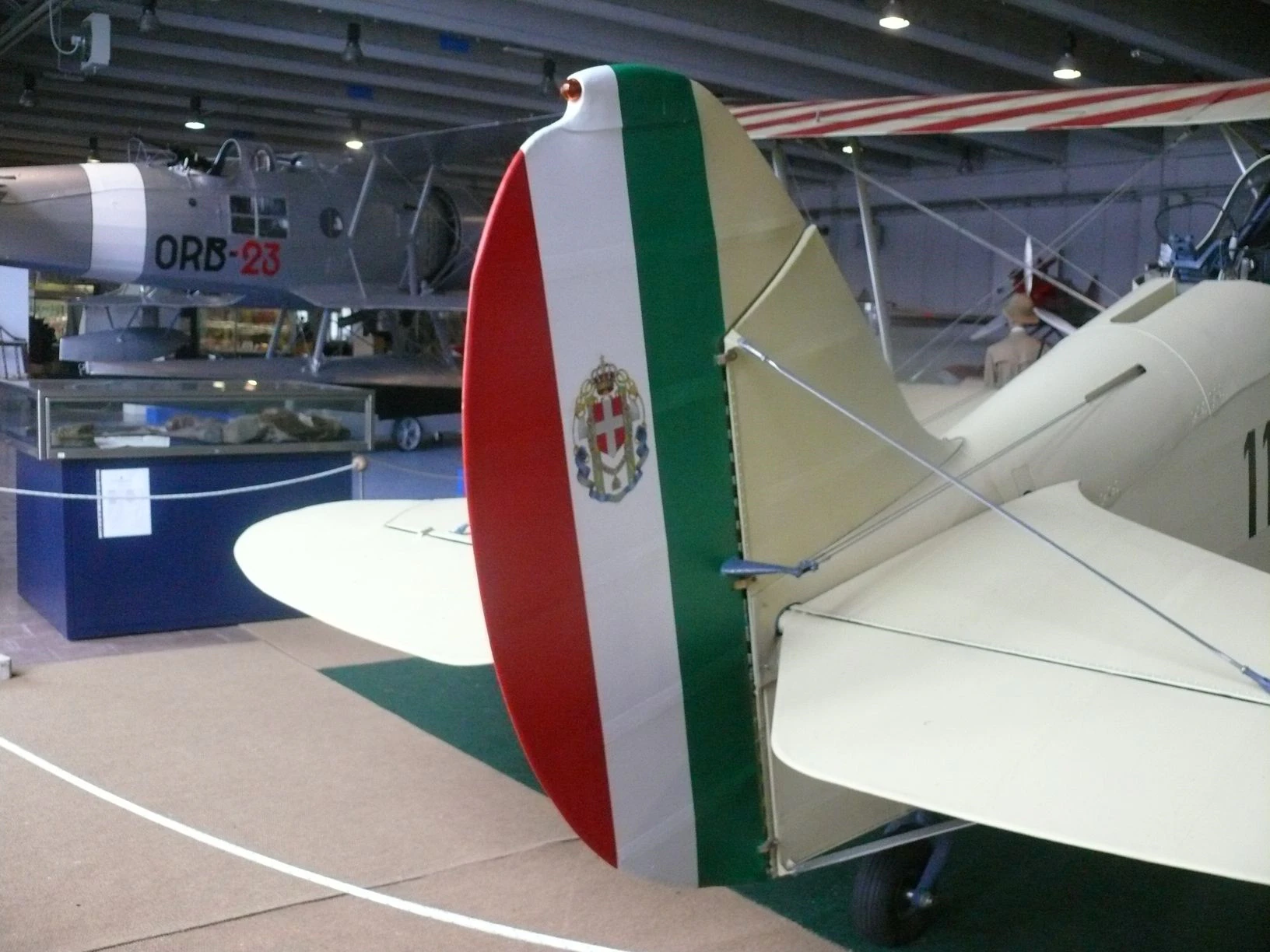
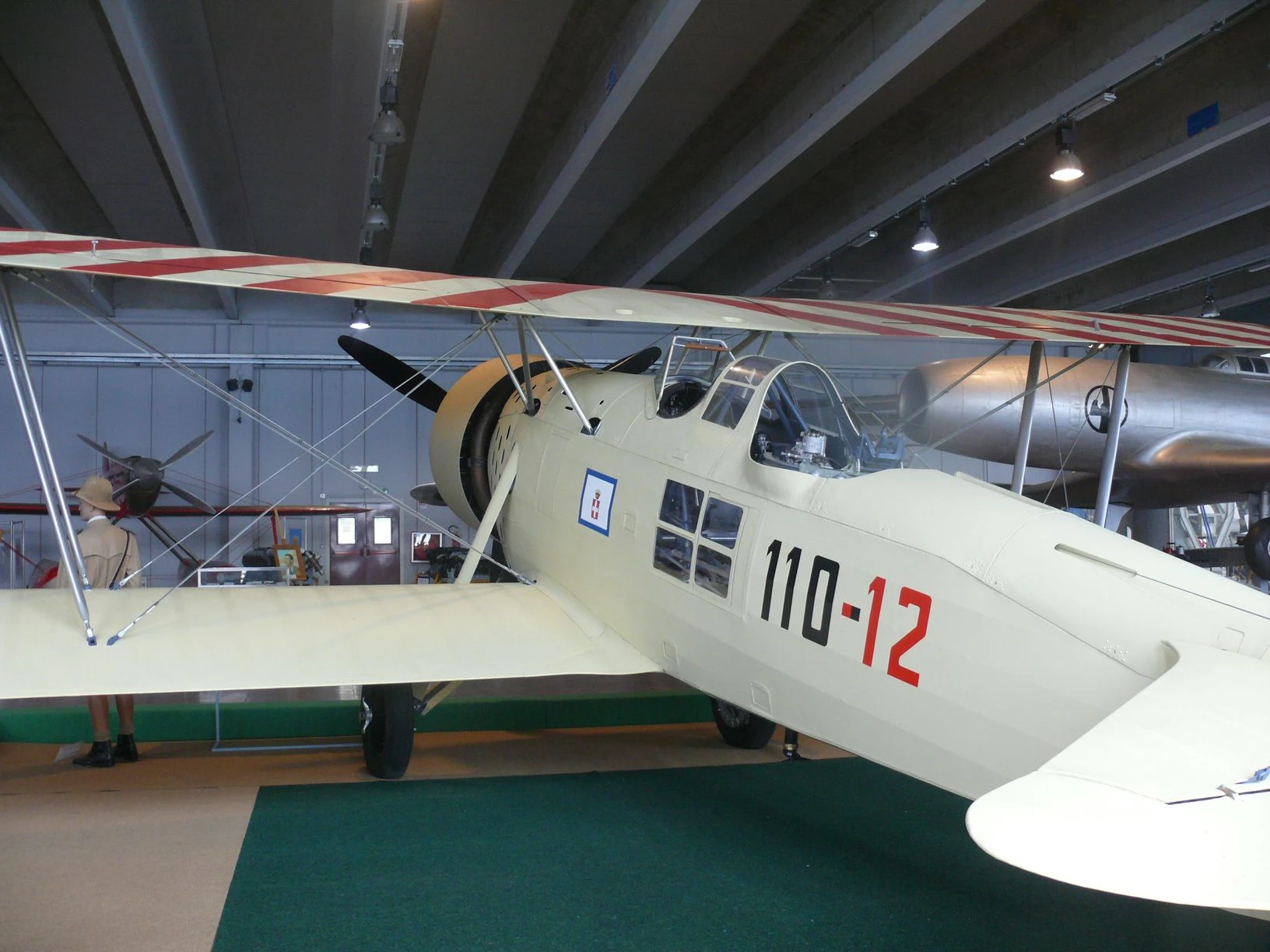
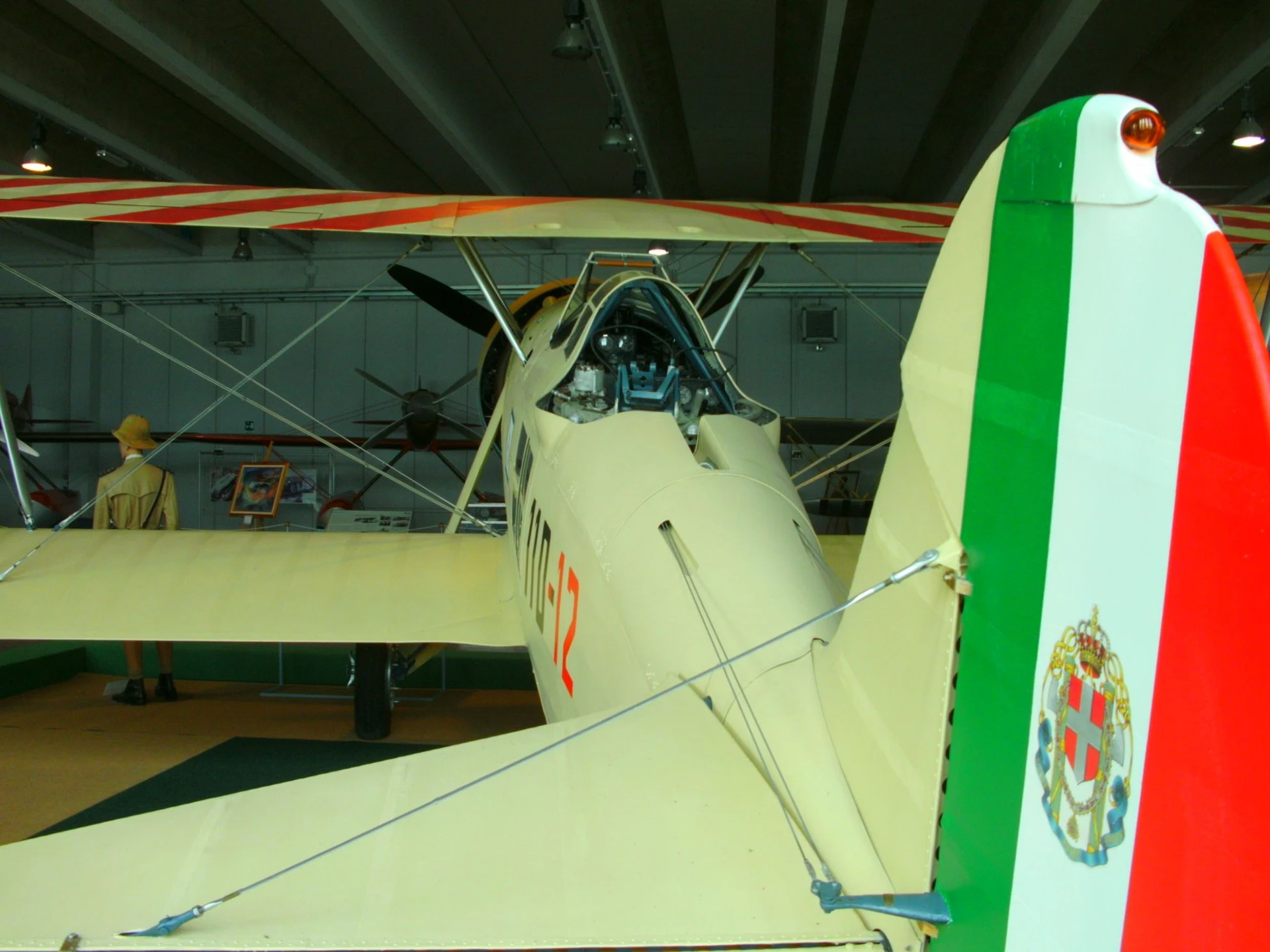
사진 갤러리 이맘로 37비스, The Meridionali Ro.37 Lince (Italian: “Lynx”) was a two-seater Italian reconnaissance biplane, a product of the Industrie Meccaniche Aeronautiche Meridionali (IMAM) company. It appeared in 1934 and had a composite structure of wood and metal. The aeroplane first saw operational duty in the Second Italo-Ethiopian War (1935-1936) and Spanish Civil War (1936-1939), and during the Second World War it saw duty on almost all fronts, except for Russia and the English Channel. It followed the Ro.1 as the main reconnaissance aircraft for the Italian Army.
| IMAM Ro 37bis | |
|---|---|
| 사진 작가 | 티베리오 리바 |
| 로컬라이제이션 | Unknow |
| 사진 | 124 |
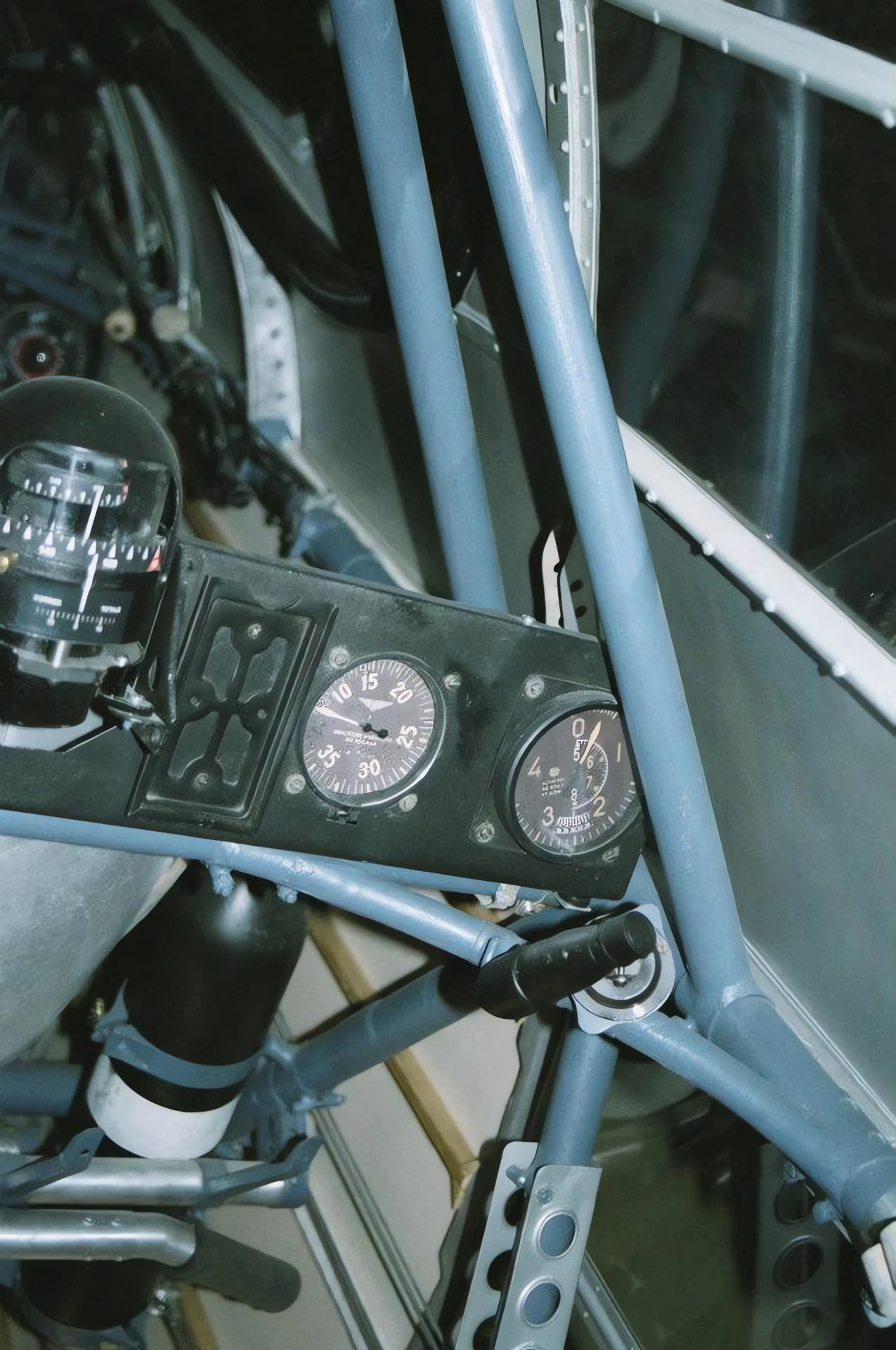
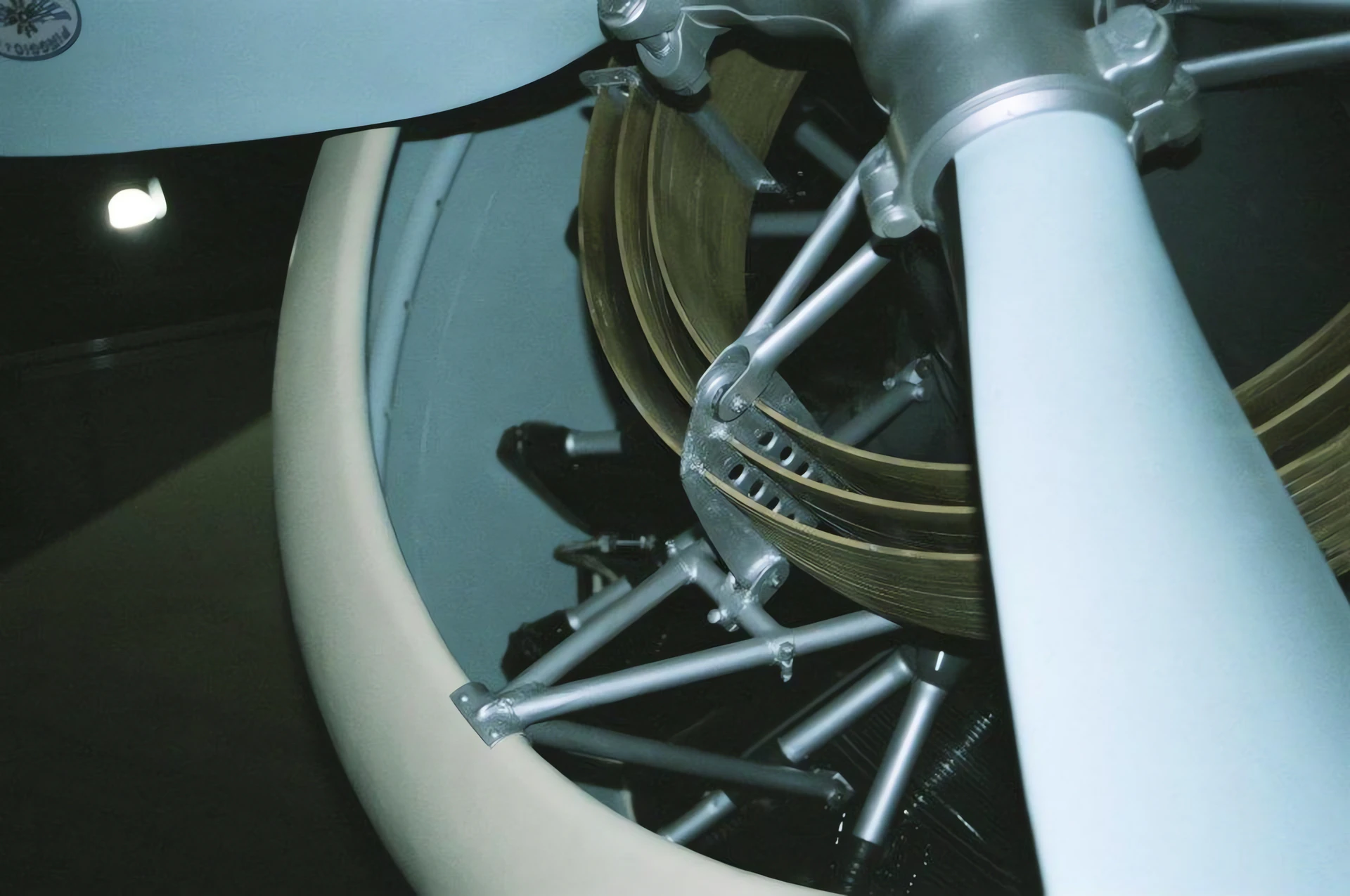
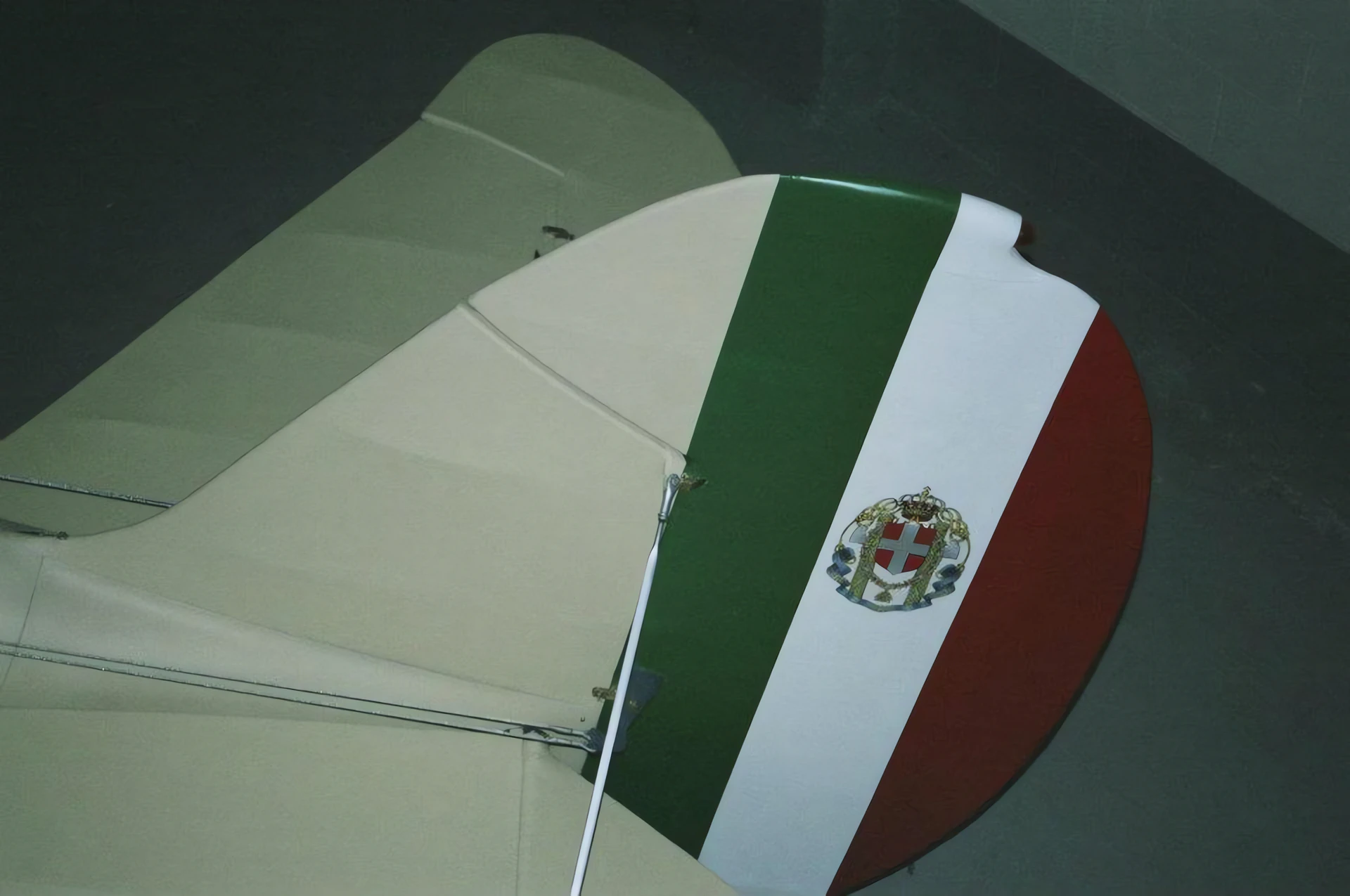
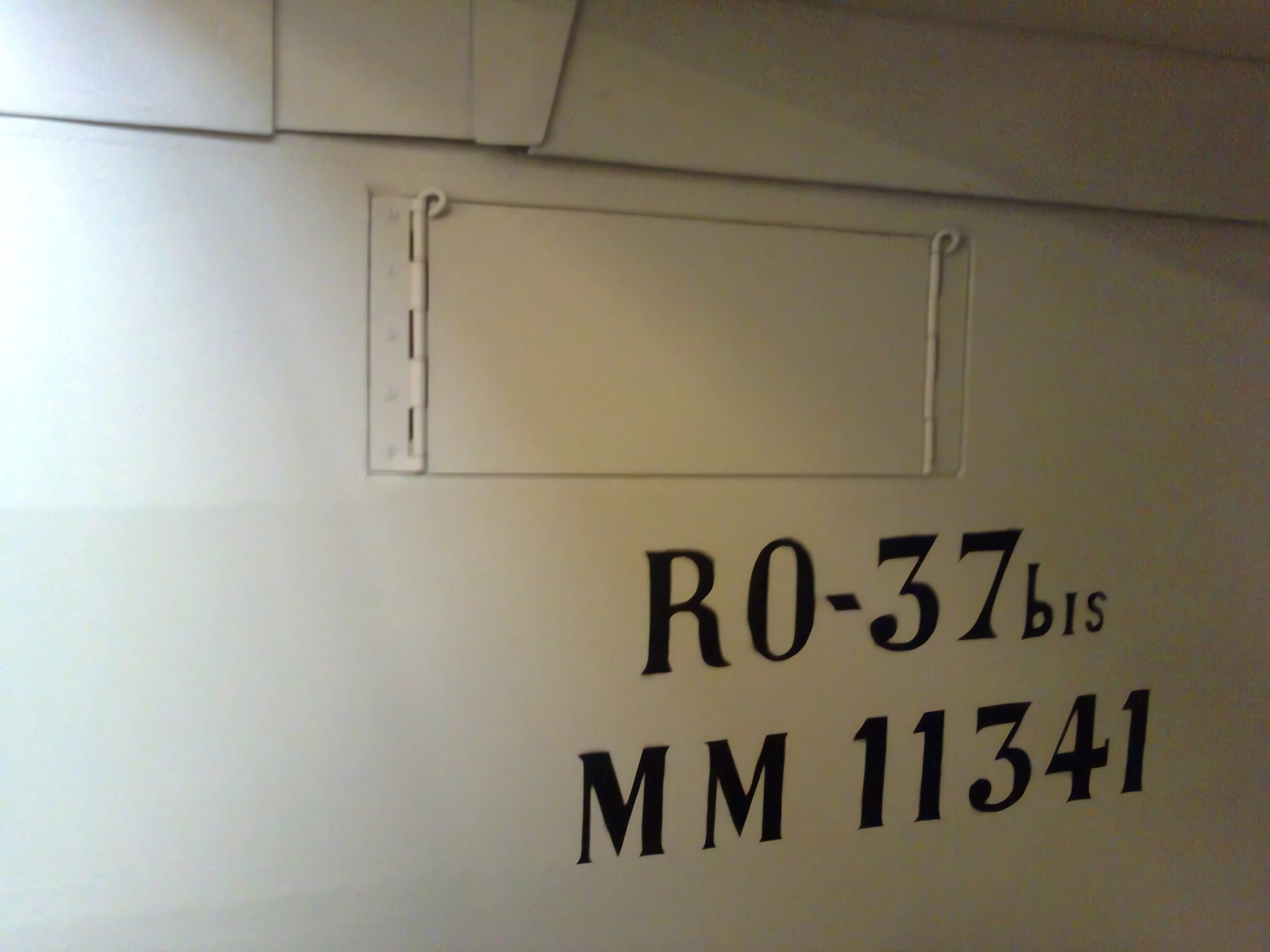
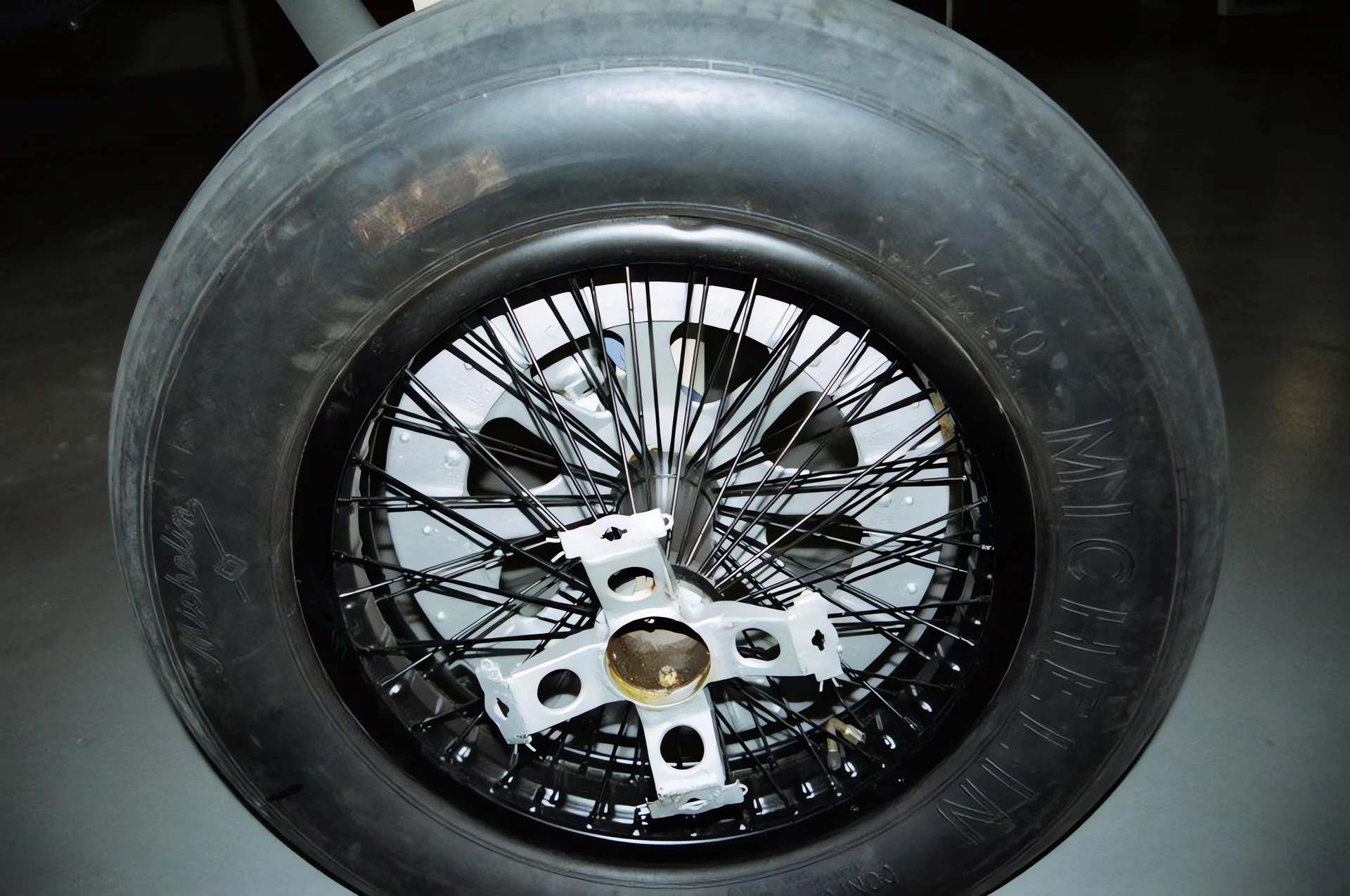
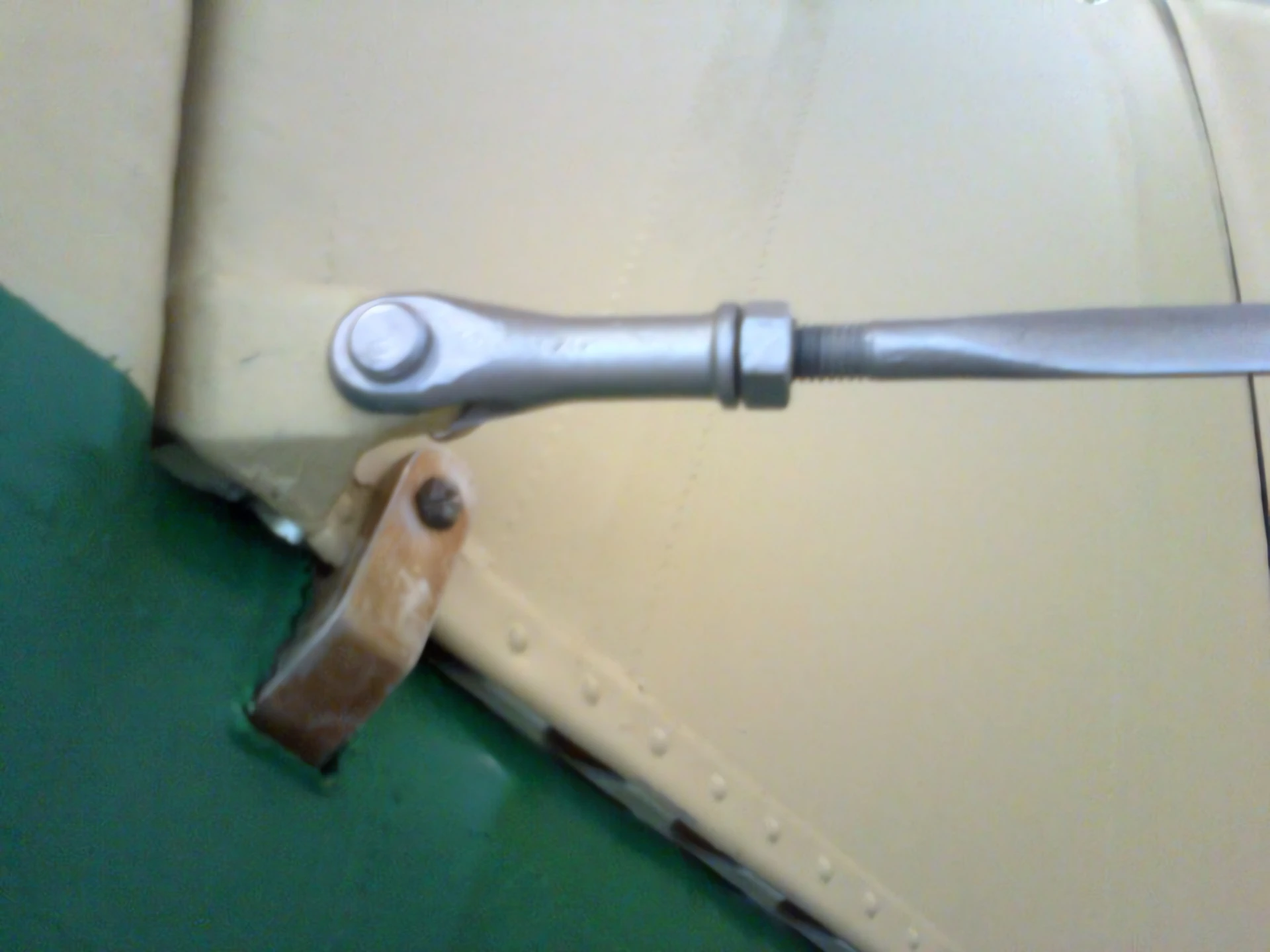
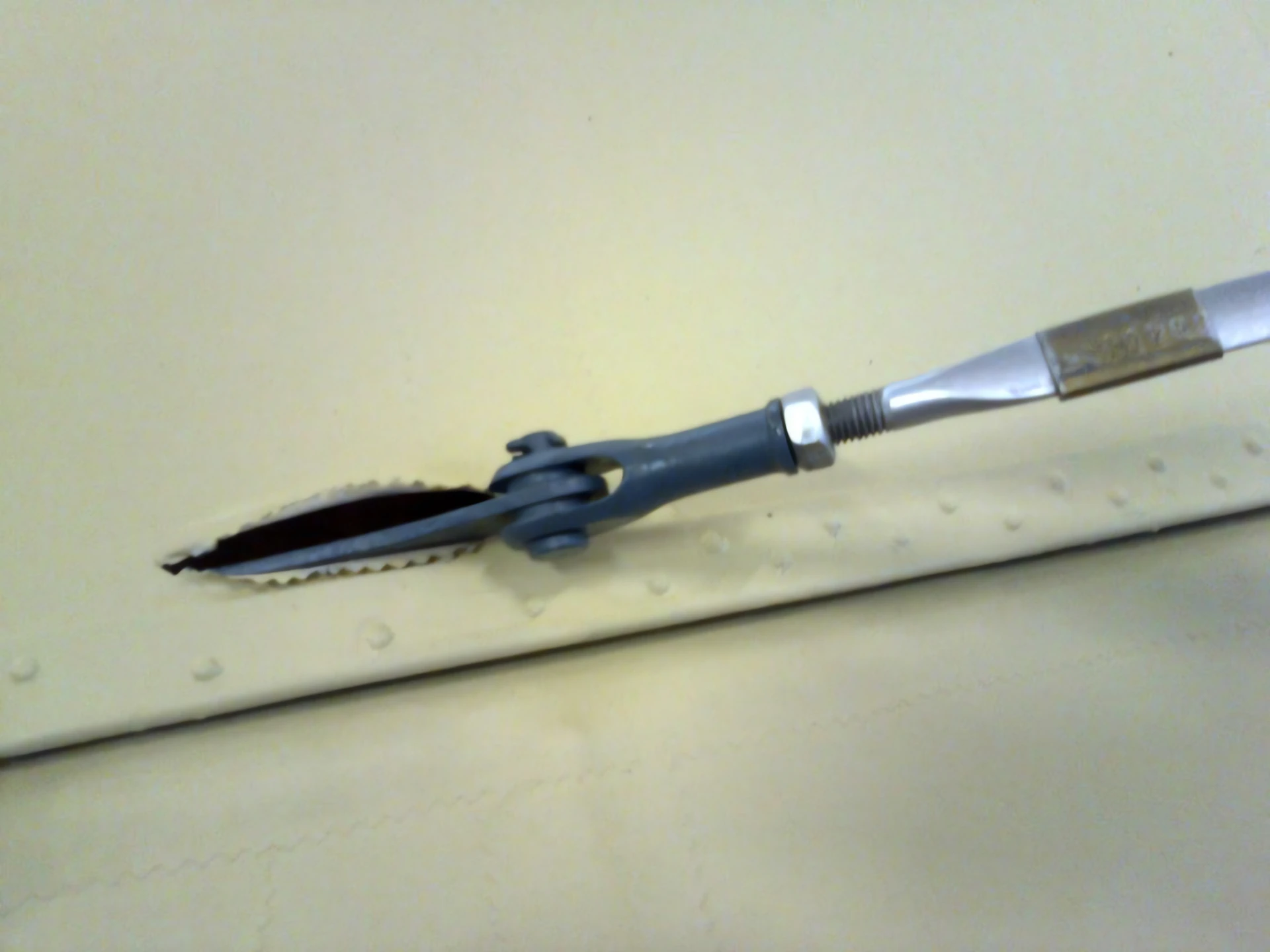

| IMAM Ro.37 bis ‘Lince’ Walk Around | |
|---|---|
| 사진 작가 | Unknow |
| 로컬라이제이션 | Unknow |
| 사진 | 28 |
참고 항목:


The Colonial Workhorse
Tthe IMAM Ro.37bis was the primary reconnaissance and light attack aircraft of the Regia Aeronautica during the mid-to-late 1930s. Designed as a rugged, two-seat biplane, it was built to operate in the harsh, unimproved conditions of Italy’s African colonies. While it was becoming obsolete by the start of World War II, its reliability and “jack-of-all-trades” nature made it indispensable during the Spanish Civil War and the Second Italo-Ethiopian War. It was a sturdy, stable platform that provided the “eyes” for Italian ground commanders across three continents.
| Attribute | Technical Specification (Ro.37bis) |
|---|---|
| 역할 | Reconnaissance / Light Attack |
| 승무원 | 2 (Pilot and Observer/Gunner) |
| First Flight | 1933 (Ro.37) / 1934 (Ro.37bis) |
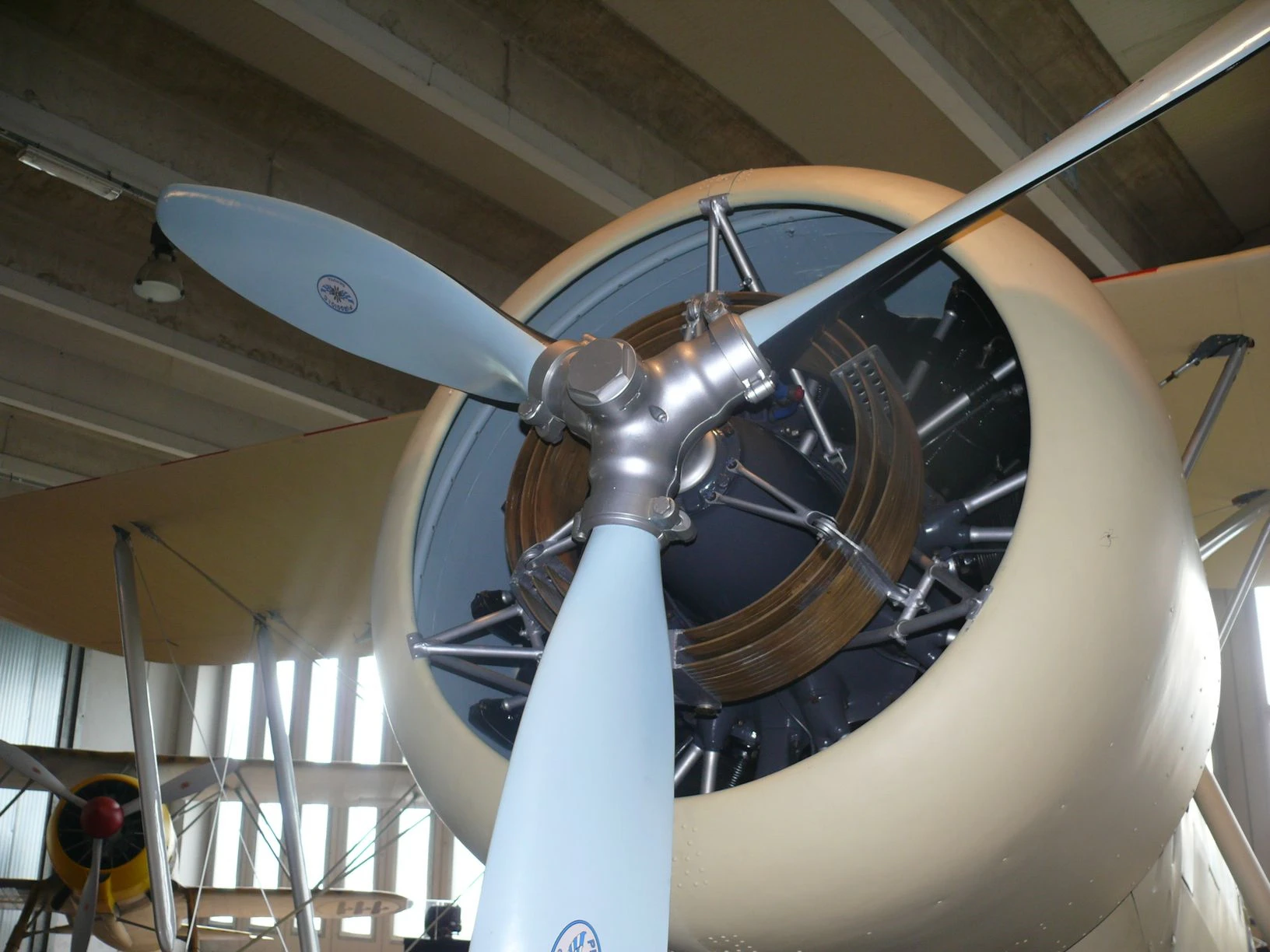
| 동력 장치 | 1 × Piaggio P.IX R.C.40 radial engine |
| Horsepower | 560 hp (418 kW) |
| 최대 속도 | 330 km/h (205 mph) |
| Service Ceiling | 7,200 m (23,600 ft) |
| 군비 | 2 × fixed forward 7.7 mm Breda-SAFAT; 1 × flexible 7.7 mm Breda-SAFAT in rear; up to 180 kg bombs |
Design Engineering: Built for the Bush
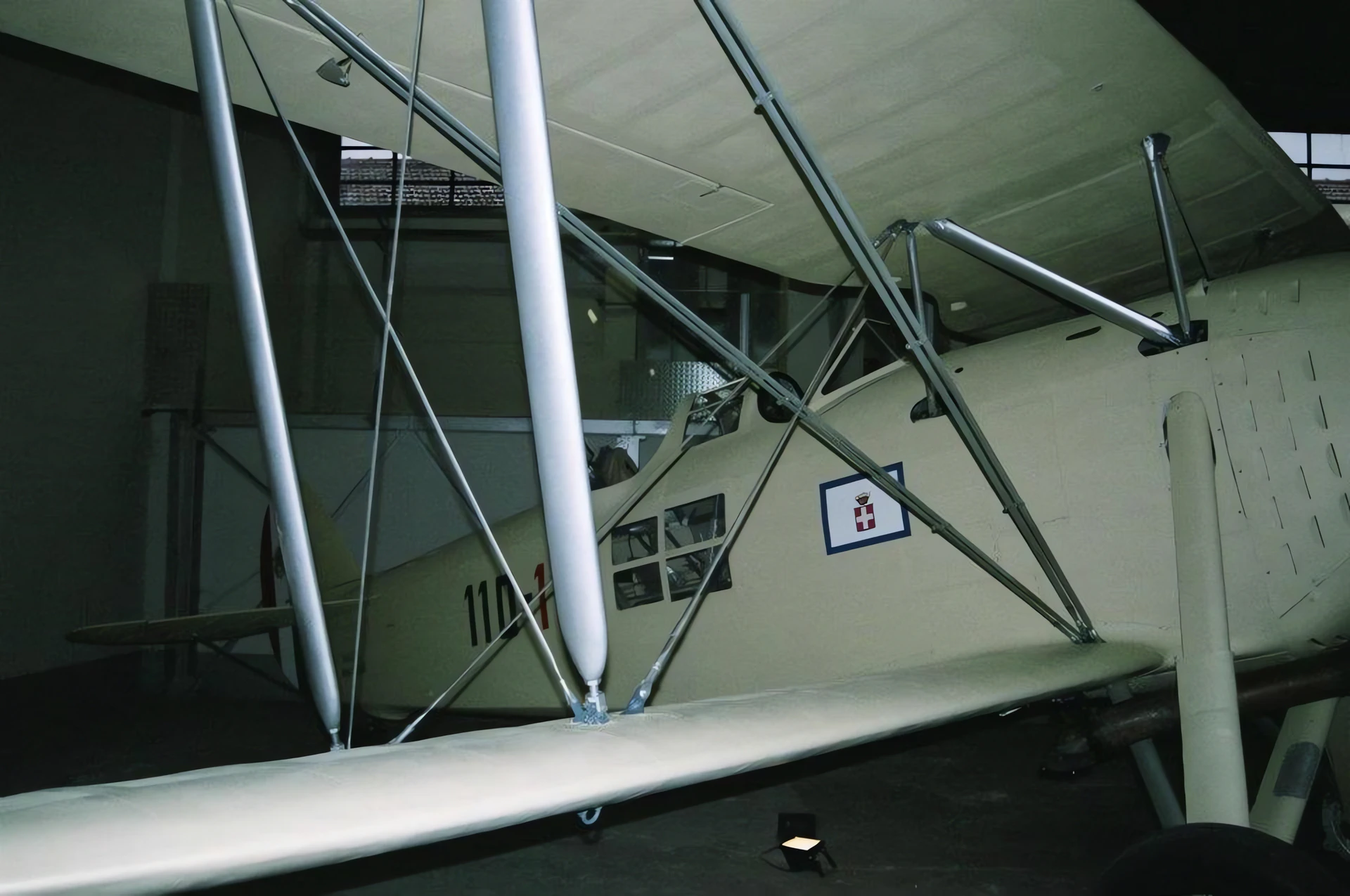
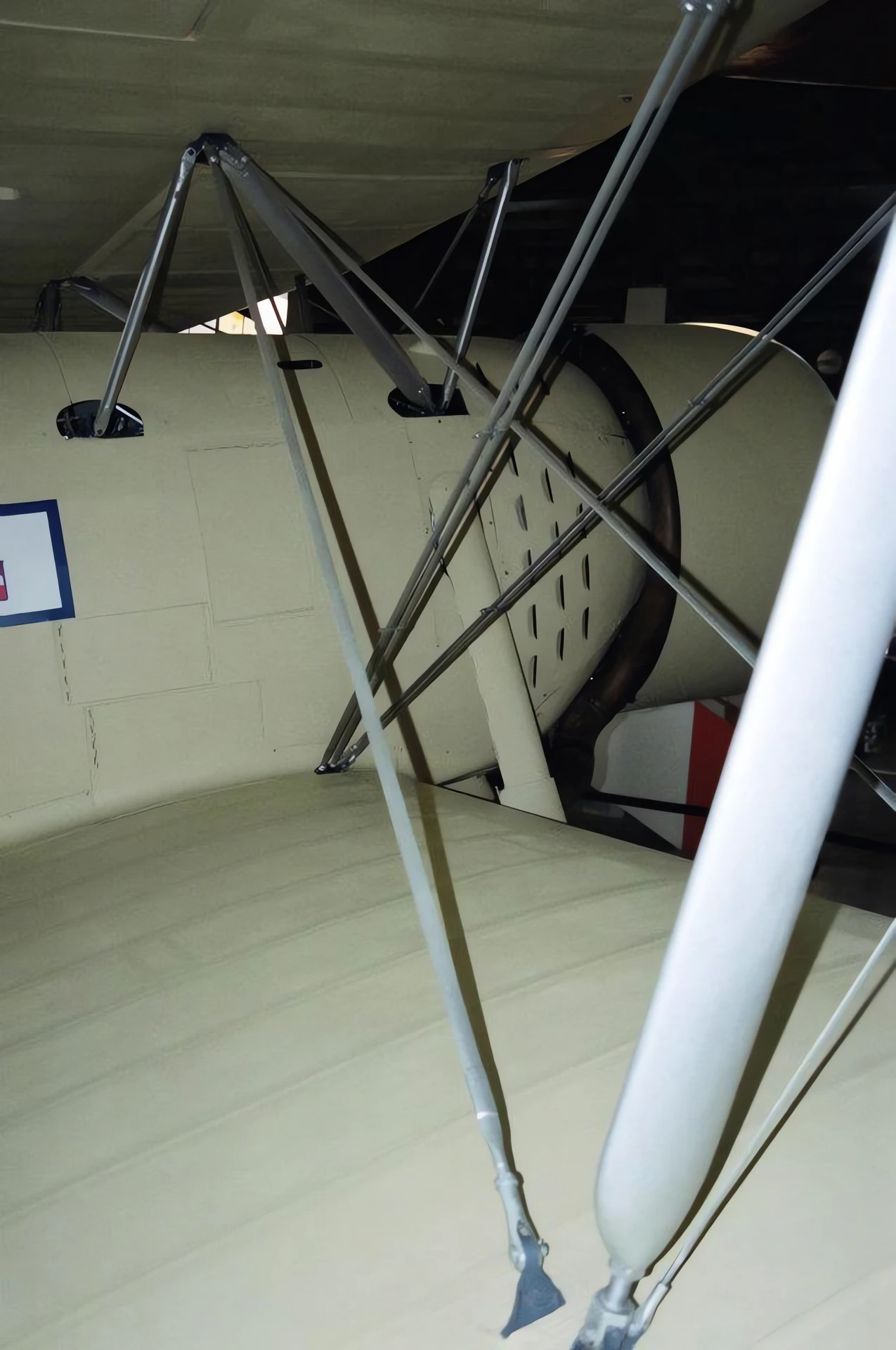
- Mixed Construction: The Ro.37bis featured a fuselage made of welded steel tubes covered in duralumin and fabric. This made it much easier to repair in field hangars compared to all-metal stressed-skin aircraft.
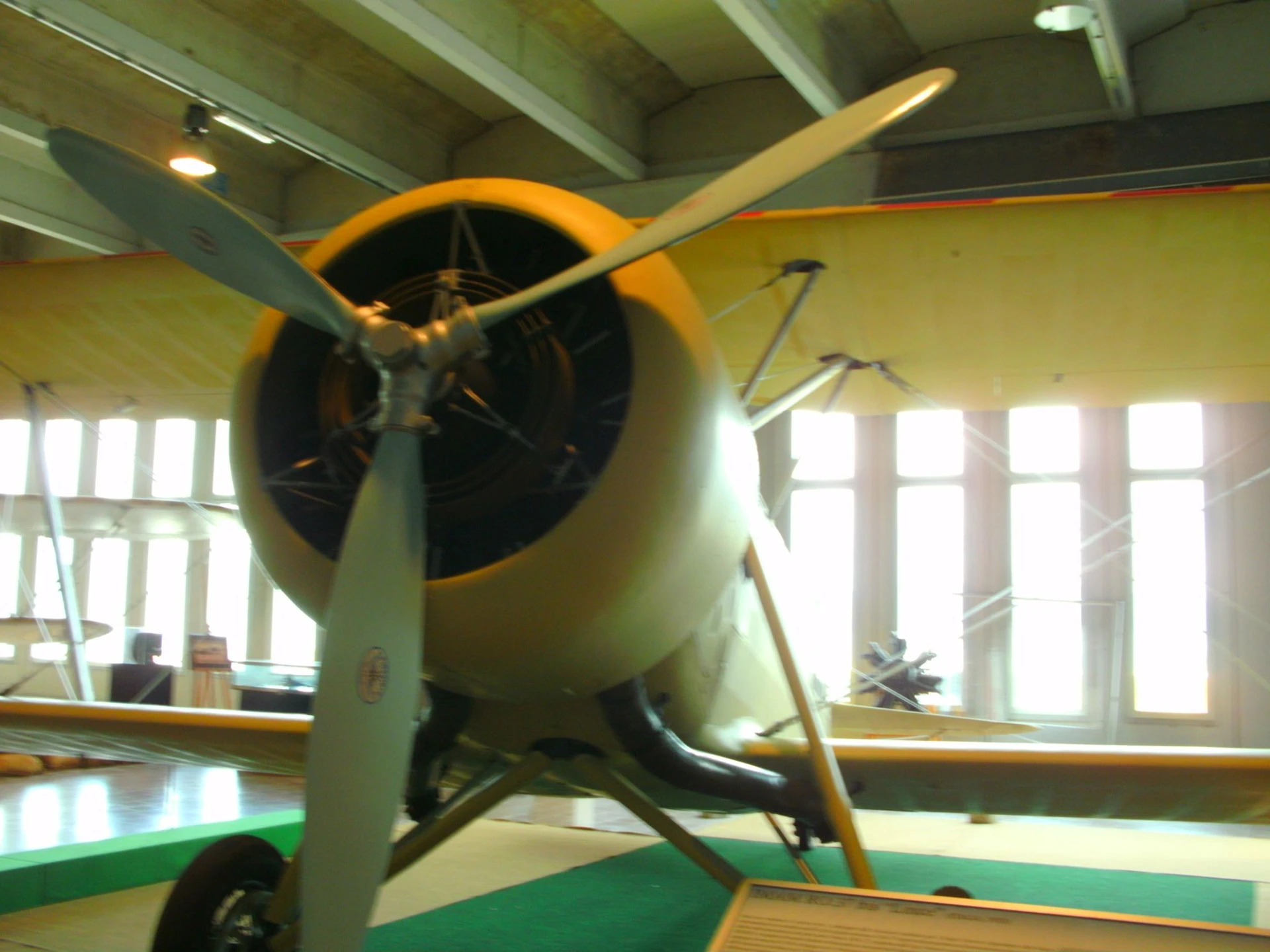
- The “bis” Engine Swap: The original Ro.37 used an inline engine, but the bis version switched to a radial Piaggio engine. This change improved reliability in dusty desert environments and simplified maintenance, as radial engines have no complex liquid-cooling systems to leak.
- Observer Visibility: The observer sat in a spacious “greenhouse” cockpit with windows in the floor, providing an excellent downward view for spotting enemy troop movements or photographing terrain.
- Long-Legged Landing Gear: To handle the rocks and scrub of African landing strips, the aircraft was fitted with tall, robust fixed landing gear that provided ample ground clearance for the propeller.
Service in Three Wars
- Abyssinia (Ethiopia): The Ro.37 was the backbone of Italian aviation during the 1935 invasion. It proved capable of flying long-range patrols over mountainous terrain where maps were non-existent.
- Spanish Civil War: As part of the Aviazione Legionaria, the Ro.37bis flew hundreds of missions. It was here that it earned a reputation for being able to take significant ground fire and still limp back to base.
- The Desert War: In the early stages of WWII in North Africa, the Ro.37bis was still being used for tactical reconnaissance. However, it was slow and became an easy target for British Gladiators and Hurricanes, leading to its gradual replacement by more modern designs.
- Export Success: Because of its reliability and low cost, it was exported to several nations, including Hungary, Afghanistan, Ecuador, and Uruguay, some of which kept them in service well into the late 1940s.
조회수 : 4159