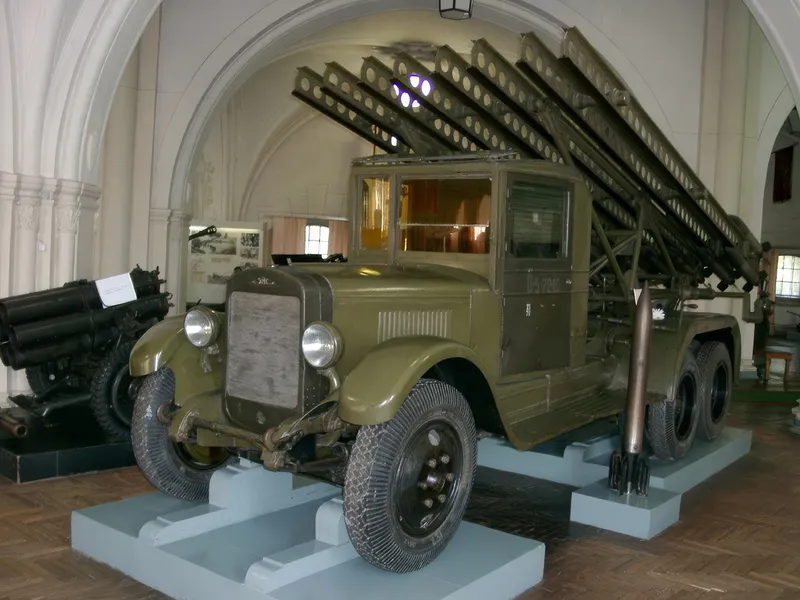
BM-13 카투샤 | |
|---|---|
| 국가 | 소련 사회주의 연방 공화국 |
| 형식 | 로켓 발사기 |
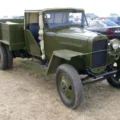
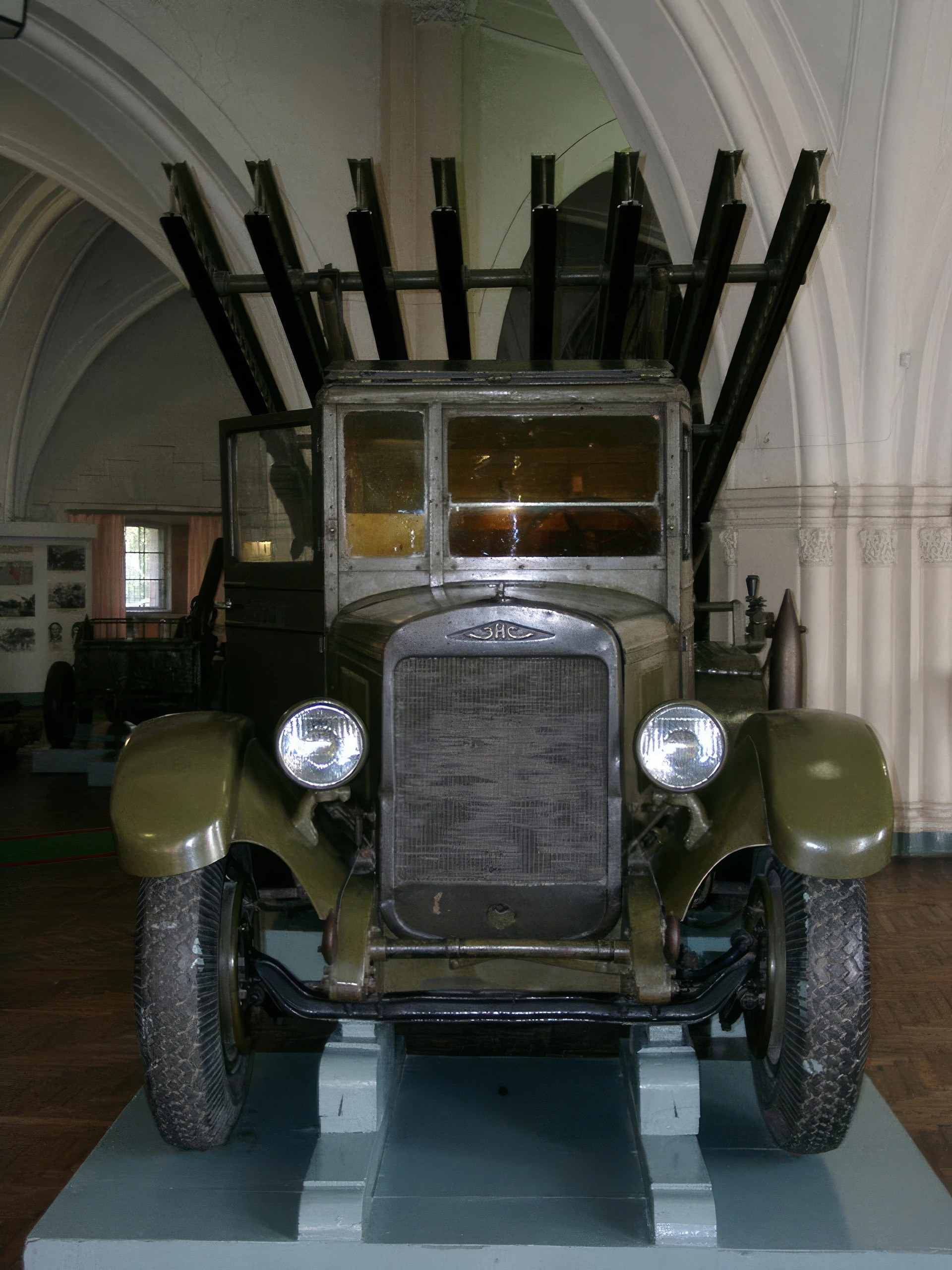
| 제목 | 앨범 드 65 «BM-13 카투샤»의 사진 |
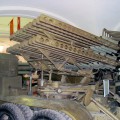
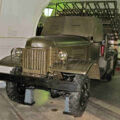
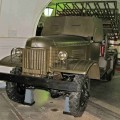
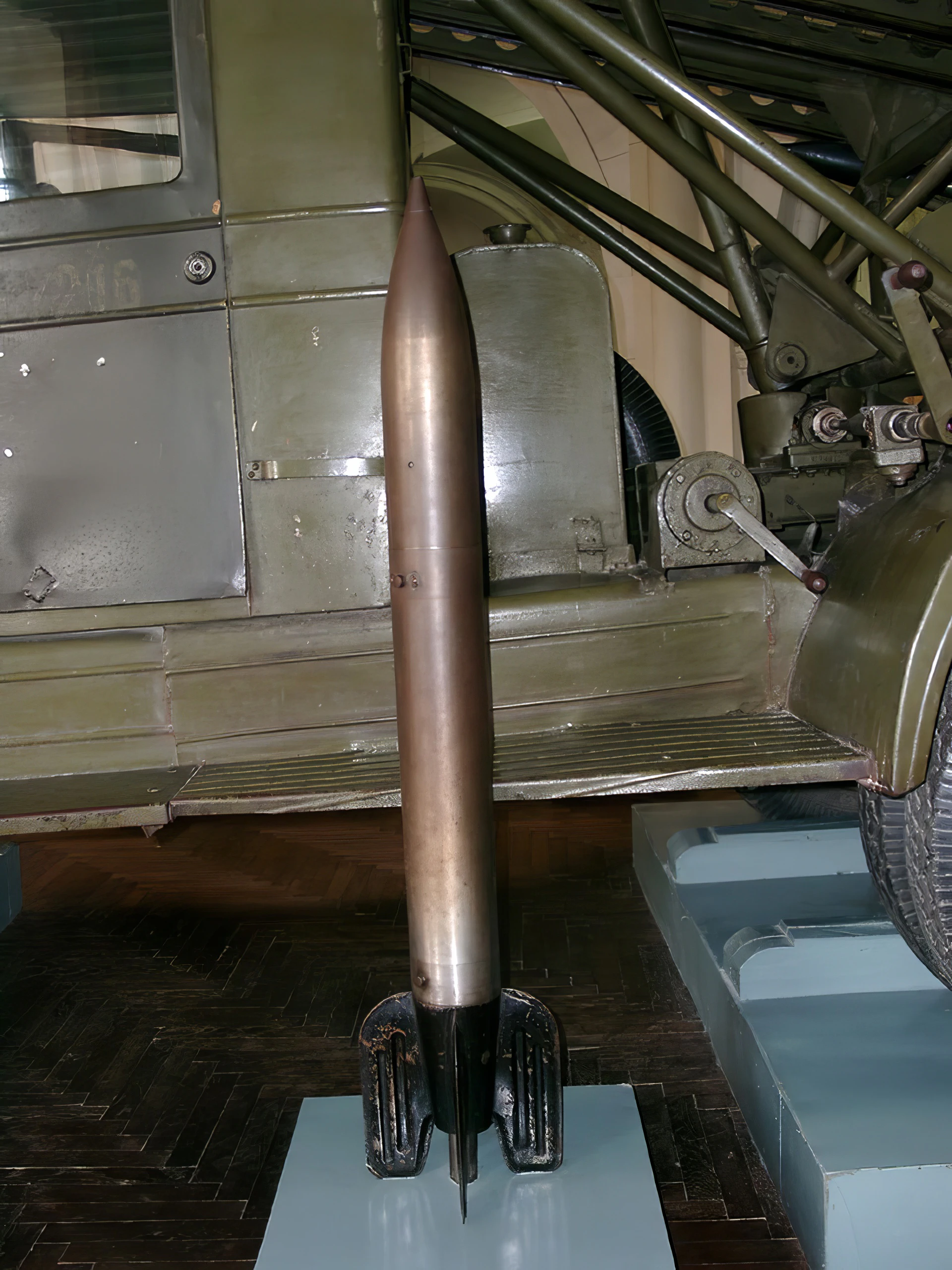
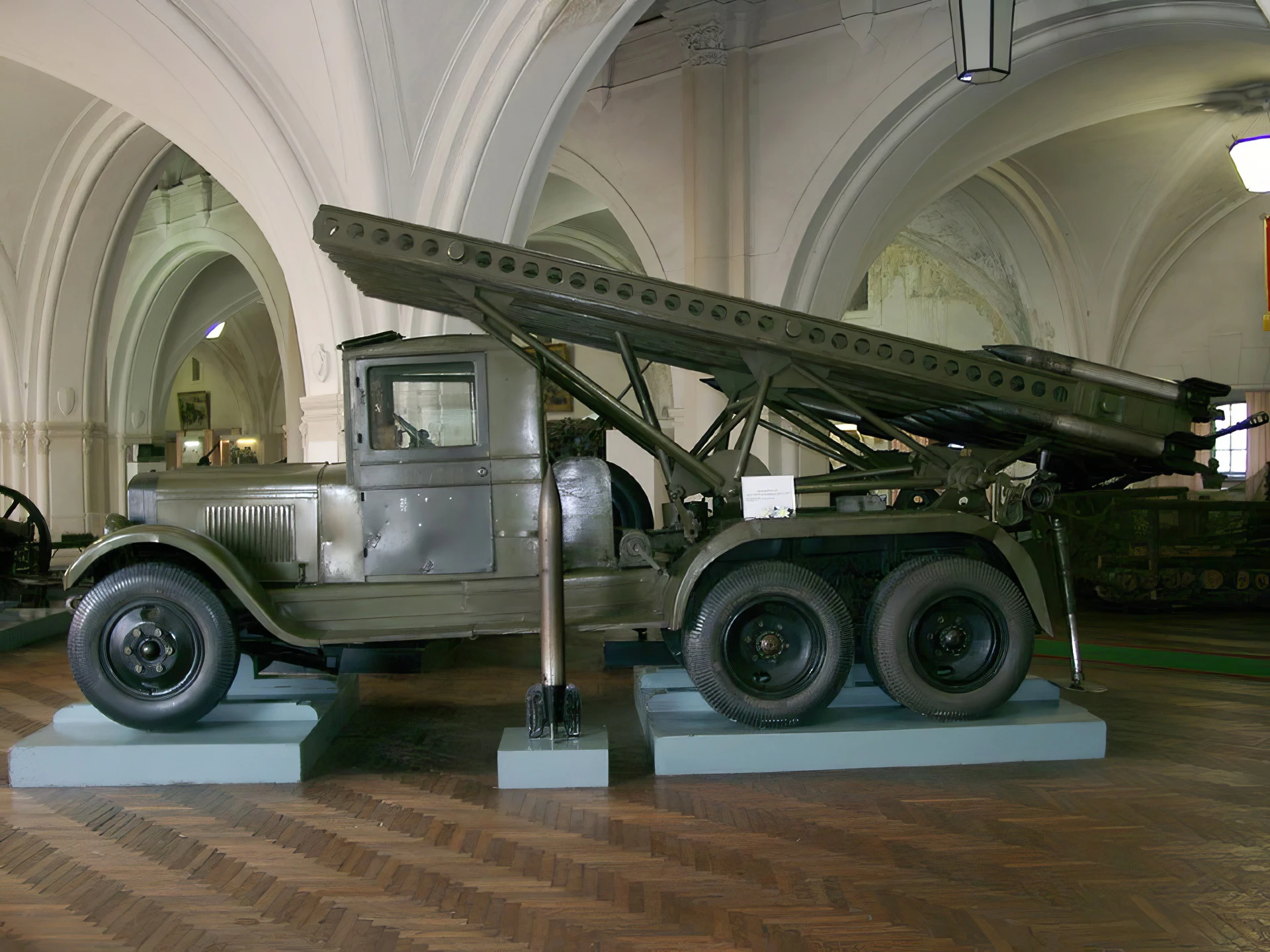
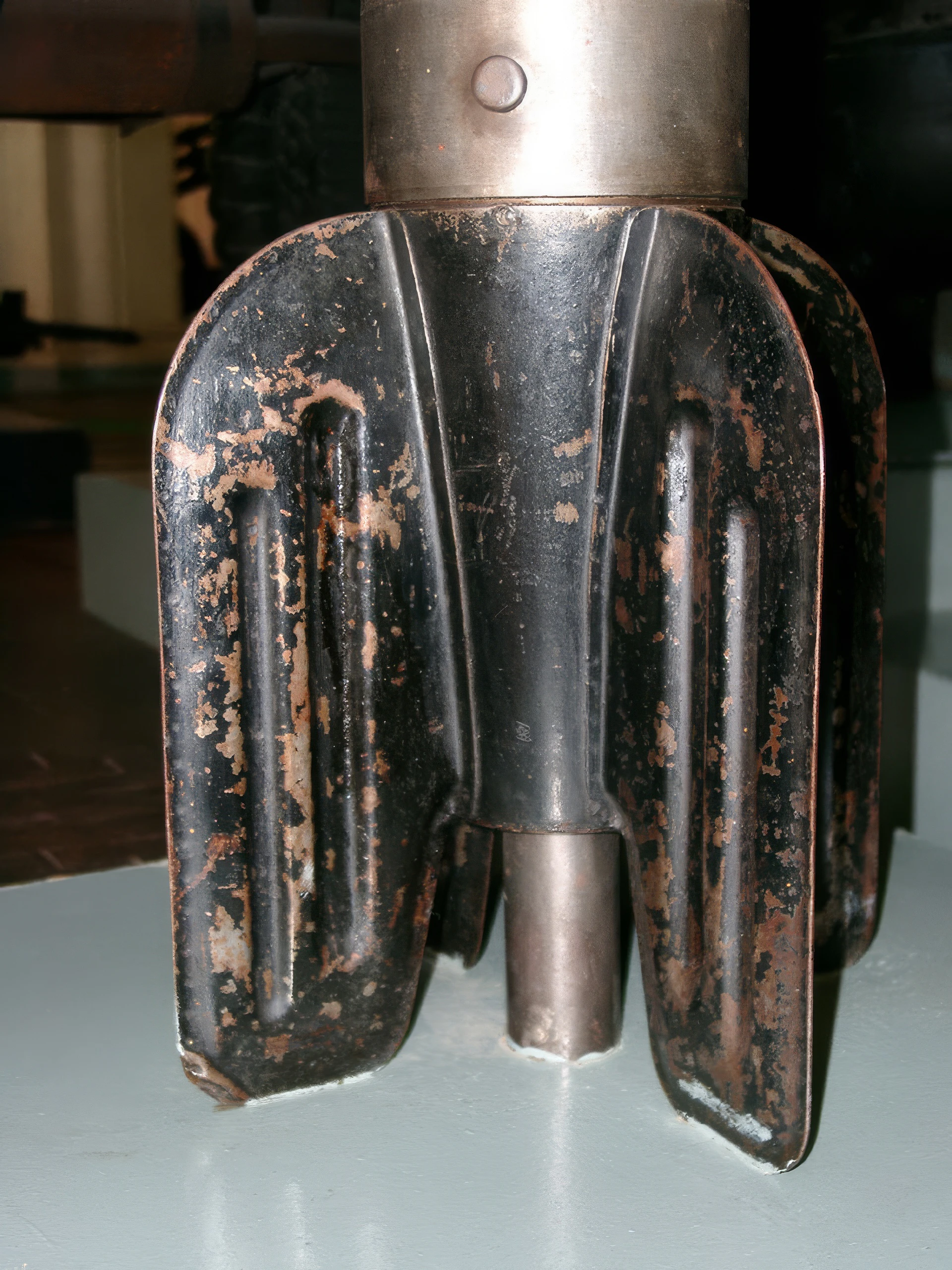
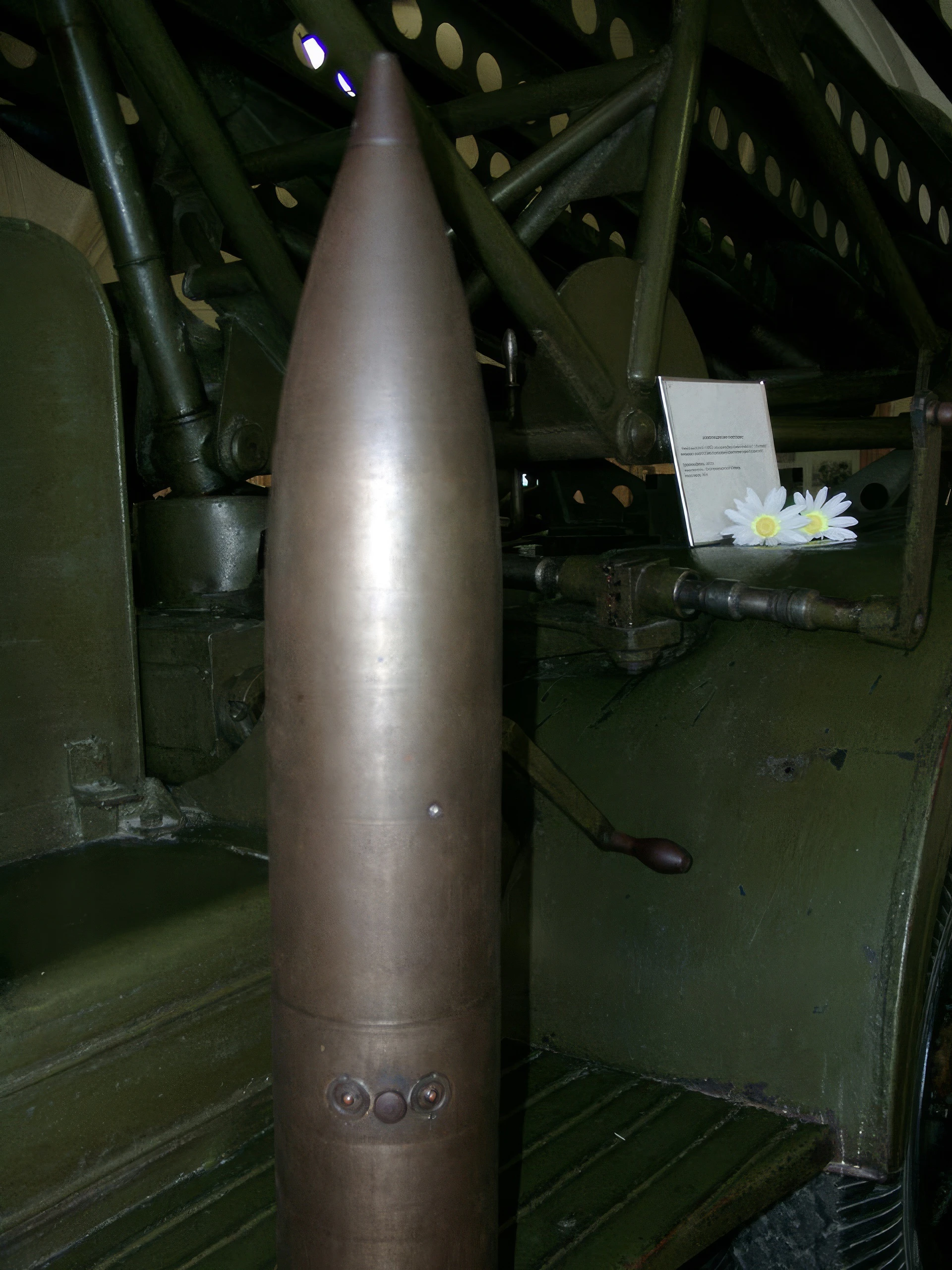
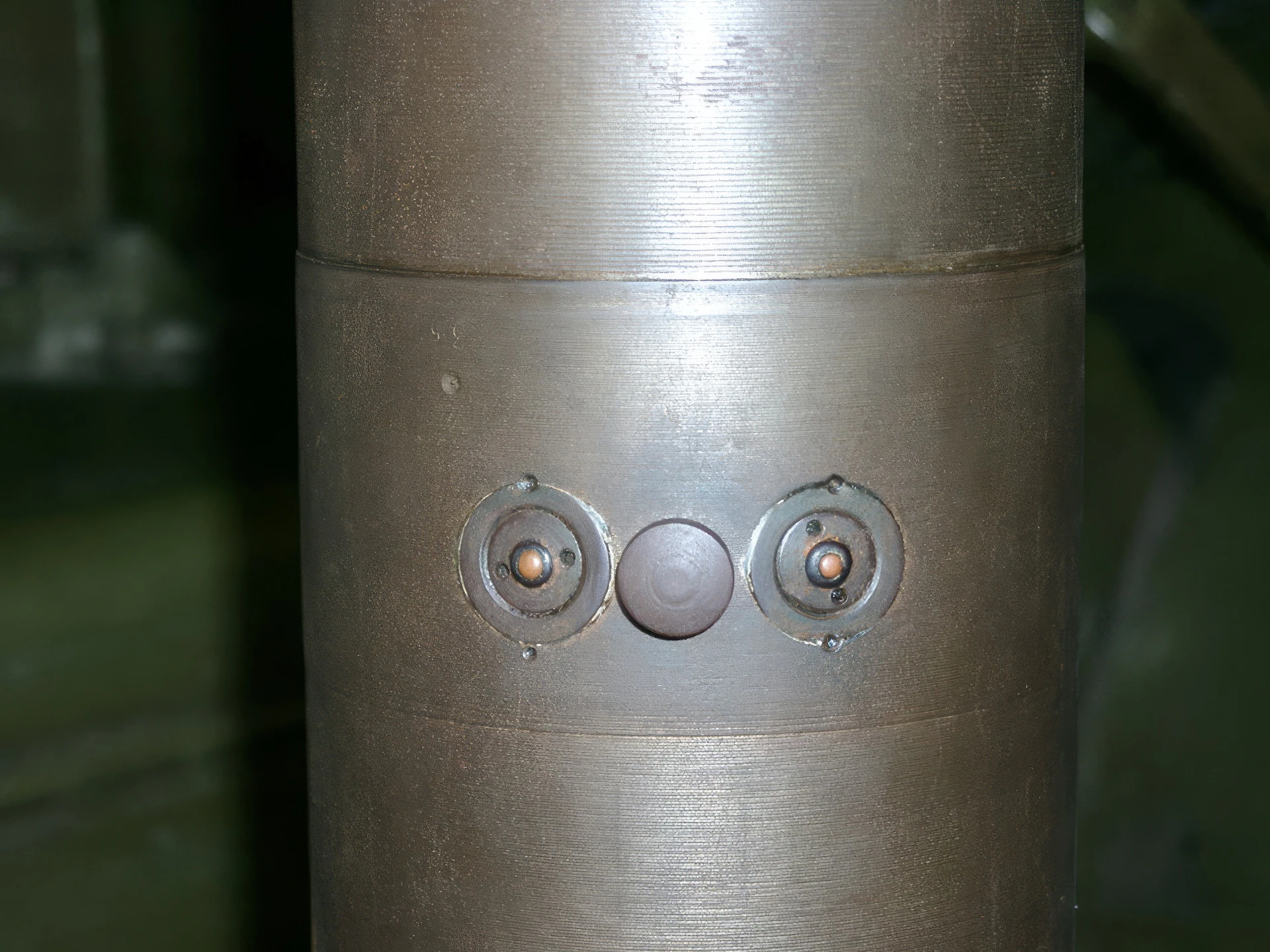
이 카투샤 (en russe Катюша), diminutif russe de Catherine, est le surnom donné par les Soviétiques à un lance-roquettes en rafales de la Seconde Guerre mondiale. Ce nom vient de la chanson traditionnelle Katioucha. Surnommé par les Allemands « orgue de Staline » (Stalinorgel) à cause de ses caractéristiques, elle consistait en un camion tirant des roquettes en rafales. Plusieurs batteries de Katiouchas étaient généralement alignées, dans le but de créer un tir de barrage et de destruction très important. Leur formidable puissance de feu était néanmoins altérée par une forte imprécision du tir. Il existe deux versions de ce lance-roquettes en rafale, le BM-8 의 82 mm 및 BM-13 de 132 mm (BM pour Boïevaïa Machina, « véhicule de combat »). Chaque camion comportait entre 14 et 48 lanceurs. Les roquettes du système BM-13, appelé RS-132 (RS pour Raketnyi snaryad, « roquette auto-propulsée ») étaient d’une hauteur de 1,8 m, de 132 mm de diamètre et d’un poids de 42 kg. Les roquettes étaient lancées par un propulseur solide à base de nitrocellulose disposé dans le moteur en acier de la roquette. La roquette était stabilisée par des ailerons cruciformes en tôle d’acier. L’ogive explosive, pouvant être à fragmentation, était hautement explosive et d’un poids d’environ 22 kg. La distance de tir des Katioucha était d’environ 8 km.

참고 항목:


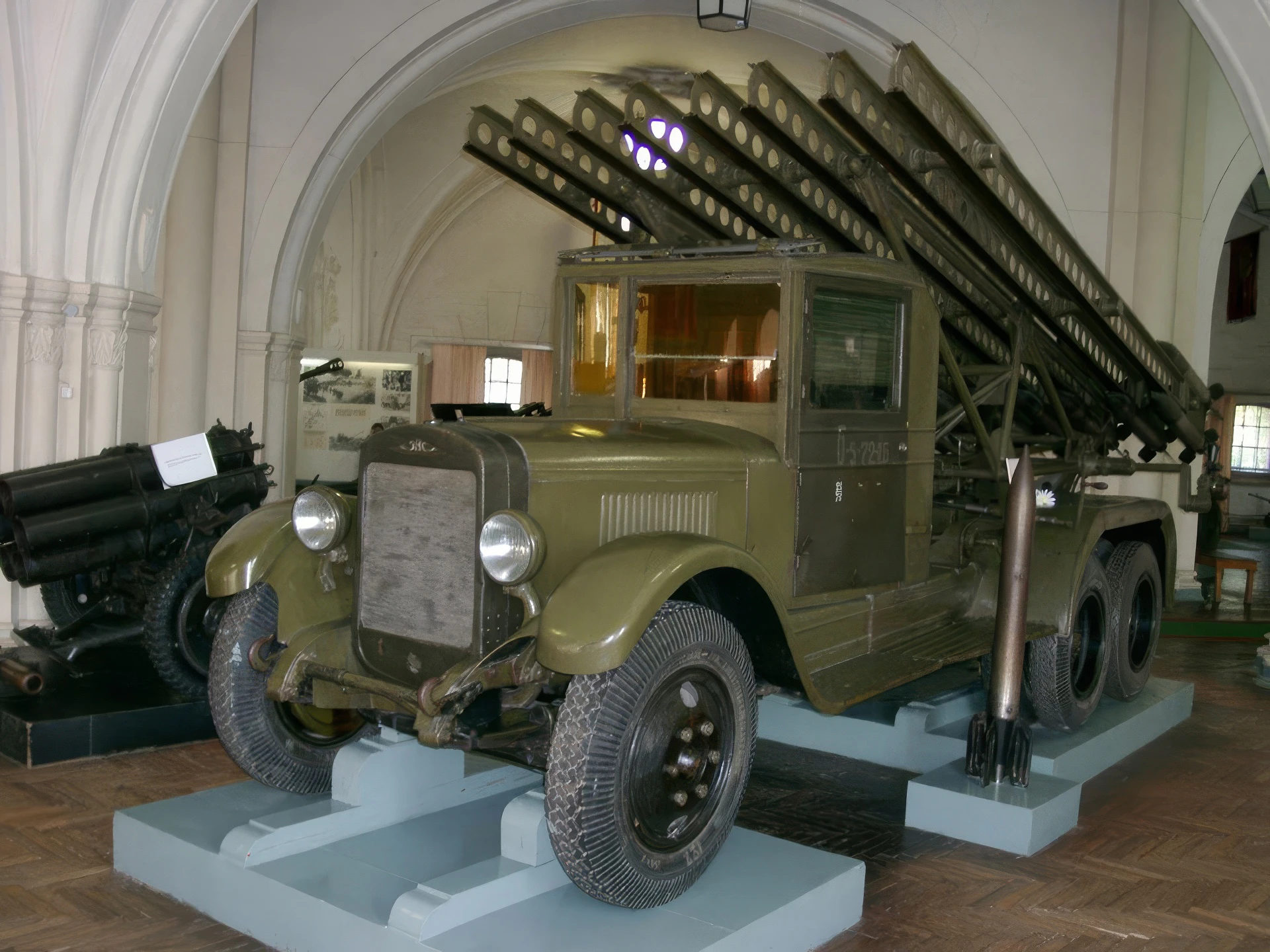
The BM-13 (Boyevaya Mashina – Combat Vehicle) was the Soviet Union’s most famous and widely produced Multiple Rocket Launcher System (MRLS of World War II. Affectionately nicknamed “카투샤” (a Russian diminutive of ‘Katie’), it became a symbol of Soviet industrial power and artillery might, feared by German troops who referred to it as “Stalin’s Organ” due to the sound of its rockets.
Key Features and Specifications
- 형식: Multiple Rocket Launcher System (MRLS), Self-Propelled
- Place of Origin: Soviet Union
- Rocket Type: M-13 High-Explosive Rocket
- Caliber: 132 mm
- Number of Launch Rails: Typically 16 (BM-13-16)
- Chassis (WWII):
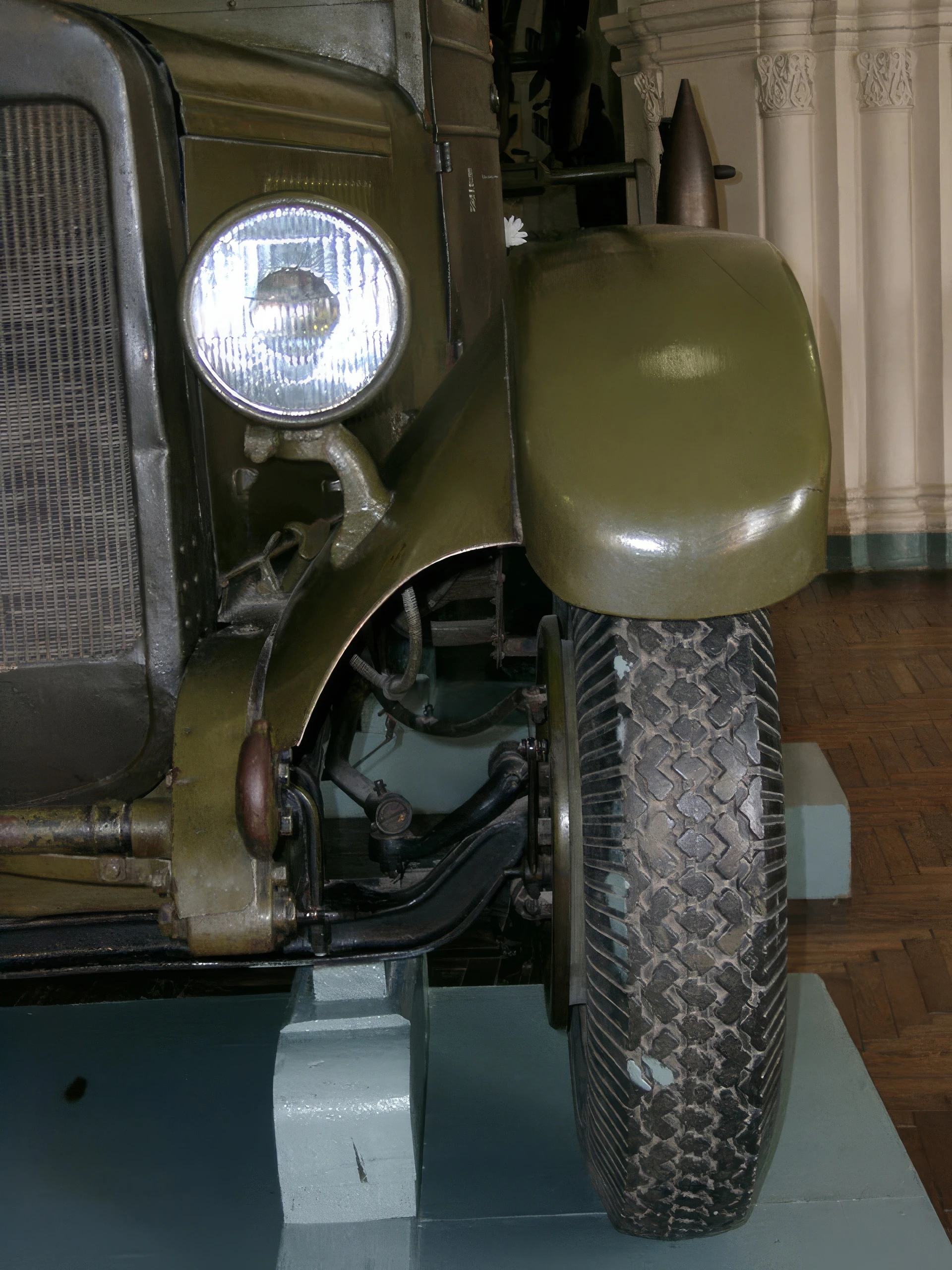
- Original: ZIS-6 6×4 truck.
- Most Common Post-1943: Studebaker US6 2½-ton 6×6 truck (designated BM-13N), supplied under the Lend-Lease program for its superior cross-country mobility.
- Firing Time: A full salvo could be fired in approximately 7–10 seconds.
- Reload Time: 3–4 minutes (for a trained crew).
Armament and Combat Role
- Armament: The system consisted of parallel launch rails mounted on the rear of a truck chassis, which could be elevated and traversed to aim the rockets.
- Rocket Power: The M-13 rockets weighed about 42.5 kg (93 lb) and had a maximum range of around 8,500 meters (5.3 miles). They were not highly accurate, but were devastating due to the sheer volume of fire.
- Primary Role: Area saturation and psychological warfare. The Katyusha was designed to deliver a massive, sudden volume of high-explosive fragments across a wide area, shattering enemy morale and eliminating soft targets (infantry, unarmored vehicles, artillery positions).
- Tactics:
- A typical battery of four BM-13 launchers could deliver over 4 tons of high explosives in a single, devastating salvo.
- The units employed “shoot-and-scoot” tactics, firing a salvo and immediately moving to a new location to avoid counter-battery fire, as their firing position was easily detected.
Combat History and Legacy
- First Use: The Katyusha was first used in combat on July 14, 1941, during the Battle of Smolensk, where a battery destroyed a German train station and surrounding troops.
- WWII Service: It was deployed on all major fronts of the Eastern Front, playing a critical role in major operations including the Battle of Moscow, Stalingrad, Kursk, and the final assault on Berlin.
- Post-War Service: The BM-13 rocket system remained in service with the Soviet Army and its allies well into the Cold War, and successor systems like the BM-21 “Grad” (Hail) continue the tradition of the area-saturation rocket launcher today.
- Impact: The Katyusha was highly effective not just for its physical destruction, but for the profound psychological shock it delivered, earning it legendary status among Soviet troops.
조회수:2759