フォッカー博士 | |
|---|---|
| 国 | ドイツ |
| 役割 | 戦闘機 |
| 初飛行 | 1917年7月5日 |
| 構築 | 320 |
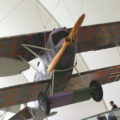
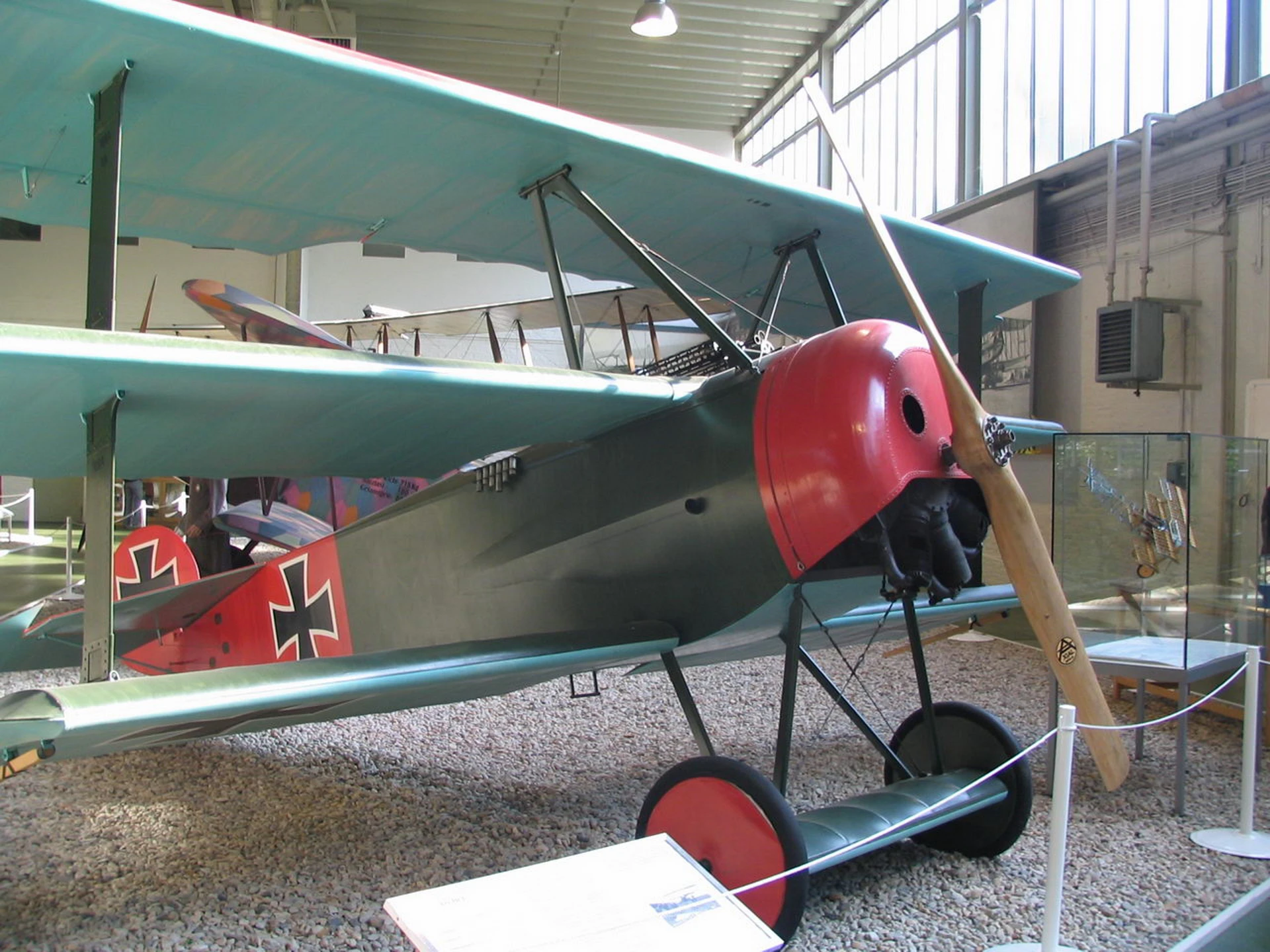
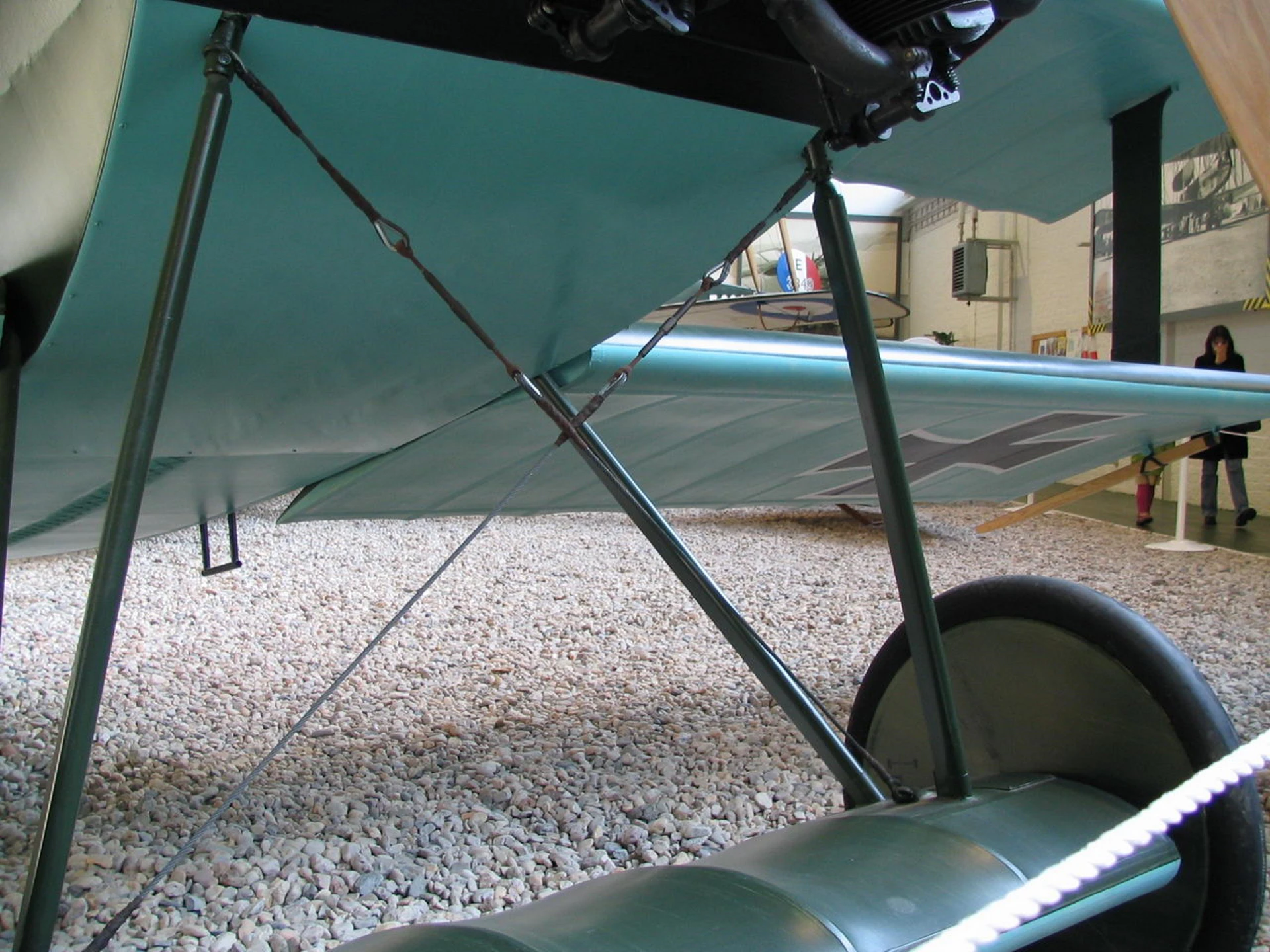
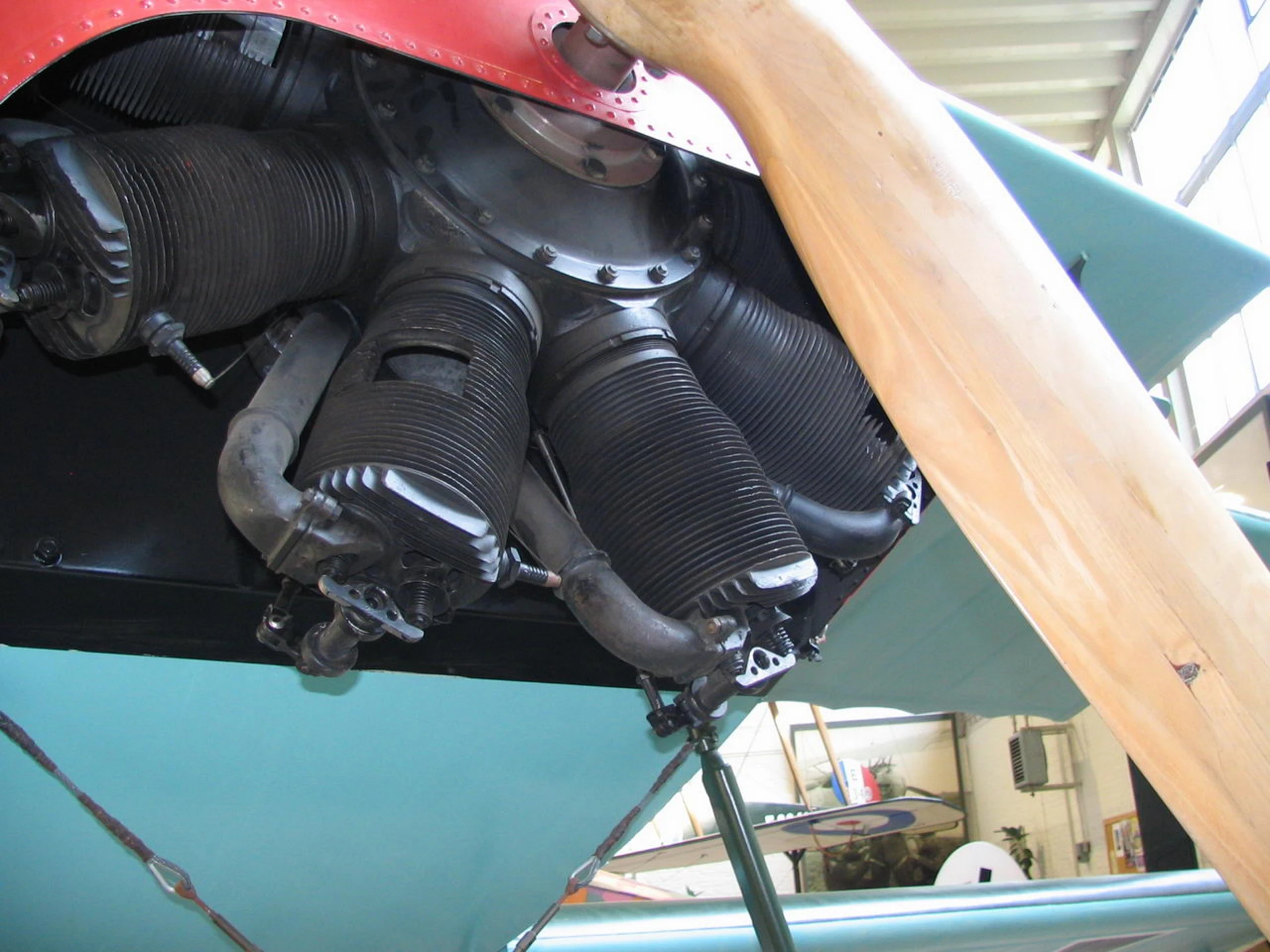
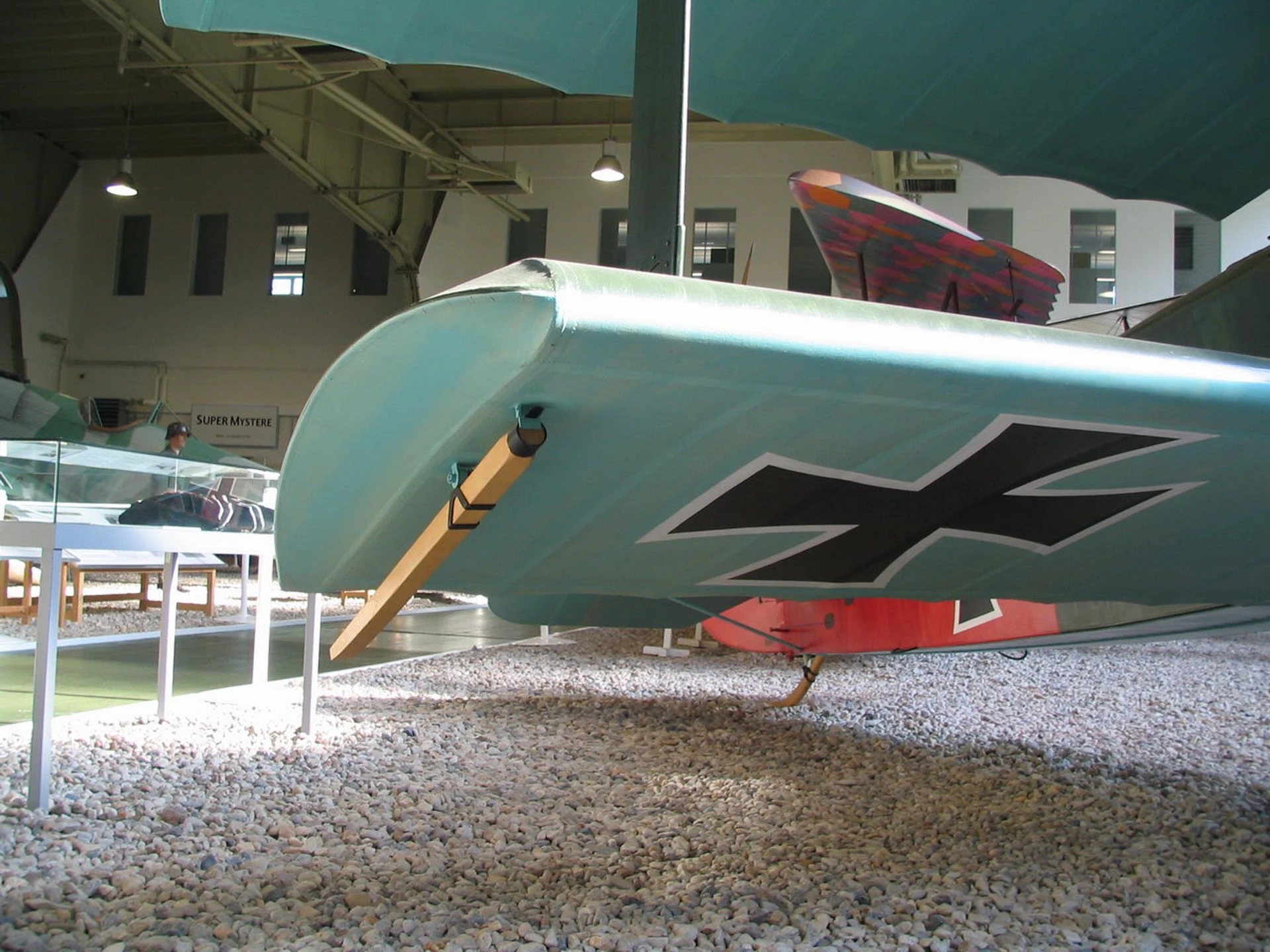
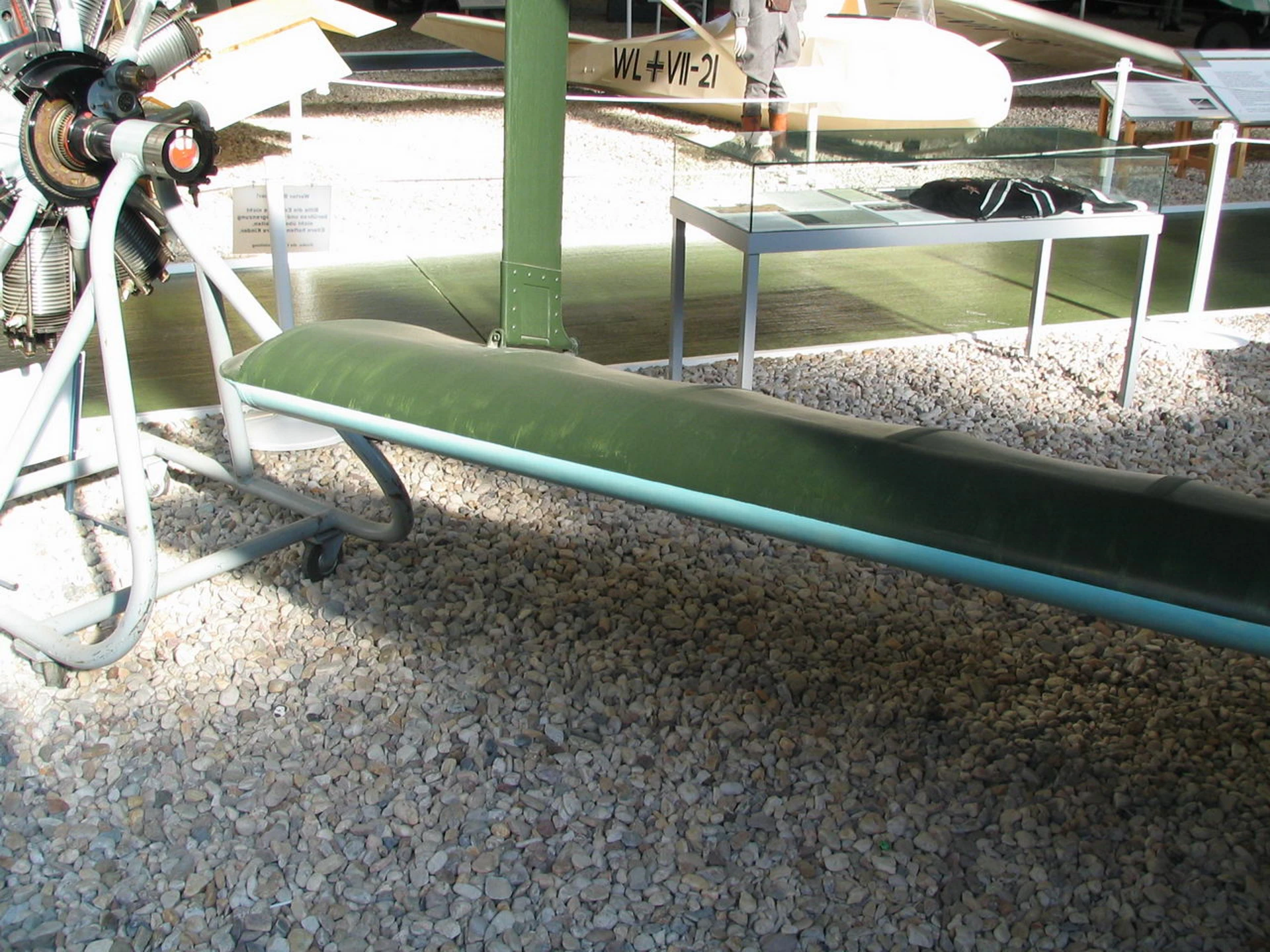
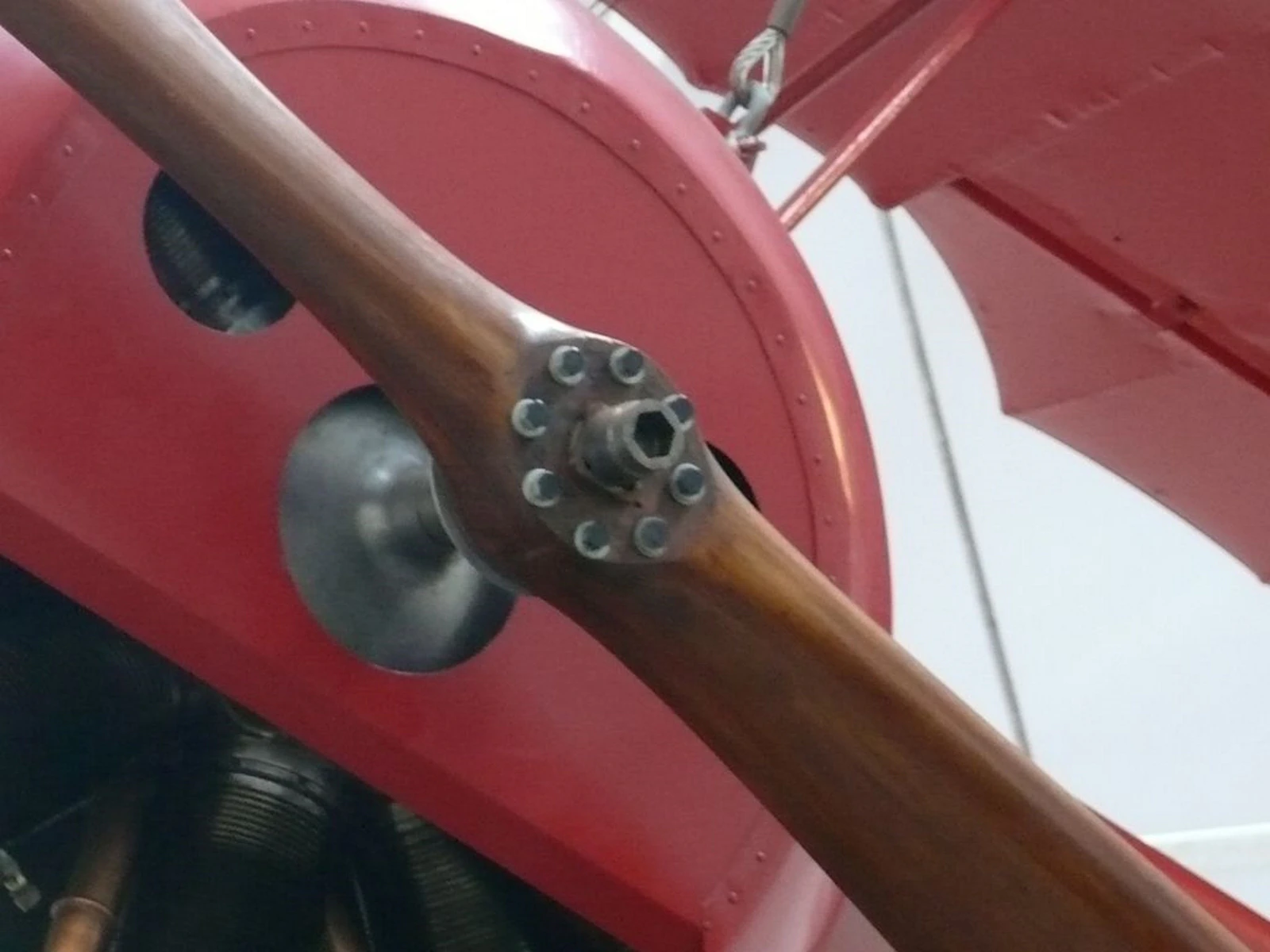
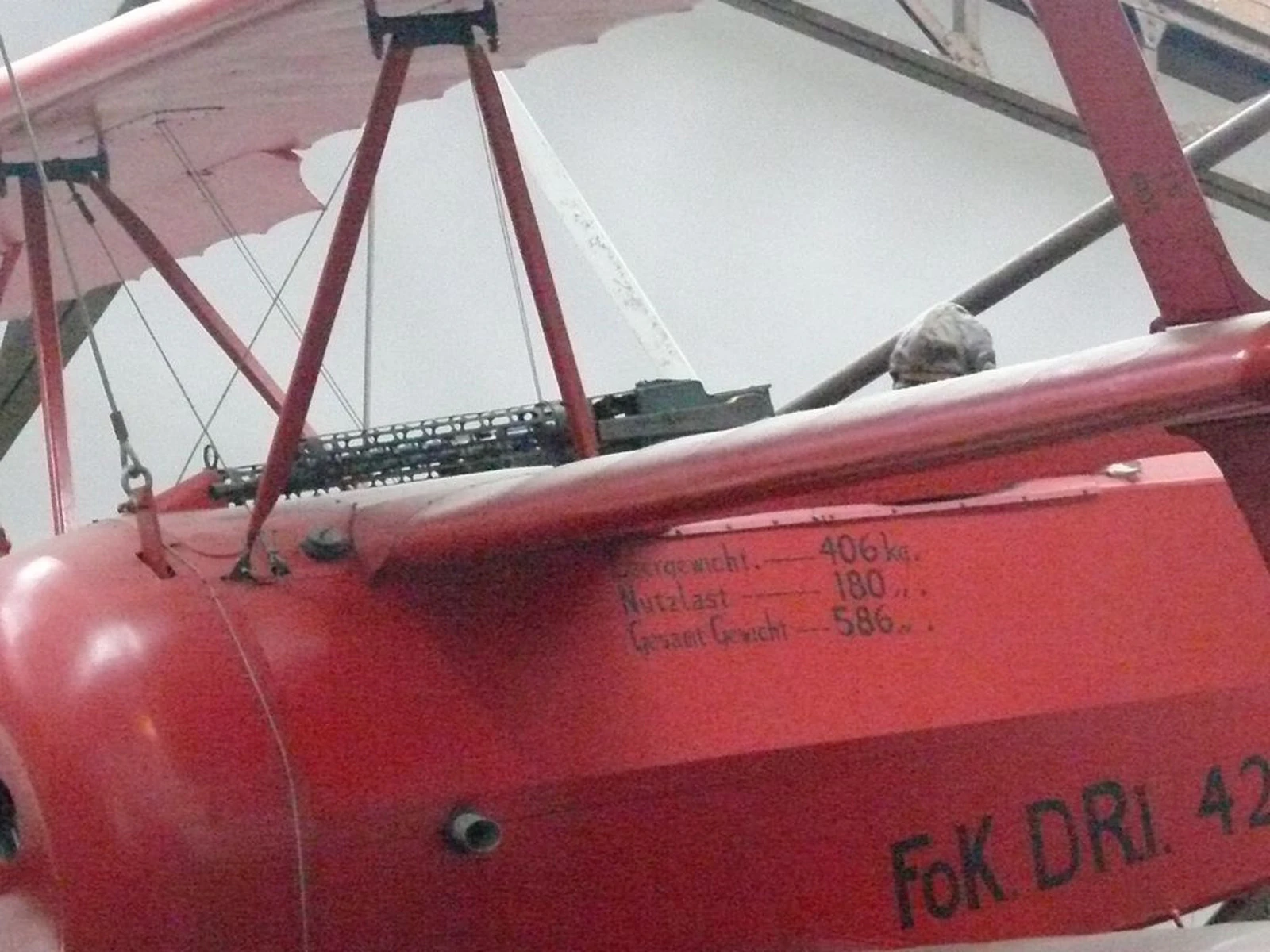
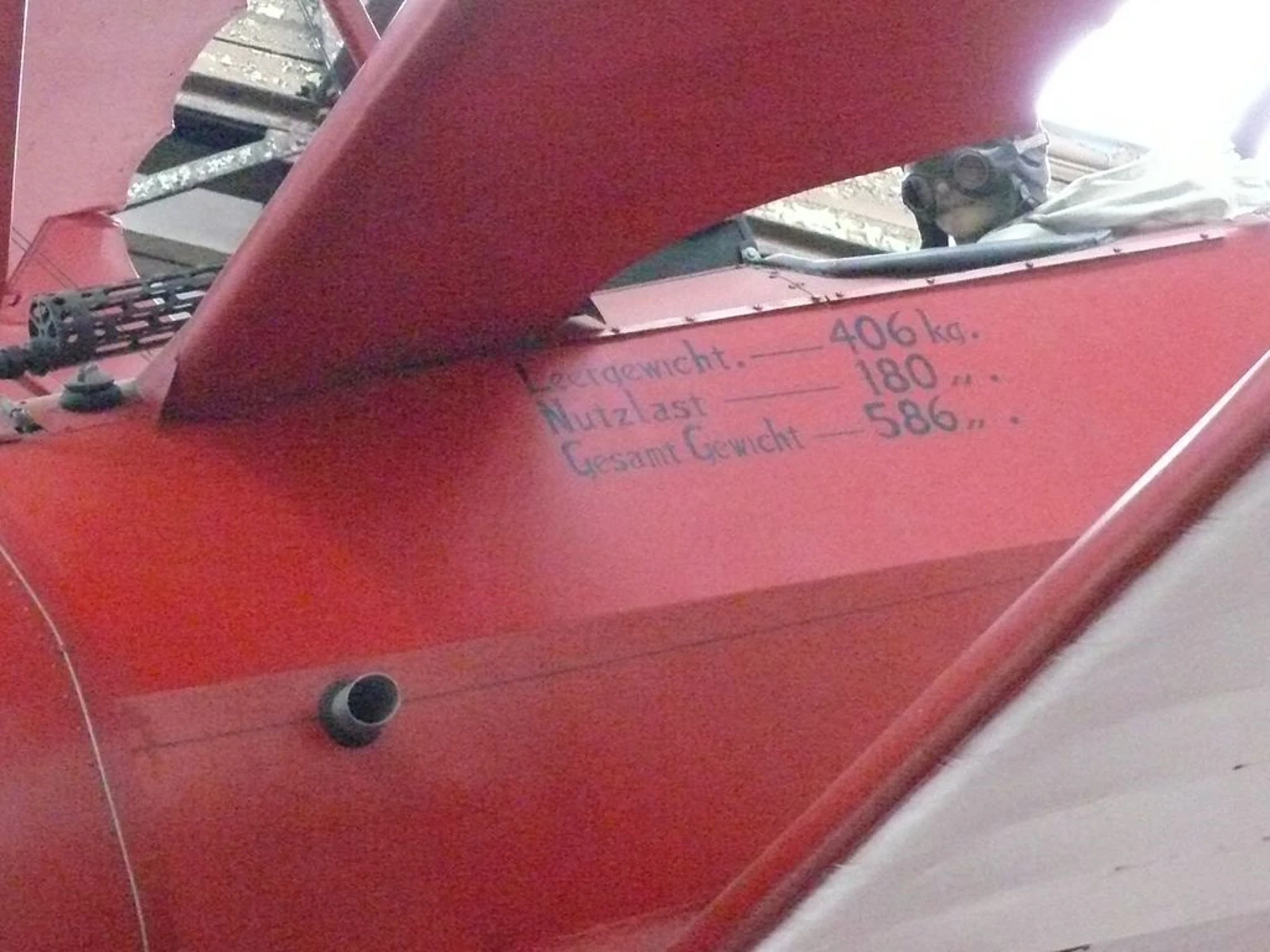
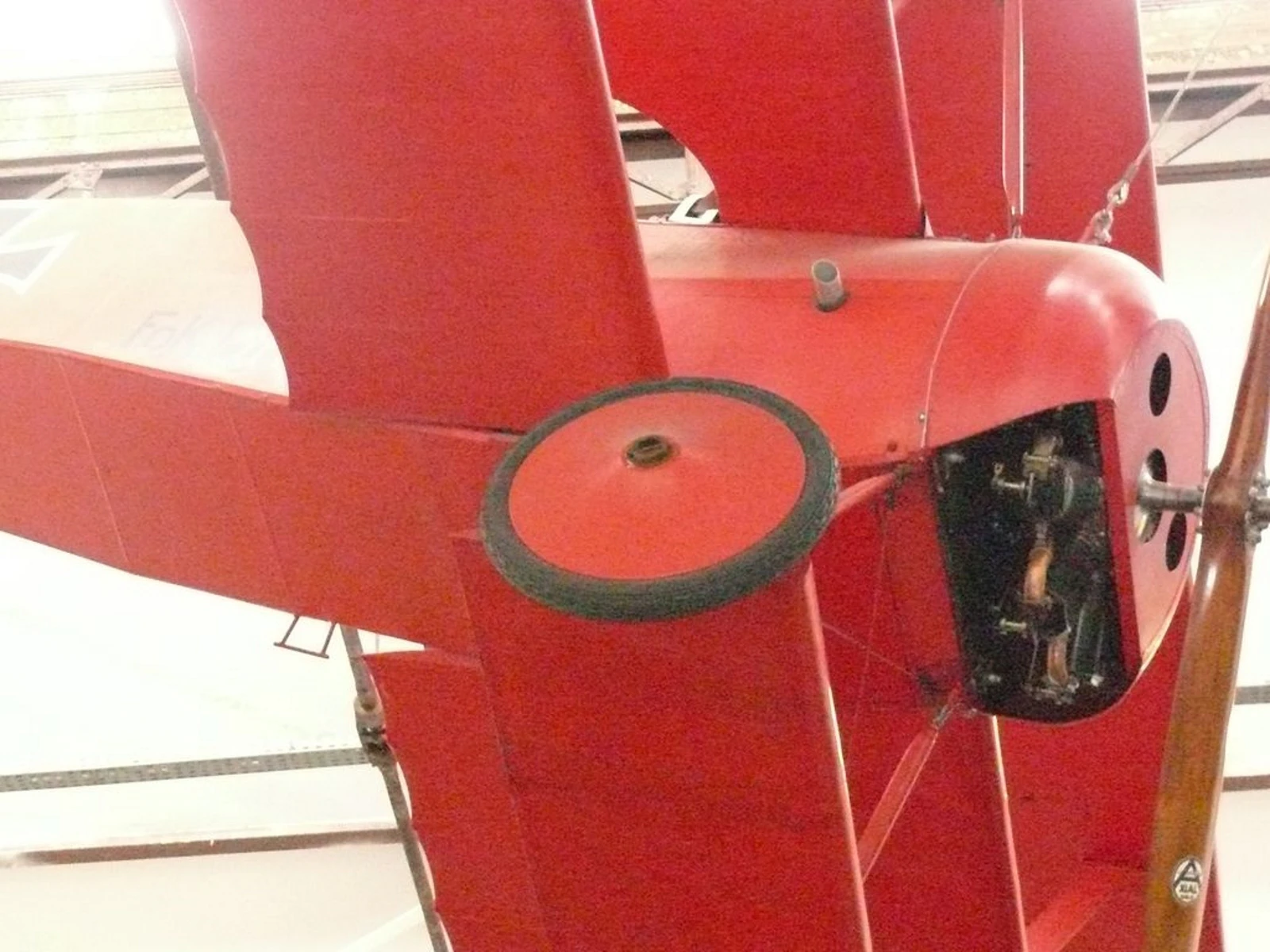
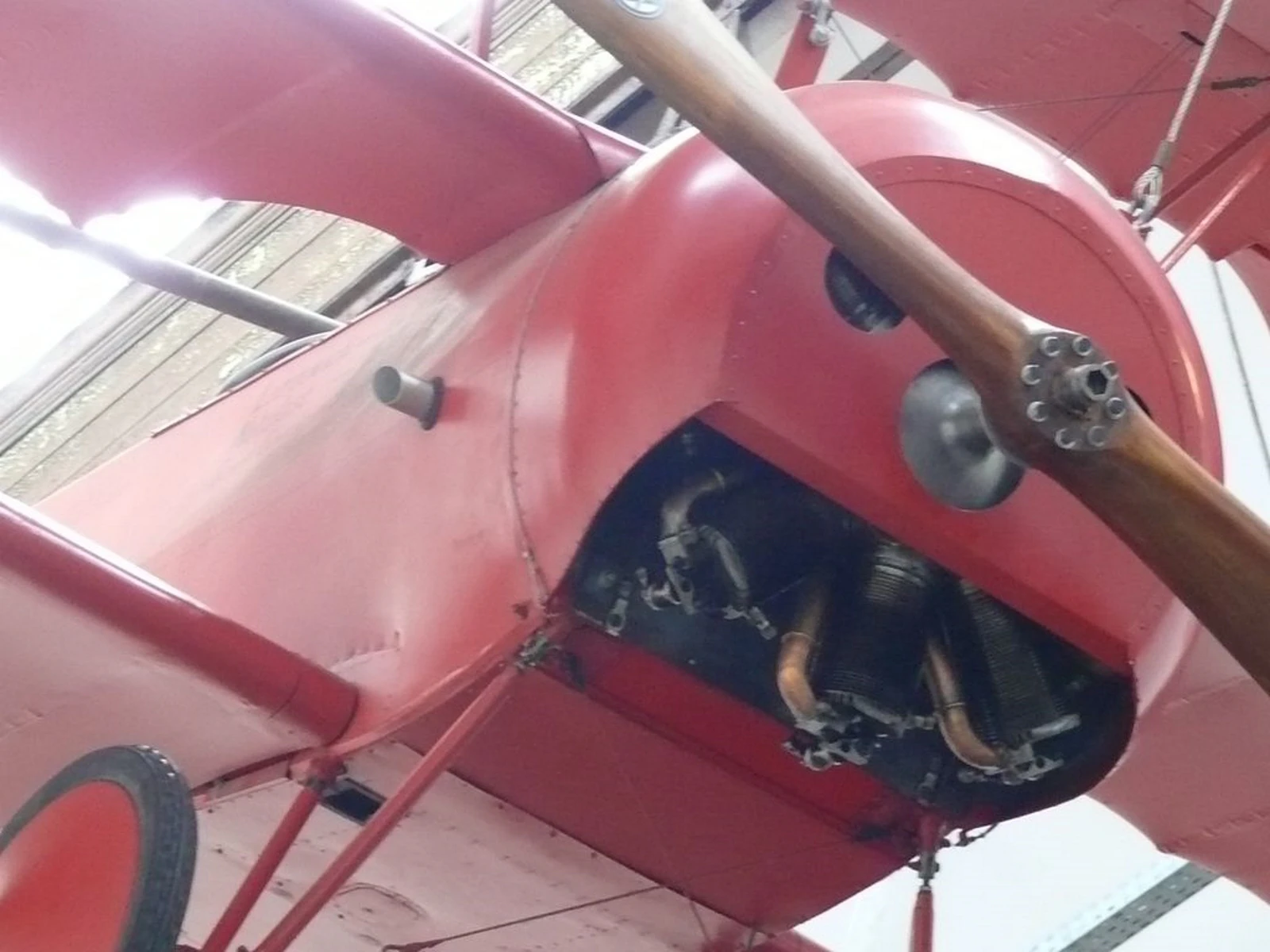
フォトギャラリー フォッカー博士, The Fokker Dr.I (Dreidecker, “triplane” in German) was a World War I fighter aircraft built by Fokker-Flugzeugwerke. The Dr.I saw widespread service in the spring of 1918. It became famous as the aircraft in which Manfred von Richthofen gained his last 19 victories, and in which he was killed on 21 April 1918.
ソース: フォッカー博士ウィキ
| Fokker Dr.I | |
|---|---|
| カメラマン | Yuri Belikov |
| ローカライズ | 知りません |
| 写真 | 17 |
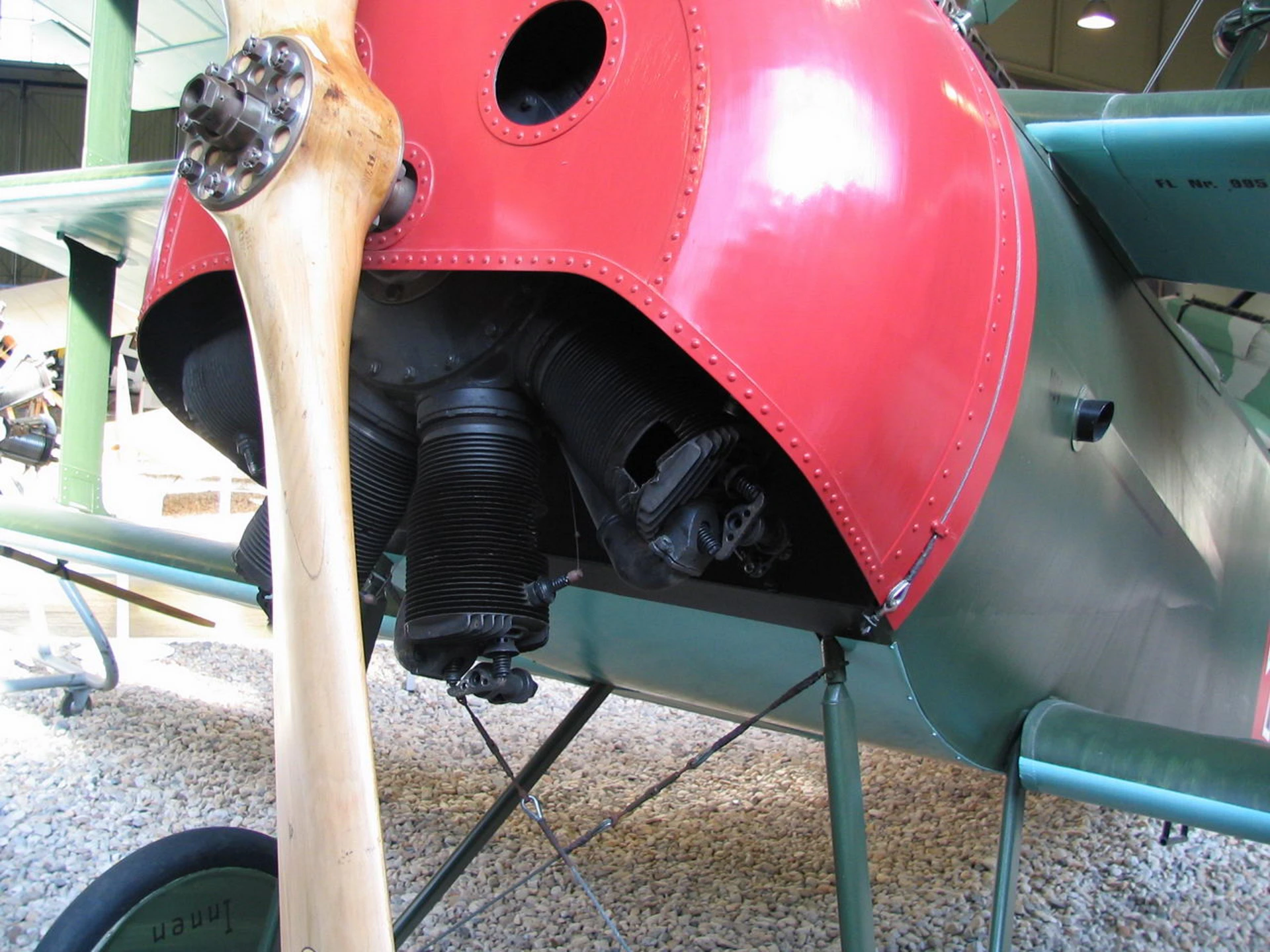
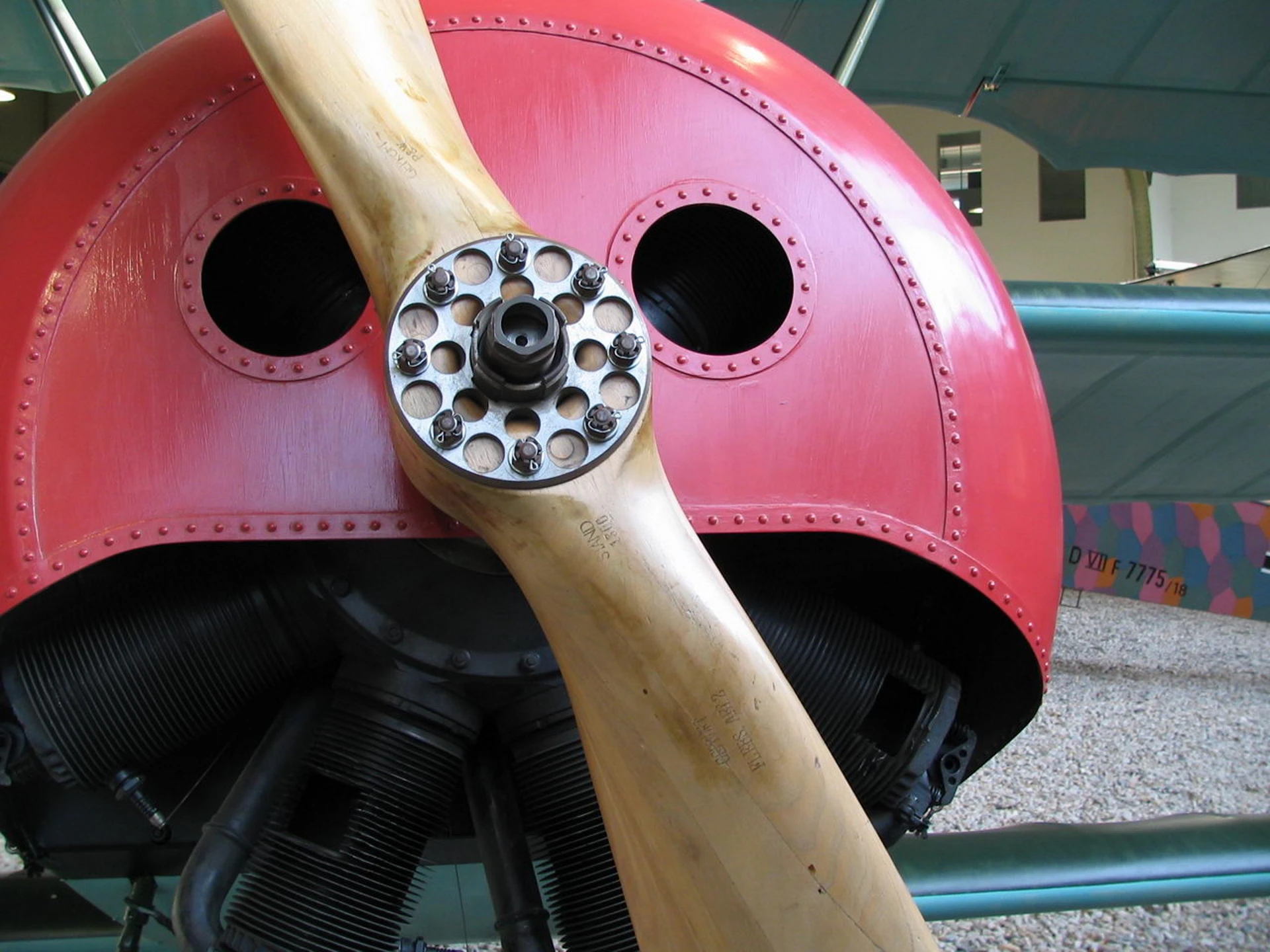
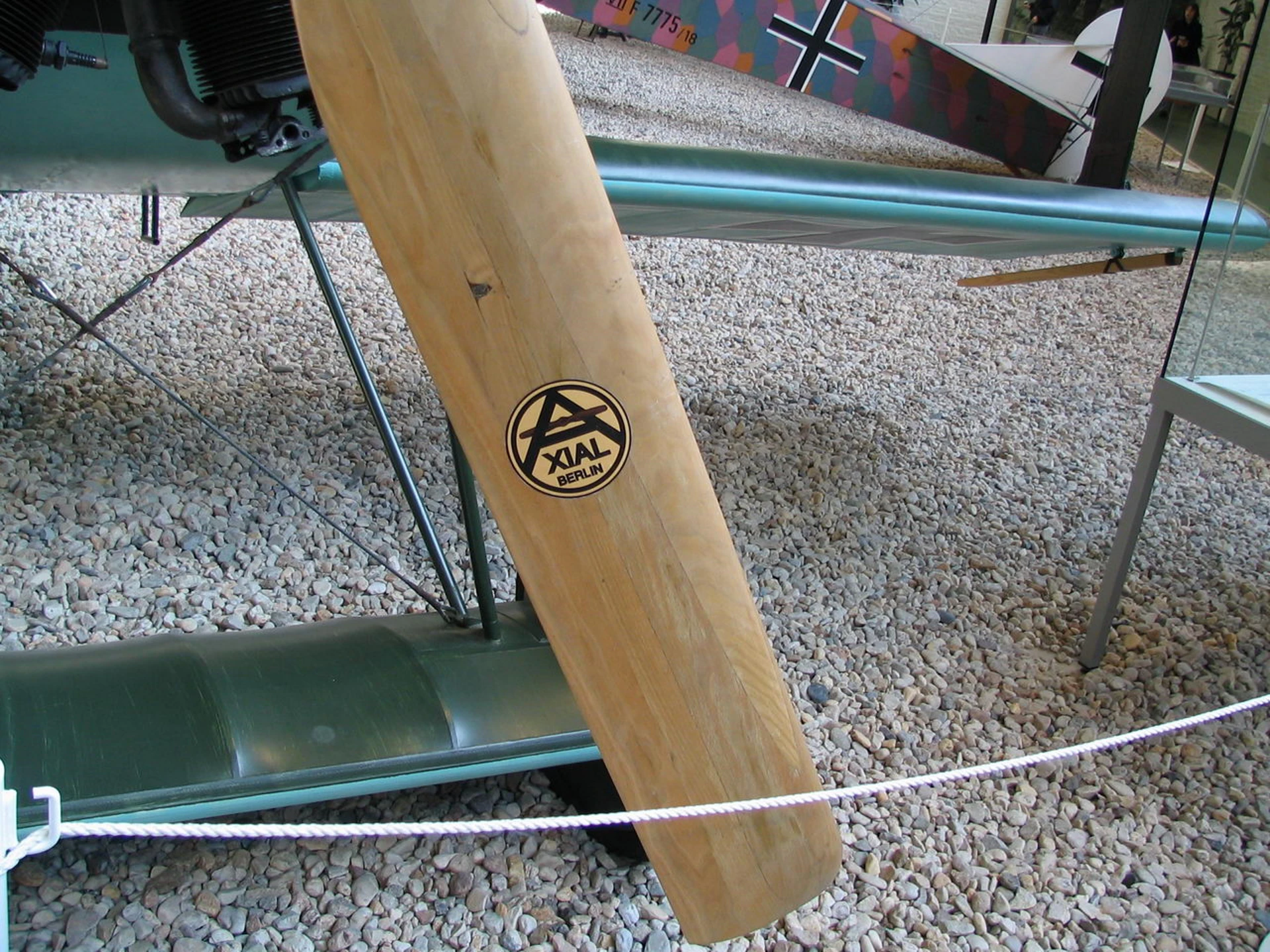
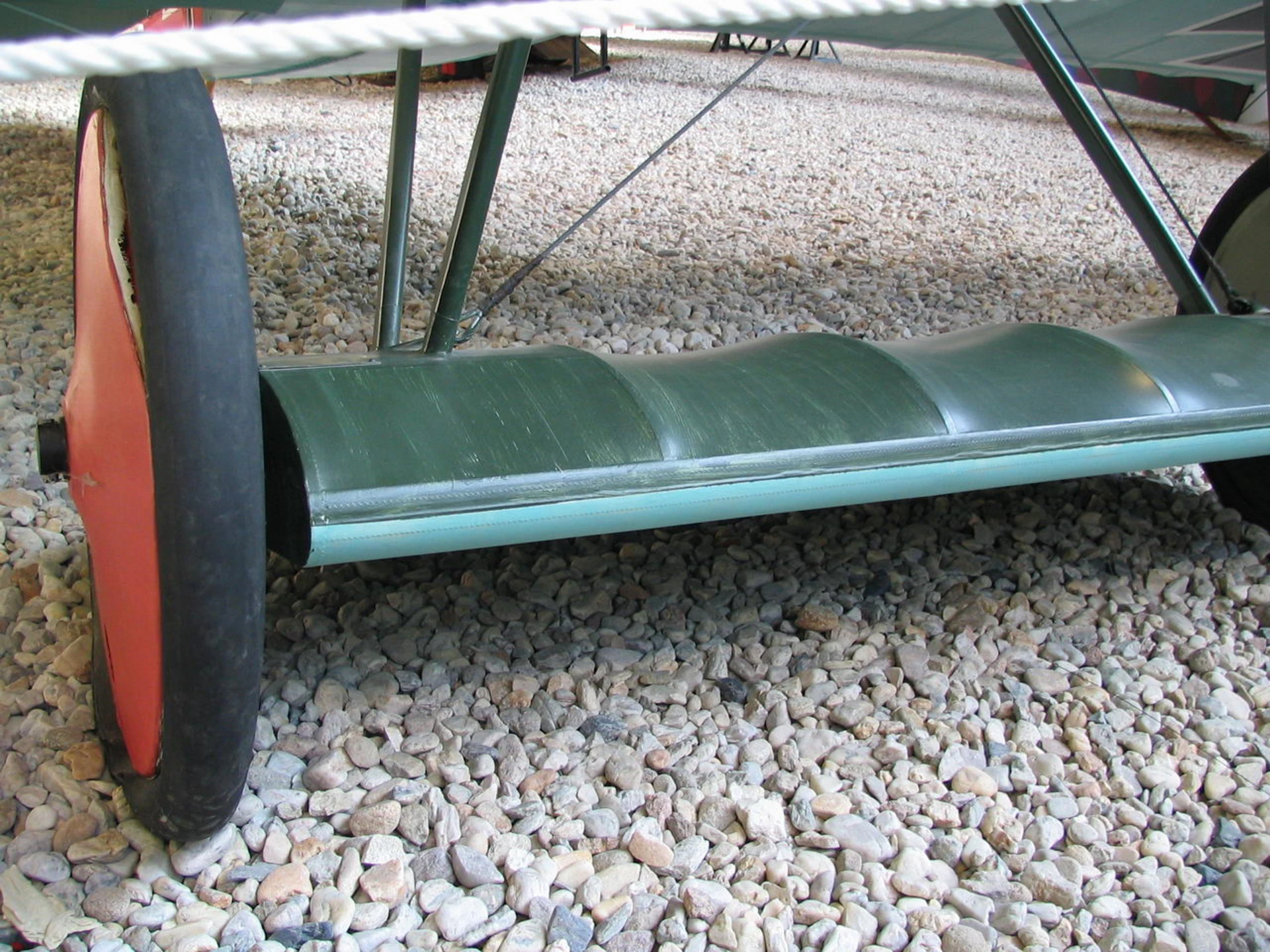

 コーヒーを買って
| Fokker Dr.I Dreidecker Walk Around | |
|---|---|
| カメラマン | Unknow |
| ローカライズ | 知りません |
| 写真 | 32 |
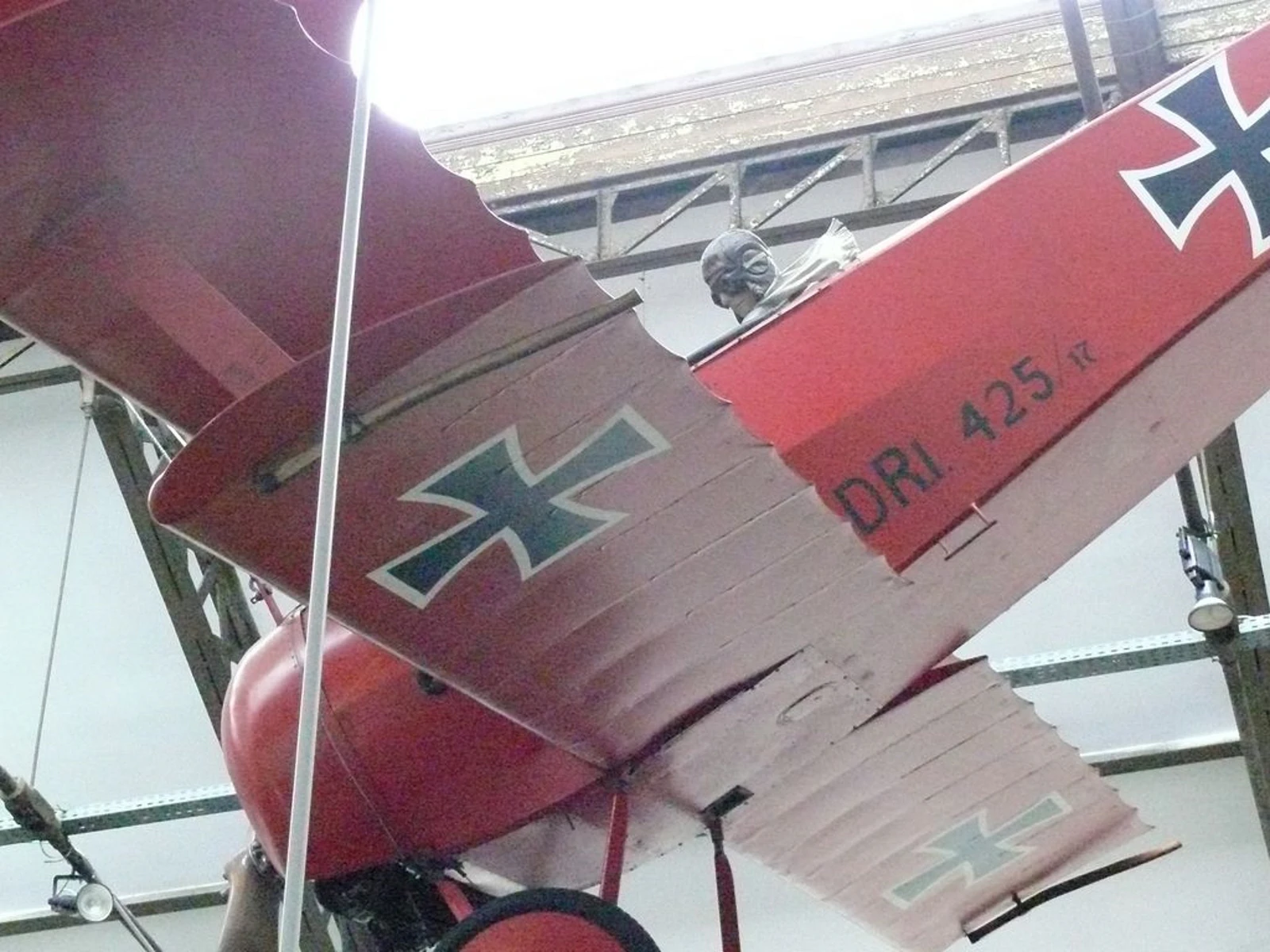
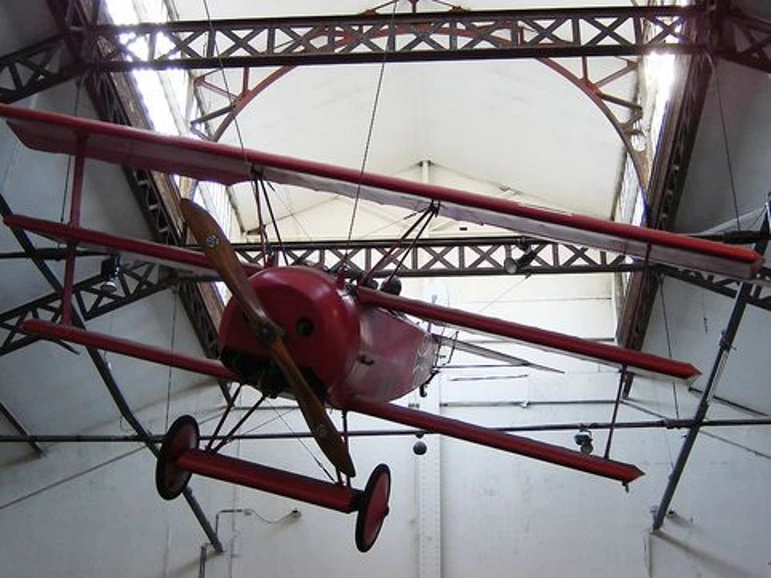
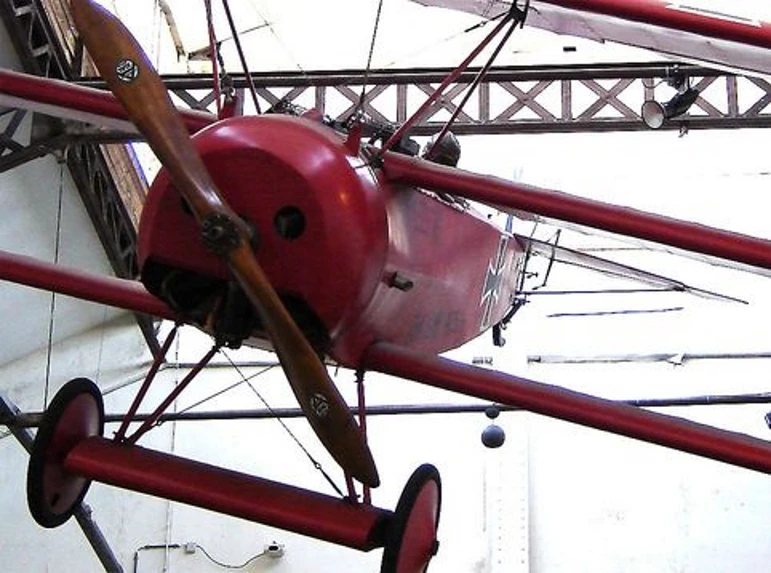
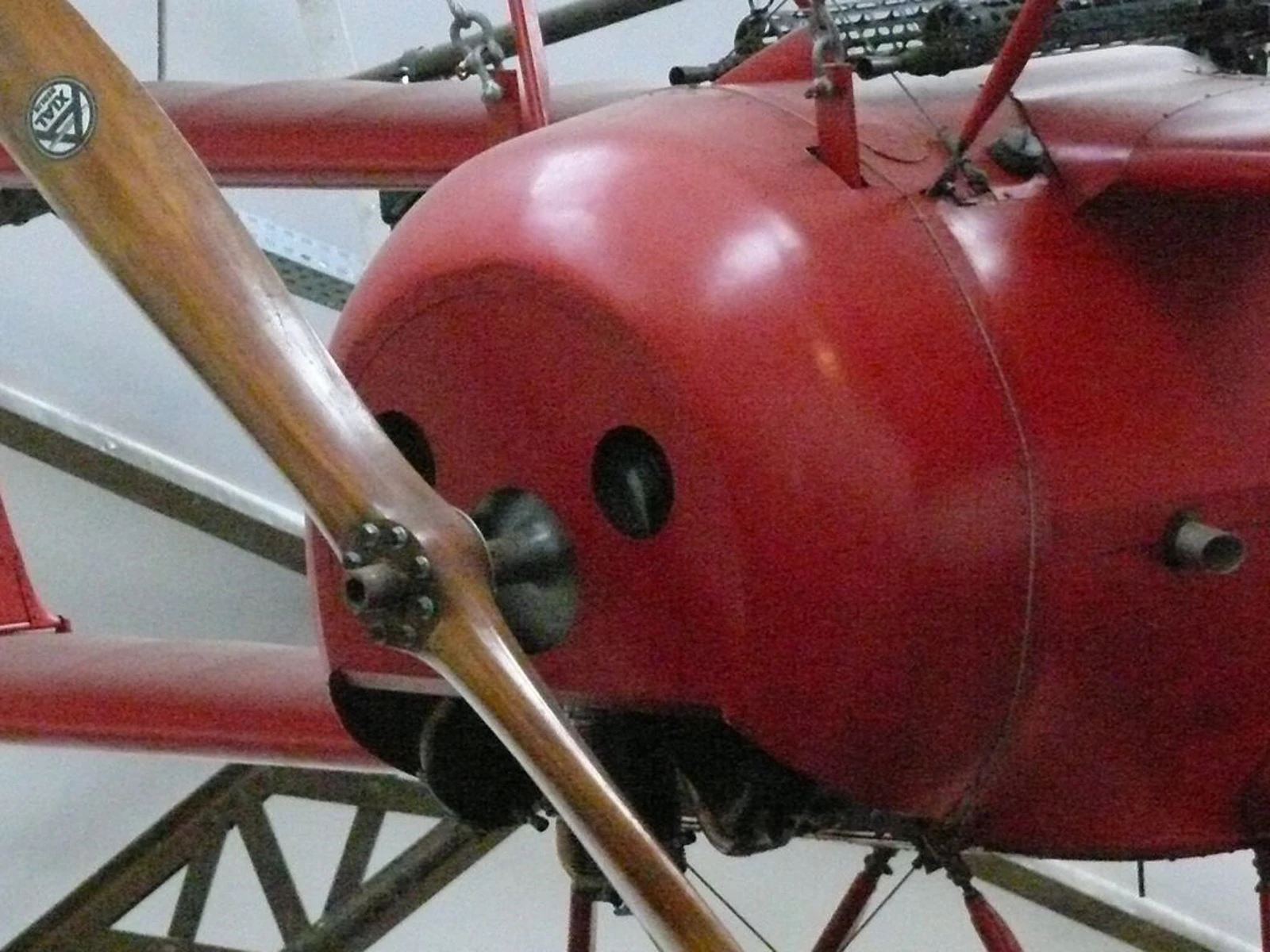
関連項目:


A Response to the Sopwith Triplane
ザ フォッカー博士 was born out of a moment of panic for the German Luftstreitkräfte in early 1917. The British Sopwith Triplane had appeared over the front, demonstrating a rate of climb and agility that outclassed German Albatros fighters. Anthony Fokker responded with the ドライデッカー (Triple-decker). While it was actually slower than many contemporary fighters and suffered from poor build quality in early batches, its legendary maneuverability in the hands of elite pilots like Manfred von Richthofen secured its place in history.
| Attribute | Technical Specification |
|---|---|
| 役割 | Fighter Aircraft / Interceptor |
| 乗組員 | 1 (Pilot) |
| First Flight | 1917年7月5日 |
| パワープラント | 1 × Oberursel Ur.II 9-cylinder rotary engine |
| Horsepower | 110 hp (82 kW) |
| 最高速度 | 185 km/h (115 mph) at sea level |
| Service Ceiling | 6,100 m (20,000 ft) |
| 武装 | 2 × 7.92 mm MG 08 “Spandau” machine guns |
Design Engineering: The Cantilever Wing
- Cantilever Structure: Unlike most WWI planes that used a forest of drag-inducing wires, the Dr.I used Reinhold Platz’s cantilever wing design. The internal box spars were so strong that external bracing wires were almost unnecessary, reducing drag significantly despite having three wings.
- The “Axle Wing”: In a unique quest for extra lift, the Dr.I featured a small fourth wing-like fairing over the main landing gear axle. This provided a bit of additional lift and helped the plane reach its impressive climb rate.
- Rotary Engine Torque: The entire Oberursel engine spun with the propeller. This created a massive gyroscopic effect; the plane could snap-turn to the right with incredible speed, though it required heavy rudder input to turn left.
- Balanced Control Surfaces: The ailerons and elevators featured “horns” (portions of the surface that extended forward of the hinge line). This used aerodynamic pressure to help the pilot move the controls, making the Dr.I feel very “light” and responsive.
Legend and Legacy
- The Red Baron: Manfred von Richthofen claimed 19 of his last 20 victories in the Dr.I. His decision to paint it blood red made the aircraft a symbol of dread for Allied pilots and an icon for generations to come.
- Wing Failure Scandals: Early Dr.I units suffered fatal crashes when their top wings collapsed during high-speed dives. Investigation revealed poor moistureproofing in the glue, leading to “wing rot.” Production was halted until the manufacturing process was overhauled.
- Short Range: The Dr.I’s fuel tank allowed for only about 80 minutes of flight. This made it a pure defensive interceptor; it couldn’t venture far behind enemy lines without risking a dry tank.
- No Survivors: Not a single original Fokker Dr.I survived World War II (the last one was destroyed in an Allied bombing raid on Berlin). Every “Red Baron” plane you see in museums today is a high-fidelity modern reproduction.
再生回数 : 5695