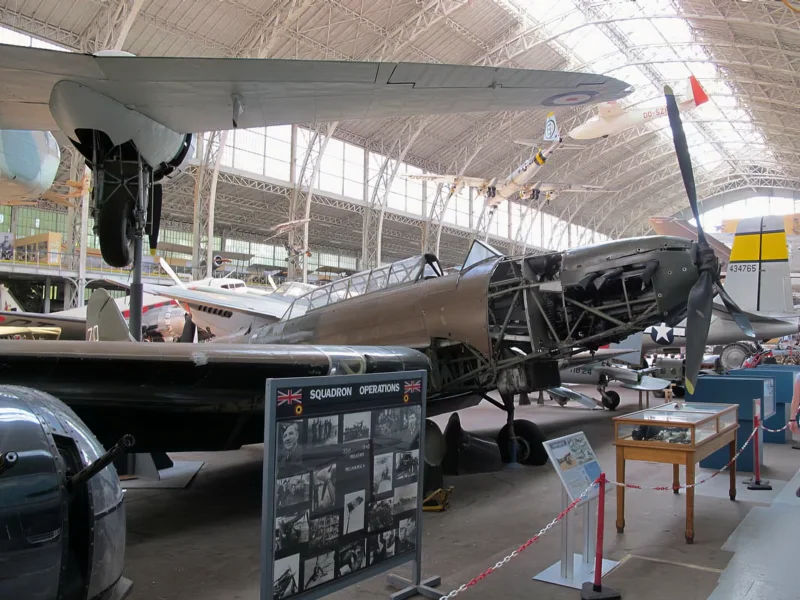
Fairey Battle | |
|---|---|
| 国 | 英国 |
| 役割 | 軽爆撃機 |
| ファーストフライ | 1936年 3月 10日 |
| 構築 | 2201 |
ザ フェアリーバトル フェアリー航空会社によって設計および製造された英国の単発軽爆撃機でした。1930年代半ばに、初期のホーカーハートとハインド複葉機の後継機としてイギリス空軍(RAF)向けに開発されました。バトルは、さまざまな現代の英国の戦闘機に動力を供給したのと同じ高性能ロールスロイスマーリンピストンエンジンを搭載していました。しかし、戦闘は非常に重く、3人の乗組員と爆弾の負荷がありました。それ以前の航空機よりも大幅に改善されましたが、戦闘は比較的遅く、射程が限られていました。防御兵器として機関銃に.303が2丁しかないため、敵の戦闘機や対空砲火に対して非常に脆弱であることがわかりました。
ソース: ウィキペディアでフェアリーバトル
| Fairey Battle | |
|---|---|
| カメラマン | 知りません |
| ローカライズ | 知りません |
| 写真 | 61 |
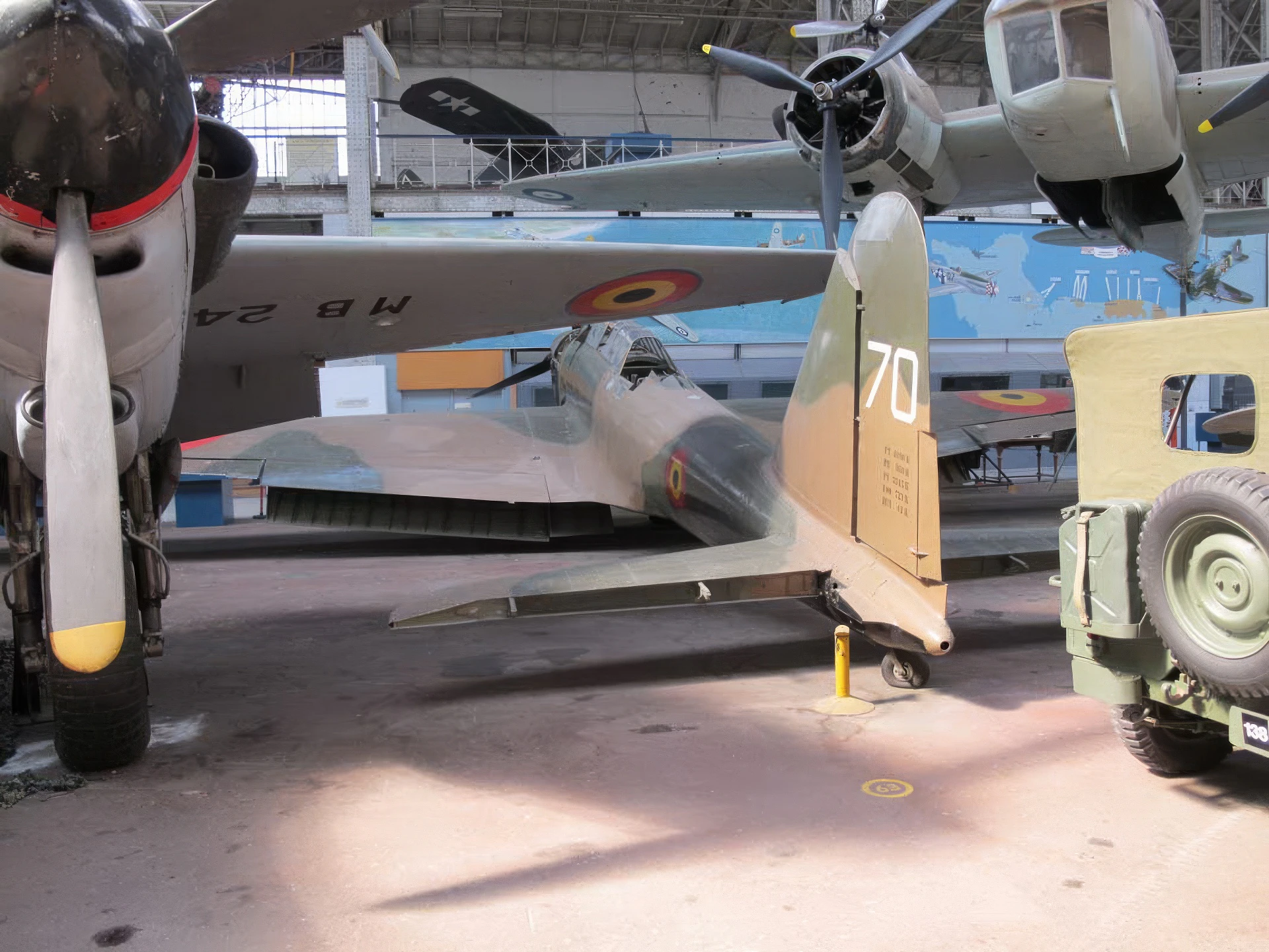
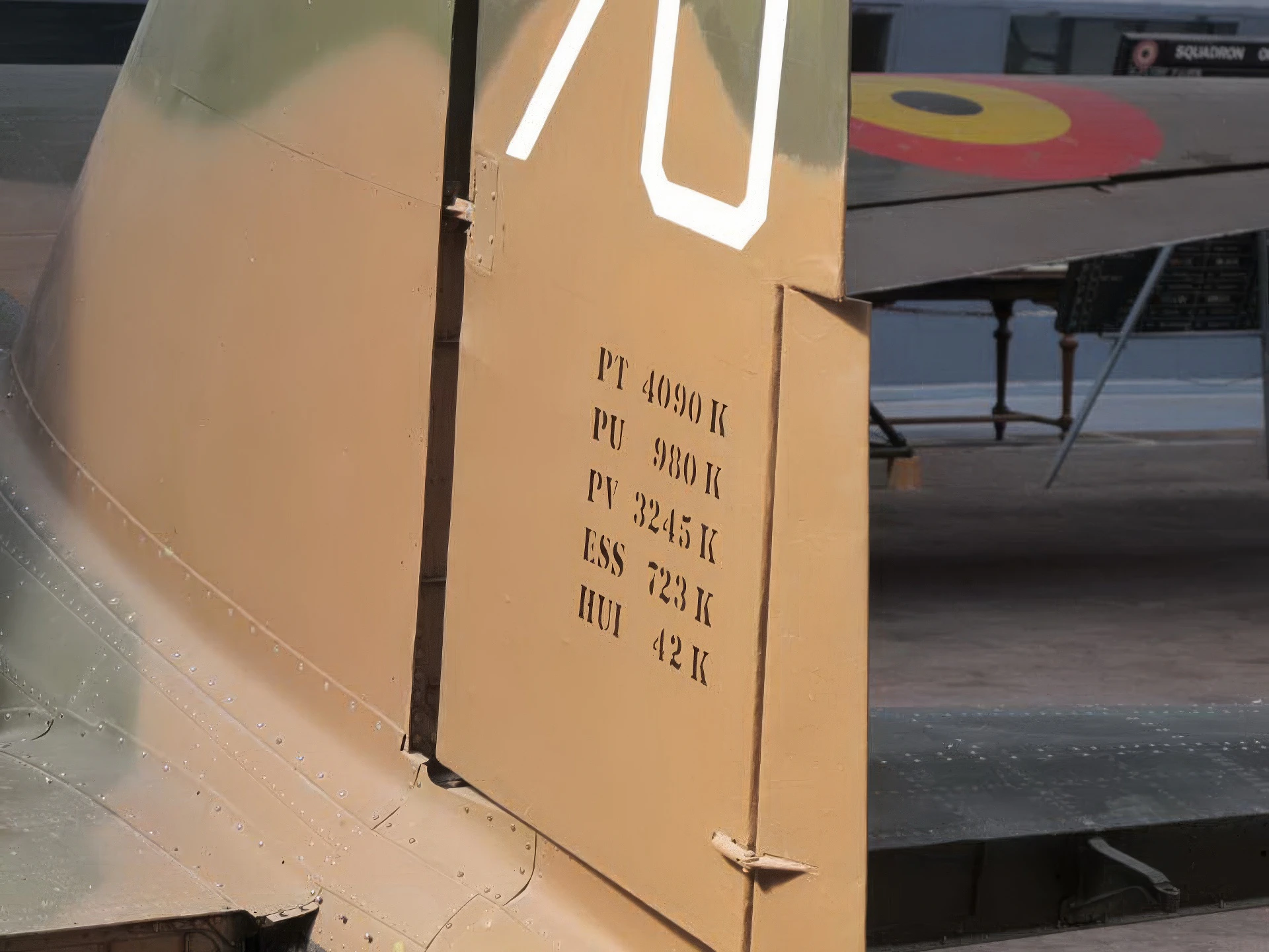
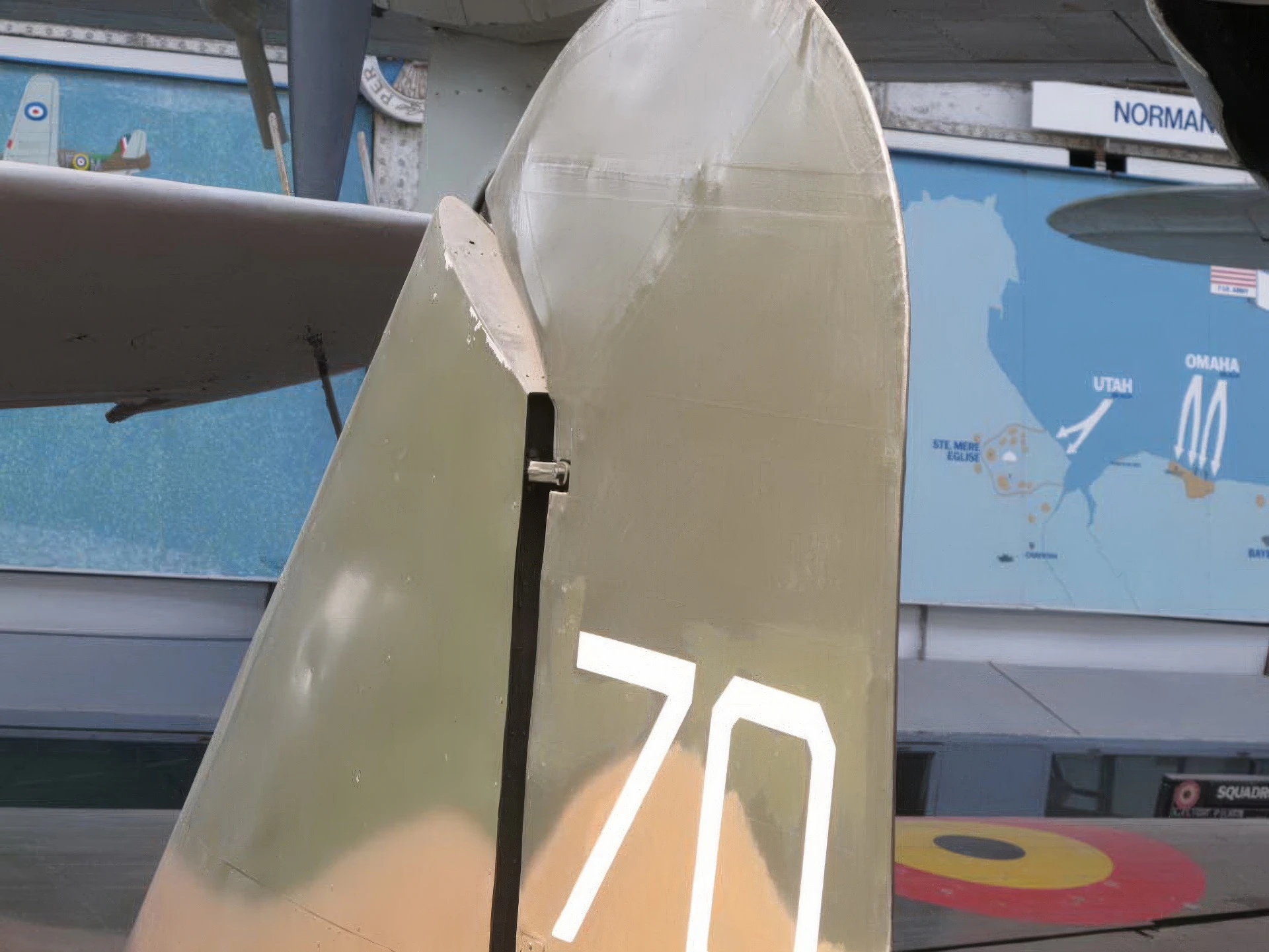
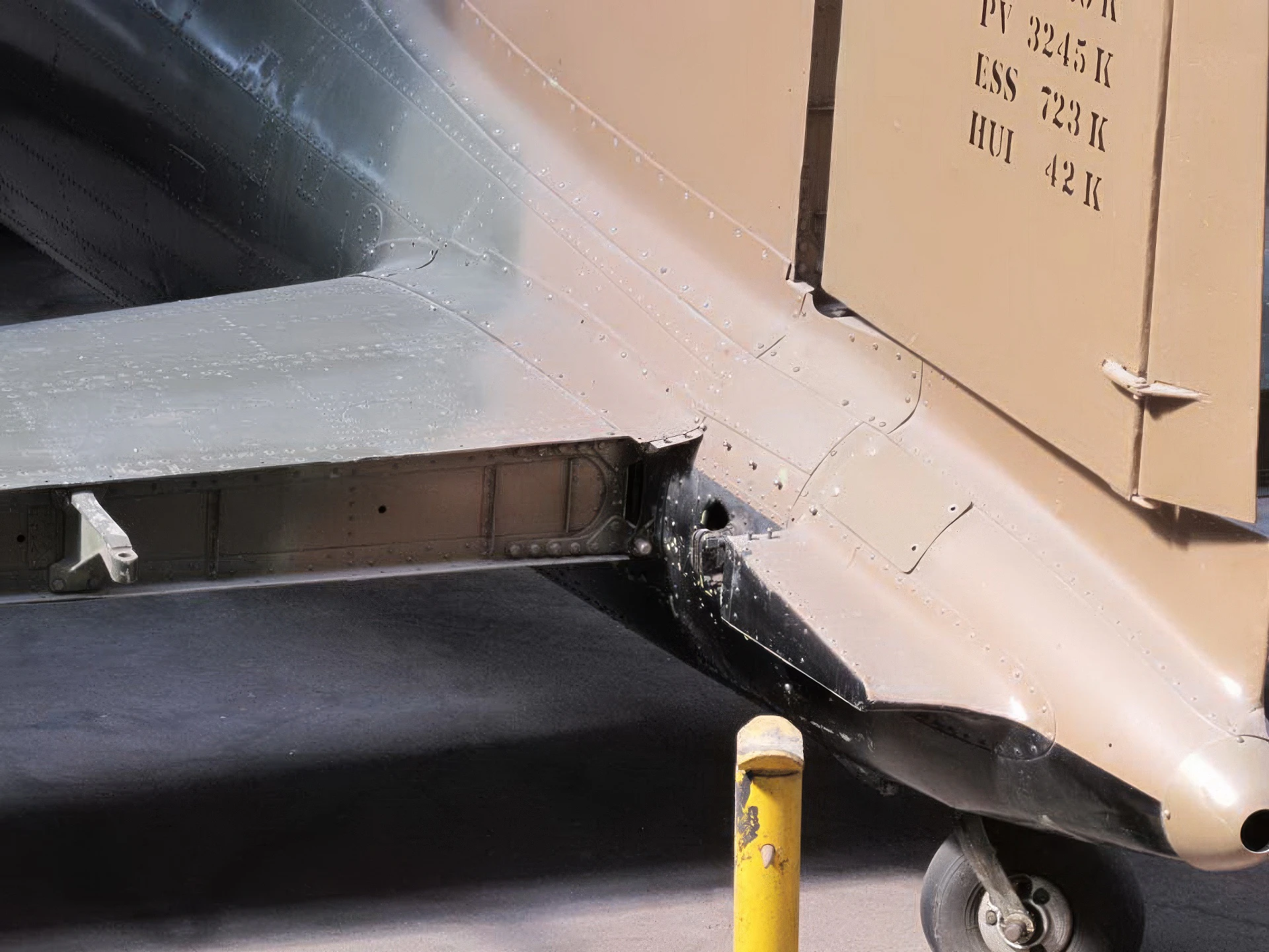
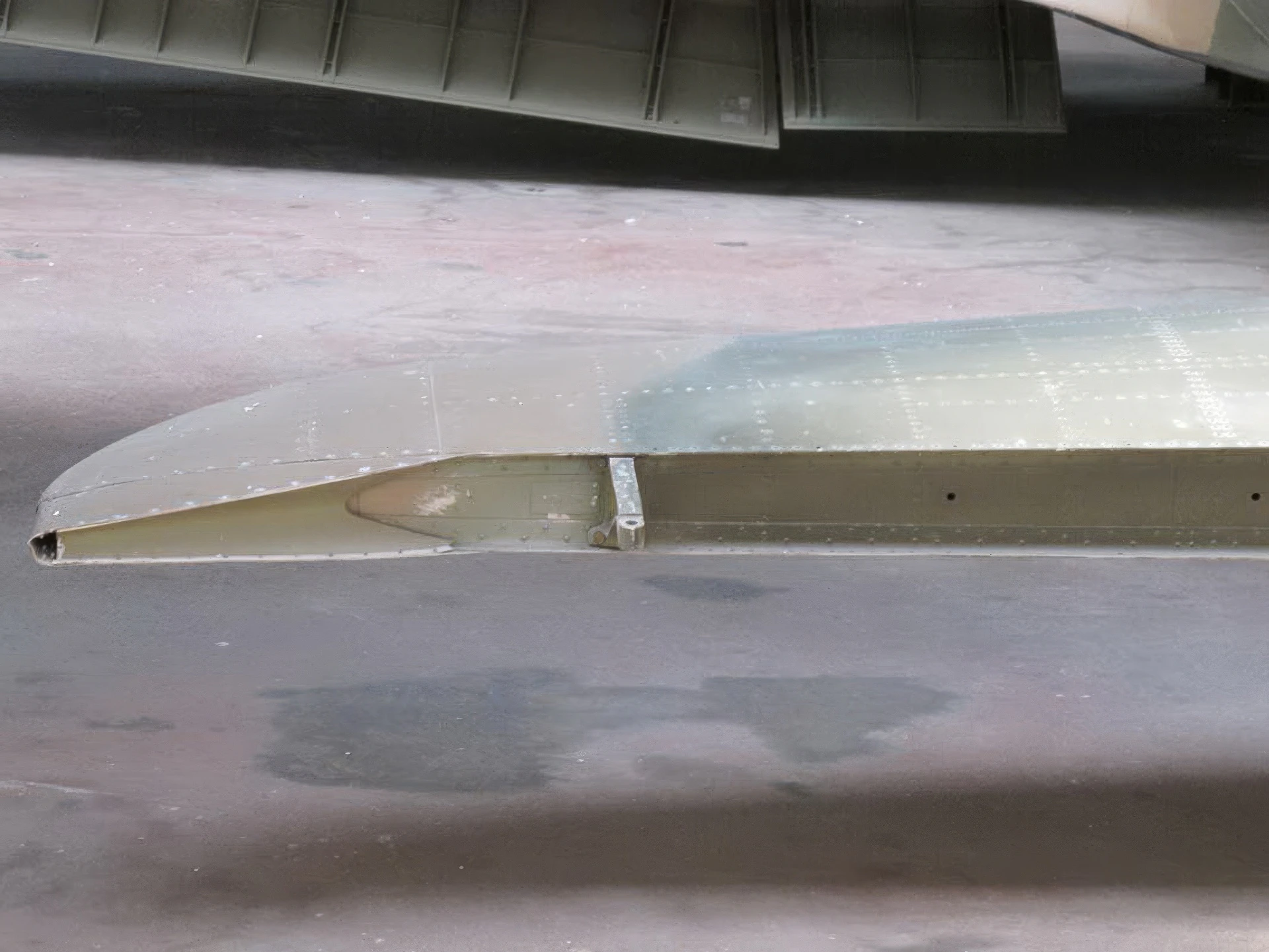
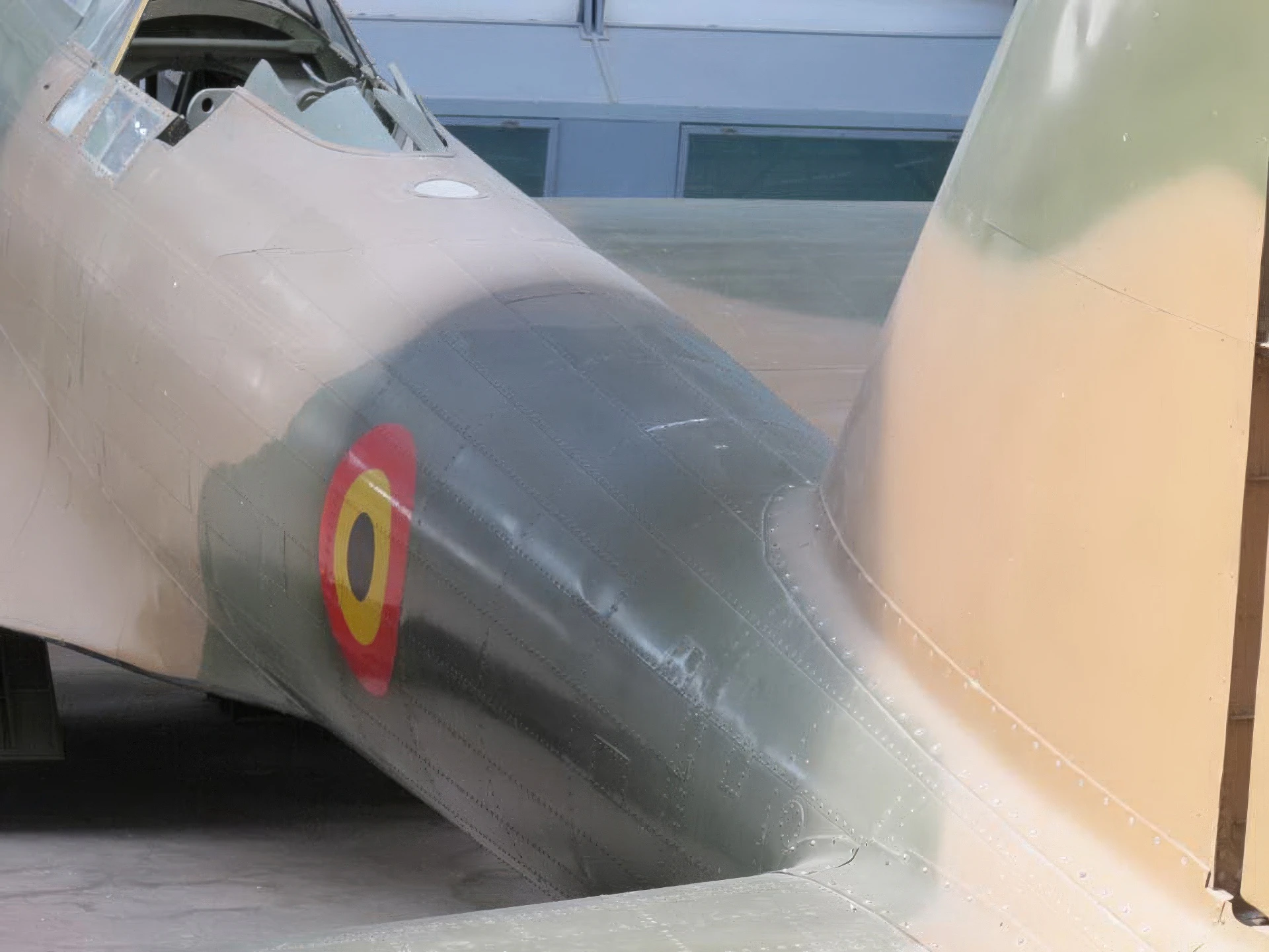
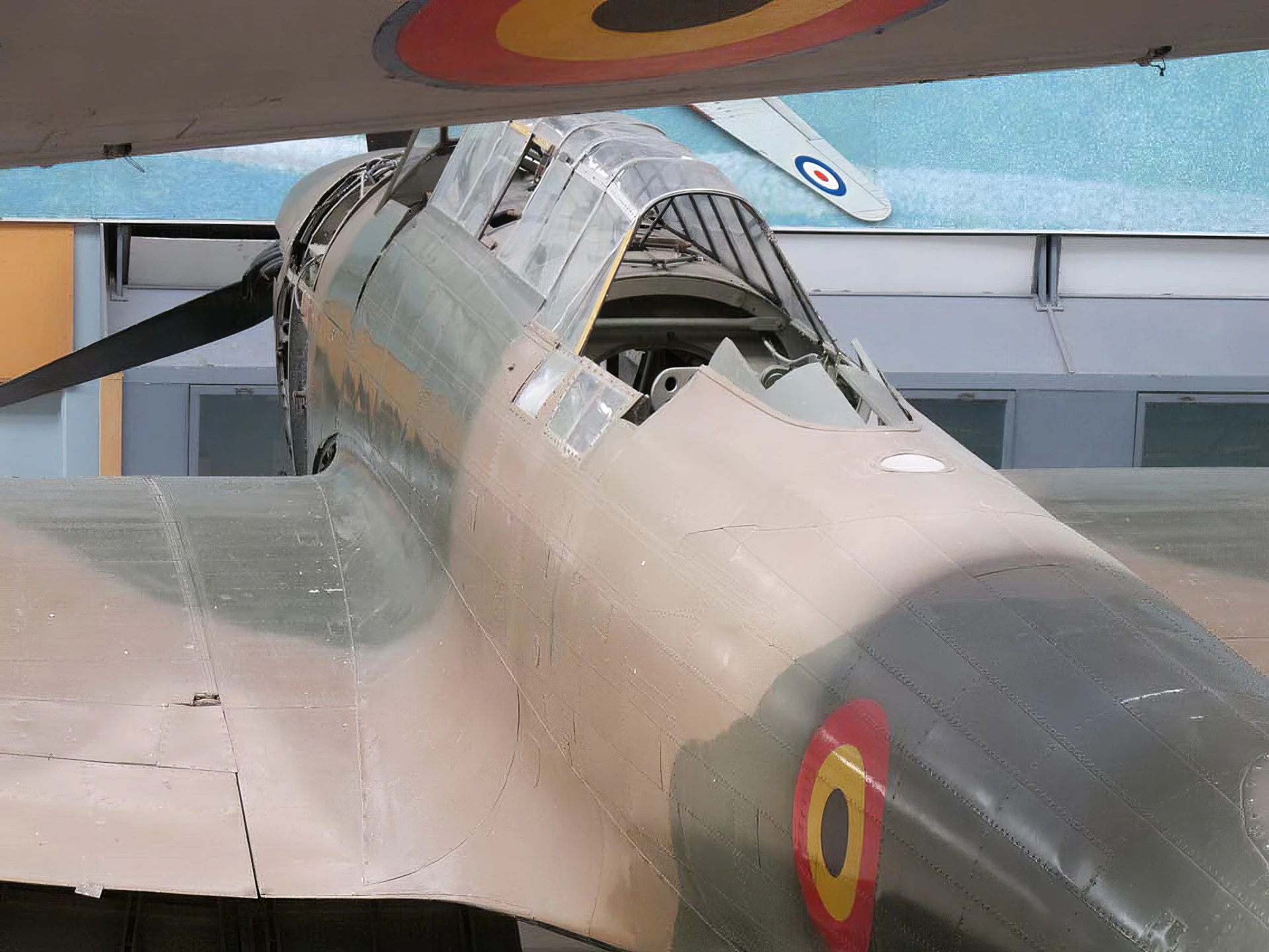
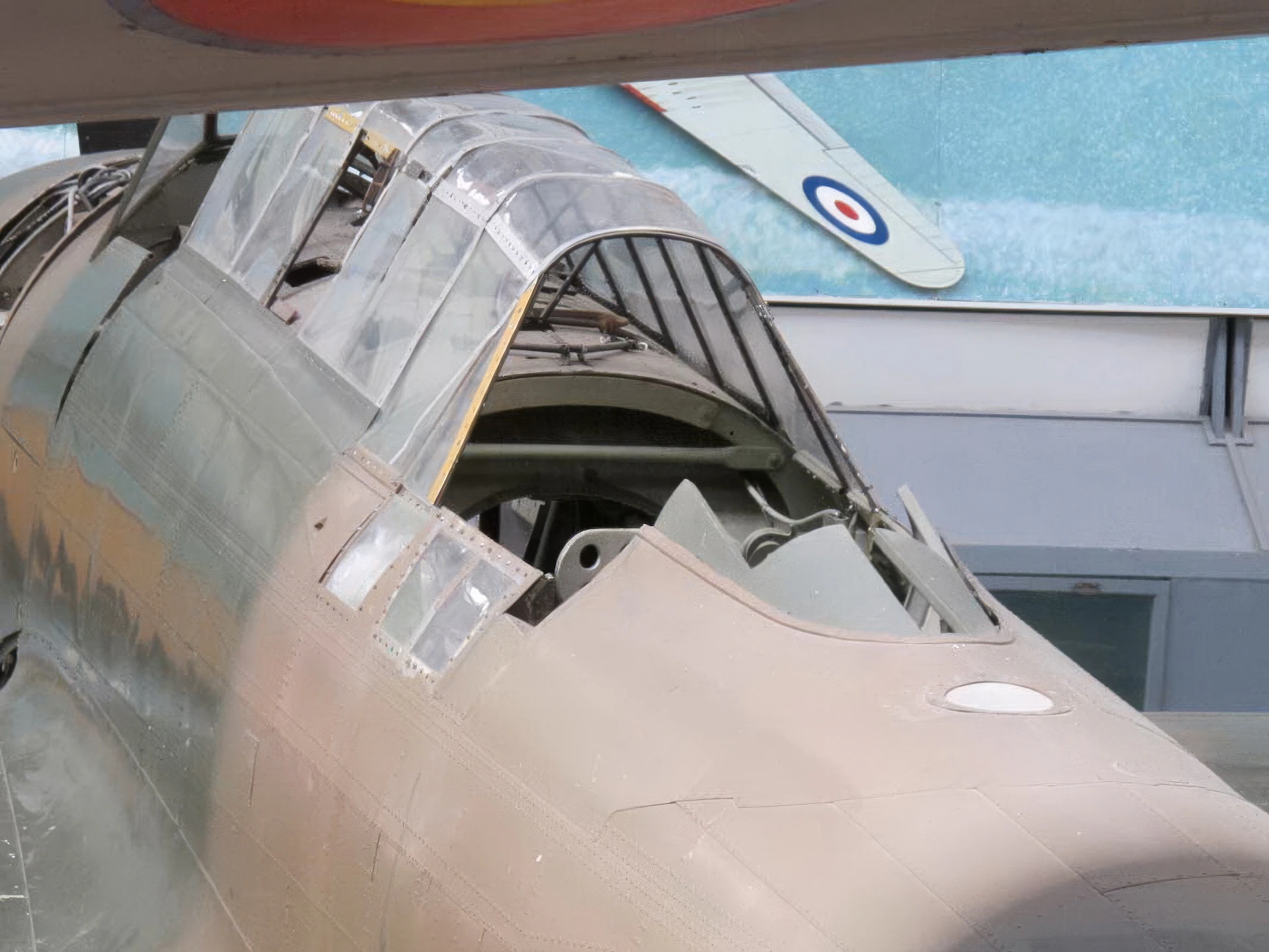

| Fairey Battle Walk Around | |
|---|---|
| カメラマン | エルヴィン・デ・スワエフ |
| ローカライズ | 知りません |
| 写真 | 21 |
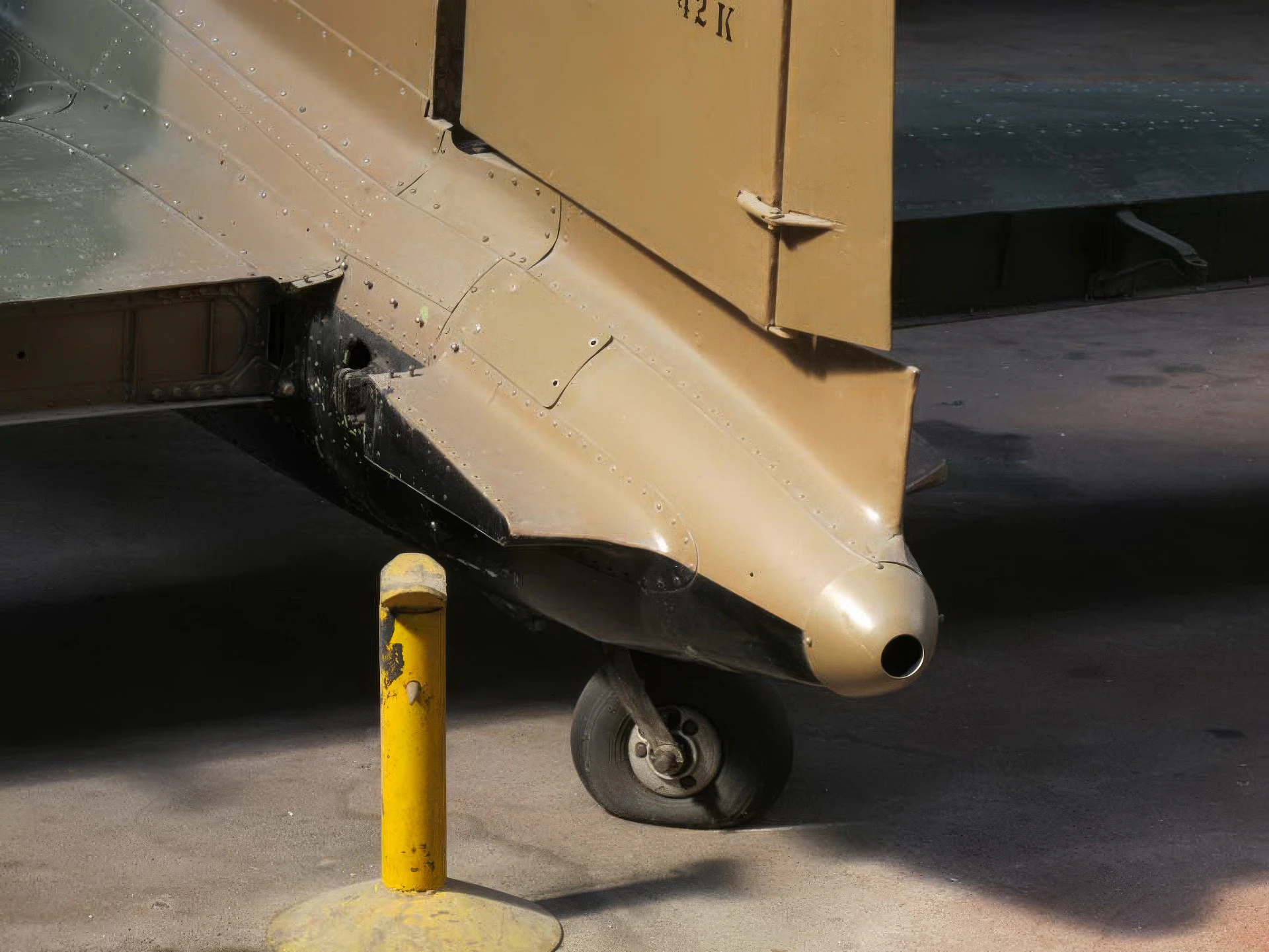
| Fairey Battle Walk Around | |
|---|---|
| カメラマン | エルヴィン・デ・スワエフ |
| ローカライズ | 知りません |
| 写真 | 42 |
関連項目:


ザ フェアリーバトル was a British single-engine light bomber designed and manufactured by the Fairey Aviation Company in the mid-1930s. Intended to replace the RAF’s biplane bombers (like the Hawker Hart), it was a low-wing monoplane and the first operational aircraft to be powered by the renowned Rolls-Royce Merlin engine.
Design and Crew
- Appearance: The Battle had a clean, streamlined design, often mistaken for an oversized fighter. It was built using a light-alloy stressed-skin construction, which was modern for its time.
- Powerplant: It was powered by a single liquid-cooled Rolls-Royce Merlin I/II/III V12 piston engine (the same engine used in the Spitfire and Hurricane). However, being much heavier with a three-man crew and bomb load, it was significantly slower than its fighter counterparts.
- Crew: A crew of three: Pilot, Observer/Navigator/Bomb Aimerそして Radio Operator/Air Gunner, all seated in tandem under a continuous glass canopy.
- 武装:
- One fixed forward-firing 0.303 in (7.7 mm) Browning machine gun in the starboard wing.
- One flexible 0.303 in (7.7 mm) Vickers K machine gun for the rear gunner.
- Bomb Load: Standard internal load of four 250 lb (110 kg) general-purpose bombs carried in cells within the wings, totaling 1,000 lb. Additional small bombs could be carried on under-wing racks.
Combat History and Obsolescence
Although highly advanced when first flown in 1936 and entering service in 1937, the rapid advancement of military aviation meant the Battle was operationally obsolete by the outbreak of World War II in 1939.
- Early Service: It scored the RAF’s first aerial victory of the war in September 1939.
- High Losses: During the Battle of France (May 1940), Battle squadrons of the Advanced Air Striking Force (AASF) suffered catastrophic losses, frequently exceeding 50% per mission, due to being slow, having poor defensive armament, and lacking armor and self-sealing fuel tanks. This vulnerability earned it the grim nickname “Flying Coffin.”
- Relegation: By late 1940, the Battle was withdrawn from front-line bomber duties. The majority of the aircraft were subsequently relegated to secondary roles, primarily as trainers そして target tugs (Battle TT), especially under the British Commonwealth Air Training Plan in Canada, Australia, and South Africa, where it served usefully for the remainder of the war.
Key Specifications (Battle Mk I)
| Characteristic | 価値 |
|---|---|
| エンジン | Rolls-Royce Merlin I, II, or III |
| Max Speed | Approx. 257 mph (414 km/h) at altitude |
| 範囲 | Approx. 1,000 miles (1,600 km) |
| 翼 | 54 ft 0 in (16.46 m) |
| 長さ | 42 ft 4 in (12.90 m) |
ビュー:4913