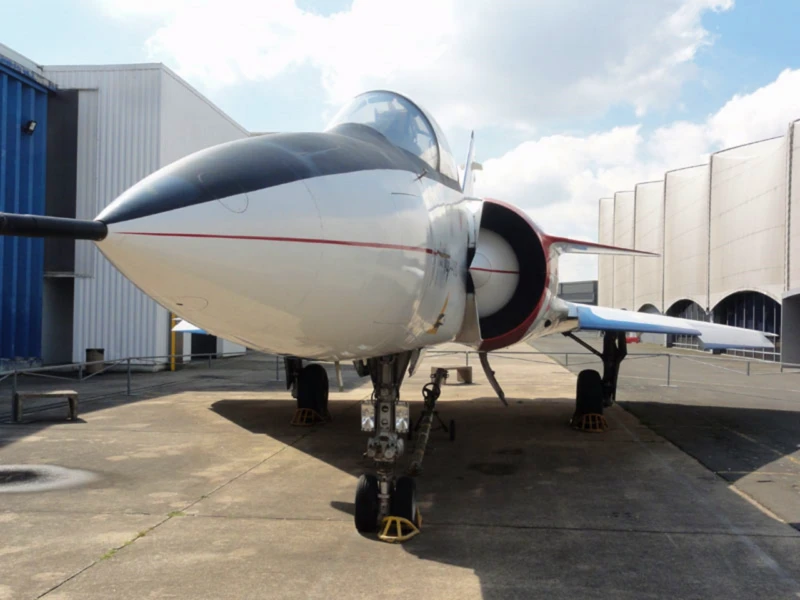
ダッソー ミラージュ 4000 | |
|---|---|
| 国 | フランス |
| 役割 | 試作戦闘機 |
| 初飛行 | 1979年3月19日 |
| 構築 | 1 |
ザ ダッソー ミラージュ 4000 (時にはスーパーミラージュ4000と名付けられた)は、彼らのミラージュ2000からダッソー・ブレゲによって開発されたフランスのプロトタイプジェット戦闘機でした。
| ダッソー ミラージュ 4000 ウォーク アラウンド | |
|---|---|
| カメラマン | マリンデル・ド・ヴレーズ |
| ローカライズ | 知りません |
| 写真 | 44 |
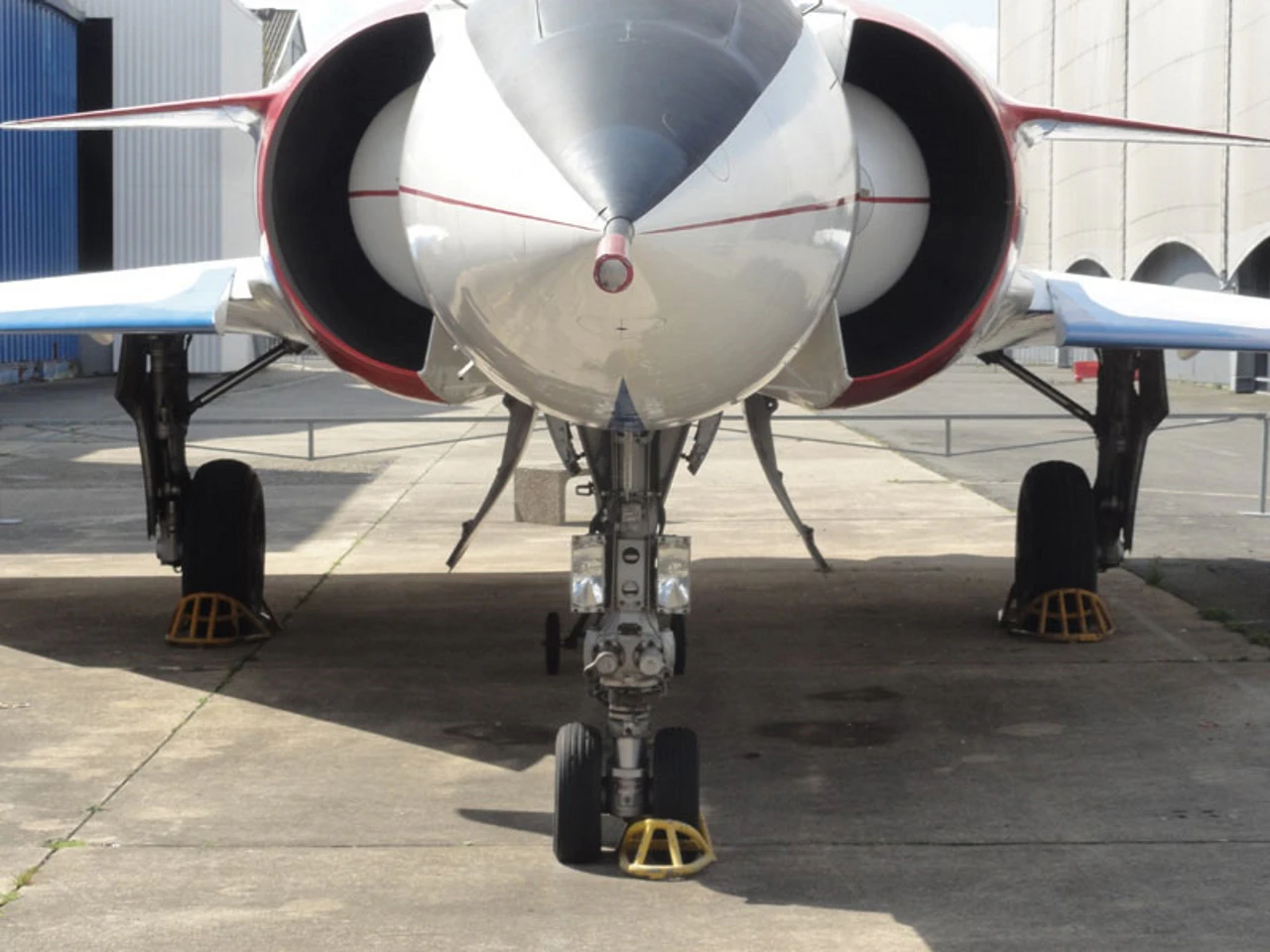
Dassault Mirage 4000 01
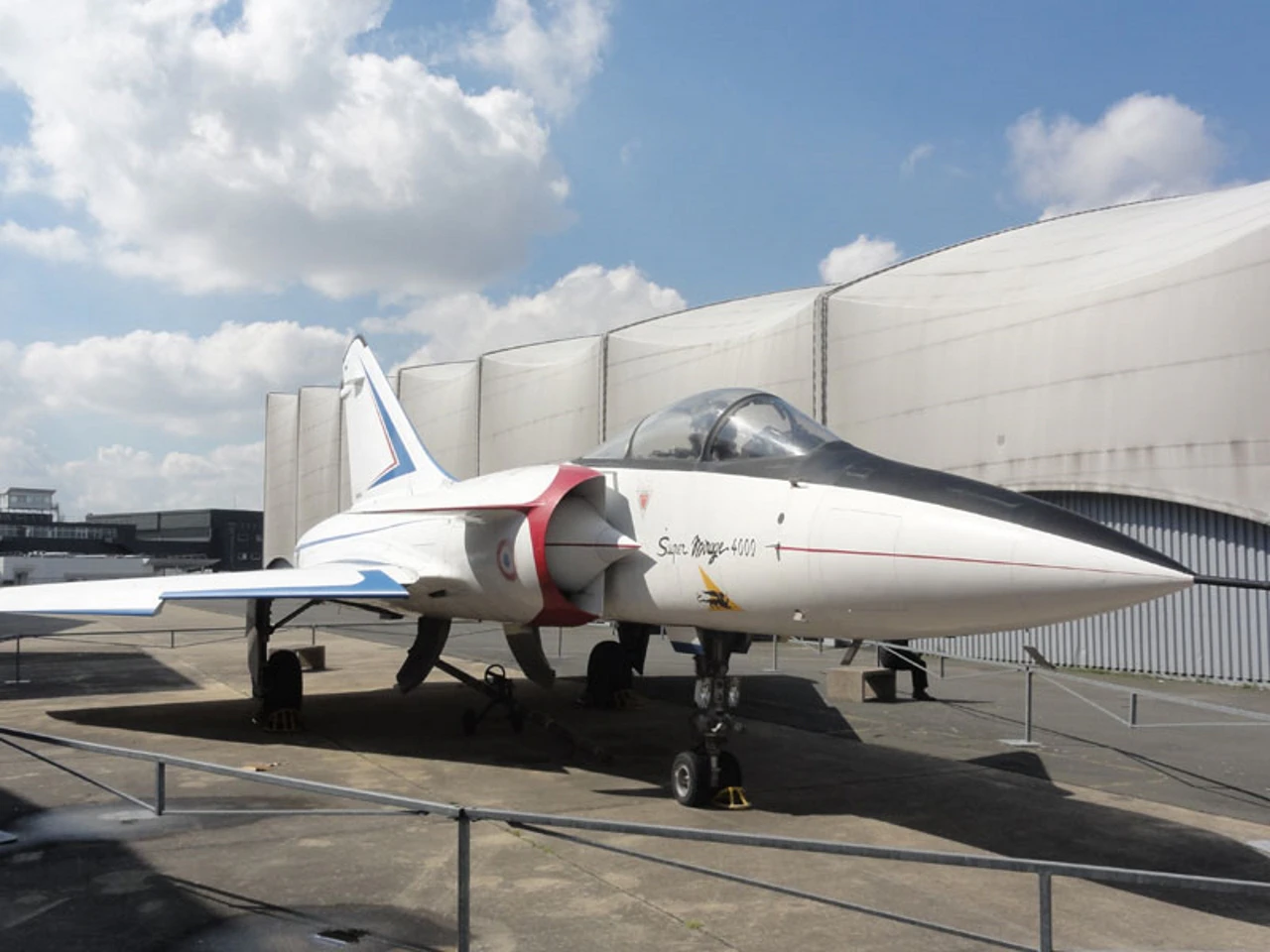
Dassault Mirage 4000 02
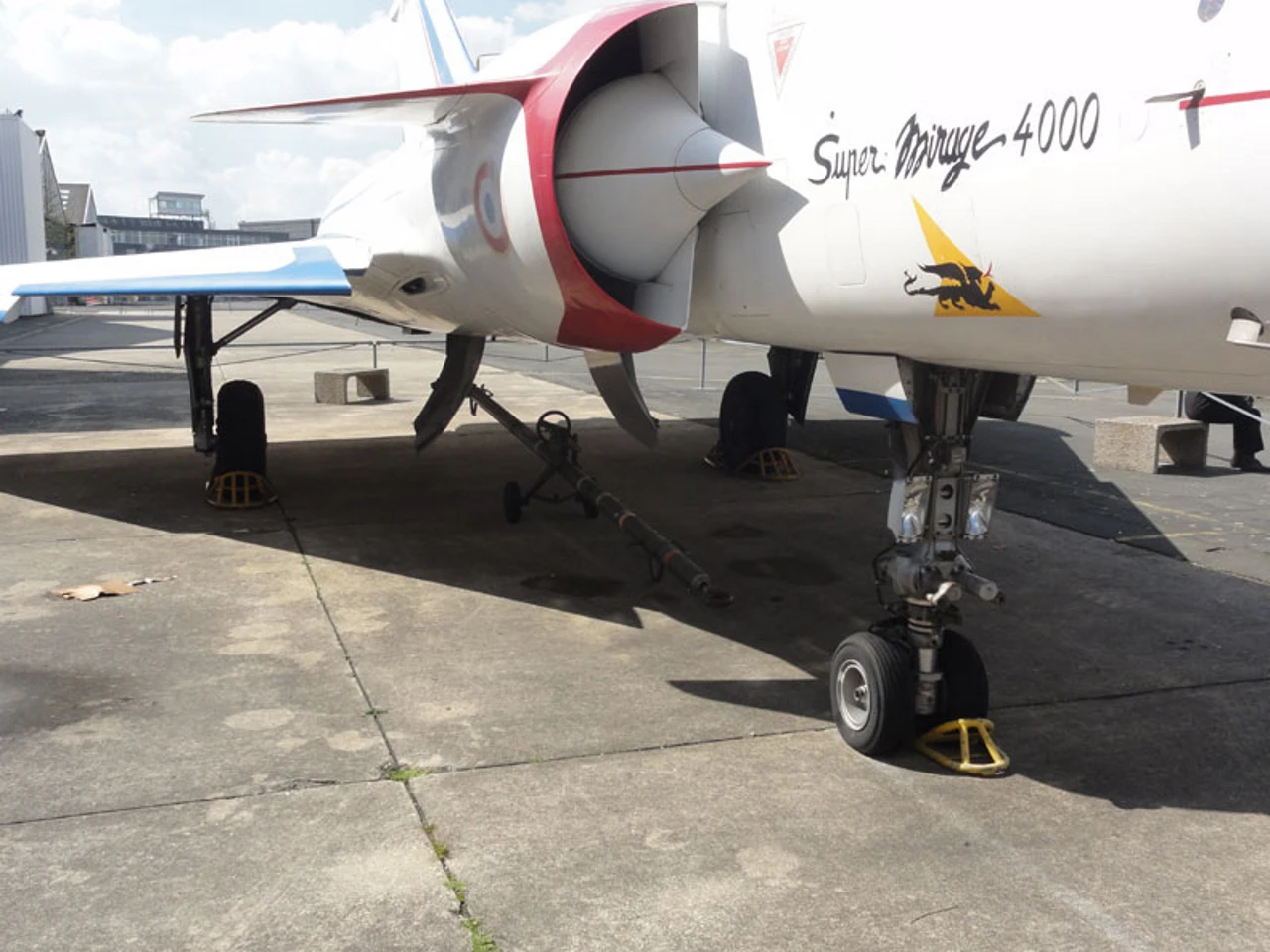
Dassault Mirage 4000 03
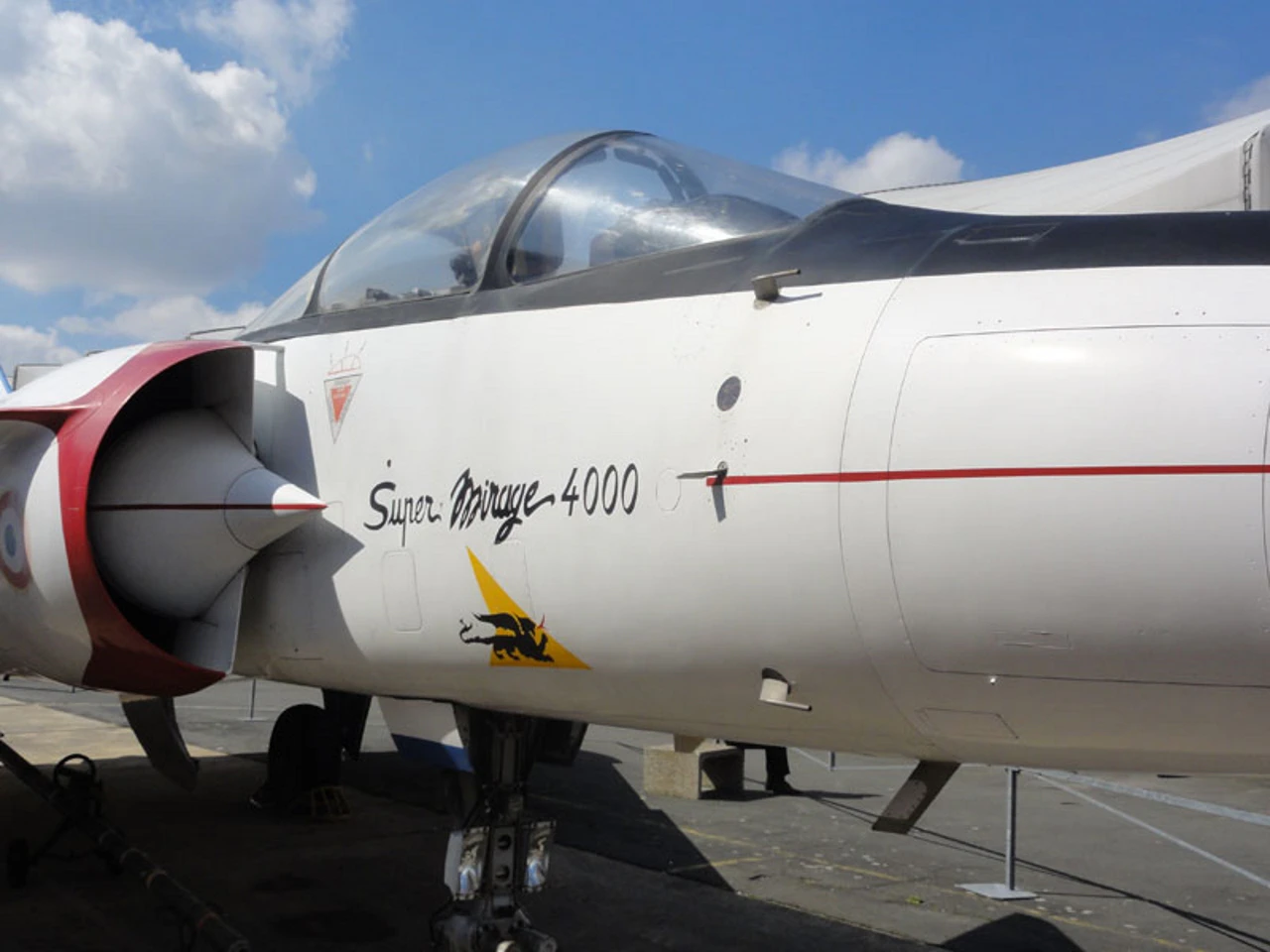
Dassault Mirage 4000 04
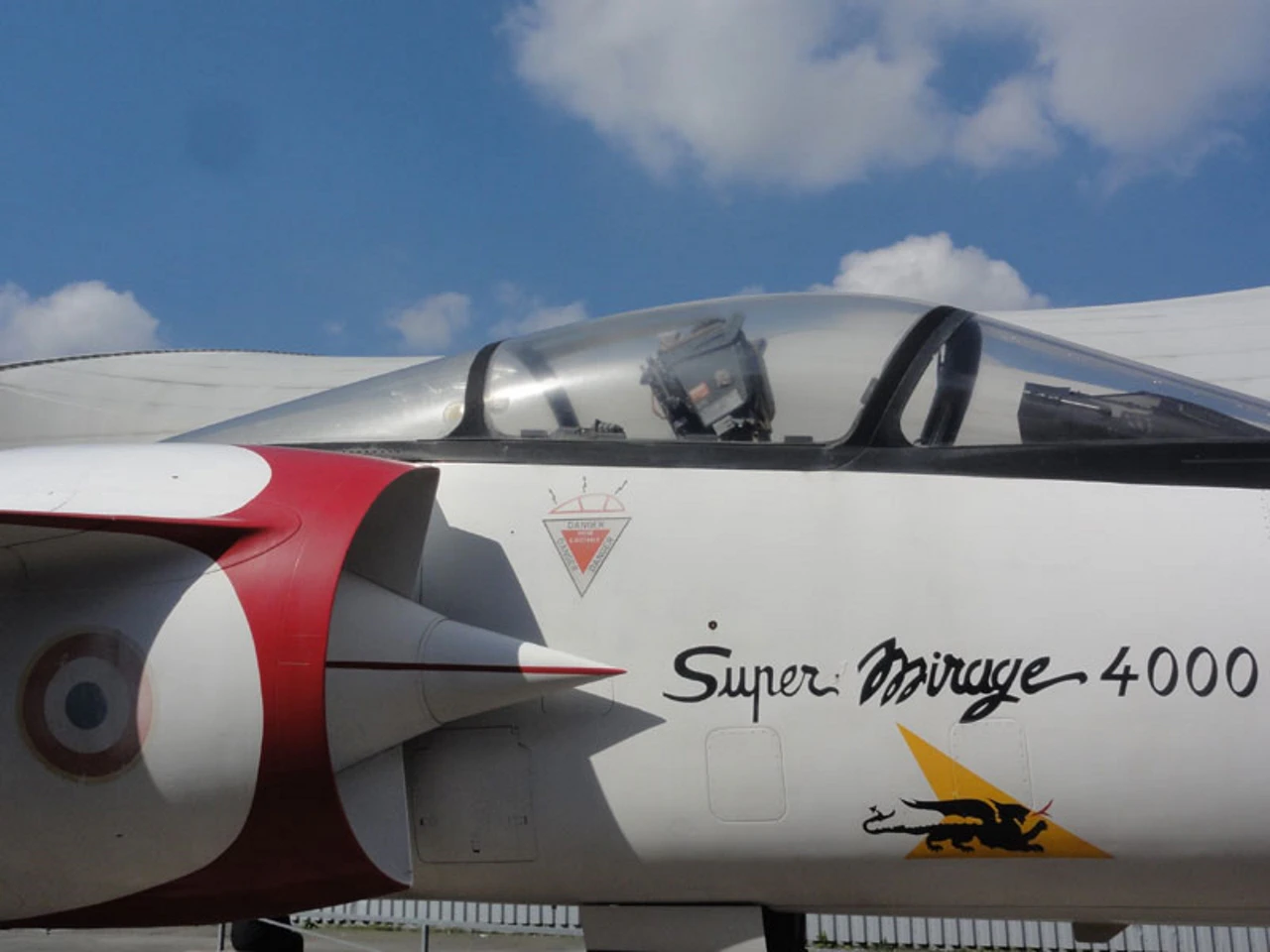
Dassault Mirage 4000 05
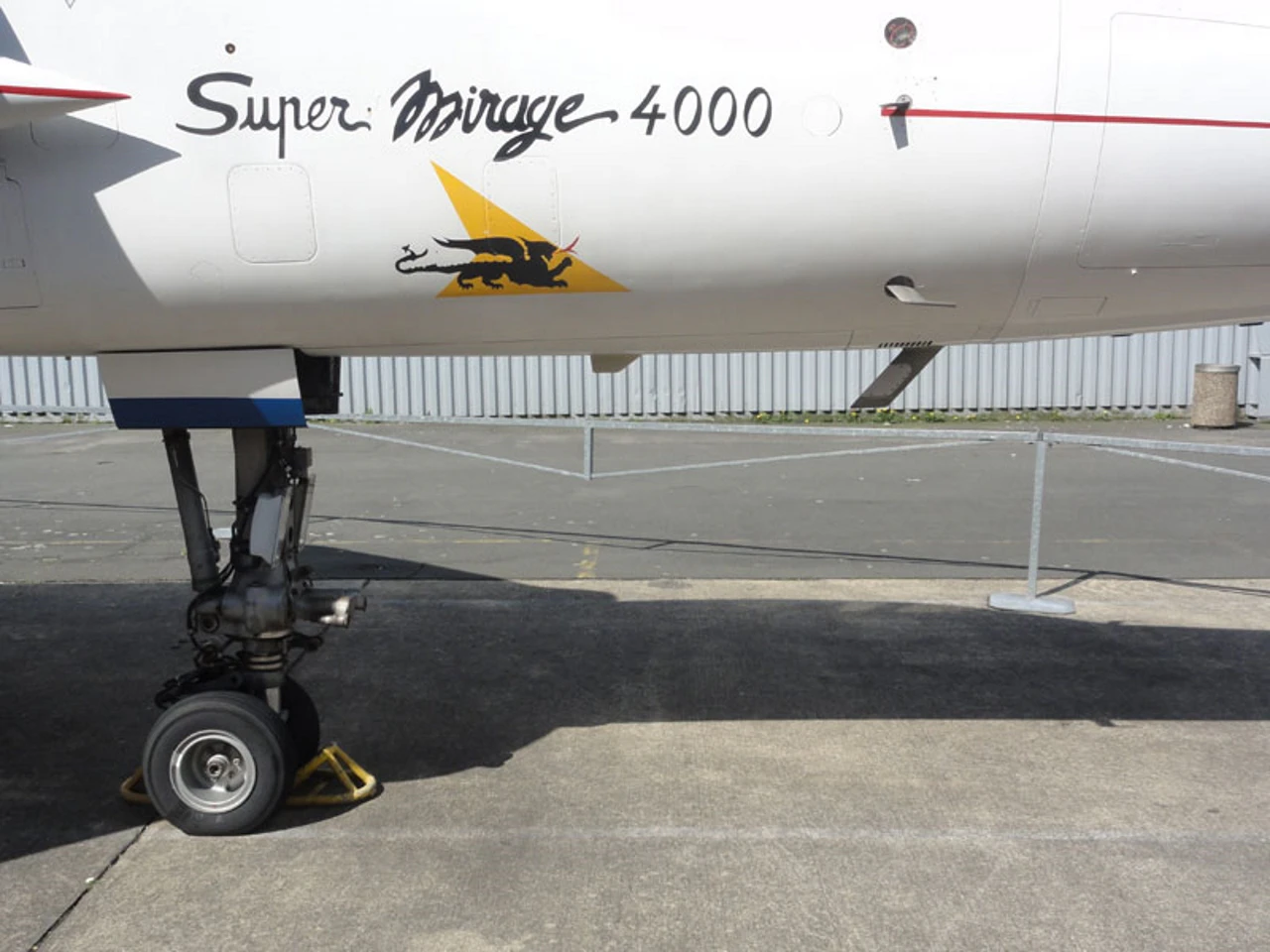
Dassault Mirage 4000 06
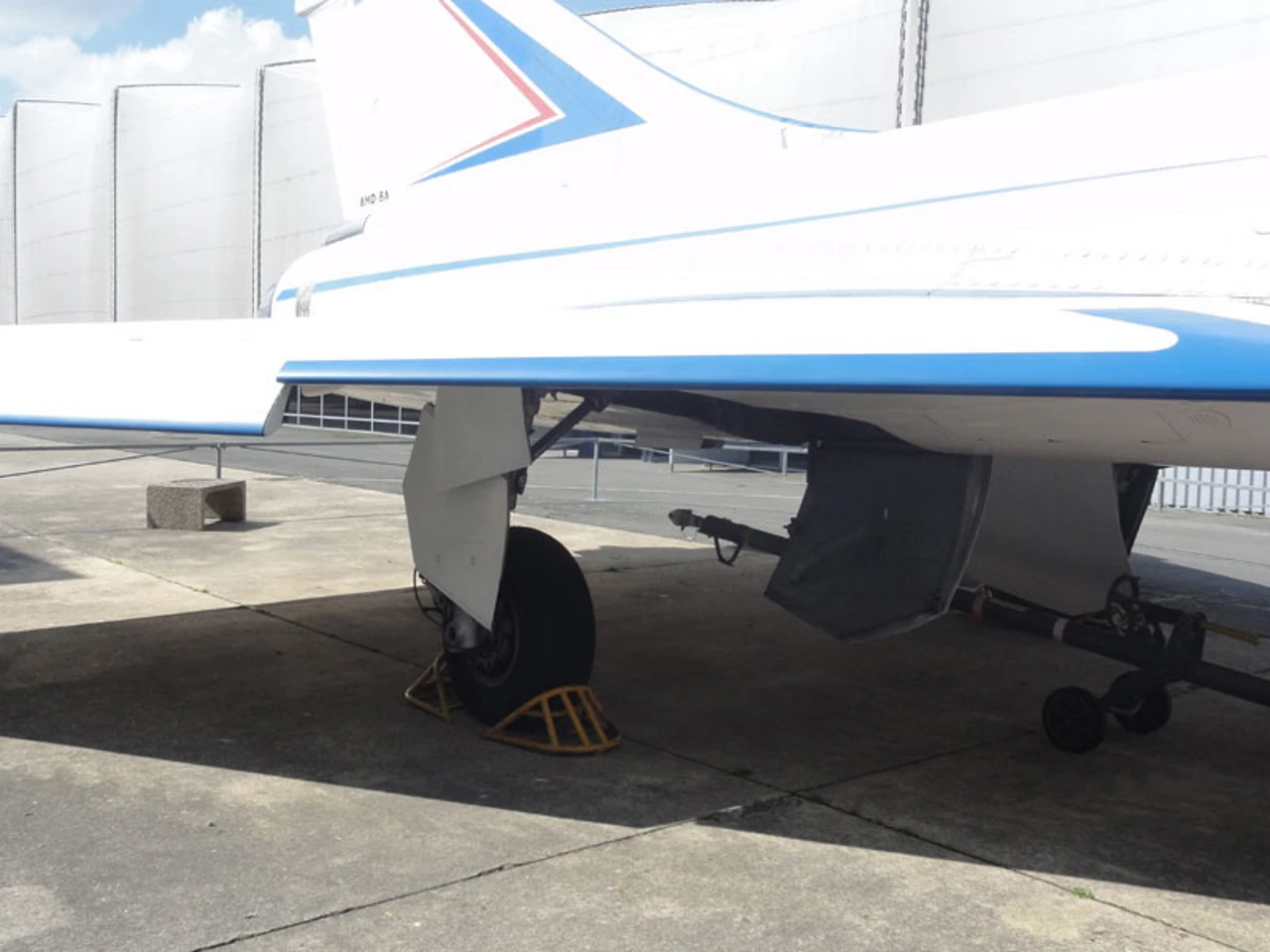
Dassault Mirage 4000 07
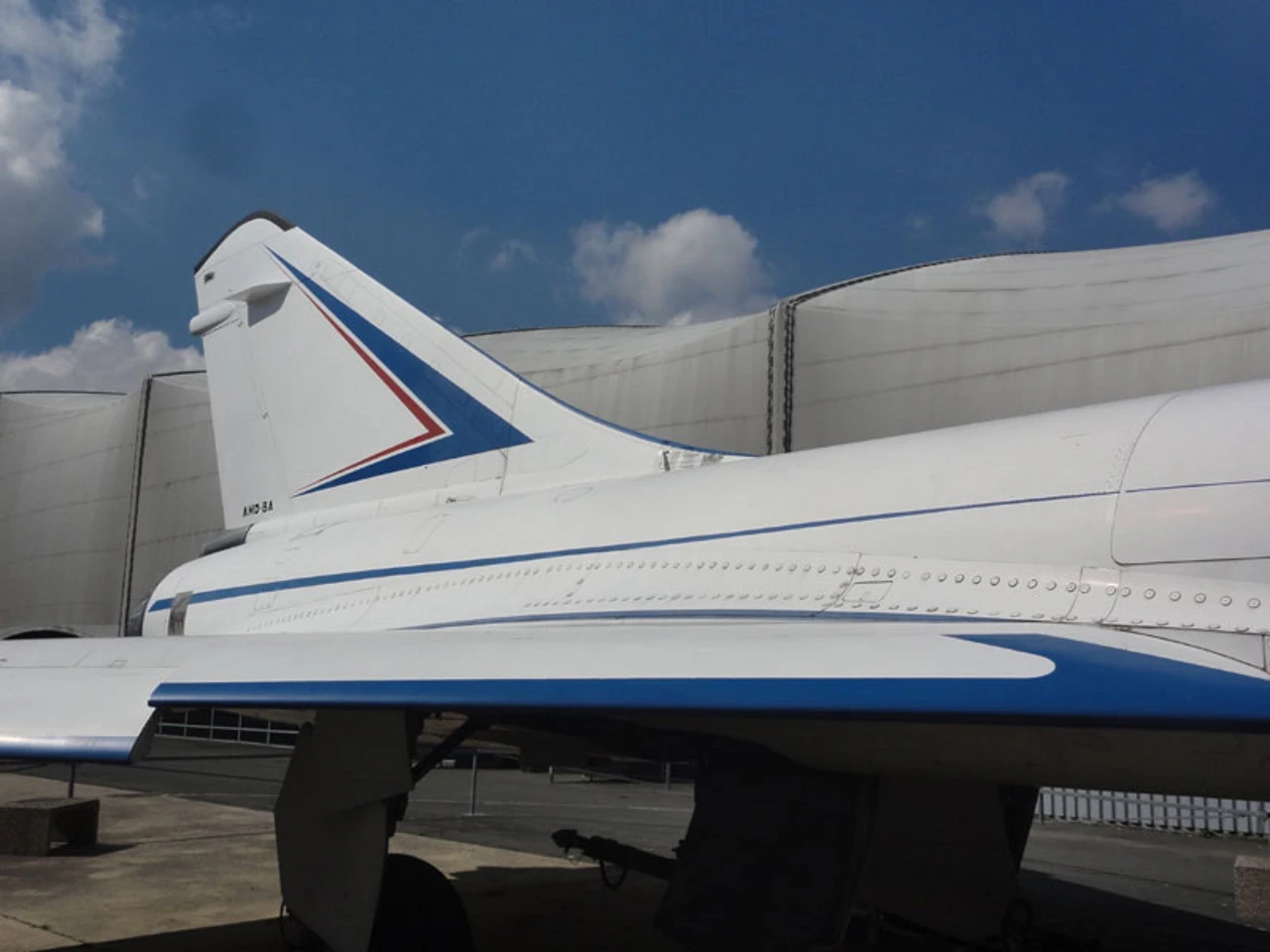
Dassault Mirage 4000 08
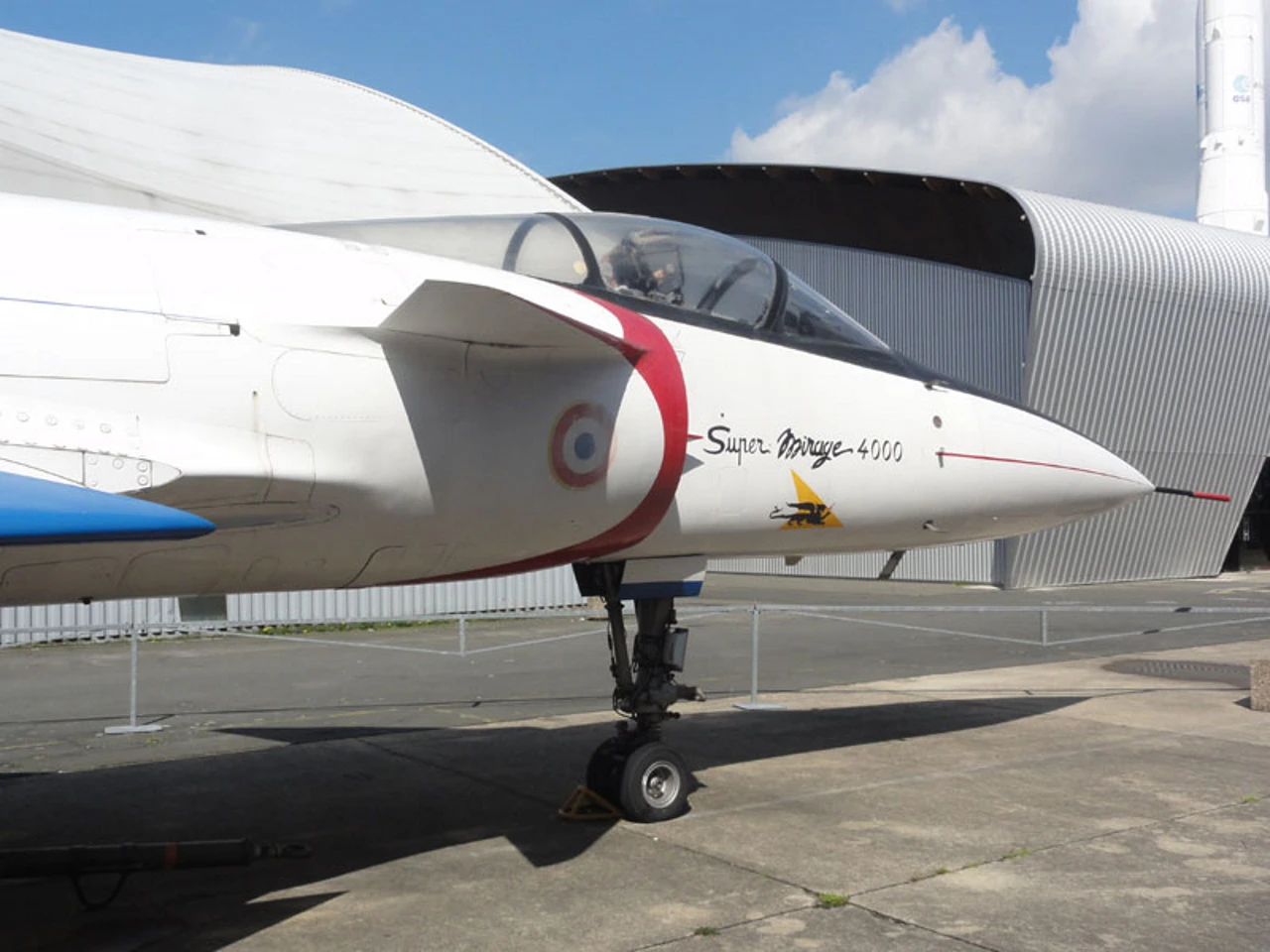
Dassault Mirage 4000 09
待って、検索ダッソーミラージュ4000写真.

関連項目:


The “Super Mirage” Prototype
ザ ダッソー ミラージュ 4000 was a private venture by Dassault Aviation, designed as a heavyweight, twin-engine evolution of the Mirage 2000. It was intended to compete directly with the American F-15 Eagle and the Soviet Su-27 Flanker. Larger, faster, and carrying twice the fuel of its smaller brother, the “Super Mirage” was one of the first aircraft in the world to utilize carbon fiber composites in its construction. Despite being a technical masterpiece, it remained a “prototype-only” aircraft because the French Air Force could not afford it, and potential export customers like Saudi Arabia chose the F-15 instead.
| Attribute | Technical Specification (Prototype 01) |
|---|---|
| 役割 | Heavy Air-Superiority Fighter / Interceptor |
| 乗組員 | 1 (Pilot) |
| First Flight | March 9, 1979 |
| パワープラント | 2 × SNECMA M53-2 afterburning turbofans |
| Thrust | 19,100 lbf (85 kN) each with afterburner |
| 最高速度 | Mach 2.3 (2,445 km/h) |
| Service Ceiling | 65,600 feet (20,000 m) |
| Armament (Planned) | 2 × 30mm DEFA cannons; up to 8,000 kg on 11 hardpoints |
A Giant with Canards
- Twin-Engine Power: Unlike the single-engine Mirage 2000, the 4000 used two M53 engines. This gave it a thrust-to-weight ratio greater than 1:1, allowing it to accelerate vertically and maintain high speeds while carrying a massive payload.
- Movable Canards: To manage the massive lift of the delta wing, the Mirage 4000 featured large, movable canard foreplanes. These greatly improved maneuverability and lift at low speeds, a design element that would later influence the Rafale.
- Carbon Fiber Pioneer: The 4000 was a testbed for advanced materials. Its vertical stabilizer (fin) was the first large-scale structural aircraft component ever made entirely from carbon-reinforced plastic, significantly reducing weight.
- Massive Fuel Capacity: The fuselage was designed with an enormous internal fuel volume. Combined with its ability to carry three 2,500-liter drop tanks, the Mirage 4000 had a range that would have made it an exceptional long-distance interceptor or deep-penetration bomber.
The Fate of the “White Desert” Hunter
- The Saudi Connection: Dassault largely built the 4000 with Saudi Arabian funding in mind. It was initially painted in a desert camouflage scheme for its marketing tours, earning it a legendary status in aviation circles as the “lost” Saudi fighter.
- Rafale’s Ancestor: Although it never entered production, the flight data and technologies developed for the Mirage 4000—particularly the fly-by-wire system and carbon fiber usage—became the foundation for the ダッソー・ラファール.
- Supercruising Prototype: In test flights, the Mirage 4000 was capable of reaching supersonic speeds without the use of afterburners (supercruise) while carrying a light load, a feat rare for aircraft of that generation.
- Museum Piece: The only prototype ever built now rests at the Musée de l’Air et de l’Espace at Le Bourget, Paris, standing as a reminder of France’s attempt to build the ultimate heavyweight fighter.
ビュー : 4076
また、次の項目もご覧ください。
 Dassault MD 315 Flamant – 写真&動画
 Mirage 2000D – Photos & Video
 Dassault Mirage F.1 – Photos & Video
 Dassault Super Mystere B.2 – 写真&ビデオ
 Dassault Etendard IV M – Photos & Video
 Dassault M.D.450 Ouragan – 写真&ビデオ
 ダッソー / ドーニエ アルファ ジェット – ウォークアラウンド
 ダッソー・ラファール M - ウォークアラウンド
 クフィルC2 – ウォークアラウンド
 KFIR C-1 – ウォークアラウンド