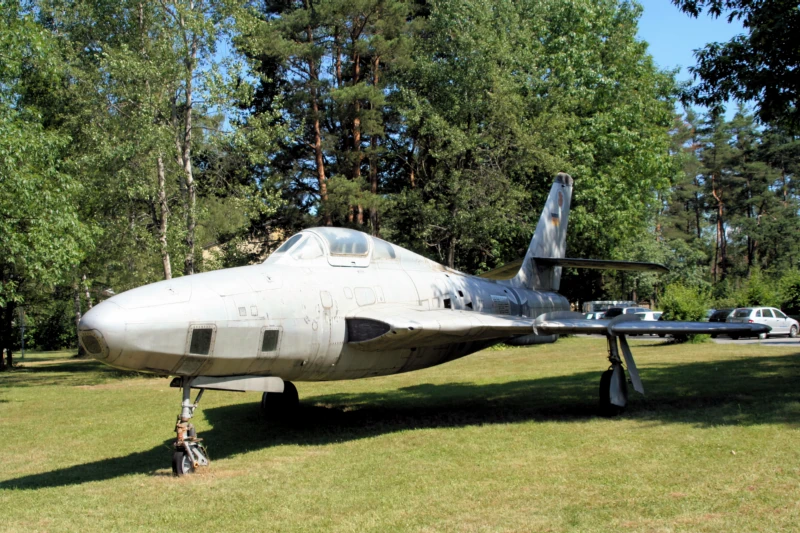
RF-84F Thunderflash | |
|---|---|
| Paese | Usa |
| Primo volo | 3 giugno, 1950 |
| digitare | Cacciabombardardo Turbojet |
| Costruito | 3428 |
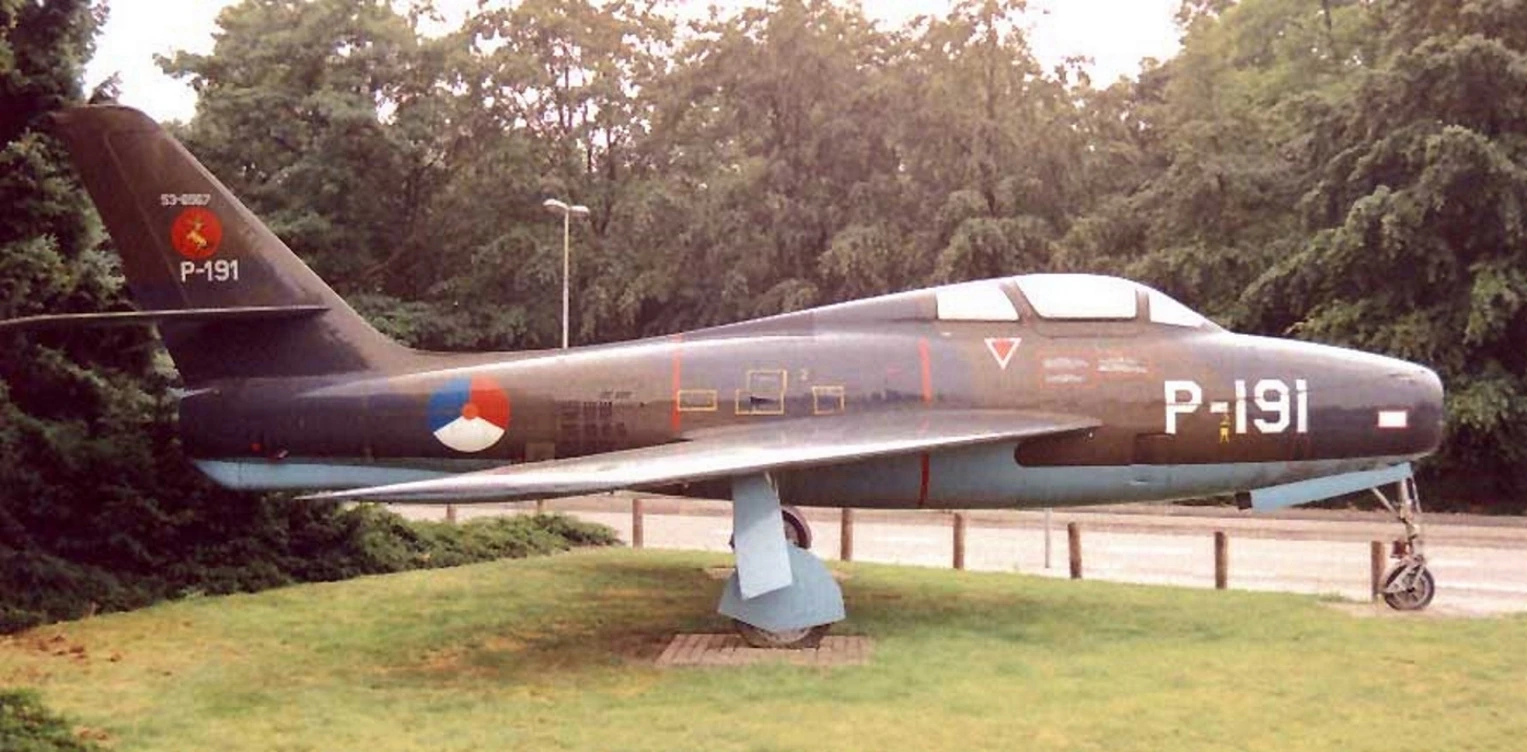
Galleria fotografica di un RF-84F Thunderflash, The Republic F-84F Thunderstreak was an American-built swept-wing turbojet fighter-bomber. While an evolutionary development of the straight-wing F-84 Thunderjet, the F-84F was a new design. The RF-84F Thunderflash was a photo reconnaissance version.
| RF-84F Thunderflash | |
|---|---|
| Fotografo | Inconsapevole |
| Localizzazione | Inconsapevole |
| Foto | 20 |
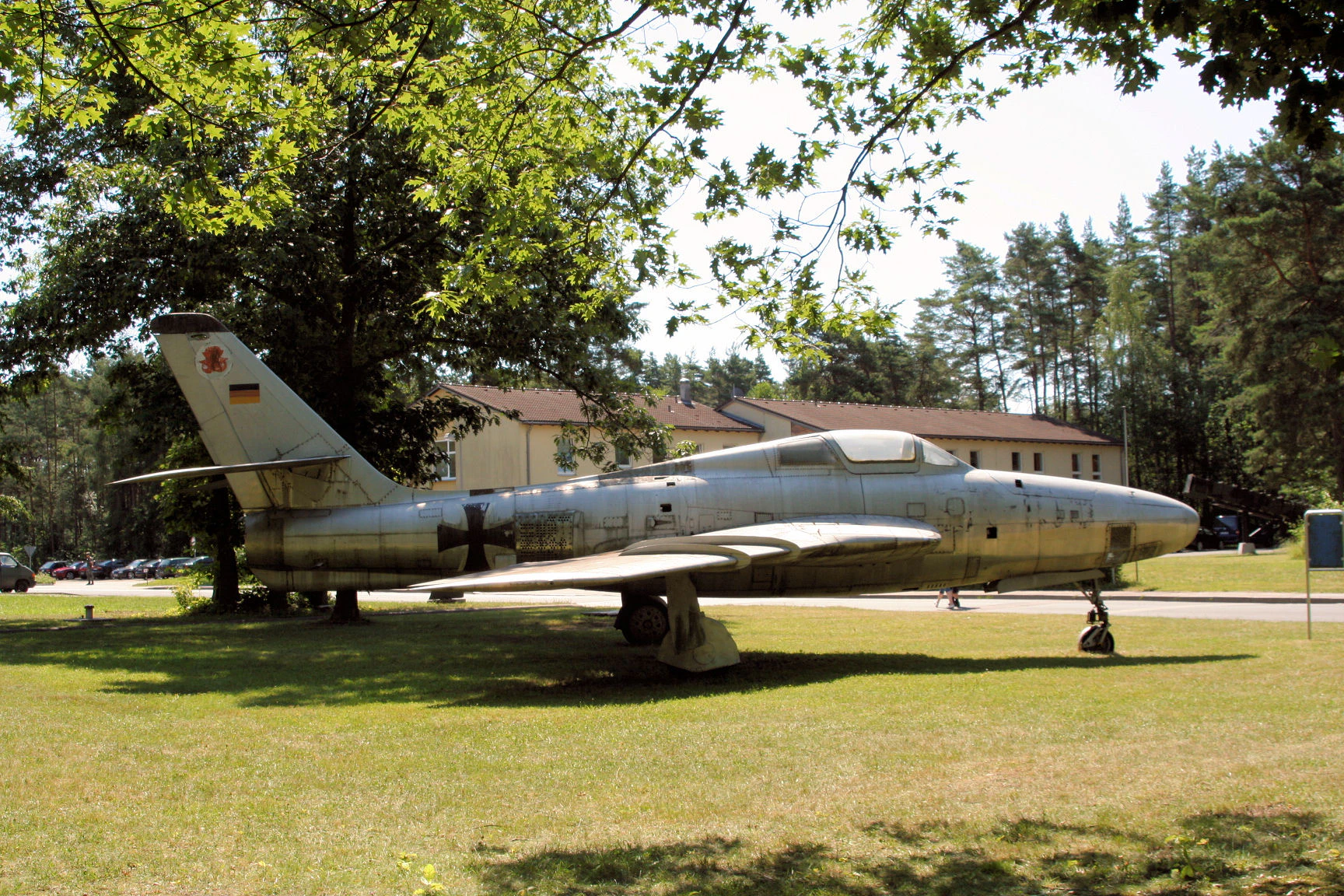
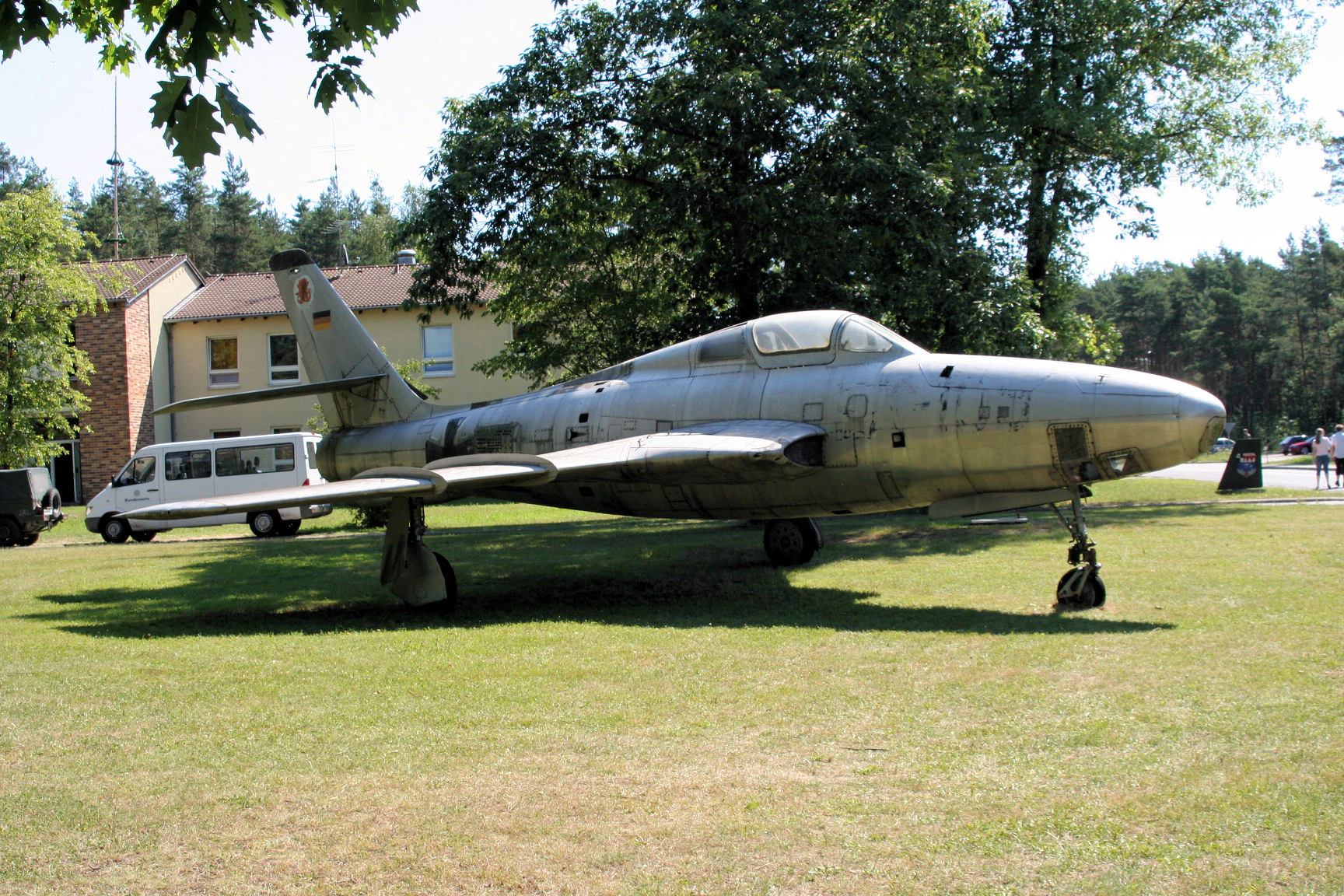
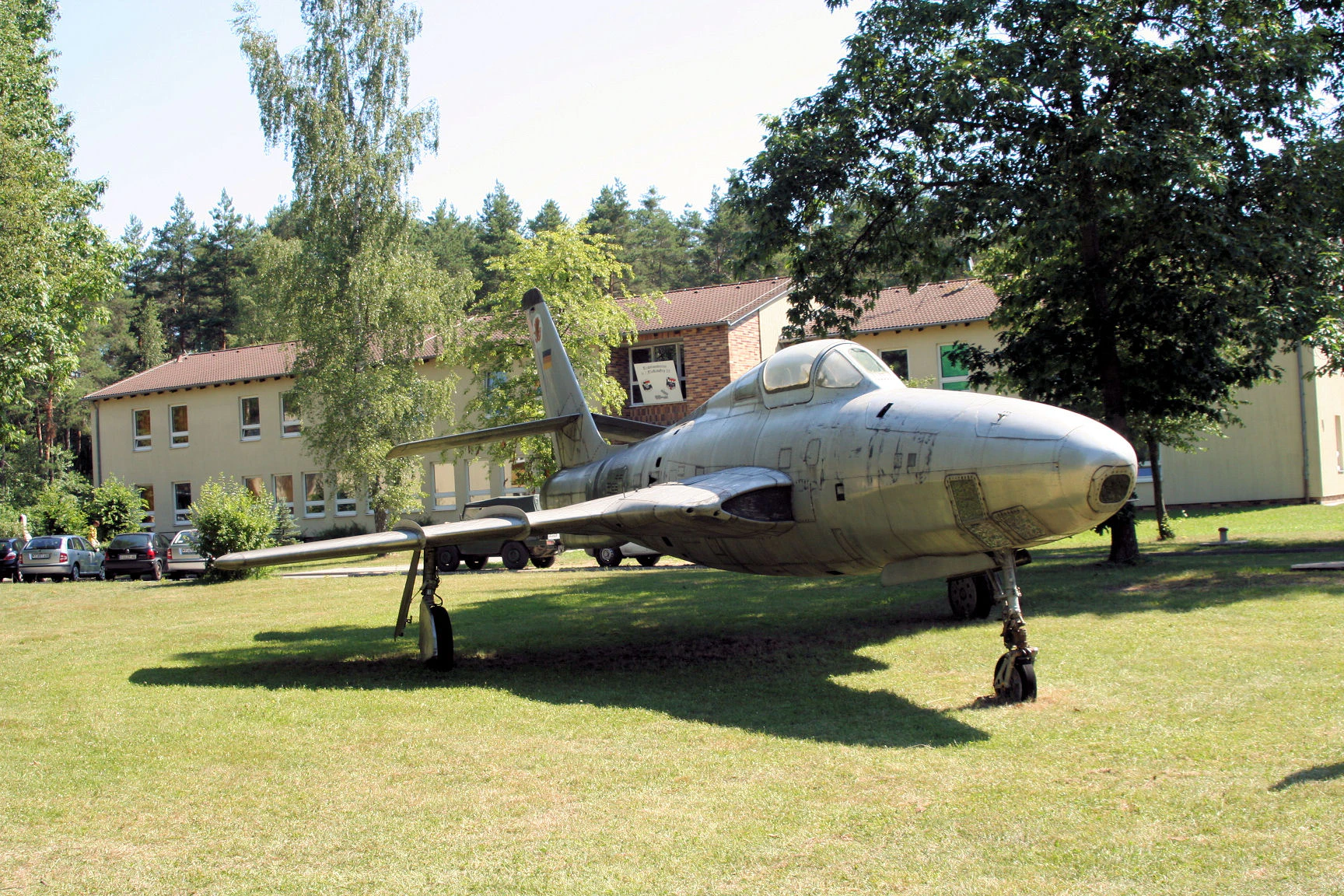
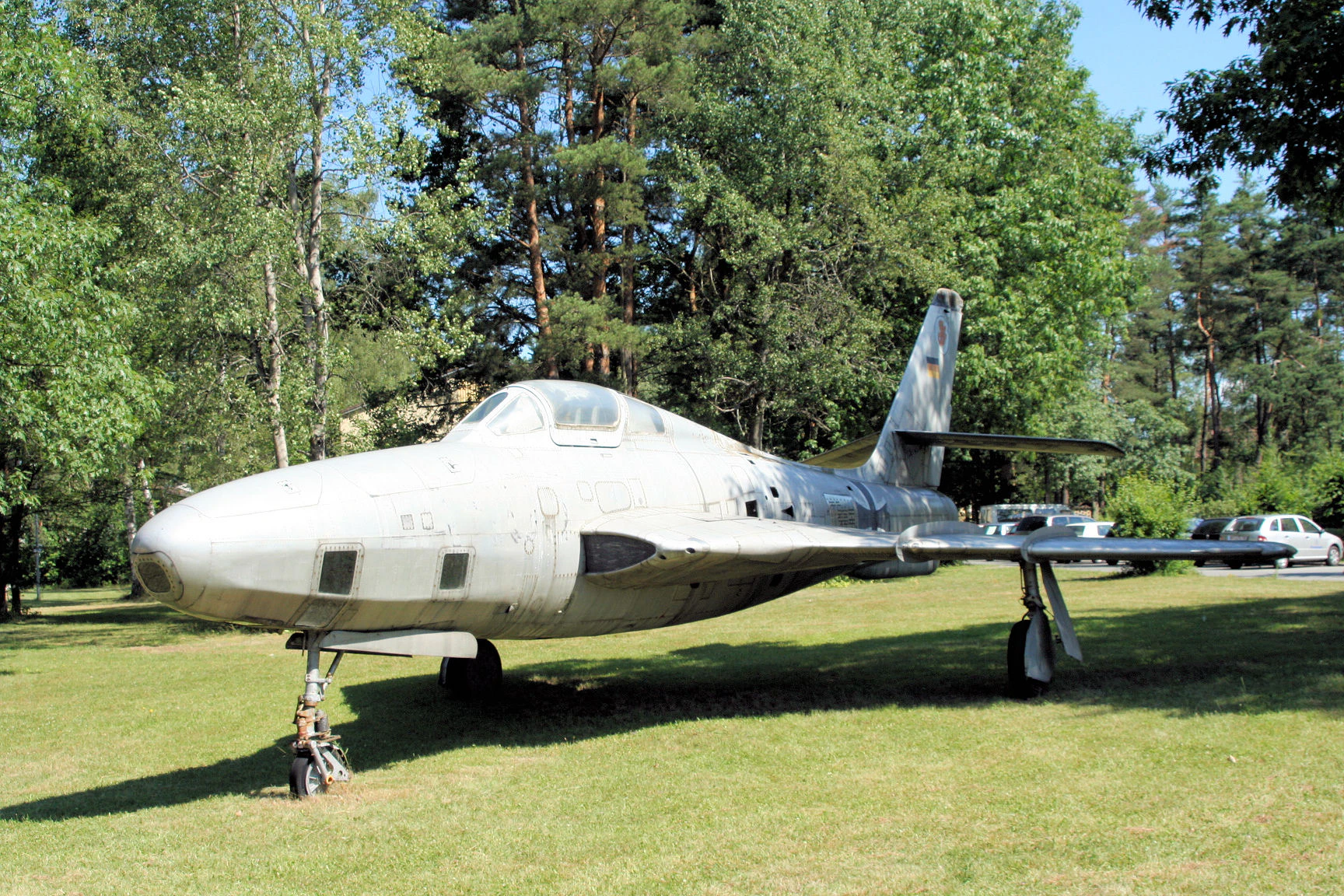
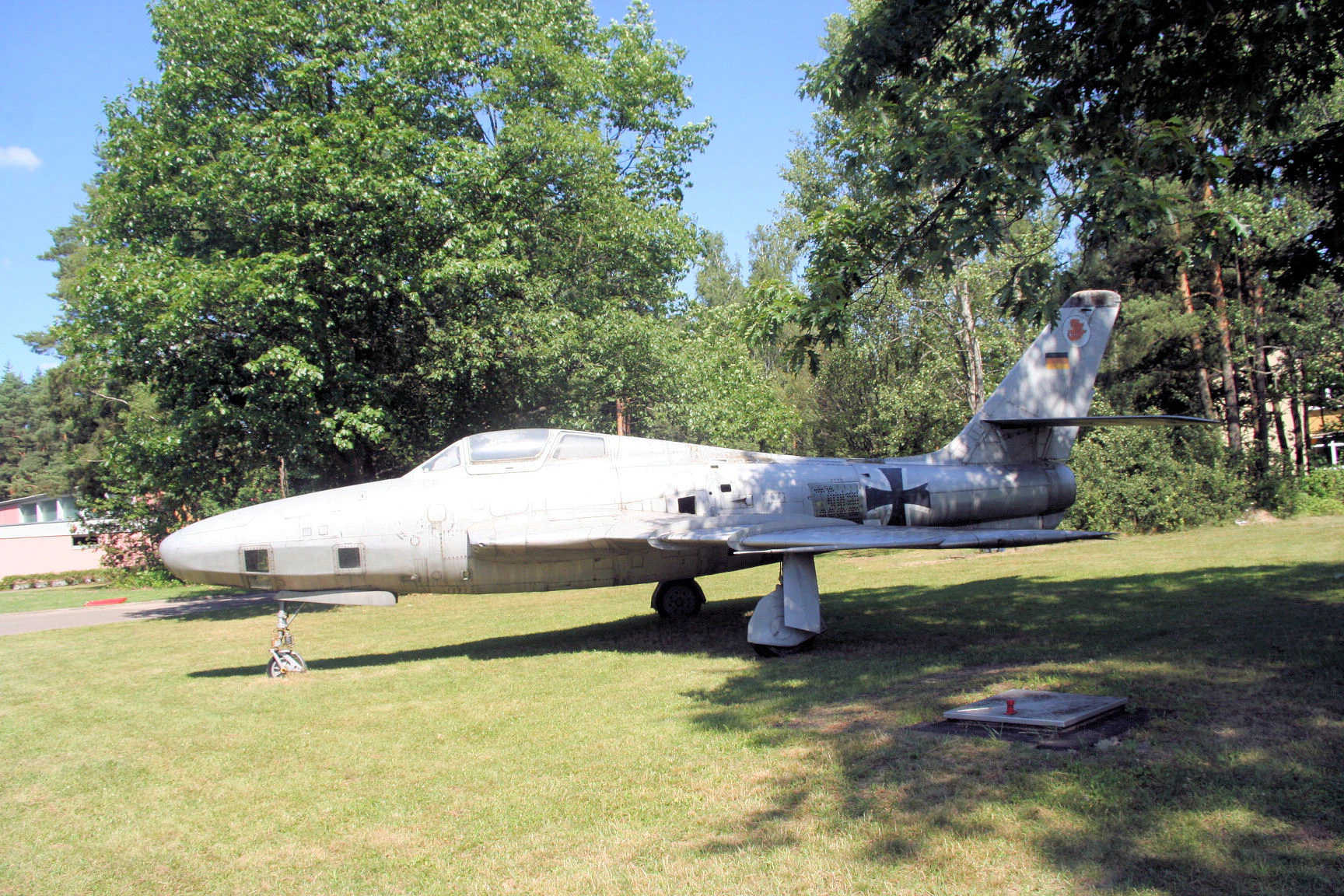
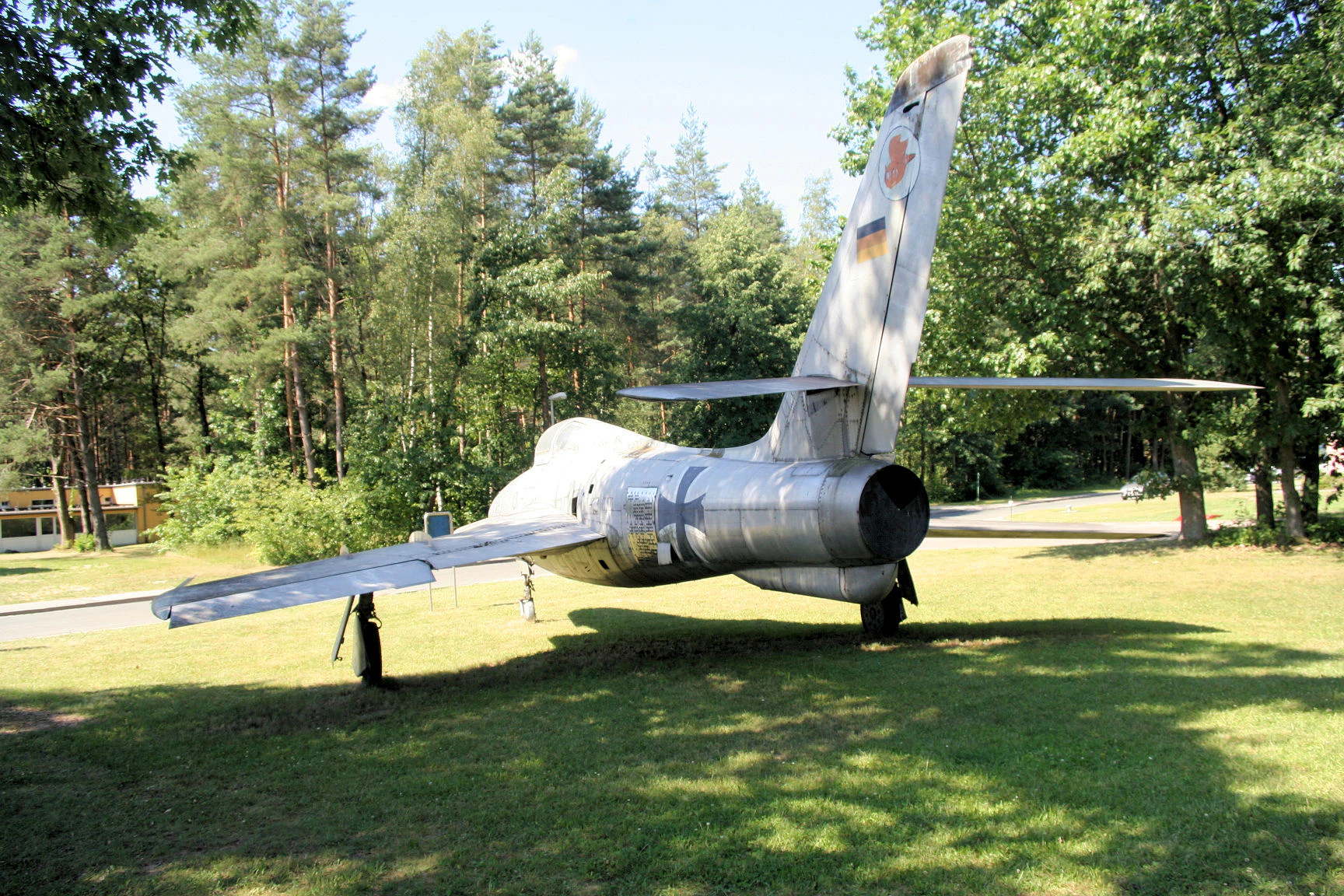
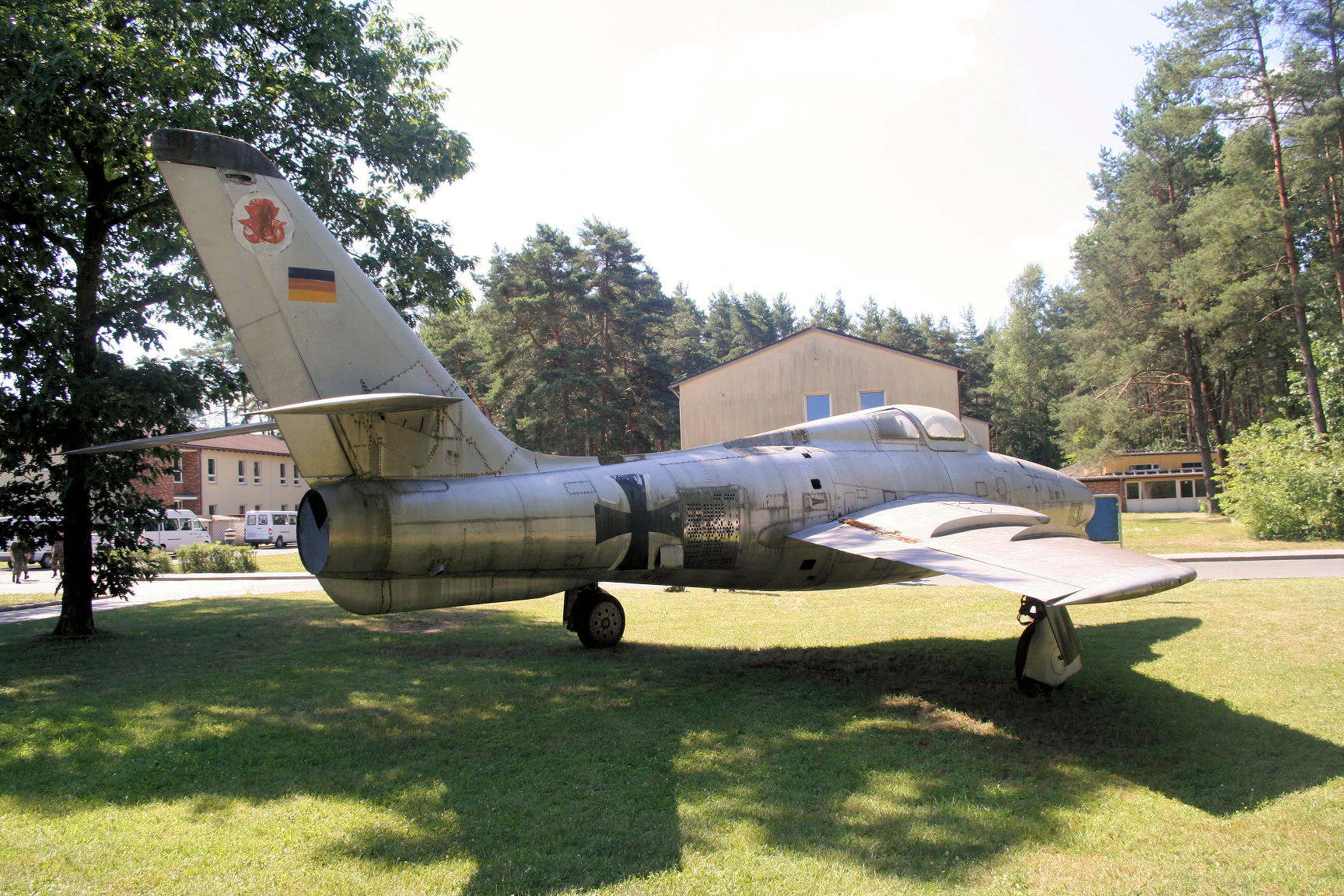
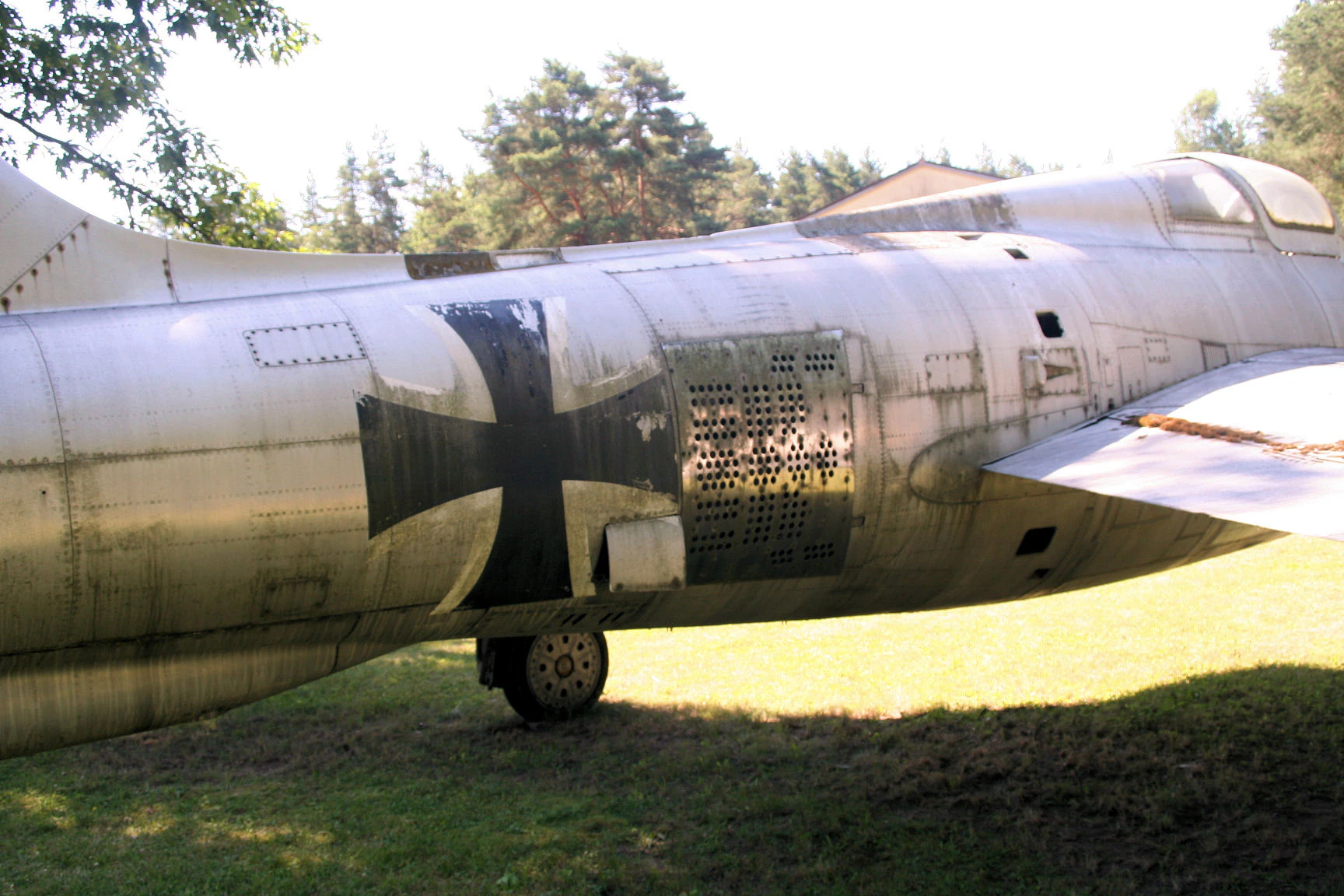
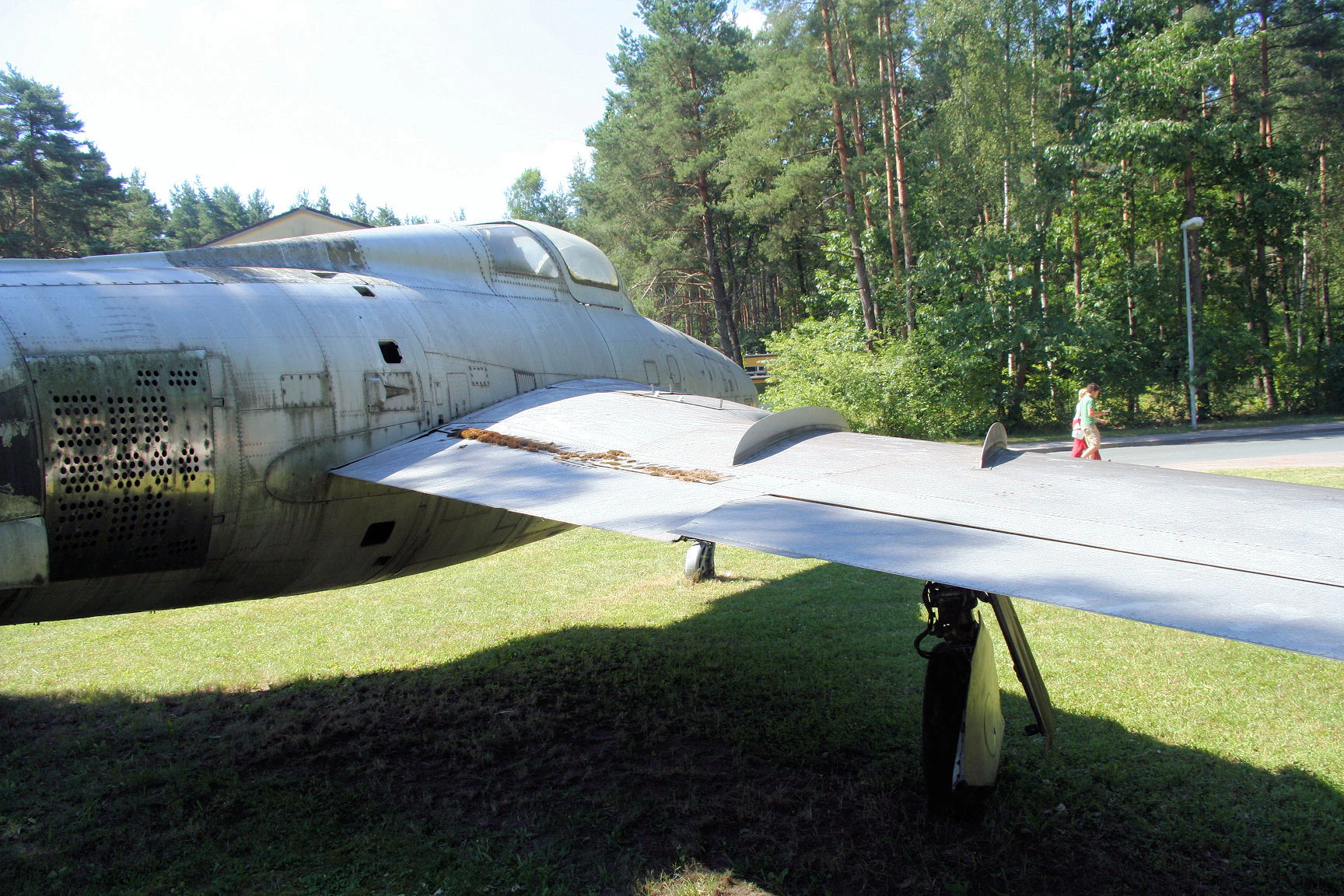

 Comprami un caffè
| F-84 Walk Around | |
|---|---|
| Fotografo | Inconsapevole |
| Localizzazione | Inconsapevole |
| Foto | 22 |
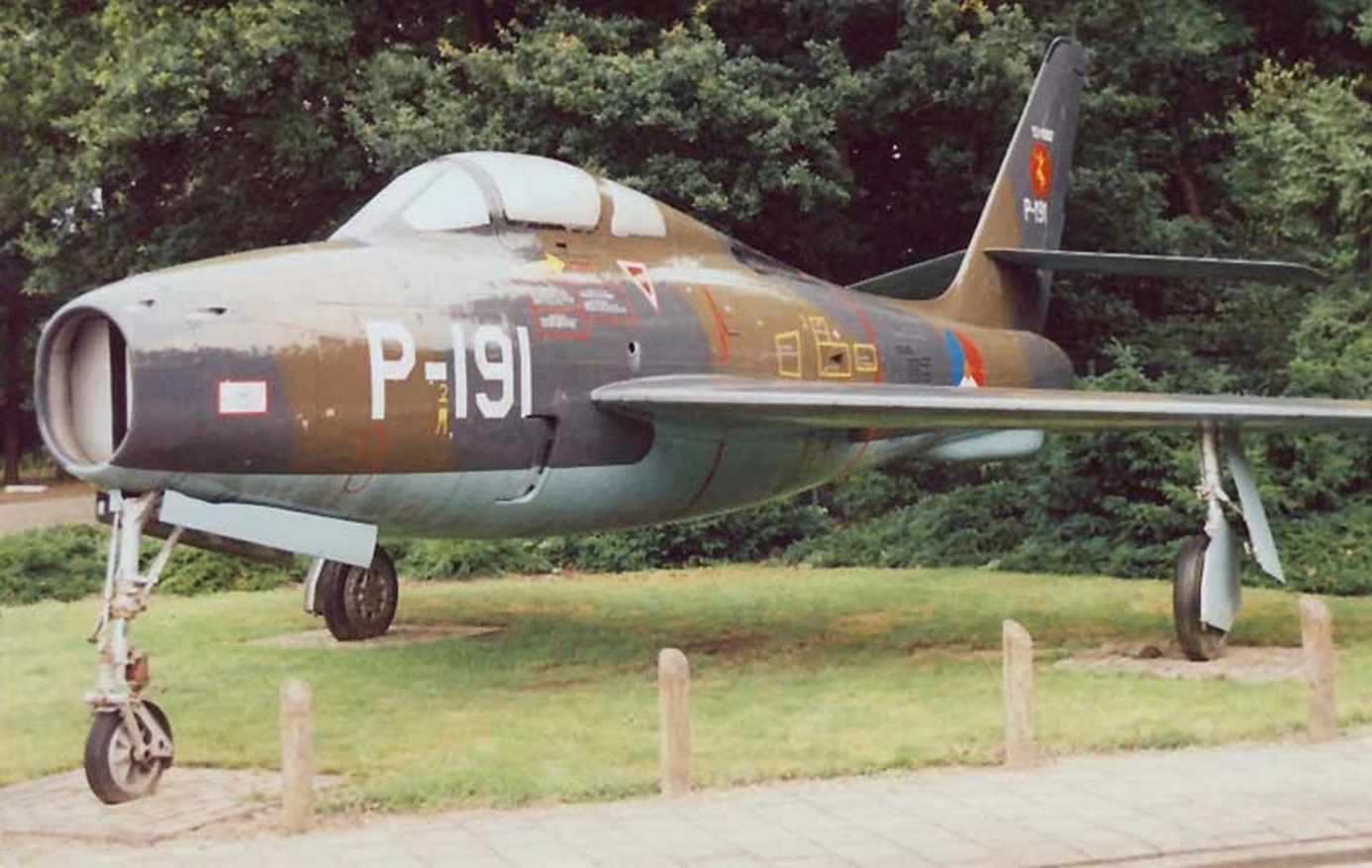
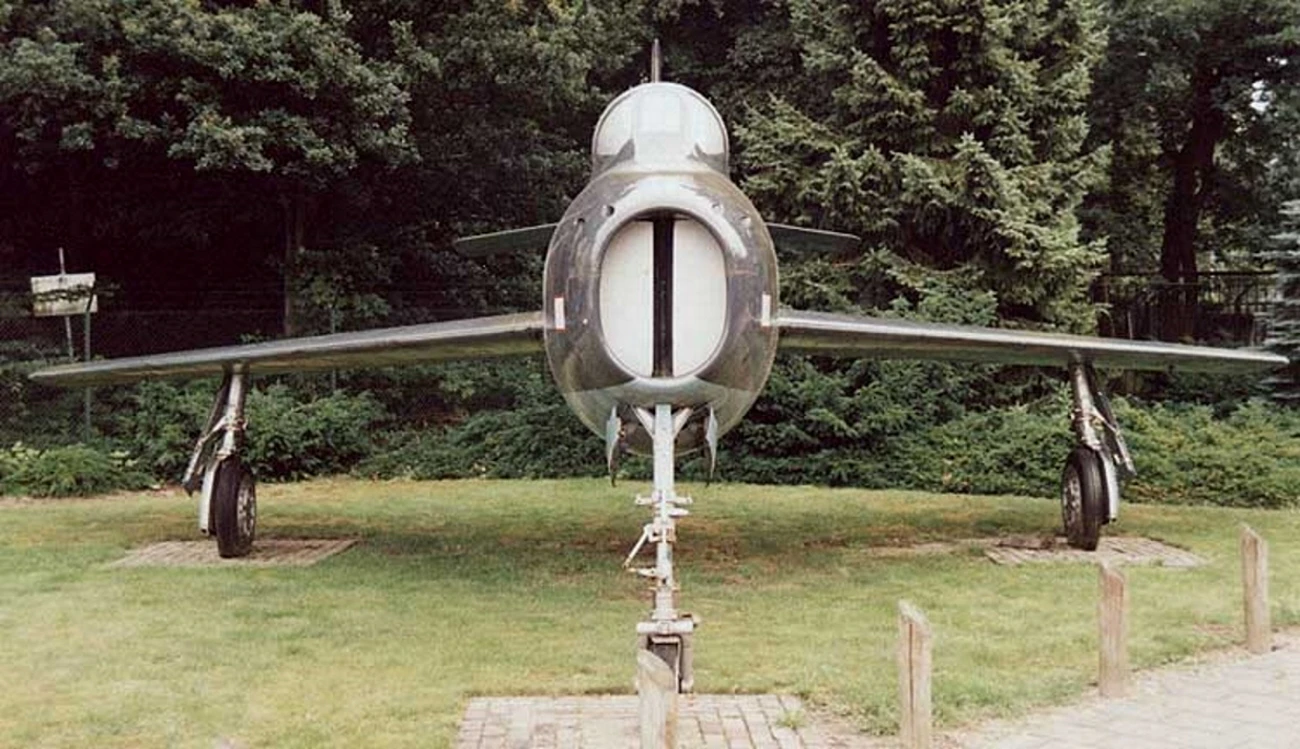
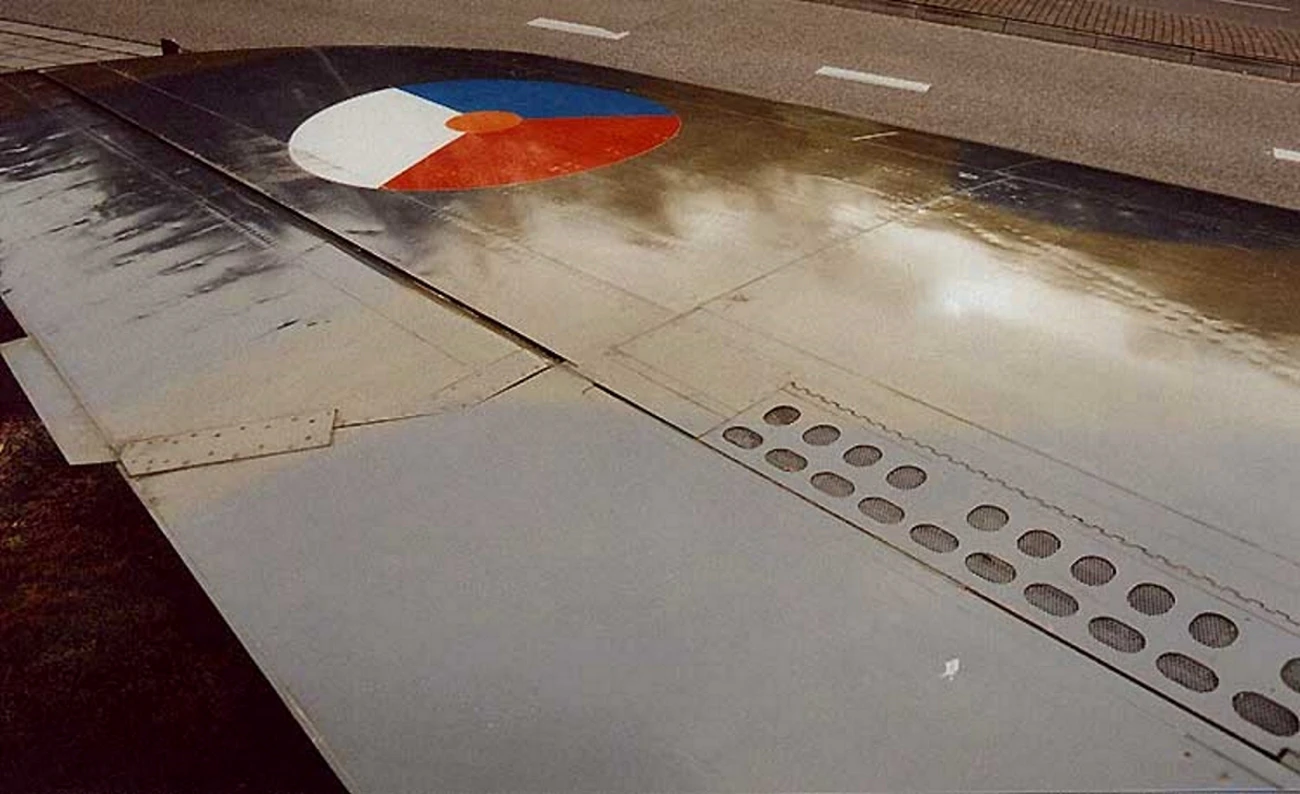
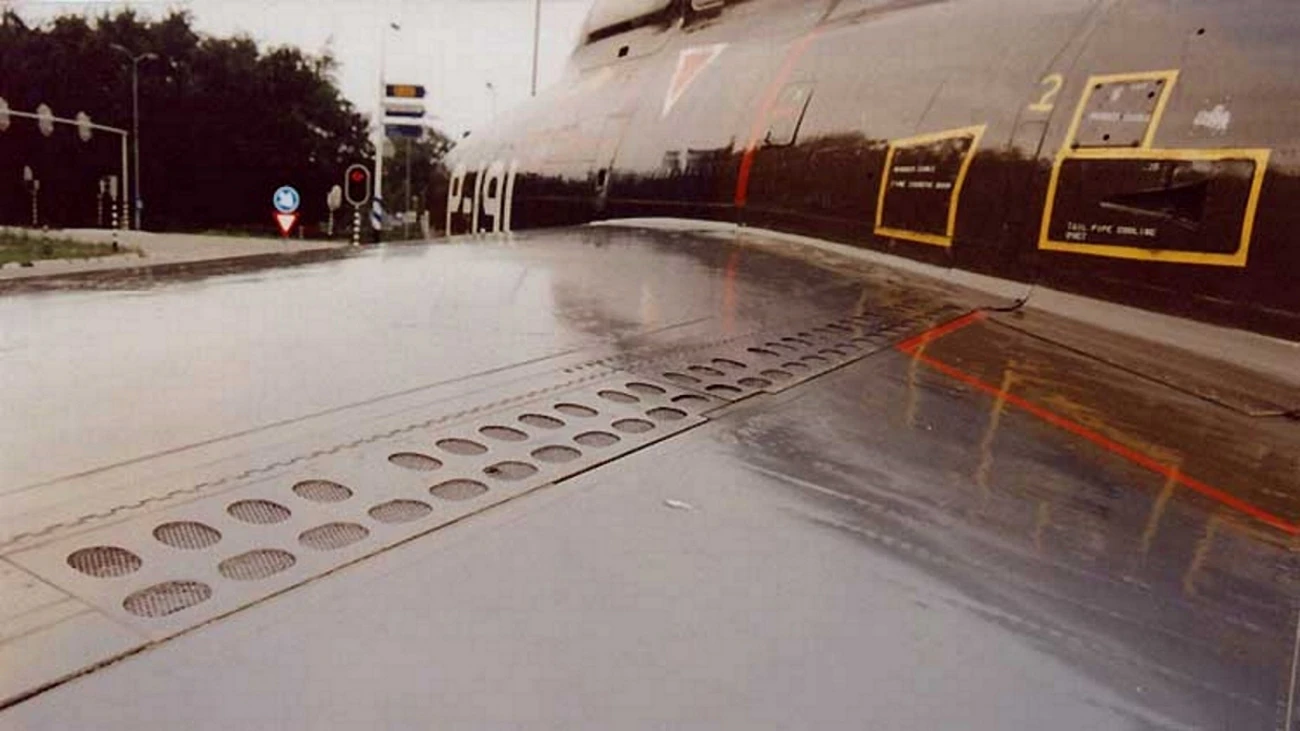
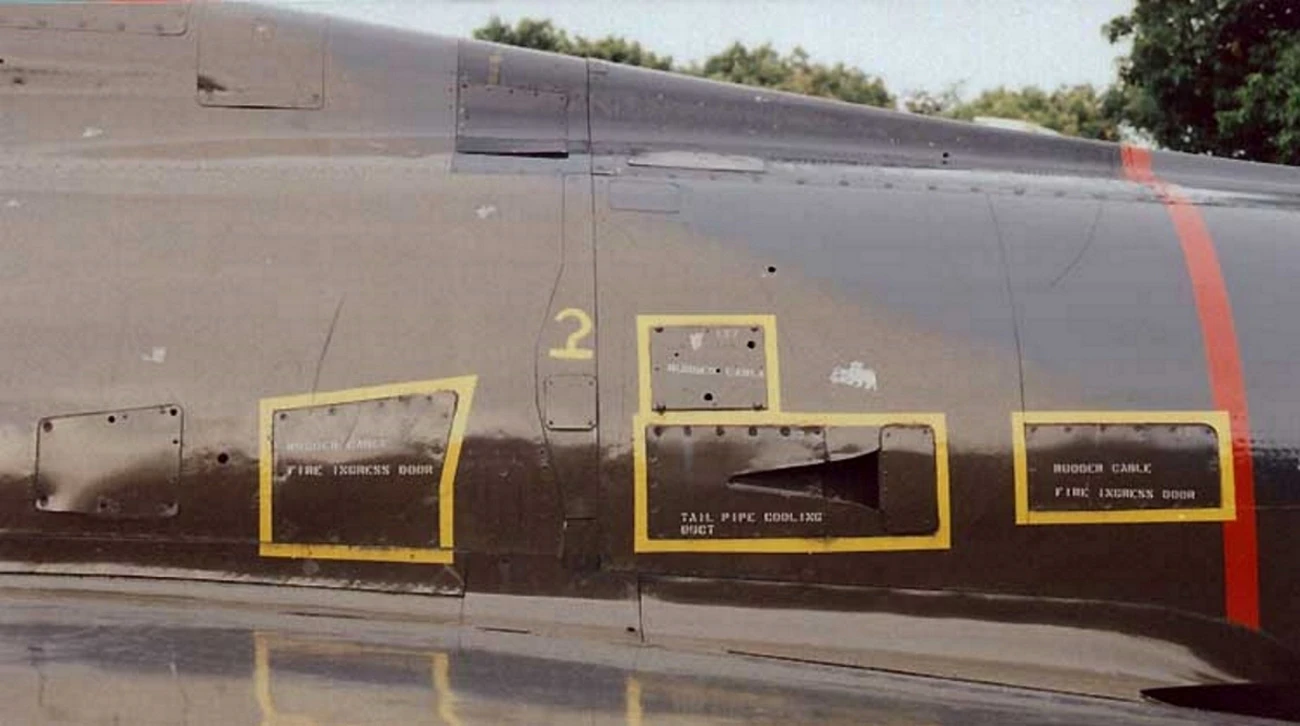
Vedi anche:


| Republic RF-84K Thunderflash | |
|---|---|
| Fotografi | Vladimir Jakubov, Randy Ray |
| Localizzazione | Inconsapevole |
| Foto | 45 |
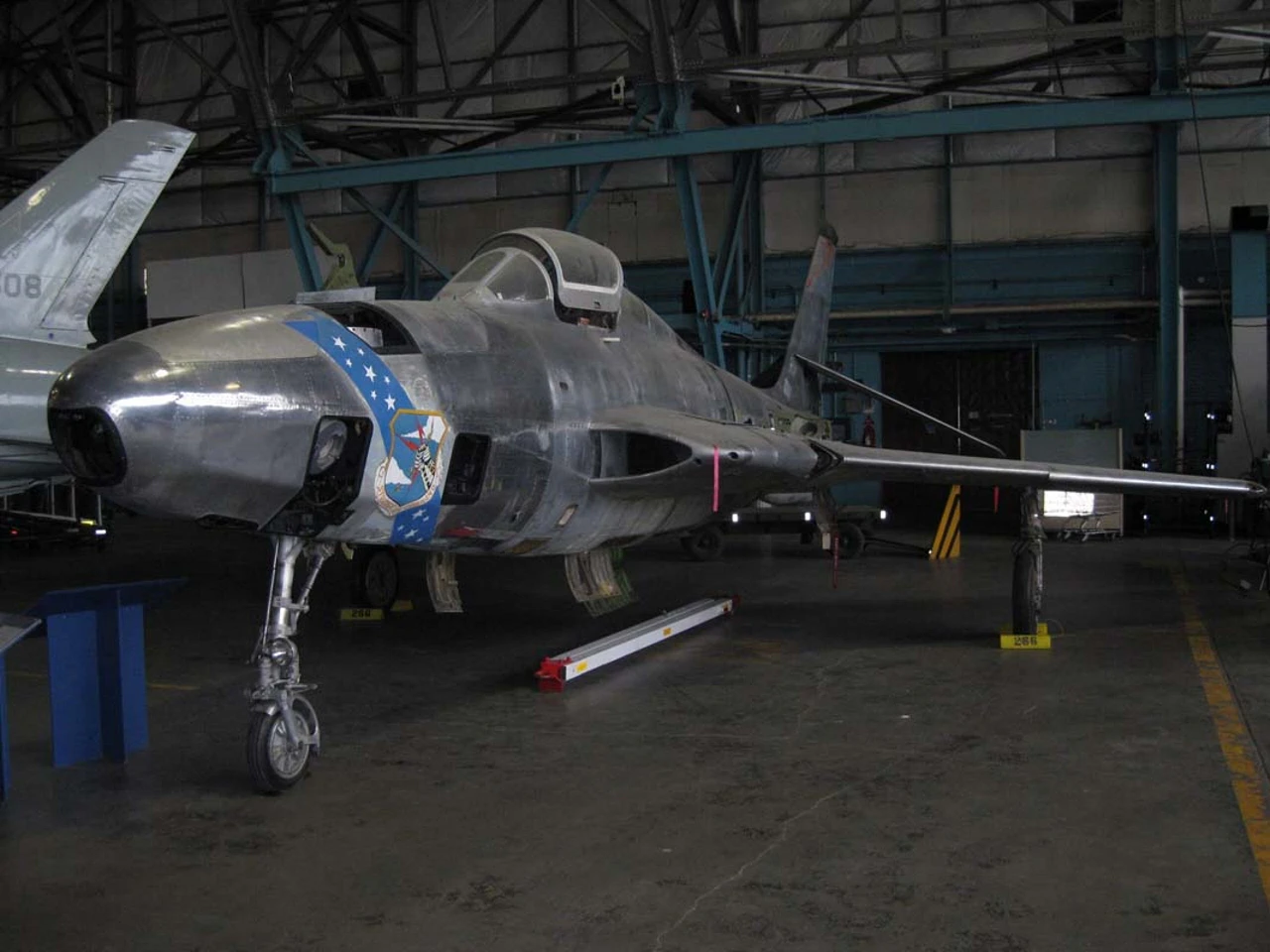
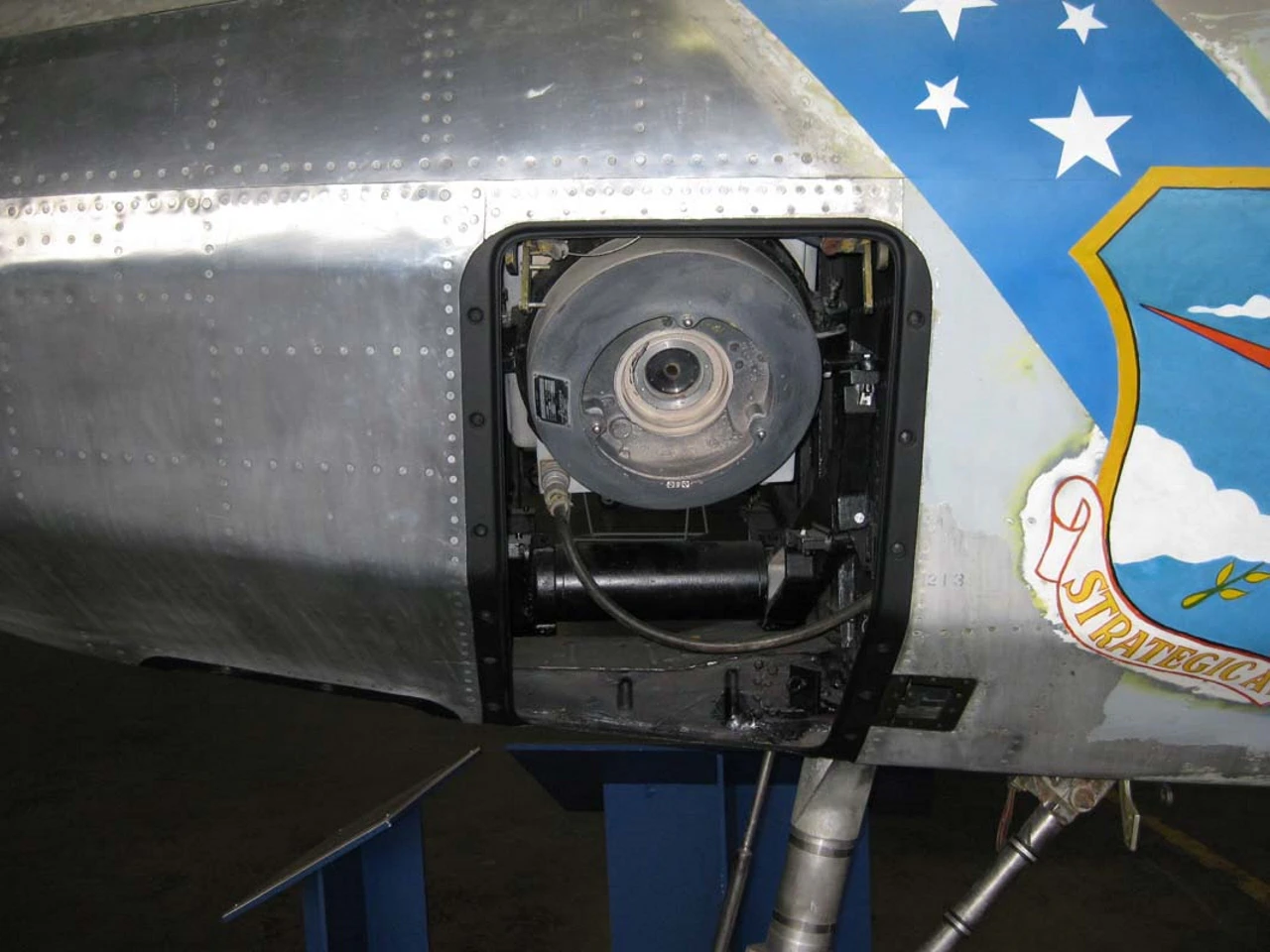
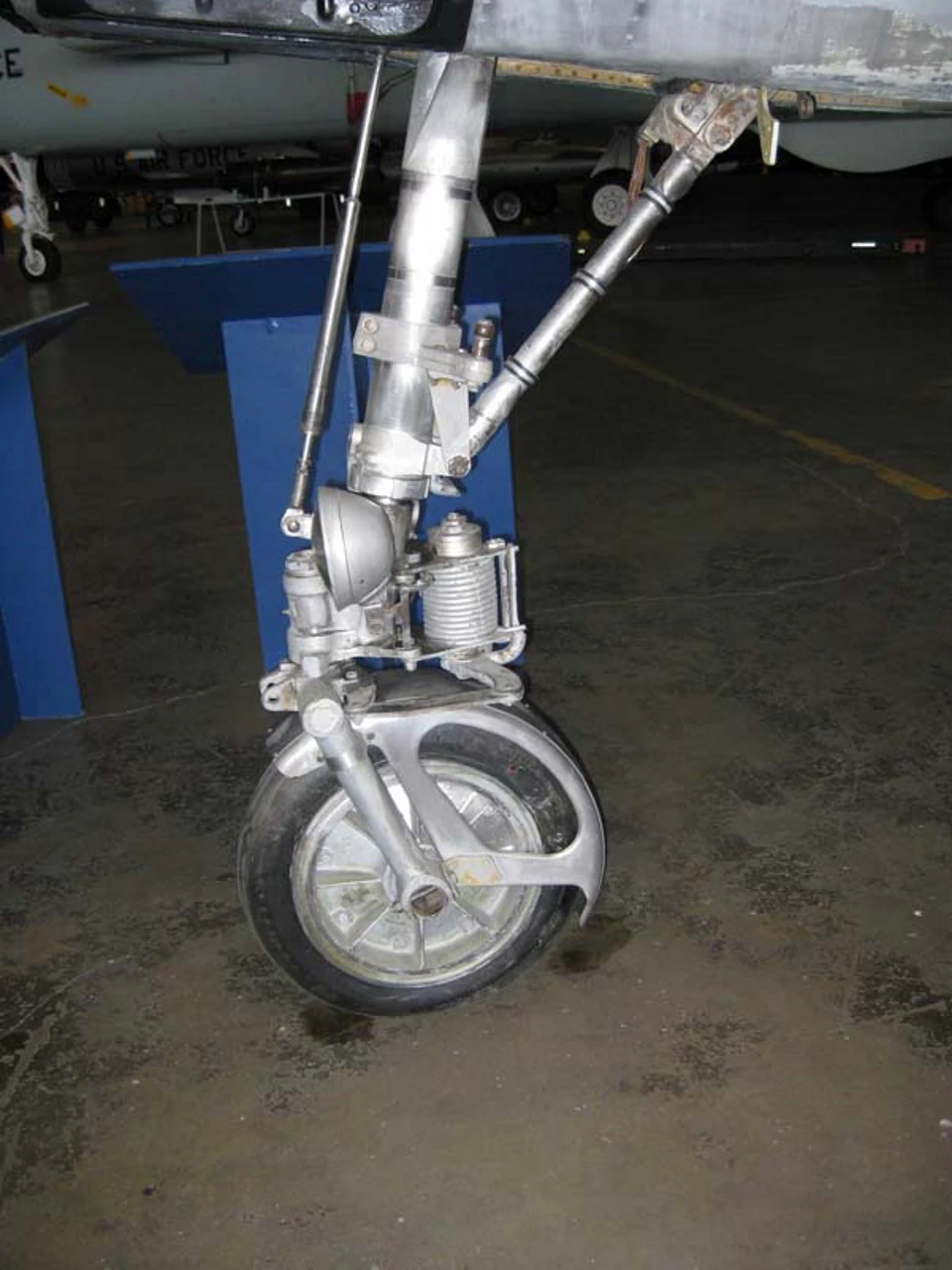
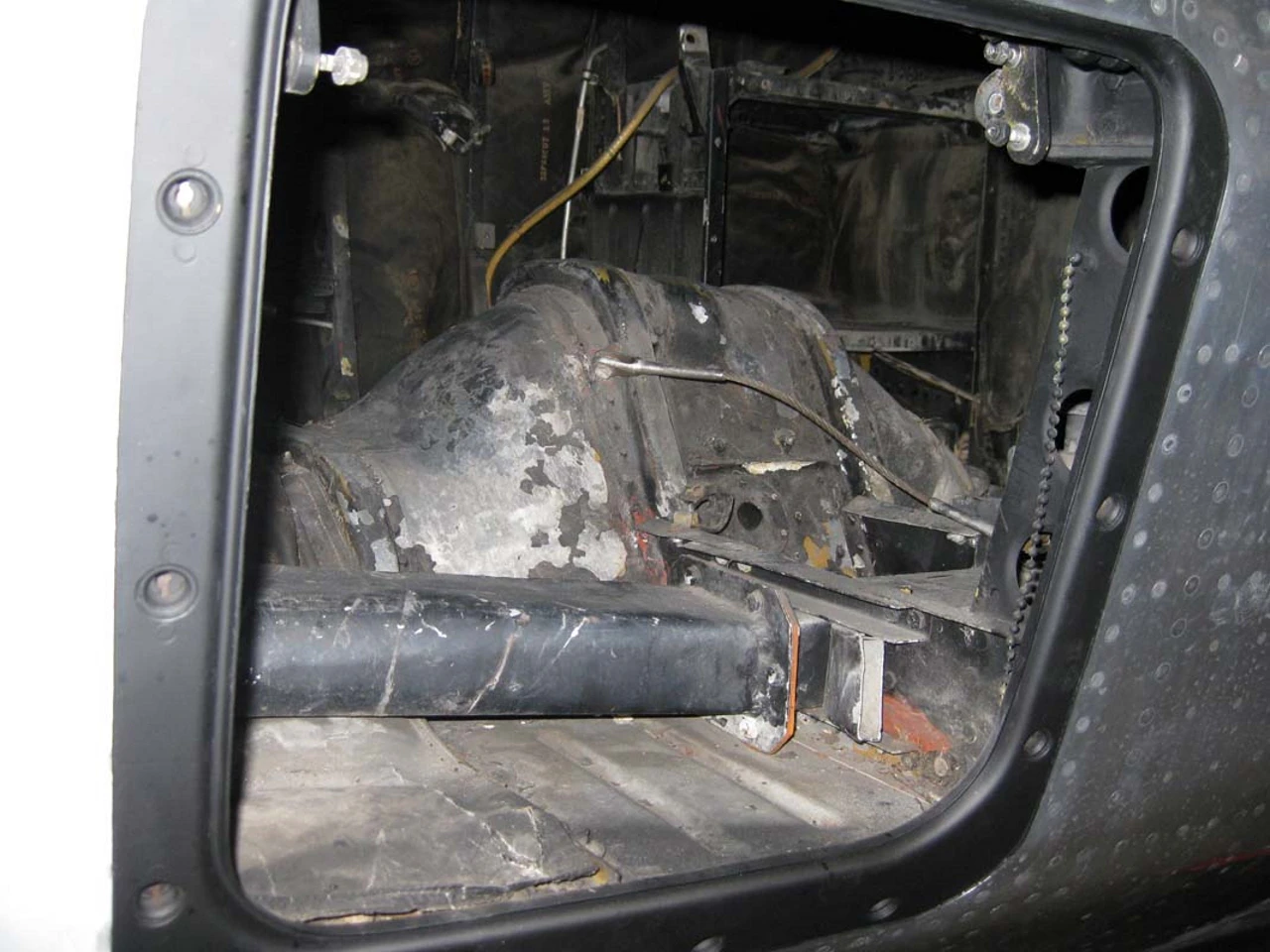
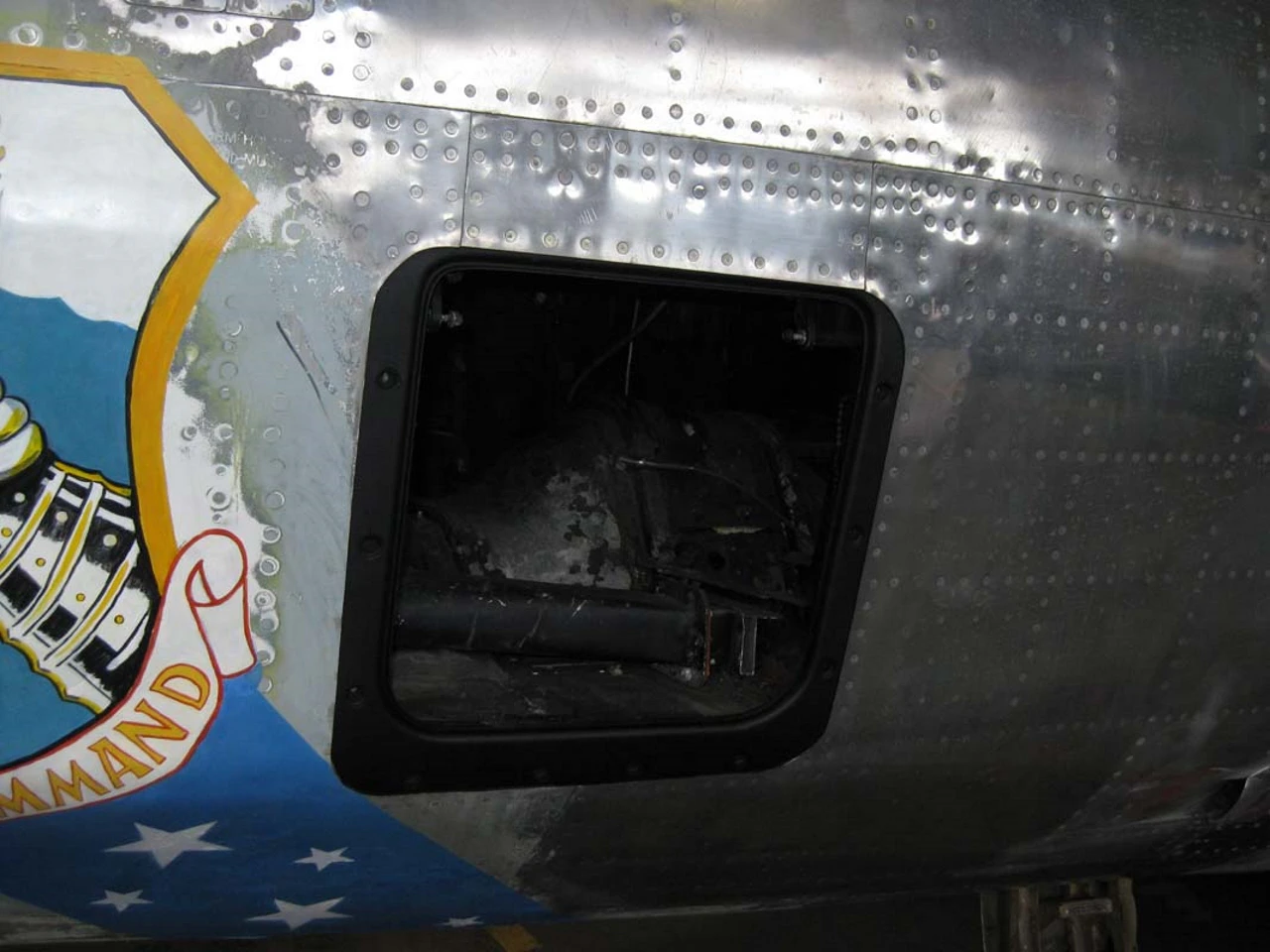
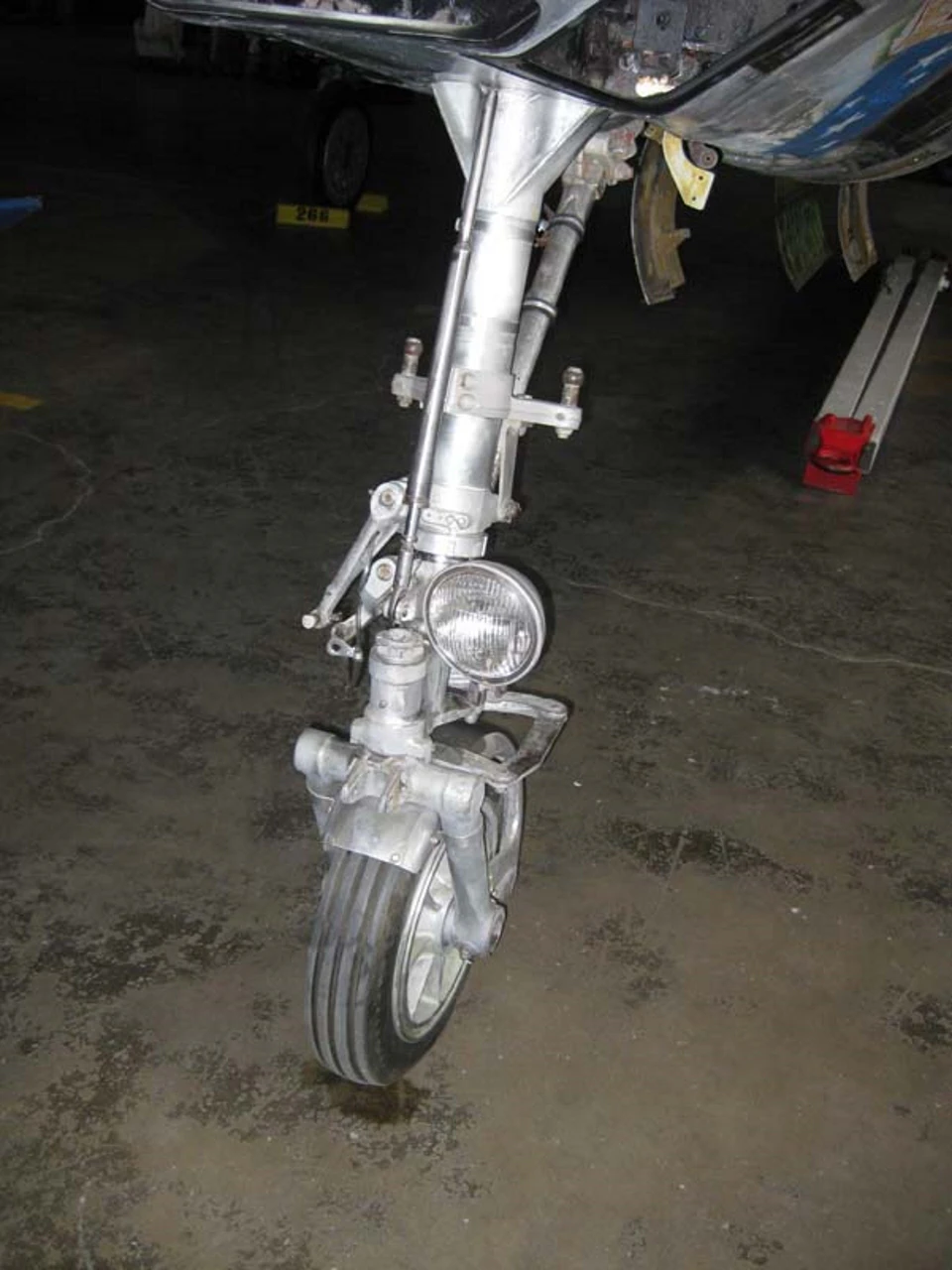
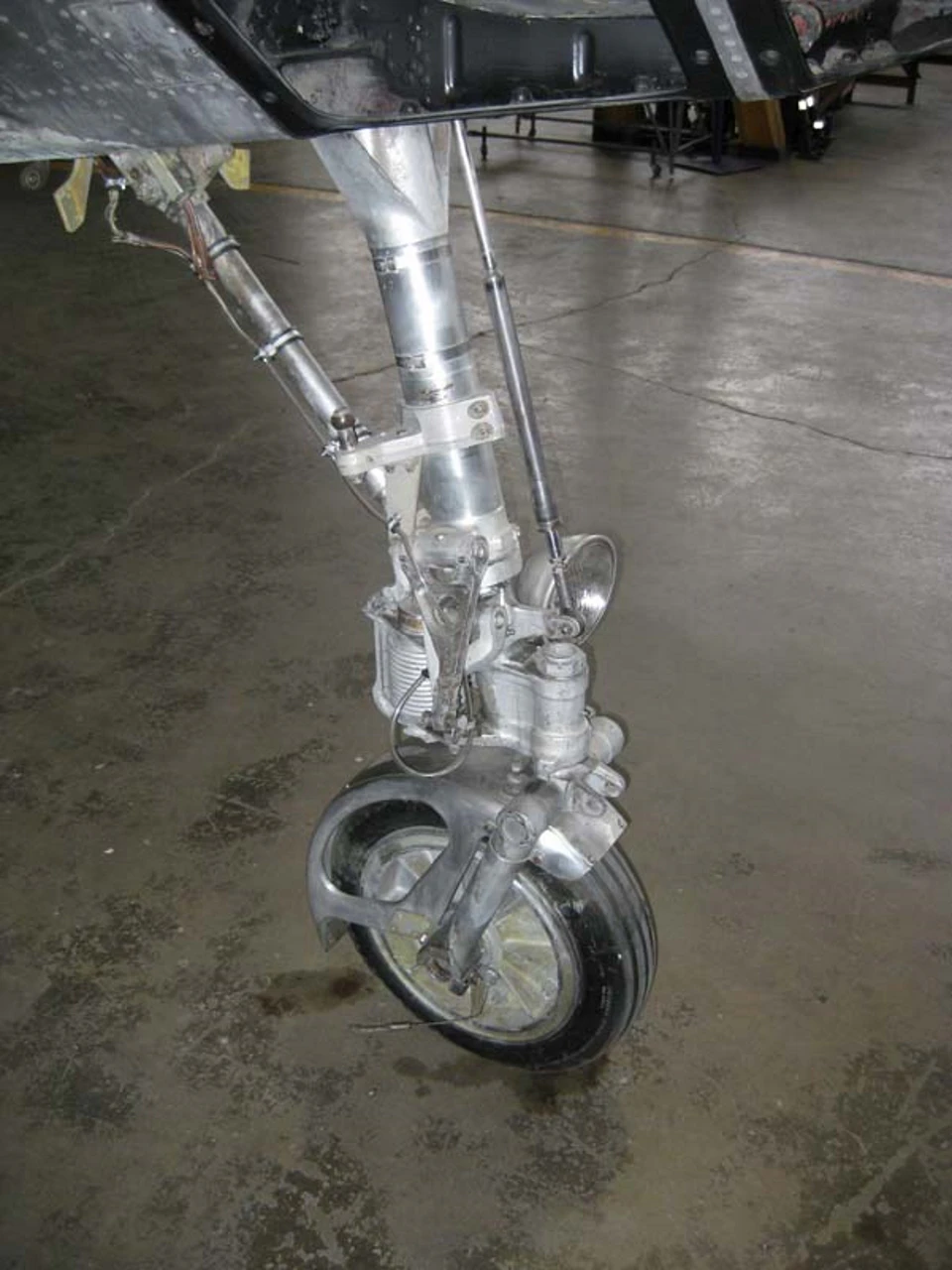
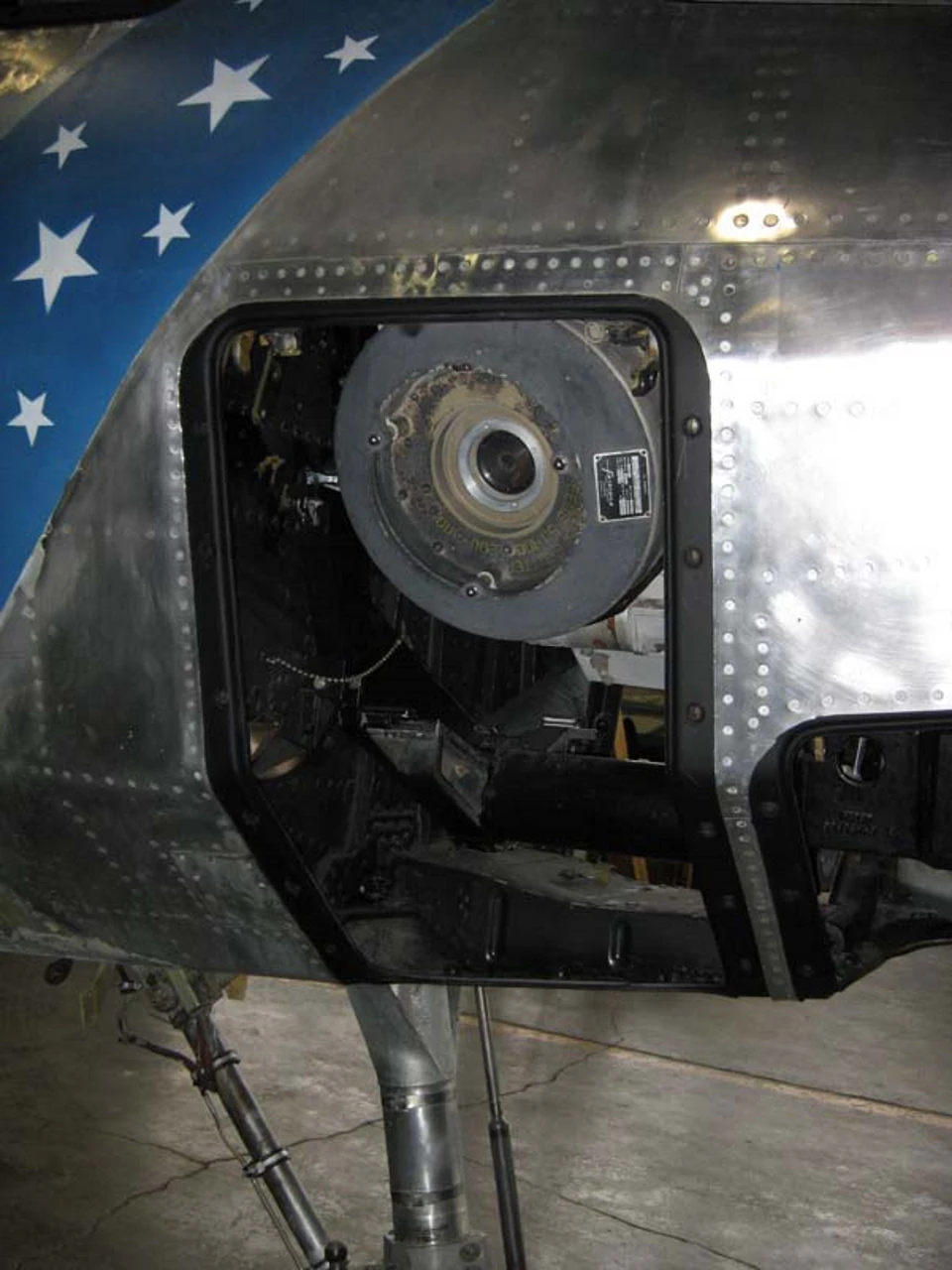
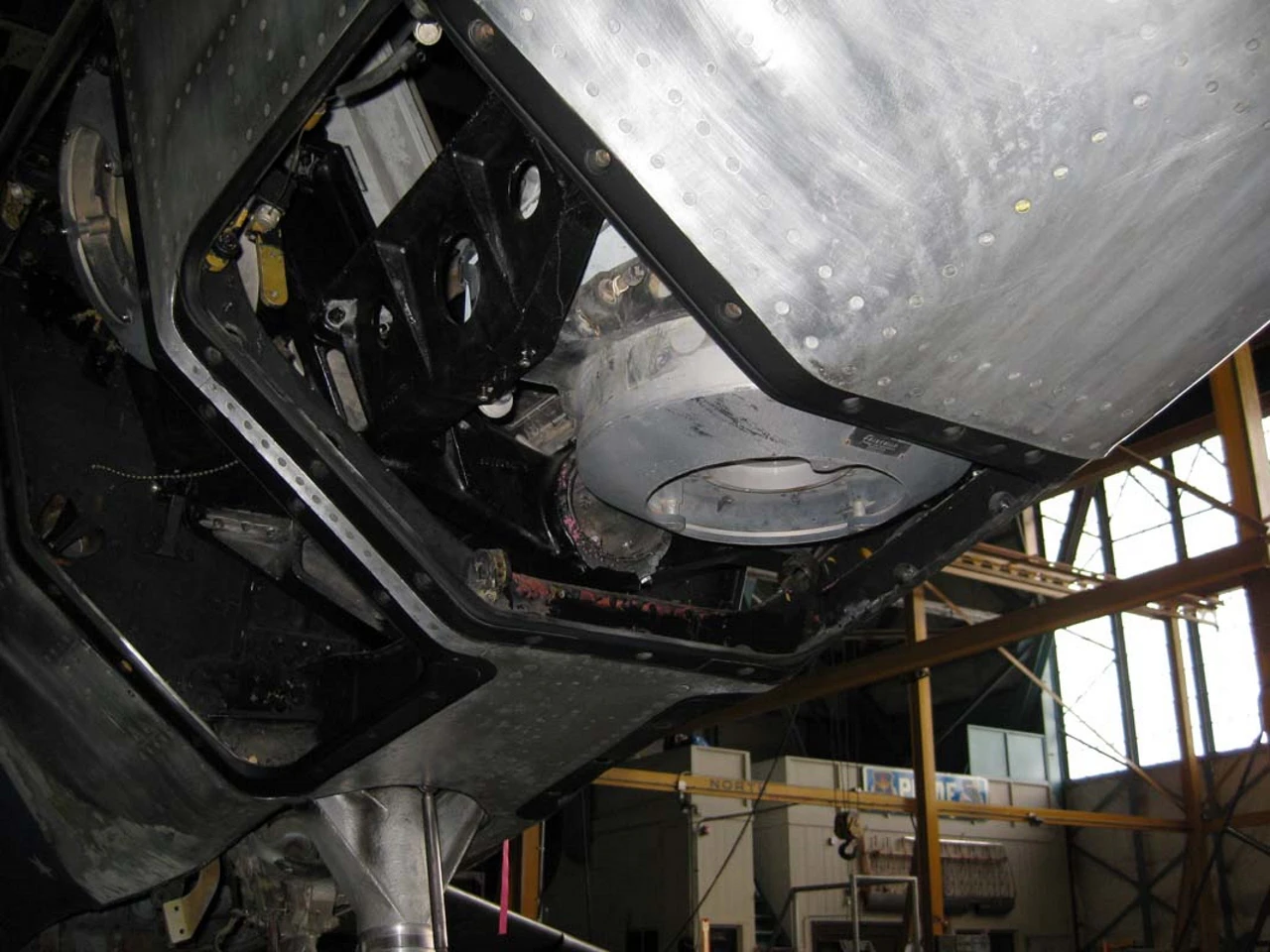
The Reconnaissance Specialized Swept-Wing
Le RF-84F Thunderflash was the dedicated photo-reconnaissance sister to the F-84F Thunderstreak. While most reconnaissance aircraft of the era were simple modifications of fighters, the Thunderflash featured a significant redesign. To accommodate a massive suite of cameras in the nose, engineers moved the jet engine’s air intakes to the wing roots. This gave the aircraft its distinctive “shark-like” appearance and made it one of the most effective tactical reconnaissance platforms of the 1950s, serving at the front lines of the Cold War in both US and NATO colors.
| Attribute | Technical Specification (RF-84F) |
|---|---|
| Ruolo | Photographic Reconnaissance |
| Equipaggio | 1 (Pilot) |
| Motore | 1 × Wright J65-W-7 turbojet (7,800 lbf thrust) |
| Velocità massima | 1,120 km/h (700 mph) at sea level |
| Combat Radius | 1,300 km (810 miles) |
| Armamento | 4 × .50 caliber M3 machine guns (mounted in wing roots) |
| Camera Suite | Up to 15 cameras (Forward, Vertical, Oblique) |
| Service Ceiling | 14,000 m (46,000 ft) |
Design Engineering: The Nose Full of Lenses
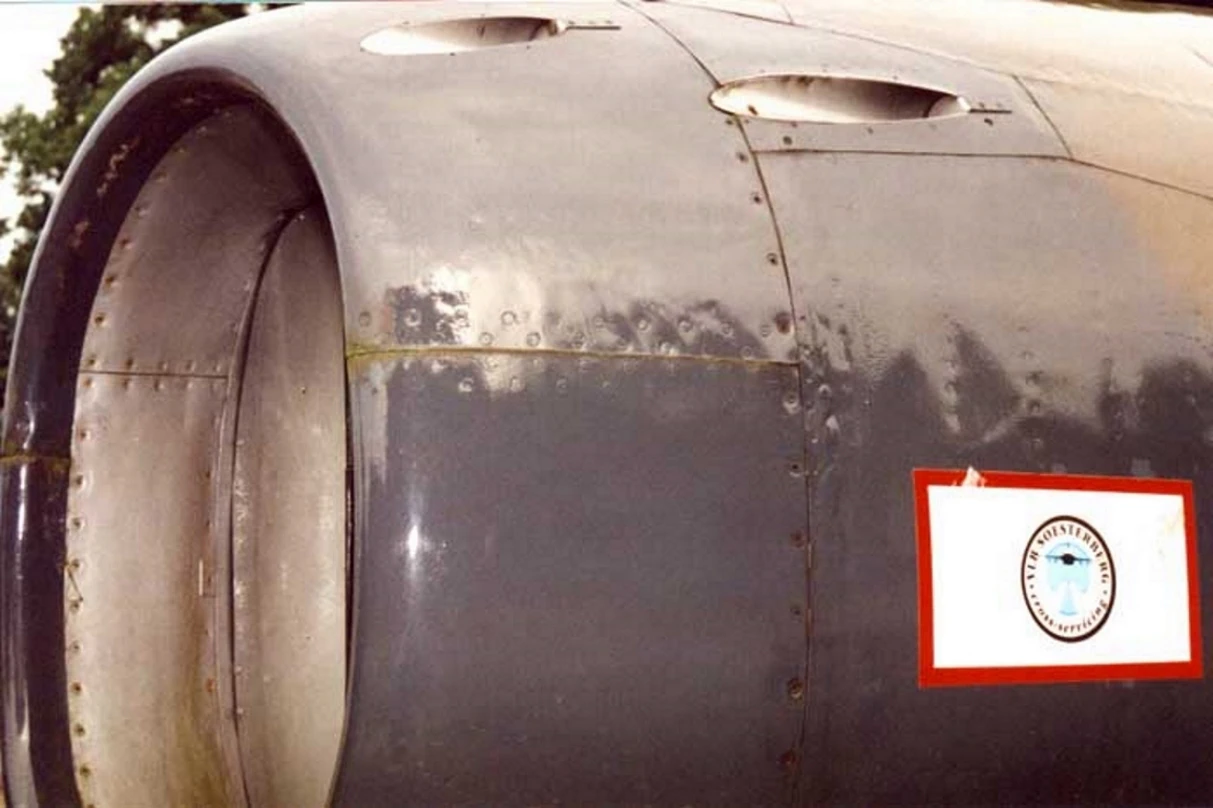
- The Wing-Root Intakes: Because the nose was completely filled with cameras and optical glass, the standard “nose-hole” intake of the F-84 series had to be moved. The RF-84F featured enlarged intakes at the base of the wings. While this allowed for the camera suite, it slightly reduced the engine’s efficiency compared to the fighter version.
- Tri-Metrogon Photography: The Thunderflash was designed to perform “mapping” runs. It often carried a Tri-Metrogon camera setup, which used three cameras to take simultaneous photos: one looking straight down and two looking at oblique angles to the sides, capturing a horizon-to-horizon view in a single pass.
- The Flash-Cartridge Ejectors: For night photography, the RF-84F carried large “flash bombs” or photoflash cartridges in external pods. When dropped, these would explode with millions of candlepower, illuminating the ground for the cameras below.
- The FICON Project: In a bizarre experiment, some RF-84Fs were modified to be carried under a B-36 Pacificatore bomber. The “parasite” jet would be released near enemy territory, take its photos at high speed, and then fly back to hook onto a trapeze beneath the bomber for the journey home.
Operational History: Watching the Iron Curtain
- NATO’s Standard Scout: The RF-84F was the backbone of reconnaissance for West Germany, France, Italy, Belgium, and Greece. It was the primary tool used to monitor Soviet troop movements along the East German border.
- Berlin Crisis and Cuba: USAF Thunderflashes were constantly in the air during the high-tension moments of the early 60s. They provided high-resolution imagery that was vital for strategic planning when satellites were still in their infancy.
- The “Voodoo” Replacement: While the Thunderflash was fast, it was eventually outclassed by the supersonic RF-101 Voodoo. However, because it was so rugged and reliable, many NATO countries continued flying the RF-84F well into the 1970s.
- The “Photo-Hog” Reputation: Pilots generally liked the RF-84F for its stability at low altitudes, which was essential for clear photography, though it was notoriously “heavy” on the controls and required a lot of runway to get into the air.
visualizzazioni : 4142
Puoi anche vedere:
 Canadair CF-104 Starfighter – Foto e Video
 SPAD S.XIII – Foto e Video
 Short Solent – Foto e Video
 Grumman G-73 Mallard – Foto e Video
 Lockheed LC-130 – Foto e Video
 CASA 2.111 vol3 – WalkAround
 AV-8B Harrier II Plus - WalkAround
 Mikoyan MiG-29 - Walkaround
 C-17 Globemaster - WalkAround
 McDonnell F-101B Voodoo – Foto e Video