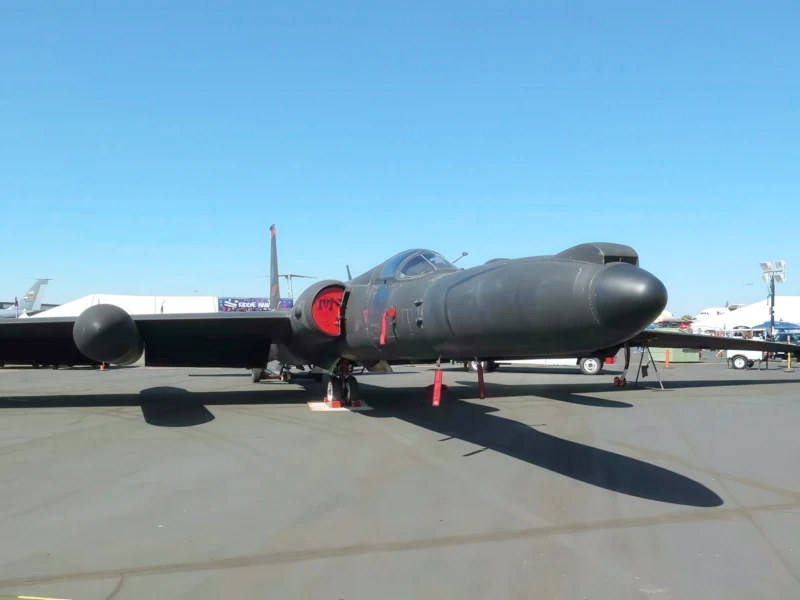
Lockheed U-2 |
|
|---|---|
| Paese | Usa |
| Ruolo | Aereo da ricognizione ad alta quota |
| Primo volo | 1 agosto 1955 |
| Costruito | 1104 |
Le Lockheed U-2, soprannominato "Dragon Lady", è un aereo da ricognizione americano a motore monogetto ad altissima quota operato dalla United States Air Force (USAF) e precedentemente pilotato dalla Central Intelligence Agency (CIA). Fornisce giorno e notte, alta quota (70.000 piedi; 21.000 m), raccolta di informazioni per tutte le stagioni. L'U-2 è stato utilizzato anche per la ricerca di sensori elettronici, la calibrazione satellitare, la ricerca scientifica e le comunicazioni.
fonte: Lockheed U-2 su Wikipedia
| Lockheed P2V-7 (SP-2H) Neptune + Cockpit | |
|---|---|
| Fotografo | Cees Hendriks |
| Localizzazione | Inconsapevole |
| Foto | 136 |
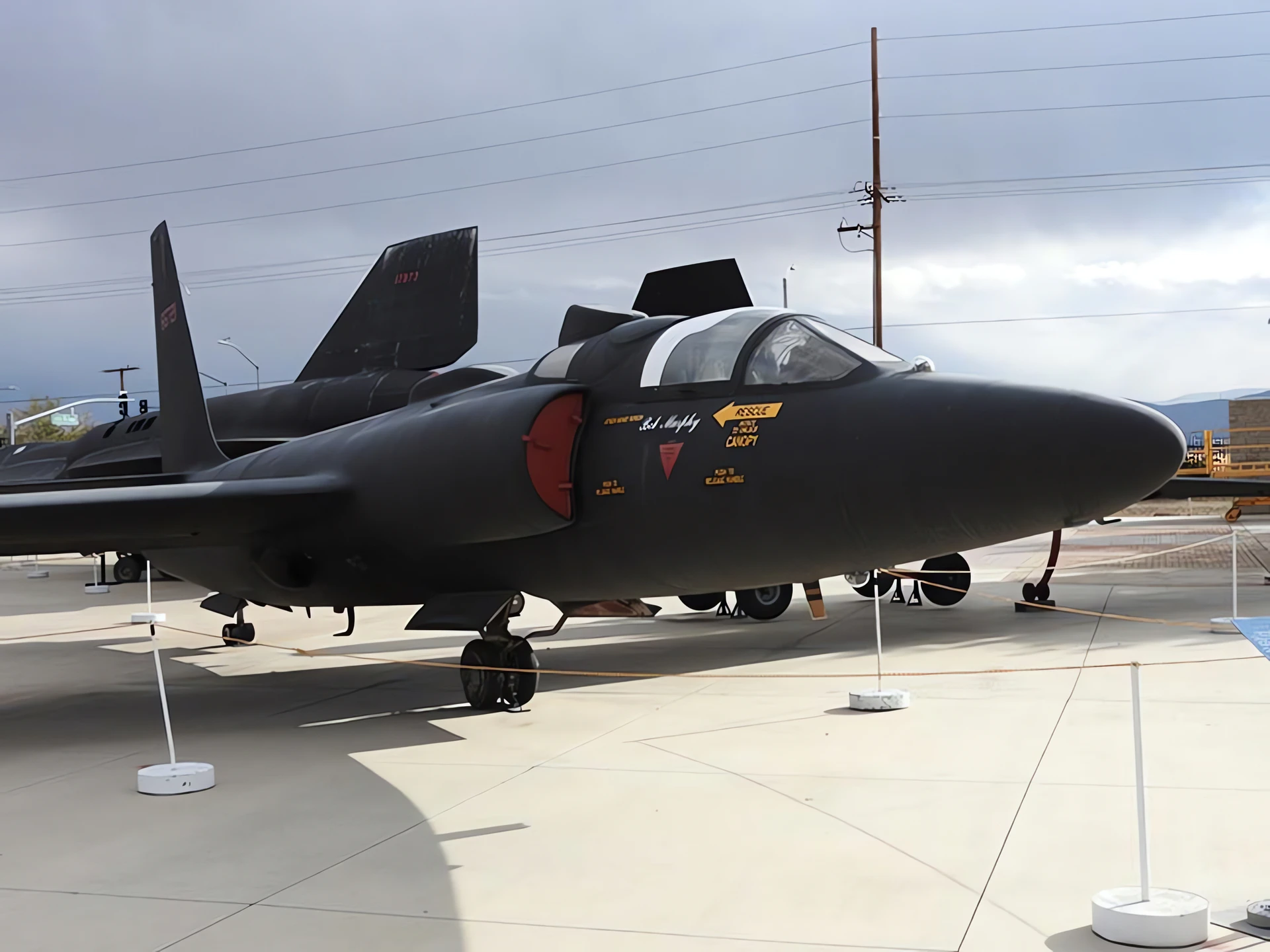
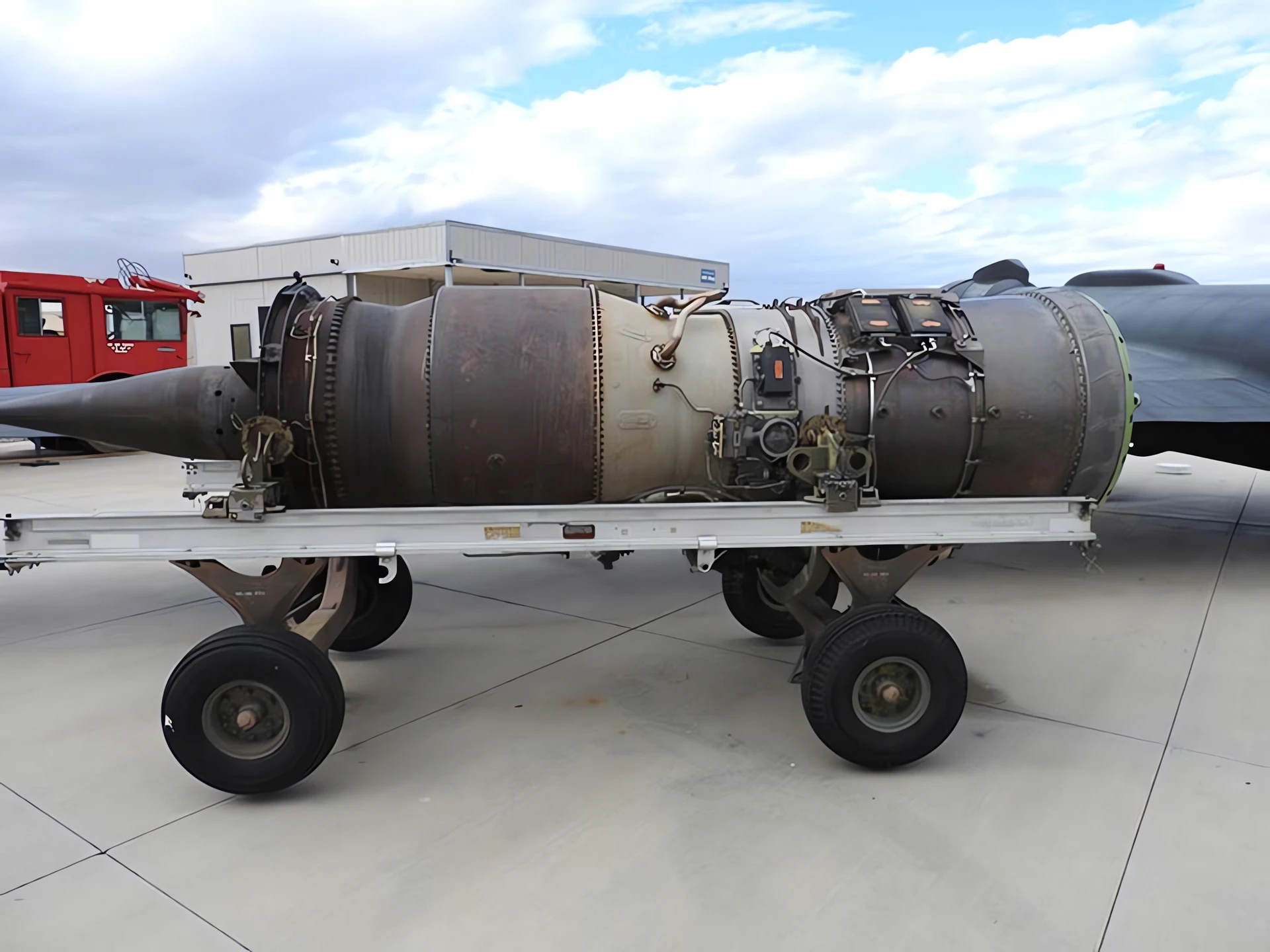
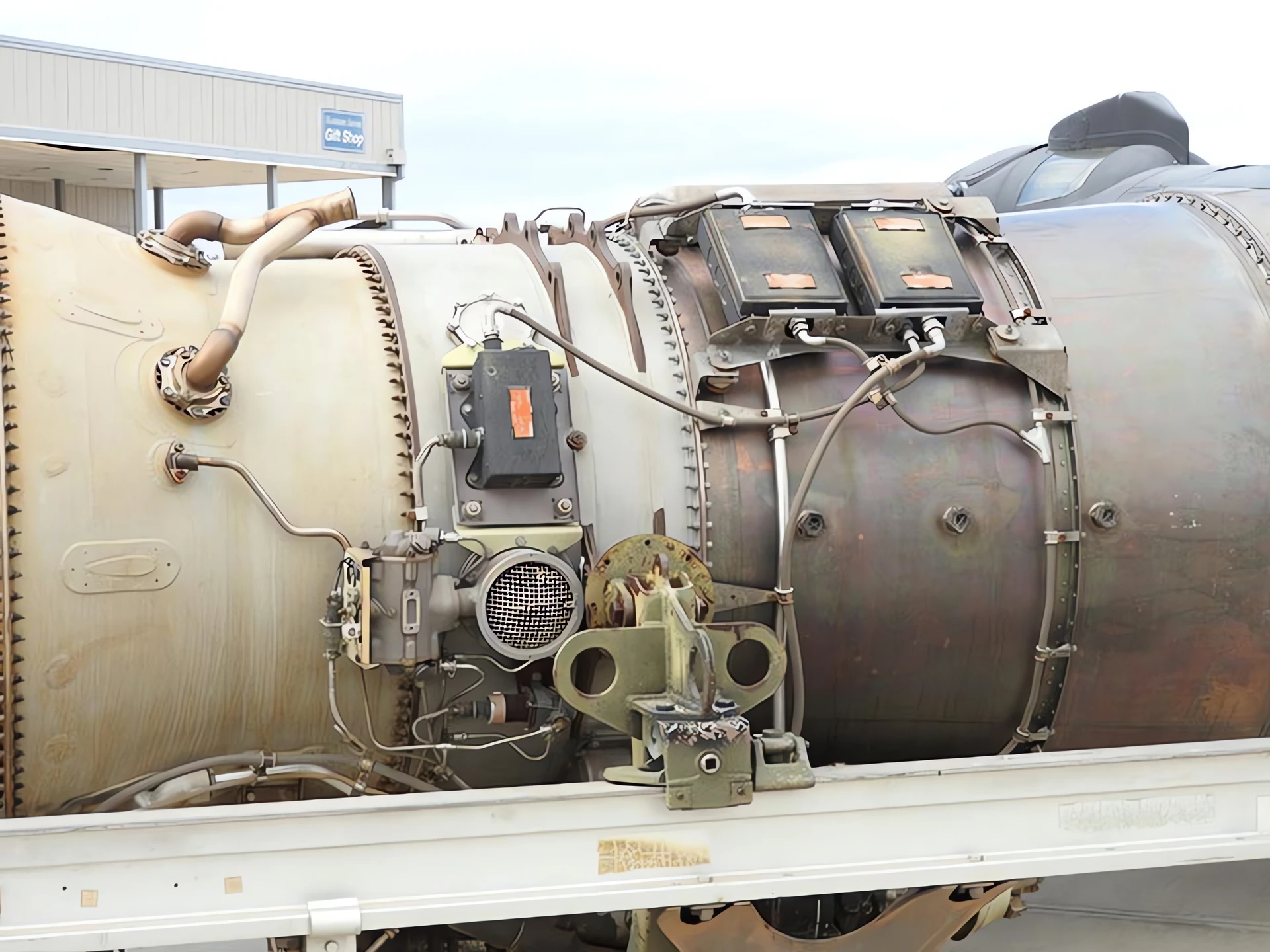
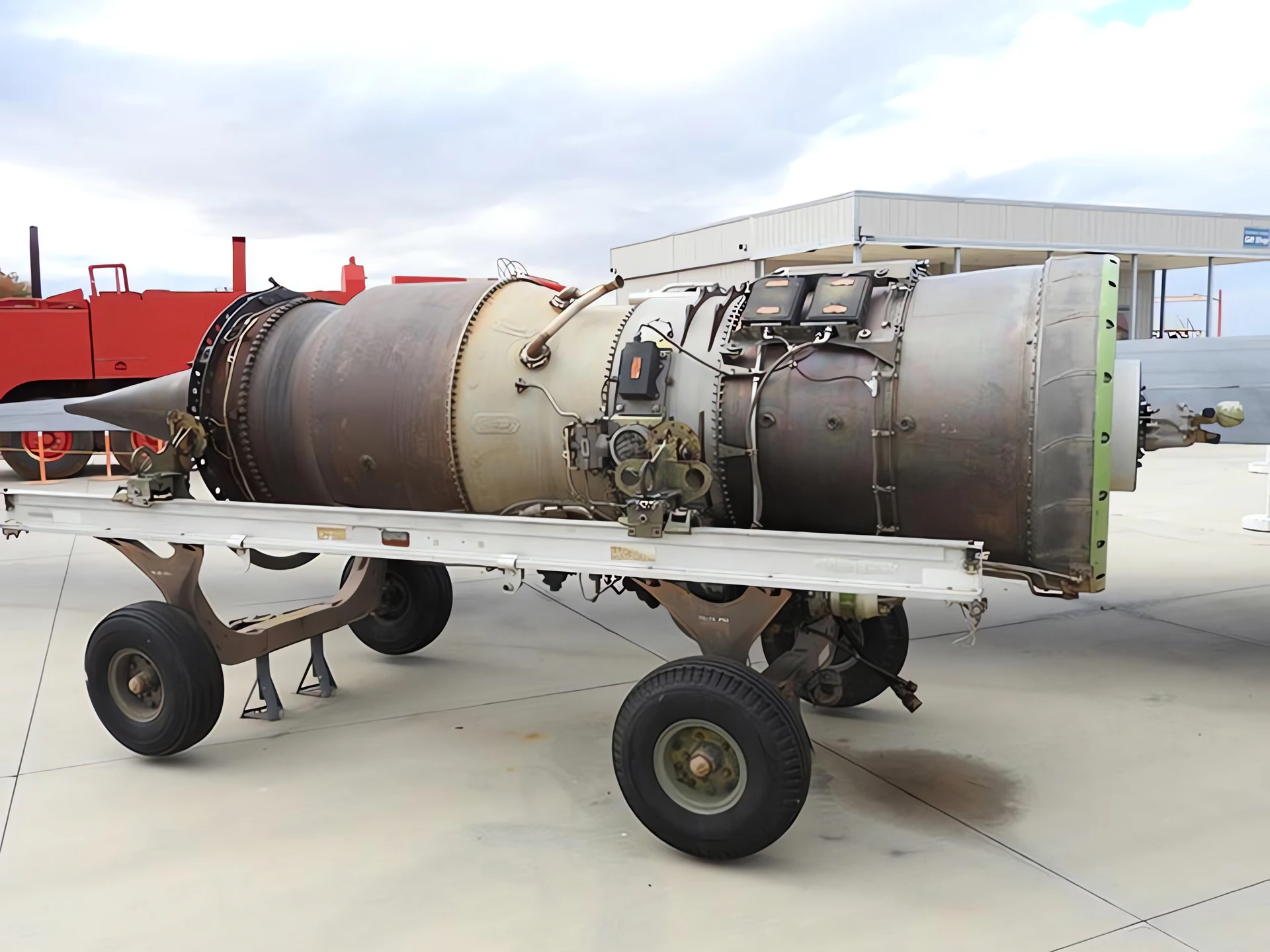
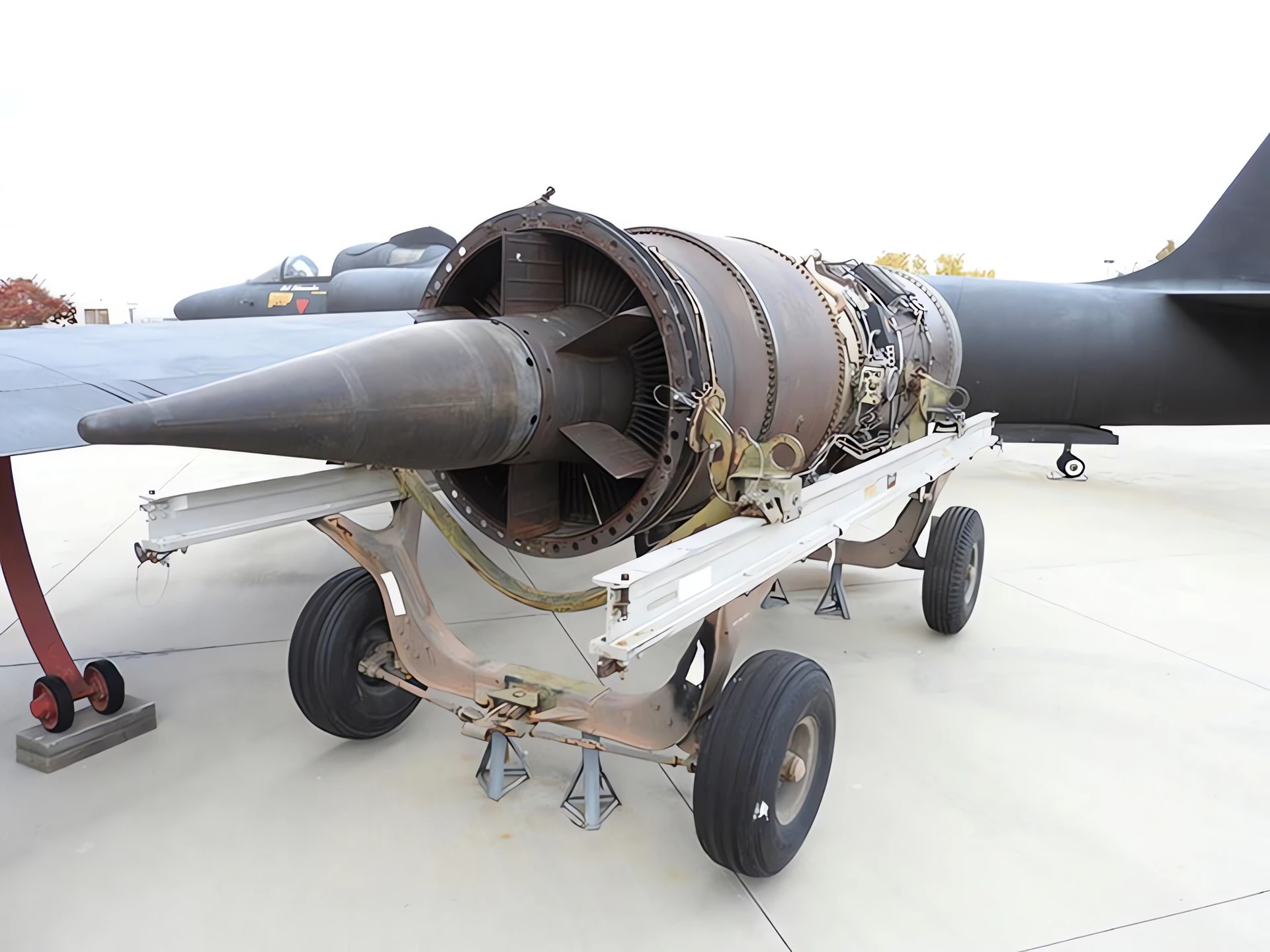
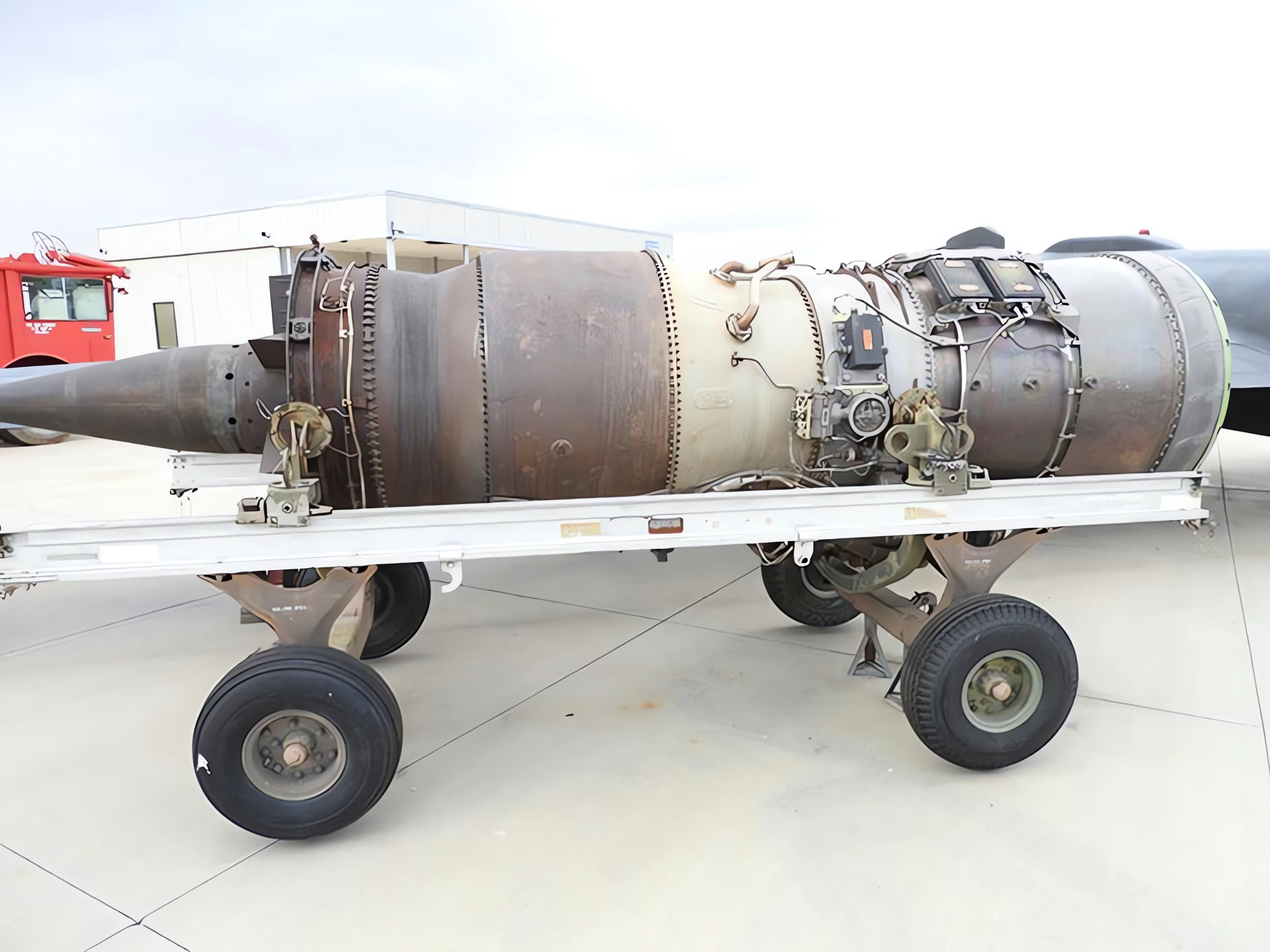
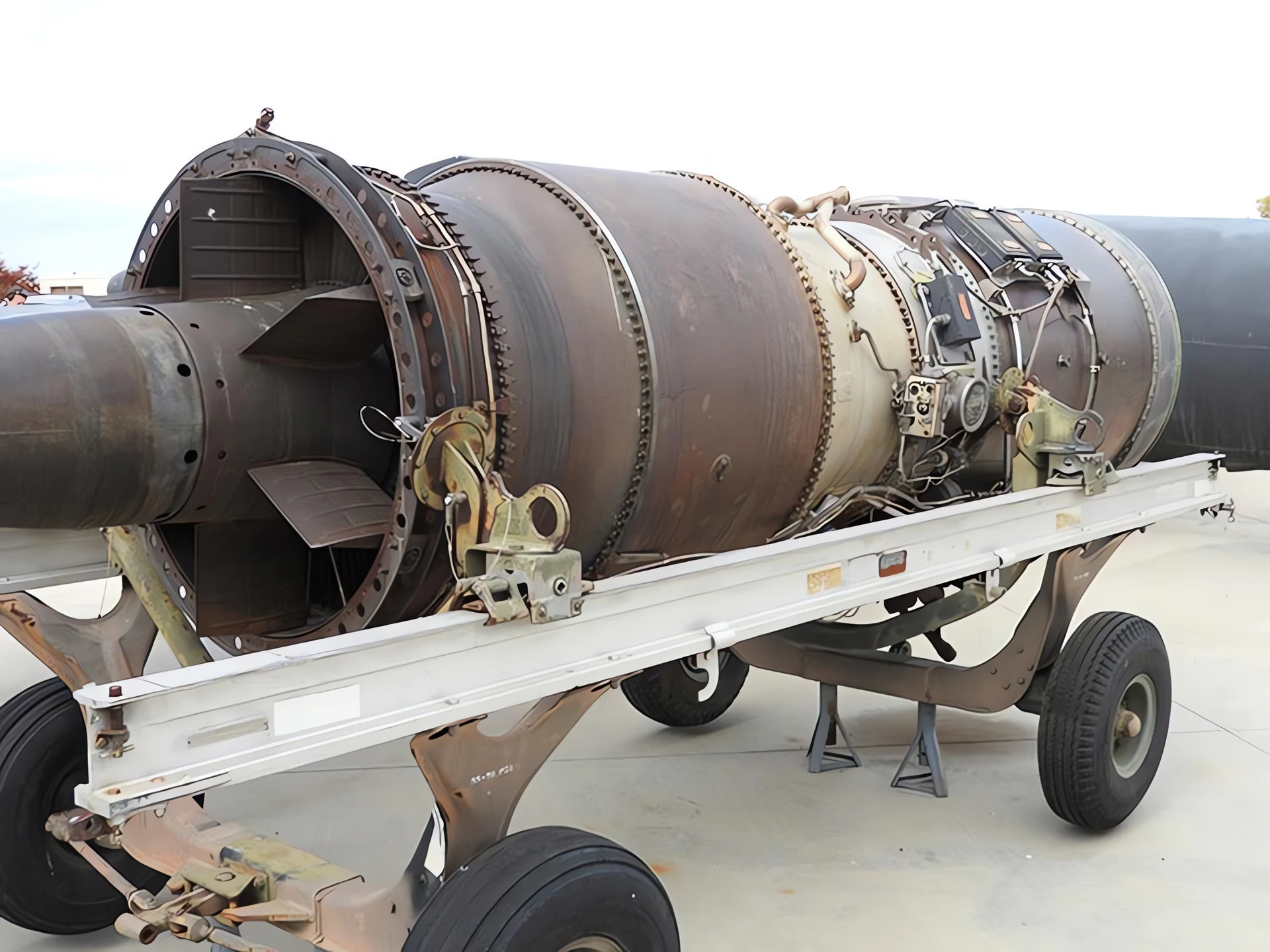
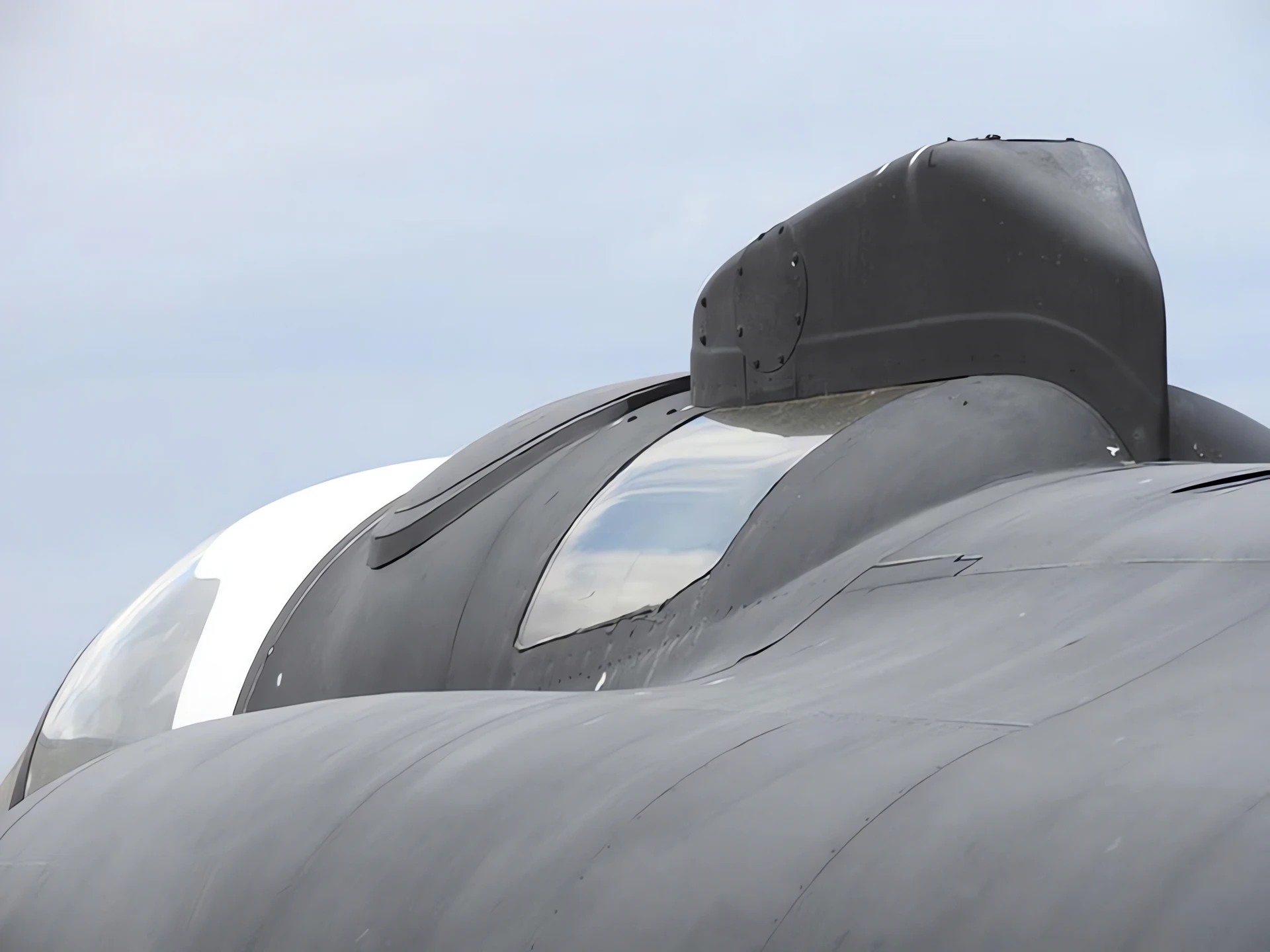
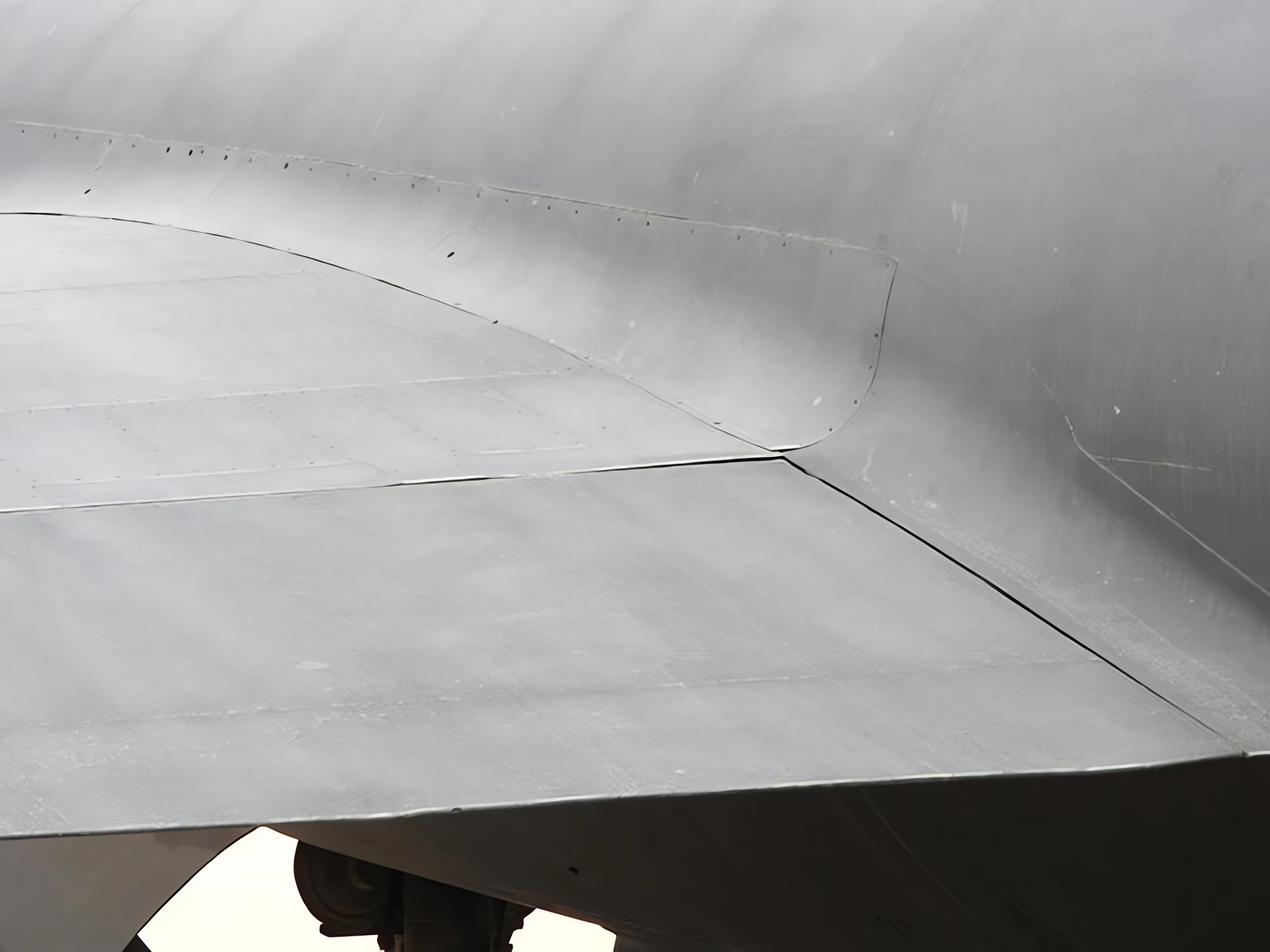

| Lockheed U-2S Senior Year Walk Around | |
|---|---|
| Fotografo | Vladimir Jakubov |
| Localizzazione | Capital City Airshow 2016, Sacramento |
| Foto | 124 |
Vedi anche:


General Characteristics and Role
The Lockheed U-2 Dragon Lady is an American single-jet engine, high-altitude reconnaissance aircraft famous for its role in intelligence gathering during the Cold War. Designed by Lockheed’s Skunk Works under Clarence “Kelly” Johnson, the U-2 was engineered to fly at extreme altitudes—well above 70,000 feet (21,300 meters)—to remain beyond the reach of Soviet interceptors and surface-to-air missiles of the 1950s and early 1960s. The U-2C was an upgraded version of the initial U-2A, featuring a more powerful J75 engine and an enlarged air intake for improved performance. The U-2D was a specialized two-seat trainer variant developed later. The aircraft’s primary role was photographic and signals intelligence (SIGINT) collection deep inside denied airspace, a mission that required the pilot to wear a specialized pressure suit. Its unique high-aspect ratio wings give it glider-like performance, crucial for maintaining altitude and range.
| Property | Typical Value (U-2C) |
|---|---|
| digitare | High-Altitude, Single-Seat Reconnaissance Aircraft |
| National Origin | Stati Uniti |
| Produttore | Lockheed Skunk Works |
| Entered Service (U-2A) | 1957 |
| Equipaggio | 1 (Pilot) / 2 (Pilot and Instructor/Sensor Operator for U-2D) |
| Lunghezza | 15.24 m (50 ft 0 in) |
| Apertura alare | 24.38 m (80 ft 0 in) |
| Max Takeoff Weight | Approx. 13,150 kg (28,990 lb) |
Powerplant and Performance
- Engine (U-2C): 1 x Pratt & Whitney J75-P-13 turbojet engine.
- Engine Thrust: Approx. 75.6 kN (17,000 lbf).
- Maximum Speed: Approx. 805 km/h (500 mph) / Mach 0.7.
- Operational Ceiling: Officially greater than 21,300 m (70,000 ft), earning it the nickname “The Dragon Lady.”
- Range: 4,633 km (2,879 miles) on a typical mission.
- Sensors: Carried a variety of interchangeable payloads, including specialized large-format cameras (e.g., the A-2) and highly sensitive electronic intelligence (ELINT) and signals intelligence (SIGINT) equipment. The nose and equipment bays are modular.
- Landing Characteristics: Due to its extreme wingspan and bicycle-type landing gear, the aircraft is notoriously difficult to land, often requiring a chase car to communicate final speed and altitude to the pilot.
Service History and Legacy
- The U-2 Incident: The U-2’s global notoriety began with the 1960 shoot-down of CIA pilot Francis Gary Powers over the Soviet Union while flying a U-2A. This event exposed the highly secret program and dramatically escalated Cold War tensions.
- Cuban Missile Crisis: U-2 missions provided definitive photographic evidence of Soviet intermediate-range ballistic missile sites in Cuba in 1962, triggering the Cuban Missile Crisis.
- Variants: The U-2 program led to numerous variants, including the U-2R (larger airframe) and the current operational version, the U-2S, which features a modern GE F118 turbofan engine.
- The D-Model: The U-2D was primarily used for testing high-altitude sensors and systems, and was also sometimes used for two-seat training.
- Longevity: Despite its age and the introduction of advanced satellites and the SR-71 Blackbird, the U-2 remains in service with the US Air Force, having outlasted its supposed successor, the SR-71, due to its operational flexibility and payload capacity.
Visualizzazioni : 5016
Puoi anche vedere:
 Grumman AF Guardian – Foto e Video
 Lockheed Electra 12 – Foto e Video
 Lockheed F-117 Nighthawk – Foto e Video
 Lockheed MC-130 – Foto e Video
 Lockheed F-94 Starfire – Foto e Video
 Lockheed CP-140 Aurora – Foto e Video
 Lockheed C-141 Starlifter – Foto e Video
 Lockheed C-121 Constellation – Foto e Video
 Lockheed AC-130A Spectre – Foto e Video
 Arpione Lockheed PV-2D - WalkAround