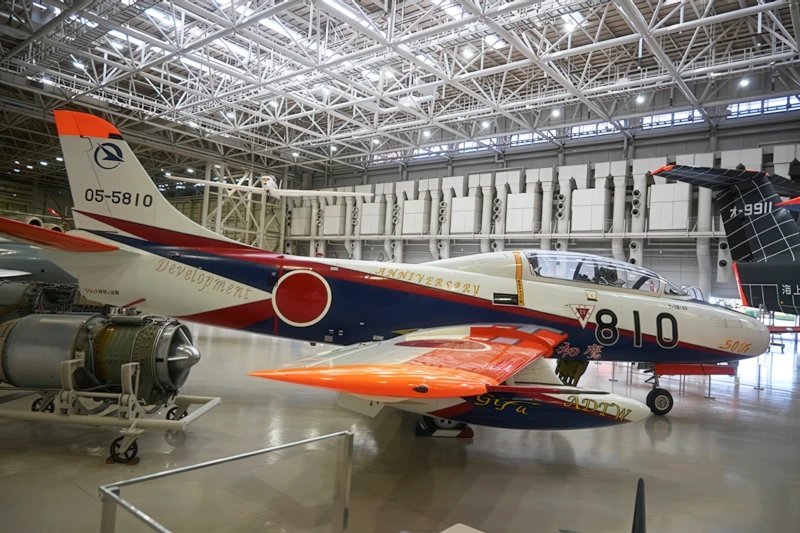
Fuji T-1 |
|
|---|---|
| Paese | Giappone |
| Ruolo | Intermediate trainer aircraft |
| Primo volo | January 1, 1958 |
| Numero costruito | 66 |
The Fuji T-1 Hatsutaka was Japan’s first jet-powered trainer aircraft. Its first flight was in January 1958. A total of 66 T-1 planes were built. It was retired in March 2006.
fonte: Fuji T-1 on Wiki
| Fuji T-1 Trainer Jet Walk Around | |
|---|---|
| Fotografo | Meindert de Vreeze |
| Localizzazione | Inconsapevole |
| Foto | 42 |
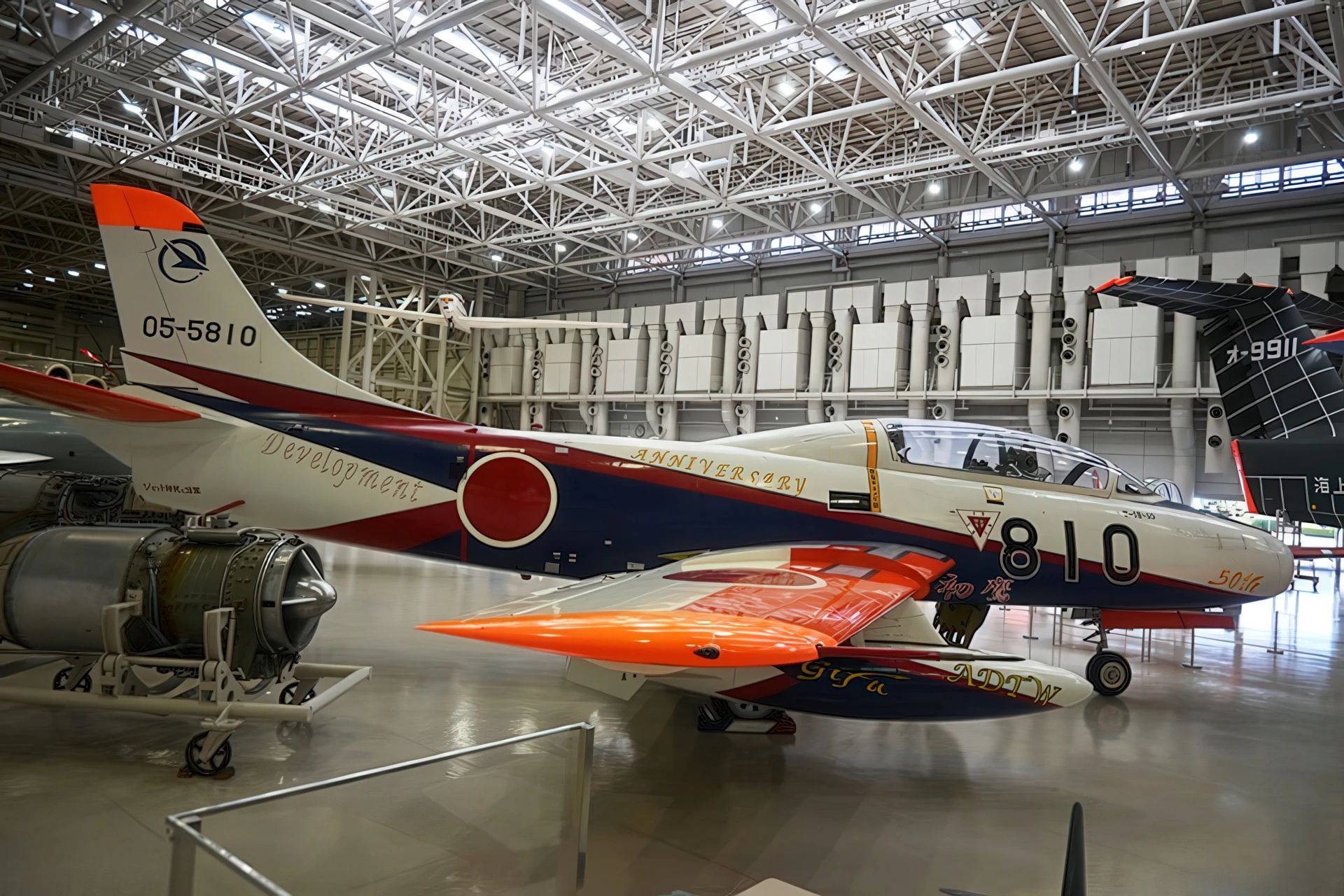
Fuji T-1 Trainer Jet 01
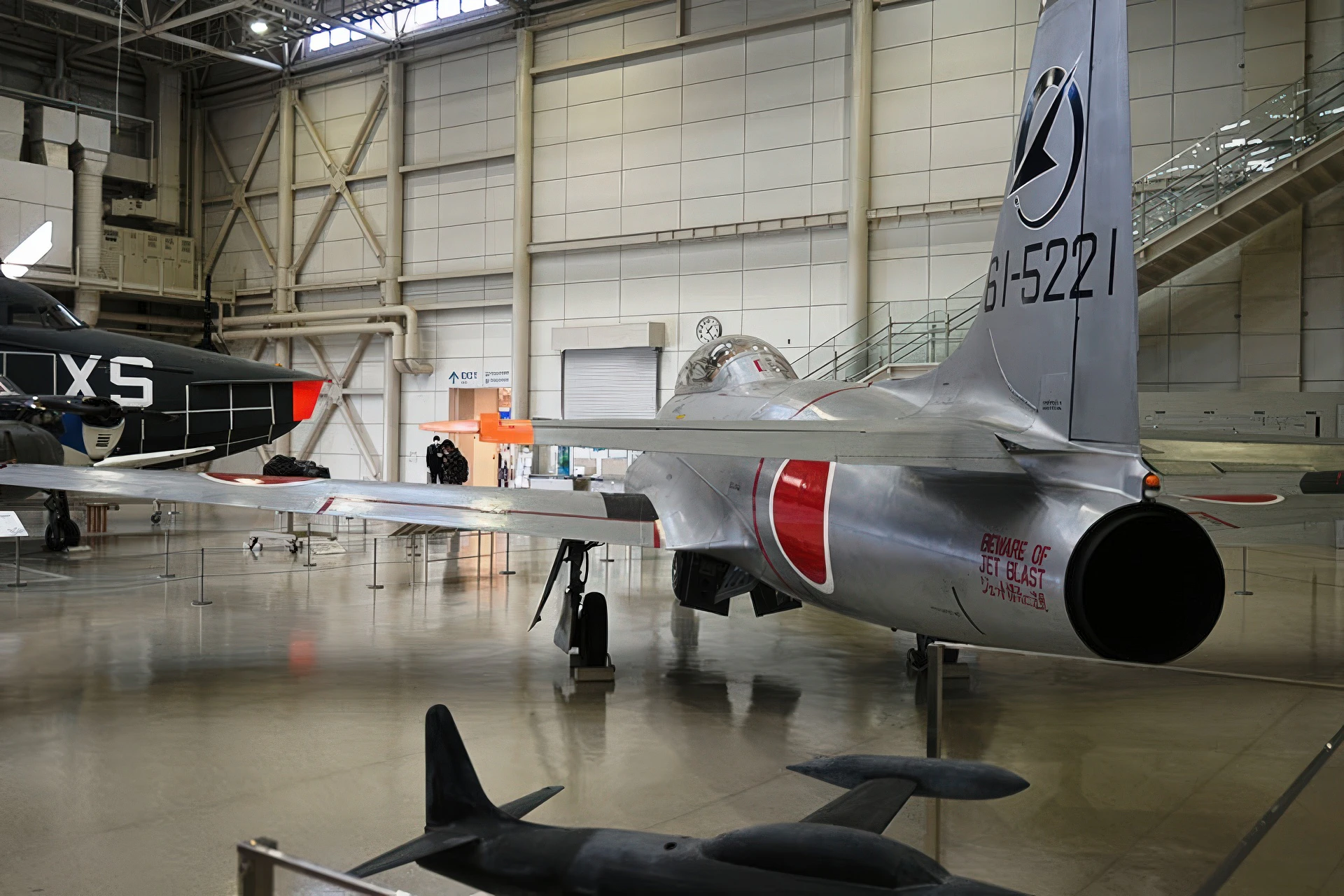
Fuji T-1 Trainer Jet 02
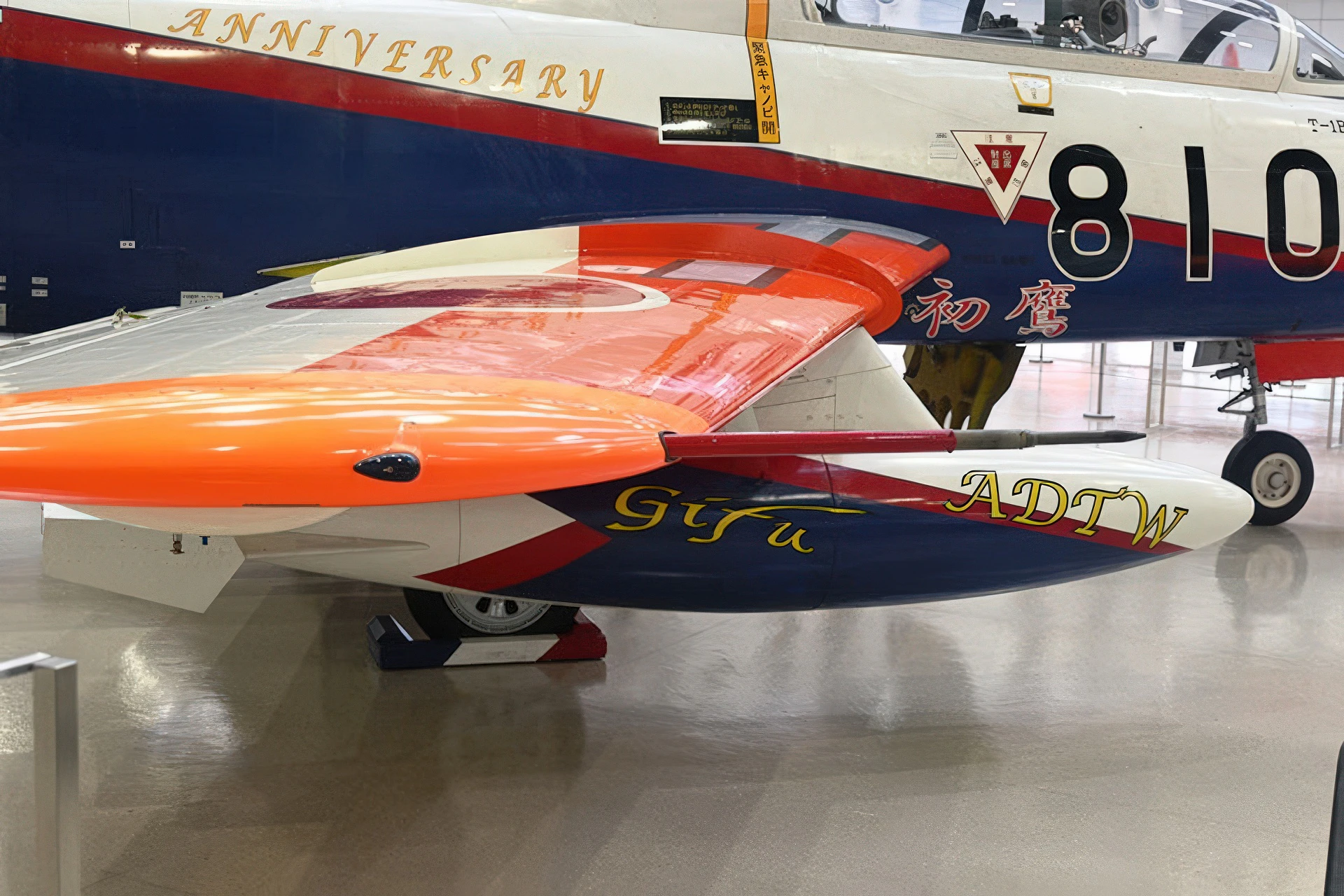
Fuji T-1 Trainer Jet 03
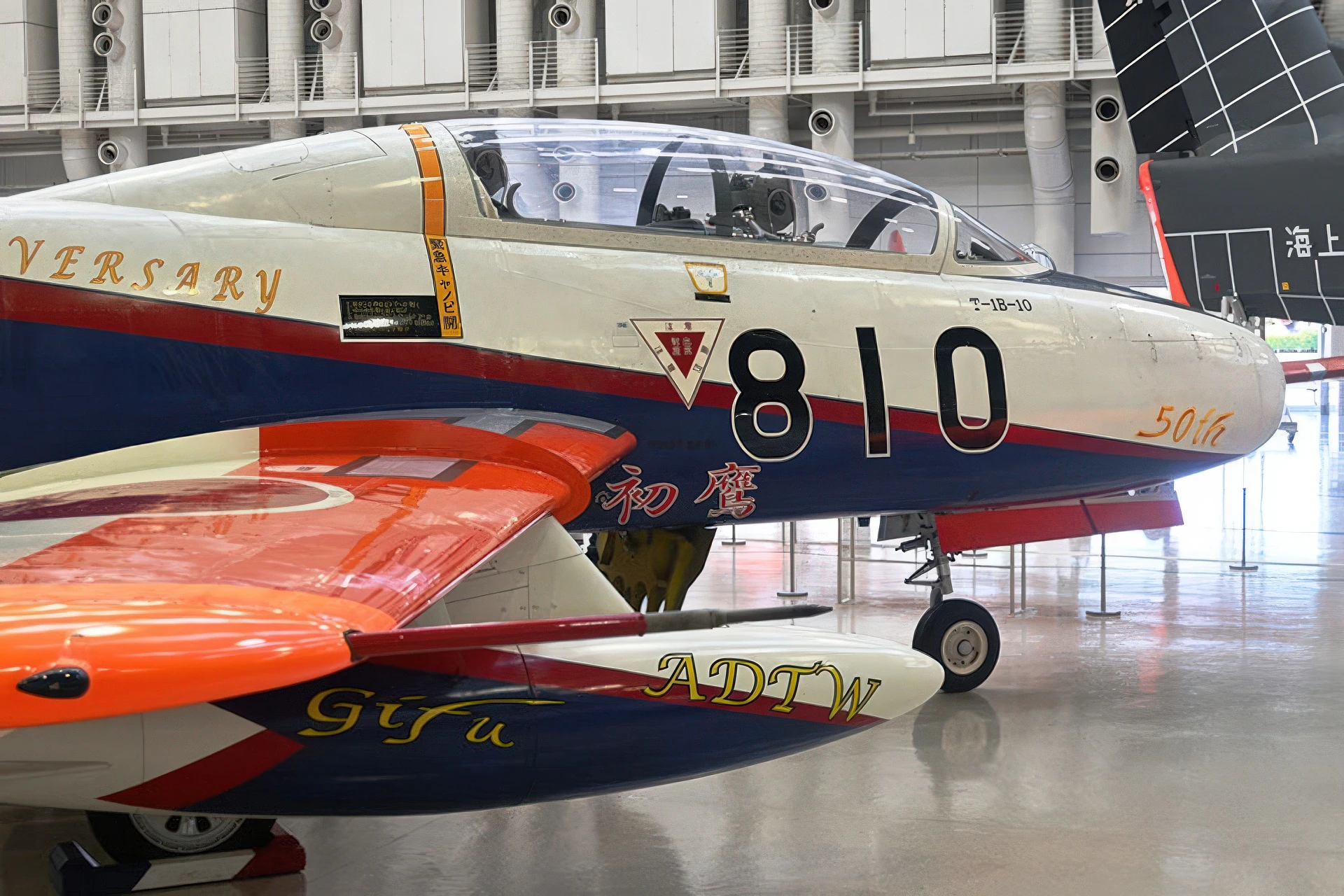
Fuji T-1 Trainer Jet 04
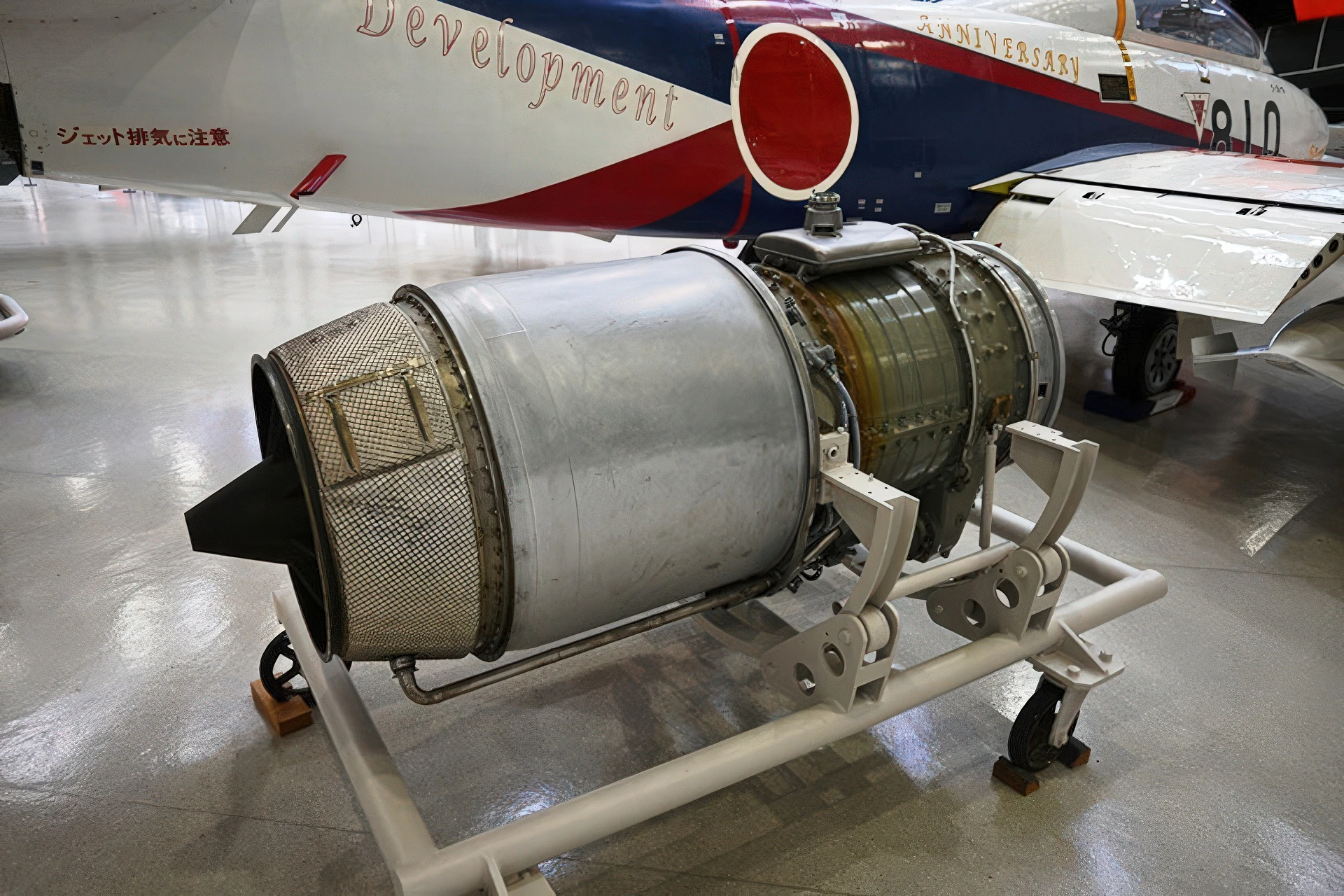
Fuji T-1 Trainer Jet 05
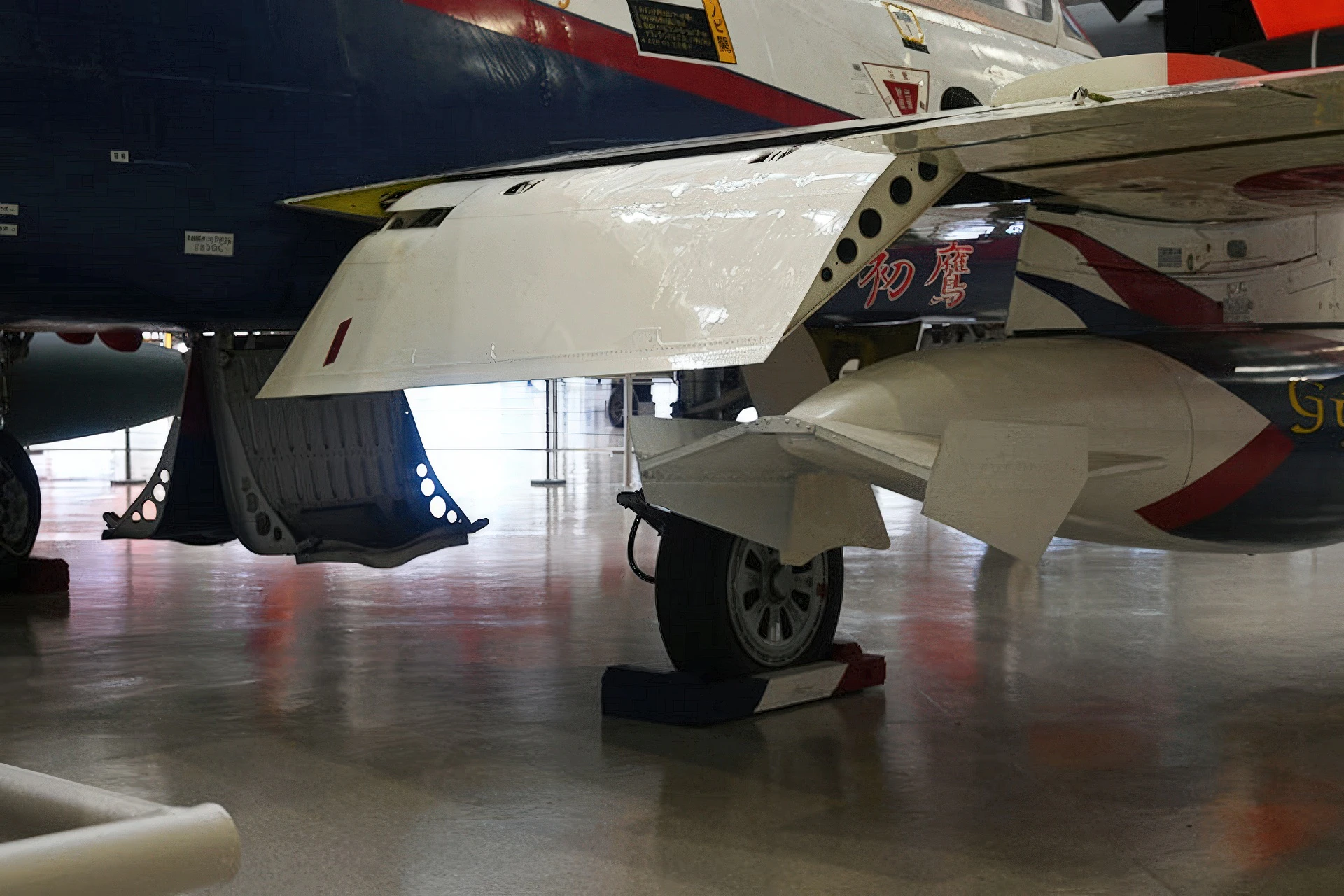
Fuji T-1 Trainer Jet 06
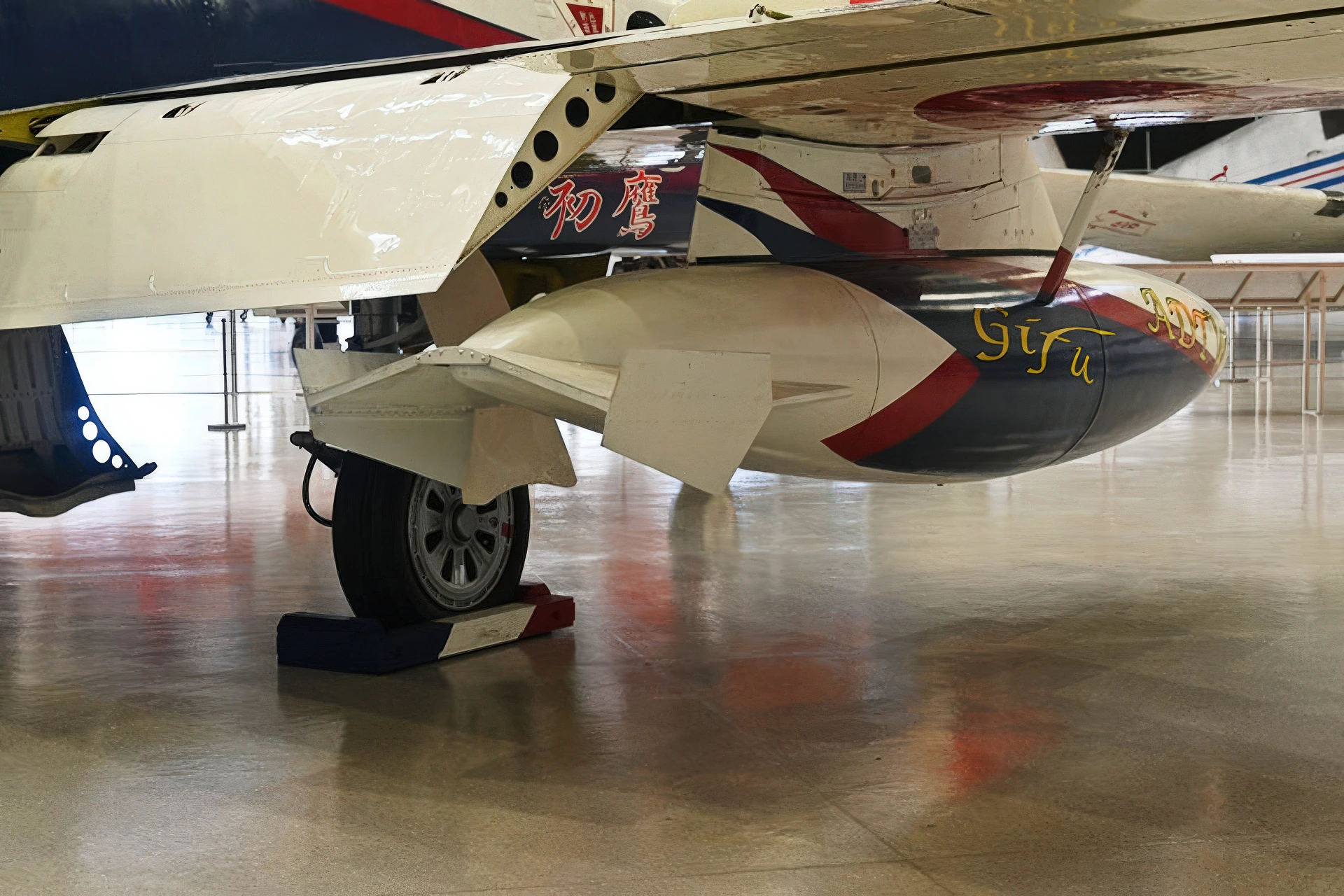
Fuji T-1 Trainer Jet 08
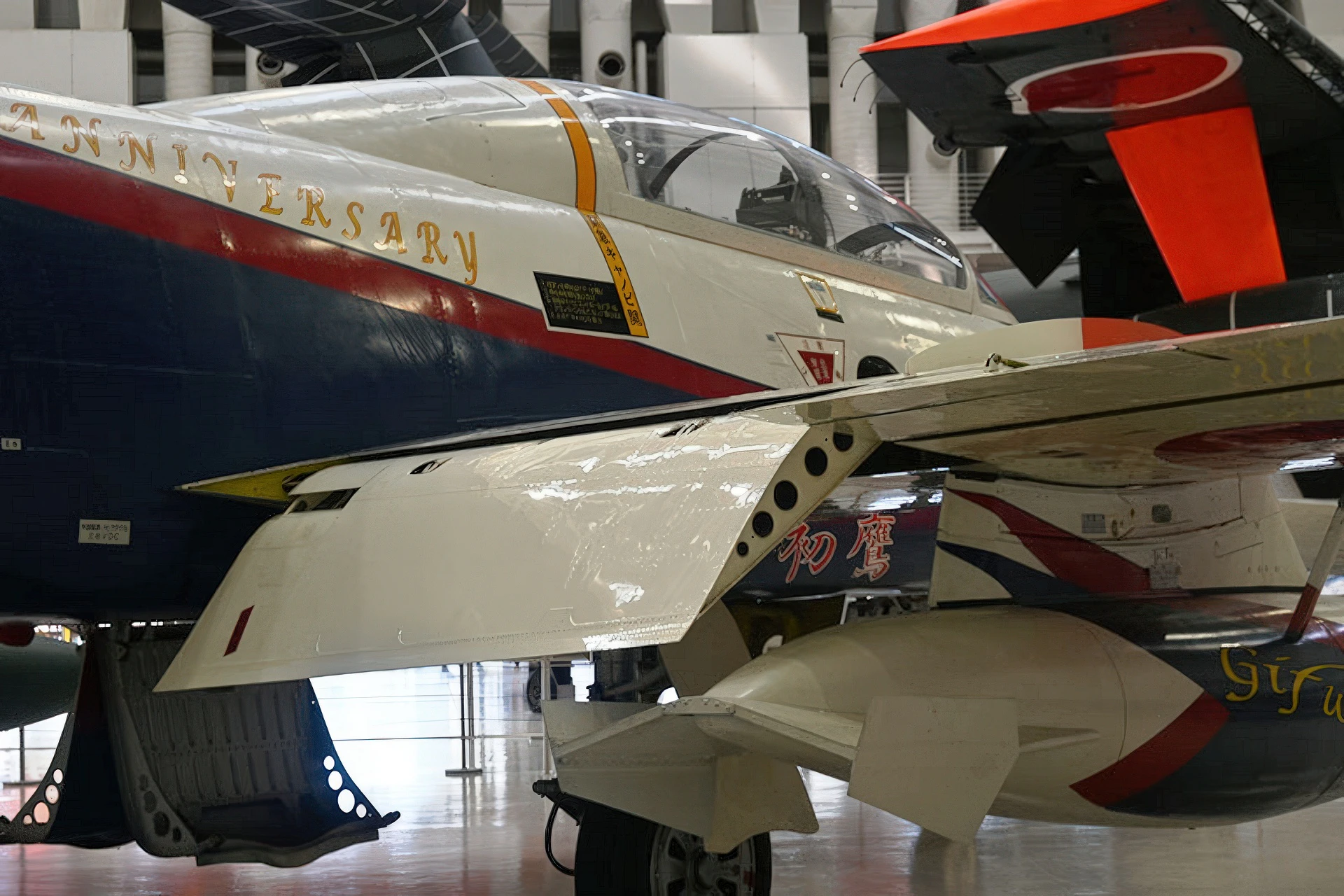
Fuji T-1 Trainer Jet 07
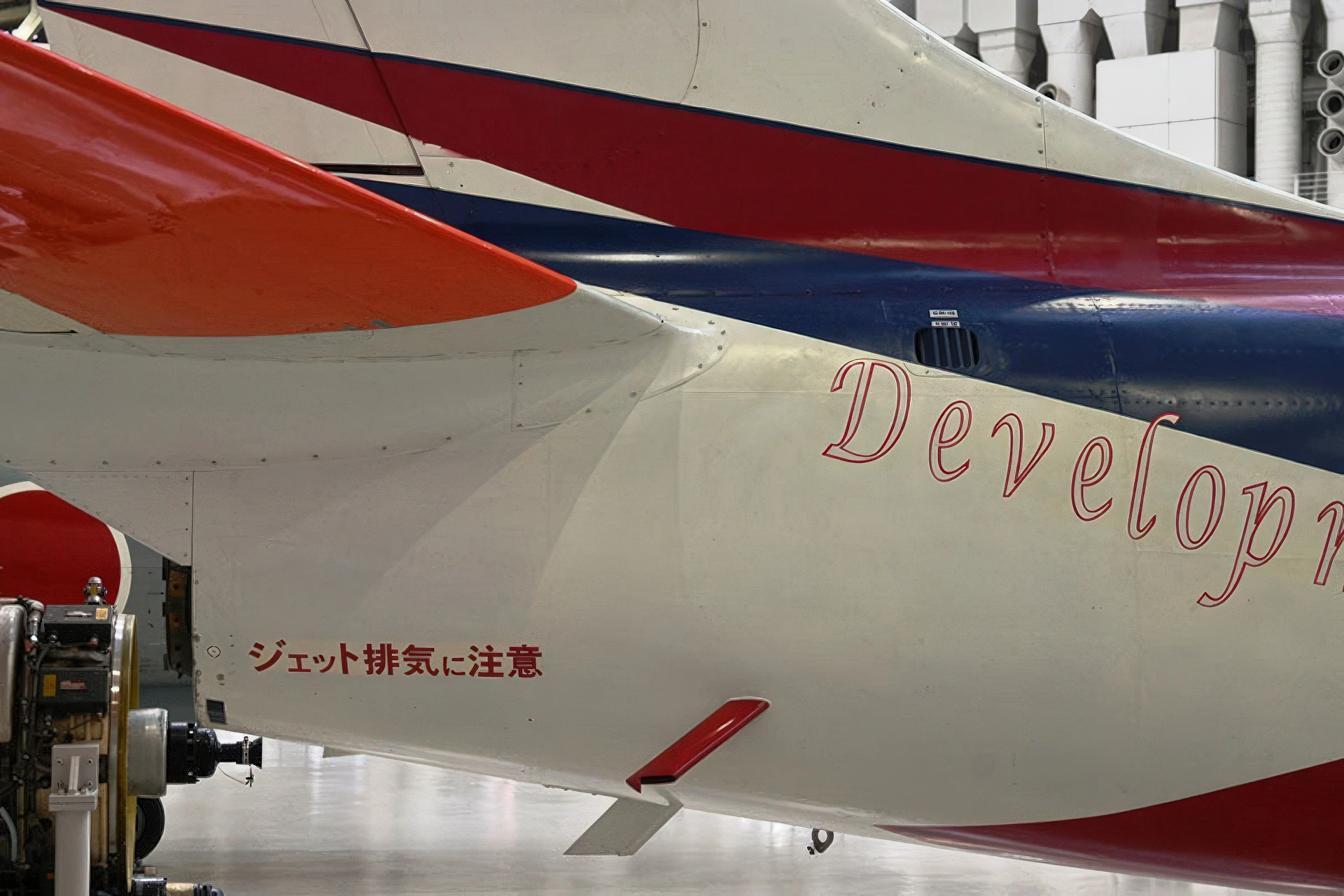
Fuji T-1 Trainer Jet 09
Wait, Searching Fuji T-1 for you…

Vedi anche:


The Fuji T-1 represents a landmark in Japanese aerospace history. Developed in the mid-1950s by Fuji Heavy Industries, it was the first jet-powered aircraft designed and mass-produced in Japan following the end of World War II. Its design was heavily influenced by the North American F-86 Sabre, featuring a 26-degree swept-wing and a distinctive nose-mounted air intake. The T-1 was built to provide intermediate and advanced training for pilots transitioning to the Japan Air Self-Defense Force (JASDF) frontline supersonic fighters.
| Category | Specifications (T-1A / T-1B) |
|---|---|
| Ruolo | Intermediate Jet Trainer |
| Equipaggio | 2 (Student and Instructor in tandem) |
| First Flight | January 19, 1958 |
| Lunghezza | 12.12 meters (39 ft 9 in) |
| Apertura alare | 10.50 meters (34 ft 5 in) |
| Maximum Takeoff Weight | 5,000 kg (11,023 lb) |
| Velocità massima | 925 km/h (575 mph) at 6,100 m |
| Service Ceiling | 14,400 meters (47,200 ft) |
Engine Variants and Powerplants
- T-1A Variant: Powered by the British Bristol Siddeley Orpheus Mk 805 turbojet. This was used initially because the domestic engine development was still in progress.
- T-1B Variant: Powered by the Ishikawajima J3-IHI-3 turbojet, the first Japanese-designed and produced jet engine after the war.
- J3 Engine Specs: An axial-flow turbojet producing approximately 2,645 lbf of thrust, essential for proving Japan’s industrial recovery.
Armament and Training Equipment
While primarily a trainer, the T-1 was equipped with hardware for weapons proficiency:
- Fixed Armament: One 12.7 mm Browning M53-2 machine gun mounted in the nose.
- External Hardpoints: Two underwing pylons capable of carrying 455-liter drop tanks, unguided rockets, or bombs for light attack training.
- Air-to-Air: Provisions were made to carry two AIM-9 Sidewinder missiles for interceptor training.
- Cockpit Environment: Features tandem seating with the instructor in a slightly elevated rear position to ensure a clear view of the student’s actions and the flight path.
Service Legacy
- Total Production: 66 aircraft (46 T-1A and 20 T-1B models).
- Operational Period: Served the JASDF from 1960 until March 2006, a remarkable 46-year career.
- Transition: The fleet was eventually phased out in favor of the Kawasaki T-4 intermediate trainer.
- Historical Importance: The T-1 proved Japan’s ability to integrate modern swept-wing aerodynamics and jet propulsion into a reliable, high-performance platform.
Punti di vista : 259
Puoi anche vedere:
 Northrop F-89 Scorpion – Foto e Video
 North American FJ-4 Fury – Foto e Video
 Messerschmitt Me 410 – Foto e Video
 McDonnell Douglas F/A-18 Hornet – Foto e video
 Mitsubishi A6M Zero - Passeggiata
 Hawker Hurricane - Cammina in giro (Walk Around)
 Bell P-39N Airacobra - Walkaround
 Liberatore B-24M consolidato - WalkAround
 P-47D Thunderbolt - WalkAround
 A-20 Havoc - Walkaround