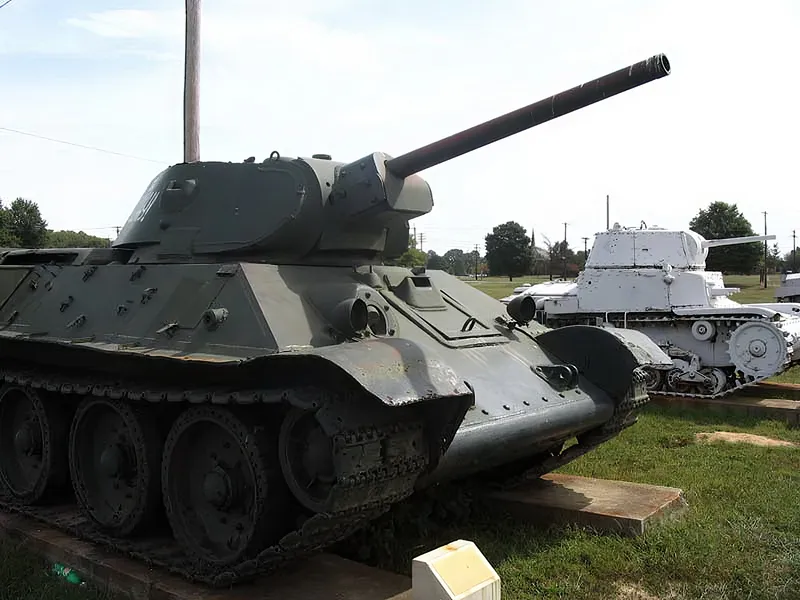
T-34/76 Modèle 1941 | |
|---|---|
| Paese | URSS |
| digitare | Carro medio |
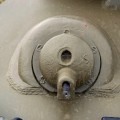
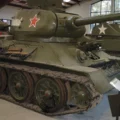
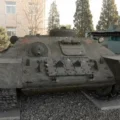
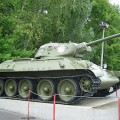
Le T-34 è un carro armato medio entrato in servizio nel 1940 con l'Armata Rossa. All'epoca, era un notevole equilibrio tra i tre fattori principali che definivano la qualità di un veicolo corazzato, vale a dire: potenza di fuoco, protezione e mobilità. Questo successo lo rese uno dei punti di forza dell'Unione Sovietica di fronte all'invasione della Wehrmacht. Per contrastarlo, quest'ultimo dovrà anche rivedere la sua politica di progettazione dei carri armati sviluppando, ad esempio, il Panzer-V "Panther", che ha preso in prestito parte delle sue caratteristiche tecniche dal T-34. Sebbene rapidamente superato da produzioni straniere, il T-34 rimarrà ancora in produzione dal 1940 al 1958, con un totale di unità prodotte stimato in 84.070 copie, rendendolo il secondo carro armato più prodotto di tutti i tempi, appena dietro i suoi successori, il T-54 e il T-55.
fonte: Char T-34/76 sur Wikipedia
| T-34/76 Modèle 1941 | |
|---|---|
| Fotografo | Unknow |
| Localizzazione | Inconsapevole |
| Foto | 26 |
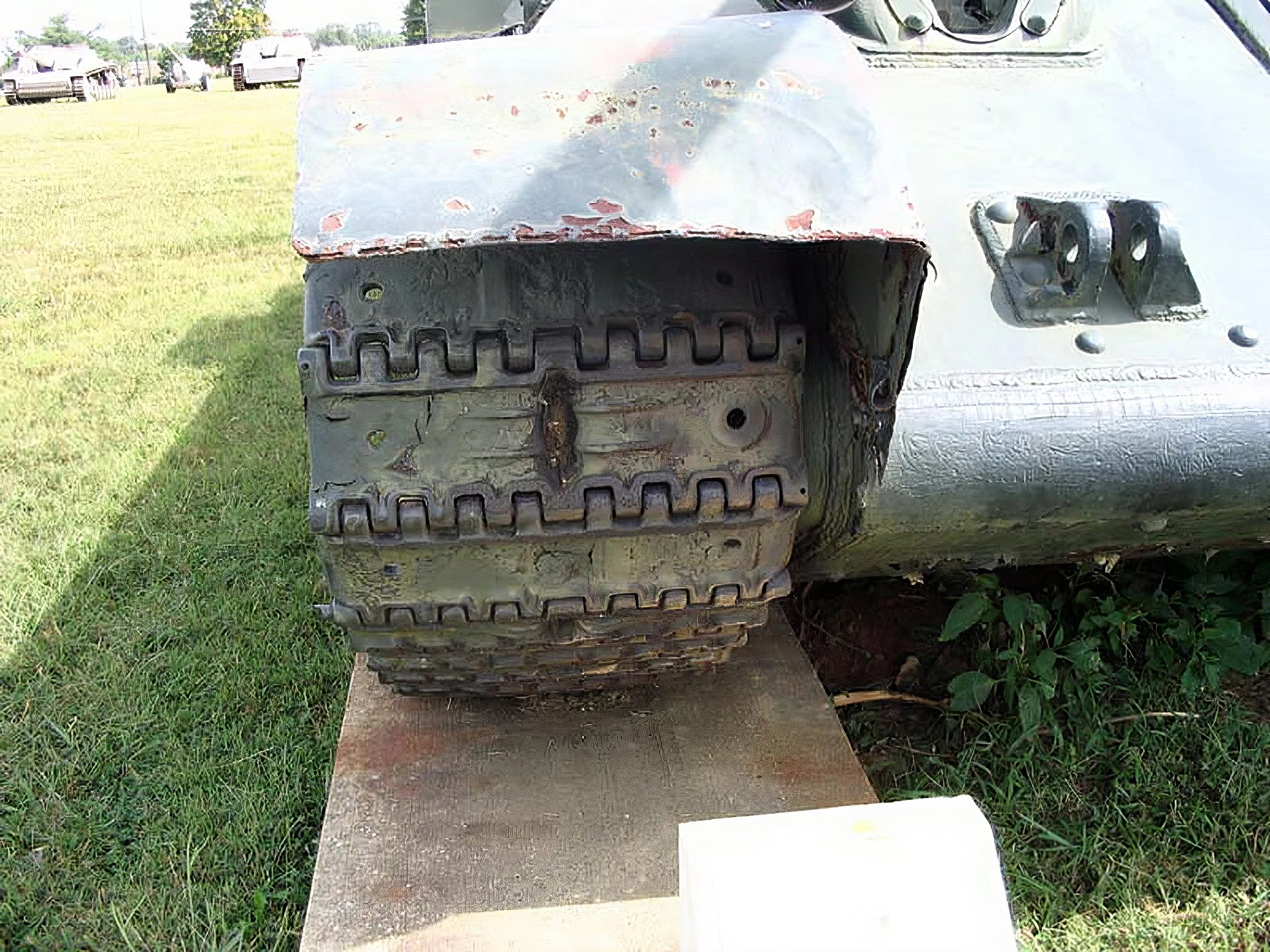
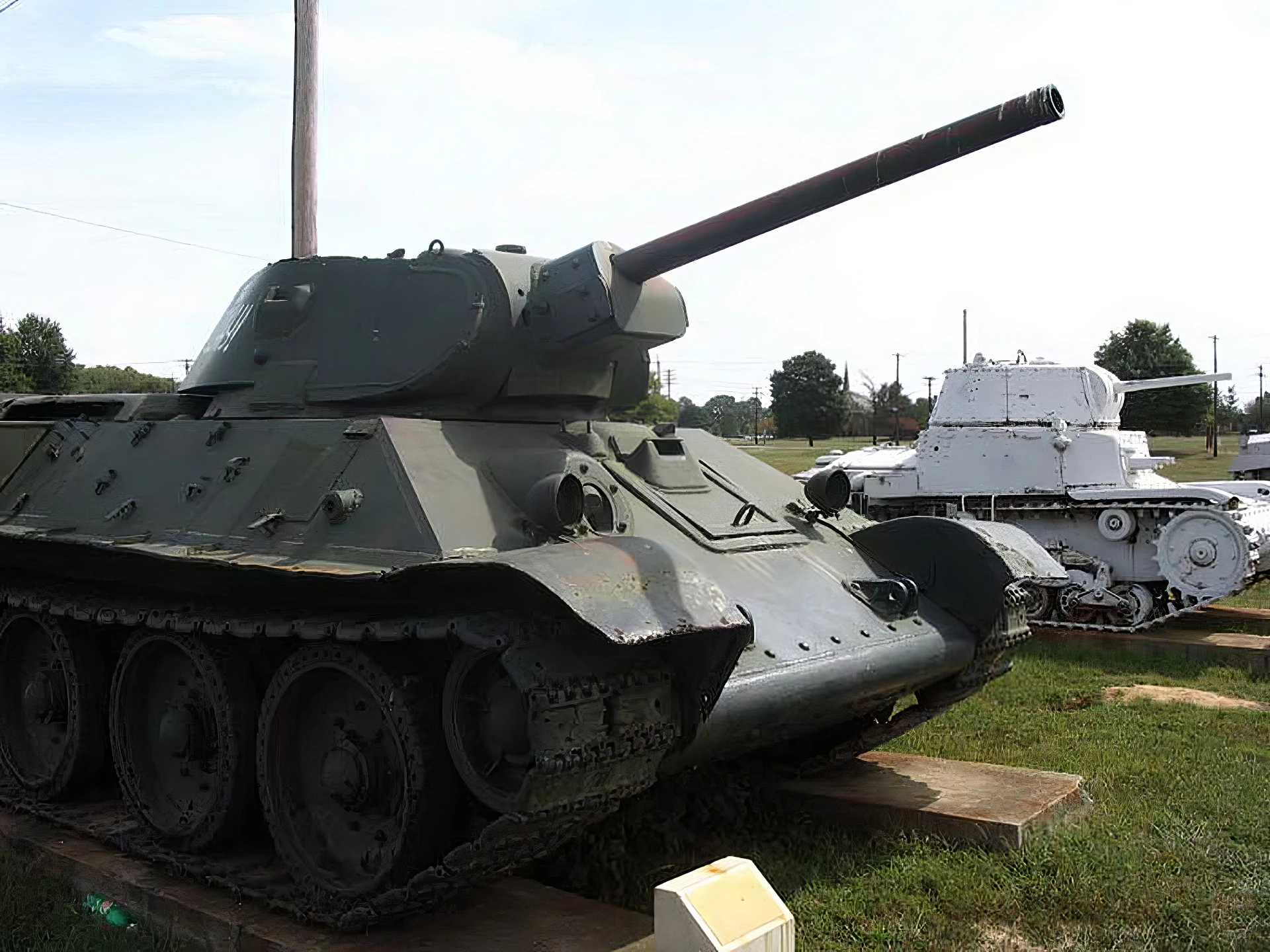
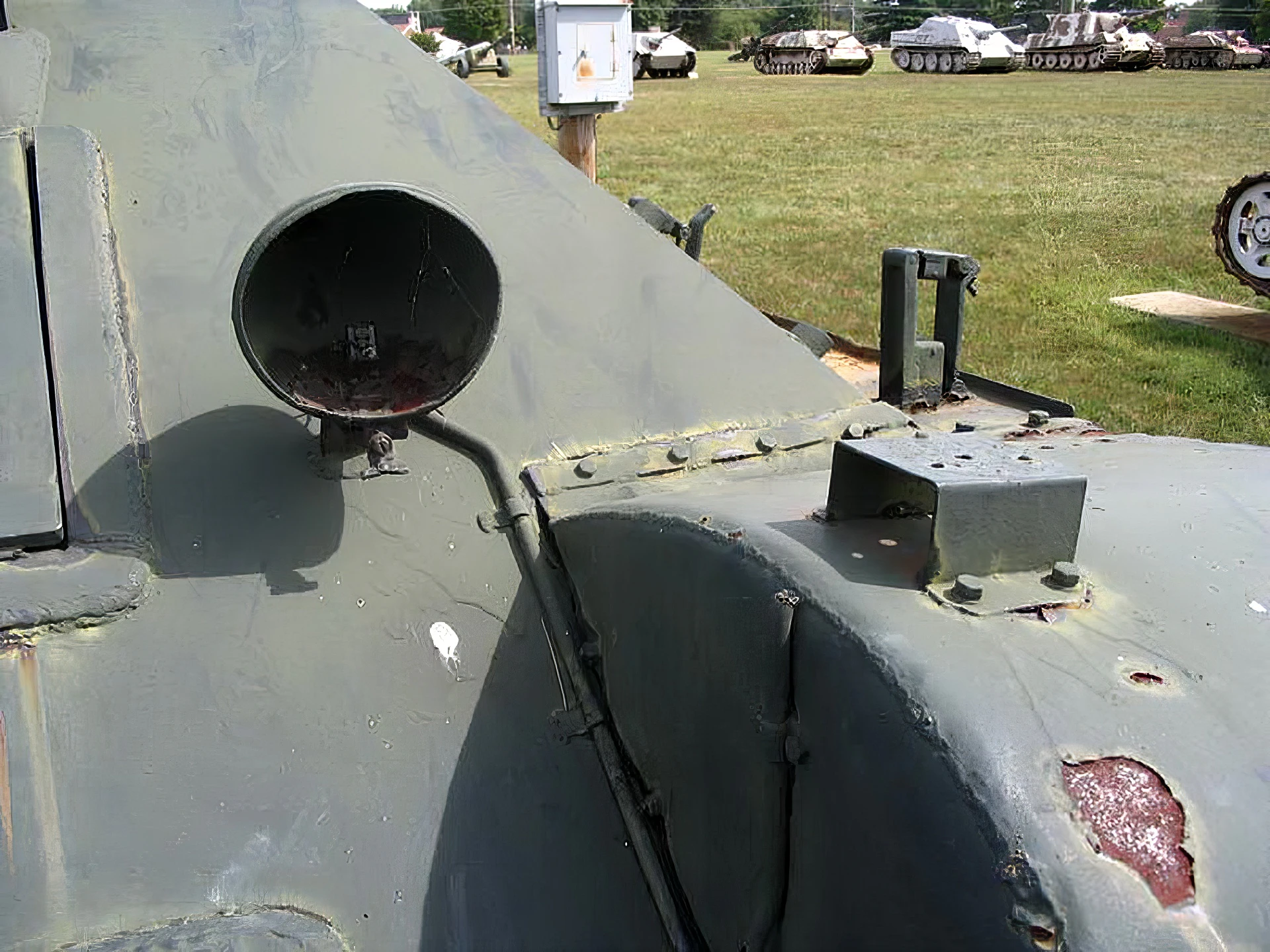
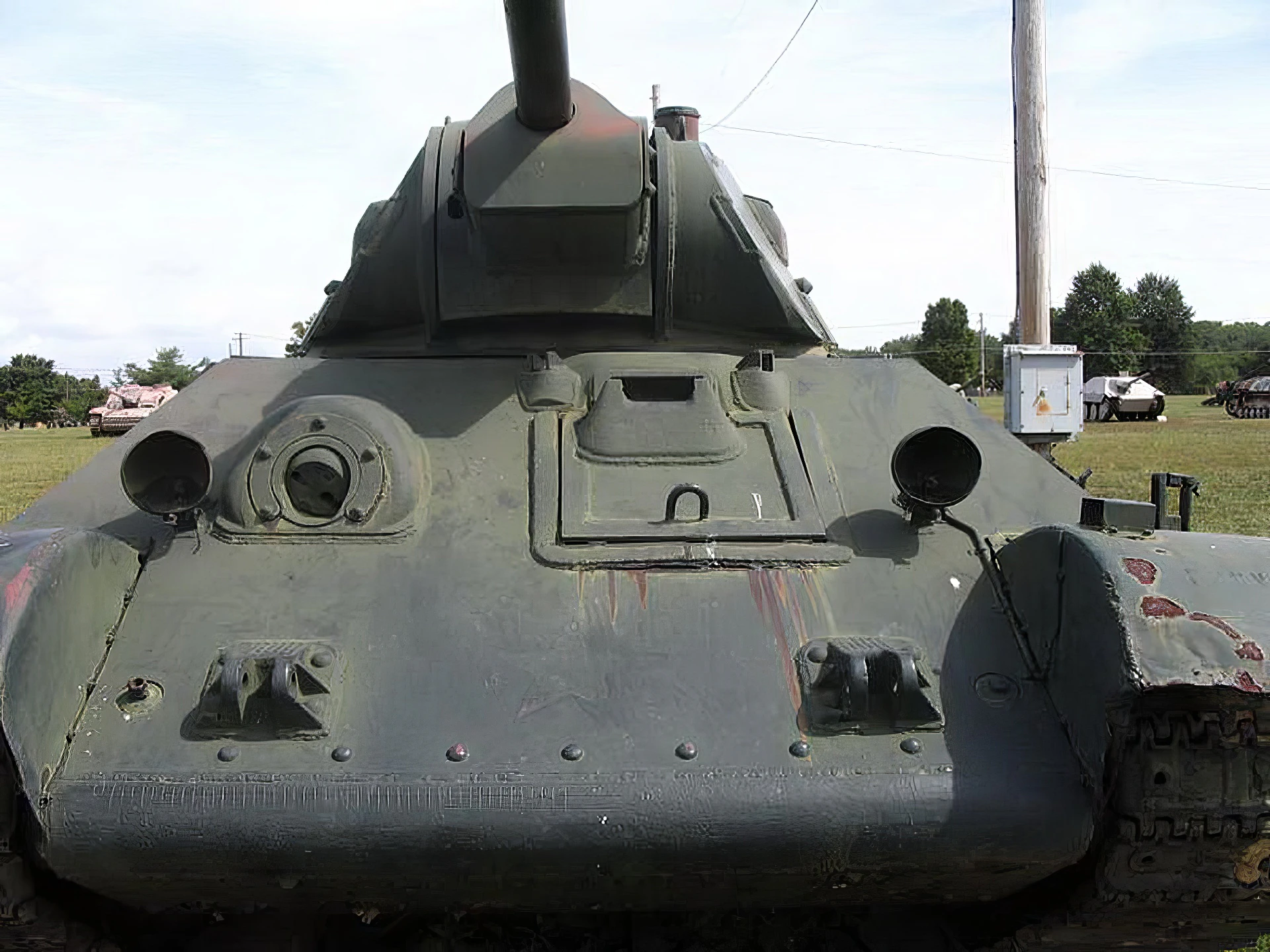
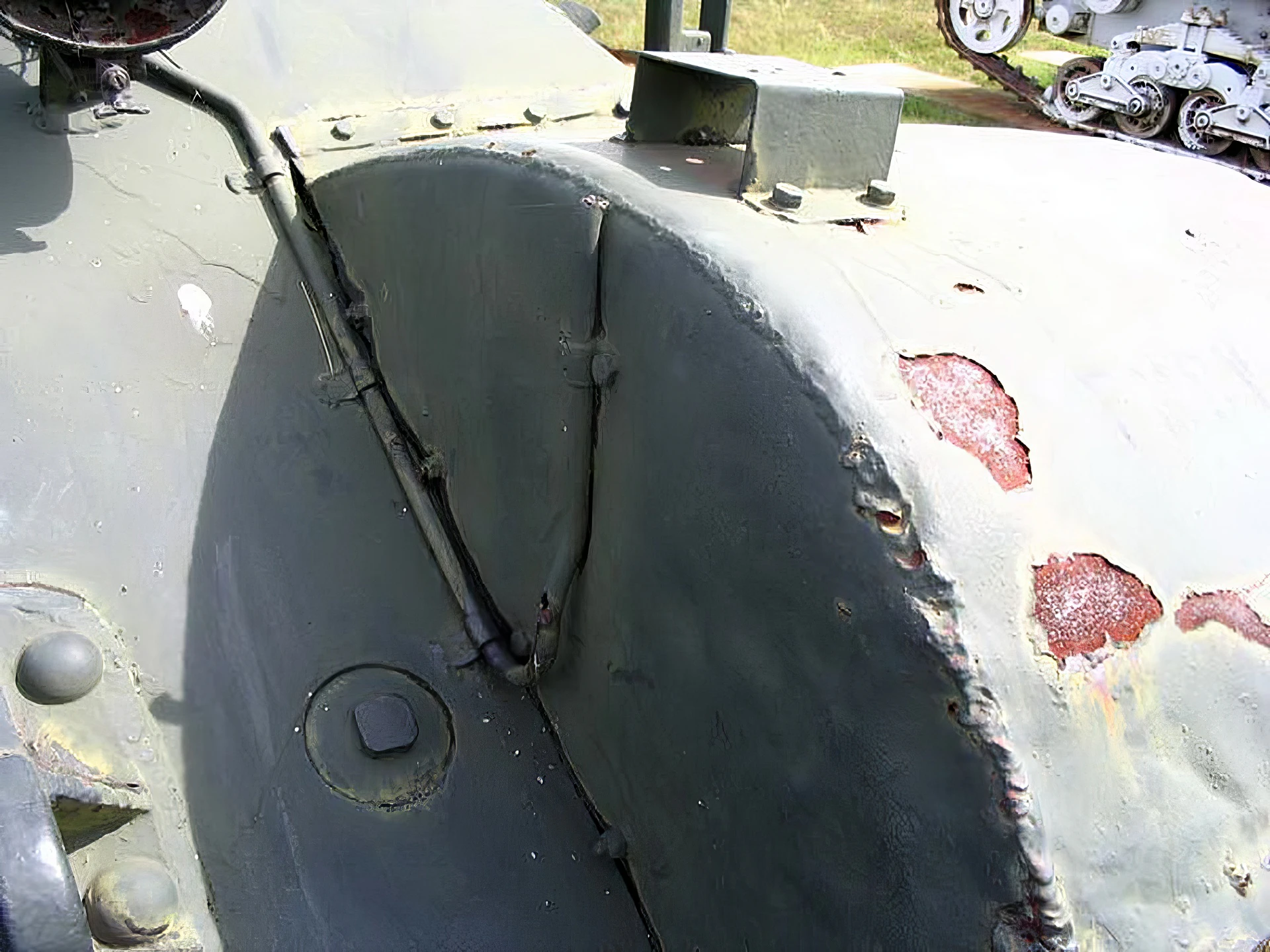
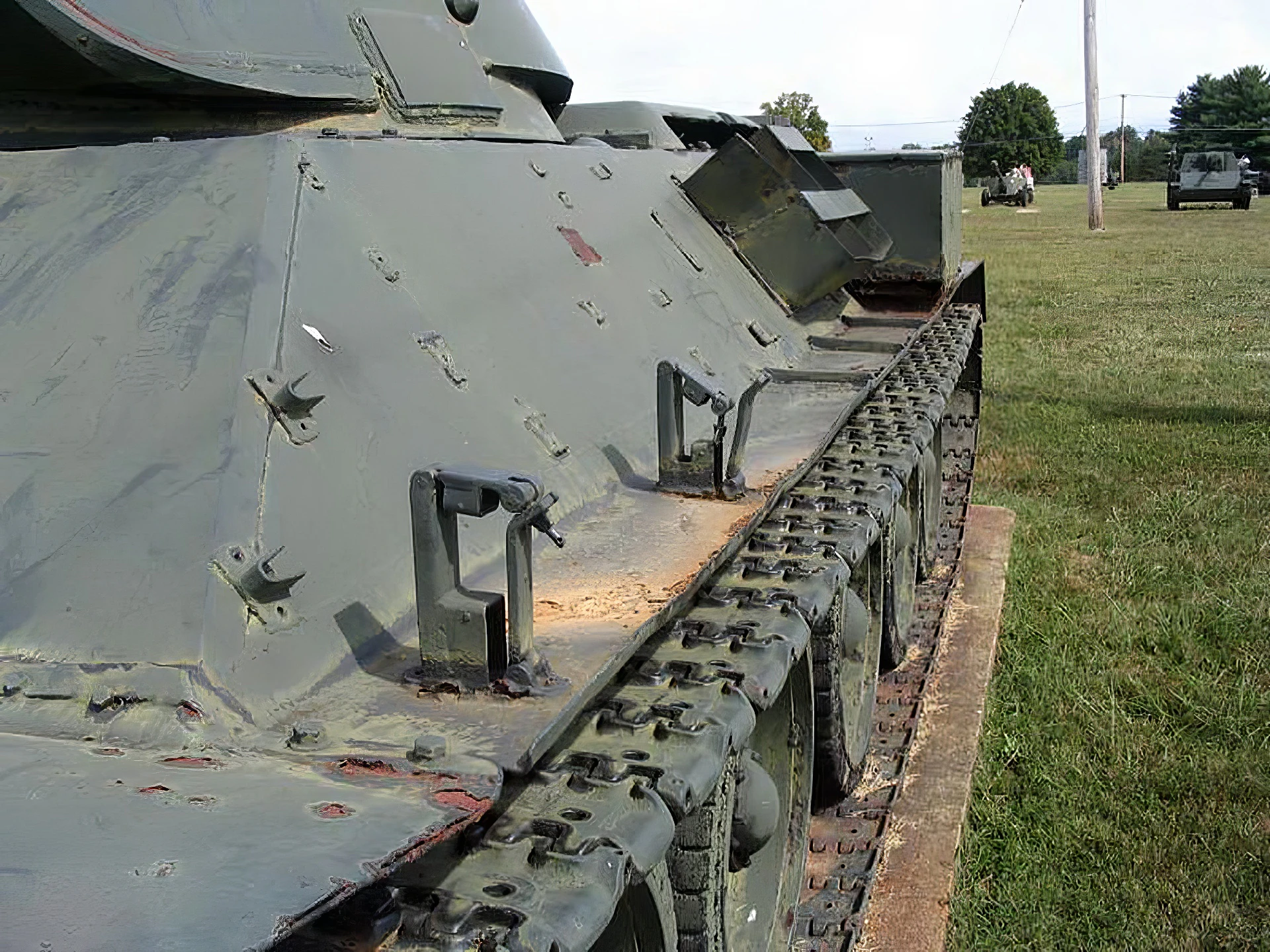
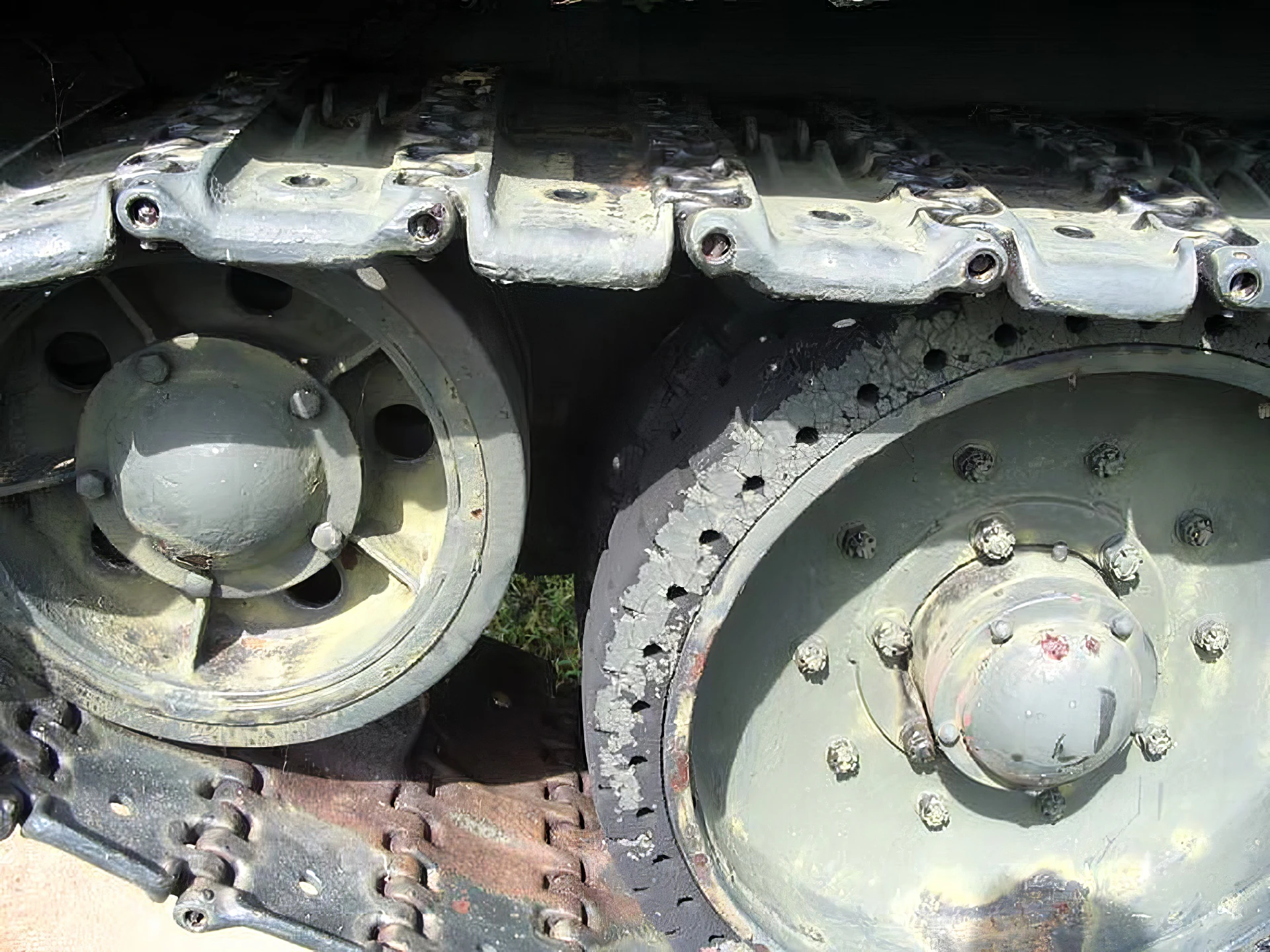
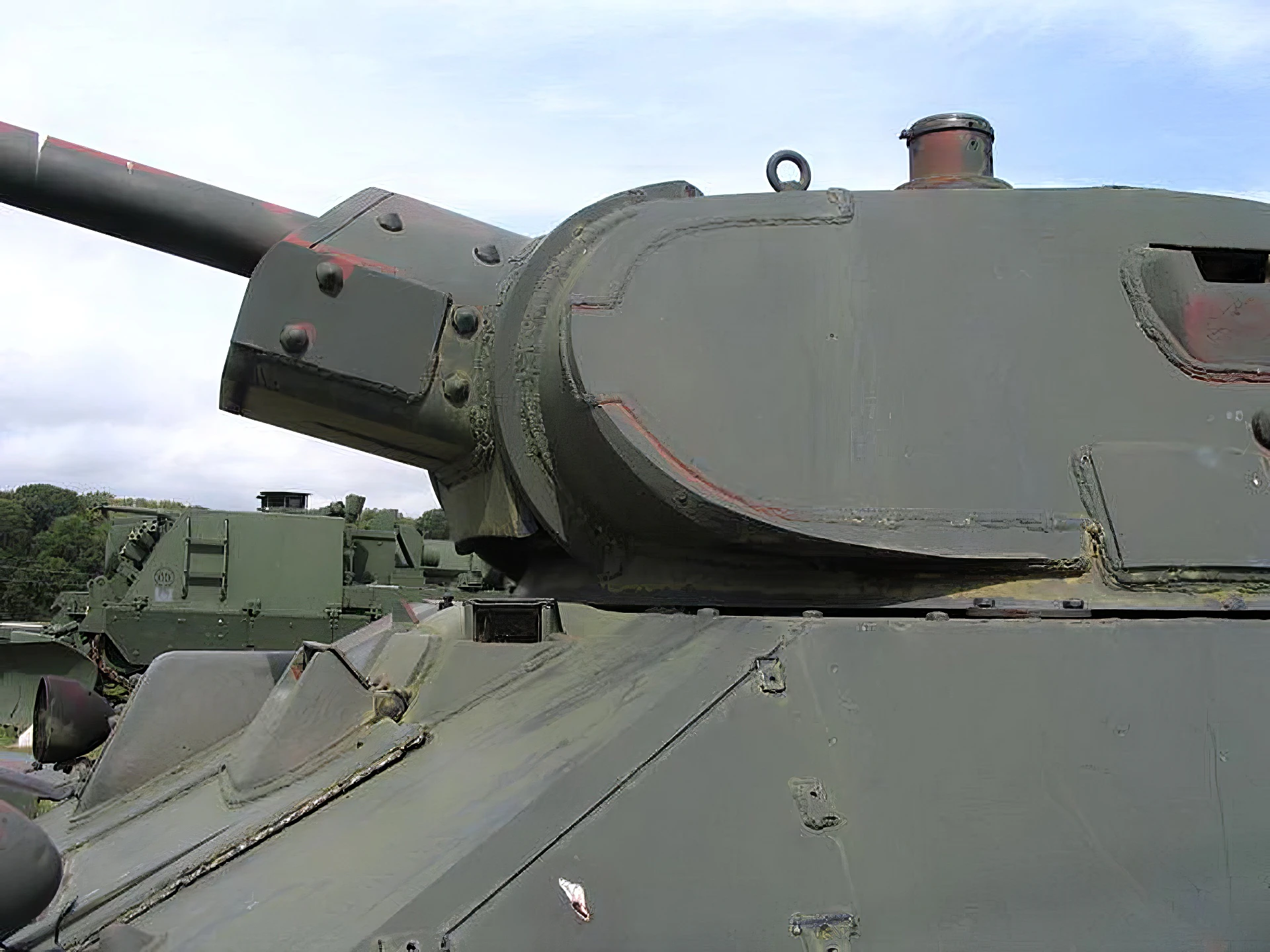
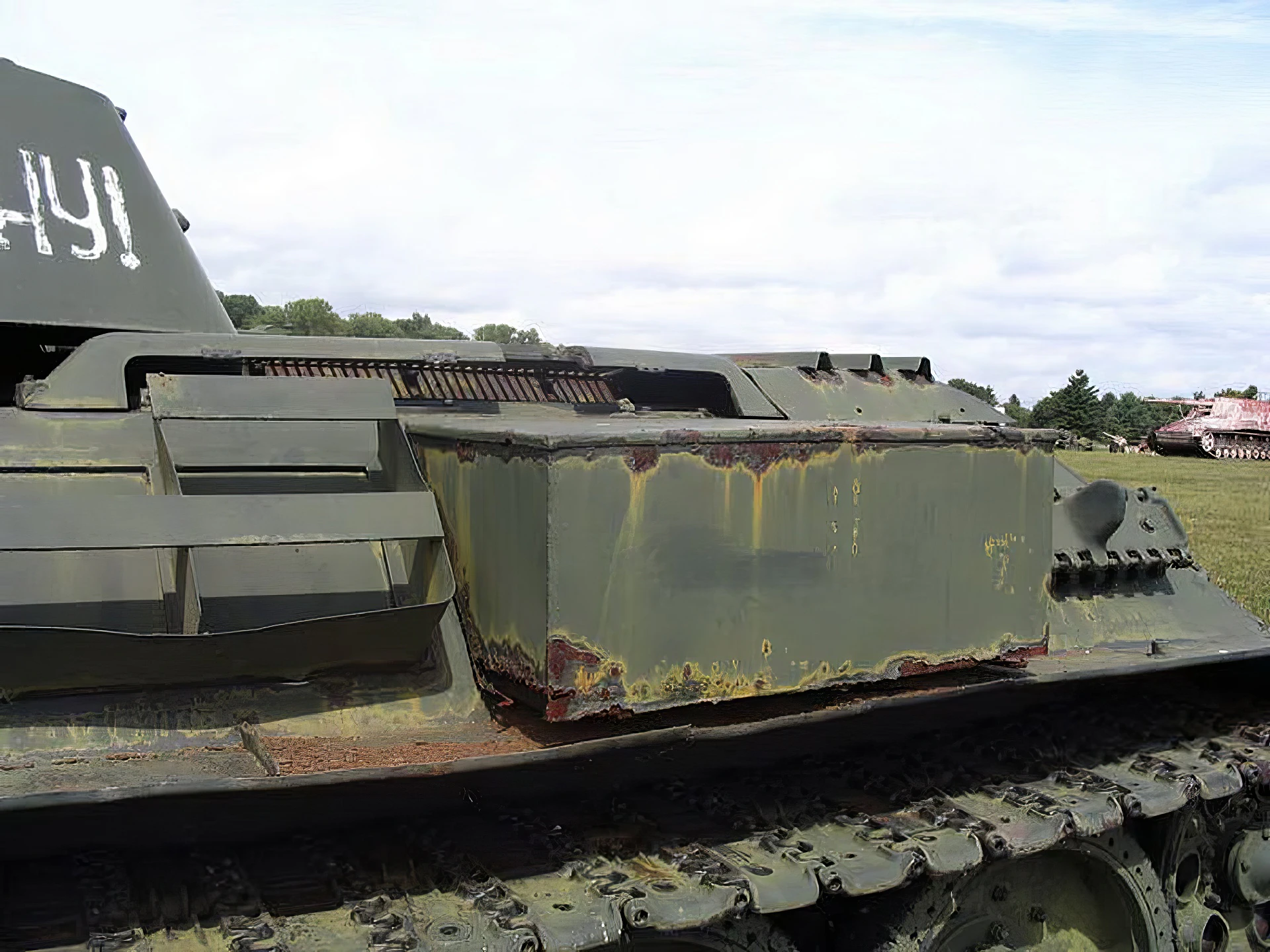

| T-34-76 | |
|---|---|
| Fotografo | Unknow |
| Localizzazione | Inconsapevole |
| Foto | 12 |
| T-34-76 Mod. 1943 Walk Around | |
|---|---|
| Fotografo | Unknow |
| Localizzazione | Inconsapevole |
| Foto | 43 |
Vedi anche:


Le Causa T-34/76 was a Soviet medium tank introduced in 1940. It is widely regarded as one of the most important and influential tank designs of World War II, combining revolutionary sloped armor, a powerful diesel engine, and a capable 76.2 millimeter gun, which gave it a major edge over contemporary German tanks in 1941.
Key Specifications (Model 1941/42)
| Feature | Detail |
|---|---|
| Ruolo | Carro medio |
| Equipaggio | 4 (Commander/Gunner, Loader, Driver, Radio Operator/Hull Machine Gunner) |
| Armamento principale | 76.2 millimeter F-34 Tank Gun |
| Motore | V-2 Diesel Engine, 500 horsepower (approx.) |
| Armor Thickness (Hull Front) | 45 millimeter sloped at 60 degrees |
| Velocità massima | 53 kilometers per hour (33 mph) |
| Peso | Around 26.5 metric tonnes |
Revolutionary Design Elements
The T-34’s initial success stemmed from three primary innovations:
- Sloped Armor: The highly angled armor plating greatly increased the effective thickness and deflected incoming rounds, making it difficult for early German anti-tank guns to penetrate.
- V-2 Diesel Engine: This engine provided superior power-to-weight, excellent range, and used diesel fuel, which was less flammable than the gasoline used by most contemporary German and Western Allied tanks.
- Wide Tracks: The broad tracks and Christie suspension gave the tank superior mobility over the mud, snow, and poor roads of the Eastern Front, where German tanks often struggled.
Production Priority: Due to the desperate need for tanks following the German invasion (Operation Barbarossa), the Soviet government prioritized rapid, mass production over quality control, leading to high numbers of tanks but also initial issues with reliability, particularly with the gearbox and engine.
Views : 4078