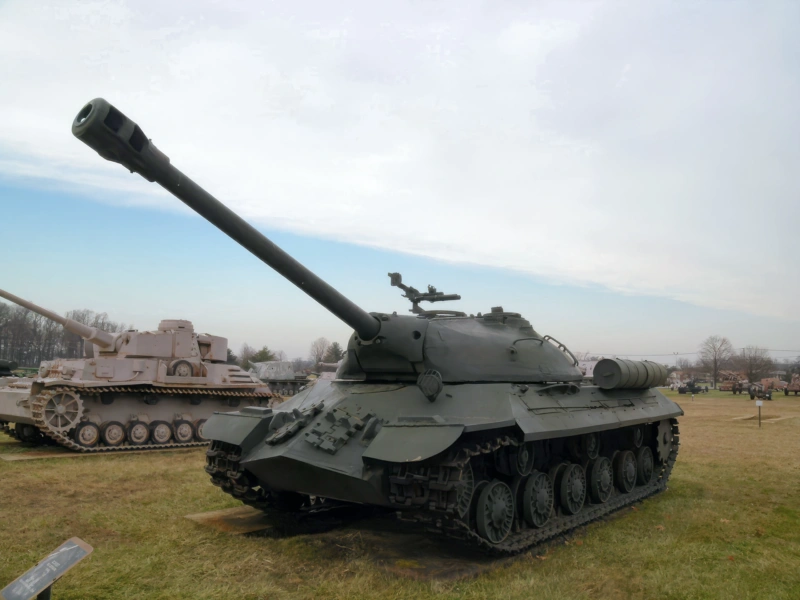
IS-3 JS-3 | |
|---|---|
| Paese | URSS |
| Categoria | Veicoli corazzati |
| digitare | Carro pesante |
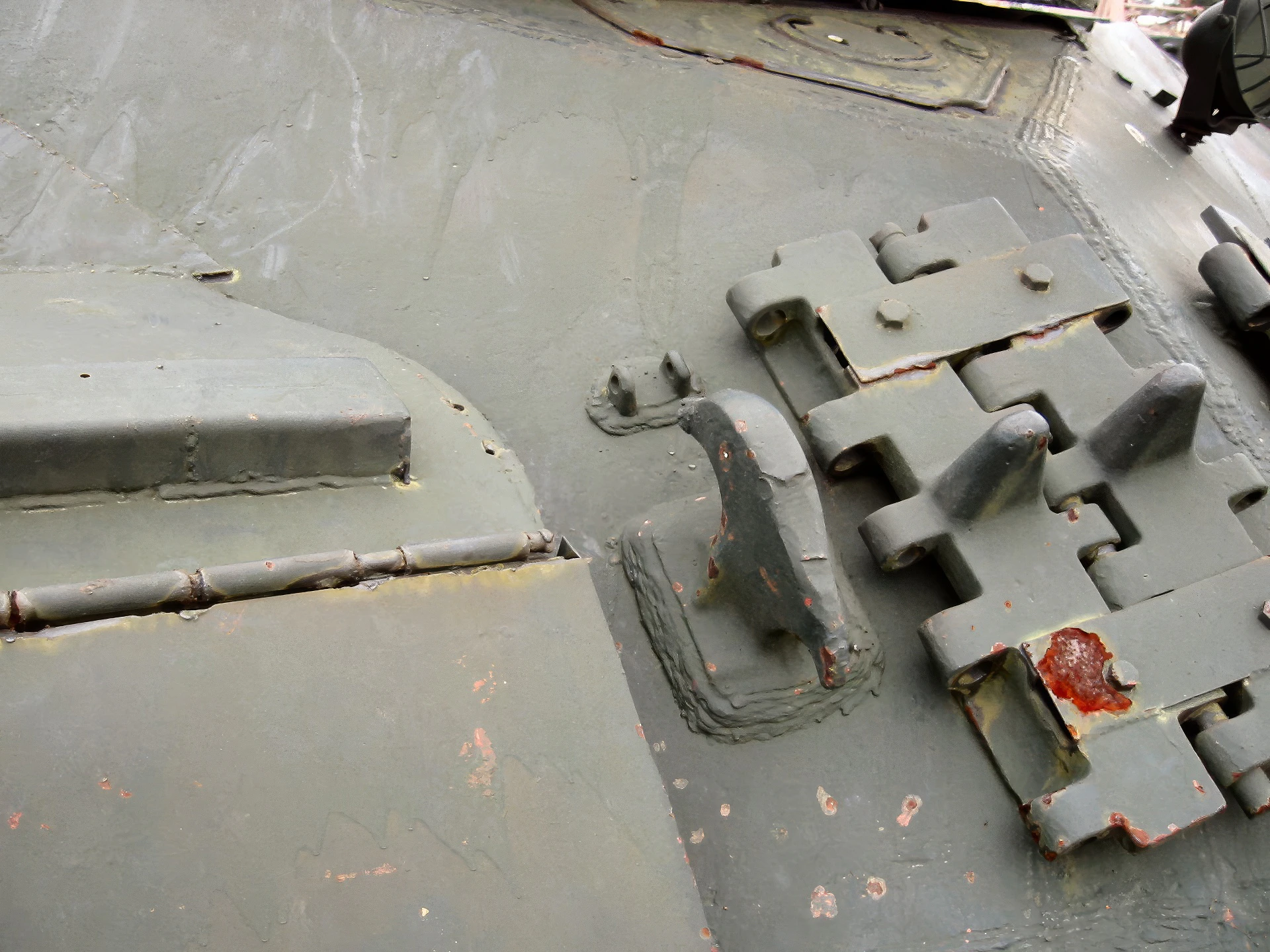
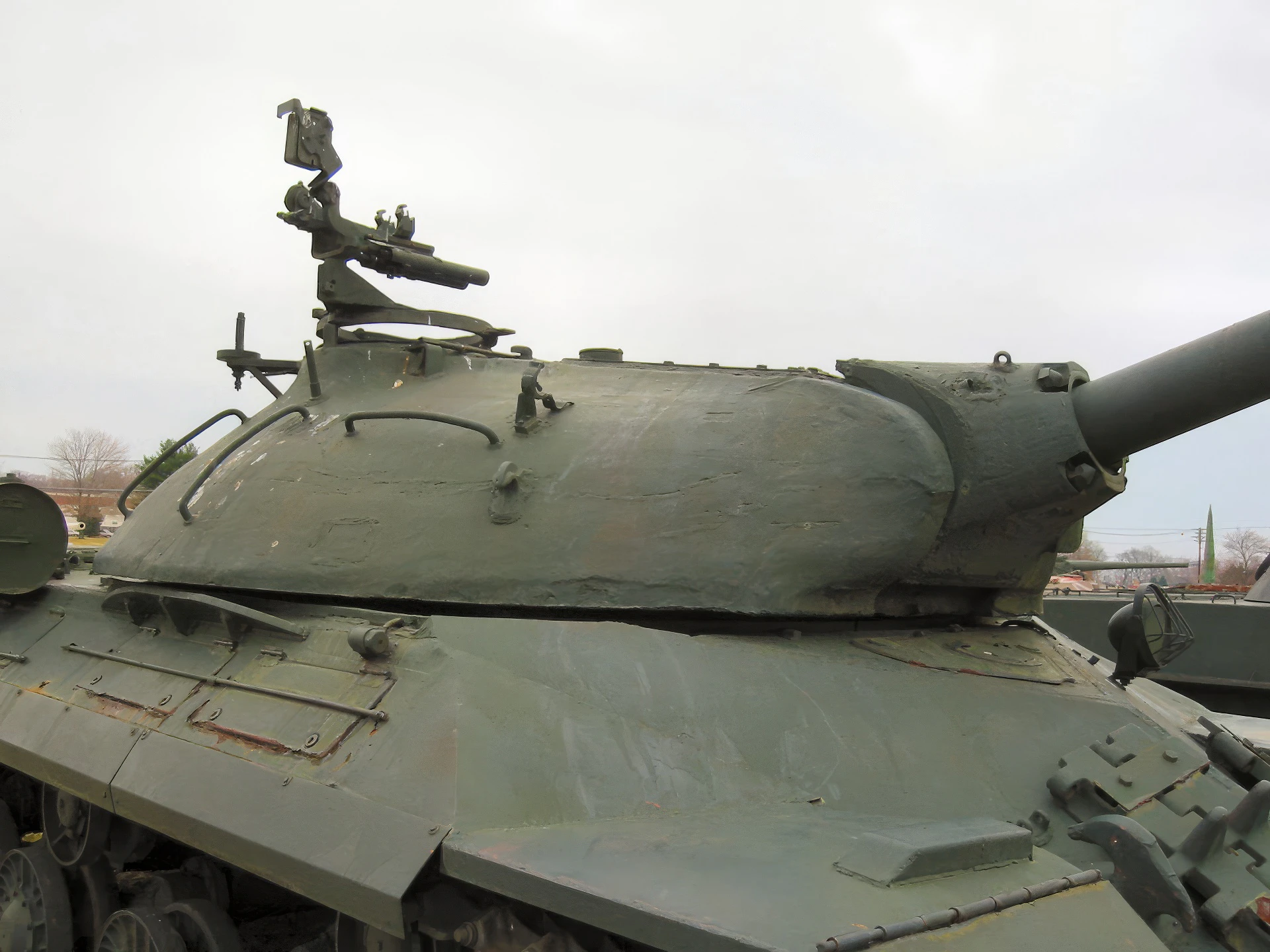
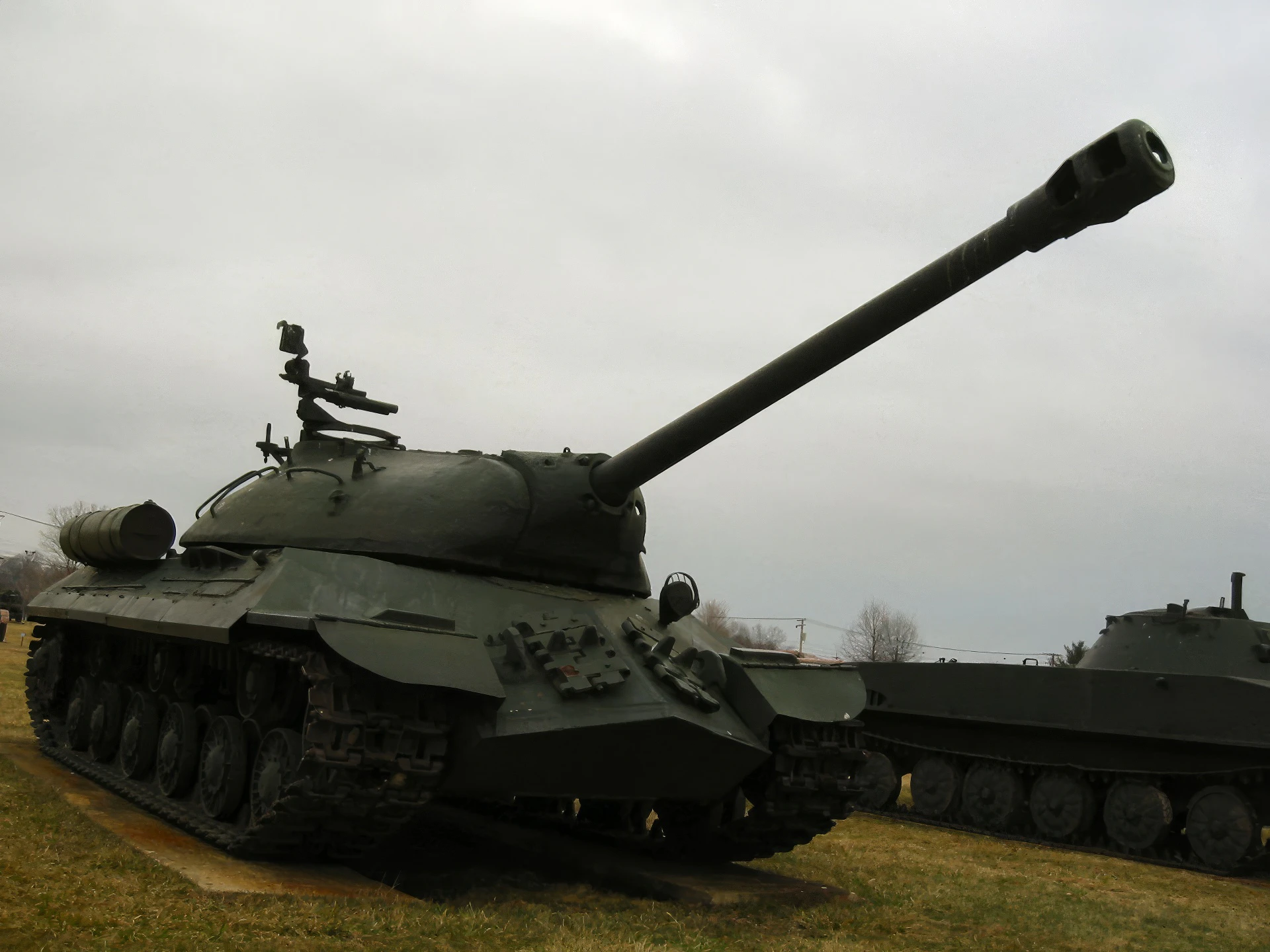
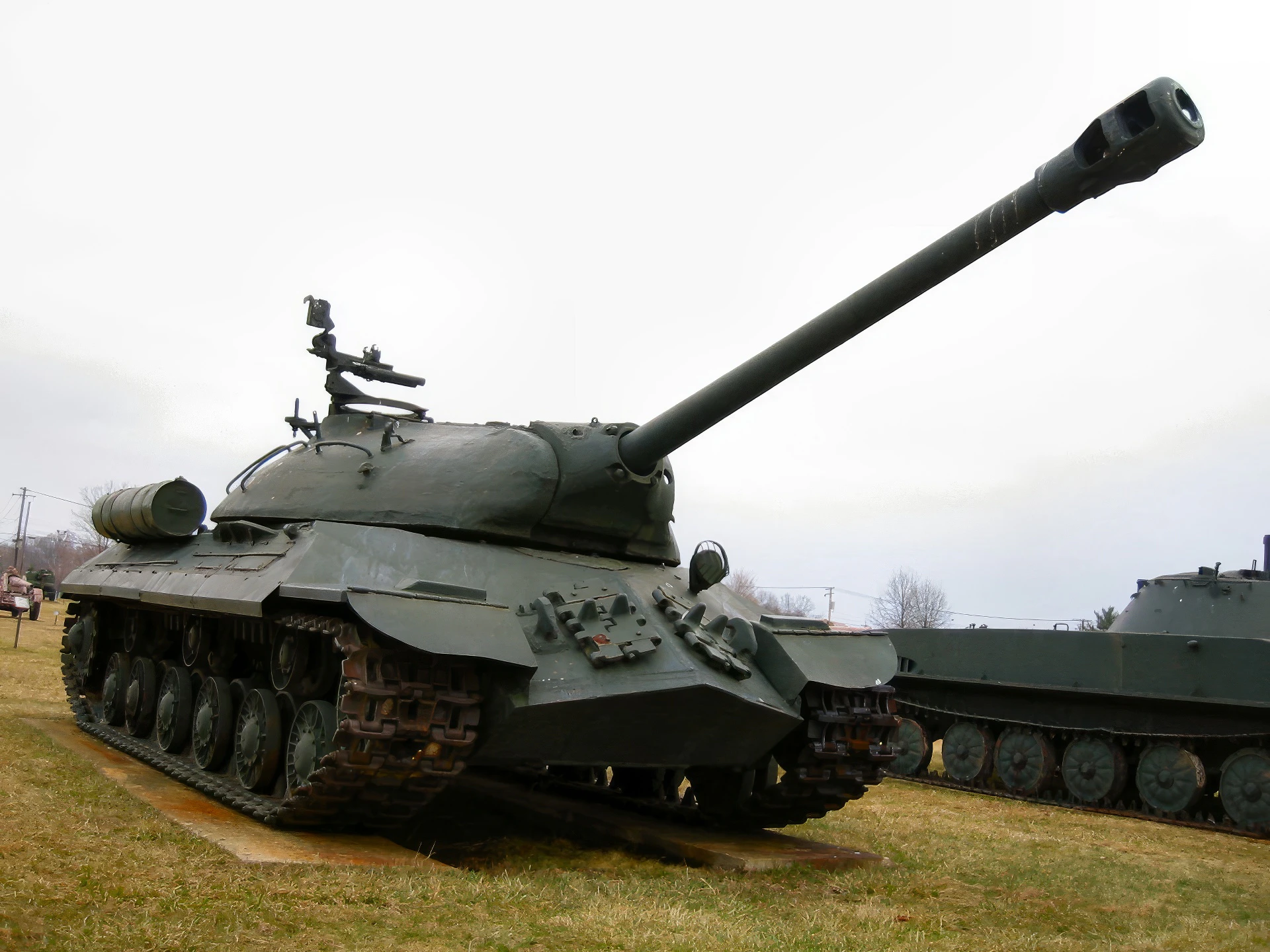
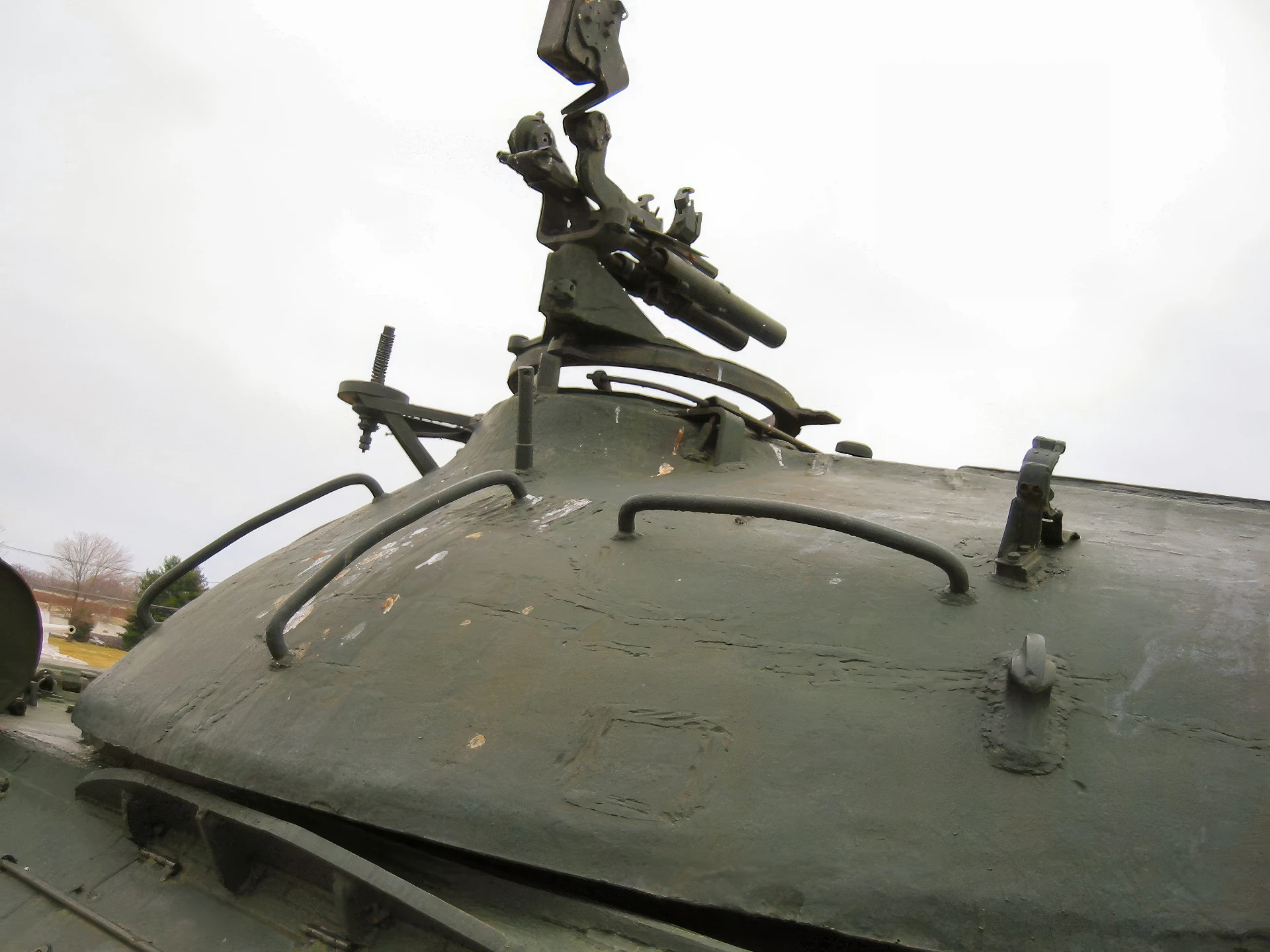
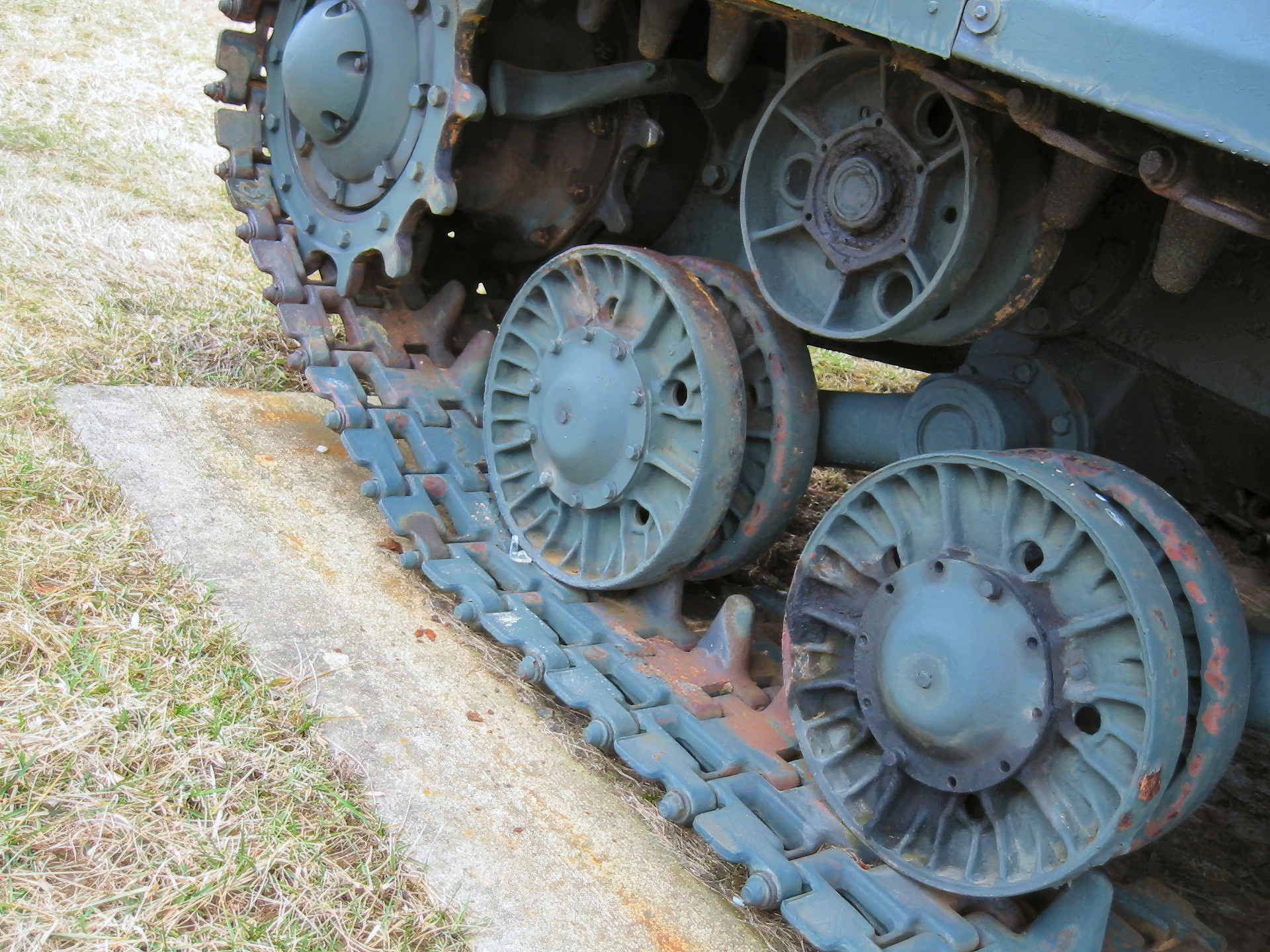
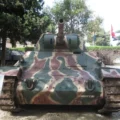
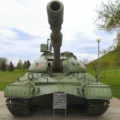
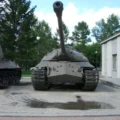
Galleria fotografica su un carro armato pesante IS-3, che fa il suo debutto alla fine della seconda guerra mondiale il carro pesante Is-3, che è un carro armato sovietico, non è stato in grado di prendere parte molto attiva agli ultimi combattimenti. Partecipò, tuttavia, alla parata militare del 7 settembre 1945 a Berlino, principalmente per scopi propagandistici. È stato un calcolo che ha dato i suoi frutti, in quanto ha impressionato gli osservatori delle potenze occidentali con la sua potenza e modernità. Il nome (IS o JS) deriva dalle iniziali di Joseph Stalin all'epoca leader sovietico ("J" per Joseph o "I" per "Iossif" a seconda che si usi o meno la versione russa del nome), il numero 3 che designa il numero della versione nella serie di carri armati Josef Stalin.
fonte: IS-3 su Wikipedia
| Char lourd IS-3 | |
|---|---|
| Fotografo | Inconsapevole |
| Localizzazione | Inconsapevole |
| Foto | 64 |
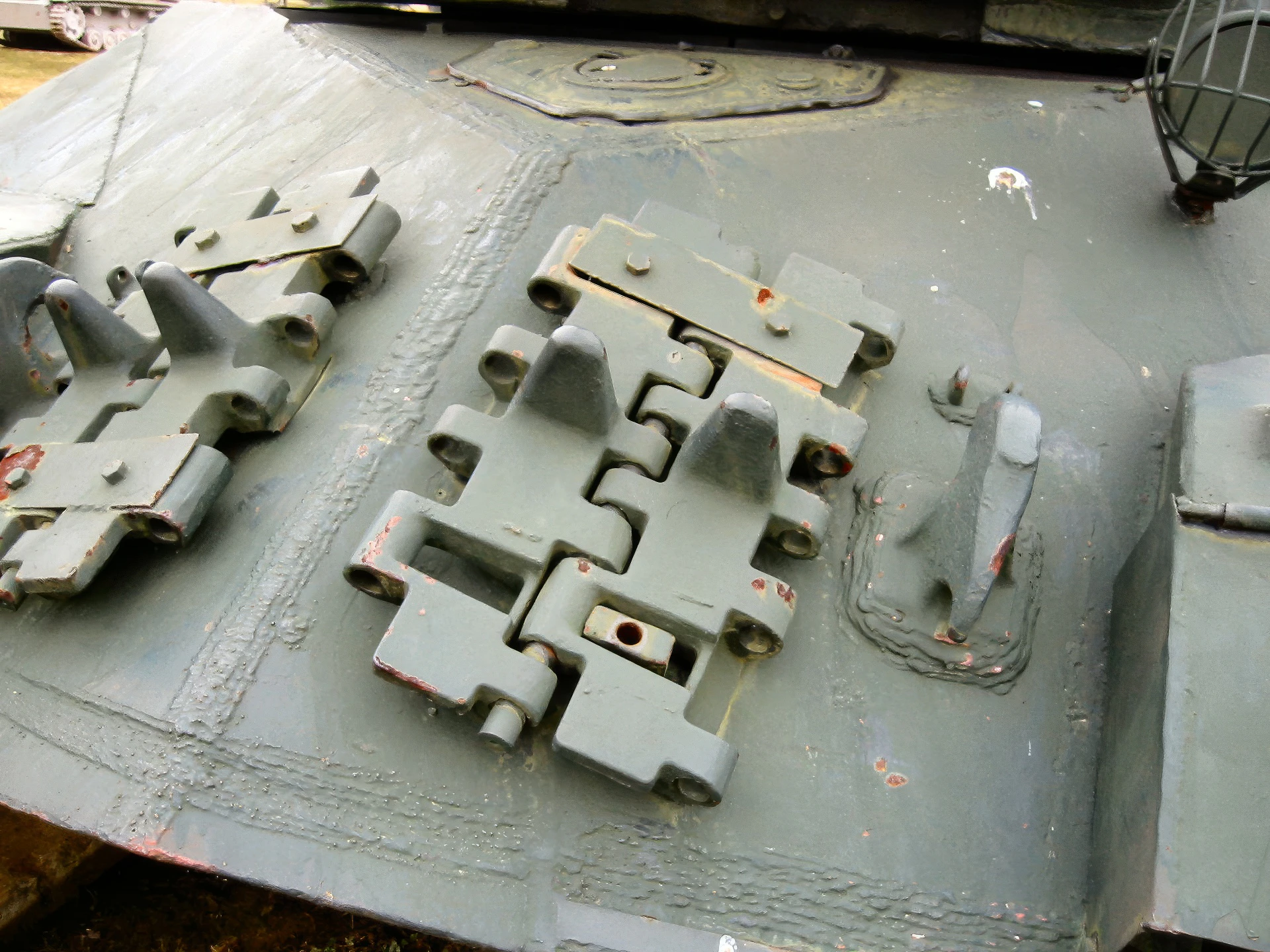
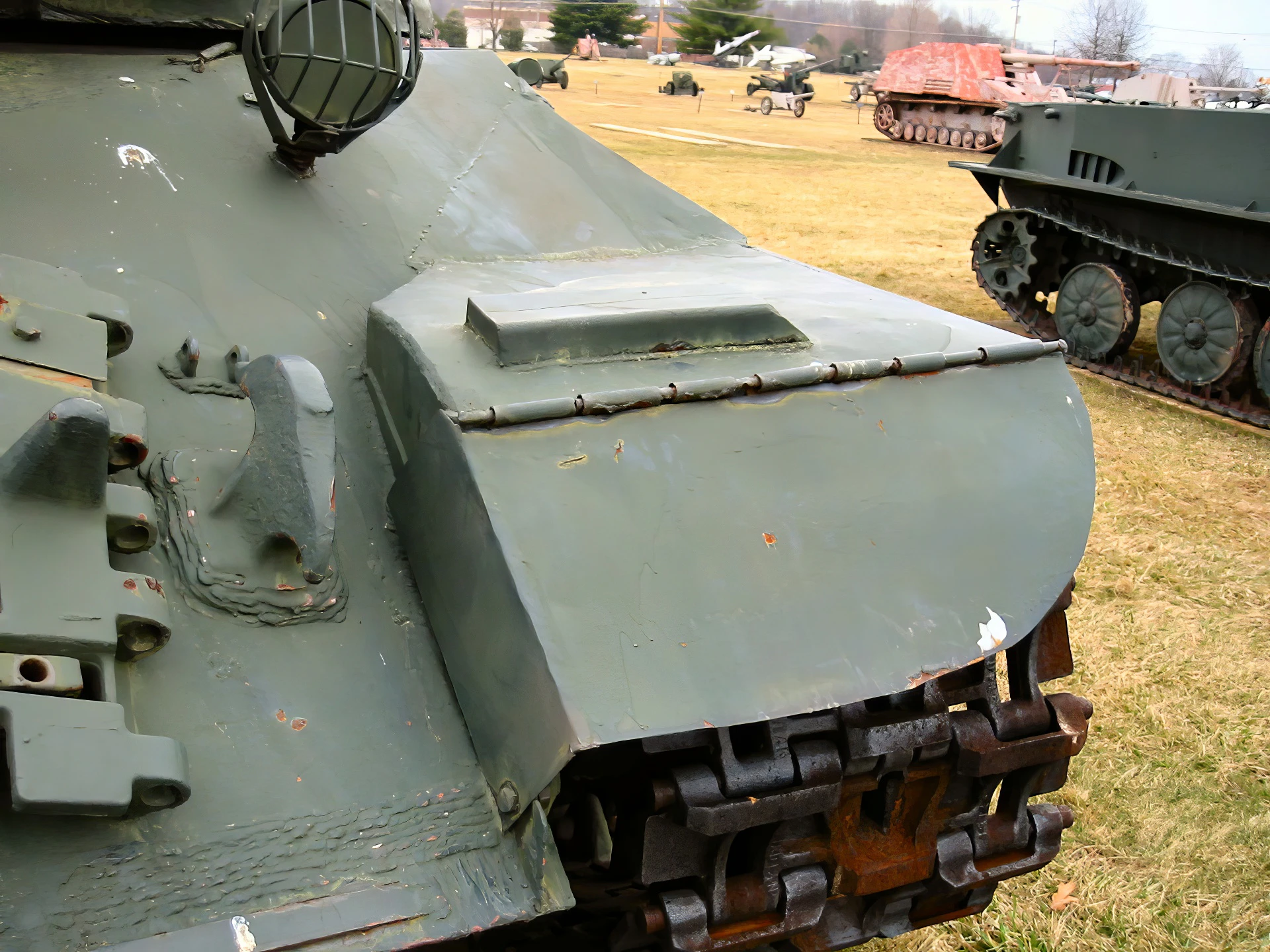
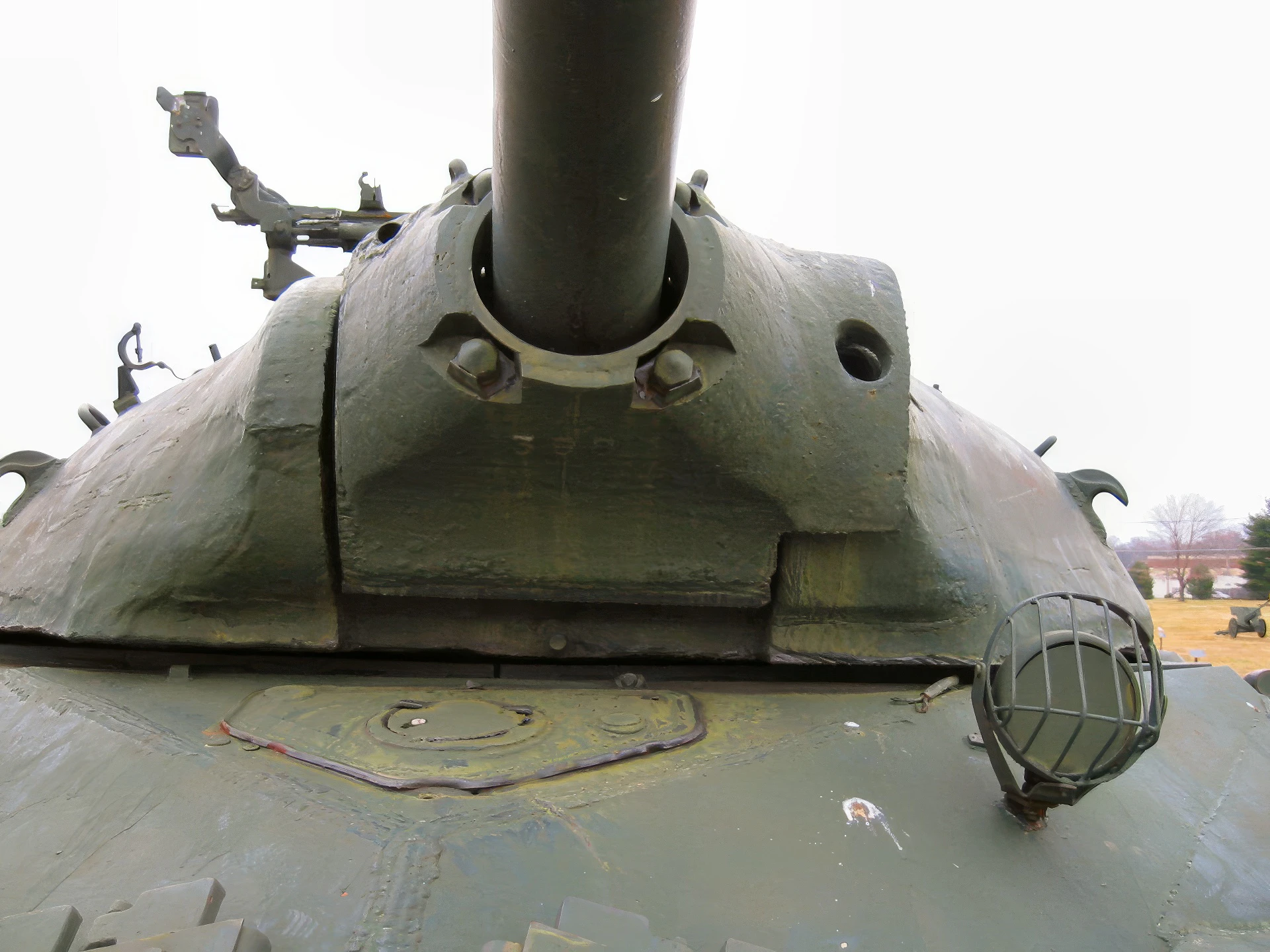

Vedi anche:


The IS-3 (or Object 703) was a heavy tank developed by the Soviet Union in the final stages of World War II. While it did not see combat during the war, it was a revolutionary design, notable for its sloped frontal hull, known as the “pike nose,” and its distinctive semi-hemispherical cast turret. The tank’s appearance at the 1945 Berlin Victory Parade greatly alarmed Western Allies, influencing post-war tank development in NATO nations.
Design and Development
Innovative Armor Layout
- Initial Requirement: To create a heavy tank with superior protection against German 88 mm guns, addressing the frontal weaknesses of its predecessor, the IS-2.
- Pike Nose: The frontal hull consisted of two heavily sloped armor plates welded together at a sharp central angle. This configuration maximized the effective thickness of the armor and increased the chance of ricochet.
- “Soup Bowl” Turret: The low-profile, cast, dome-shaped turret was inherently stronger ballistically than previous designs, offering excellent all-around protection due to its curvature and minimal vertical surfaces.
Service and Flaws
- WWII Service: Though production started in May 1945, the tank was too late for combat against Nazi Germany. It did, however, participate in the Berlin Victory Parade in September 1945.
- Mechanical Issues: Early production models suffered from significant reliability problems, including weak engine components, gearbox failures, and hull welds that cracked under stress from driving.
- Combat History: The IS-3 saw limited action with the Soviet Army during the 1956 Hungarian Revolution and was later exported, most notably to Egypt, where it saw service against Israel during the Six-Day War in 1967.
Technical Specifications (IS-3 Heavy Tank)
General Characteristics
| Specificazione | Detail |
|---|---|
| digitare | Carro pesante |
| Equipaggio | 4 (Commander, Gunner, Loader, Driver) |
| Mass (Combat) | Approx. 46.5 tonnes (102,500 lb) |
| Length (Gun Forward) | 9.85 m (32 ft 4 in) |
| Larghezza | 3.15 m (10 ft 4 in) |
| Altezza | 2.45 m (8 ft 0 in) |
Armament and Protection
| Component | Detail |
|---|---|
| Armamento principale | 1 x 122 mm D-25T rifled gun |
| Ammunition Capacity | 28 rounds (Separate loading) |
| Armamento secondario | 1 x 12.7 mm DShK AA machine gun, 1 x 7.62 mm DT coaxial machine gun |
| Frontal Hull Armor | 110 mm at 55 to 72 degrees (Pike Nose) |
| Turret Front Armor | Up to 250 mm (Cast, hemispherical) |
Mobility and Powerplant
| Component | Detail |
|---|---|
| Motore | V-2-IS V-12 water-cooled diesel |
| Engine Power | 520 hp (388 kW) |
| Velocità massima | Approx. 40 km/h (25 mph) on road |
| Sospensione | Torsion bar |
| Raggio d'azione | 190 km (120 mi) |
The IS-3 was structurally flawed but strategically important. Its advanced frontal armor geometry set the design standard for future Soviet tanks, notably influencing the T-54/55 and the later T-10 heavy tank.
Views : 3963
Belle bête