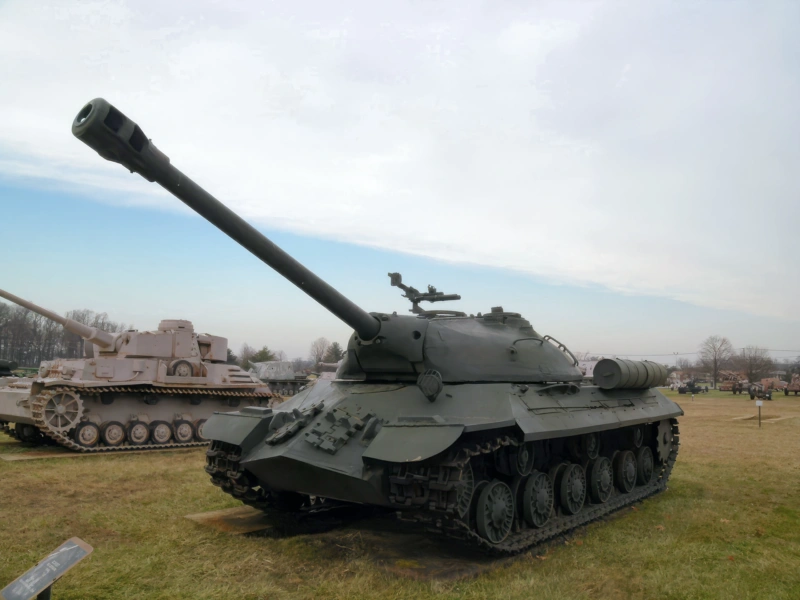
IS-3 JS-3 | |
|---|---|
| 国家 | 乌尔斯 |
| 类别 | 装甲车 |
| 类型 | 重型坦克 |
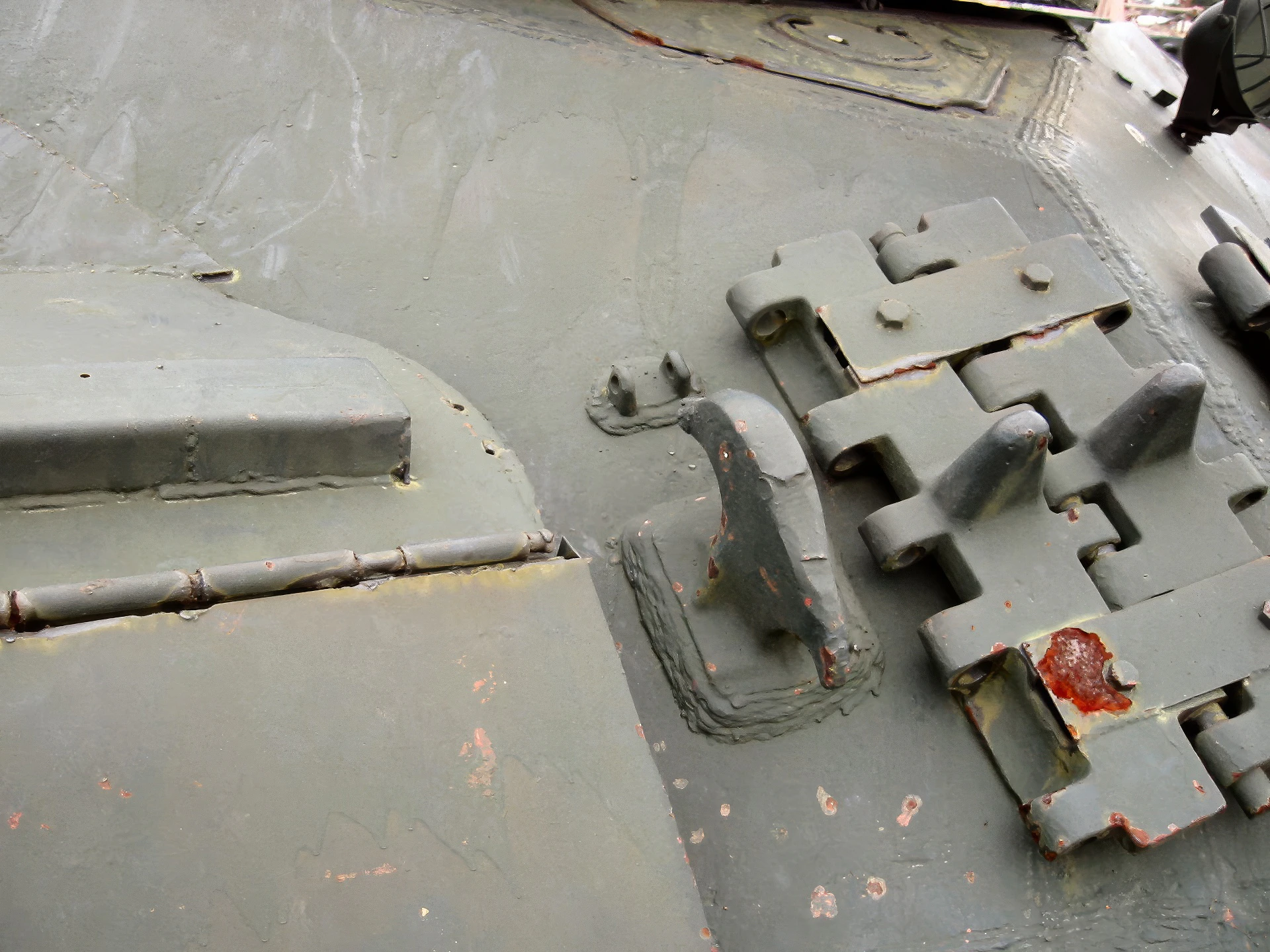
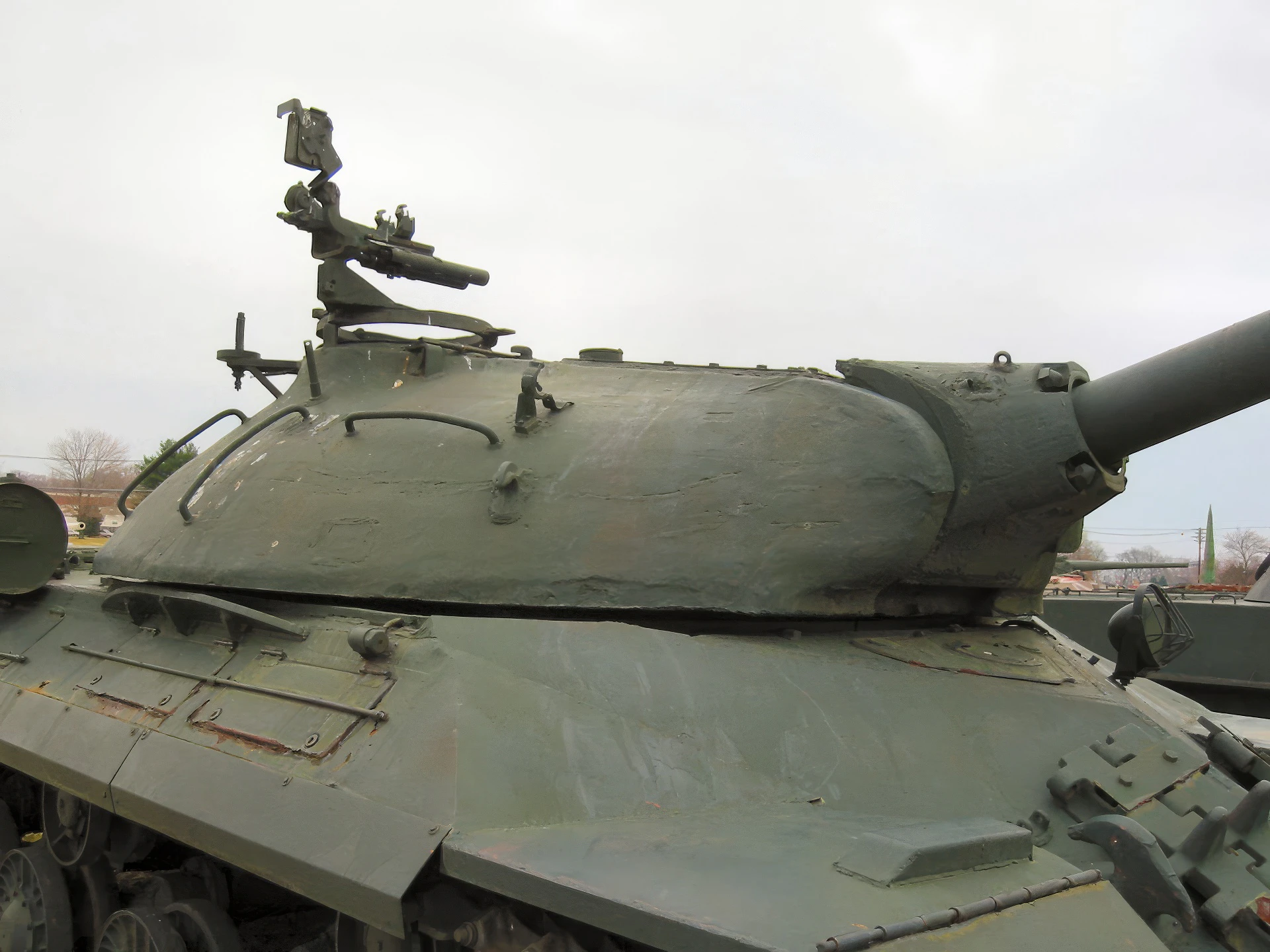
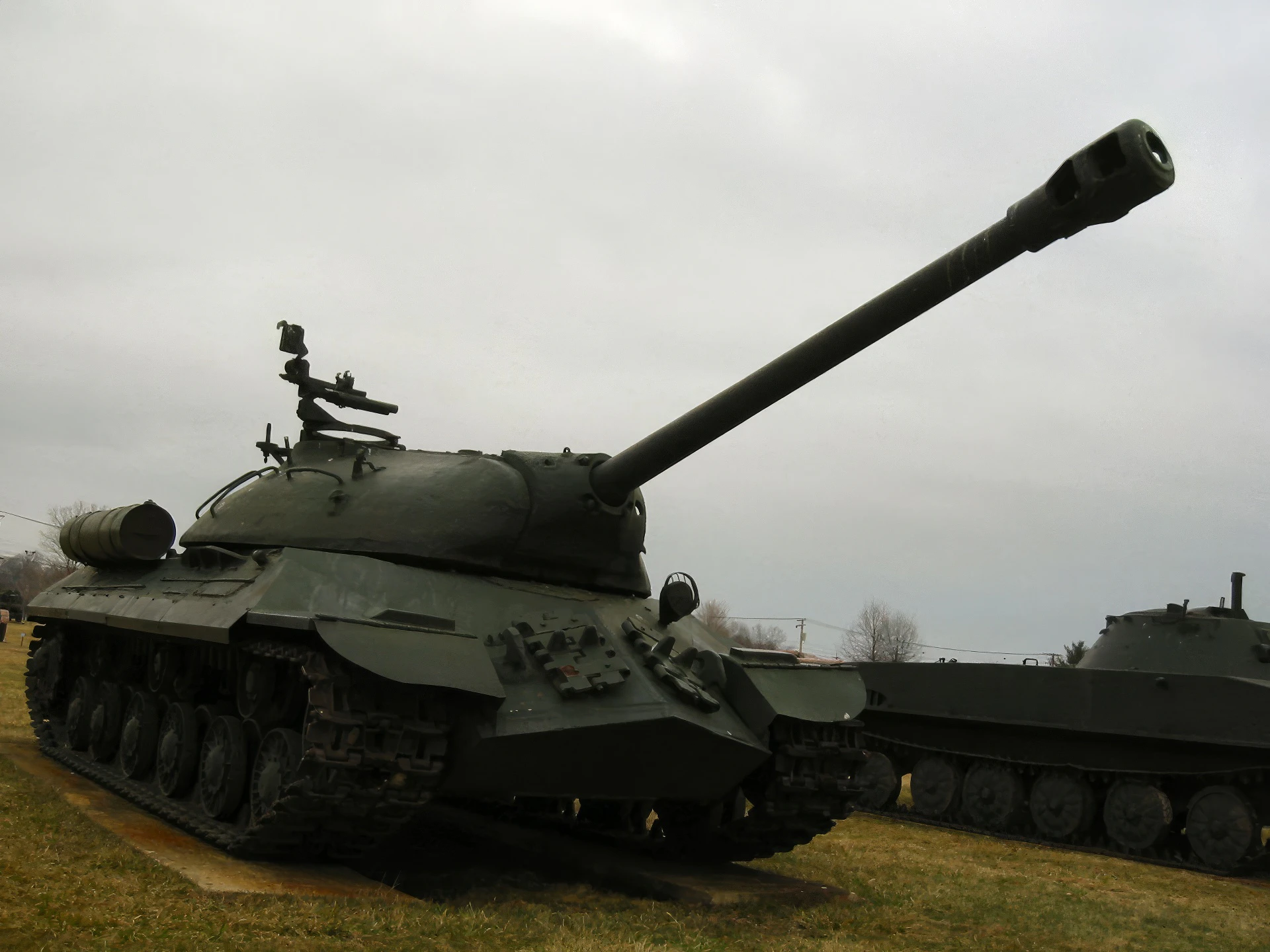
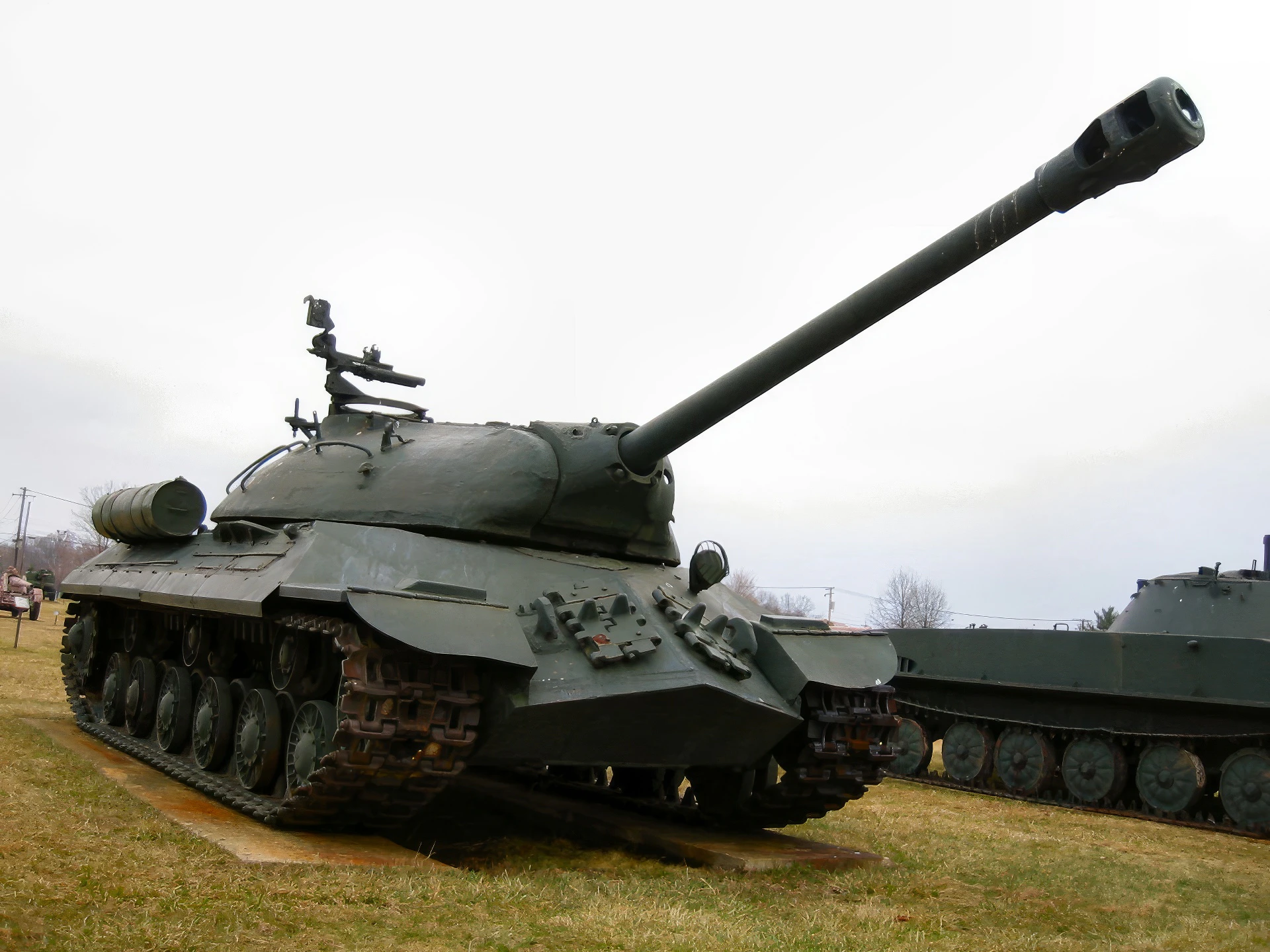
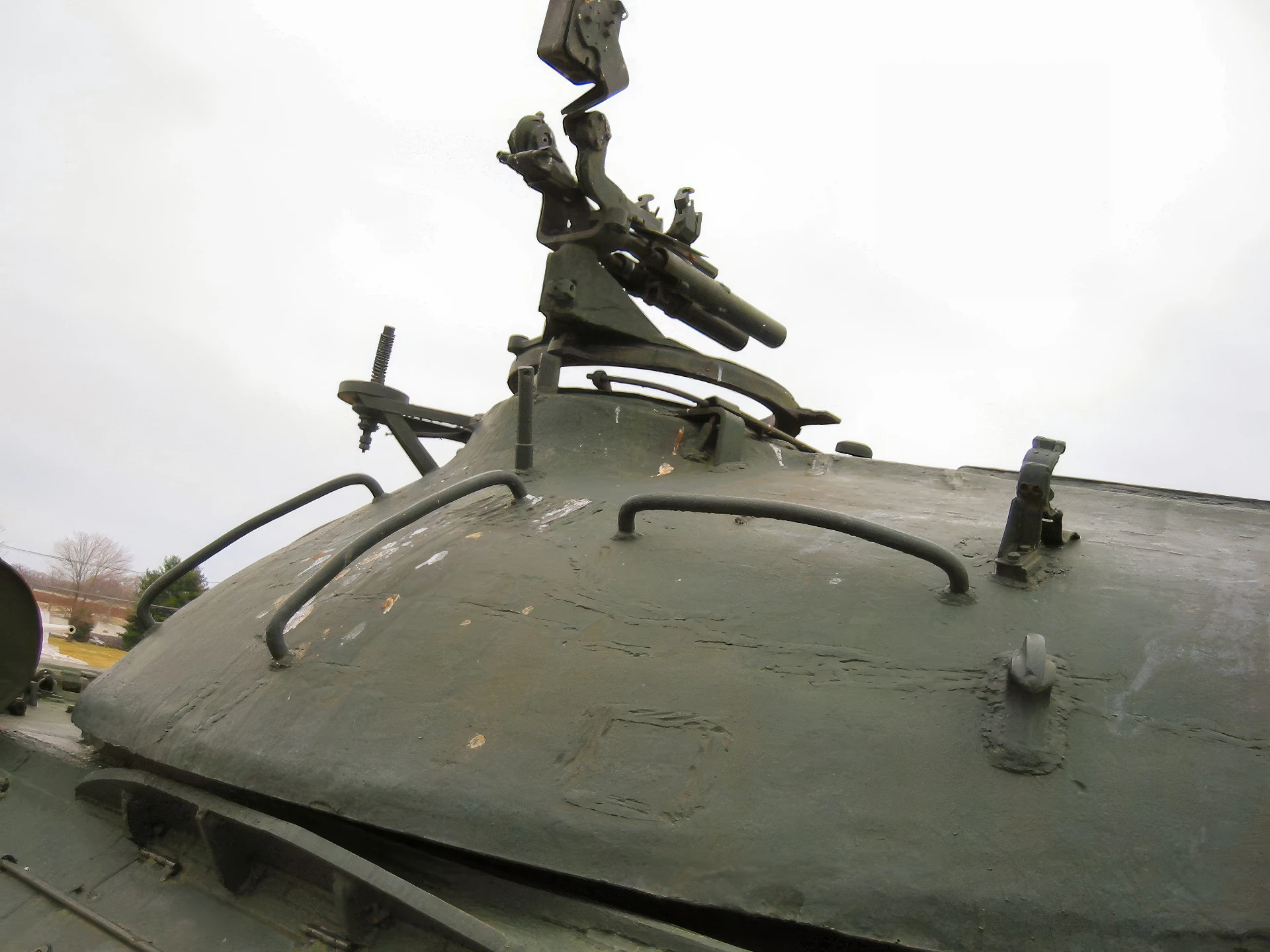
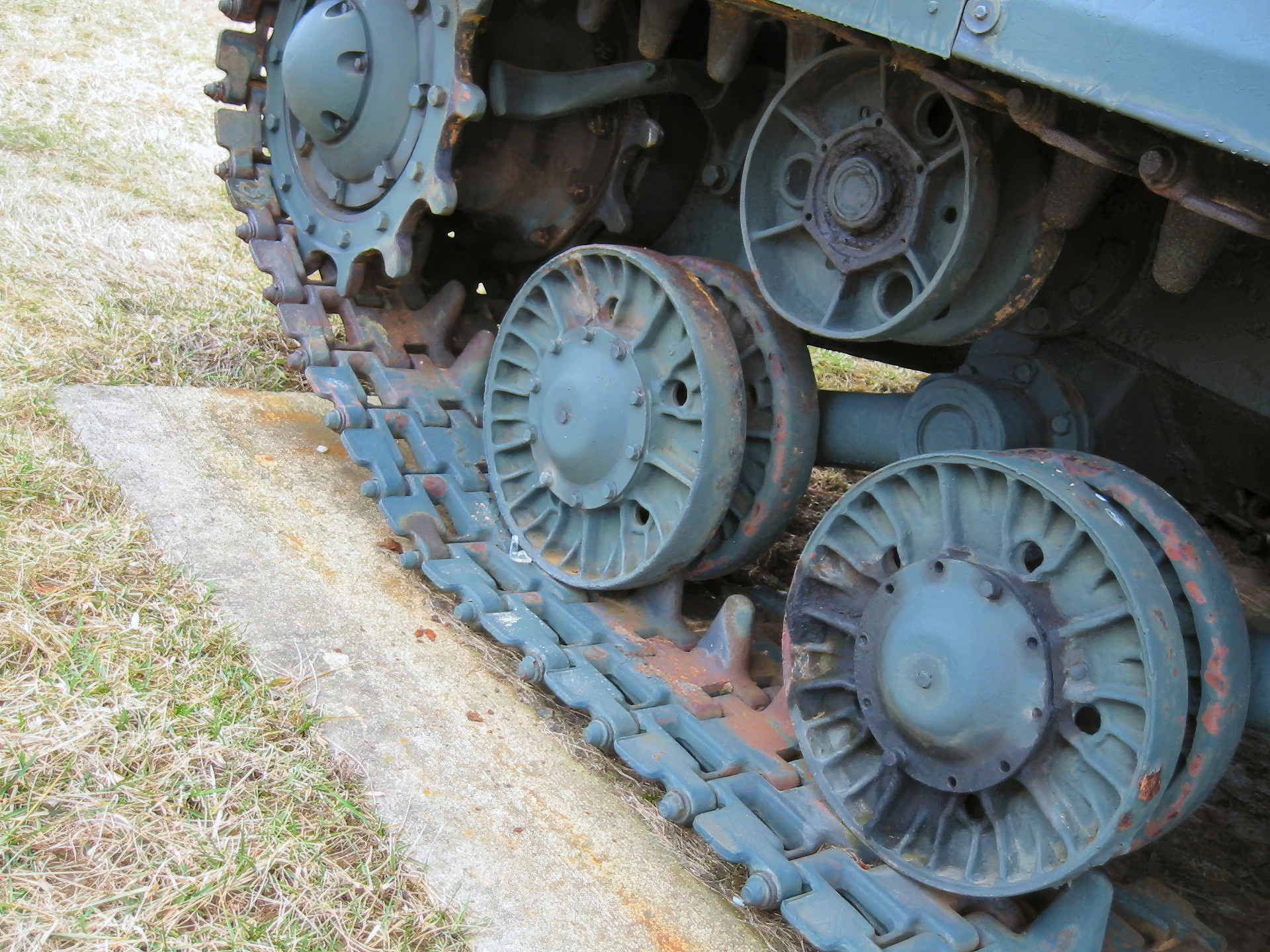
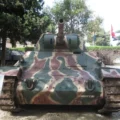
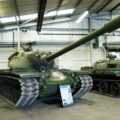
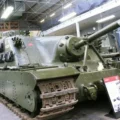
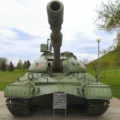
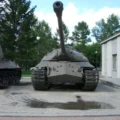
重型坦克 IS-3 上的照片库,二战末首次在重型坦克上亮相 IS-3,这是苏联的战斗坦克,不能采取非常积极地参加了最后的战斗。然而,他参加了1945年9月7日在柏林举行的阅兵式,主要是为了宣传目的。这是一个现成的计算,它标志着西方列强观察家的思想,因为它的力量和现代性。这个名字(IS或JS)来自约瑟夫·斯大林当时的苏联领导人的首字母缩写(约瑟夫的"J"或"I"的"I",取决于是否使用俄语版本的名字),数字3表示约瑟夫·斯大林系列坦克中的版本数量。
源: 维基百科上的 IS-3
| Char lourd IS-3 | |
|---|---|
| 摄影师 | 未知 |
| 本地化 | 未知 |
| 照片 | 64 |

另请参阅:


The IS-3 (or Object 703) was a heavy tank developed by the Soviet Union in the final stages of World War II. While it did not see combat during the war, it was a revolutionary design, notable for its sloped frontal hull, known as the “pike nose,” and its distinctive semi-hemispherical cast turret. The tank’s appearance at the 1945 Berlin Victory Parade greatly alarmed Western Allies, influencing post-war tank development in NATO nations.
设计与开发
Innovative Armor Layout
- Initial Requirement: To create a heavy tank with superior protection against German 88 mm guns, addressing the frontal weaknesses of its predecessor, the IS-2.
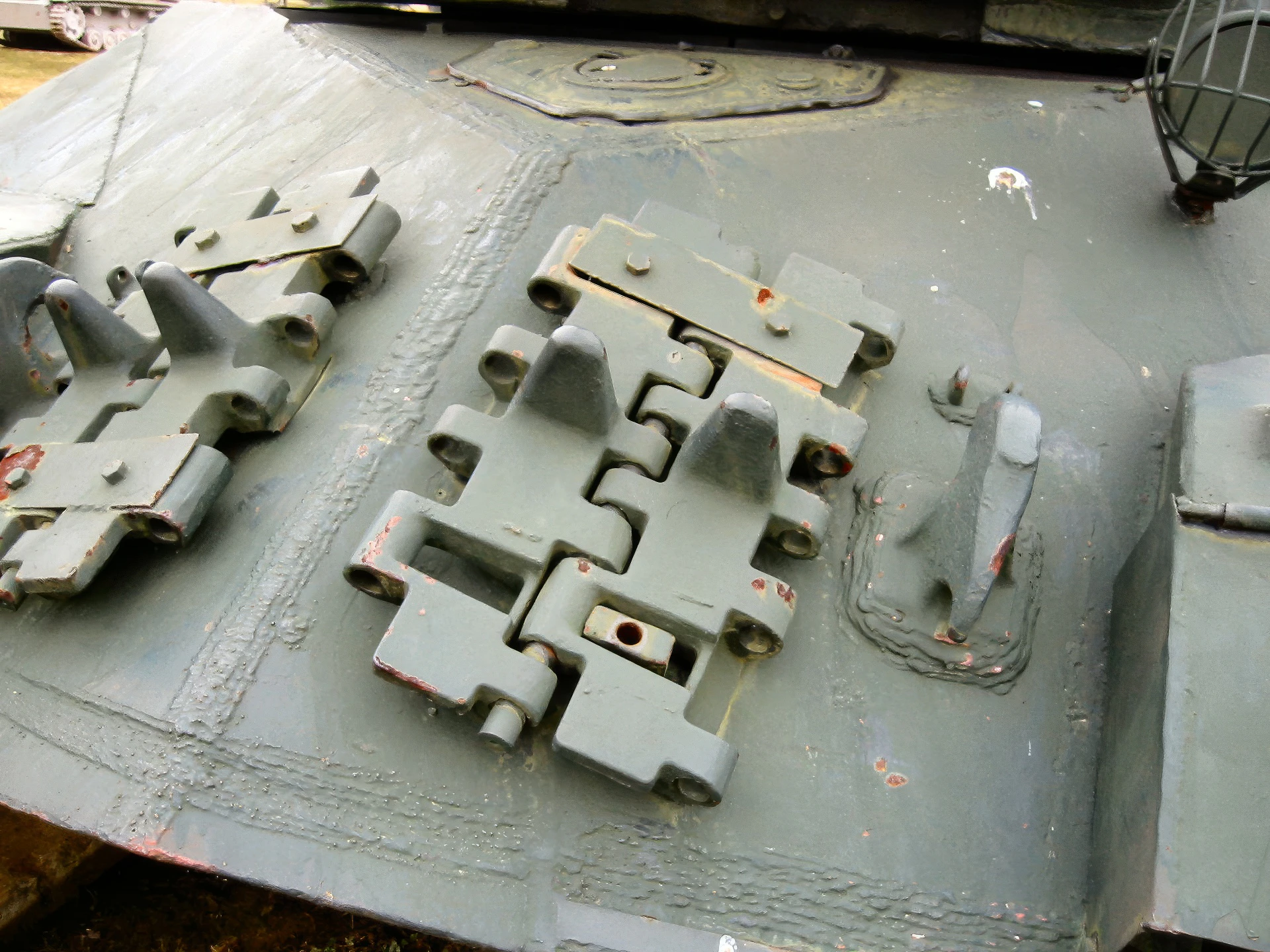
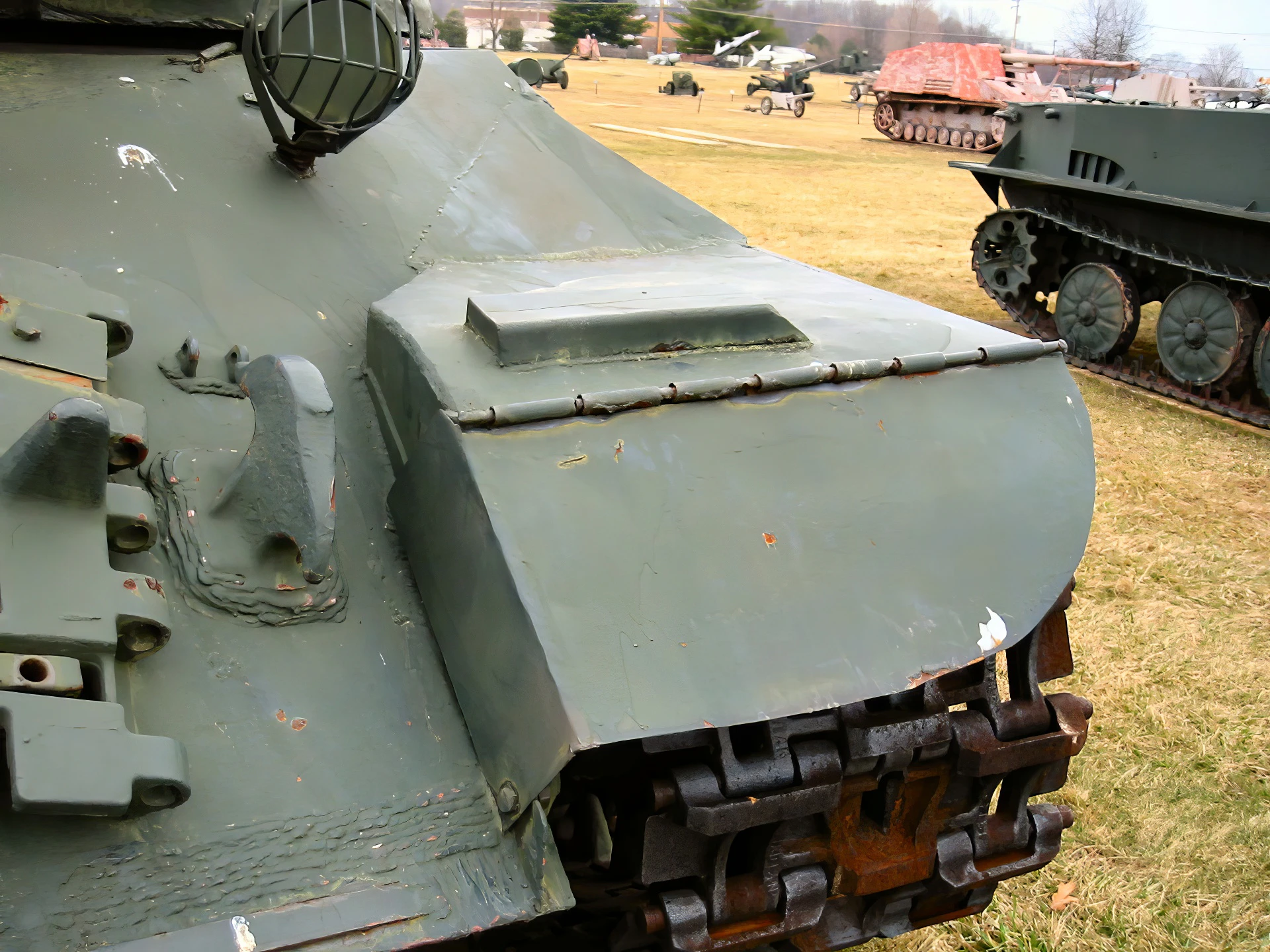
- Pike Nose: The frontal hull consisted of two heavily sloped armor plates welded together at a sharp central angle. This configuration maximized the effective thickness of the armor and increased the chance of ricochet.
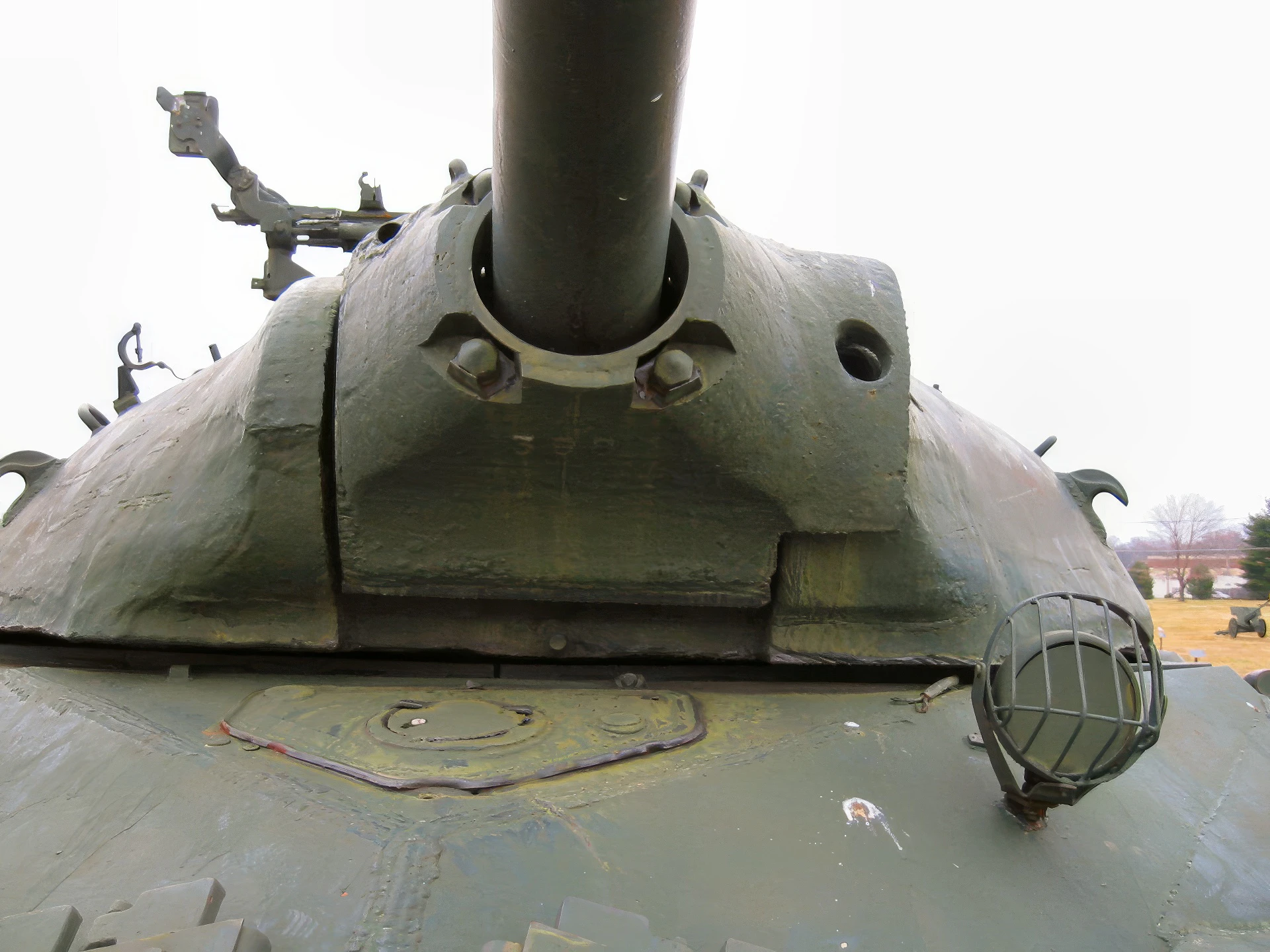
- “Soup Bowl” Turret: The low-profile, cast, dome-shaped turret was inherently stronger ballistically than previous designs, offering excellent all-around protection due to its curvature and minimal vertical surfaces.
Service and Flaws
- WWII Service: Though production started in May 1945, the tank was too late for combat against Nazi Germany. It did, however, participate in the Berlin Victory Parade in September 1945.
- Mechanical Issues: Early production models suffered from significant reliability problems, including weak engine components, gearbox failures, and hull welds that cracked under stress from driving.
- Combat History: The IS-3 saw limited action with the Soviet Army during the 1956 Hungarian Revolution and was later exported, most notably to Egypt, where it saw service against Israel during the Six-Day War in 1967.
Technical Specifications (IS-3 Heavy Tank)
General Characteristics
| 规范 | Detail |
|---|---|
| 类型 | 重型坦克 |
| 船员 | 4 (Commander, Gunner, Loader, Driver) |
| Mass (Combat) | Approx. 46.5 tonnes (102,500 lb) |
| Length (Gun Forward) | 9.85 m (32 ft 4 in) |
| 宽度 | 3.15 m (10 ft 4 in) |
| 高度 | 2.45 m (8 ft 0 in) |
Armament and Protection
| Component | Detail |
|---|---|
| 主要武器装备 | 1 x 122 mm D-25T rifled gun |
| Ammunition Capacity | 28 rounds (Separate loading) |
| 次要武器 | 1 x 12.7 mm DShK AA machine gun, 1 x 7.62 mm DT coaxial machine gun |
| Frontal Hull Armor | 110 mm at 55 to 72 degrees (Pike Nose) |
| Turret Front Armor | Up to 250 mm (Cast, hemispherical) |
Mobility and Powerplant
| Component | Detail |
|---|---|
| 发动机 | V-2-IS V-12 water-cooled diesel |
| Engine Power | 520 hp (388 kW) |
| 最高速度 | Approx. 40 km/h (25 mph) on road |
| 中文 | 扭杆 |
| 工作范围 | 190 km (120 mi) |
The IS-3 was structurally flawed but strategically important. Its advanced frontal armor geometry set the design standard for future Soviet tanks, notably influencing the T-54/55 and the later T-10 heavy tank.
浏览量 : 4001
贝勒贝特