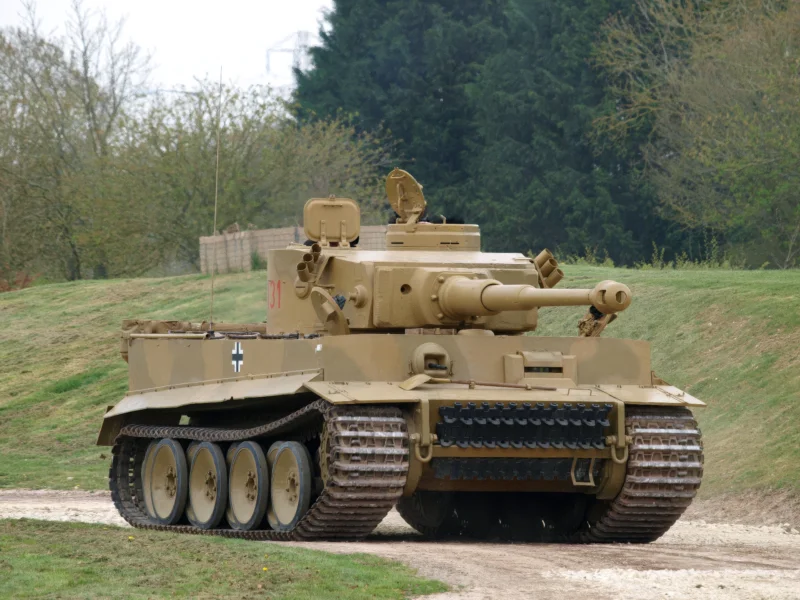
Tigris tank | |
|---|---|
| Ország | Németország |
| Típus | Nehéz tartály |
| Leírás | Album of 27 photos walk-around of a «Tiger Tank» |
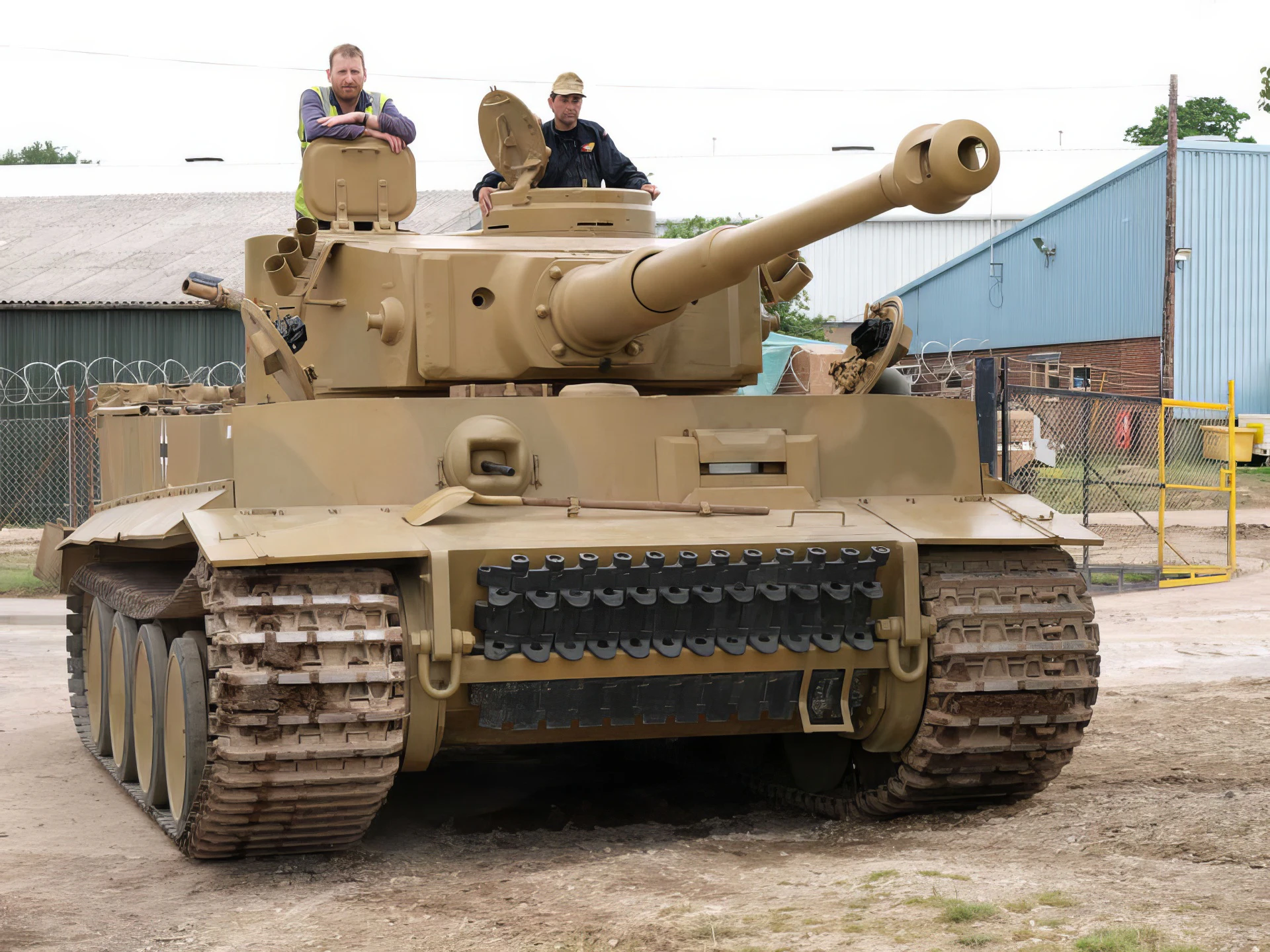
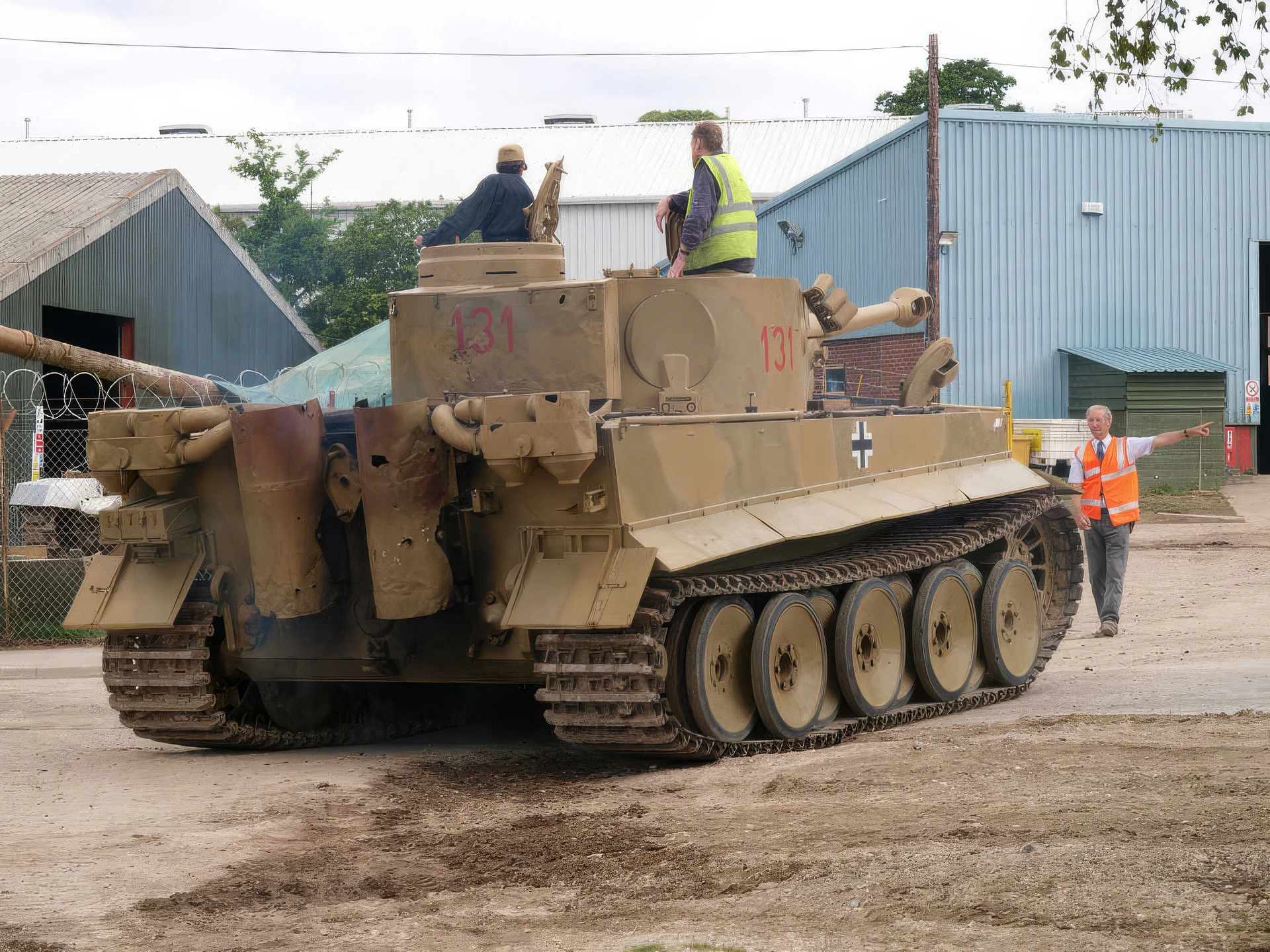
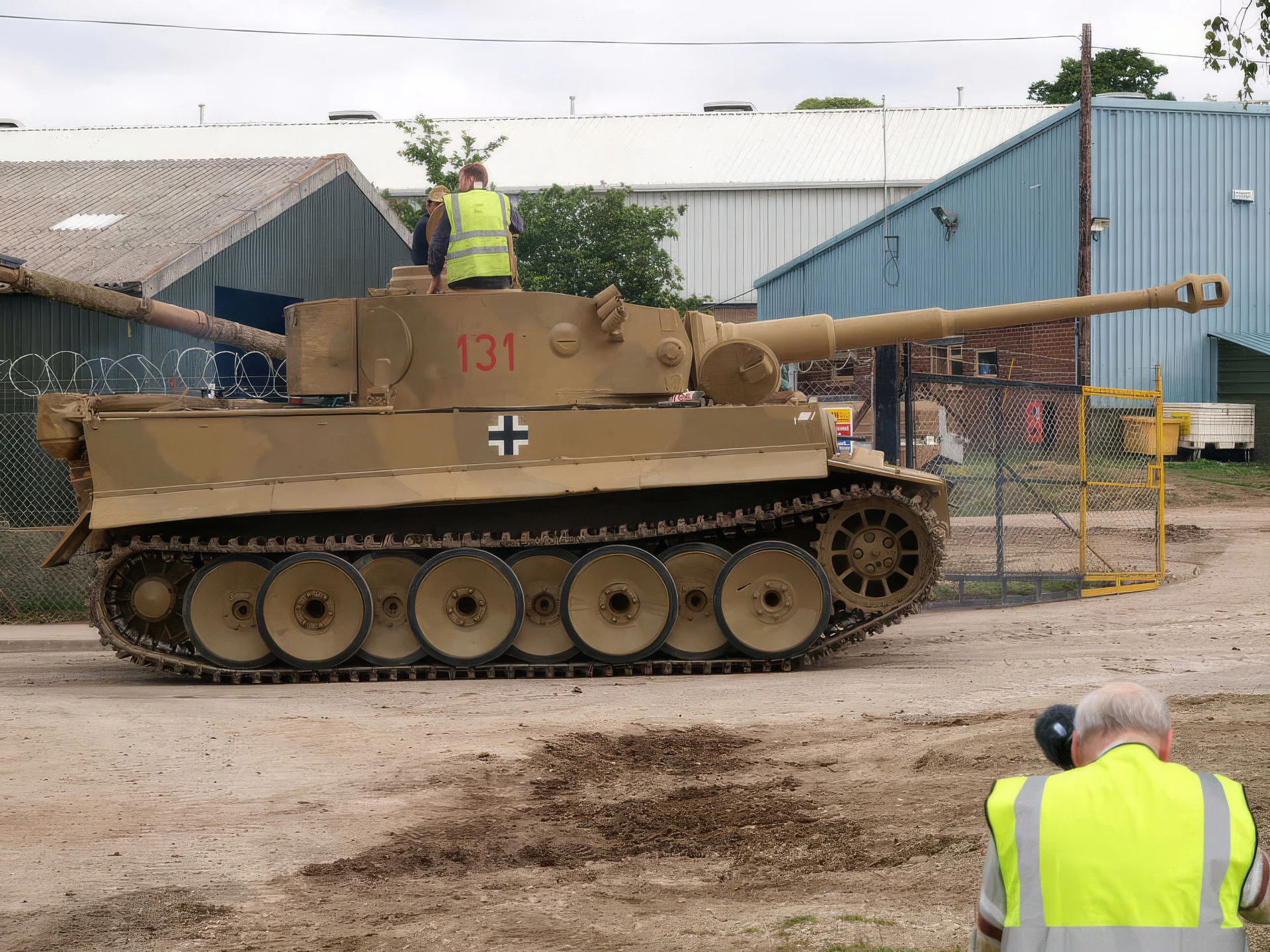
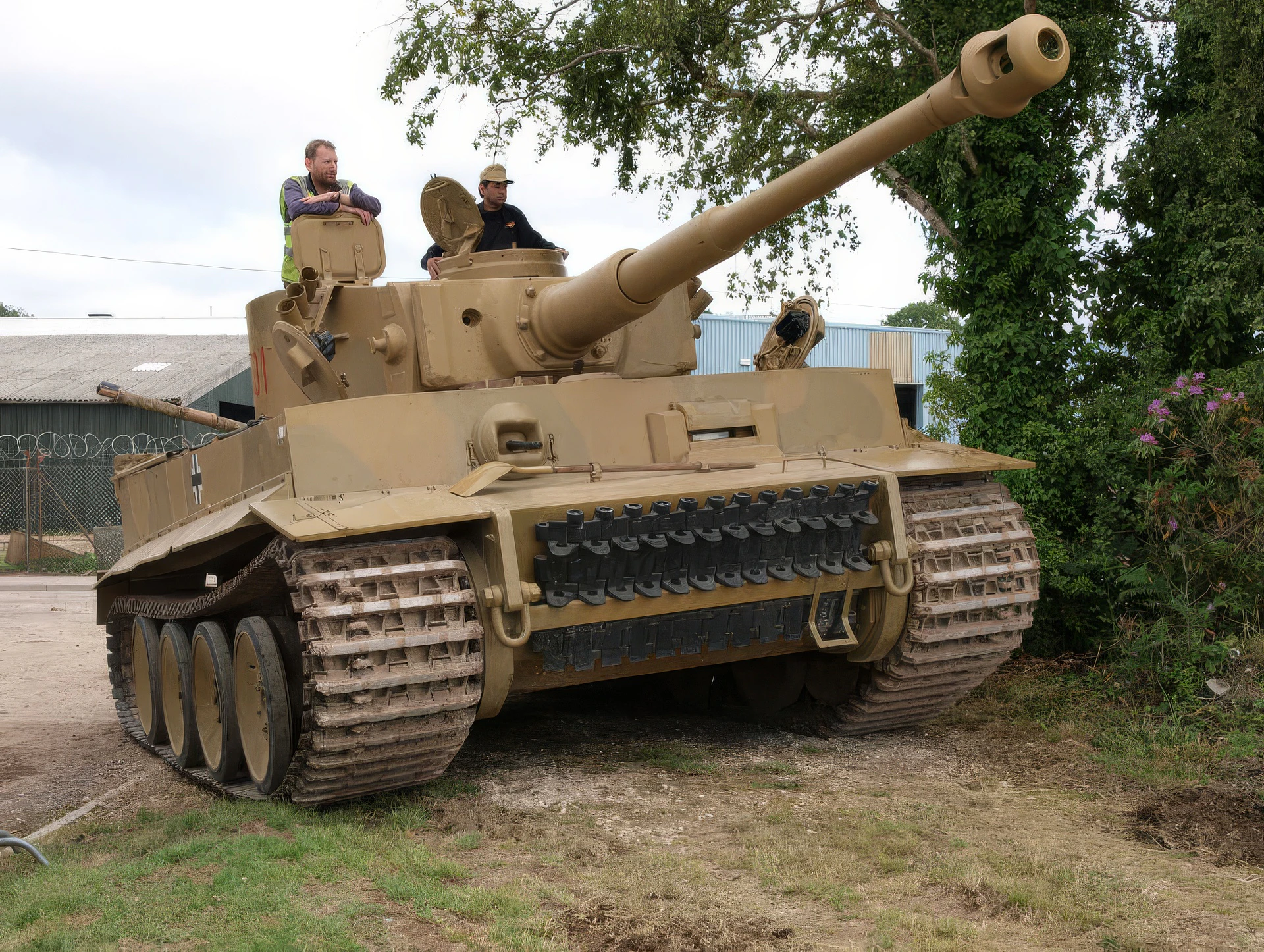
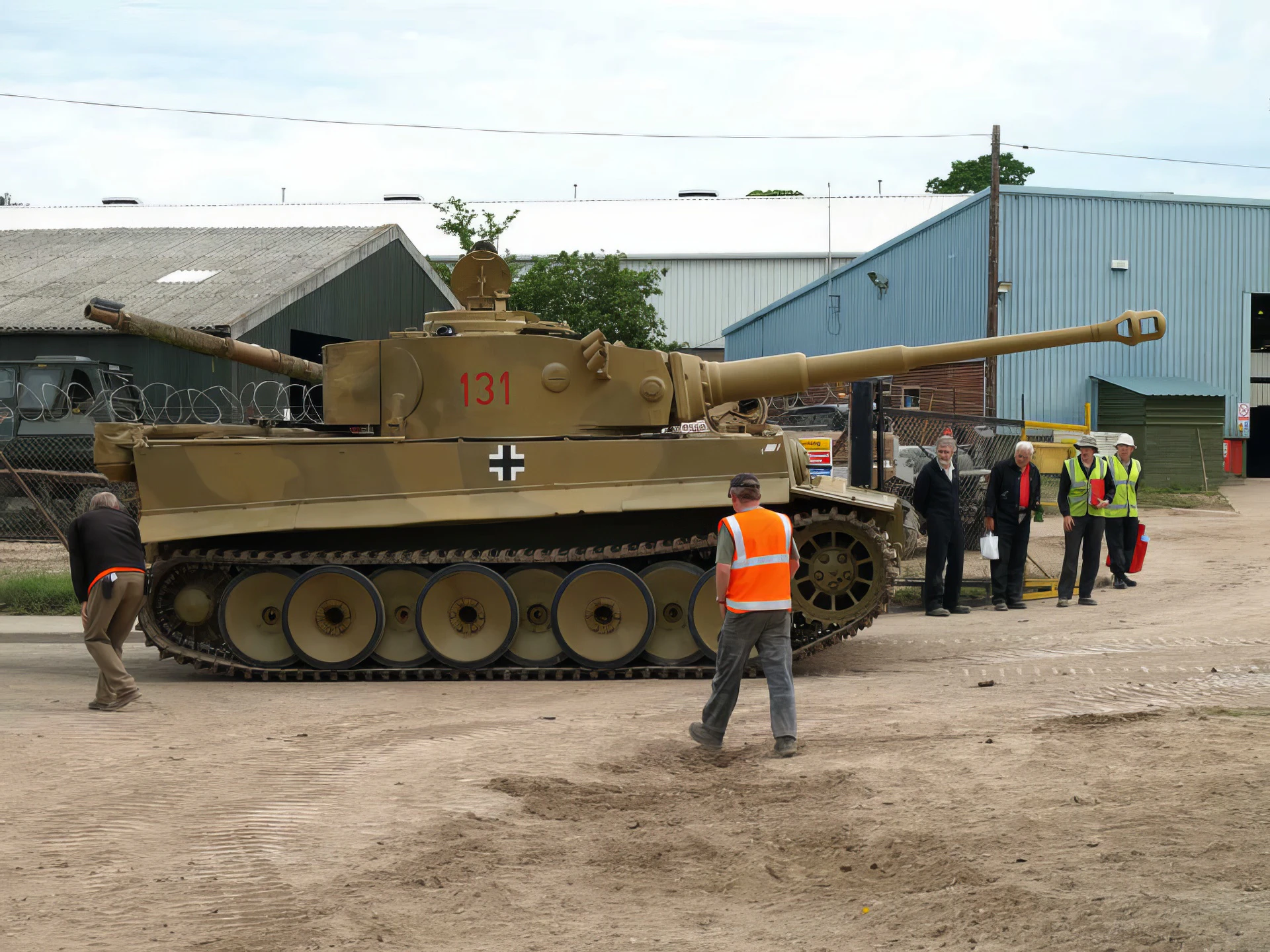
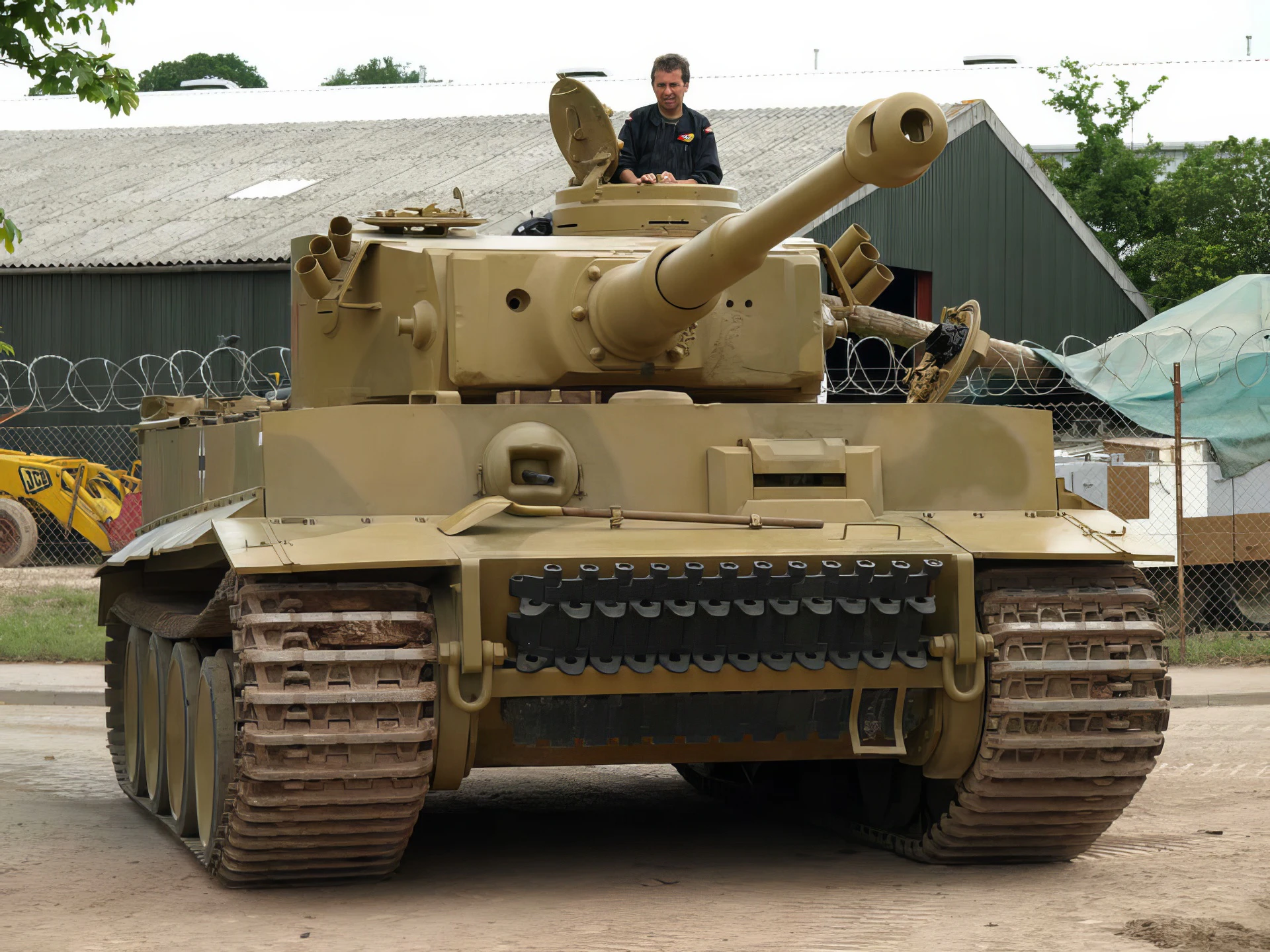
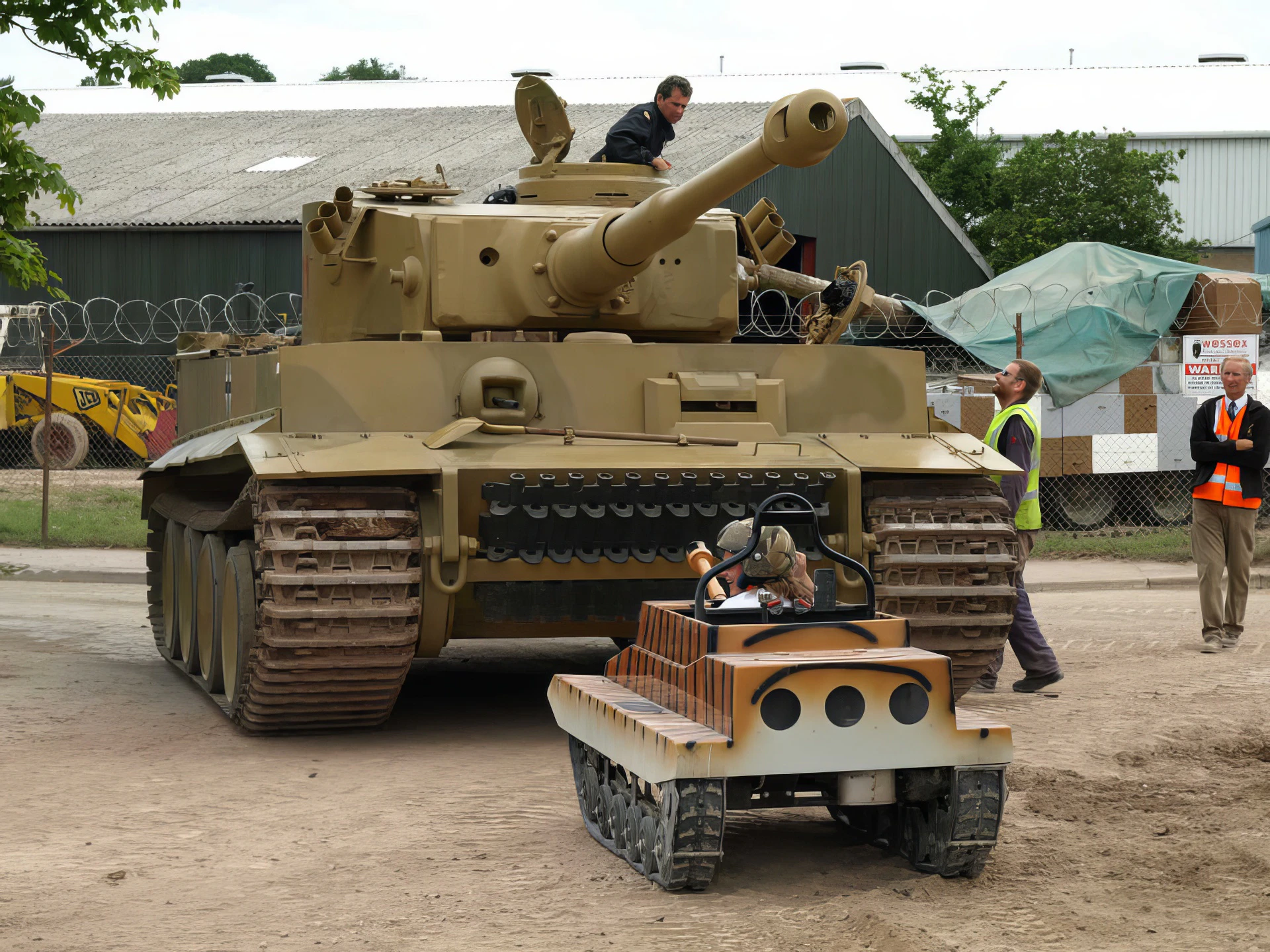
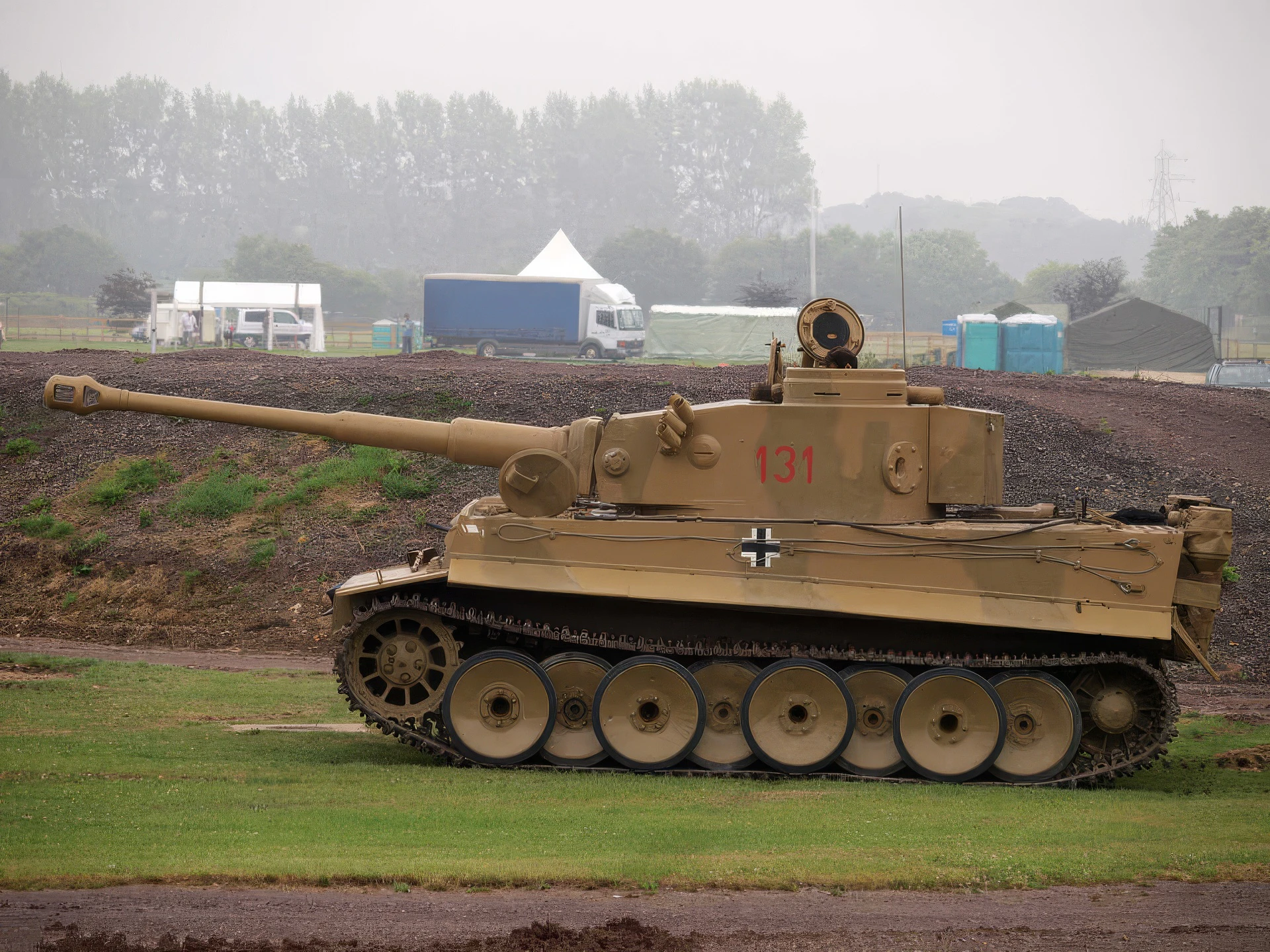
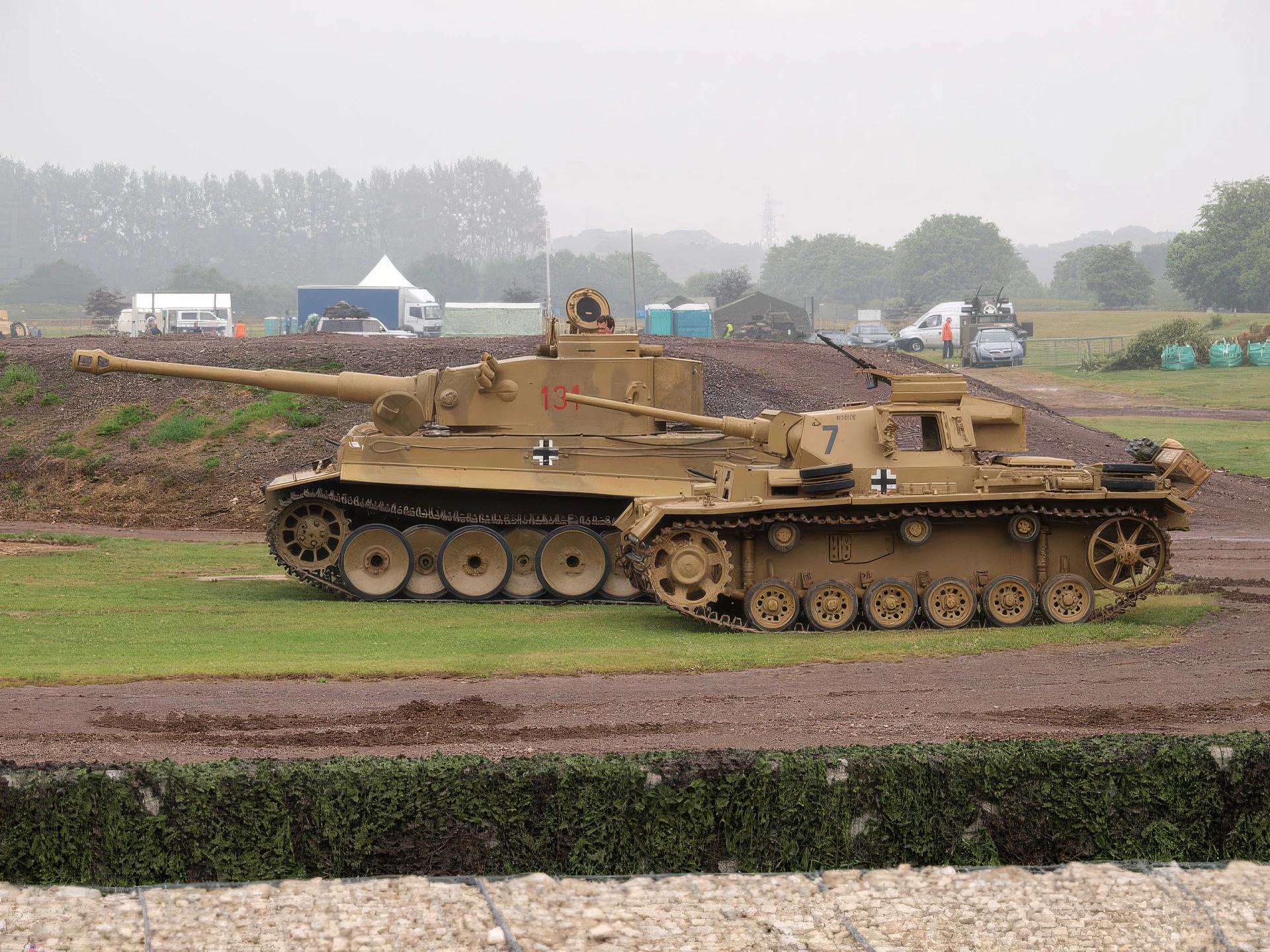
Fotógaléria egy akcióban lévő Tigris tankról, A I. Tigris egy 1942-ben kifejlesztett és a második világháborúban használt német nehéz harckocsi általános neve. Az utolsó hivatalos német megnevezés a Panzerkampfwagen VI Tiger Ausf.E volt, amelyet gyakran Tigrisre rövidítettek. Ez volt a válasz arra a váratlanul félelmetes szovjet páncélzatra, amellyel a Szovjetunió tengelyhatalmi inváziójának első hónapjaiban találkoztak, különösen a T-34-es és a KV-1-es. A Tiger I terv a Wehrmachtnak adta az első harckocsit, amely a 88 mm-es löveget szerelte fel, a kezdeti páncélozott harci jármű dedikált változatában, amely Flak változatában korábban bizonyította hatékonyságát mind a légi, mind a földi célpontok ellen. A háború folyamán a Tigris I látta a harcot minden német csatatéren. Általában független tartály zászlóaljakba vetették be, ami meglehetősen félelmetesnek bizonyult.

Lásd még:


A Panzerkampfwagen VI (Pz.Kpfw. VI), commonly known as the Tigris, was a series of German heavy tanks used during World War II. It was a formidable and revolutionary design, primarily known for its incredibly heavy armor and powerful main gun. The series includes two primary models: the Tiger I and the Tiger II.
1. Panzer VI Tiger I (Sd.Kfz. 181)
The original Tiger I was a response to the unexpectedly strong Soviet tanks encountered during the invasion of the USSR. It entered service in 1942 and quickly established a fearsome reputation.
- Szerep: Heavy Tank, designed for breakthrough and long-range engagement.
- Main Armament: The devastating 88 mm KwK 36 L/56 cannon, which could penetrate most Allied tank armor at extreme distances.
- Páncél: Featured very heavy, though largely flat and vertical, armor. Frontal hull armor was typically 100 mm thick, with the gun mantlet up to 200 mm. Its protection relied on sheer thickness.
- Súly: Körülbelül 57 tonnes.
- Mobilitás: Powered by a 700 hp Maybach V-12 engine. Capable of speeds up to 38 to 45 km/h on roads. Its complex interleaved road wheel suspension provided good off-road performance but was mechanically demanding and maintenance-intensive.
- Legénység: 5 (Commander, Gunner, Loader, Driver, Radio Operator).
2. Panzer VI Tiger II (Königstiger / King Tiger) (Sd.Kfz. 182)
The Tiger II, or “King Tiger,” was the successor to the Tiger I and represented an evolution in German tank design. It entered production in late 1943.
- Szerep: Heavy Tank.
- Main Armament: The superior 88 mm KwK 43 L/71 cannon. This longer-barreled gun significantly increased muzzle velocity and anti-tank performance.
- Páncél: Combined the sheer thickness of the Tiger series with sloped armor. The frontal hull plate was 150 mm thick and angled at 50, making it virtually impervious to most Allied tank guns from the front.
- Súly: Majdnem 68.5 tonnes, making it the heaviest tank used by Germany during the war.
- Drawbacks: Its extreme weight severely strained its powertrain, leading to significant mechanical reliability issues and placing a massive burden on German logistics and manufacturing.
Views : 9249
Láthatjuk azt is:
 TOG2 – Fotók és videók
 P26/40 tartály - Fotók és videók
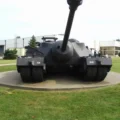 T-28 Super Heavy Tank – Fotók & videó
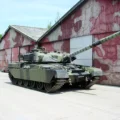 Törzsfőnök tank - Séta körül
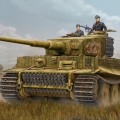 Pz.Kpfw. VI Tigris I – HOBBY BOSS 82601
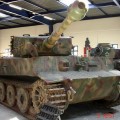 PzKpfw VIH Tigris – Séta
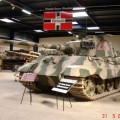 Tiger II – Königstiger vol3 – Séta
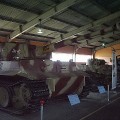 Tigris I .
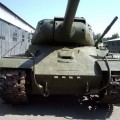 JS2-M – Séta
 Panzerkampfwagen VI – TIGRIS – Sdkfz.181 – Wydawnictwo Militaria 074