
Soko J-22 Orao | |
|---|---|
| Pays | Roumanie & Yougoslavie |
| Rôle | Avions d’attaque et avions de reconnaissance |
| Premier vol | 31 octobre 1974 |
| Construit | Inconnu |
Lla Soko J-22 Orao est un bimoteur yougoslave, subsonique d’attaque au sol et de reconnaissance aérienne. Il a été développé et construit en collaboration par SOKO en Yougoslavie et par Avioane Craiova en Roumanie voisine, étant connu dans cette dernière sous le nom de IAR-93 Vultur.
Source: Soko J-22 Orao sur Wikipédia
| Soko J-22 Orao | |
|---|---|
| Photographe | Inconnu |
| Localisation | Inconnu |
| Photos | 80 |
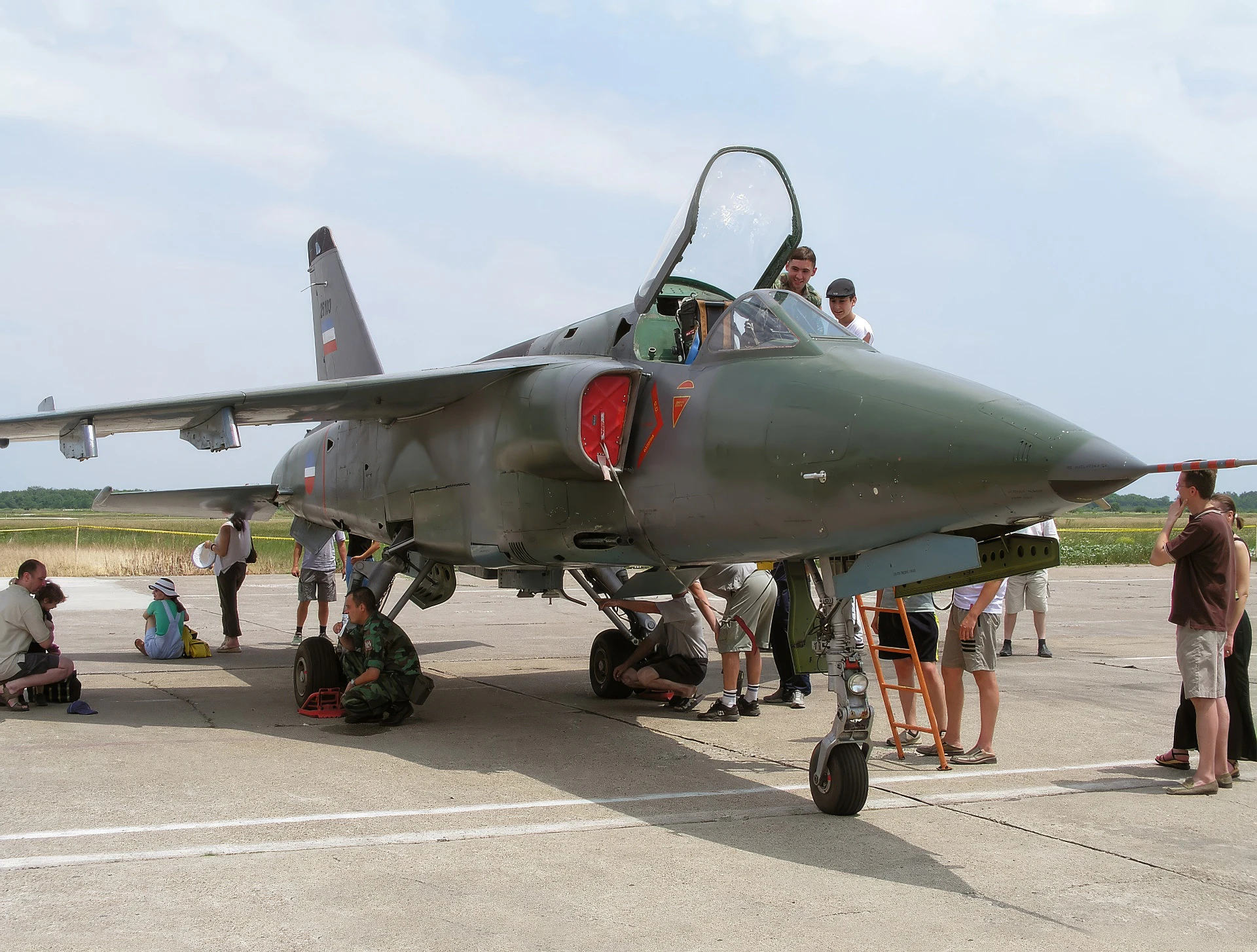
Soko J-22 Orao 02
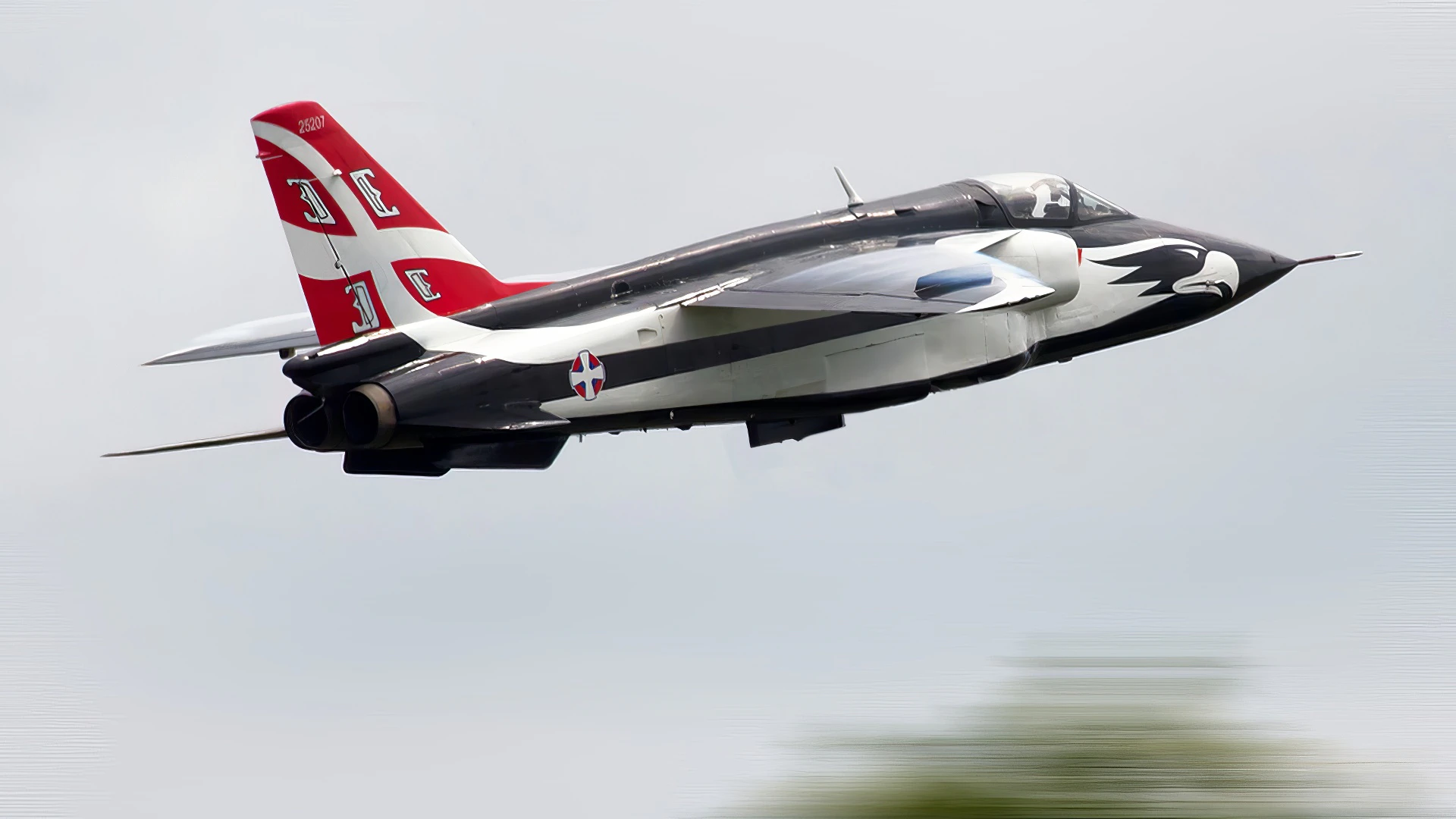
Soko J-22 Orao 01

Soko J-22 Orao 04
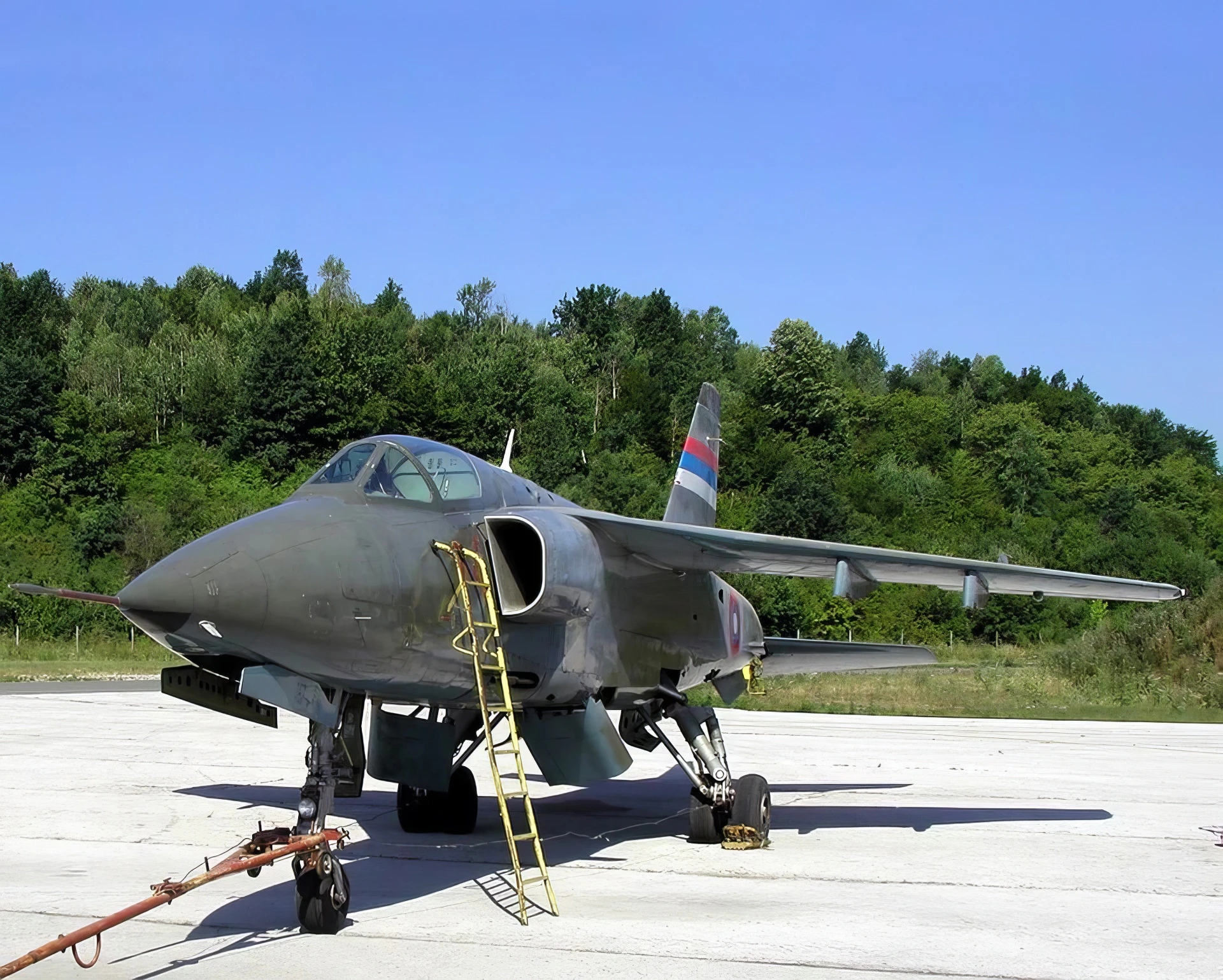
Soko J-22 Orao 03
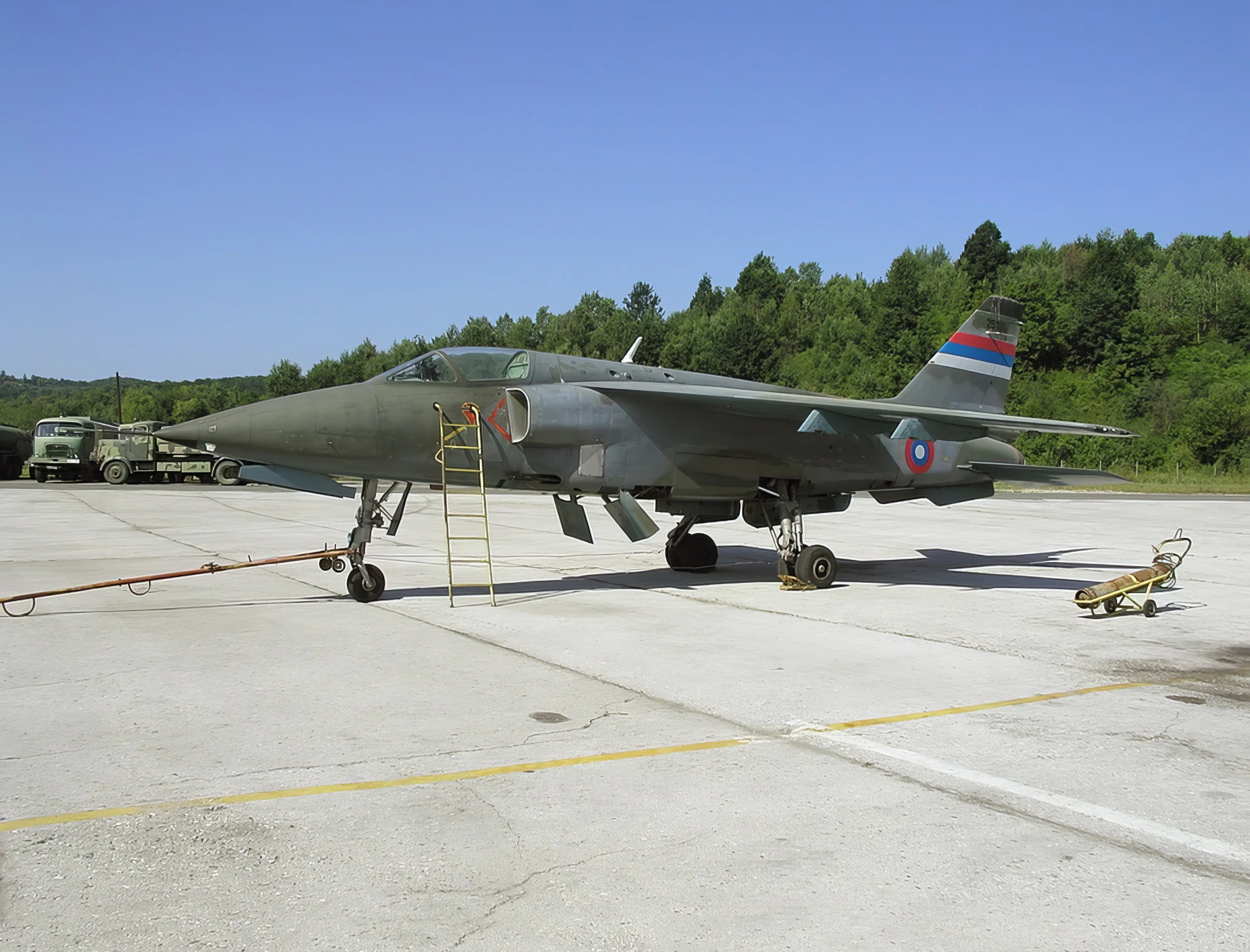
Soko J-22 Orao 05
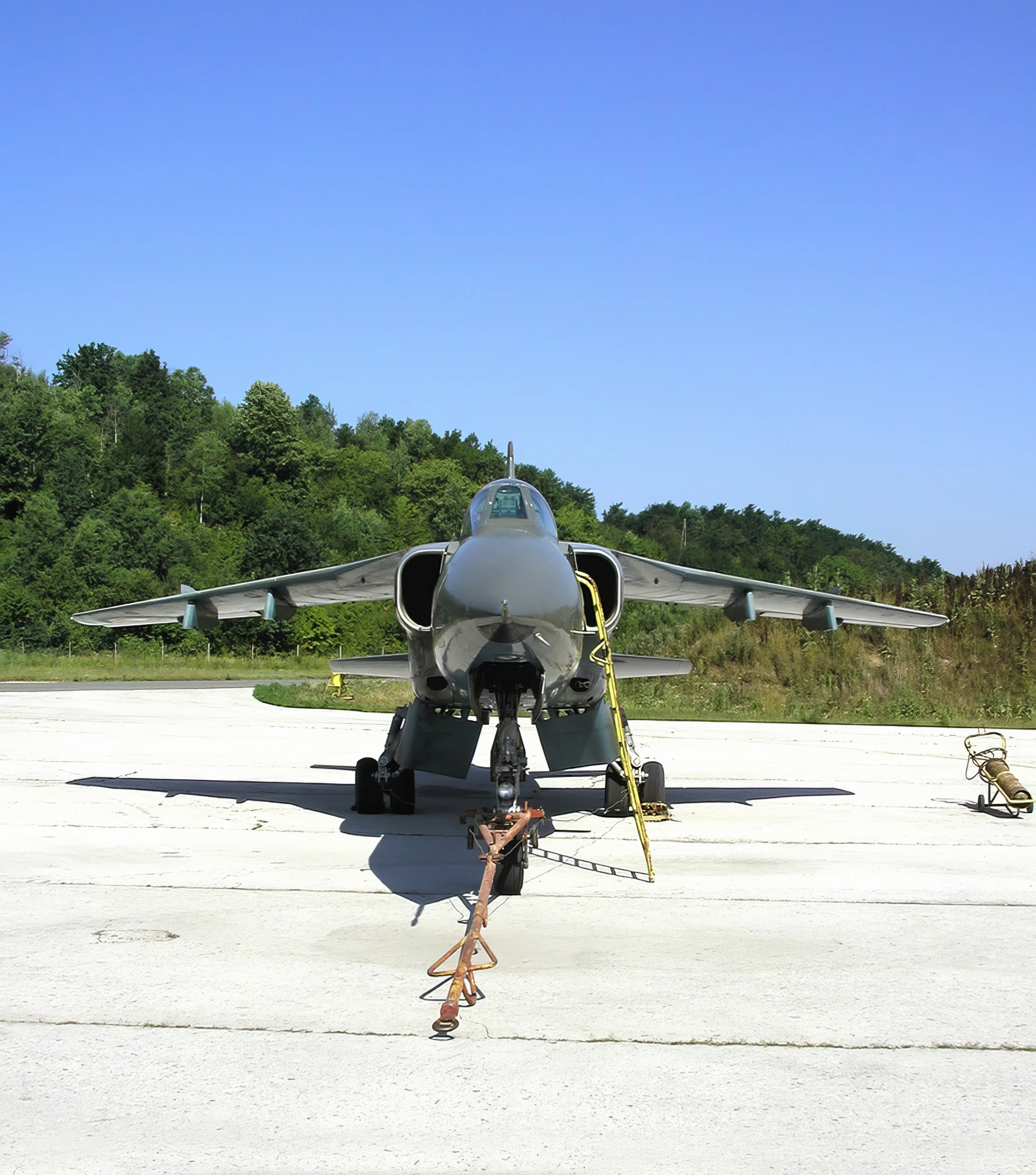
Soko J-22 Orao 06
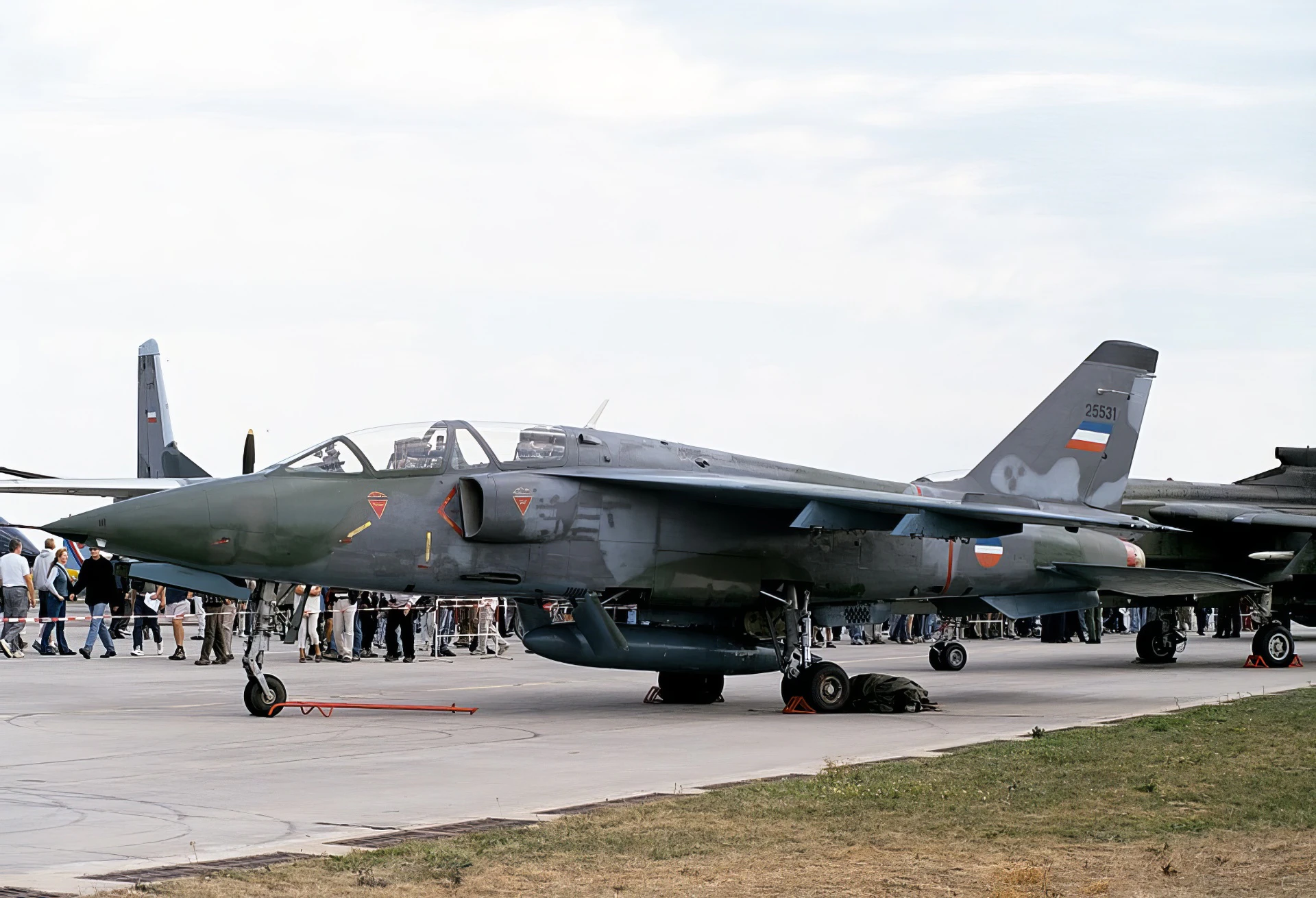
Soko J-22 Orao 08
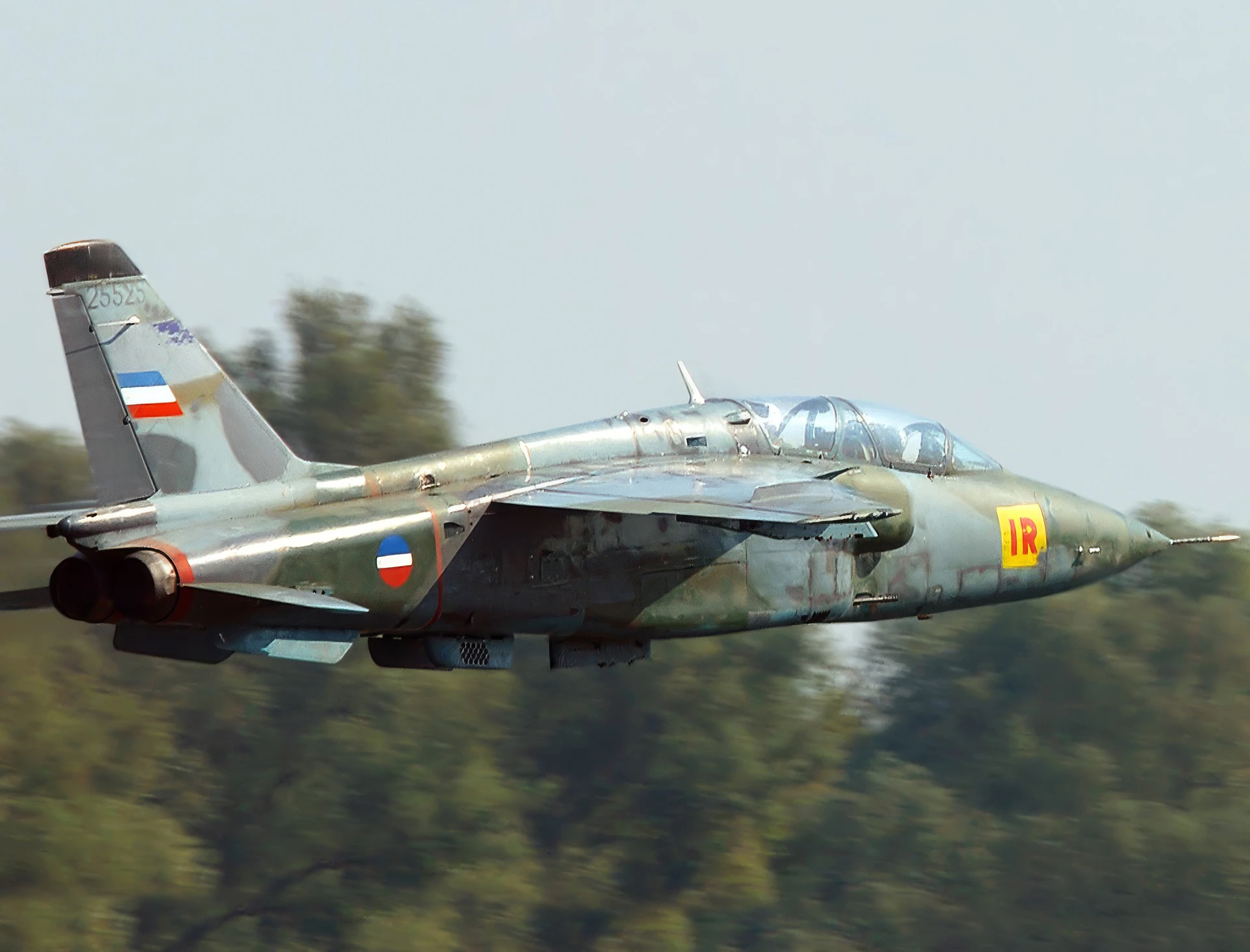
Soko J-22 Orao 09
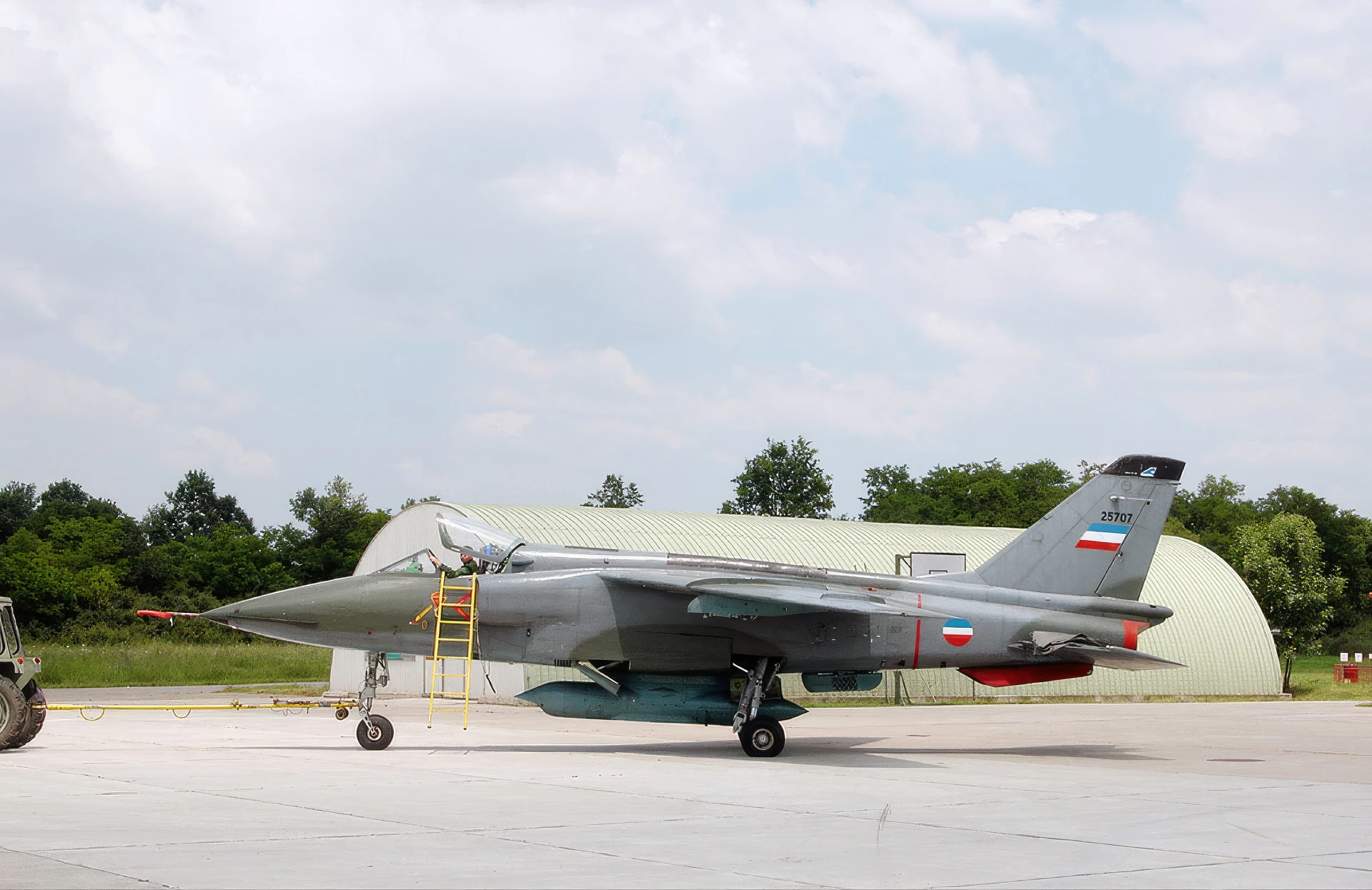
Soko J-22 Orao 10
Attendez, à la recherche de Soko J-22 Orao pour vous...

 Achetez-moi un café

Voir aussi :


General Characteristics (J-22B Orao 2 Variant)
The Soko J-22 Orao (« Aigle ») is a twin-engine, high-wing, subsonic ground-attack and tactical reconnaissance aircraft developed as a joint Yugoslav-Romanian project (known in Romania as the IAR-93 Vultur). Designed for close air support and attack missions, it was built to be robust, simple, and capable of operating from austere airfields, including unprepared and damaged runways.
| Property | Typical Value (J-22B Orao 2) |
|---|---|
| Rôle | Ground Attack / Tactical Reconnaissance |
| Fabricant | SOKO (Yugoslavia) / Avioane Craiova (Romania) |
| First Flight | November 1974 |
| Crew | 1 (J-22 single-seat attack) or 2 (NJ-22 two-seat trainer/reconnaissance) |
| Length (including nose probe) | 14.90 m (48 ft 11 in) |
| Envergure | 9.30 m (30 ft 6 in) |
| Max Takeoff Weight | 11,080 kg (24,427 lb) |
Design and Powerplant
- Engines: Two Rolls-Royce Viper Mk 633-47 turbojet engines (Orao/Turbomecanica license-built).
- Thrust Output (per engine): 17.79 kN (4,000 lbf) dry; 22.24 kN (5,000 lbf) with afterburner (on J-22B variant).
- Design Note: The original requirement called for a single-engine supersonic aircraft, but due to engine license restrictions, the simpler, subsonic twin-Viper configuration was adopted. The J-22 can exceed the speed of sound only in a shallow dive.
- Cockpit: Equipped with a Martin-Baker zero-zero ejection seat and features a Thomson-CSF VE-120T Head-Up Display (HUD) in later versions.
- Maintenance Feature: The rear fuselage section is designed to be detachable to facilitate easy engine maintenance.
- Avionics: Later modernization efforts (Orao 2.0) included new mission computers, multi-function displays, and integrated navigation/targeting systems.
Performance and Armament
- Maximum Speed: 1,130 km/h (700 mph, 610 kn) at sea level (Mach 0.96 at high altitude).
- Service Ceiling: 15,000 m (49,000 ft).
- Combat Radius: Approximately 522 km (282 nautical miles) (hi-lo-hi profile).
- Ferry Range: Approximately 1,320 km (710 nautical miles) with external drop tanks.
- Fixed Armament: Two 23 mm GSh-23L twin-barrel cannons mounted in the lower front fuselage.
- Hardpoints: Five external hardpoints (four underwing and one centerline).
- Maximum External Load: 2,800 kg (6,200 lb).
- Typical Armament Options:
- Missiles: AGM-65B Maverick TV-guided Air-to-Ground Missiles (AGM) or Grom-1 radio-guided AGMs.
- Bombs: Various 50–500 kg general-purpose bombs, cluster bombs (BL755), and anti-runway bombs (Matra Durandal).
- Rockets: Multiple types of unguided rocket pods.
- Air-to-Air: Limited air defense capability using short-range IR-homing air-to-air missiles on later variants.
Vues : 1140
Vous pouvez voir aussi :
 McDonnell F3H Demon – Photos & Vidéo
 McDonnell Douglas KC-10 Extender – Photos et vidéo
 McDonnell FH Phantom – Photos et vidéos
 C-130J Hercules – Photos & Vidéo
 Macchi MC-200 – WalkAround
 PZL P.11 – WalkAround
 P-51 Mustang vol2 – Walk Around
 Bell P-63E KingCobra – WalkAround
 Vought F4U Corsair - WalkAround
 F4U-7 Corsair – WalkAround