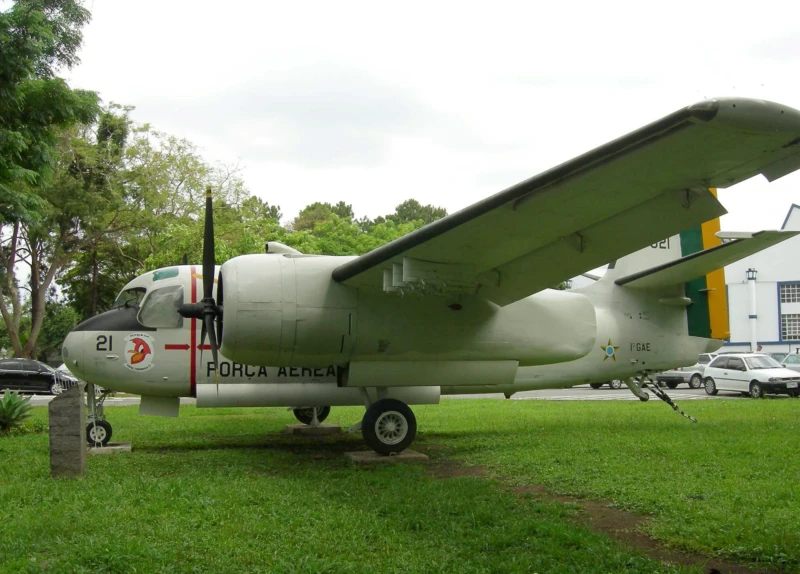
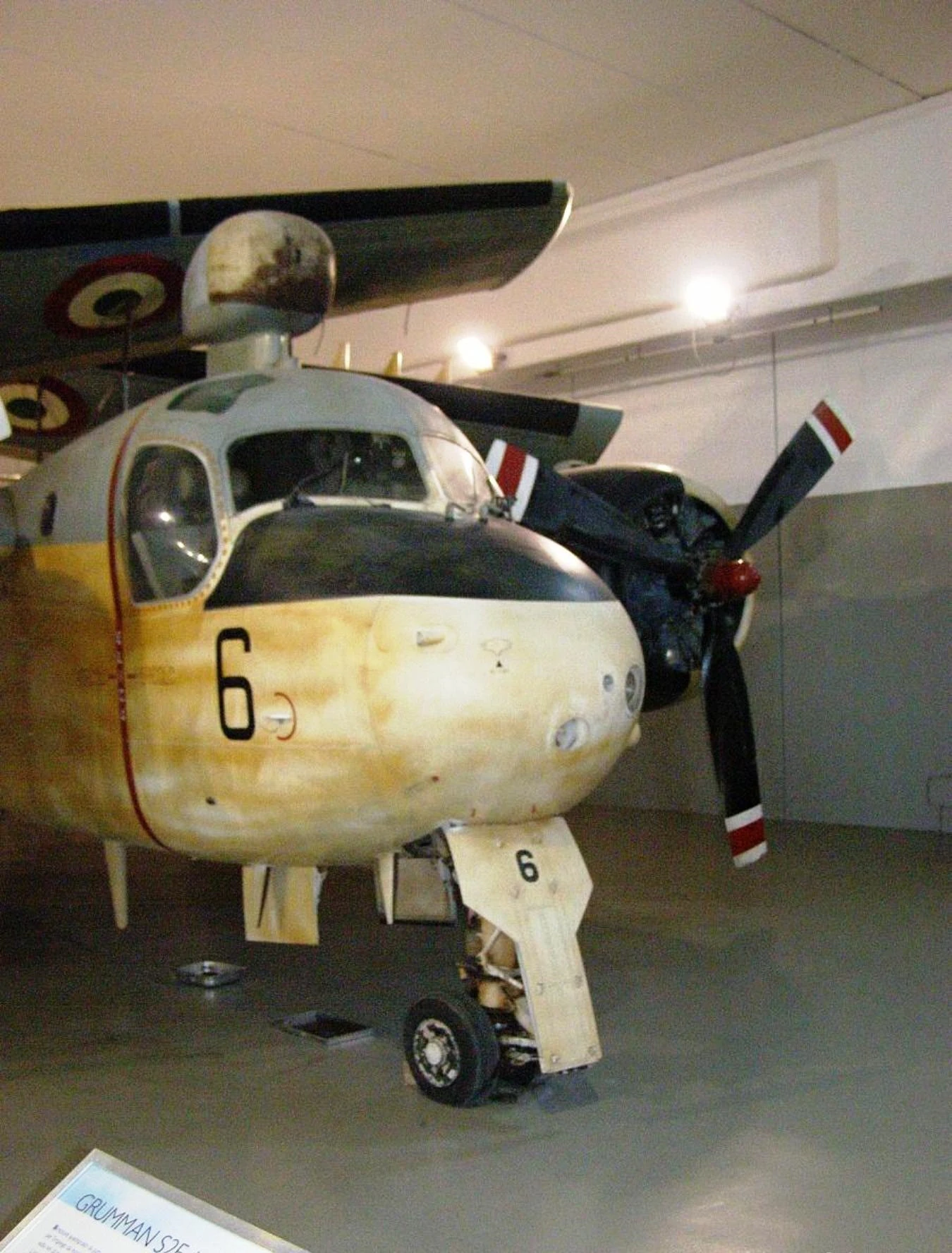
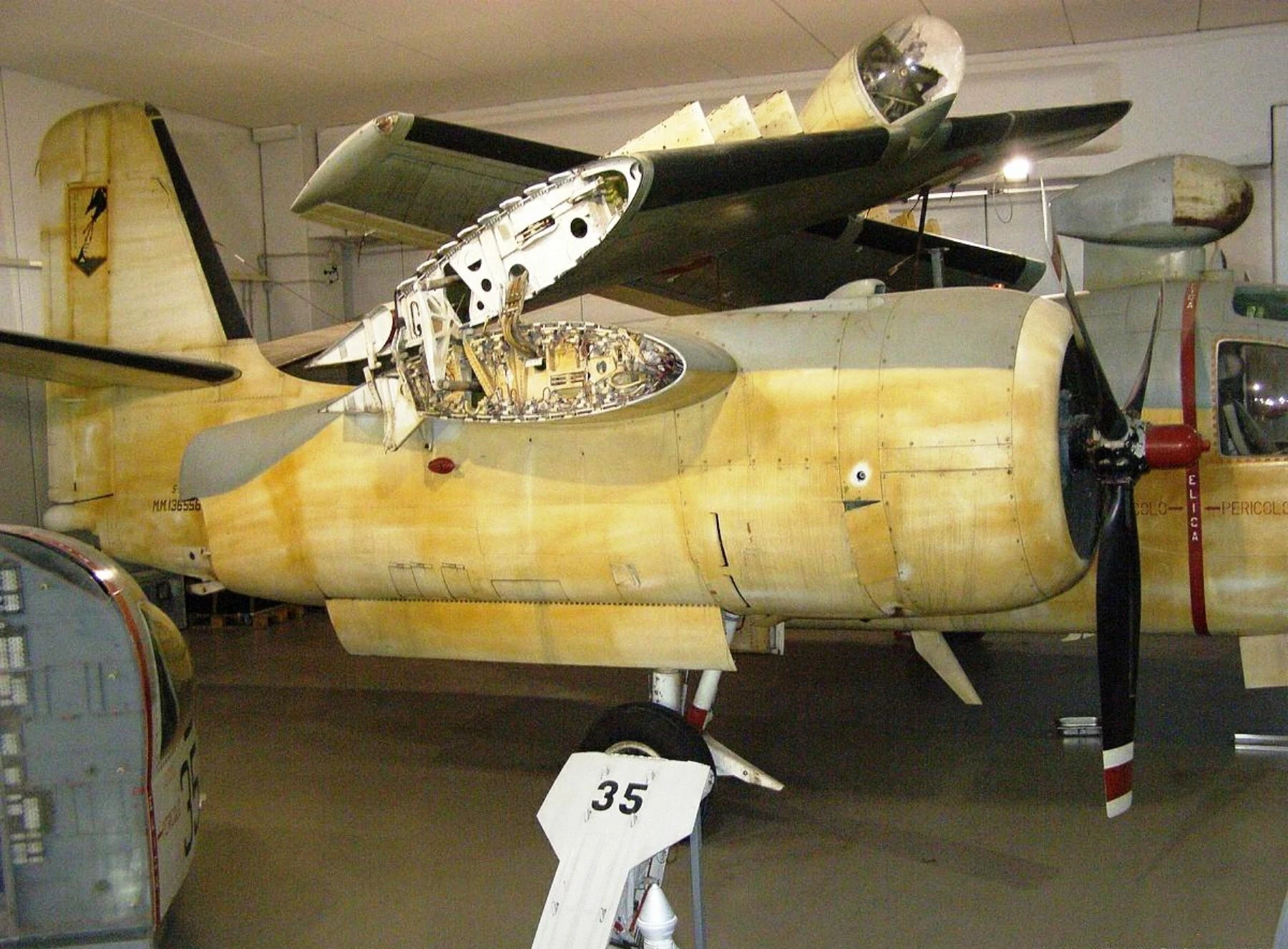
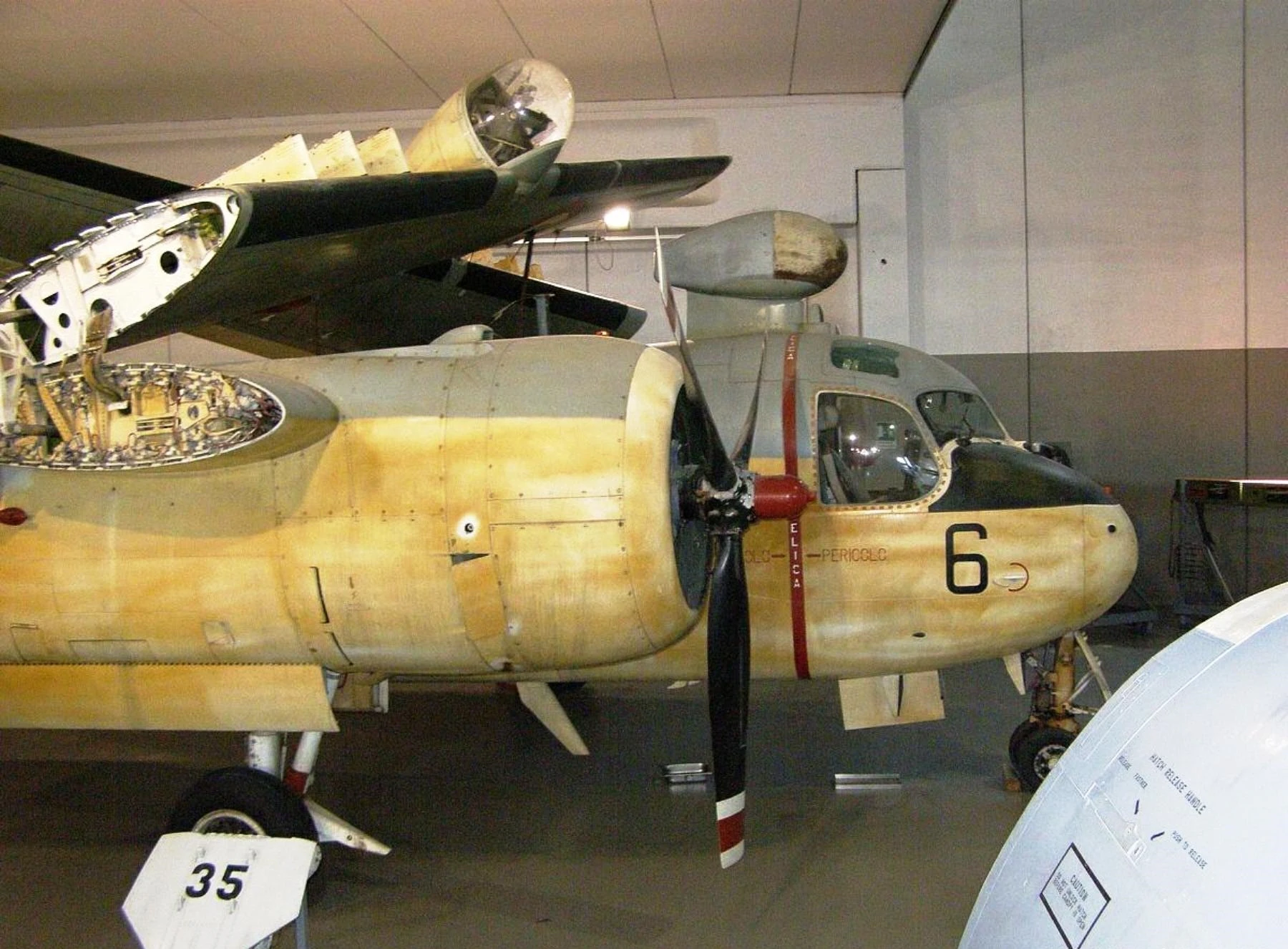
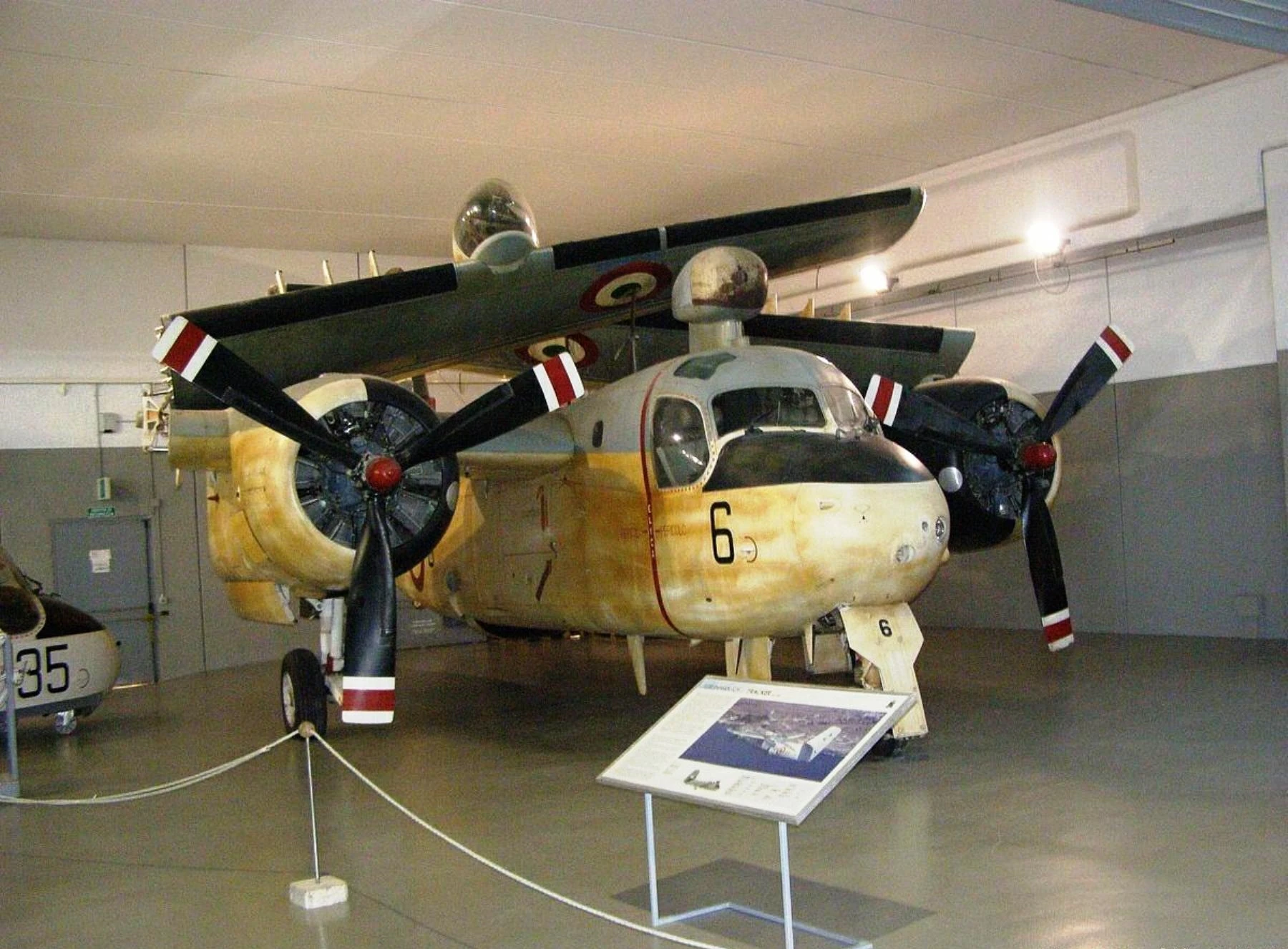
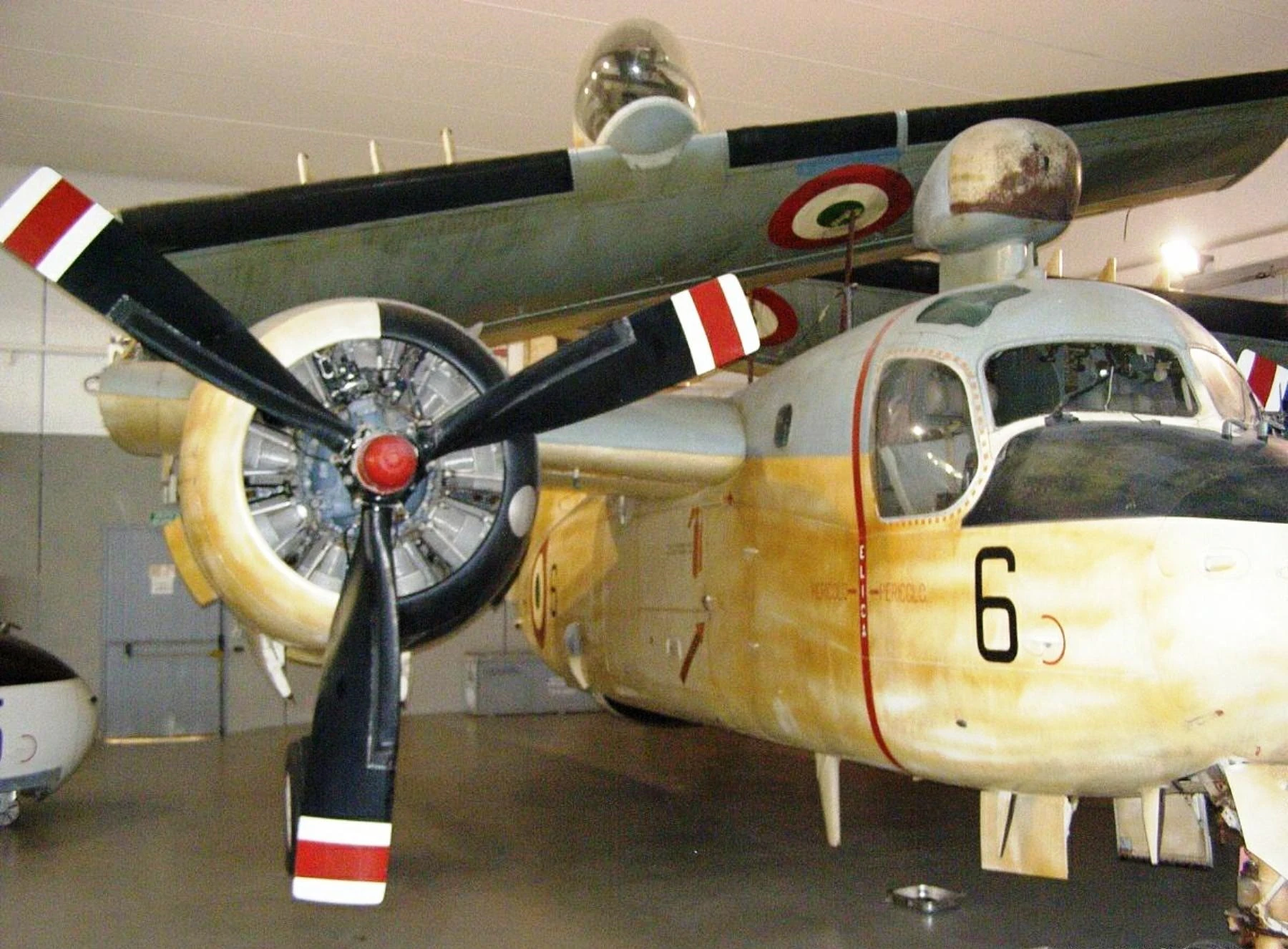
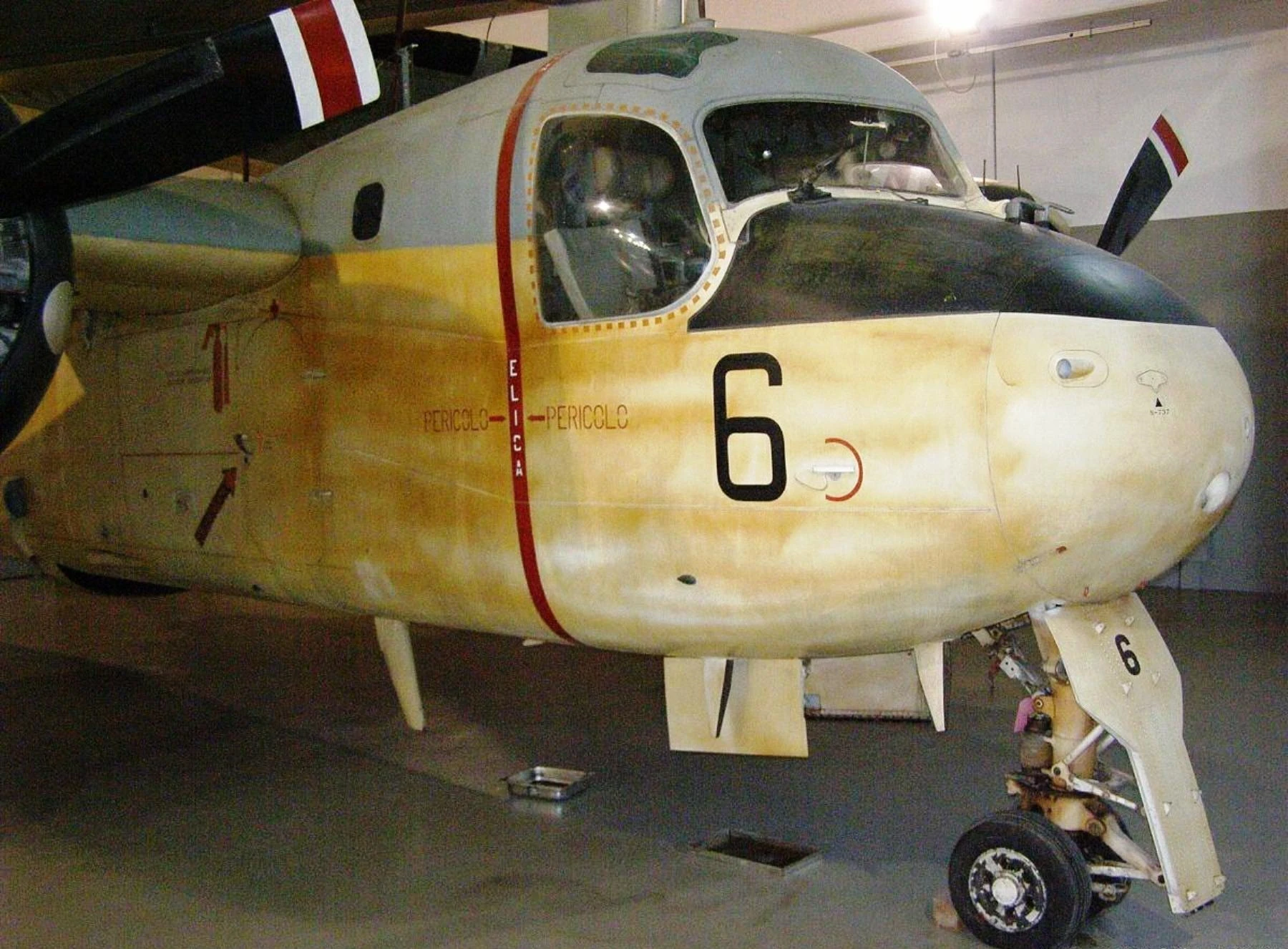
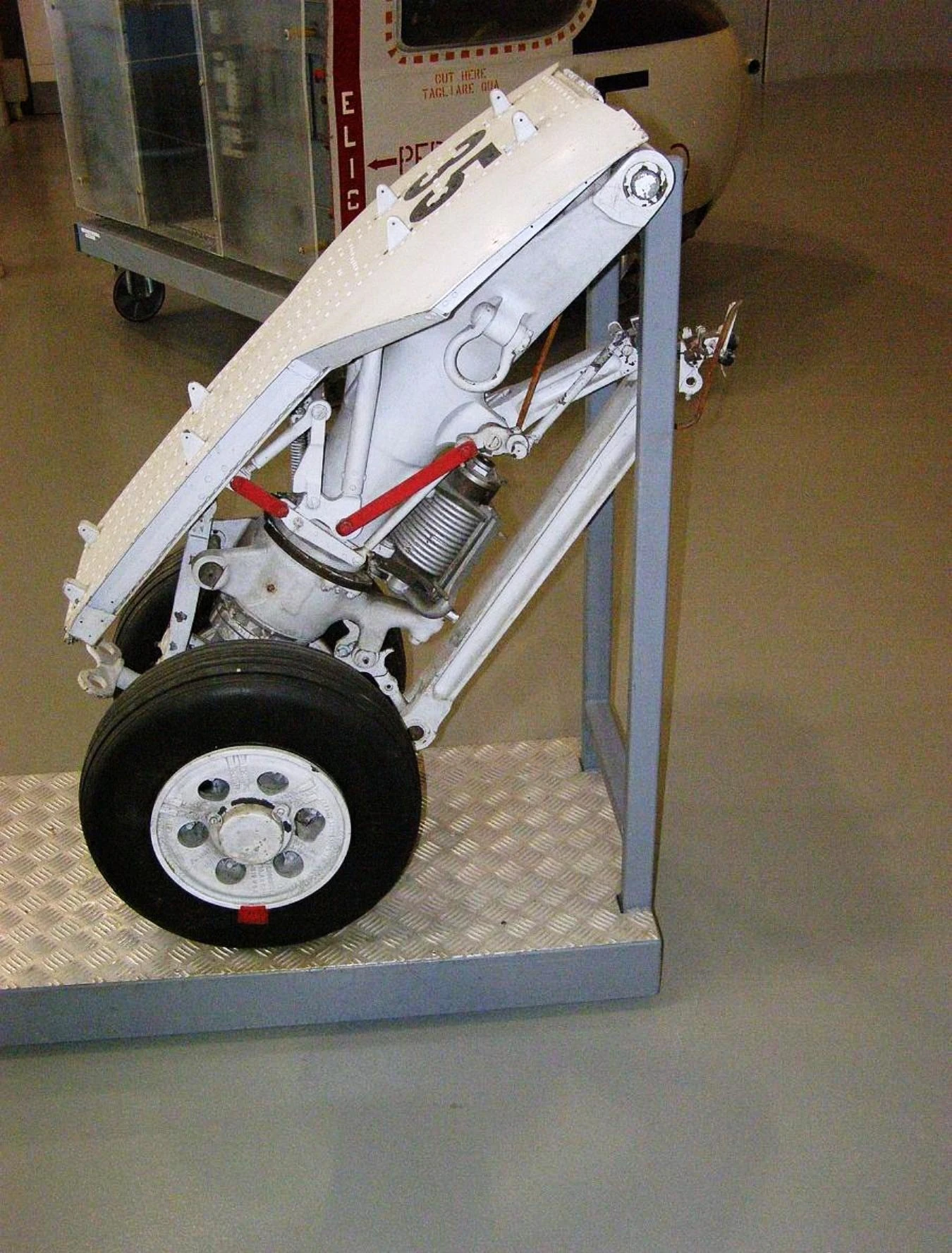
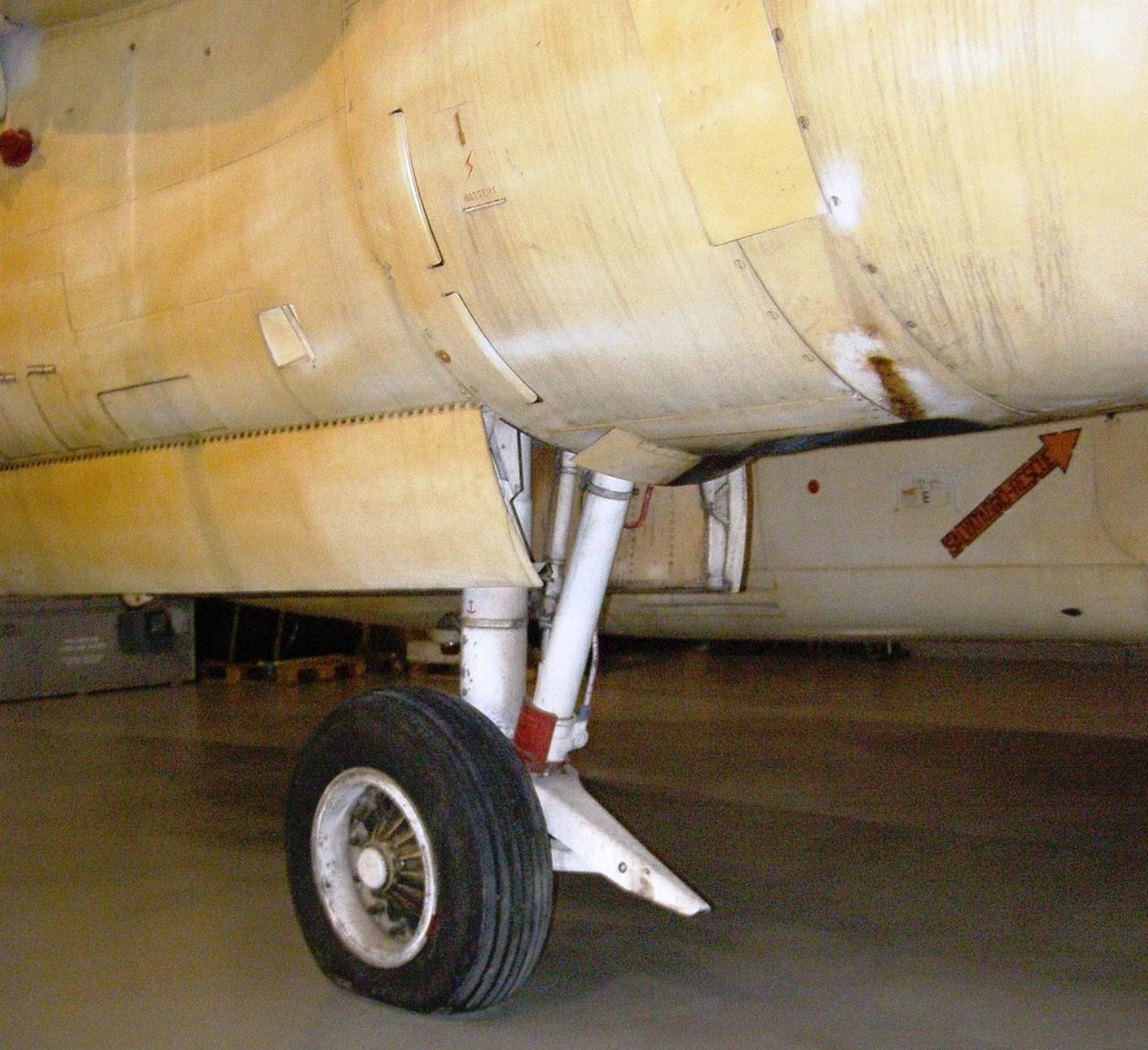
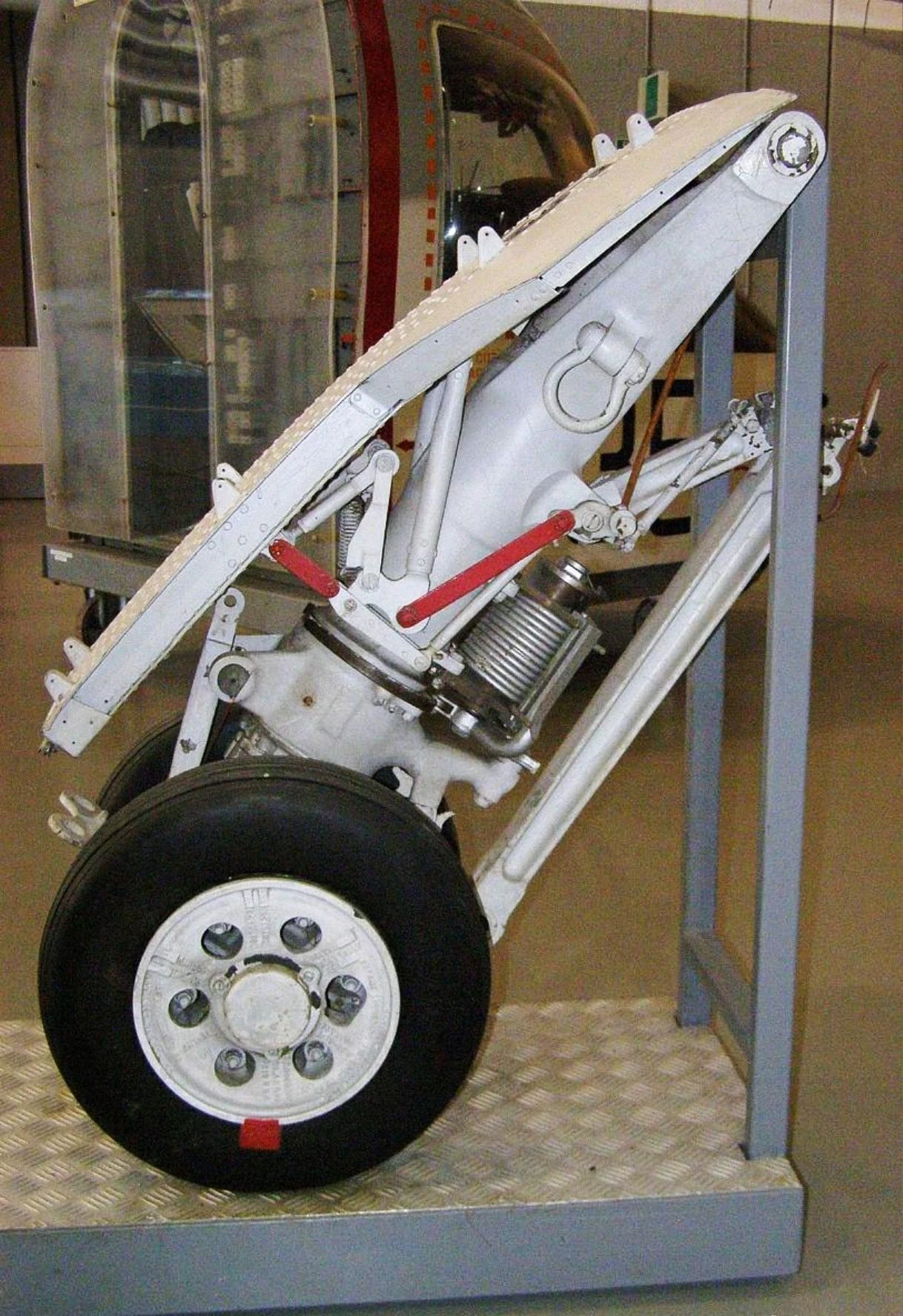
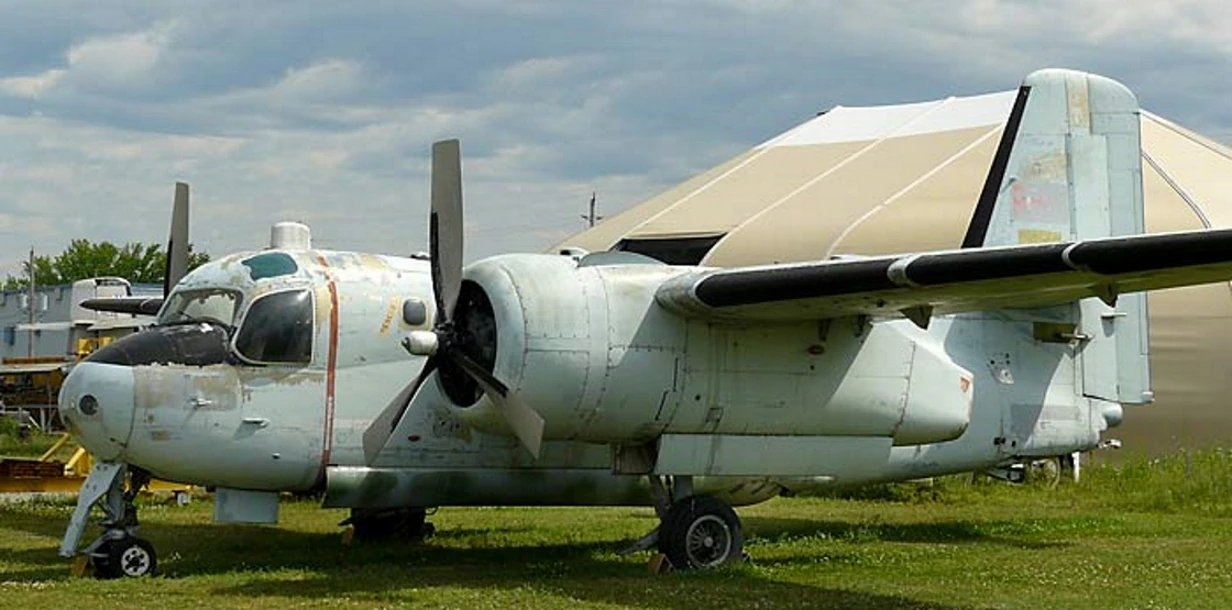
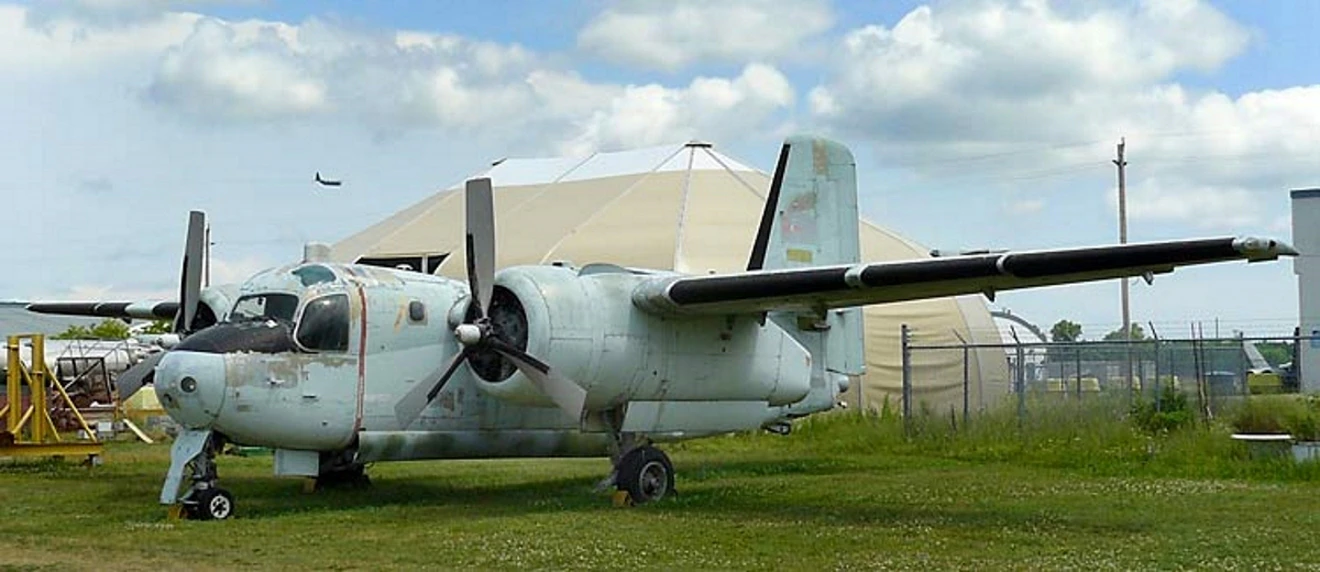
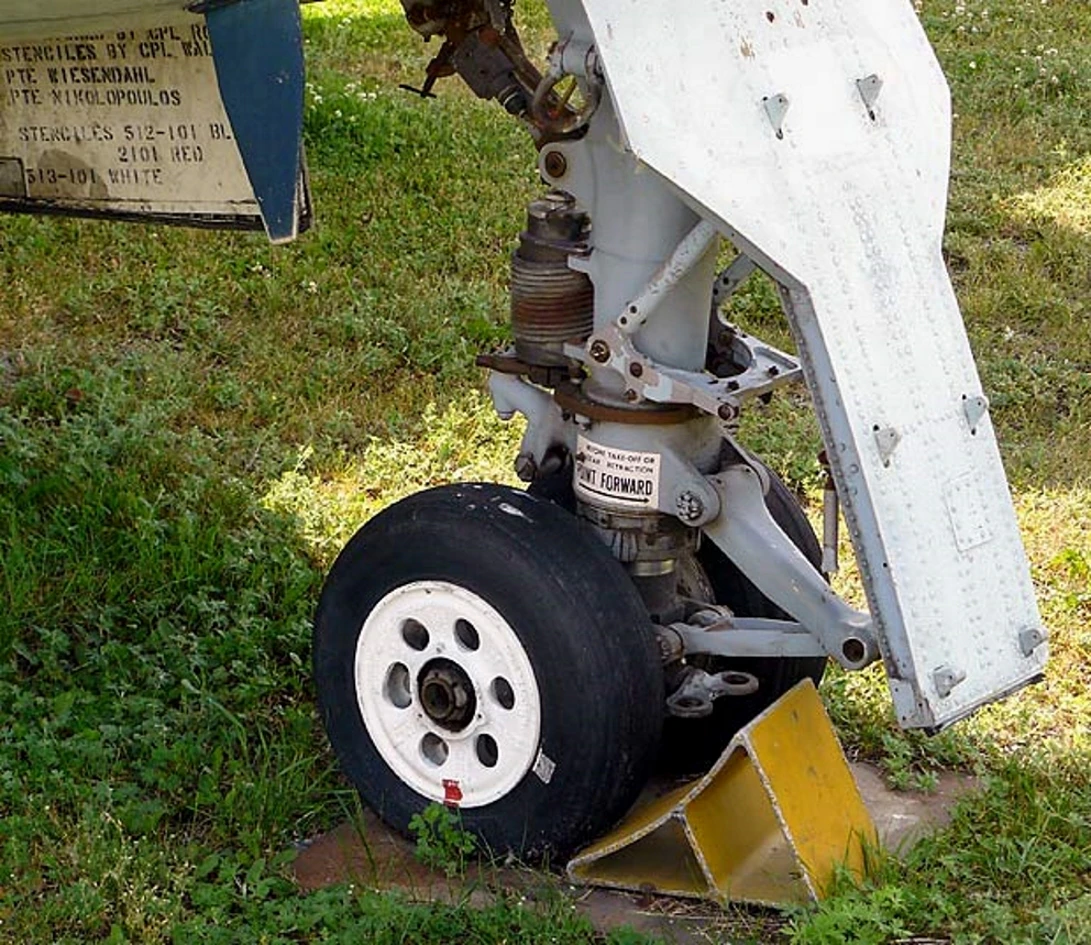
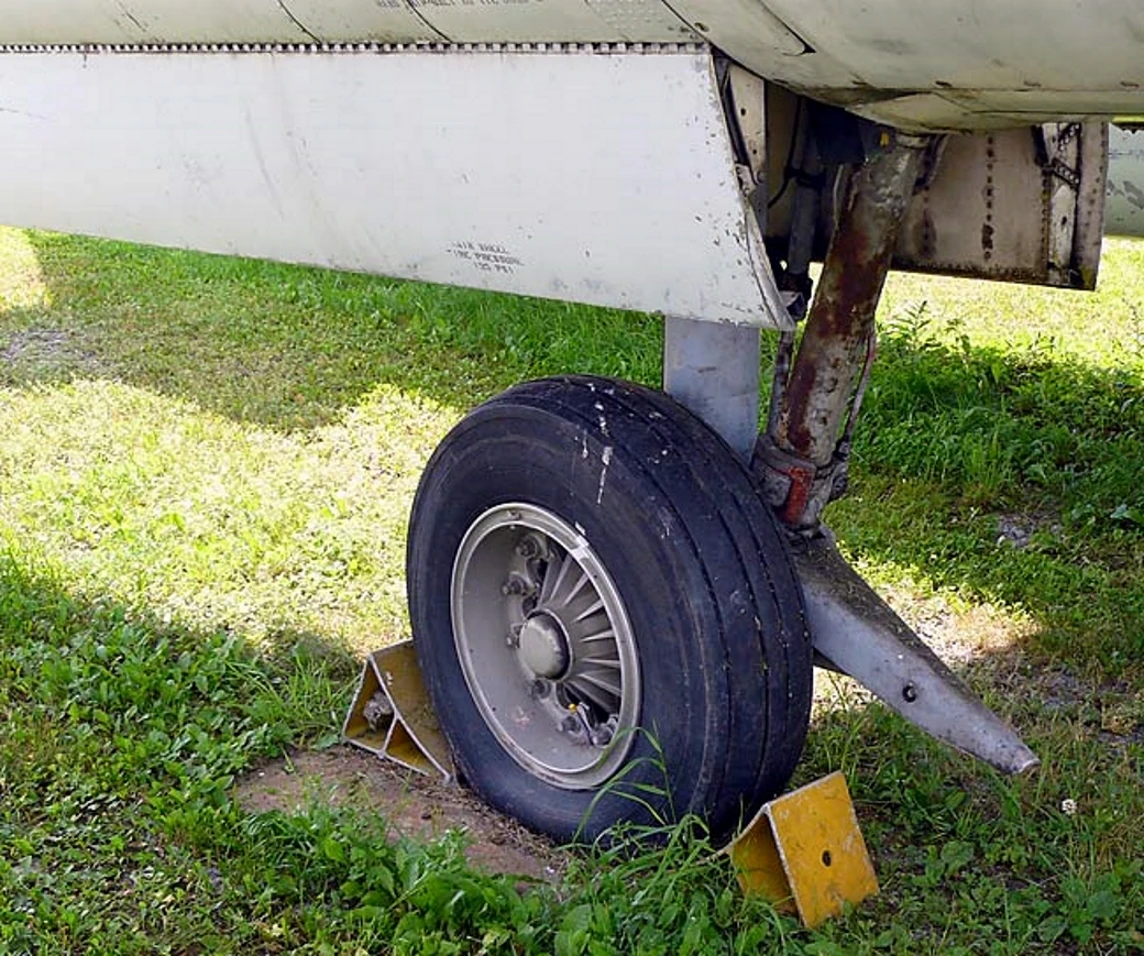
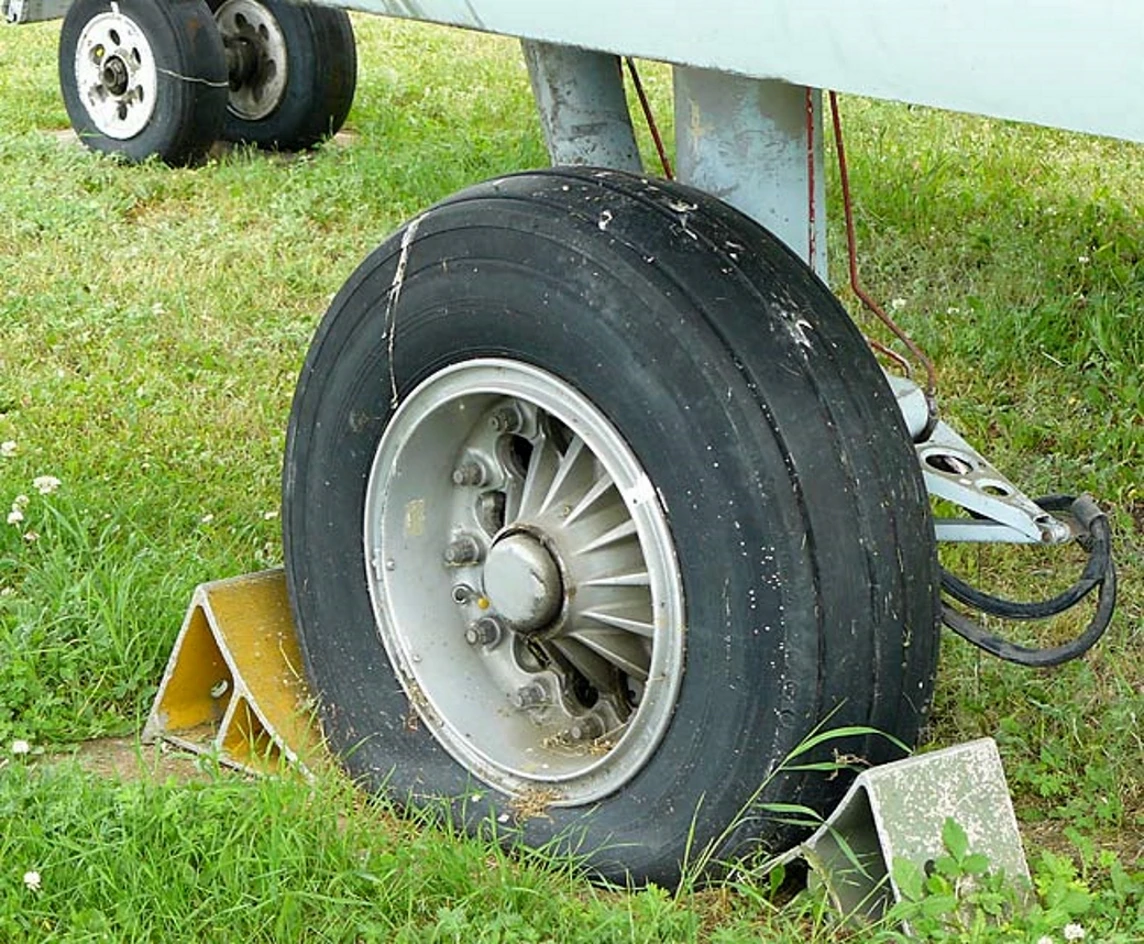
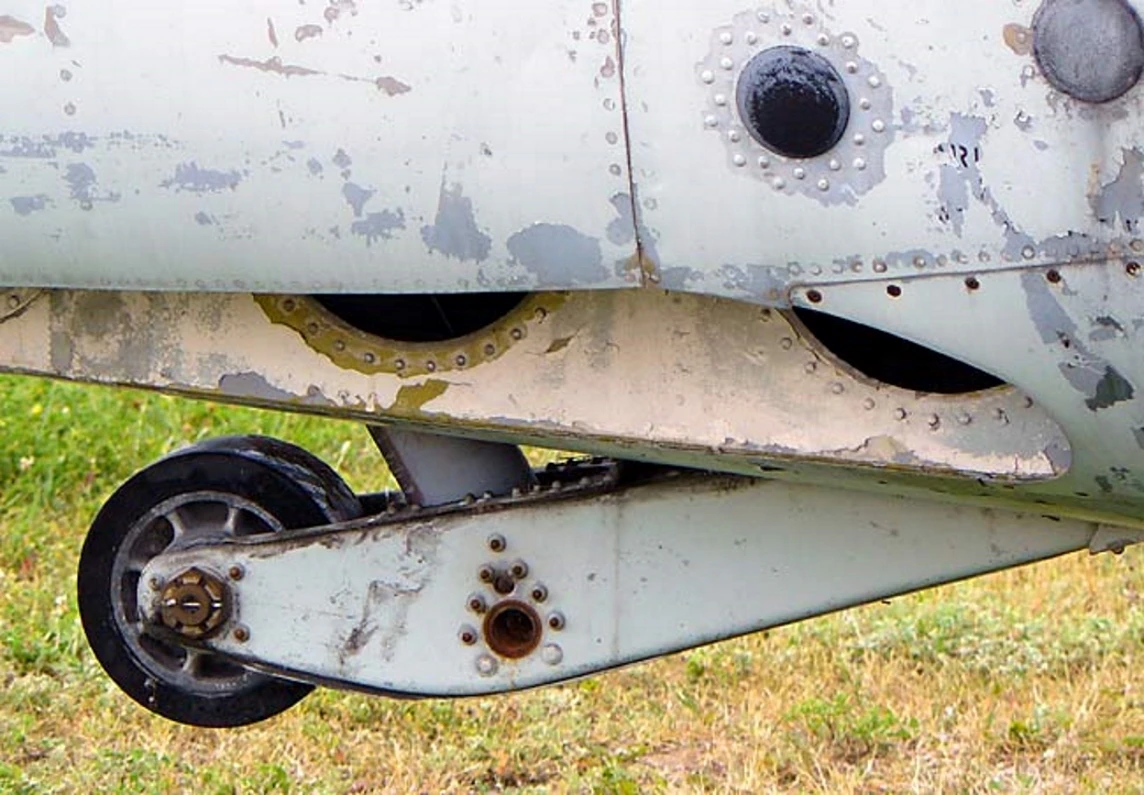
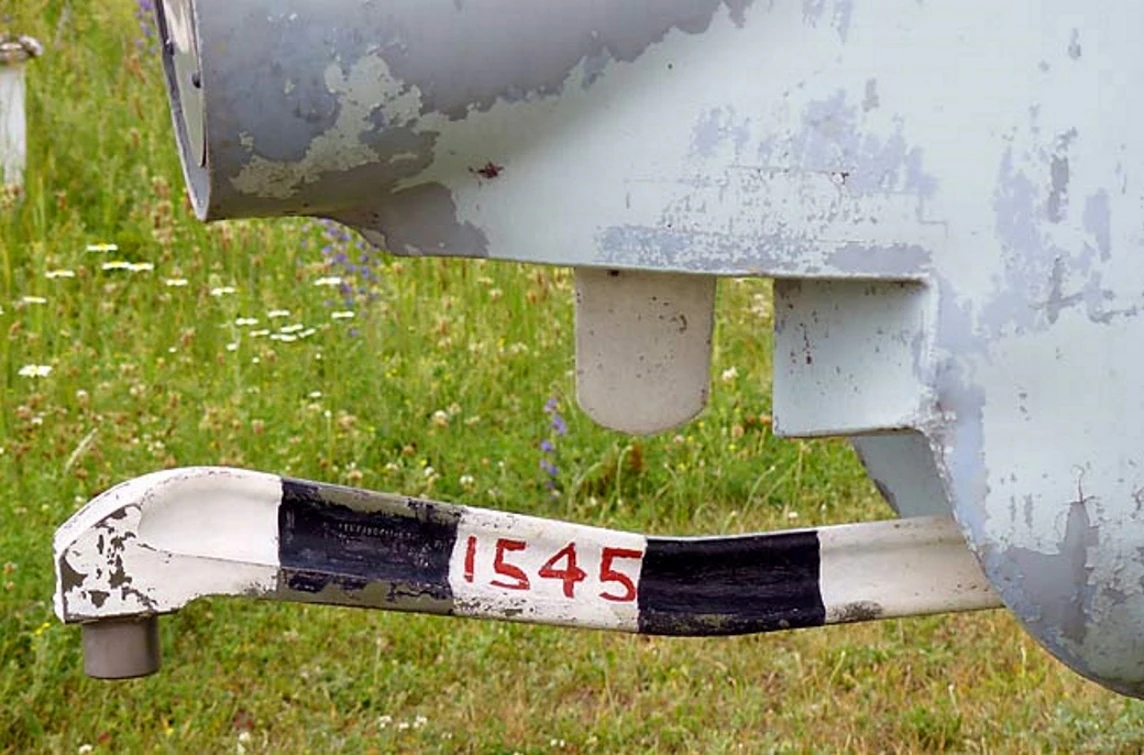
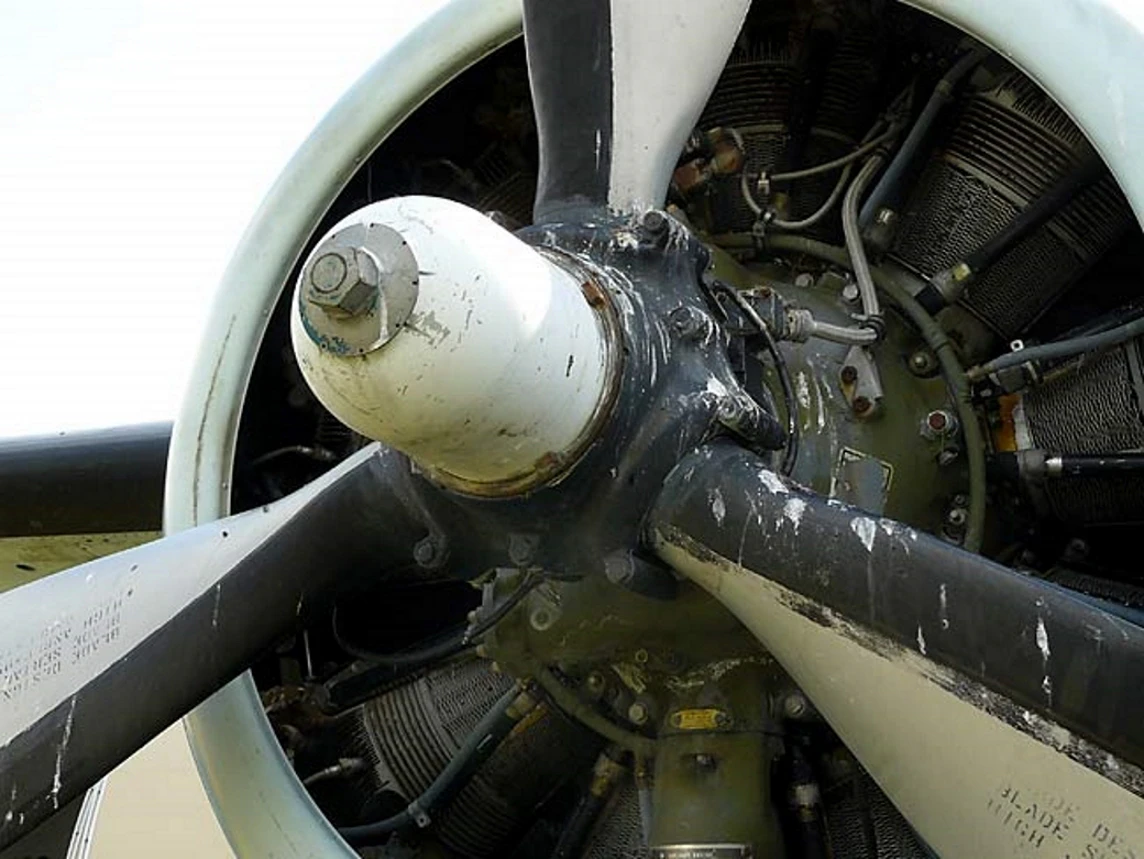
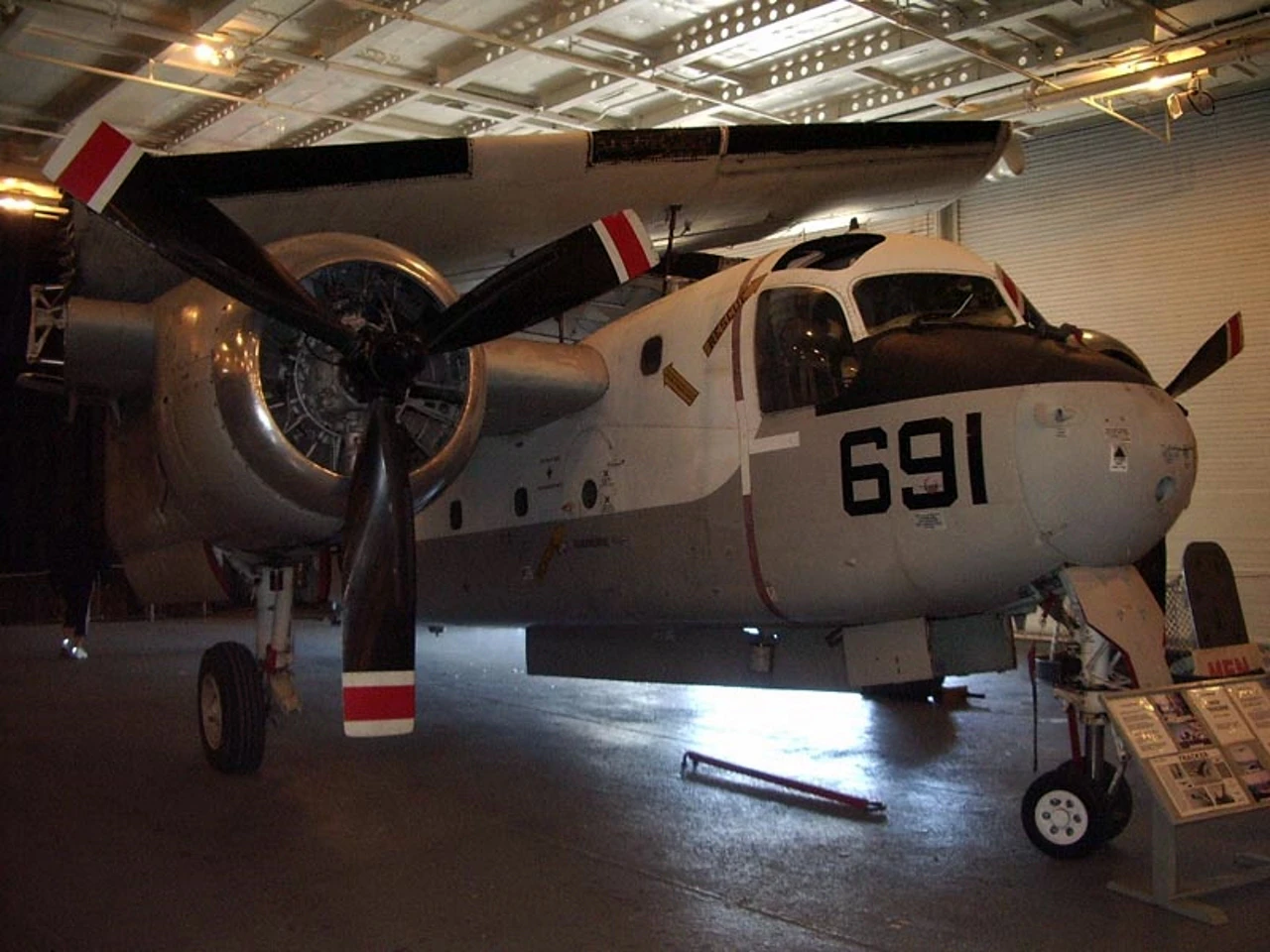
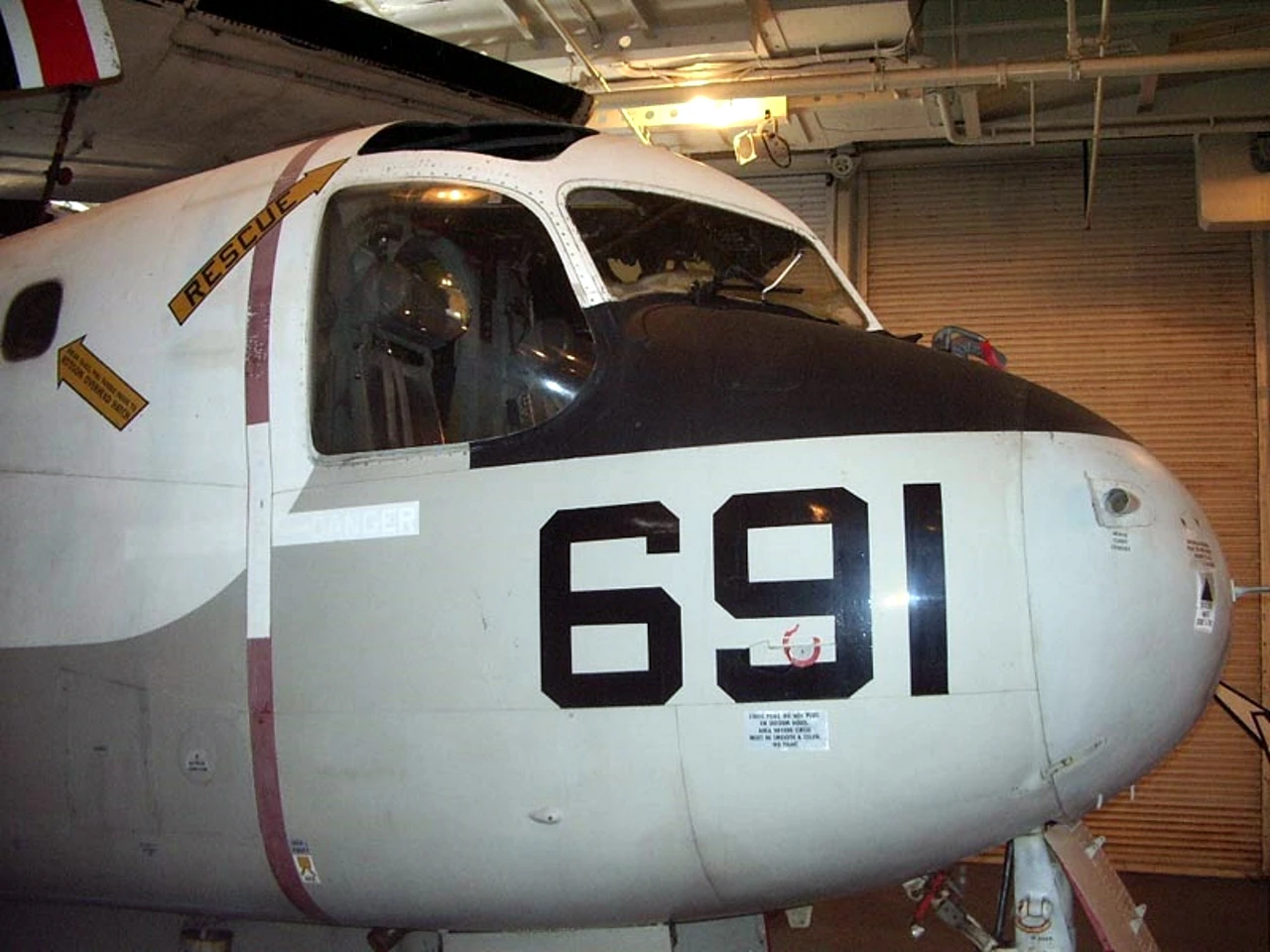
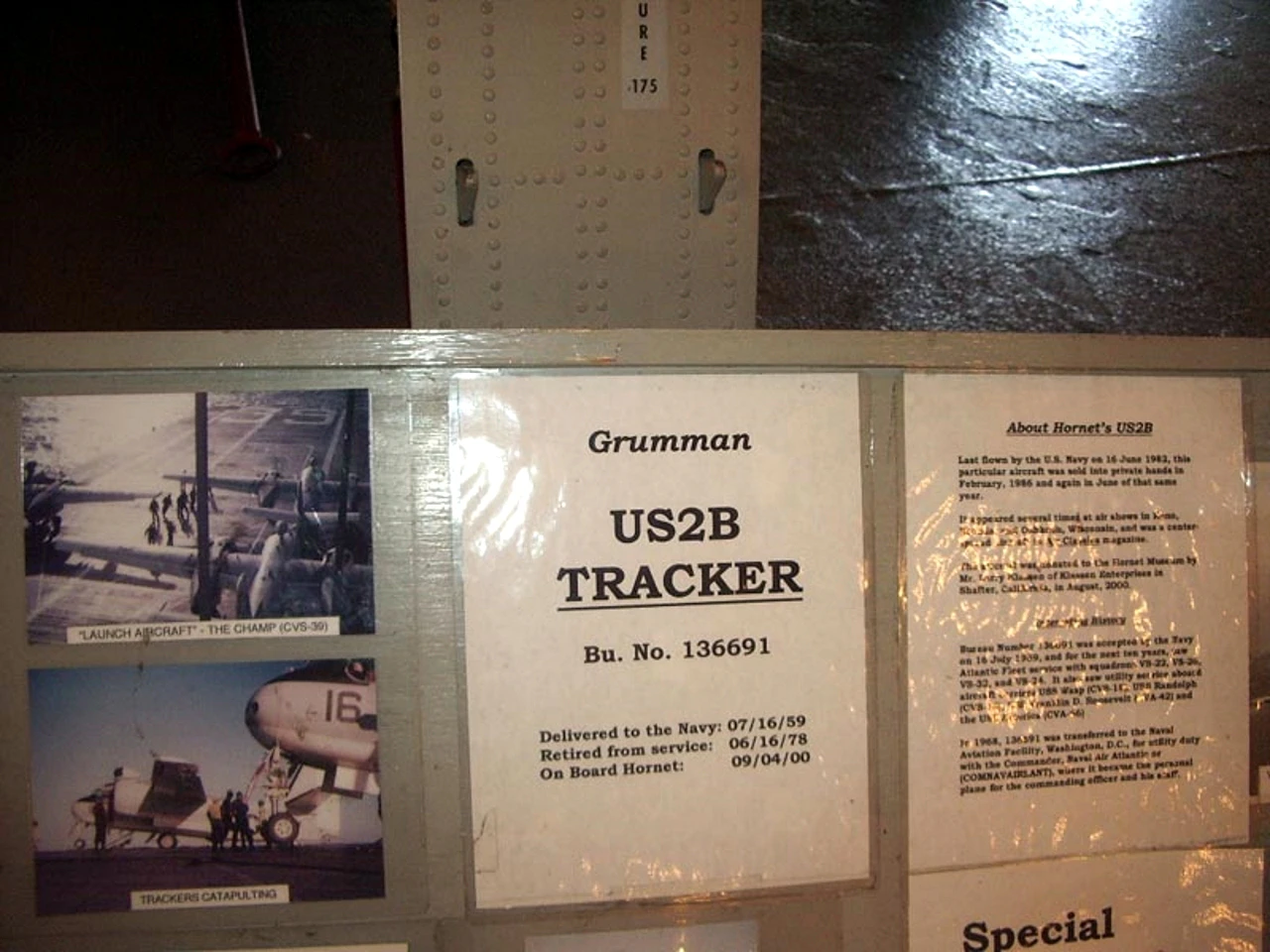
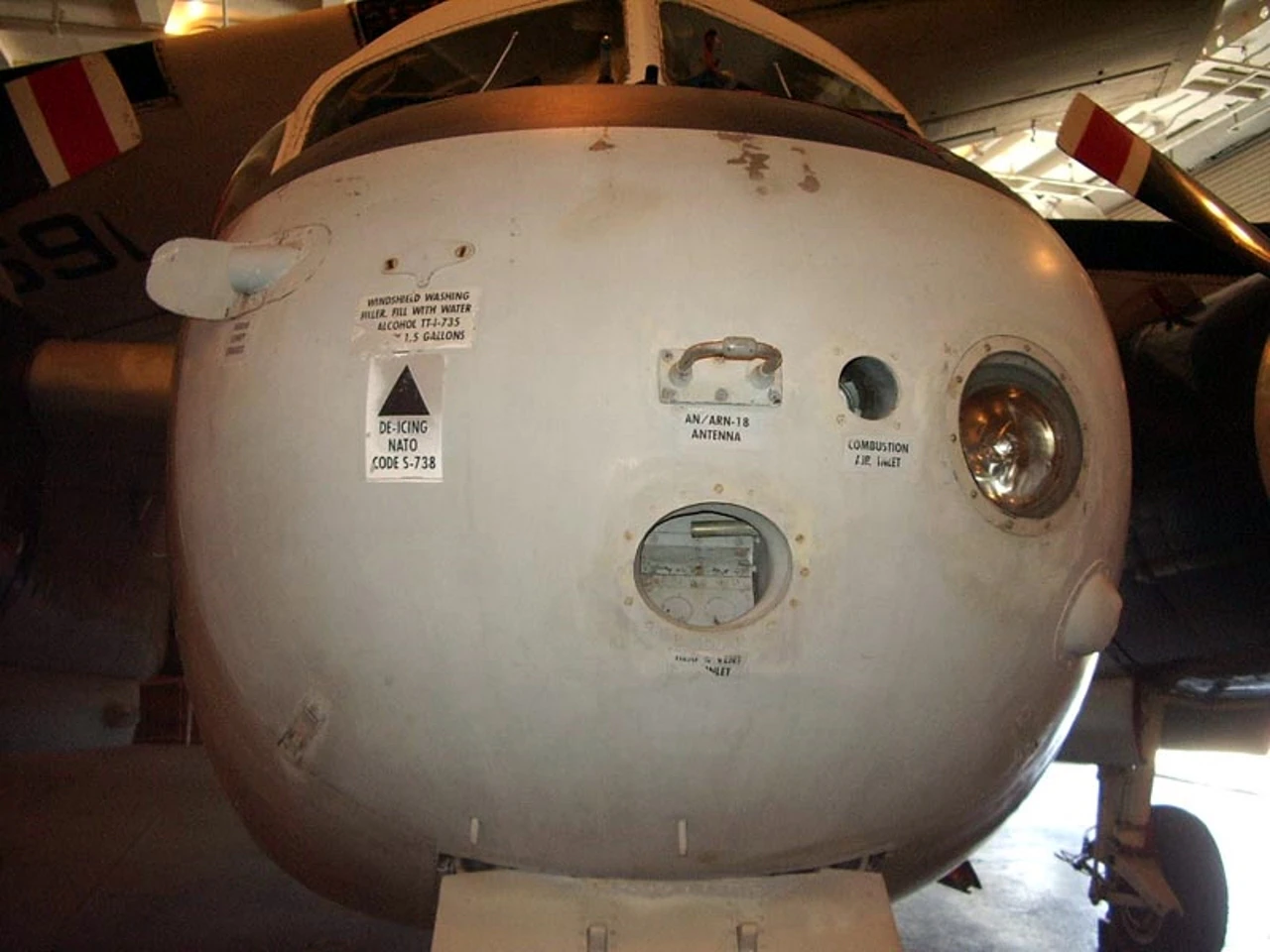
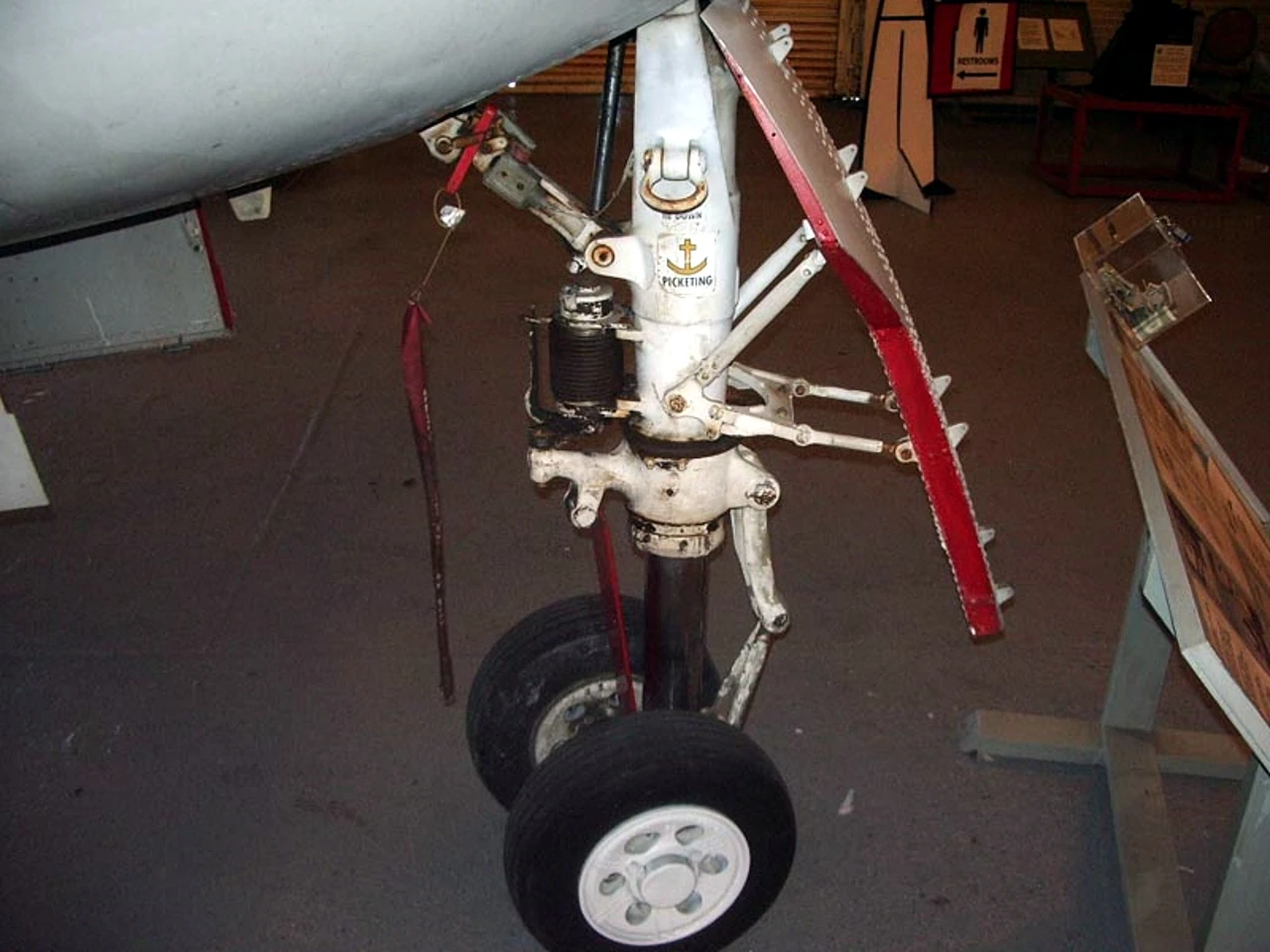
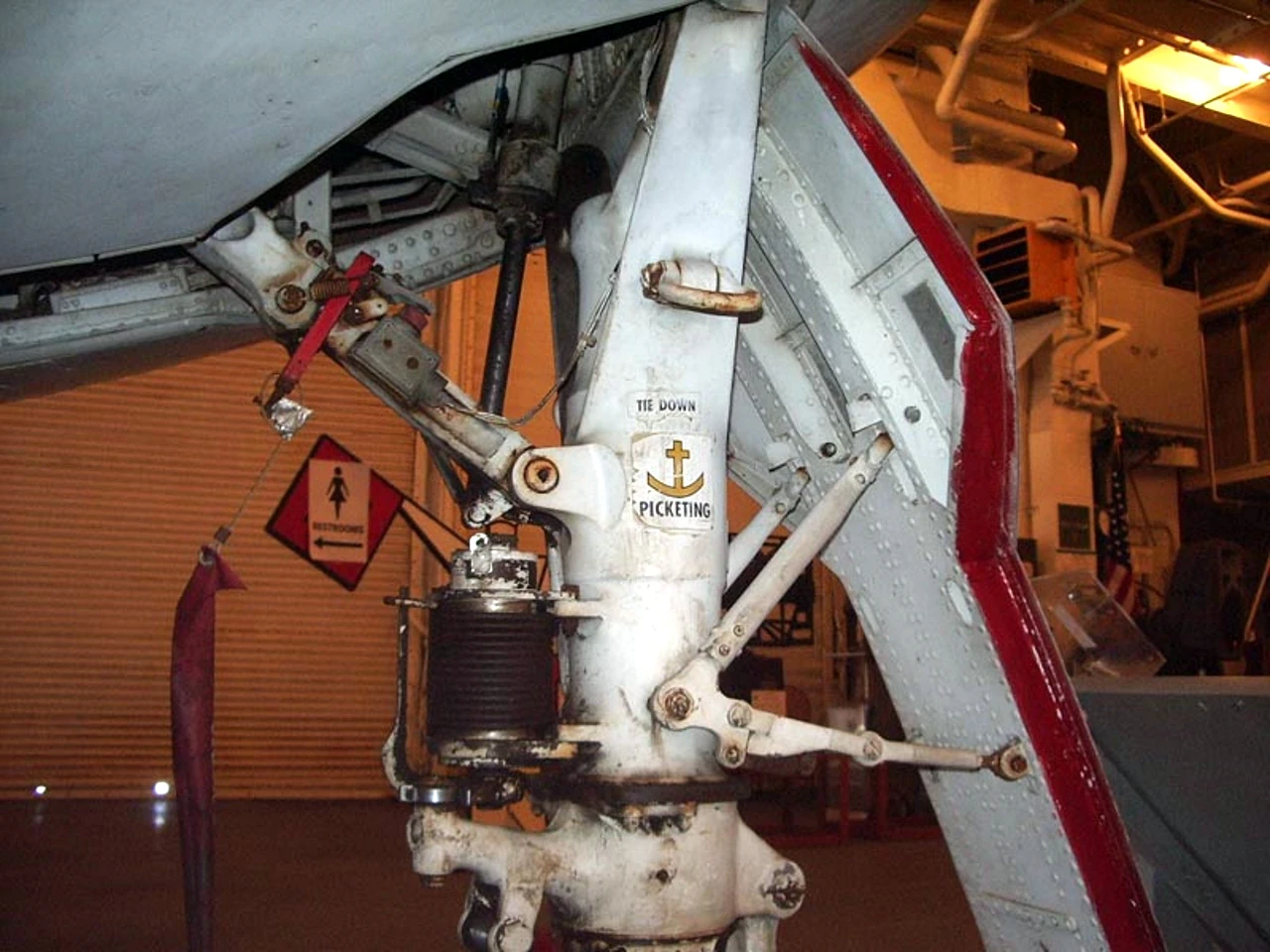
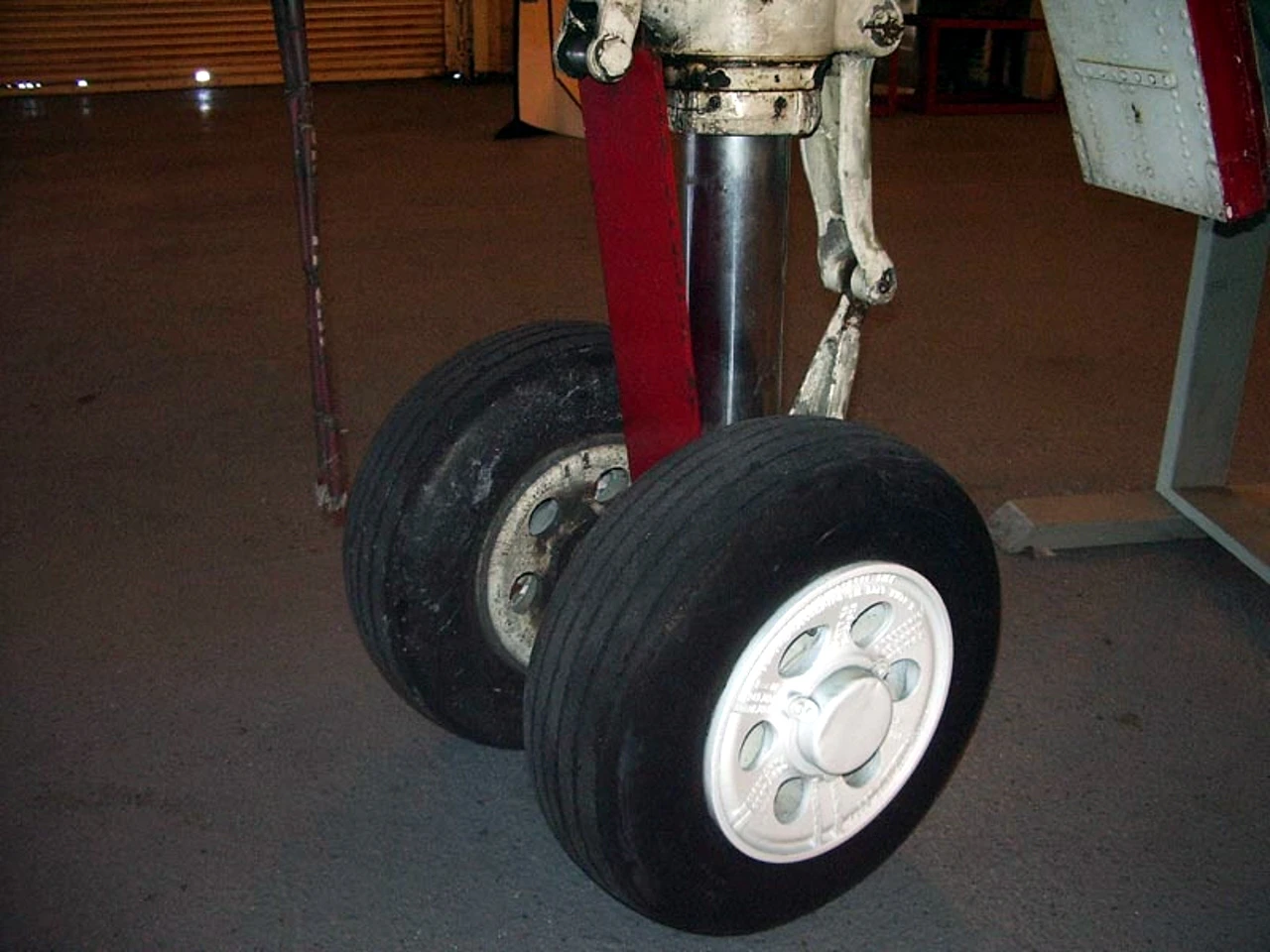
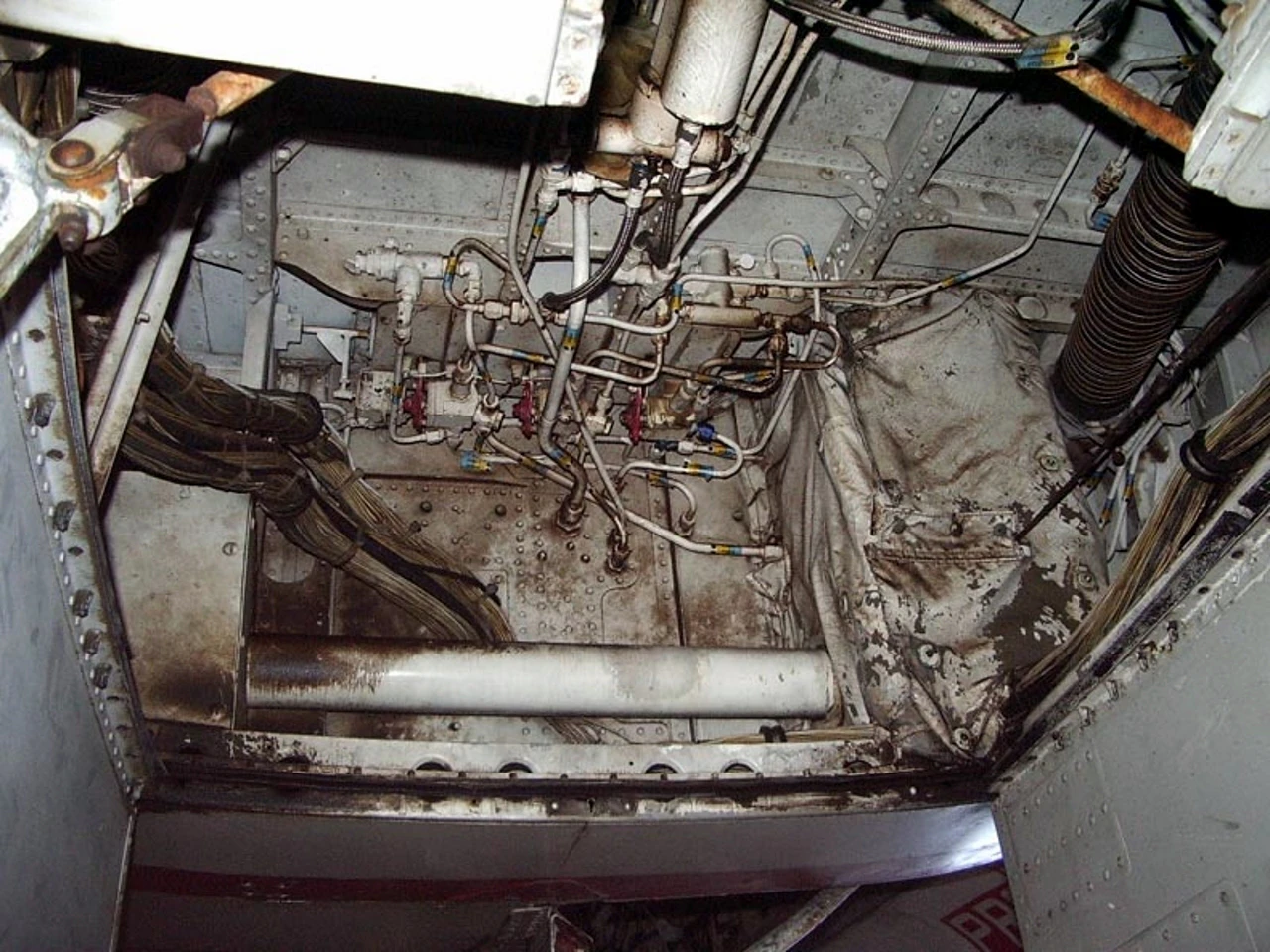
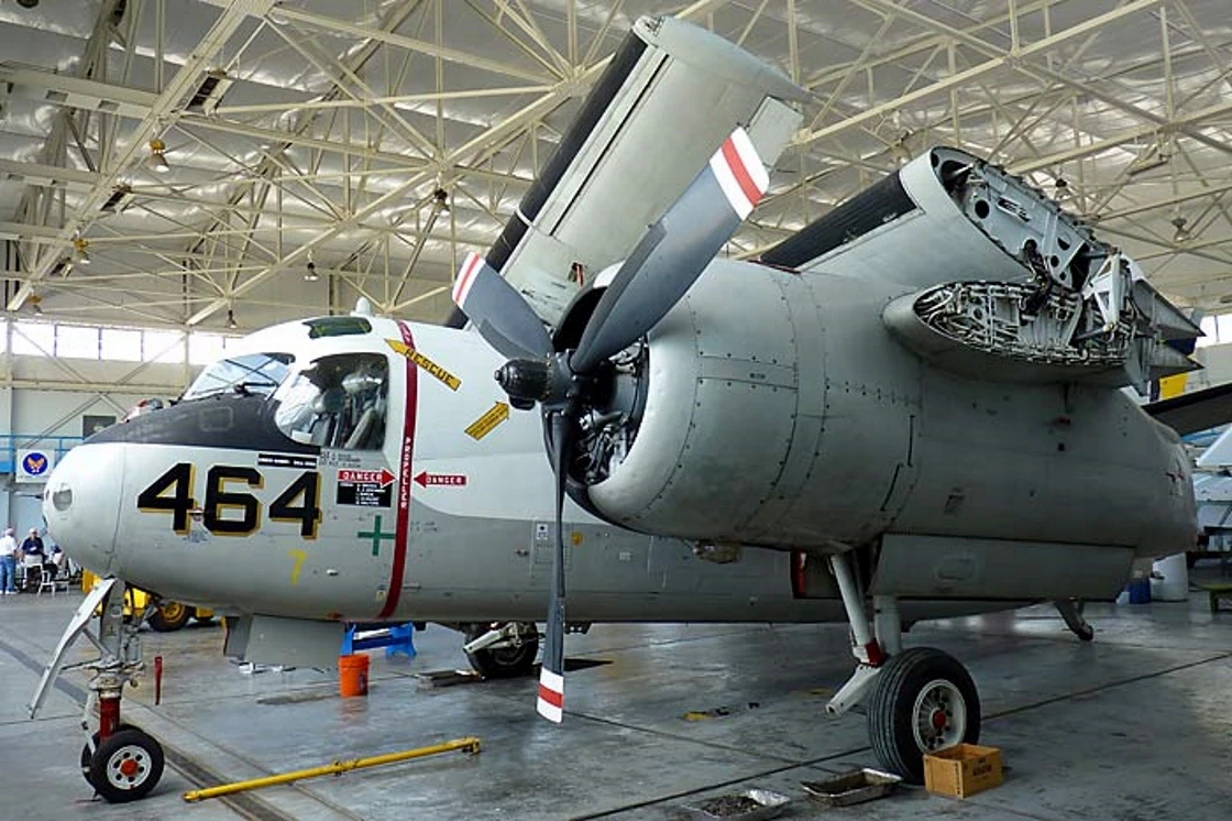
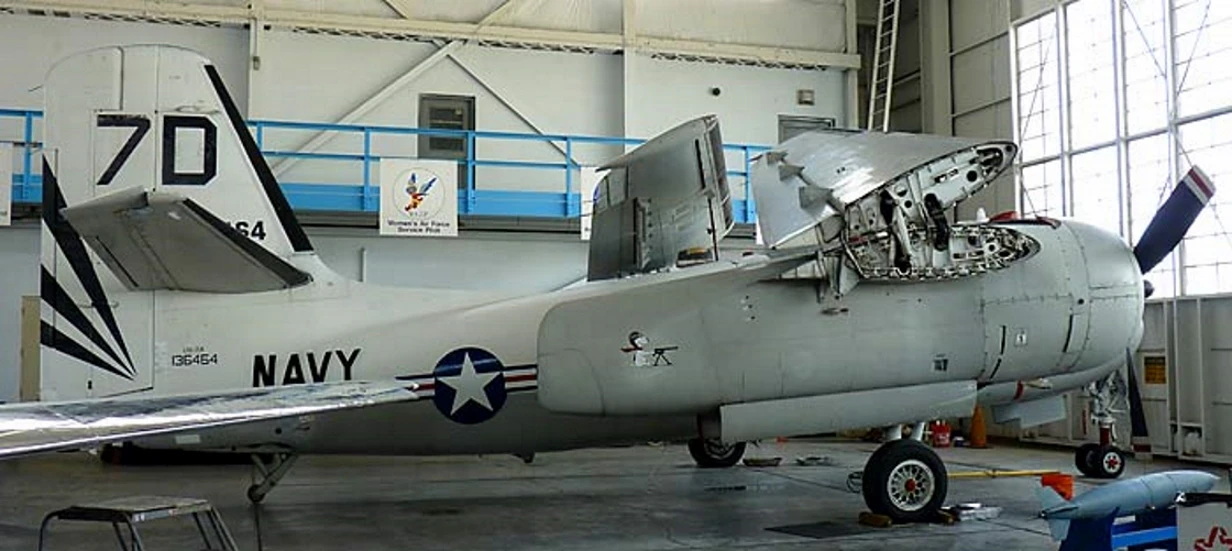
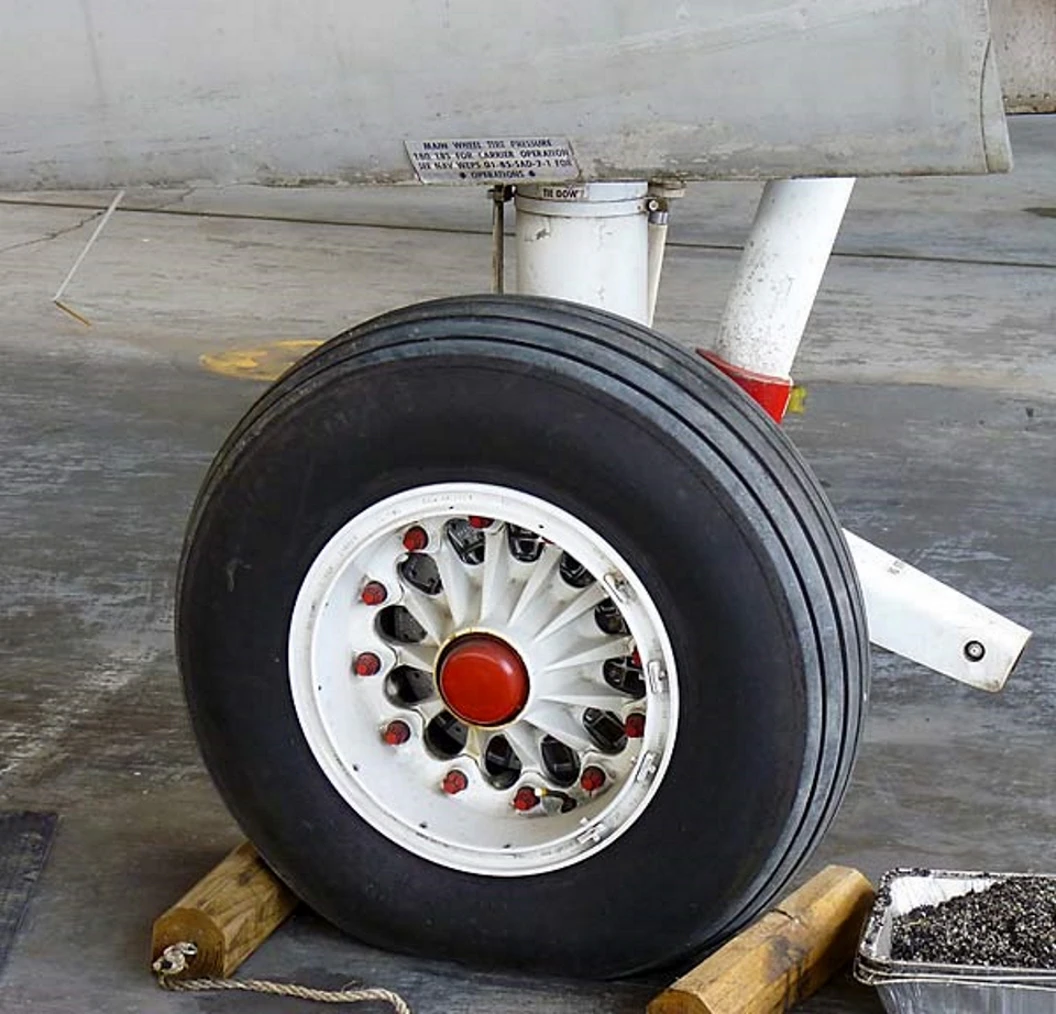
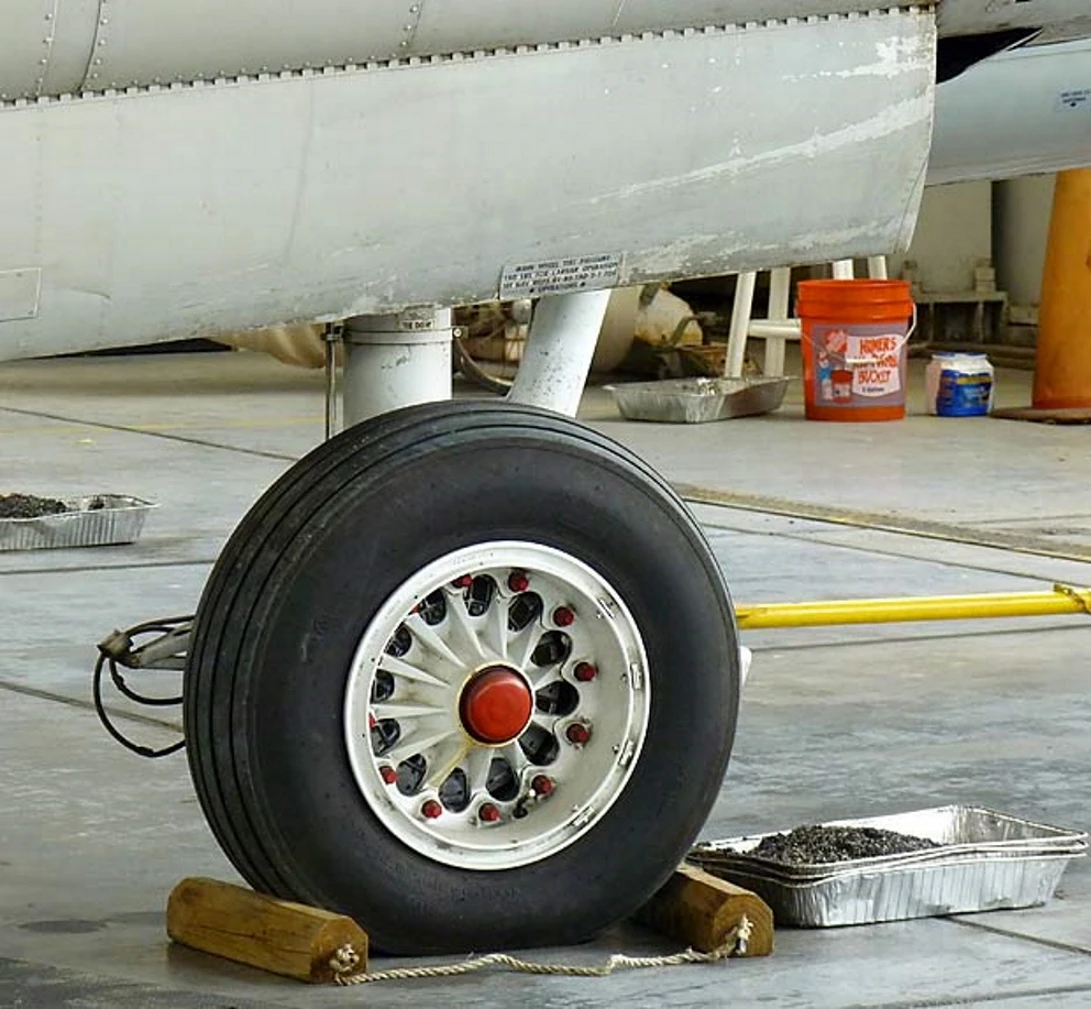
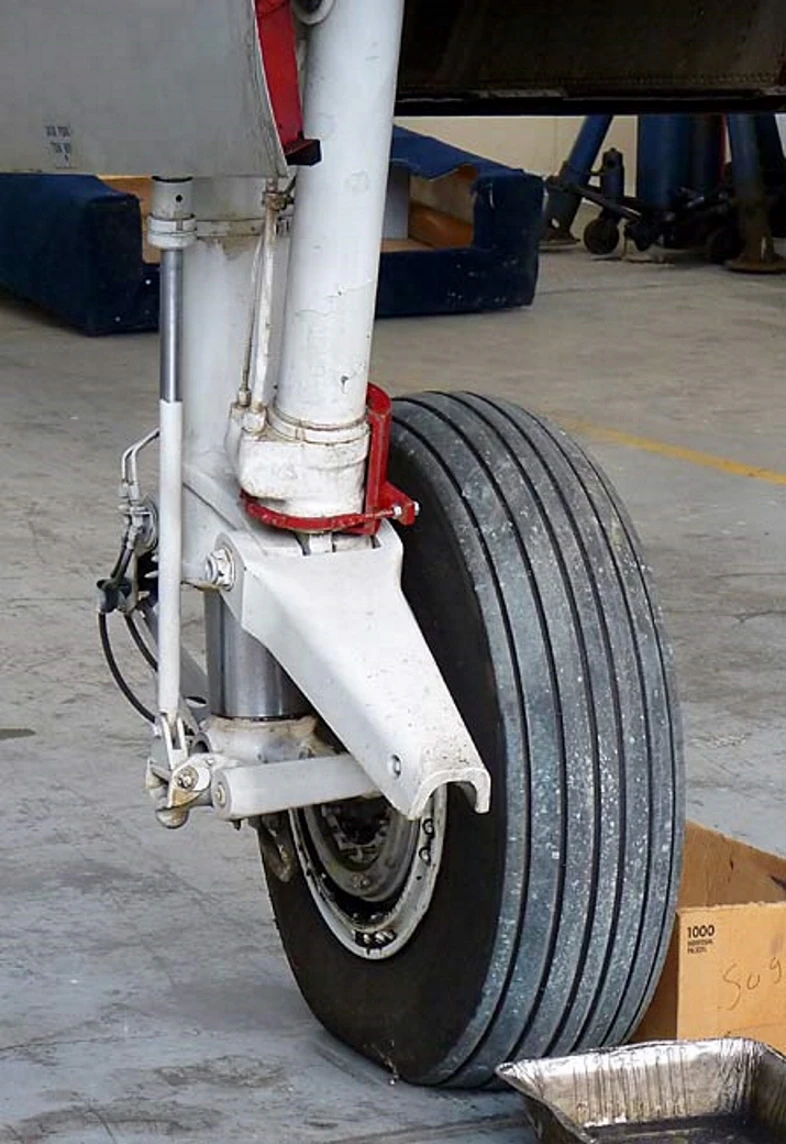
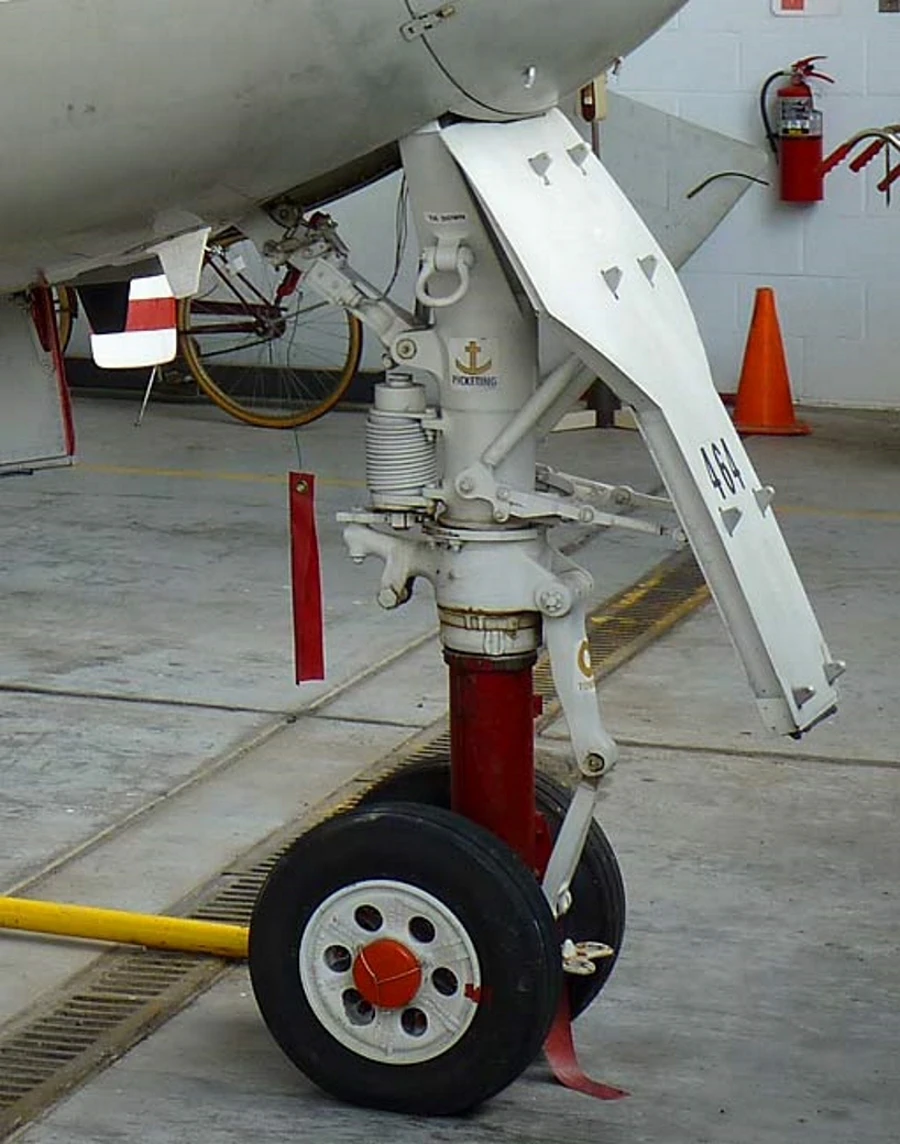
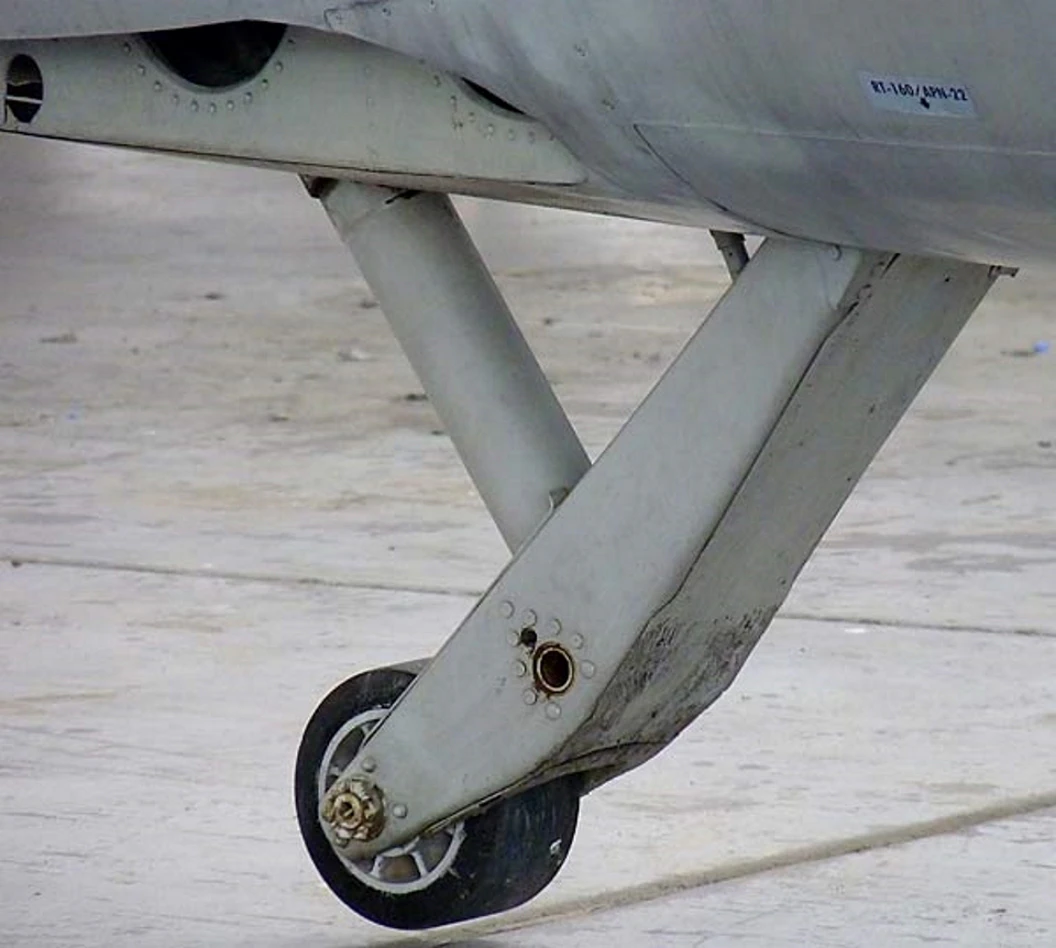
Galerie de photos d’un Grumman S2F-1 Tracker,
The Grumman S-2 Tracker (previously S2F prior to 1962) was the first purpose-built, single airframe anti-submarine warfare (ASW) aircraft to enter service with the U.S. Navy. Designed and initially built by Grumman, the Tracker was of conventional design with twin reciprocating propeller engines, a high wing and tricycle undercarriage. The type was exported to a number of navies around the world. Introduced in 1952, the Tracker and its E-1 Tracer derivative saw service in the U.S. Navy until the mid-1970s, and its C-1 Trader derivative until the mid-1980s, with a few aircraft remaining in service with other air arms into the 21st century. Argentina and Brazil are the last countries to still use the Tracker.
Before theGrumman S-2 Tracker, anti-submarine warfare (ASW) was a « Hunter-Killer » team sport. One plane carried the radar to find the sub, while another carried the weapons to sink it. The S-2 (originally designated theS2F, hence the nickname« Stoof ») changed everything by packing a full suite of sensors and a lethal weapons bay into a single carrier-capable airframe. Tough, reliable, and powered by two growling radial engines, it served the US Navy for over 20 years and became a global standard for maritime patrol, with some variants still in service as firefighters or military assets decades later.
Design Engineering: The Swiss Army Knife of the Sea
Lla « FOU » Boom:Protruding from the tail was a retractable Magnetic Anomaly Detector (MAD) boom. By extending it far away from the plane’s own metal airframe, operators could detect the tiny disturbances in the Earth’s magnetic field caused by a large steel submarine hull deep underwater.
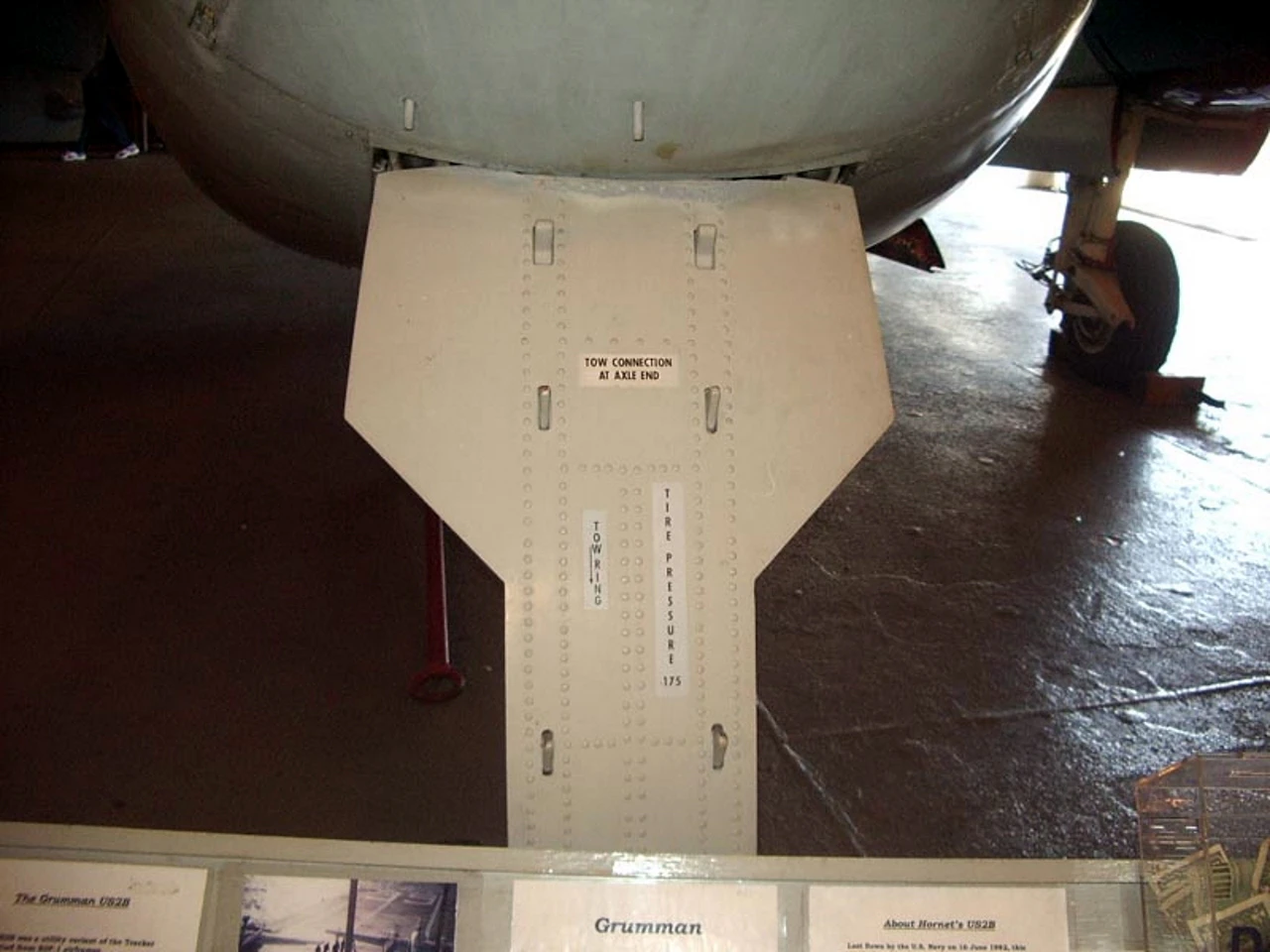
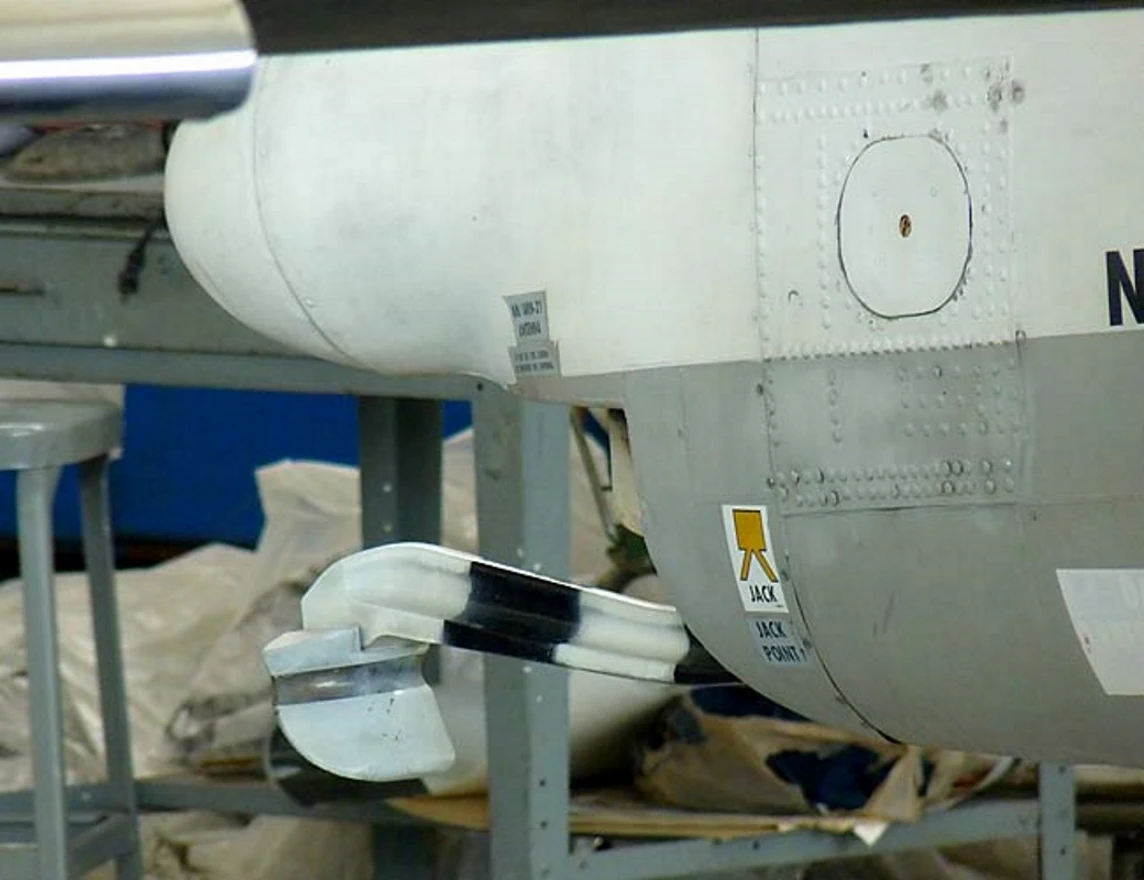
Dustbin Radar:The S-2 featured a retractable « dustbin » radome under the belly. It was lowered during patrols to provide a 360-degree view of the ocean surface and retracted for landings to prevent damage on the carrier deck.
Lla « Stowaway » Sonobuoys:The rear of each engine nacelle contained tubes for launching sonobuoys. These disposable microphones were dropped into the water to listen for submarine engines, transmitting the audio back to the « Senso » (sensor operator) inside the cabin.
Folding Wings:To fit on crowded carrier decks, the S-2’s massive 72-foot wings folded upward and over the fuselage in a unique overlapping fashion, earning it the nickname « The Iron Works » masterpiece for its rugged folding mechanism.
A Second Life as a Firefighter
Lla « Turbo Tracker »:In the 1980s and 90s, many Trackers were upgraded with modern turboprop engines (like the Garrett TPE331). TheseS-2Tvariants were faster, more reliable, and are still used by countries like Taiwan.
Firefighting Legend:Because of its ability to carry heavy loads and maneuver at low speeds, the S-2 became the premier « Firecat » air tanker. CalFire and other agencies converted dozens of S-2s to drop 800 gallons of fire retardant on forest fires.
The Tracker Family:The airframe was so versatile it was modified into theC-1 Négociateur(a cargo « MORUE » plane) and theTraceur E-1, the Navy’s first carrier-based early warning plane, recognizable by the massive « pancake » radar dome on its back.
Long-Lived Warrior:While the US Navy retired the S-2 in 1976 in favor of the jet-powered S-3 Viking, the Argentine Navy operated them until late 2025, a testament to the incredible durability of the original Grumman design.

 Achetez-moi un café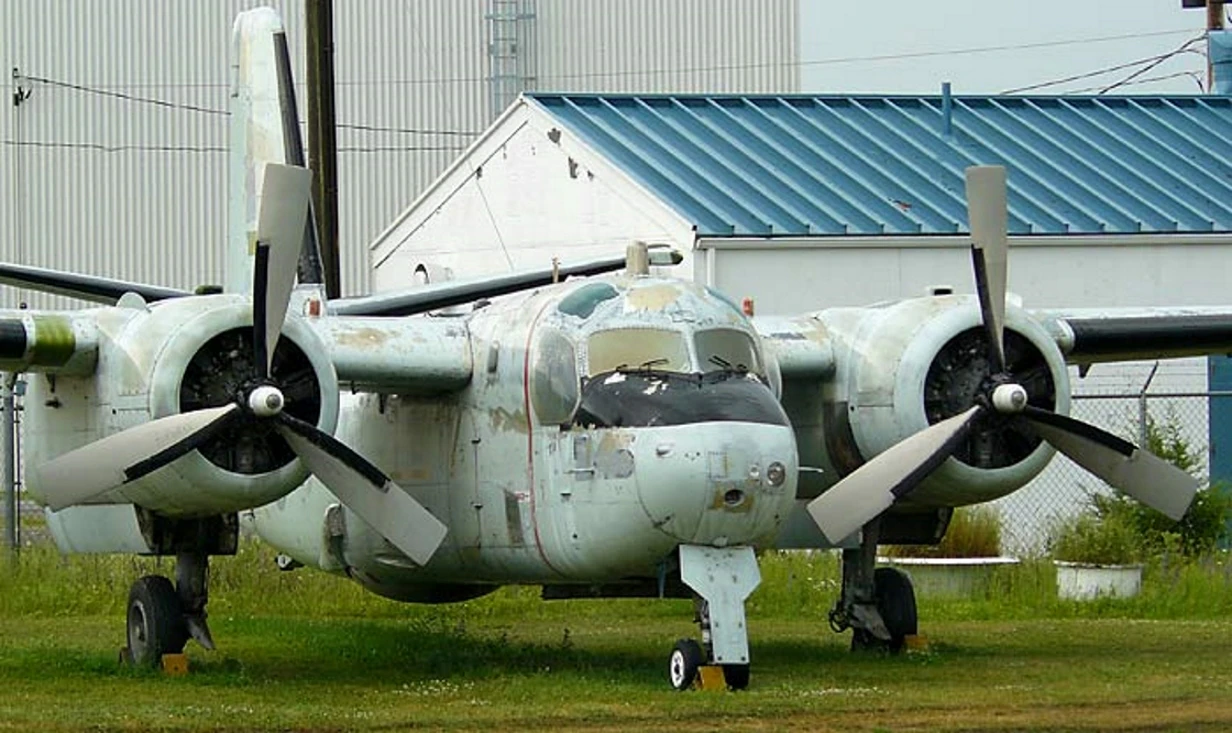


 Grumman C-1 Trader – Photos et vidéo
 Grumman E-1 Tracer – Photos & Vidéo
 Grumman F-9 Cougar – Photos et vidéo
 Grumman F9F Panther – Photos et vidéo
 Grumman F6F Hellcat – Photos & Vidéo
 C-2A Greyhound – Photos et vidéo
 Grumman HU-16 Albatros – Photos & Vidéo
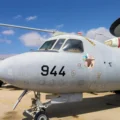 Northrop Grumman E-2 Hawkeye - WalkAround
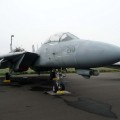 Grumman F-14 Tomcat - WalkAround
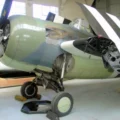 Grumman FM-2 Wildcat – WalkAround