
Grumman C-1 Trader | |
|---|---|
| Pays | Usa |
| Rôle | Transporteur à bord de la livraison |
| Première mouche | Le 9 janvier 1955 |
| Construit | 87 |
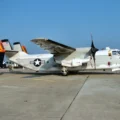
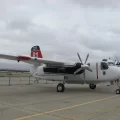
Lla Grumman C-1 Trader est une variante de livraison embarquée (COD) du Grumman S-2 Tracker. Il a été remplacé par une version similaire du Northrop Grumman E-2 Hawkeye, le Grumman C-2 Greyhound.
Source: Grumman C-1 Trader sur Wikipedia
| Grumman C-1A Trader Walk Around | |
|---|---|
| Photographe | Cees Hendriks |
| Localisation | Inconnu |
| Photos | 22 |
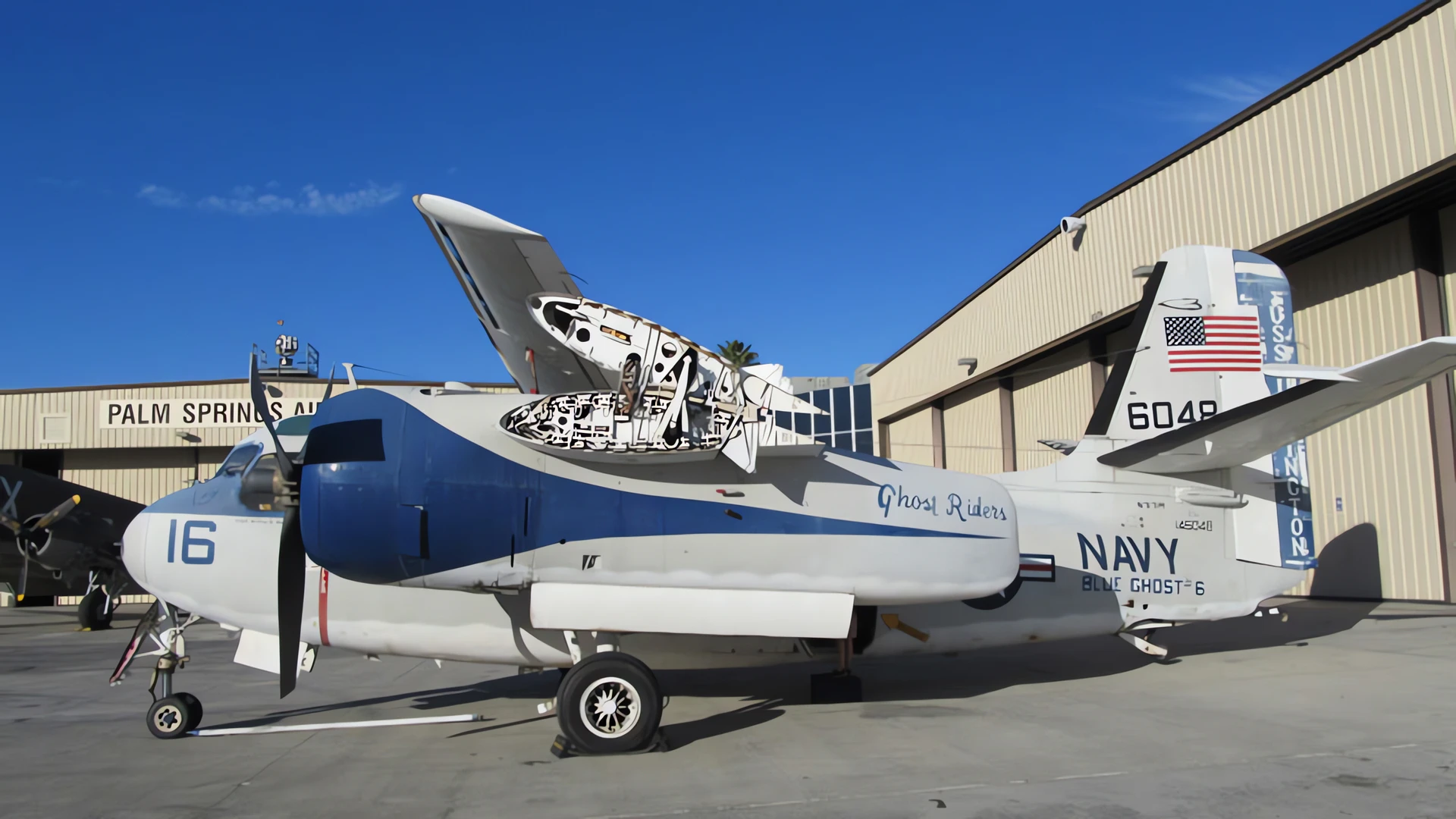
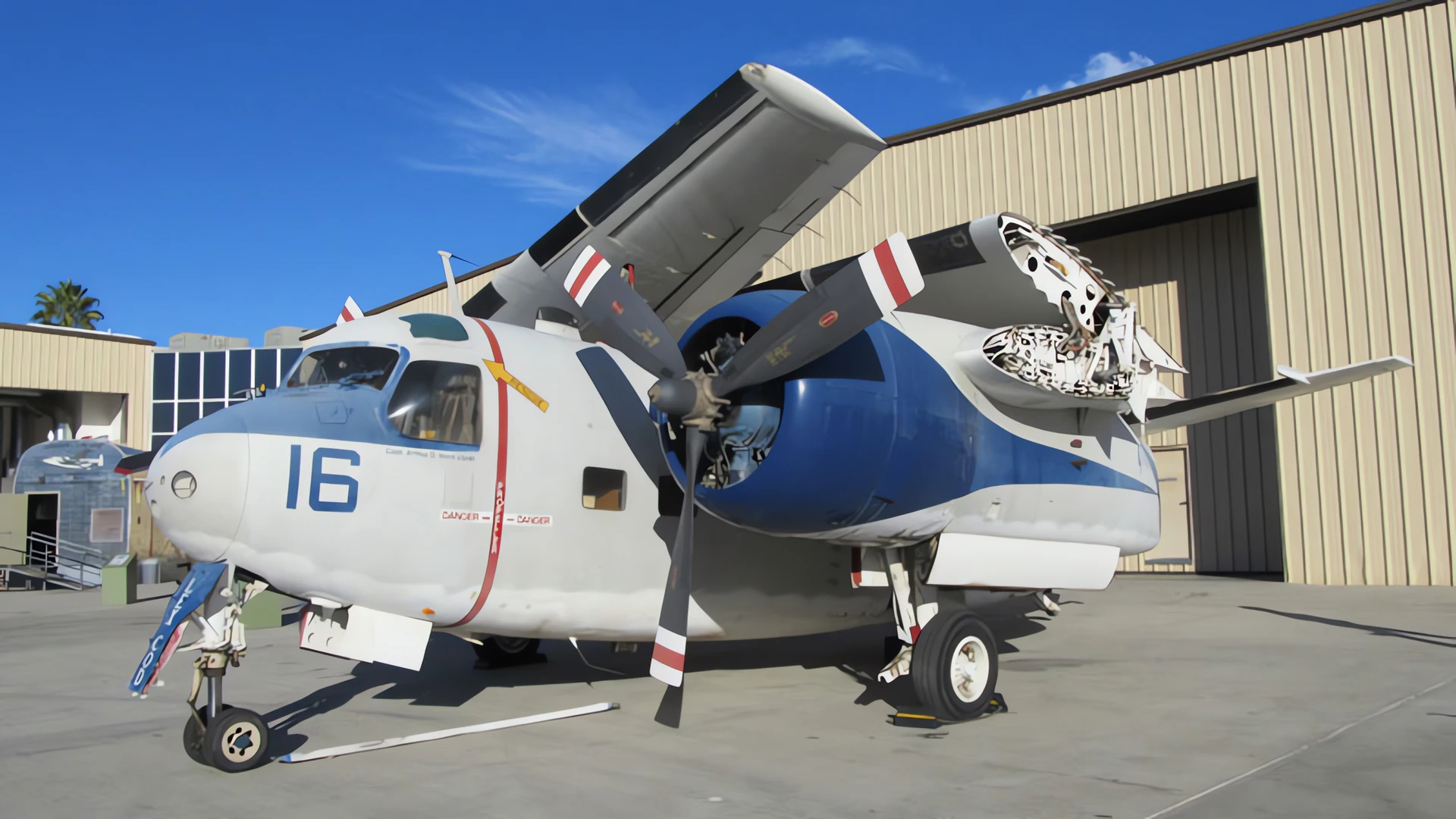
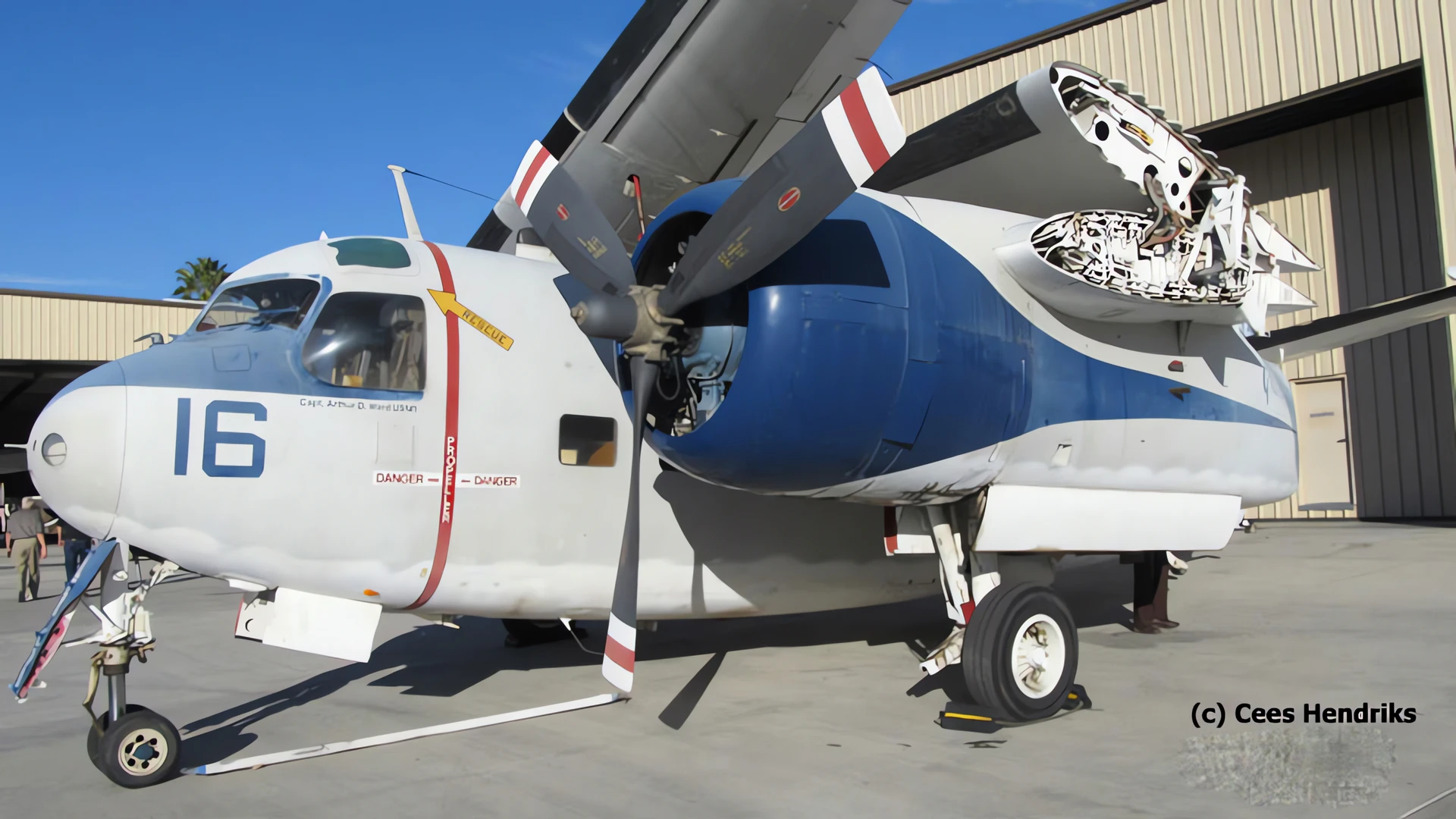
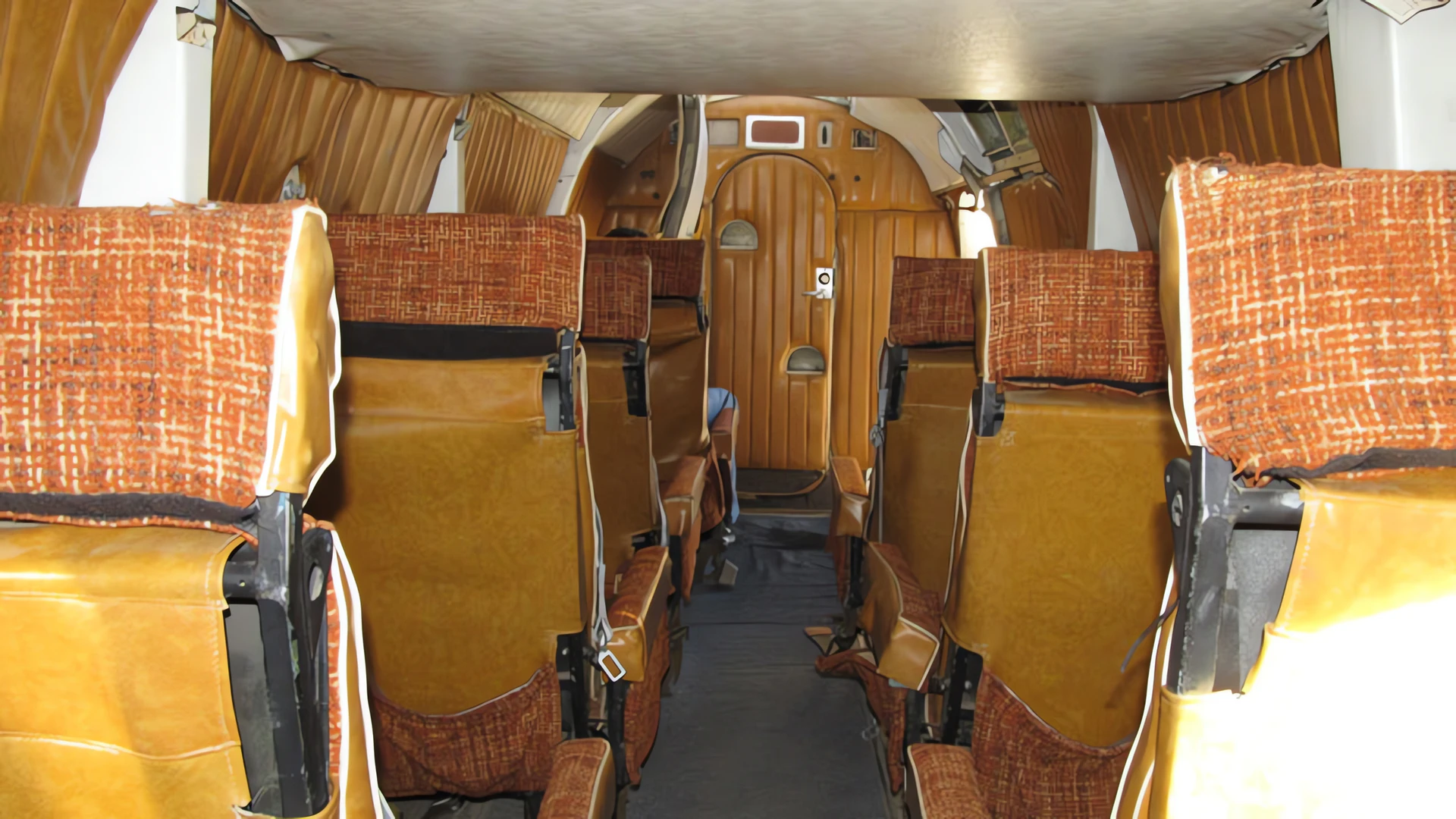
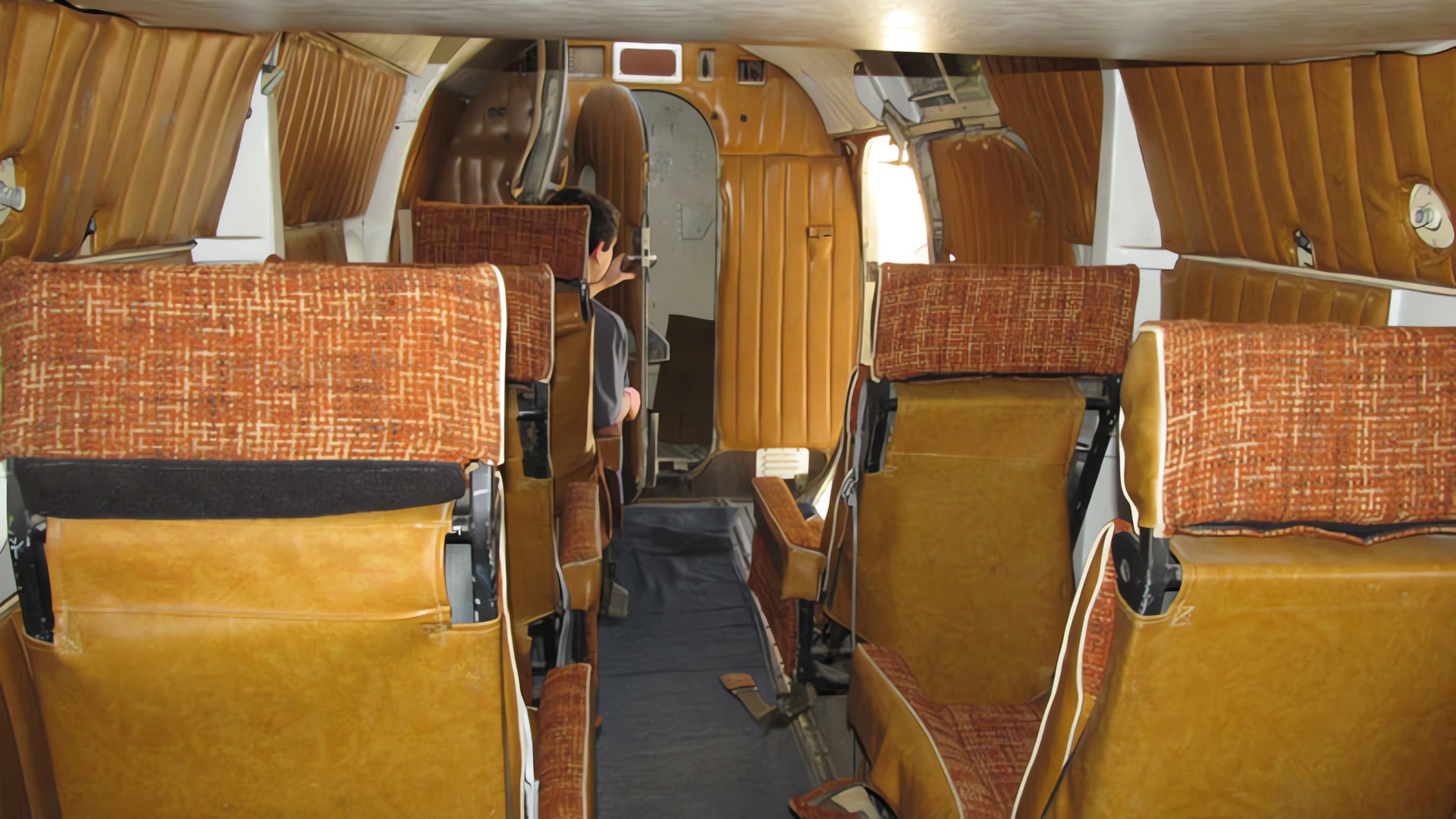
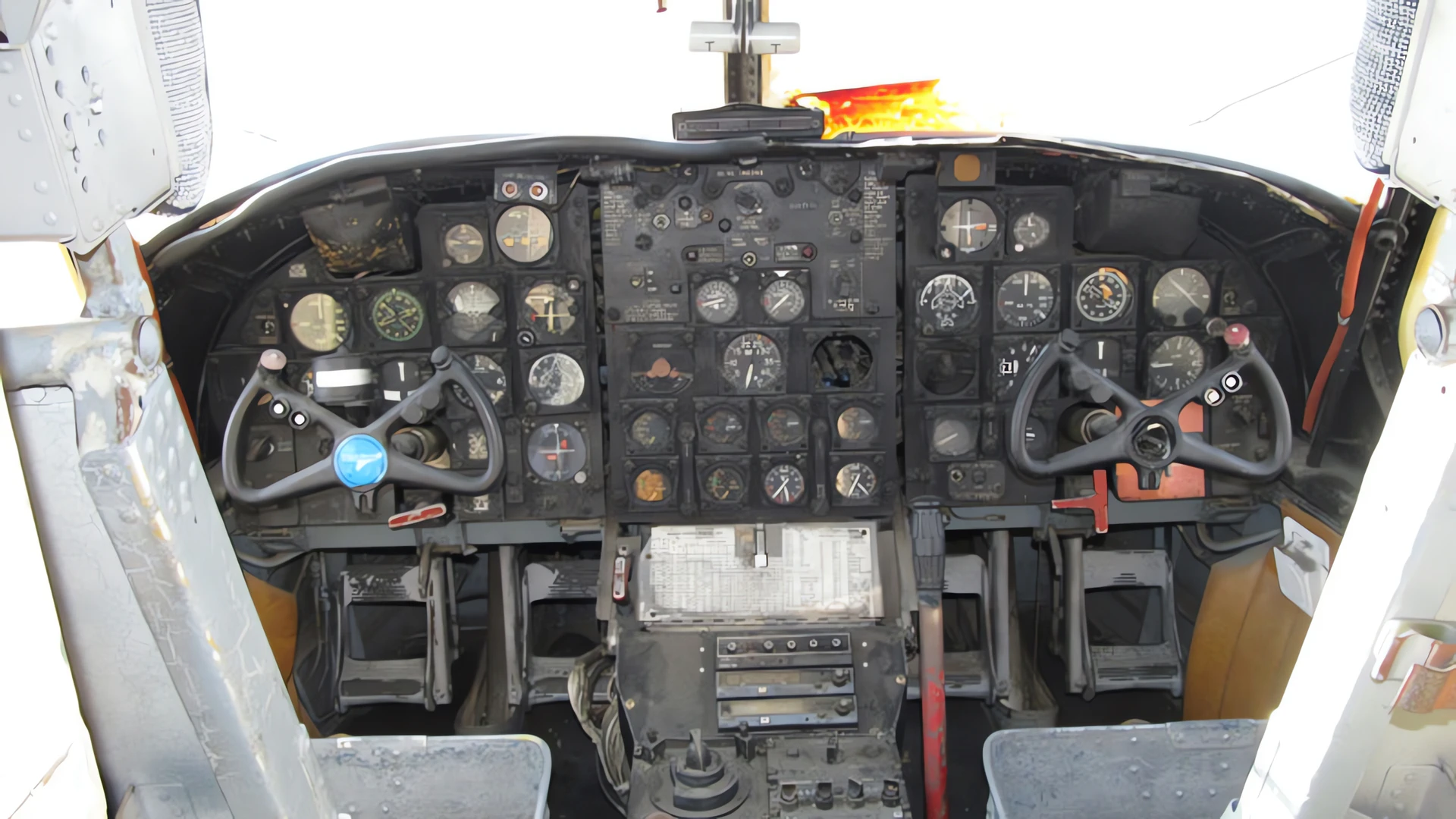
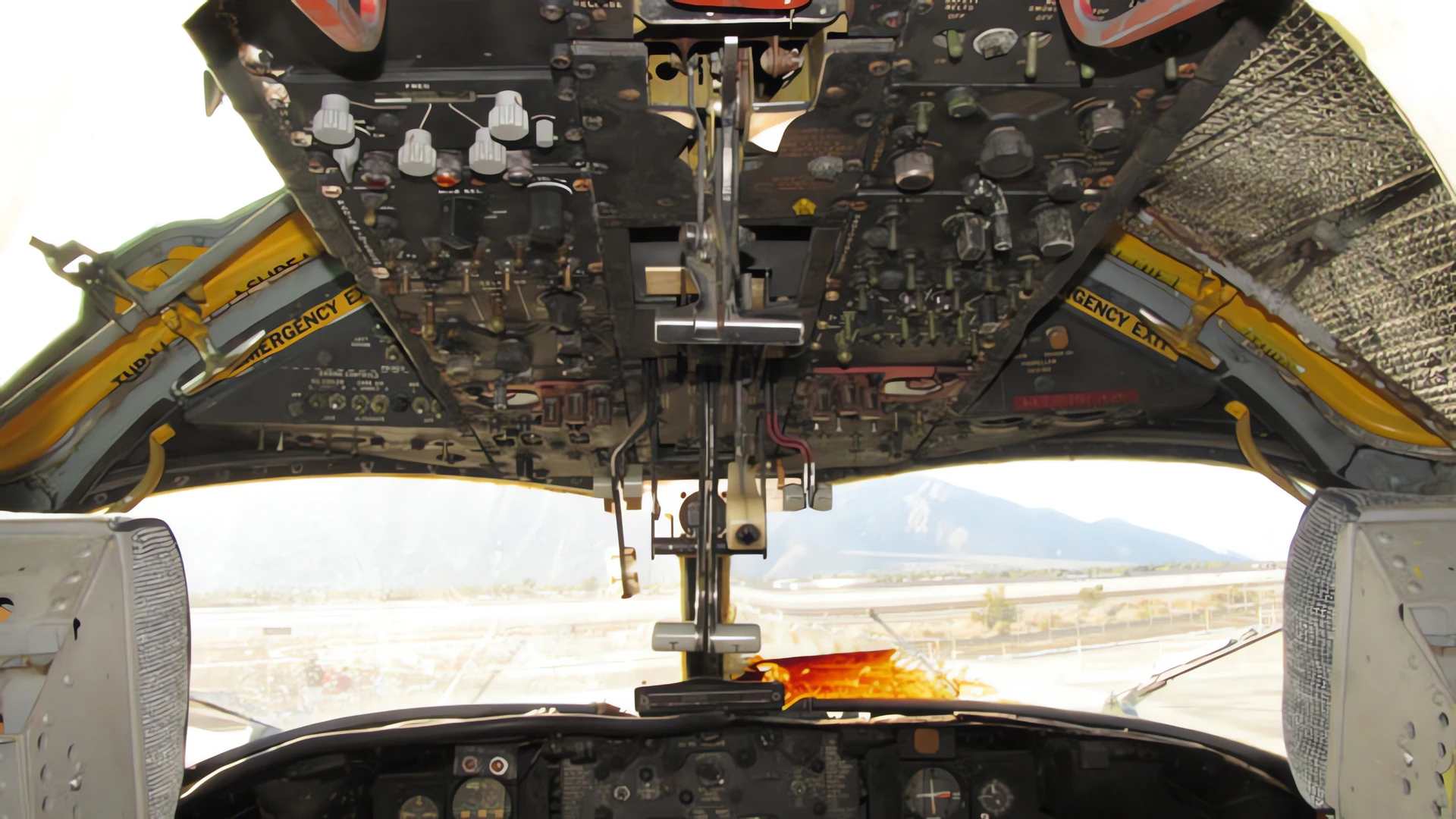
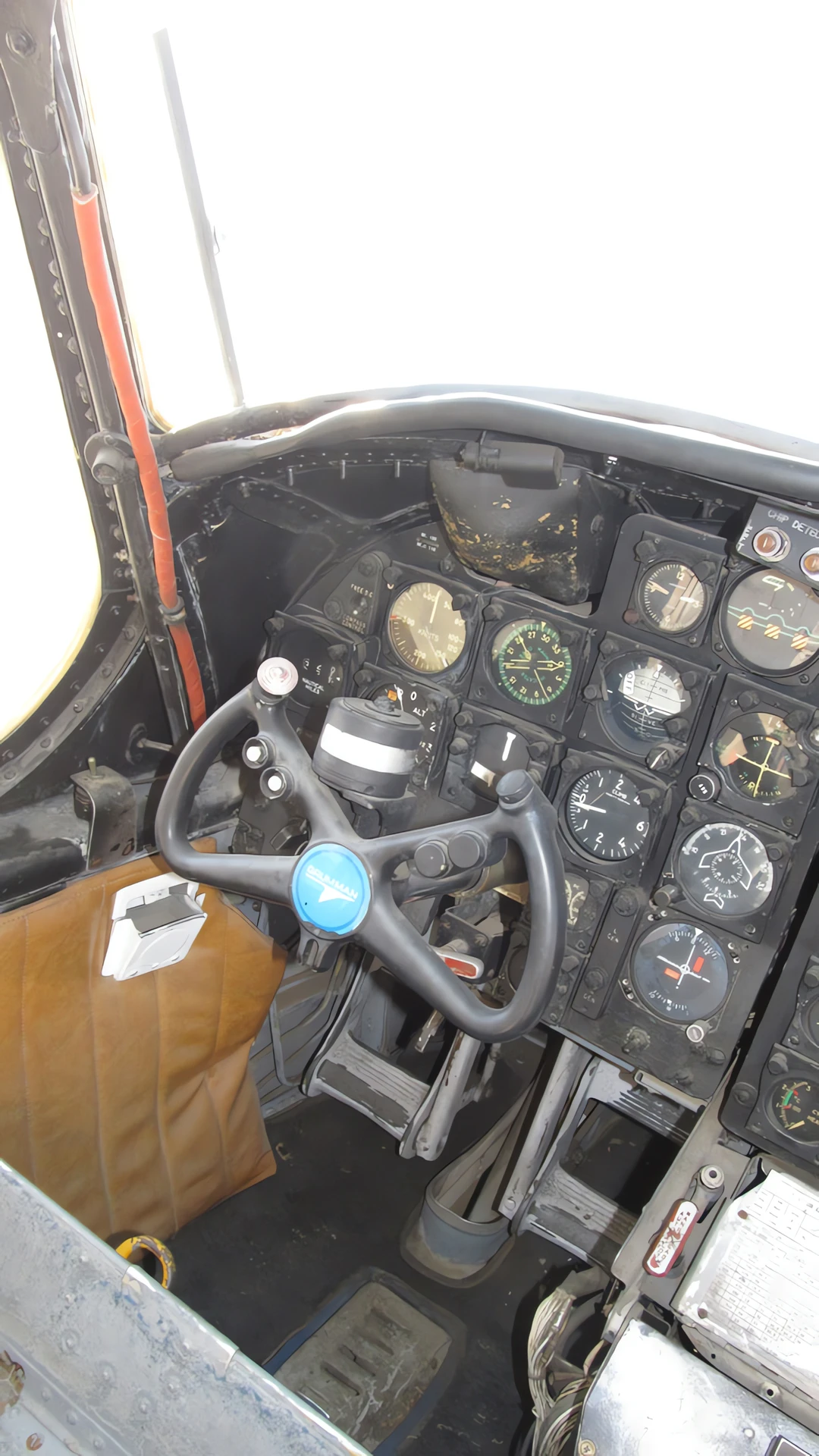
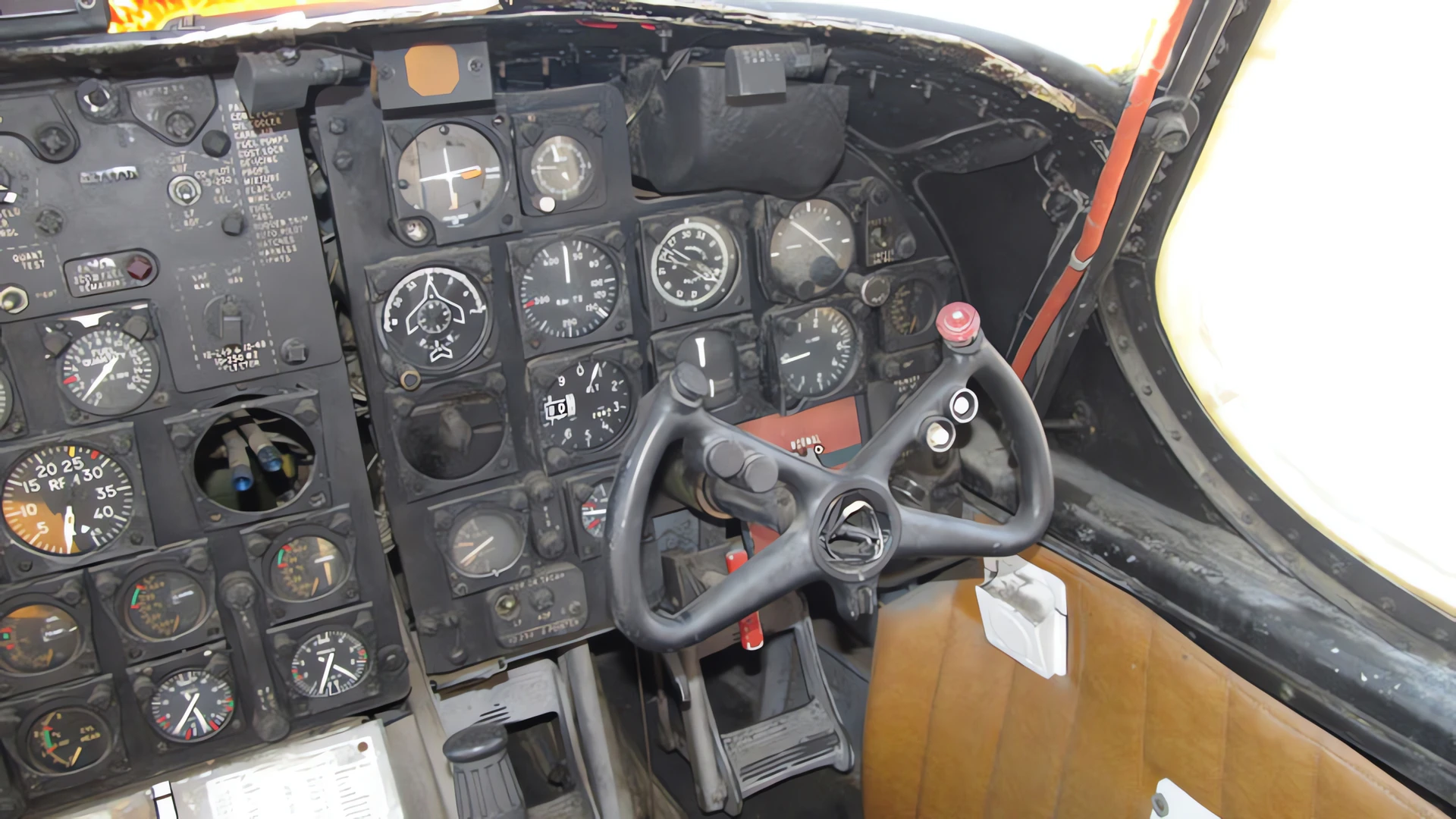

| Grumman C-1A Trader Walk Around | |
|---|---|
| Photographe | Inconnu |
| Localisation | Inconnu |
| Photos | 26 |
Voir aussi :


| Grumman C-1A Trader Walk Around | |
|---|---|
| Photographe | Cees Hendriks |
| Localisation | Inconnu |
| Photos | 33 |
The Fleet’s Vital Link
Lla Grumman C-1A Trader was the first purpose-built Carrier Onboard Delivery (COD) aircraft for the U.S. Navy. Derived from the S-2 Tracker anti-submarine plane, the Trader traded its cousin’s torpedoes and sonobuoys for a cavernous fuselage capable of hauling mail, high-priority spare parts, and personnel. Known affectionately (or occasionally derisively) as the « COD Fish, » it was a familiar sight on the flight decks of every American carrier from the mid-1950s until the late 1980s.
| Attribute | Technical Specification (C-1A) |
|---|---|
| Rôle | Carrier Onboard Delivery (COD) / Transport |
| Crew | 3 (Pilot, Co-pilot, Loadmaster) |
| First Flight | January 19, 1955 |
| Groupe motopropulseur | 2 × Wright R-1820-82WA Cyclone 9-cylinder radials |
| Horsepower | 1,525 hp (1,137 kW) per engine |
| Vitesse maximale | 280 mph (450 km/h) |
| Payload Capacity | 9 Passengers or 3,500 lbs (1,600 kg) of cargo |
| Range | 1,110 miles (1,786 km) |
Design & Naval Utility
- Lla « Box » Fuselage: To maximize cargo volume, Grumman widened and deepened the S-2 Tracker’s fuselage. This allowed it to carry small jet engines, bulky electronics, or standard Navy mail bags across the ocean to a waiting carrier group.
- Sto-Wing Technology: Like most Grumman carrier planes, it featured the patented « Sto-Wing » system, allowing the wings to fold parallel to the fuselage. This saved precious deck and hangar space on crowded carriers.
- Radial Reliability: The Wright R-1820 Cyclone engines were legendary for their toughness. Even though they required high-octane aviation gasoline (Avgas) long after the rest of the fleet moved to jet fuel, their dependability in the harsh salt-spray environment was unmatched.
- The Tailhook & Bridle: Despite being a « utilité » plane, the Trader was a full participant in carrier life, requiring an arrestor hook for landings and a launch bridle for the catapults of the era.
Service History & Legacy
- The Vietnam Lifeline: During the Vietnam War, C-1A detachments operated from shore bases in the Philippines and South Vietnam, flying constant « shuttles » to the carriers on Yankee Station, delivering everything from fresh food to urgent replacement parts for combat-damaged jets.
- The Last of the Radials: When the last C-1A was retired in 1988, it marked the end of an era as the U.S. Navy’s last radial-piston engine aircraft to serve on carrier decks.
- Electronic Evolution: A few Traders were converted into EC-1A variants for electronic countermeasures training, while the basic airframe also served as the prototype for the « Stoof with a Roof »—the Traceur E-1 Airborne Early Warning aircraft.
- Modern Survivors: Because of their robust construction and multi-passenger capacity, many Traders found second lives in civilian hands. Several remain airworthy today as popular warbirds on the airshow circuit.
Views : 2728
Vous pouvez voir aussi :
 Grumman E-1 Tracer – Photos & Vidéo
 Grumman F9F Panther – Photos et vidéo
 Grumman F6F Hellcat – Photos & Vidéo
 C-2A Greyhound – Photos et vidéo
 Grumman S-2 Tracker - Photos et vidéo
 Grumman HU-16 Albatros – Photos & Vidéo
 Northrop Grumman E-2 Hawkeye - WalkAround
 Grumman F8F Bearcat – Photos & Vidéo
 Grumman F-14 Tomcat - WalkAround
 Grumman FM-2 Wildcat – WalkAround