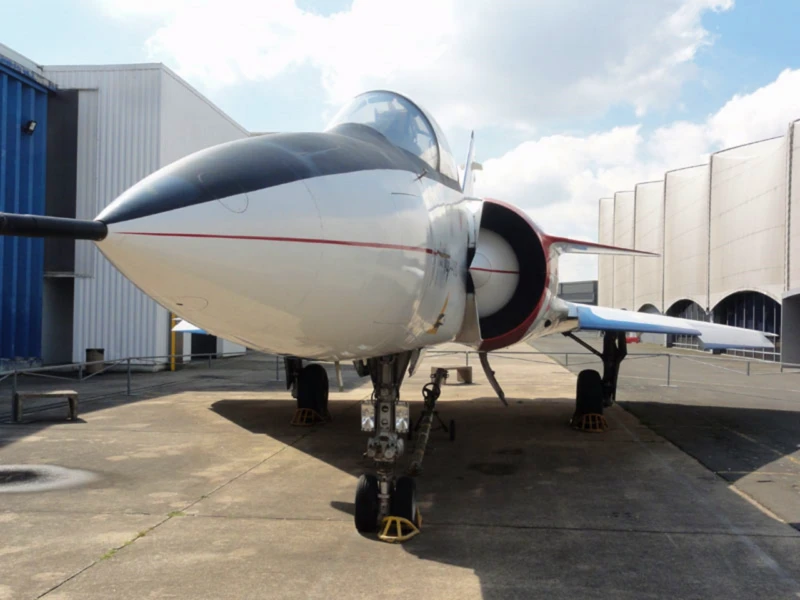
Mirage 4000 de Dassault | |
|---|---|
| Pays | France |
| Rôle | Prototype d’avion de chasse |
| Premier vol | Le 19 mars 1979 |
| Construit | 1 |
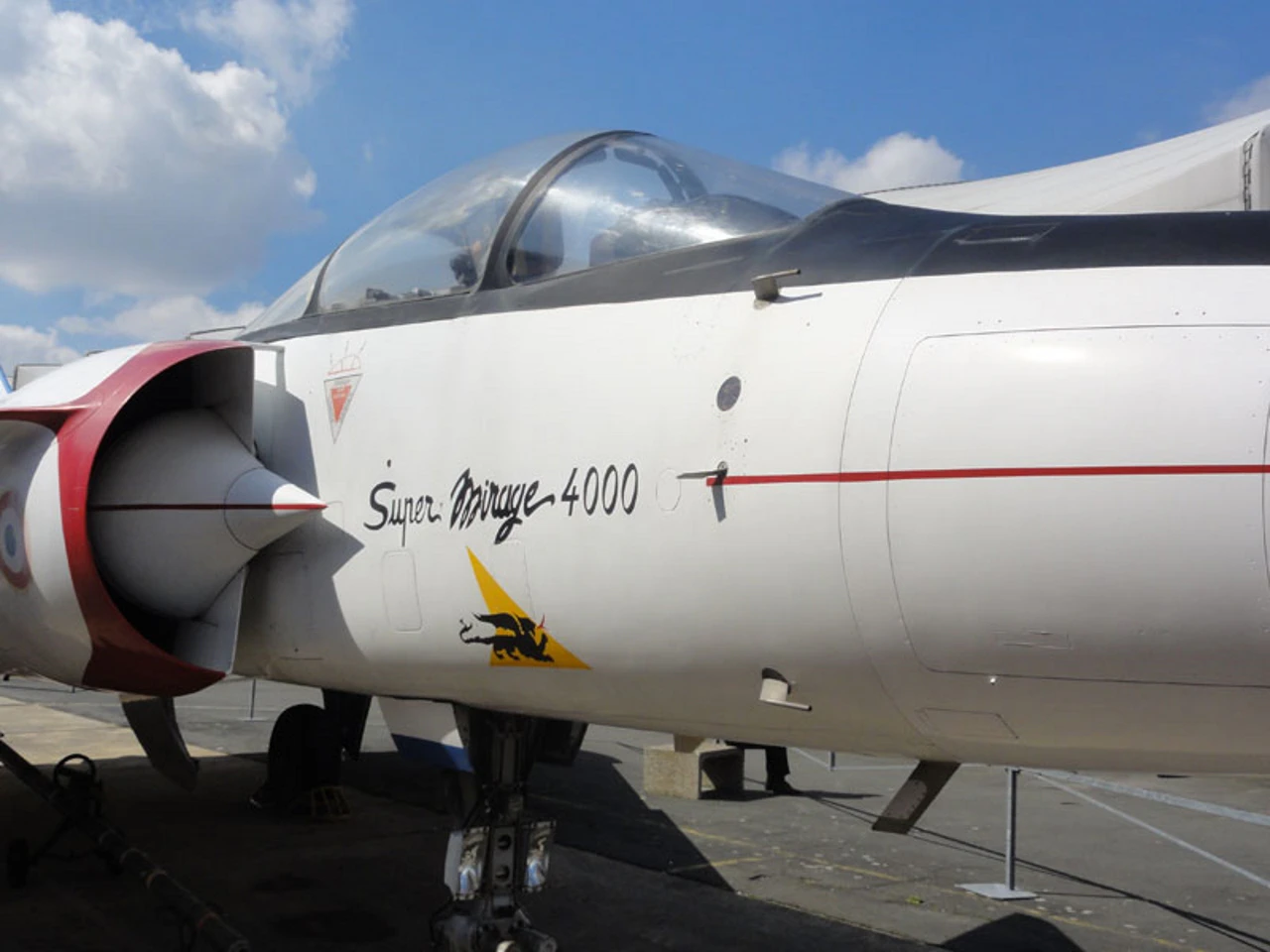
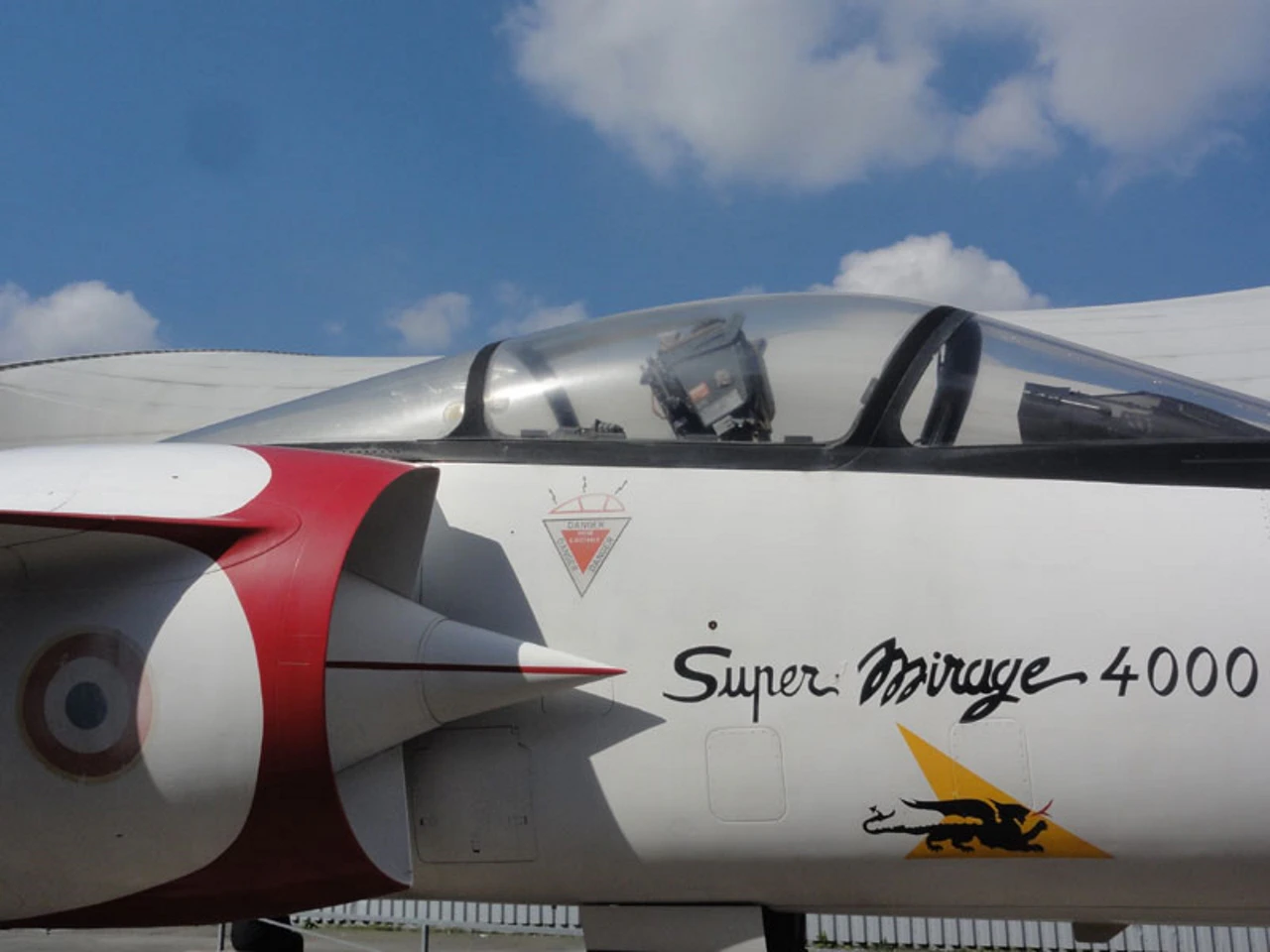
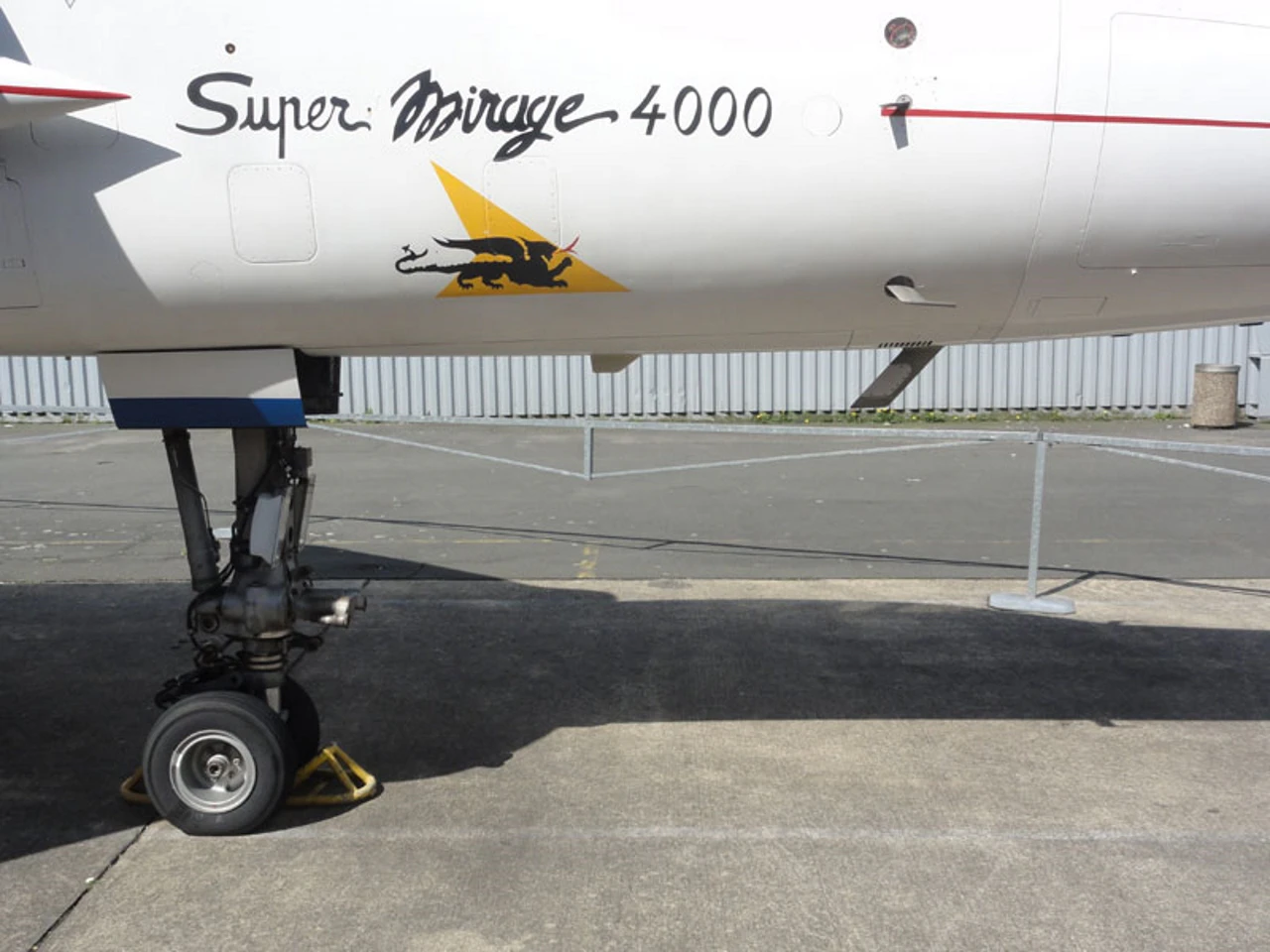
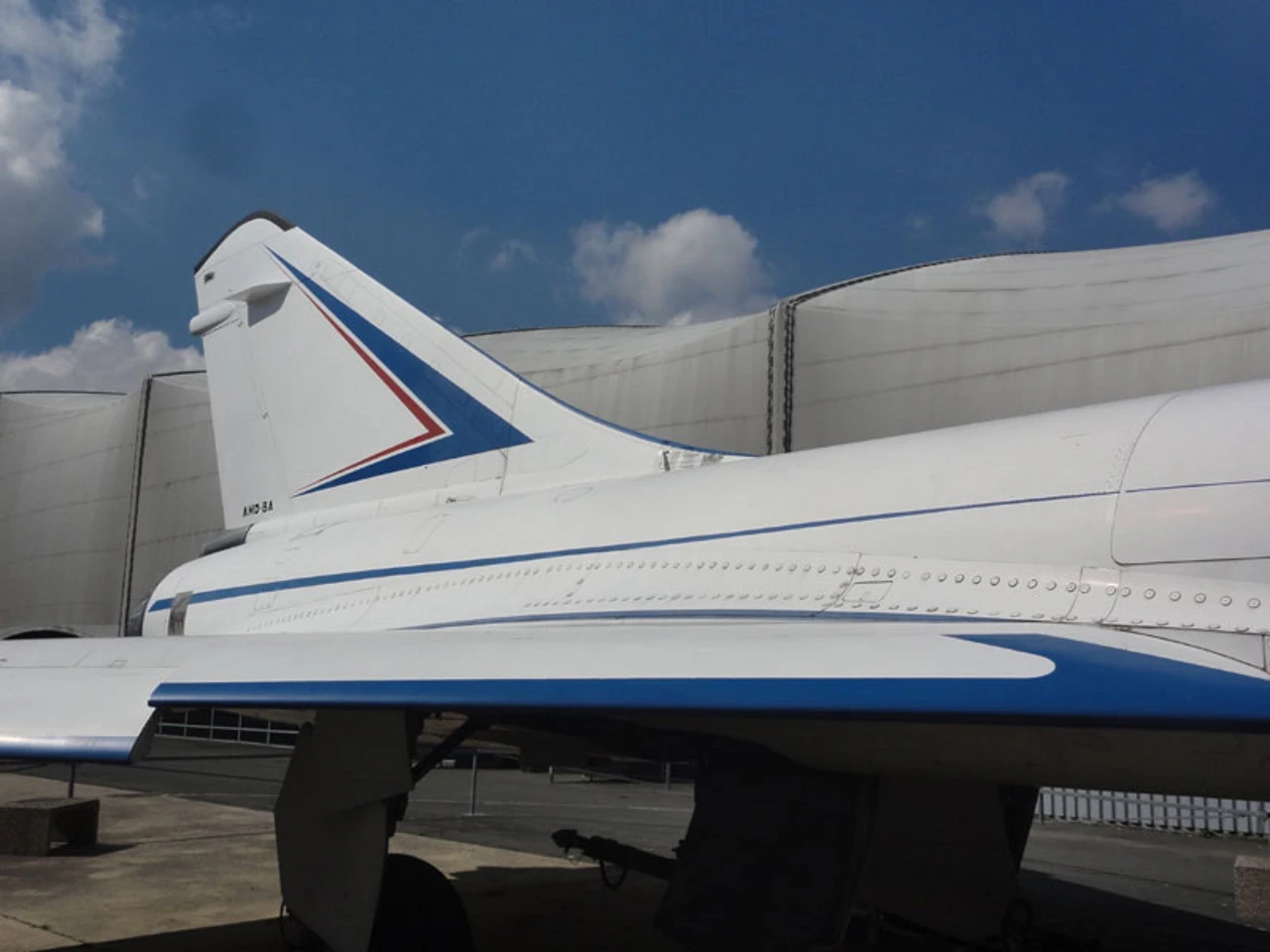
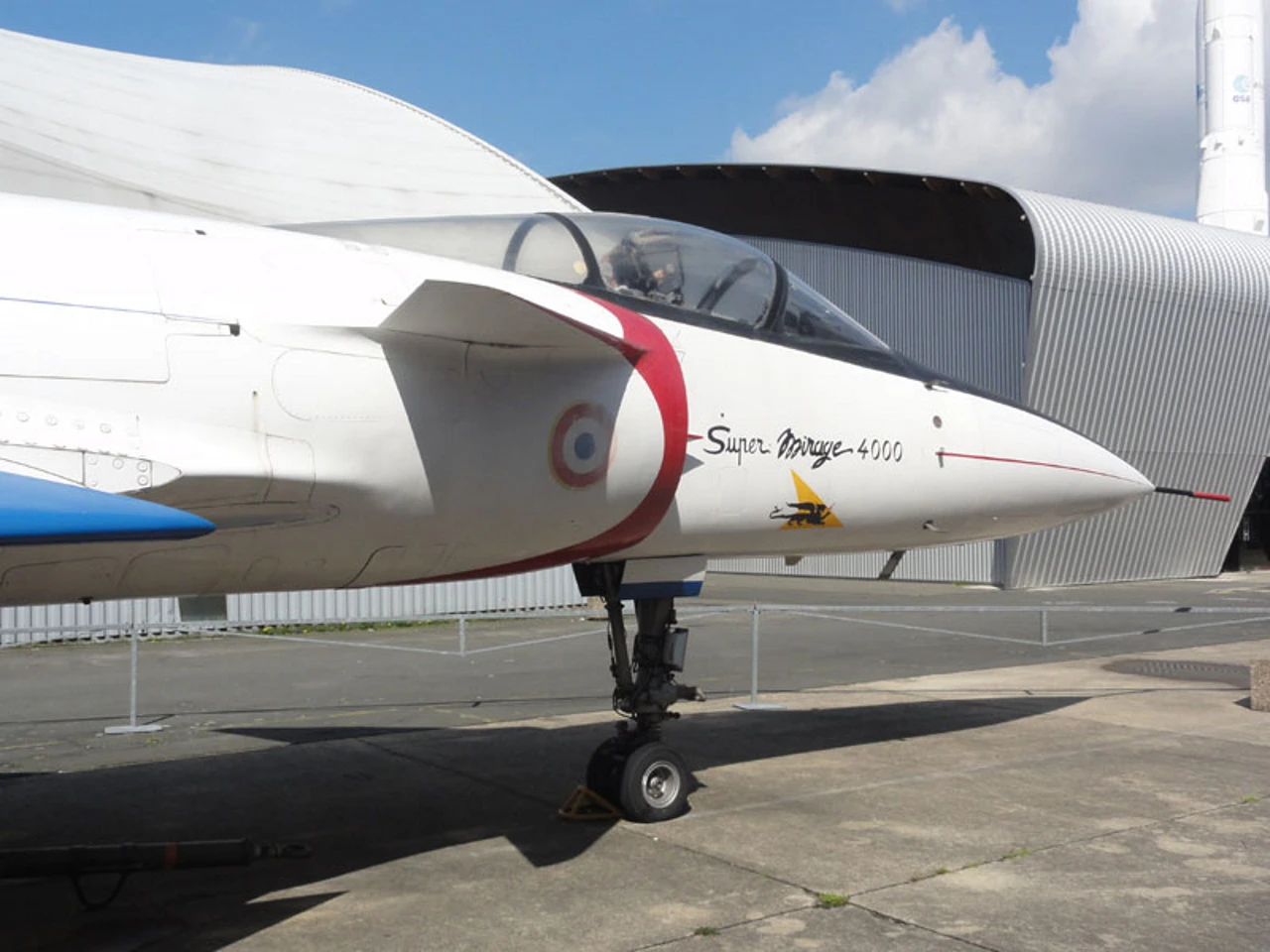
Lla Mirage 4000 de Dassault (parfois appelé le Super Mirage 4000) était un prototype Français avion de chasse développé par Dassault-Breguet à partir de leur Mirage 2000.
| Dassault Mirage 4000 Se promener | |
|---|---|
| Photographe | Meindert de Vreeze |
| Localisation | Inconnu |
| Photos | 44 |
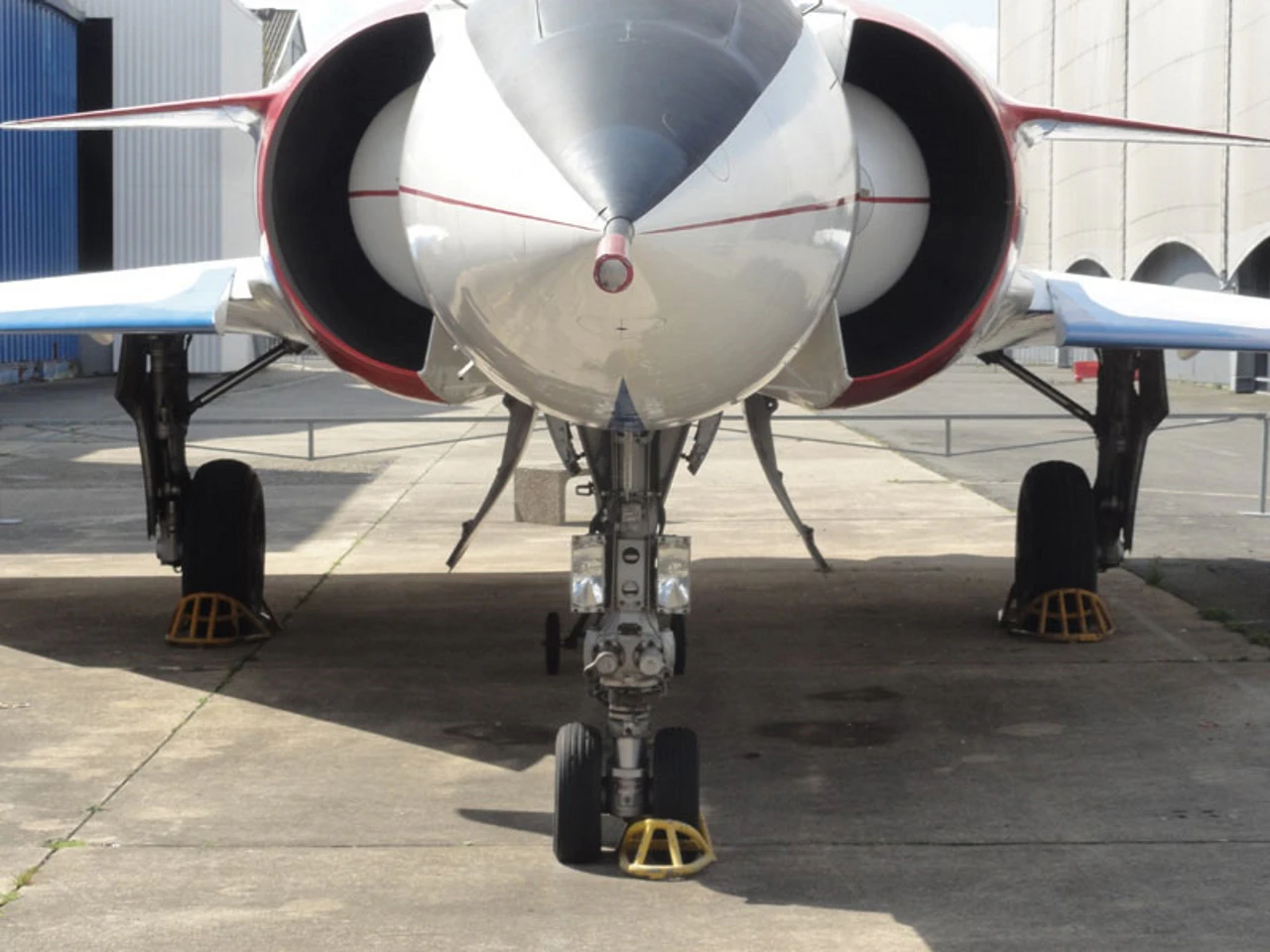
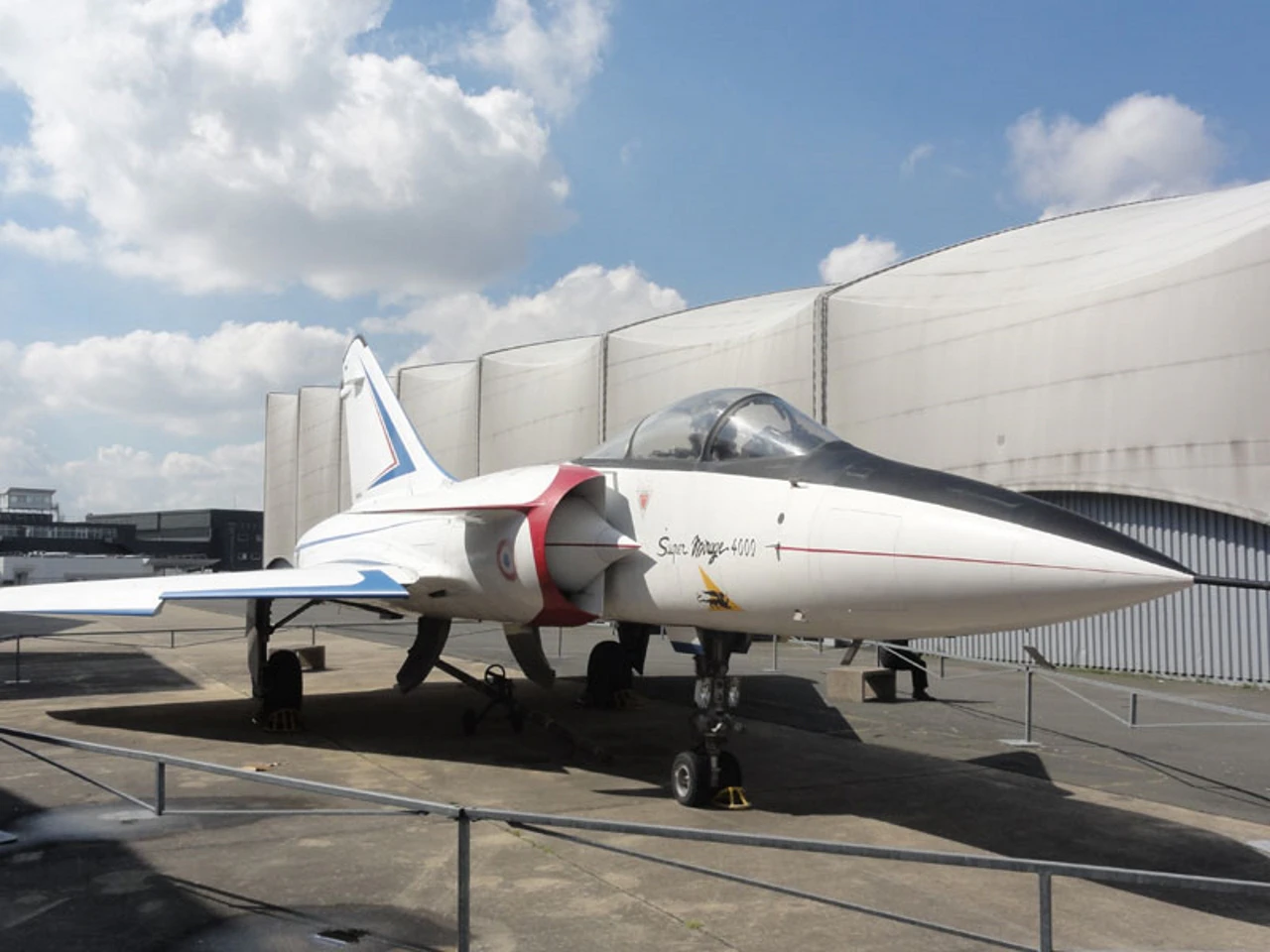
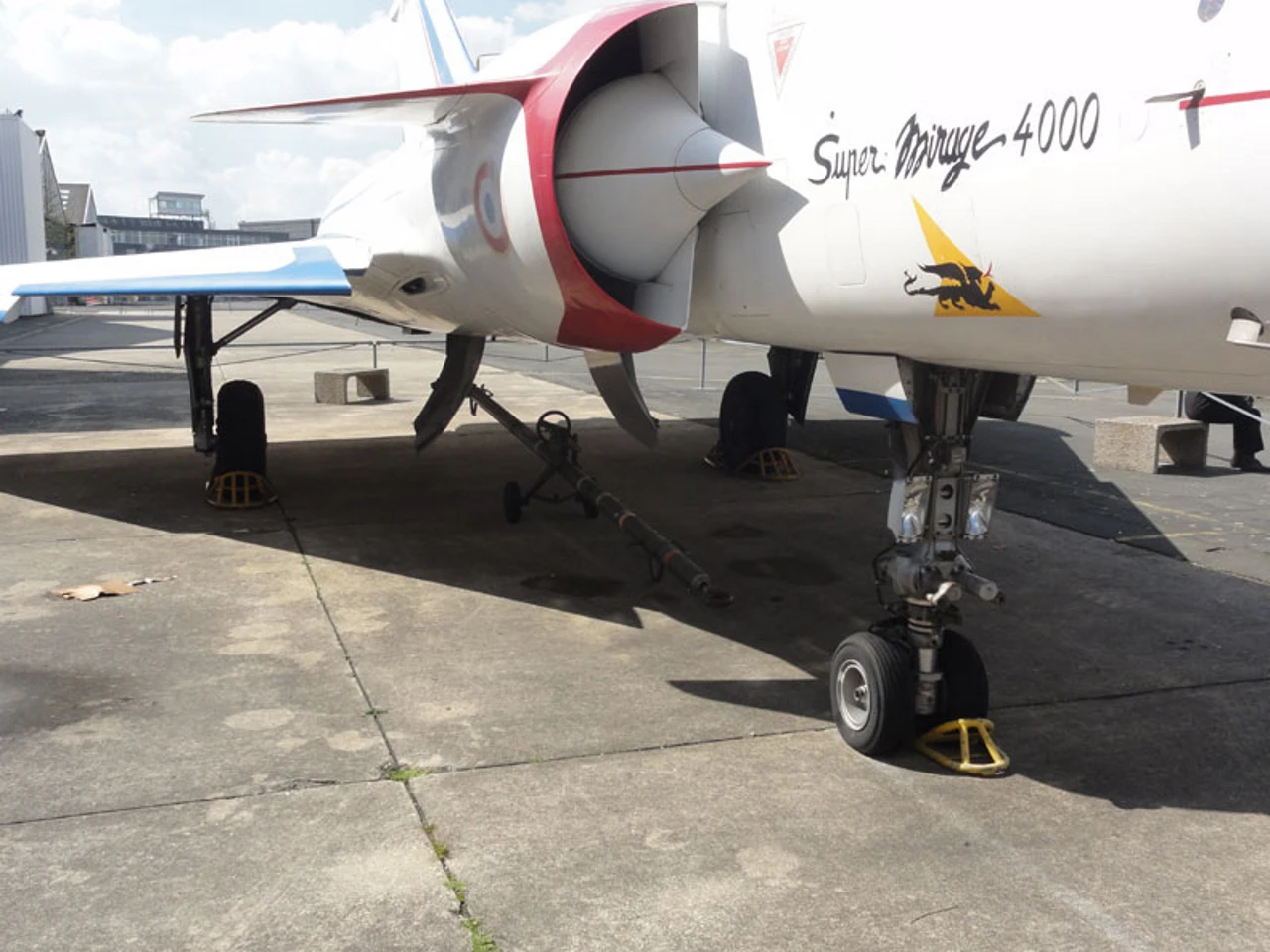

Voir aussi :


Lla « Super Mirage » prototype
Lla Mirage 4000 de Dassault was a private venture by Dassault Aviation, designed as a heavyweight, twin-engine evolution of the Mirage 2000. It was intended to compete directly with the American F-15 Eagle and the Soviet Su-27 Flanker. Larger, faster, and carrying twice the fuel of its smaller brother, the « Super Mirage » was one of the first aircraft in the world to utilize carbon fiber composites in its construction. Despite being a technical masterpiece, it remained a « prototype-only » aircraft because the French Air Force could not afford it, and potential export customers like Saudi Arabia chose the F-15 instead.
| Attribute | Technical Specification (Prototype 01) |
|---|---|
| Rôle | Heavy Air-Superiority Fighter / Interceptor |
| Crew | 1 (Pilot) |
| First Flight | March 9, 1979 |
| Groupe motopropulseur | 2 × SNECMA M53-2 afterburning turbofans |
| Thrust | 19,100 lbf (85 kN) each with afterburner |
| Vitesse maximale | Mach 2.3 (2,445 km/h) |
| Service Ceiling | 65,600 feet (20,000 m) |
| Armament (Planned) | 2 × 30mm DEFA cannons; up to 8,000 kg on 11 hardpoints |
A Giant with Canards
- Twin-Engine Power: Unlike the single-engine Mirage 2000, the 4000 used two M53 engines. This gave it a thrust-to-weight ratio greater than 1:1, allowing it to accelerate vertically and maintain high speeds while carrying a massive payload.
- Movable Canards: To manage the massive lift of the delta wing, the Mirage 4000 featured large, movable canard foreplanes. These greatly improved maneuverability and lift at low speeds, a design element that would later influence the Rafale.
- Carbon Fiber Pioneer: The 4000 was a testbed for advanced materials. Its vertical stabilizer (fin) was the first large-scale structural aircraft component ever made entirely from carbon-reinforced plastic, significantly reducing weight.
- Massive Fuel Capacity: The fuselage was designed with an enormous internal fuel volume. Combined with its ability to carry three 2,500-liter drop tanks, the Mirage 4000 had a range that would have made it an exceptional long-distance interceptor or deep-penetration bomber.
The Fate of the « White Desert » Hunter
- The Saudi Connection: Dassault largely built the 4000 with Saudi Arabian funding in mind. It was initially painted in a desert camouflage scheme for its marketing tours, earning it a legendary status in aviation circles as the « lost » Saudi fighter.
- Rafale’s Ancestor: Although it never entered production, the flight data and technologies developed for the Mirage 4000—particularly the fly-by-wire system and carbon fiber usage—became the foundation for the Dassault Rafale.
- Supercruising Prototype: In test flights, the Mirage 4000 was capable of reaching supersonic speeds without the use of afterburners (supercruise) while carrying a light load, a feat rare for aircraft of that generation.
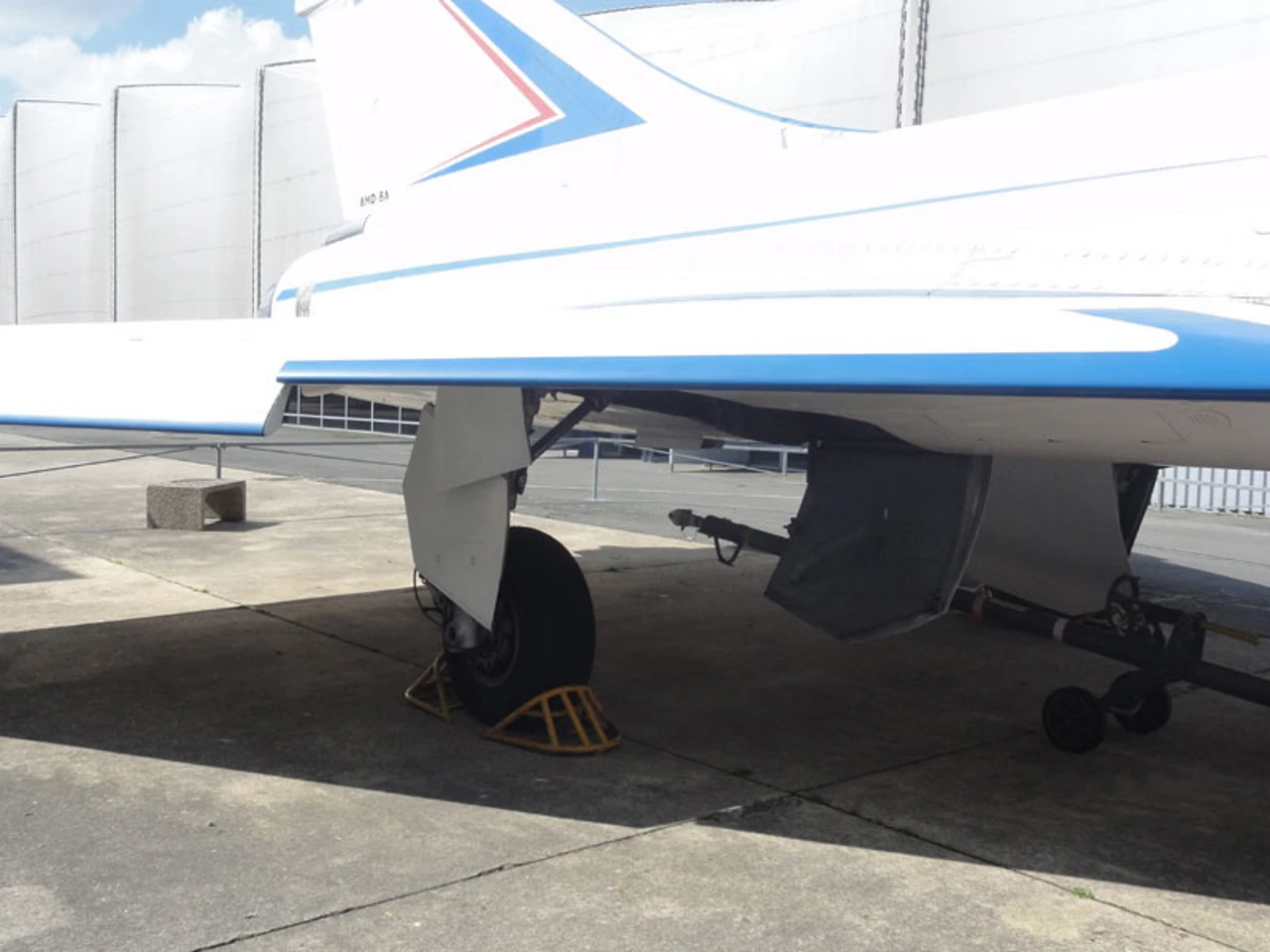
- Museum Piece: The only prototype ever built now rests at the Musée de l’Air et de l’Espace at Le Bourget, Paris, standing as a reminder of France’s attempt to build the ultimate heavyweight fighter.
Vues : 4052
Vous pouvez voir aussi :
 Dassault MD 315 Flamant – Photos & Videos
 Mirage 2000D – Photos & Vidéo
 Dassault Mirage F.1 – Photos & Vidéo
 Dassault Super Mystere B.2 – Photos & Vidéo
 Dassault Etendard IV M – Photos & Vidéo
 Dassault M.D.450 Ouragan – Photos & Vidéo
 Dassault / Dornier Alpha Jet - WalkAround
 Dassault Rafale M – WalkAround
 Kfir C2 - WalkAround
 KFIR C-1 - WalkAround