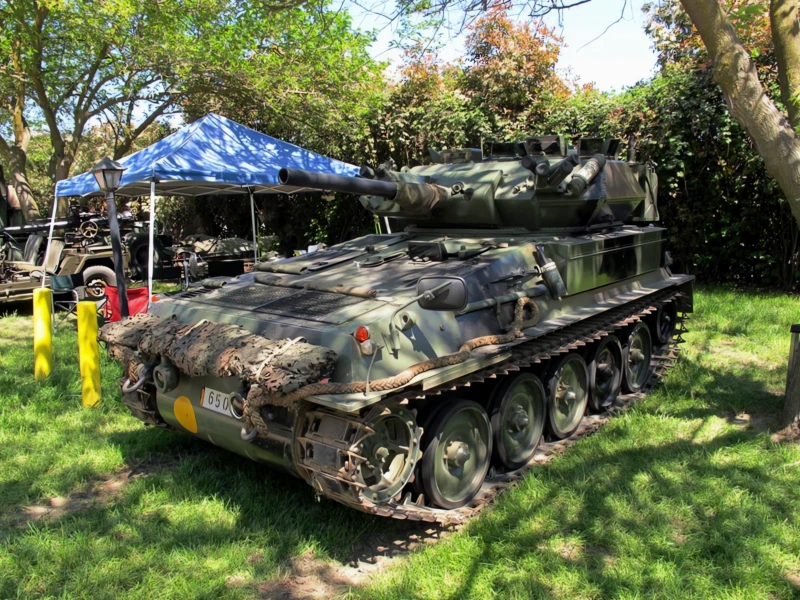
CVR(T) FV101 Scorpion | |
| Pays | Royaume-uni |
| Type | Véhicule blindé de reconnaissance |
| En service | 1973-présent |
| Fabricant | Alvis Vehicles Ltd |
| Construit | Plus de 3000 |
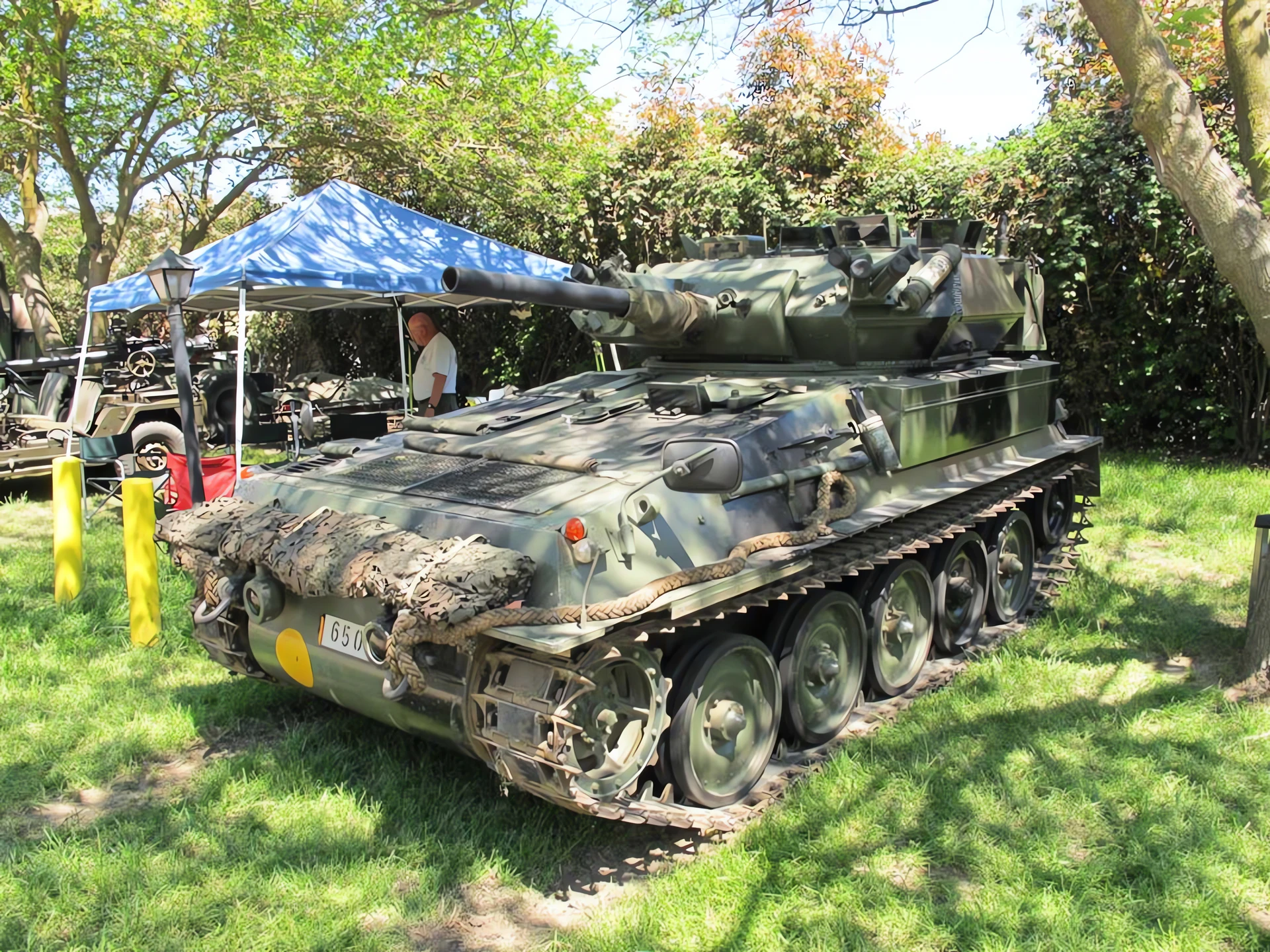
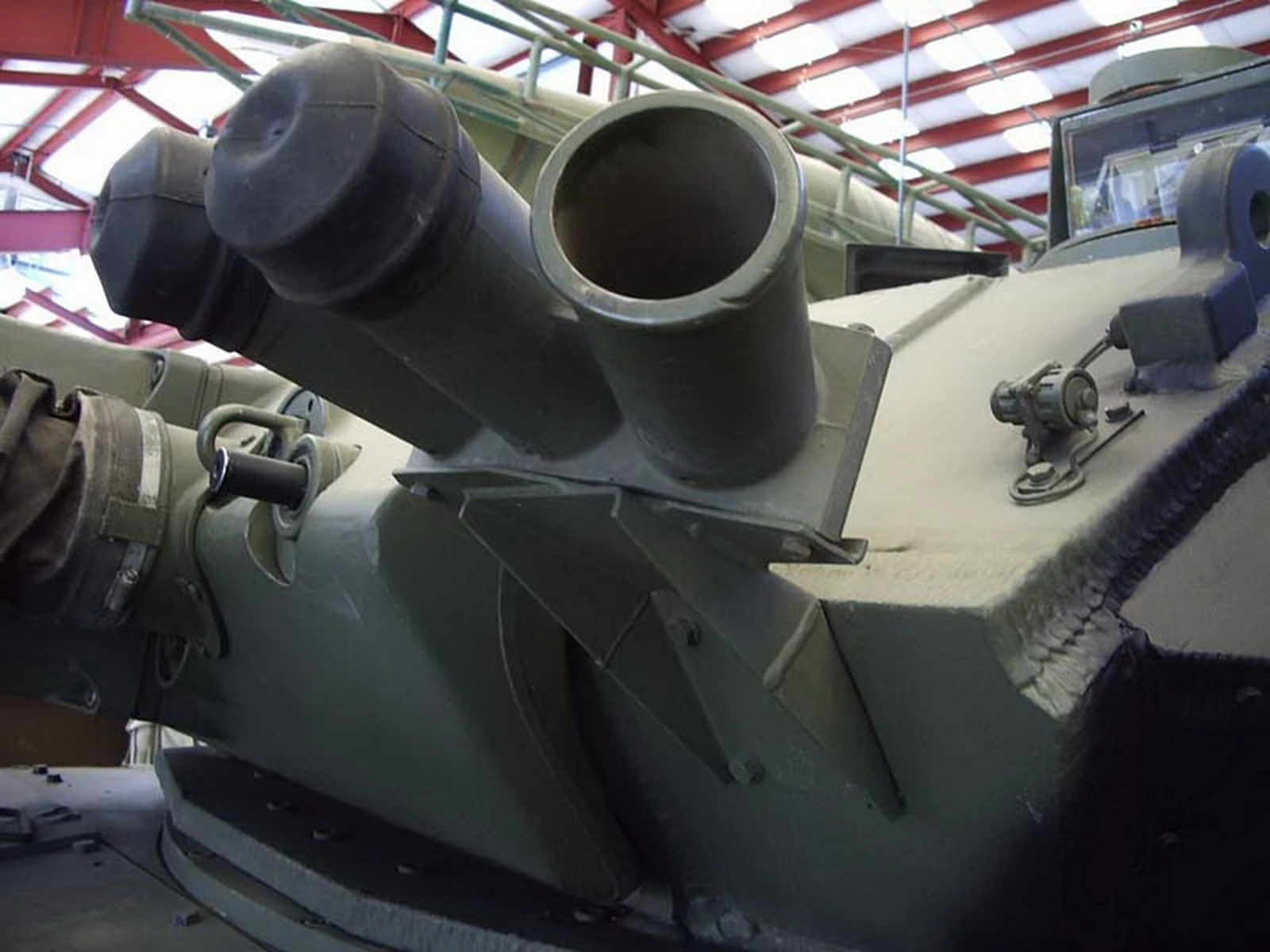
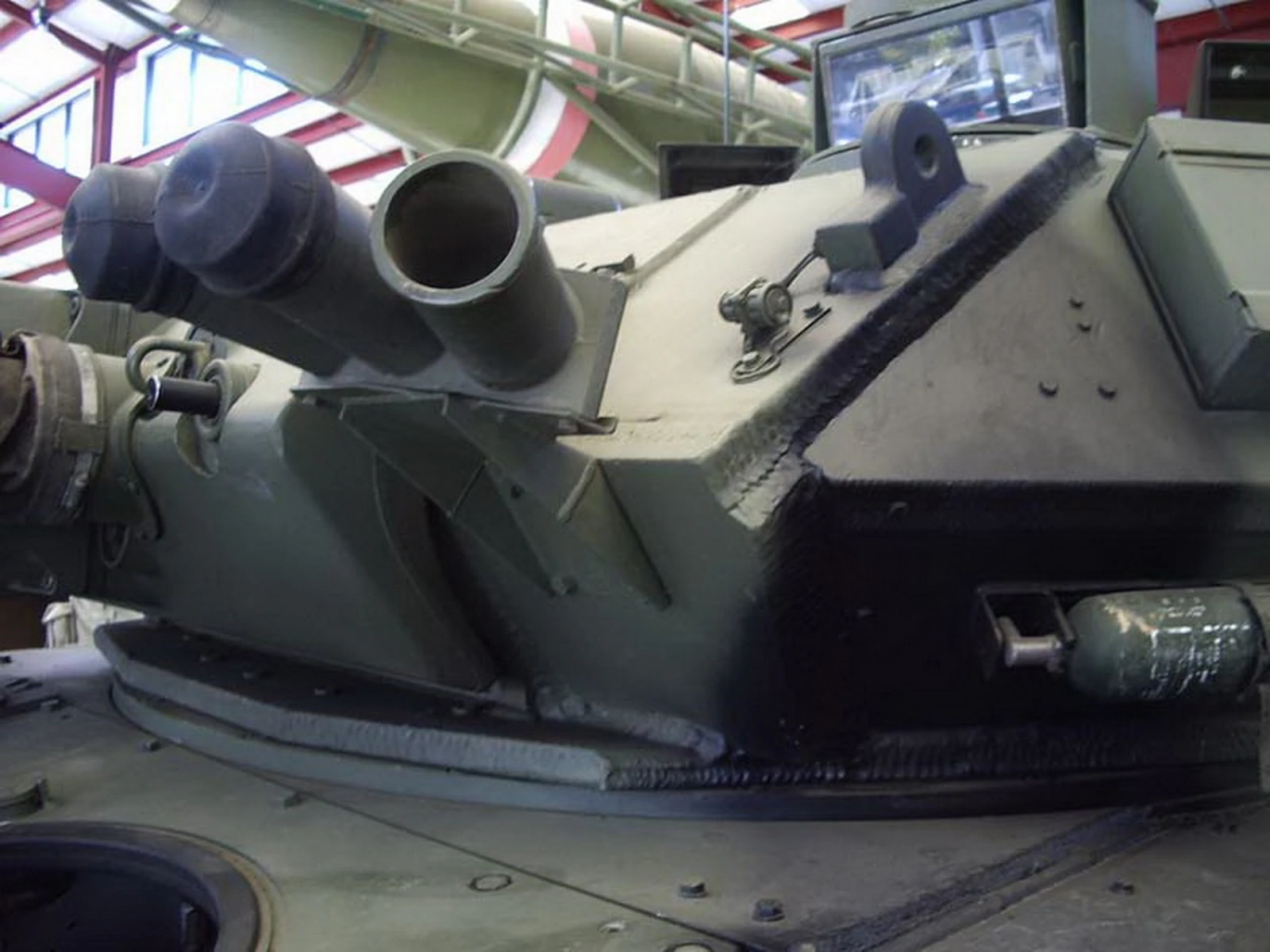
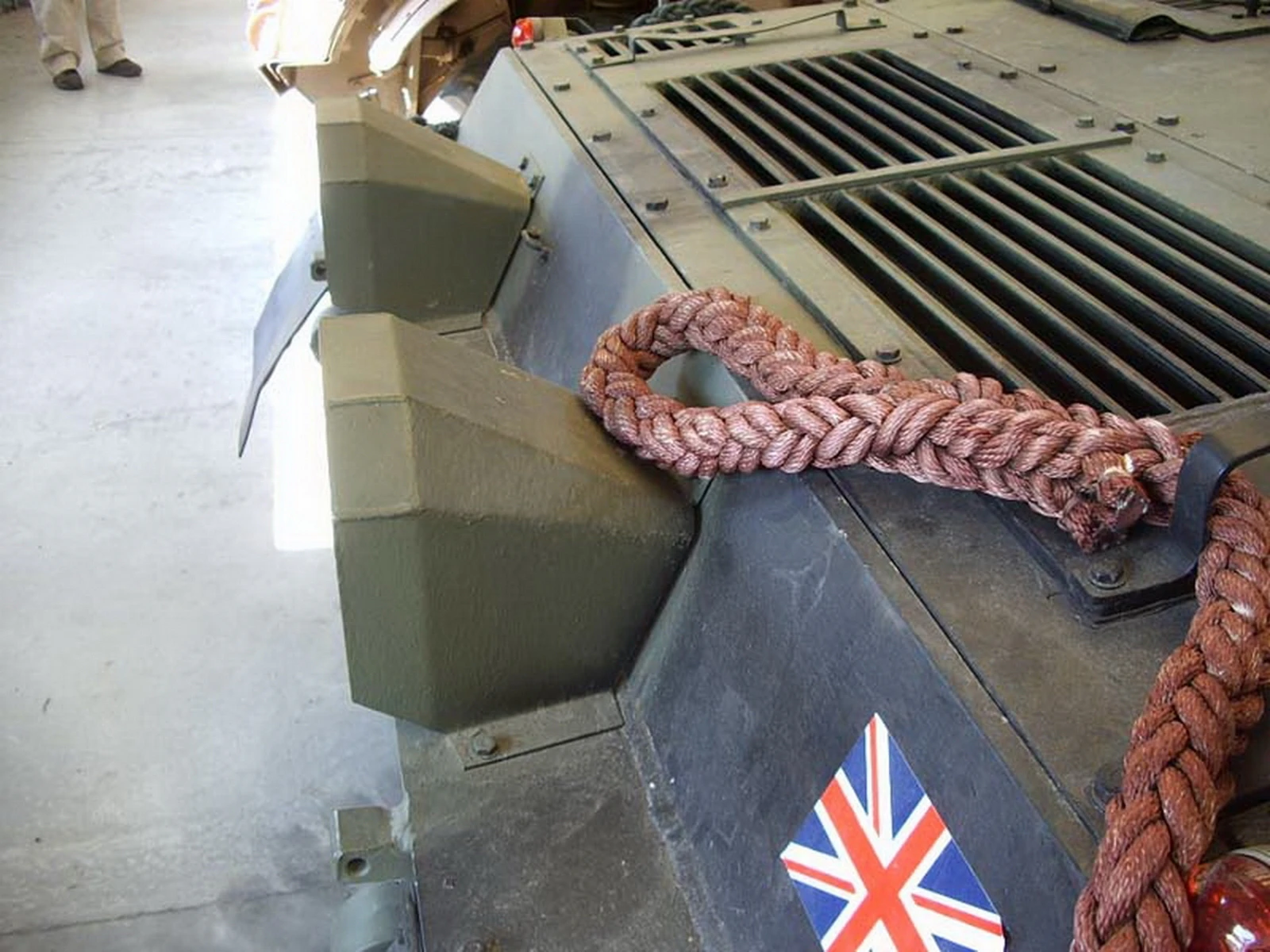
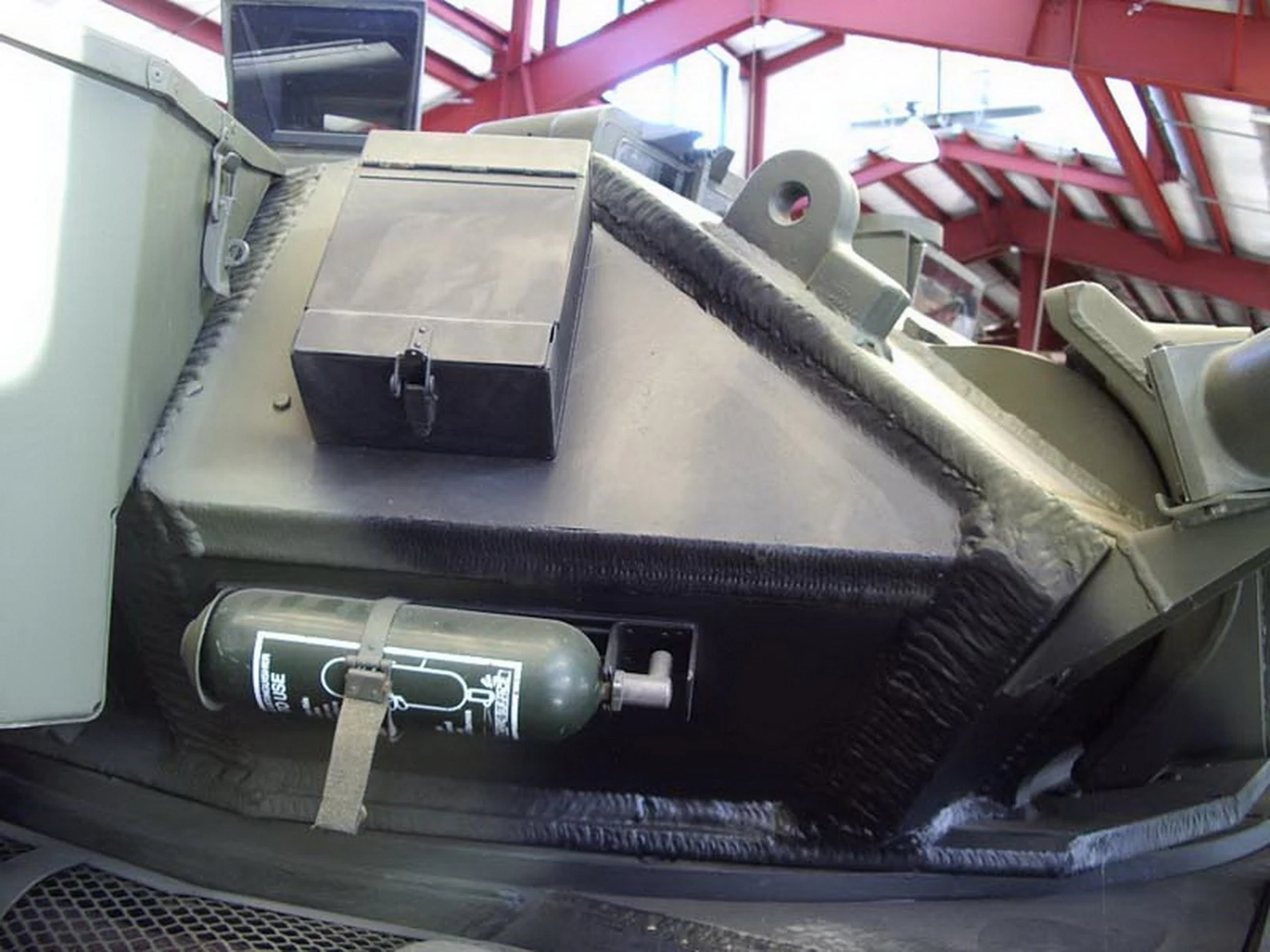
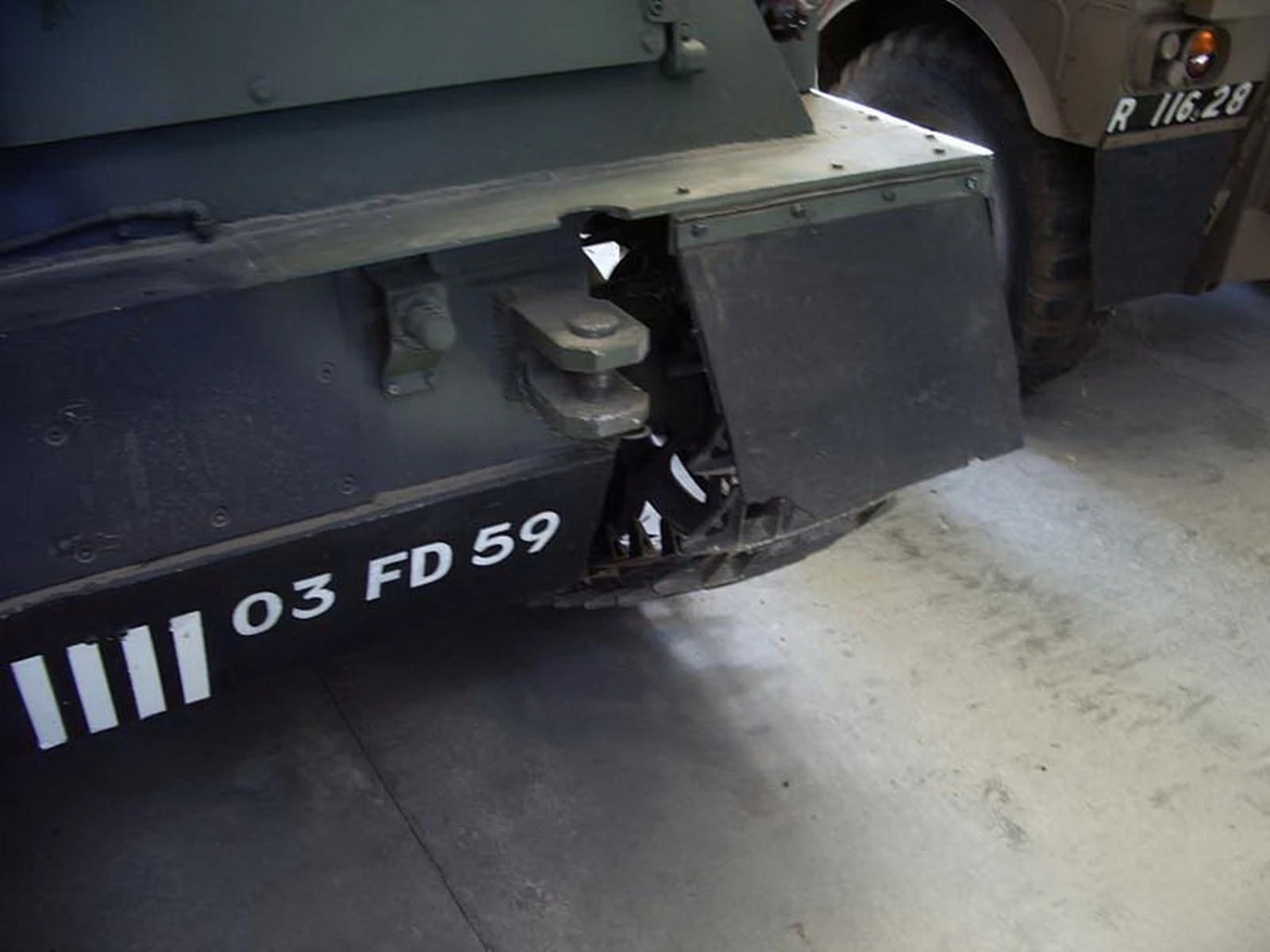
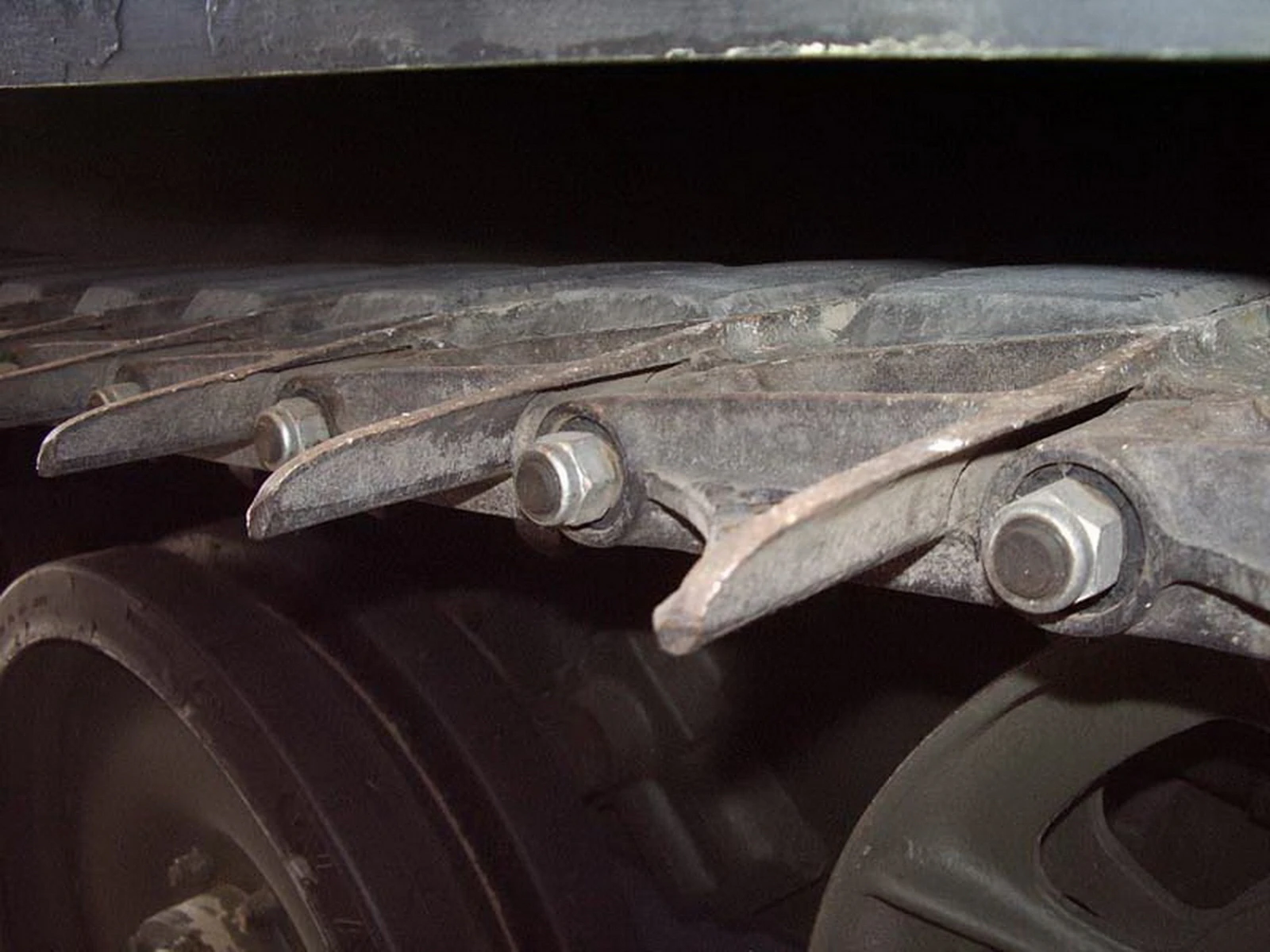
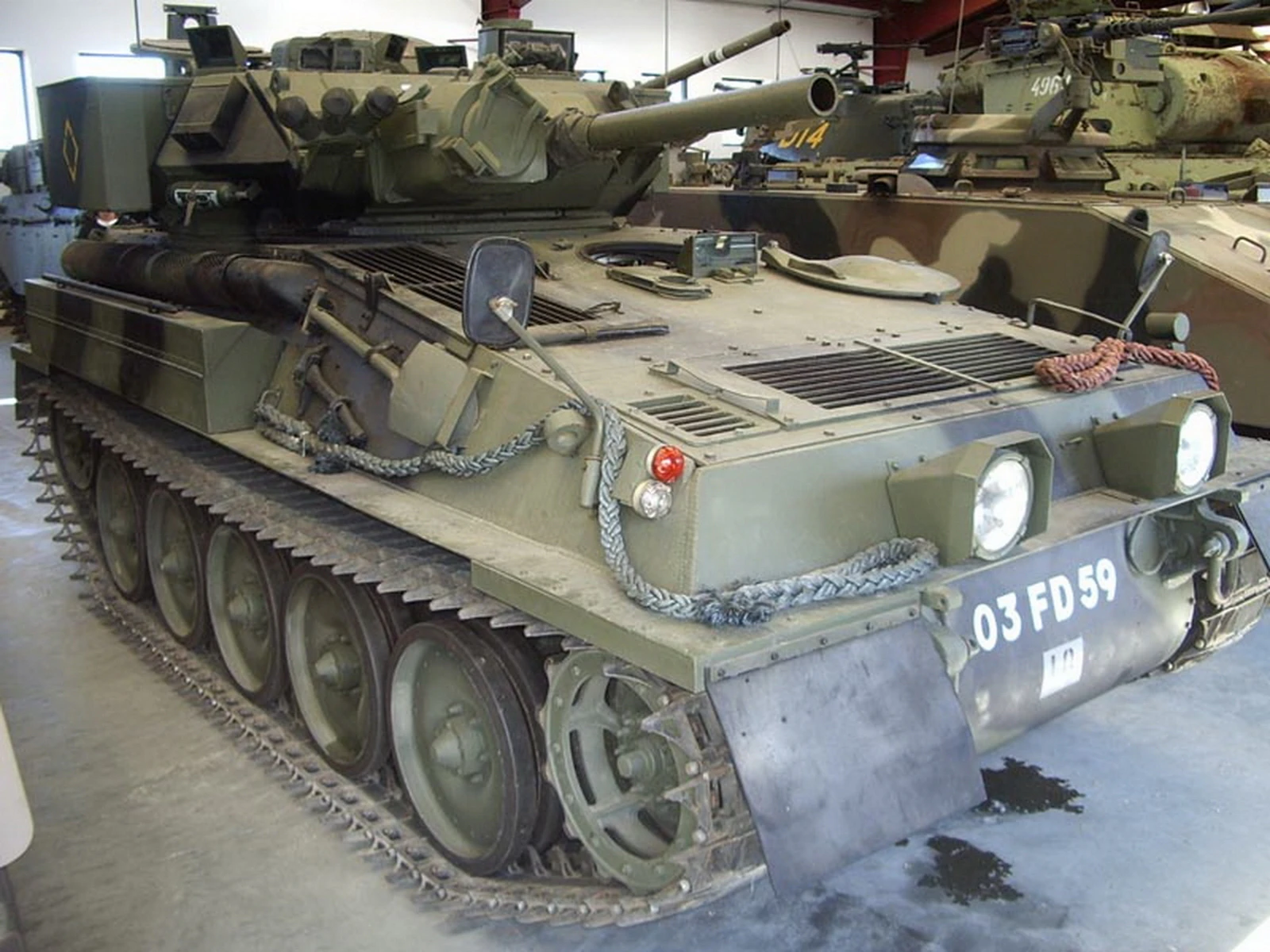
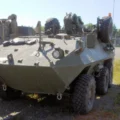
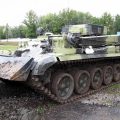
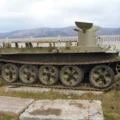
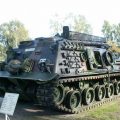
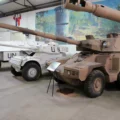
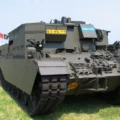
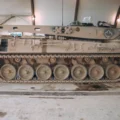
Galerie de photos d’un CVR(T) FV101 Scorpion, The FV101 Scorpion is a British armoured reconnaissance vehicle. It was the lead vehicle and the fire support type in the Combat Vehicle Reconnaissance (Tracked), CVR(T), family of seven armoured vehicles. Manufactured by Alvis, it was introduced into service with the British Army in 1973 and served until 1994. More than 3,000 were produced and used as a reconnaissance vehicle or a light tank. It holds the Guinness world record for the fastest production tank; recorded doing 82.23 km/h (51.10 mph) at the QinetiQ vehicle test track, Chertsey, Surrey, on 26 January 2002.
Source: CVR(T) FV101 Scorpion sur Wiki
| CVR(T) FV101 Scorpion | |
|---|---|
| Photographe | Vladimir Yakubov |
| Localisation | MVCC Camp Delta |
| Photos | 103 |
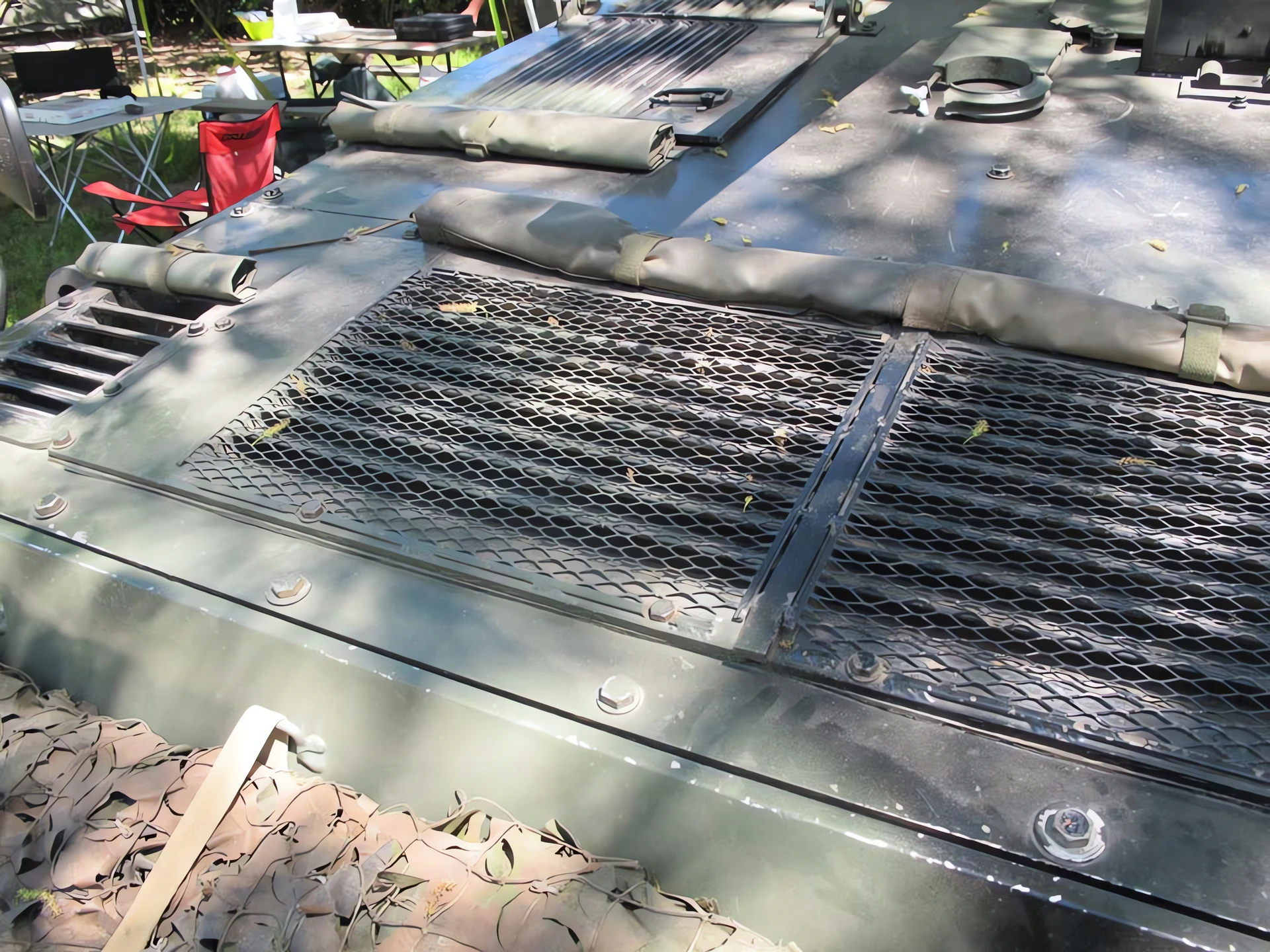
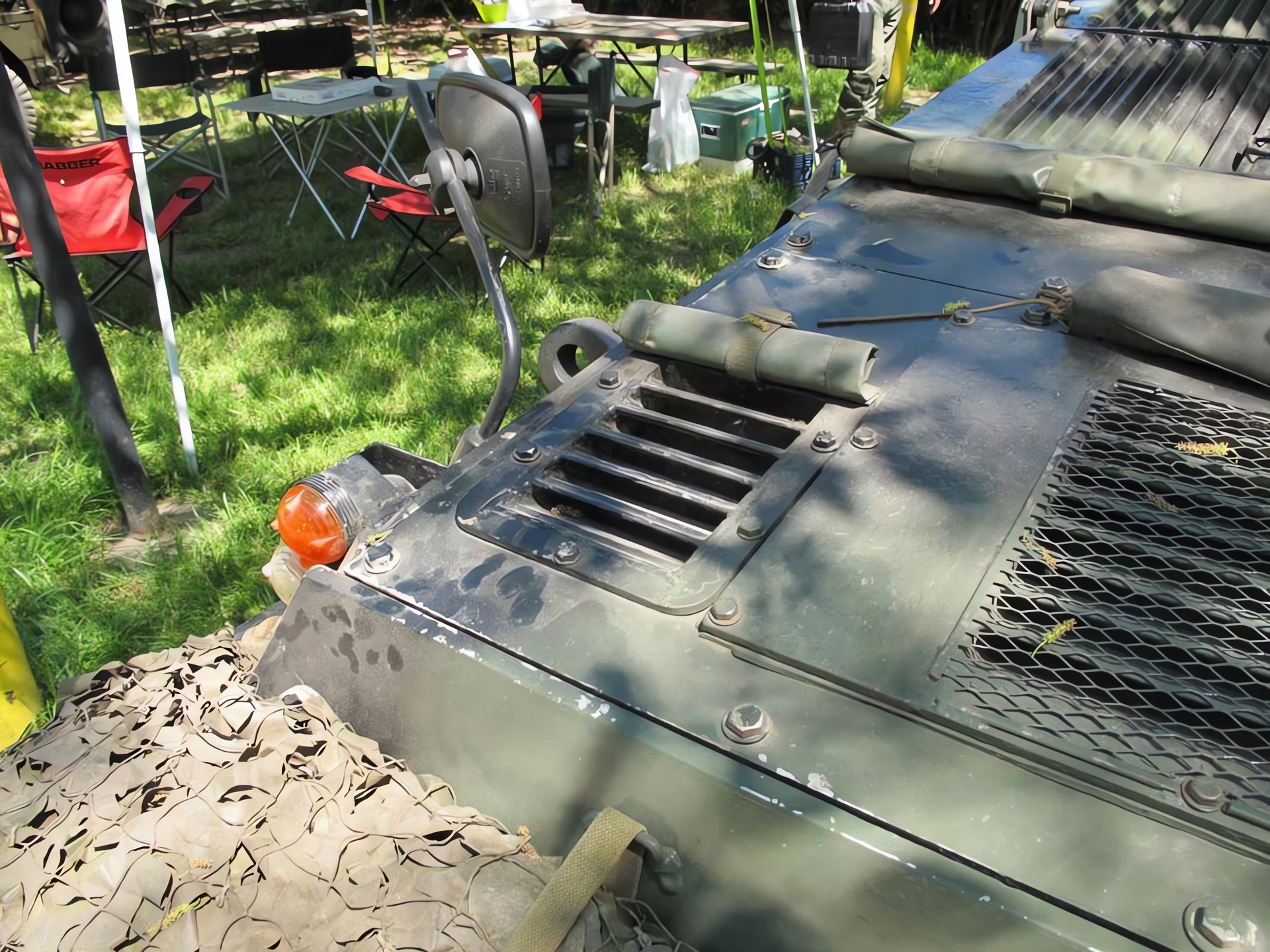
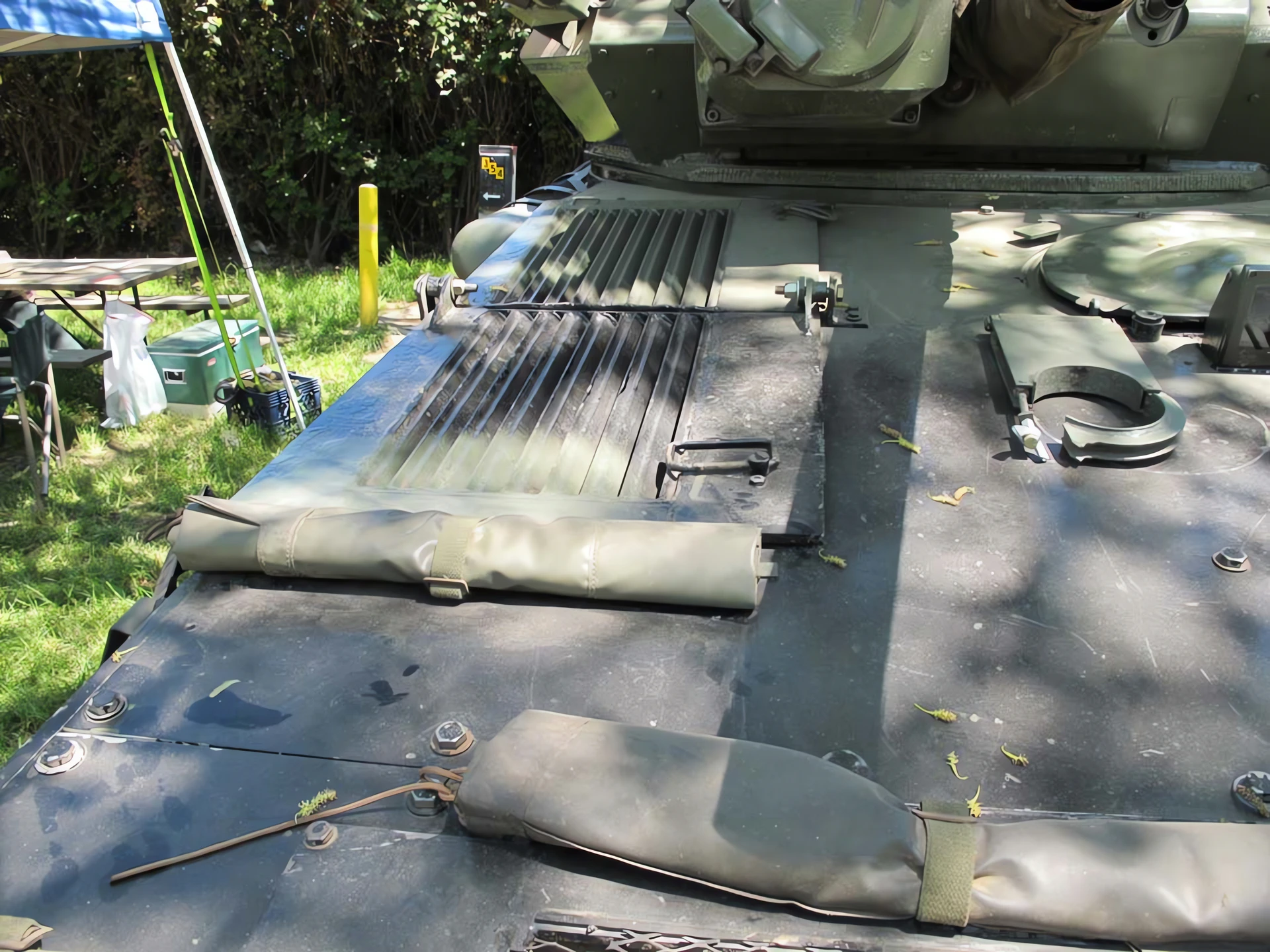
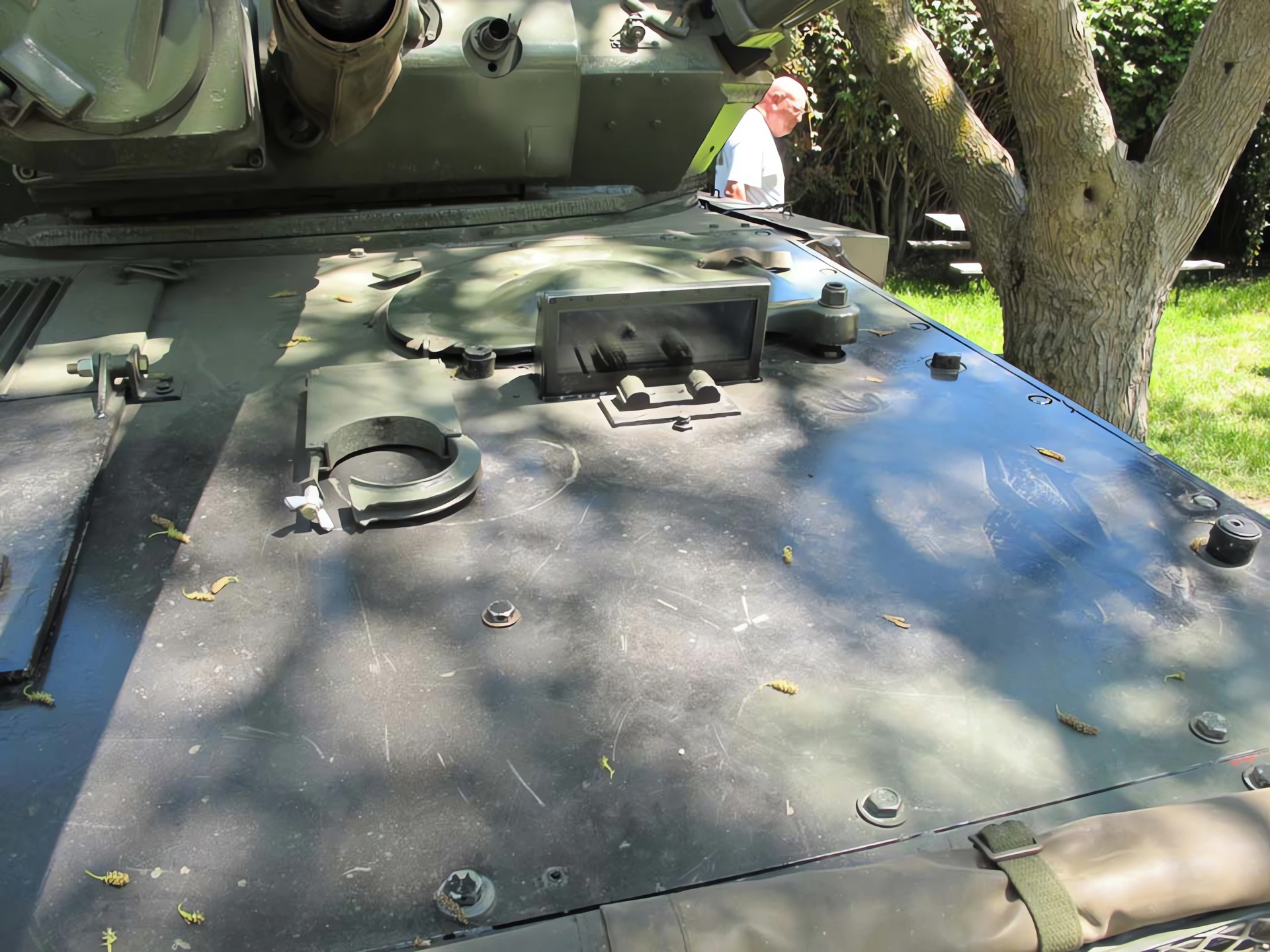
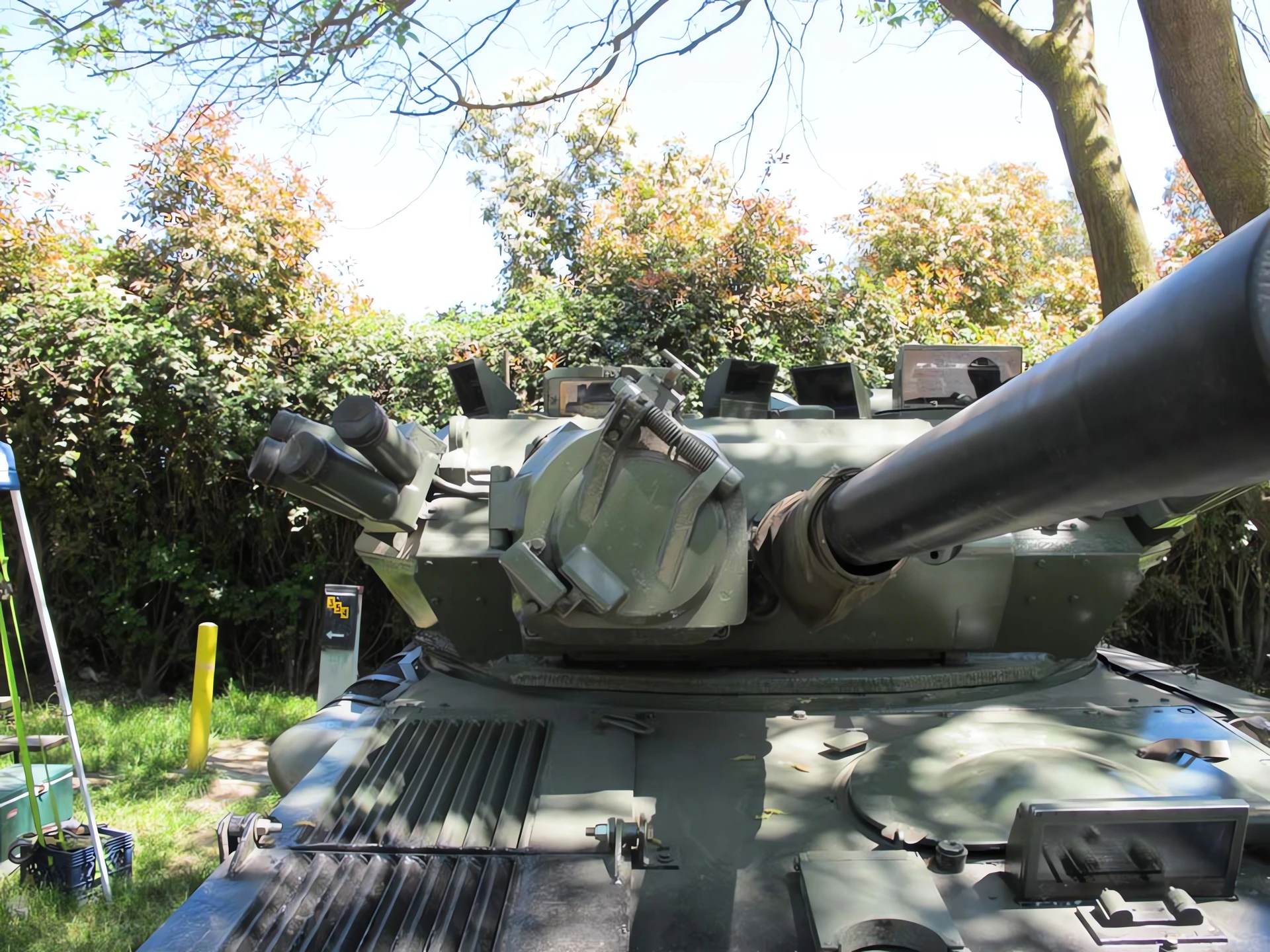
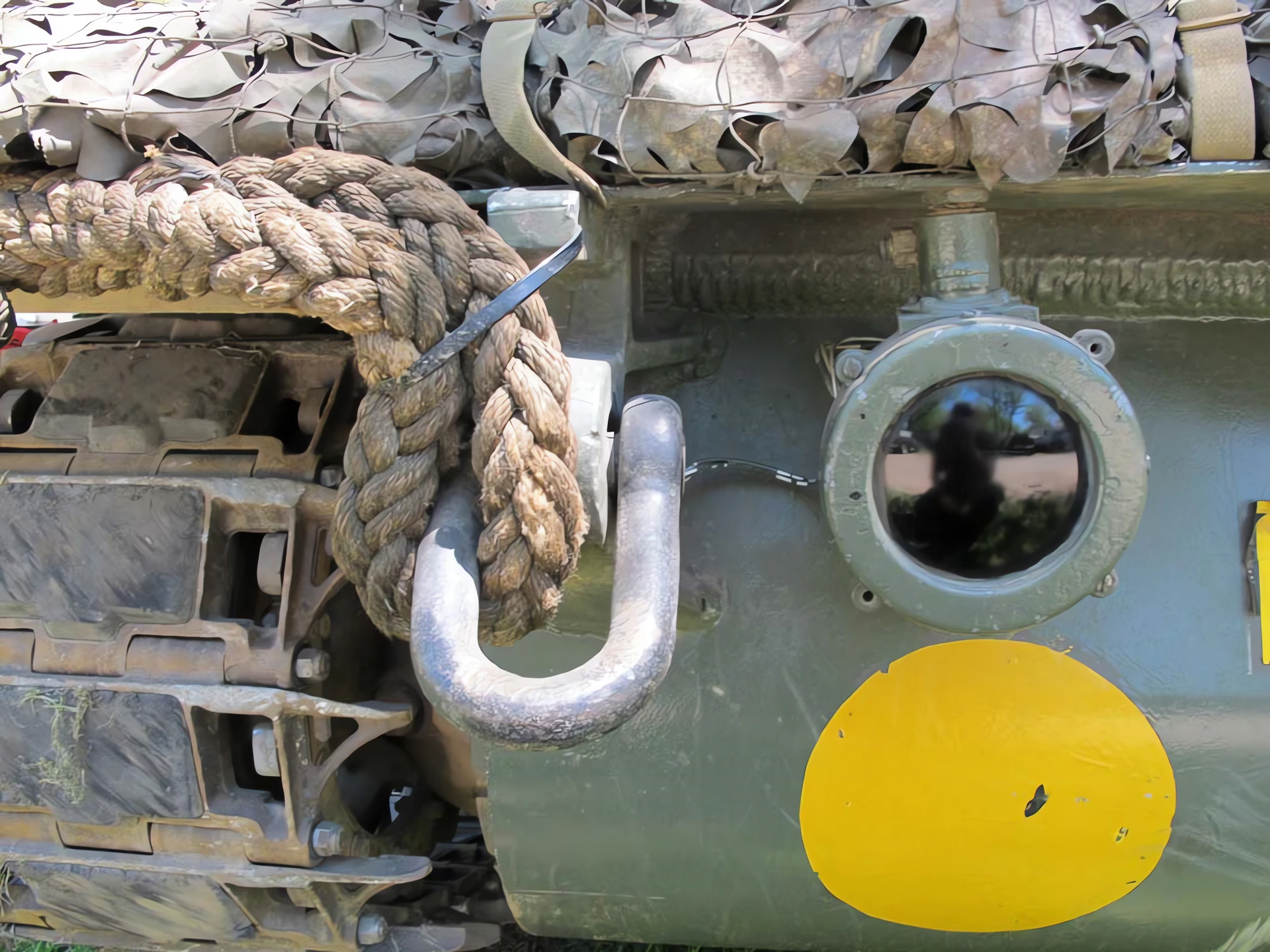

| FV101 CVR(T) Scorpion Se promener | |
|---|---|
| Photographe | Inconnu |
| Localisation | Inconnu |
| Photos | 30 |
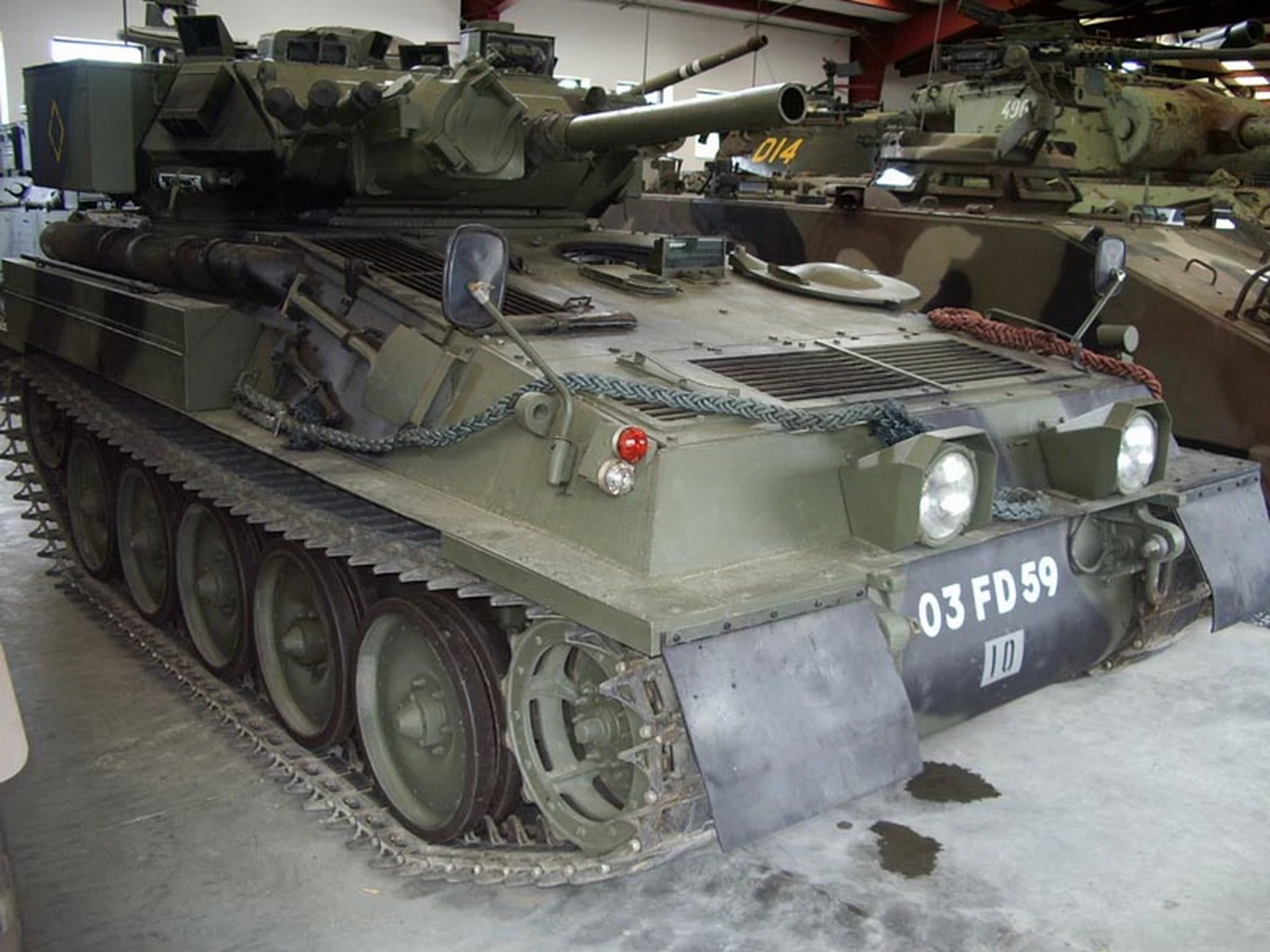
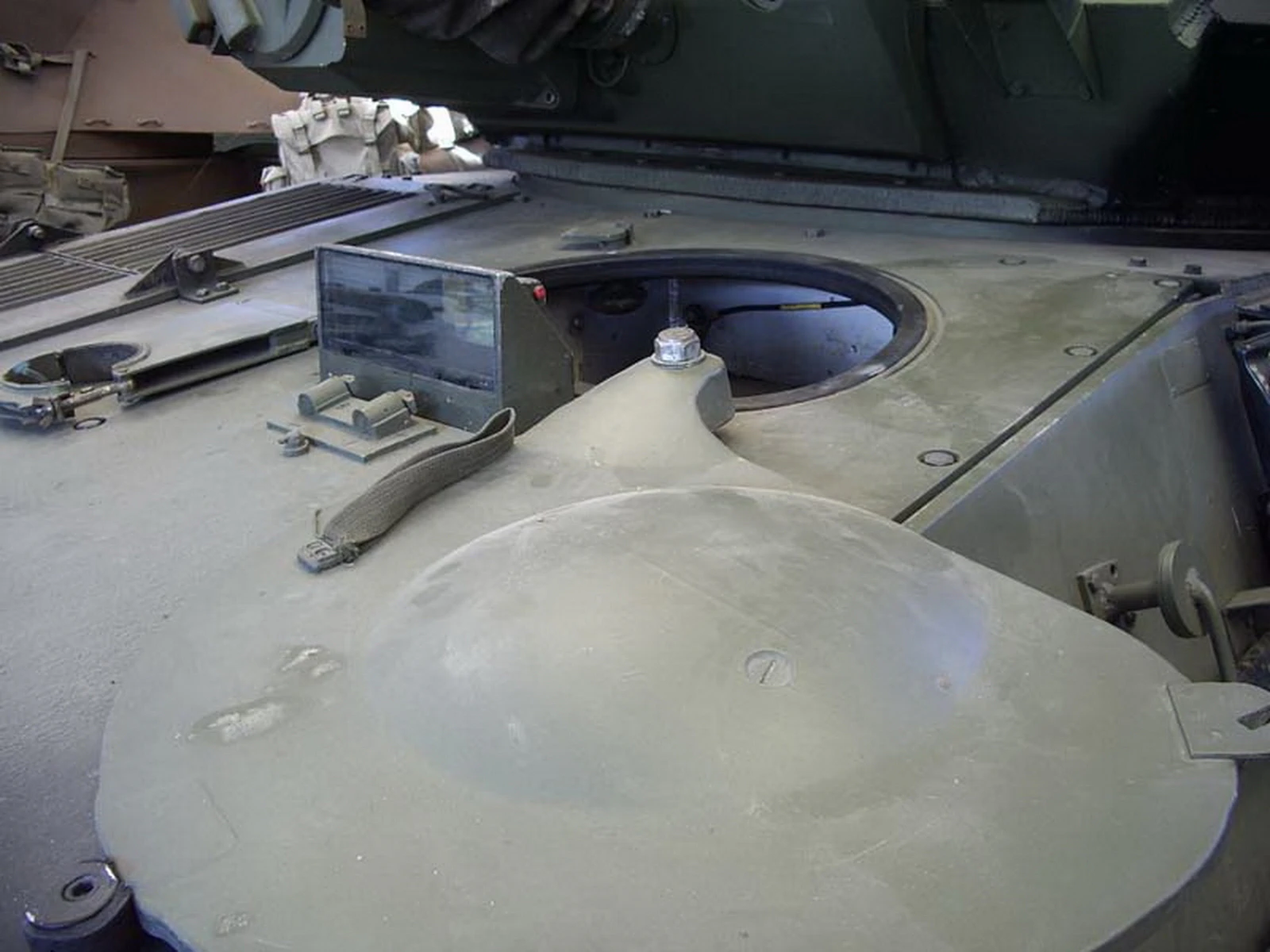
| FV101 Scorpion Se promener | |
|---|---|
| Photographe | Inconnu |
| Localisation | Inconnu |
| Photos | 36 |
 Achetez-moi un café
| Scorpion FV101 Se promener | |
|---|---|
| Photographe | Inconnu |
| Localisation | Inconnu |
| Photos | 20 |
Voir aussi :


The Pocket-Sized Powerhouse
Lla FV101 Scorpion was the lead vehicle of the British Combat Vehicle Reconnaissance (Tracked) or CVR(T) family. Designed to be light enough to be air-transported by a C-130 Hercules, it traded heavy steel armor for a revolutionary aluminum hull. It was designed to stay ahead of the enemy, providing fire support with its 76mm gun and then disappearing before the heavy armor arrived. Its combination of a high-performance sports car engine and low ground pressure made it a legend of the Falklands War and a speed record-breaker.
| Attribute | Technical Specification (Early Production) |
|---|---|
| Rôle | Armoured Reconnaissance / Light Tank |
| Crew | 3 (Commandant, Artilleur, Pilote) |
| Masse | Approx. 8 tonnes (8.8 tons) |
| Groupe motopropulseur | 1 × Jaguar J60 4.2L inline-6 (Petrol) |
| Horsepower | 190 hp (Later diesel upgrades reached 195 hp) |
| Vitesse maximale | 82.2 km/h (51.1 mph) — Guinness World Record |
| Armement principal | 76mm L23A1 low-velocity gun (40 rounds) |
| Armor | Welded Aluminum Alloy (7017 grade) |
Design Engineering: Aluminum and Jaguar Power
- The Jaguar Heart: To save weight and ensure reliability, early Scorpions used a modified version of the 4.2-liter Jaguar XK engine found in E-Type sports cars. This made the Scorpion incredibly quiet for a tank and gave it a power-to-weight ratio that allowed for blistering acceleration.
- Aluminum Hull: The Scorpion was one of the first tanks built primarily of 7017-grade aluminum-zinc-magnesium alloy. This kept the weight under 8 tonnes, allowing it to exert less pressure on the ground than a human footprint, which was vital for crossing the soft peat bogs of the Falklands.
- The HESH Advantage: Because the 76mm gun was low-velocity, it specialized in firing HESH (High Explosive Squash Head) rounds. Instead of piercing armor with speed, HESH « pancakes » against the target and sends a shockwave through the metal, shattering the inside of the enemy hull.
- Amphibious Screen: Every Scorpion was originally equipped with a collapsible flotation screen. When raised, the tracks provided enough propulsion in the water to cross calm rivers or lakes at roughly 3.6 mph.
Combat and Legacy: From Wireless Ridge to the Desert
- The Falklands War (1982): Scorpions and their 30mm-armed siblings (Scimitars) were the only British armor deployed. They proved decisive during the night battles for Mount Harriet and Wireless Ridge, where their light weight allowed them to traverse terrain the Argentines thought was impassable for tanks.
- The Iran-Iraq War: Iran was a major export customer, using 250 Scorpions. They often used the tank’s agility to ambush Iraqi T-62s and T-72s, though they suffered when caught in open, direct engagements with the heavier Soviet tanks.
- A Built-in Tea Station: True to British tradition, the Scorpion (and the whole CVR(T) family) was equipped with a « Boiling Vessel » (BV) inside the turret, allowing the crew to make tea or heat rations without leaving the safety of the armor.
- The Guinness Record: On January 26, 2002, a Scorpion set the official record for the world’s fastest production tank, reaching 51.1 mph. Though withdrawn from UK service in 1994, many remain in use globally as agile, cost-effective light tanks.
Views : 6909
Nouvel ensemble de 28 photos