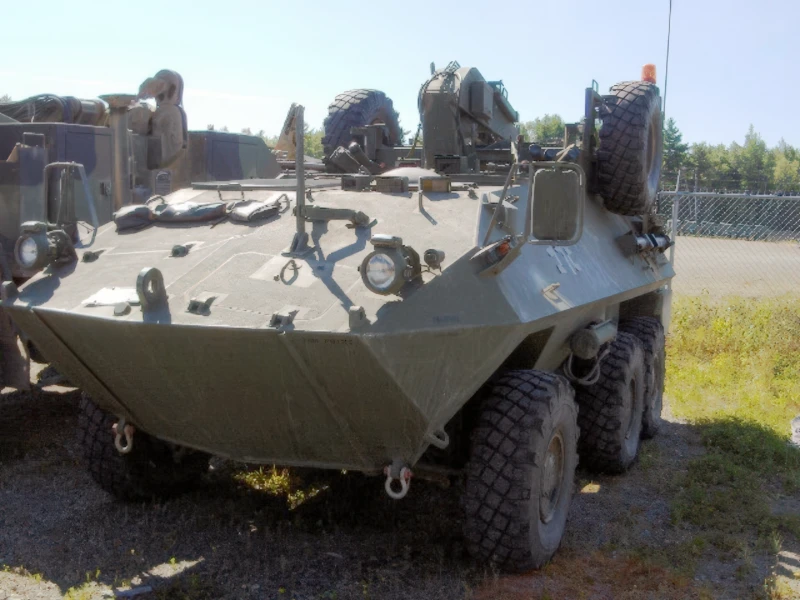
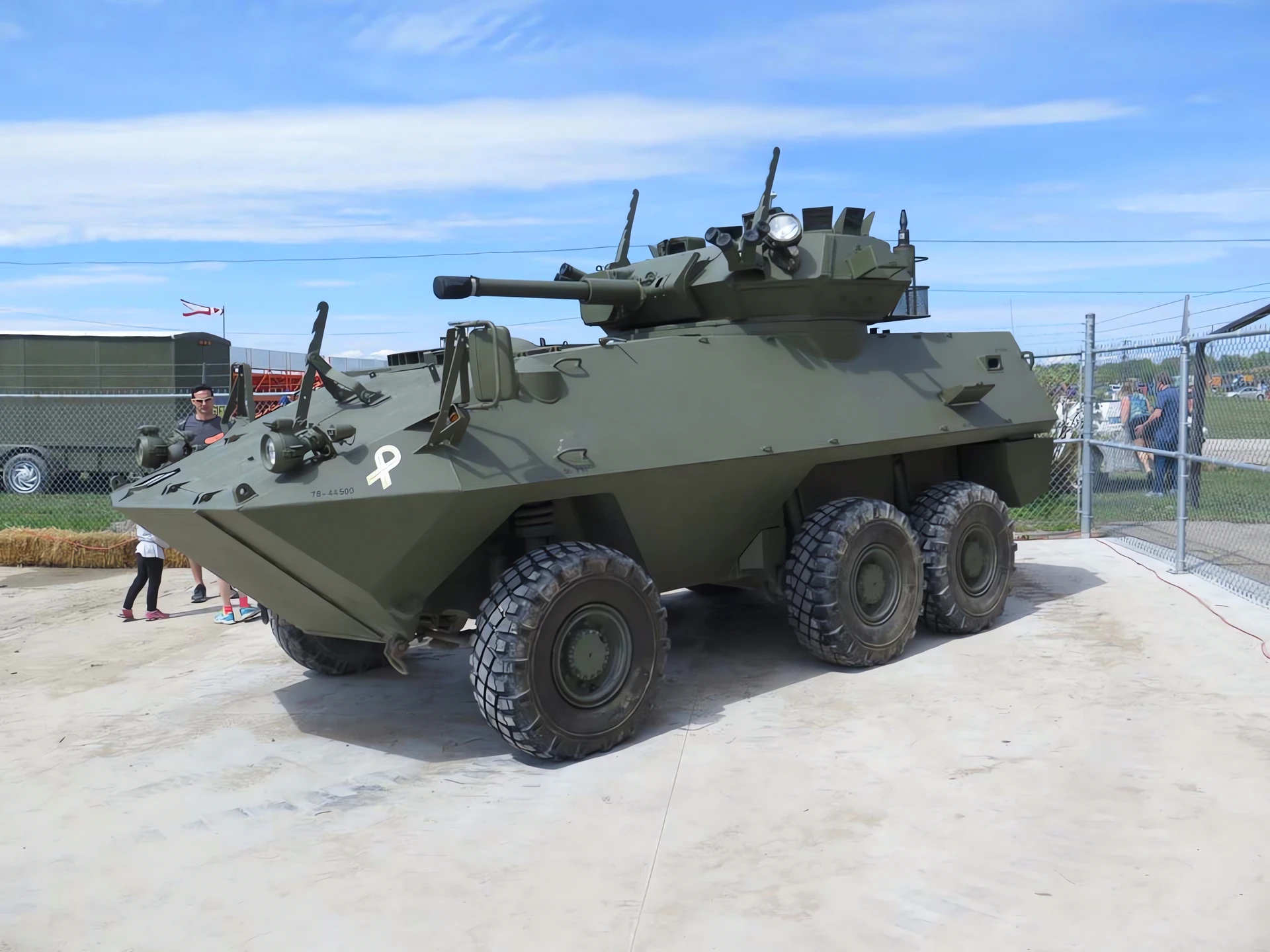
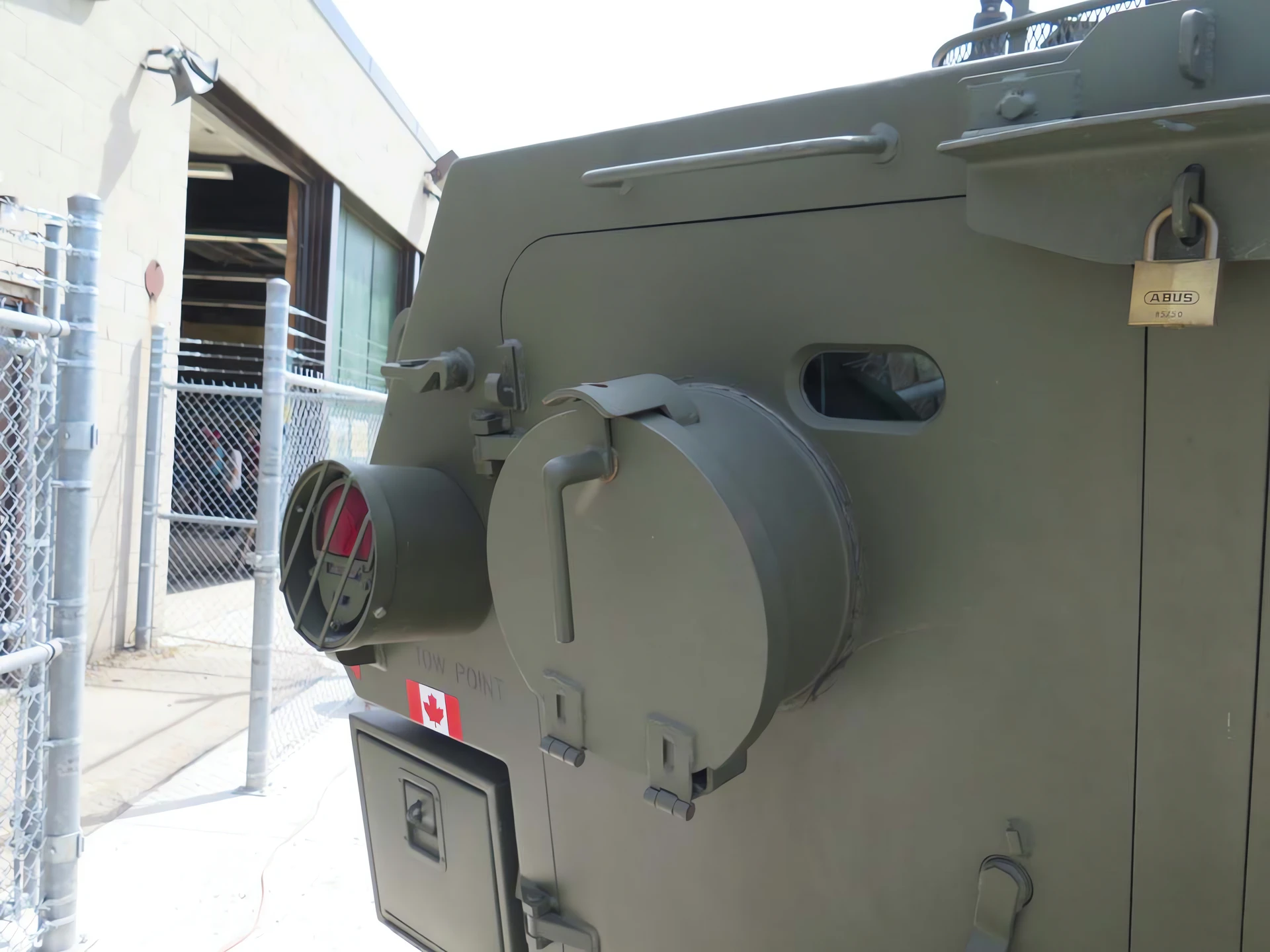
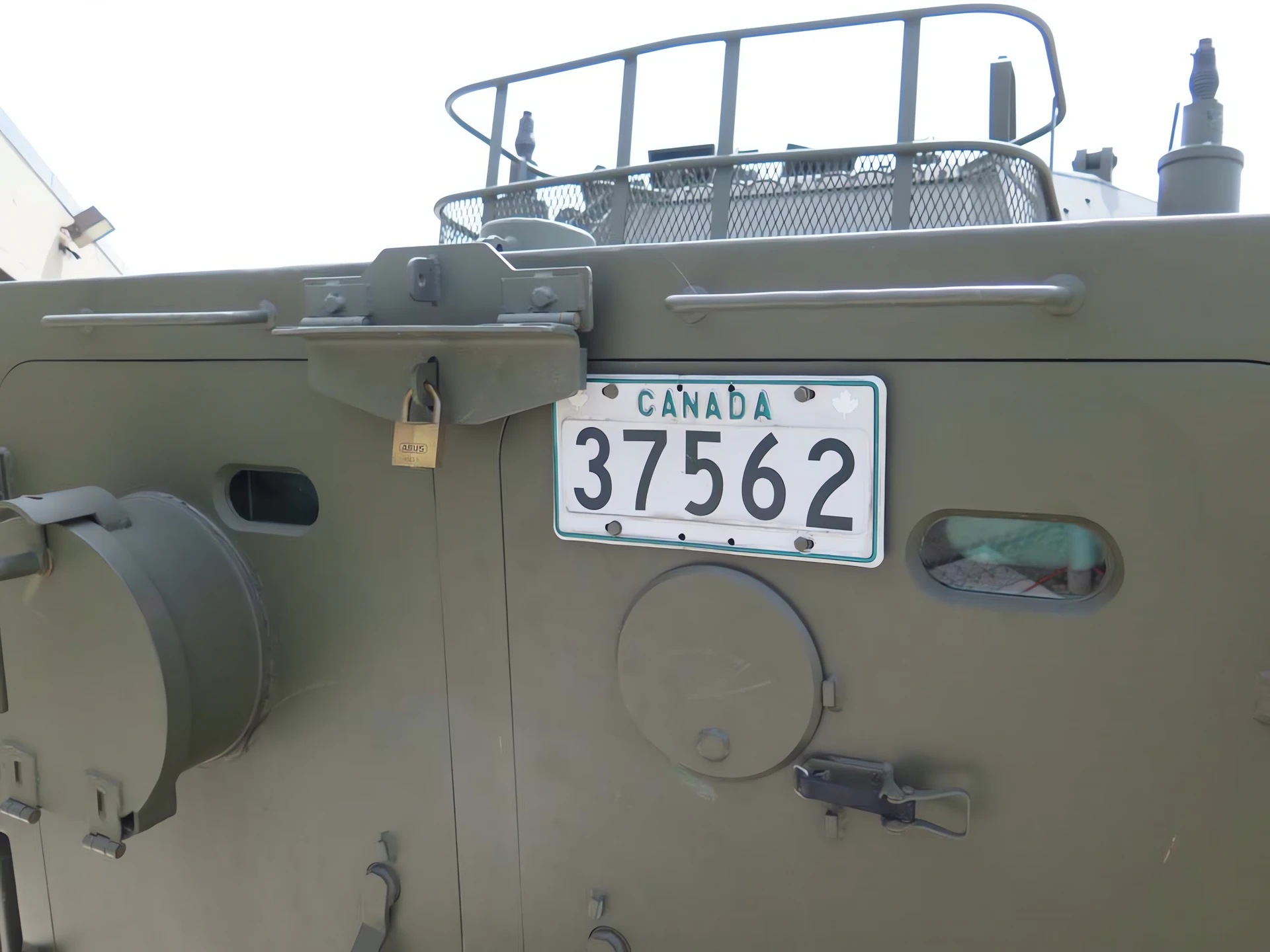
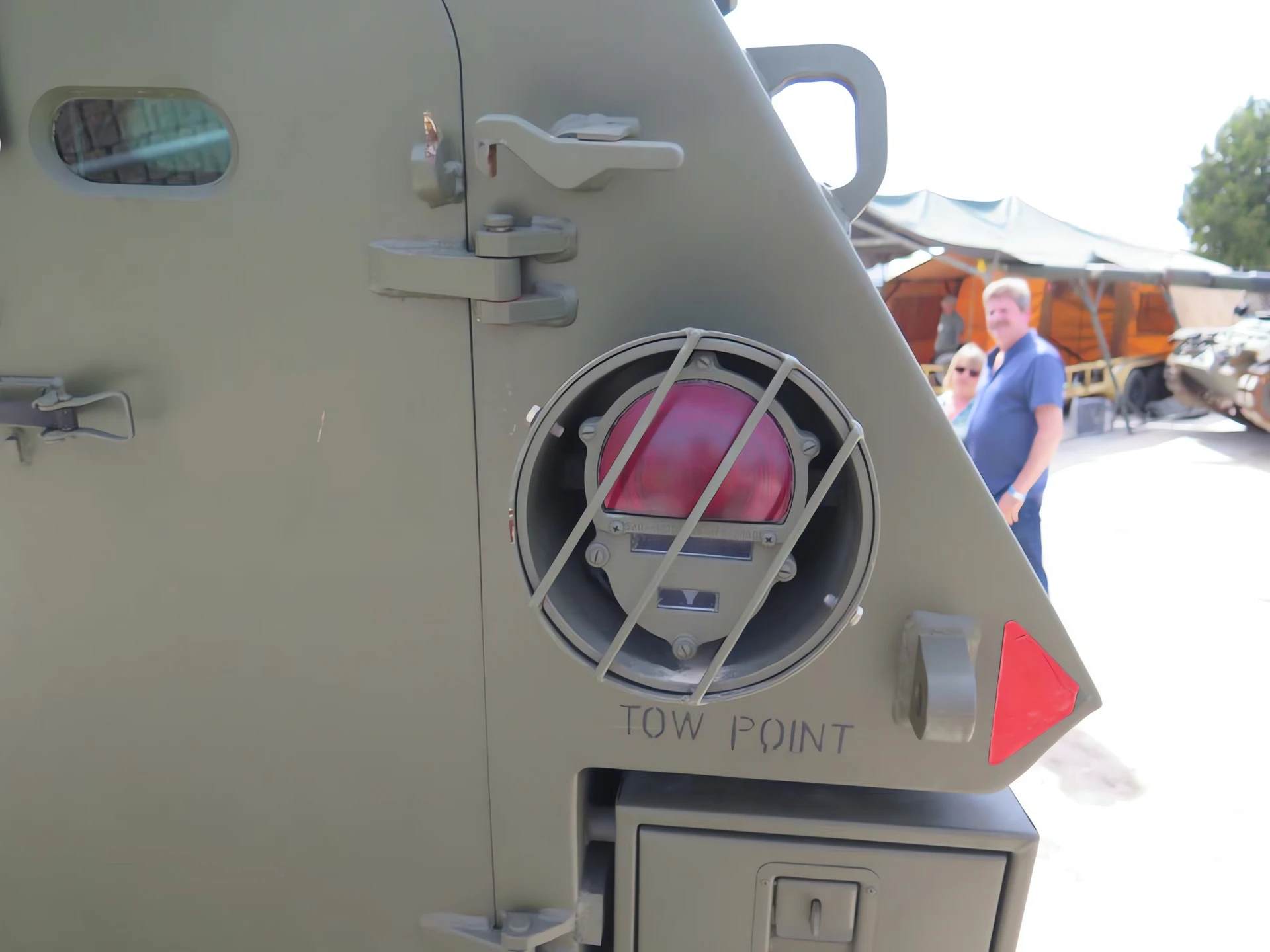
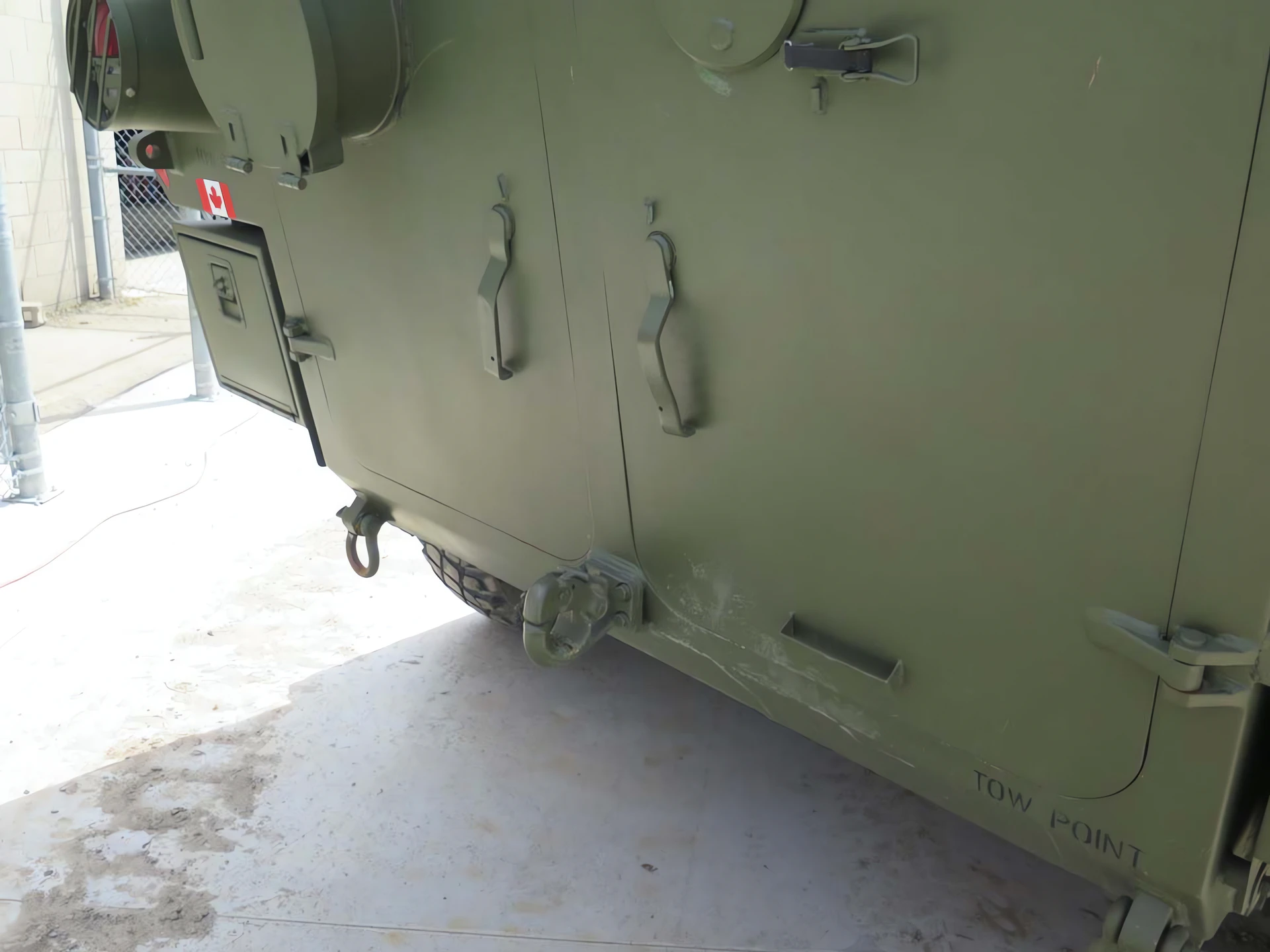
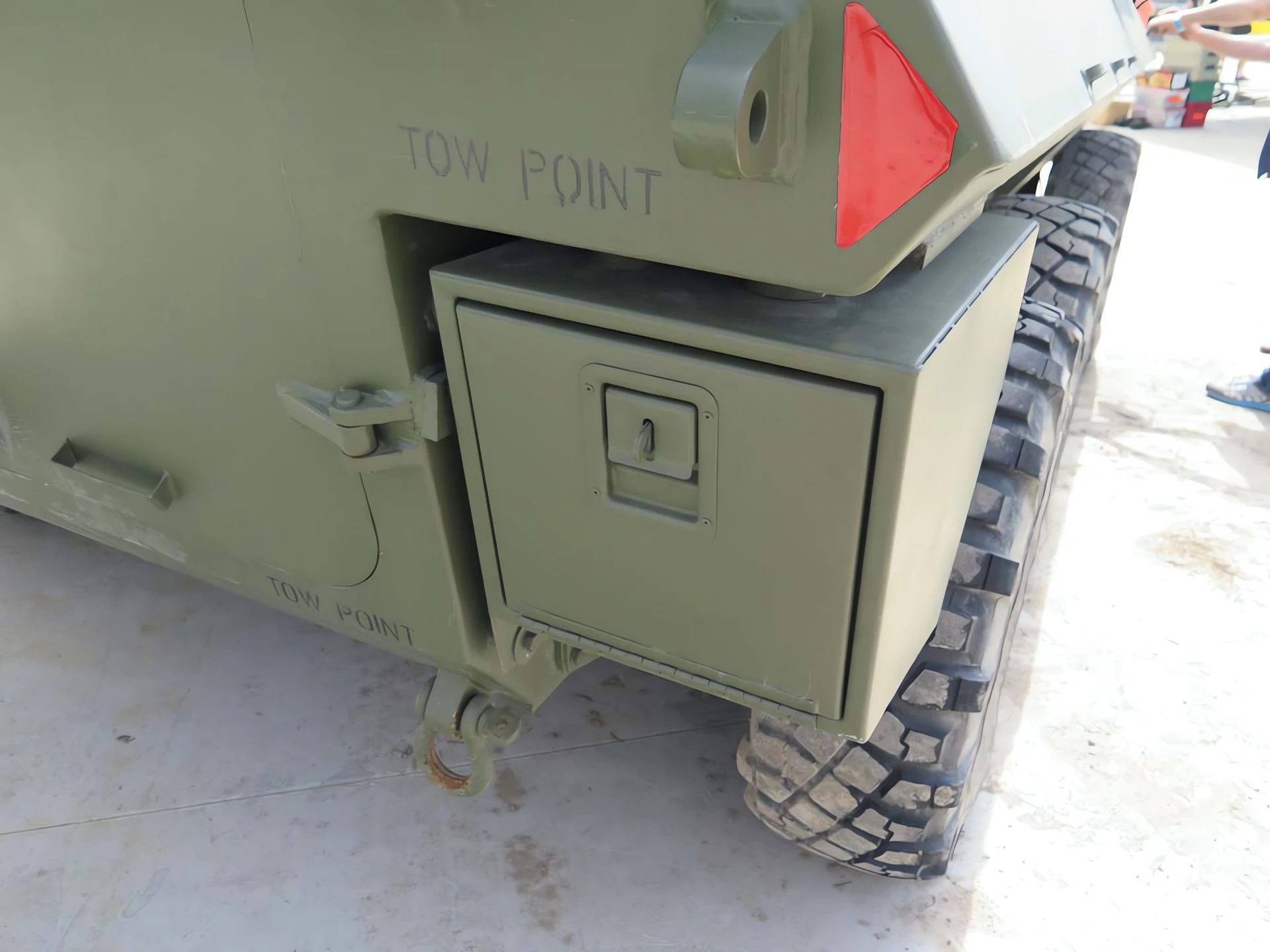
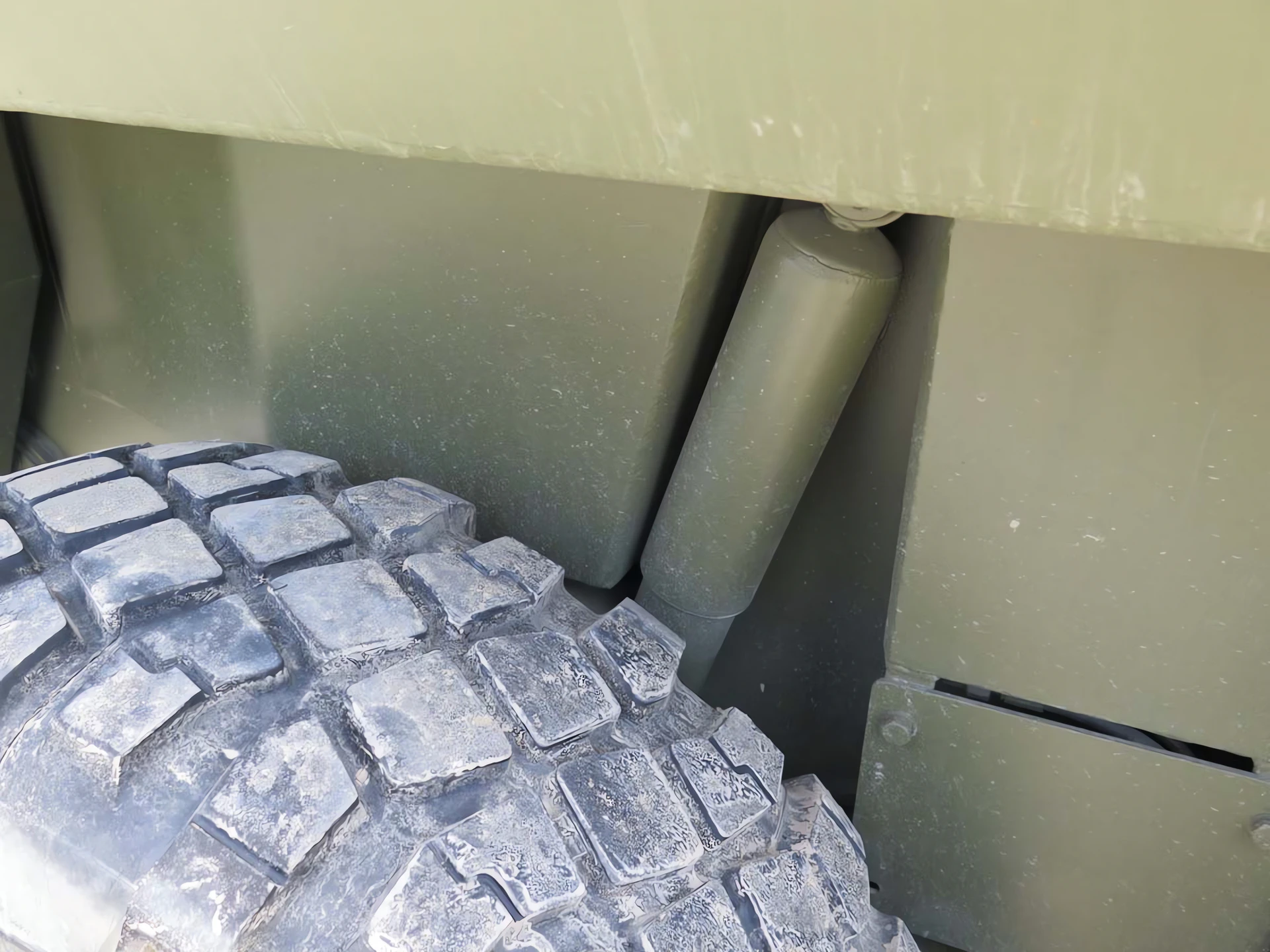
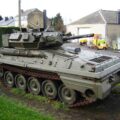
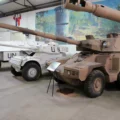
L’AVGP (Armoured Vehicle General Purpose) est une série de trois véhicules blindés de combat commandés par l’armée canadienne en 1977. Les véhicules, qui sont le Grizzly, cougar et Husky, étaient basés sur la version à six roues du MOWAG suisse Piranha I.
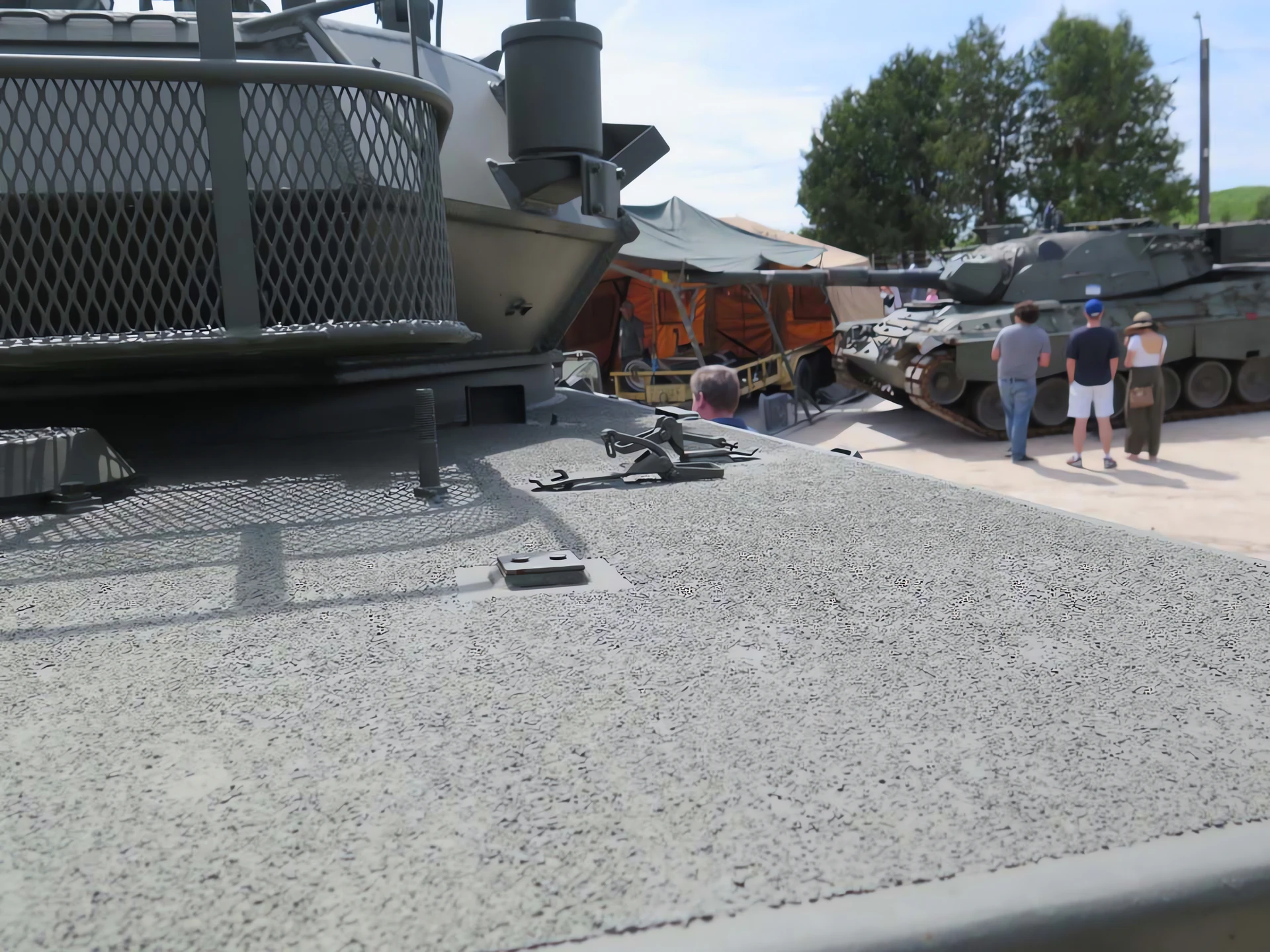
The AVGP (Armoured Vehicle General Purpose) Cougar was a member of a trio of wheeled armored vehicles used by the Canadian Armed Forces starting in the late 1970s. Based on the Swiss MOWAG Piranha I 6×6 chassis, the Cougar was specifically designed as a Tank Trainer and Fire Support Vehicle. Its most distinctive feature was the installation of the British Alvis Scorpion turret, which gave the lightweight vehicle a significant punch for its size. The Cougar served primarily as a reconnaissance and fire support platform for infantry battalions and as a training vehicle for armored regiments, allowing crews to practice tank maneuvers at a lower cost than operating main battle tanks.
Property
Typical Value (AVGP Cougar)
Type
Armoured Fire Support Vehicle / Tank Trainer
National Origin
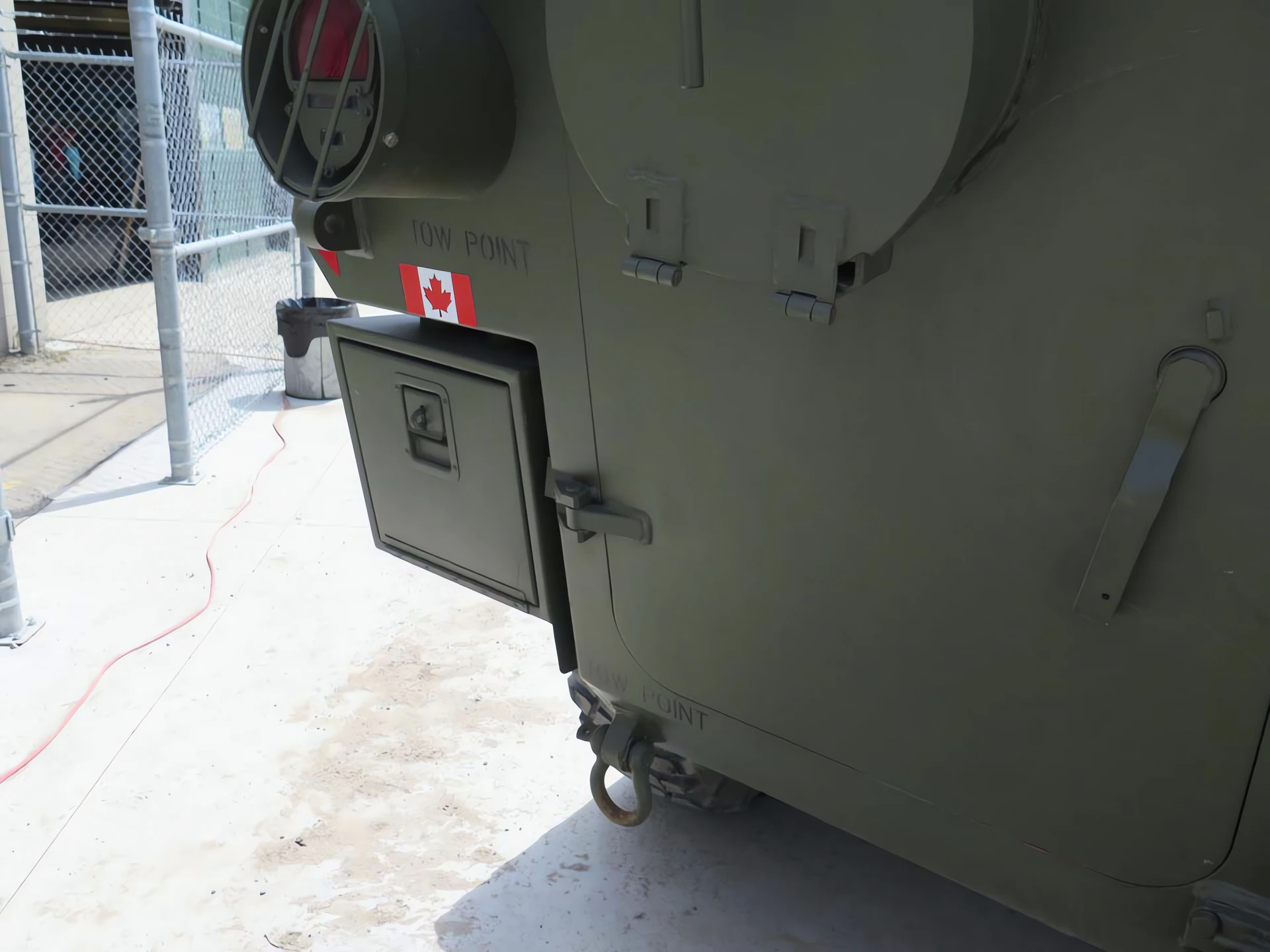
Canada (Based on Swiss Design)
Fabricant
General Motors Diesel Division (now GDLS-C)
Entered Service
1976
Crew
3 (Commandant, Artilleur, Pilote)
Configuration
6×6 Wheeled
Weight
Approx. 10,700 kg (23,589 lb)
Powerplant and Armament
Engine: 1 x Detroit Diesel 6V53T silver series turbocharged engine.
Engine Power: 275 hp (205 kW).
Maximum Road Speed: 100 km/h (62 mph).
Amphibious Capability: Equipped with two water propellers for amphibious operations, though this was later disabled on many units to improve maintenance.
Main Armament: 1 x 76mm L23A1 gun. This low-pressure gun was capable of firing HE (High Explosive), HESH (High Explosive Squash Head), and Smoke rounds.
Secondary Armament: 1 x 7.62mm C6 co-axial machine gun and multi-barrel smoke grenade launchers.
Suspension: Independent 6×6 torsion bar system, providing high mobility over varied terrain.
Service History and Legacy
UN Peacekeeping: The Cougar saw extensive use in United Nations peacekeeping missions during the 1990s, notably in the Balkans (UNPROFOR) and Somalia, where its wheeled mobility was an asset on existing road networks.
Training Role: It was essential for the Canadian Reserve Force, providing a platform for armored reconnaissance training for decades.
The AVGP Family: The Cougar was part of a fleet that included the Grizzly (an Armoured Personnel Carrier) and the Husky (an Armoured Recovery Vehicle).
Replacement: The AVGP fleet was eventually phased out and replaced by the more advanced and better-protected Coyote and LAV III families of vehicles.
Afterlife: Following retirement from Canadian service, many Cougars were transferred to the African Union for peacekeeping missions in Darfur, Sudan, while others were preserved in military museums across Canada.