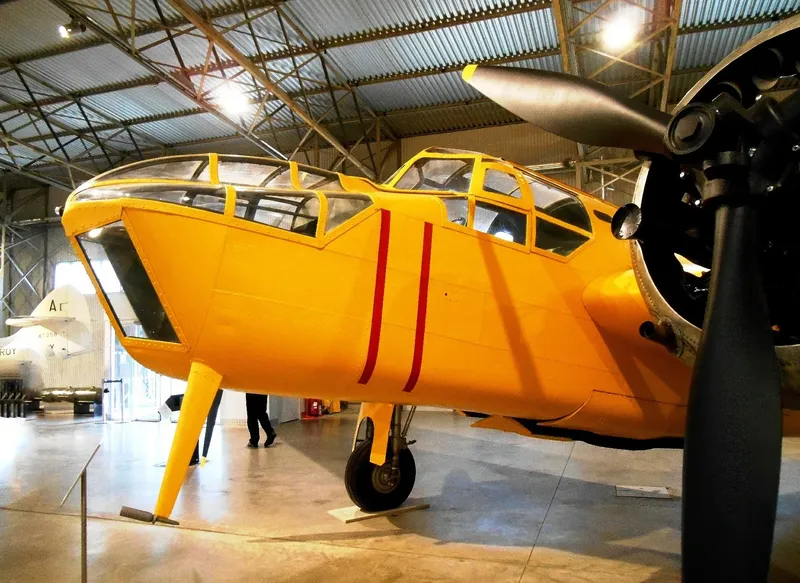
Bristol Beaufort | |
|---|---|
| Pays | Royaume-uni |
| Rôle | Aéronef de patrouille/avion d’entraînement maritime |
| Premier vol | 14 septembre 1939 |
| Construit | 626 |
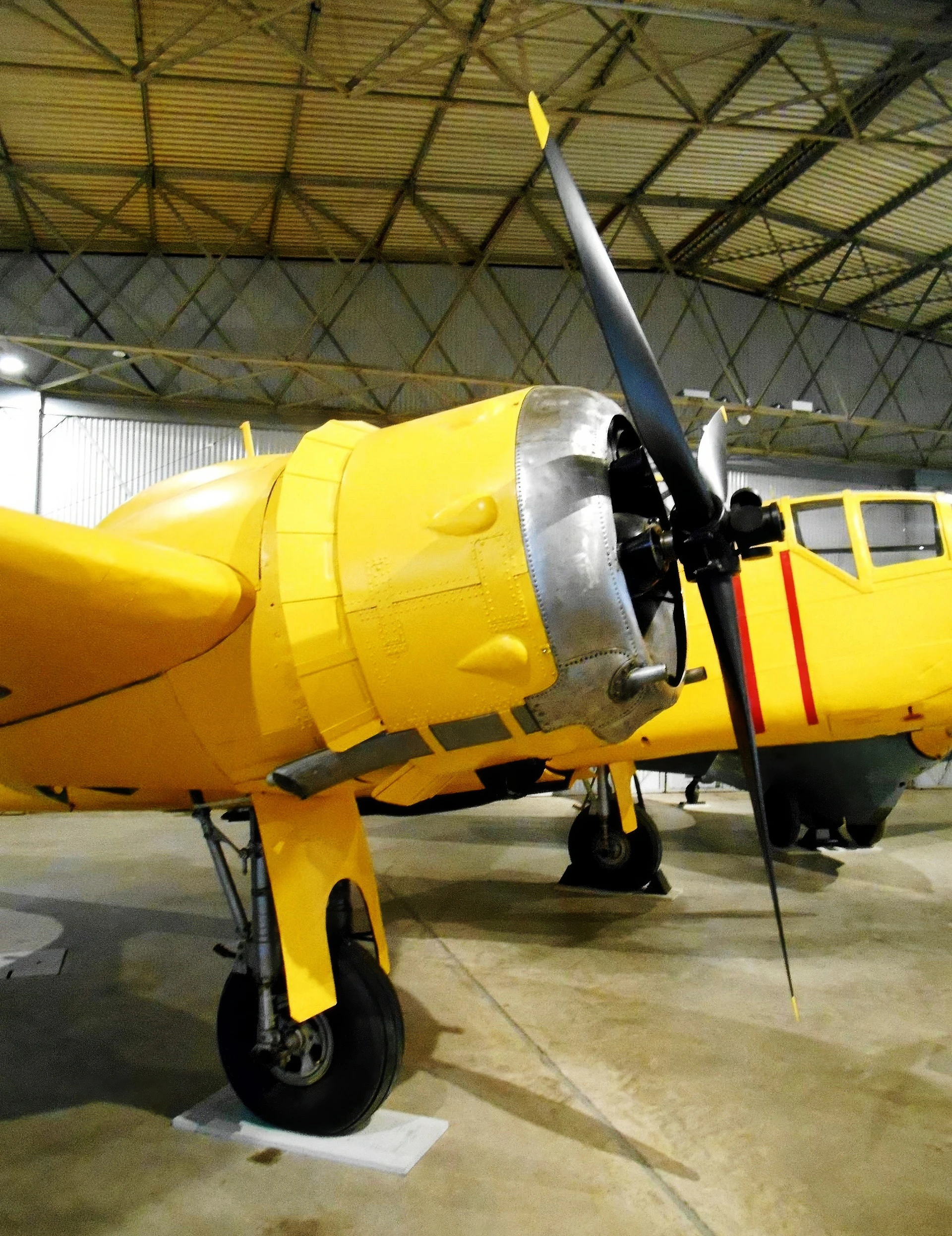
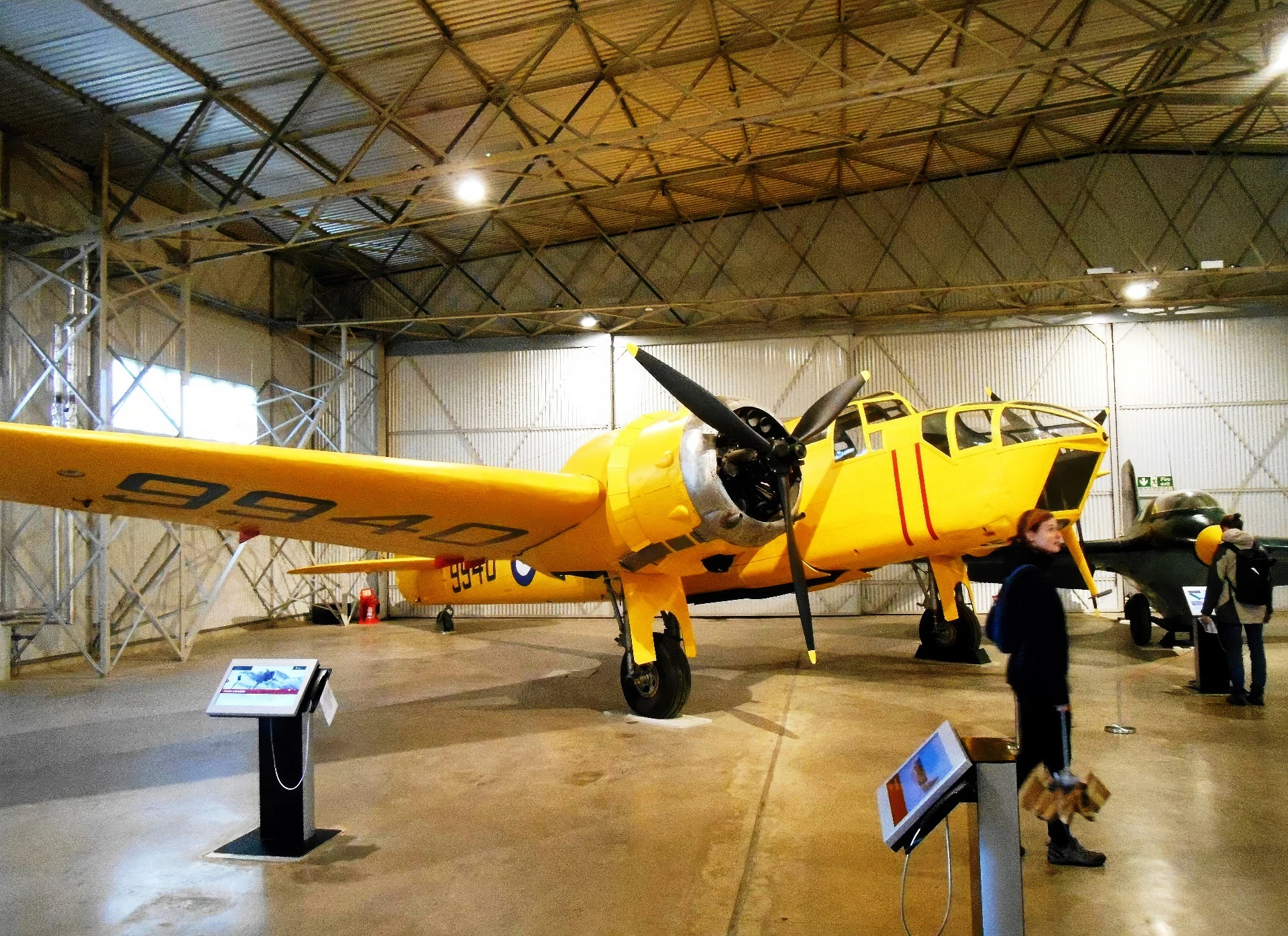
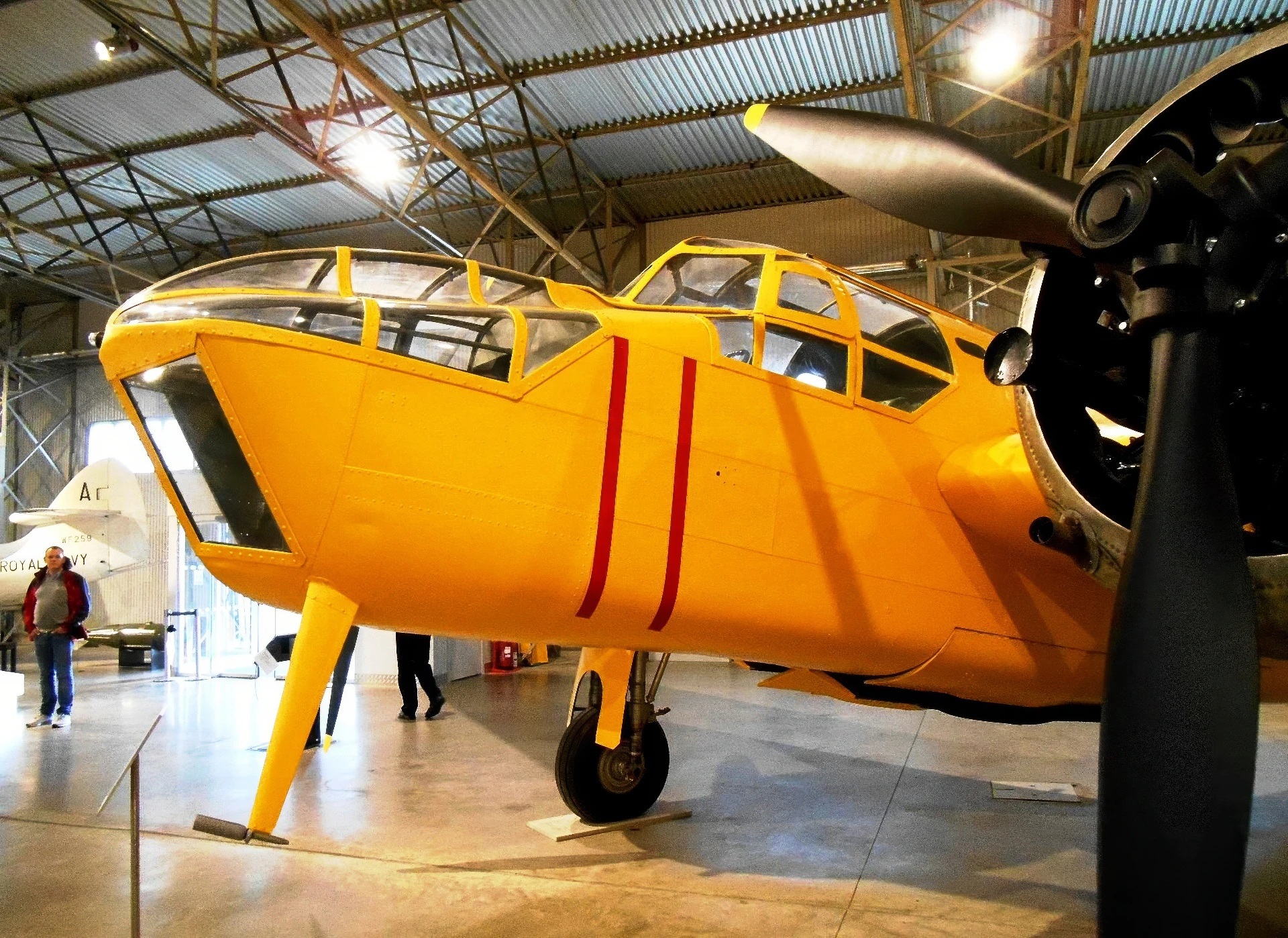
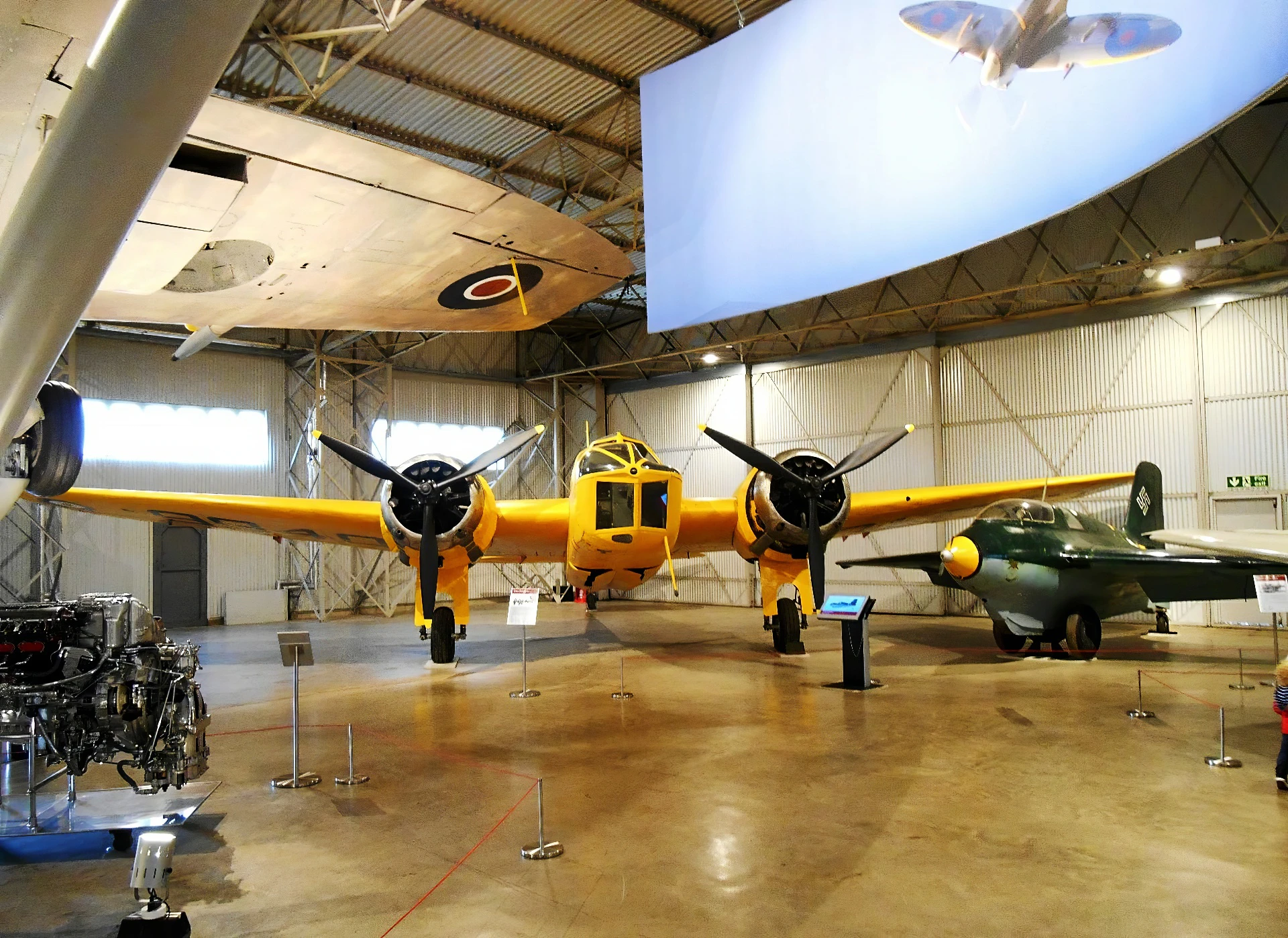
Lla Bristol Fairchild Bolingbroke est un avion de patrouille maritime et d’entraînement utilisé par l’Aviation royale du Canada pendant la Seconde Guerre mondiale. Construit par Fairchild-Canada, il s’agissait d’une version construite sous licence du bombardier Bristol Blenheim Mk IV.
Source: Bristol Beaufort sur Wikipedia
| Bristol Bolingbroke Mk.IVT Promenade autour | |
|---|---|
| Photographe | Ondrej Skarka |
| Localisation | Inconnu |
| Photos | 29 |
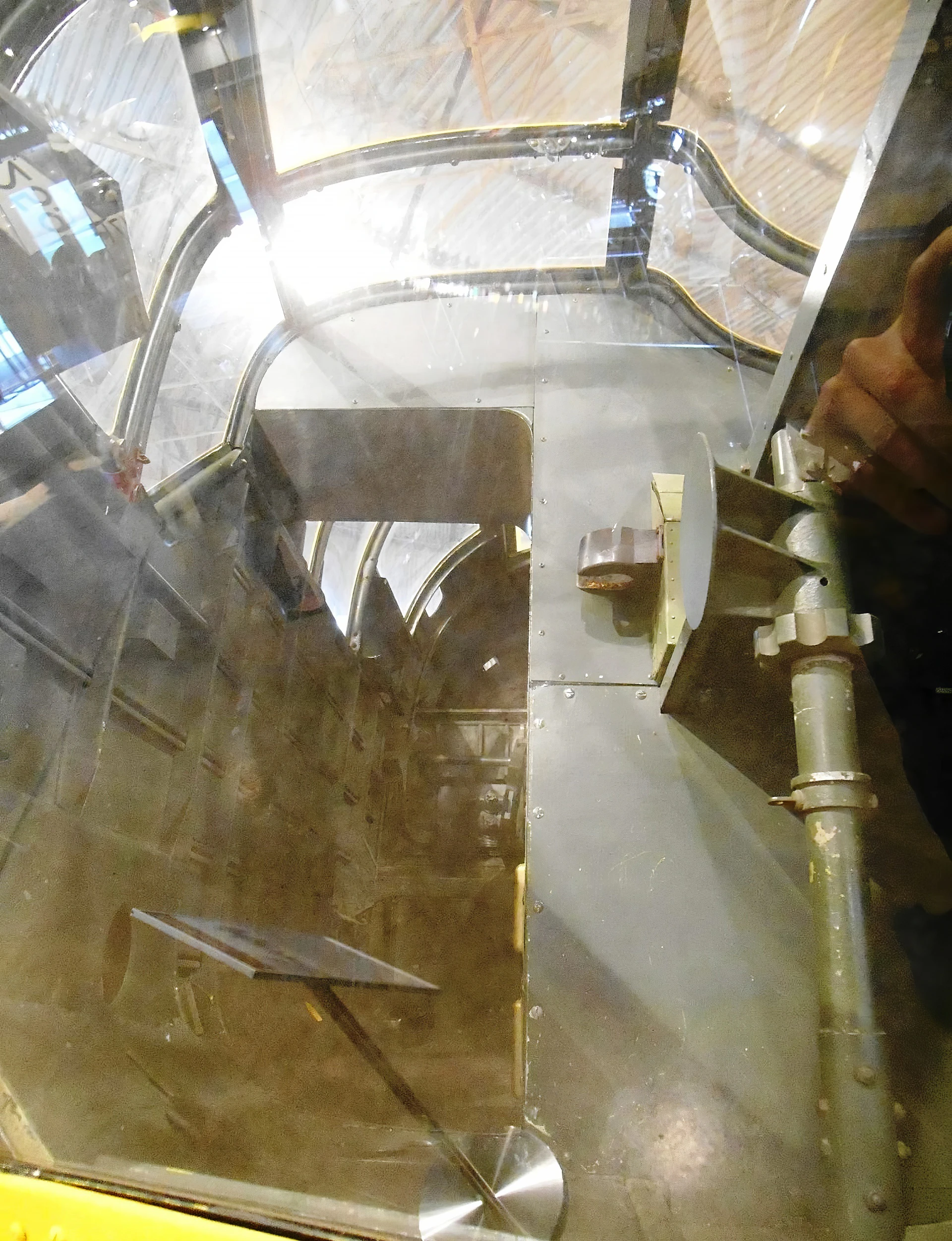
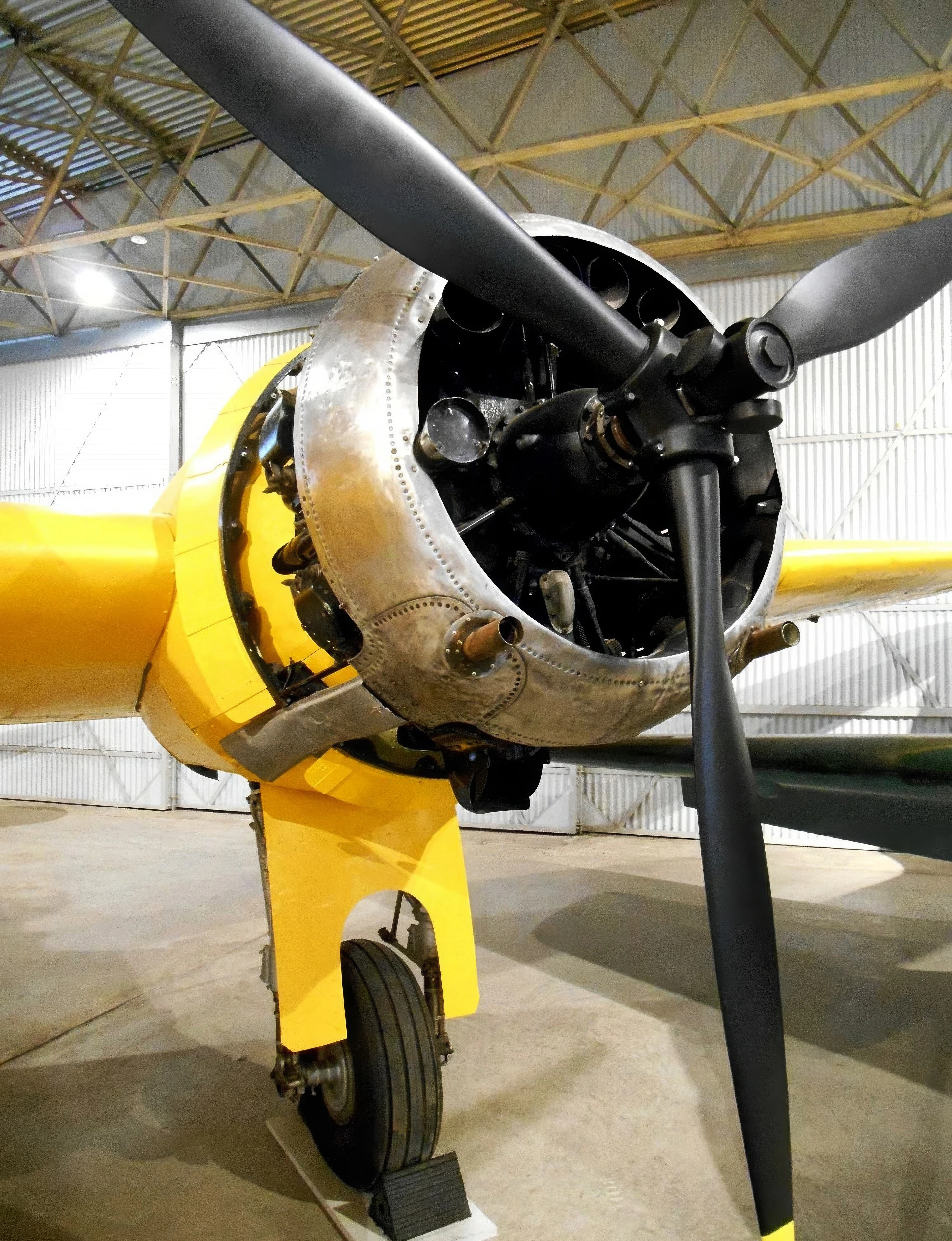
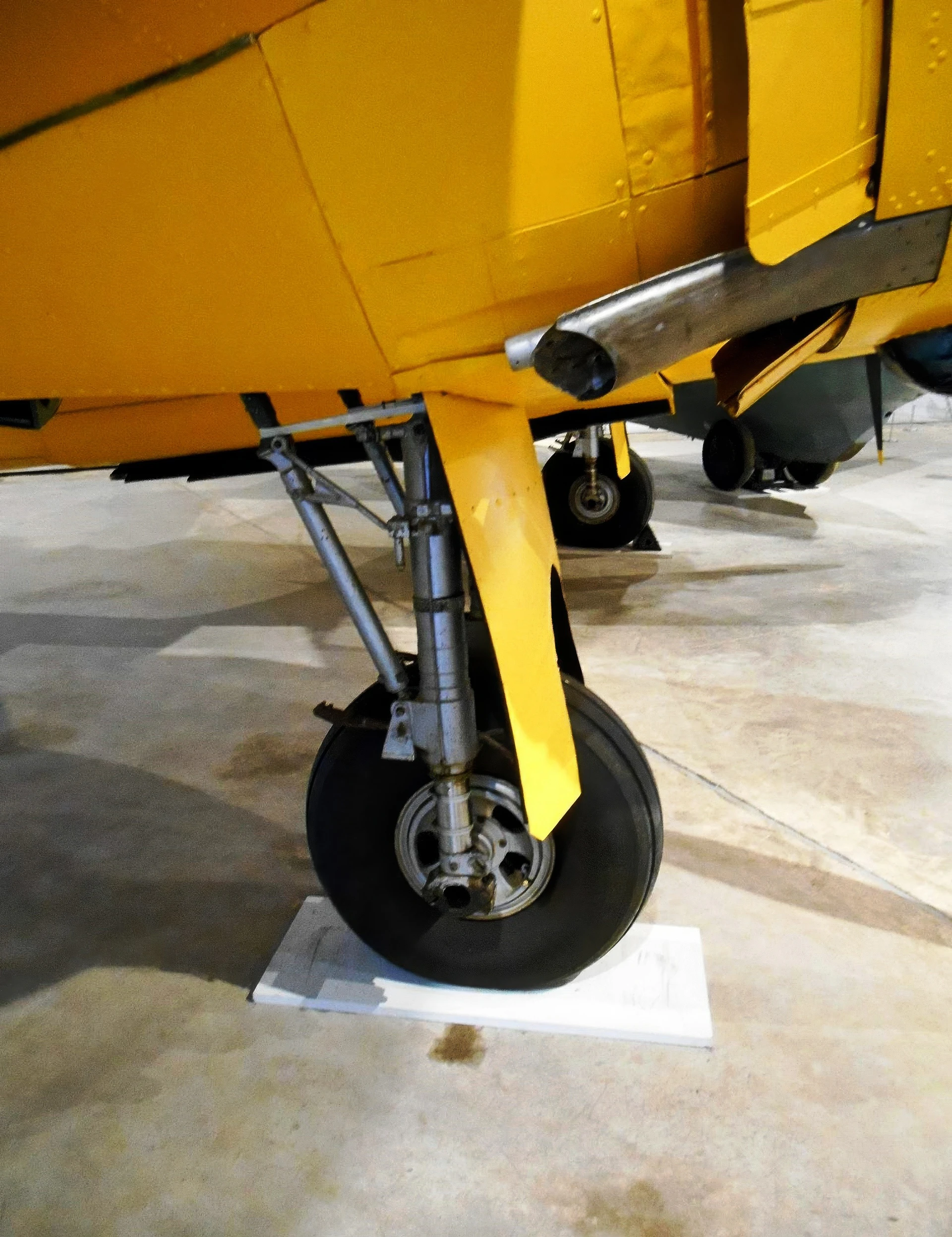
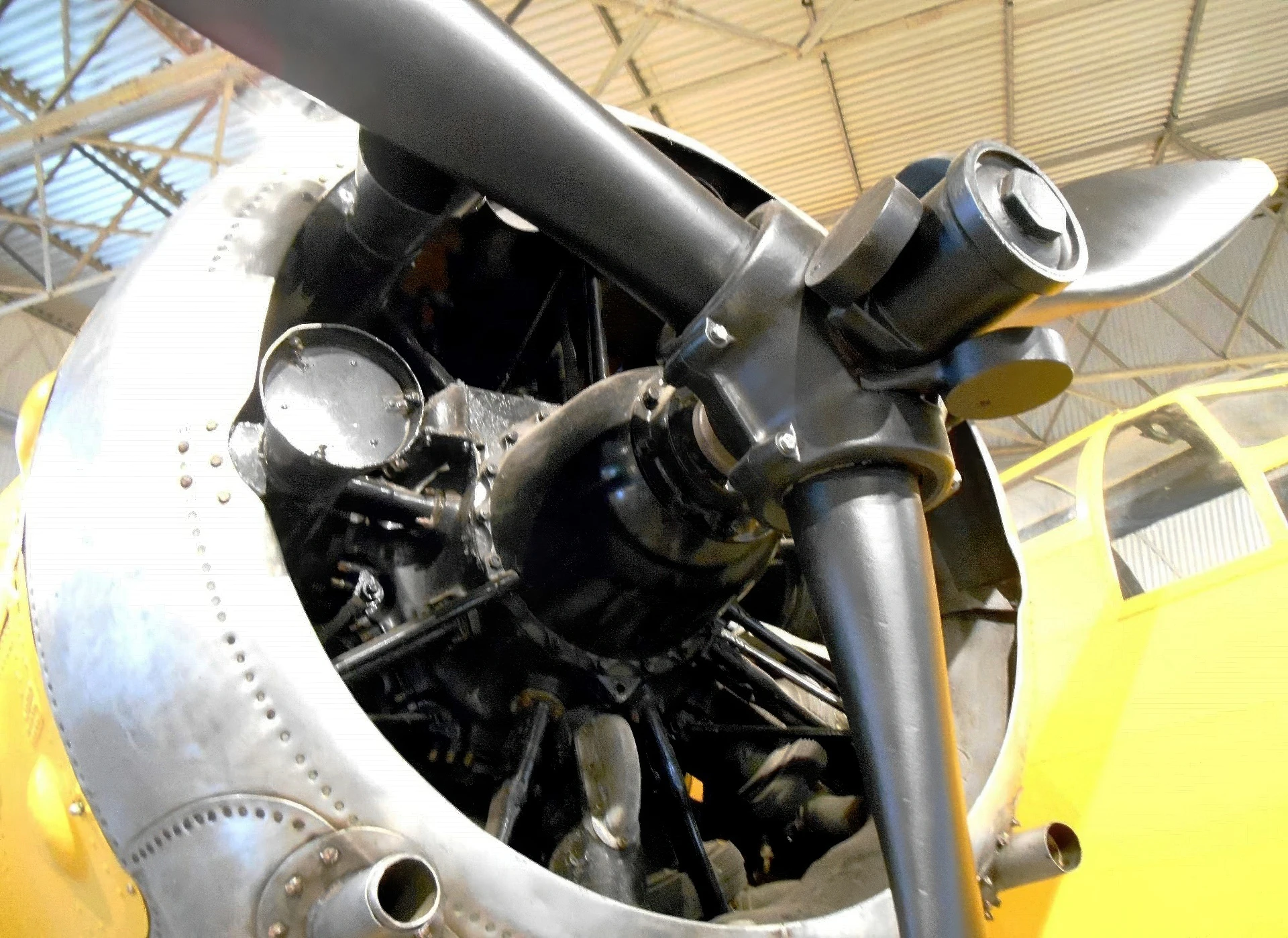

Voir aussi :


General Characteristics (Fairchild-Canada Mk IV Variant)
The Bristol Bolingbroke was a Canadian license-built version of the British Bristol Blenheim Mk IV light bomber/maritime patrol aircraft. Built by Fairchild-Canada, it was adapted to meet the Royal Canadian Air Force (RCAF) requirement for a coastal reconnaissance and anti-submarine aircraft. It features a lengthened nose compared to the Blenheim I for improved bombardier space and pilot visibility.
| Property | Typical Value (Bolingbroke Mk IV) |
|---|---|
| Rôle | Maritime Patrol / Advanced Trainer / Target Tug |
| Fabricant | Fairchild Aircraft Ltd. (Canada) |
| First Flight (Canadian-Built) | September 14, 1939 |
| Crew | 3 (Pilot, Navigator/Bombardier, Wireless Operator/Gunner) |
| Length | 13.03 m (42 ft 9 in) |
| Envergure | 17.17 m (56 ft 4 in) |
| Max Takeoff Weight | 6,532 kg (14,400 lb) |
Design and Powerplant
- Engines: Two Bristol Mercury XV 9-cylinder air-cooled radial piston engines.
- Power Output (each): Approximately 690 kW (925 hp) at take-off.
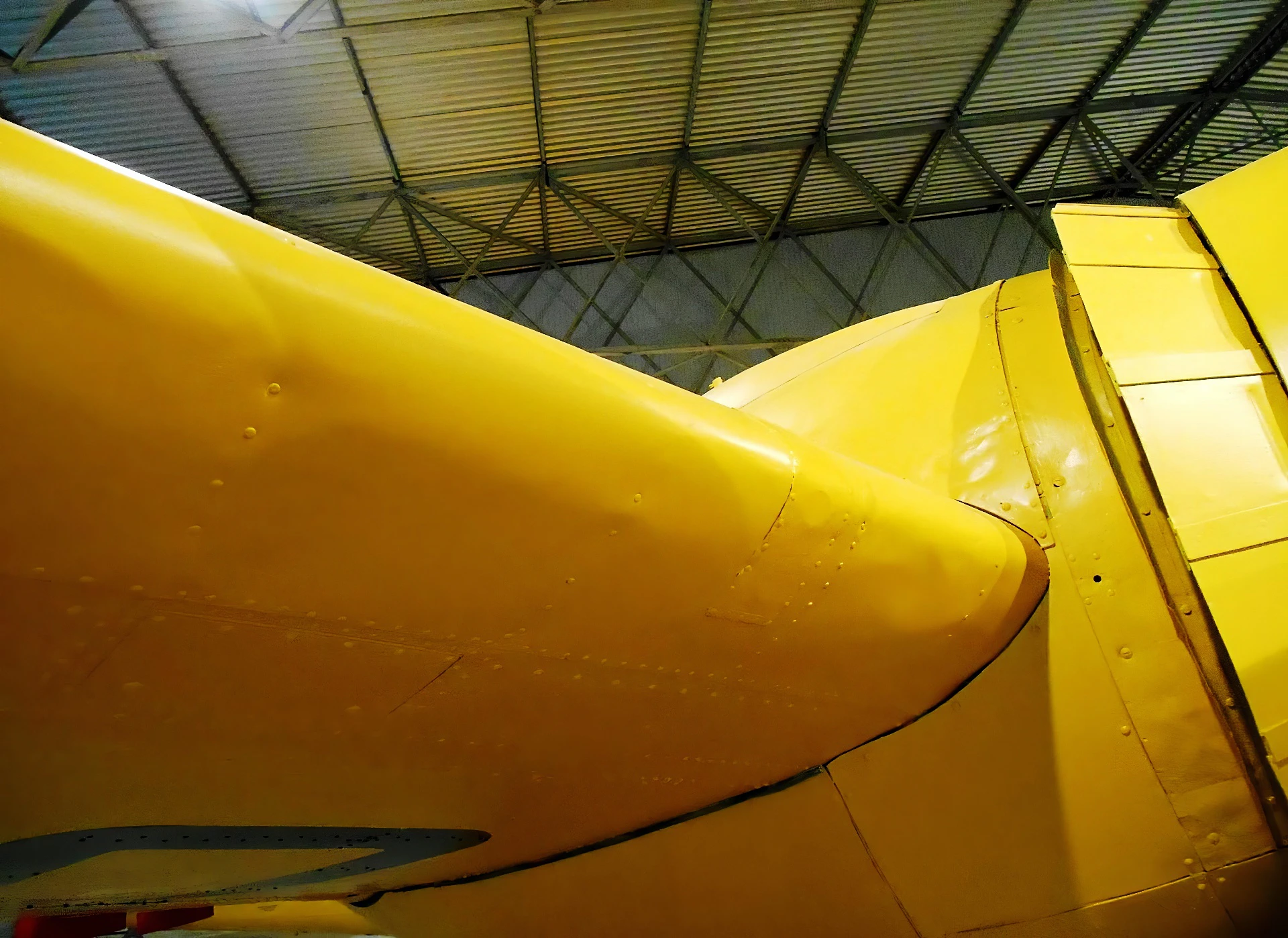
- Construction: One of the first all-metal, stressed-skin aircraft built in Canada.
- Variants: The most common production variant was the **Mk IV**, fitted with Canadian and American instruments. The **Mk IVT** was the primary multi-purpose trainer used extensively in the British Commonwealth Air Training Plan (BCATP).
- Naval Adaptation: Equipped with anti-icing boots and a dinghy for maritime operations.
Performance and Armament
- Maximum Speed: Up to 428 km/h (266 mph, 231 knots) at altitude.
- Cruise Speed: Approximately 319 km/h (198 mph).
- Service Ceiling: 8,310 m (27,260 ft).
- Range: 2,350 km (1,460 miles) with a 454 kg (1,000 lb) bombload.
- Fixed Armament: Typically one .303 in (7.7 mm) Browning machine gun in the port wing.
- Defensive Armament:
- Dorsal Turret: One or two .303 in (7.7 mm) machine guns (in a semi-retractable turret).
- Nose/Chin: Some variants carried a forward-firing or rear-firing gun in a blister/fairing.
- Bomb Load: Up to 540 kg (1,200 lb) internally, including general-purpose bombs and depth charges for anti-submarine missions.
Vues : 487
Vous pouvez voir aussi :
 Bristol F.2 Fighter – Photos & Vidéos
 Bristol Freighter – Photos & Vidéos
 C-130J Hercules – Photos & Vidéo
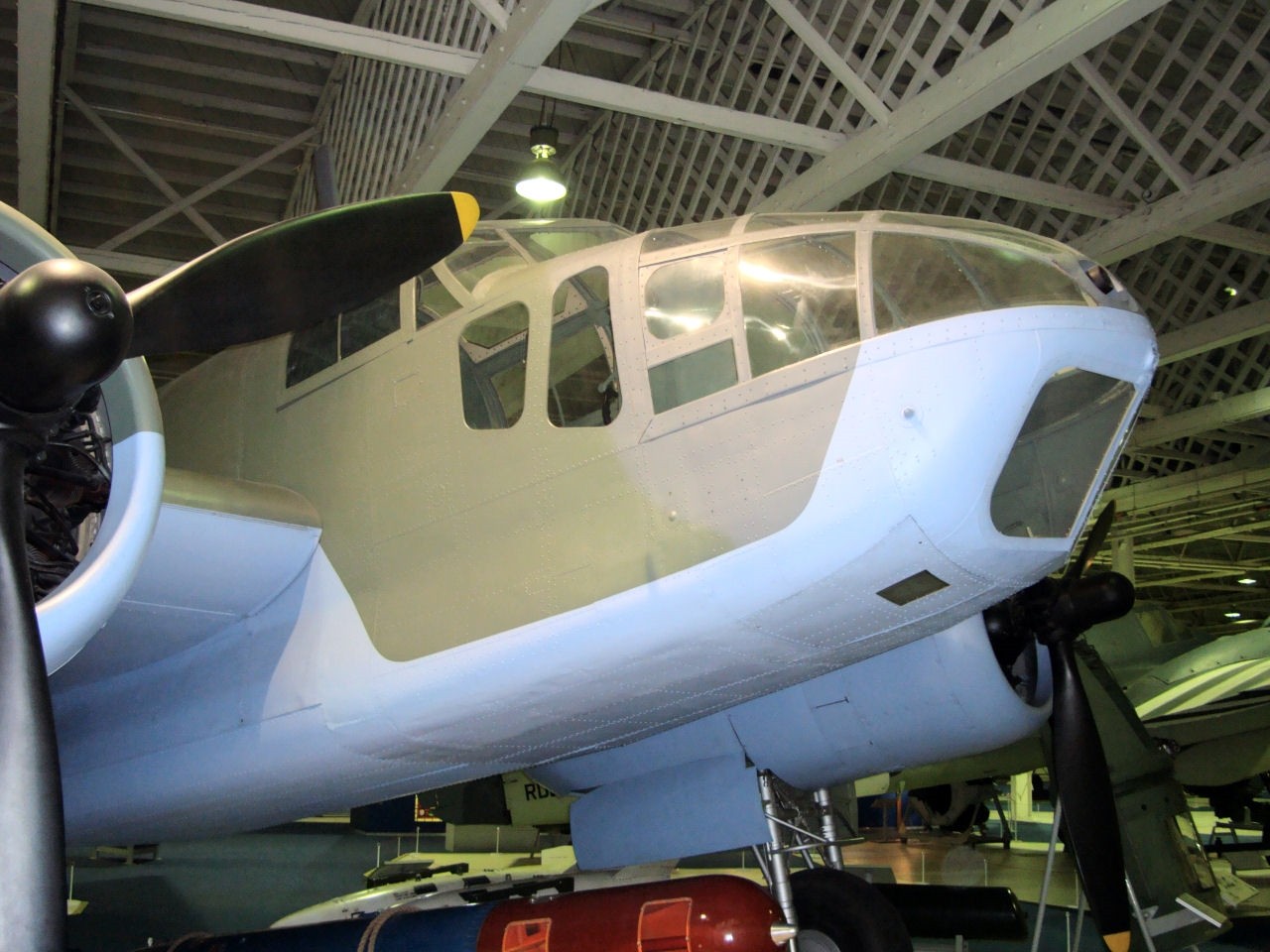 Bristol Beaufort – Photos & Vidéo
 PZL P.11 – WalkAround
 P-51 Mustang vol2 – Walk Around
 Bell P-63E KingCobra – WalkAround
 Vought F4U Corsair - WalkAround
 F4U-7 Corsair – WalkAround
 Douglas A-26 Invader – WalkAround