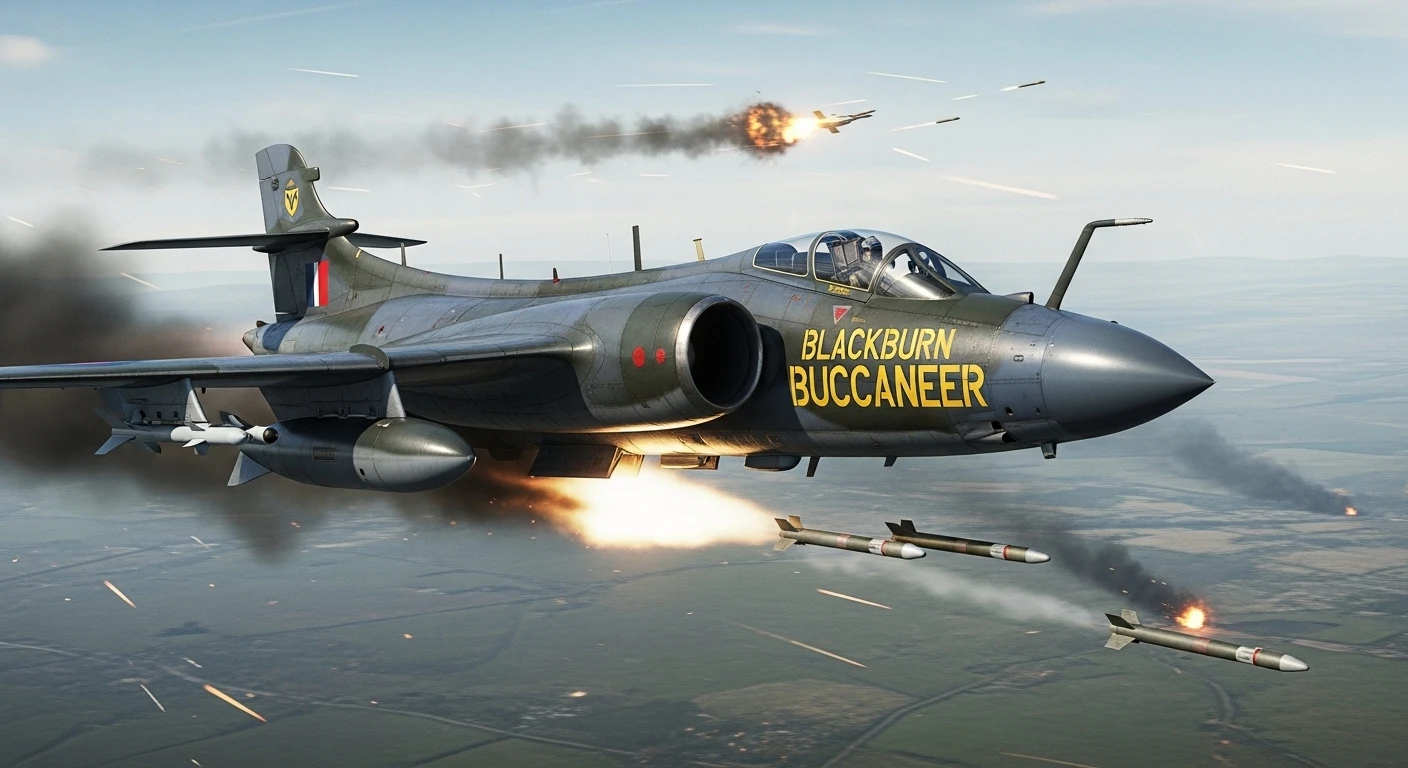
Blackburn Buccaneer | |
|---|---|
| Pays | Royaume-uni |
| Rôle | Avion d’attaque |
| Premier vol | Le 30 avril 1958 |
| Construit | 211 |
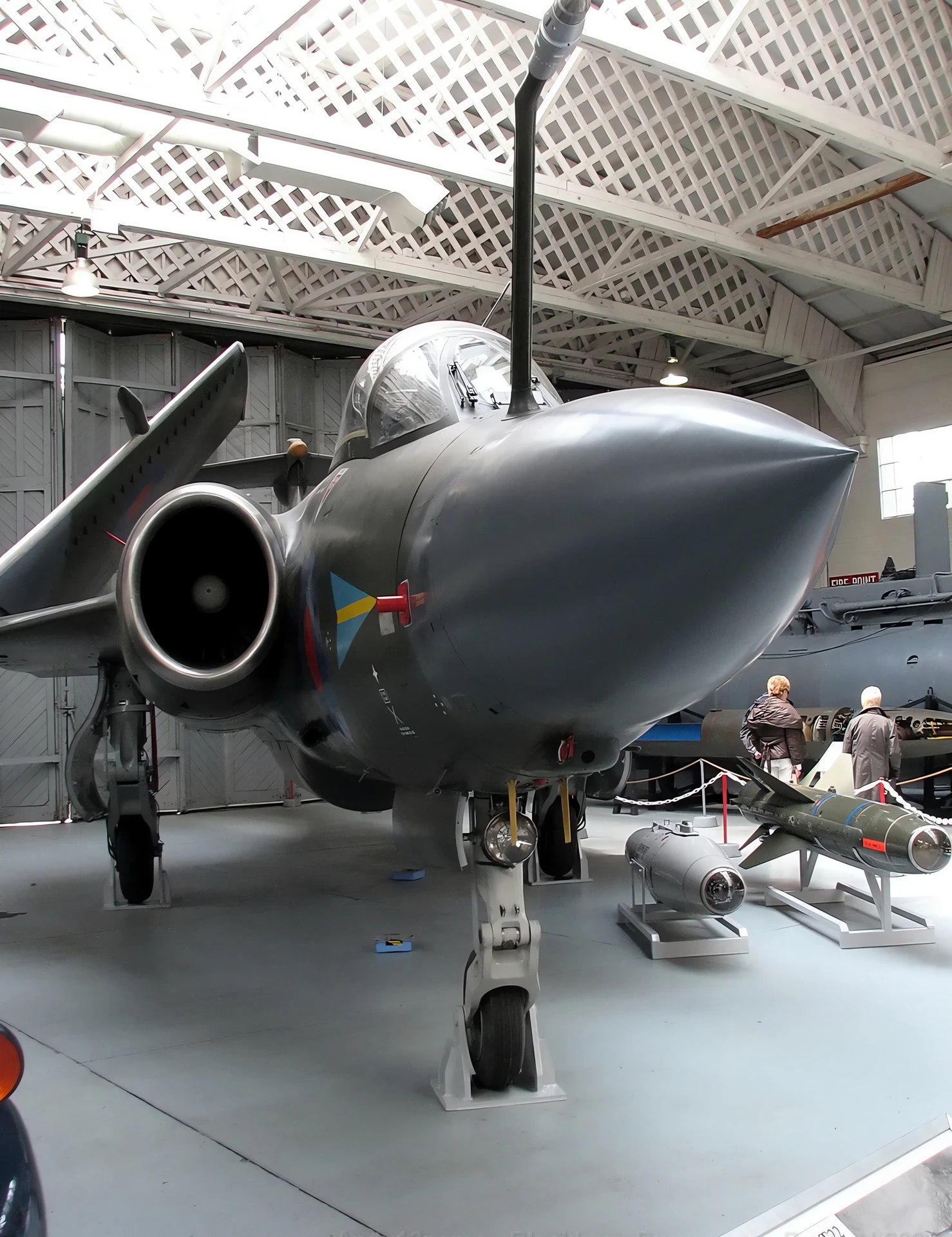
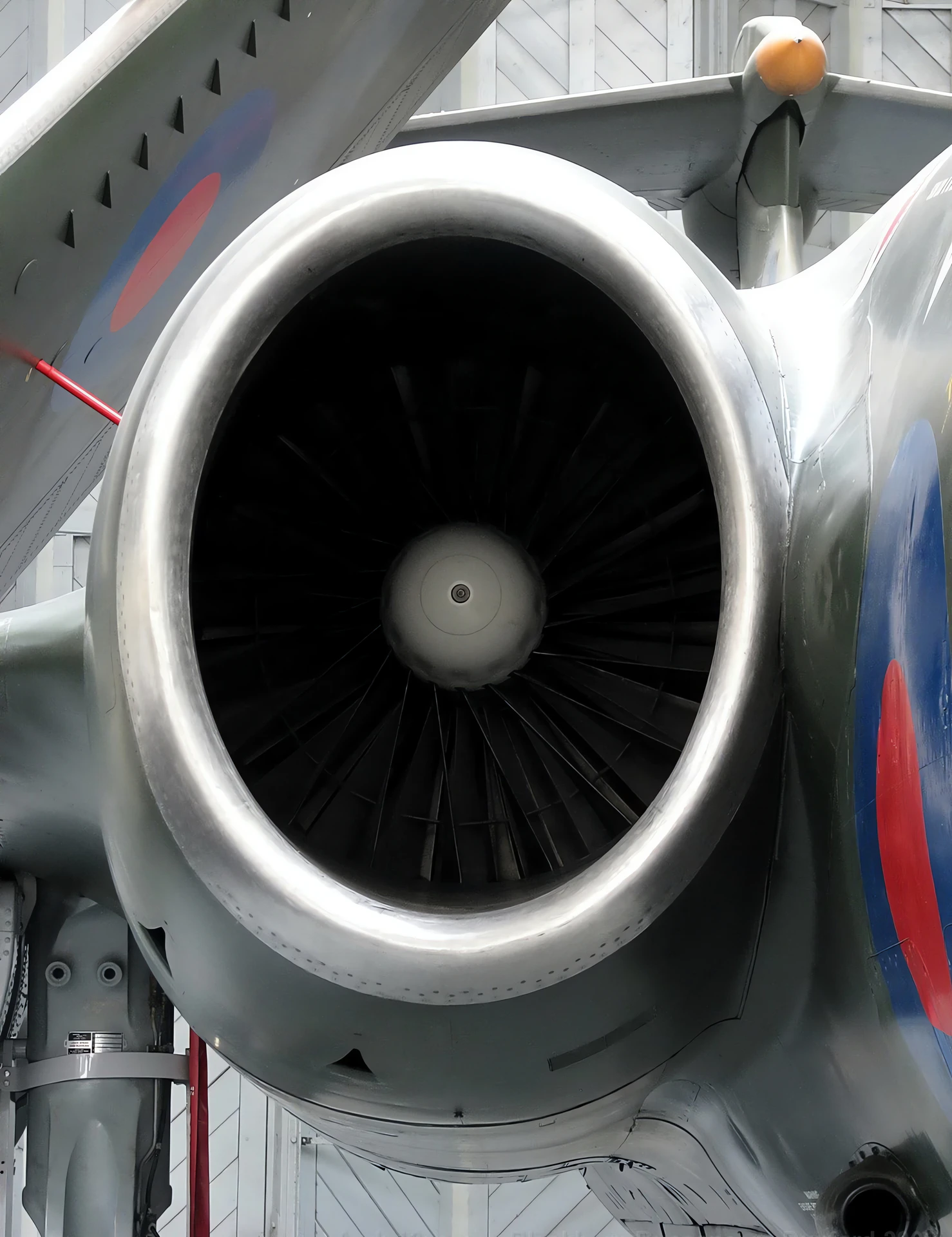
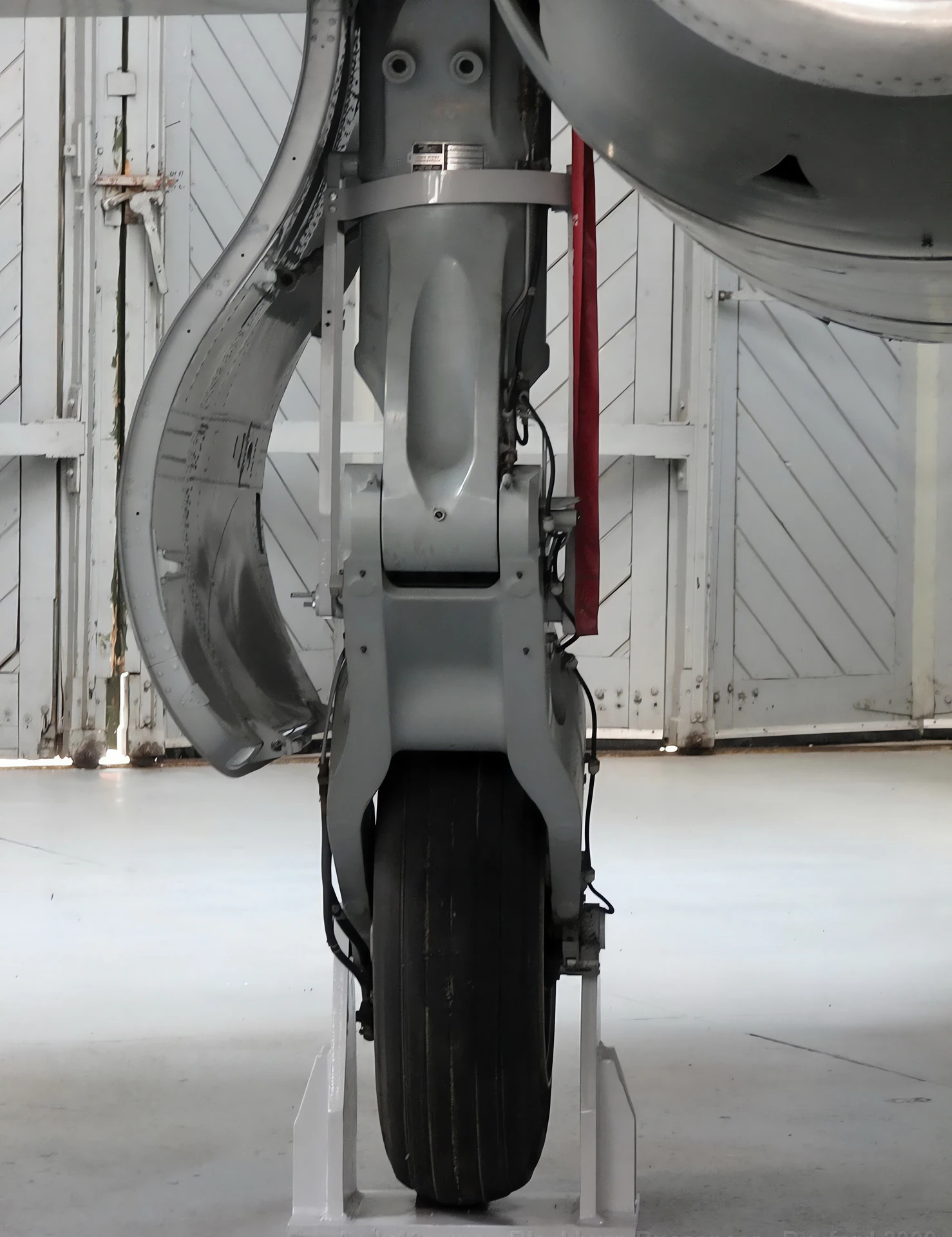
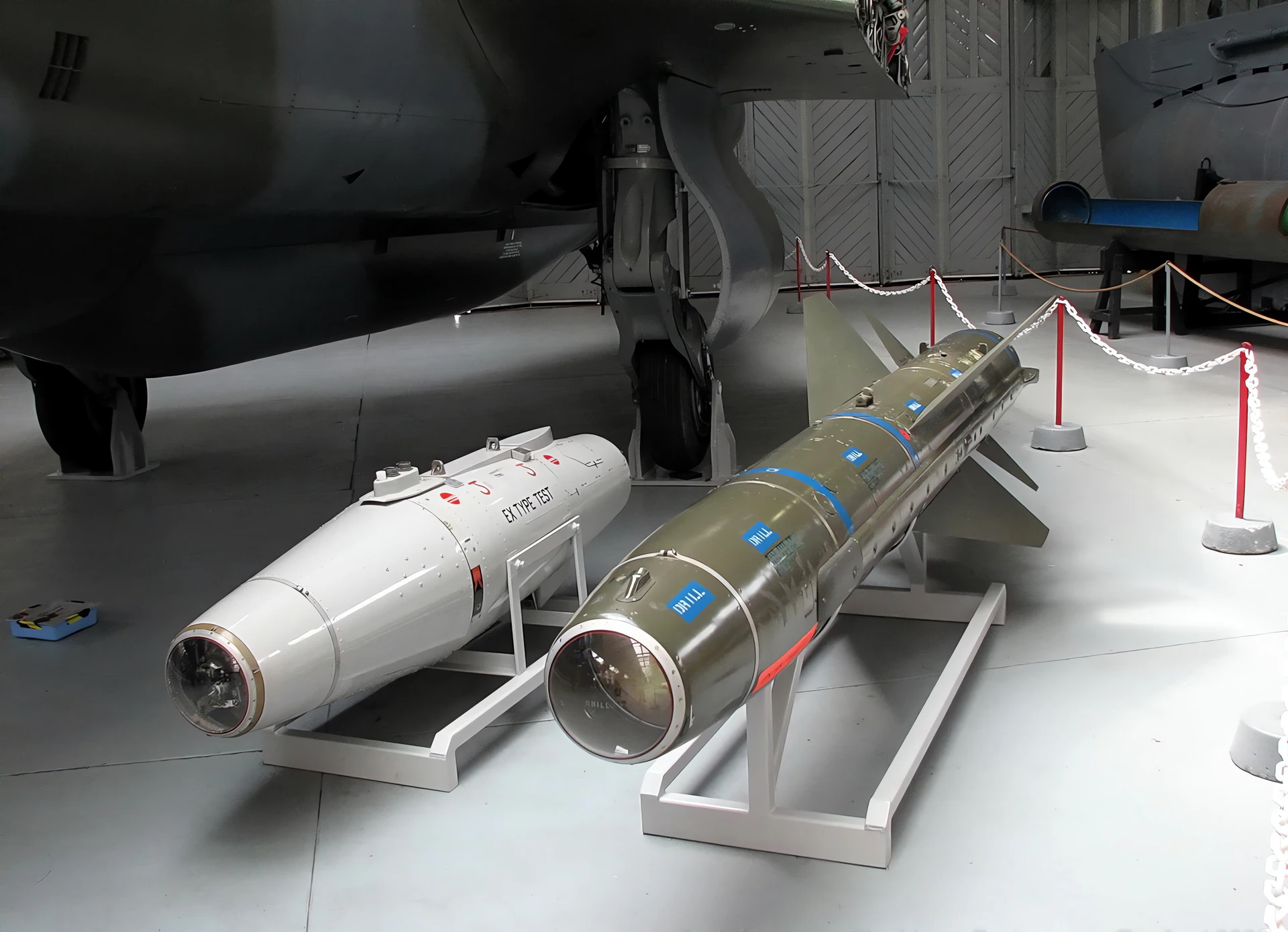
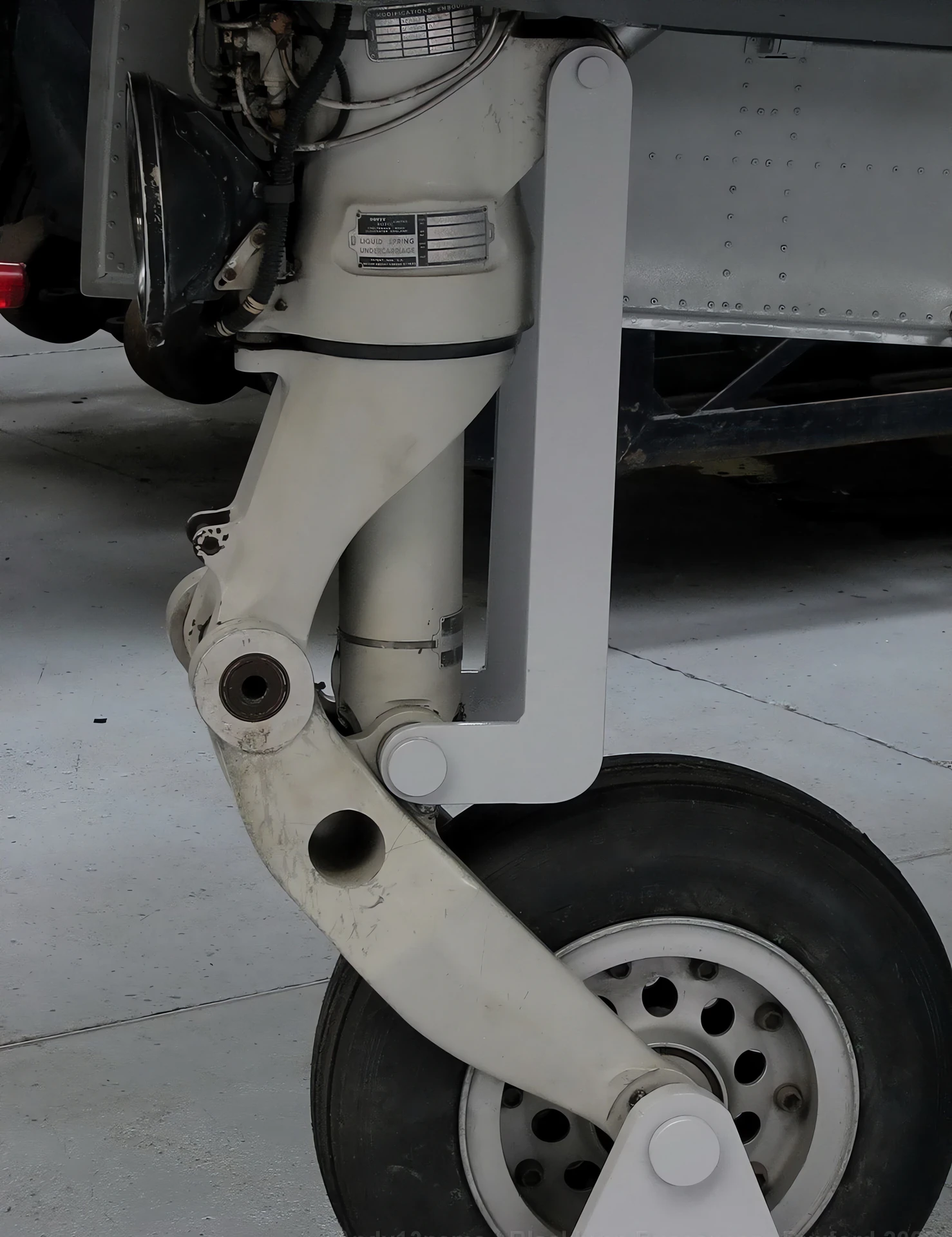
Galerie de photos d’un Blackburn Buccaneer in Imperial War Museum Duxford, The Blackburn Buccaneer was a Royal Navy (RN) carrier-borne attack aircraft designed in the 1950s. Designed and initially produced by Blackburn Aircraft at Brough, it was later officially known as the Hawker Siddeley Buccaneer when Blackburn became a part of the Hawker Siddeley group, but this name was rarely used.
Source: Blackburn Buccaneer sur Wiki
| Blackburn Buccaneer | |
|---|---|
| Photographe | Andrey Ieshkin |
| Localisation | Inconnu |
| Photos | 46 |
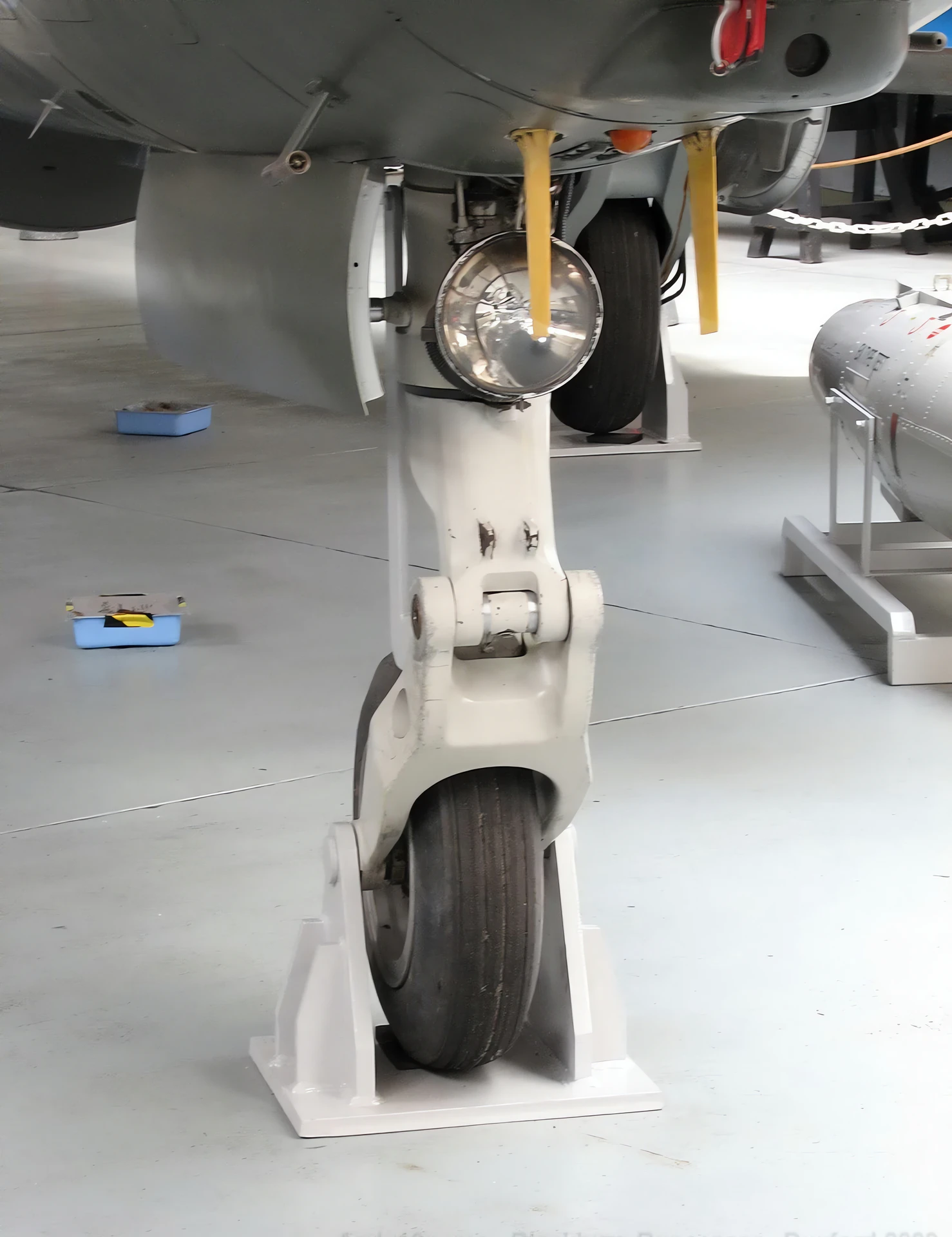
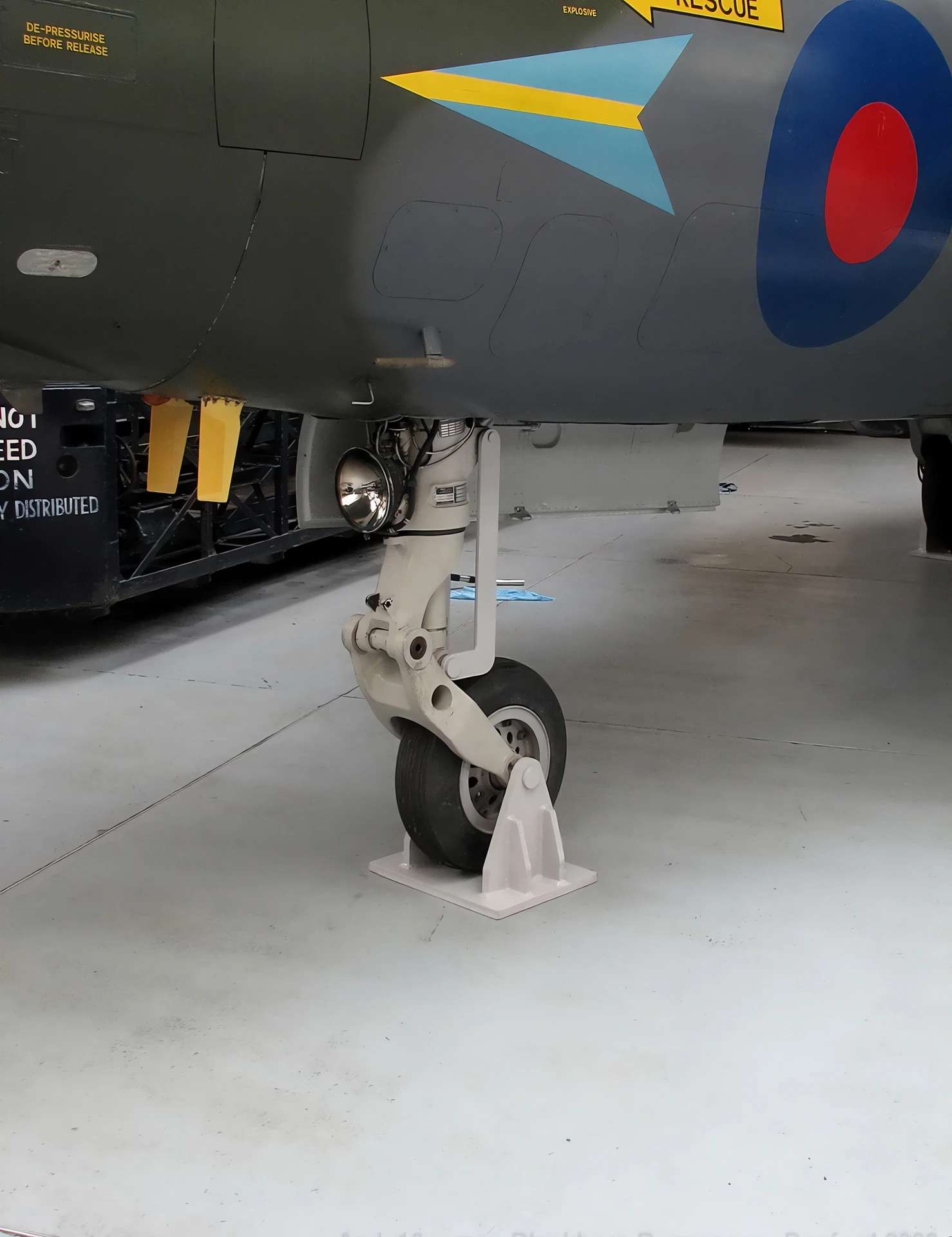
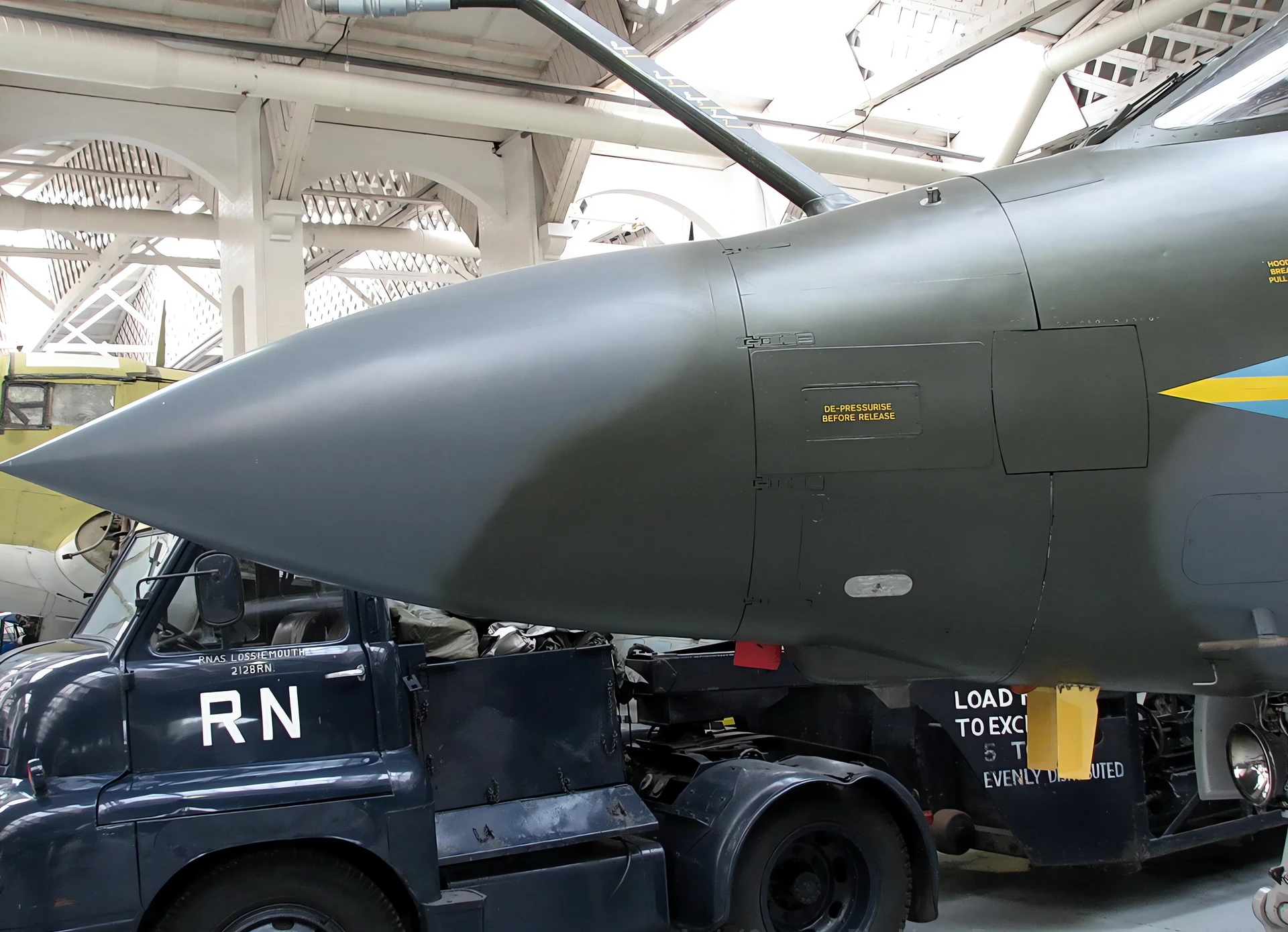
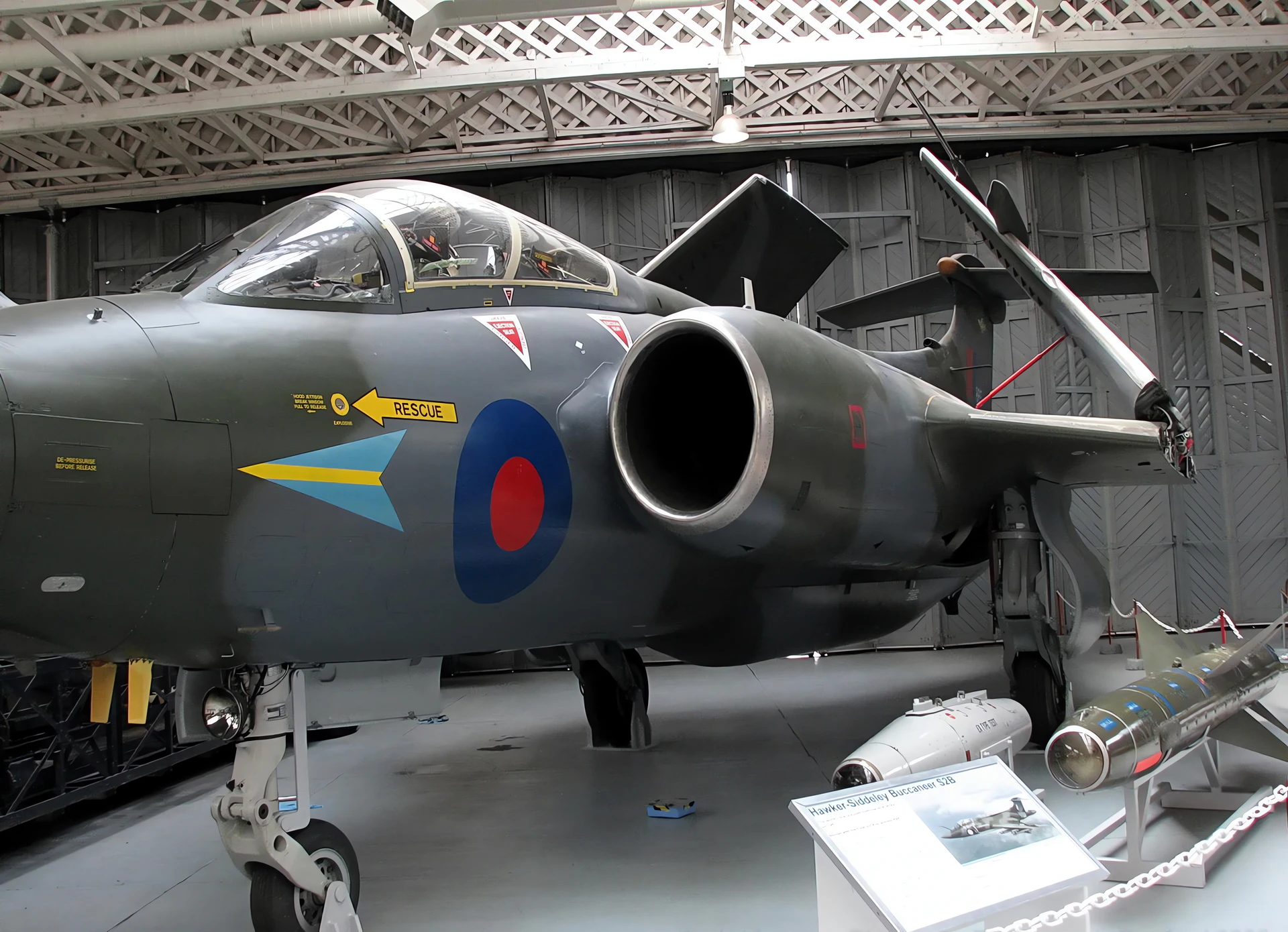

 Achetez-moi un café
| Buccaneer S.2 Walk Around | |
|---|---|
| Photographe | Michael Benolkin |
| Localisation | Inconnu |
| Photos | 24 |
Voir aussi :


| Blackburn Buccaneer S Mk.1 Walk Around | |
|---|---|
| Photographe | Meindert de Vreeze |
| Localisation | Inconnu |
| Photos | 30 |
A Maritime Specialized Powerhouse
The Blackburn Buccaneer was designed in the 1950s for the Royal Navy to counter the threat of the Soviet Sverdlov-class cruisers. Its mission was precise: penetrate enemy radar defenses by flying at transonic speeds just 50 feet above the waves. To survive the extreme turbulence and G-loads of high-speed, low-altitude flight, Blackburn engineered an exceptionally rugged airframe—so strong that it outlived many of its intended successors. Originally serving on carriers, it later became a staple of the RAF, where its legendary stability made it the premier strike platform during the 1991 Gulf War.
| Attribute | Technical Specification (Buccaneer S.2B) |
|---|---|
| Rôle | Low-Level Strike and Reconnaissance |
| Crew | 2 (Pilot and Observer/Navigator) |
| Groupe motopropulseur | 2 x Rolls-Royce Spey Mk 101 turbofans (11,100 lbf each) |
| Vitesse maximale | 1,070 km/h (667 mph) / Mach 0.95 at sea level |
| Length | 19.33 meters (63 ft 5 in) |
| Internal Armament | Rotating Bomb Bay (4,000 lb capacity) |
| External Payload | Up to 12,000 lbs on 4 underwing hardpoints |
| Combat Radius | Approx. 3,700 km (2,300 miles) with external fuel |
Innovative Aerodynamics and Features
- Boundary Layer Control (BLC): To allow a heavy jet to land on small British carriers, the Buccaneer used a « supercirculation » system. High-pressure air was bled from the engines and blown over the wings and tail, doubling the lift at low speeds.
- Rotating Bomb Bay: Instead of traditional doors that cause massive drag when opened at high speeds, the Buccaneer featured a rotating door. The weapons were attached to the door itself, which flipped 180 degrees in a split second to expose the payload.
- Area Rule Design: The fuselage features a distinct « waisted » Ou « Coke bottle » shape. This area-ruling minimizes transonic drag, allowing the aircraft to maintain high subsonic speeds near the ground without using fuel-heavy afterburners.
- Rear Split Airbrake: The tail cone of the aircraft split laterally into two halves to act as an incredibly effective airbrake, crucial for rapid deceleration during carrier approaches or weapon releases.
Lla « Banana Jet » Héritage
- Naming Roots: The nickname « Banana Jet » came from its original development designation, BANA (Blackburn Advanced Naval Aircraft).
- Desert Storm Swansong: In 1991, aging Buccaneers were deployed to the Gulf to provide laser designation for RAF Tornados. They proved so reliable that they eventually began dropping their own « Paveway » laser-guided bombs, achieving a 100% mission success rate.
- Structural Integrity: The airframe was built using large monolithic slabs of alloy rather than many small parts riveted together. This made the Buccaneer famous for being « built like a brick outhouse, » capable of pulling high Gs even after decades of service.
Vues : 4607
Vous pouvez voir aussi :
 Vought OS2U Kingfisher – Photos & Vidéo
 Loening OL – Photos & Vidéo
 Curtiss O-52 Owl – Photos & Vidéo
 Curtiss-Wright AT-9 – Photos et vidéo
 Lockheed P-2 Neptune – Photos et vidéo
 P-47G Thunderbolt – WalkAround
 Hawker Sea Fury FBII vol2 – Walk Around
 P-51D Mustang vol2 – Walk Around
 B-17G Flying Fortress – WalkAround
 Messerschmitt Bf 109G-2 – Walk Around