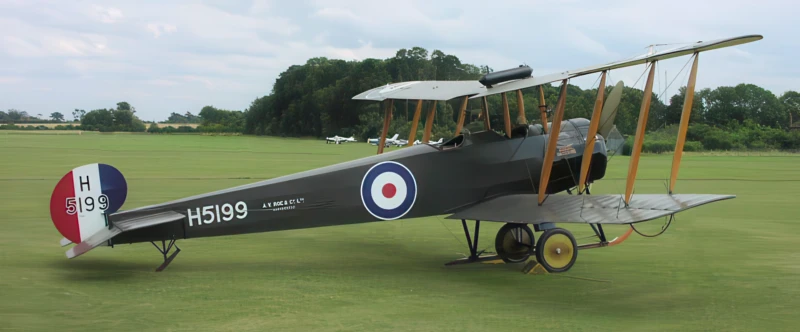
Avro 504 | |
|---|---|
| Pays | Uj |
| Rôle | Entraîneur, Chasseur, Bombardier |
| Premier vol | Le 18 septembre 1913 |
| Construit | 11303 |
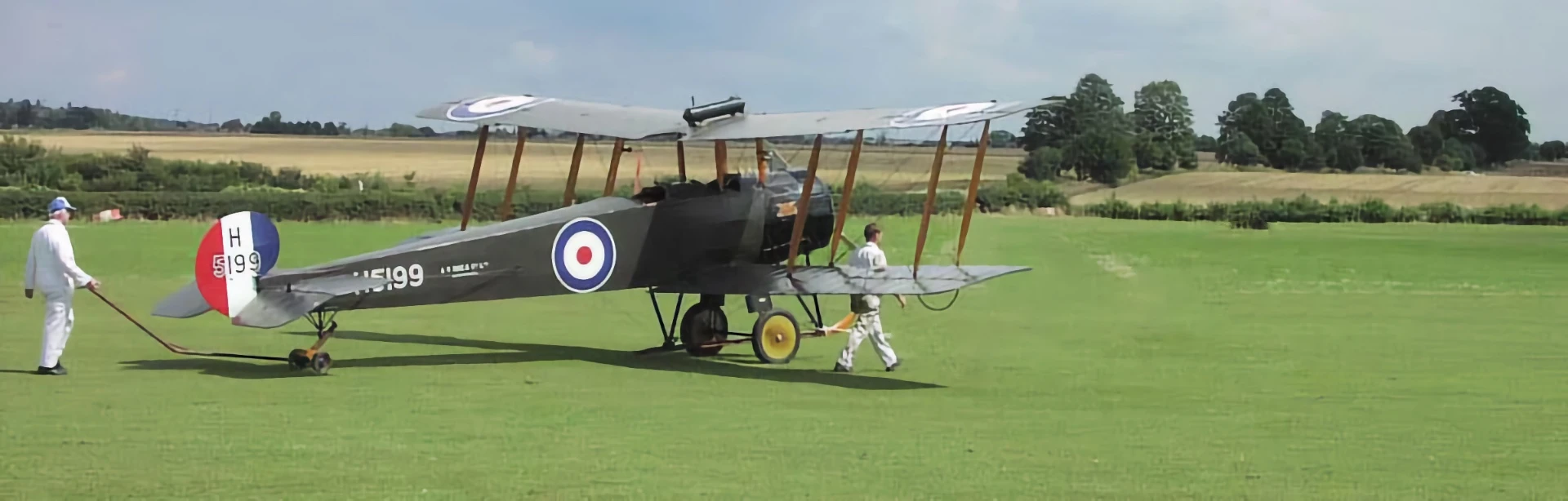
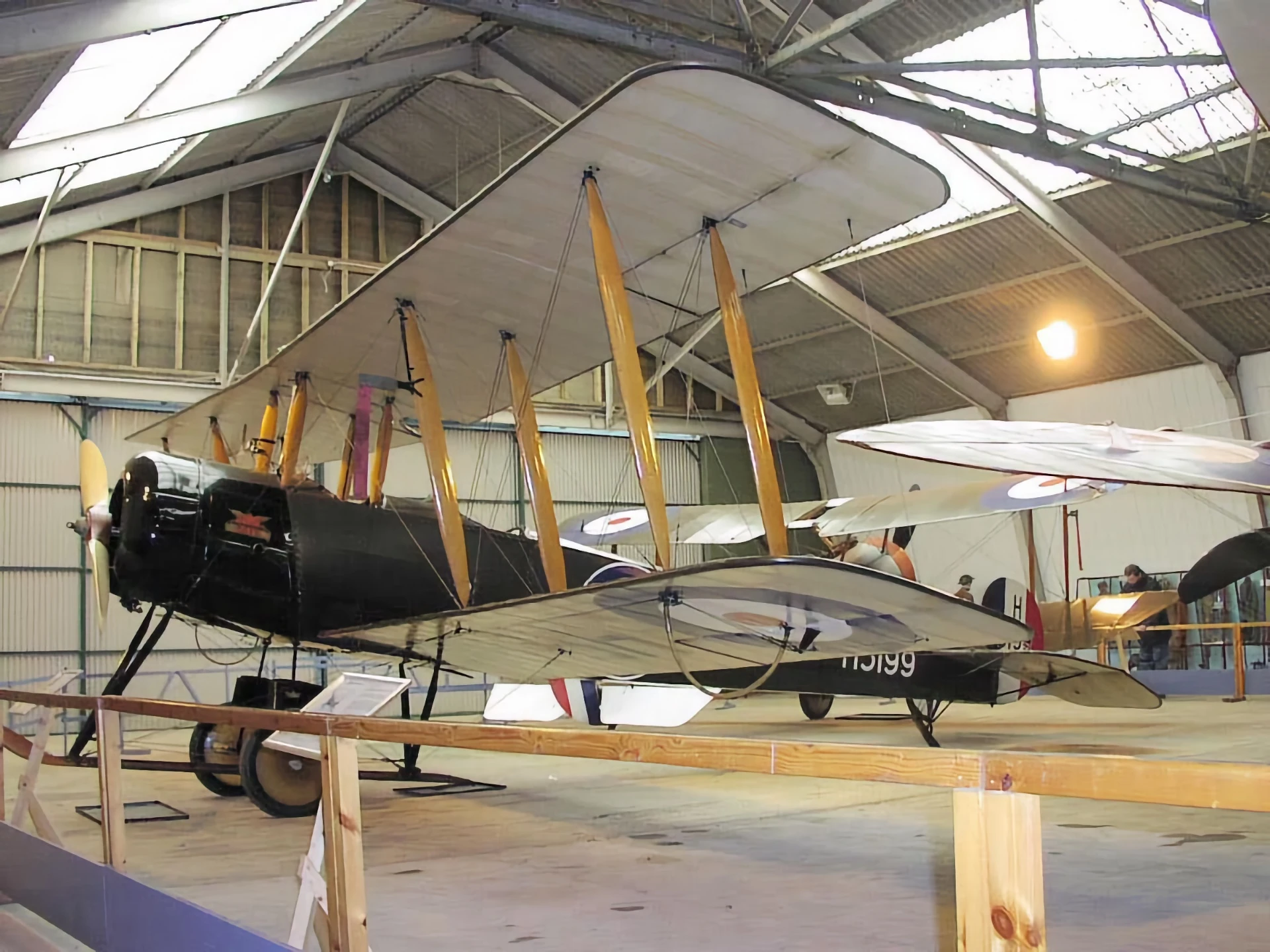
Lla Avro 504 était un biplan de la Première Guerre mondiale fabriqué par la compagnie avro et sous licence par d’autres. La production pendant la guerre s’est élevée à 8 970 et s’est poursuivie pendant près de 20 ans, ce qui en fait l’avion le plus produit de toutes sortes qui a servi à n’importe quelle capacité militaire pendant la Première Guerre mondiale. Plus de 10 000 ont été construits de 1913 jusqu’à la fin de la production en 1932.
Source: Avro 504 sur Wikipedia
| Avro 504 K Walk Around | |
|---|---|
| Photographe | Inconnu |
| Localisation | Inconnu |
| Photos | 36 |
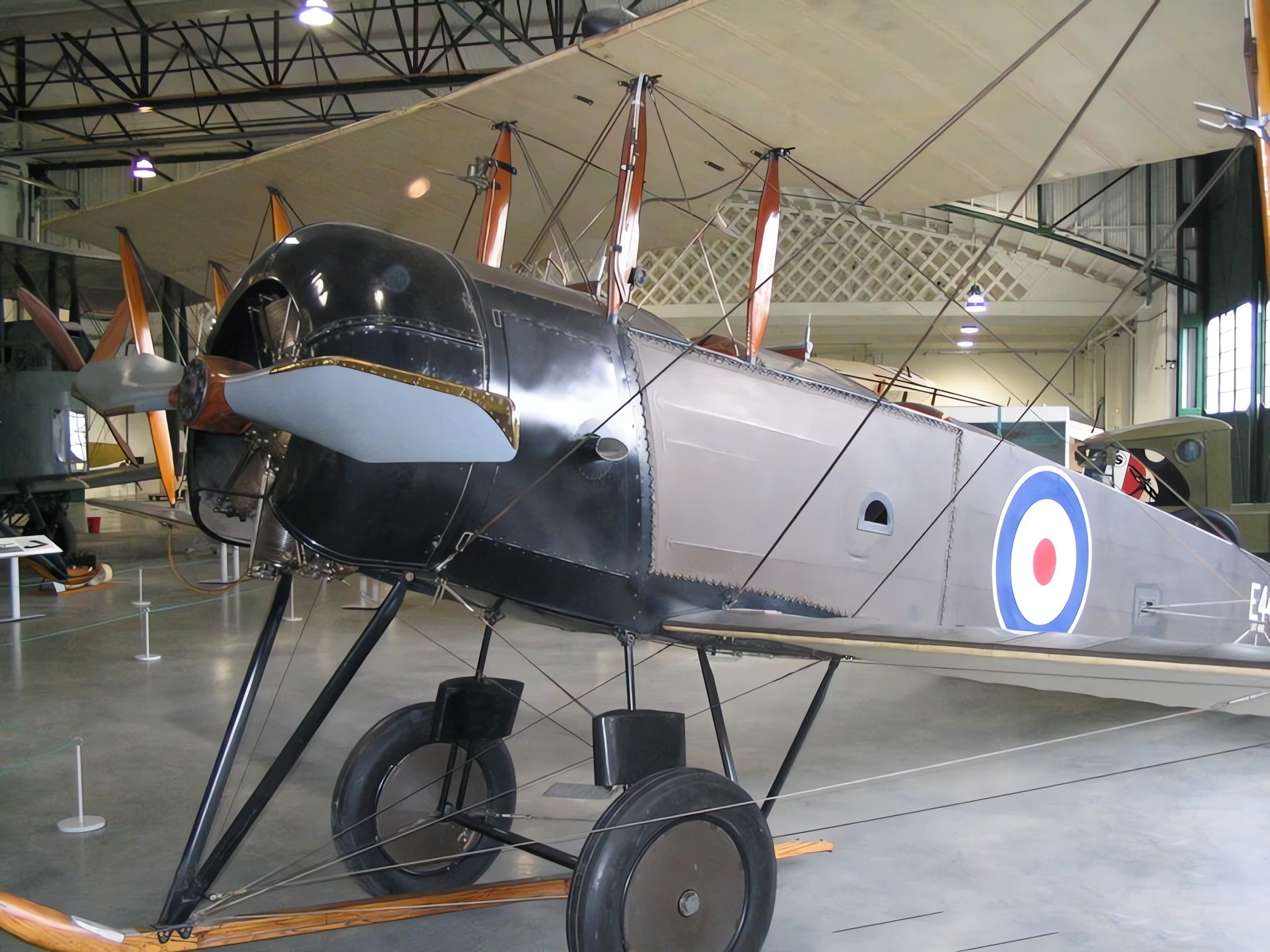
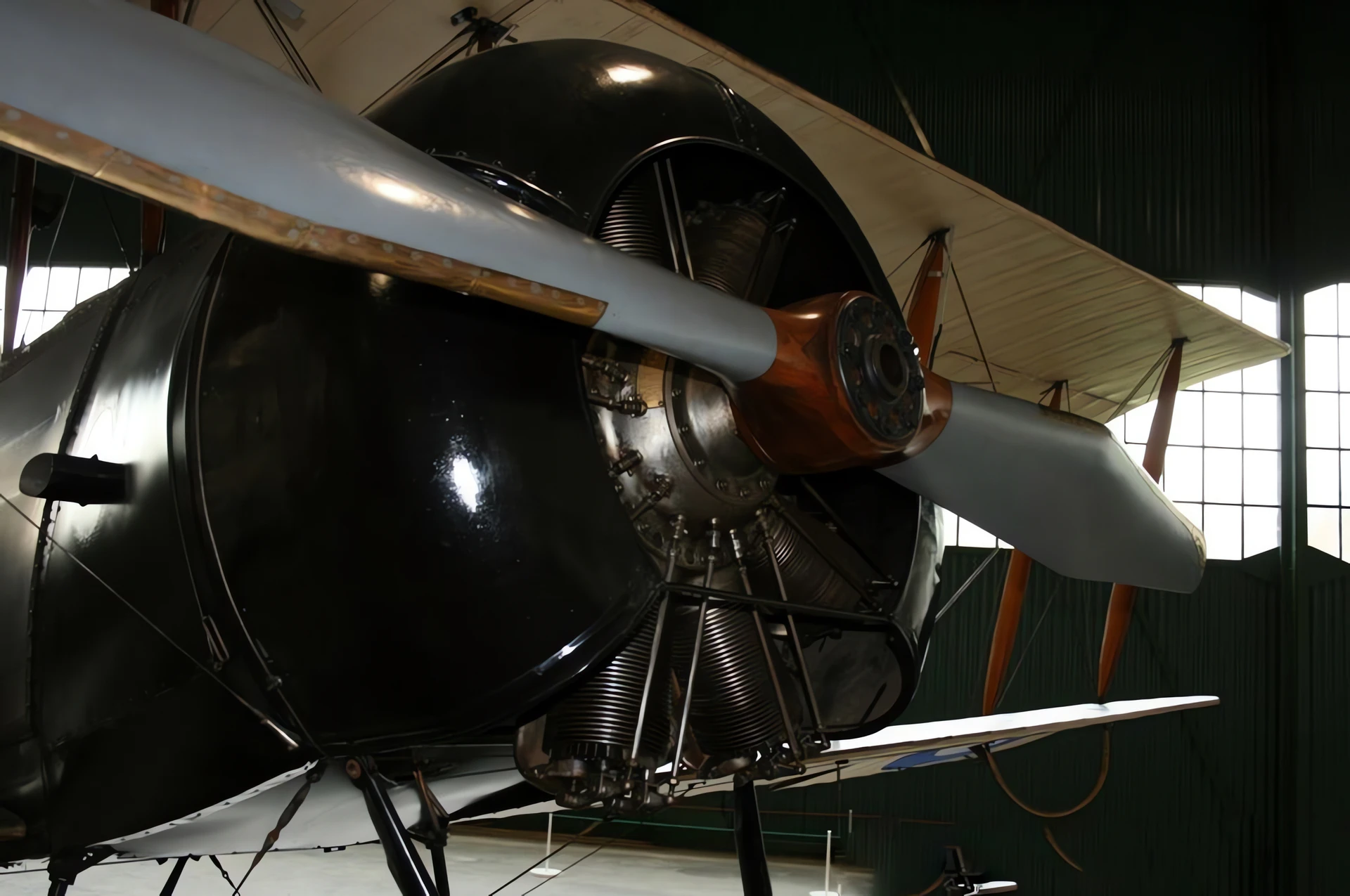
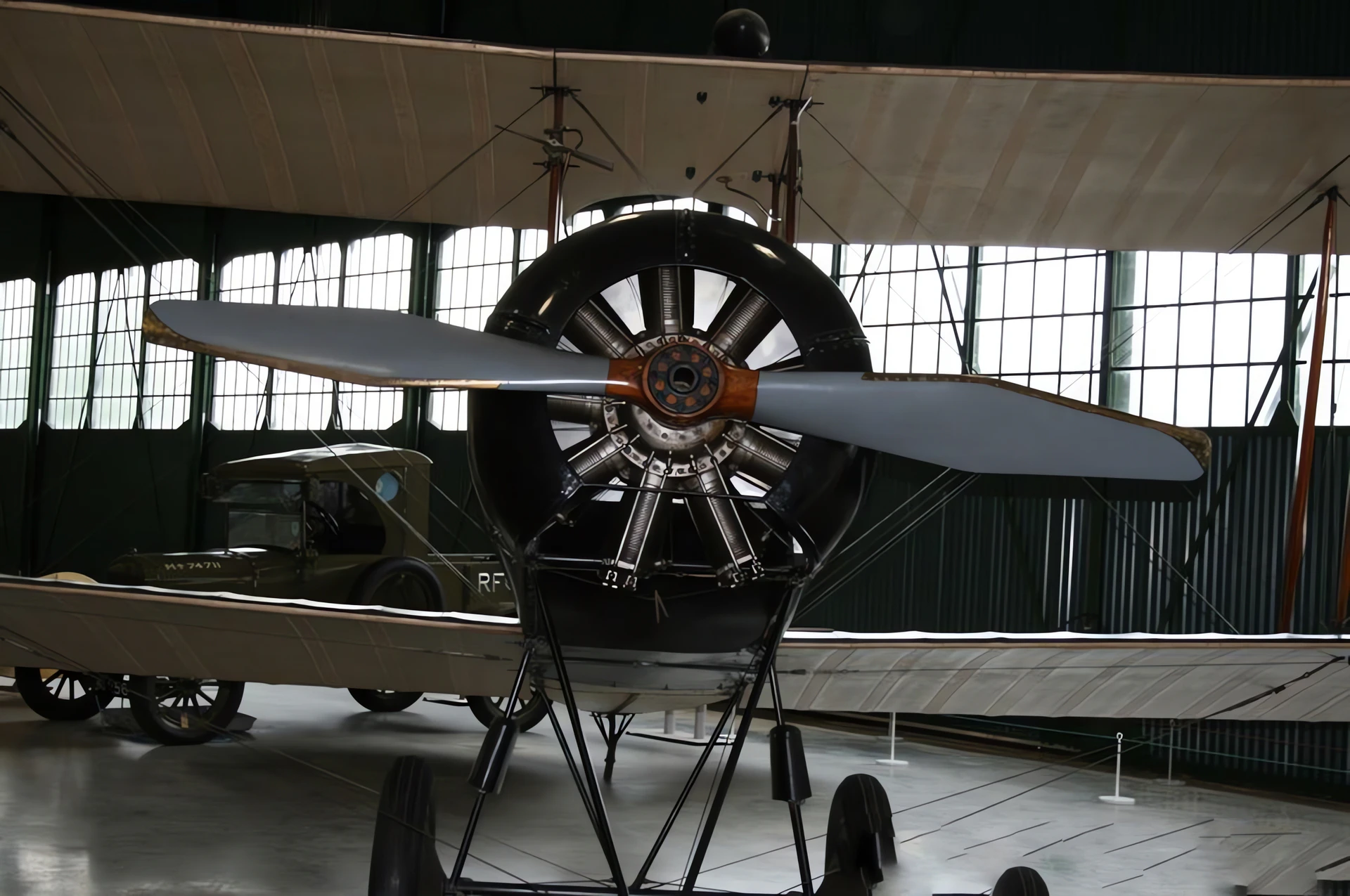
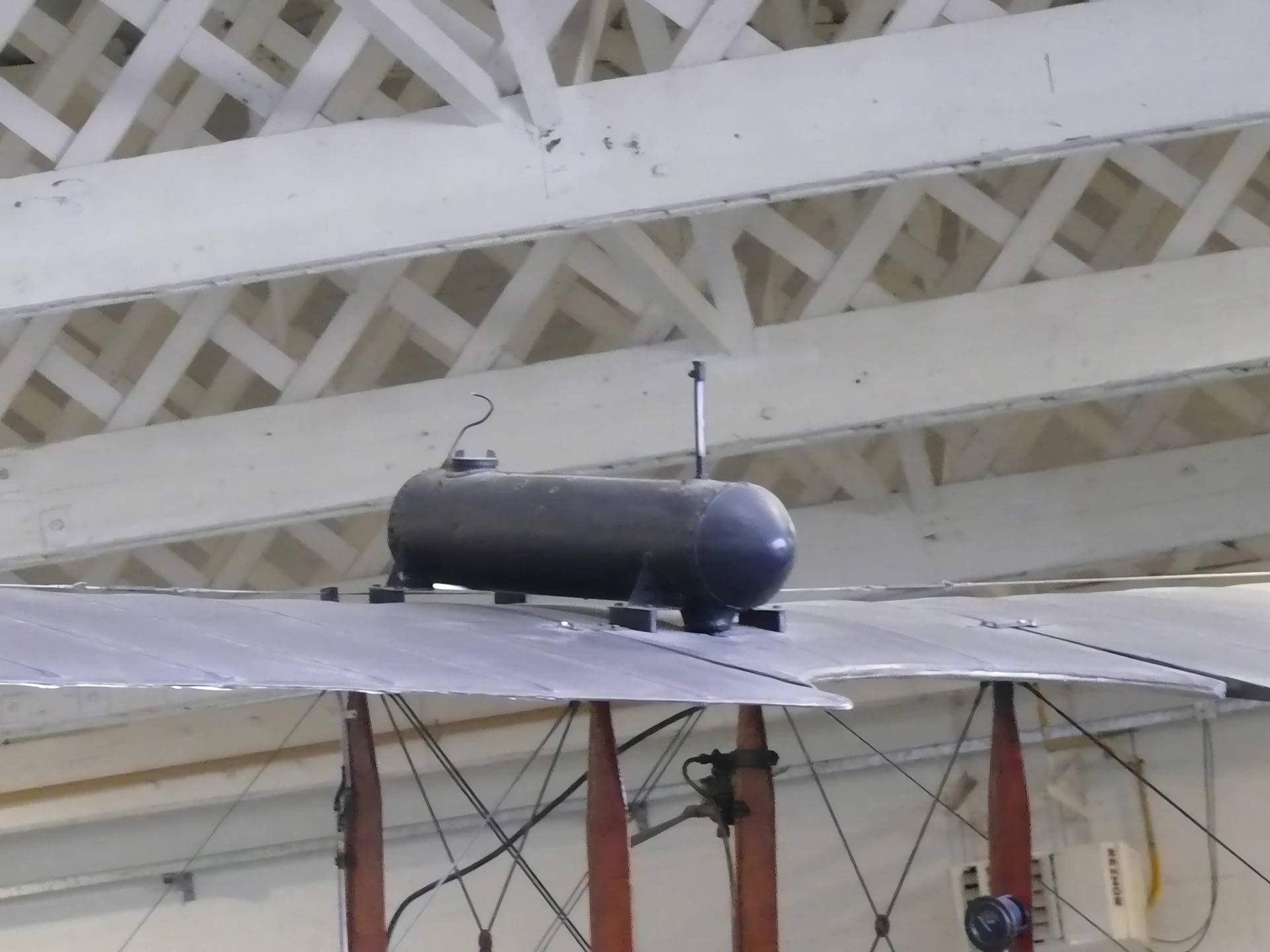
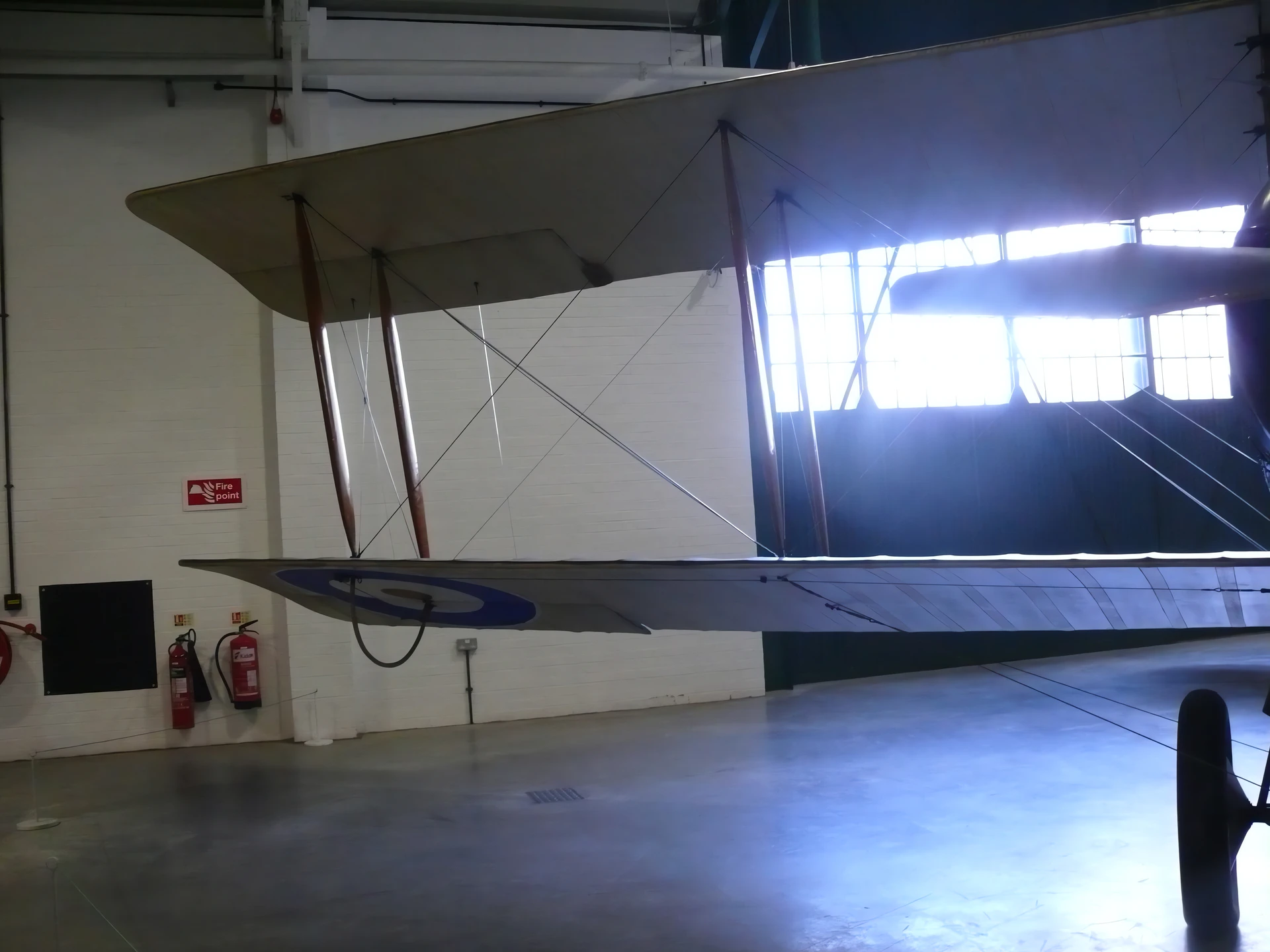
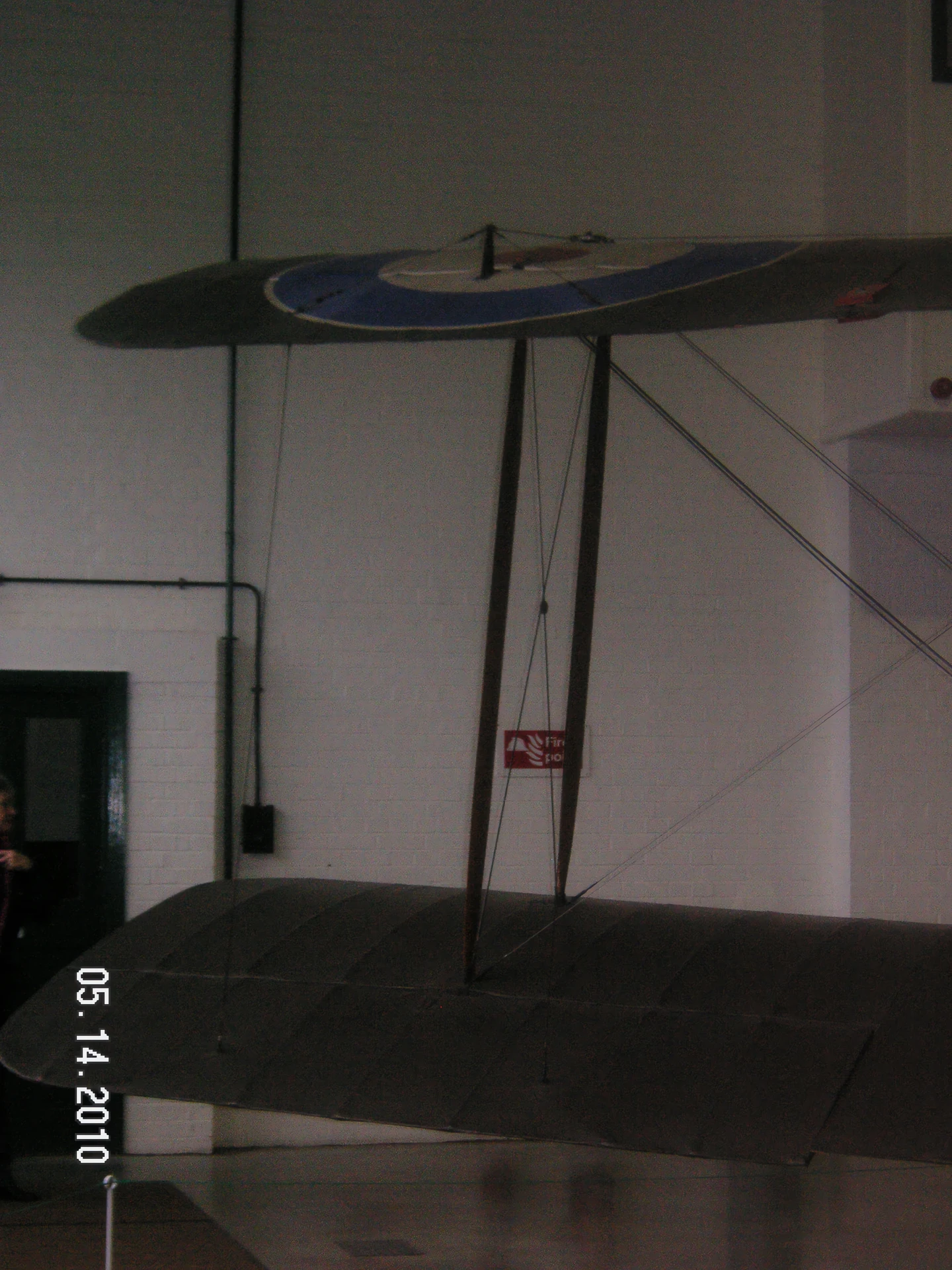
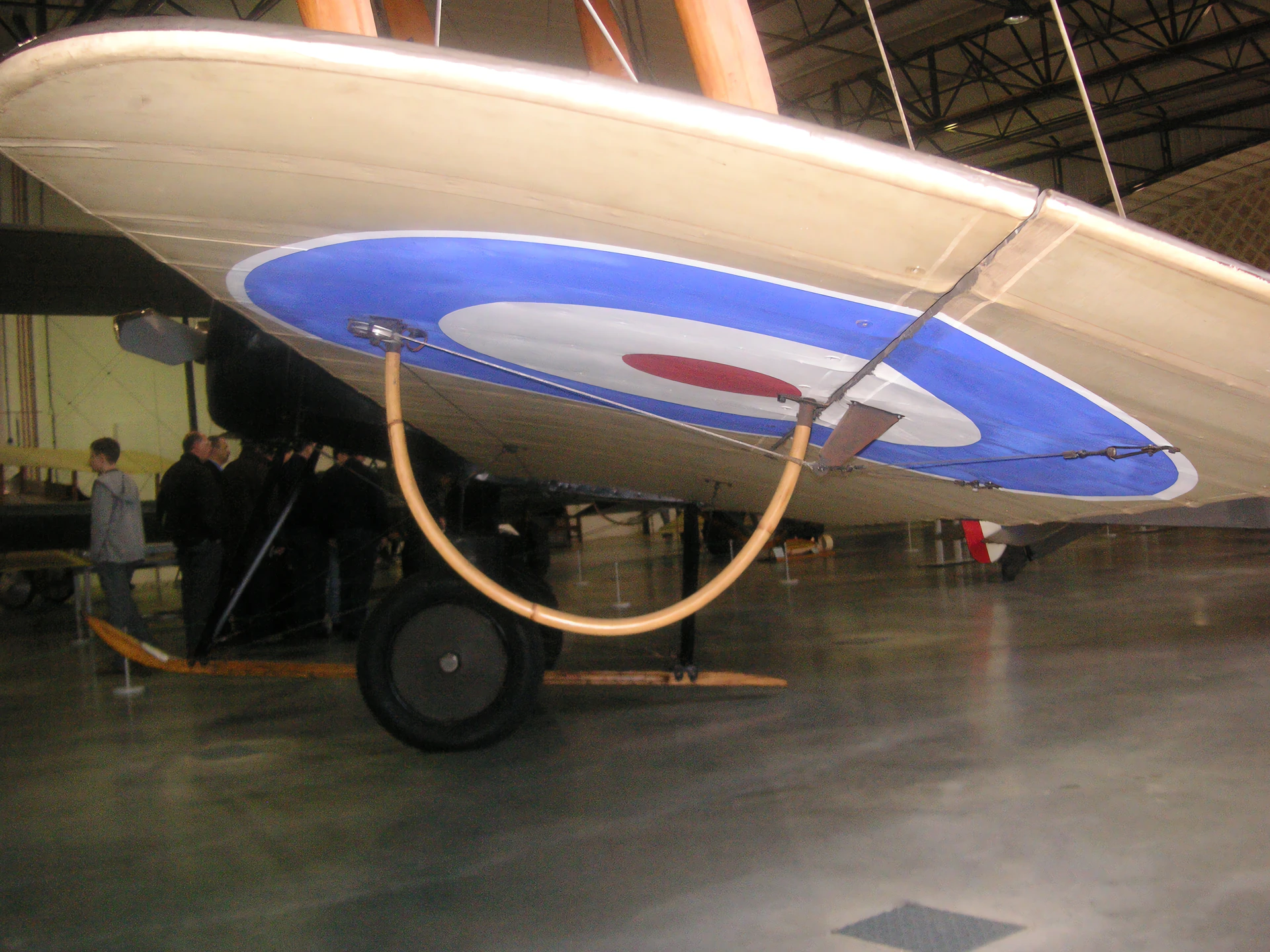
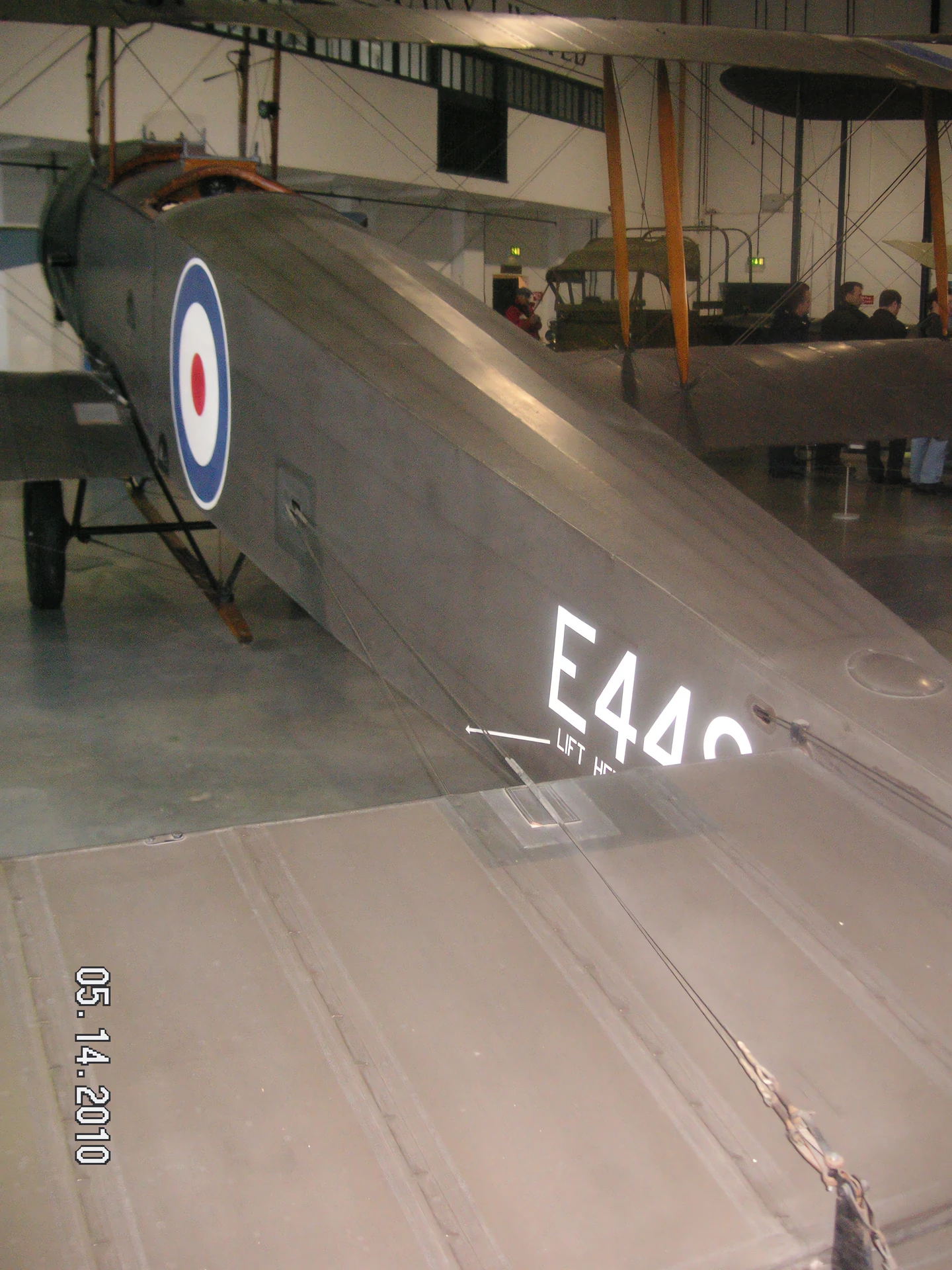
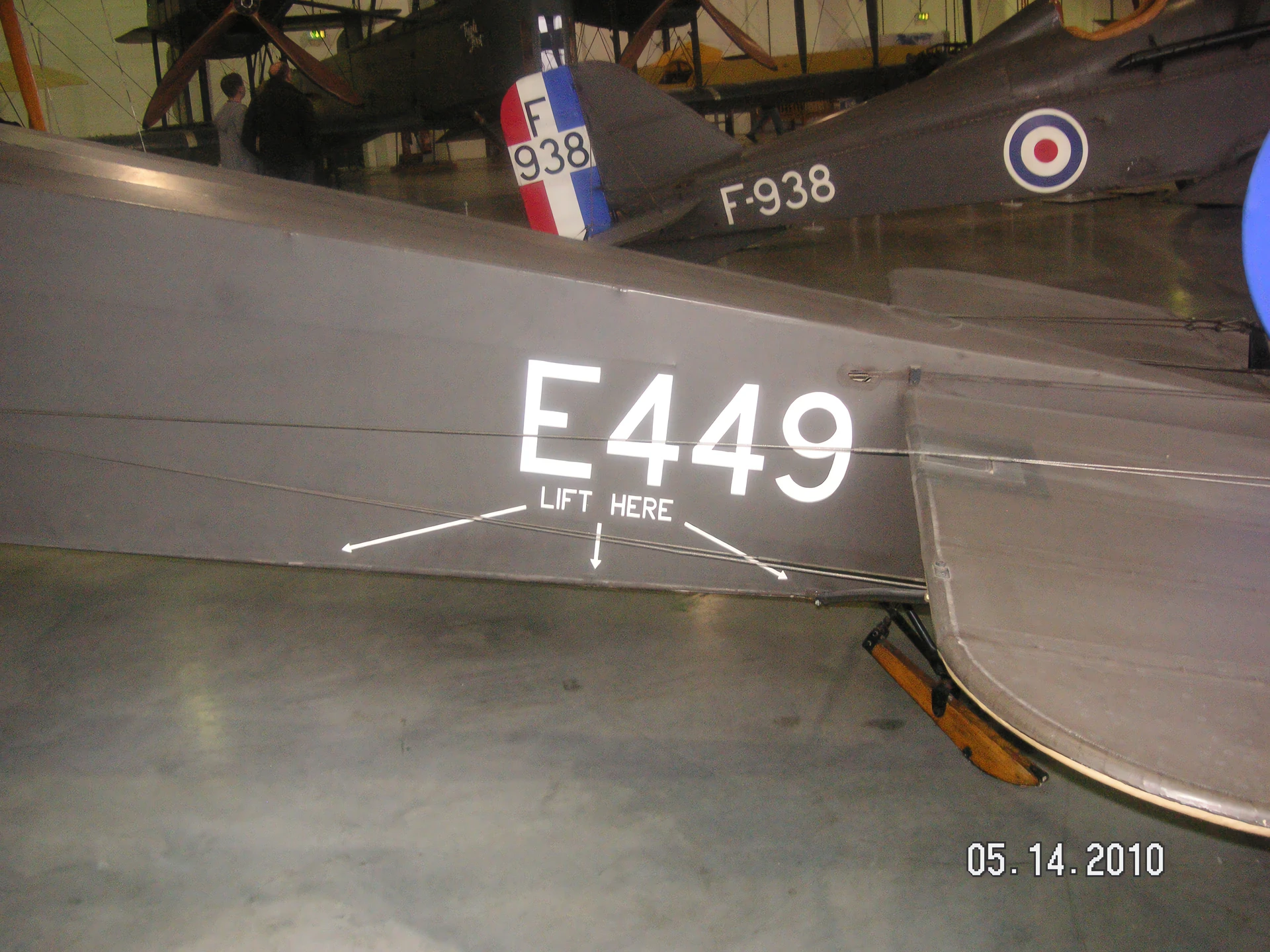


| Avro 504K Walk Around | |
|---|---|
| Photographe | Inconnu |
| Localisation | Inconnu |
| Photos | 22 |
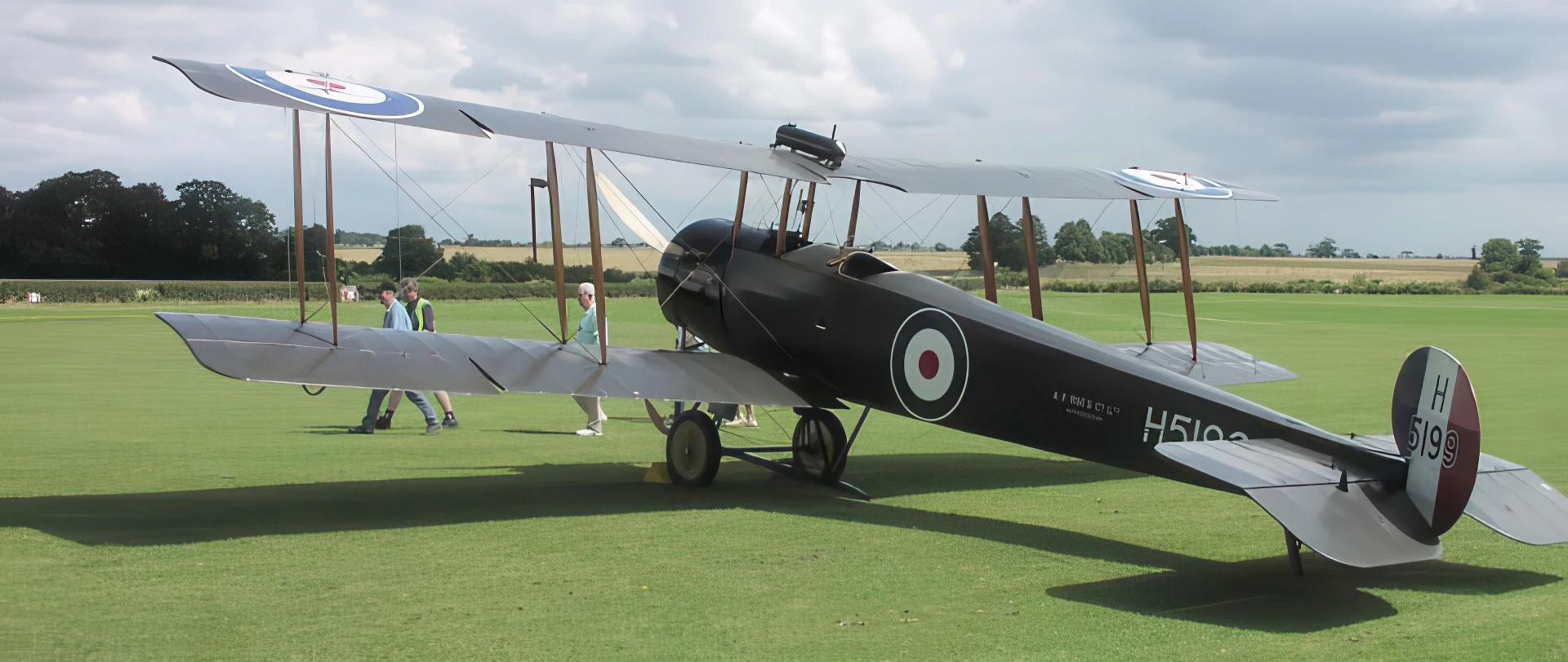
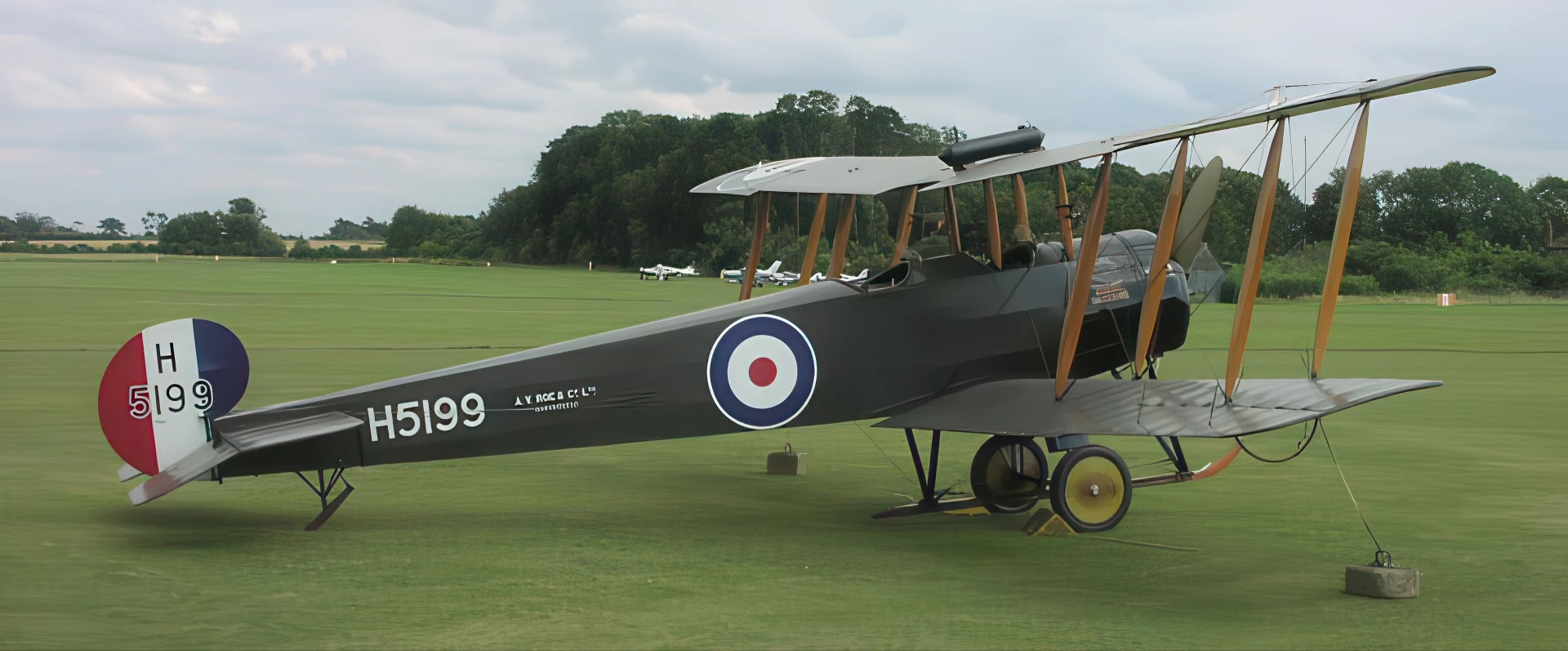
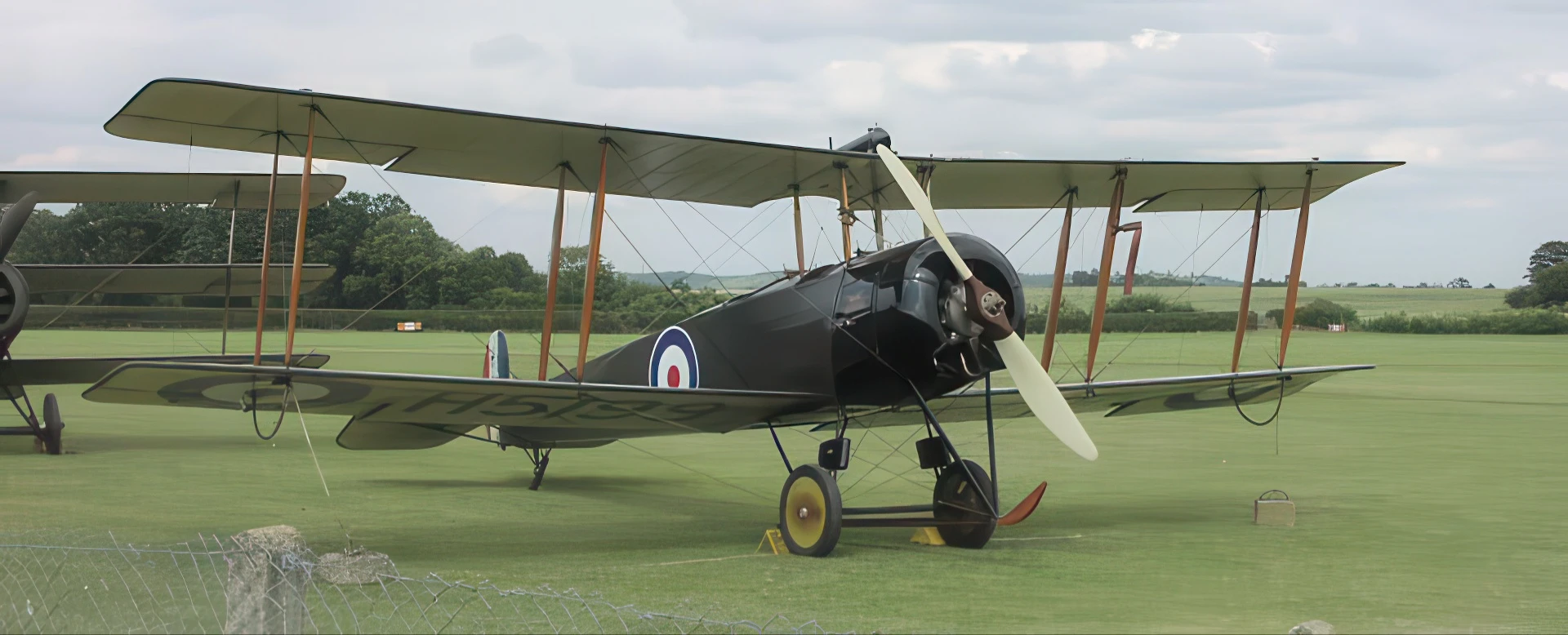
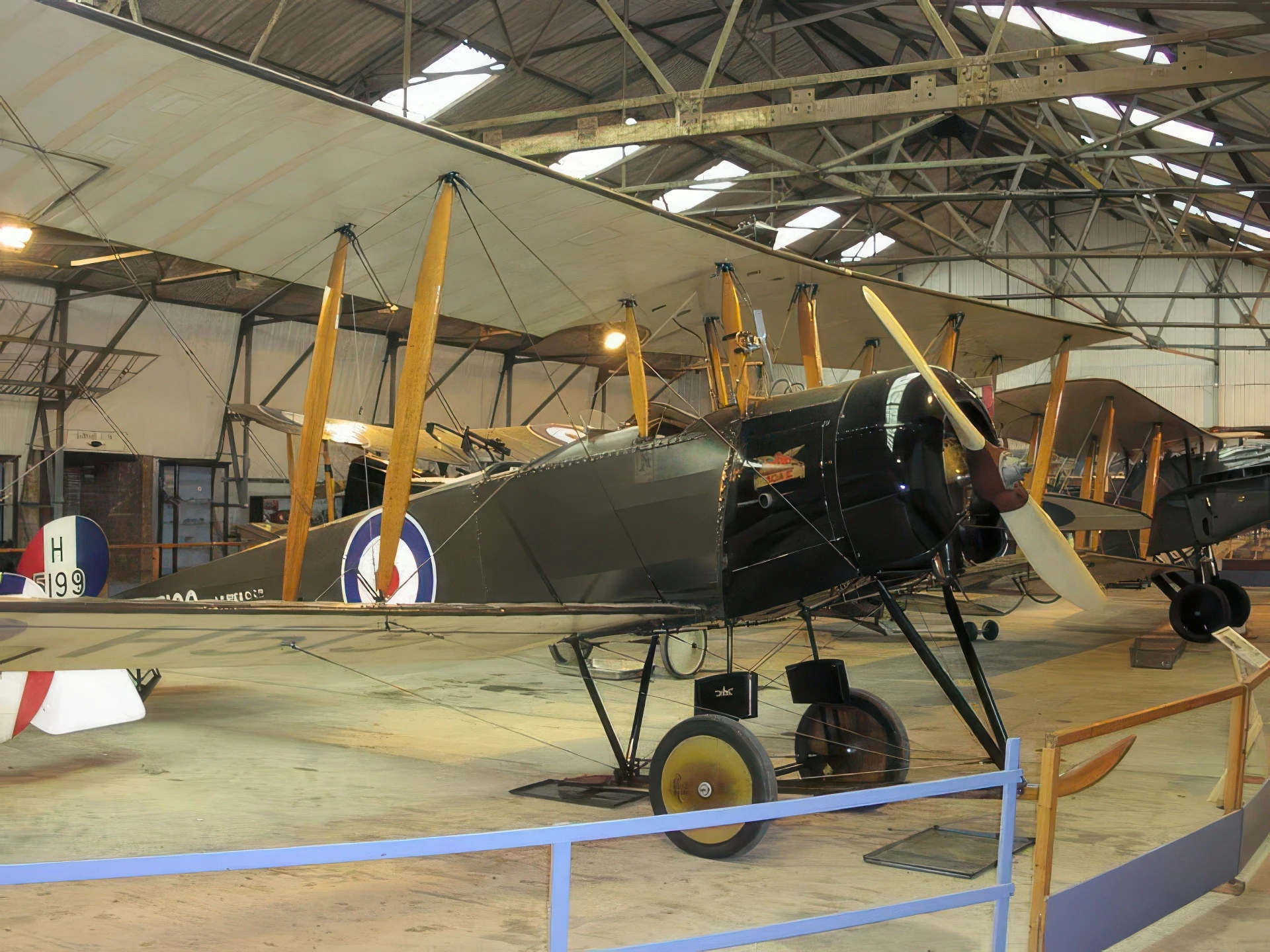
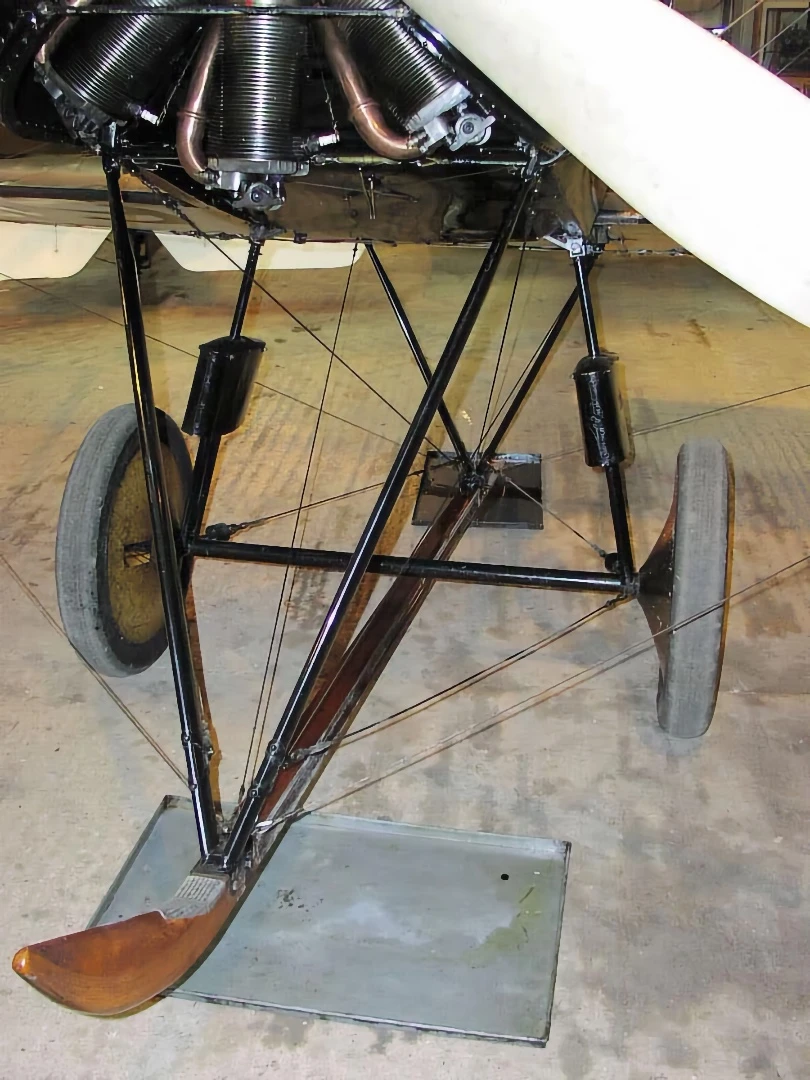
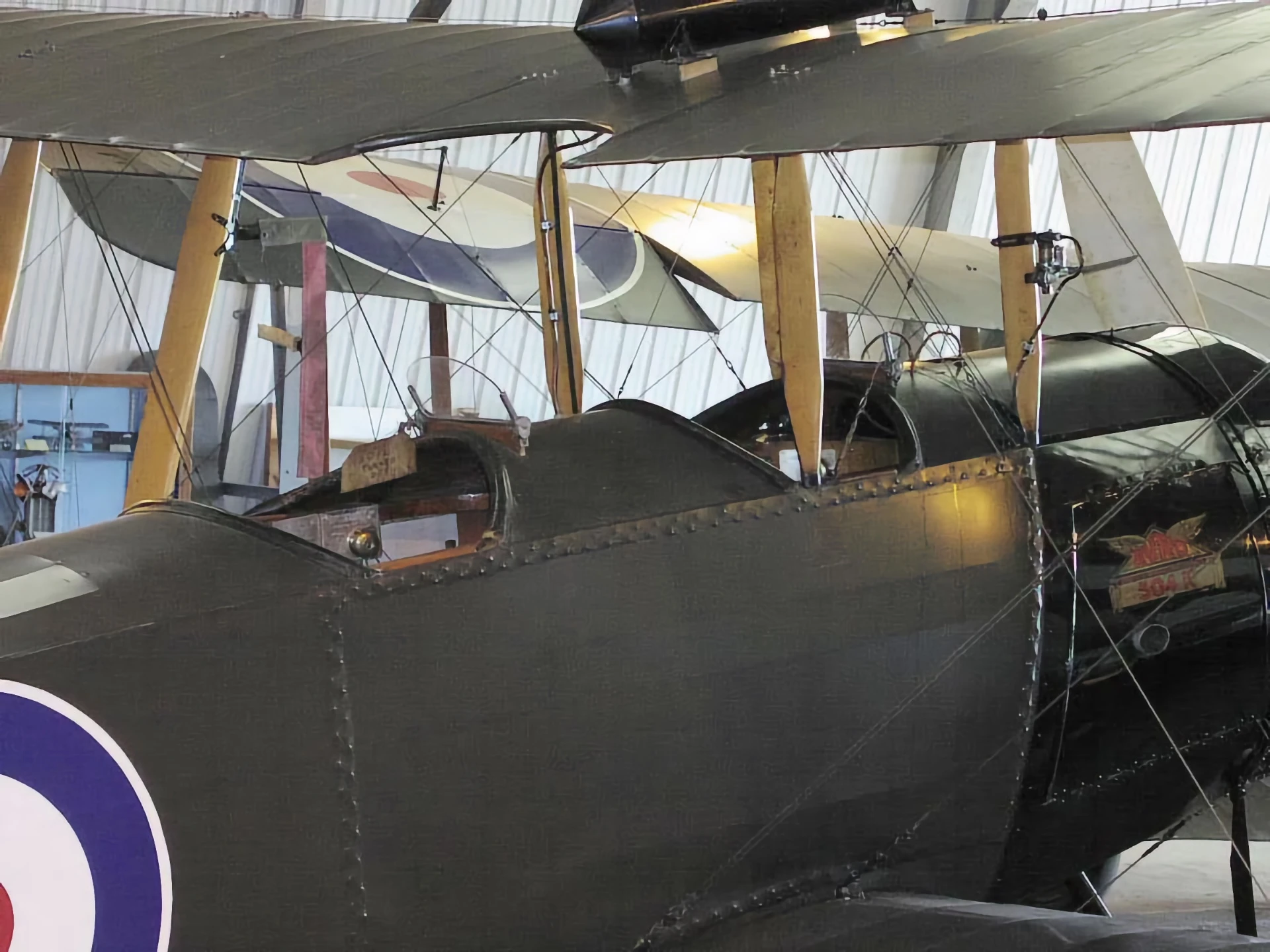
General Characteristics
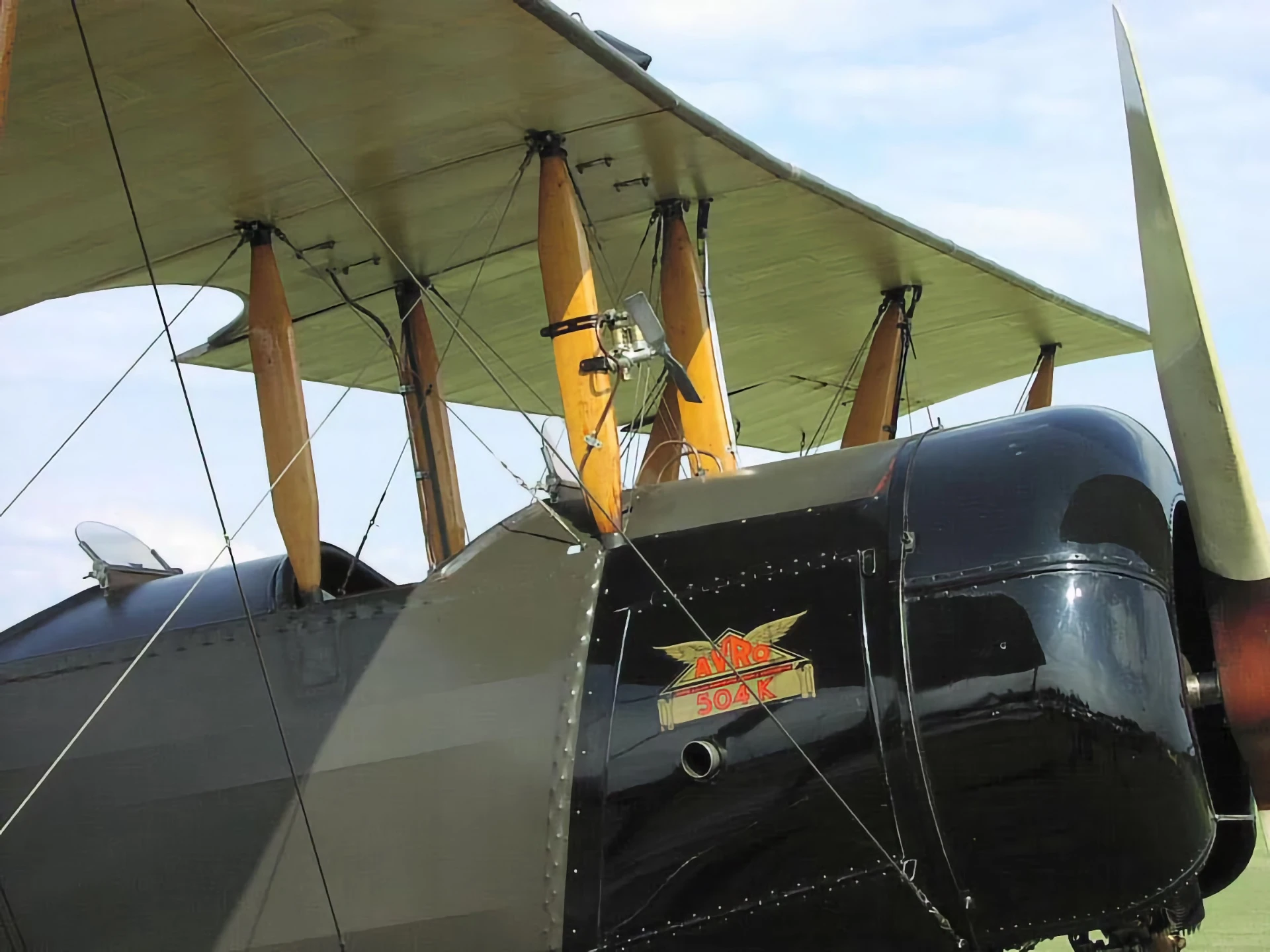
The Avro 504 is one of the most famous and longest-serving aircraft in British aviation history. First flown in 1913, the Avro 504K became the definitive production variant, introduced during World War I primarily as the standard military trainer for the Royal Flying Corps (RFC) and Royal Naval Air Service (RNAS). The ‘K’ designation signifies its unique universal engine mount, which allowed it to be fitted with various types of rotary engines (like the Le Rhône, Clerget, or Gnome Monosoupape) to cope with wartime engine shortages. Over 8,000 were built during the war, and it continued to serve as the RAF’s primary trainer well into the 1920s, with surplus models used globally for joyriding and civilian training for decades.
| Property | Typical Value (Avro 504K with Le Rhône 9J) |
|---|---|
| Rôle | Primary and Advanced Trainer, Home Defence Fighter |
| National Origin | Royaume-Uni |
| Fabricant | A.V. Roe and Company (Avro) and 18 subcontractors |
| Production Years | 1913–1932 (K variant from 1917) |
| No. Built (Total 504) | Over 11,000 (including overseas license production) |
| Crew | 2 (Pilot and Student/Observer) |
| Length | 8.97 m (29 ft 5 in) |
| Envergure | 10.97 m (36 ft 0 in) |
| Max Takeoff Weight | 830 kg (1,829 lb) |
Powerplant and Performance
- Engine: 1 x Le Rhône 9J 9-cylinder air-cooled rotary engine (common fitment).
- Power Output: 82 kW (110 hp).
- Propeller: 2-bladed fixed-pitch wooden propeller.
- Maximum Speed: 153 km/h (95 mph).
- Cruise Speed: 121 km/h (75 mph).
- Range: 402 km (250 mi).
- Service Ceiling: 4,877 m (16,000 ft).
- Handling Note: The powerful rotary engine’s gyroscopic effect significantly influenced handling, particularly in turns, making it a demanding but excellent advanced trainer.
Armament and Roles
- Primary Role: Standardized training, often utilizing the Gosport System of systematic flying instruction developed by Major Robert Smith-Barry.
- Wartime Fighter Role: Converted single-seater versions (sometimes called the « Comic » fighter) were used for Home Defence against German Zeppelin and Gotha raids.
- Armament (Fighter): 1 x 7.7 mm (.303 in) Lewis machine gun mounted above the upper wing on a Foster mounting, allowing the pilot to fire upwards and reload easily.
- Post-War Use: Became immensely popular on the civilian market for barnstorming, aerial advertising, and joyriding, often modified to carry two passengers in the front cockpit.
Vues : 1499
Vous pouvez voir aussi :
 Aero A.32 – Photos et vidéos
 Fokker C.V – Photos & Vidéos
 SPAD S.XIII – Photos & Vidéos
 Nouvelle norme D-25 – Photos et vidéos
 Douglas O-38 – Photos et vidéo
 Naval Aircraft Factory N3N – Photos & Vidéo
 Curtiss JN-4D Jenny – Photos & Vidéo
 Grumman F3F – Photos & Vidéo
 IMAM Ro 37bis – Photos & Vidéo
 Royal Aircraft Factory BE2A – Photos & Vidéo