Lla ISU-152 était un canon automoteur soviétique développé et utilisé pendant la Seconde Guerre mondiale. Il a été officieusement surnommé zveroboy (russe: Зверобой; « Tueur de bête ». en réponse à l’entrée en service de plusieurs grands chars et canons allemands. Comme l’ISU-152 n’a pas de tourelle, viser le canon était maladroit, ce qui devait être fait en repositionnant l’ensemble du véhicule en utilisant les voies, c’est pourquoi il a été utilisé comme artillerie mobile pour soutenir des attaques d’infanterie et d’armure plus mobiles. Elle a continué à servir dans les années 1970’et a été utilisé dans plusieurs campagnes et pays.
Lla ISU-152was a massive Soviet heavy self-propelled gun deployed during World War II. Developed to replace the older SU-152 on the more reliable IS tank chassis, it was a multi-role powerhouse. Officially, it served as a heavy assault gun to smash concrete bunkers and an impromptu tank destroyer. When confronted by Germany’s late-war heavy armor, the Red Army gave the ISU-152 the legendary nicknameZveroboy (« Beast Hunter »). Its gigantic 152.4mm gun-howitzer could tear apart Tiger, Panther, and Elefant tanks. Even if the shell failed to penetrate a target’s thick front armor, the raw kinetic blast was often powerful enough to crack the weld seams, shear off the turret, or completely shatter the internal mechanics, instantly neutralizing the enemy.
Attribute
Technical Specification (ISU-152 Baseline)
Rôle
Heavy Assault Gun / Heavy Tank Destroyer
Crew
4 or 5 (Commander, Driver, Gunner, 1 or 2 Loaders due to heavy shell weight)
Chassis Basis
IS-1 / IS-2 Heavy Tank hull
Groupe motopropulseur
V-2-IS 12-cylinder diesel engine (520 hp)
Max Speed
37 km/h (23 mph) on roads | 15-20 km/h off-road
Portée opérationnelle
~120 km (75 miles) off-road | 220 km on roads
Armement principal
152.4mm ML-20S gun-howitzer (20 rounds carried)
Armement secondaire
1 × 12.7mm DShK anti-aircraft heavy machine gun (fitted to late-war/post-war models)
Design Engineering: Monolithic Casemates and Split-Loading Artillery
The Low-Profile Fixed Casemate:To accommodate a massive 152mm weapon without making the vehicle unsafely top-heavy, Soviet engineers abandoned a rotating turret. Instead, they built a sloped, fully enclosed armored box—called a casemate—directly onto the IS tank chassis. This reduced production time, lowered the vehicle’s profile, and allowed the armor plates to be welded at sharp angles to deflect incoming enemy shells.
The Brutal Reality of Two-Piece Ammunition:Loading a 152.4mm weapon inside a cramped armored vehicle required intense physical labor. The ammunition was split into two separate parts: the heavy projectile itself (weighing roughly 96 lbs or 43.5 kg) and the propellant casing. Two dedicated loaders had to work together to manually ram the shell into the breech first, followed immediately by the powder charge. This slow process limited the vehicle’s rate of fire to just 1 to 2 rounds per minute.
The T-Shaped Muzzle Brake:The barrel of the ML-20S gun-howitzer featured a distinct, multi-slotted muzzle brake at its tip. When the gun fired, this system directed a portion of the escaping propellant gases backward and outward. This counteracted the massive rearward recoil force, preventing the suspension of the tank chassis from cracking under the strain of firing such a heavy artillery piece.
Torsion Bar Suspension Strength:Borrowed from the elite IS-2 heavy tank, the ISU-152 utilized a robust torsion bar suspension system. Instead of relying on external coil springs, thick steel bars ran completely across the floor inside the hull. As the tracks rolled over rough terrain, these bars twisted to absorb the vibrations. This provided a remarkably stable platform for firing heavy artillery over muddy or frozen terrain.
Operational History: From the Steppes of Kursk to the Streets of Berlin
Smashing the German Panzer Wedges:The ISU-152 entered full-scale production in late 1943, quickly filling out Independent Heavy Self-Propelled Artillery Regiments. These specialized shock units were deployed to key sectors of the front, acting as mobile fire brigades to blunt German armored counter-offensives and spearhead deep breakthroughs into enemy lines.
The High-Explosive Solution:While the ISU-152 carried solid armor-piercing (AP) rounds, crews frequently preferred using the standard High-Explosive Fragmentation (HE-Frag) shell against enemy tanks. The explosive blast was so incredibly violent that it could strip a German tank’s tracks completely off, detonate its internal fuel tanks, or cause the interior armor to splinter into lethal fragments (spalling), killing the enemy crew without even punching through the steel hull.
Urban Warfare Bunker Buster:During the final advance into Germany and the Battle of Berlin, the ISU-152 became an indispensable tool for urban combat. Operating alongside infantry assault teams, the massive vehicles would roll down debris-strewn streets to engage fortified machine-gun nests and concrete sniper strongholds at point-blank range, collapsing entire multi-story buildings with a single shot.
A Worldwide Cold War Legacy:The ISU-152 was so fundamentally reliable and terrifyingly effective that the Soviet Union updated and maintained the fleet well into the 1970s (as the ISU-152M). They were exported across the globe, seeing active combat with the Egyptian military during the Arab-Israeli conflicts. Even more remarkably, several decommissioned units were brought out of storage in 1986 to serve as heavily shielded, mobile radiation-blocking bulldozers during the emergency cleanup operations at the Chernobyl nuclear disaster site.
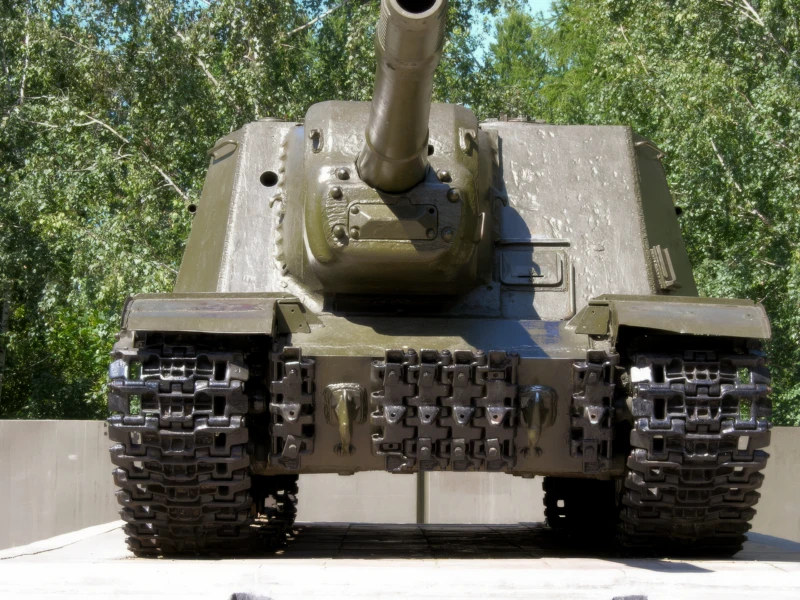
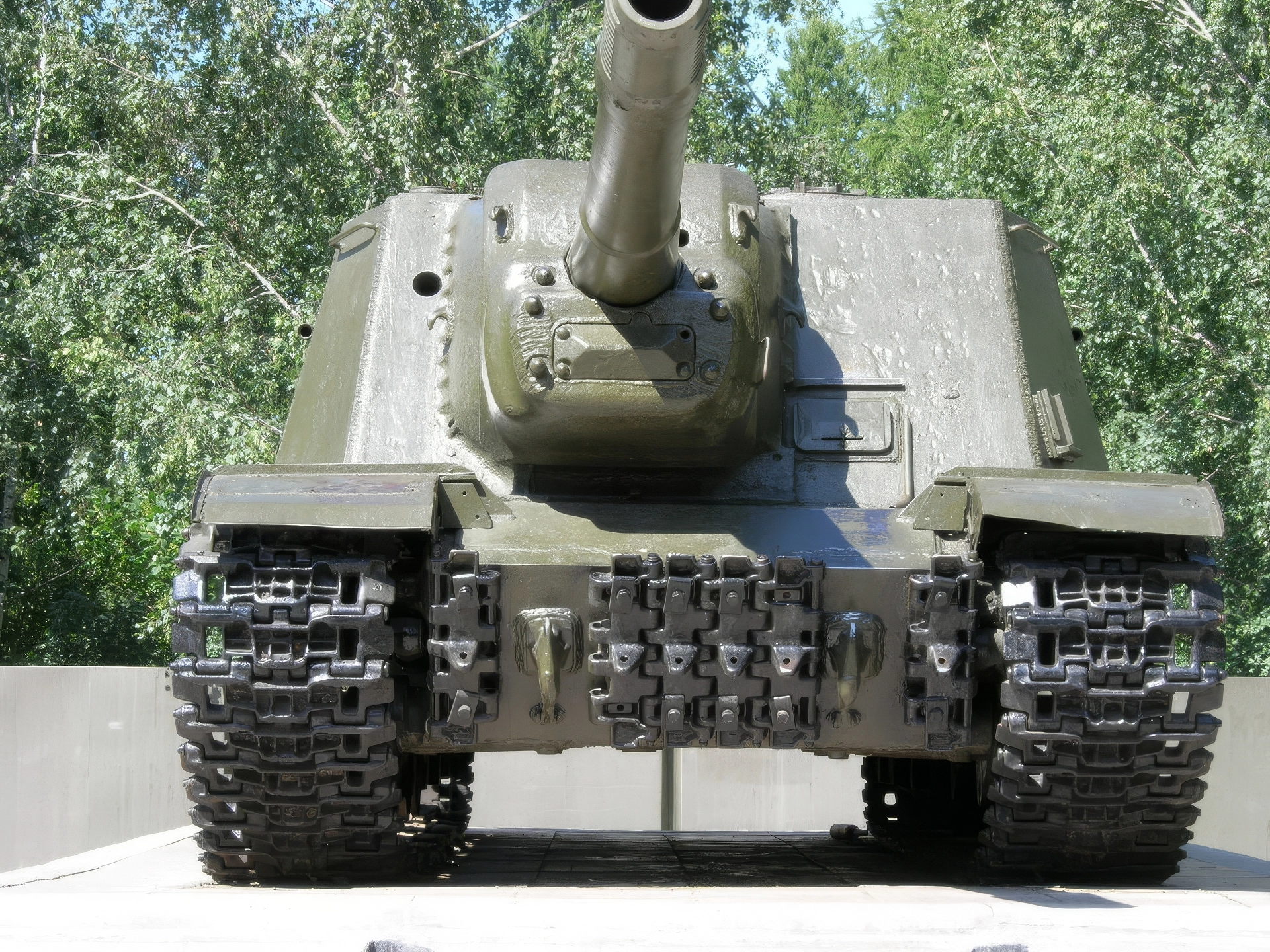
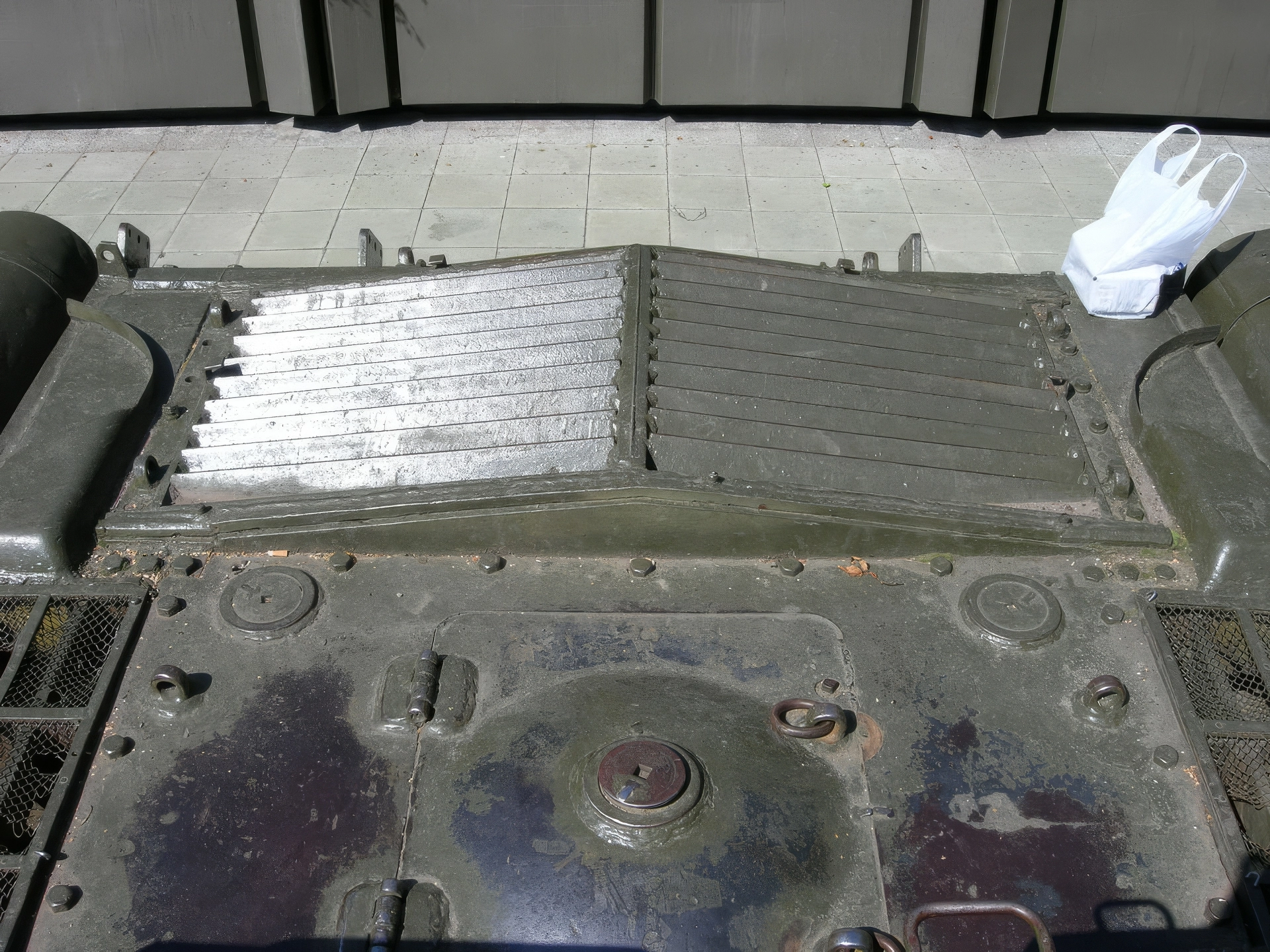
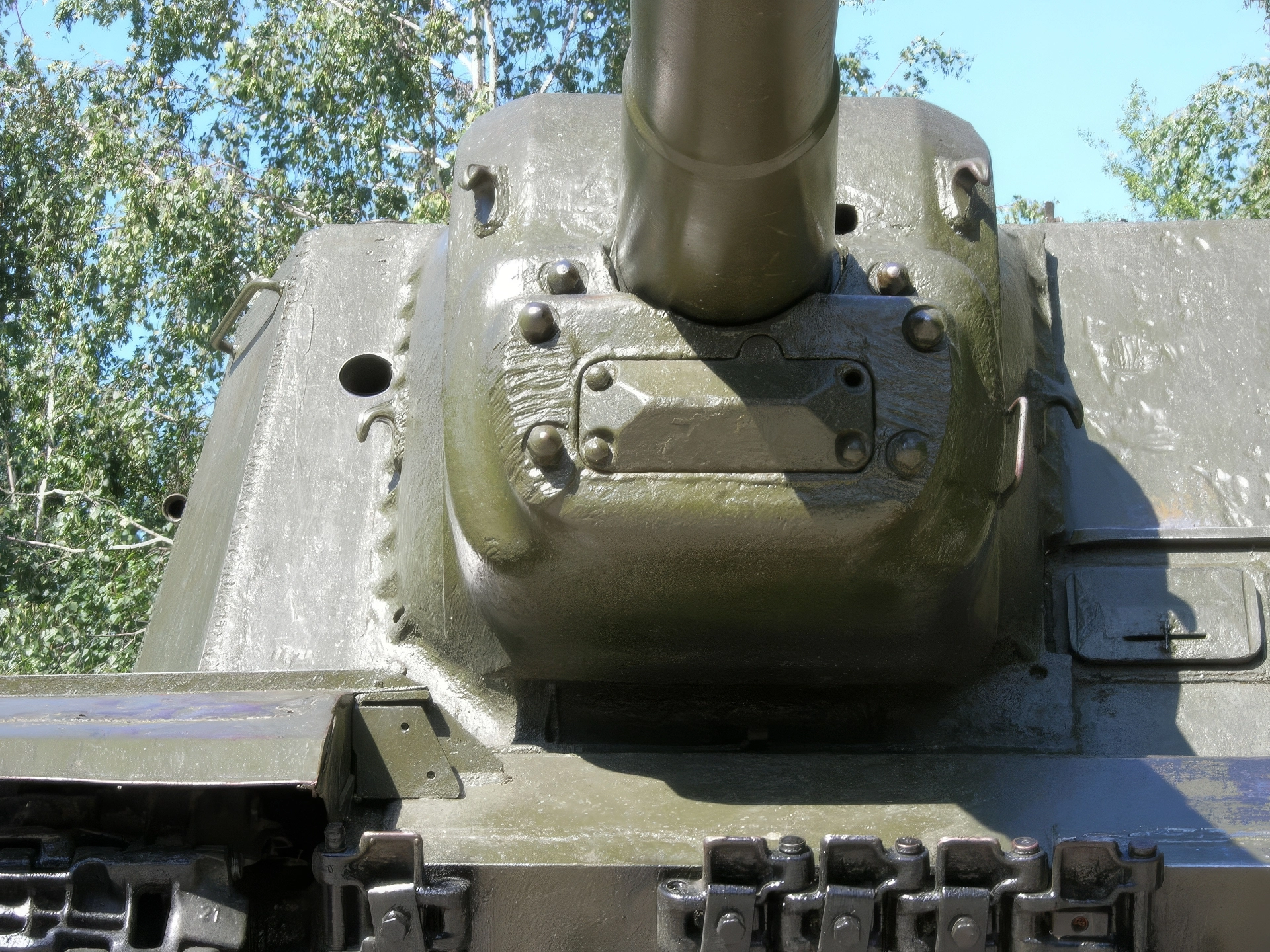
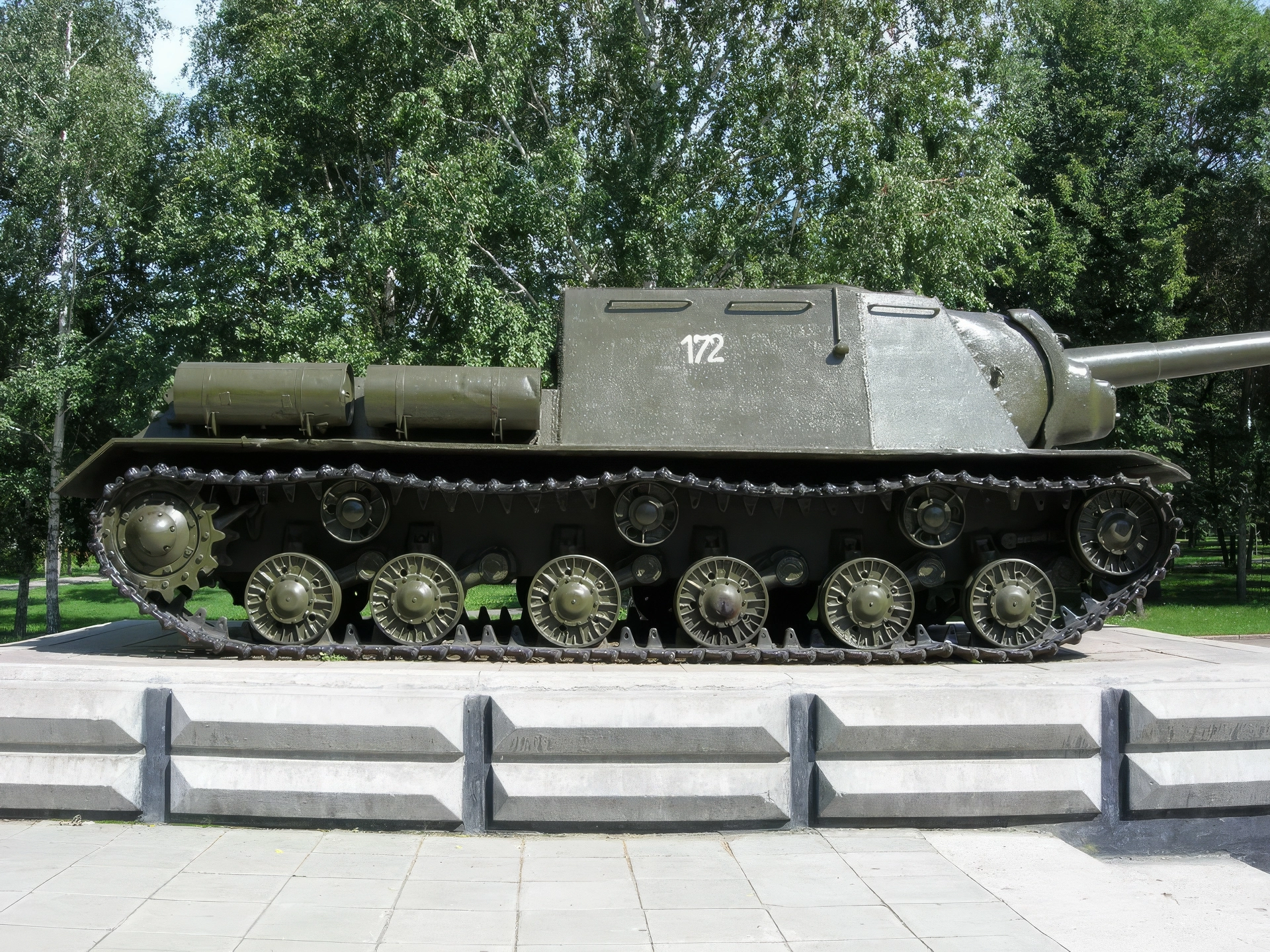
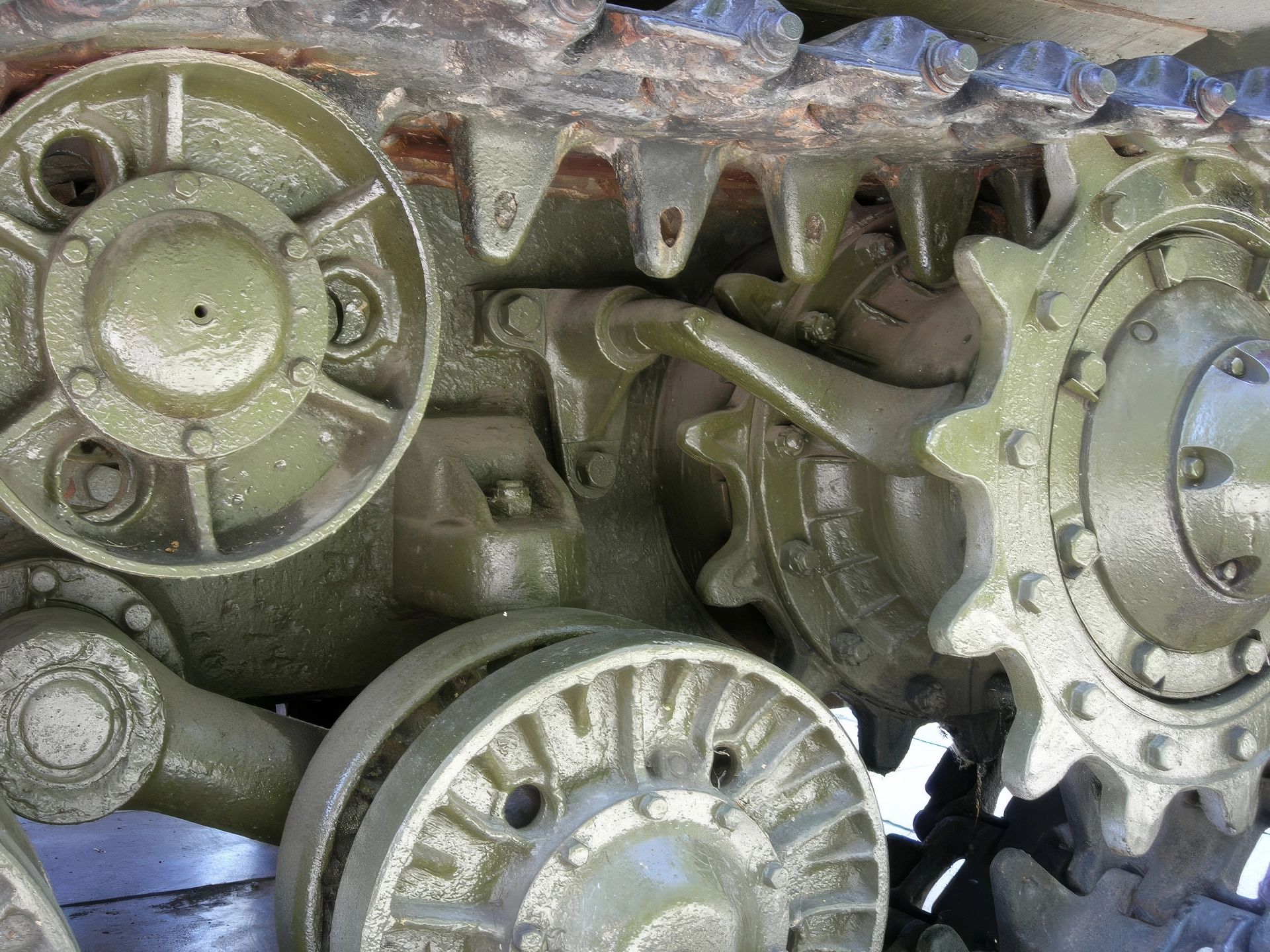
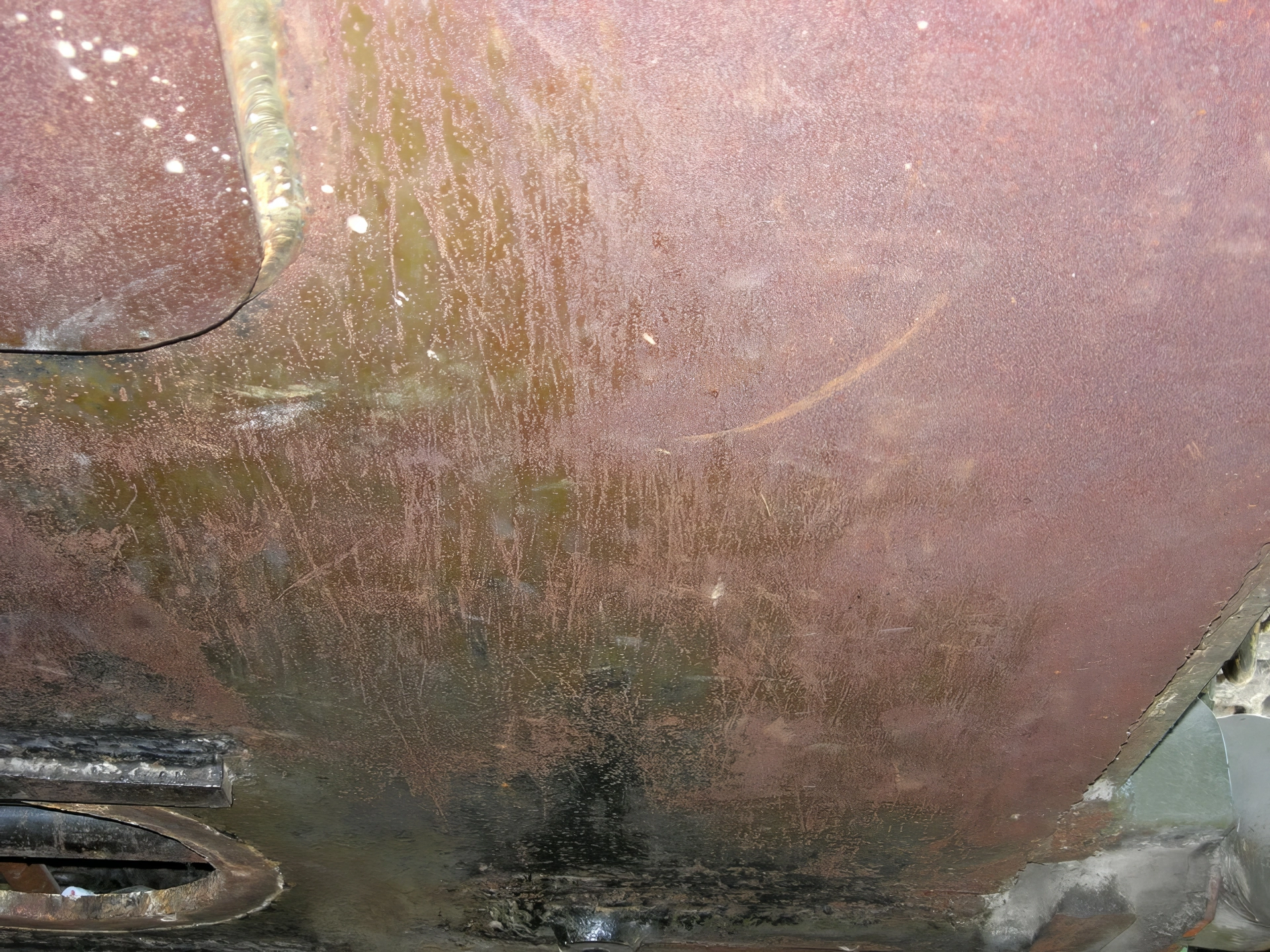
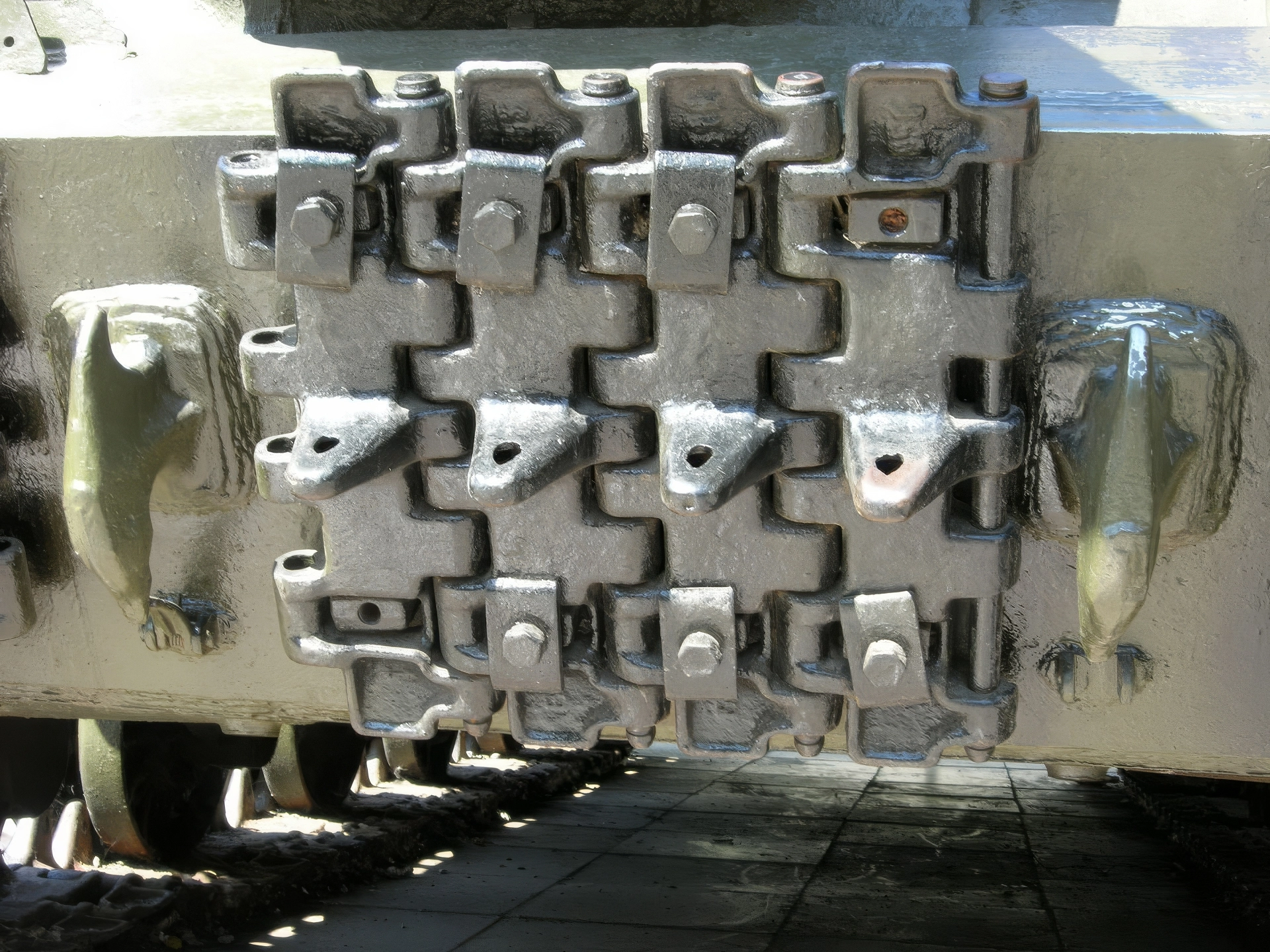
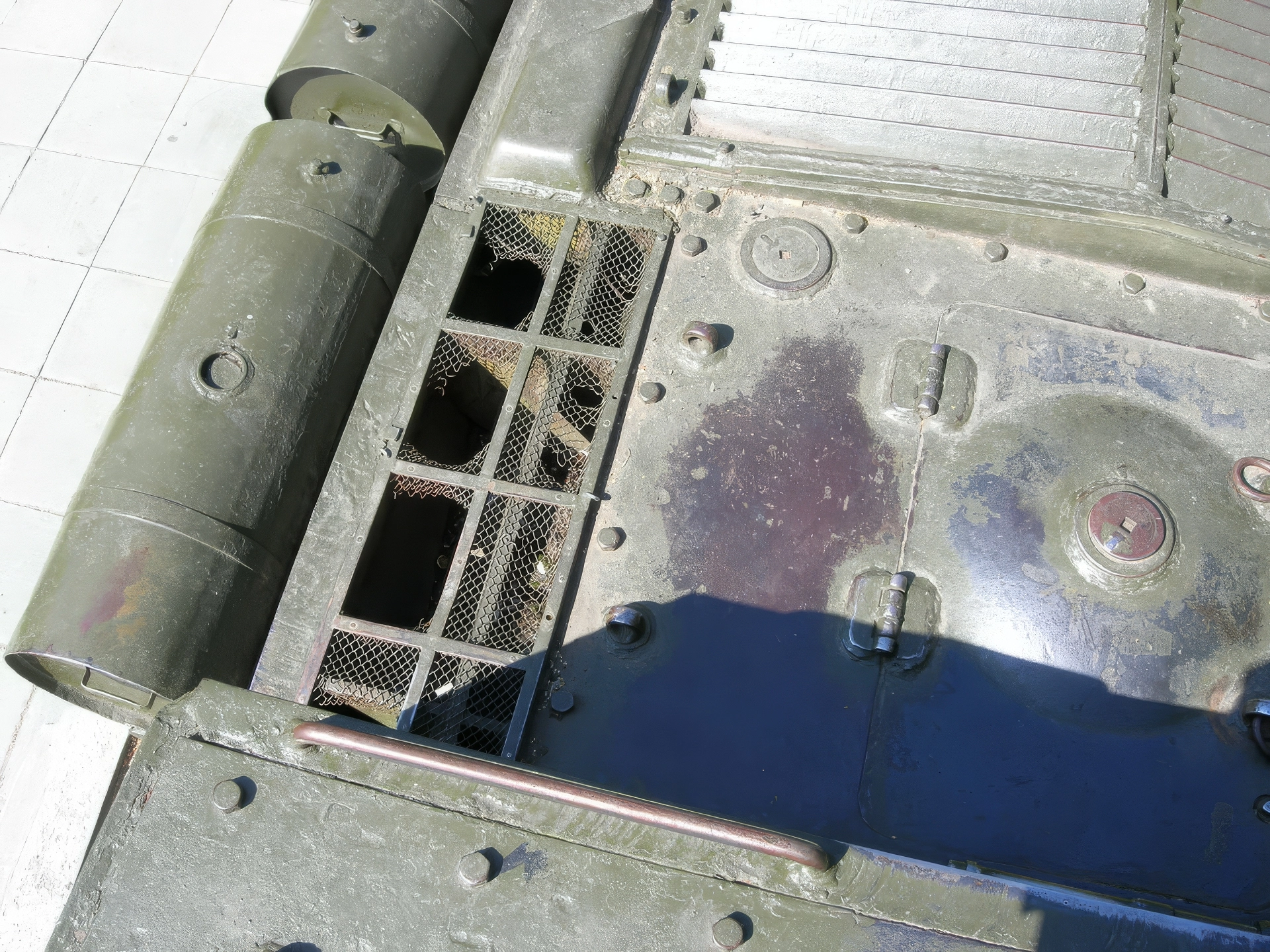
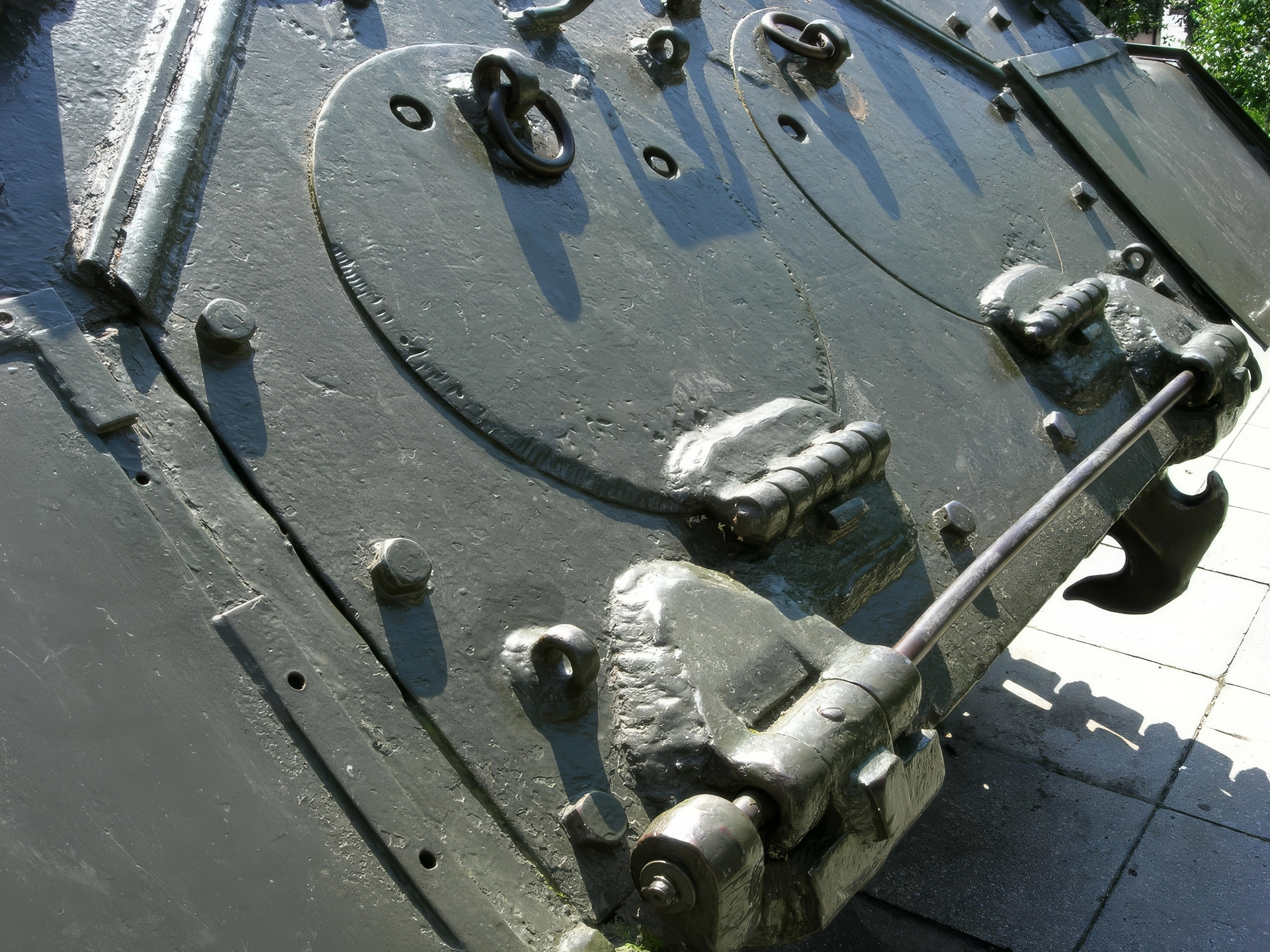

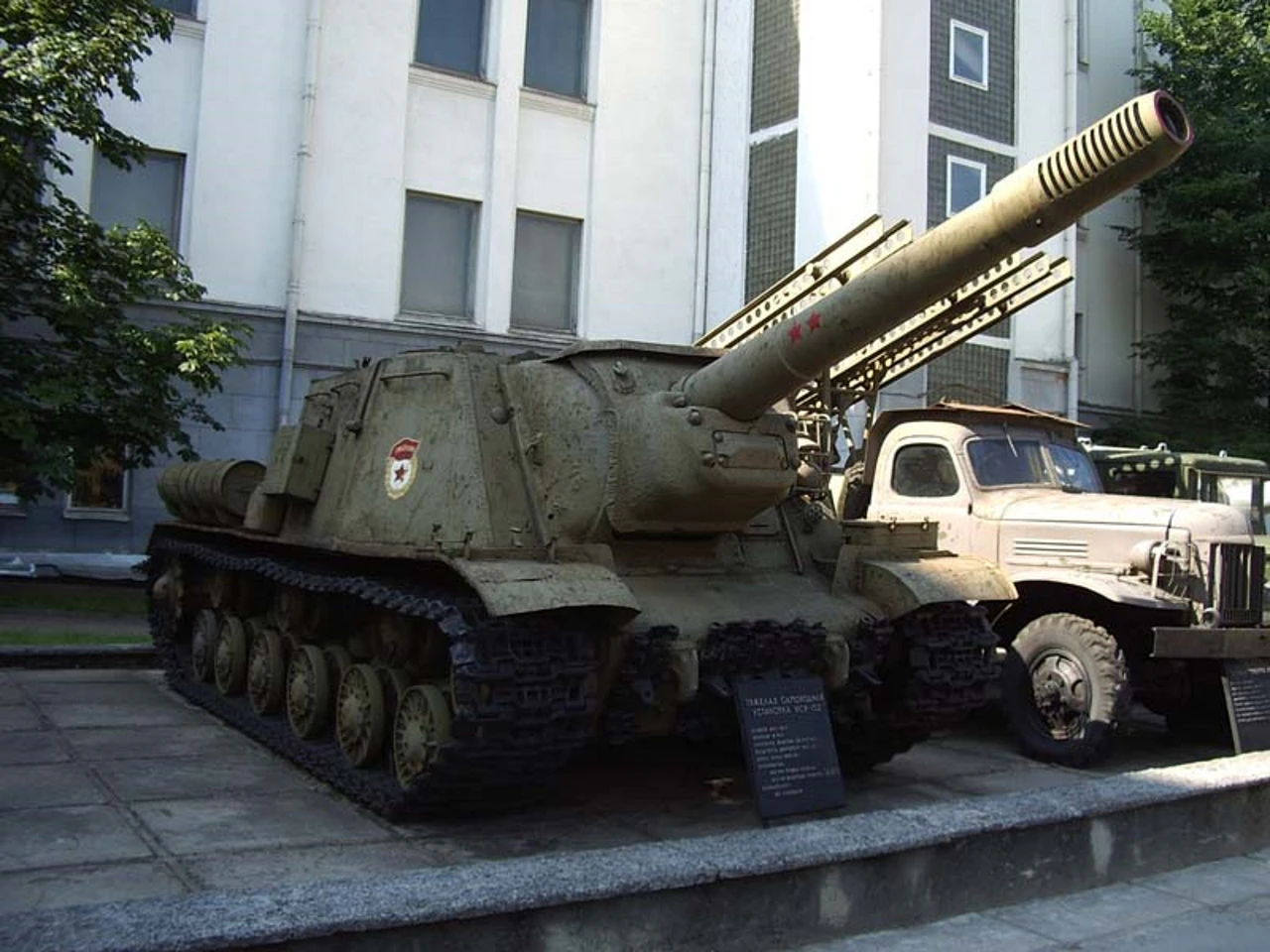
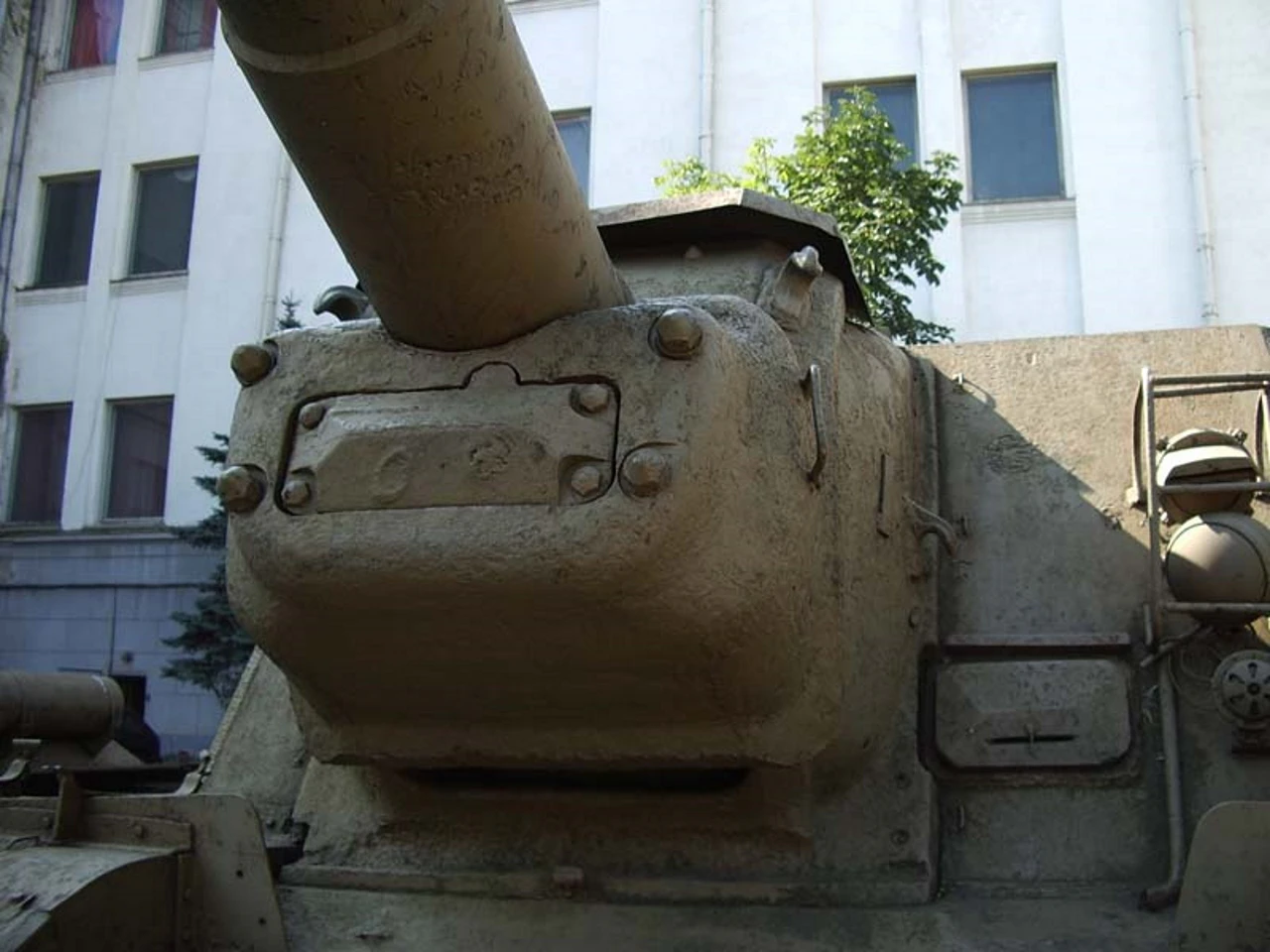
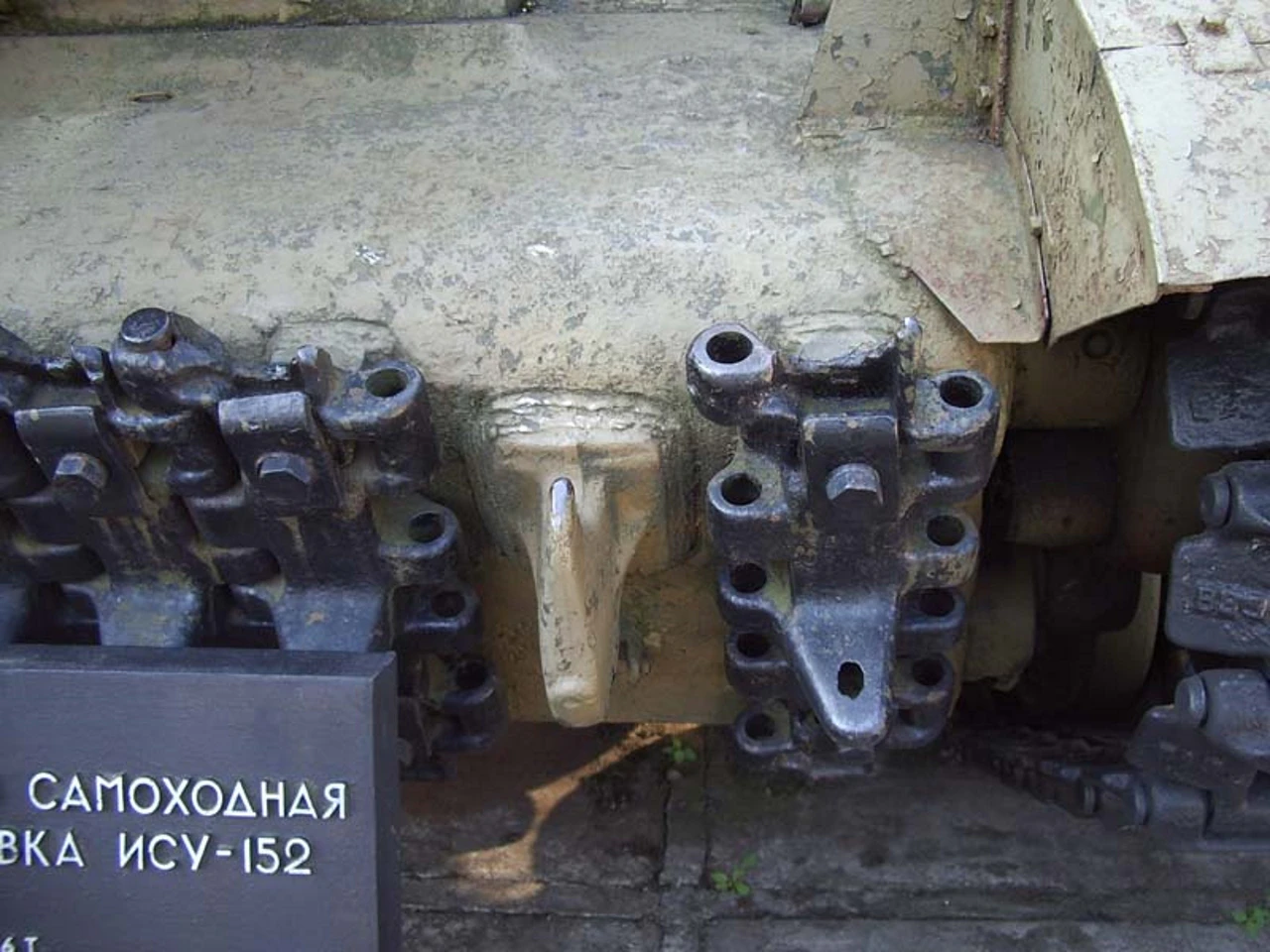
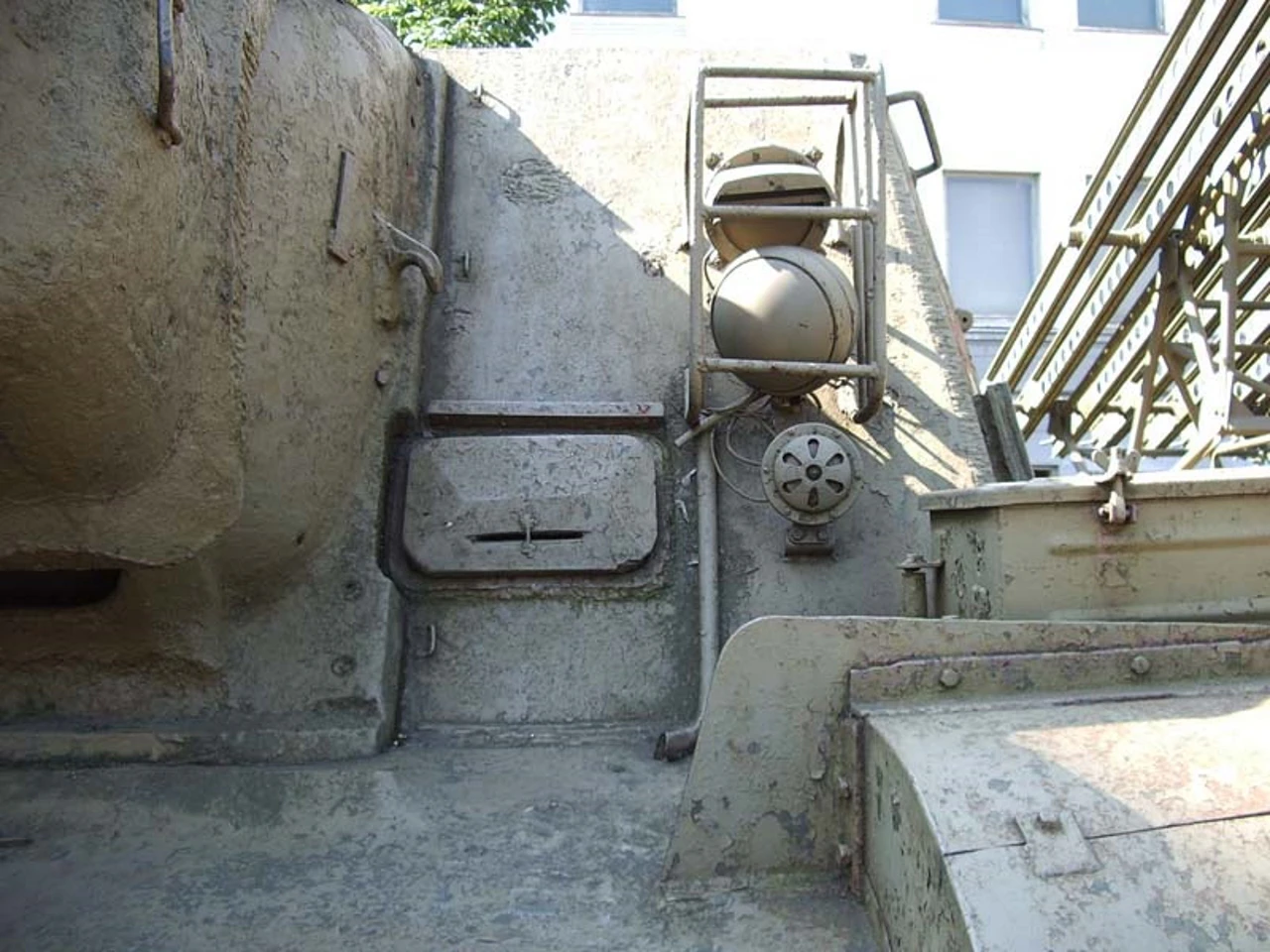
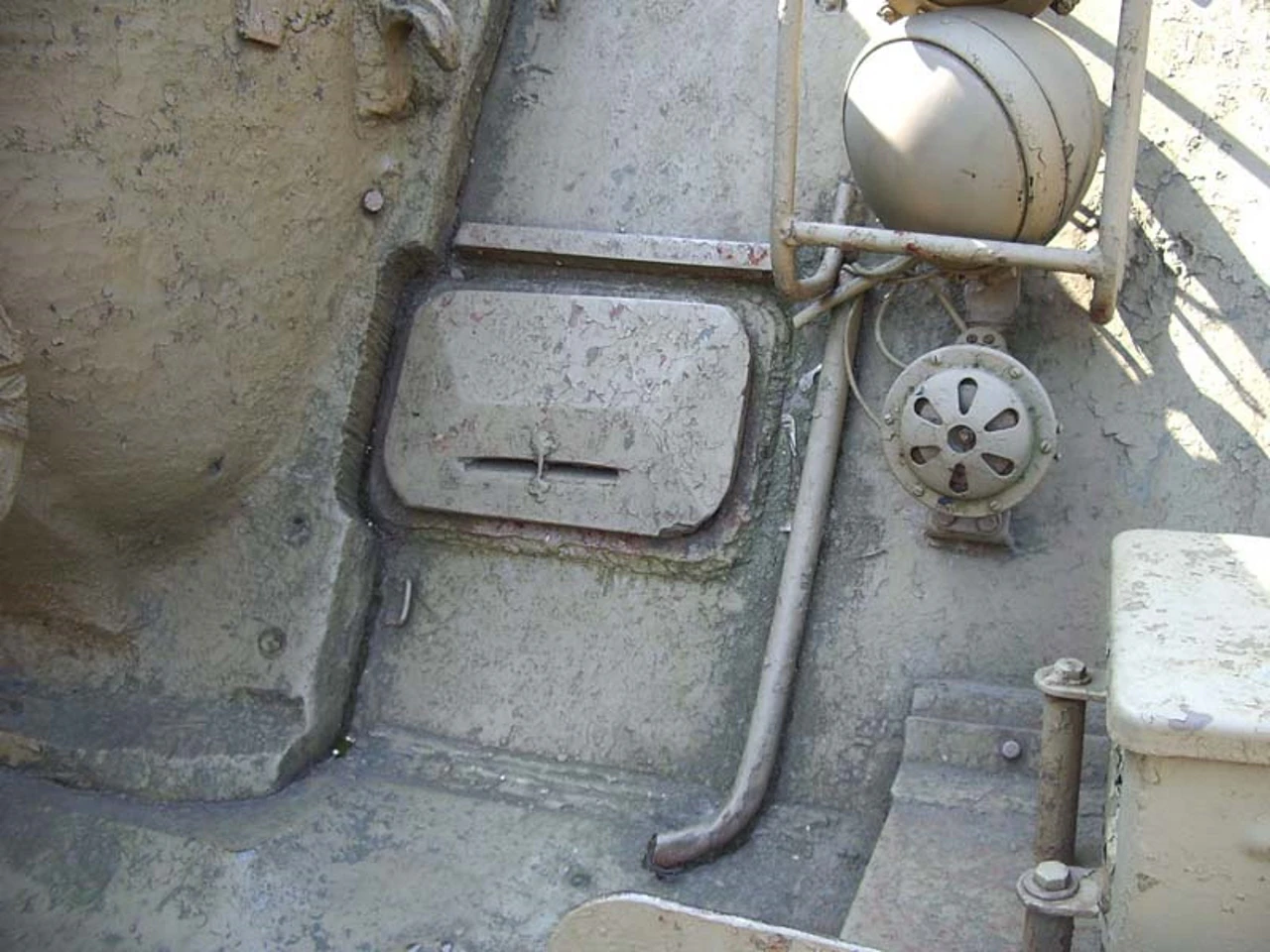
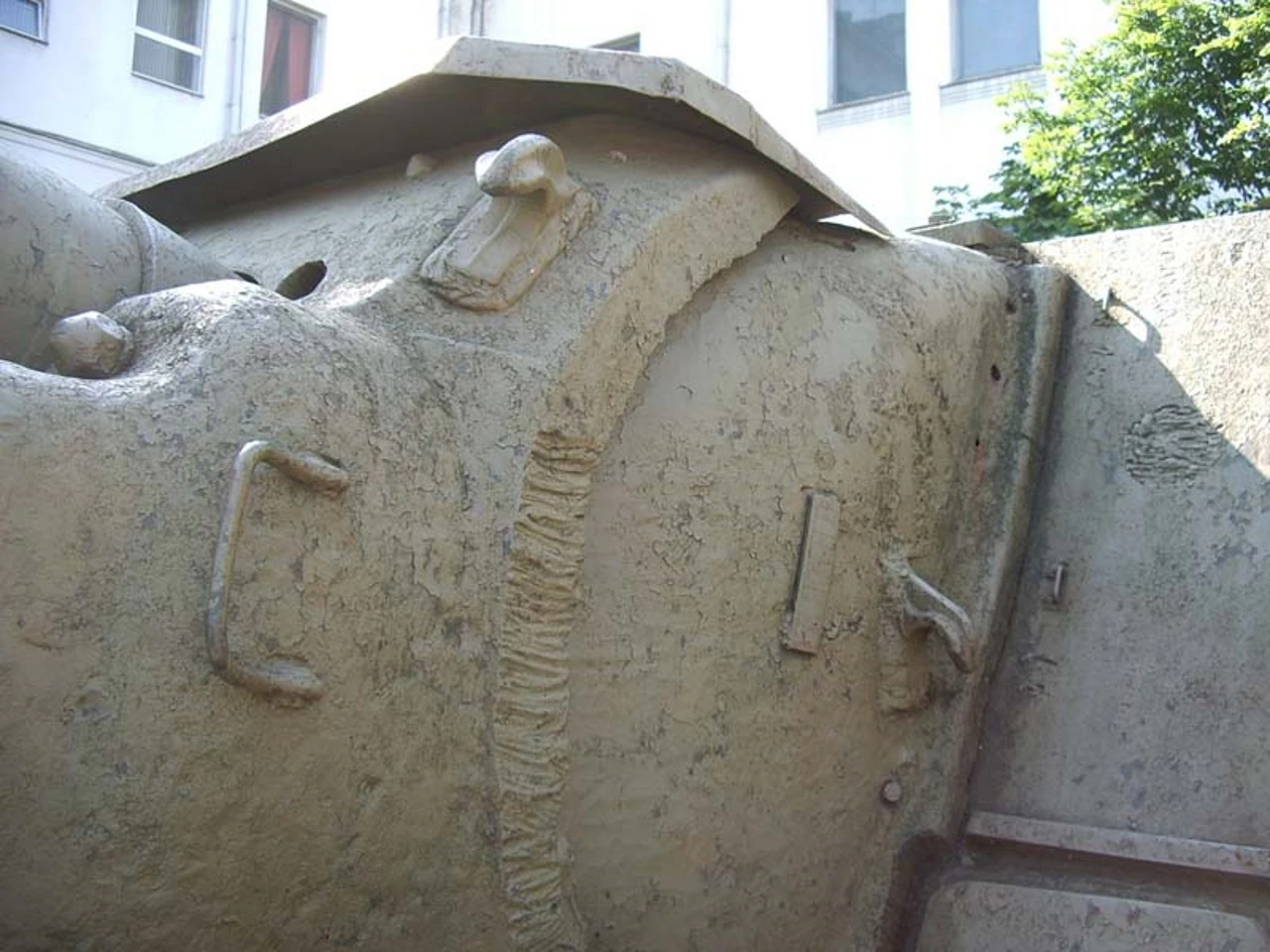
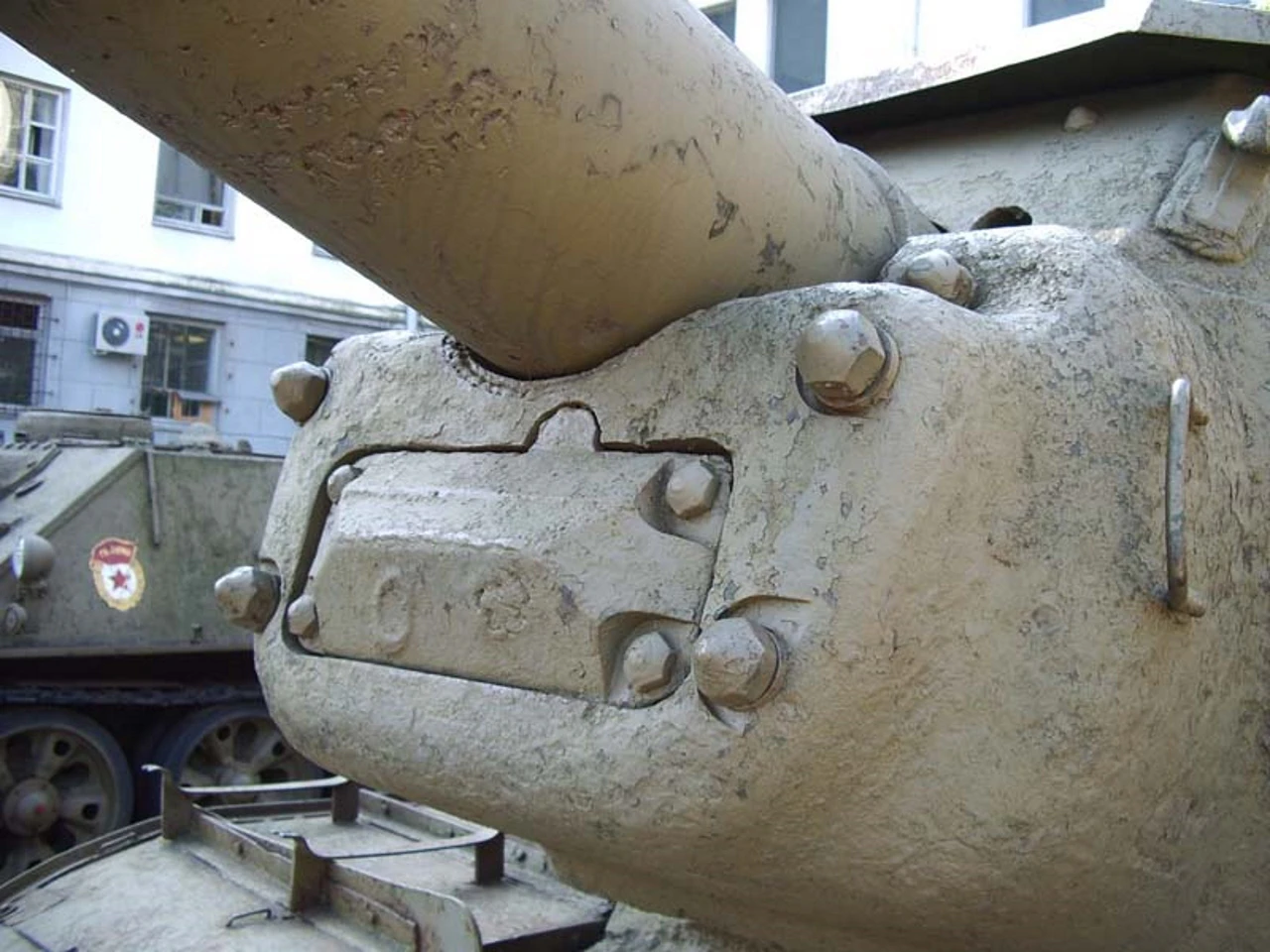
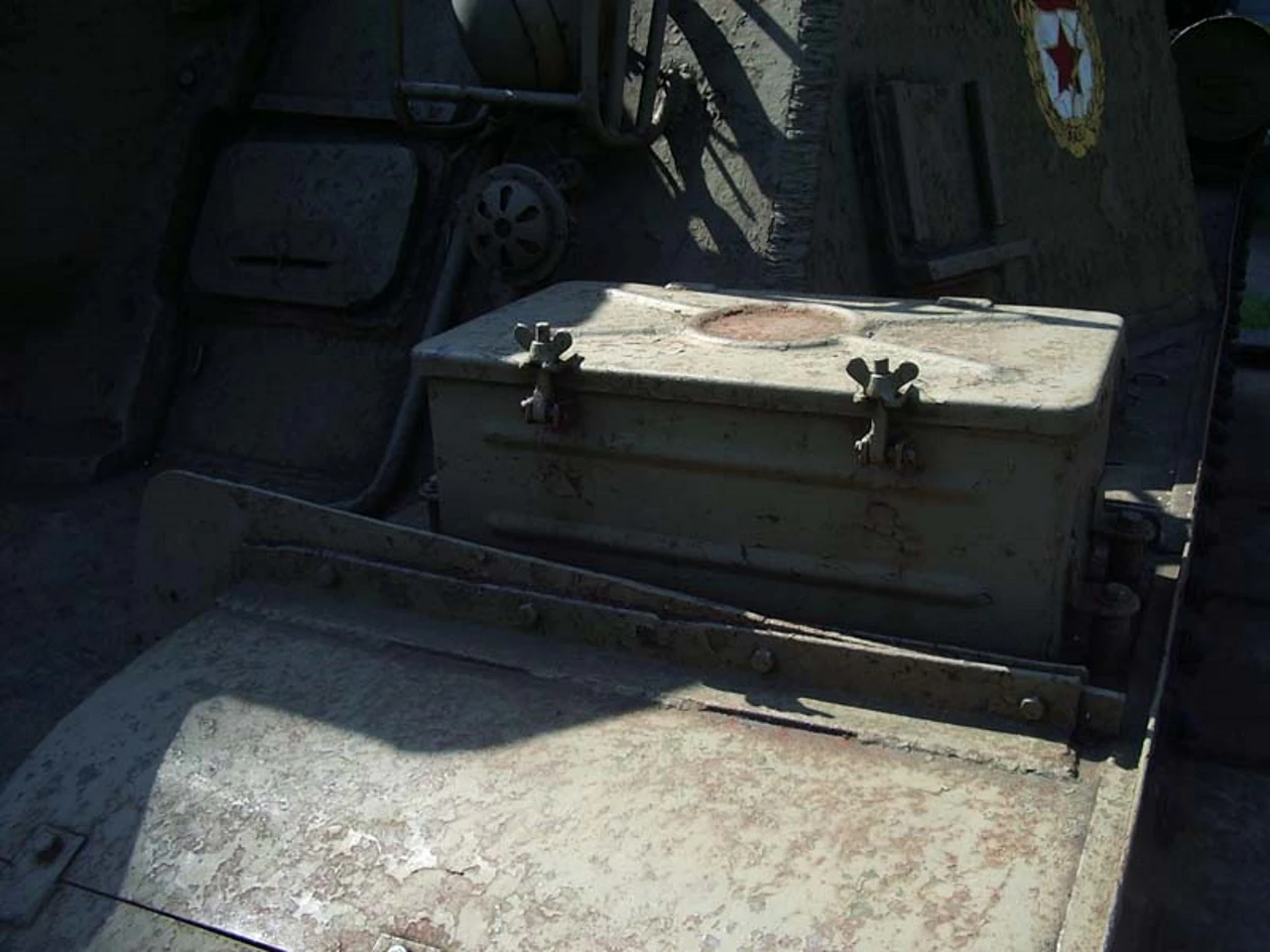
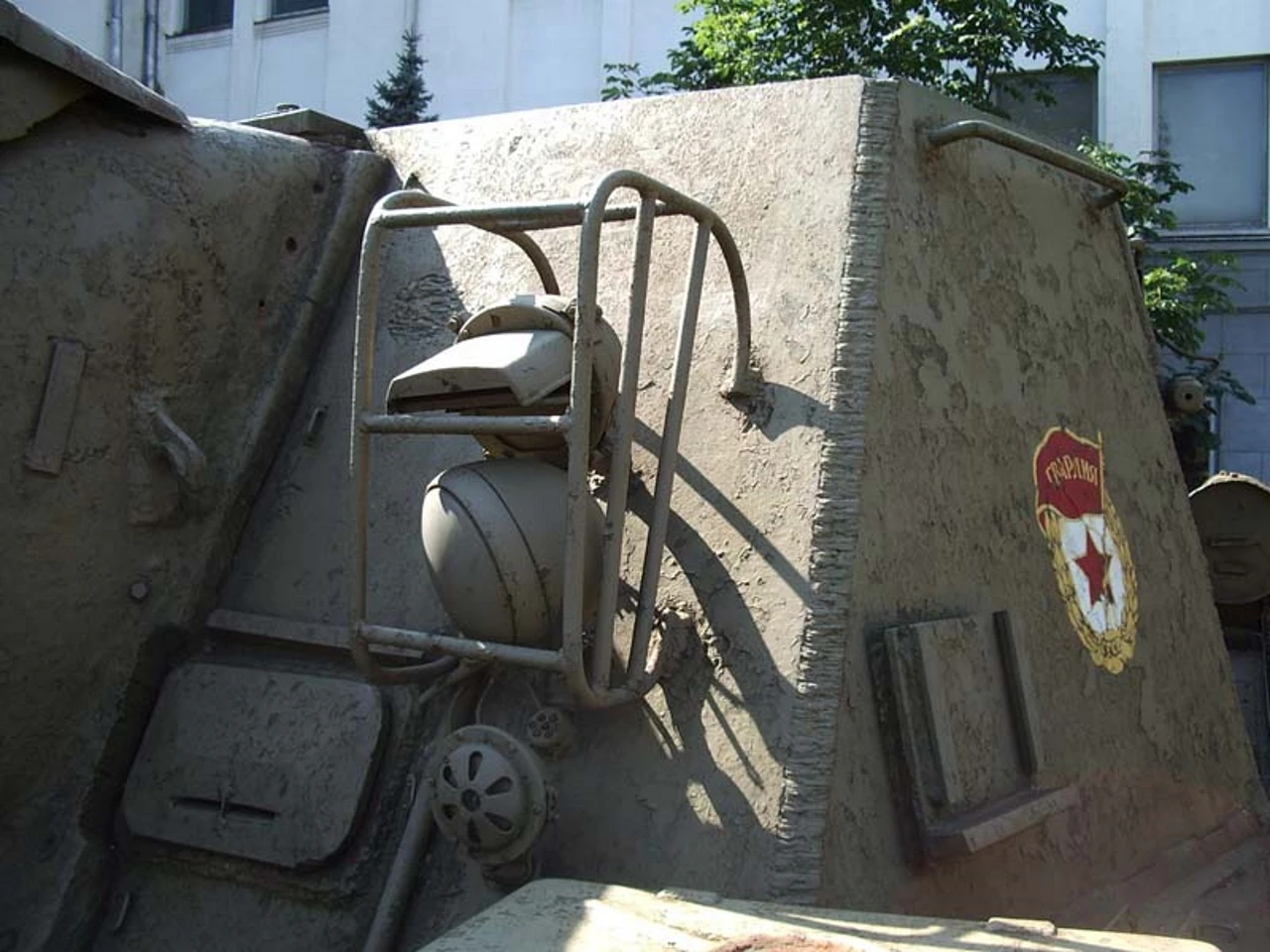
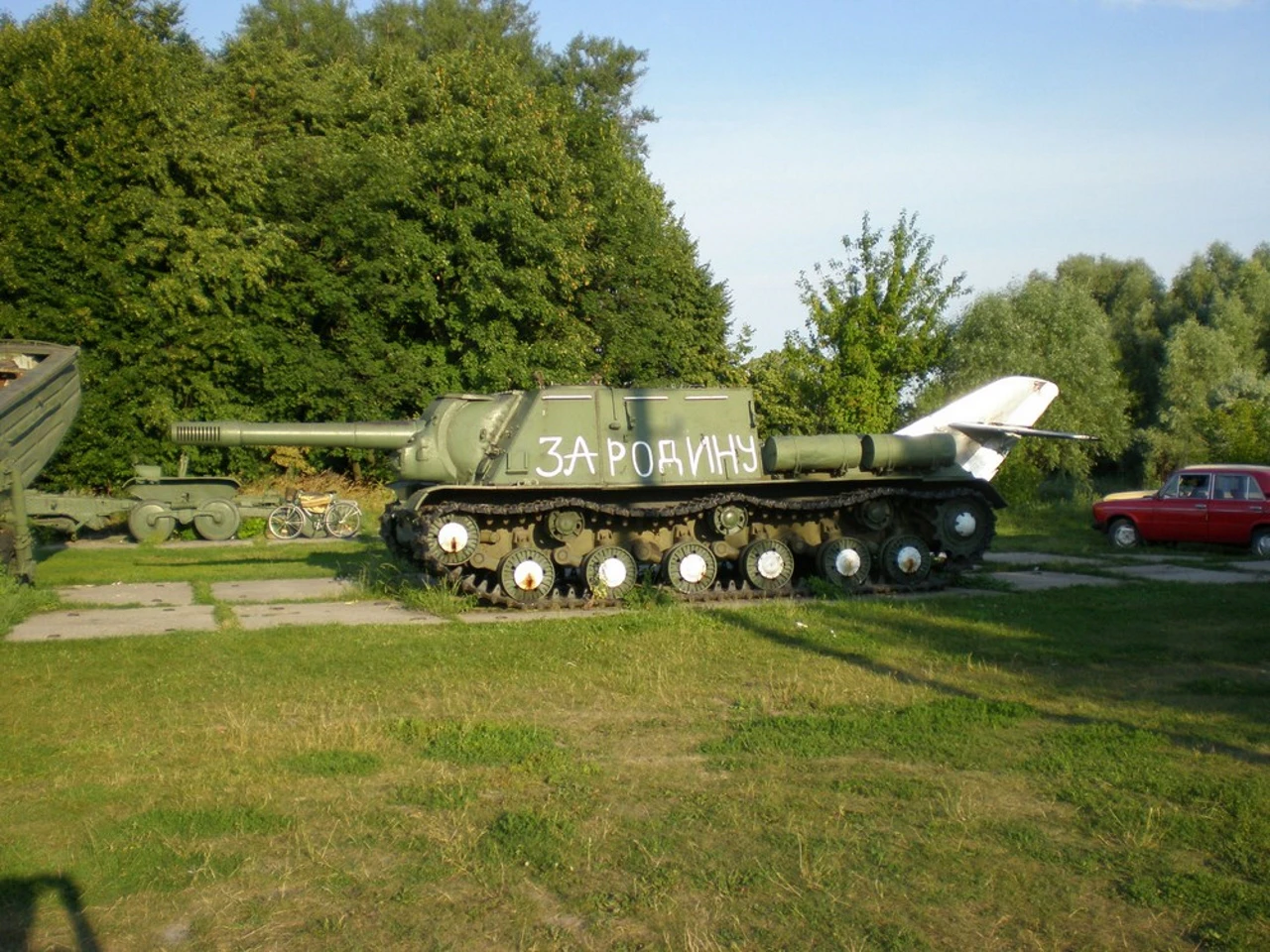
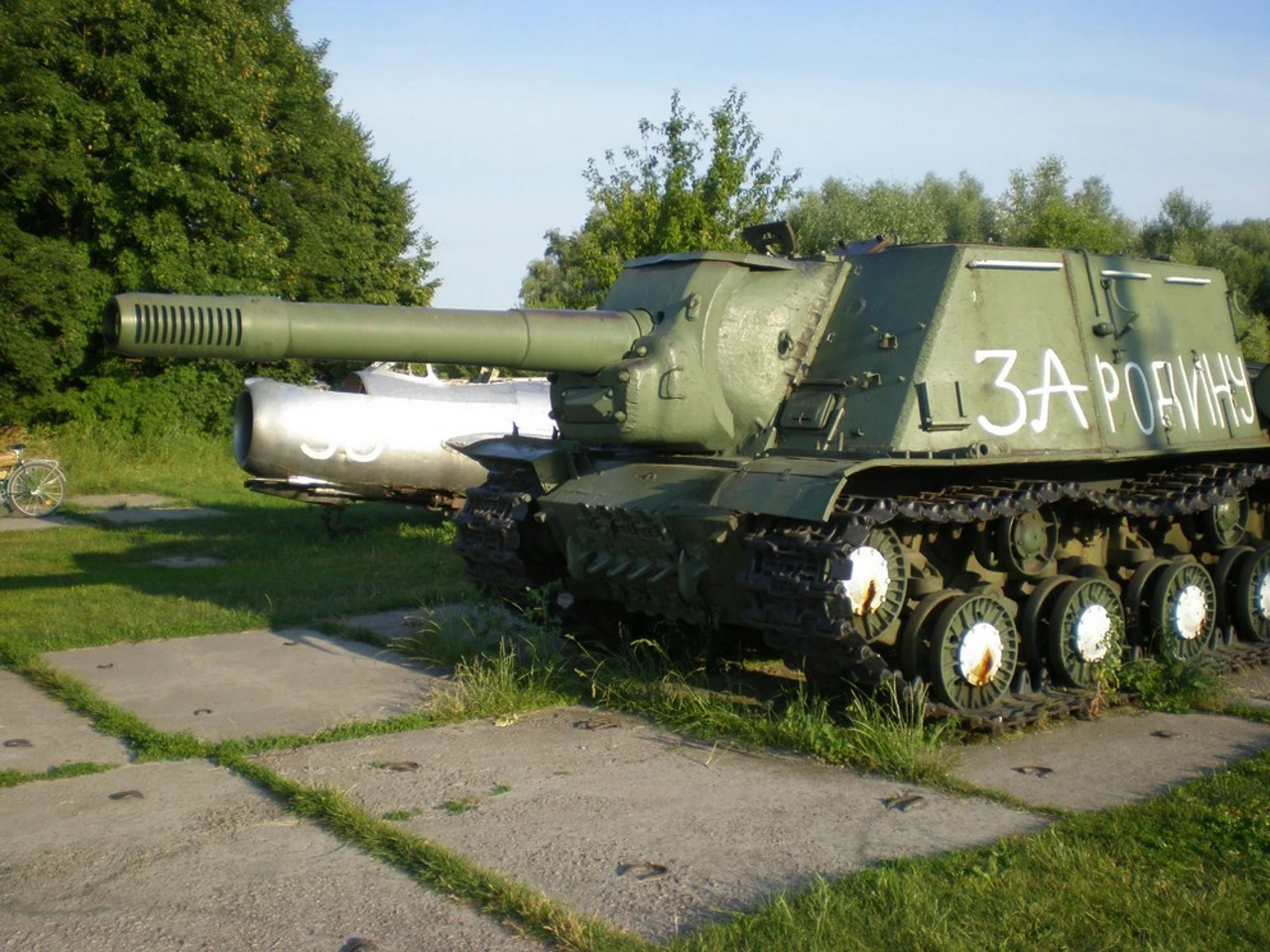
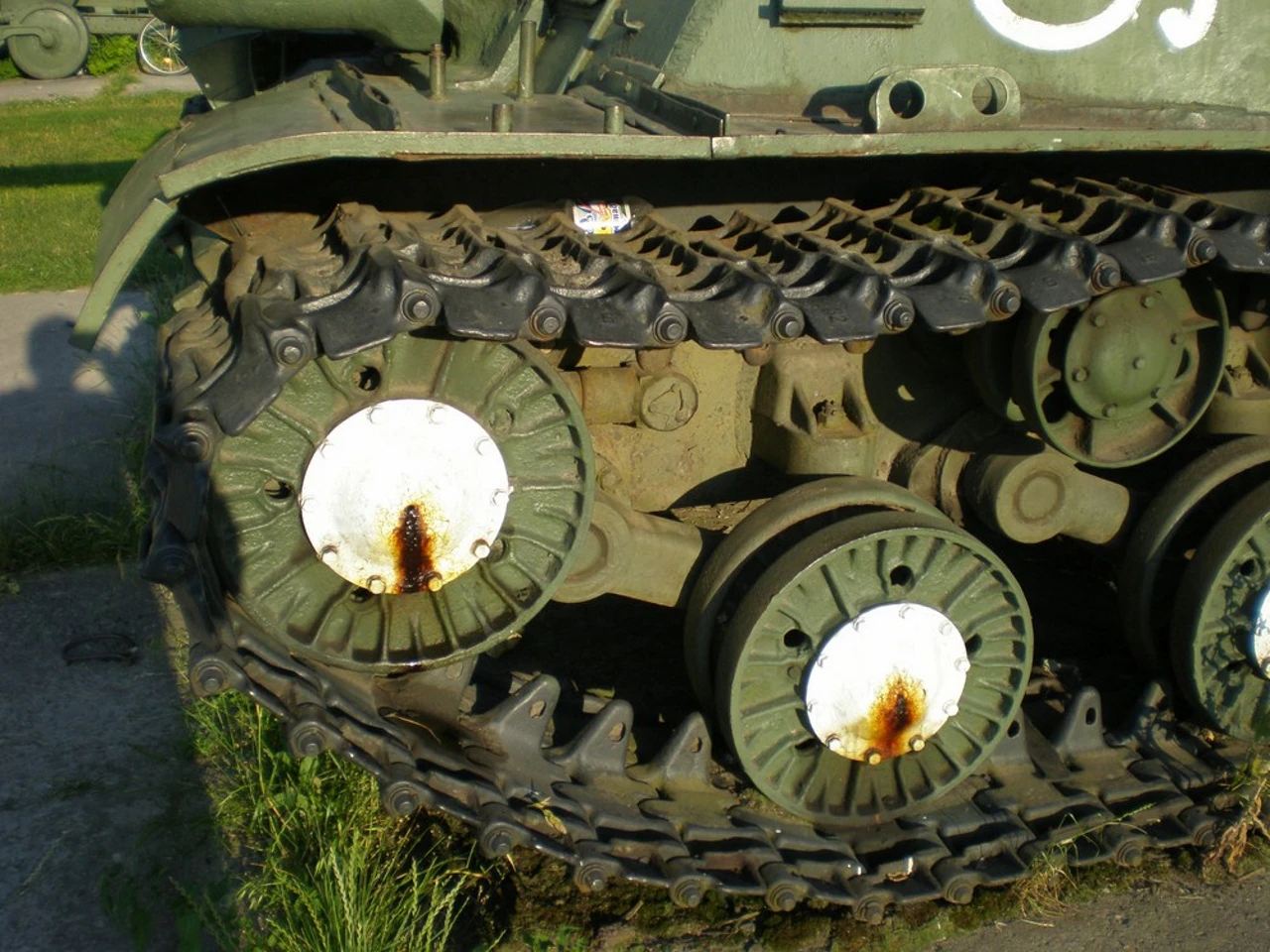
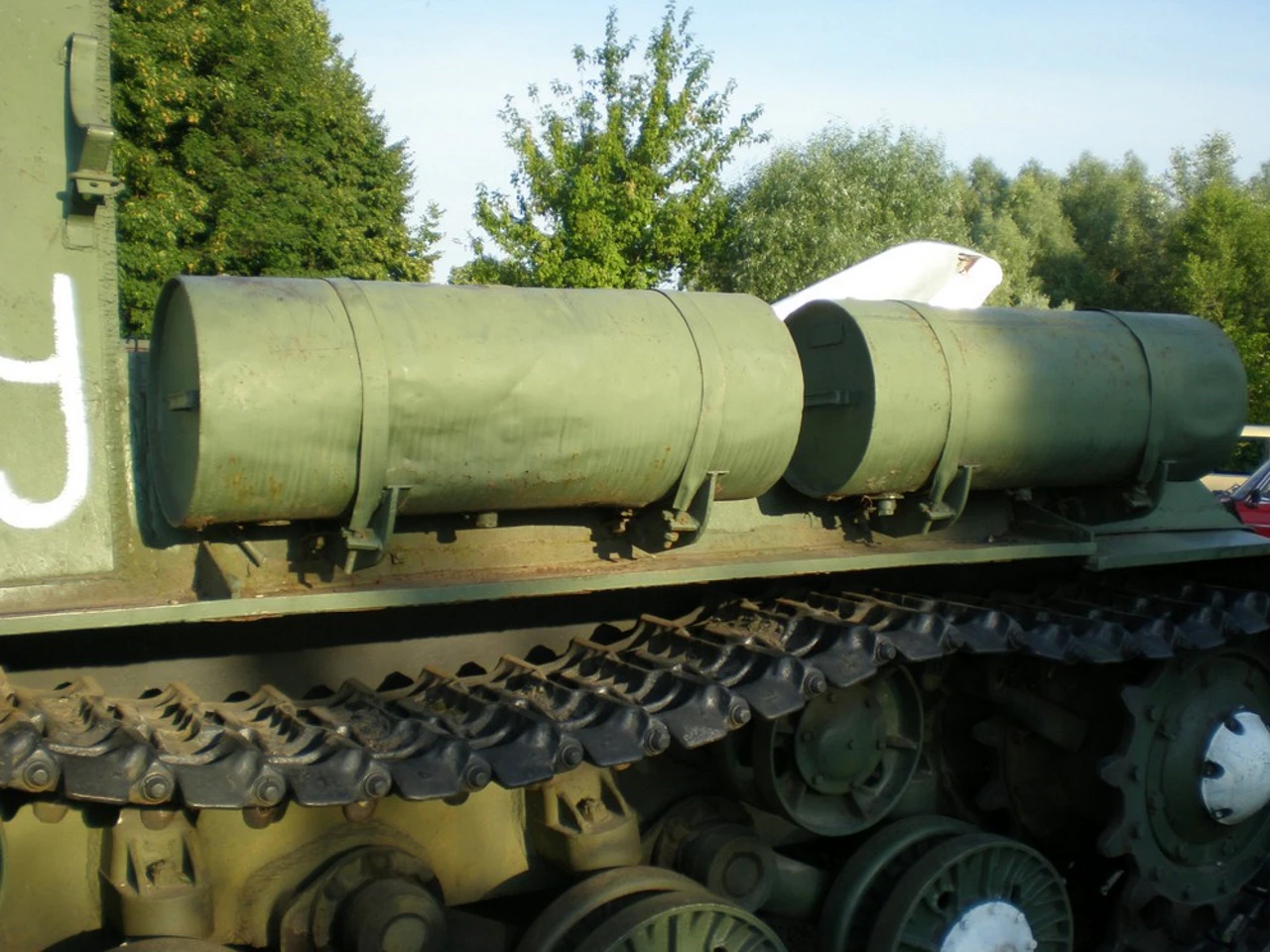
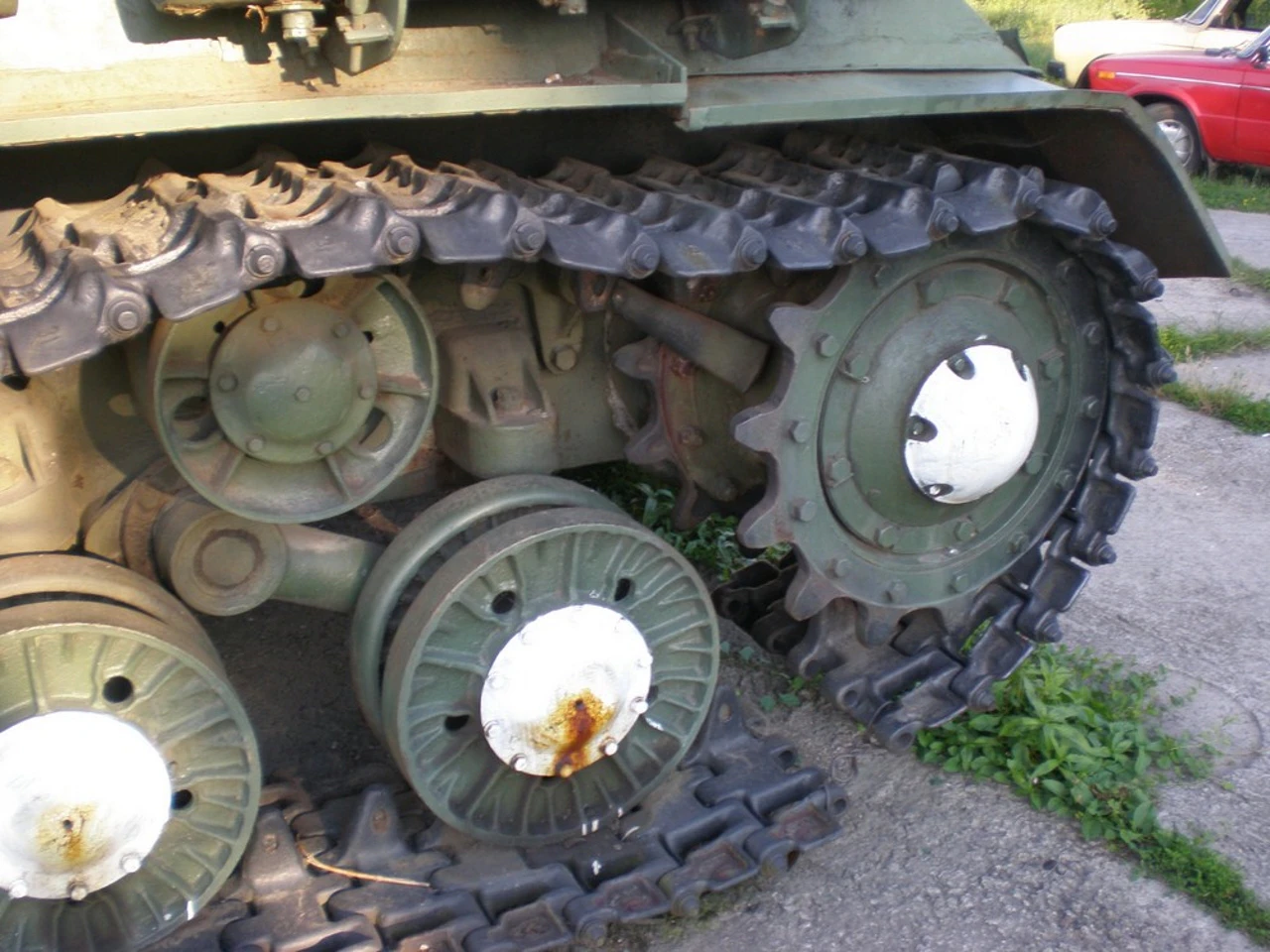
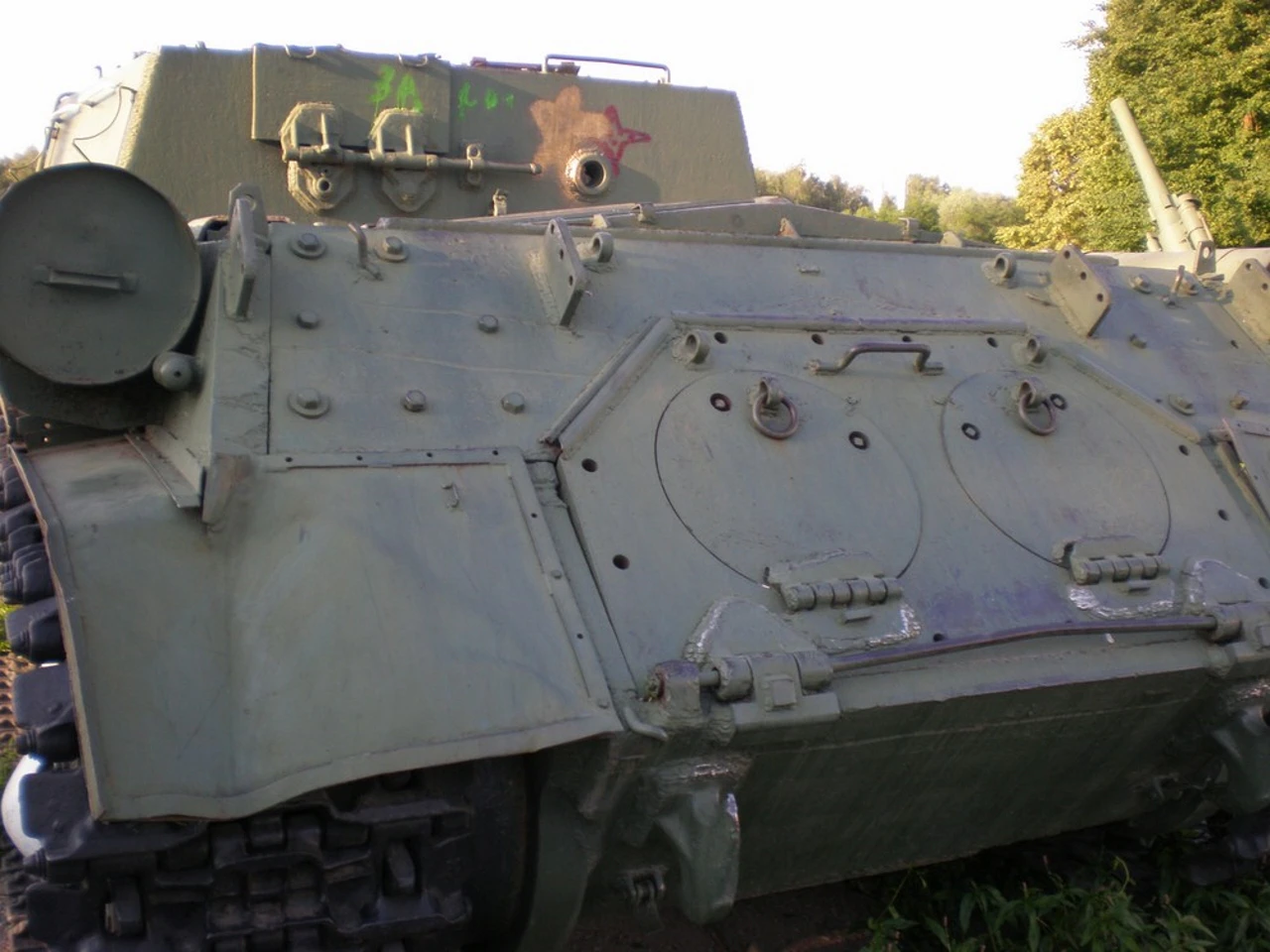
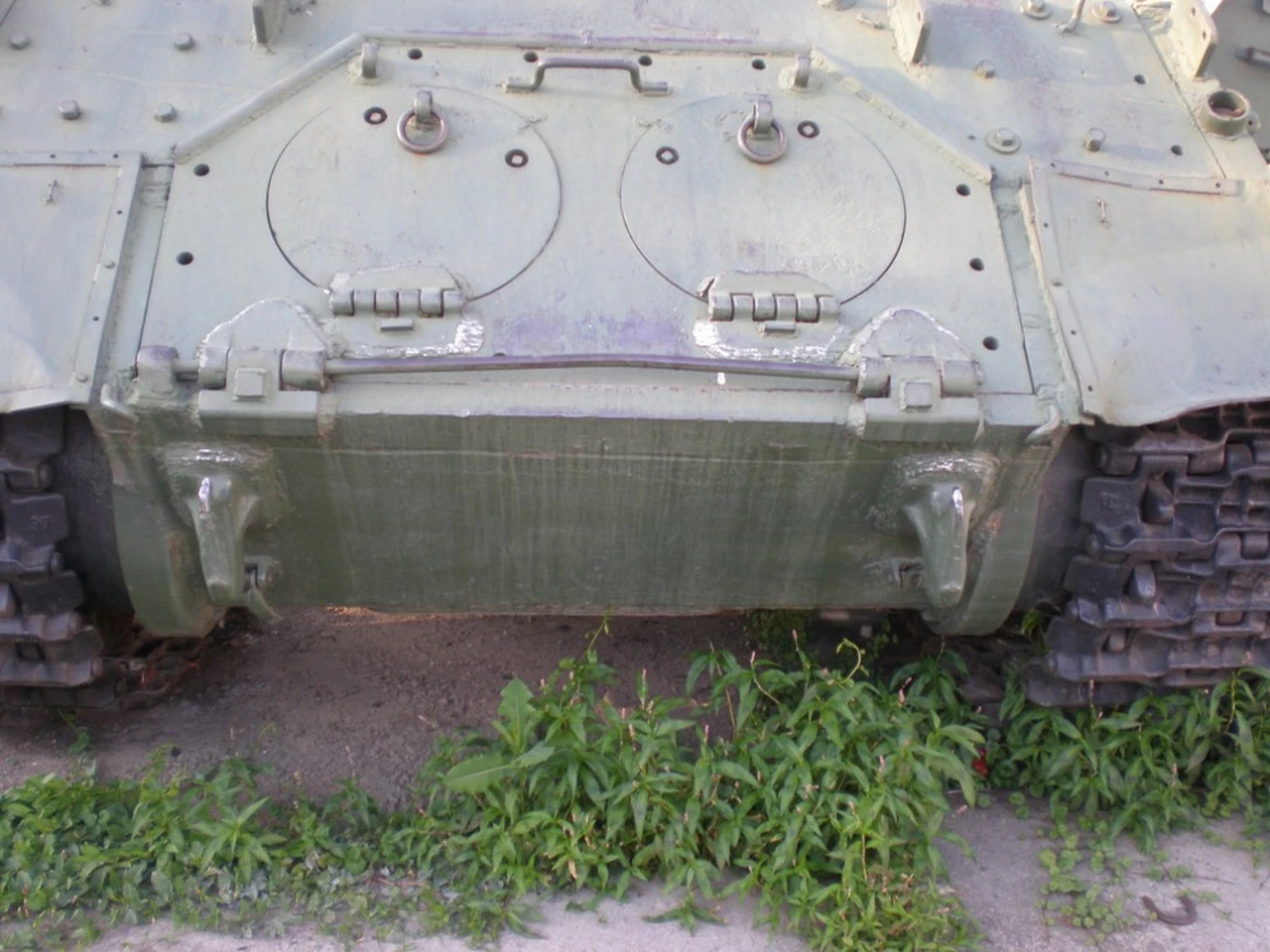
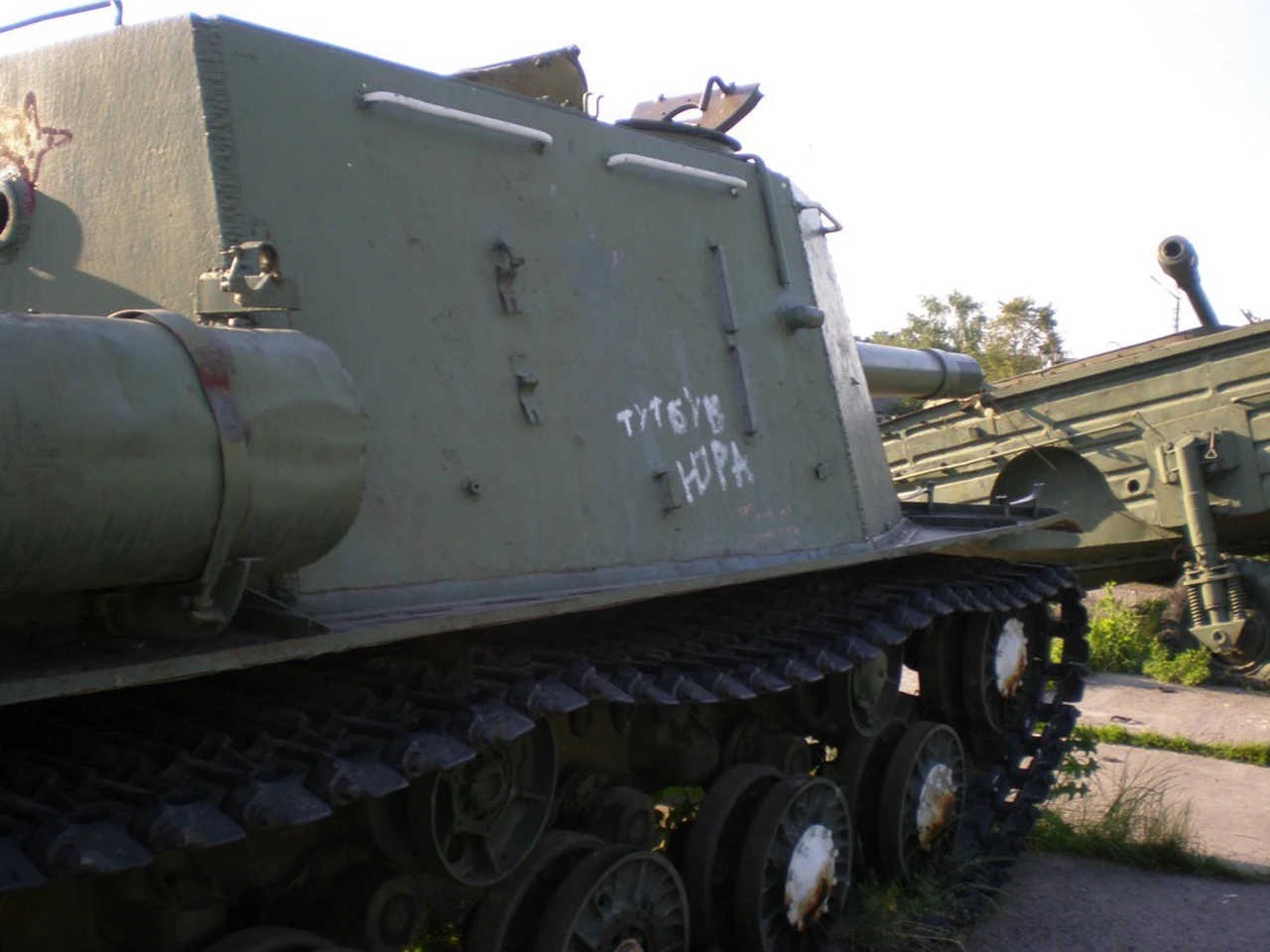
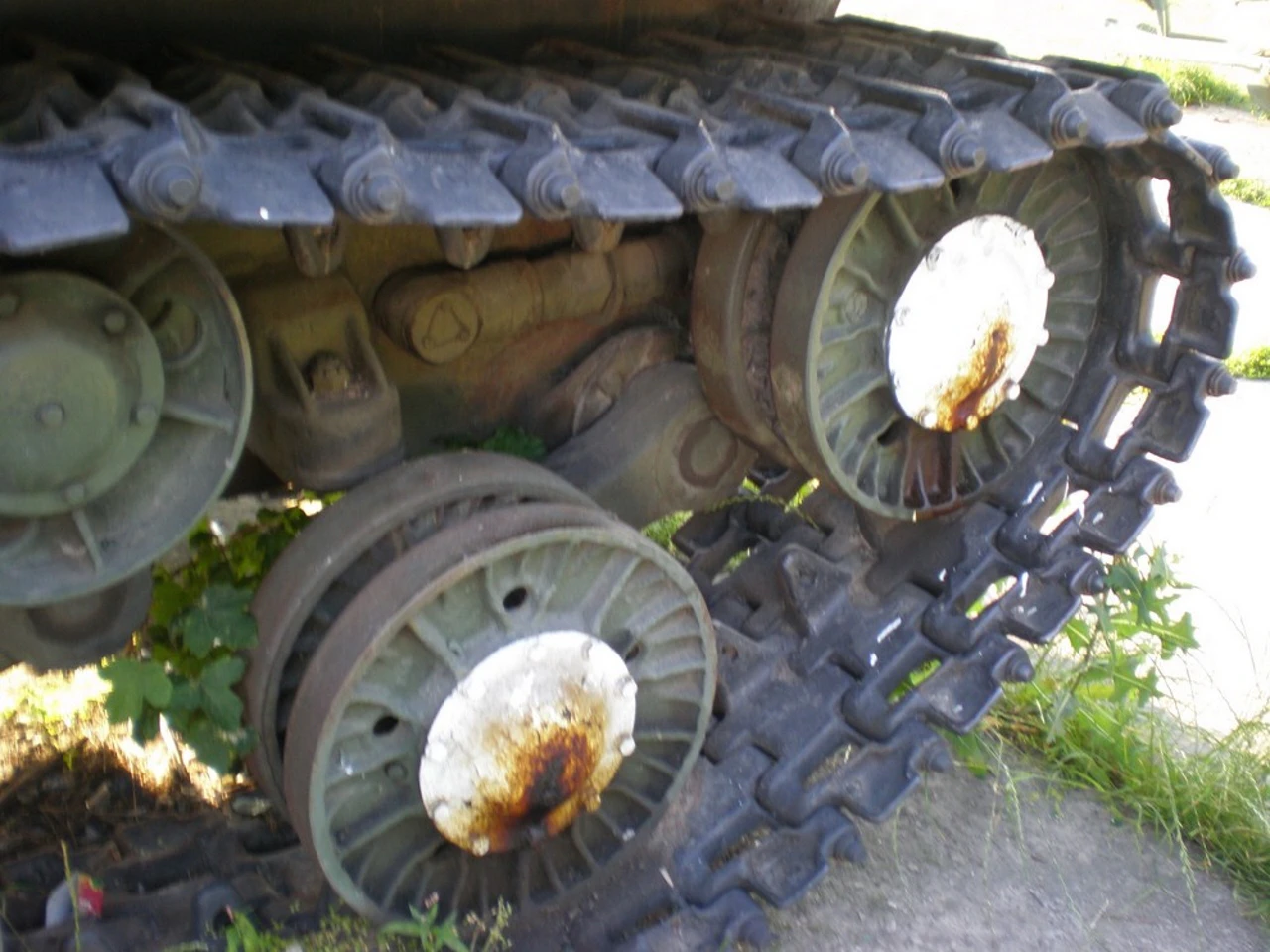
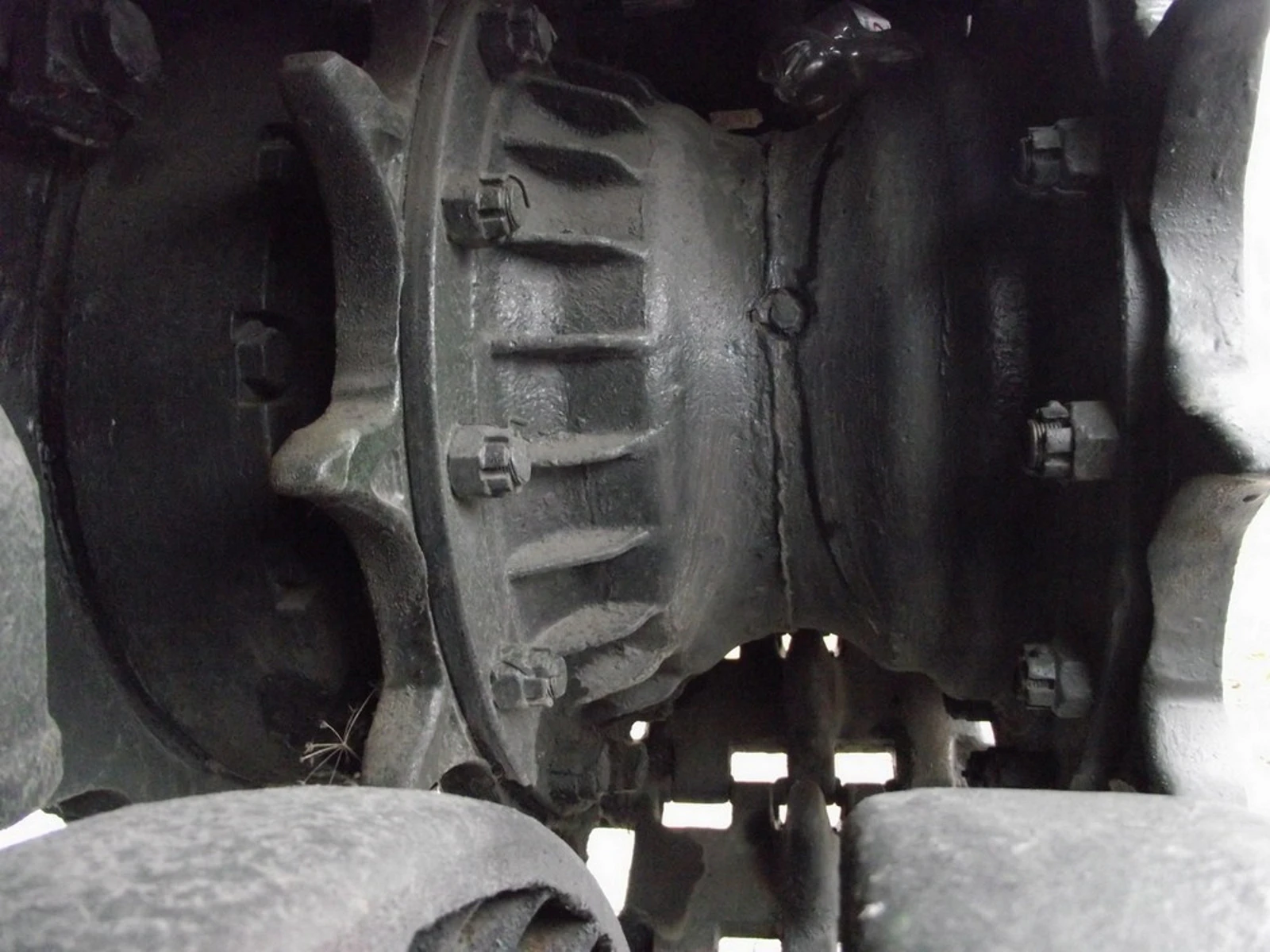
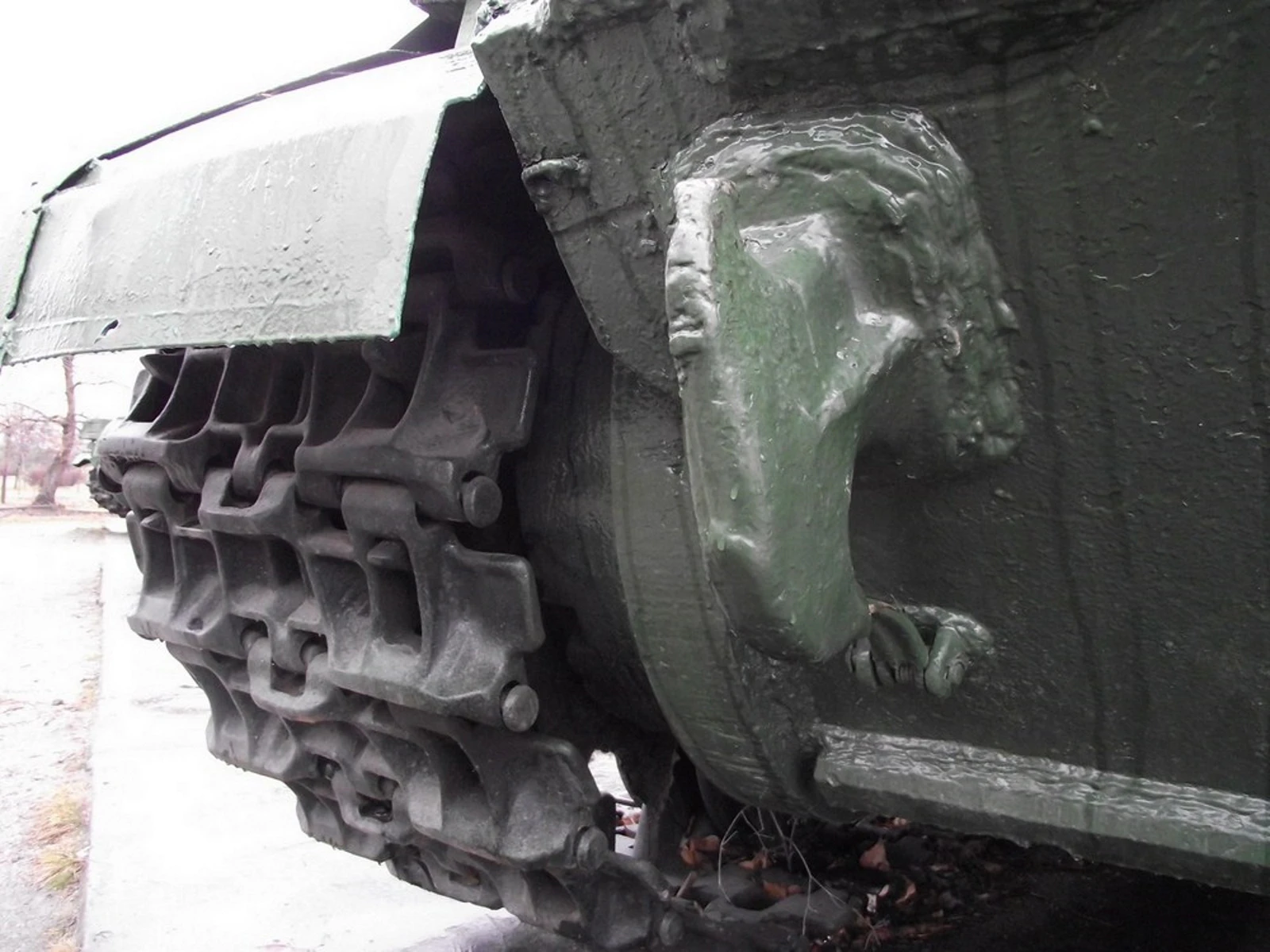
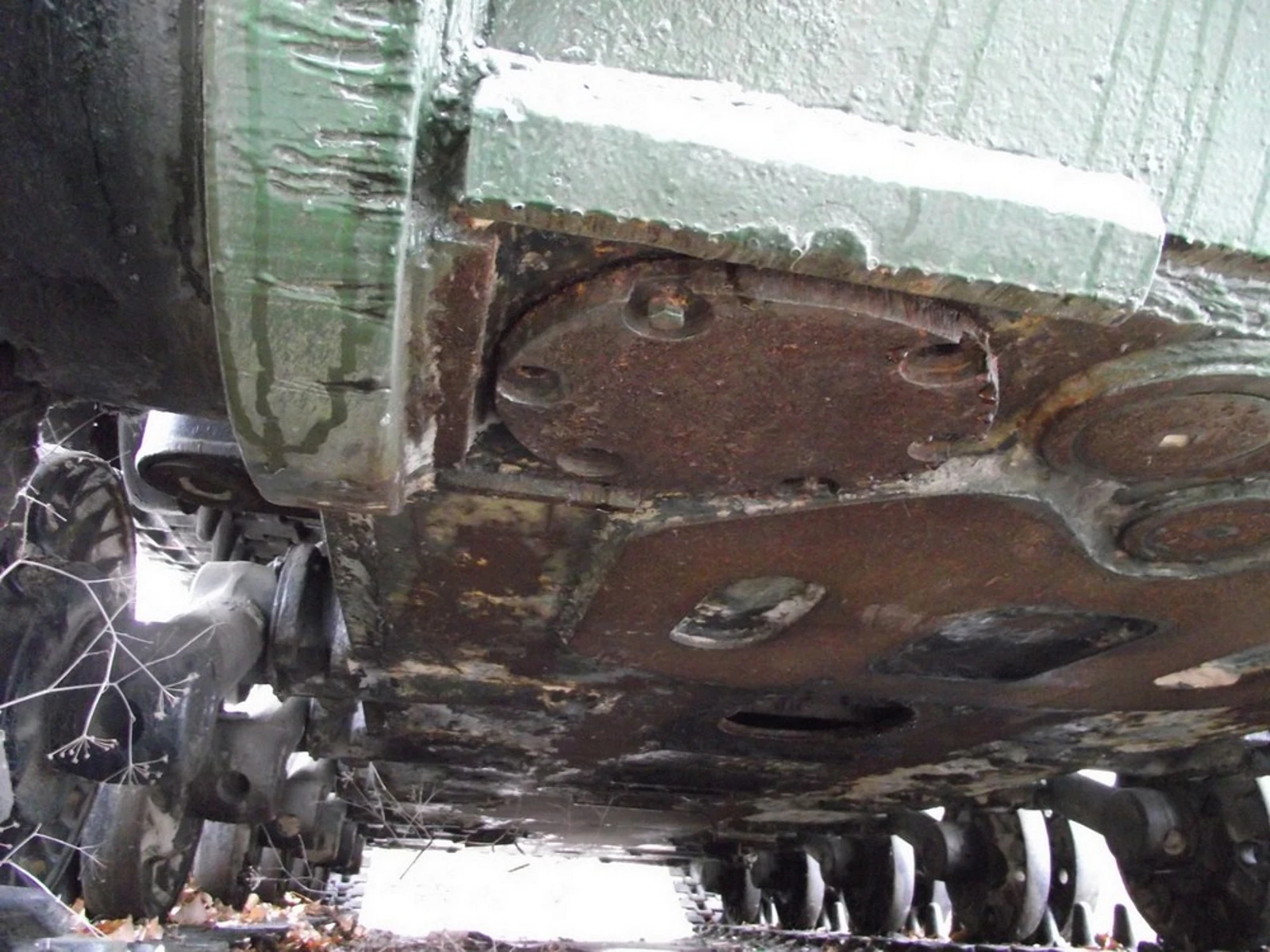
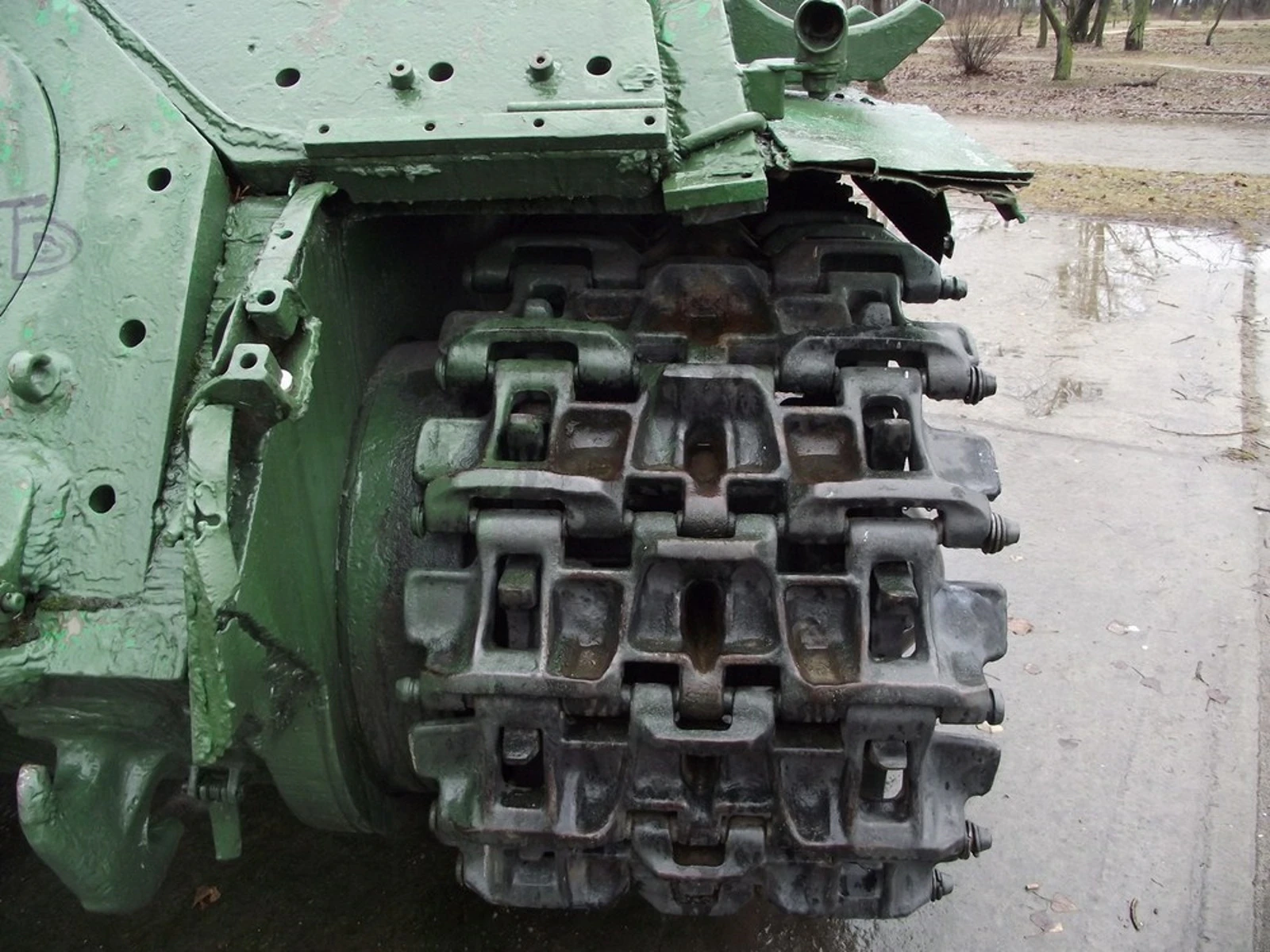
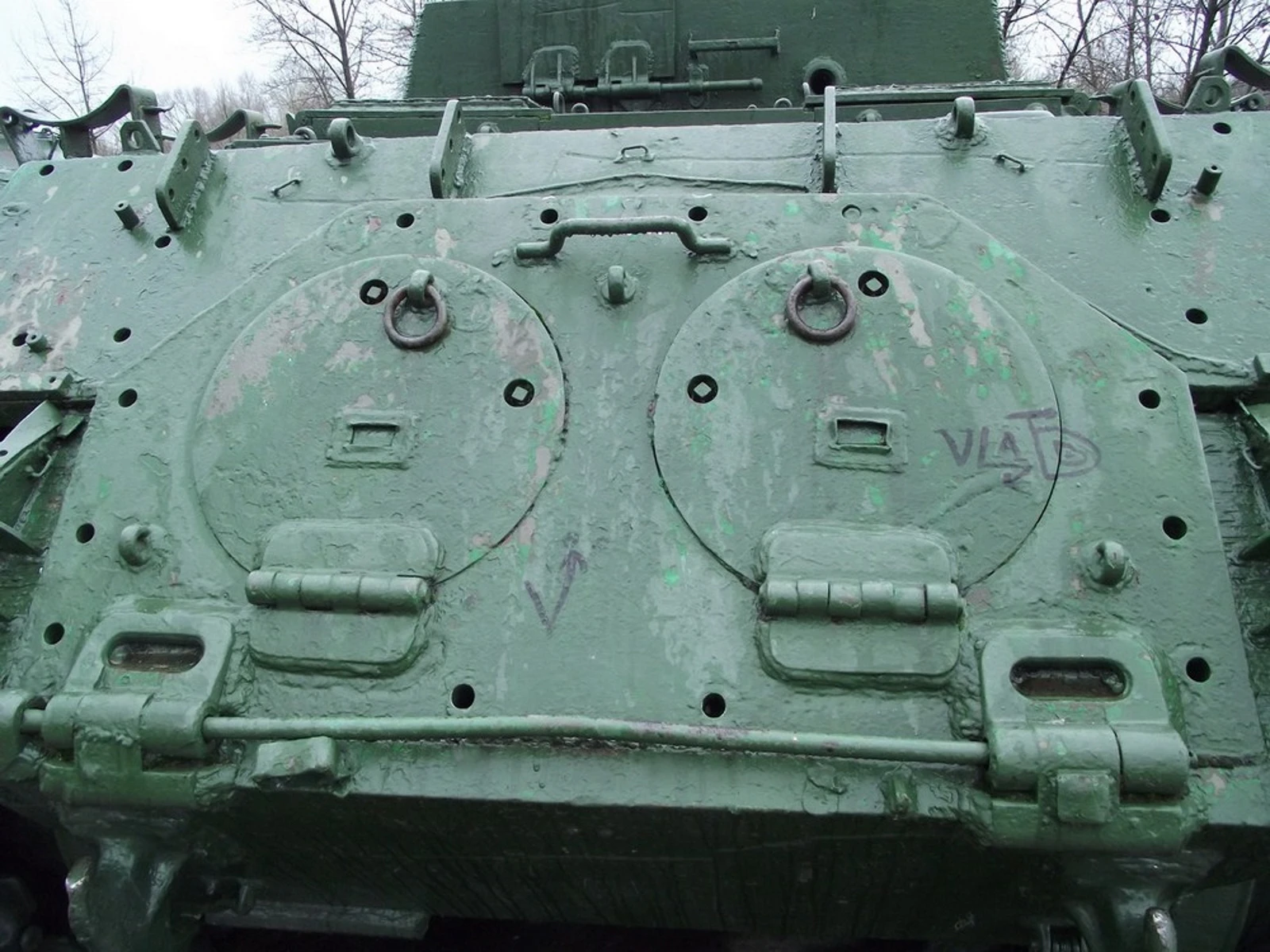
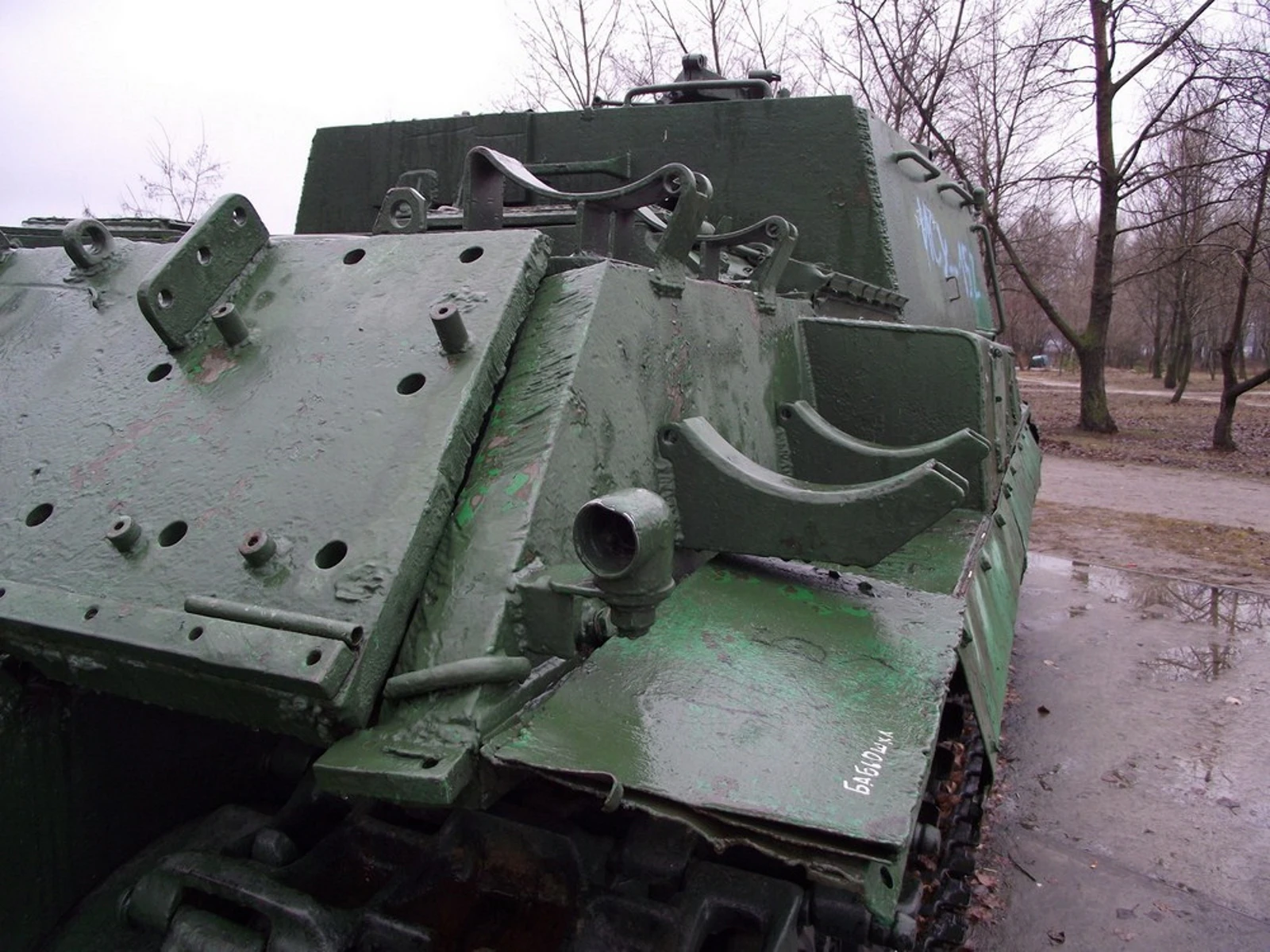
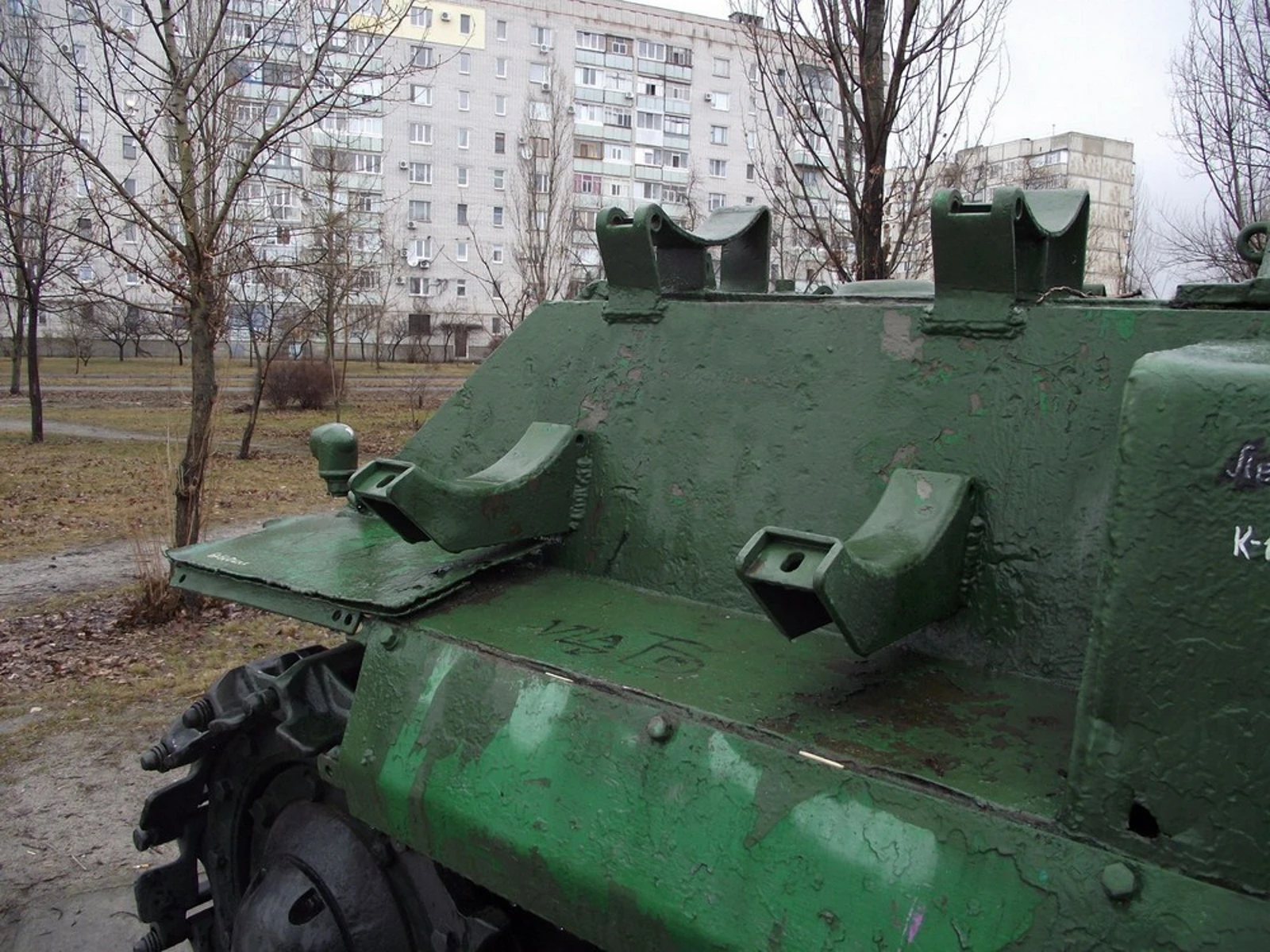
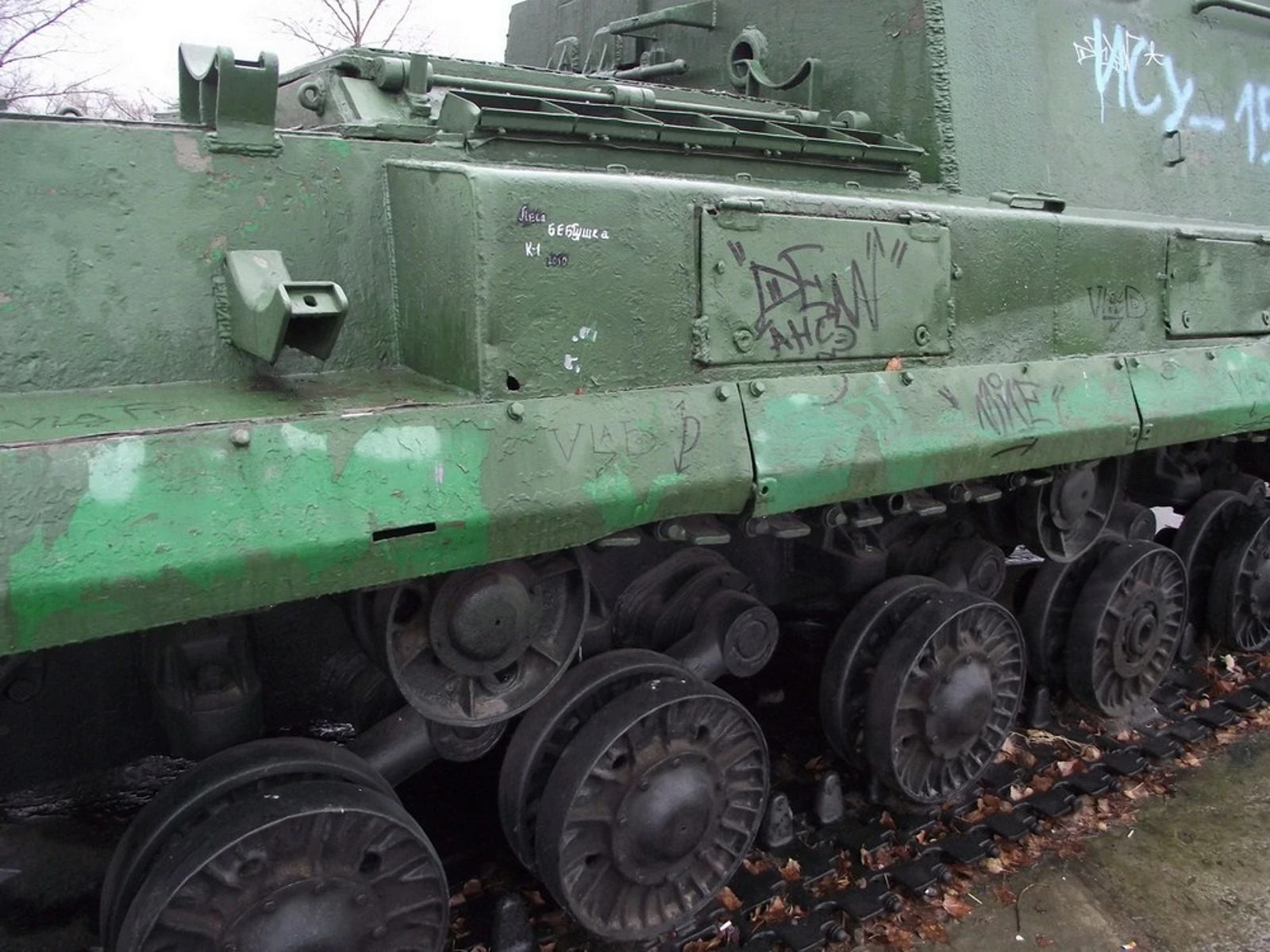
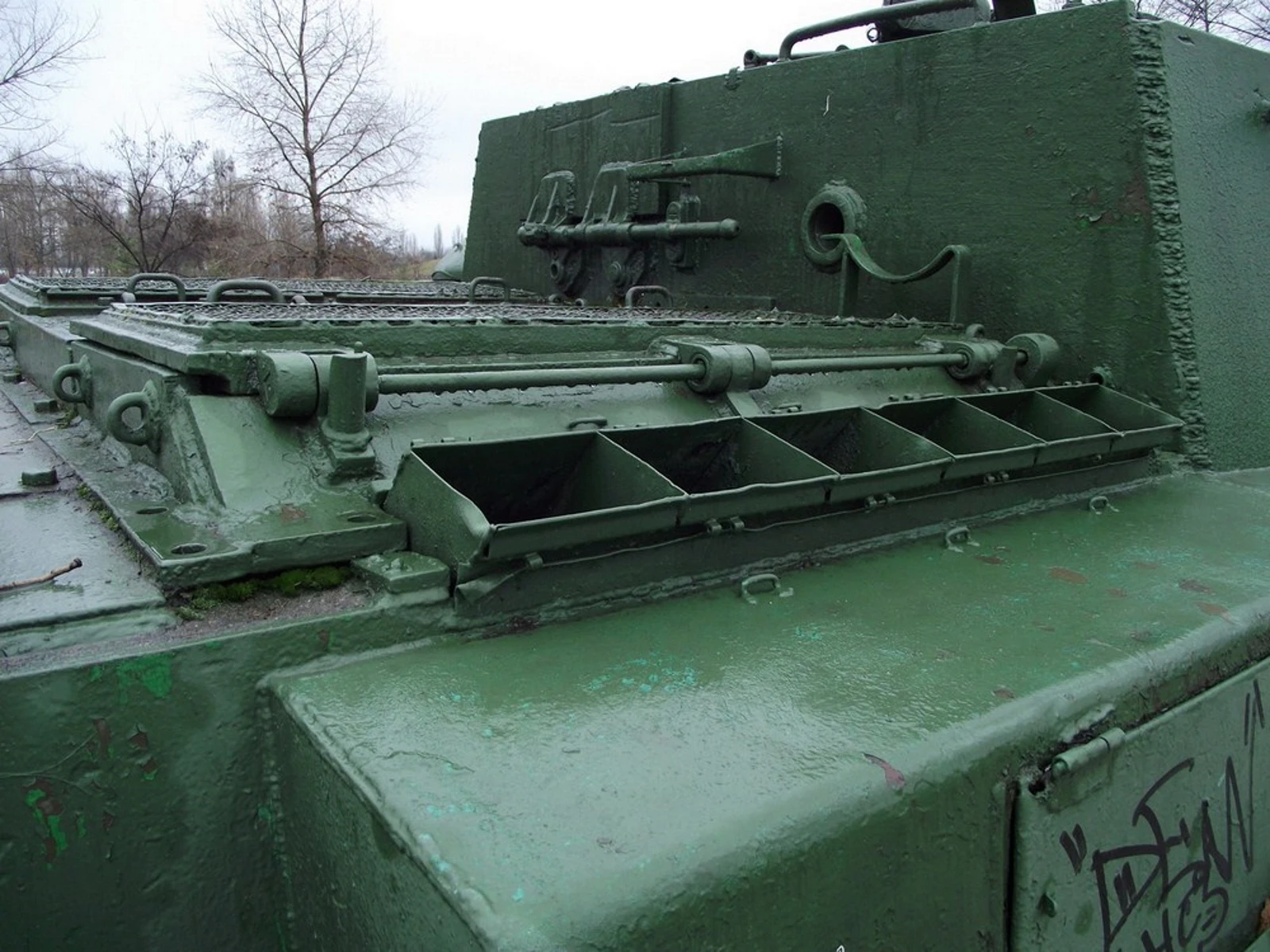



Nouveau jeu de 50 photos de l’ENSEMBLE ISU-152 Walk Around
Nouvelles 50 photos dans l’ensemble ISU-152 Walk Around