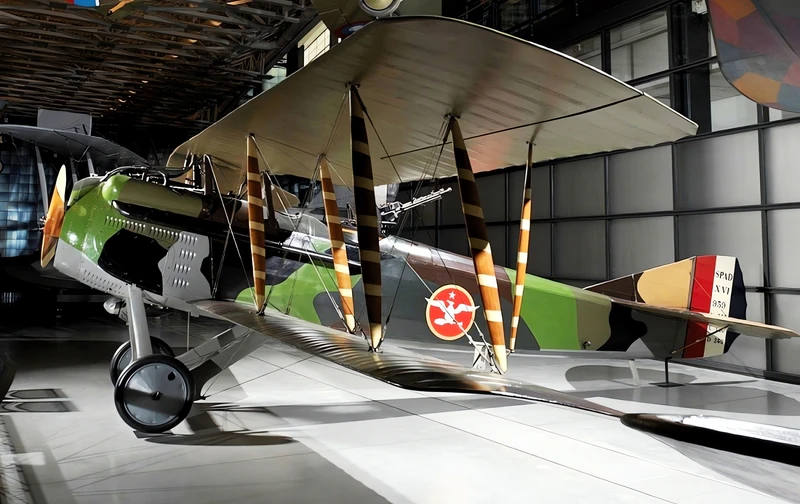
SPAD S.XI | |
|---|---|
| Maa | Ranska |
| Rooli | Tiedustelulentokone |
| Ensimmäinen lento | Ei tietää |
| Rakennettu | 1000 |
Nniiden SPAD S.XI tai SPAD 11 oli ranskalainen kaksipaikkainen kaksitasoinen tiedustelukone ensimmäisessä maailmansodassa. SPAD 11 oli Société Pour L'Aviation et ses Dérivésin (SPAD) pääsuunnittelijan Louis Béchereaun työ, joka suunnitteli myös erittäin menestyneet yksipaikkaiset SPAD 7- ja SPAD 13 -hävittäjät.
Lähde: SPAD S.XI Wikipediassa
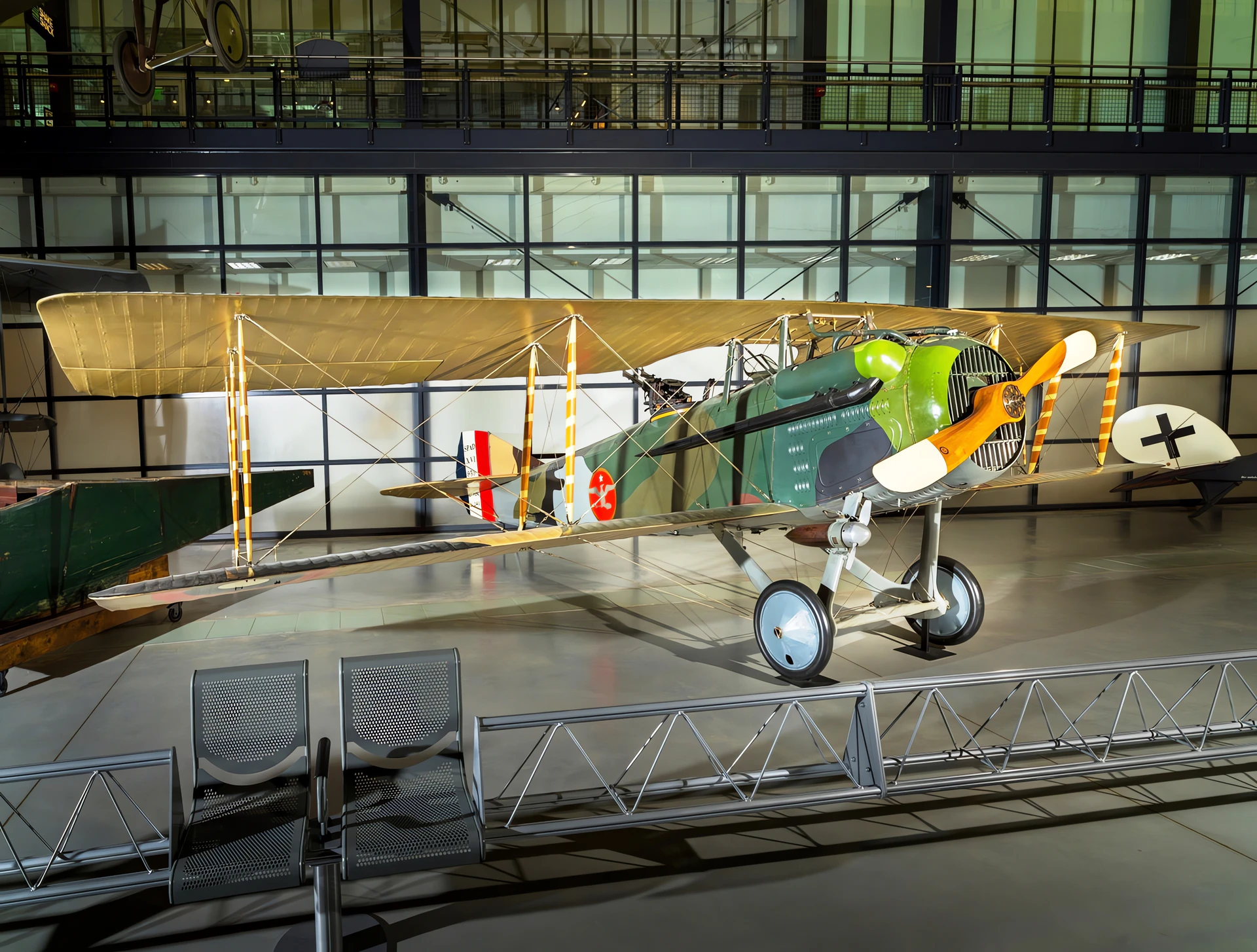
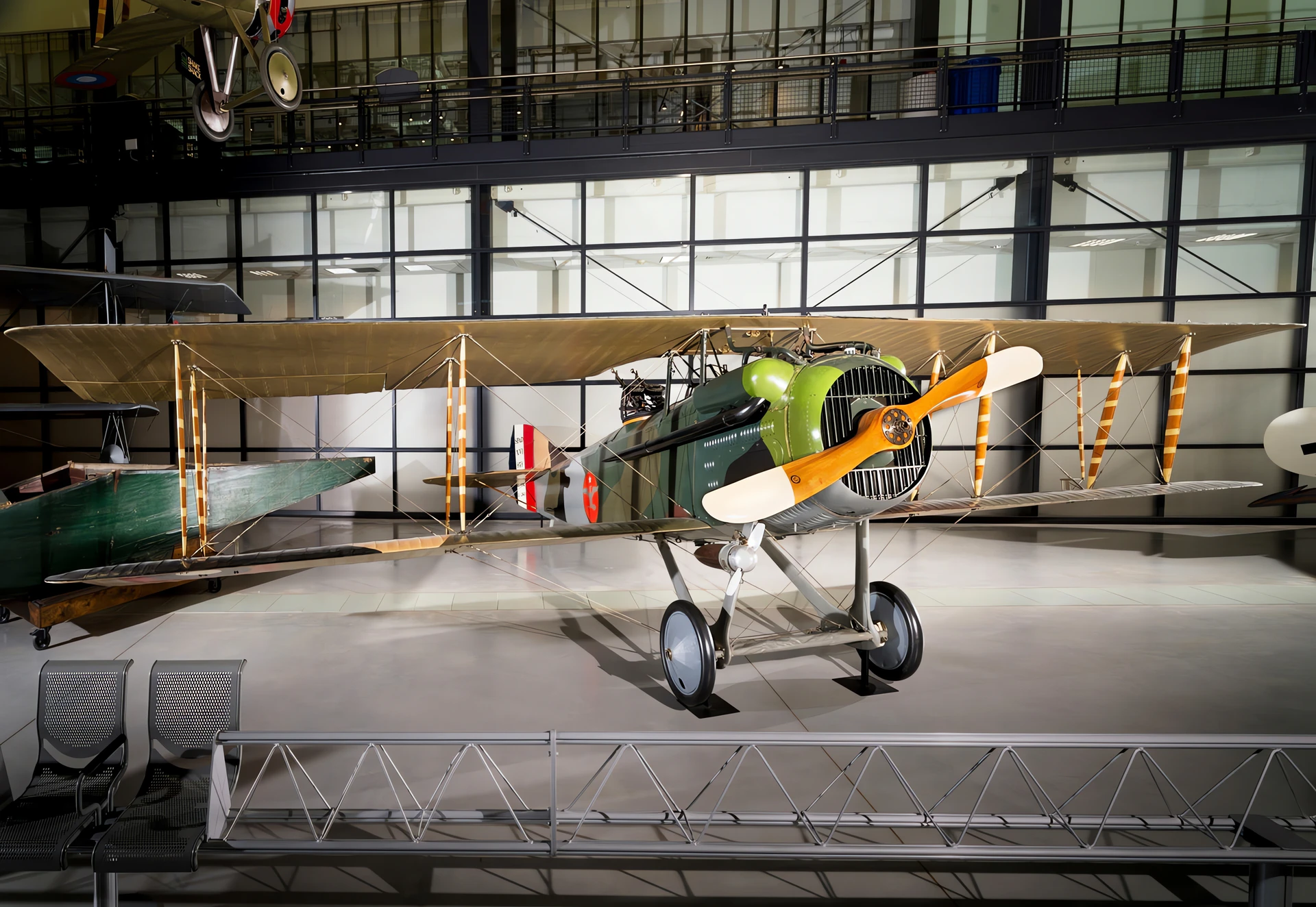
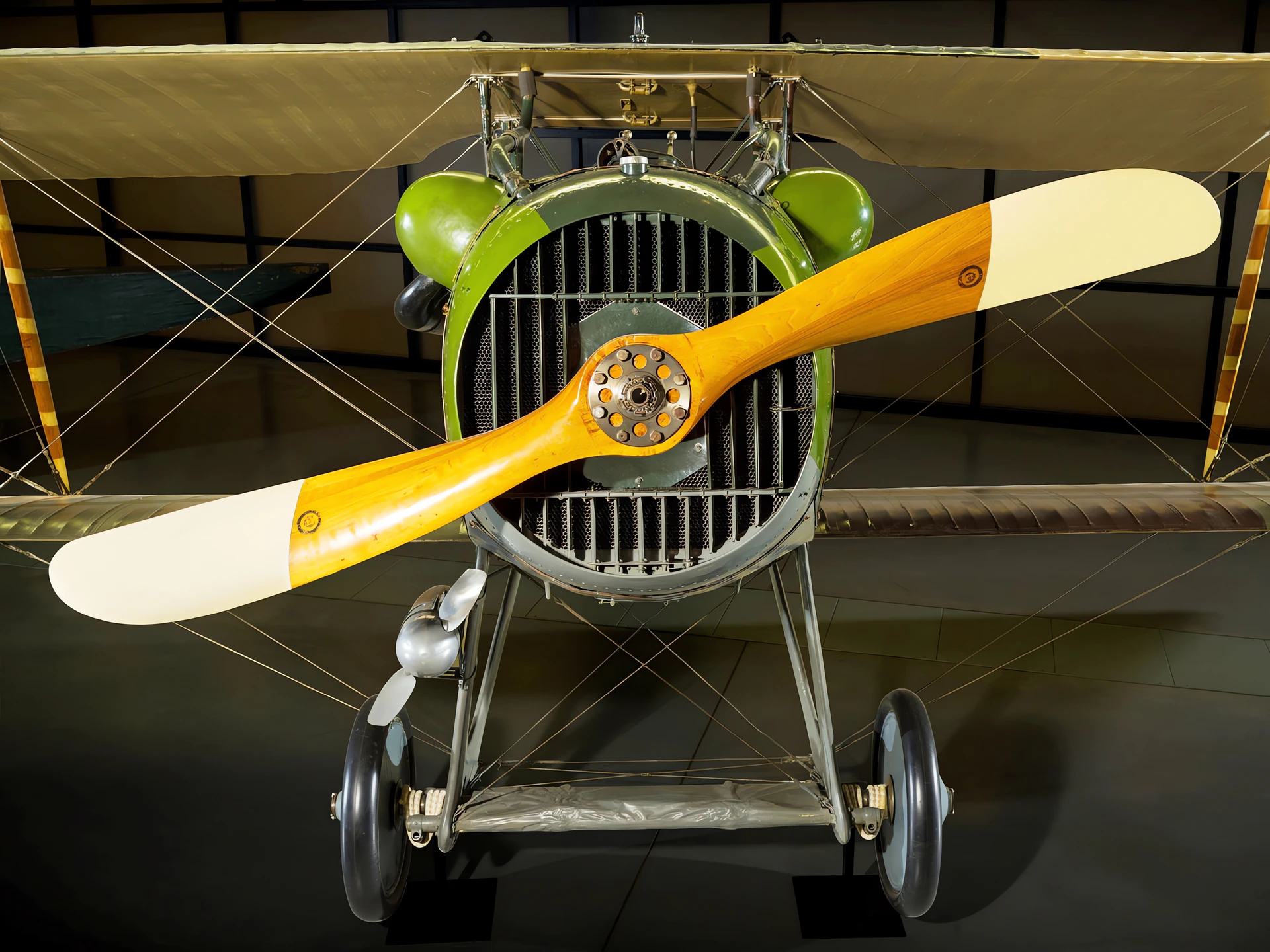
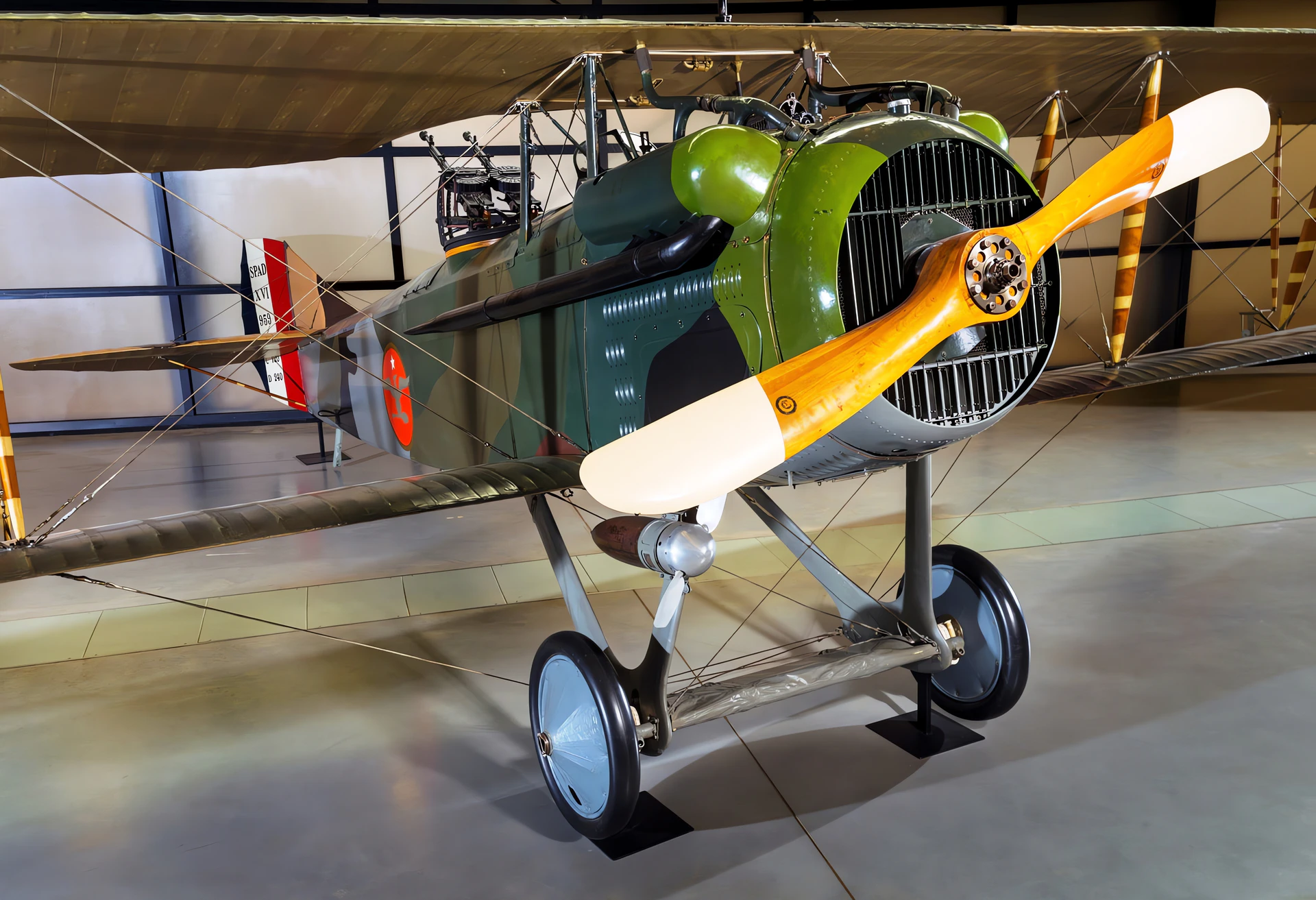
| Spad XVI Walk Around | |
|---|---|
| Photographer | Unkonx |
| Localisation | Unkonx |
| Photos | 23 |
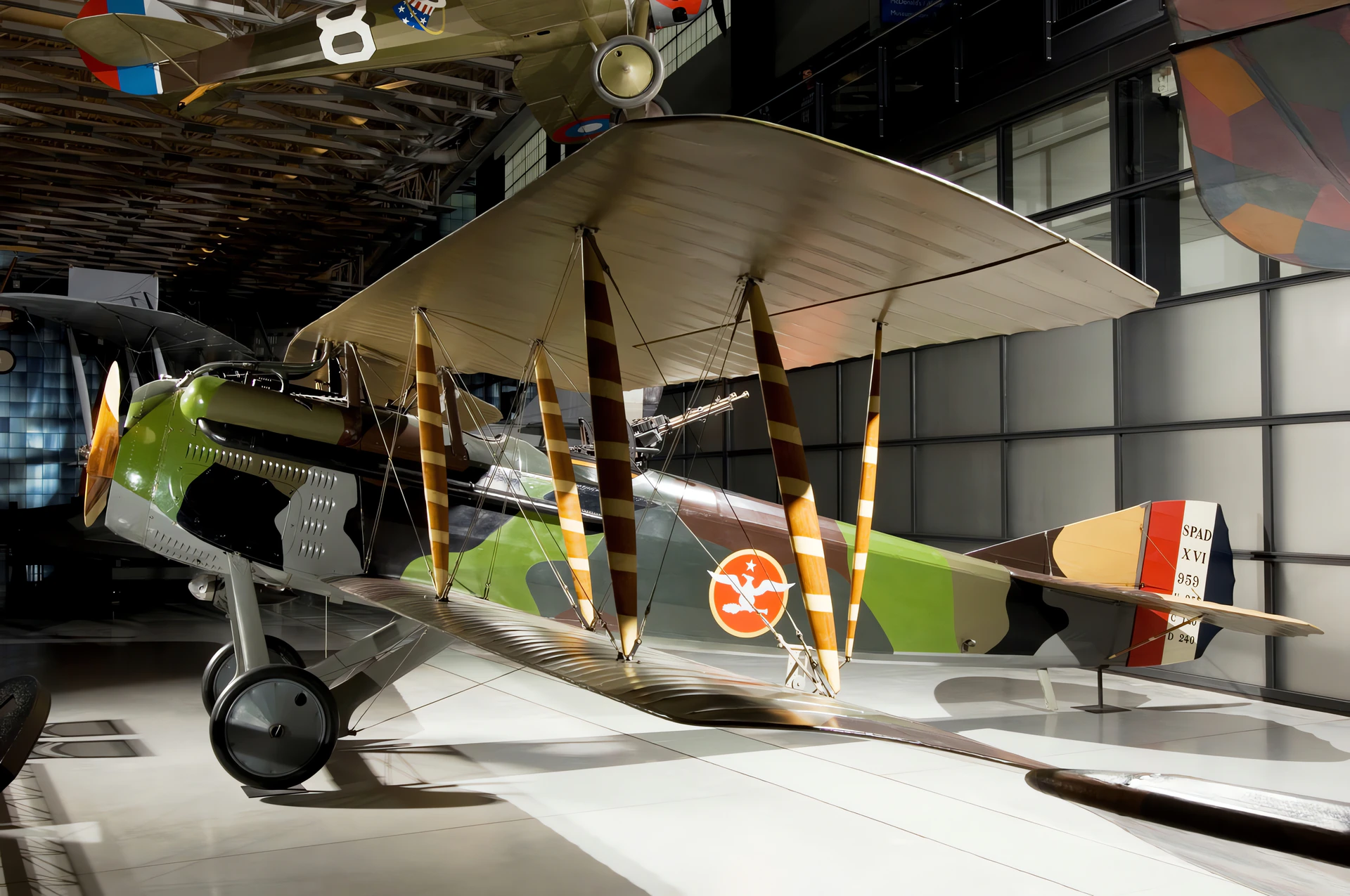
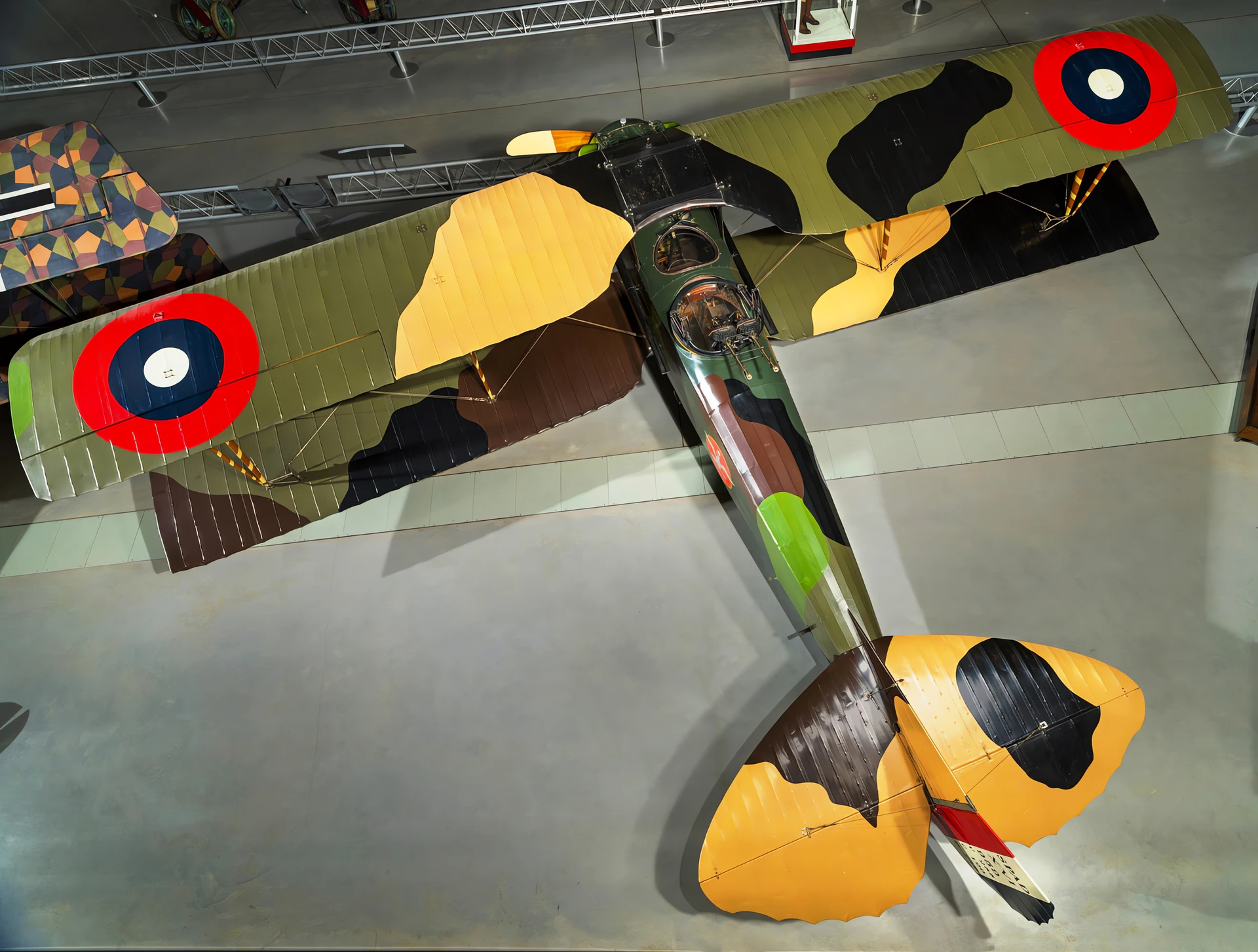
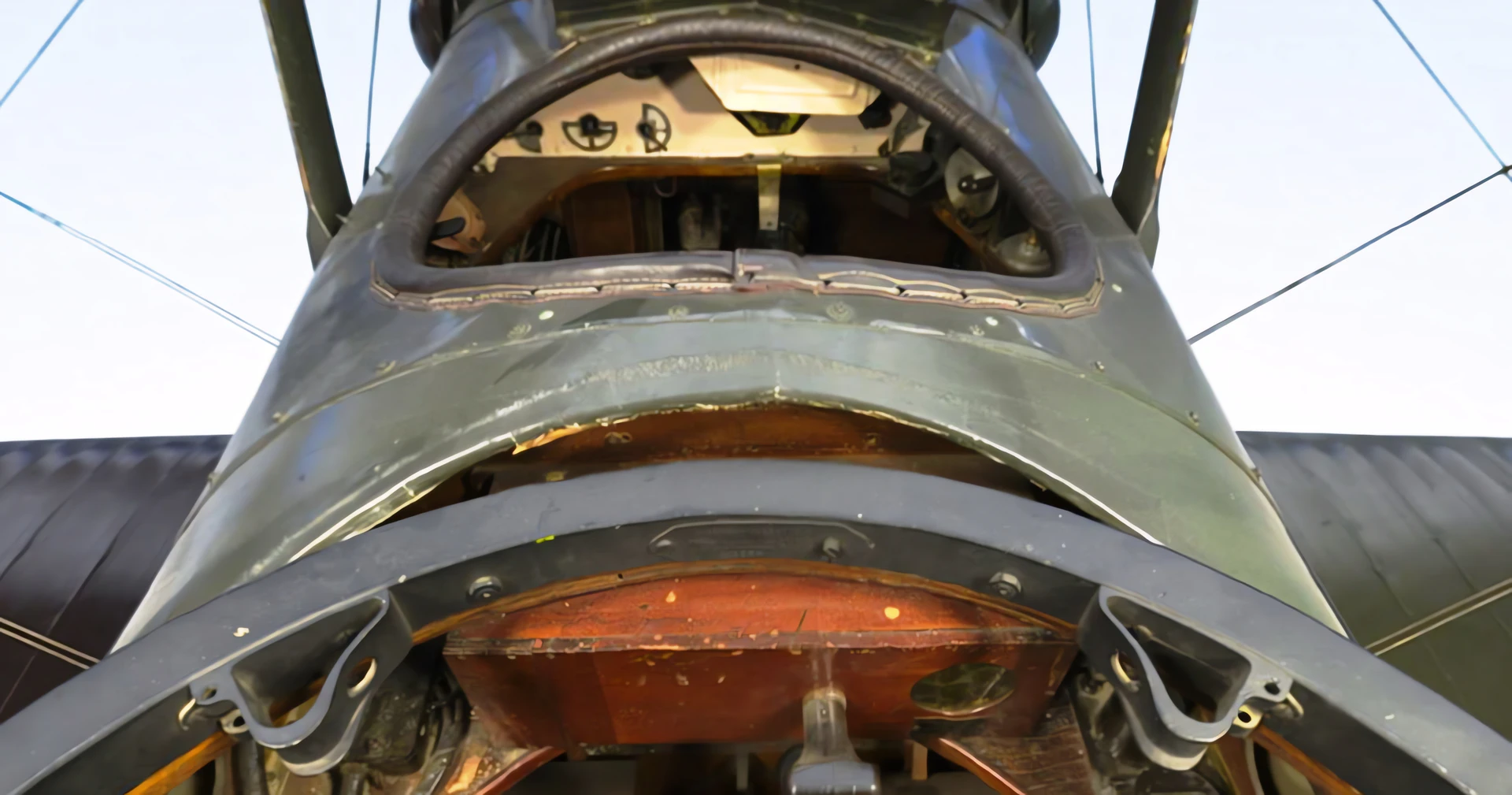

Katso myös:


General Characteristics
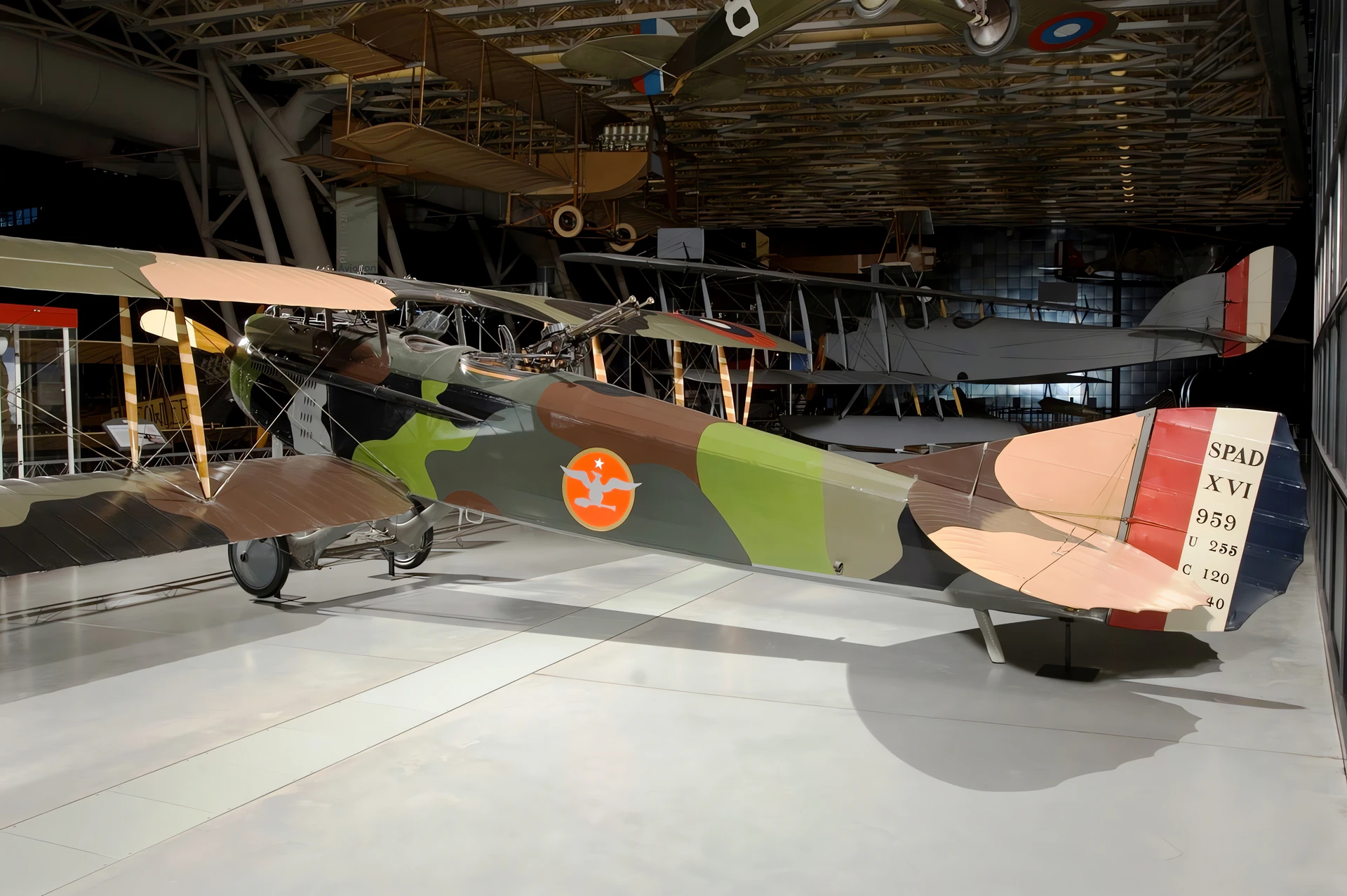
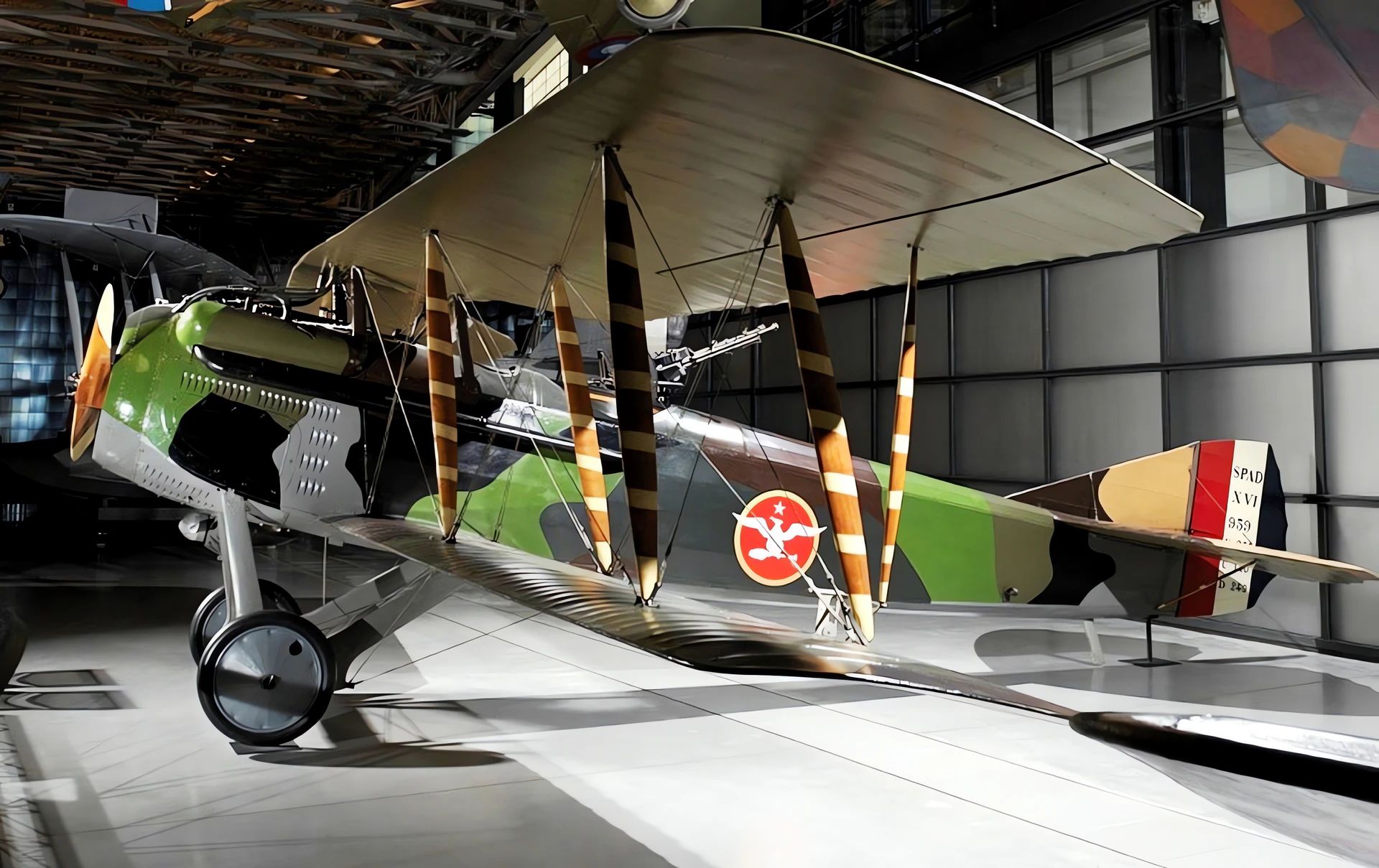
The SPAD S.XVI was a French two-seat reconnaissance and light bomber biplane of World War I, introduced in early 1918. It was a derivative of the earlier SPAD S.XI, but was re-engined to address reliability issues found in its predecessor’s engine. Though it offered only marginal performance improvements and retained poor handling, approximately 1,000 units were built and it served with 32 French escadrilles by the time of the Armistice.
| Property | Typical Value (S.XVI A2) |
|---|---|
| Rooli | Reconnaissance / Light Bomber (A2 designation) |
| Valmistaja | SPAD (Société Pour L’Aviation et ses Dérivés) |
| Operational Service | January 1918 – Post-War |
| No. Built | Approx. 1,000 |
| miehistö | 2 (Pilot and Observer/Gunner) |
| pituus | 7.70 m (25 ft 3 in) to 7.84 m (25 ft 9 in) |
| Siipiväli | 11.28 m (36 ft 9 in) |
| Max Takeoff Weight | 1,290 kg (2,844 lb) |
Design and Powerplant
- Engine: One Lorraine-Dietrich 8Bb 8-cylinder, water-cooled V-8 piston engine.
- Power Output: 186 kW (250 hp) (some sources cite 240 hp).
- Construction: Predominantly wooden airframe with fabric covering. It was a conventional two-bay biplane with fixed landing gear.
- Design Features: Featured a slight sweep-back on both wings and ailerons only on the upper wing. The engine cowling included two characteristic protruding bulges necessitated by the size of the Lorraine engine, distinguishing it from the earlier SPAD XI.
- Safety: Had a provision for dumping the fuel from the main tank (located under the pilot’s seat) in the event of fire.
Performance and Armament
- Maximum Speed: Approximately 185 km/h (115 mph, 100 knots) at sea level.
- Service Ceiling: 4,700 m (15,400 ft).
- Range: 460 km (288 mi, 250 nmi).
- Climb Rate: Time to 2,000 m (6,560 ft) in approximately 9 minutes 15 seconds.
- Fixed Armament (Pilot): One fixed, forward-firing, synchronized 7.7 mm (.303 in) Vickers machine gun.
- Flexible Armament (Observer): One or two flexible 7.7 mm (.303 in) Lewis machine guns on a flexible ring mount in the rear cockpit.
- Ordnance Load: Could carry approximately 70 kg (154 lb) of small bombs slung beneath the lower wings.
Näkymät : 722
Voit myös nähdä:
 Aero A.12 – Valokuvat ja videot
 Avia BH-11 – Valokuvat & Videot
 FVM Ö1 Tummelisa – Valokuvat & Videot
 Bristol Bulldog – Valokuvat & Videot
 Breguet XIV – Valokuvat ja videot
 Travel Air 2000 – Valokuvat & Videot
 Spijker V.2 – Valokuvat ja video
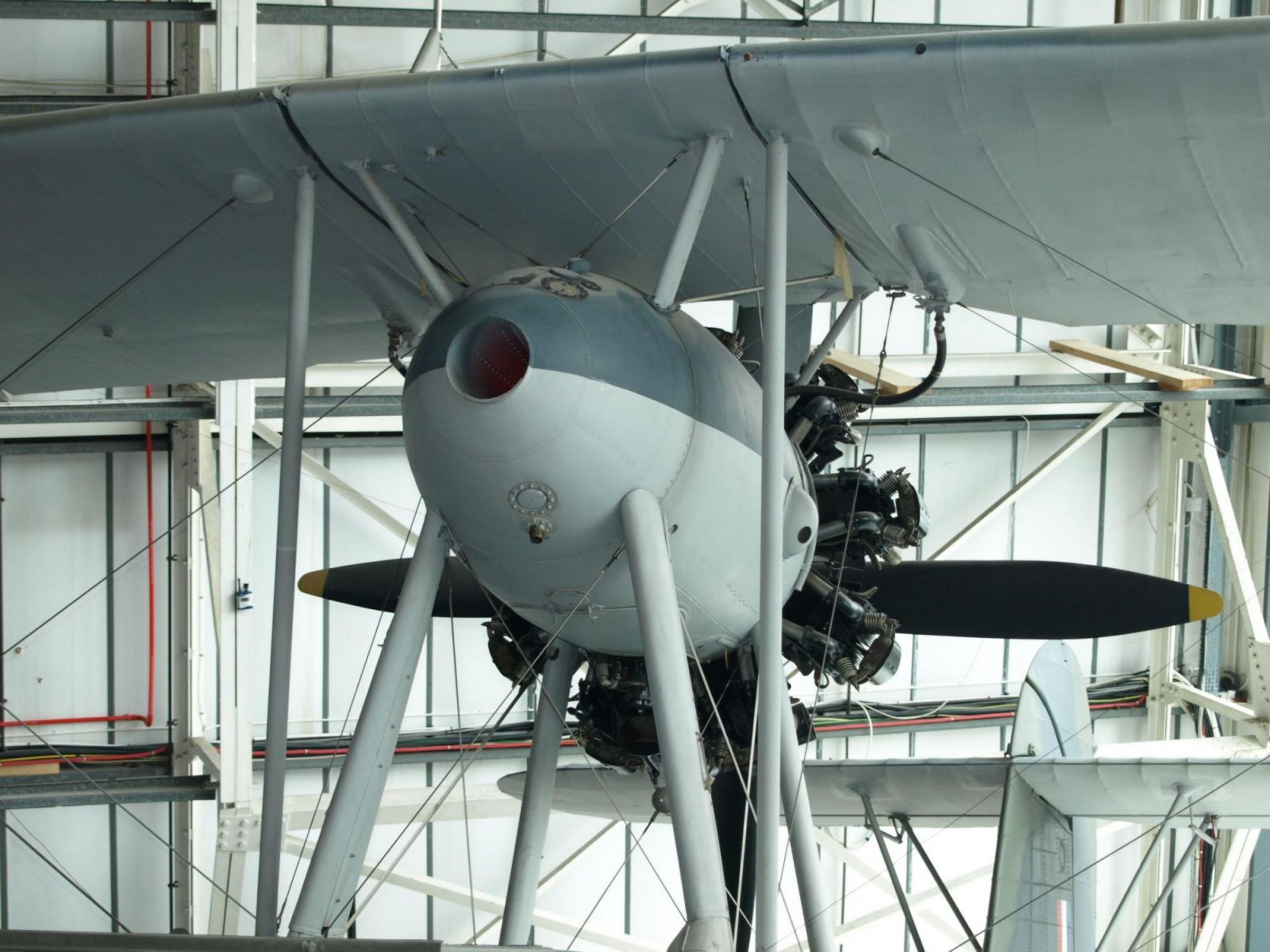 Supermarine Walrus – Valokuvat & Video
 Caudron G.III – Valokuvat ja video
 Bucker Bu-131 Jungmann – Valokuvat & Video