Pitkän kantaman yliäänisuihkuhävittäjä/hävittäjäpommittaja
Ensimmäinen lento
27. toukokuuta 1958
Rakennettu
5195
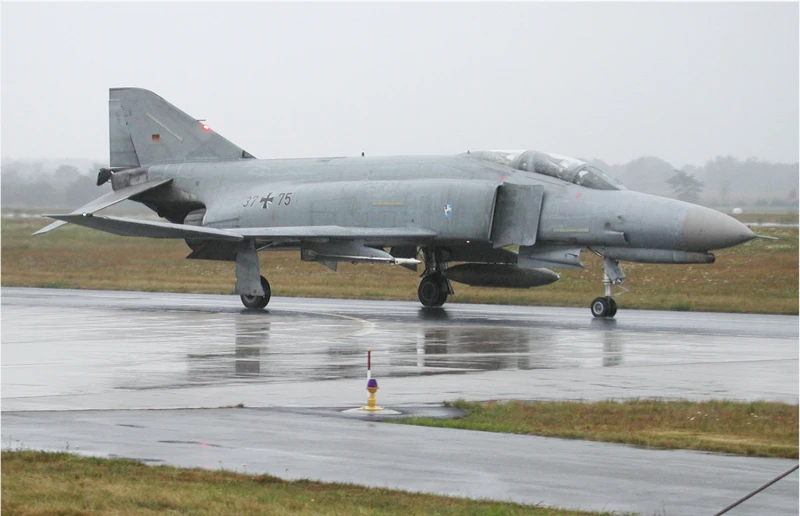
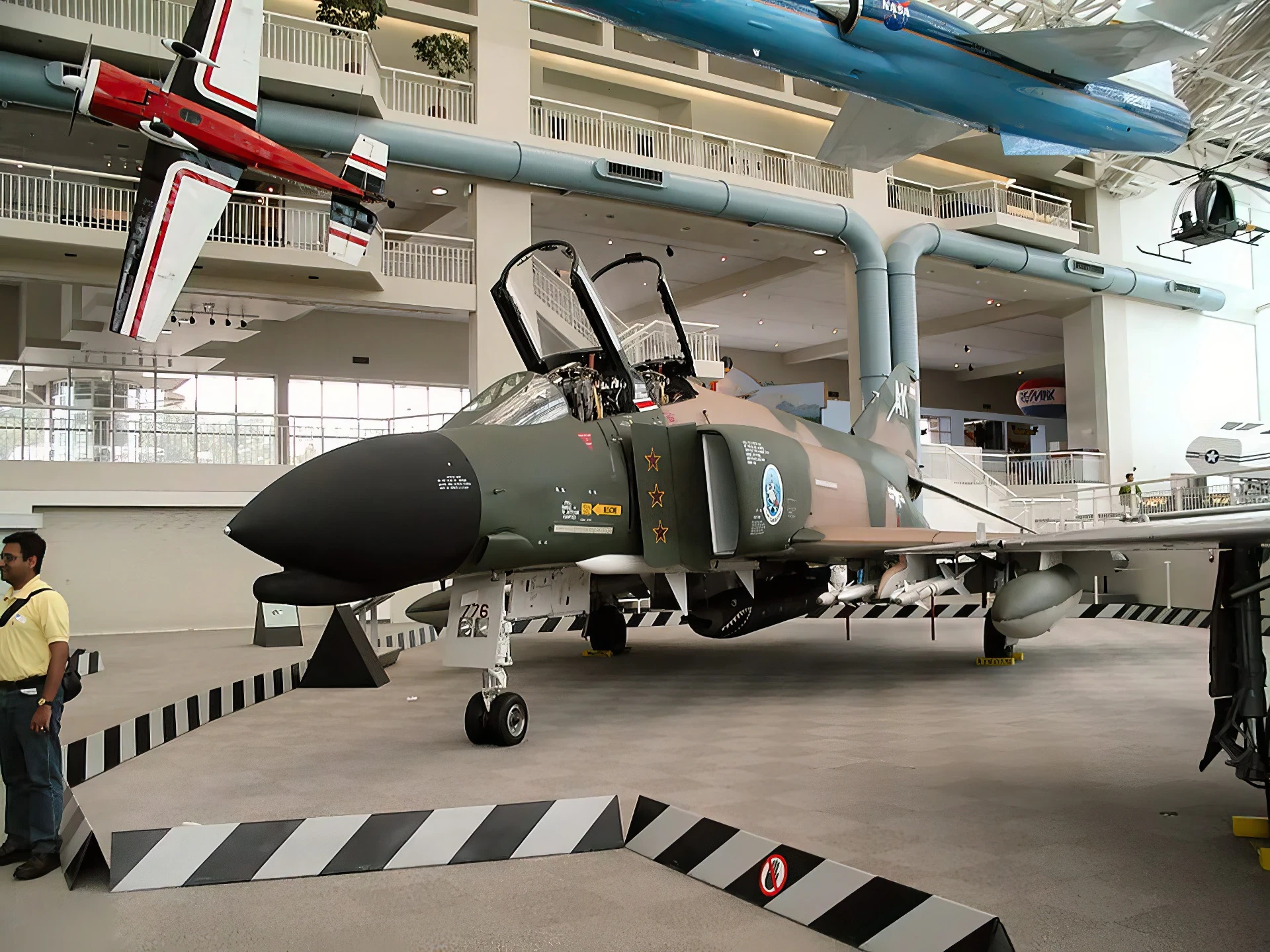
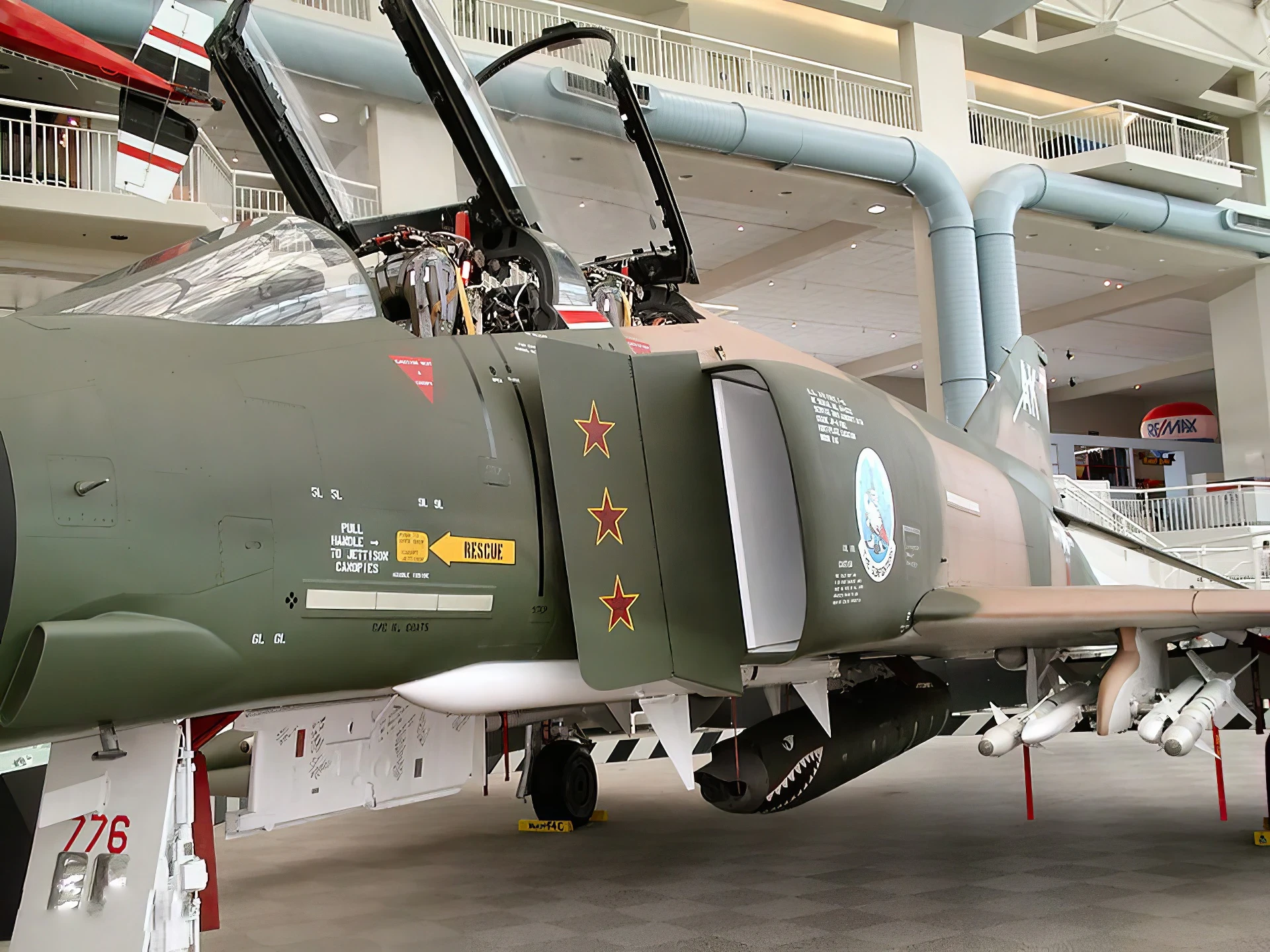
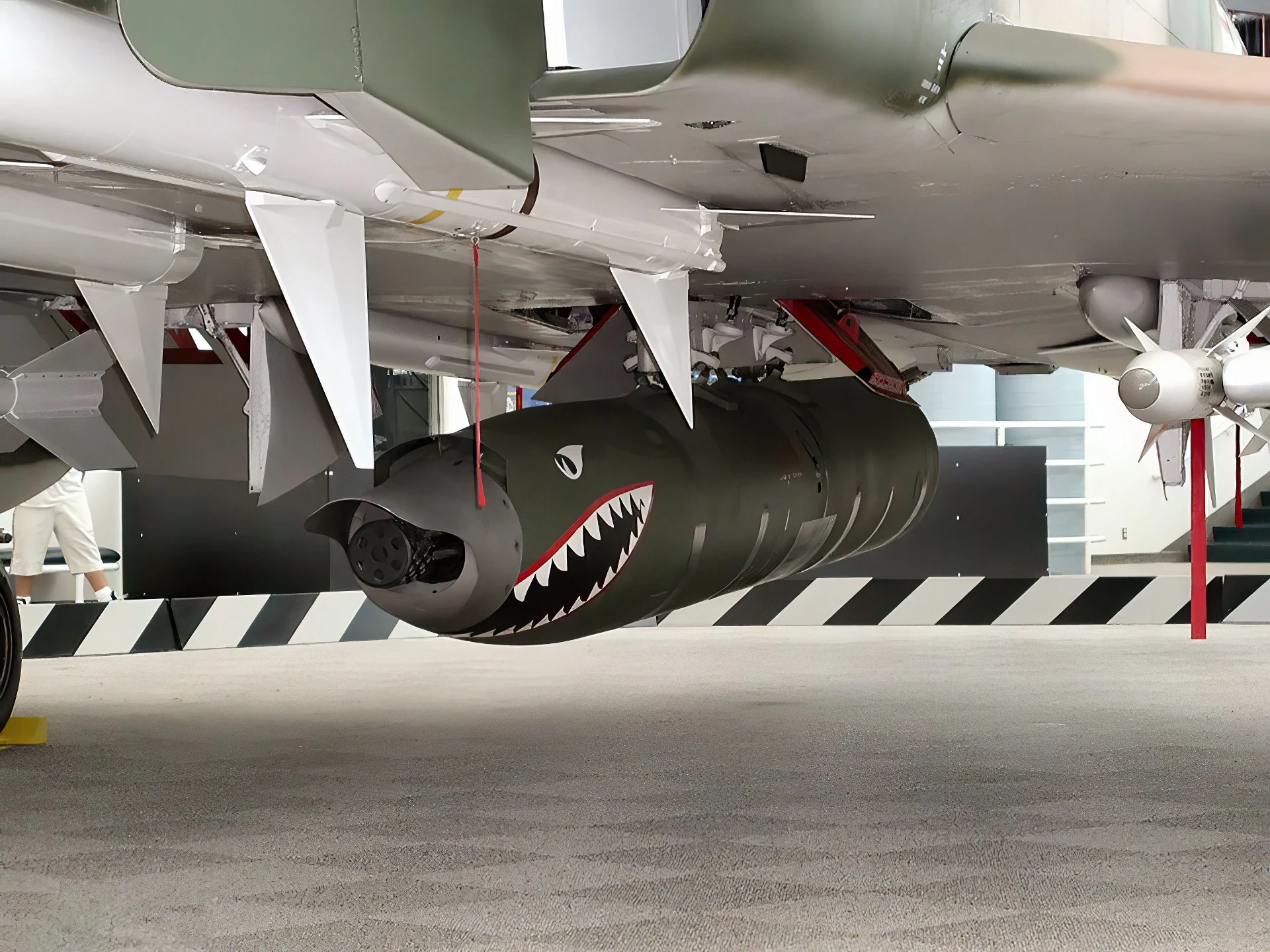
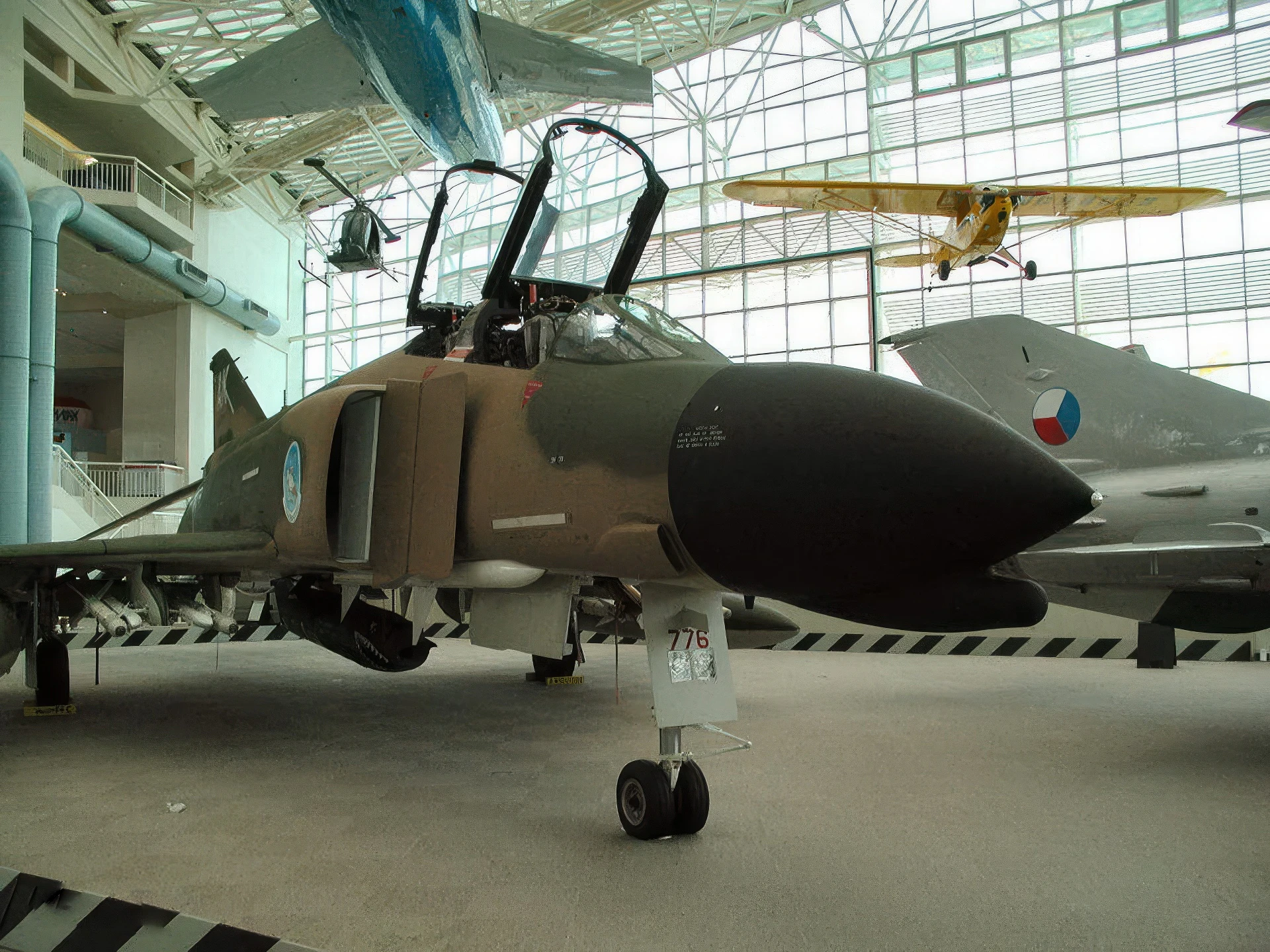
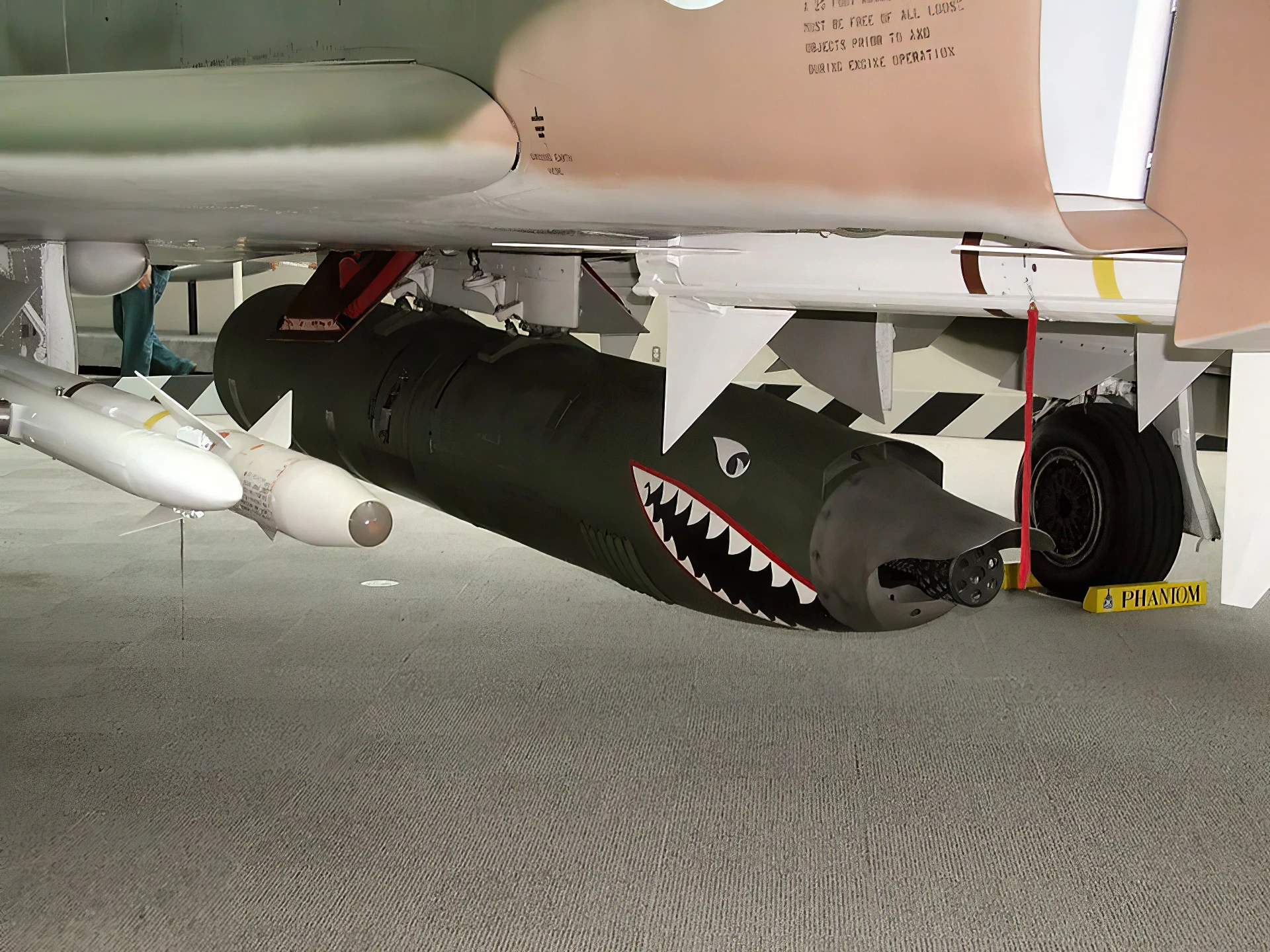
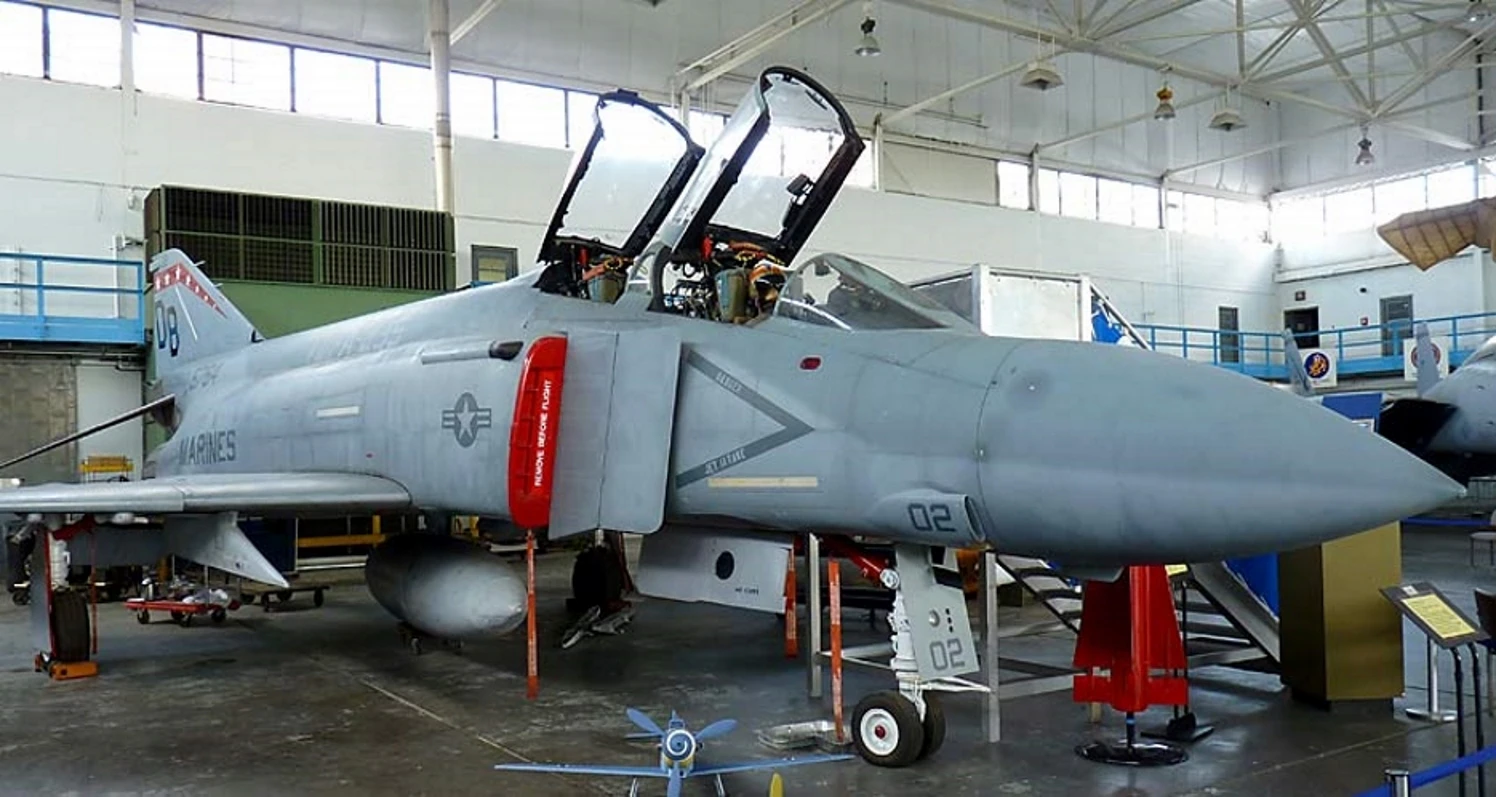
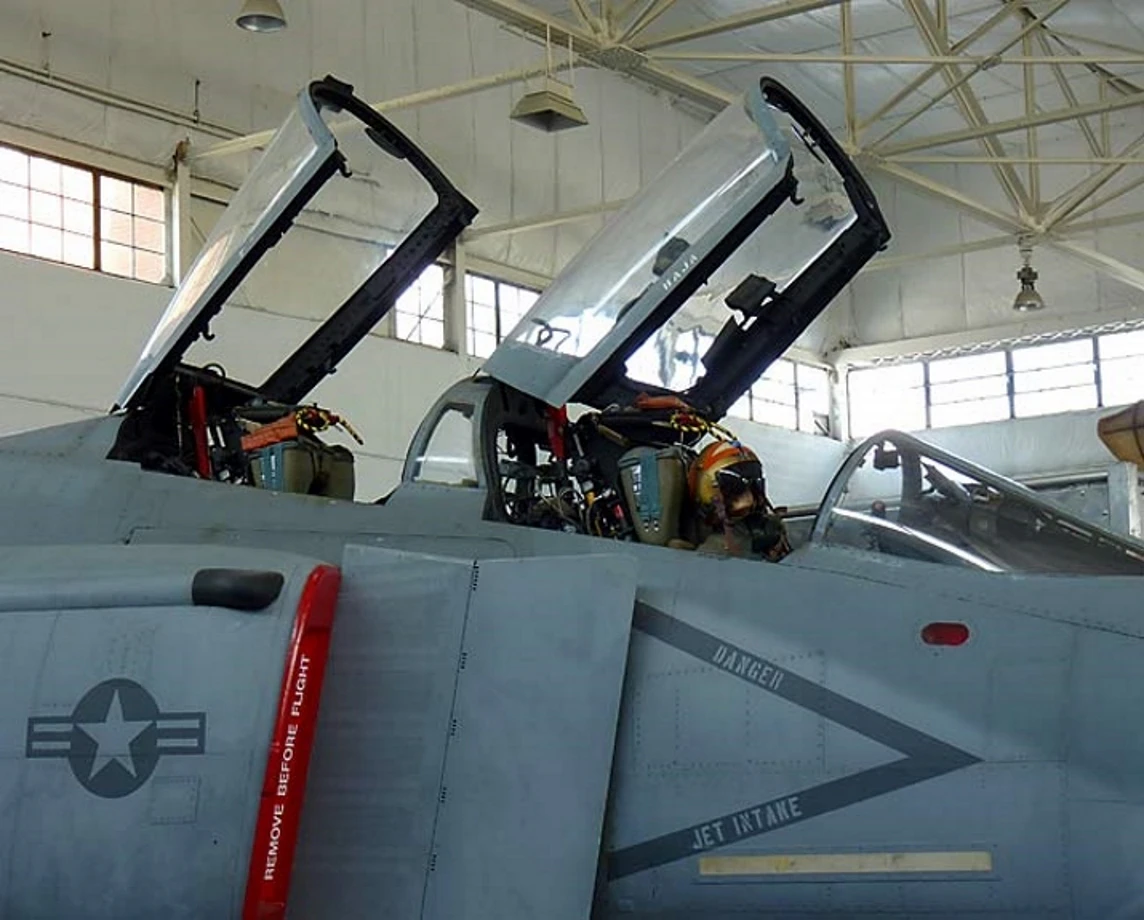
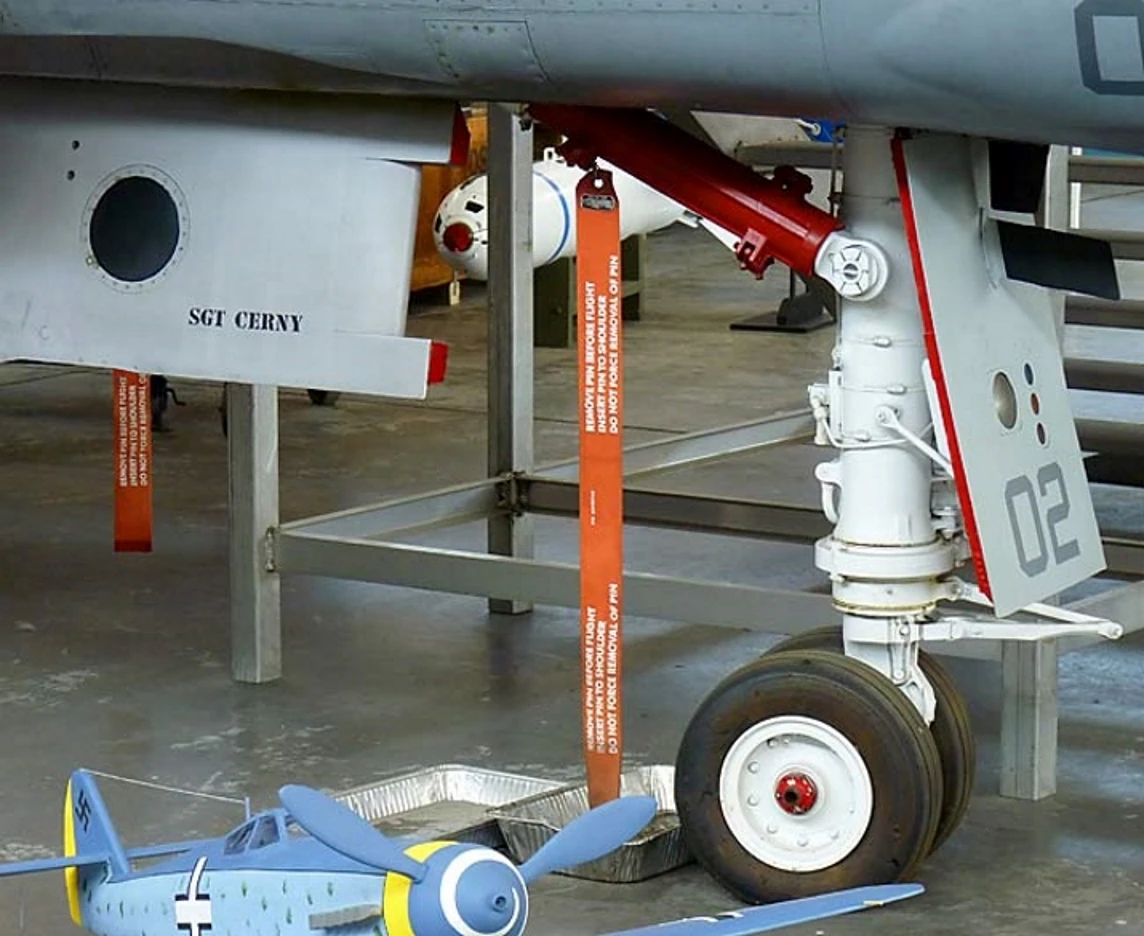
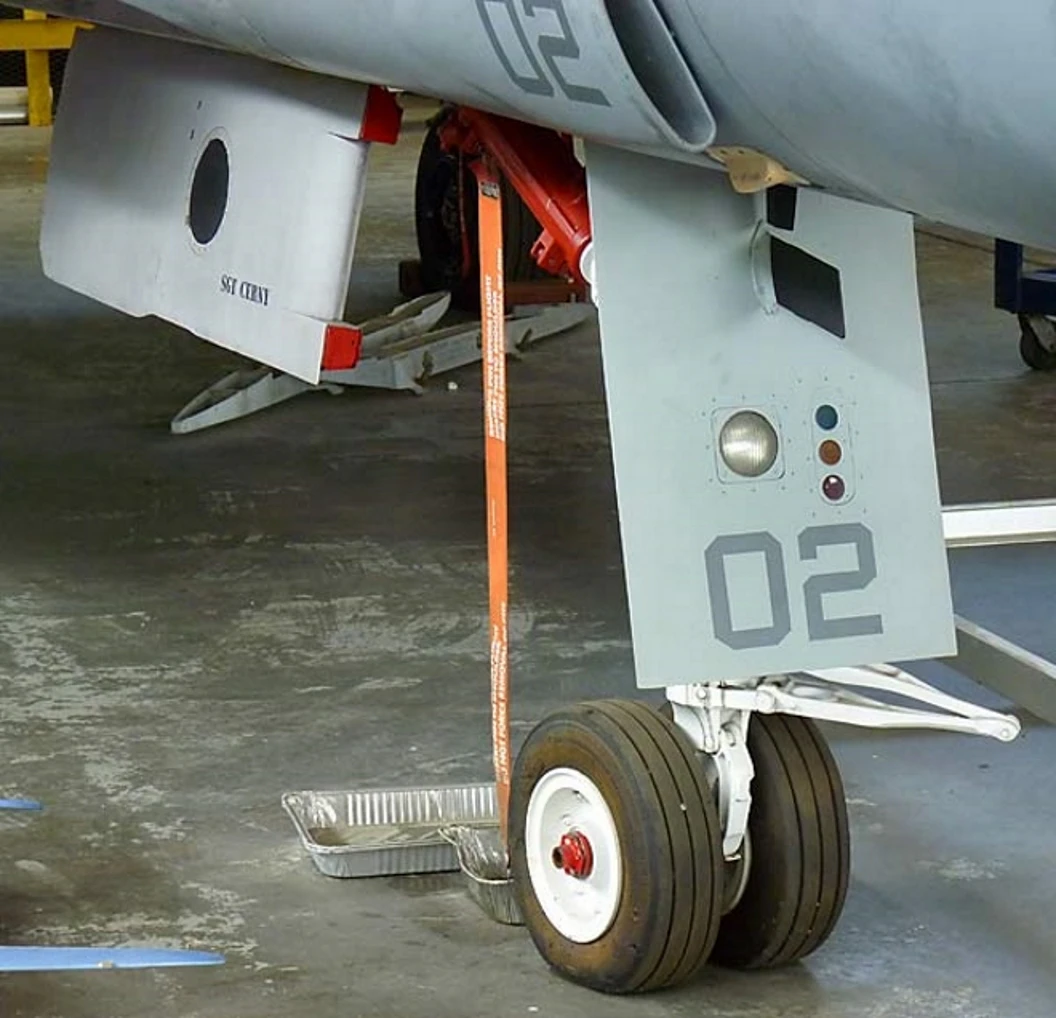
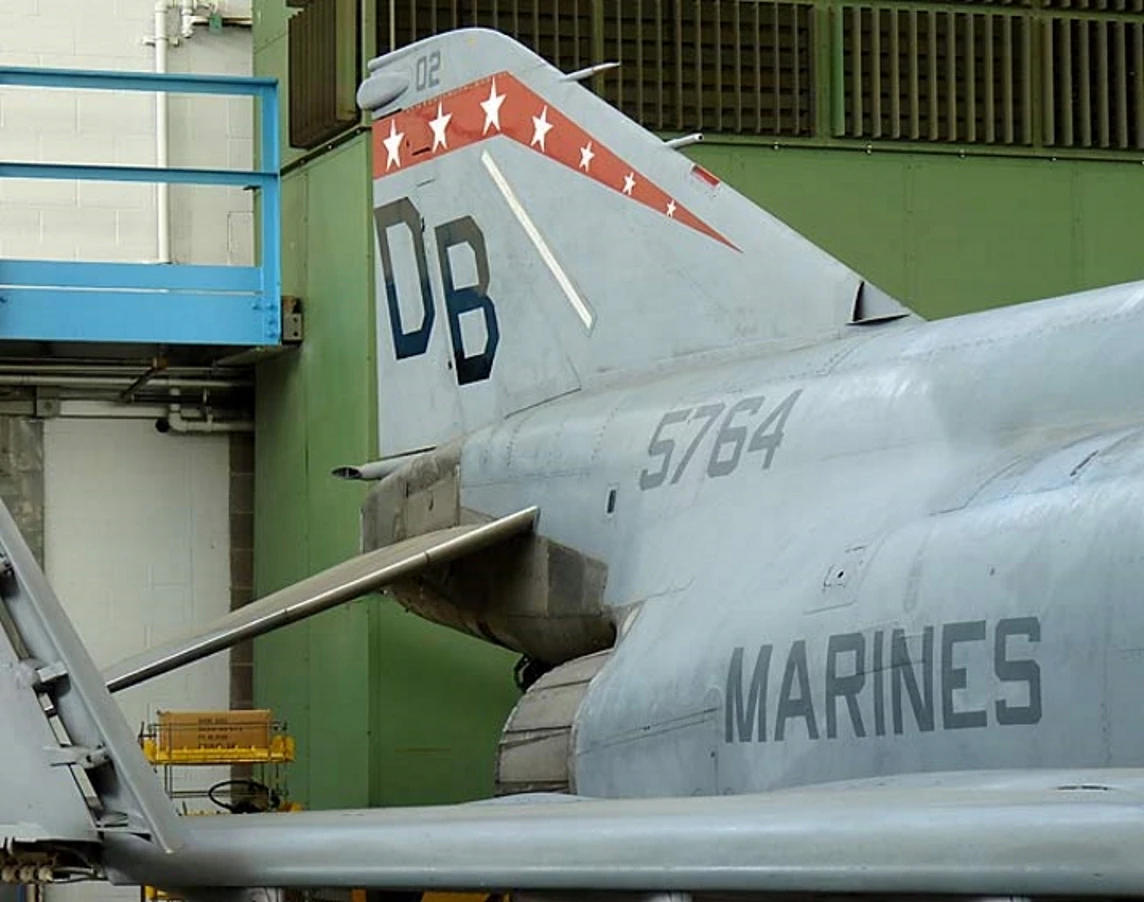
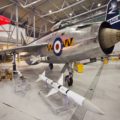
Kuvagalleria McDonnell Douglas F-4 Phantom II: sta, The McDonnell Douglas F-4 Phantom II on tandem, kaksipaikkainen, kaksimoottorinen, jokasääninen, jokasääninen, pitkän kantaman yliääninen suihkuhävittäjä/hävittäjäpommikone, jonka mcdonnell aircraft kehitti alun perin Yhdysvaltain laivastolle.
Nniiden F-4 Phantom IIis the ultimate example of Cold War engineering: a massive, twin-engine beast that proved if you put enough thrust behind a brick, itwillfly—and it will fly at Mach 2. Originally designed for the Navy, it was so capable that it was adopted by the Air Force and Marines, becoming the only aircraft flown concurrently by both the Blue Angels and the Thunderbirds. It held 15 world records, including absolute speed and altitude. Though it famously lacked a gun in its early versions (a mistake corrected in the F-4E), it dominated the skies over Vietnam and remained a frontline icon for over three decades.
Attribute
Technical Specification (F-4E Phantom II)
Rooli
All-Weather Interceptor / Fighter-Bomber
miehistö
2 (Pilot and Weapon Systems Officer / RIO)
Moottorit
2 × General Electric J79-GE-17A afterburning turbojets
Enimmäisnopeus
Mach 2.23 (2,370 km/h / 1,470 mph) at 40,000 ft
Combat Radius
680 km (422 miles)
Tärkein aseistus
1 × 20 mm M61A1 Vulcan Gatling cannon (640 rounds)
Tykistö
Up to 8,400 kg (18,650 lbs) on 9 external hardpoints
Total Produced
5,195 aircraft
Design Engineering: Aerodynamic Quirkiness
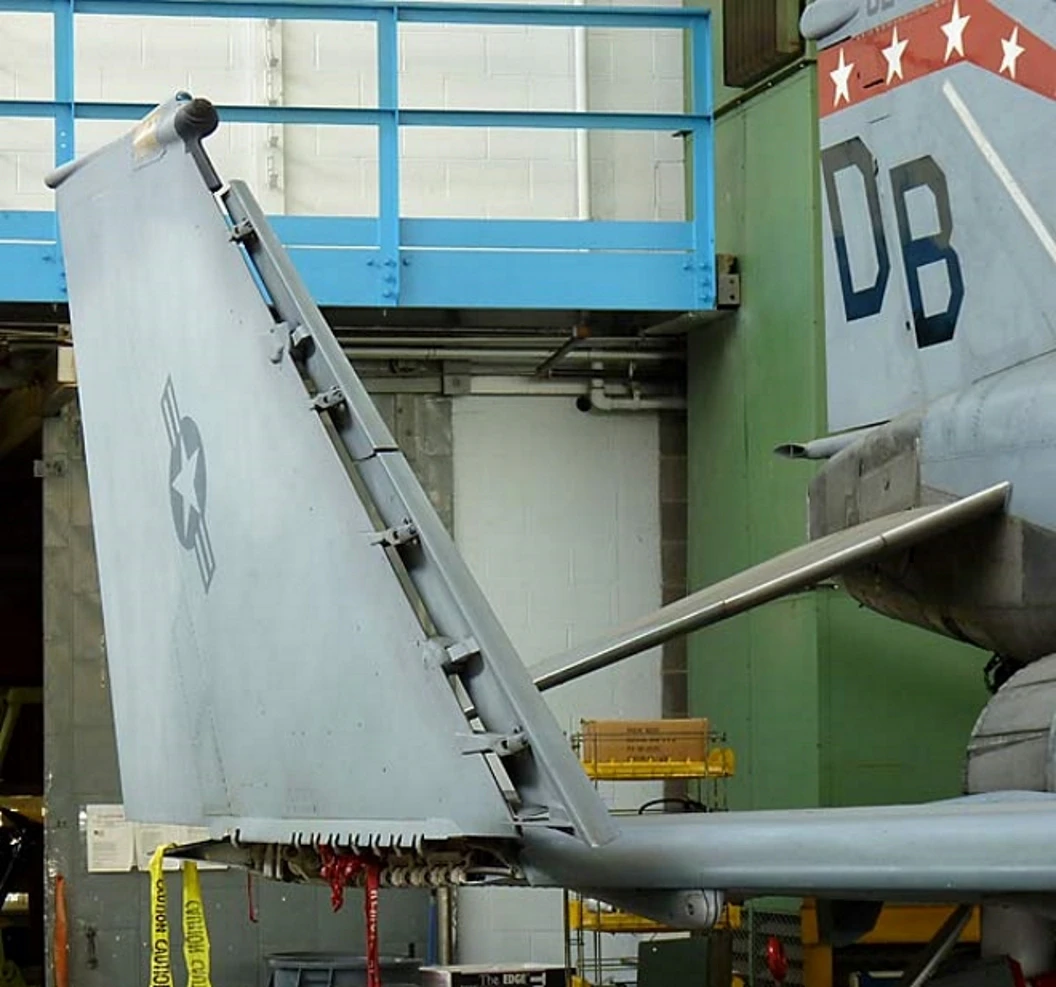
The “Bent” Look:Wind tunnel tests showed the Phantom was unstable. Instead of redesigning the whole plane, engineers simply angled the outer wing panelsup 12 degrees(dihedral) and the tailplanesdown 23 degrees(anhedral). This “bent” appearance gave the F-4 its unmistakable silhouette and its “Double Ugly” nickname.
Boundary Layer Control:To help this heavy jet land on carriers at safe speeds, the F-4 used “blown flaps.” High-pressure air from the engines was blown over the flaps to keep the airflow attached at high angles of attack, preventing stalls during the “trap.”
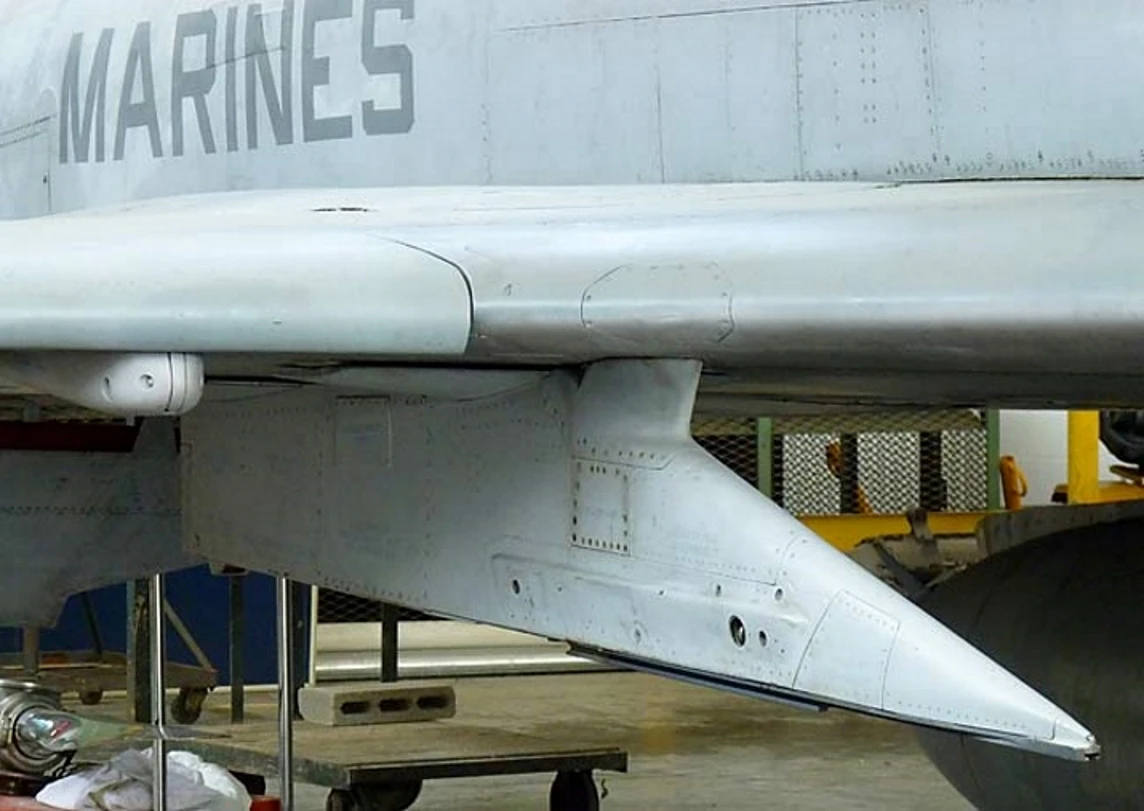
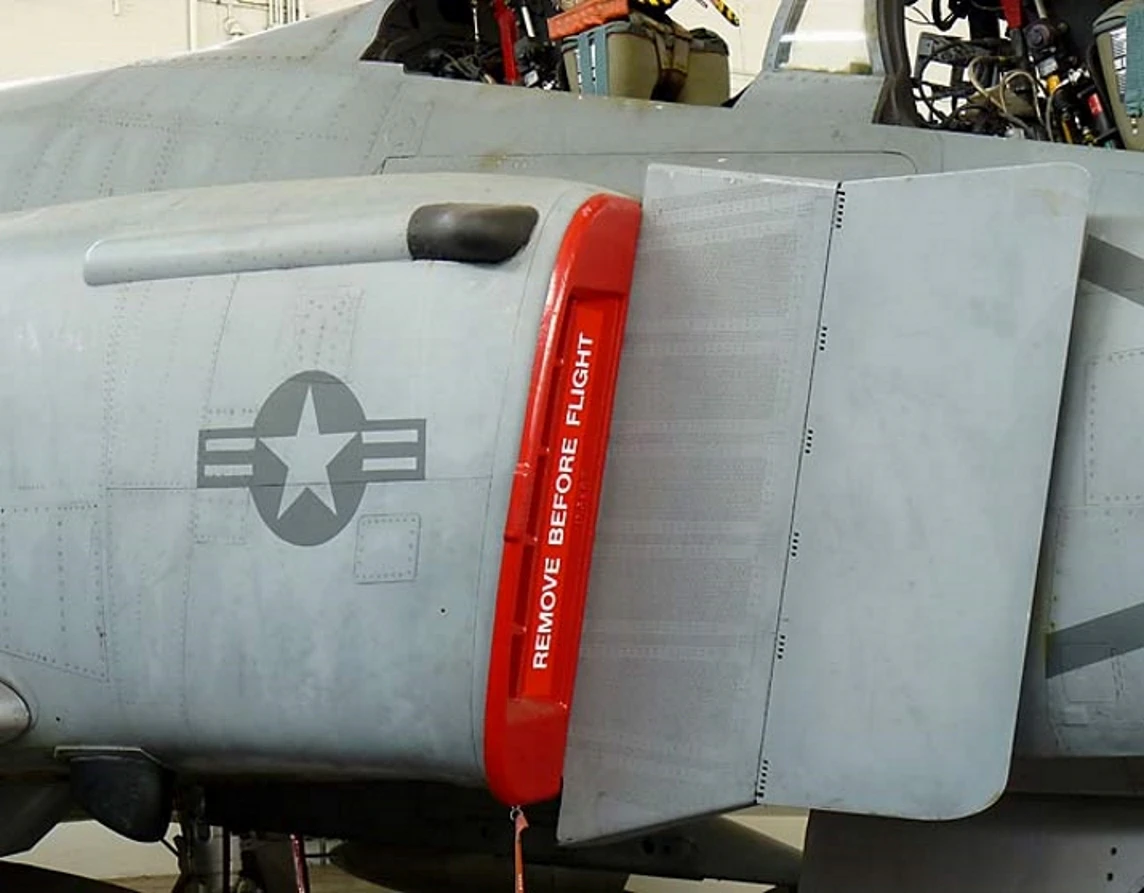
Variable Intakes:The massive air intakes use movable ramps to slow supersonic air to subsonic speeds before it hits the engine. This allowed the F-4 to maintain engine efficiency from sea level all the way up to its Mach 2.2 top speed.
The Smoke Trail:The J79 engines were legendary for their power but also for their thick, black smoke trails. Enemy pilots in Vietnam could often spot a Phantom from miles away just by looking for the “two pillars of soot” in the sky.
Operational History: The MiG-Killer and the Wild Weasel
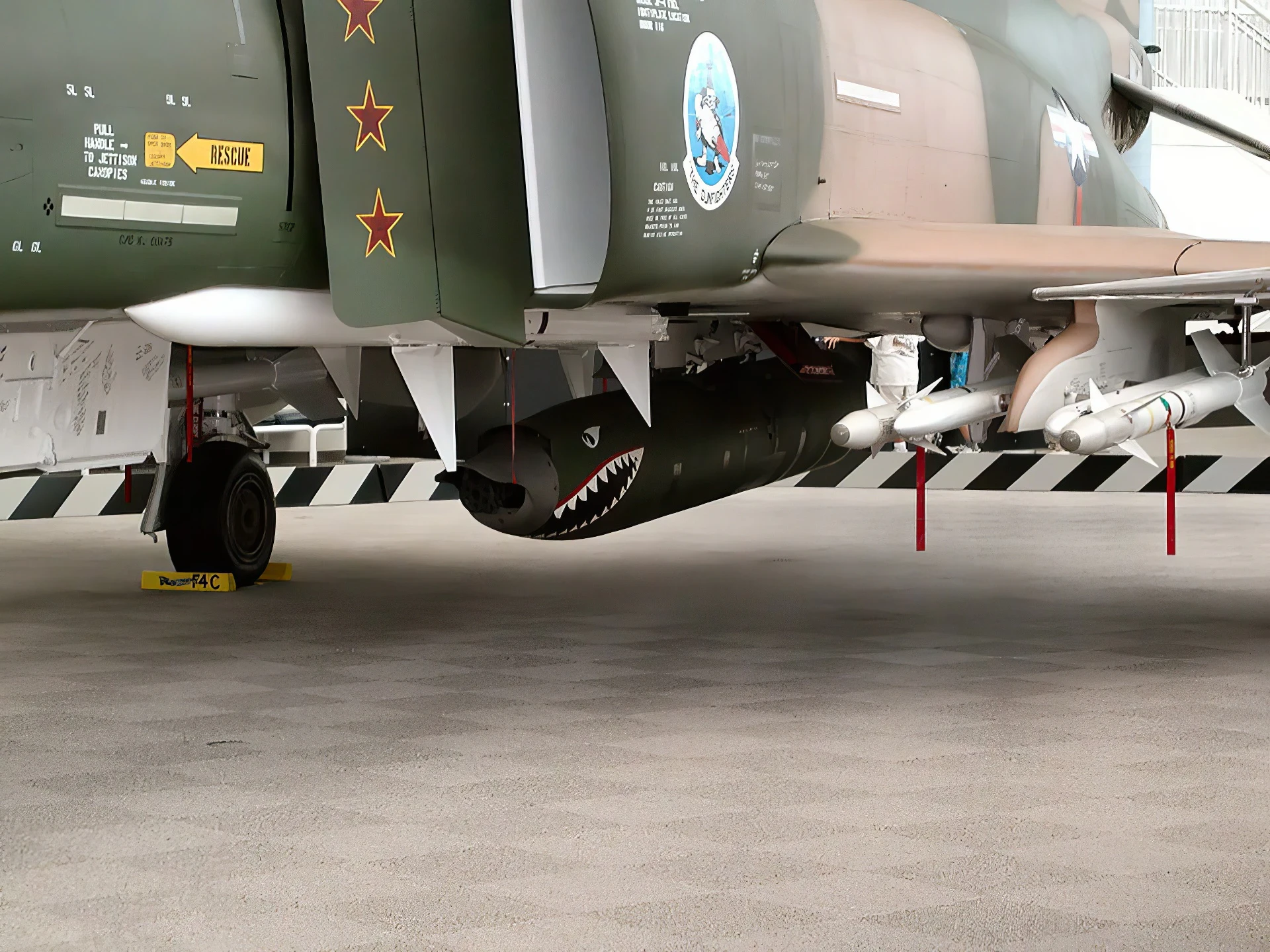
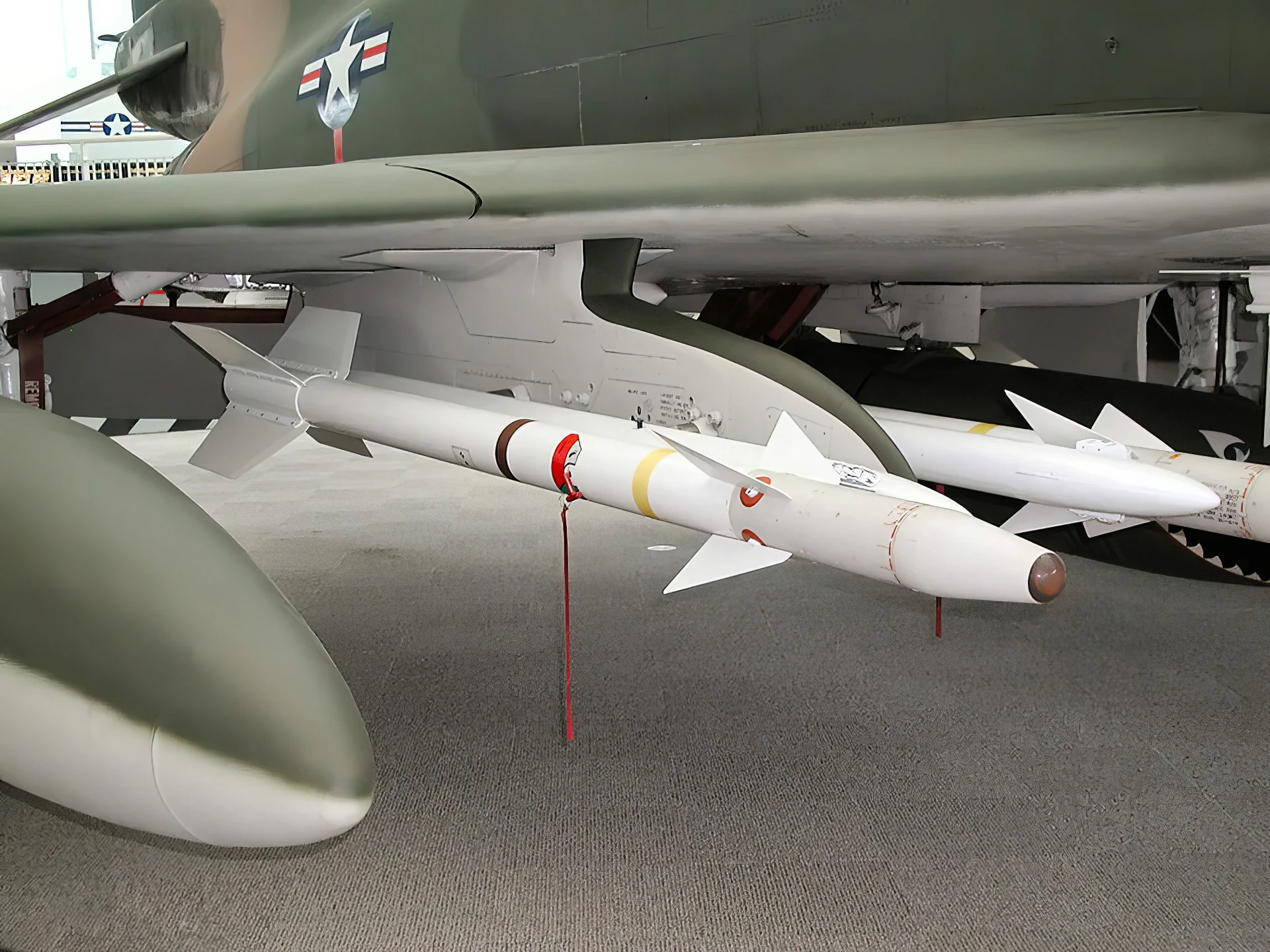
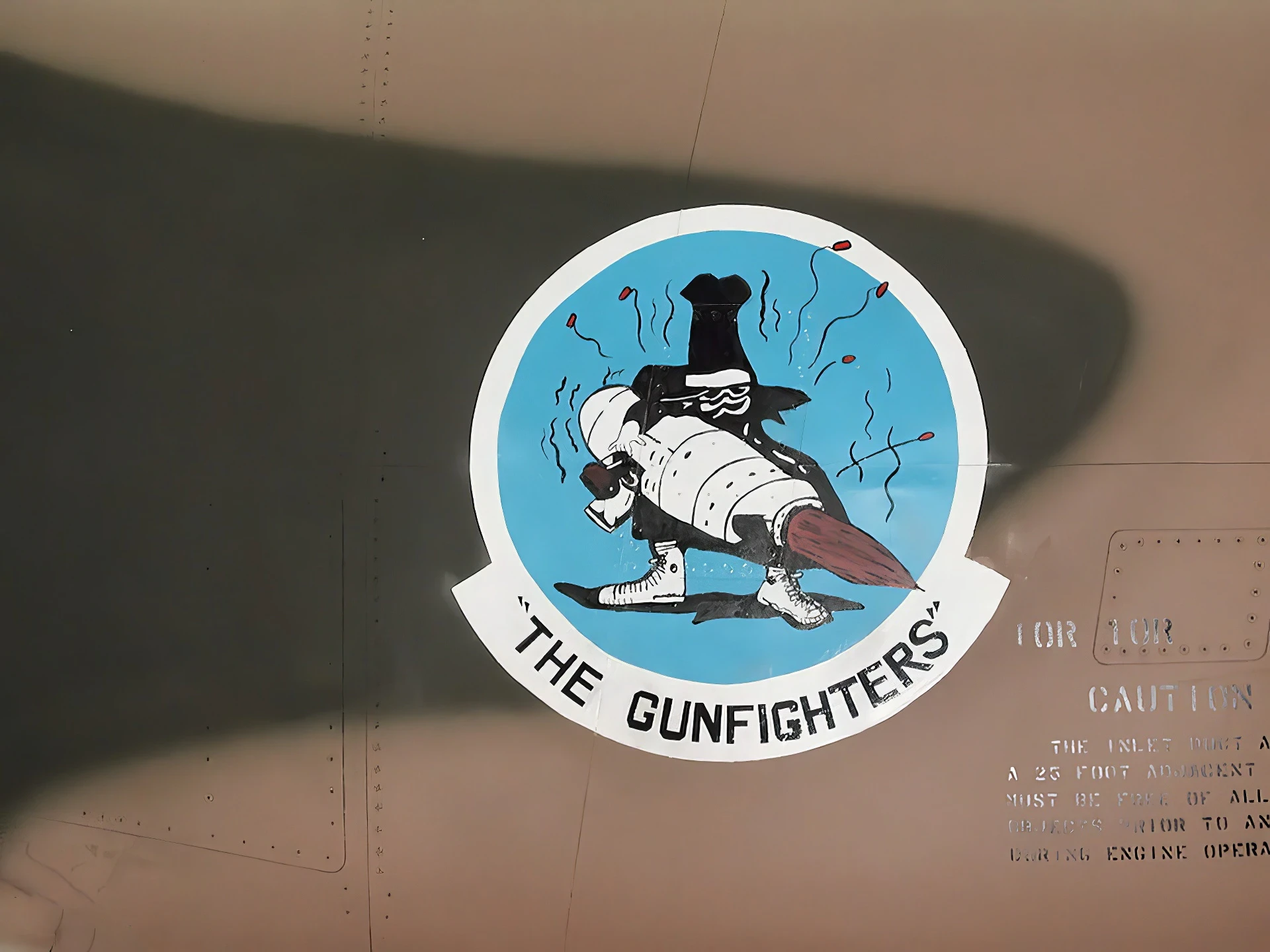
The “Gunless” Controversy:Early Phantoms relied entirely on Sparrow and Sidewinder missiles. When these proved unreliable in the turning dogfights of Vietnam, pilots demanded a gun. The F-4E finally integrated the Vulcan cannon internally, making it the definitive “Gunfighter.”
The Wild Weasels:The specialized F-4G variant was the king of “Electronic Warfare.” Its job was to intentionally let North Vietnamese or Iraqi radars lock onto it, then follow that radar beam back to the source with a Shrike or HARM missile. “First In, Last Out” was their motto.
Global Workhorse:Beyond the US, the Phantom was the backbone of air forces in Israel, Iran, Germany, Japan, and Turkey. In the 1973 Yom Kippur War, Israeli Phantoms (calledKurnassor “Sledgehammer”) performed desperate, hero-making strikes against armored columns.
The Record Setter:In 1959, an F-4 set a world altitude record of 98,557 feet. The pilot had to shut down the engines at the top of the arc and glide back down until the air was thick enough to restart them.