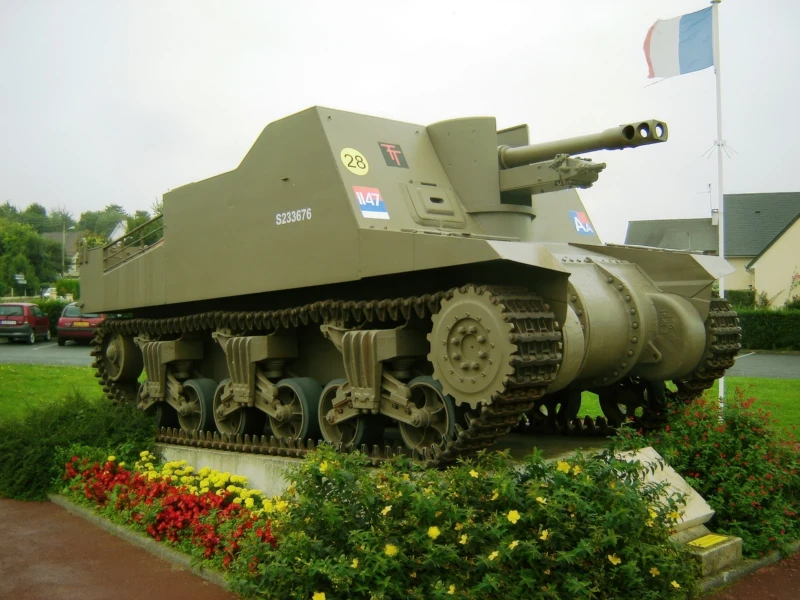
Sexton iseliikuv relv | |
|---|---|
| Riik | Kanada |
| Tüüp | Iseliikuvad suurtükiväed |
| Kasutuses | 1943–1956 |
| Ehitatud | 2150 |
25pdr SP, jälgitav, Sexton oli II maailmasõja iseliikuv suurtükisõiduk. See põhines Ameerika M3 Lee ja M4 Shermani paagi šassii Kanadas ehitatud versioonidel, mis jõudsid Kanadas tootmisse Ram ja Grizzly nime all. Kui Shermani tootmine USA-s laienes ja pakkumine ei olnud enam probleem, otsustati 1943. aastal vahetada Kanada tootmisliinid Sextoni tootmiseks, et anda Briti armeele mobiilne suurtükiväepüstol, kasutades nende Ordnance QF 25 naelapüstolit-haubitsat, mis võib tulistada 87,6 mm (3,45 tolli) 11,5 kg (25 naela) HE-kesta või soomust läbistava kesta. See leidis kasutamist Kanada ja Briti armees, samuti paljudes teistes Briti impeeriumis ja nendega seotud jõududes. Vahetult pärast sõda müüdi mitmed Grizzly ja Sextonid Portugalile, kes kasutasid neid 1980. aastatel.
Allikas: Sextoni iseliikuv relv Vikipeedias
| Sexton Self Propelled Gun – Walk Around | |
|---|---|
| Fotograafid | Lukasz Sambor, Paul Adamson |
| Lokaliseerimine | Teadmata |
| Fotod | 29 |

 Osta mulle kohvi
| Saxton Walk Around | |
|---|---|
| Fotograaf | Unknow |
| Lokaliseerimine | Teadmata |
| Fotod | 29 |
| Sexton SPG Walk Around | |
|---|---|
| Fotograaf | Darren Baker |
| Lokaliseerimine | Teadmata |
| Fotod | 30 |
Vaata ka:


| Self-propelled 25pdr Sexton Walk Around | |
|---|---|
| Fotograaf | Unknow |
| Lokaliseerimine | Teadmata |
| Fotod | 27 |
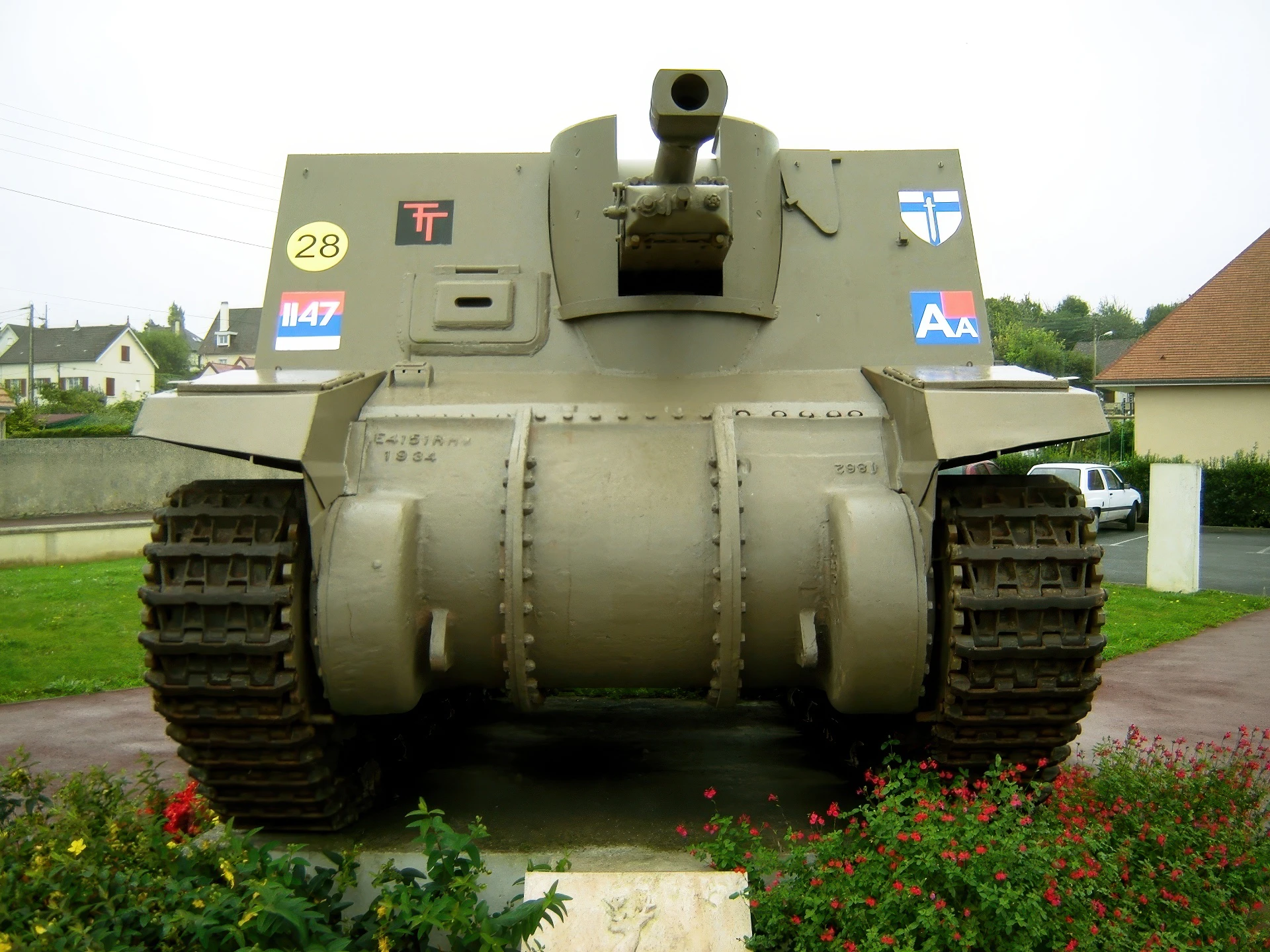
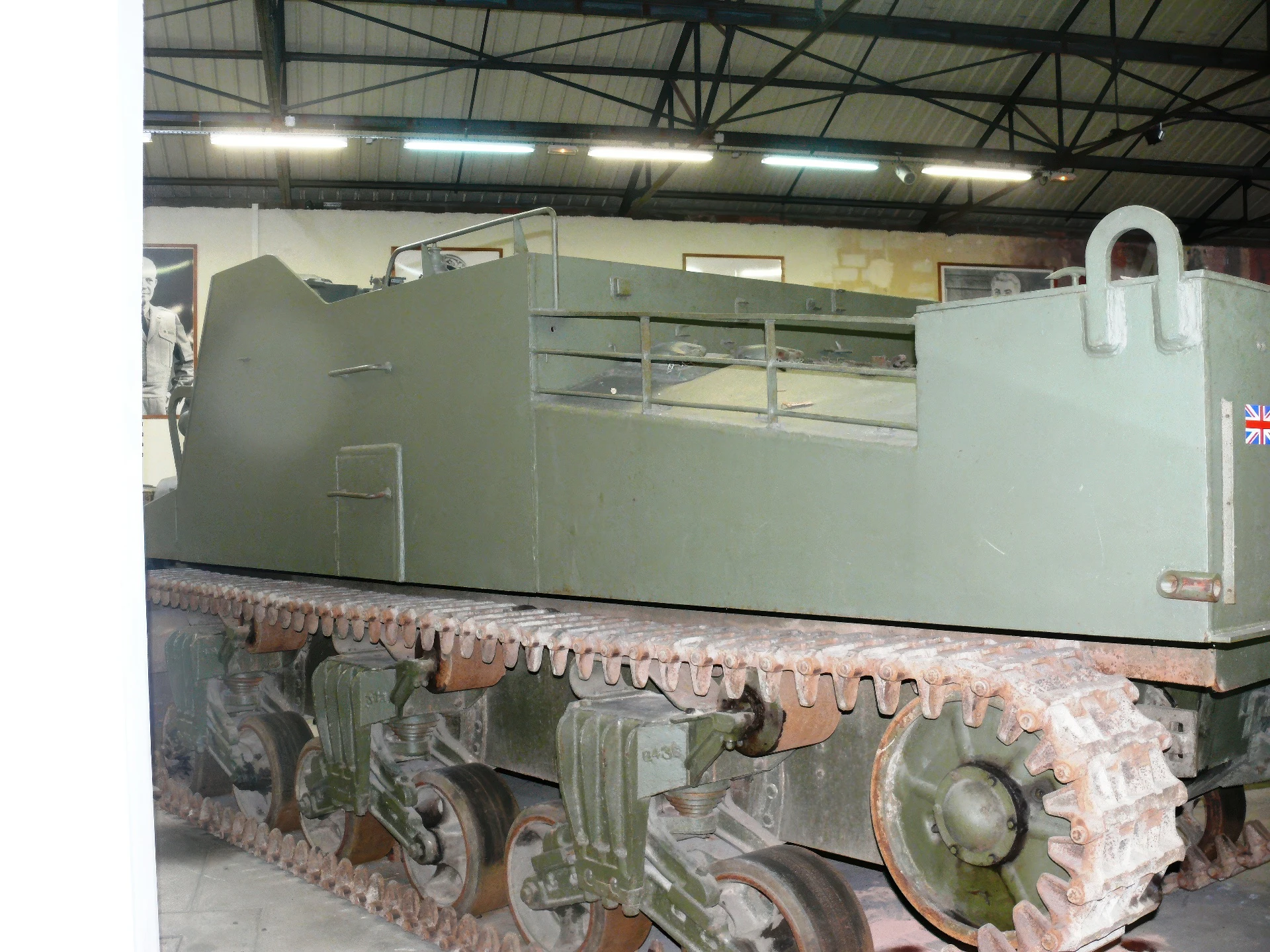
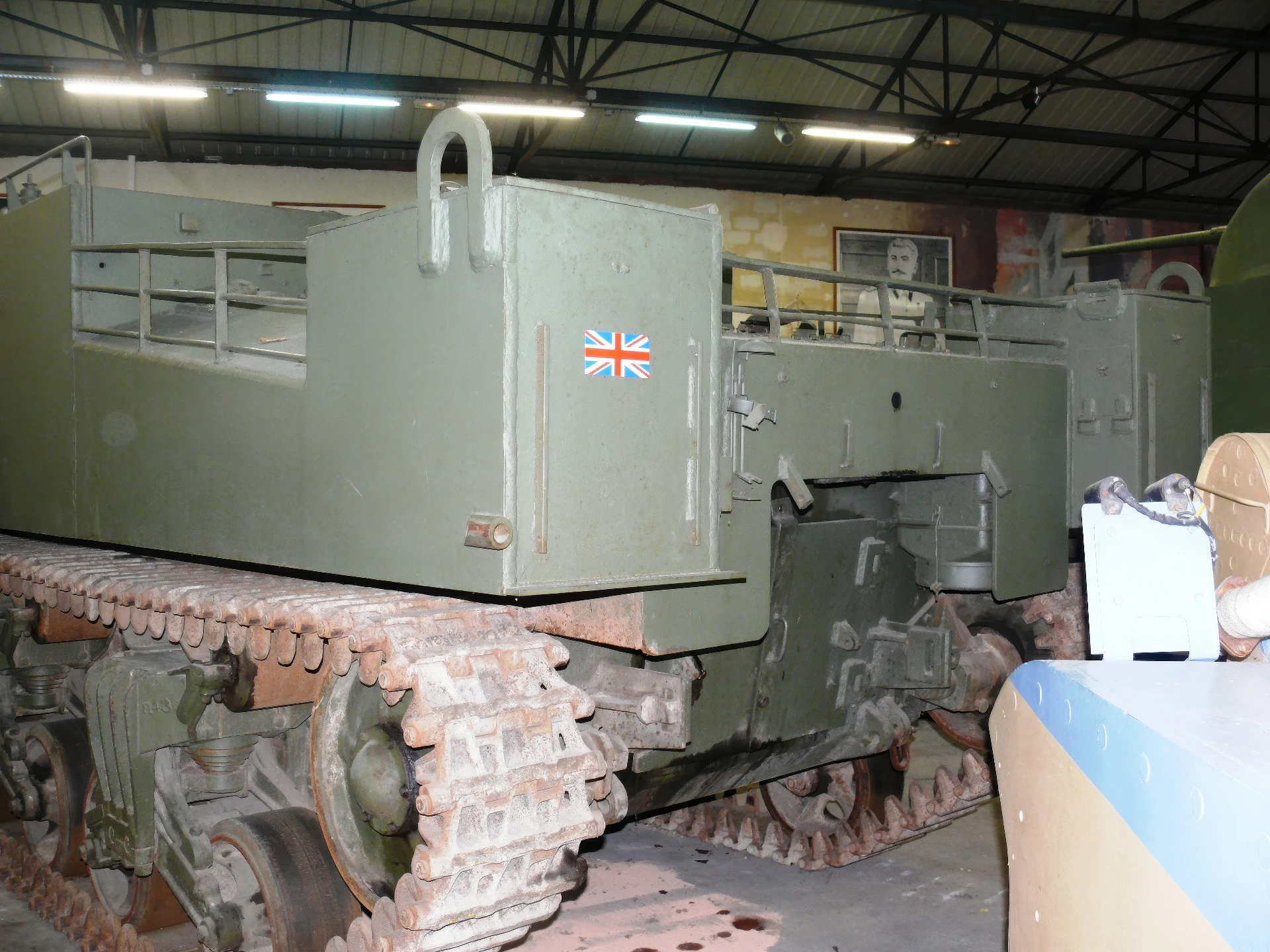
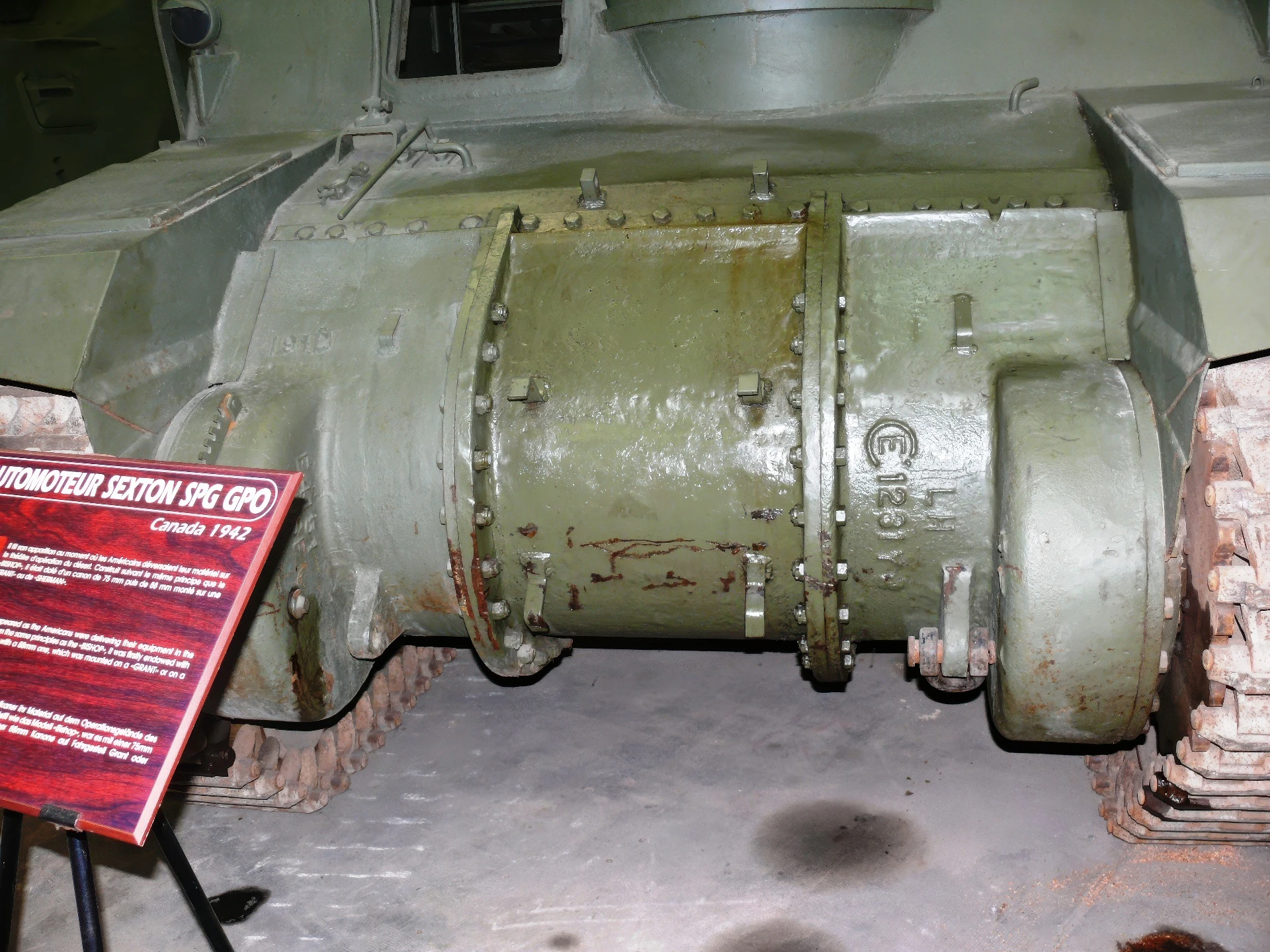
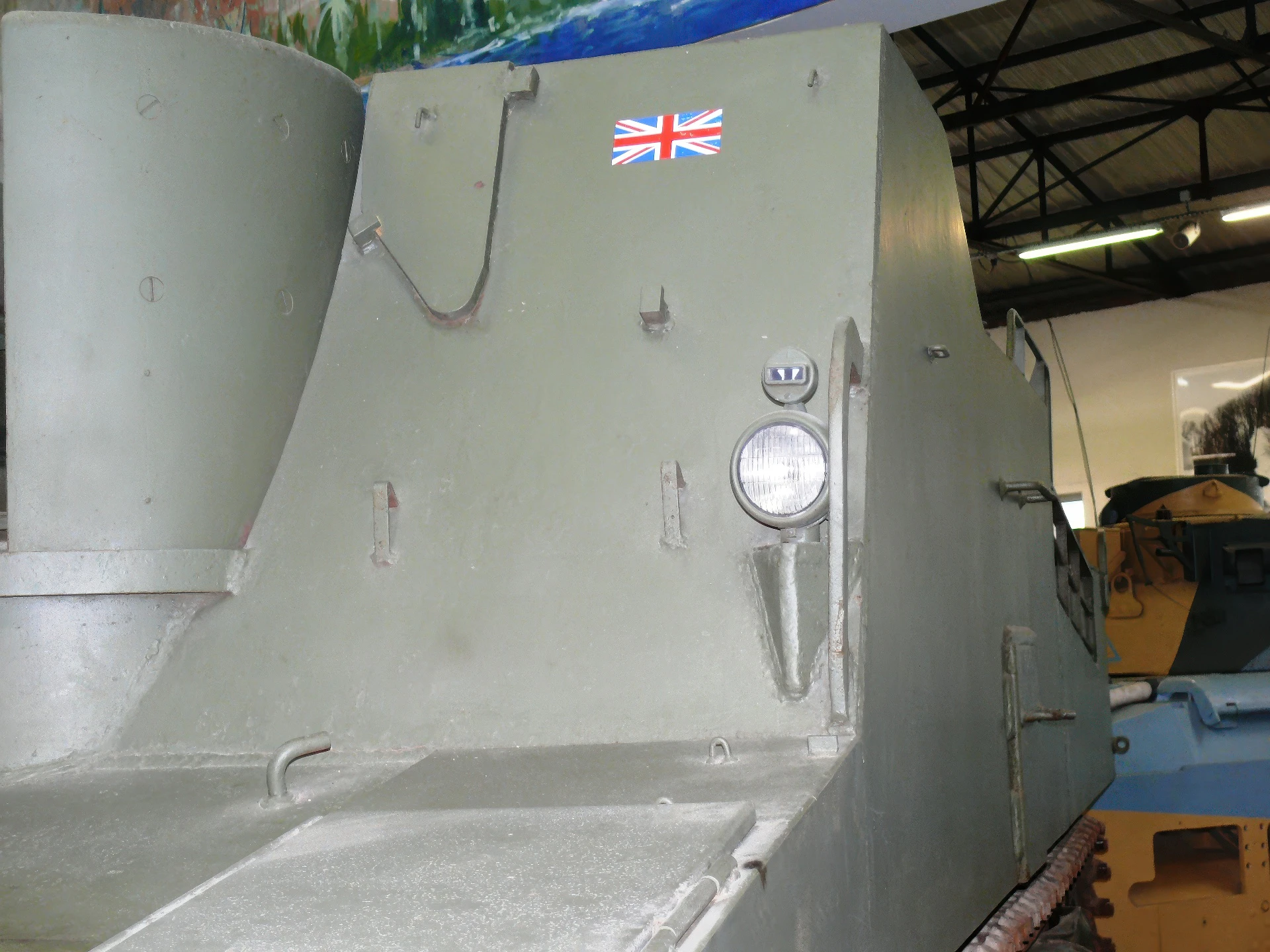
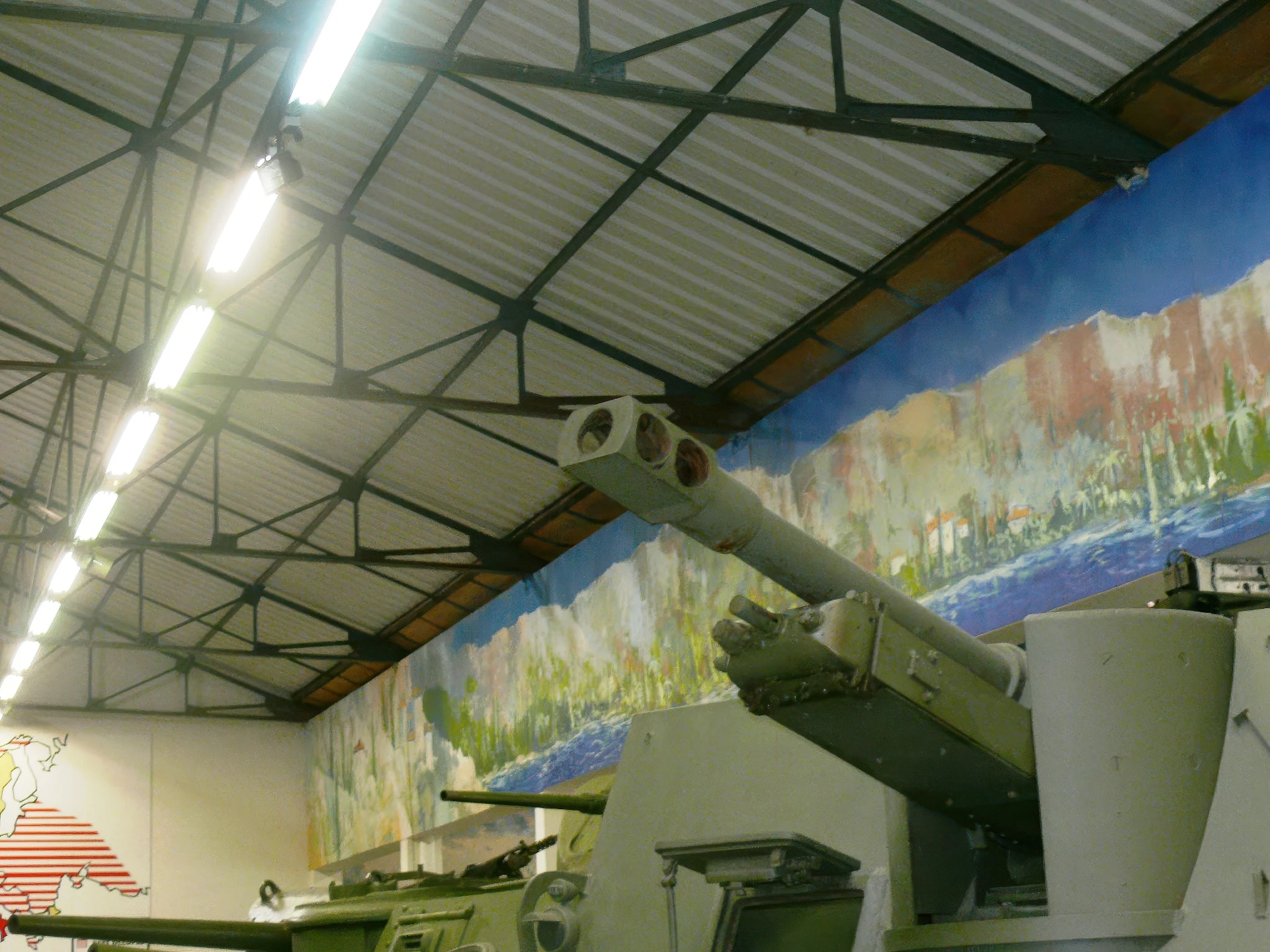
| Sexton SPG Walk Around | |
|---|---|
| Fotograaf | Darren Baker |
| Lokaliseerimine | Teadmata |
| Fotod | 30 |
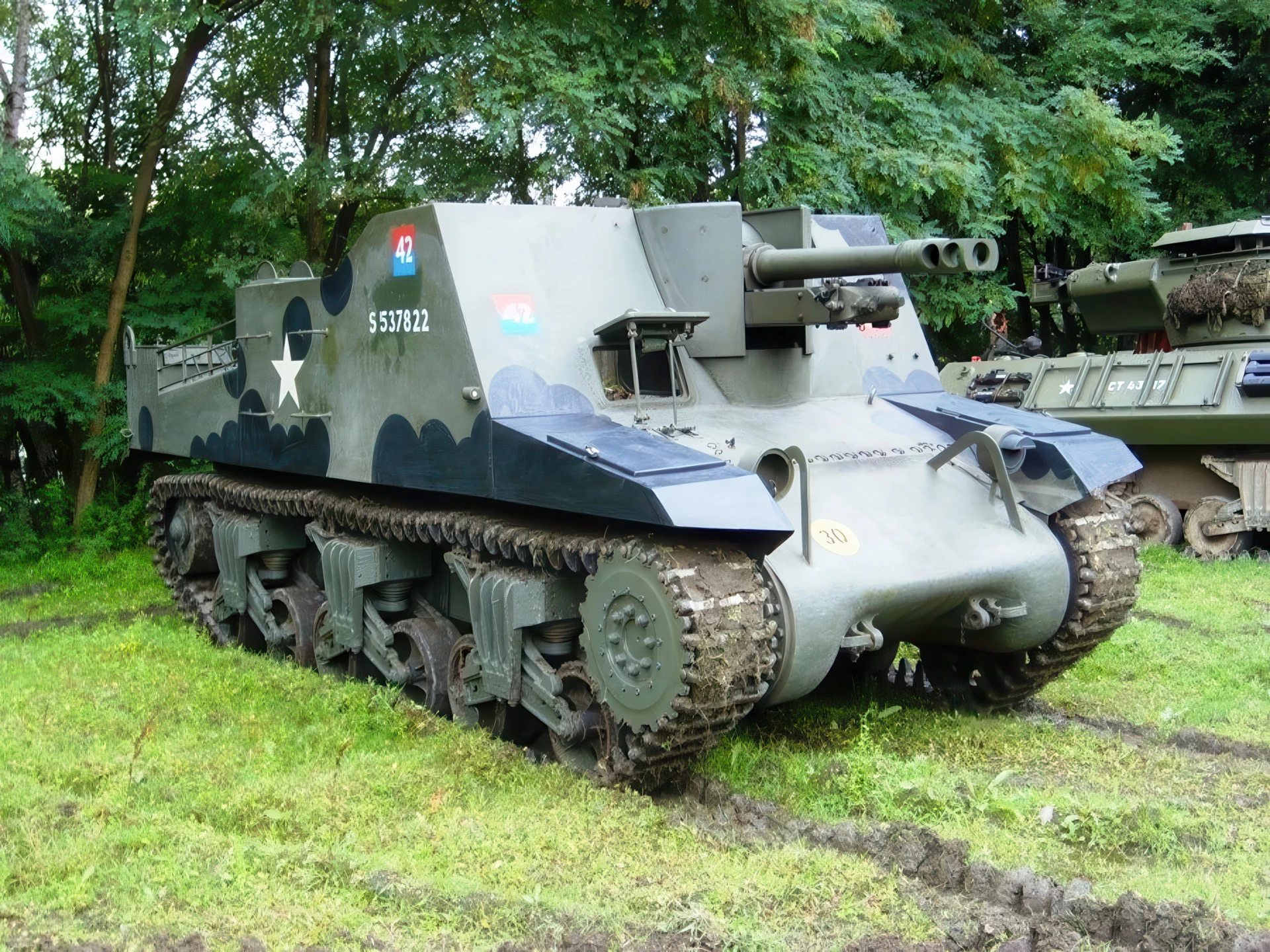
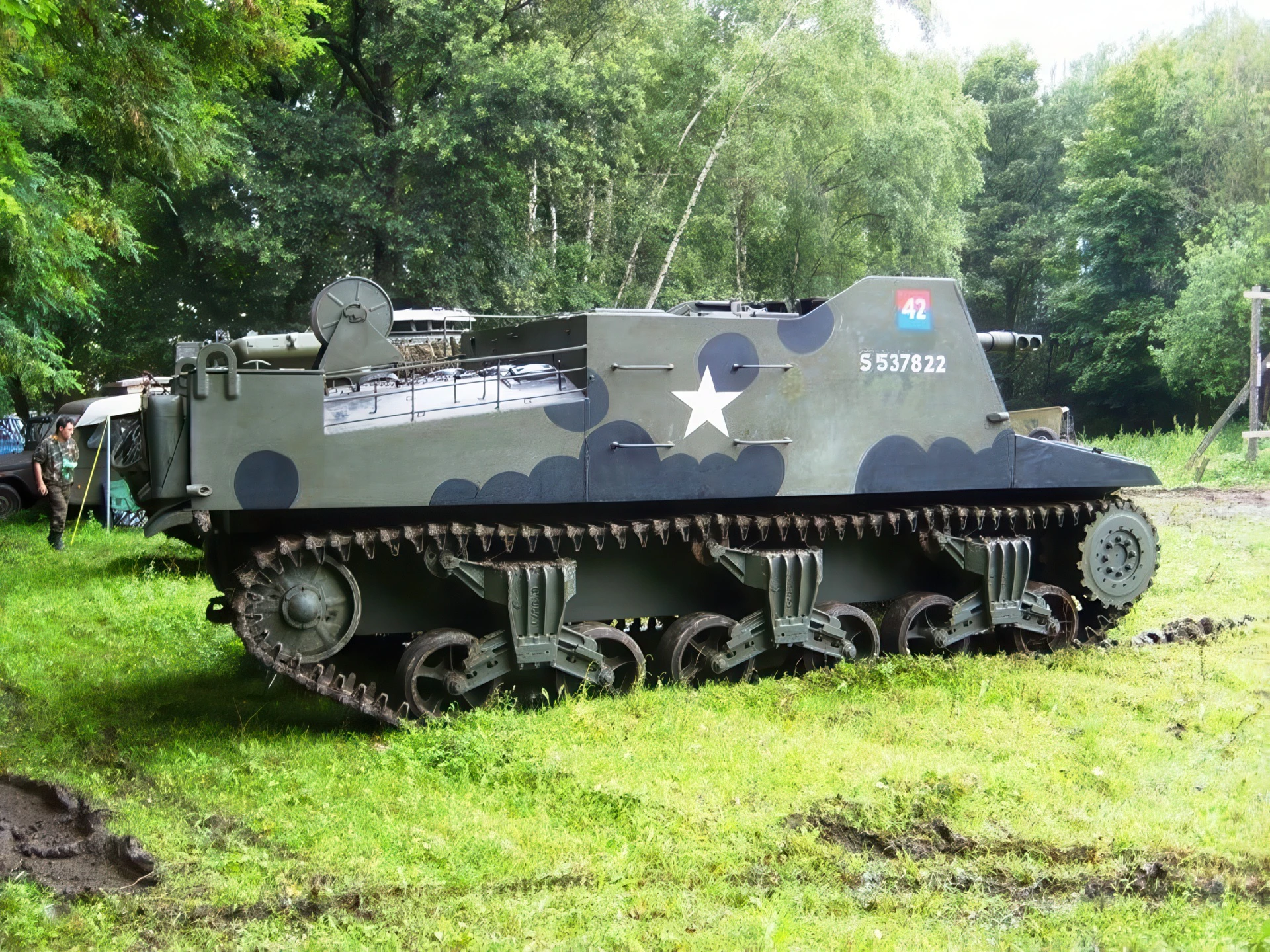
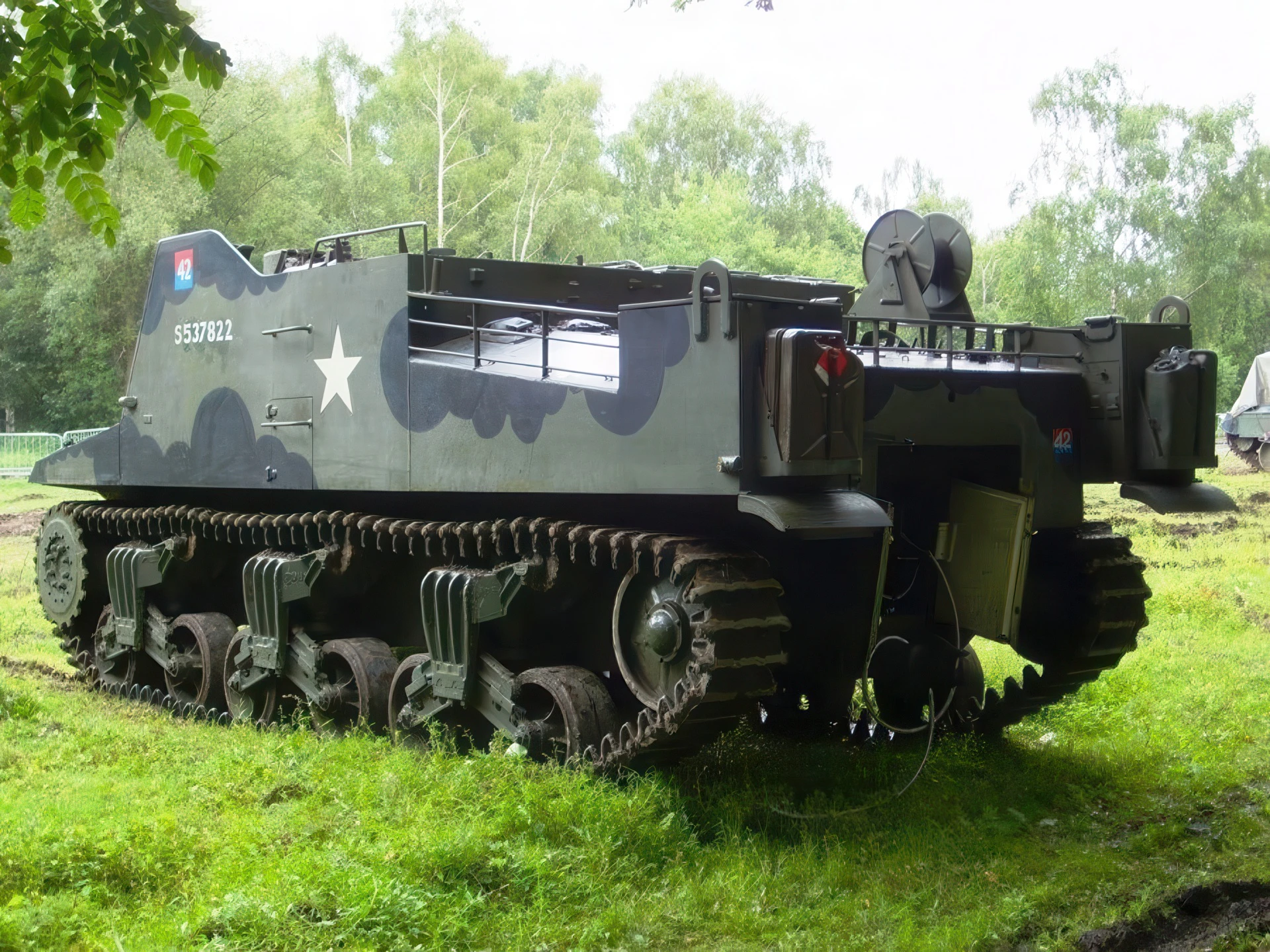
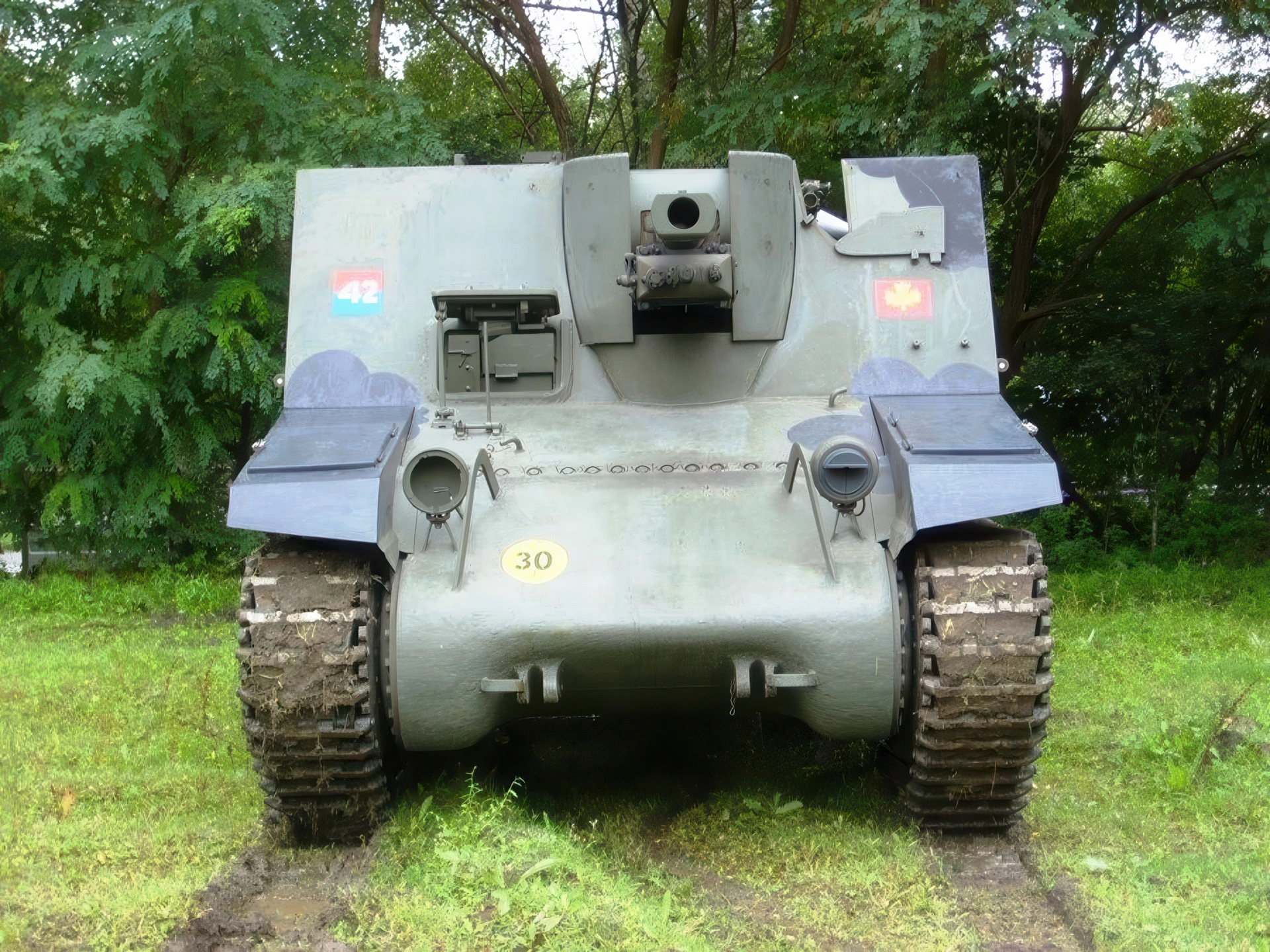
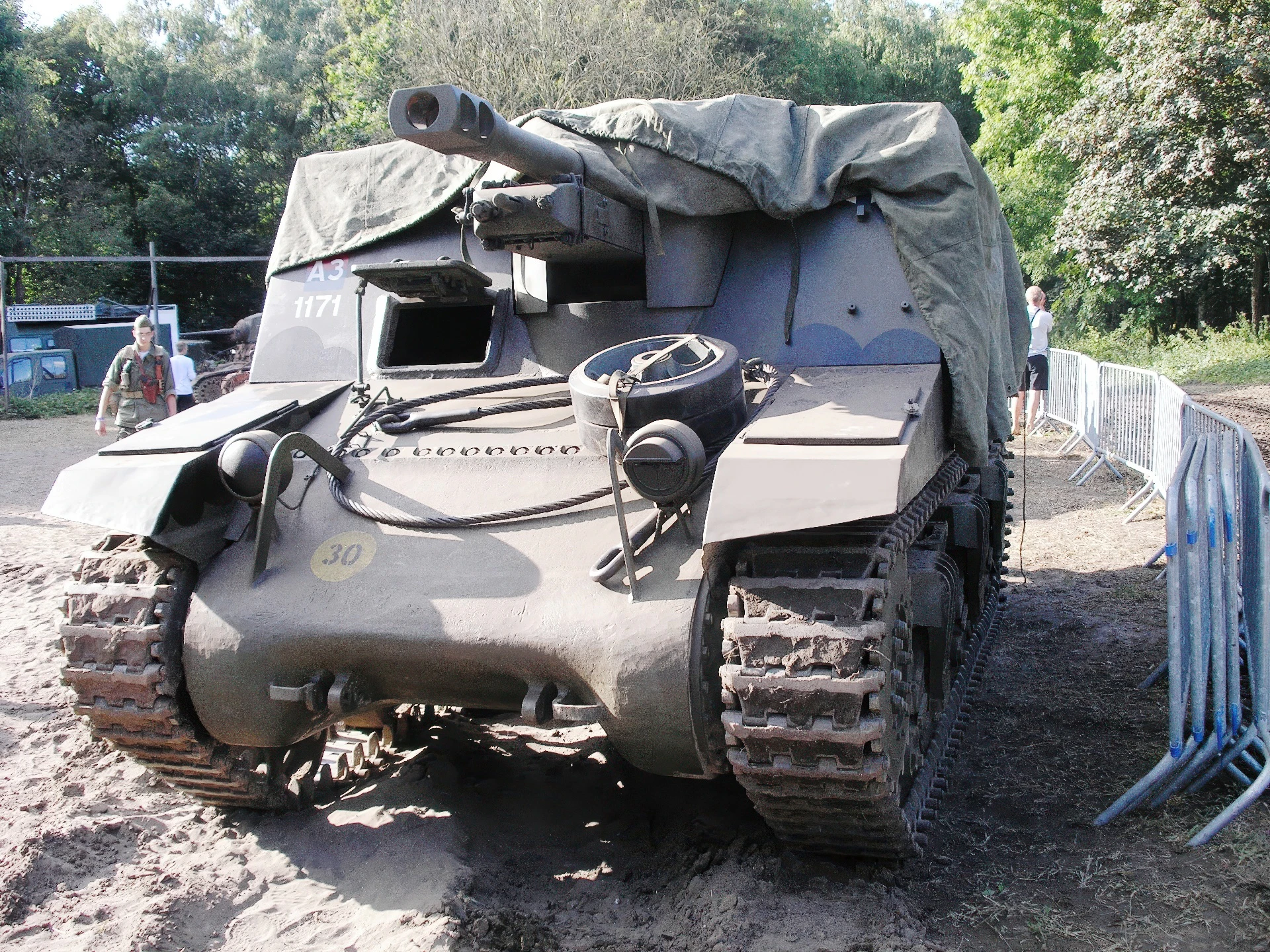
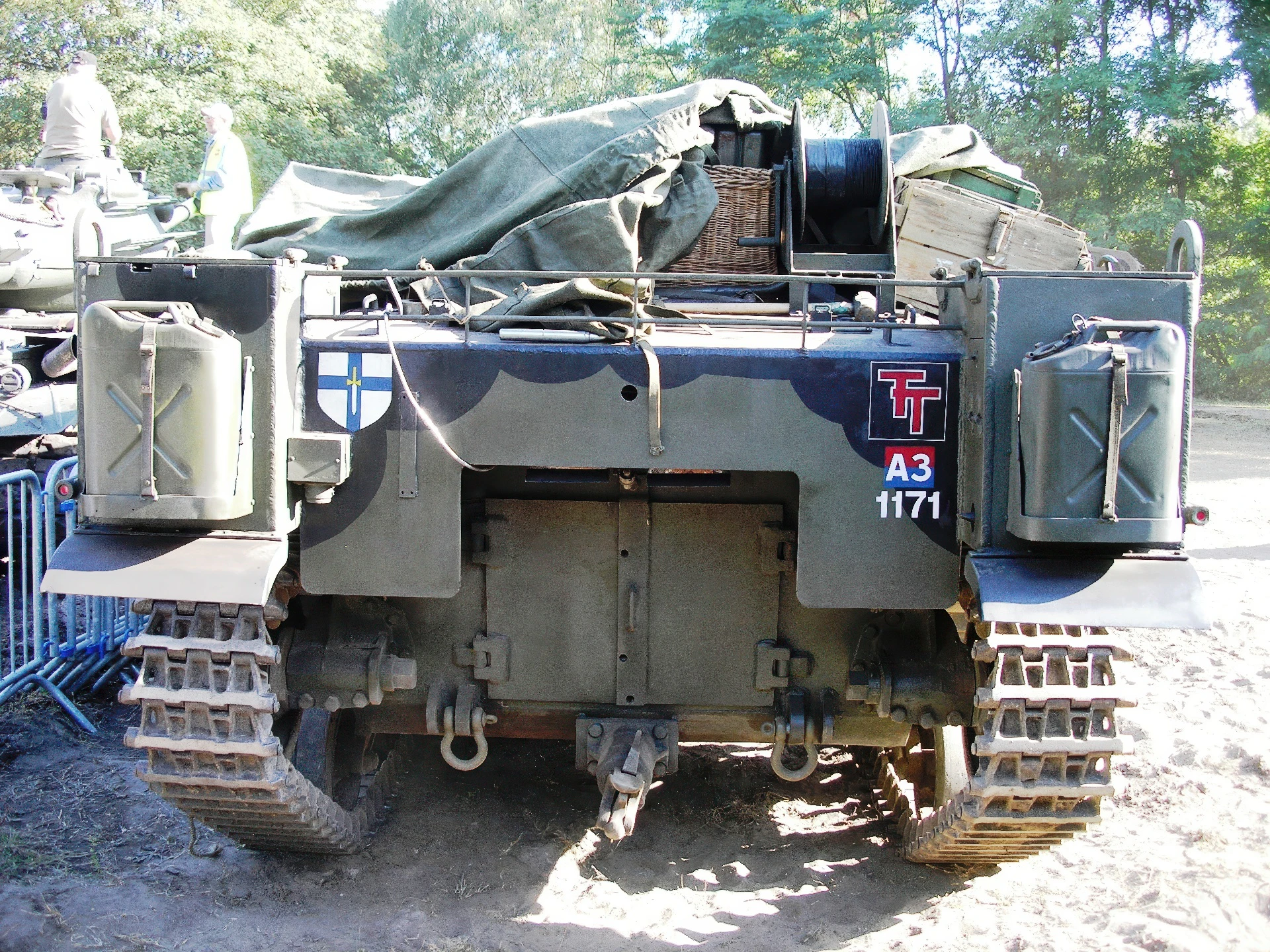
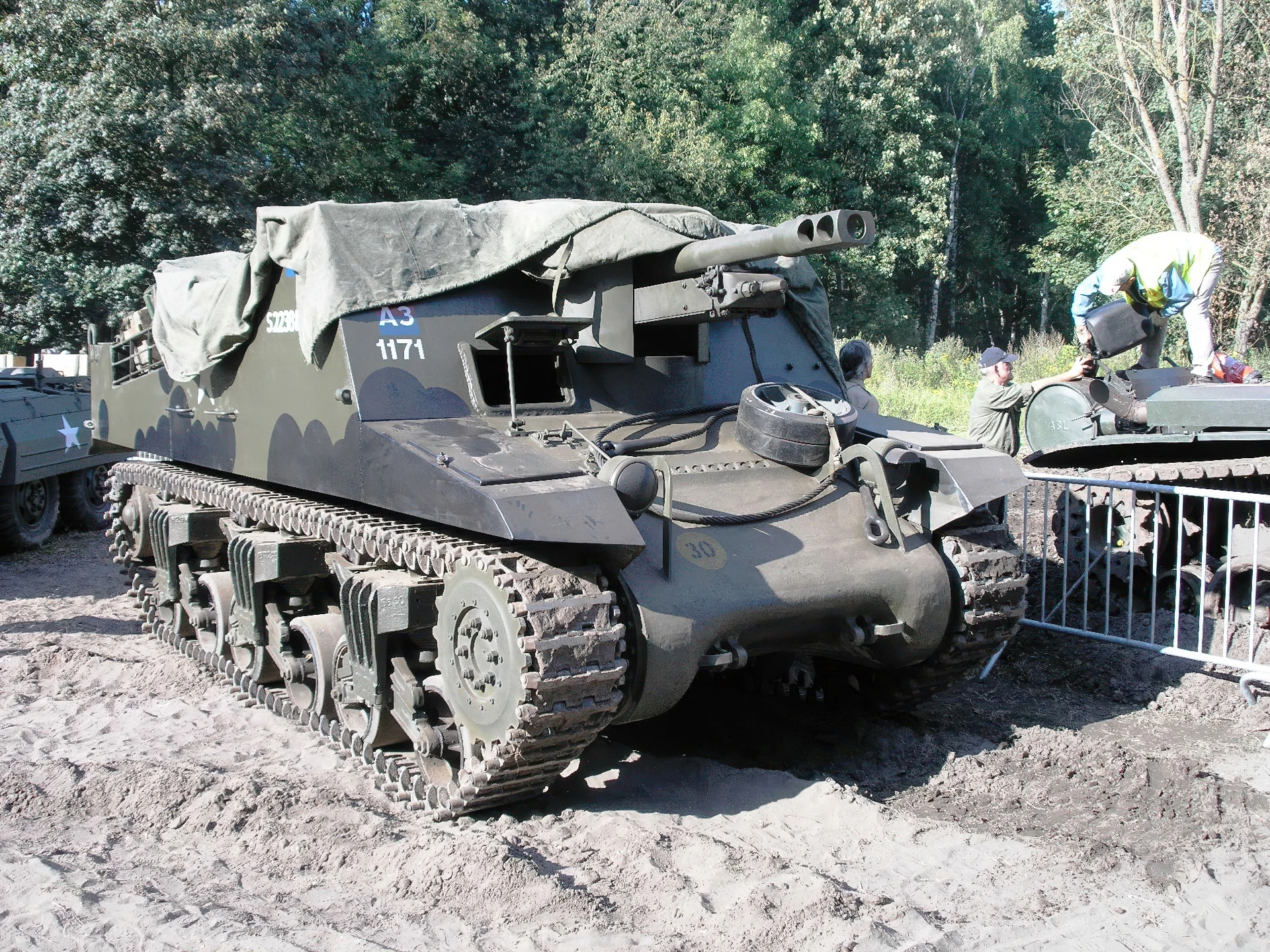
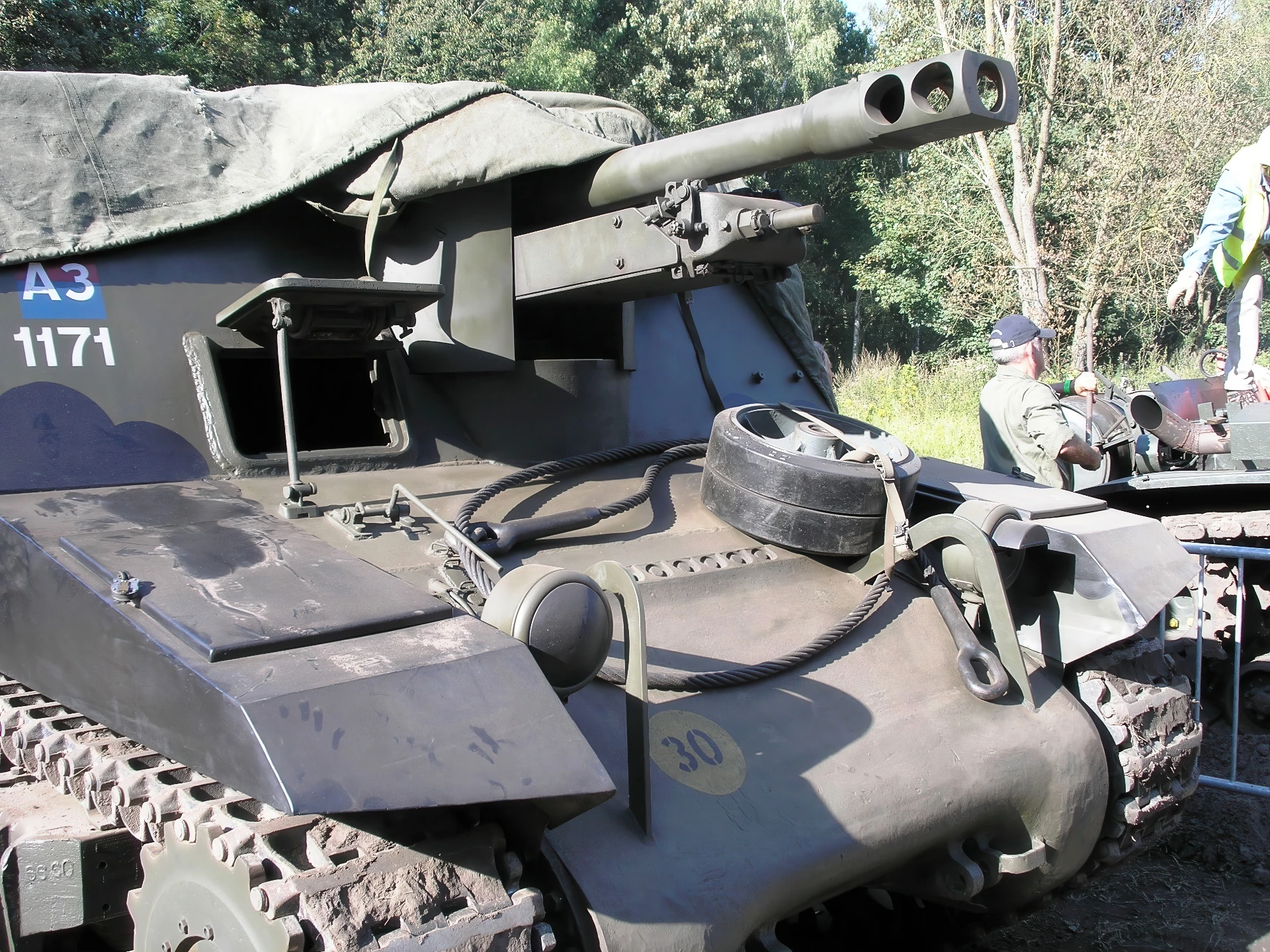
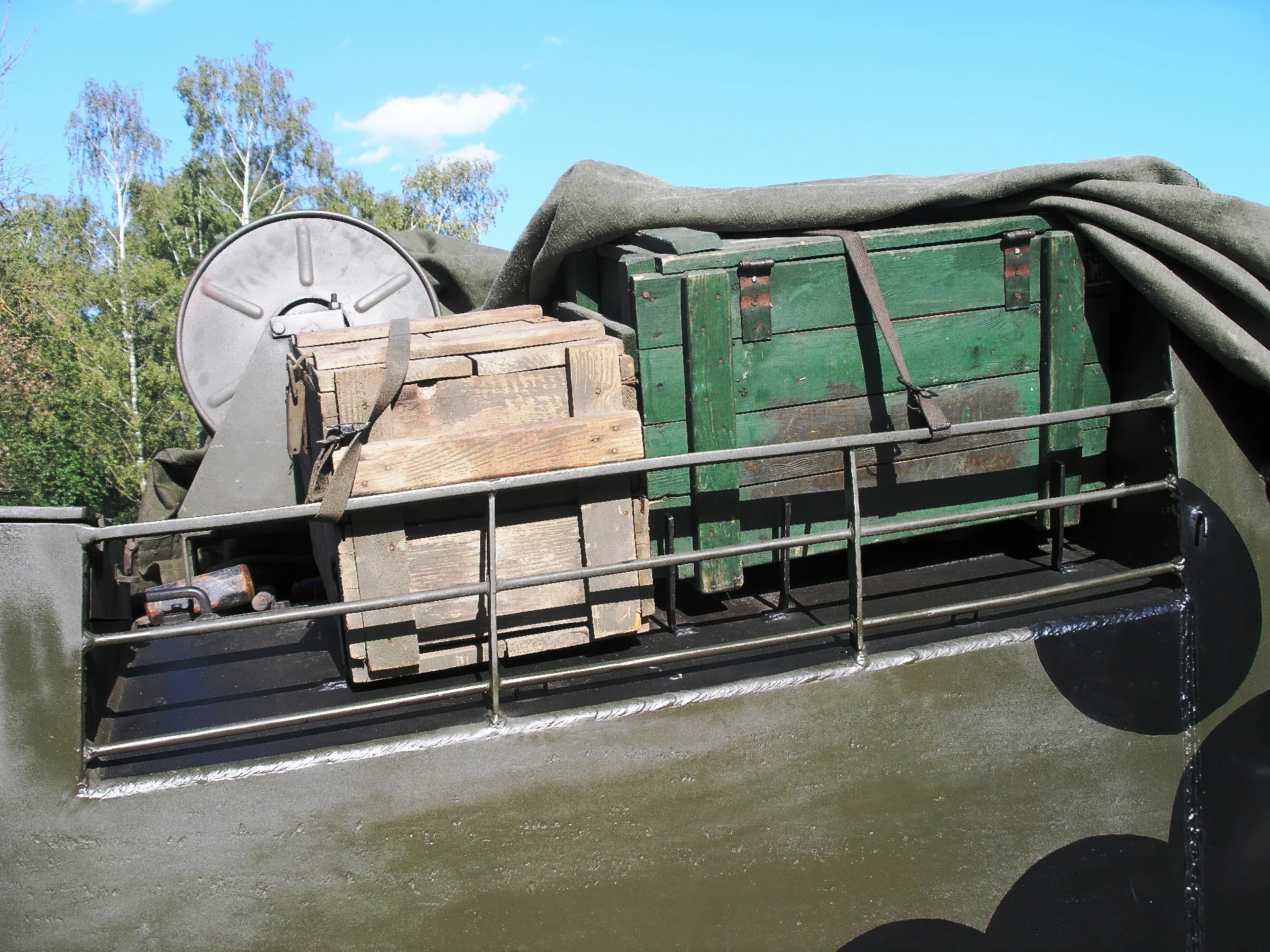
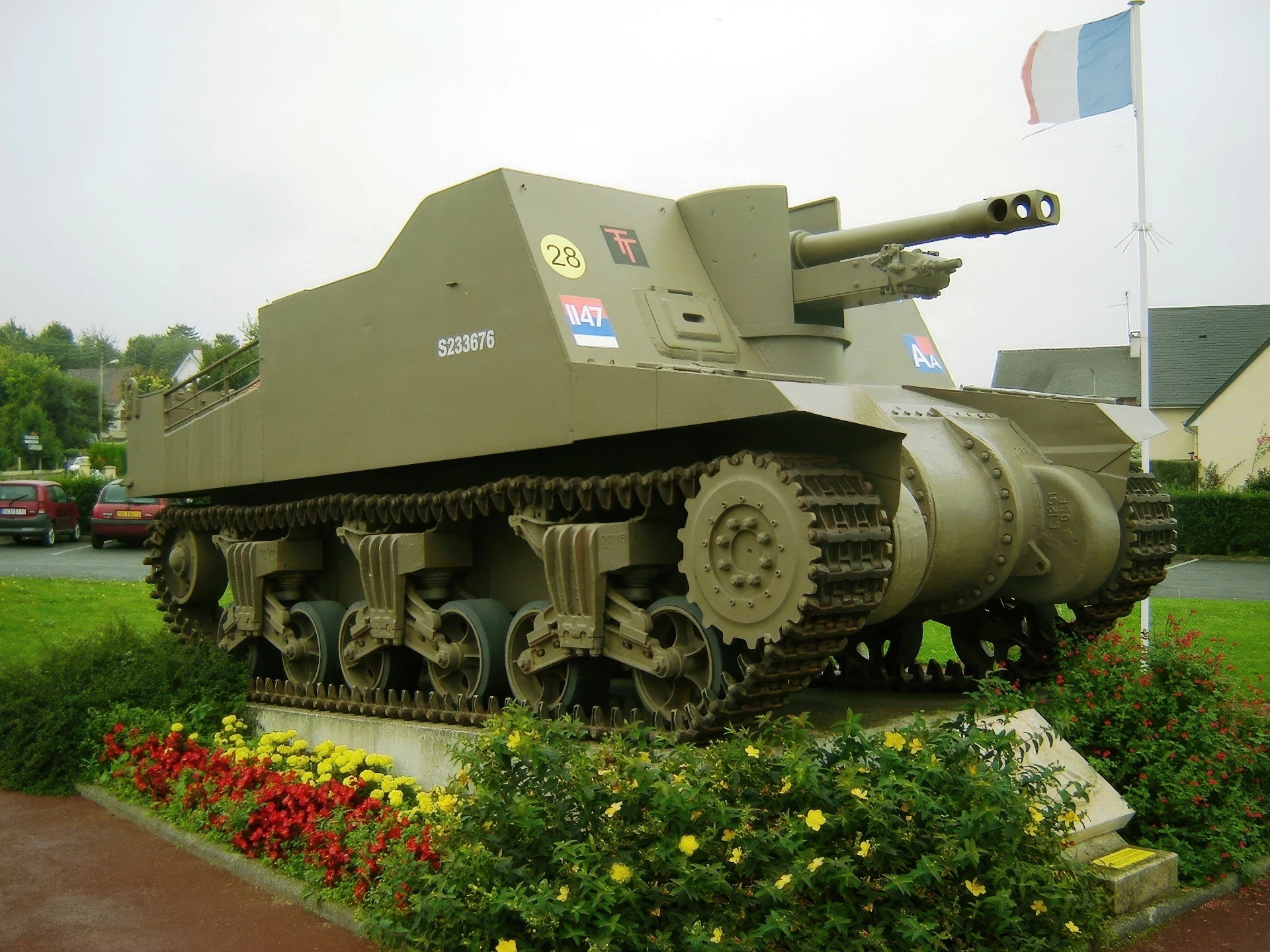
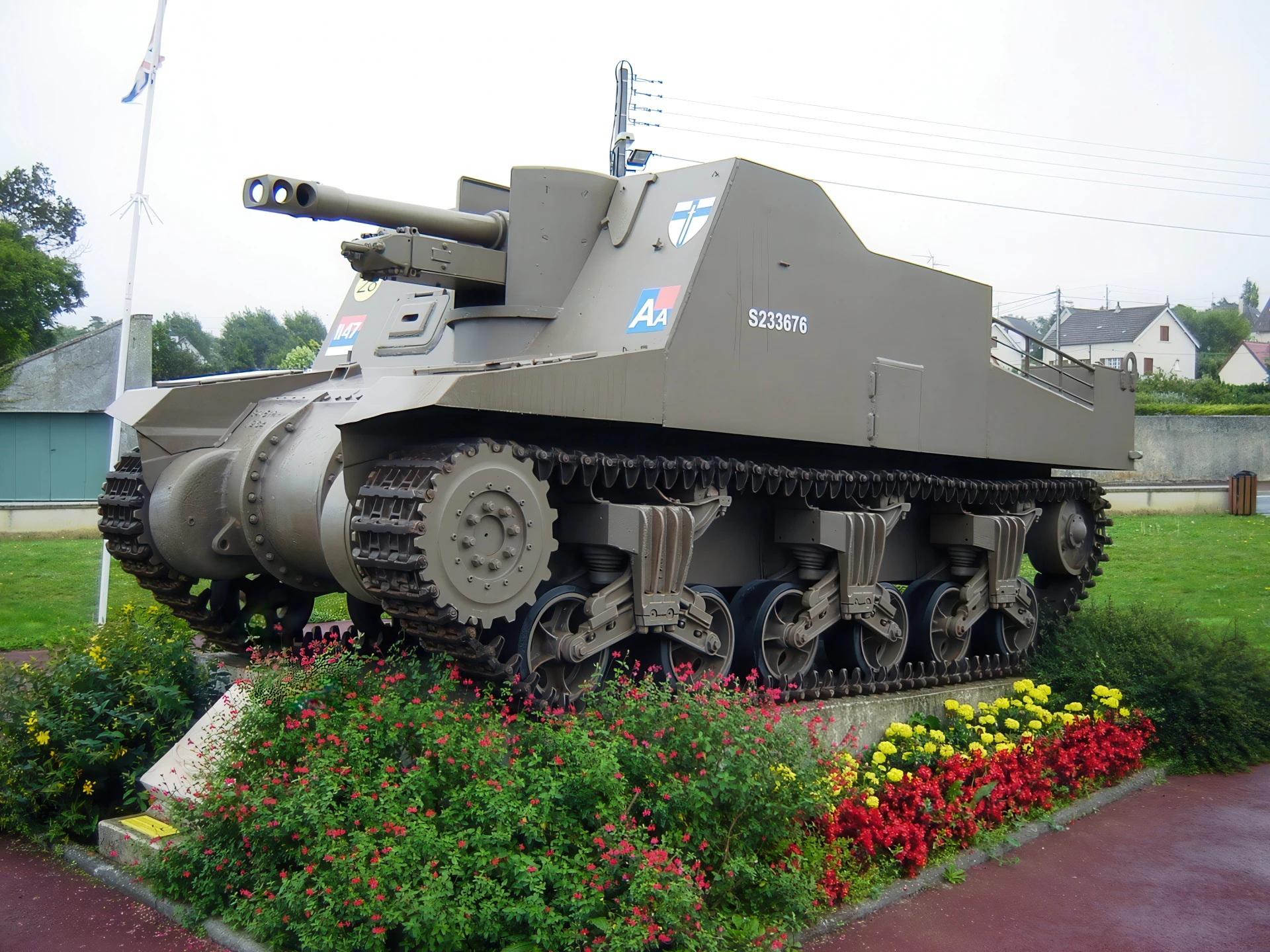
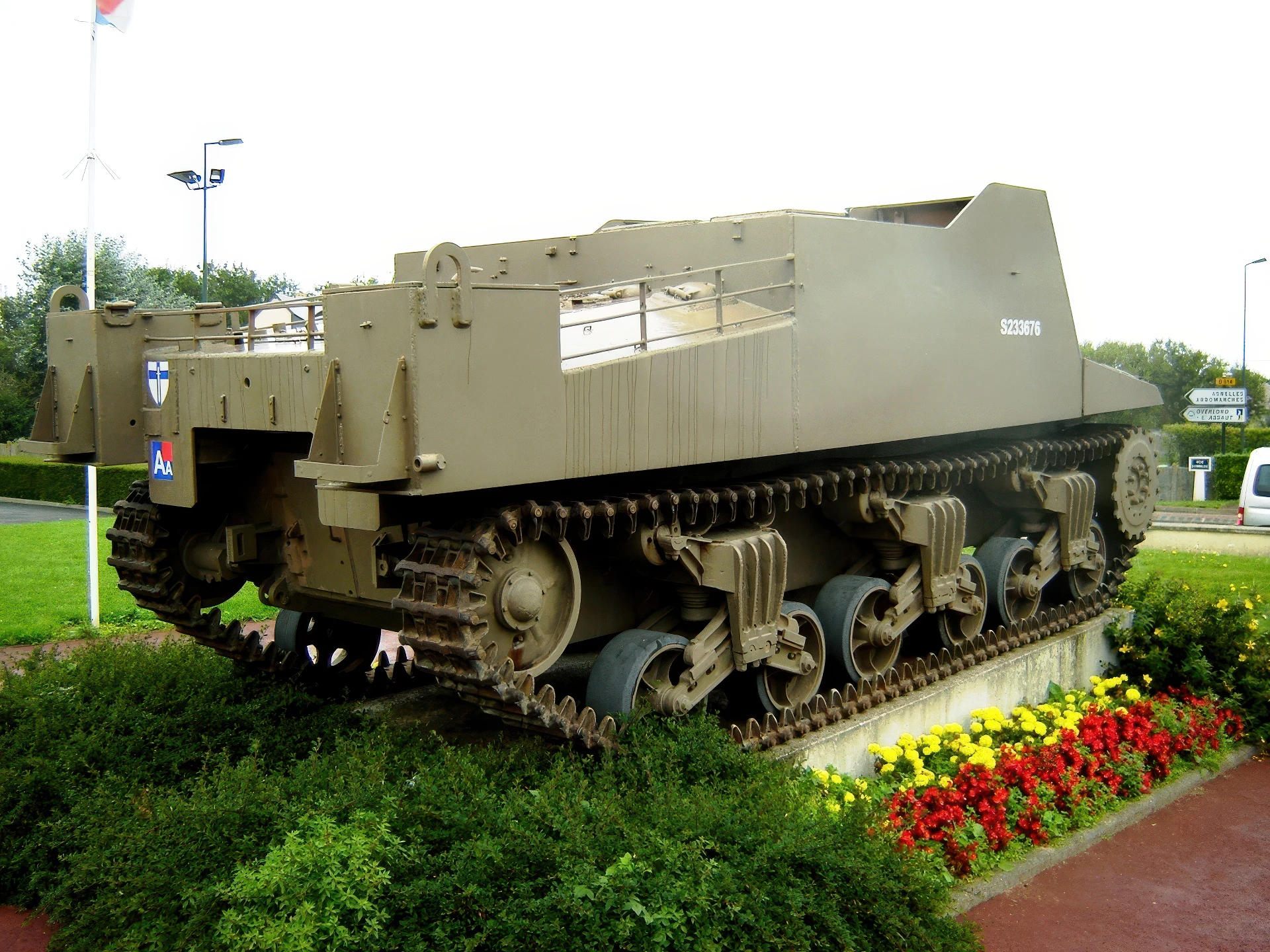
2007 Sexton was a Canadian-designed self-propelled artillery vehicle used during World War II. It was based on Canadian-built derivatives of the American M3 Lee and M4 Sherman tank chassis. The Sexton mounted the British 87.6 mm (3.45 in) Ordnance QF 25-pounder gun-howitzer, providing mobile artillery support for the British and Commonwealth armies.
Variandid:
- Sexton I: The first 125 vehicles manufactured, based on the Ram tank hull.
- Sexton II: Featured boxes added to the rear deck to carry batteries and an auxiliary generator. Based on the Grizzly (M4A1 Sherman) hull.
- Sexton GPO (Gun Position Officer): The 25-pounder was removed, and an extra No. 19 Wireless and map tables were added for controlling battery fire.
Spetsifikatsioonid:
- Mass: 25 long tons (25 t)
- pikkus: 20 ft 1 in (6.12 m)
- laius: 8 ft 11 in (2.72 m)
- kõrgus: 8 ft (2.4 m)
- Meeskonna: 6 (Commander, driver, gunner, gun-layer, loader, wireless operator)
- Armour: 15–32 mm (0.59–1.26 in)
- Main Armament: Ordnance QF 25-pounder (87.6 mm) Mk II, 105 rounds (mostly HE) carried on board
- Secondary Armament: Two 0.303 (7.7 mm) Bren light machine guns for anti-aircraft defense, 50 30-round magazines
- Mootor: Continental R-975 9-cylinder Radial gasoline, 400 hp (298 kW)
- Operational Range: 125 miles+ (200 km)
- Maximum Speed: 25 mph (40 km/h)
Operational Service:
2007 Sexton was first used in combat in Italy by the British Eighth Army. It later participated in the invasion of France, the Battle of Normandy, and the campaign in northwest Europe. During the D-Day landings, some Sextons were ordered to fire from their landing craft as they approached the beaches, although the fire was not very accurate. After the war, a number of units were equipped with the Sexton as part of the British Army of the Rhine (BAOR).
The Sexton was generally regarded as a successful project and remained in British service until 1956. Between 1943 and 1945, the Montreal Locomotive Works manufactured 2,150 Sextons for use by Canadian and British forces.
Views : 3421
Näete ka :
 2S4 Tyulpan - fotod ja videod
 Astros II MLRS - fotod ja videod
 2S3 Akatsiya - fotod ja videod
 L-33 Roem – fotod ja videod
 Semovente da 75/18 – Fotod &; Video
 2S9 Nona-S - fotod ja video
 M53/59 Praga – fotod ja video
 Panzerhaubitze 2000 – fotod ja video
 420mm 2B1 Oka iseliikuv püstol-mört – fotod ja video
 600mm Adam iseliikuv mört – fotod ja video