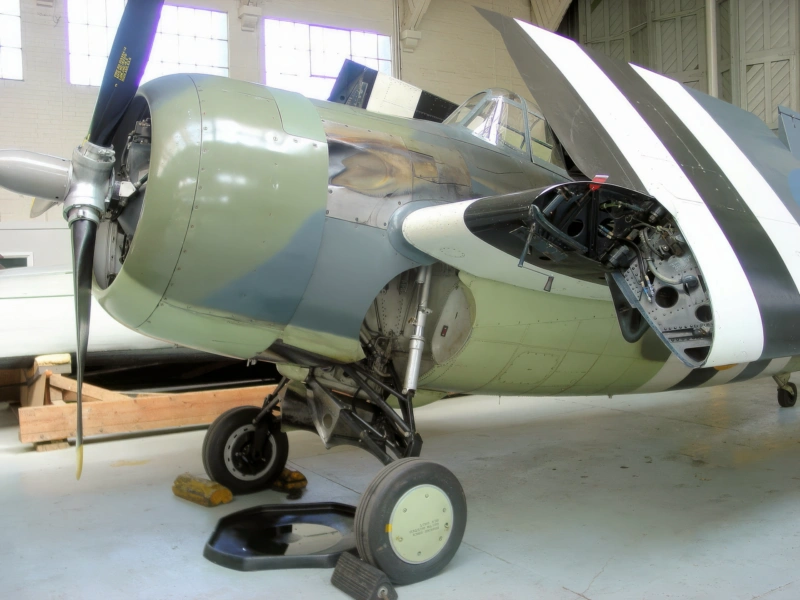
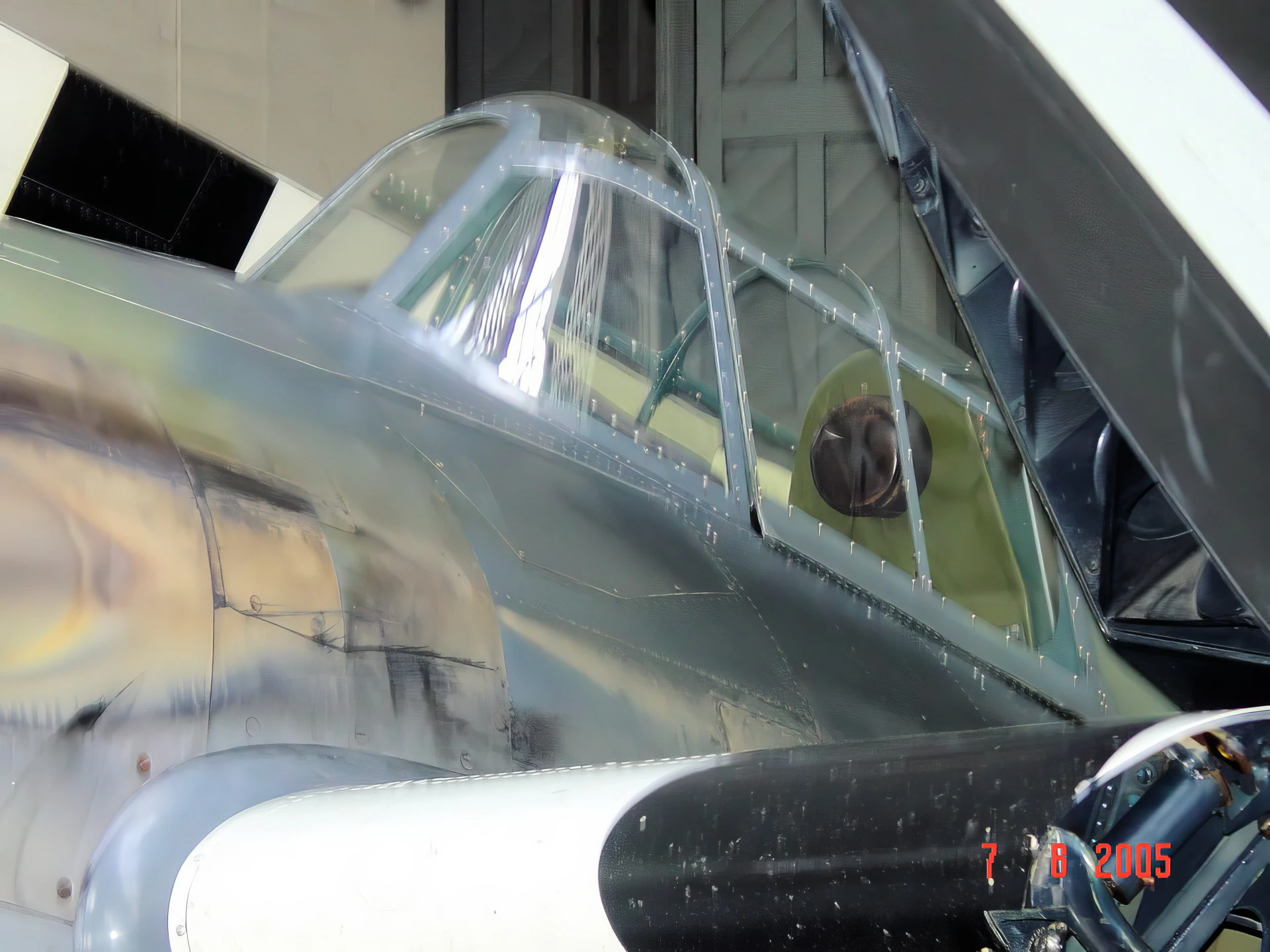
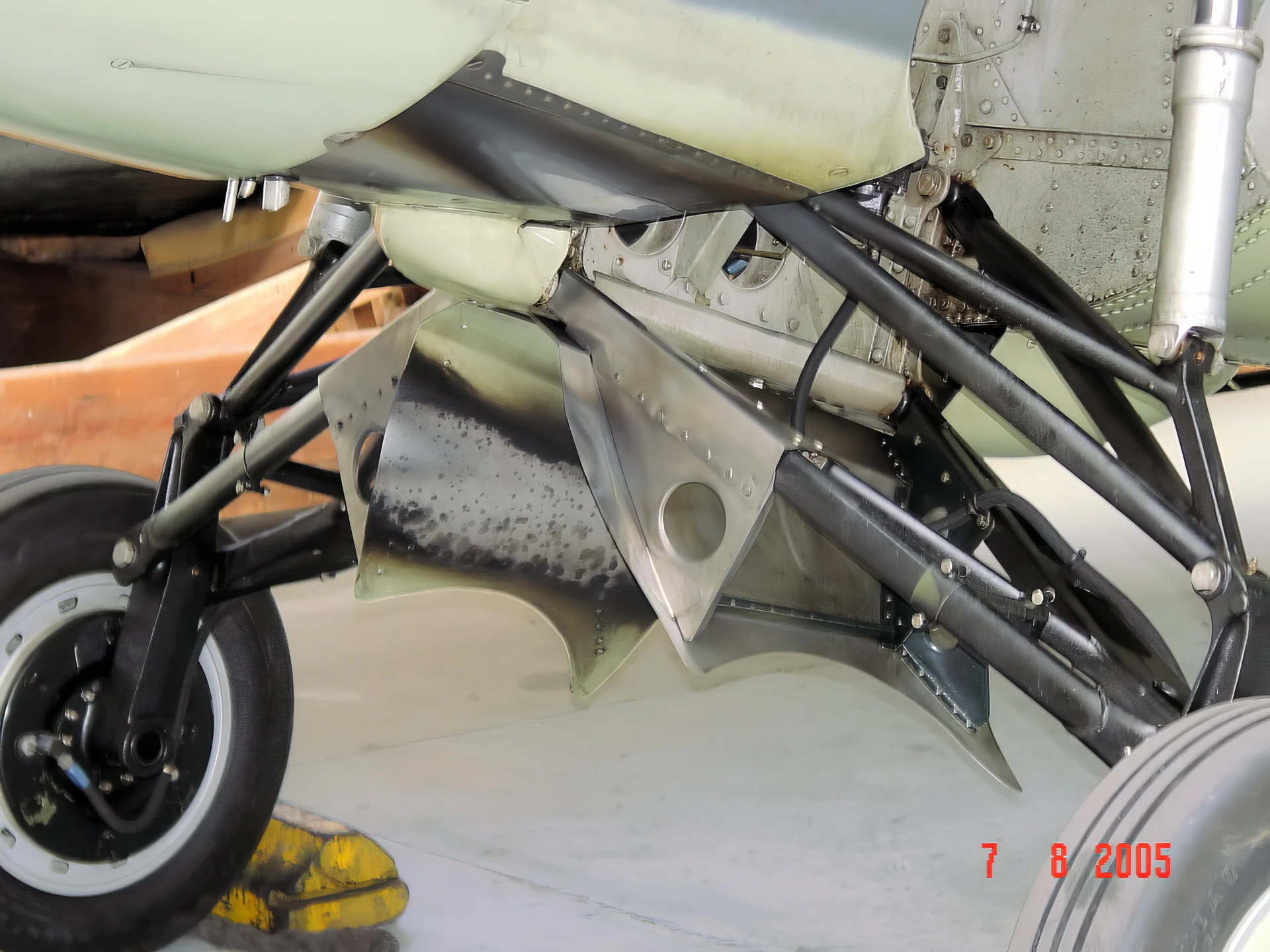
General Motors FM-2 Wildcat | |
|---|---|
| Riik | USA |
| Catégorie | Sõjalennukid |
| Tüüp | Hävituslennukid |
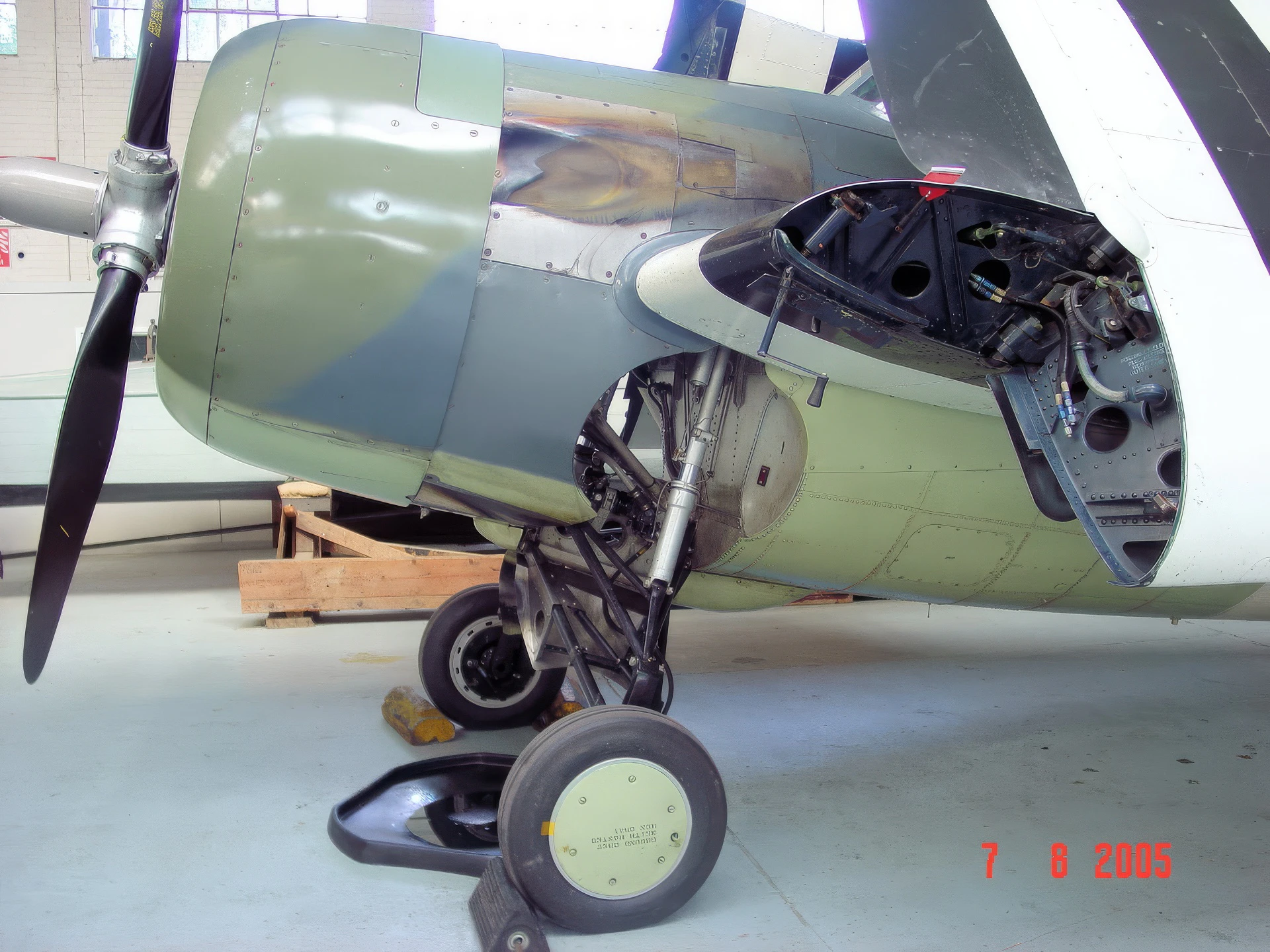
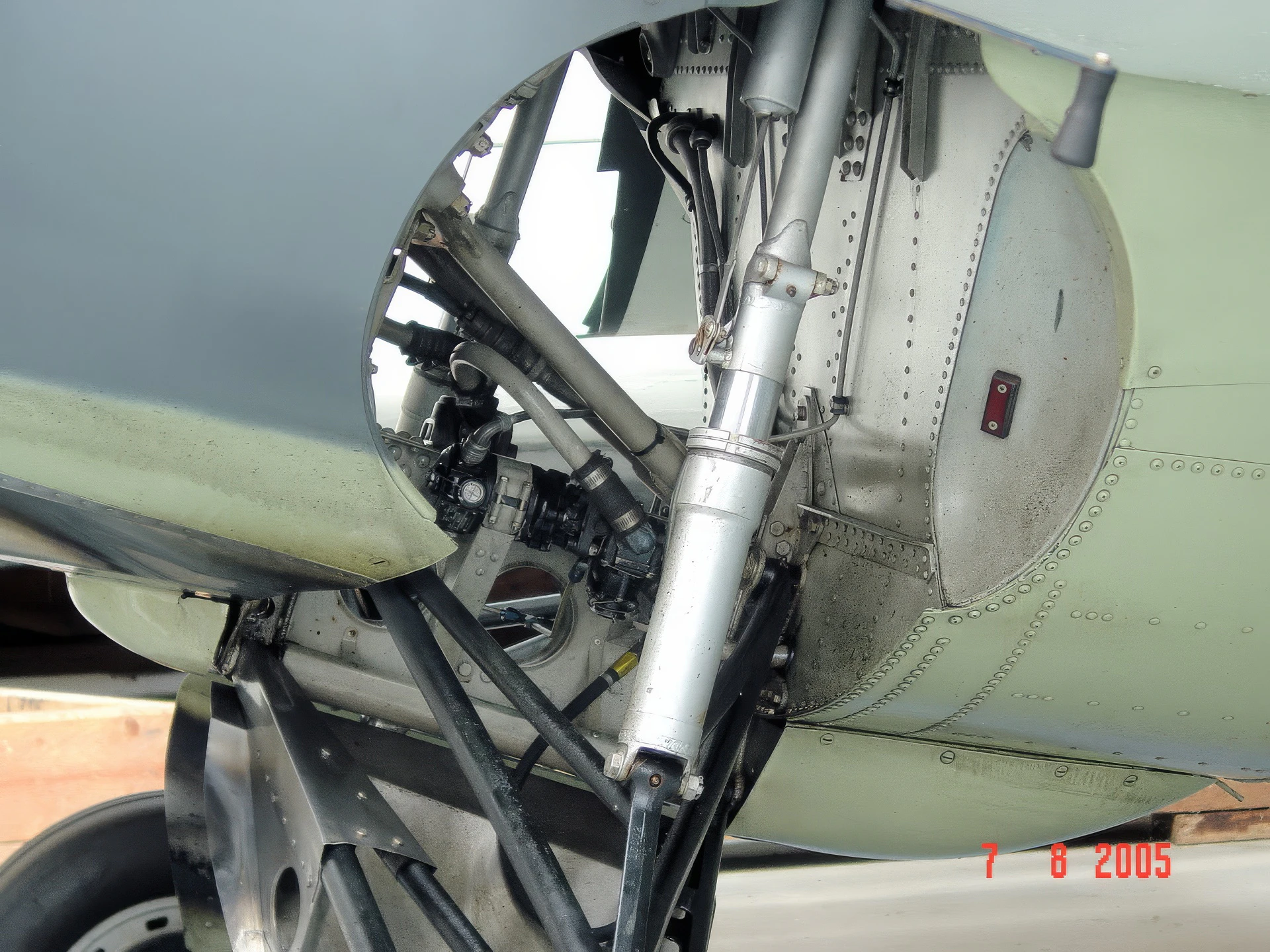
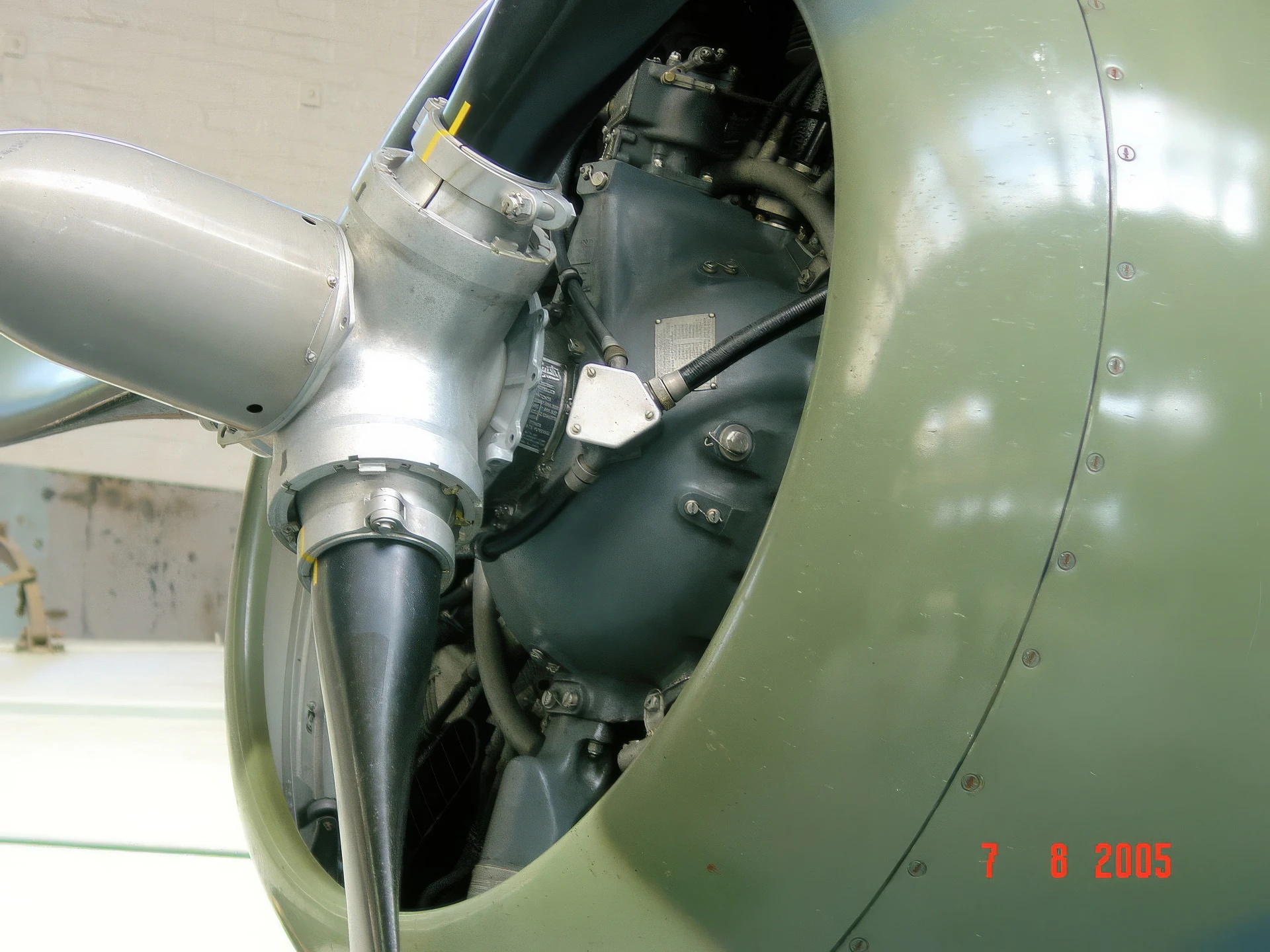
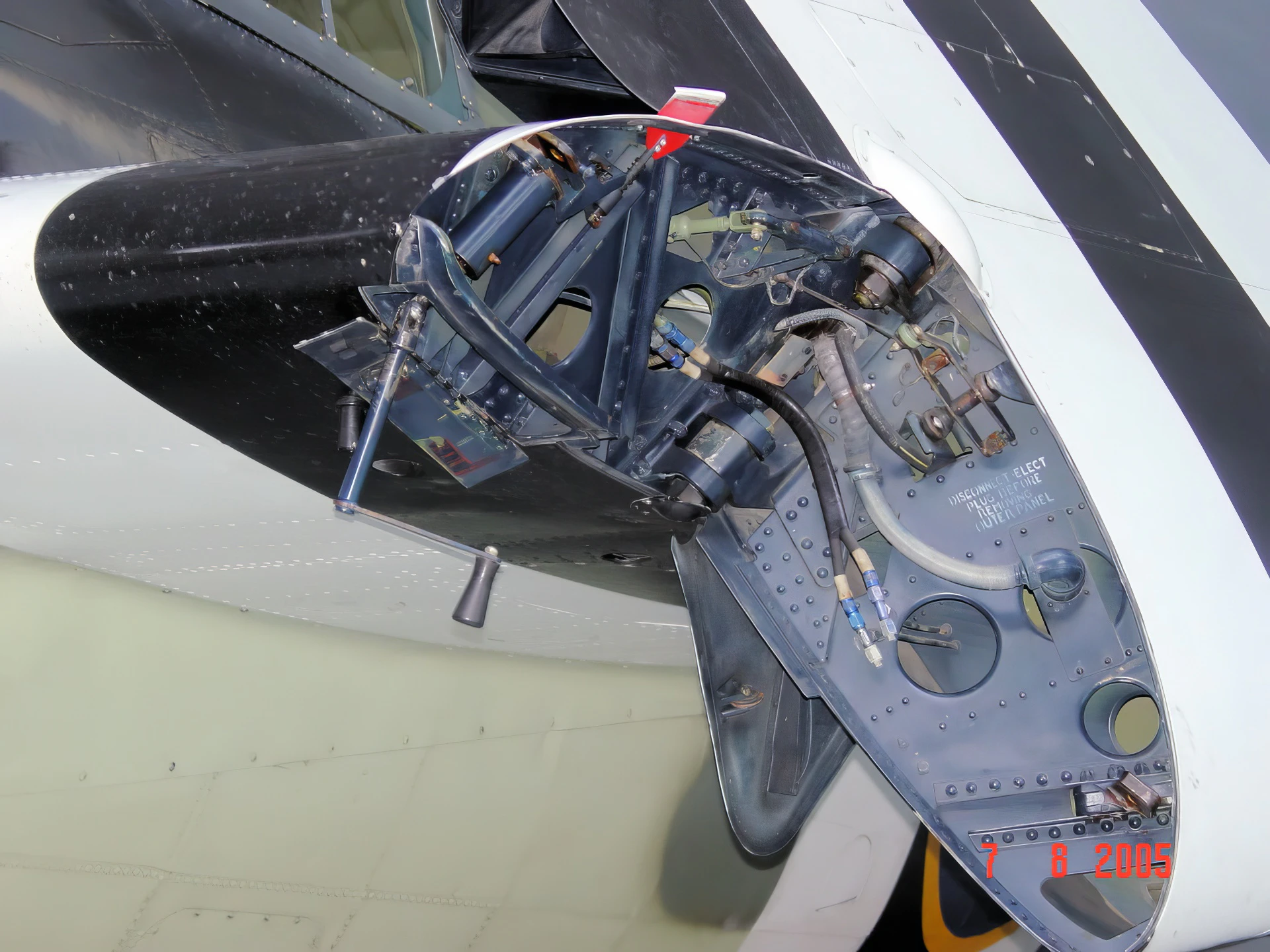
| Kirjeldus | Album 40 lennuki ümberkäidavad fotod Grumman FM-2 Wildcat |
Allikas: Grumman F4F Wildcat sur Wikipedia

Vaata ka:


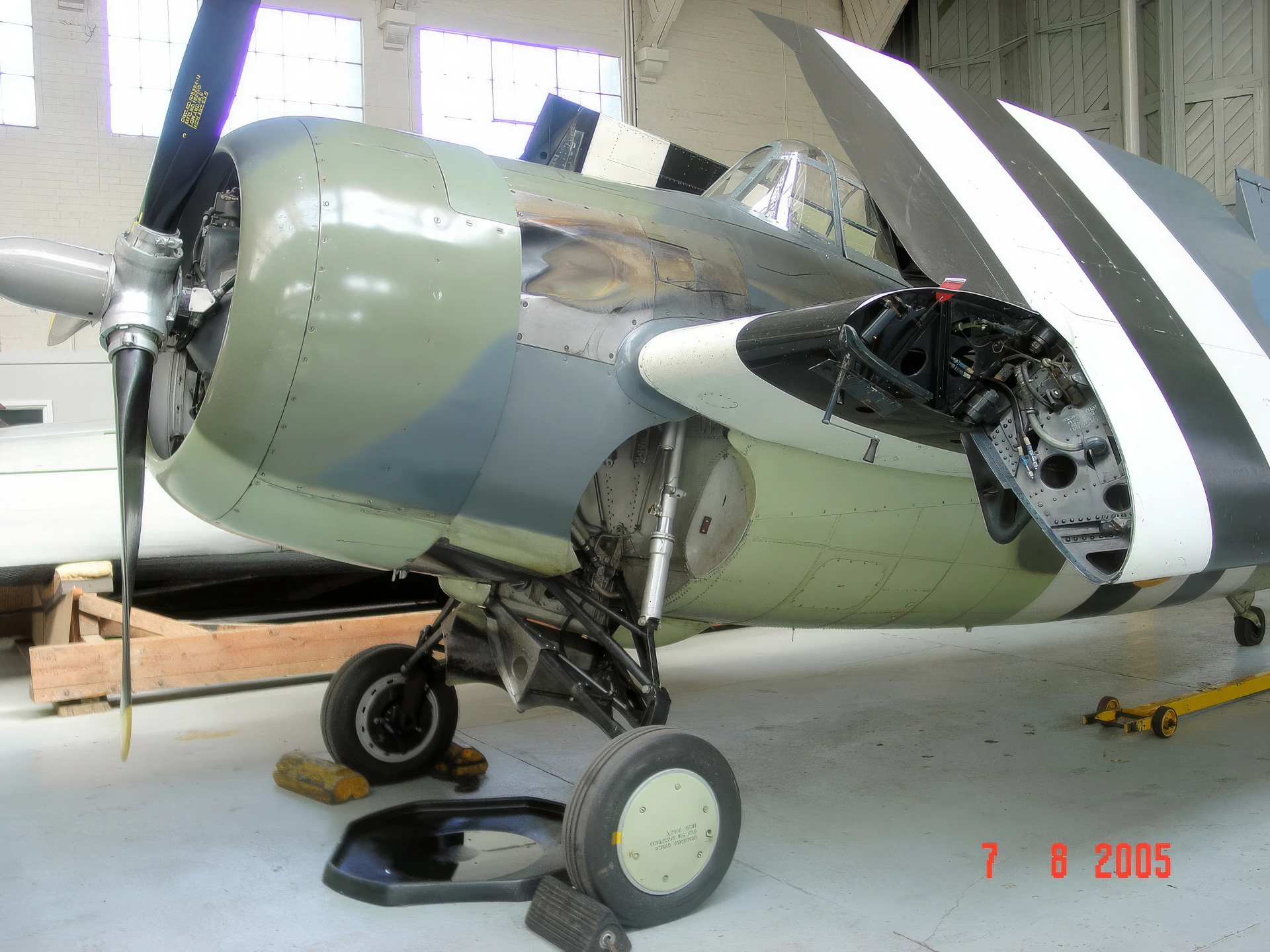
The FM-2 Wildcat was the final and most powerful operational variant of the Grumman F4F Wildcat fighter aircraft. It was produced under license by the Eastern Aircraft Division of General Motors (hence the “M” designation) to serve primarily on the smaller decks of escort carriers (CVEs), often referred to as “Jeep Carriers.”
While the original Grumman F4F was the US Navy’s frontline fighter at the start of World War II, production was transferred to General Motors to allow Grumman to focus on the newer F6F Hellcat. The FM-2, sometimes nicknamed the “Wilder Wildcat,” introduced significant improvements that enhanced its performance, particularly at low altitudes and for short-deck operation.
Key Differences and Characteristics
Performance and Engine
- Engine: The most crucial upgrade was the installation of the more powerful Wright R-1820-56 Cyclone nine-cylinder radial engine, typically rated at 1,350 horsepower. This provided a significant boost in power compared to earlier Wildcat models.
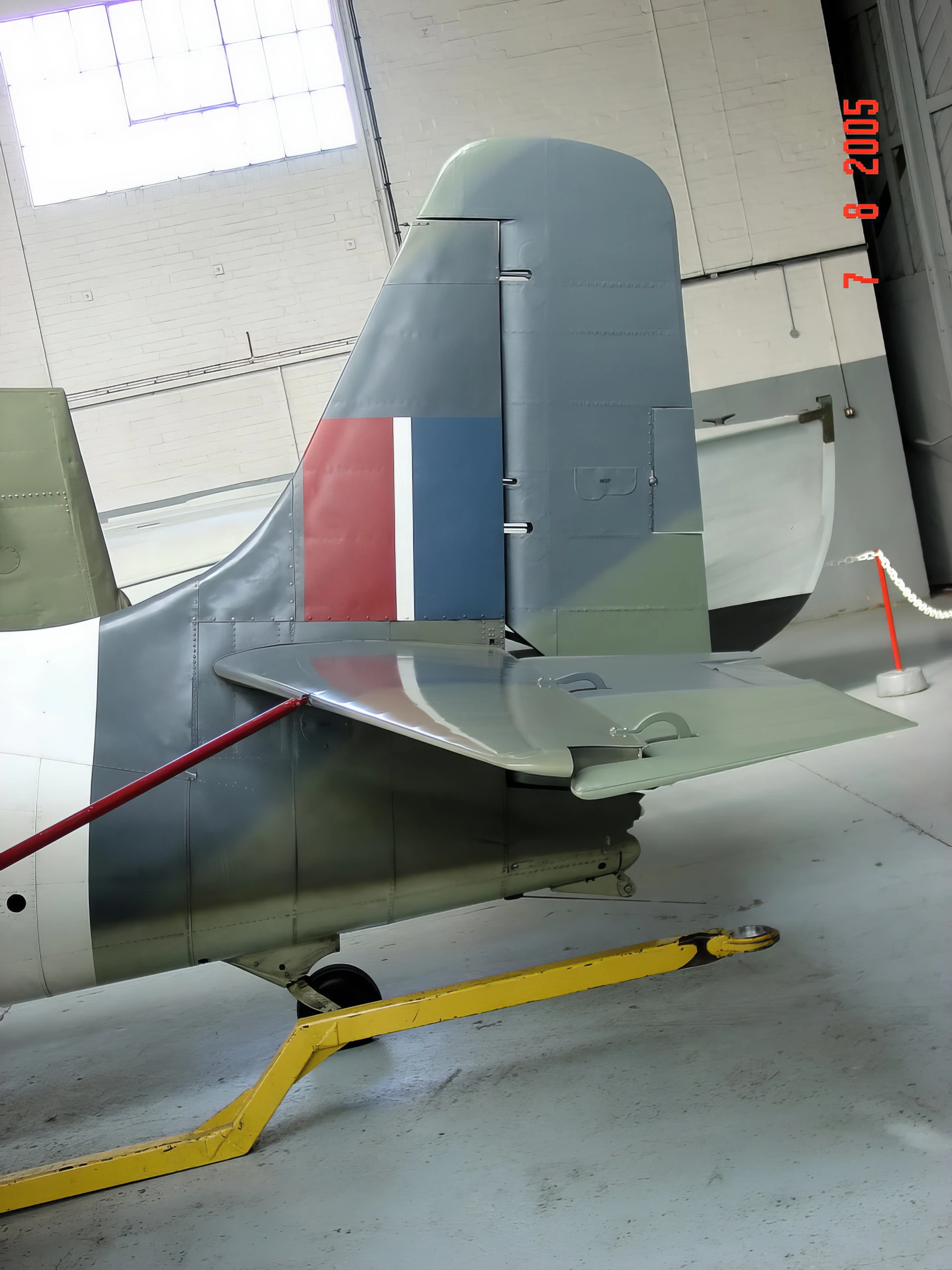
- Tail Section: To counteract the increased torque and improve directional stability from the more powerful engine, the FM-2 was easily recognizable by its enlarged vertical stabilizer (fin and rudder), which was noticeably taller than those on the original F4F.
- Role: The FM-2 was highly effective in the close air support, combat air patrol, and anti-submarine warfare roles, making it indispensable for escort carrier operations in both the Atlantic and Pacific theaters late in the war.
Armament and Survivability
- Armament: The gun armament was reduced from the six .50 caliber machine guns found on the F4F-4 to four .50 caliber (12.7mm) machine guns mounted in the wings. This change was tactical, as the reduction allowed for a greater quantity of ammunition per gun, increasing firing endurance.
- Ordnance: It could also carry disposable stores such as two 250 lb bombs or, in later versions, up to six 5-inch HVAR rockets for ground attack and anti-shipping missions.
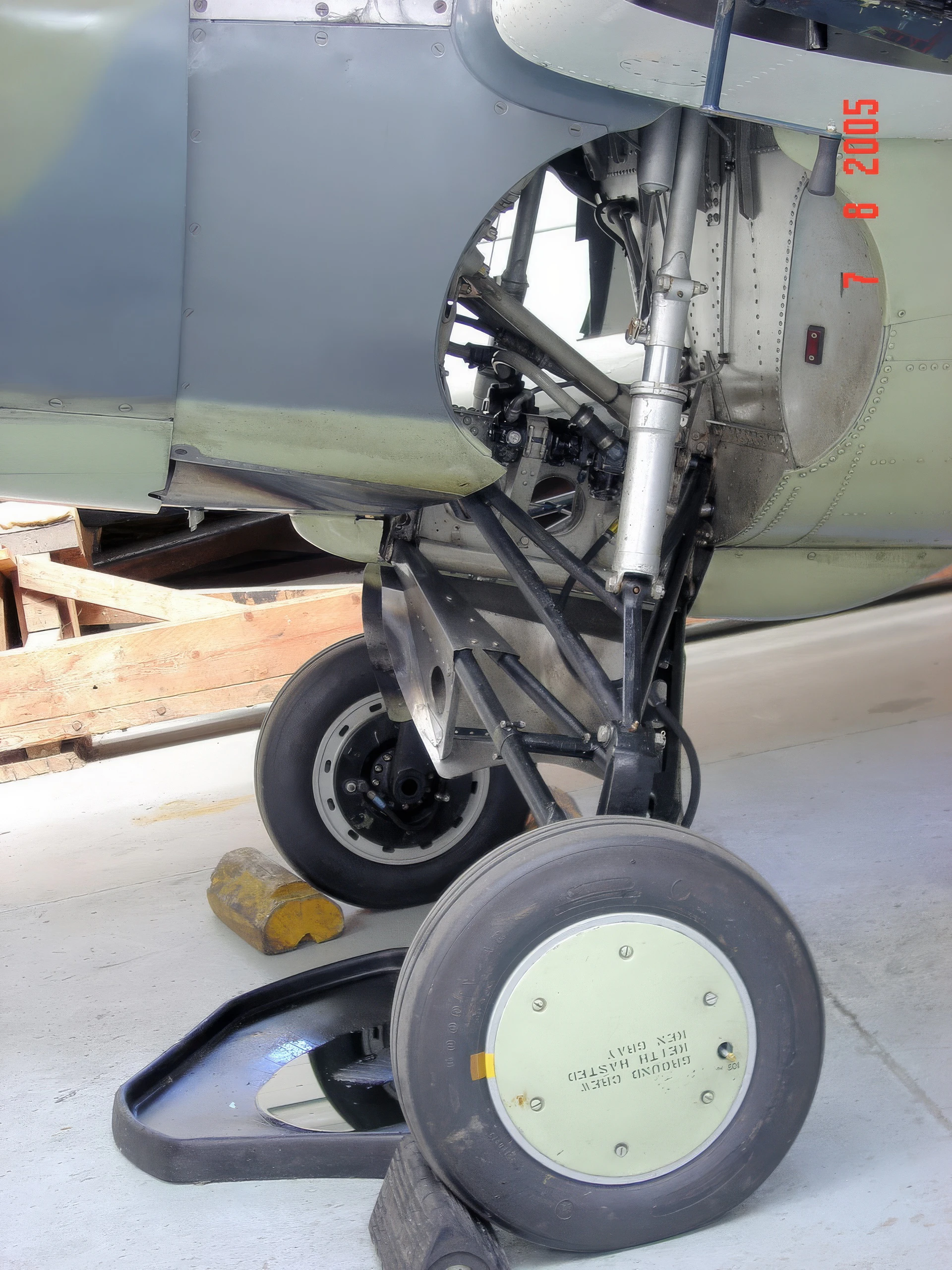
- Durability: Like all Wildcat variants, the FM-2 was exceptionally rugged, featuring heavy armor for the pilot and self-sealing fuel tanks, attributes that allowed it to withstand considerable battle damage—a key advantage over its main early-war Japanese rival, the Zero.
Technical Specifications (FM-2 General)
| Spetsifikatsioon | Detail |
|---|---|
| Tootja | Eastern Aircraft Division, General Motors |
| Meeskonna | 1 Pilot |
| pikkus | Approx. 28 ft 11 in |
| Tiibade siruulatus | Approx. 38 ft |
| Max Speed | Up to 332 mph (at altitude) |
| Engine Power | 1,350 hp (Wright R-1820-56 Cyclone) |
| Armament | 4 × .50 cal machine guns; bombs/rockets |
| Number Built (FM-2) | 4,777 (of over 7,800 total Wildcats) |
The FM-2’s combination of a powerful engine, increased ammunition loadout, and maneuverability made it the most capable version of the Wildcat and a vital component of Allied naval air power late in the conflict.
Views : 6665
Näete ka :
 Grumman F9F Panther - fotod ja videod
 Grumman AF Guardian - fotod ja videod
 Grumman G-21 hane - fotod ja videod
 Grumman G-44 Widgeon - fotod ja videod
 Grumman G-73 sinikael - fotod ja videod
 Grumman F3F - fotod ja video
 Grumman A-6A sissetungija - fotod ja video
 Grumman F-11A tiiger - fotod ja video
 Grumman HU-16 Albatross – fotod ja video
 Grumman OV-1 Mohawk – Jalutada