Jagdtiger | |
|---|---|
| Riik | Natsi-Saksamaa |
| Rolli | Raske tankihävitaja |
| Toodetud | 1944–1945 |
| Ehitatud | 70+ |
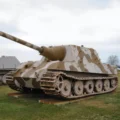
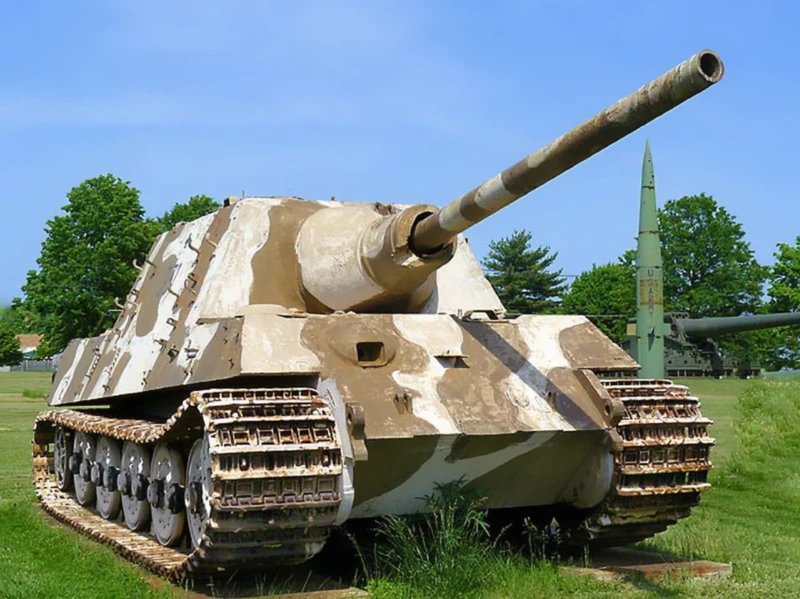
Jagdtiger (“Hunting Tiger”) is the common name of a German turretless heavy tank destroyer of World War II. The official German designation was Panzerjäger Tiger Ausf. B as it was based on a lengthened Tiger II chassis.
Allikas: Jagdtiger Vikipeedias
| Jagdpanzer VI – Jagdtiger – Sdkfz.186 | |
|---|---|
| Fotograaf | Teadmata |
| Lokaliseerimine | Teadmata |
| Fotod | 26 |
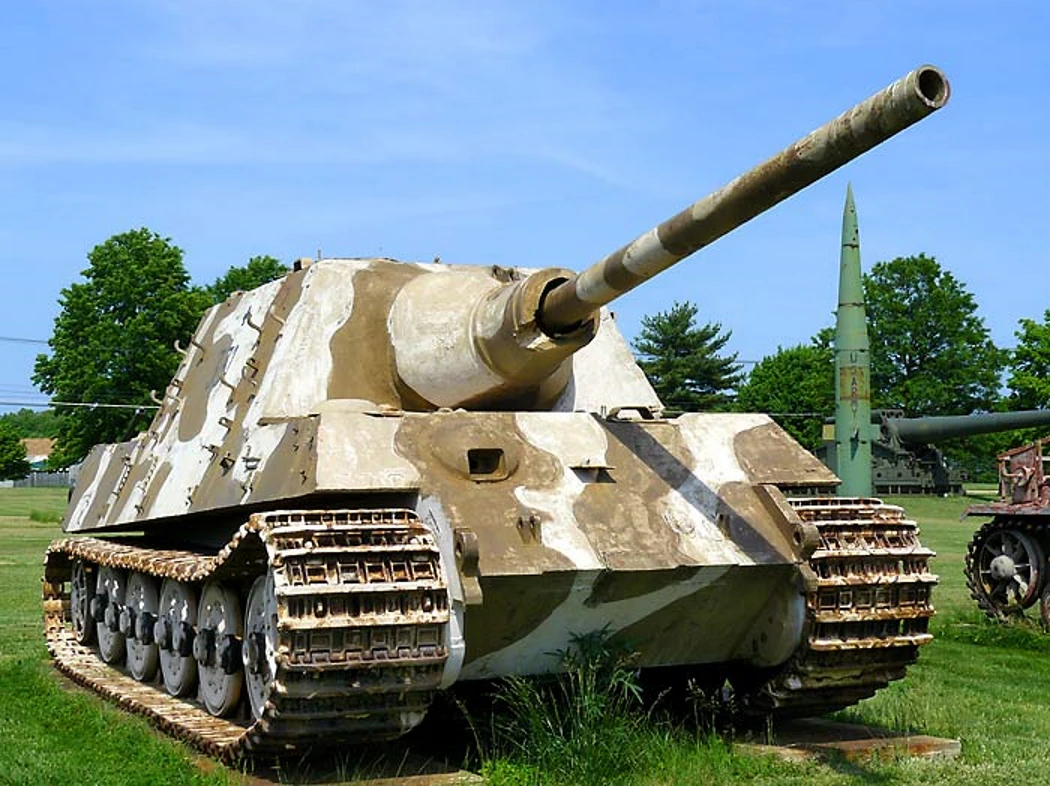
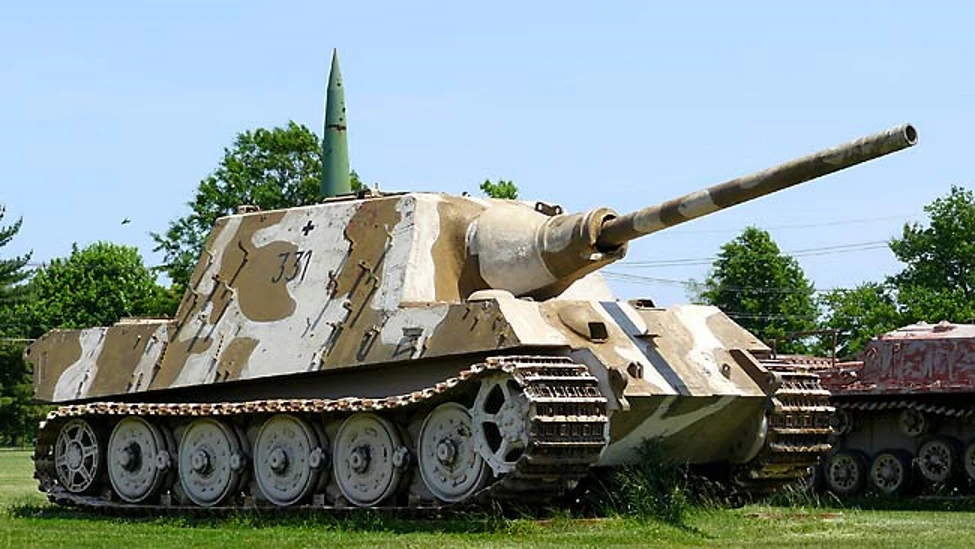
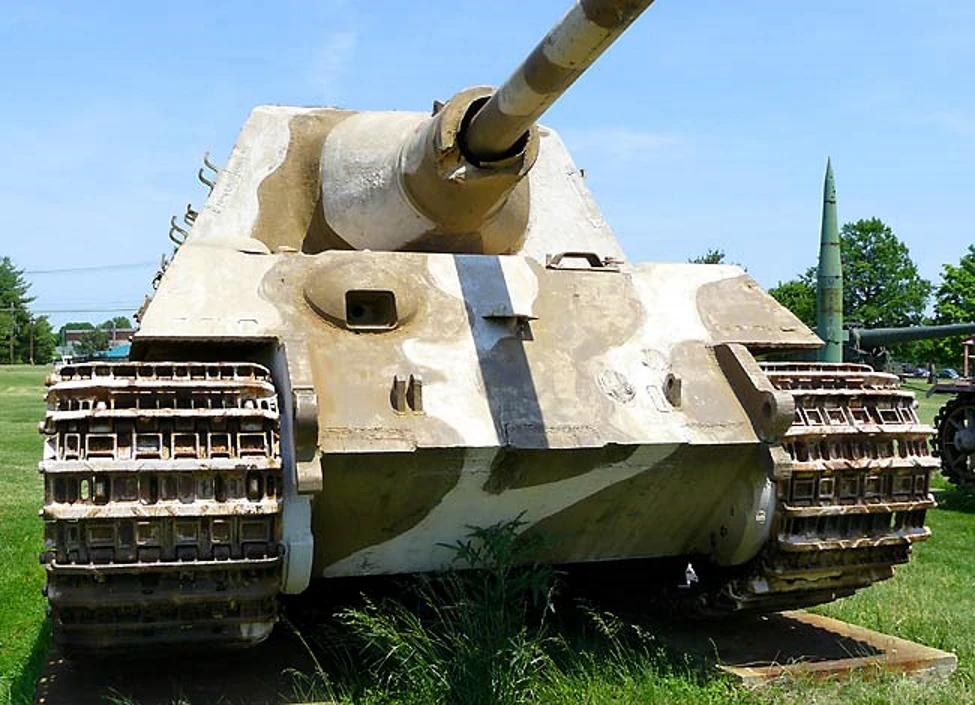
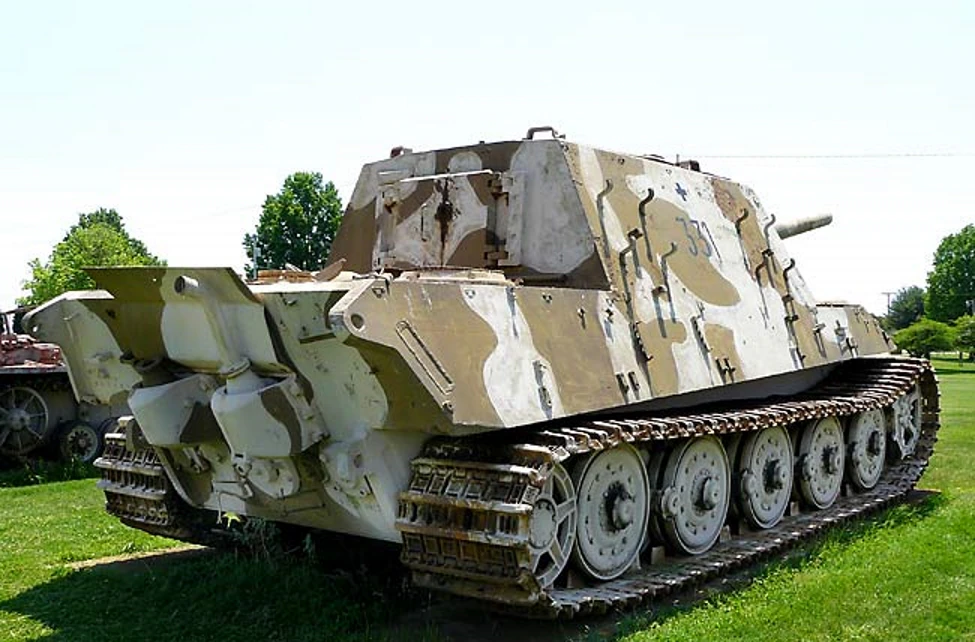
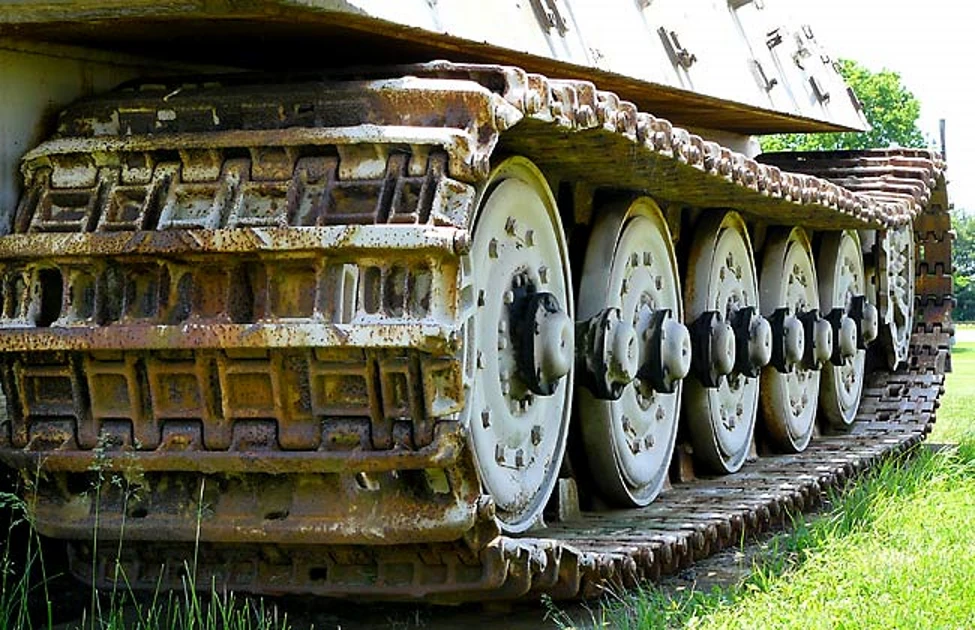
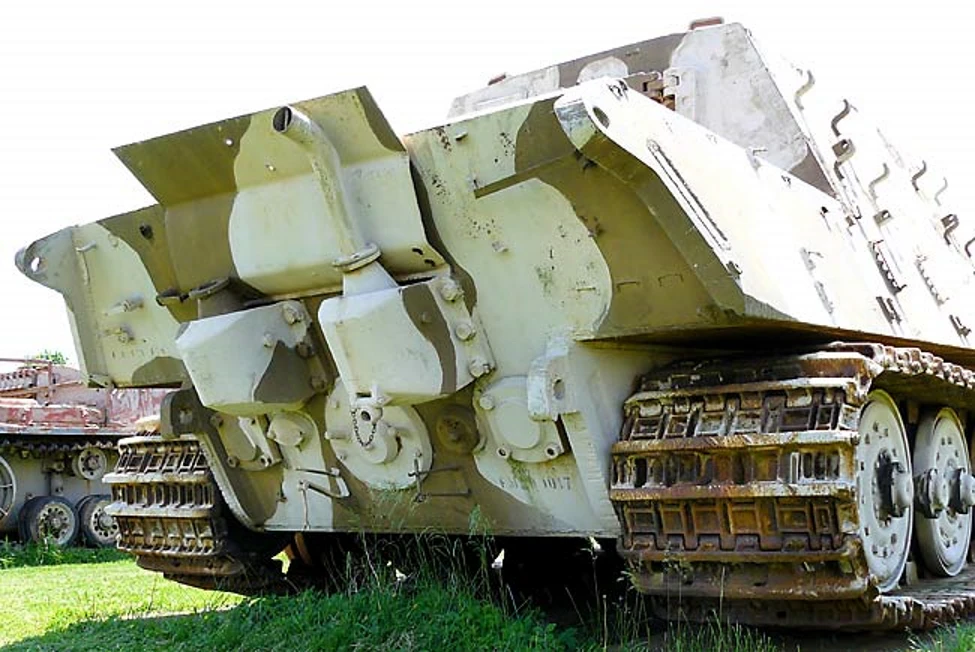
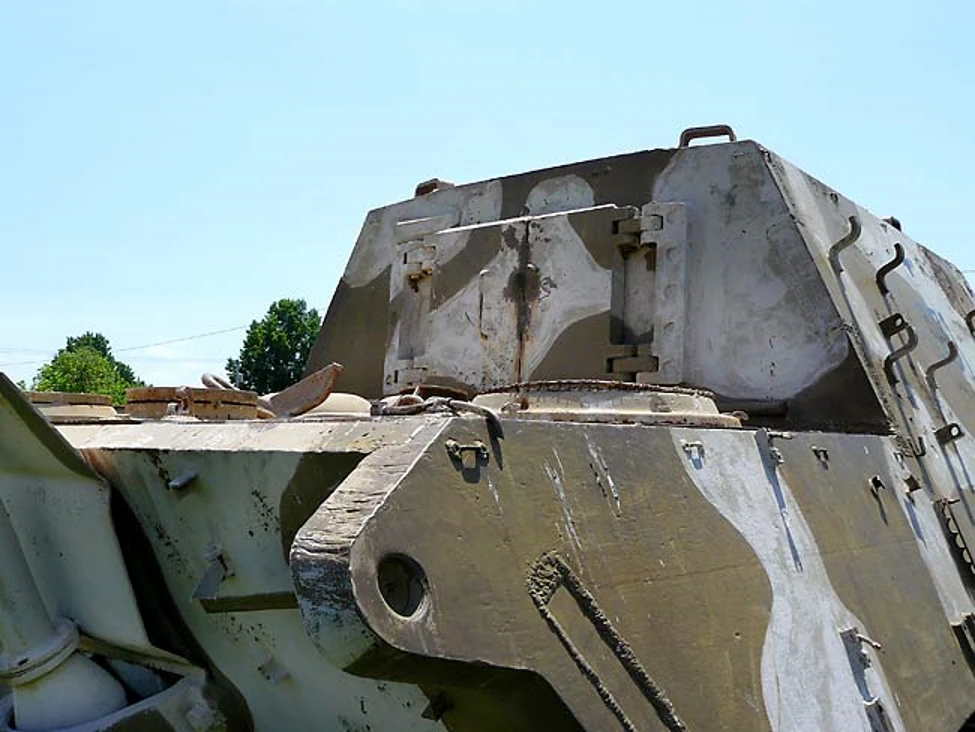
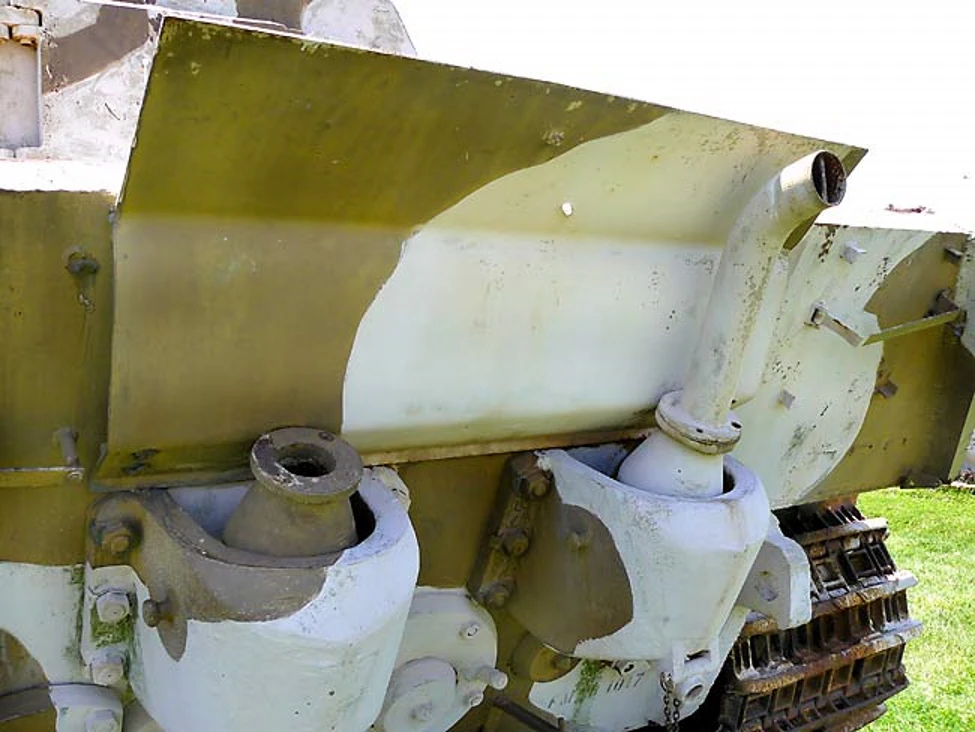

| Jagdtiger Sdkfz 186 Henschel Walk Around | |
|---|---|
| Fotograaf | Unknow |
| Lokaliseerimine | Teadmata |
| Fotod | 99 |
| Jagdtiger Sdkfz 186 Porsche Walk Around | |
|---|---|
| Fotograaf | Unknow |
| Lokaliseerimine | Teadmata |
| Fotod | 78 |
Vaata ka:


The Heaviest Operational Armored Vehicle of World War II
2007 Jagdtiger (Hunting Tiger), officially designated as the Sd.Kfz. 186, represents the absolute extreme of Germany’s “heavy armor” philosophy. Conceived in 1943 as a super-heavy tank destroyer capable of out-ranging and out-armoring any potential Allied threat, the Jagdtiger was built by mounting a massive, boxy, turretless casemate directly onto a lengthened Tiger II (King Tiger) heavy tank chassis. Weighing an astonishing 71 metric tons, it was a lumbering iron monument. While it possessed a terrifyingly powerful 12.8 cm main gun and frontal armor so thick it was virtually impervious to any Allied tank gun at any range, the Jagdtiger was a deeply flawed engineering concept. It was severely underpowered, mechanically fragile, highly prone to breakdown, and arrived far too late in numbers too small to have any real impact on the outcome of the war.
| Attribute | Technical Specification (Sd.Kfz. 186 Jagdtiger Standard) |
|---|---|
| Rolli | Super-heavy Tank Destroyer (Schwerer Panzerjäger) |
| Meeskonna | 6 (Commander, Gunner, Loader 1, Loader 2, Driver, Radio Operator/Bow Gunner) |
| Jõuallikas | 1 × Maybach HL 230 P30 23-liter V12 liquid-cooled gasoline engine (700 hp) |
| Maximum Speed | 34 km/h (21 mph) on roads | ~10 km/h (6 mph) cross-country |
| Combat Weight | 71.7 metric tons (79 short tons) |
| Operational Range | ~120 km (75 miles) on roads | ~80 km (50 miles) cross-country |
| Primary Armament | 1 × 12.8 cm Pak 44 L/55 gun (38 to 40 rounds carried) |
| Secondary Armament | 1 × 7.92mm MG 34 machine gun in a ball mount in the front glacis | 1 × Rear-mounted MG 42 for anti-aircraft defense |
| Armor Thickness | Casemate Front: 250mm angled at 15° | Lower Front Hull: 150mm angled at 50° | Sides: 80mm |
| Production Total | Between 70 and 88 units manufactured by Nibelungenwerke between February 1944 and May 1945 |
Design Engineering: Overburdened Steel, the 12.8 cm Giant, and Porsche Suspensions
- The Unprecedented 250mm Steel Wall: The front of the Jagdtiger’s massive, boxy casemate superstructure featured a solid slab of face-hardened steel 250mm thick. Sloped back slightly, this meant an incoming shell had to punch through nearly 260mm of effective horizontal steel. No tank gun used by the Western Allies or the Soviet Union during World War II could penetrate this armor at standard combat ranges.
- The Devastating 12.8 cm Pak 44 L/55: The Jagdtiger’s primary weapon was adapted from a heavy railway/anti-aircraft gun. Its size and weight were so great that the high-explosive and armor-piercing ammunition had to be loaded in two separate parts (the heavy projectile first, followed by the brass shell casing containing the propellant). This required two loaders to operate efficiently inside the casemate, lowering the rate of fire to roughly 2 to 3 rounds per minute. Its kinetic force was so immense that it could rip an American M4 Sherman tank clean in half.
- A Severely Overstressed Heart: The greatest design failure of the Jagdtiger was its powerplant. To move its gargantuan 71-ton weight, it relied on the exact same 700-horsepower Maybach V12 engine used in the much lighter 45-ton Panther tank. Running at near-maximum capacity just to move the vehicle at a crawl, the engine drank fuel at an astronomical rate, wore out its piston rings rapidly, and routinely caused the transmission and final drives to shatter under the immense mechanical stress.
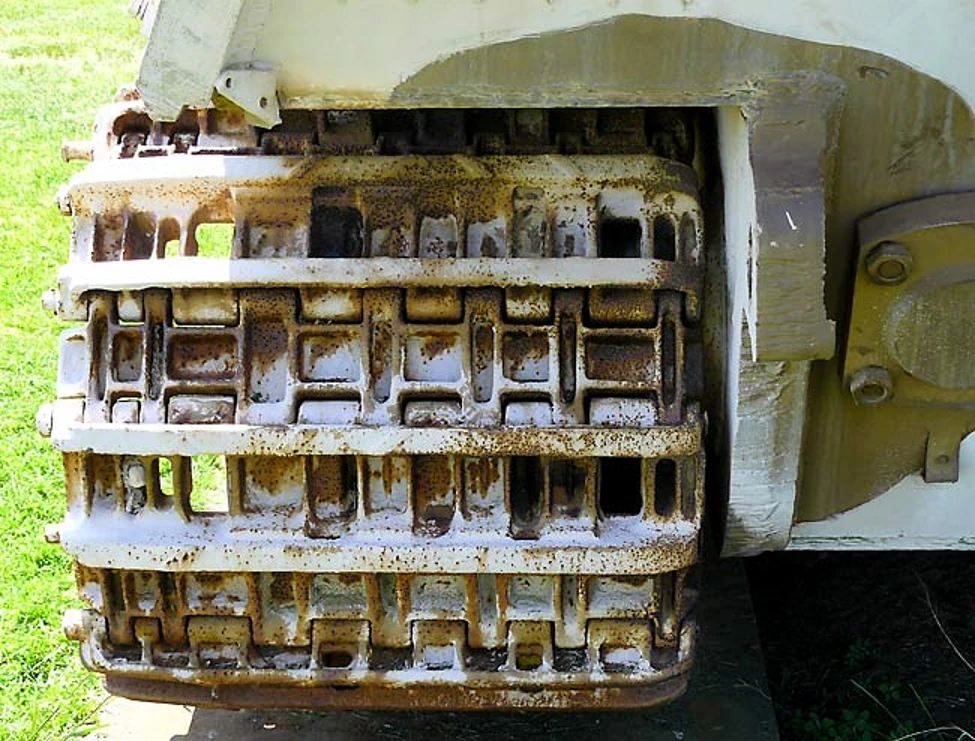
- The Battle of the Suspensions (Henschel vs. Porsche): To simplify manufacturing, two different suspension systems were used. Eleven early-production units were built using a Porsche-designed suspension featuring eight external road wheels on bogies. This was lighter and faster to build but struggled with the tank’s immense weight. The rest of the production run utilized Henschel’s more robust, interleaved torsion-bar suspension, which distributed the weight much better but was incredibly tedious to clean, assemble, and repair in the field.
Operational History: Mechanical Defeat and the Twilight of the Reich
- The Disastrous Debut in Operation Nordwind (1945): The Jagdtiger did not see action until early 1945, deployed with the *schwere Panzerjäger-Abteilung 653* during the Nordwind offensive in Alsace. The debut was plagued by mechanical failures rather than enemy action. The heavy vibration of driving the vehicles over rough roads frequently knocked the massive 12.8 cm gun’s delicate sights out of alignment, forcing crews to dismount and physically recalibrate the optics before they could fire accurately.
- The “Self-Destruction” Epidemic: More Jagdtigers were lost to their own crews than to enemy fire. Because the vehicle was so heavy, towing a disabled Jagdtiger required three to four standard heavy recovery half-tracks working in perfect unison. Since the German army in 1945 suffered from a catastrophic shortage of heavy tractors, fuel, and spare parts, crews retreating from Allied advances were routinely forced to trigger explosive demolition charges inside their own engine bays and scuttle their perfectly intact, un-penetrated vehicles.
- Rear-Traverse Blindness: Like all turretless tank destroyers, the Jagdtiger had a highly restricted gun traverse—capable of shifting only 10 degrees to the left or right. To aim at a target beyond this range, the driver had to physically turn the entire 71-ton chassis. Doing so on soft mud or steep slopes frequently threw the massive tracks off their guide teeth or instantly stripped the overloaded steering gears, leaving the vehicle completely helpless.
- The Battle of Ruhr Pocket (April 1945): In the war’s final weeks, a handful of Jagdtigers from *schwere Panzerjäger-Abteilung 512* defended the Ruhr Valley. During one engagement, a single well-hidden Jagdtiger completely blocked a road, knocking out several American armored vehicles from over 3,000 meters away. However, as American infantry teams bypassed the slow giant by maneuvering through adjacent woods and side streets, the crew was forced to retreat, highlighting the tactical obsolescence of slow, over-specialized super-heavy vehicles in dynamic, fast-moving modern combat.
Vaatamisi : 6308