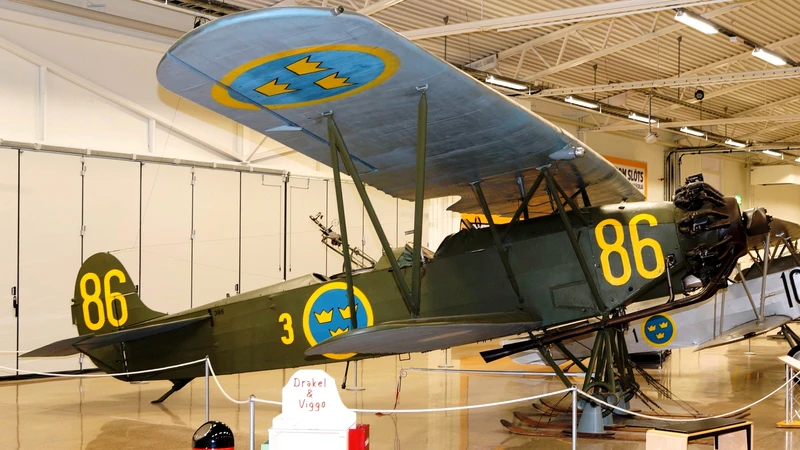
Fokker C.V | |
|---|---|
| Riik | Holland |
| Rolli | Kerge luure, pommitajad |
| Sissejuhatus | 1924 |
| Ehitatud | 1000+ |
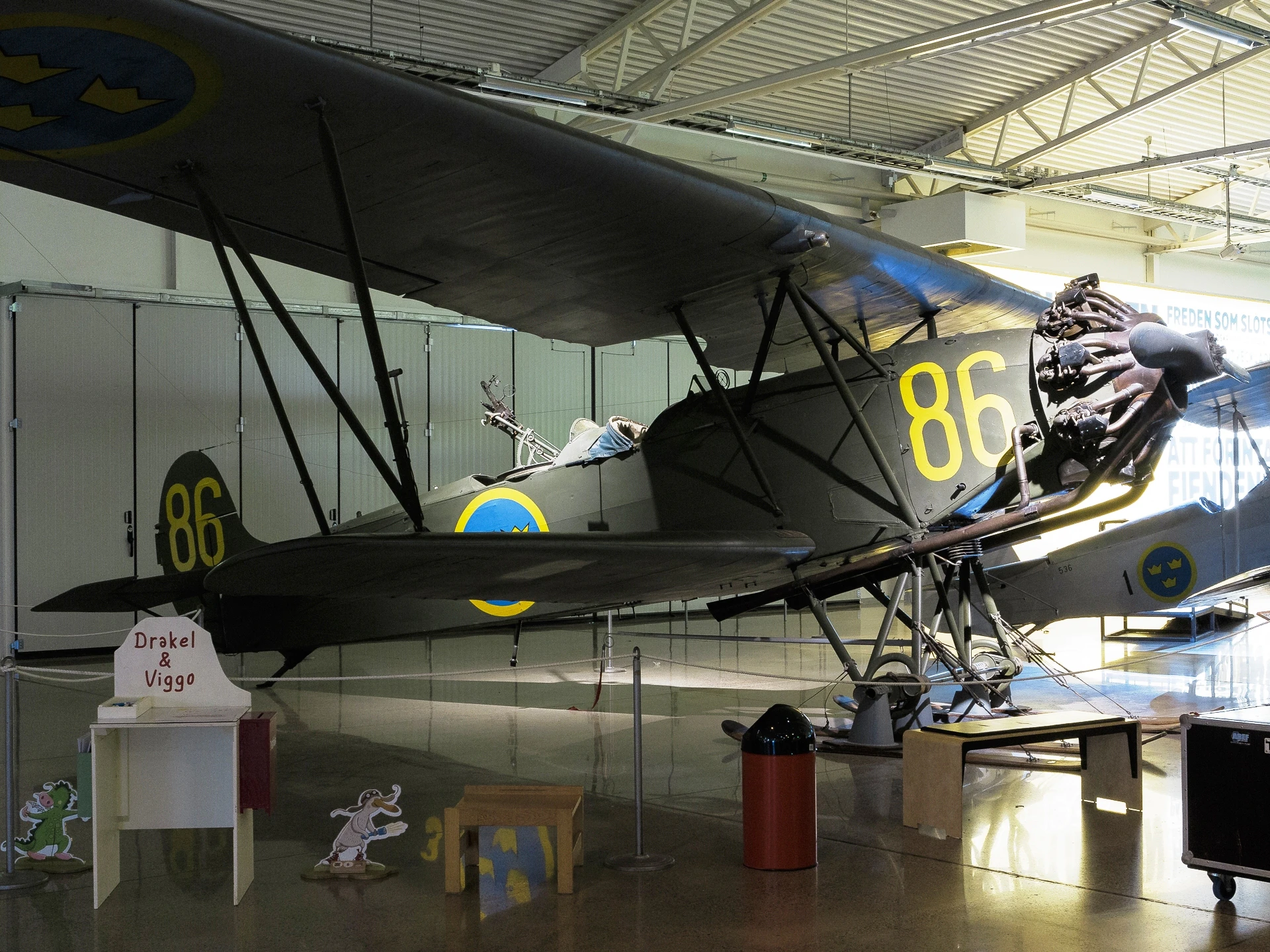
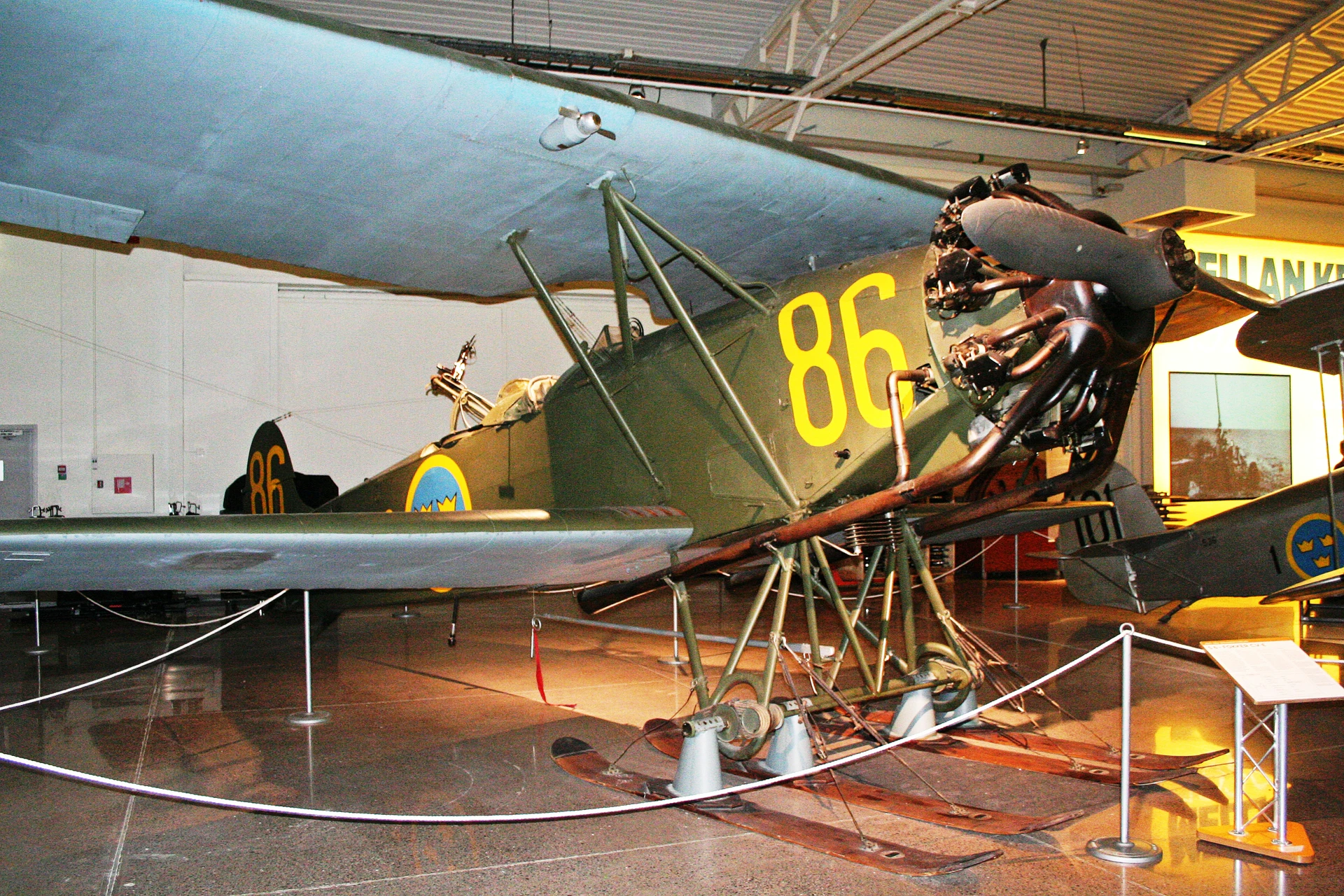
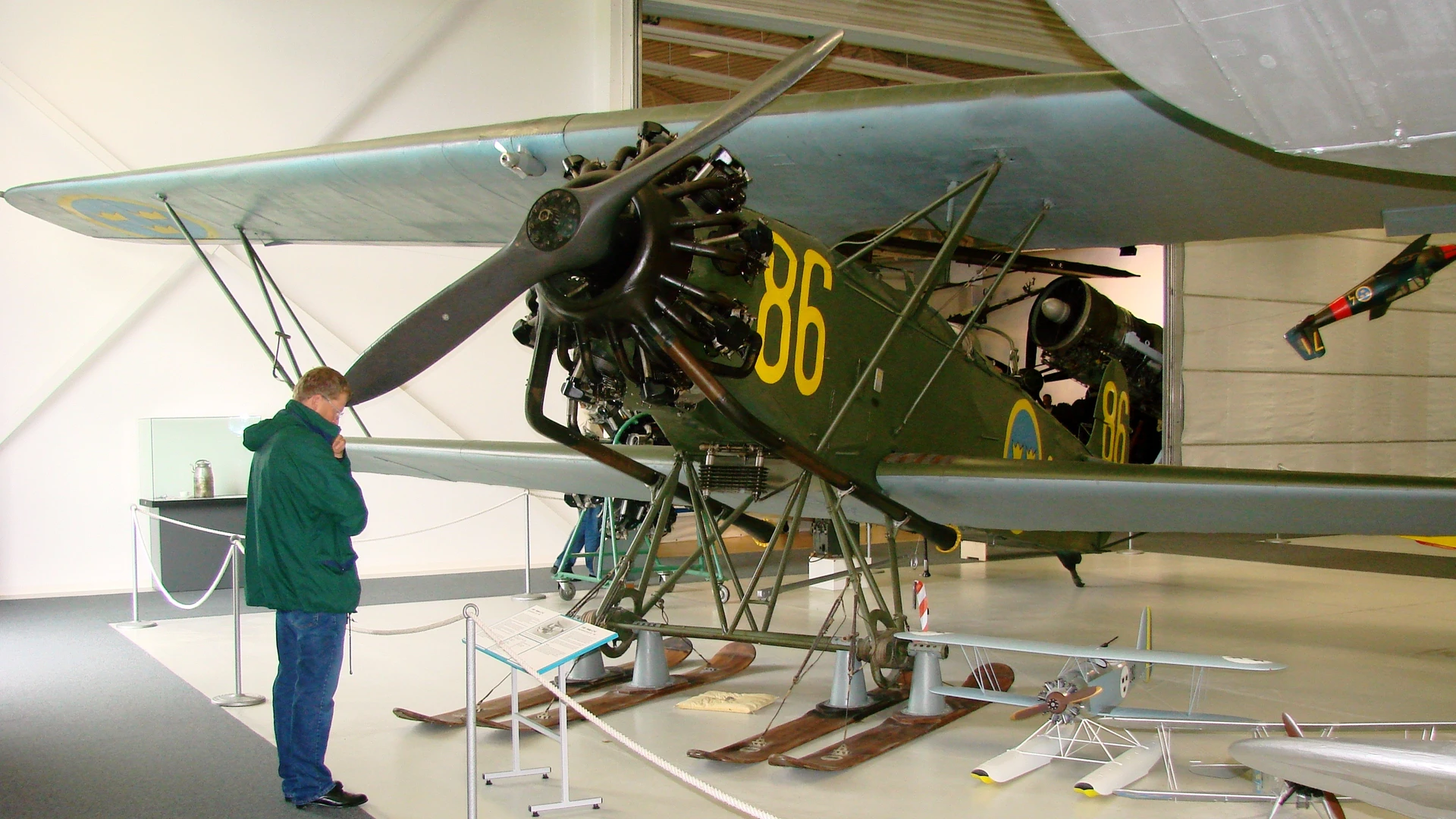
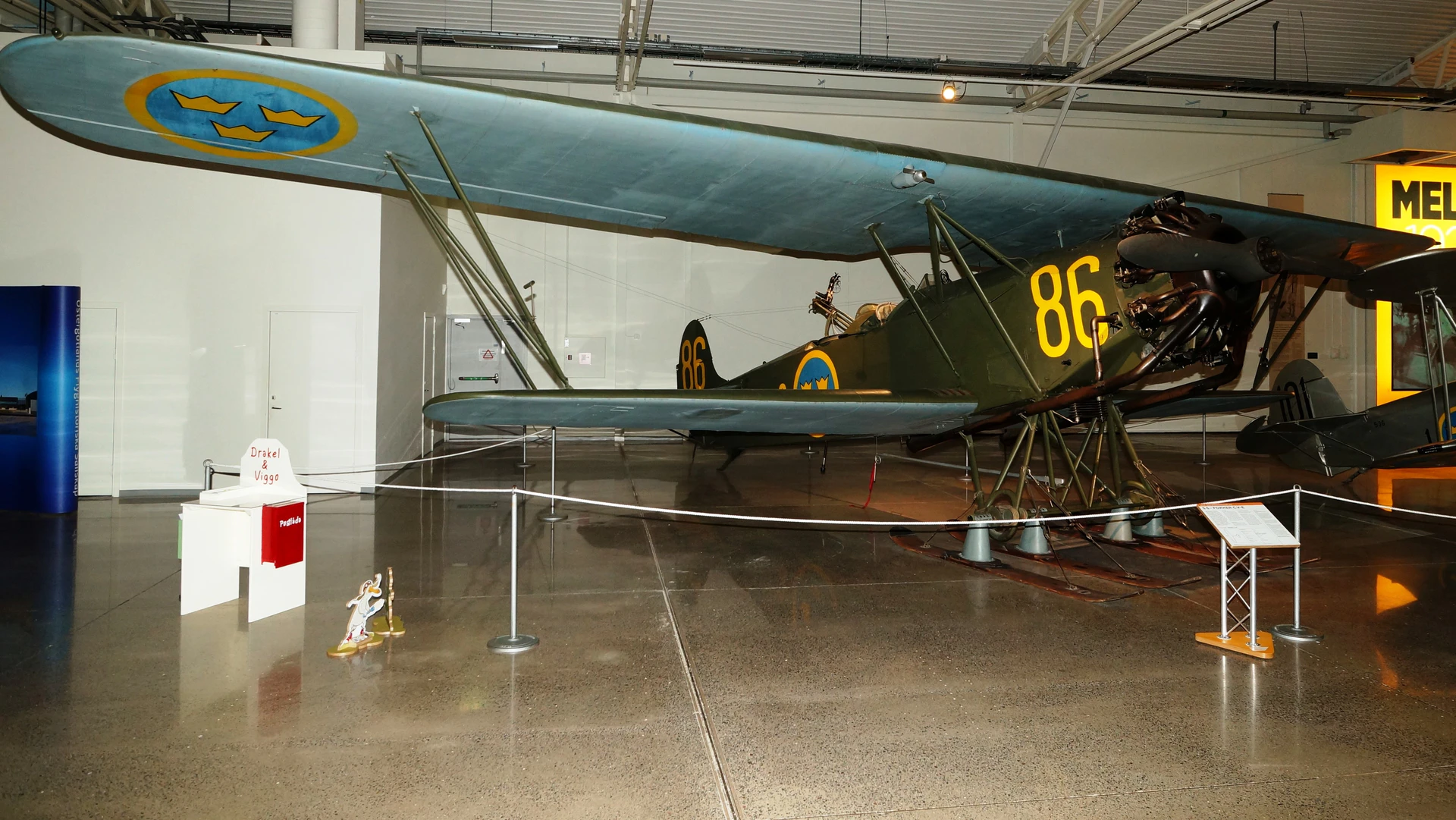
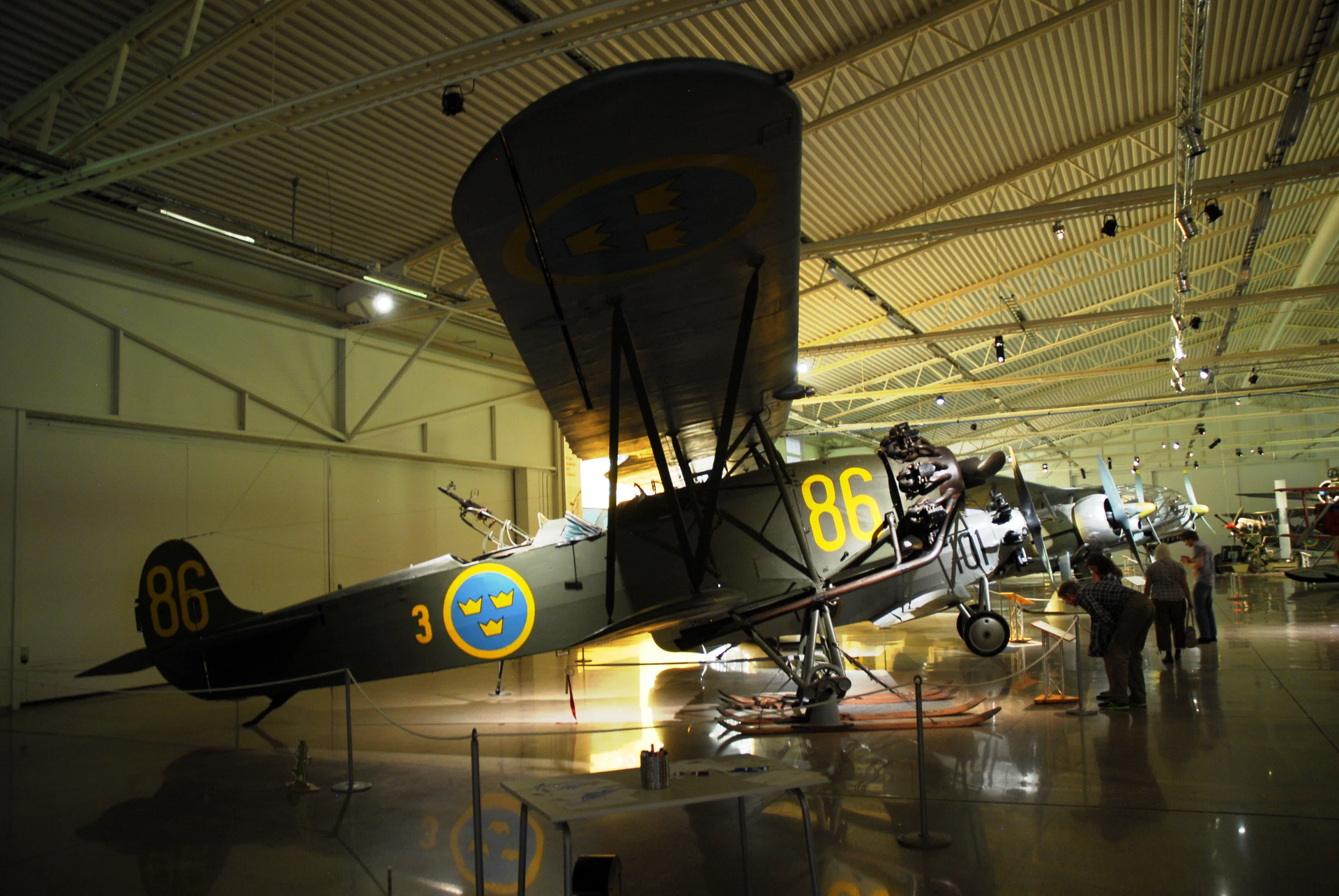
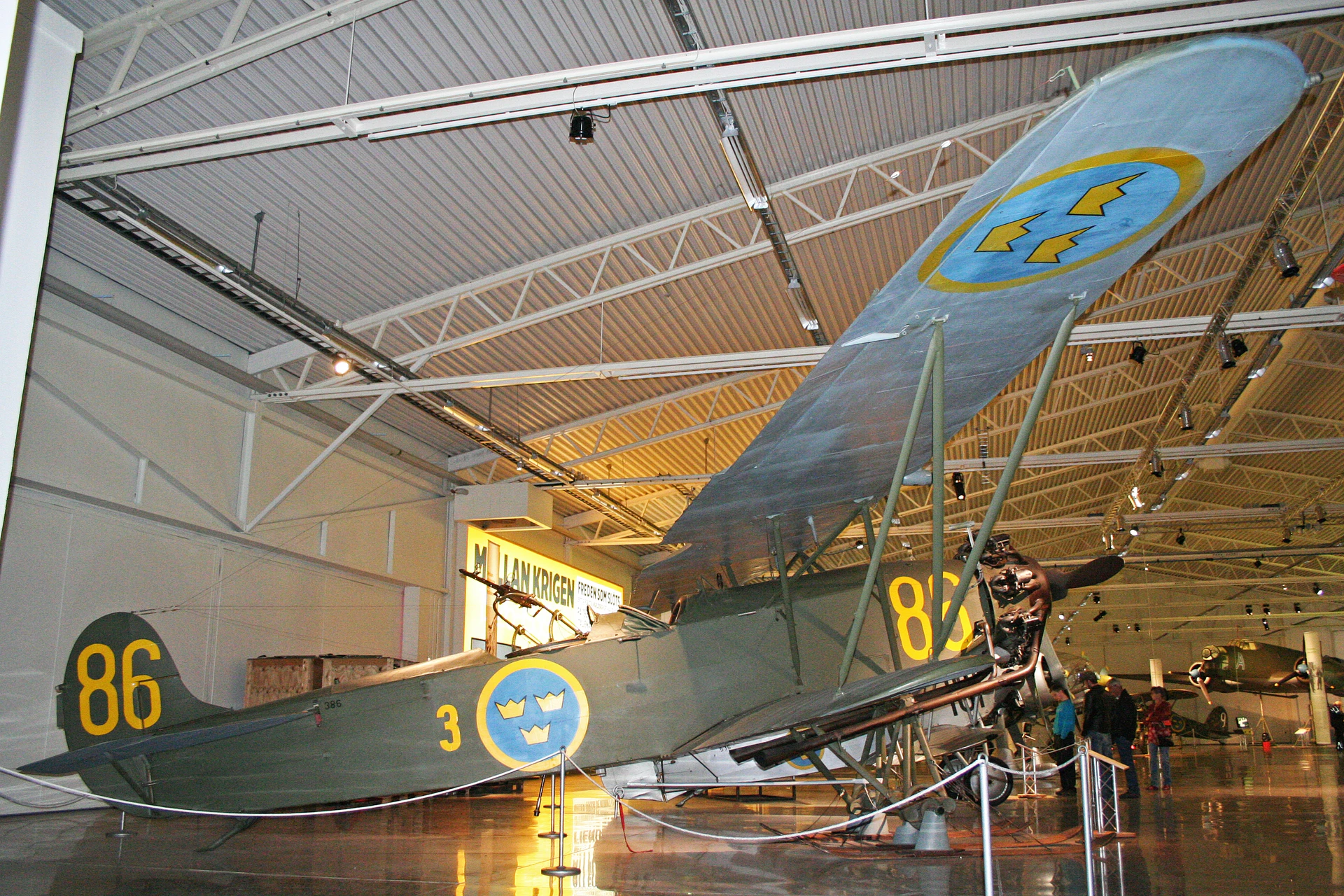
2007 Fokker C.V oli Hollandi kerge luure- ja pommitaja kaheplaaniline lennuk, mida tootis Fokker. Selle projekteeris Anthony Fokker ja seeriatootmine algas 1924. aastal Amsterdamis Fokkeris.
Allikas: Fokker C.V Vikis
| Fokker C.V Walk Around | |
|---|---|
| Fotograaf | Unknow |
| Lokaliseerimine | Teadmata |
| Fotod | 12 |


Vaata ka:


General Characteristics
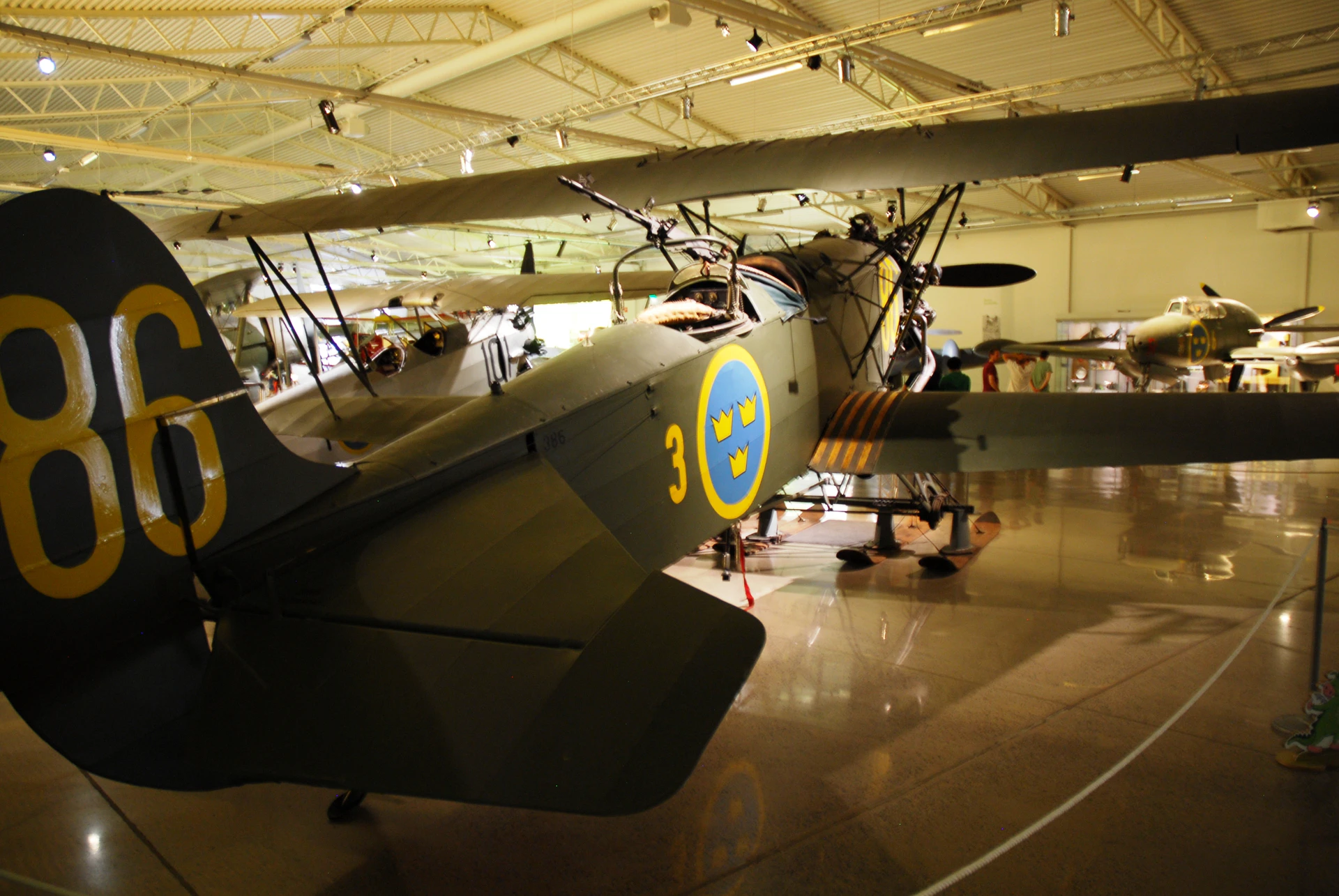
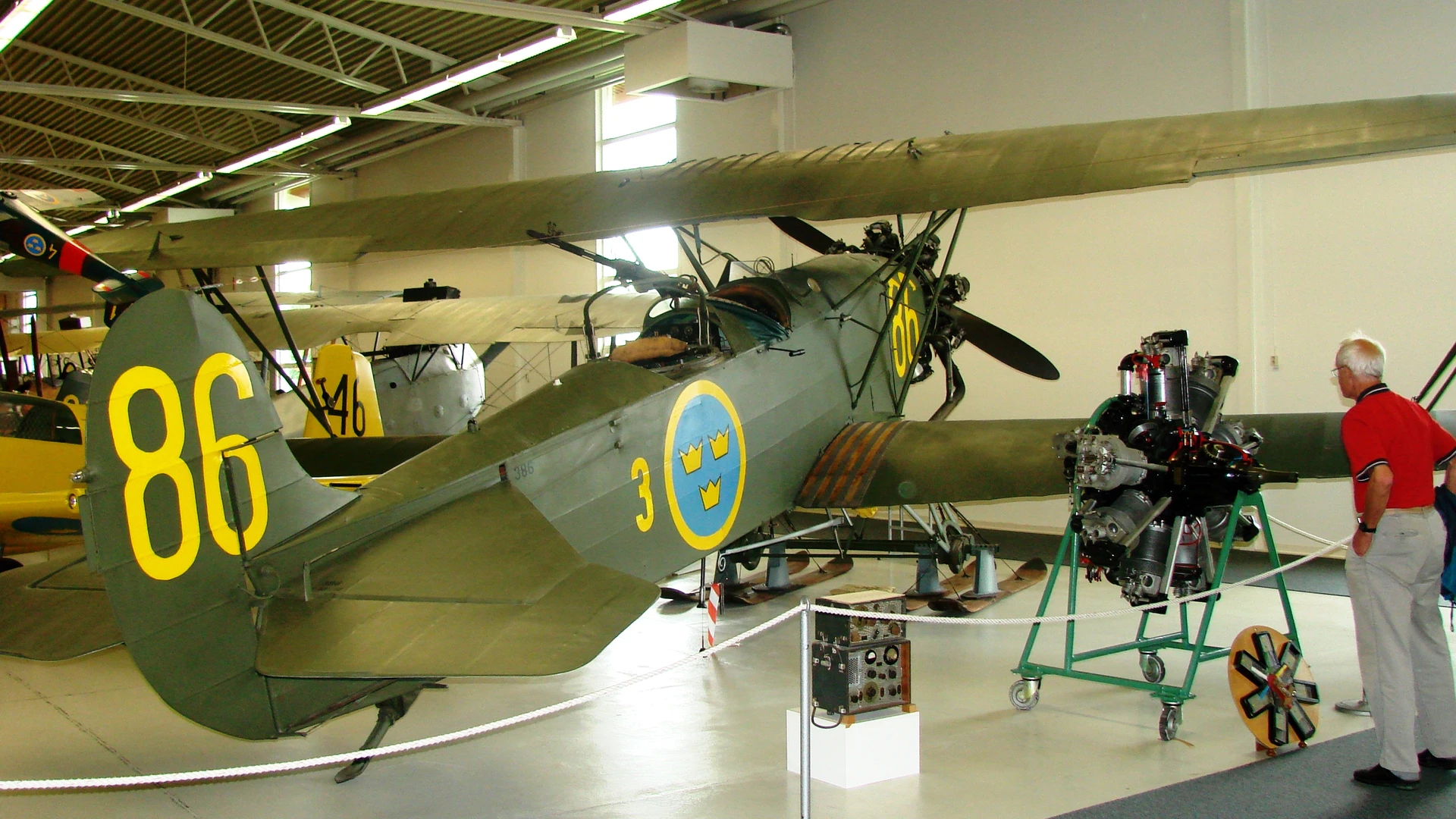
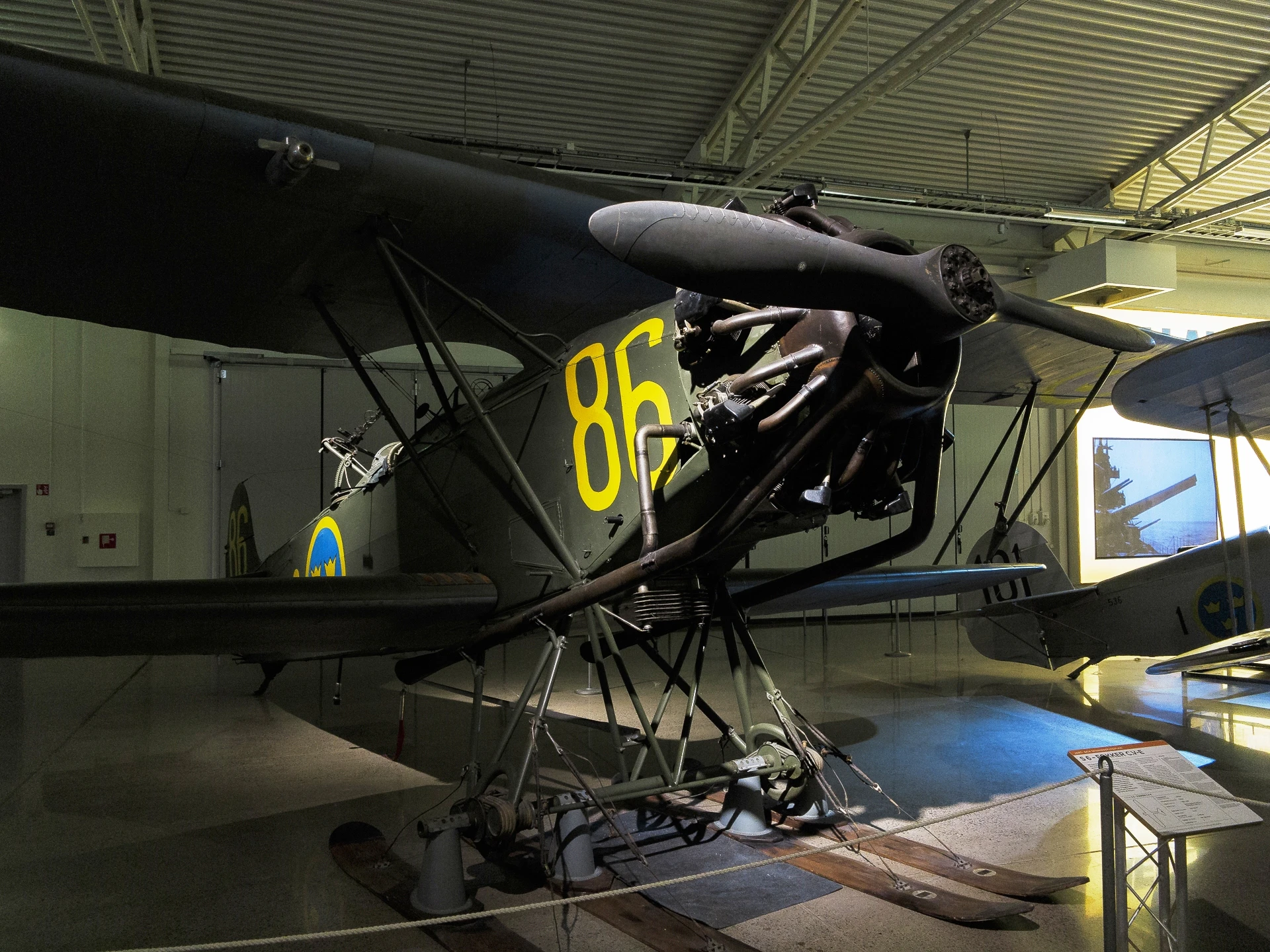
The Fokker C.V was a highly successful Dutch two-seat biplane developed in the mid-1920s by Anthony Fokker. It was designed as a versatile multi-role military aircraft—primarily for reconnaissance and light bombing—and became one of Fokker’s best export successes of the interwar period. The C.V was famous for its interchangeability, as customers could select from five different wing sets (A, B, C, D, and E, varying in span and area) and a wide range of engines to tailor the aircraft to specific roles, such as fighter escort (C.V-D) or light bomber (C.V-E). Over 950 were built in total, including extensive license production in countries like Sweden, Switzerland, and Italy (as the Romeo Ro.1). The aircraft served with many air forces, with some examples still operational during the early stages of World War II.
| Property | Typical Value (C.V-D/C.V-E Varies) |
|---|---|
| Rolli | Reconnaissance, Light Bomber, Two-Seat Fighter |
| National Origin | Holland |
| Tootja | Fokker (and multiple license builders) |
| First Flight | May 1924 |
| No. Built (Total) | ~956 (including license production) |
| Meeskonna | 2 (Pilot, Observer/Gunner) |
| pikkus | ~9.25–9.6 m (30 ft 4 in – 31 ft 6 in) |
| Wingspan (C.V-D / C.V-E) | 12.50 m (41 ft 0 in) / 15.30 m (50 ft 2 in) |
| Max Takeoff Weight (C.V-E) | ~2,400 kg (5,291 lb) |
Powerplant and Performance
- Engine: Widely varied, often fitted with Bristol Jupiter, Rolls-Royce Kestrel, Hispano-Suiza, or Lorraine-Dietrich liquid- or air-cooled engines.
- Power Output: Ranged widely from 250 hp up to 650 hp depending on the customer’s choice.
- Maximum Speed (C.V-D): Up to 260 km/h (162 mph) (with powerful engines).
- Maximum Speed (C.V-E): ~230 km/h (143 mph).
- Service Ceiling: Up to 7,100 m (23,300 ft).
- Key Design Feature: The fuselage was constructed from welded steel tubing covered with fabric, a signature Fokker technique from WWI, noted for its strength and ease of maintenance.
Armament and Operational History
- Armament (Standard):
- 1 or 2 x 7.9 mm synchronized machine guns (fixed, forward-firing, for the pilot).
- 1 x 7.9 mm machine gun on a flexible mount (for the observer/gunner in the rear cockpit).
- Ordnance: Typically up to 200 kg (440 lb) of bombs carried under the wings.
- Operational Use: Served with over a dozen air forces, including the Royal Netherlands Air Force (LVA), Norway, Denmark, Finland, and Switzerland.
- WWII Service: Despite being obsolete, C.V aircraft in Norwegian and Dutch service saw action in the 1940 campaigns against the German invasion, primarily for reconnaissance and light ground support. The Finnish Air Force also used C.V-Es in combat.
Vaadatud : 1281
Näete ka :
 Letov S-20 - fotod ja videod
 Avro 504 – Fotod ja videod
 Polikarpov I-15 - fotod ja videod
 Beechcraft Model 17 Staggerwing - fotod ja videod
 Beechcrafti mudel 17 - fotod ja videod
 Verville-Sperry M-1 Messenger - fotod ja video
 Curtiss P-6 Hawk - fotod ja video
 Farman HF.20 – Fotod ja videod
 Polikarpov Po-2 – fotod ja video
 Caudron G.4 - fotod ja videod