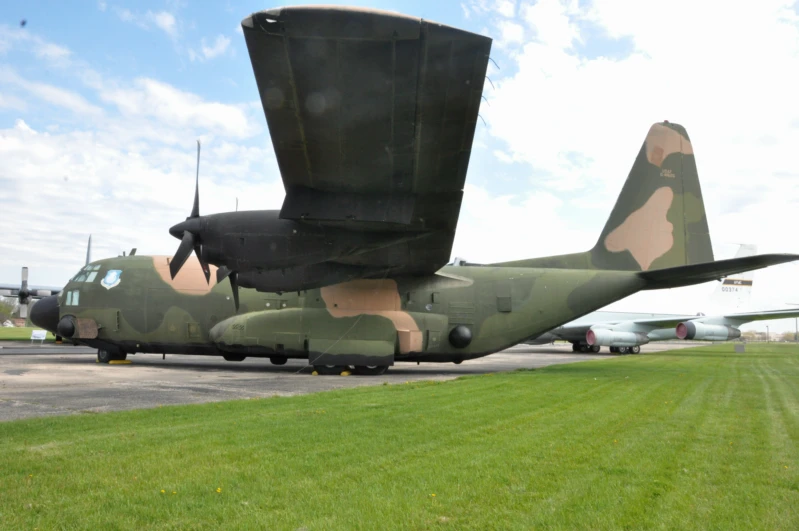
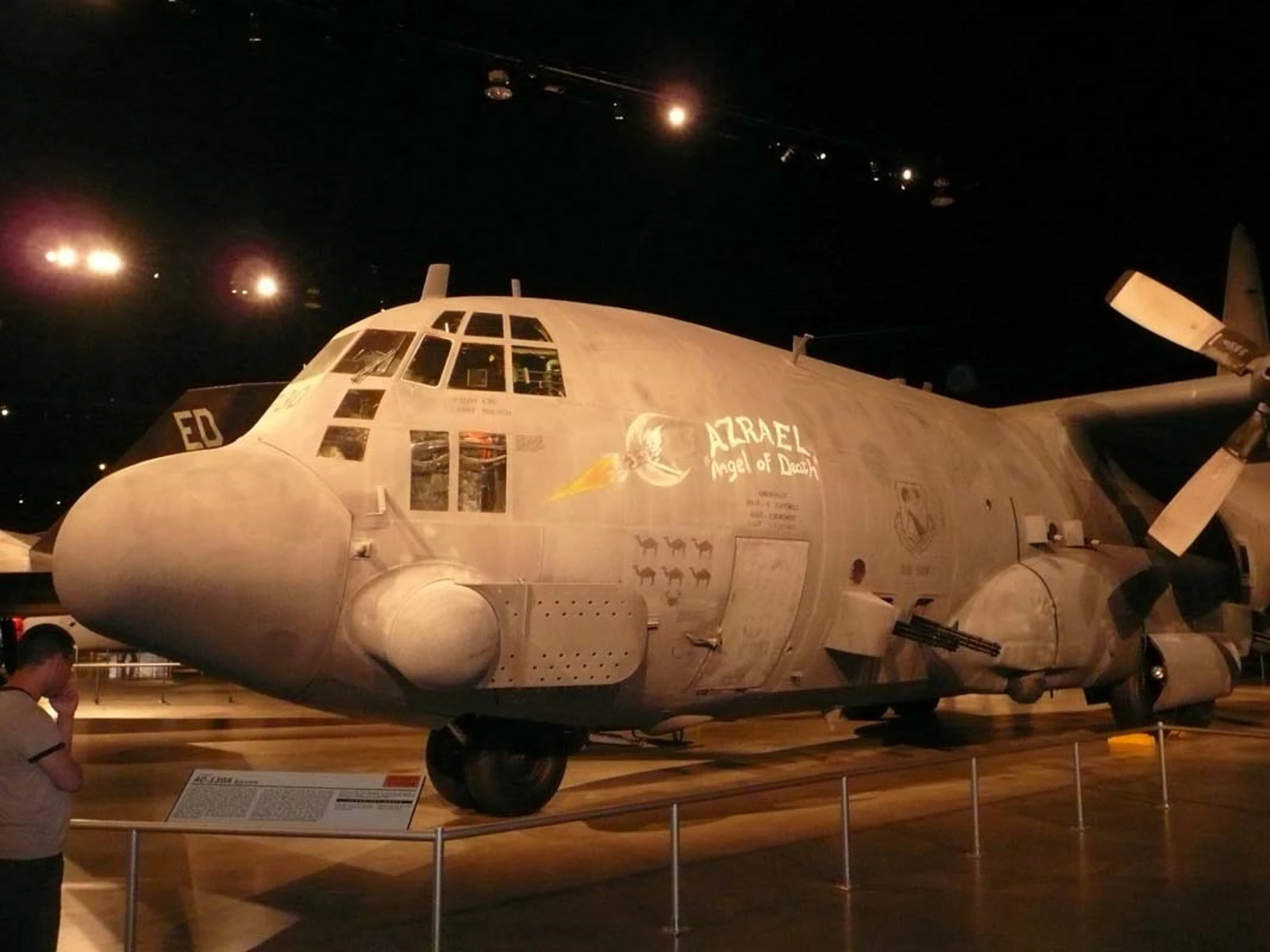
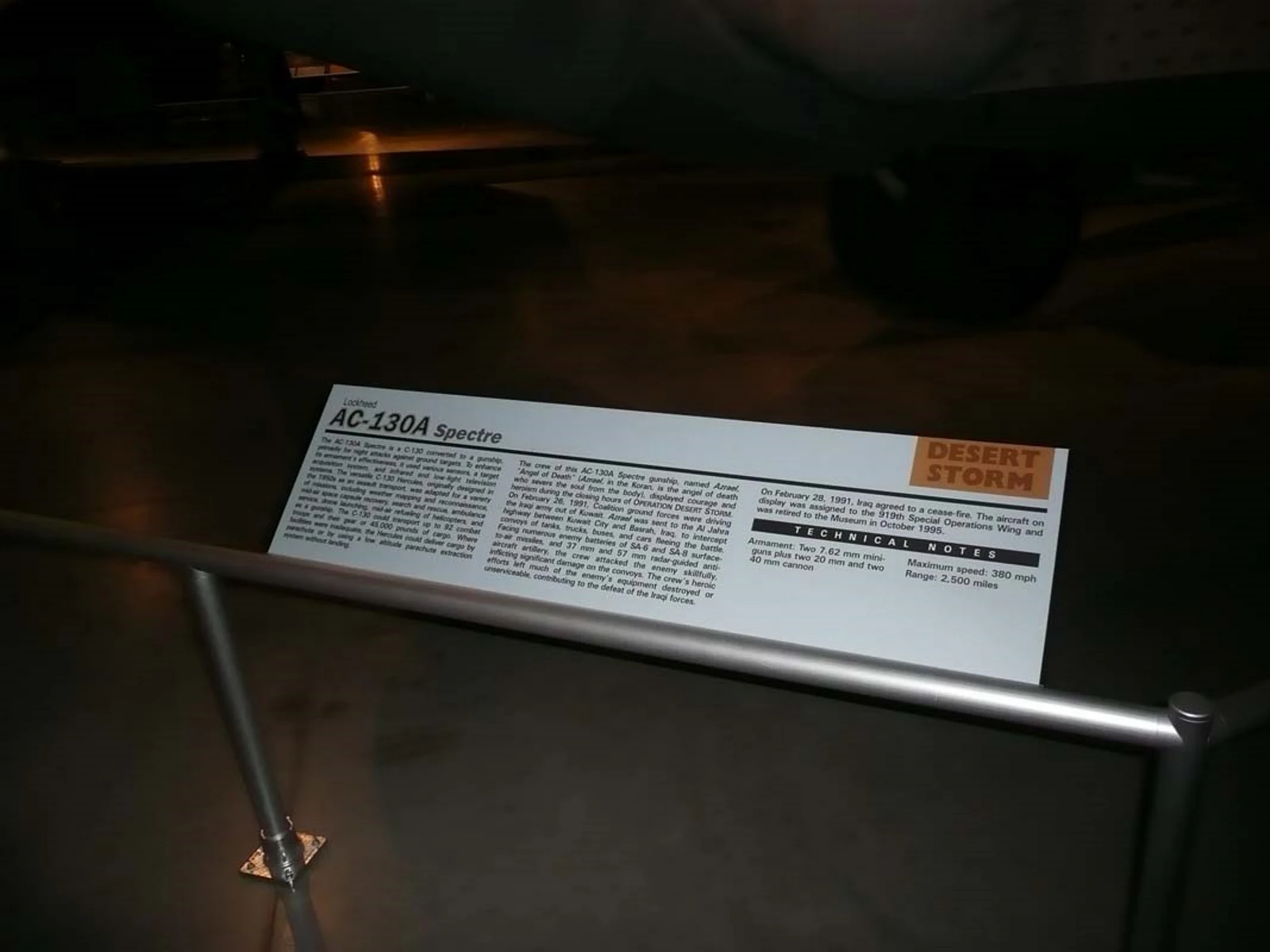
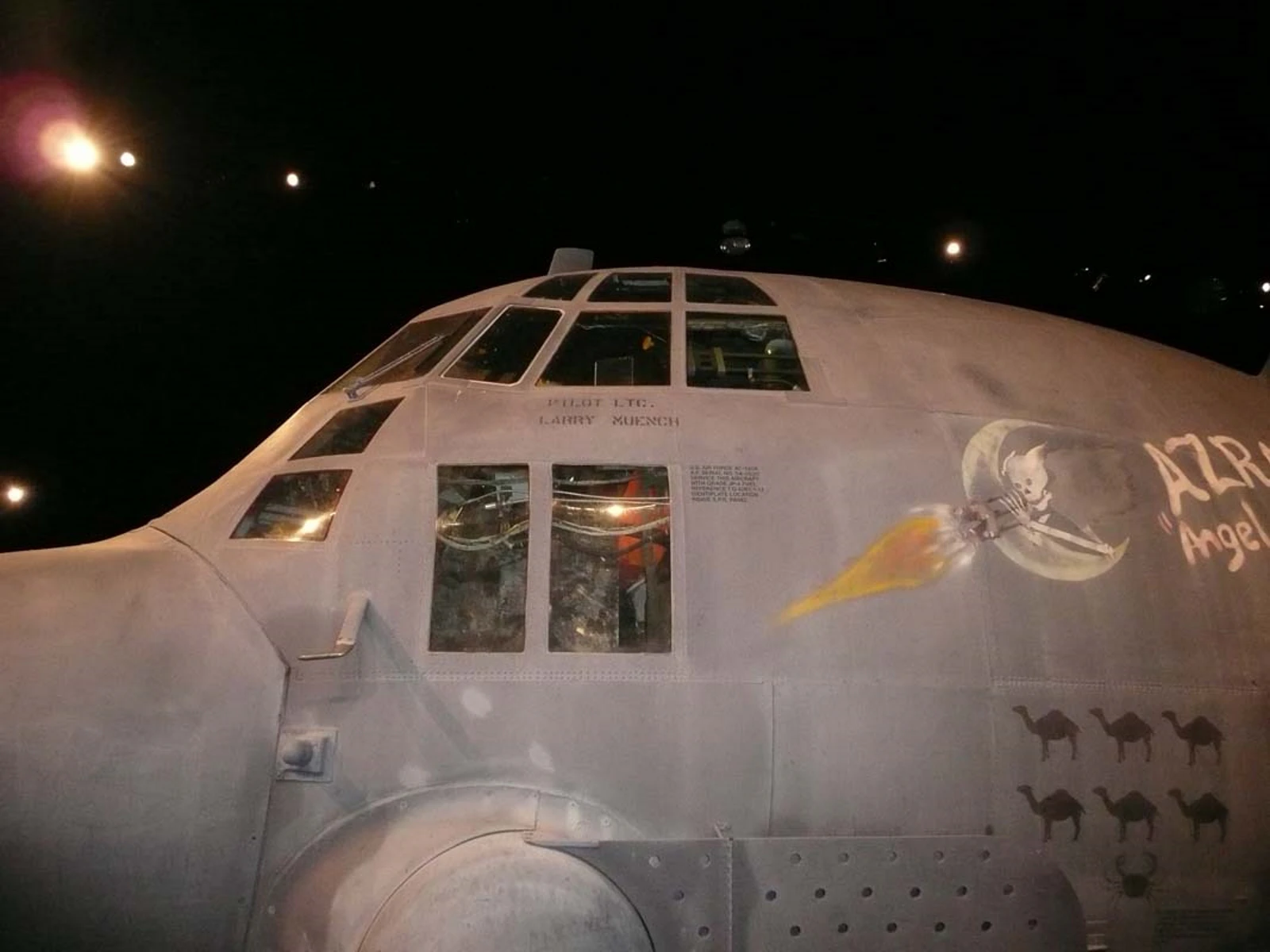
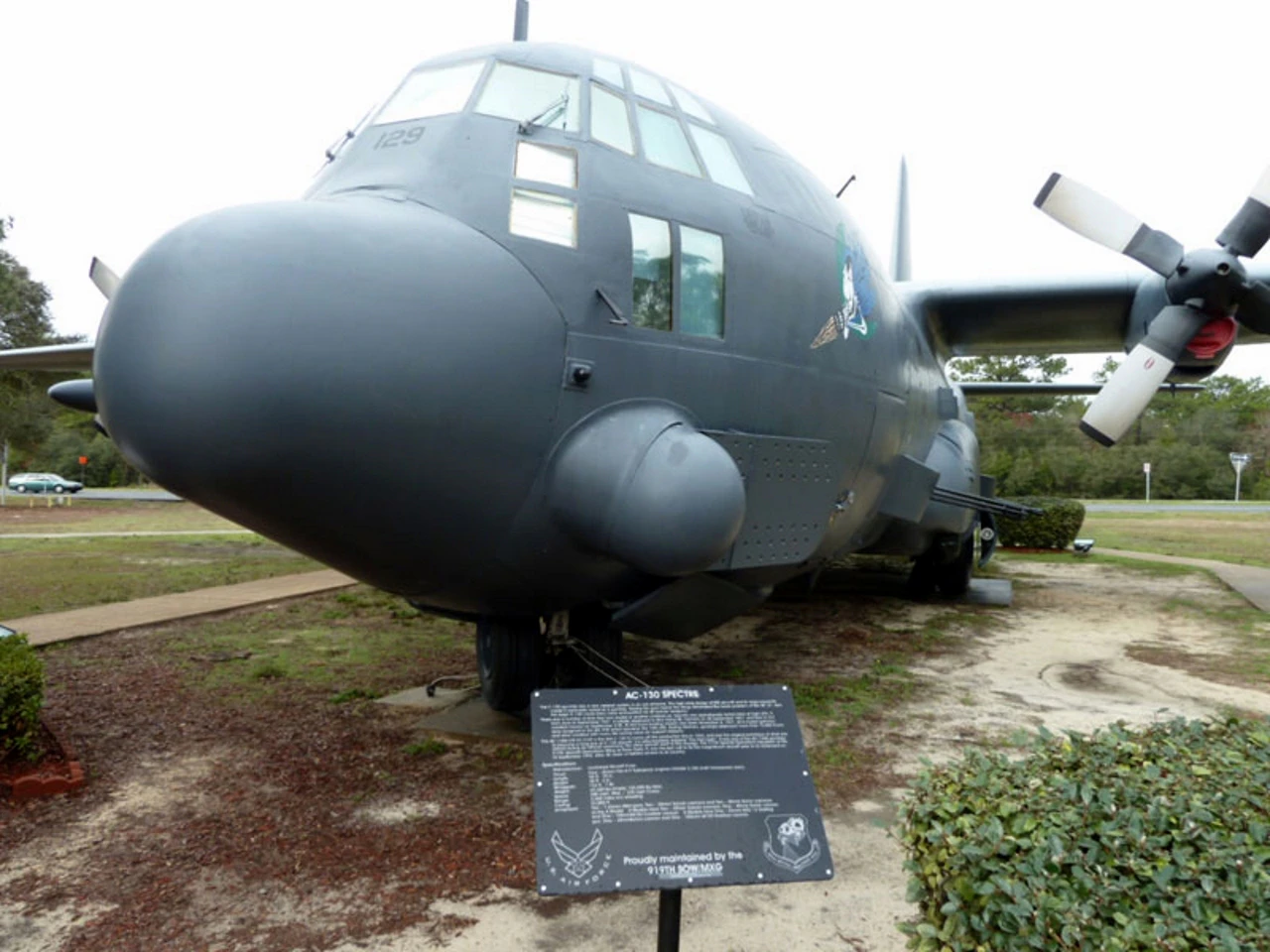
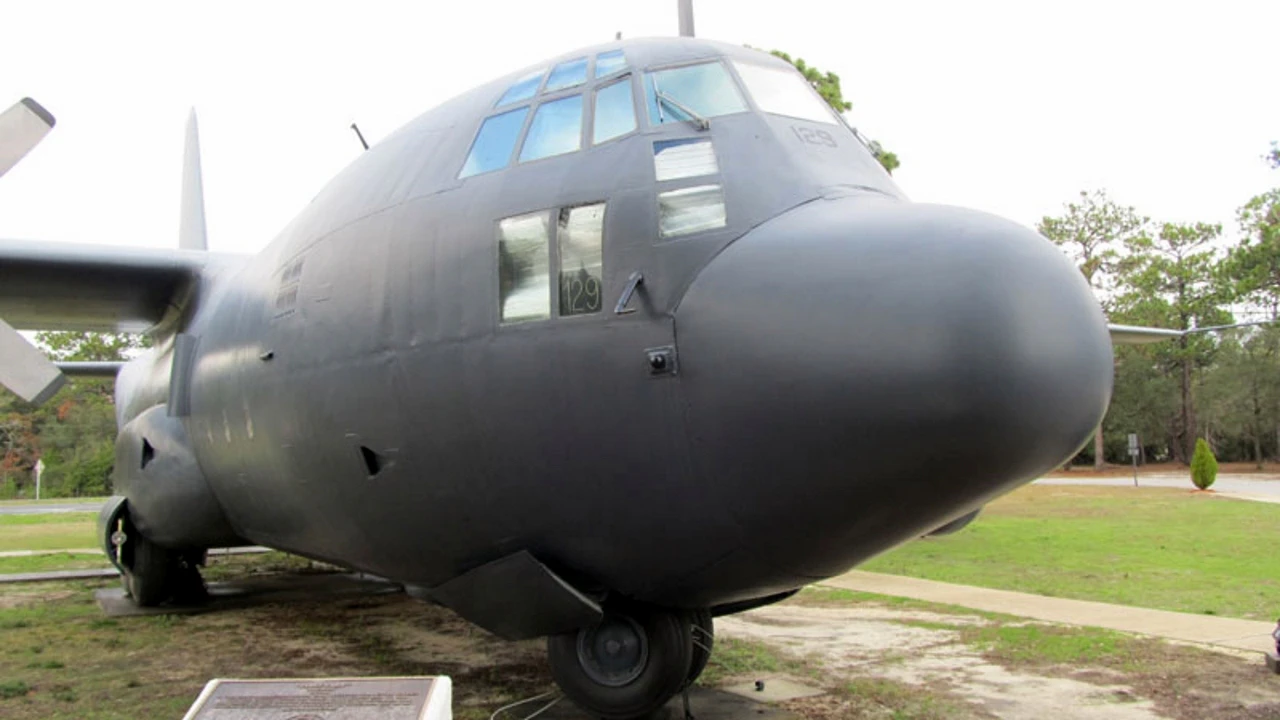
Galería de fotos de un Lockheed AC-130A Spectre,
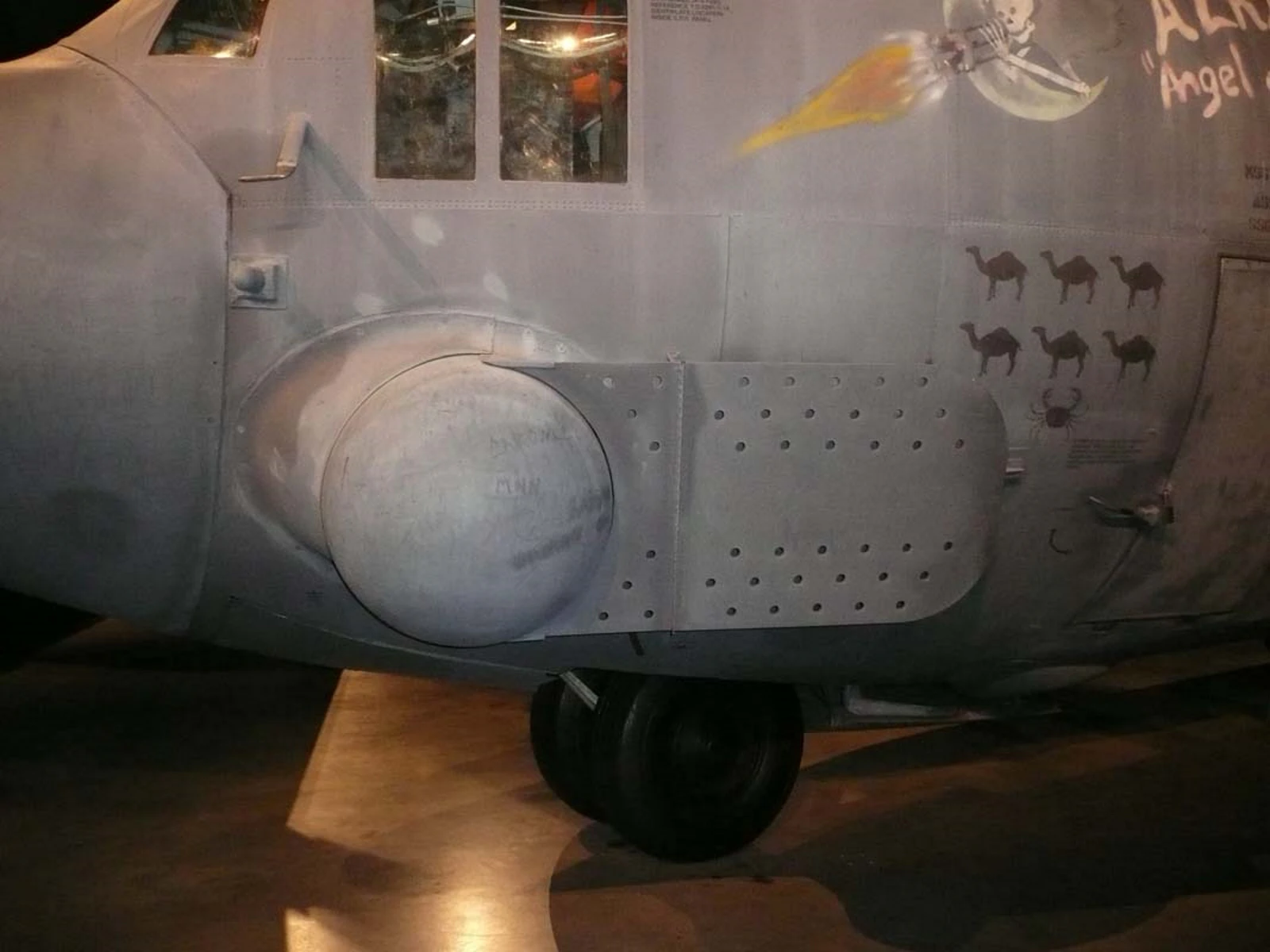
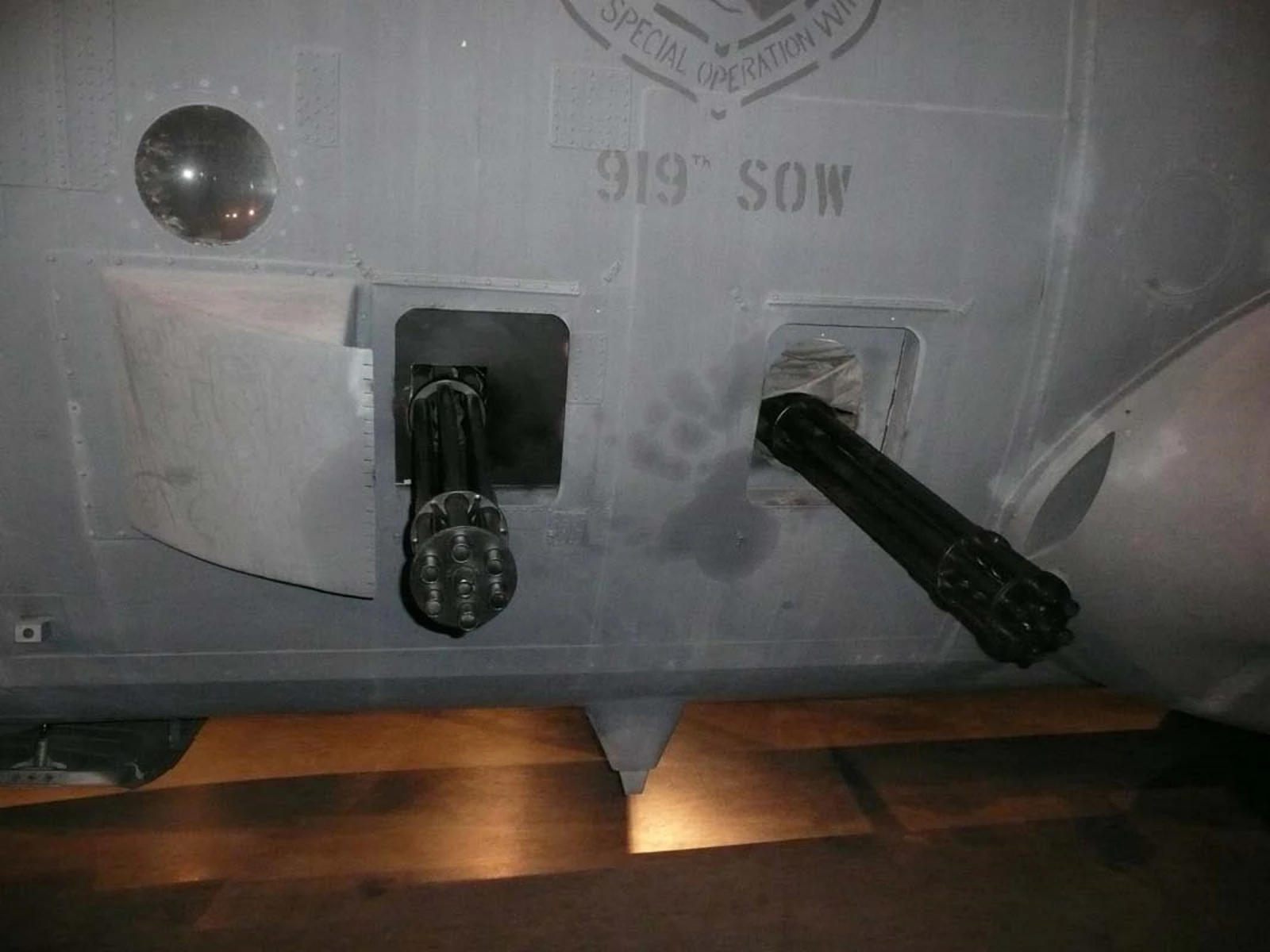
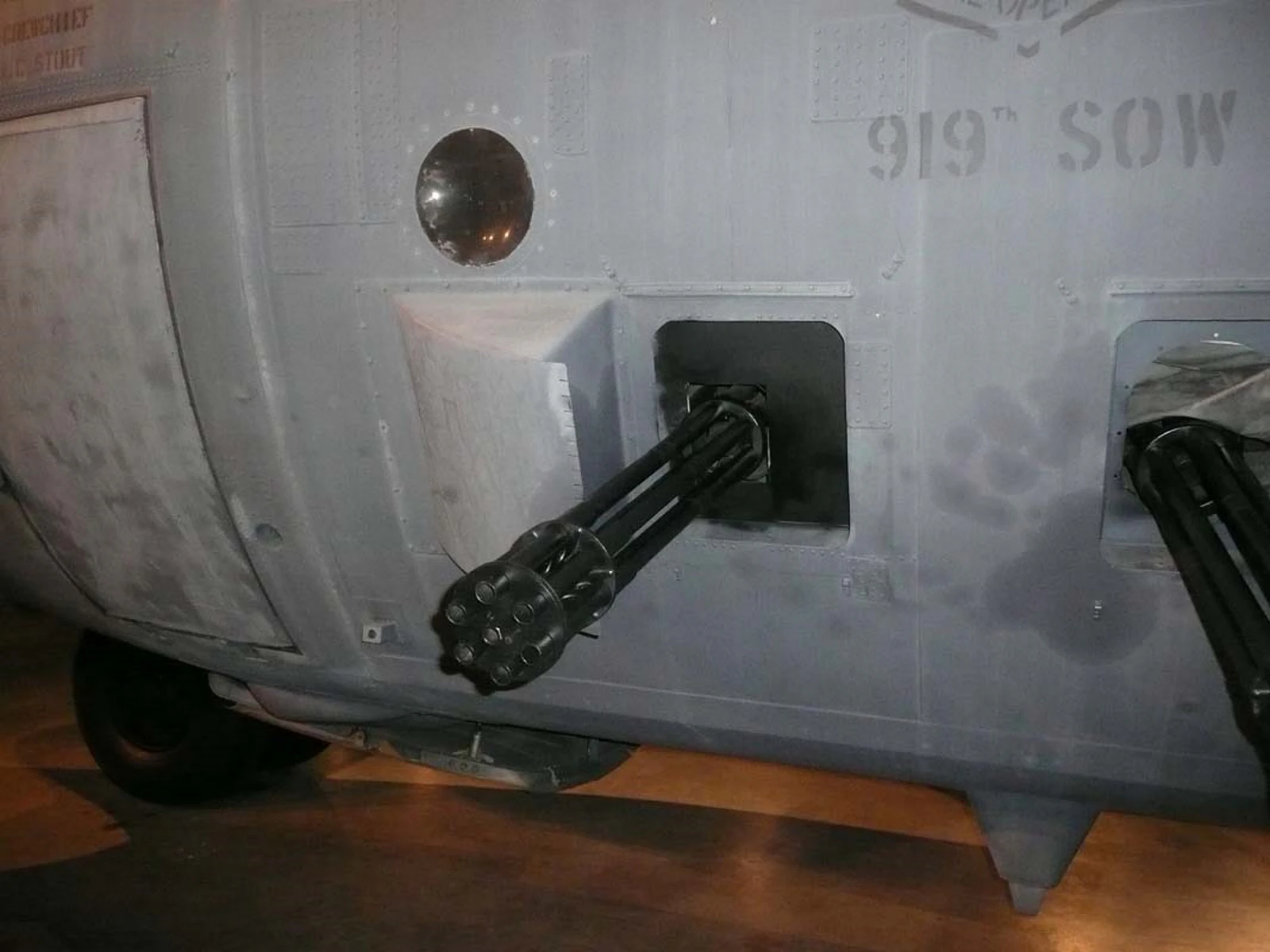
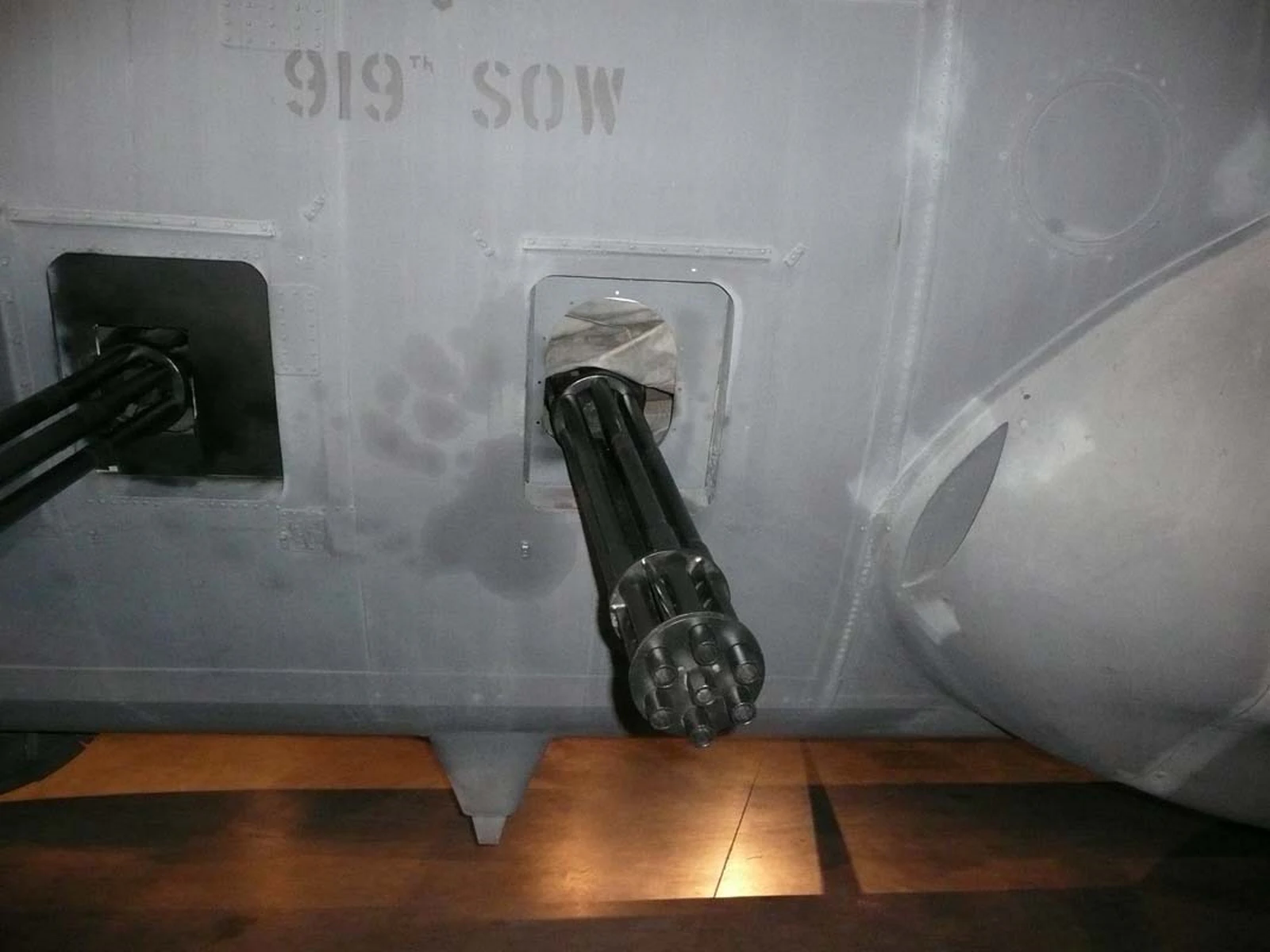
The Lockheed AC-130 gunship is a heavily armed, long-endurance ground-attack variant of the C-130 Hercules transport fixed-wing aircraft. It carries a wide array of anti-ground oriented weapons that are integrated with sophisticated sensors, navigation, and fire-control systems. Unlike other military fixed-wing aircraft, the AC-130 relies on visual targeting. Because its large profile and low operating altitudes (around 7,000 ft) make it an easy target, it usually flies close air support missions at night.
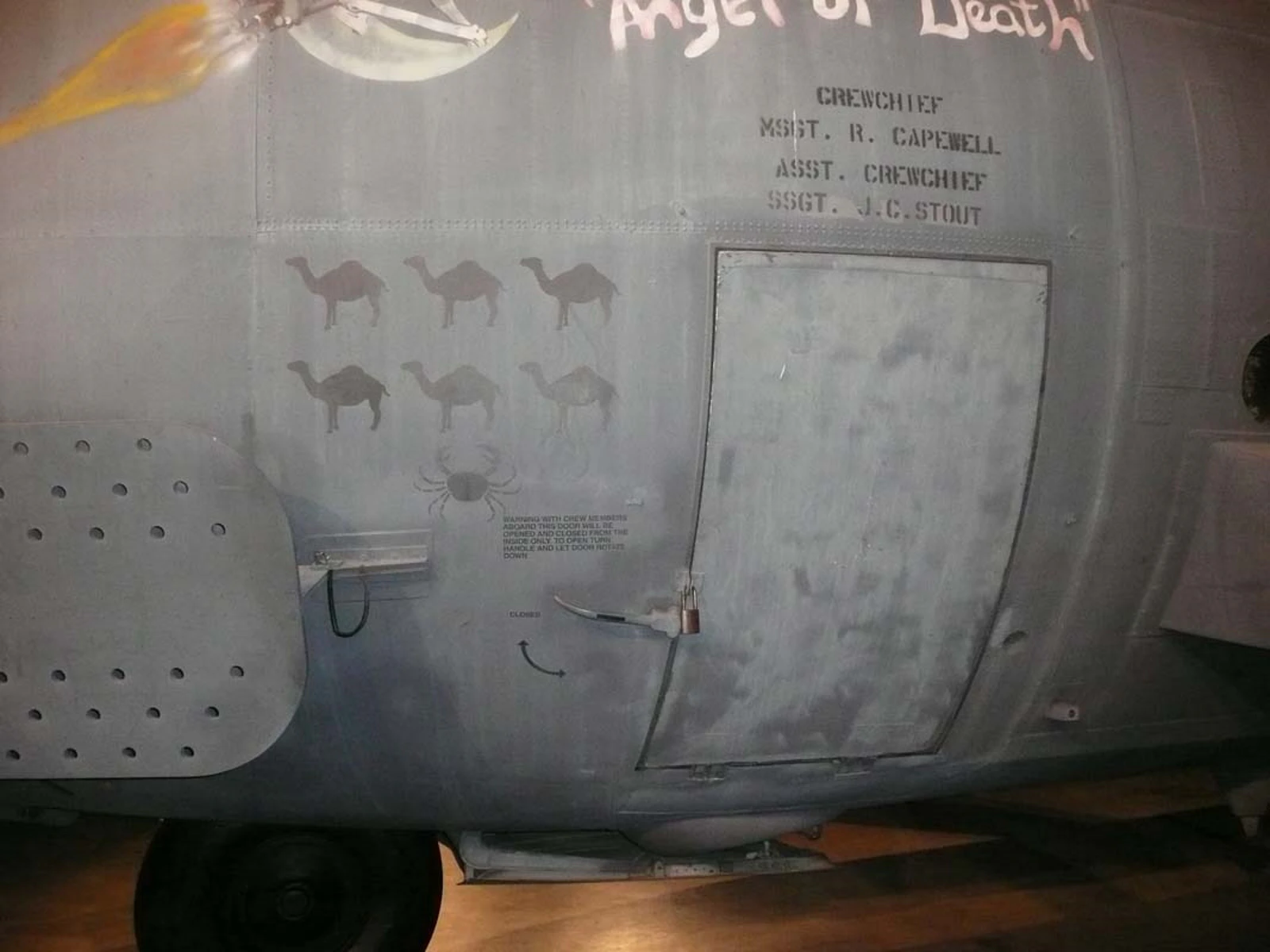
el AC-130A Spectrewas the direct evolution of “Project Gunship II,” designed to replace the aging AC-47 “Spooky” during the Vietnam War. By converting the rugged C-130 Hercules transport into a side-firing weapon system, the U.S. Air Force created a platform with massive loiter time, heavy payload capacity, and the ability to fly above the reach of standard small-arms fire. It pioneered the “pylon turn”—a maneuver where the pilot banks the aircraft into a continuous circle around a ground point, allowing the side-mounted sensors and guns to keep a target under constant, devastating fire.
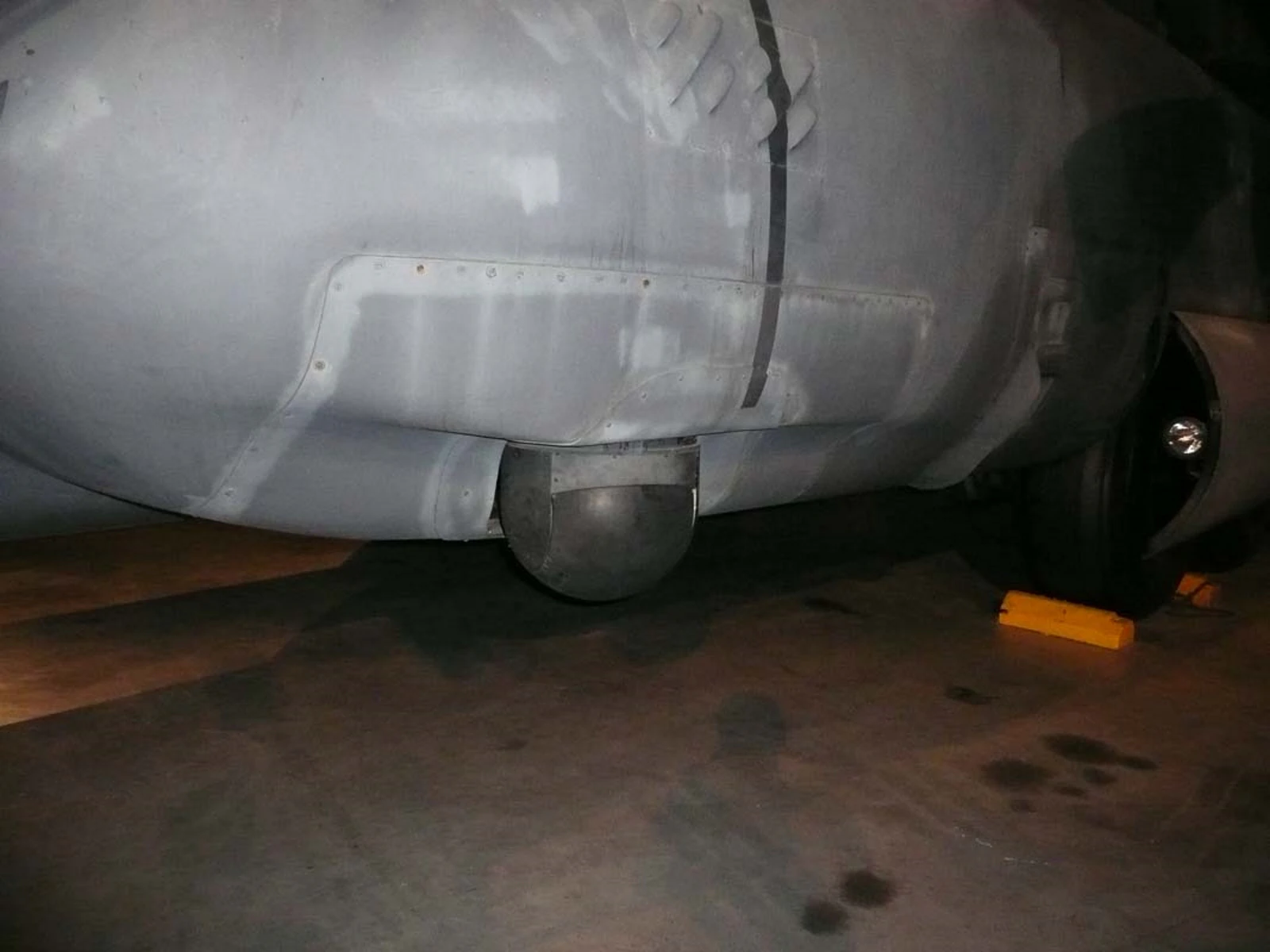
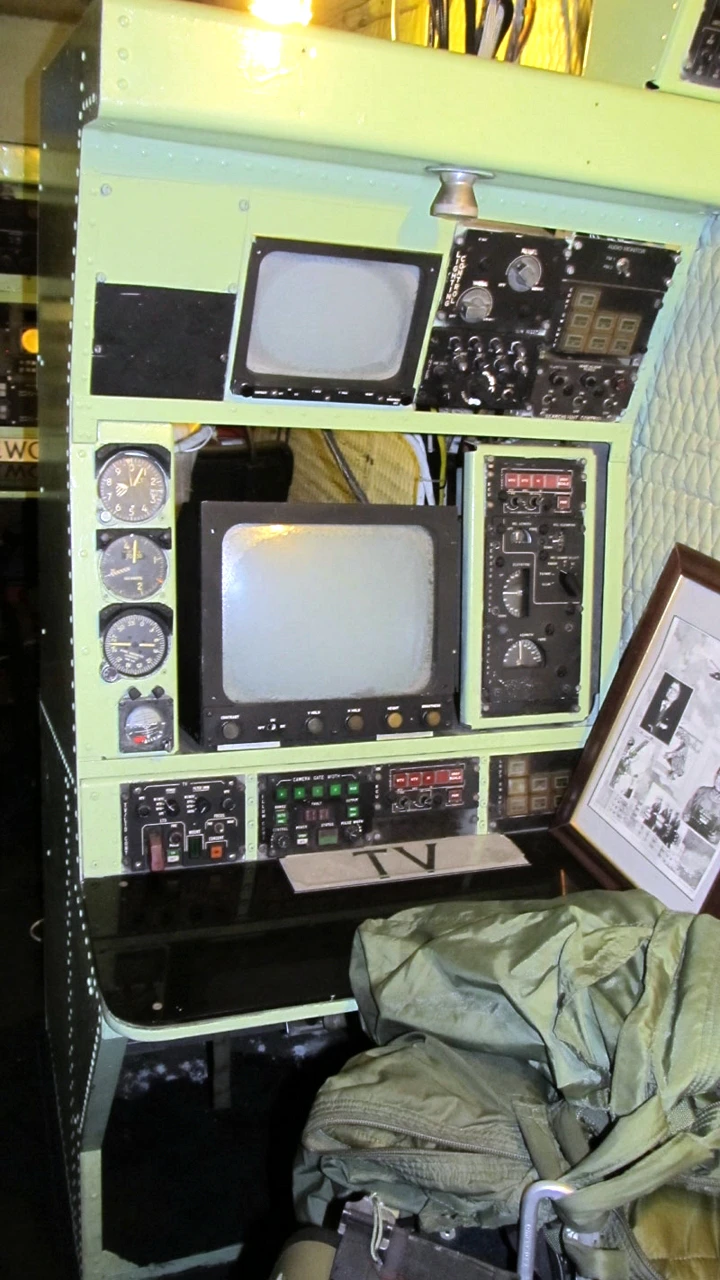
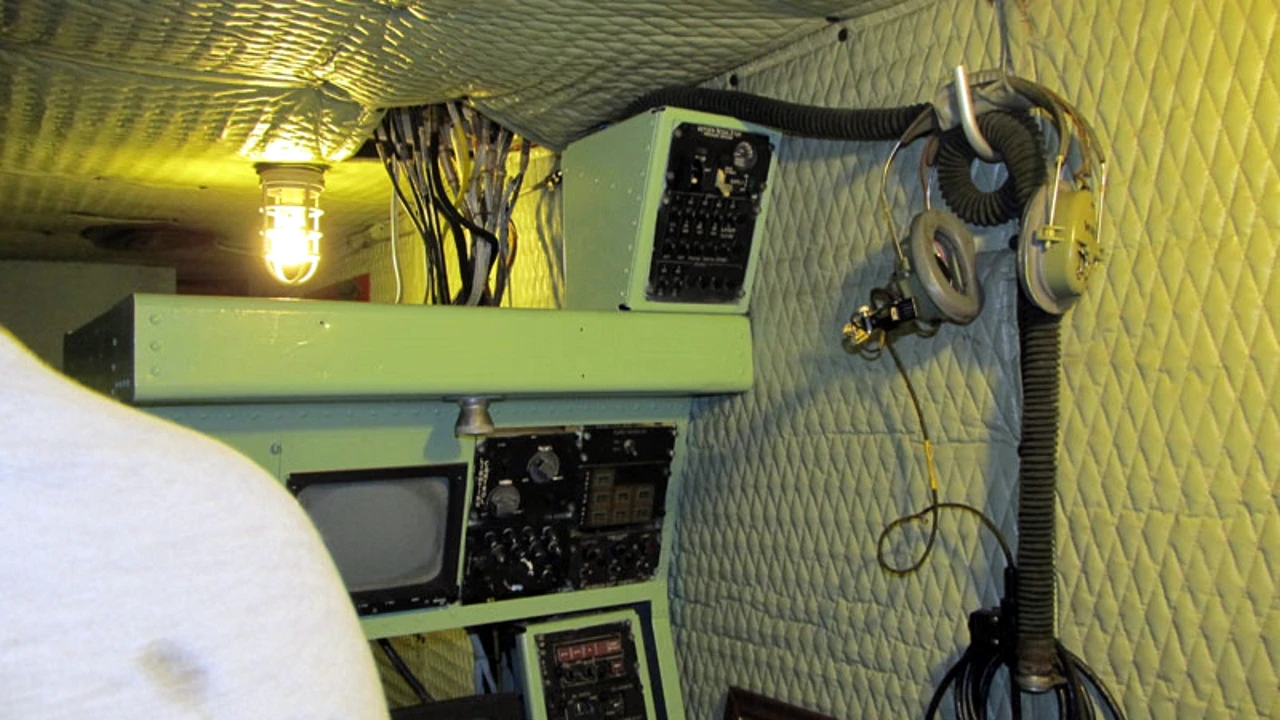
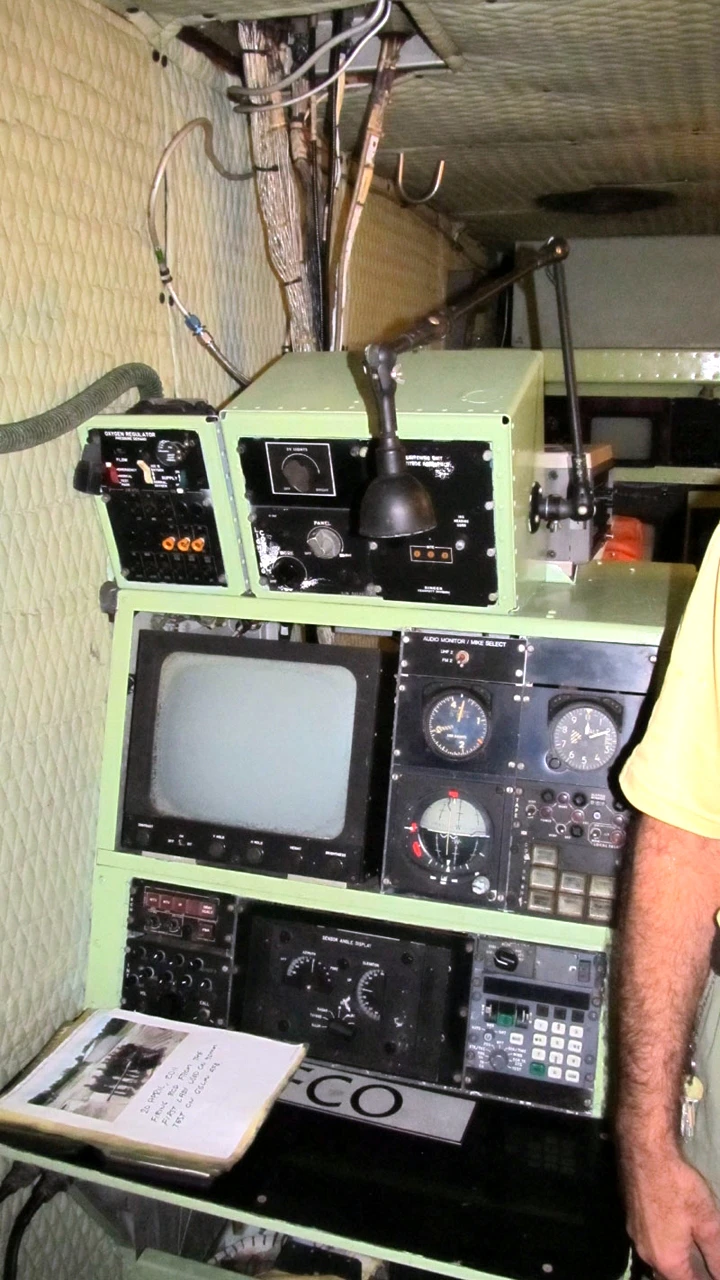
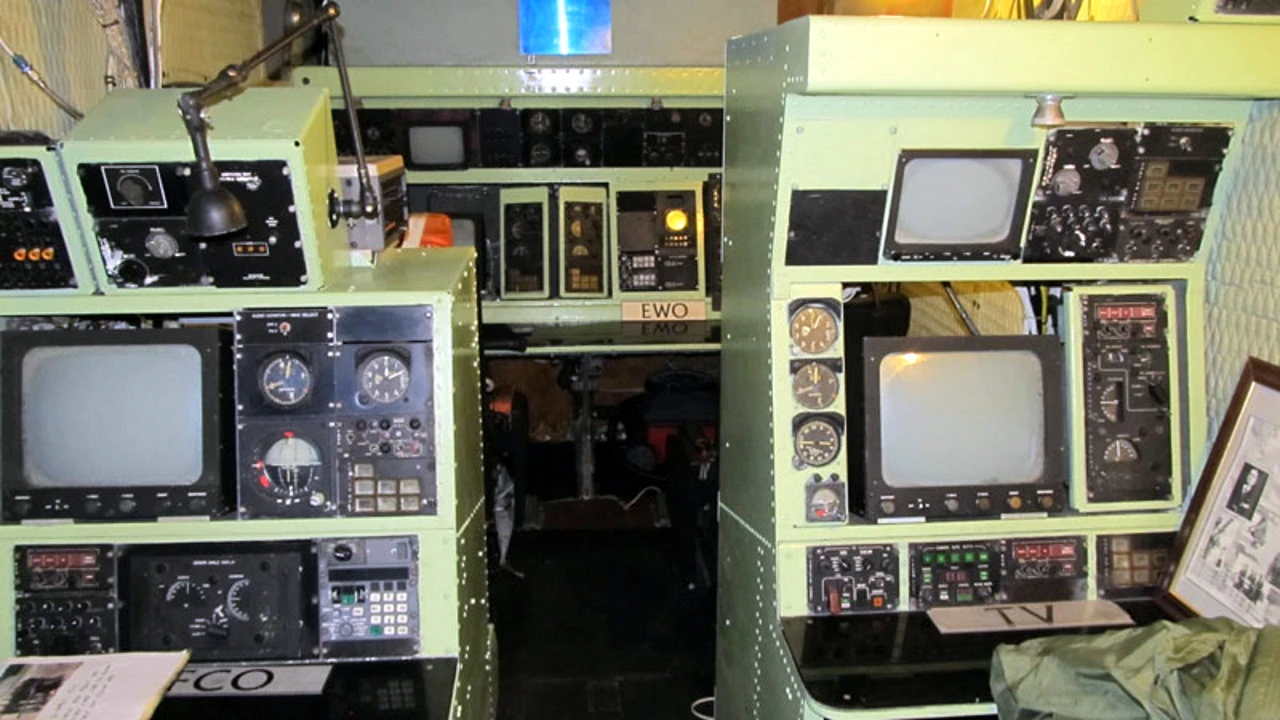
LLLTV (Low Light Level TV), FLIR, and “Black Crow”
Design Engineering: Darkness is the Shield
The “Black Crow” Sensor:One of the most secret technologies of the era, this sensor could detect the unshielded ignition coils of North Vietnamese truck engines hidden deep under the jungle canopy, allowing the Spectre to hit targets it couldn’t even see visually.
Side-Firing Geometry:Unlike bombers that drop from below, the AC-130A mounted its entire arsenal on the port (left) side. This allowed the pilot to maintain a constant visual on the target through a window-mounted sight while the gunners in the back fed the hungry cannons.
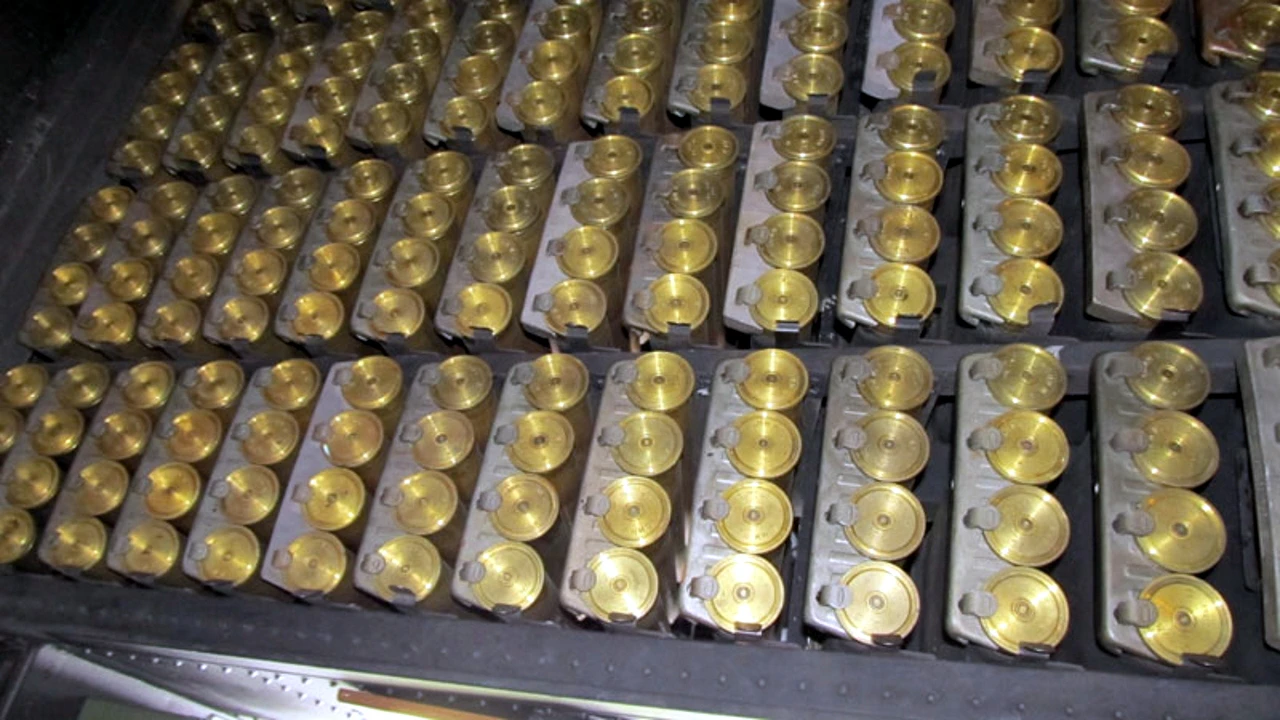
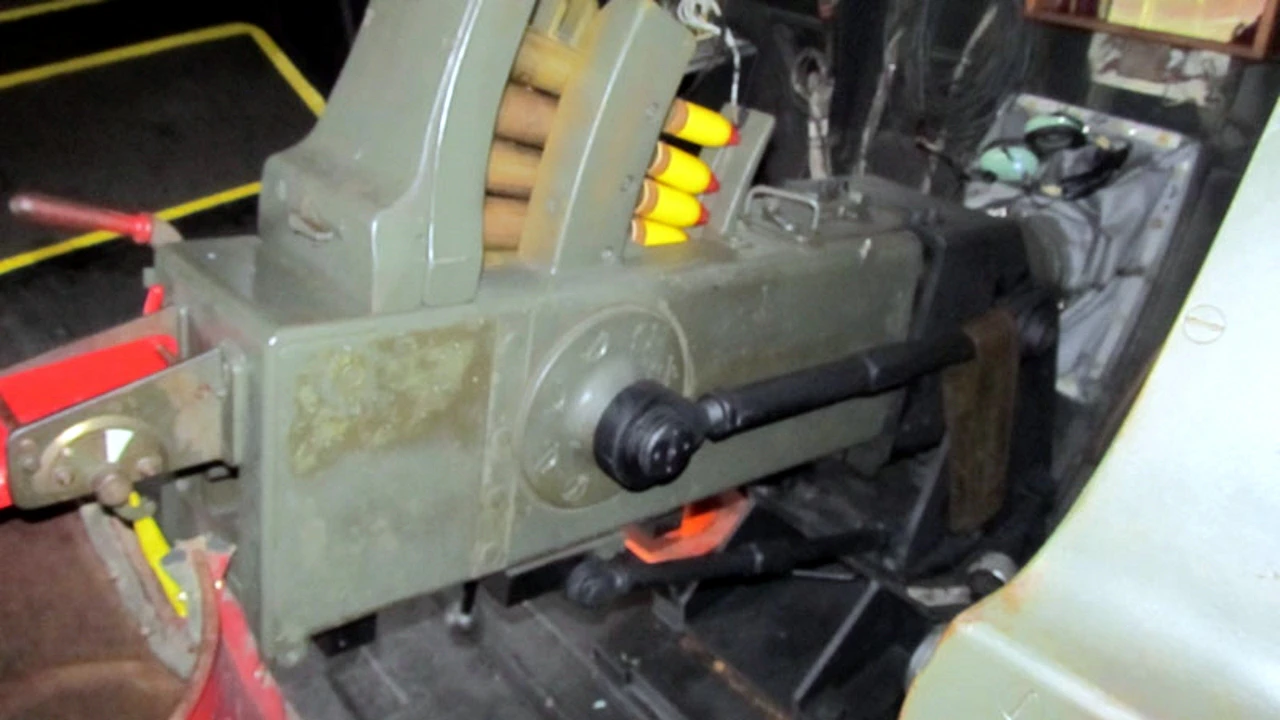
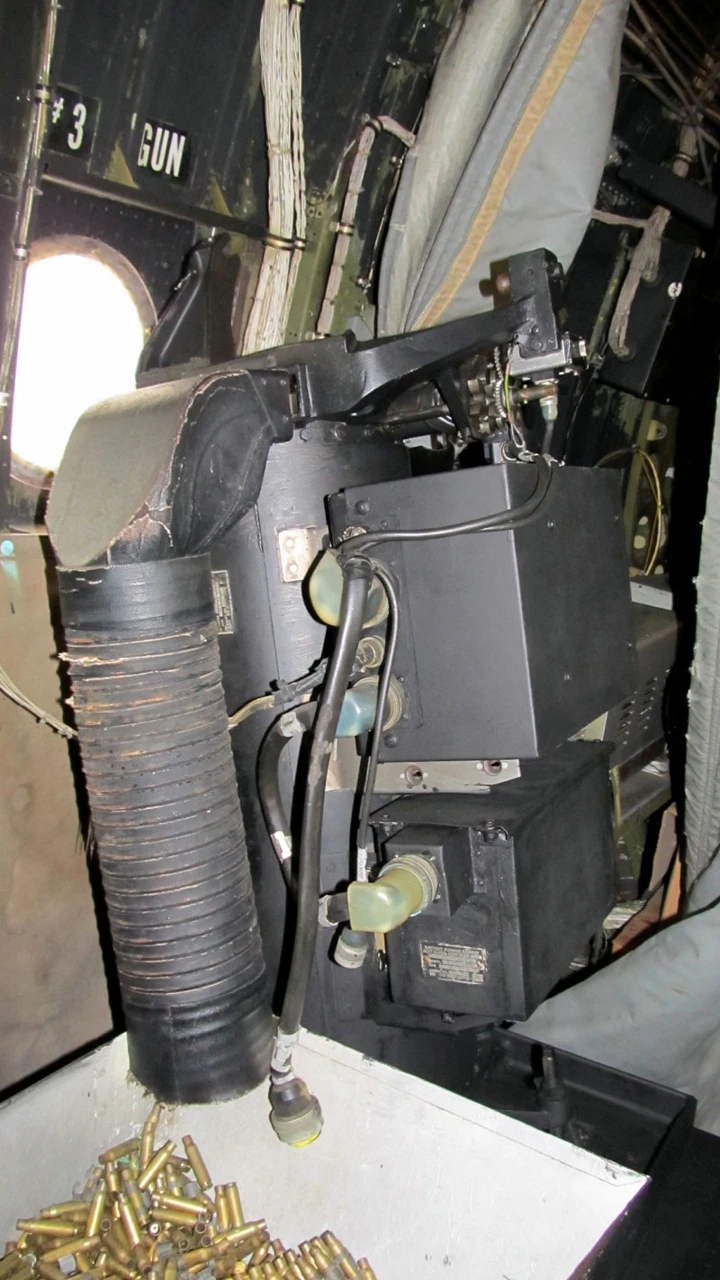
Bofors 40mm Integration:The addition of the twin 40mm Bofors anti-aircraft guns (repurposed for ground attack) gave the AC-130A the “punch” needed to destroy armored trucks and light fortifications that the 20mm Vulcans couldn’t crack.
The “Surprise” Factor:The AC-130A was one of the first aircraft to use Infrared (IR) illuminators and LLLTV, enabling the crew to see the enemy in total darkness while remaining invisible to the naked eye from the ground.
Combat History: The Ho Chi Minh Trail
The Truck Killer:During Operation Commando Hunt, AC-130As were credited with destroying over 10,000 North Vietnamese supply trucks. They became so feared that the NVA began deploying heavy 37mm and 57mm anti-aircraft guns specifically to hunt the “Spectres.”
The “Azrael” Legend:One of the original AC-130As (Serial 54-1630) was named “Azrael” (The Angel of Death). It famously supported the defense of An Loc in 1972, holding off entire North Vietnamese divisions with its withering fire.
Desert Storm and Panama:Though the A-model was old by the 1990s, it served with distinction in Operation Just Cause and Operation Desert Storm. Its ability to loiter over urban areas and provide “surgical” fire made it indispensable for Special Operations.
Retirement:The AC-130A was finally retired in 1995. Many of the original airframes had been flying since the mid-1950s as cargo planes before their conversion, representing some of the hardest-working aircraft in aviation history.

 Cómprame un café

 Lockheed Model 10 Electra – Fotos y Videos
 Lockheed C-5 Galaxy - Fotos y videos
 Lockheed L-049 Constellation – Fotos y Videos
 Lockheed LC-130 – Fotos y videos
 Lockheed P-2 Neptune – Fotos y Video
 Estrella de advertencia Lockheed EC-121 - Fotos y video
 Lockheed C-141 Starlifter - Fotos y video
 Lockheed F-35 Lightning II – Fotos y Video
 Lockheed P-38 Lightning - Fotos y video
 Lockheed F-22A Raptor – Fotos y Video