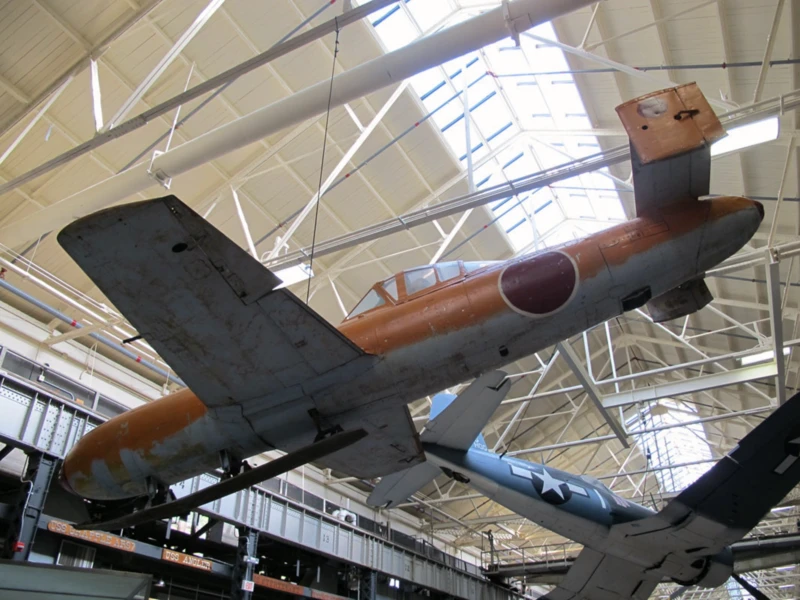
Kugisho/Yokosuka K-1 Ohka | ||
| País | Japón | |
| Tipo | Cohete impulsado guiado por humanos | |
| Primer vuelo | Octubre de 1944 | |
| Construido | 852 | |
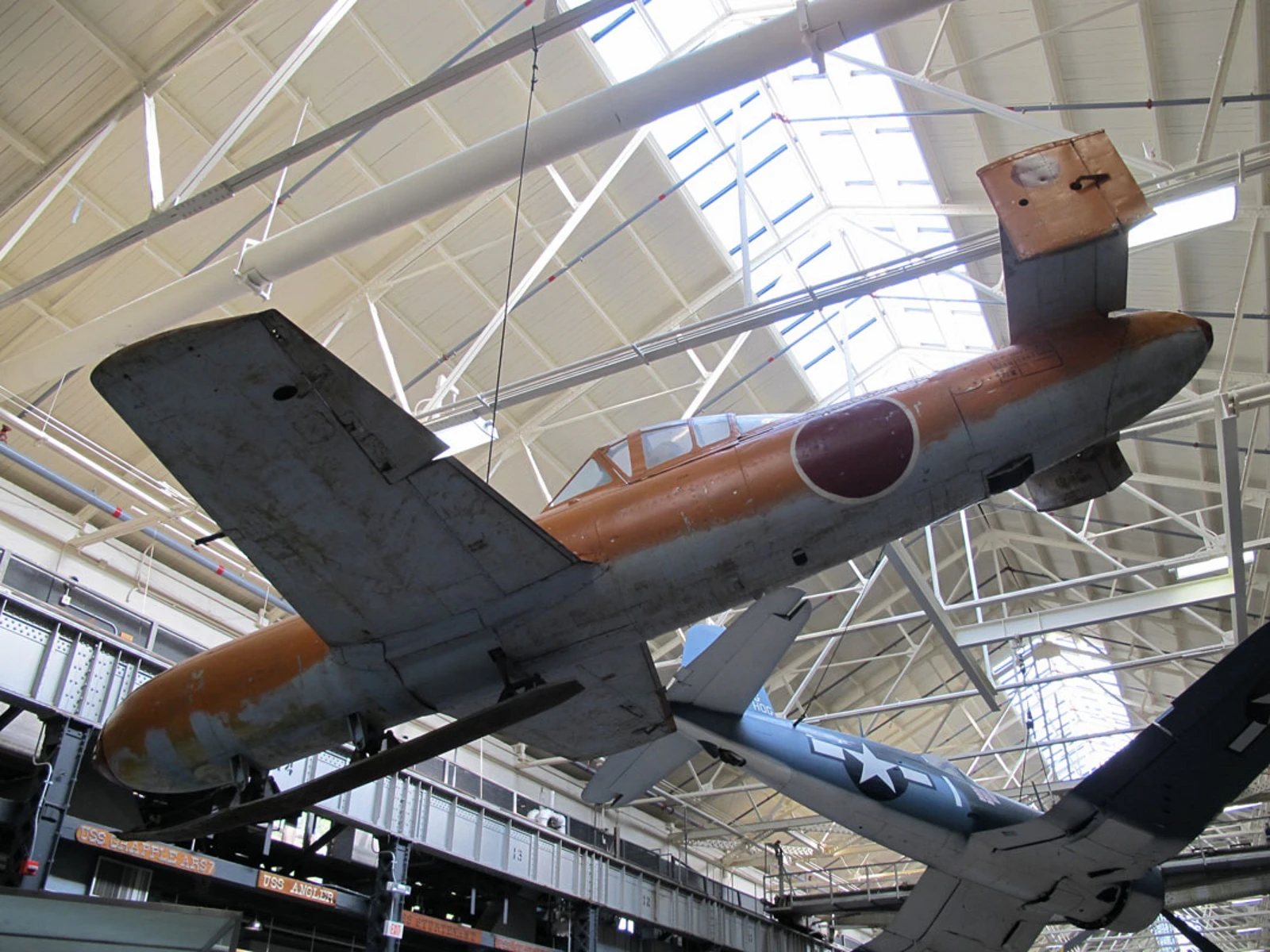
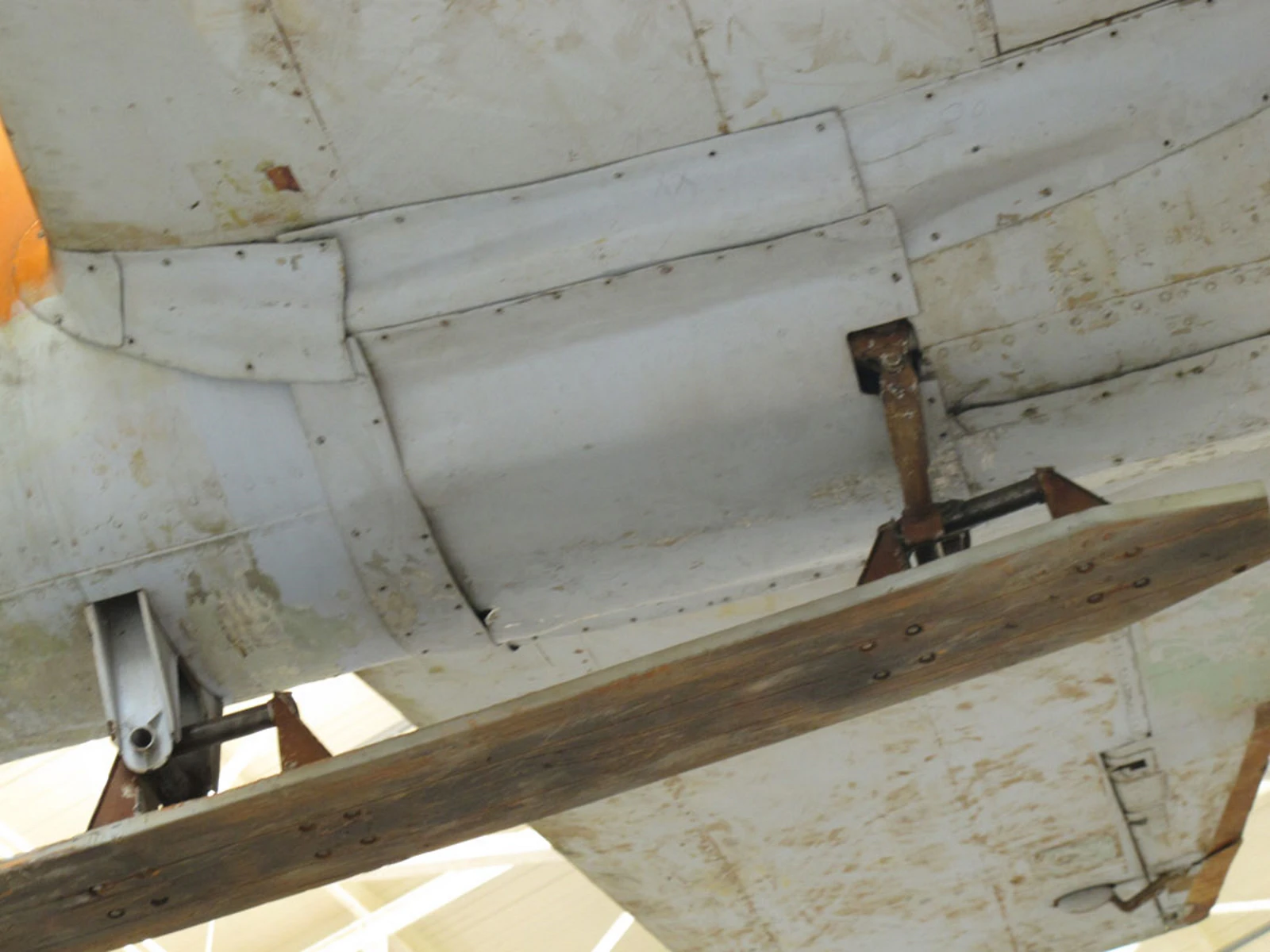
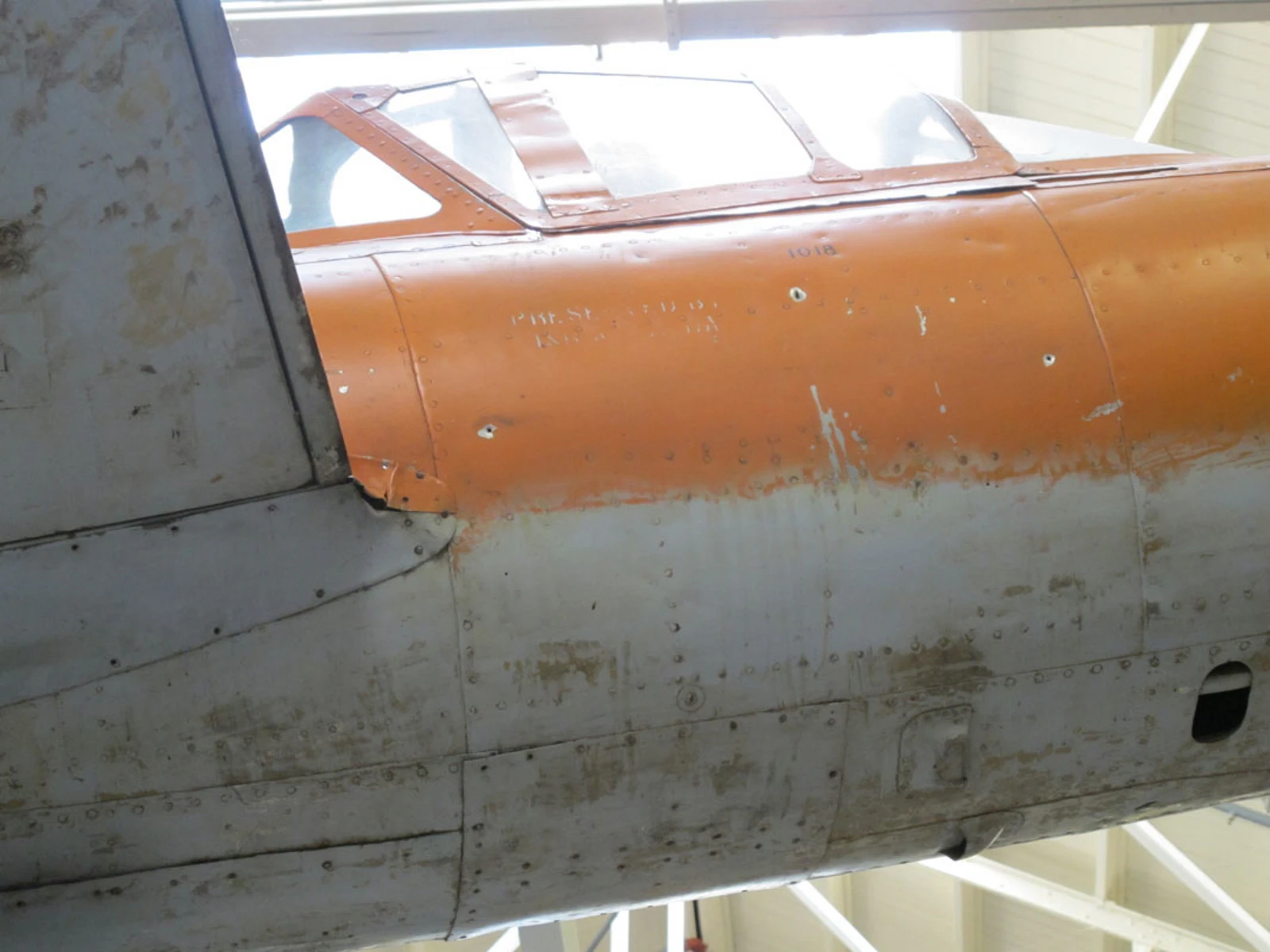
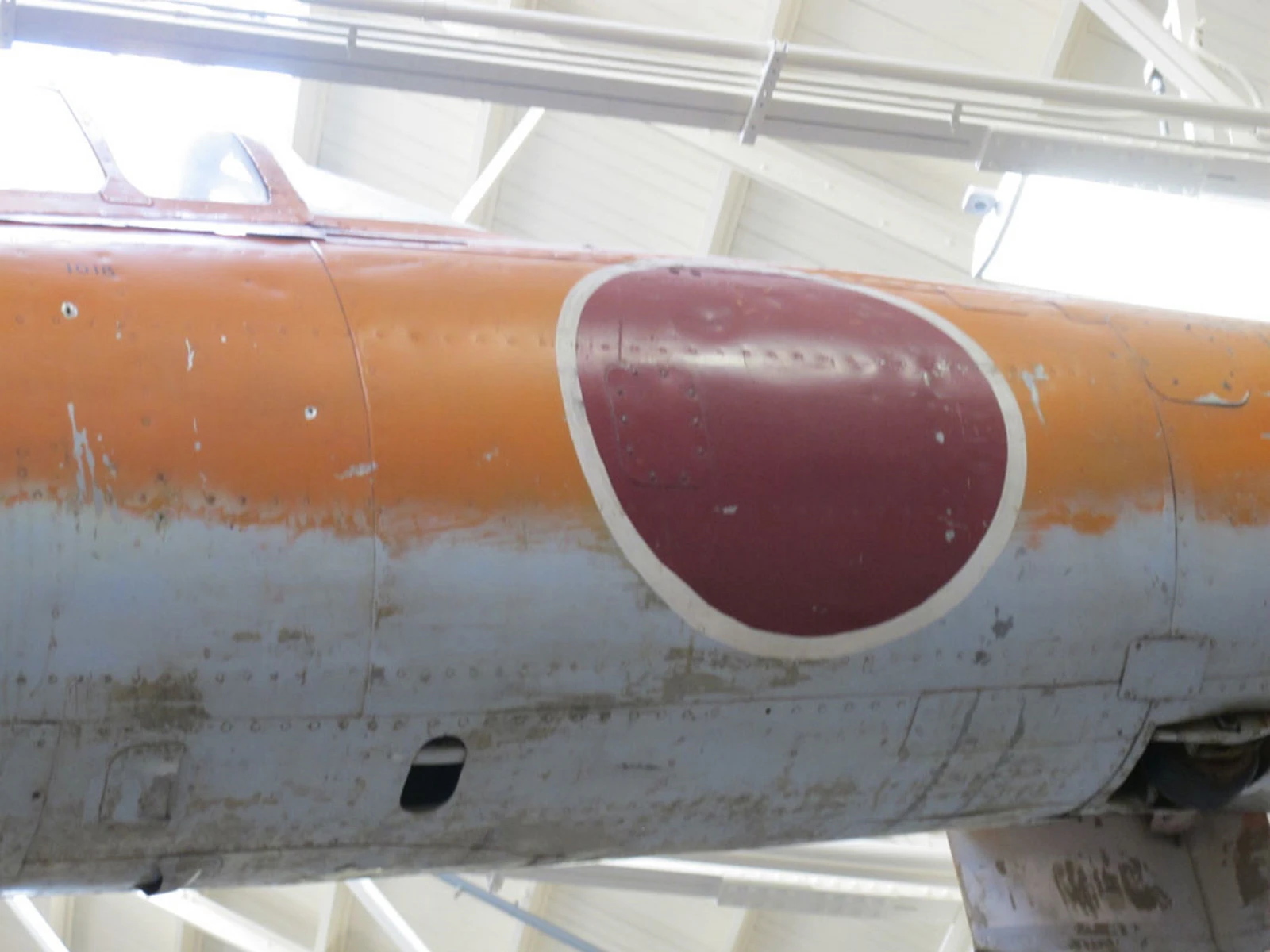
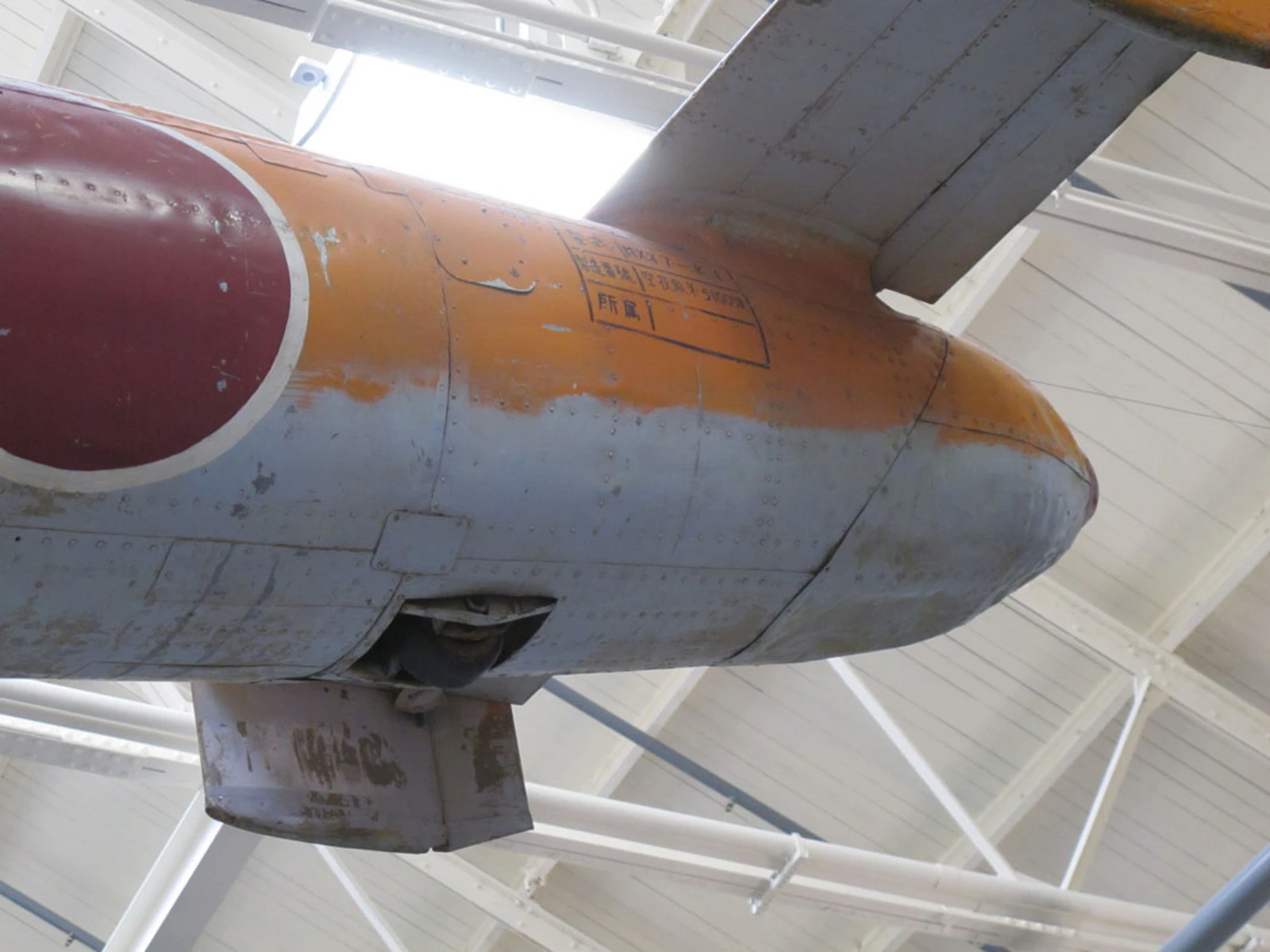
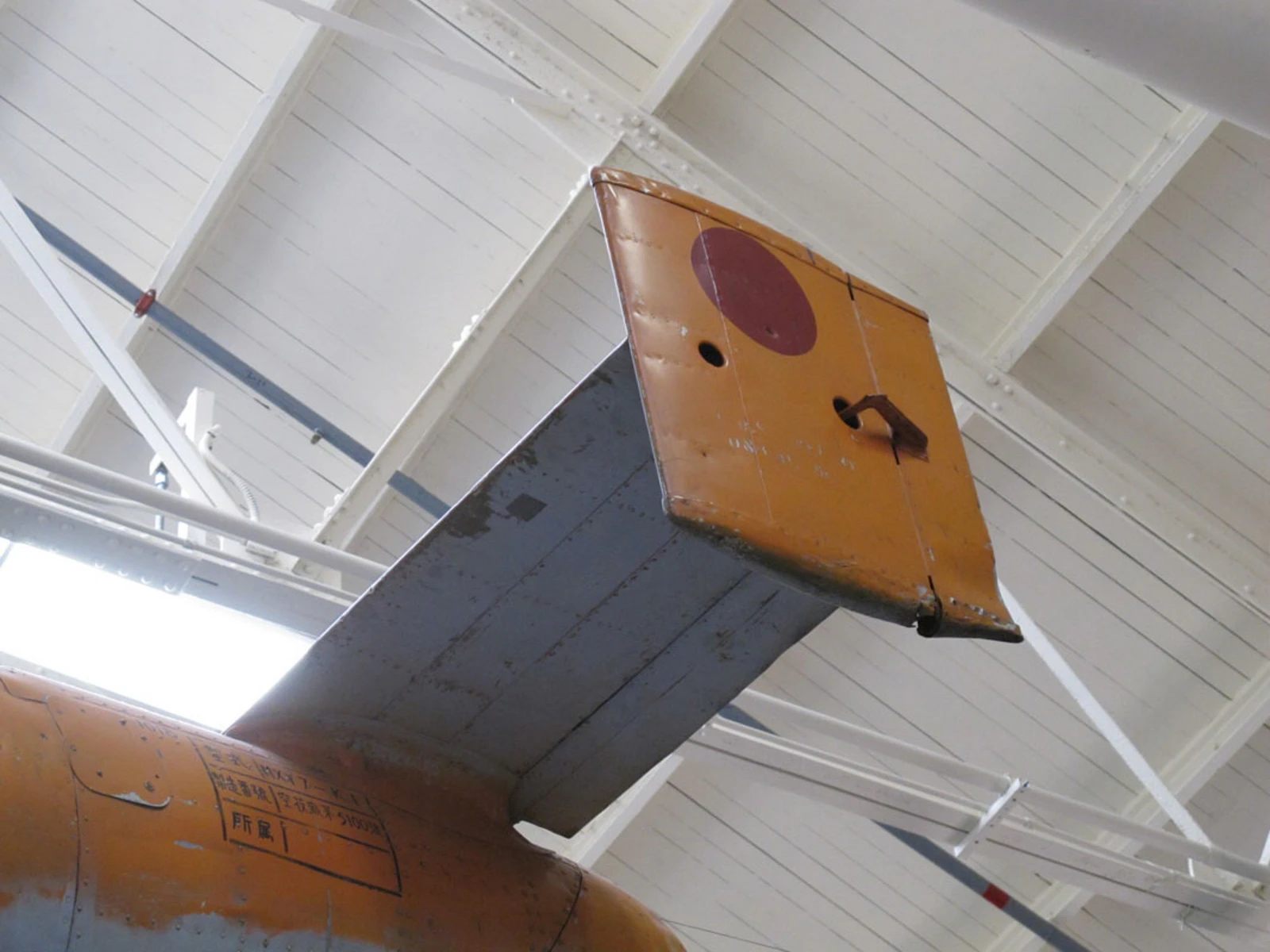
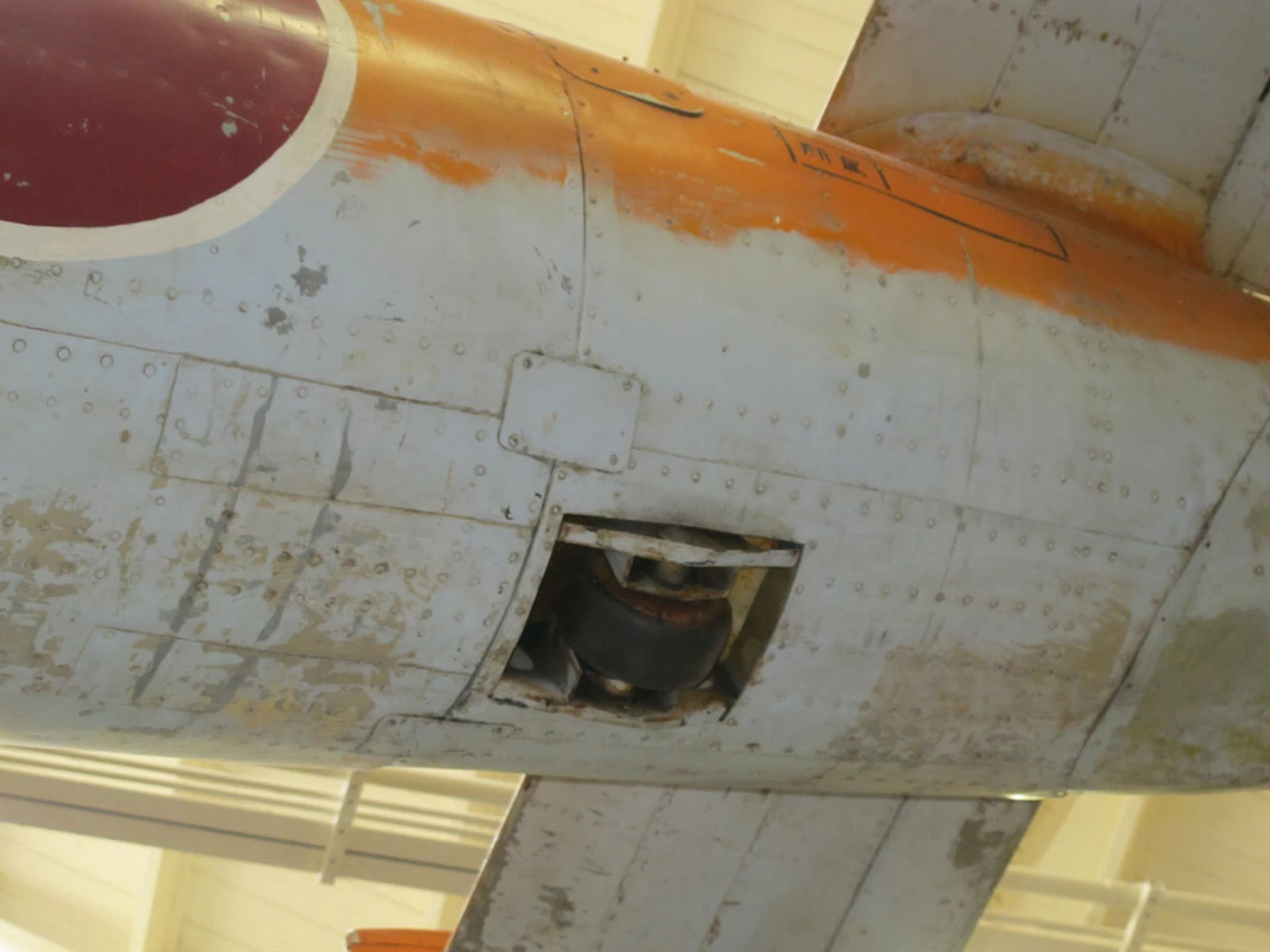
Galería de fotos de un Kugisho/Yokosuka K-1 Ohka, The Yokosuka MXY-7 Ohka was a purpose-built, rocket powered human-guided anti-shipping kamikaze attack plane employed by Japan towards the end of World War II. Ohka K-1: una versión de entrenamiento sin motor con lastre de agua en lugar de ojiva y motores, para proporcionar a los pilotos experiencia de manejo. 45 fueron construidos por Dai-Ichi Kaigun Koku Gijitsusho
| Kugisho/Yokosuka K-1 Ohka | |
|---|---|
| Fotógrafo | Vladimir Yakubov |
| Localización | Museo Nacional de la Armada de los Estados Unidos |
| Fotos | 26 |

| Info | |
|---|---|
| Papel | Aviones Kamikaze |
| Fabricante | Arsenal Técnico Aeronaval de Yokosuka |
| Primer vuelo | Octubre de 1944 |
| Introducción | 1945 |
| Retirado | 1945 |
| Producido | 1944–1945 |
| Número construido | 852 |
 Cómprame un café
Ver también:


The Guided Bomb
el Yokosuka MXY-7 Ohka (officially the Navy Suicide Attacker Ohka) was a weapon of absolute desperation. Developed by the Kugisho (1st Naval Air Technical Arsenal), it was essentially a 2,646-lb (1,200 kg) bomb with wooden wings and a cockpit. Carried within range of the Allied fleet by a “Mother ship” (usually a G4M “Betty” bomber), the Ohka would be released to glide toward its target. In the final stage, the pilot would ignite three solid-fuel rockets, accelerating the craft to speeds that made it nearly impossible for anti-aircraft guns to track.
| Attribute | Technical Specification (Model 11) |
|---|---|
| Papel | Manned Rocket-Powered Anti-Ship Missile |
| Equipo | 1 (Pilot) |
| Planta motriz | 3 × Type 4 Mark 1 Model 20 solid-fuel rockets |
| Total Thrust | 1,764 lbf (800 kgf) for 8–10 seconds |
| Velocidad máxima | 403 mph (648 km/h) level / 575+ mph in dive |
| gama | 23 miles (37 km) after release |
| Warhead | 1,200 kg (2,646 lbs) of Tri-Nitro-Anisole |
| Primary Carrier | Mitsubishi G4M2e Model 24J “Betty” |
Design Engineering: Simple, Fast, and Lethal
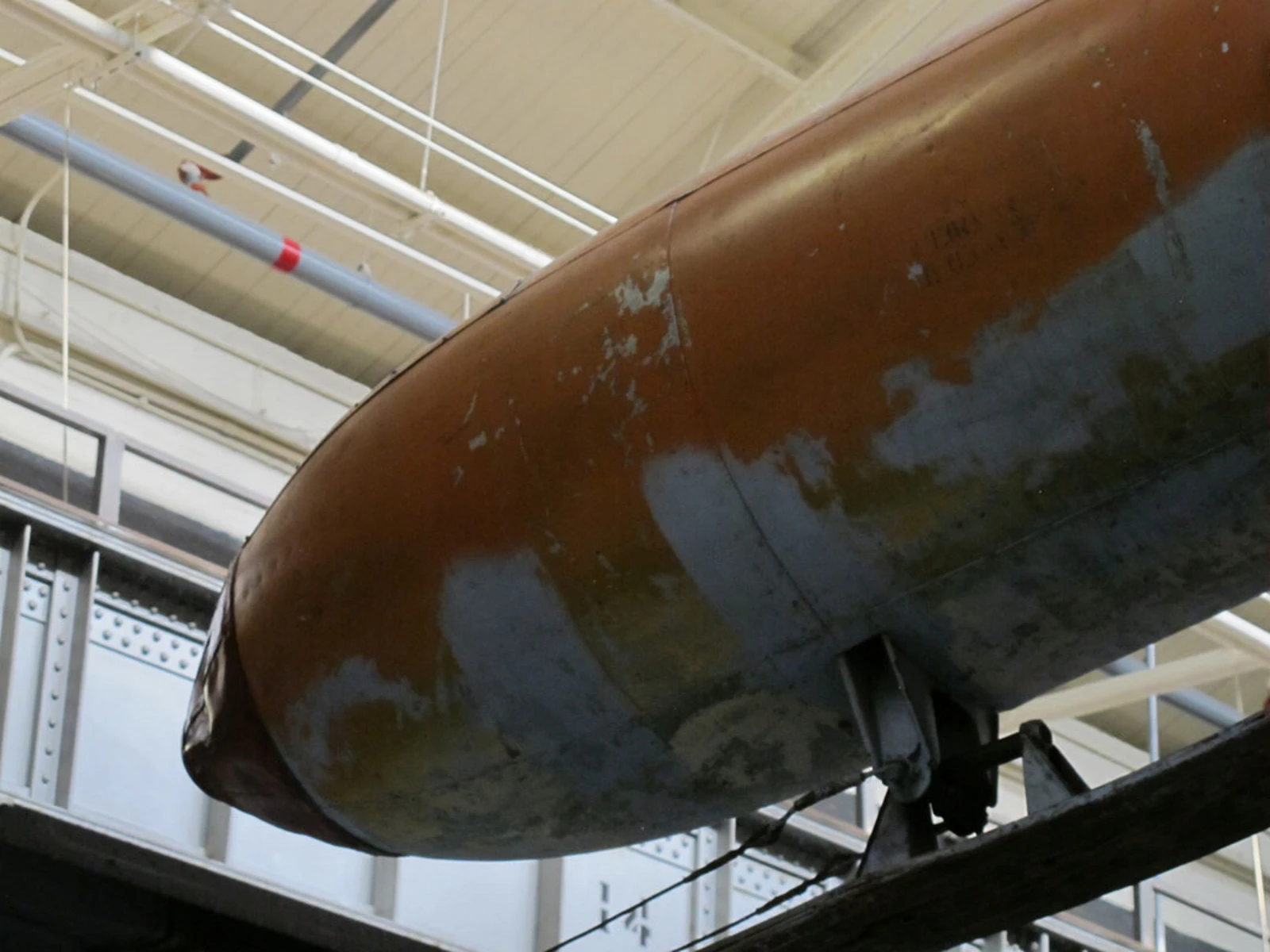
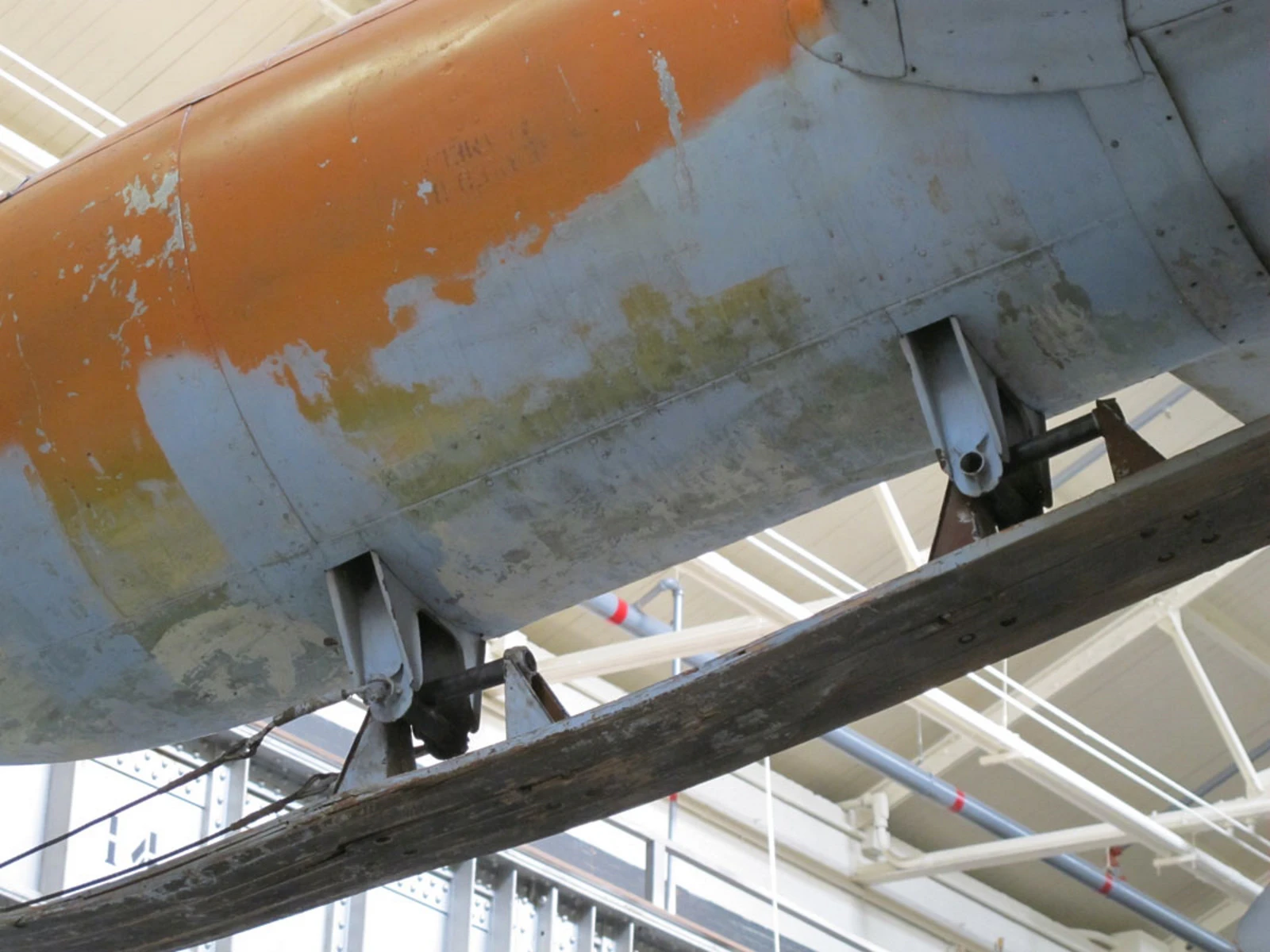
- The Trainer (K-1): To prepare pilots for the high speeds of the Ohka, the K-1 trainer was developed. It lacked engines and a warhead, instead carrying water ballast that the pilot would dump before landing on a retractable skid. It had a terrifyingly high landing speed of 130 mph.
- Wooden Construction: To conserve critical metals, the wings and tail were made of wood. The fuselage was an aluminum semi-monocoque structure. It was designed to be built by unskilled labor in small, decentralized workshops.
- The “Baka” Nickname: American sailors, horrified by the suicide nature of the weapon, gave it the nickname “Baka”—the Japanese word for “fool” or “idiot.”
- Model 22 Motor-Jet: Later versions attempted to solve the Ohka’s short range by using a “motor-jet” engine (the Tsu-11), where a 4-cylinder piston engine drove a compressor. This increased the range to 80 miles but reduced the warhead size by half.
Combat History: The Vulnerable Mother Ship
- The Achilles Heel: The biggest failure of the Ohka system was not the rocket itself, but the aircraft carrying it. The G4M “Betty” was slow and highly flammable; Allied fighters often intercepted the bombers long before they could get within the Ohka’s 23-mile launch range.
- Sinking of the USS Mannert L. Abele: On April 12, 1945, an Ohka scored its most significant victory, striking the destroyer Mannert L. Abele. The impact and subsequent explosion of the massive warhead literally broke the ship in half, sinking it in minutes.
- Psychological Impact: While numerically ineffective (sinking only 3 ships total), the Ohka caused immense psychological stress for Allied sailors, who had to defend against a “missile” that was far faster than any conventional aircraft of the time.
- Final Totals: Of the 852 Ohkas built, only a small fraction ever saw combat. Hundreds were found in caves and underground hangars across Japan after the surrender, waiting for an invasion that never came.
Vistas : 2462
También puede ver:
 BM-30 Smerch – Fotos y Videos
 Pershing II – Fotos y Video
 MAR-290 – Fotos y Video
 Ryan Firebee – Fotos y Video
 S-75 Dvina – Fotos y Video
 BM-13 en ZiL-157 – Fotos y Video
 BM-30 Smerch – Fotos y Video
 Tipo 63 130mm en camión NJ 230 – Fotos y video
 SA-6 Gainful – Fotos y Video
 MGM-18 Lacrosse – Fotos y Video