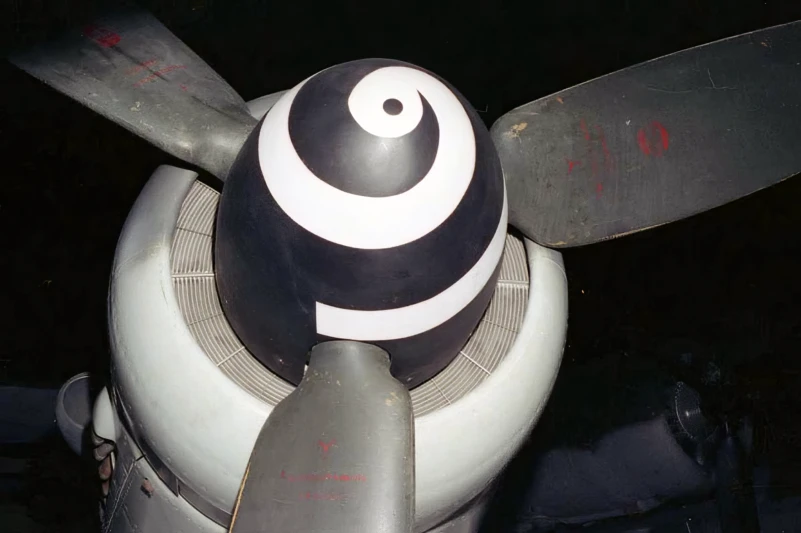
Focke-Wulf Fw-190A-9 | |
|---|---|
| Land | Deutschland |
| Kategorie | Military aircraft |
| Typ | Jagdbomber |
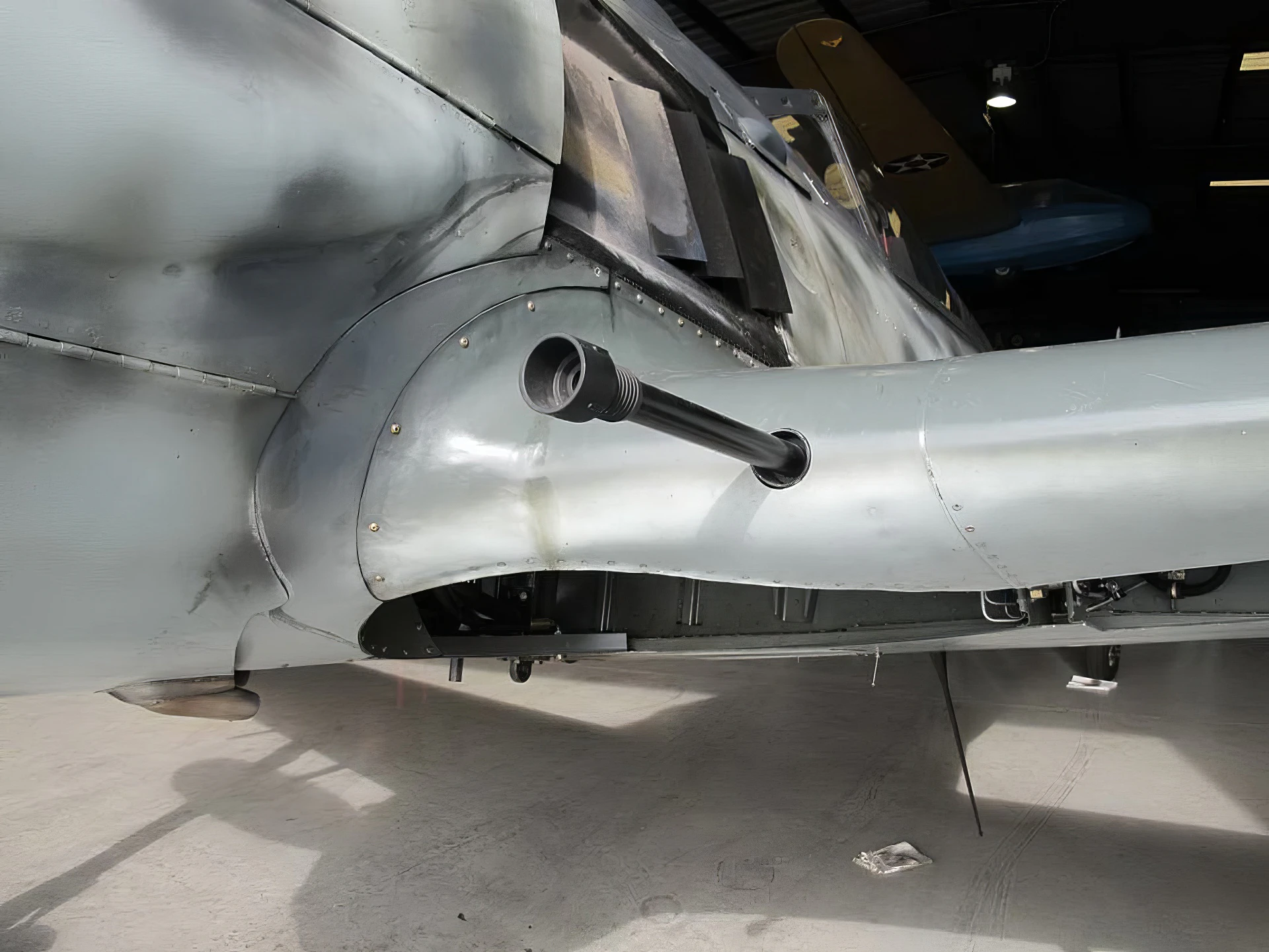
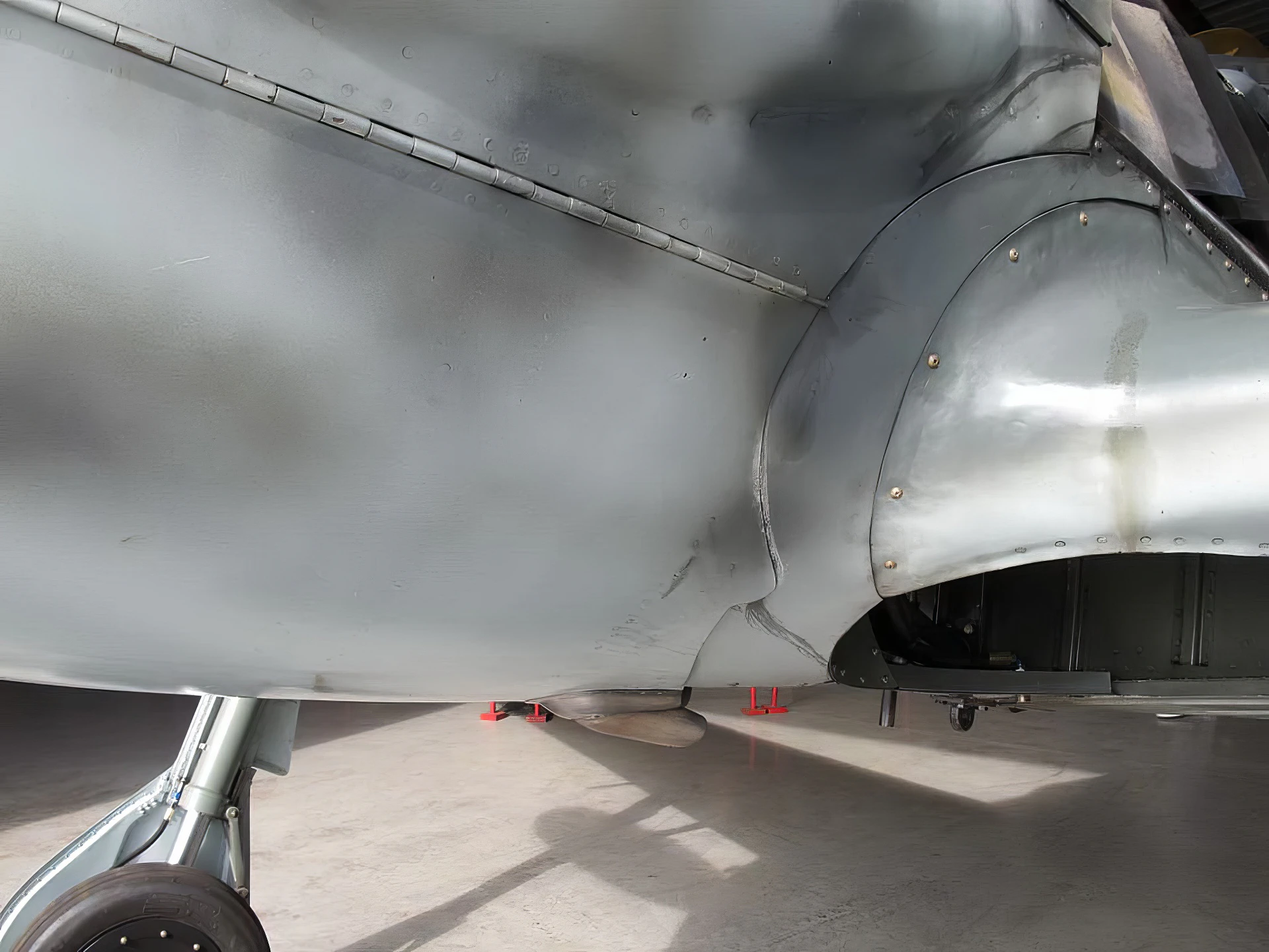
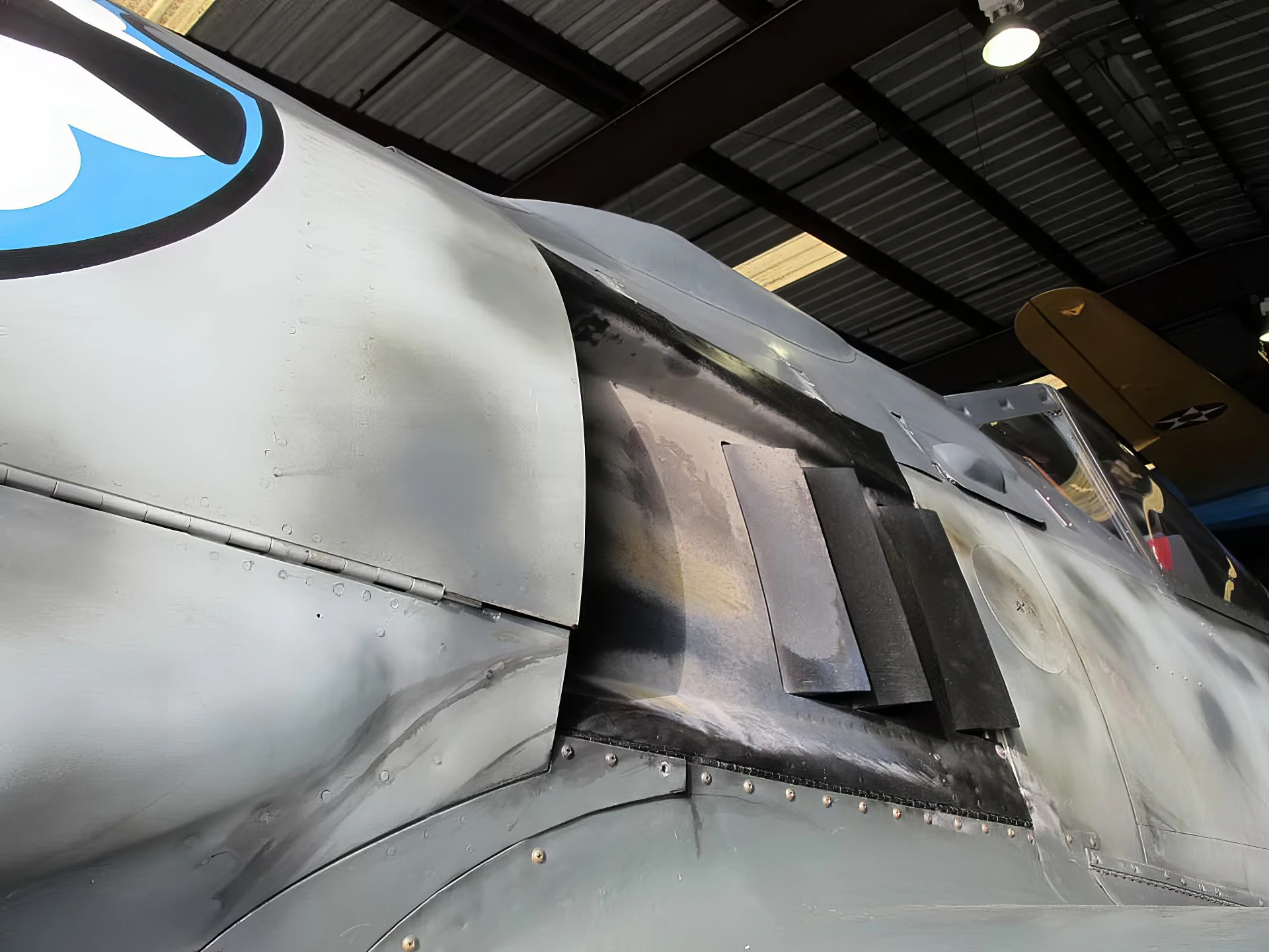
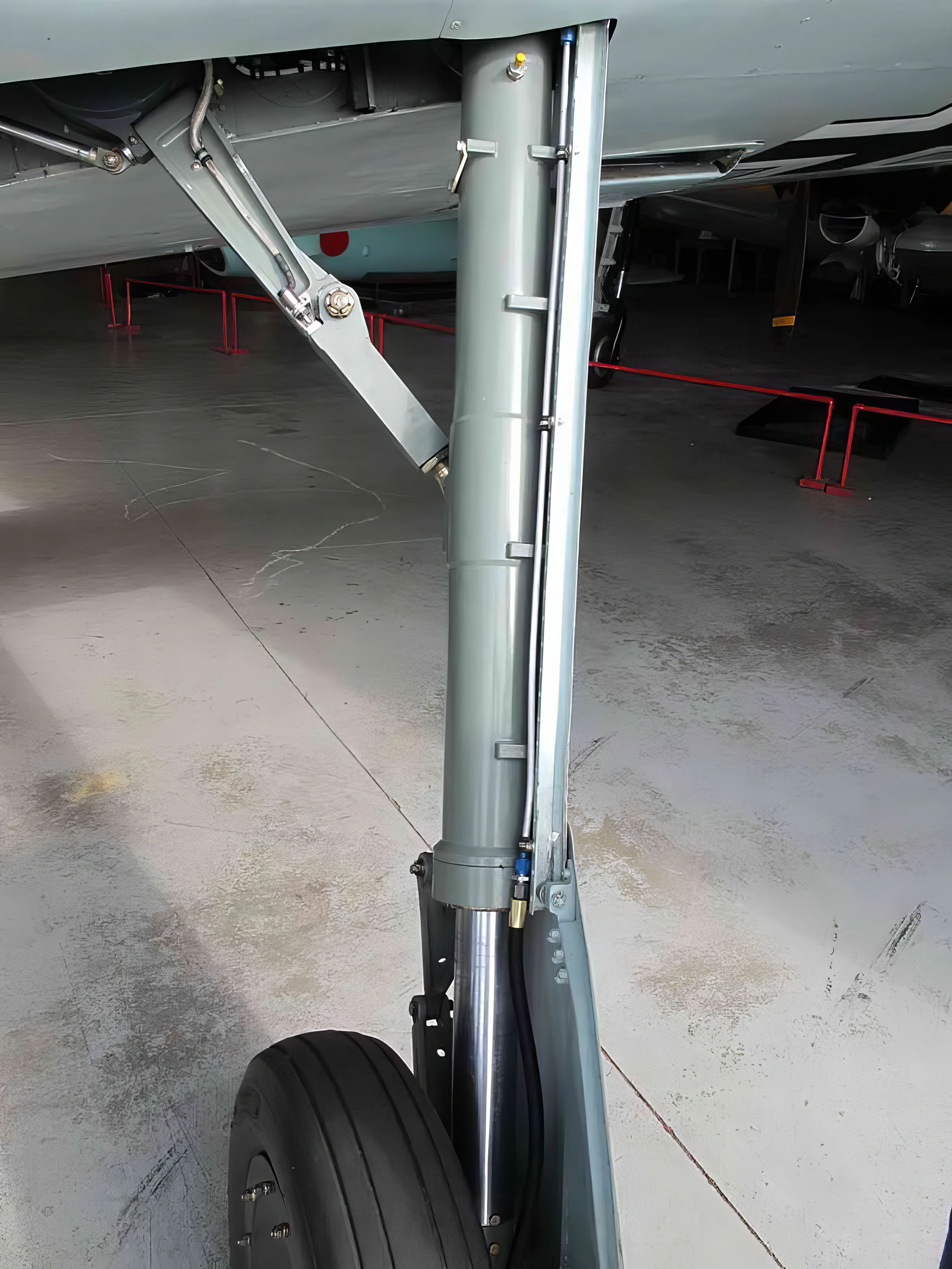
Fotogalerie auf einem Focke-Wulf Fw-190A-9, die Focke-Wulf Fw 190 einmotoriger, einmotoriger deutscher Jagdbomber aus dem Zweiten Weltkrieg. Produziert mit mehr als 20.000 Einheiten wurde es in mehreren abgeleiteten Modellen, die den Platz der Junkers Ju87 (Stuka) als Unterstützungsflugzeug der Bodentruppen und der Messerschmitt Bf110 als schweres Jäger. Er gilt als der erste echte Jagdbomber der Luftwaffe. Version Fw-190 A-9 : Die letzte Variante des Fw-190 A wurde serienmäßig produziert. Sie erhält einen neuen Motor und ein neues erweitertes Cockpit aus dem Fw-190 F-8. Seine Produktion wird seite an Seite mit dem Fw-190 A-8 fortgesetzt, abhängig von den Lieferungen des neuen Motors.
Quelle: Focke-Wulf auf Wikipedia
| Focke-Wulf Fw-190A-9 | |
|---|---|
| Fotograf | Unbekannter |
| Lokalisierung | Unbekannter |
| Fotos | 88 |
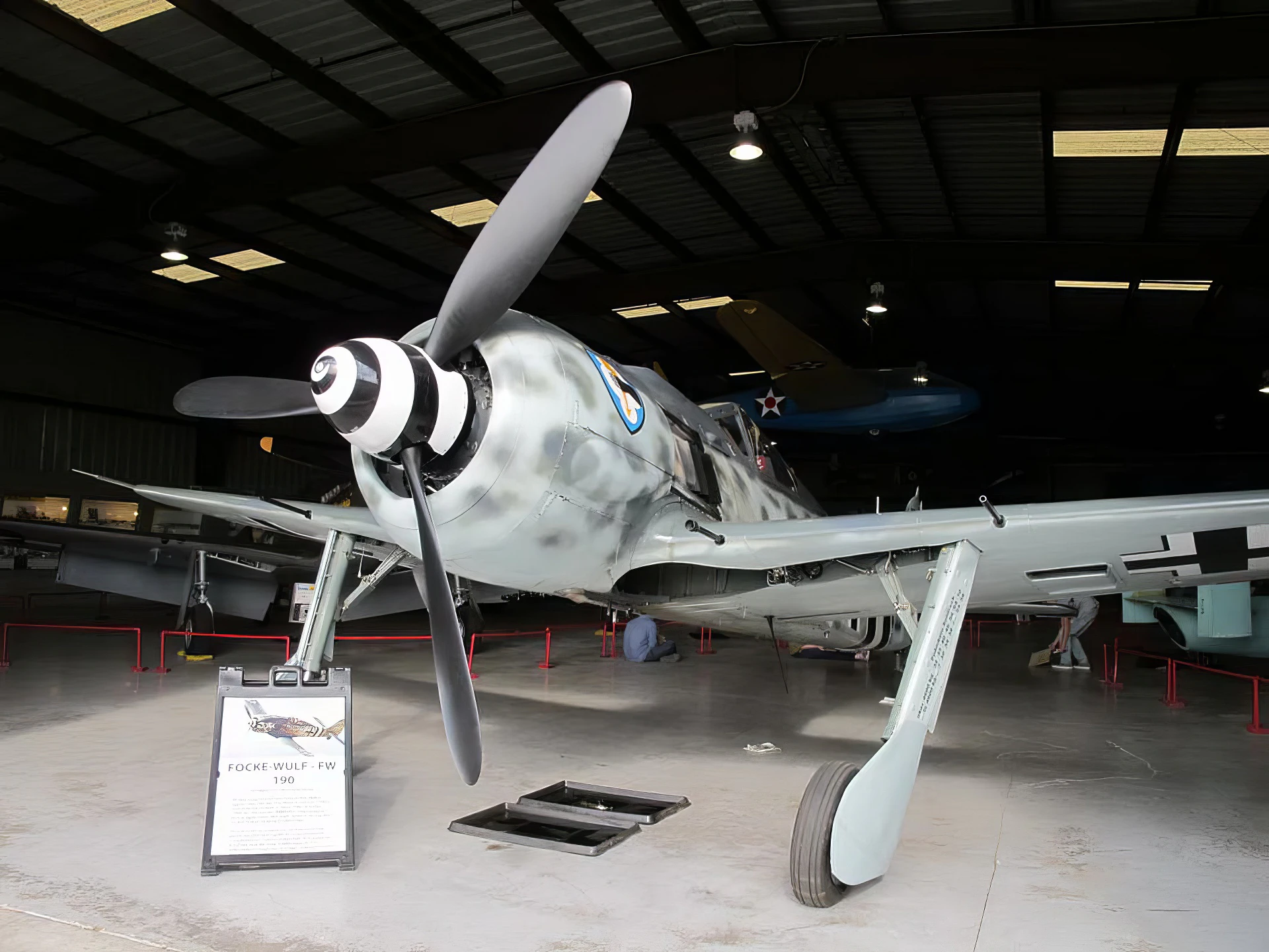
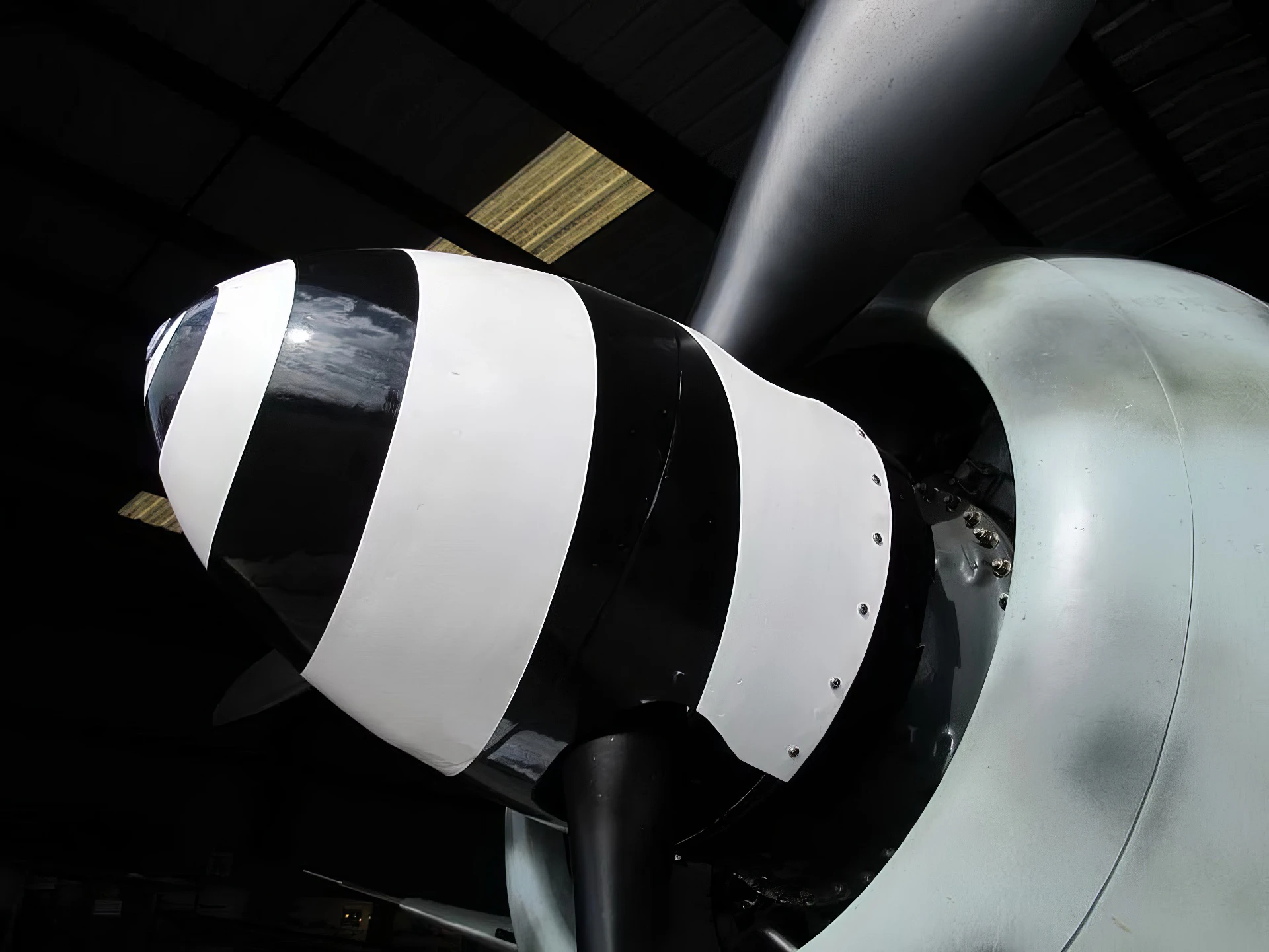
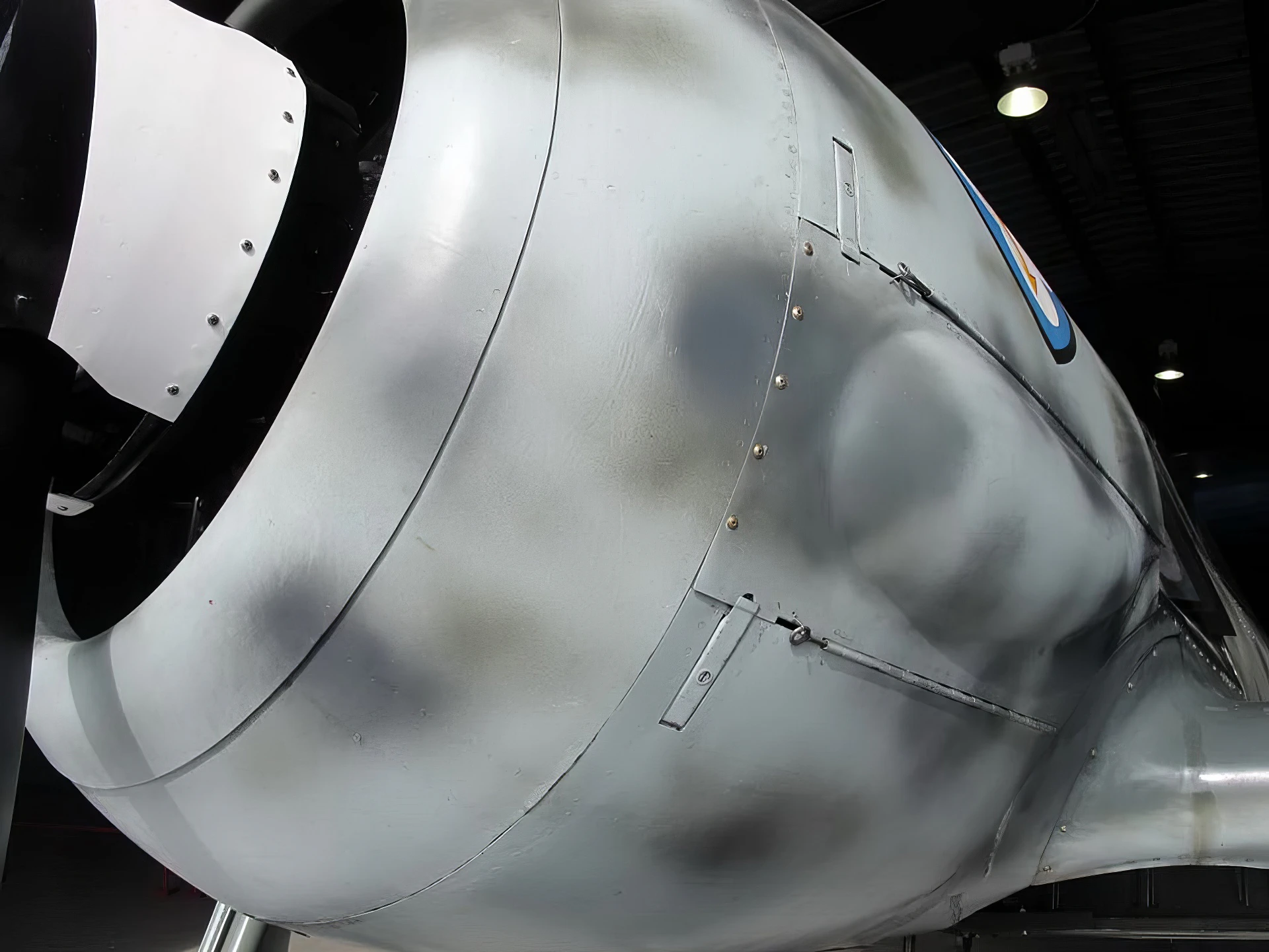
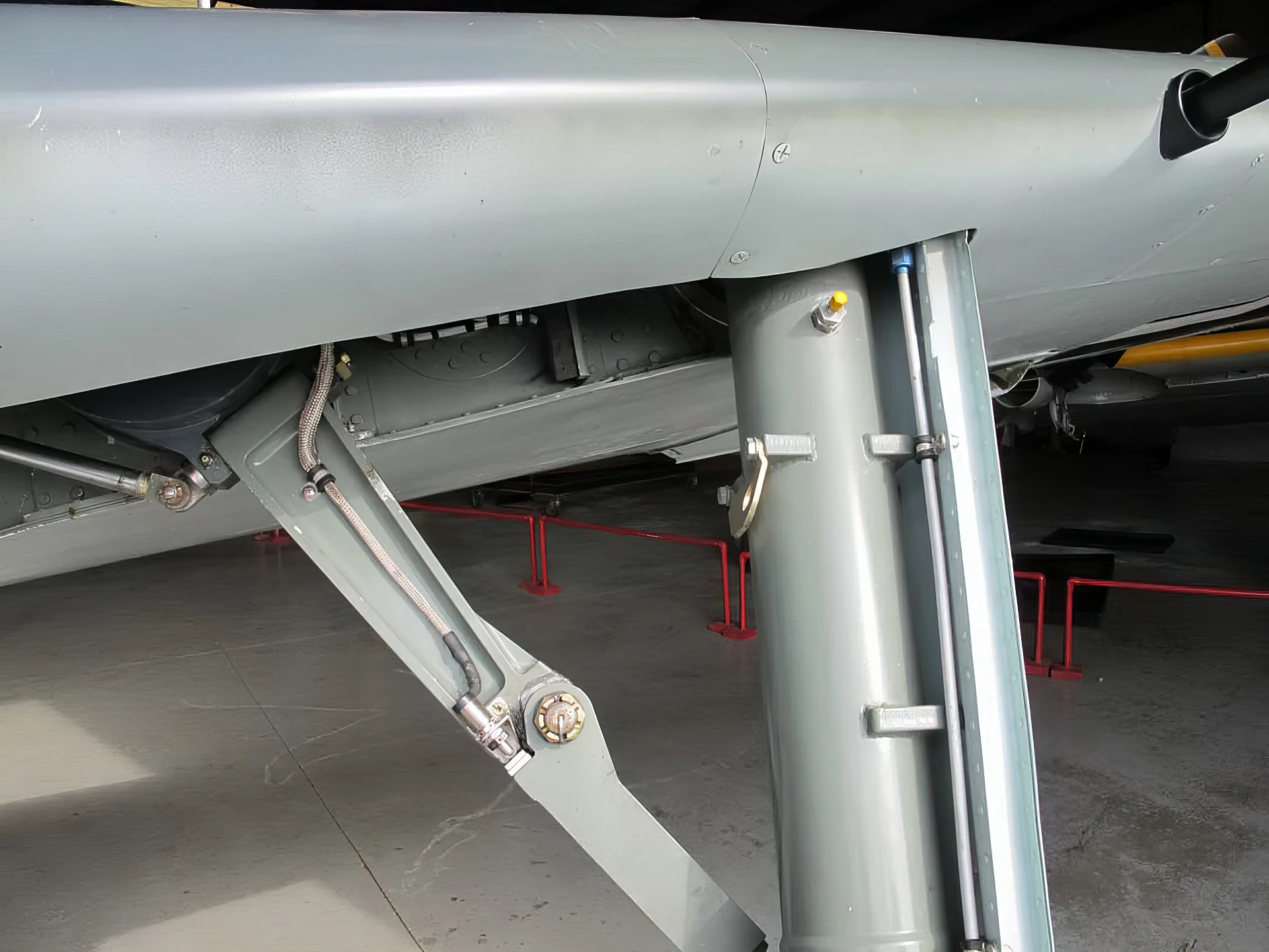
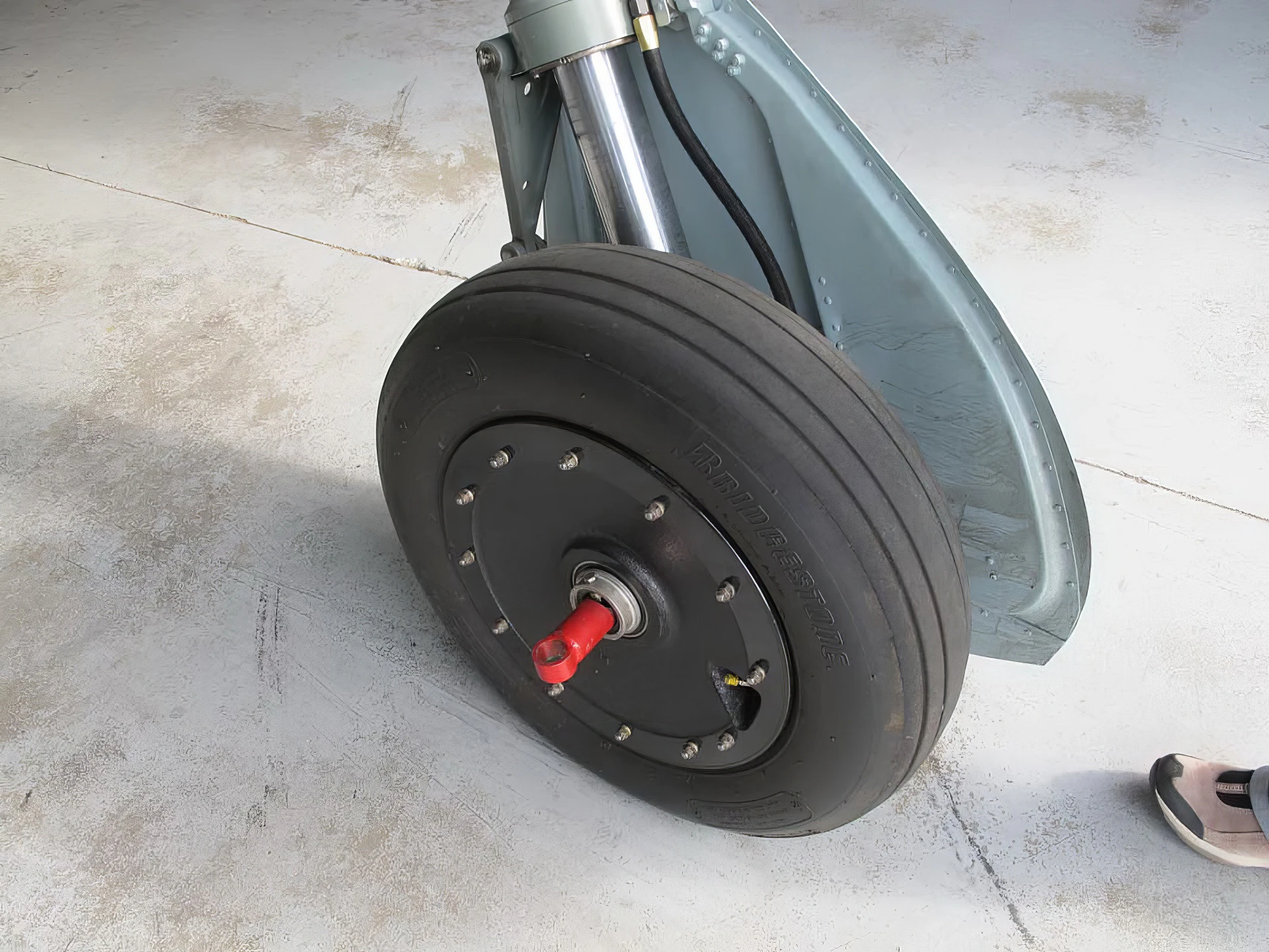

| Focke-Wulf Fw 190A-6/R-6 Walk Around | |
|---|---|
| Fotograf | Max Otten |
| Lokalisierung | Unbekannter |
| Fotos | 35 |
Siehe auch:


The **Focke-Wulf Fw 190A** was a formidable German single-seat fighter aircraft introduced in 1941, designed by Kurt Tank to complement and eventually surpass the Messerschmitt Bf 109. It was immediately recognizable and highly effective, quickly establishing air superiority over the English Channel against contemporary Allied fighters like the Spitfire Mk. V.
Design and Powerplant
The defining feature of the Fw 190A series was its powerful, air-cooled **BMW 801 radial engine**. This contrasted sharply with the liquid-cooled inline engines of the Bf 109 and most Allied fighters.
- Motor: The **BMW 801** was a robust 14-cylinder, two-row radial engine, offering high power and a greater resistance to battle damage than liquid-cooled designs.
- Kommandogerät: It utilized a sophisticated, electro-mechanical management system (the *Kommandogerät*) that simplified engine control for the pilot by automatically coordinating propeller pitch, throttle, and mixture.
- Landing Gear: The Fw 190 featured a **wide-track landing gear**, retracting inward into the wing. This provided excellent stability and significantly better ground handling compared to the narrow, outward-retracting gear of the Bf 109.
Performance and Role
The Fw 190A was known as a rugged “workhorse” that excelled in several performance areas, particularly at low and medium altitudes (below 20,000 ft):
- Speed and Dive: It was extremely fast in a dive, making it ideal for **”Boom-and-Zoom”** tactics—attacking with speed and immediately escaping.
- Roll Rate: Its short, stiff wings gave it an **exceptional roll rate**, allowing it to outmaneuver opponents axially.
- Roles: Though primarily a fighter, its strong airframe and powerful engine allowed it to be readily adapted for a wide variety of combat roles, including **fighter-bomber** (*Jabo*) and specialized heavily-armed **bomber interceptor** (especially the later A-8/R2 variants).
Standard Armament (Typical A-Series)
The Fw 190A was renowned for its unprecedented heavy armament, giving it a devastating punch, particularly against Allied heavy bombers.
- Fuselage: Two **MG 17 7.92 mm machine guns** (later upgraded to **MG 131 13 mm machine guns** on models like the A-7 and A-8) mounted over the engine and synchronized to fire through the propeller.
- Wing Root: Two **20 mm MG 151/20 cannon** in the wing roots.
- Outer Wing: In early variants (A-1 through A-5), two **20 mm MG FF/M cannons** were fitted outboard. Later variants (A-6 onwards) standardized the armament by replacing these with the more powerful and reliable **20 mm MG 151/20 cannon**, giving the Fw 190 an imposing four-cannon firepower layout.
Aufrufe : 17449
Sie können auch sehen:
 Bréguet 1050 Alizé – Fotos und Videos
 Phönix D.I – Fotos & Videos
 Mitsubishi G4M – Fotos & Videos
 Nieuport 27 – Fotos & Videos
 Martin 4-0-4 – Fotos & Videos
 Bristol F.2 Fighter – Fotos & Videos
 Northrop JB-1 Bat – Fotos & Videos
 FM-1 Wildcat – WalkAround
 Grumman F-14 Tomcat – WalkAround
 Mikojan-Gurewitsch MiG-17 – WalkAround