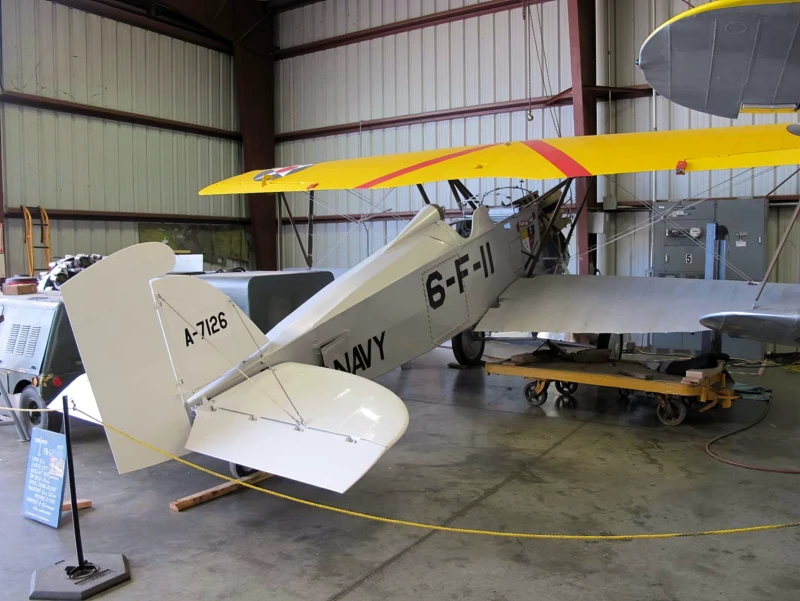
Boeing FB-5 Hawk | |
|---|---|
| Land | Usa |
| Typ | Kampfflugzeuge |
das Boeing Modell 15 war ein einsitziges Jagdflugzeug des US-amerikanischen Herstellers Boeing in den 1920er Jahren. Das Modell 15 wurde beim United States Army Air Service (als PW-9-Serie) und bei der United States Navy als trägergestütztes Jagdflugzeug (als FB-Serie) eingesetzt.
FB-5 : 27 gebaut, Serienversion. Angetrieben von 520 PS (390 kW) Packard 2A-1500 Motor. Boeing-Modell 67.
Quelle: Wikipedia Gesehen im Forum japan-militaire.com
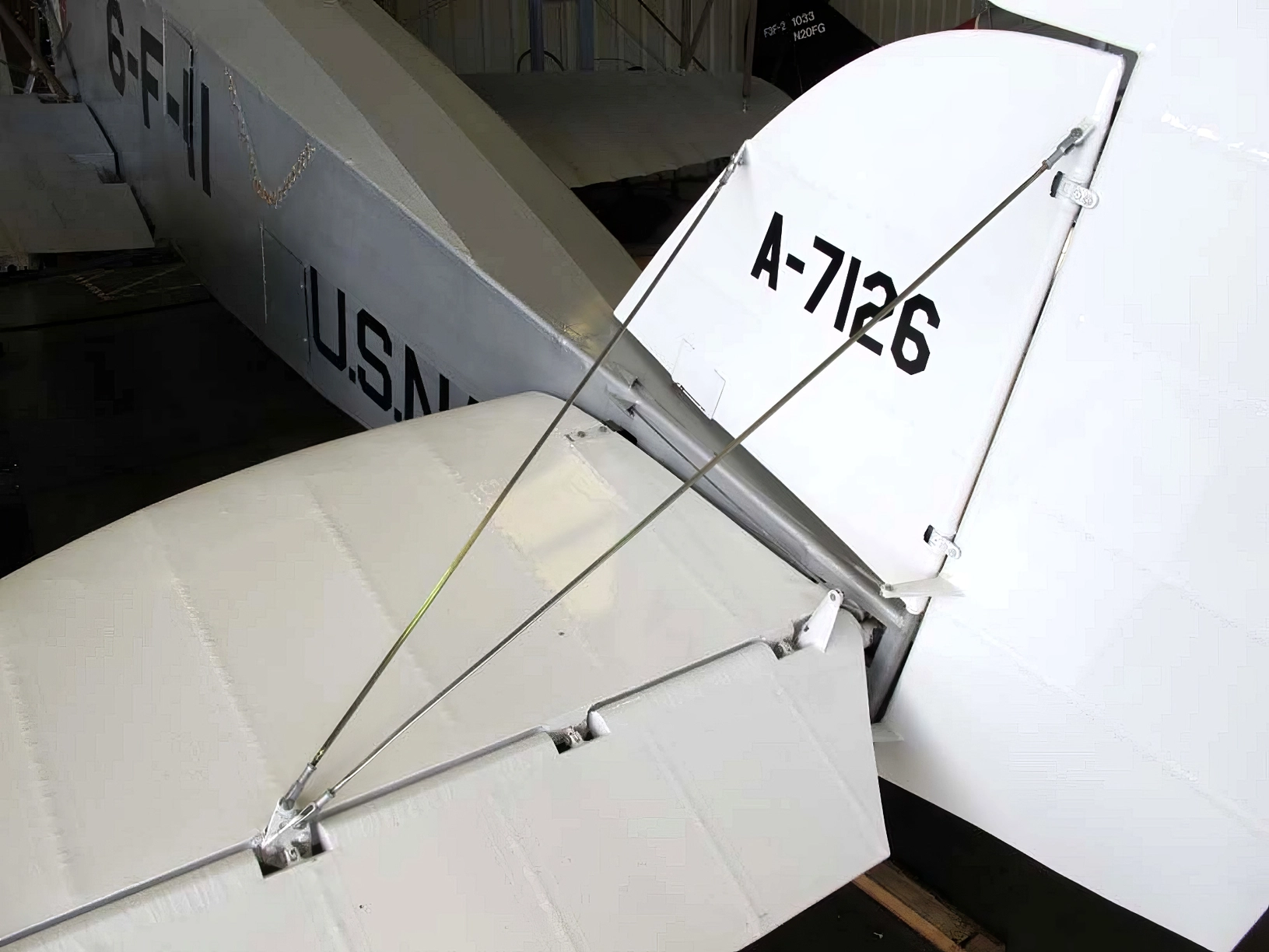
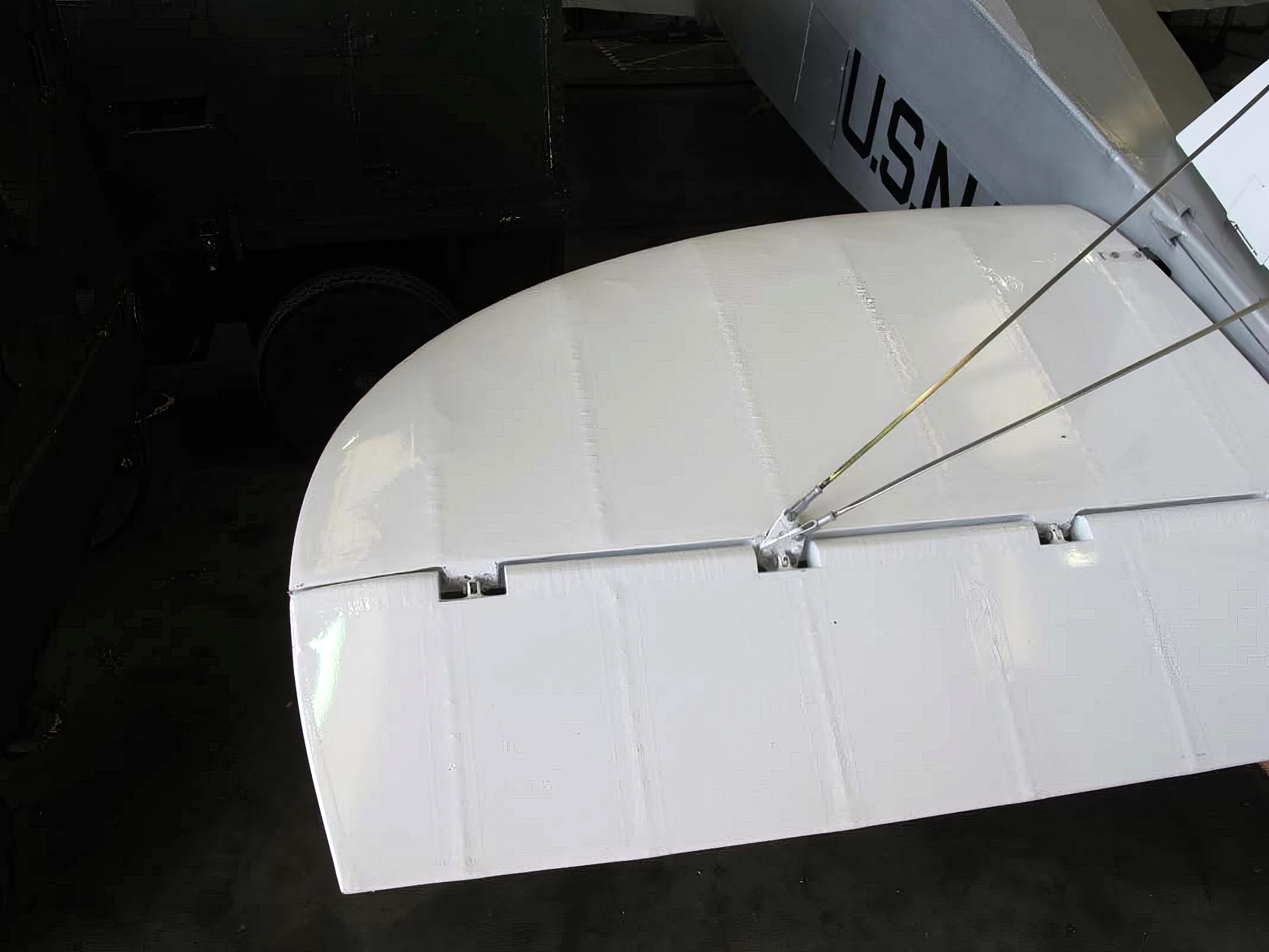
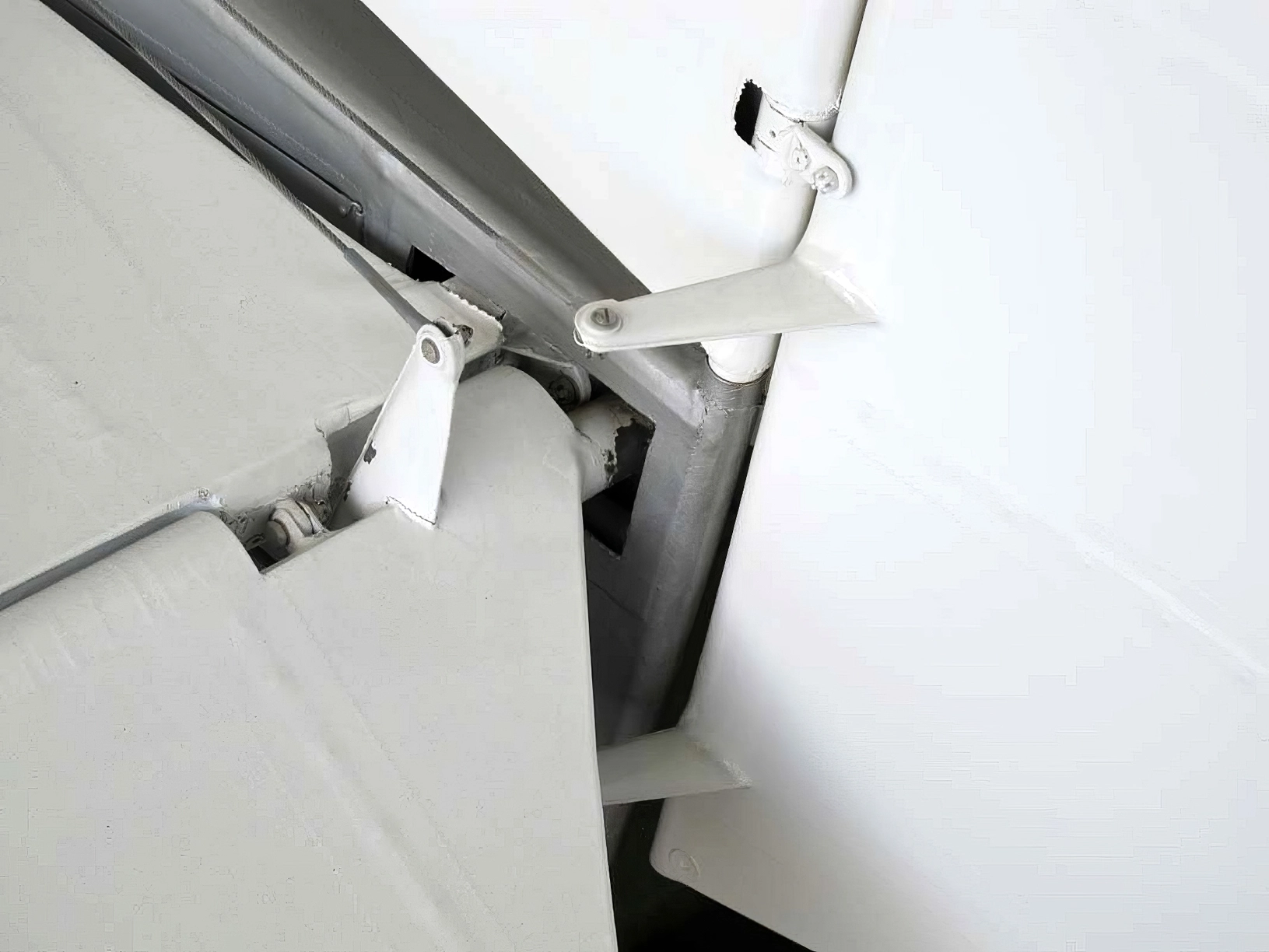
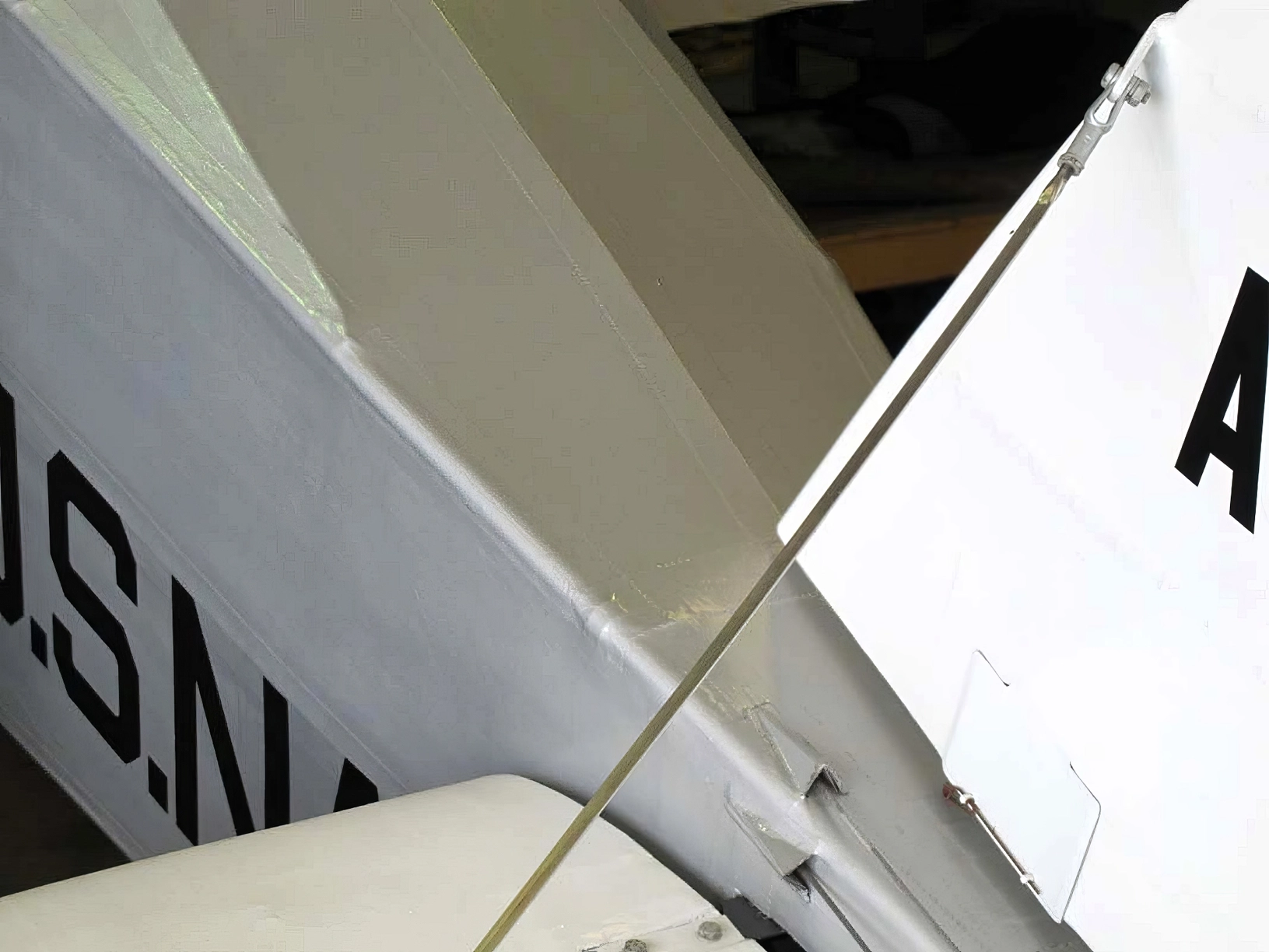
| Boeing FB-5 Hawk – Walk Around | |
|---|---|
| Fotograf | Unbekannter |
| Lokalisierung | Unbekannter |
| Fotos | 41 |
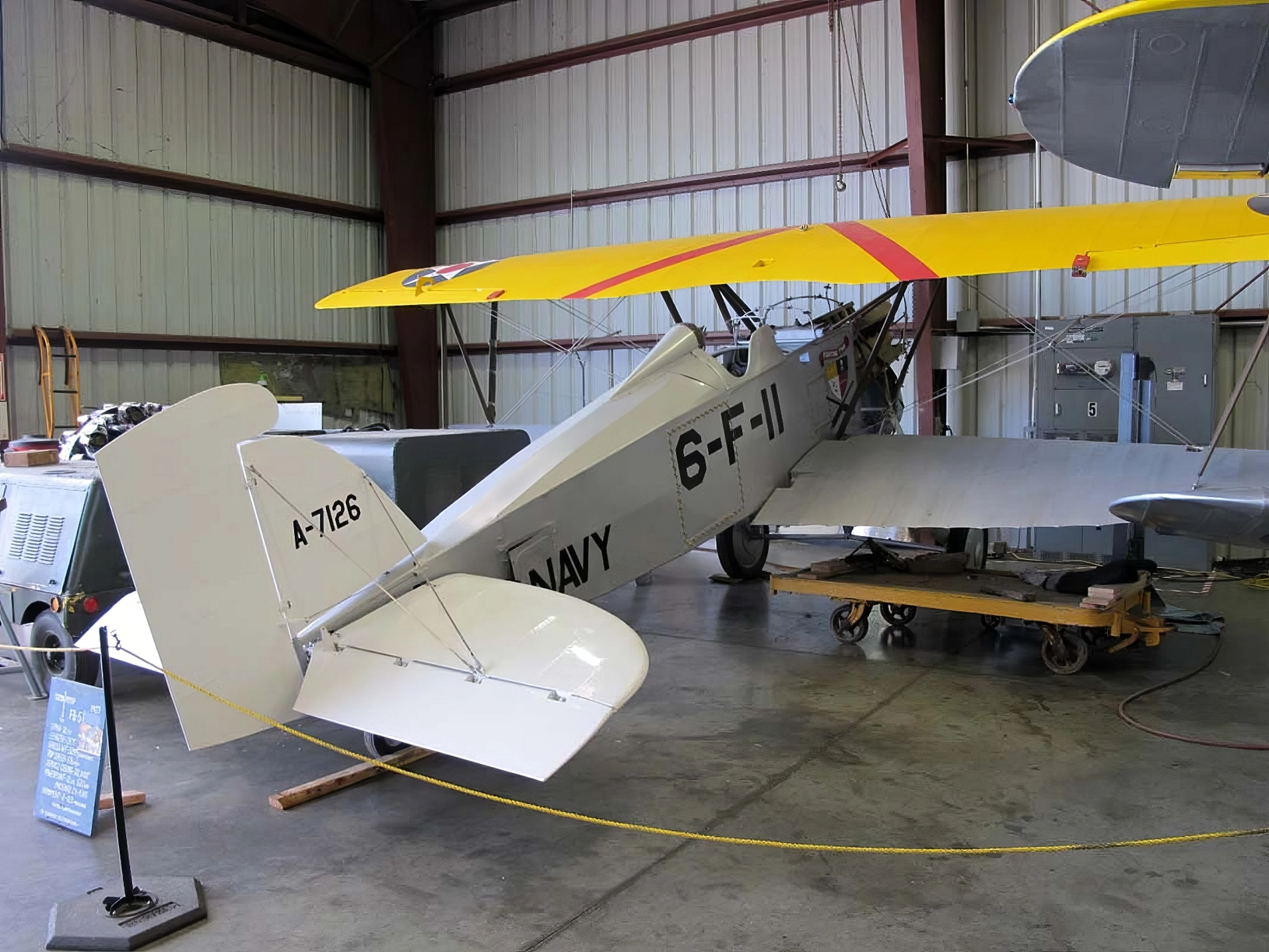
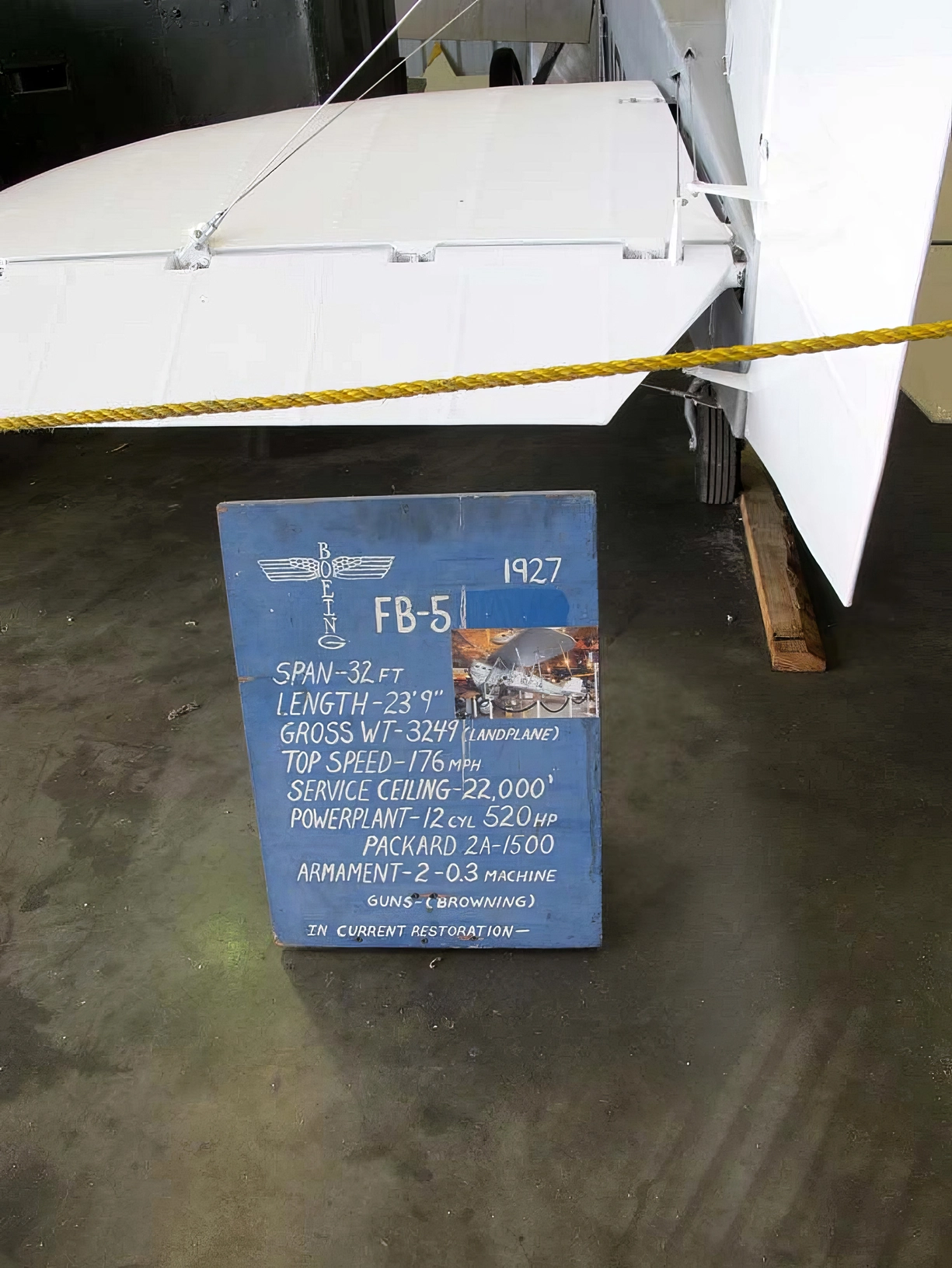
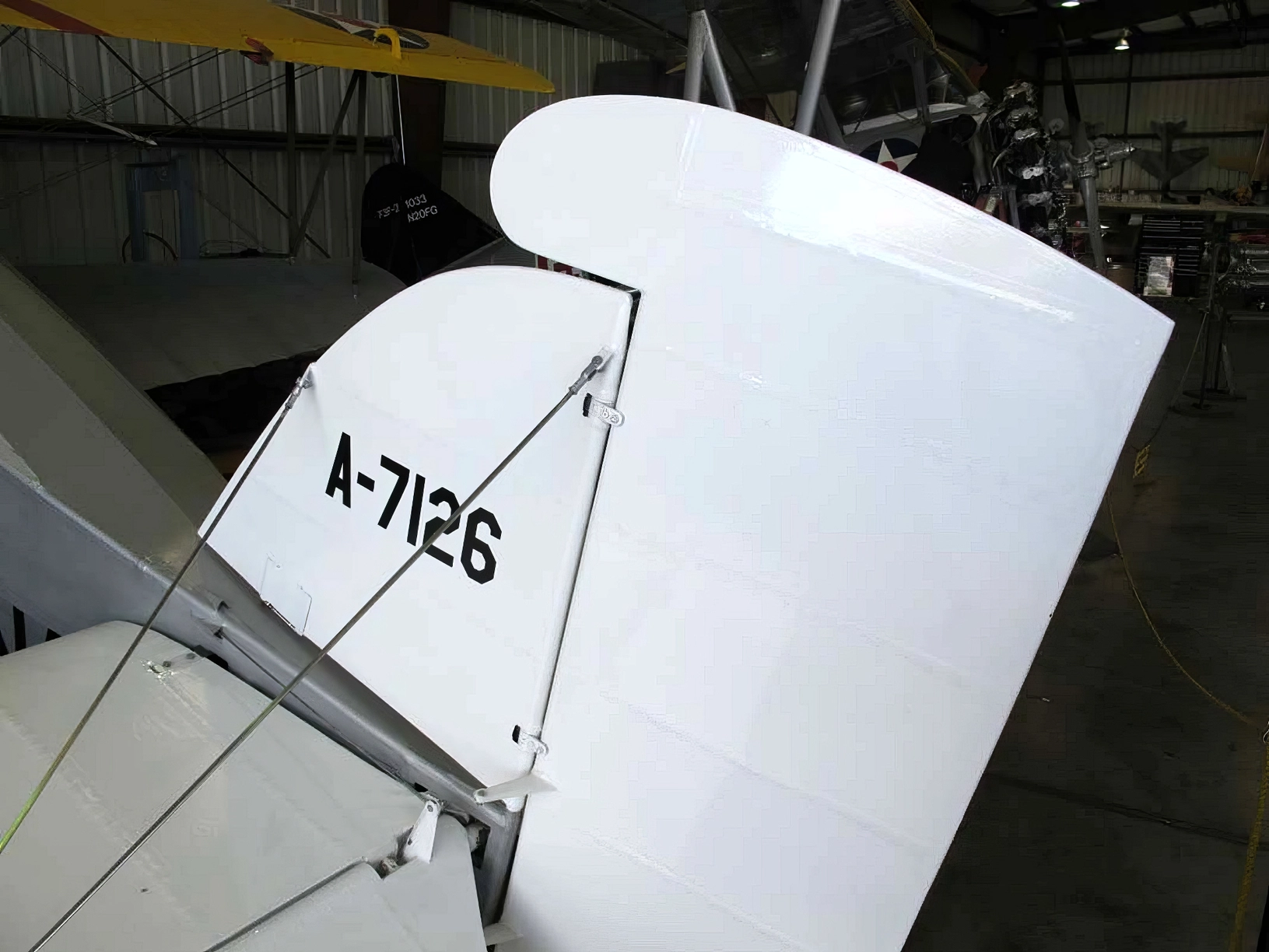
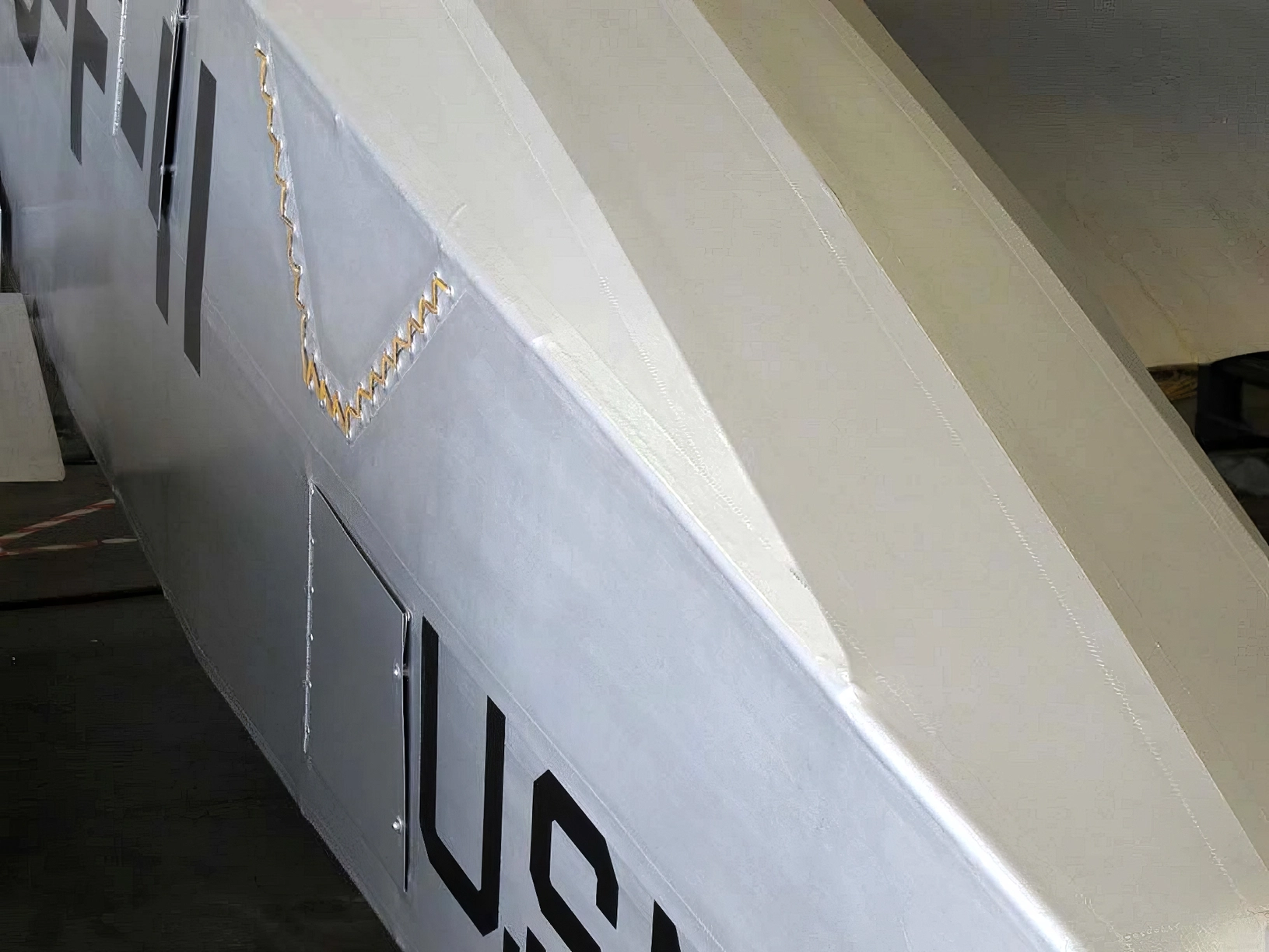
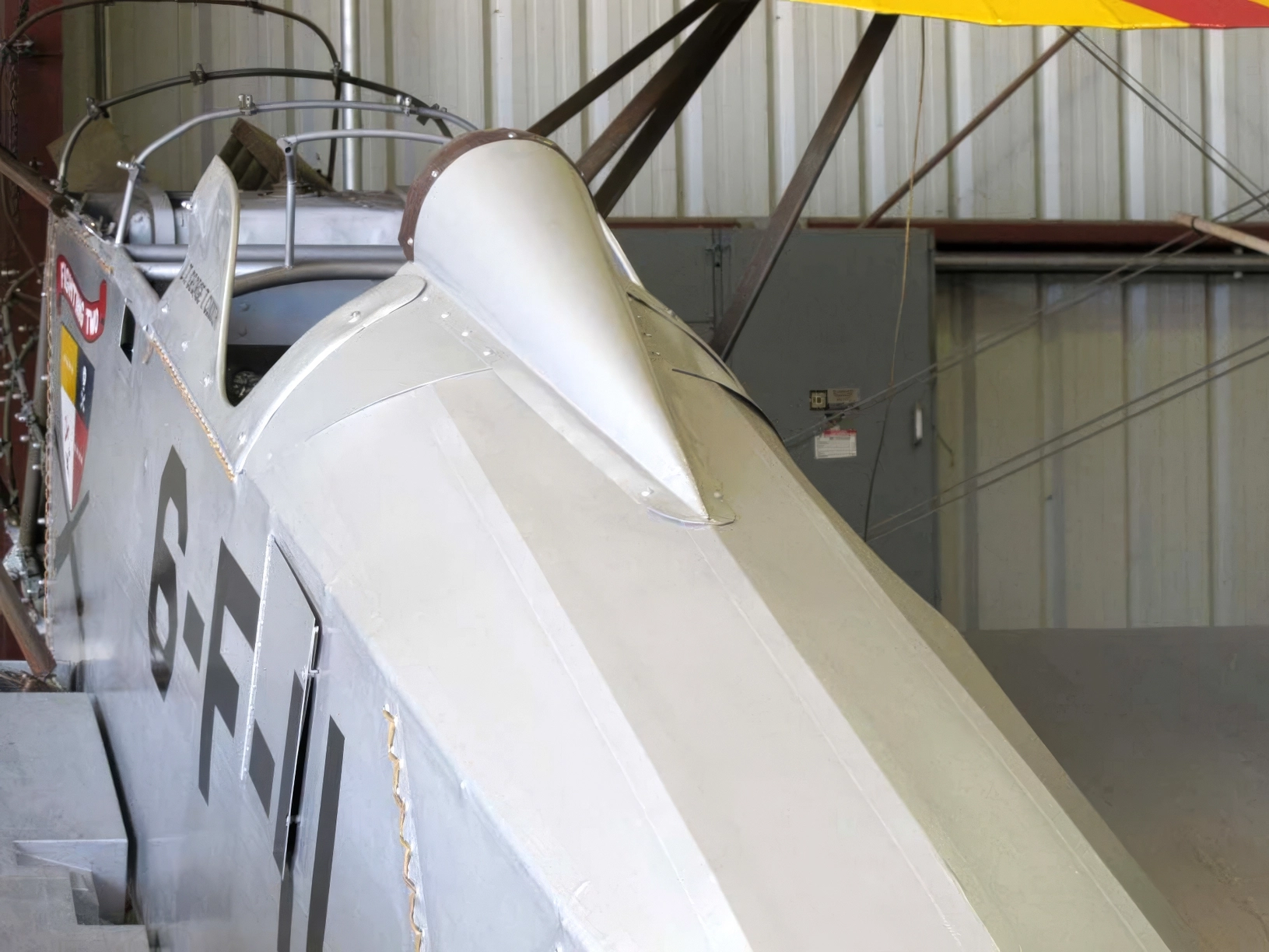

Siehe auch:


The Navy’s Hard-Hitting Biplane
das Boeing FB-5 was the definitive version of the early Boeing “Hawk” family developed specifically for the U.S. Navy and Marine Corps. While the Army was flying the nearly identical PW-9, the FB-5 was built to survive the rigors of naval life. Introduced in 1927, it was designed with strengthened landing gear for carrier deck landings and featured a more powerful engine than its predecessors. It was the aircraft that proved Boeing could build high-performance naval fighters, a lineage that would eventually lead to the P-12 and F4B.
| Attribute | Technical Specification (FB-5) |
|---|---|
| Rolle | Carrier-Based Fighter (Pursuit) |
| Crew | 1 (Pilot) |
| Motor | 1 × Packard 1A-1500 V-12 liquid-cooled (520 hp) |
| Höchstgeschwindigkeit | 283 km/h (176 mph) |
| Bewaffnung | 2 × .30 cal machine guns (or 1 × .30 and 1 × .50 cal) |
| Service Ceiling | 5,400 m (17,800 ft) |
| Gross Weight | 1,481 kg (3,265 lbs) |
| Main User | U.S. Navy (Squadrons VF-1B and VF-6B) |
Design Engineering: Built for the Boat
- Strengthened Undercarriage: Unlike its Army counterparts, the FB-5 featured a reinforced split-axle landing gear. This was necessary to absorb the violent “controlled crashes” inherent in early carrier landings on the USS Langley Und USS Saratoga.
- The Packard V-12: The move to the Packard 1A-1500 engine provided a significant power boost over earlier models. The cooling system used a distinctive “tunnel radiator” located beneath the engine, which gave the nose its unique, bulky appearance.
- Tapered Wing Design: The FB-5 used a high-strength, tapered-wing design with a thick airfoil section. This provided excellent lift for short carrier take-offs while maintaining the structural integrity needed for high-speed maneuvers.
- Carrier Adaptations: For easier handling on cramped flight decks, the FB-5 included a hoisting sling integrated into the upper wing center section, allowing it to be lifted by cranes directly onto or off of ships.
Operational History: Defining Naval Aviation
- The “High Hat” Squadron: The FB-5 famously served with VF-1B, the “High Hats,” one of the most prestigious early Navy fighter squadrons. They used the FB-5 to develop the dive-bombing and aerial combat tactics that would become standard in WWII.
- Carrier Capability: While many were operated from land bases, the FB-5 was a key player in proving that high-speed fighters could successfully operate from the Navy’s first true aircraft carriers.
- Rapid Obsolescence: As fast as technology was moving in the late 1920s, the liquid-cooled FB-5 was soon overshadowed by the more reliable and easier-to-maintain radial-engine fighters like the Boeing F2B Und F3B.
- The Marine Corps Role: Beyond the Navy, the FB-5 was also operated by the U.S. Marines, providing essential air support and reconnaissance during the “Banana Wars” period in Central America.
Ansichten : 1859
Sie können auch sehen:
 Boeing 80 – Fotos & Videos
 Boeing C-97 Stratofreighter – Fotos & Videos
 Boeing NC-135 – Fotos & Video
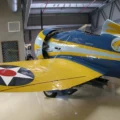 Boeing P-26 – Fotos & Video
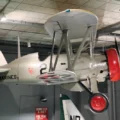 Boeing F4B-4 – Fotos & Video
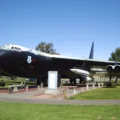 Boeing B-52D-80-BO Stratofortress – Fotos & Video
 Boeing PT-13 – Fotos und Videos
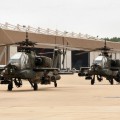 Boeing AH-64 Apache – WalkAround
 C-17 Globemaster – WalkAround
 B-29 Super Fortress vol2 – WalkAround