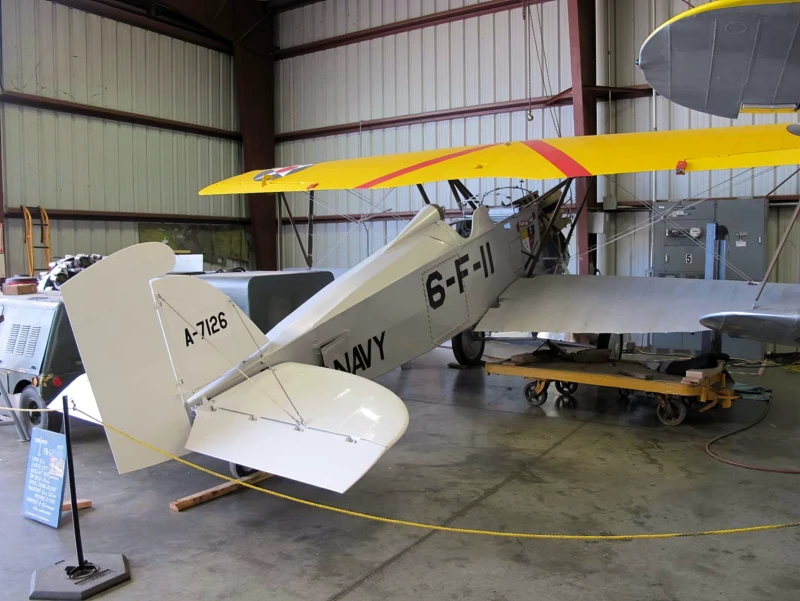
Boeing FB-5 Γεράκι | |
|---|---|
| Χώρα | Ηπα |
| Πληκτρολογήστε | Μαχητικά αεροσκάφη |
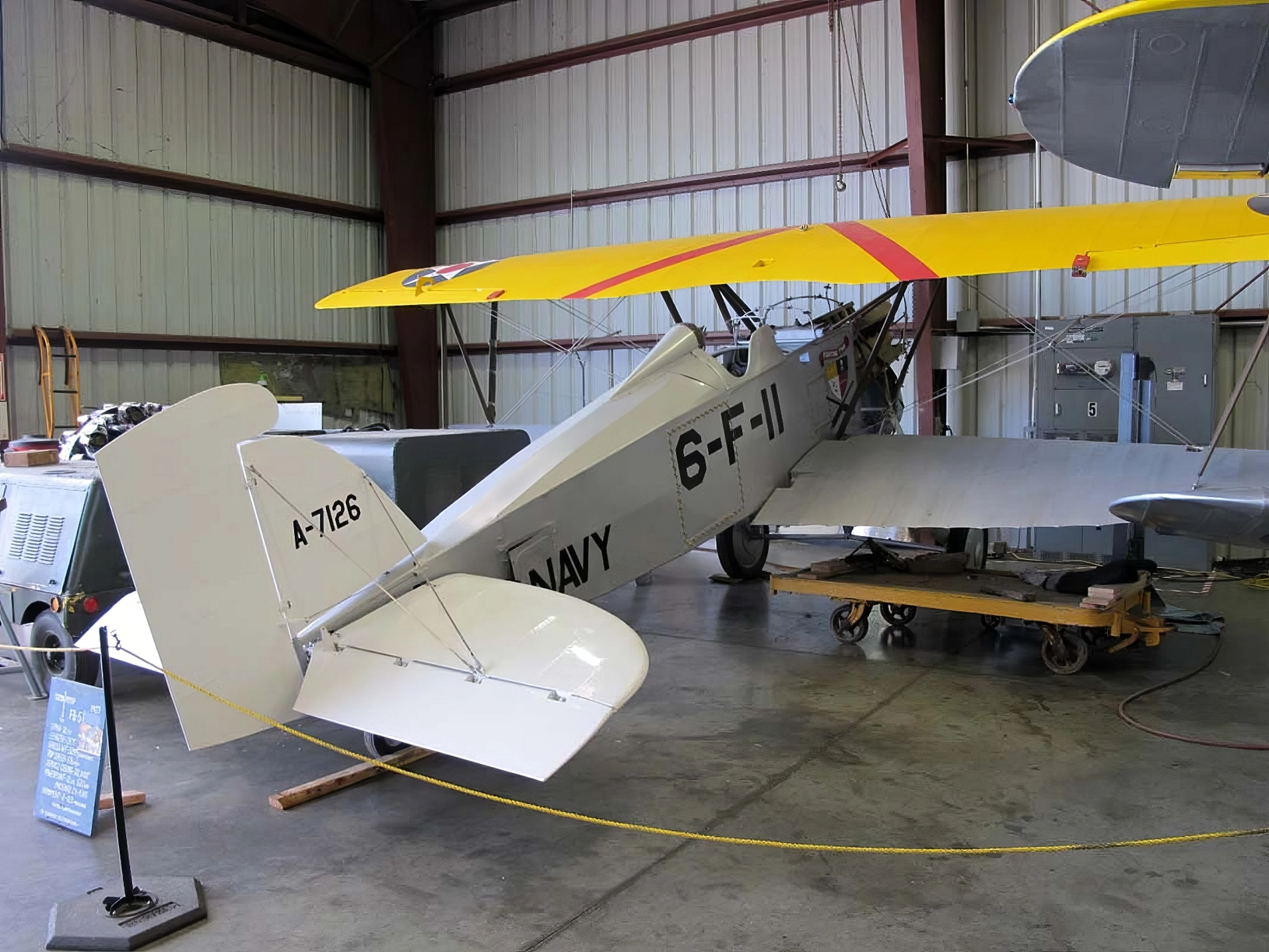
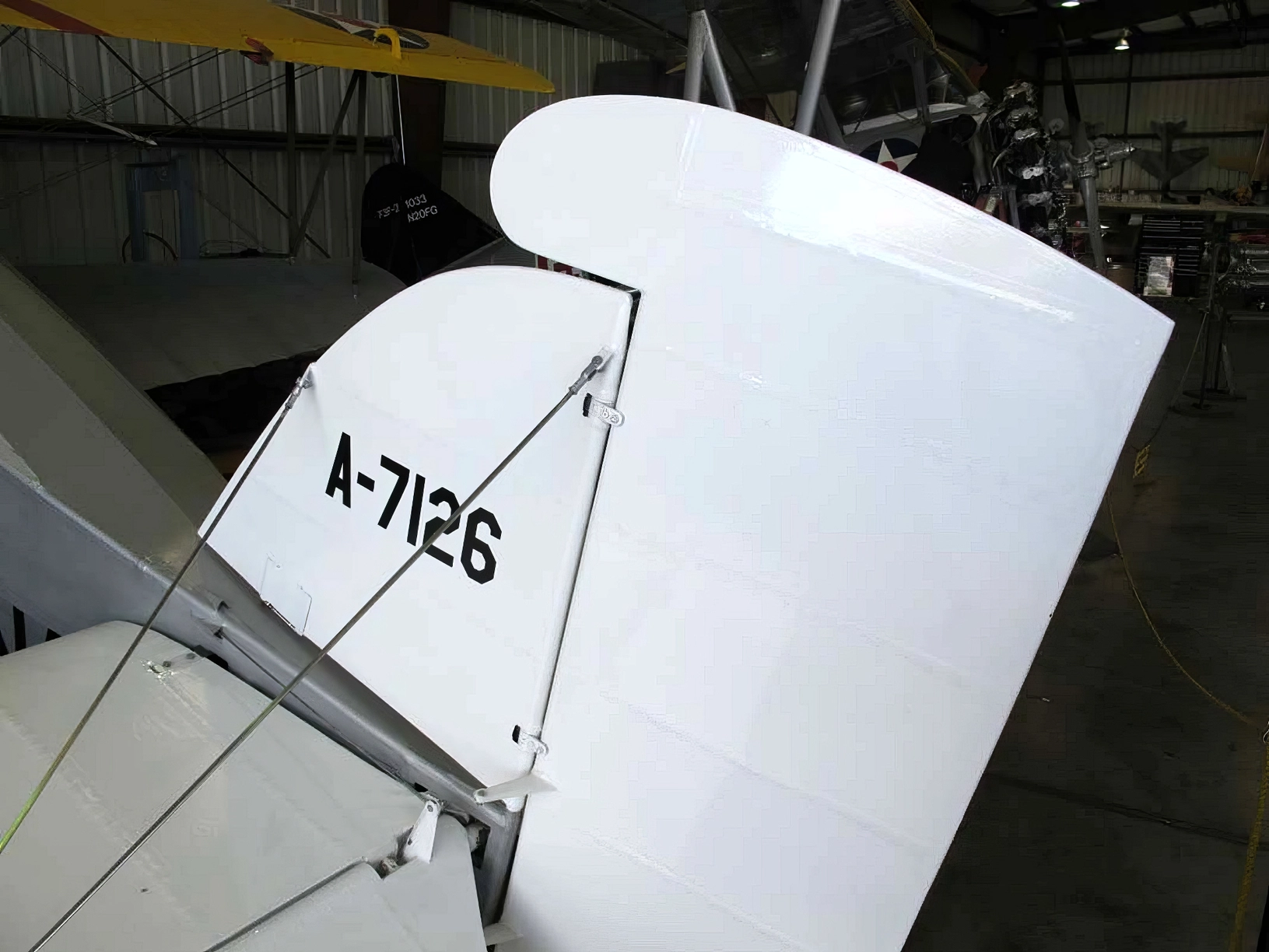
Teh Boeing Μοντέλο 15 ήταν ένα μονοθέσιο μονοθέσιο μαχητικό αεροσκάφος ανοιχτού πιλοτηρίου των Ηνωμένων Πολιτειών της δεκαετίας του 1920, που κατασκευάστηκε από την εταιρεία Boeing. Το Model 15 υπηρέτησε με την Αεροπορική Υπηρεσία στρατού των Ηνωμένων Πολιτειών (ως σειρά PW-9) και με το Πολεμικό Ναυτικό των Ηνωμένων Πολιτειών ως μαχητικό που βασίζεται σε αεροπλανοφόρο (ως σειρά FB).
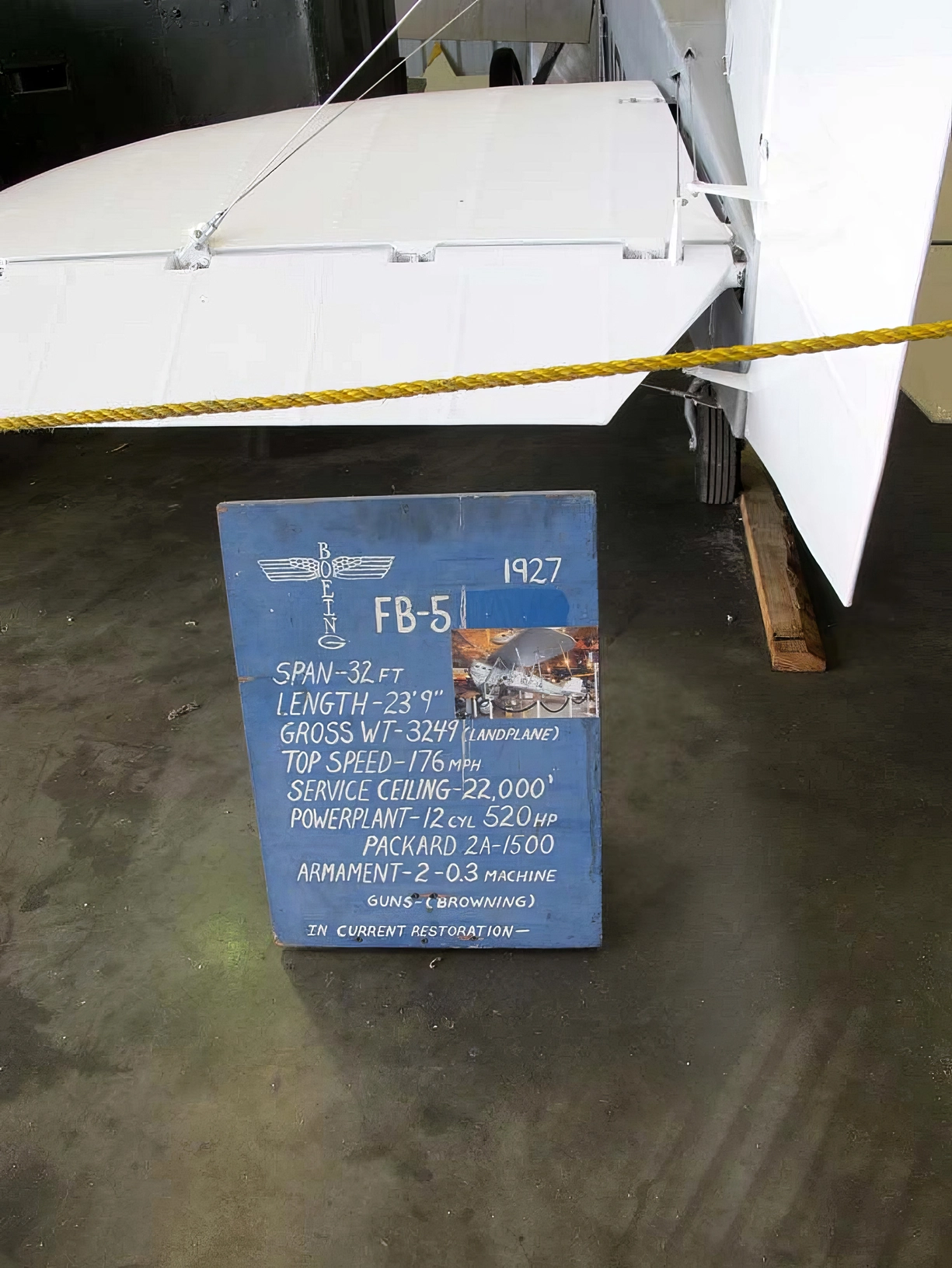
FB-5 : Κατασκευάστηκαν 27, έκδοση παραγωγής. Τροφοδοτείται από 520 hp (390 kW) Κινητήρας Packard 2A-1500. Μοντέλο Boeing 67.
Πηγή: Βικιπαίδεια Δει στο φόρουμ japan-militaire.com
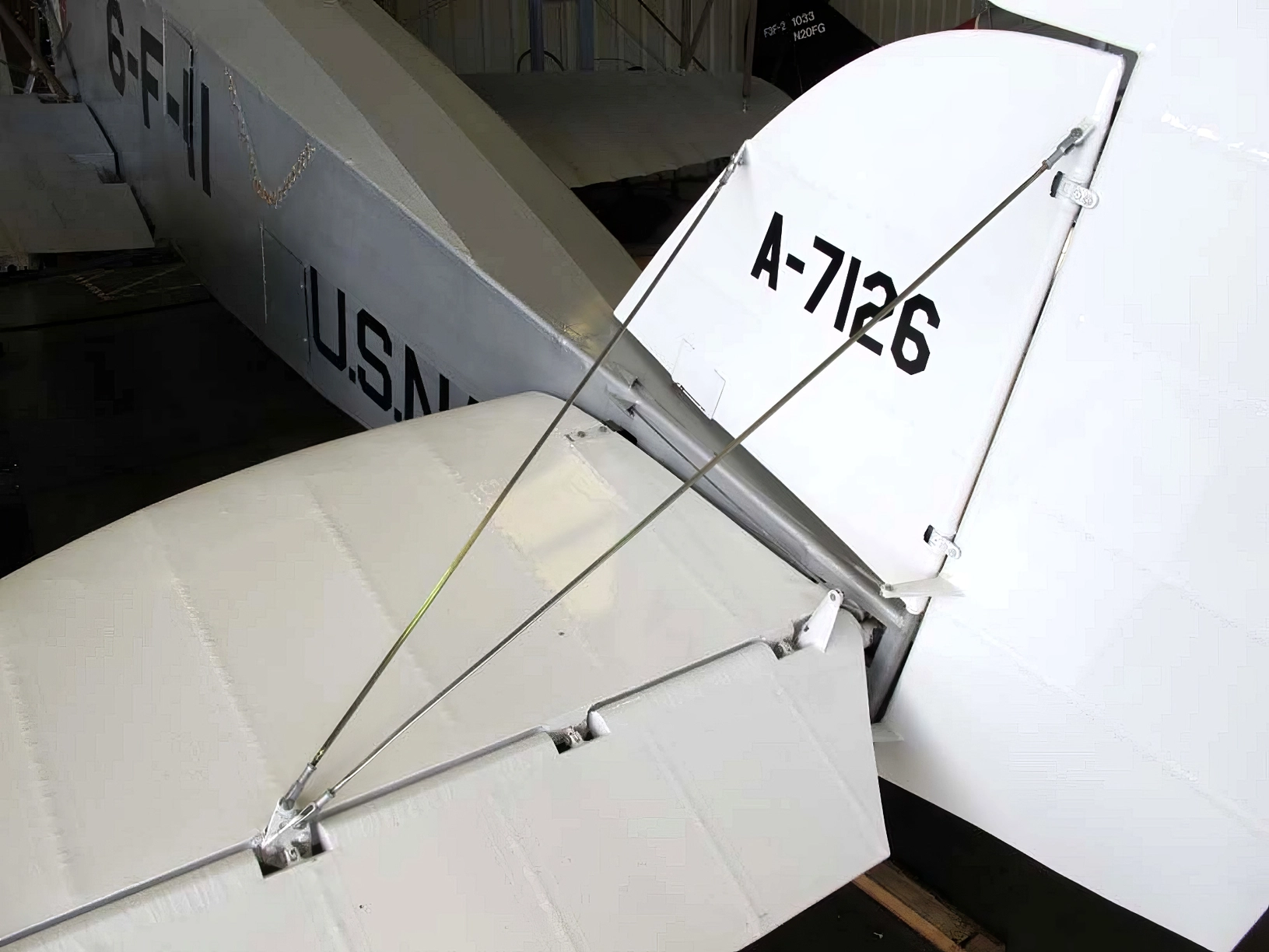
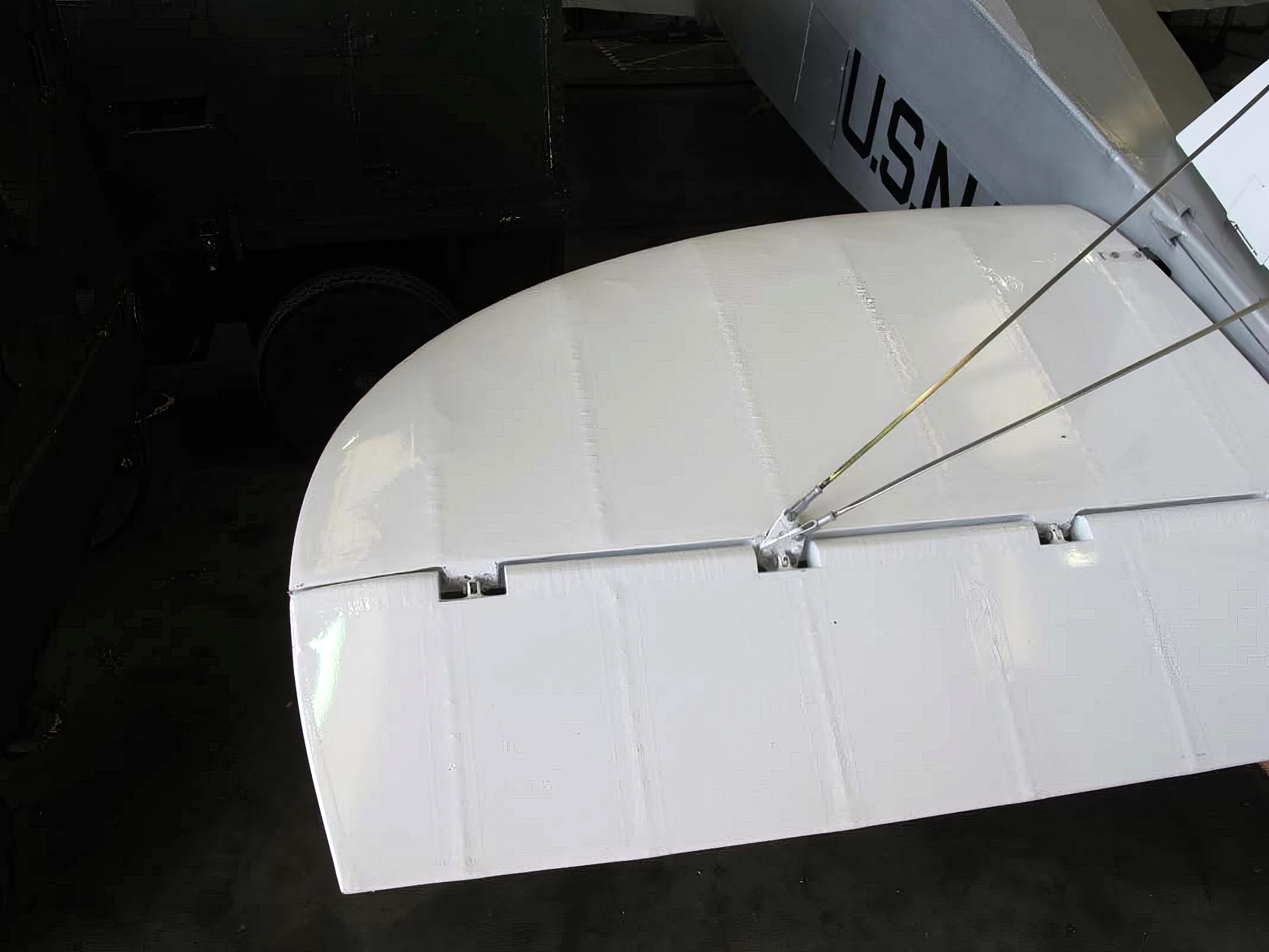
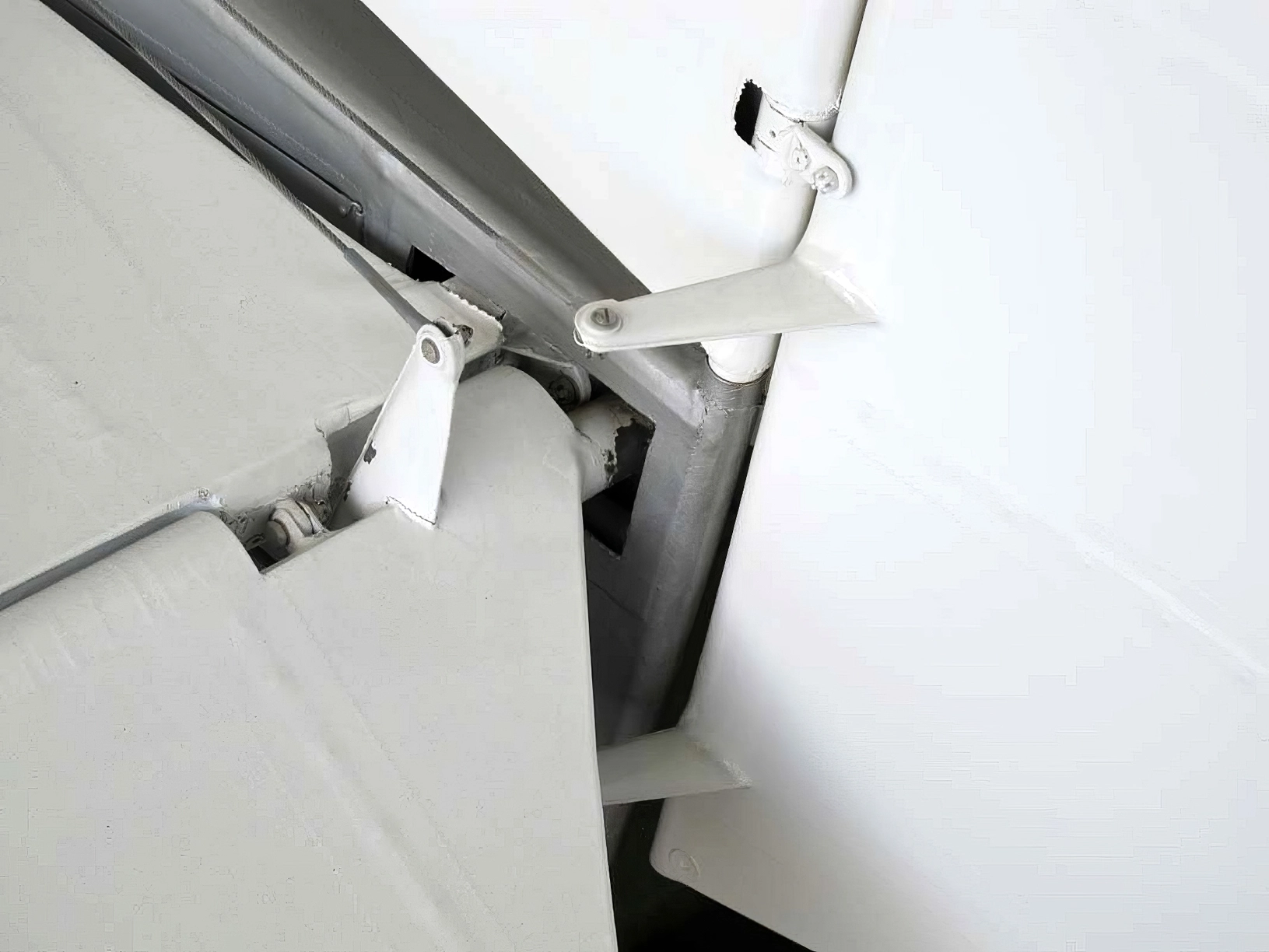
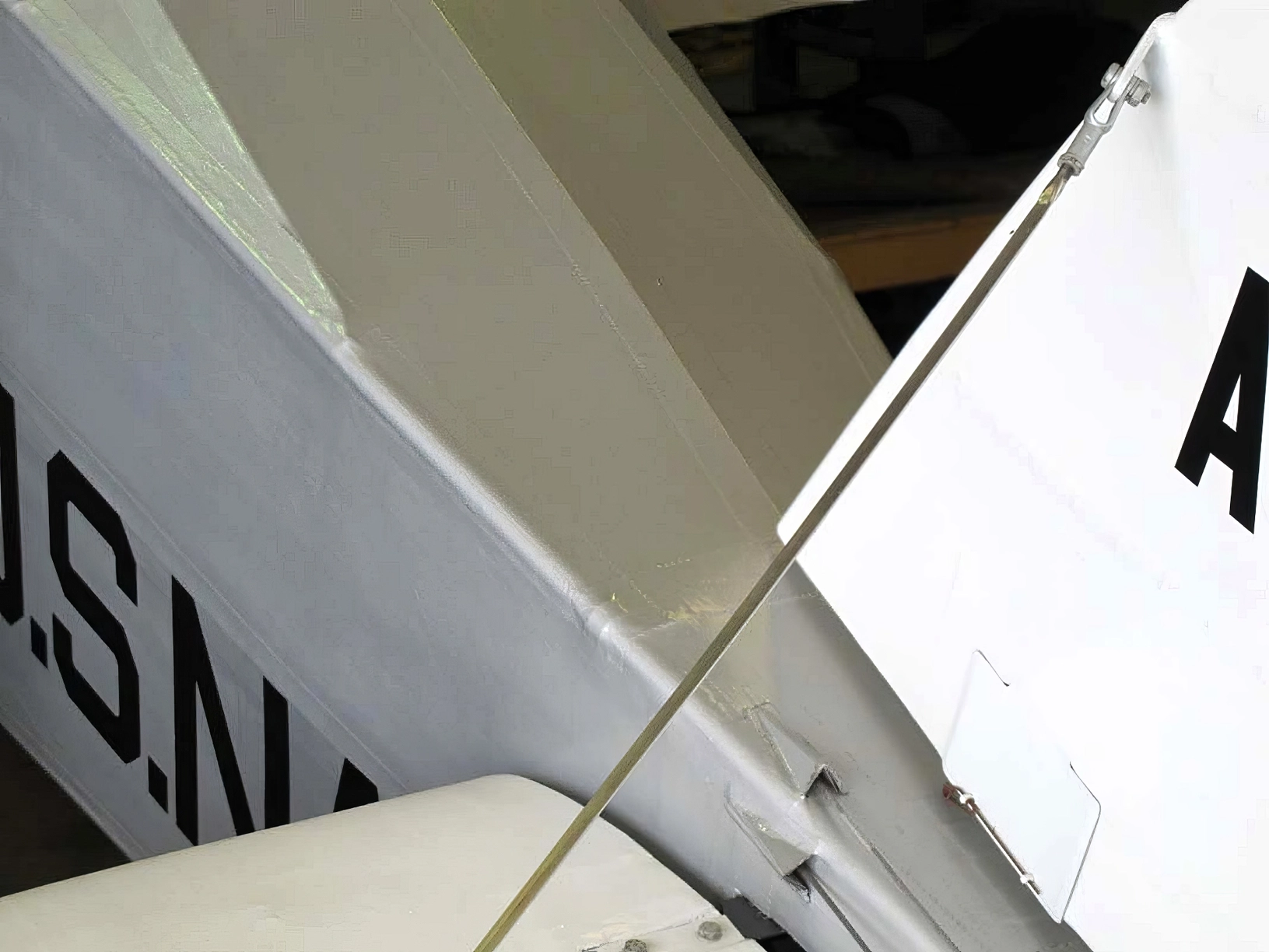
| Boeing FB-5 Hawk – Walk Around | |
|---|---|
| Φωτογράφος | Αγνοώ |
| Εντοπισμού | Αγνοώ |
| Φωτογραφίες | 41 |
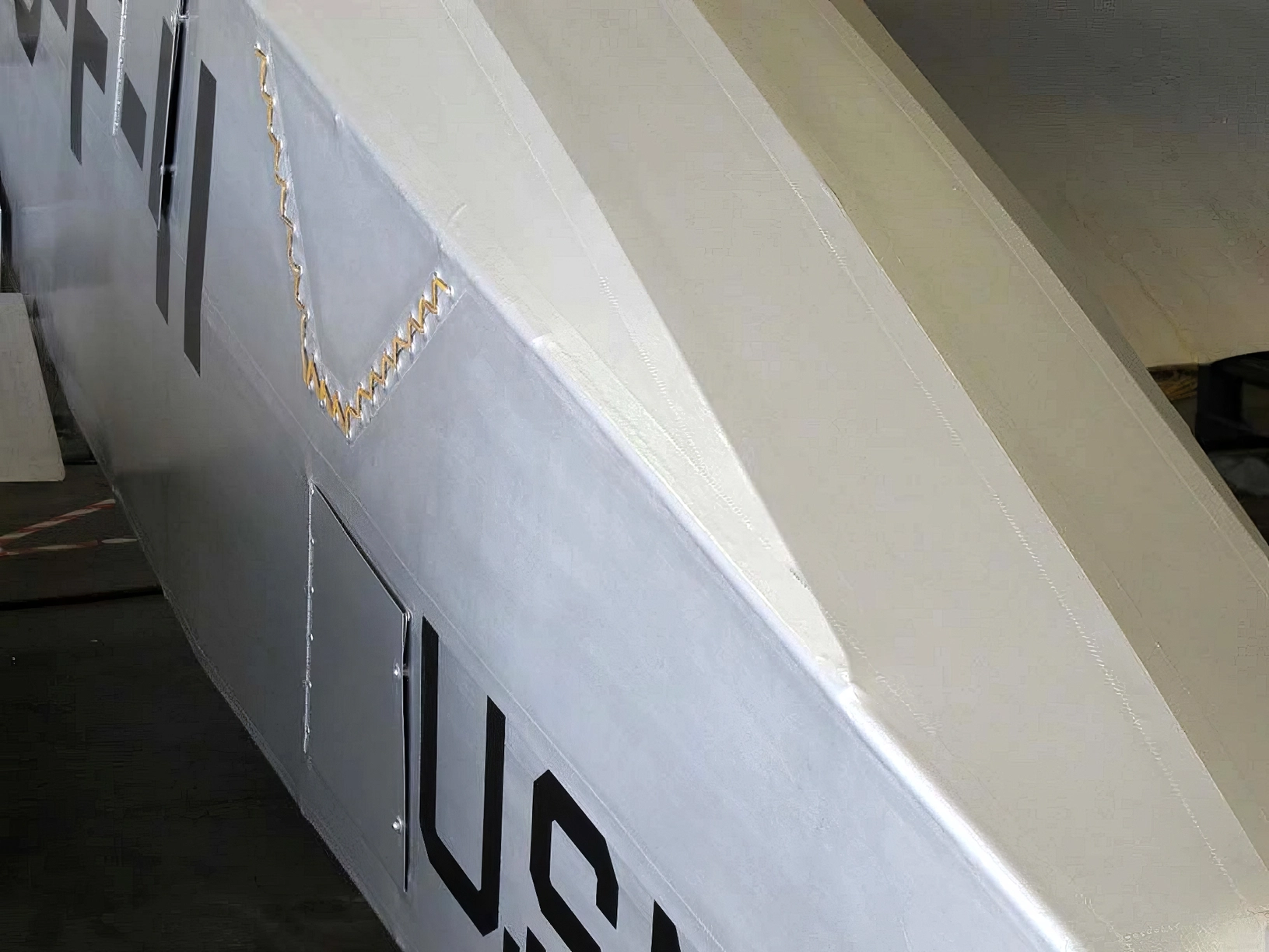
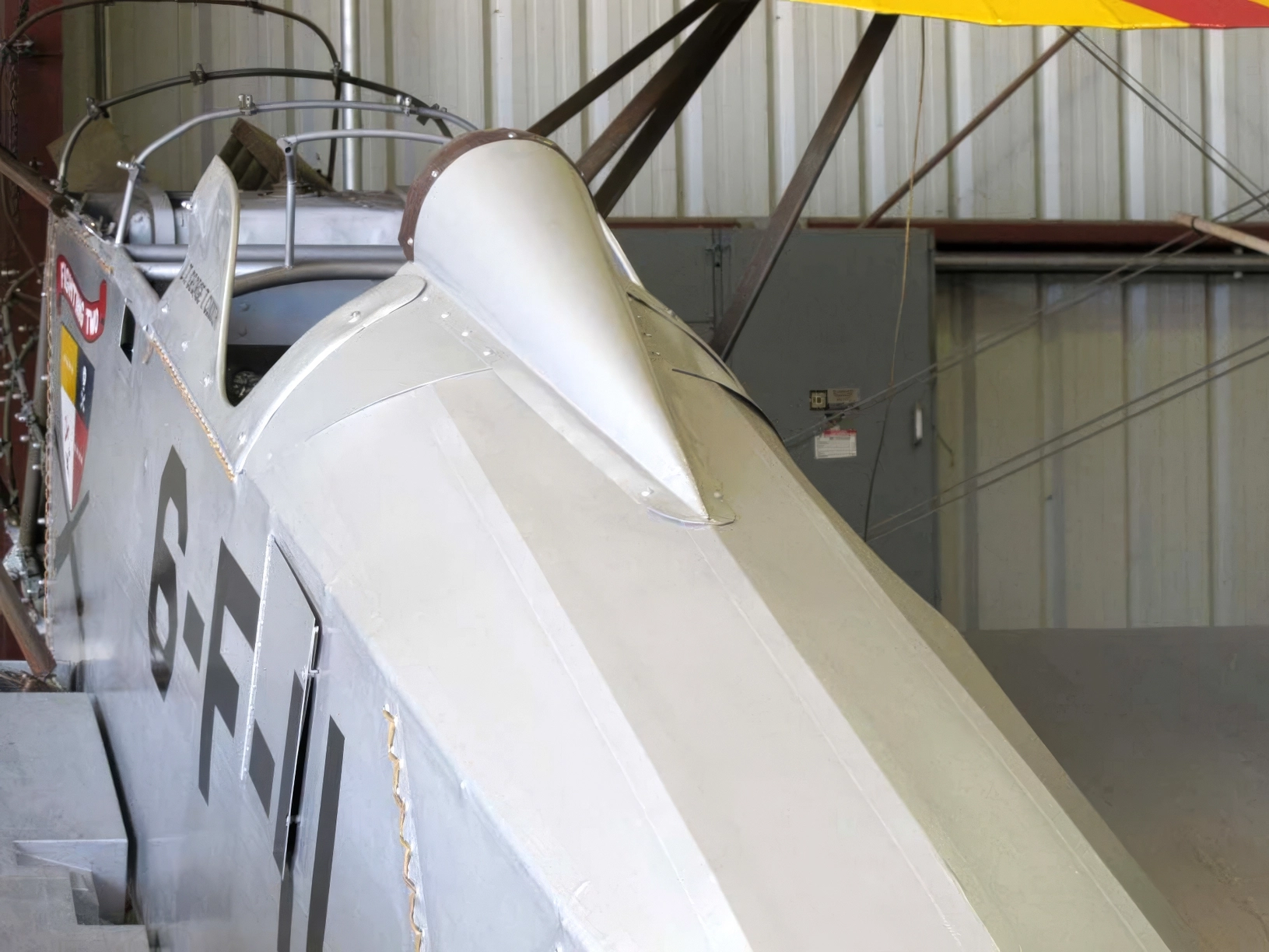

Δείτε επίσης:


The Navy’s Hard-Hitting Biplane
Teh Boeing FB-5 was the definitive version of the early Boeing “Hawk” family developed specifically for the U.S. Navy and Marine Corps. While the Army was flying the nearly identical PW-9, the FB-5 was built to survive the rigors of naval life. Introduced in 1927, it was designed with strengthened landing gear for carrier deck landings and featured a more powerful engine than its predecessors. It was the aircraft that proved Boeing could build high-performance naval fighters, a lineage that would eventually lead to the P-12 and F4B.
| Attribute | Technical Specification (FB-5) |
|---|---|
| Ρόλο | Carrier-Based Fighter (Pursuit) |
| Πλήρωμα | 1 (Pilot) |
| Μηχανή | 1 × Packard 1A-1500 V-12 liquid-cooled (520 hp) |
| Maximum Speed | 283 km/h (176 mph) |
| Οπλισμός | 2 × .30 cal machine guns (or 1 × .30 and 1 × .50 cal) |
| Service Ceiling | 5,400 m (17,800 ft) |
| Gross Weight | 1,481 kg (3,265 lbs) |
| Main User | U.S. Navy (Squadrons VF-1B and VF-6B) |
Design Engineering: Built for the Boat
- Strengthened Undercarriage: Unlike its Army counterparts, the FB-5 featured a reinforced split-axle landing gear. This was necessary to absorb the violent “controlled crashes” inherent in early carrier landings on the USS Langley Και USS Saratoga.
- The Packard V-12: The move to the Packard 1A-1500 engine provided a significant power boost over earlier models. The cooling system used a distinctive “tunnel radiator” located beneath the engine, which gave the nose its unique, bulky appearance.
- Tapered Wing Design: The FB-5 used a high-strength, tapered-wing design with a thick airfoil section. This provided excellent lift for short carrier take-offs while maintaining the structural integrity needed for high-speed maneuvers.
- Carrier Adaptations: For easier handling on cramped flight decks, the FB-5 included a hoisting sling integrated into the upper wing center section, allowing it to be lifted by cranes directly onto or off of ships.
Operational History: Defining Naval Aviation
- The “High Hat” Squadron: The FB-5 famously served with VF-1B, the “High Hats,” one of the most prestigious early Navy fighter squadrons. They used the FB-5 to develop the dive-bombing and aerial combat tactics that would become standard in WWII.
- Carrier Capability: While many were operated from land bases, the FB-5 was a key player in proving that high-speed fighters could successfully operate from the Navy’s first true aircraft carriers.
- Rapid Obsolescence: As fast as technology was moving in the late 1920s, the liquid-cooled FB-5 was soon overshadowed by the more reliable and easier-to-maintain radial-engine fighters like the Boeing F2B Και F3B.
- The Marine Corps Role: Beyond the Navy, the FB-5 was also operated by the U.S. Marines, providing essential air support and reconnaissance during the “Banana Wars” period in Central America.
Views : 1867
Μπορείτε επίσης να δείτε:
 Boeing 80 – Φώτο & Βίντεο
 Boeing C-97 Stratofreighter – Φώτο & Βίντεο
 Boeing NC-135 – Φώτο & Βίντεο
 Boeing P-26 – Φώτο & Βίντεο
 Boeing F4B-4 – Φώτο & Βίντεο
 Boeing B-52D-80-BO Stratofortress – Φώτο & Βίντεο
 Boeing PT-13 – Φώτο & Βίντεο
 Boeing AH-64 Απάτσι – Περίπατος
 C-17 Γκλόουμπμάστερ – WalkAround
 Β-29 Σούπερ Φρούριο vol2 - WalkAround