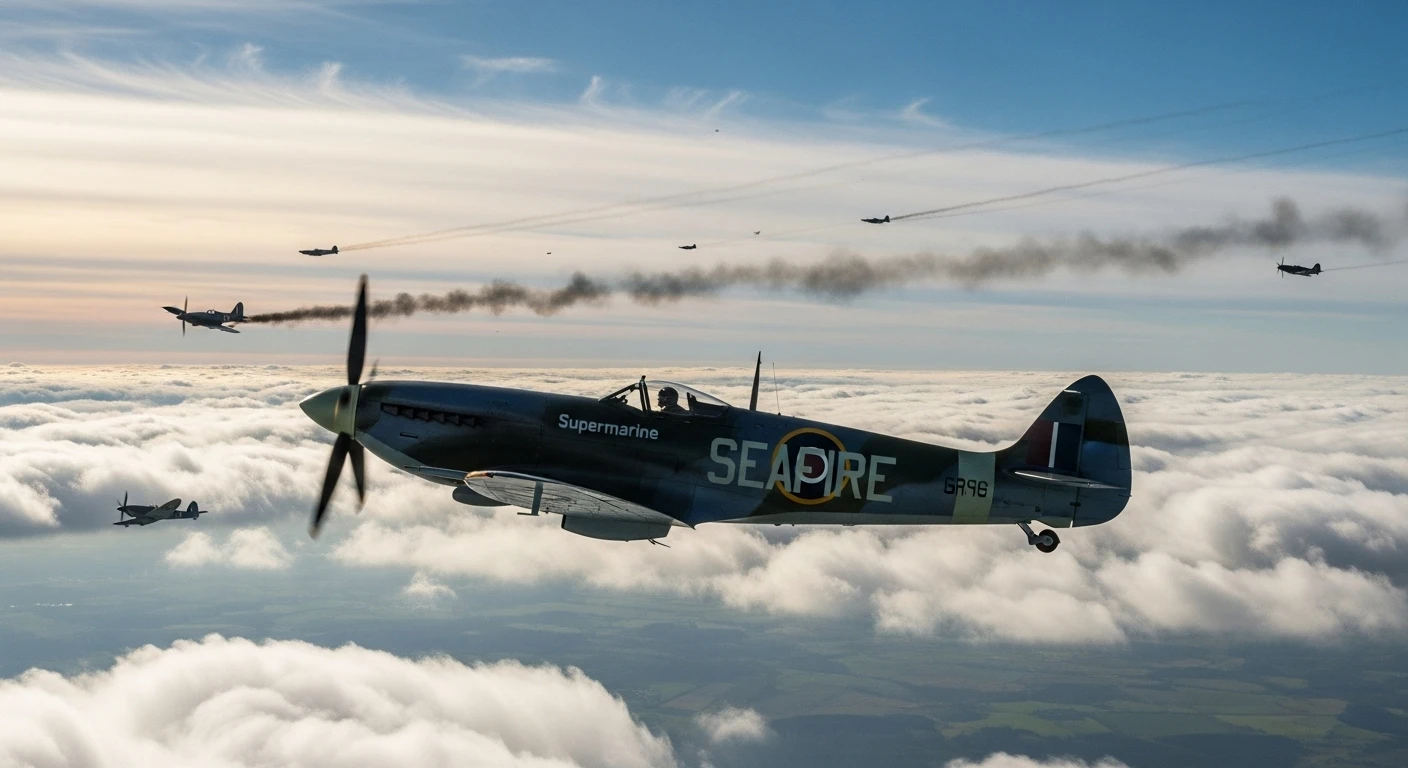
Supermarine Seafire | |
|---|---|
| Country | UK |
| Role | Carrier-based fighter |
| First flight | 7 January 1942 |
| Built | 2646 |
Den Supermarine Seafire er en flådeversion af Supermarine Spitfire tilpasset til drift fra hangarskibe.
Kilde: Wikipedia
| Supermarine Seafire F Mk.17 Walk Around | |
|---|---|
| Fotograf | Unknow |
| Lokalisering | Unknow |
| Billeder | 47 |
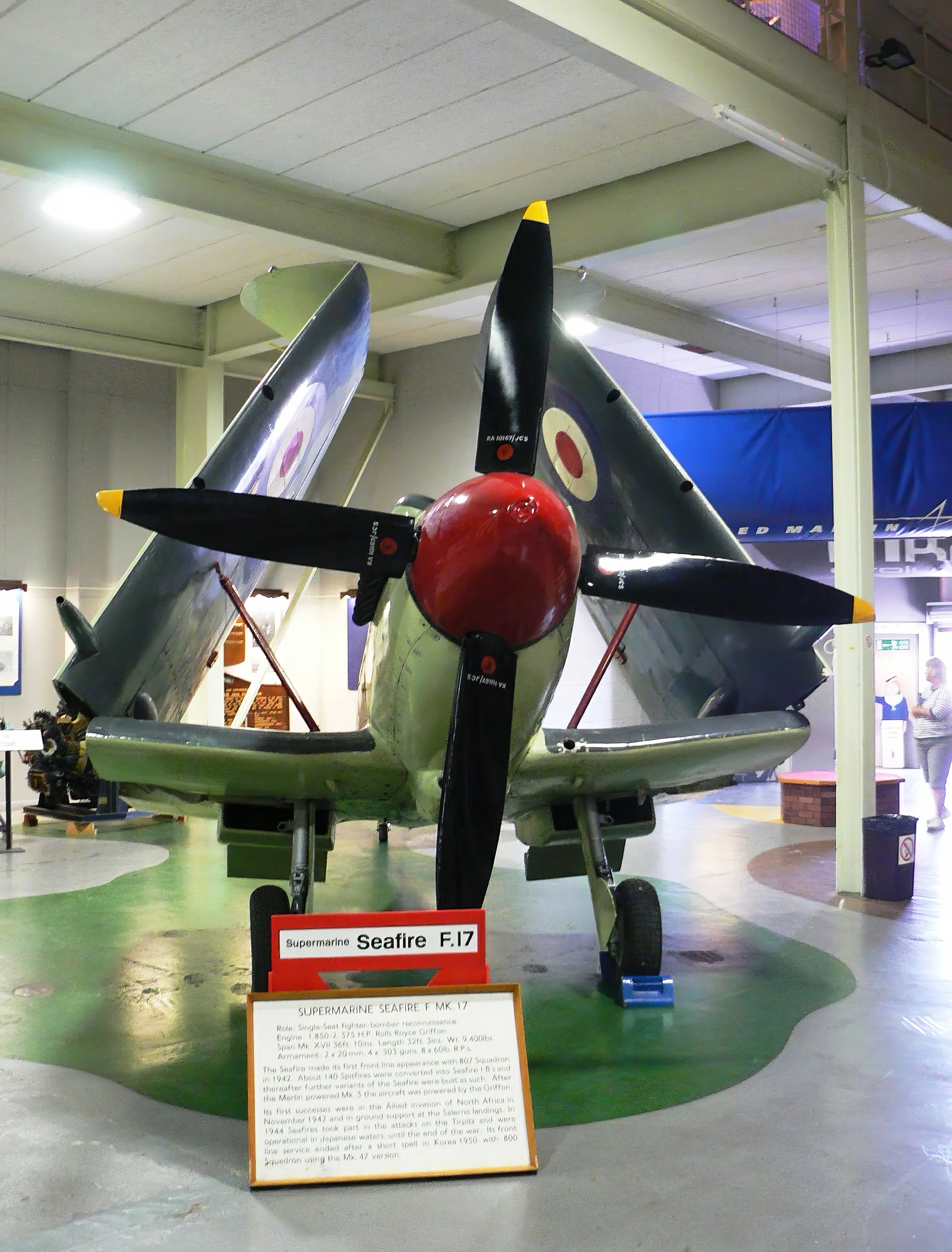
Supermarine Seafire 01
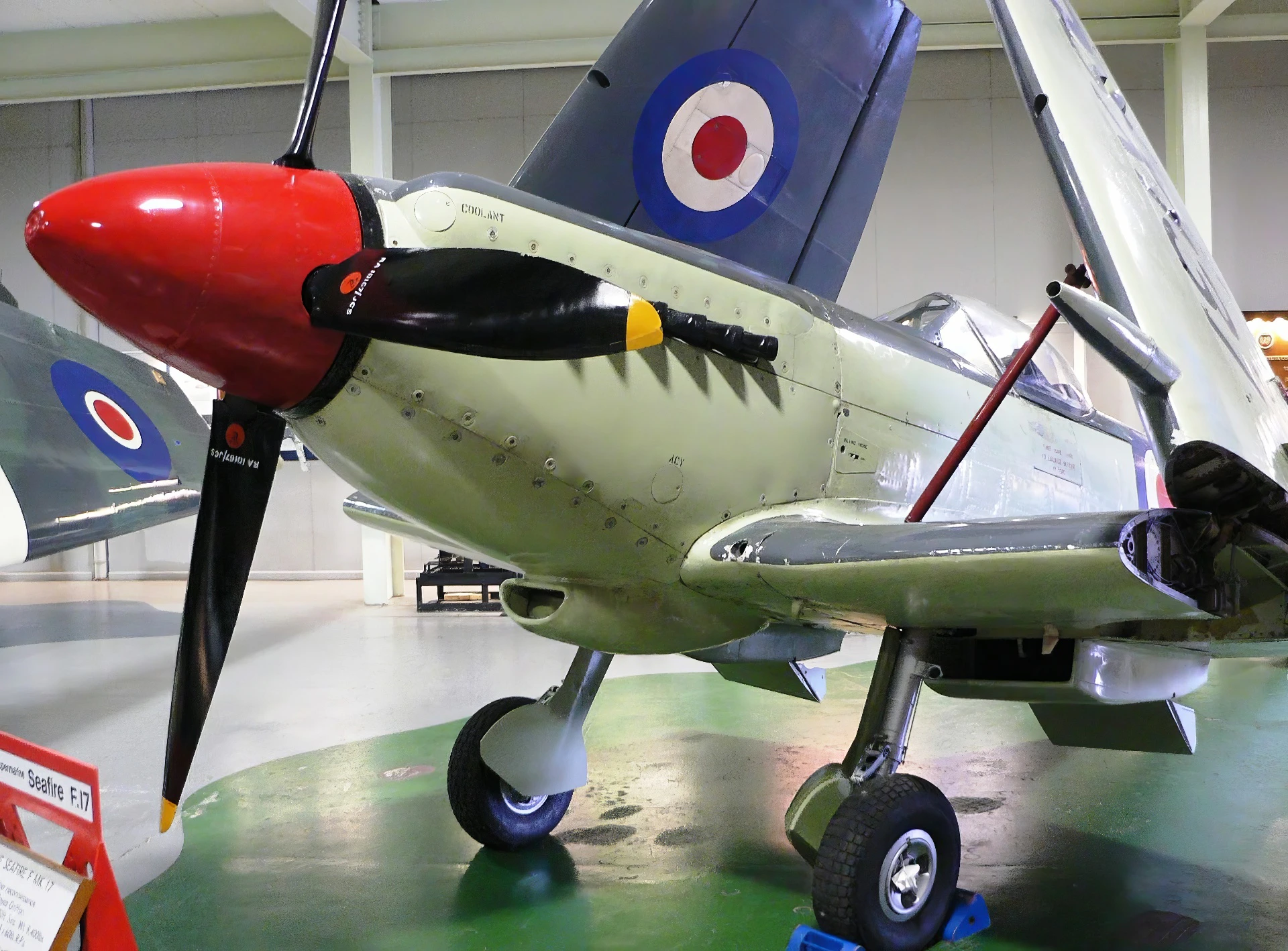
Supermarine Seafire 02
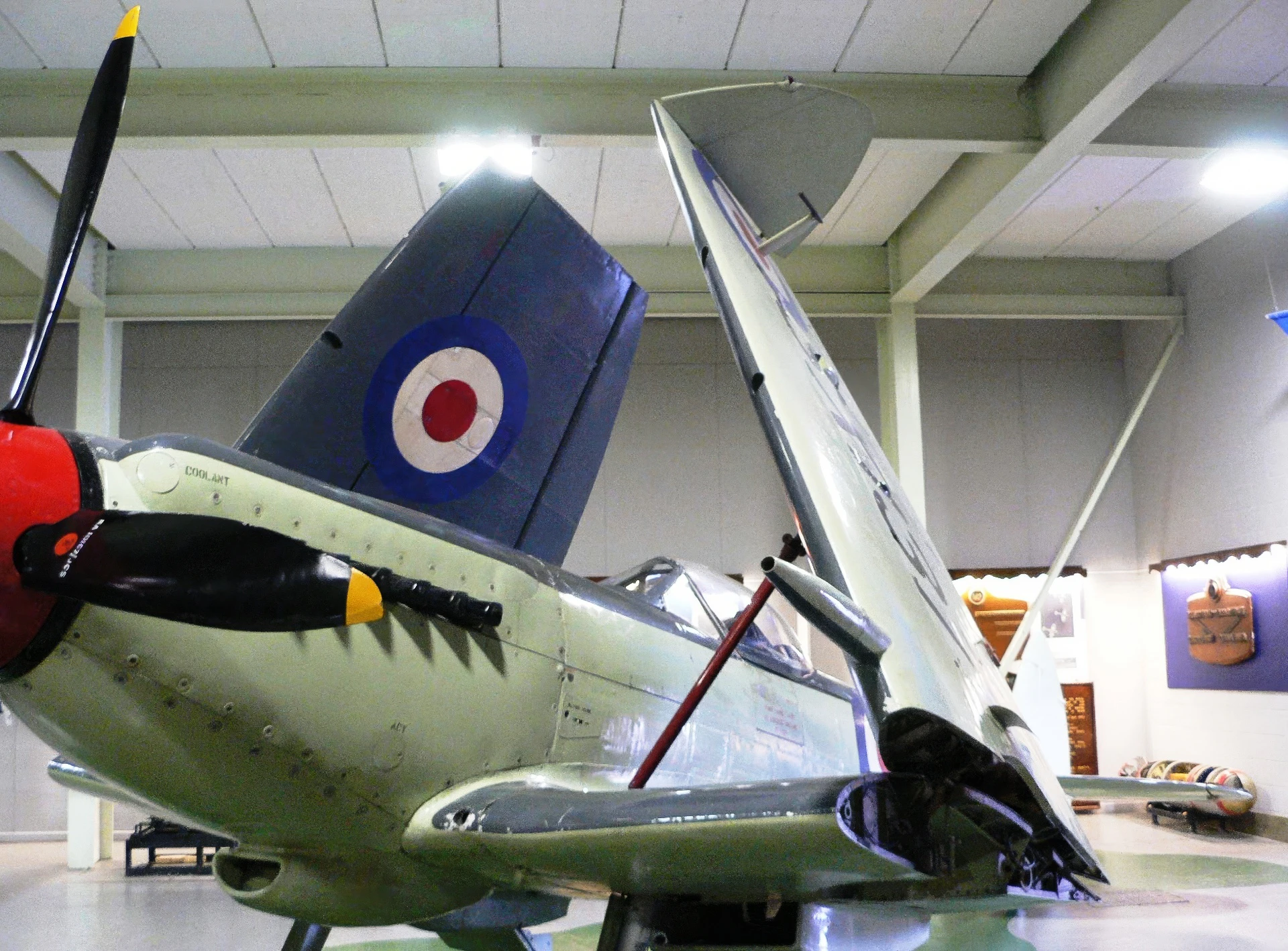
Supermarine Seafire 03
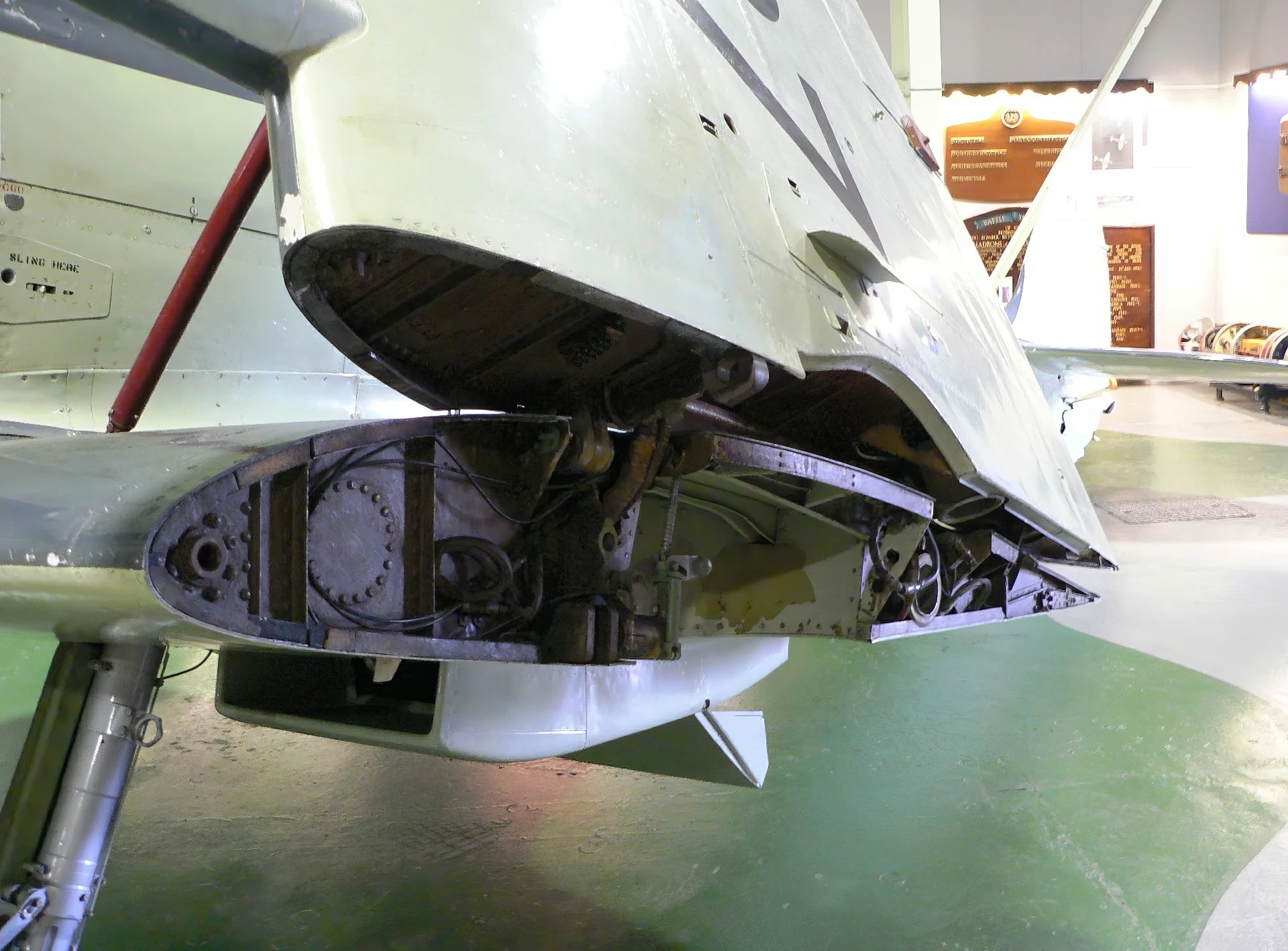
Supermarine Seafire 04
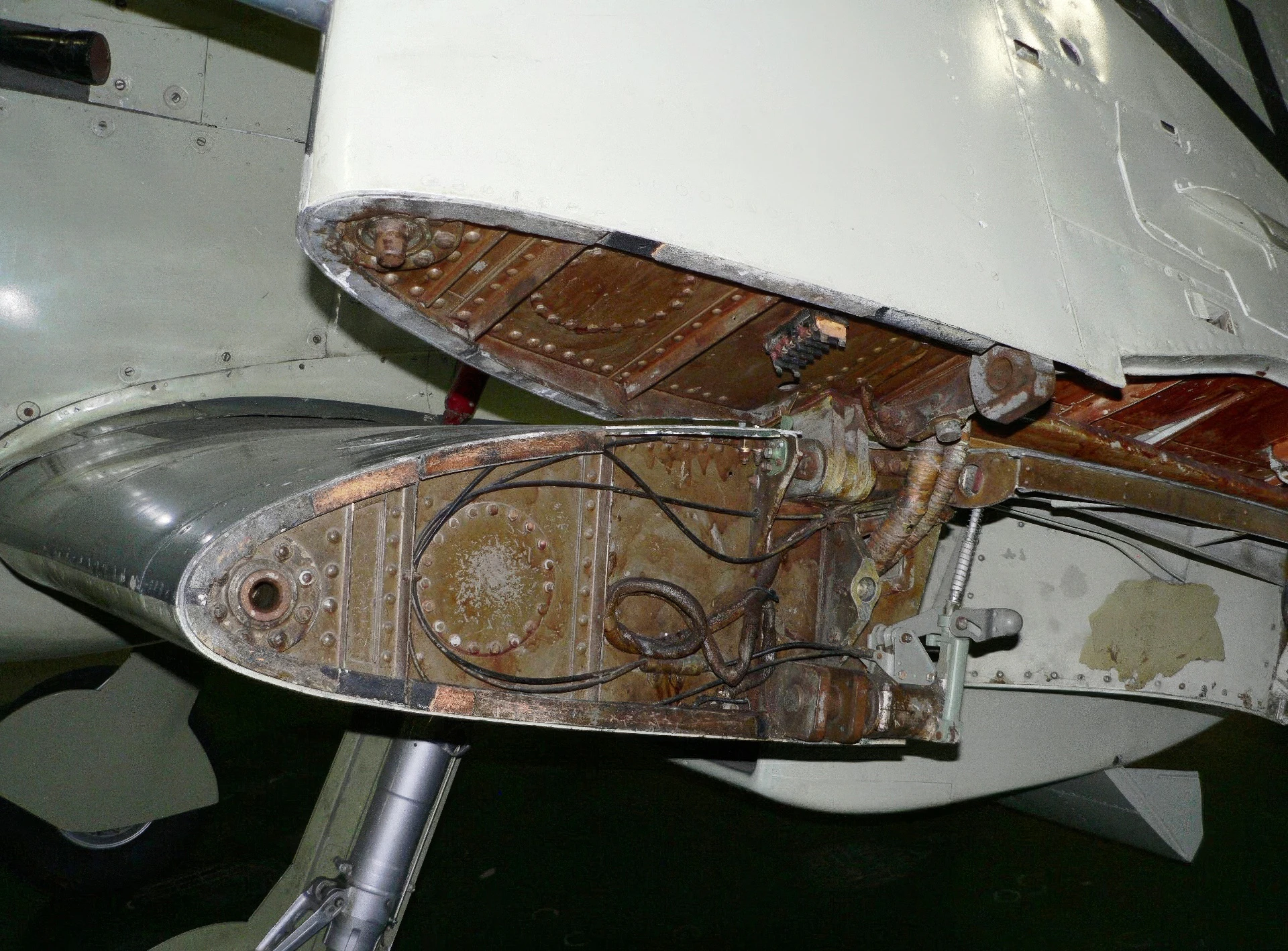
Supermarine Seafire 05
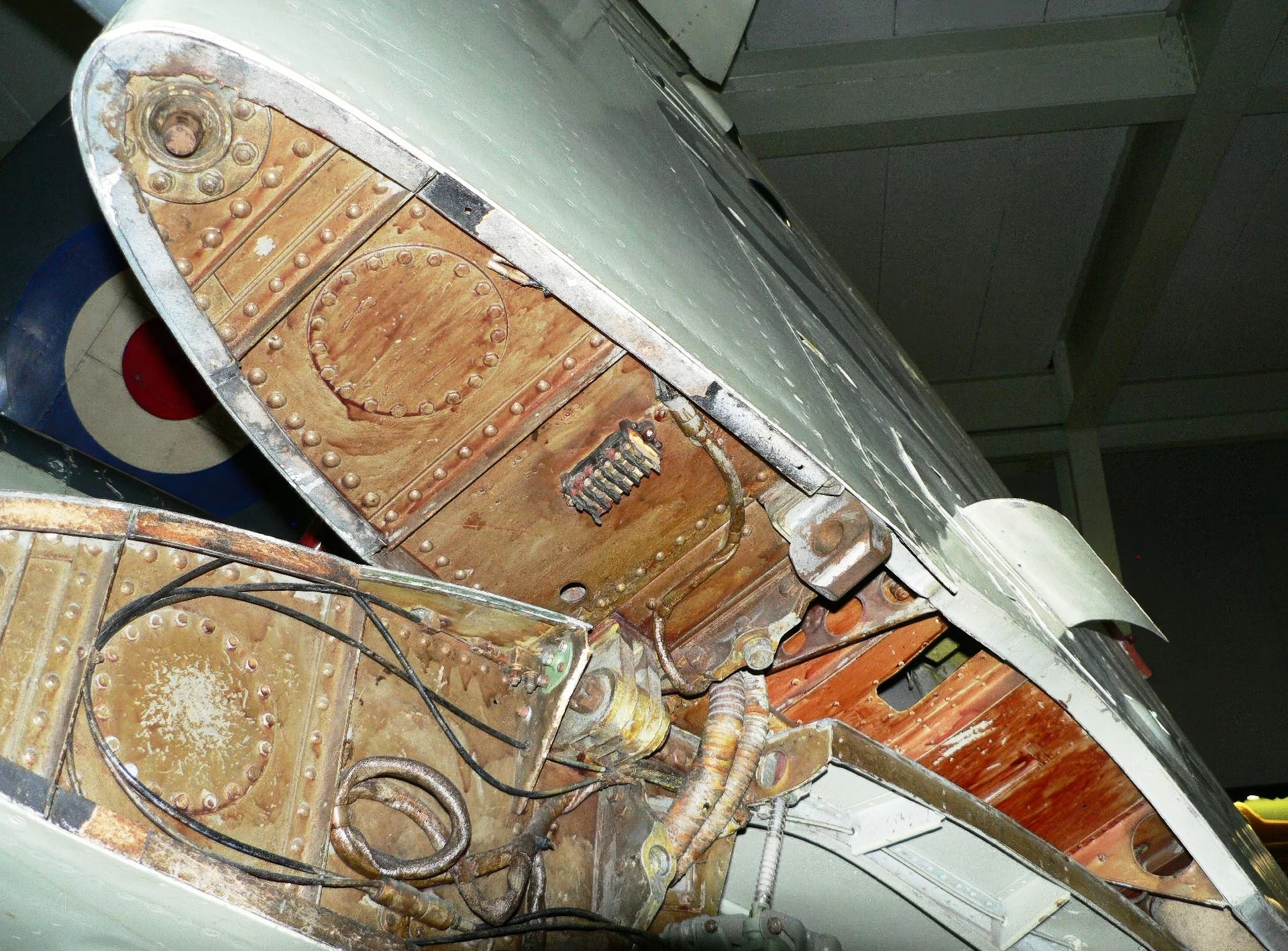
Supermarine Seafire 06
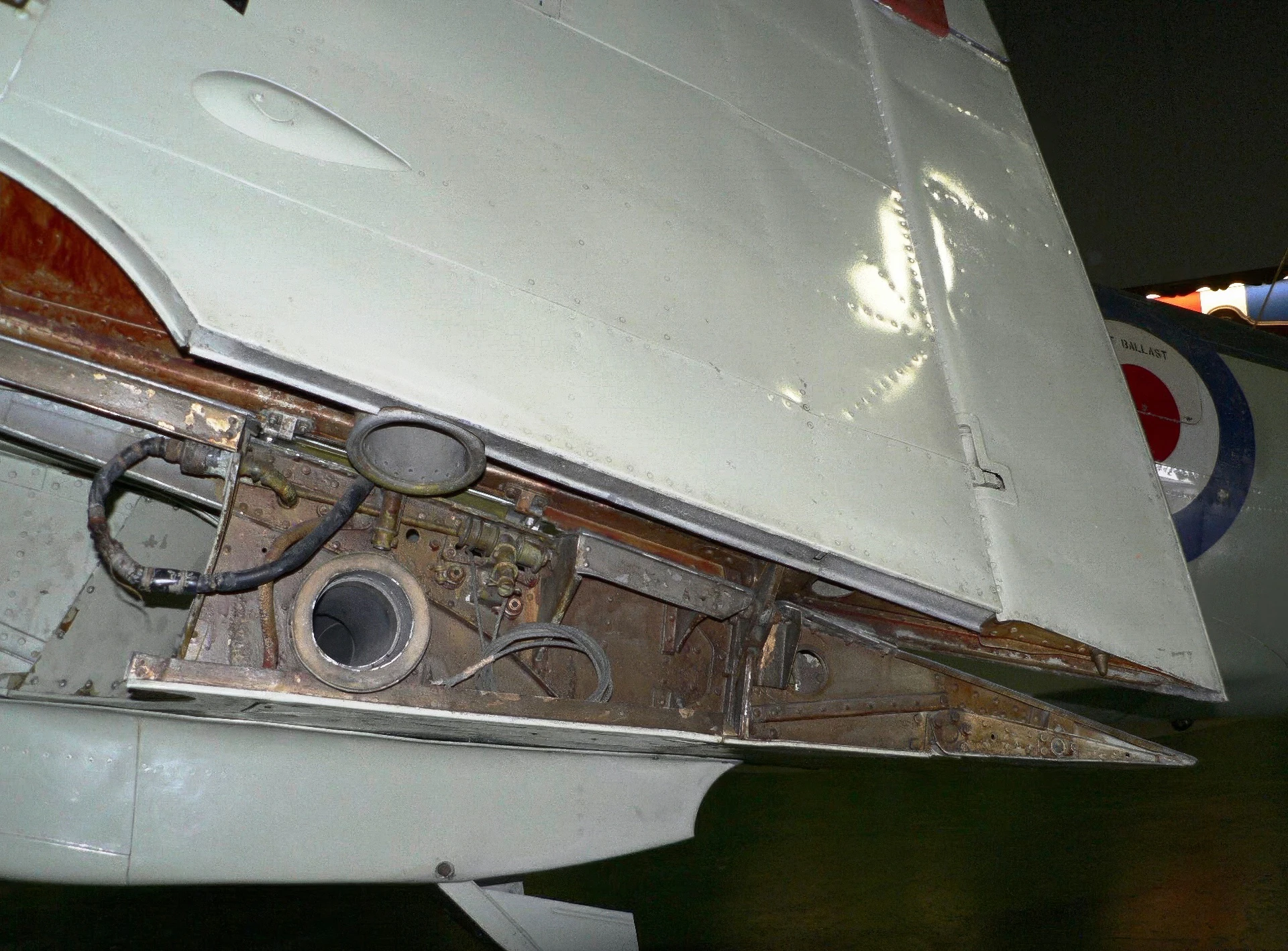
Supermarine Seafire 07
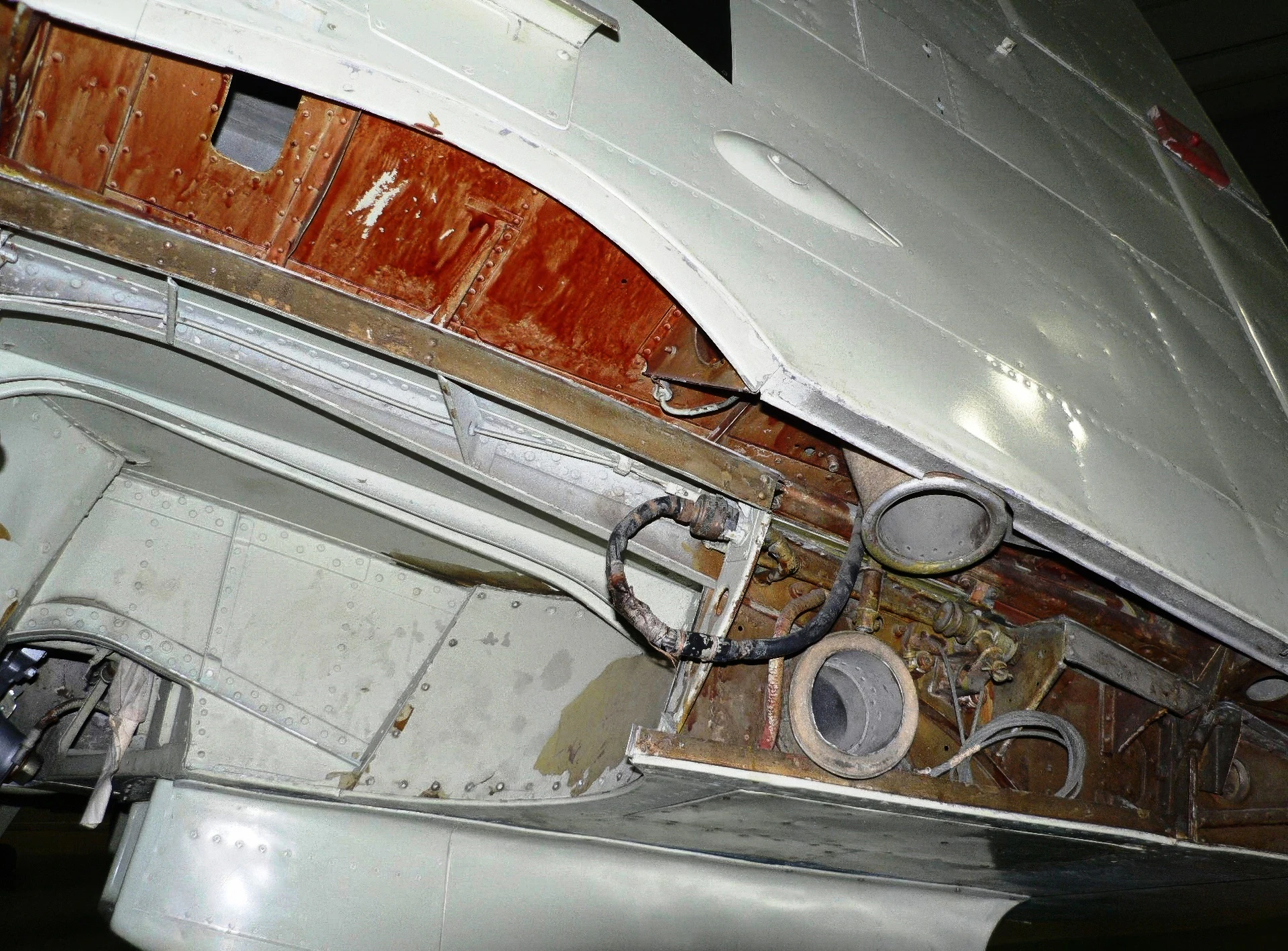
Supermarine Seafire 08
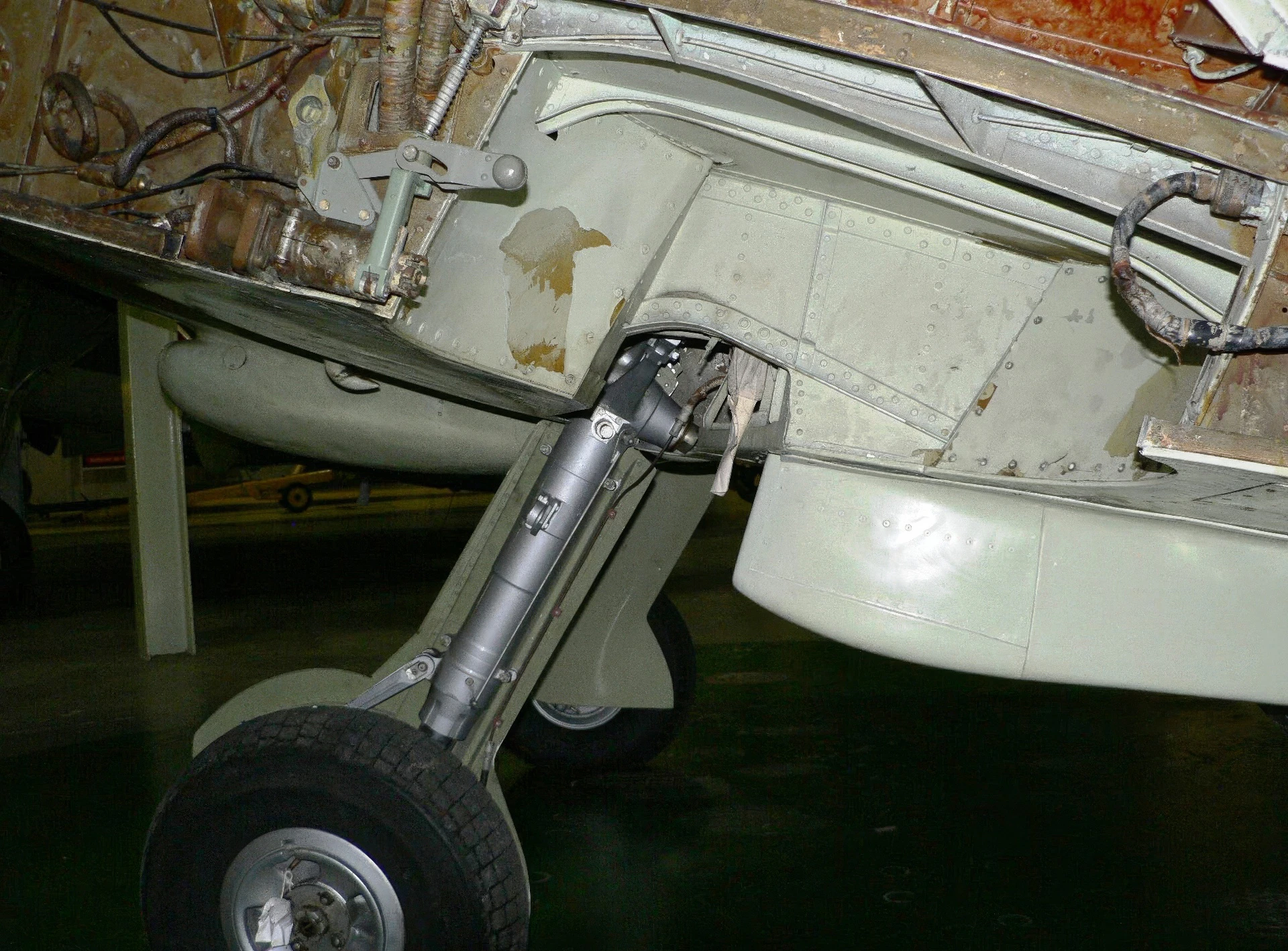
Supermarine Seafire 09
Vent, søger Supermarine Seafire fotos for dig ...

 Køb mig en kop kaffe

Se også:


The Spitfire Goes to Sea
Den Supermarine Seafire was the carrier-based adaptation of the legendary Spitfire. While the Royal Navy initially relied on slower aircraft like the Fulmar, the desperate need for a high-performance interceptor to combat the Luftwaffe and Japanese Zeros led to the “navalization” of the Spitfire airframe. It was a trade-off: the Seafire brought world-class speed and agility to the Fleet Air Arm, but its land-based DNA made it notoriously difficult to land on a moving, pitching carrier deck.
| Attribute | Standard Specification (Seafire Mk III / Mk 47) |
|---|---|
| Rolle | Carrier-based Fighter / Interceptor |
| Primary Engine | Rolls-Royce Merlin 55M (Mk III) / Griffon 88 (Mk 47) |
| Horsepower | 1,585 hp (Mk III) / 2,350 hp (Mk 47) |
| Main Armament | 2 × 20mm Hispano cannons & 4 × .303 Browning MGs |
| Maximum Speed | 578 km/h (359 mph) for Mk III / 727 km/h (452 mph) for Mk 47 |
| Stall/Landing Speed | Approx. 150 km/h (95 mph) — High for carriers |
| Empty Weight | 2,412 kg (5,317 lbs) |
| Total Production | 2,646 (All variants) |
Design Challenges & Modifications
- The “Sting” Hook: Early Seafires were simply “hooked Spitfires.” Later models featured a reinforced “A-frame” or “Sting” type arrestor hook to handle the massive deceleration of a carrier trap.
- Folding Wings: Because the Spitfire’s elliptical wing was never meant to fold, the Seafire Mk III introduced a manual folding mechanism where the wingtips folded down and the main panels folded up, allowing it to fit into tight carrier hangars.
- Narrow Landing Gear: The Seafire’s biggest weakness was the Spitfire’s narrow-track undercarriage. On a rolling deck, this led to frequent “ground loops” and collapses, causing more losses to accidents than to enemy combat.
- The Griffon Evolution: The ultimate version, the Seafire Mk 47, featured the massive Griffon engine and contra-rotating propellers to cancel out the immense torque that otherwise made carrier takeoffs dangerous.
Operational Legacy
- Operation Torch: The Seafire made its combat debut in 1942 during the invasion of North Africa, providing vital air cover for the fleet.
- Kamikaze Hunter: In the Pacific, the Seafire’s incredible rate of climb made it the preferred interceptor for “Jack” patrols—standing by to intercept Japanese Kamikazes at a moment’s notice.
- The Korean War: The Seafire 47 served with distinction in the opening stages of the Korean War (1950) before being replaced by the more rugged Hawker Sea Fury.
Set antal gange : 2170
Du kan også se:
 Sikorsky S-39 – Billeder & Videoer
 Nordamerikanske NA-64 Yale - Billeder og videoer
 Sud-Ouest Triton – Billeder og video
 Culver PQ-14 Cadet – Billeder og video
 Northrop F-20 Tigershark – Billeder & Video
 Aeronca L-3 – Billeder & Video
 McDonnell F2H Banshee – Billeder & Video
 Macchi MC-202 - WalkAround
 Fairey Kamp - WalkAround
 Hawker Sea Fury - Gå rundt