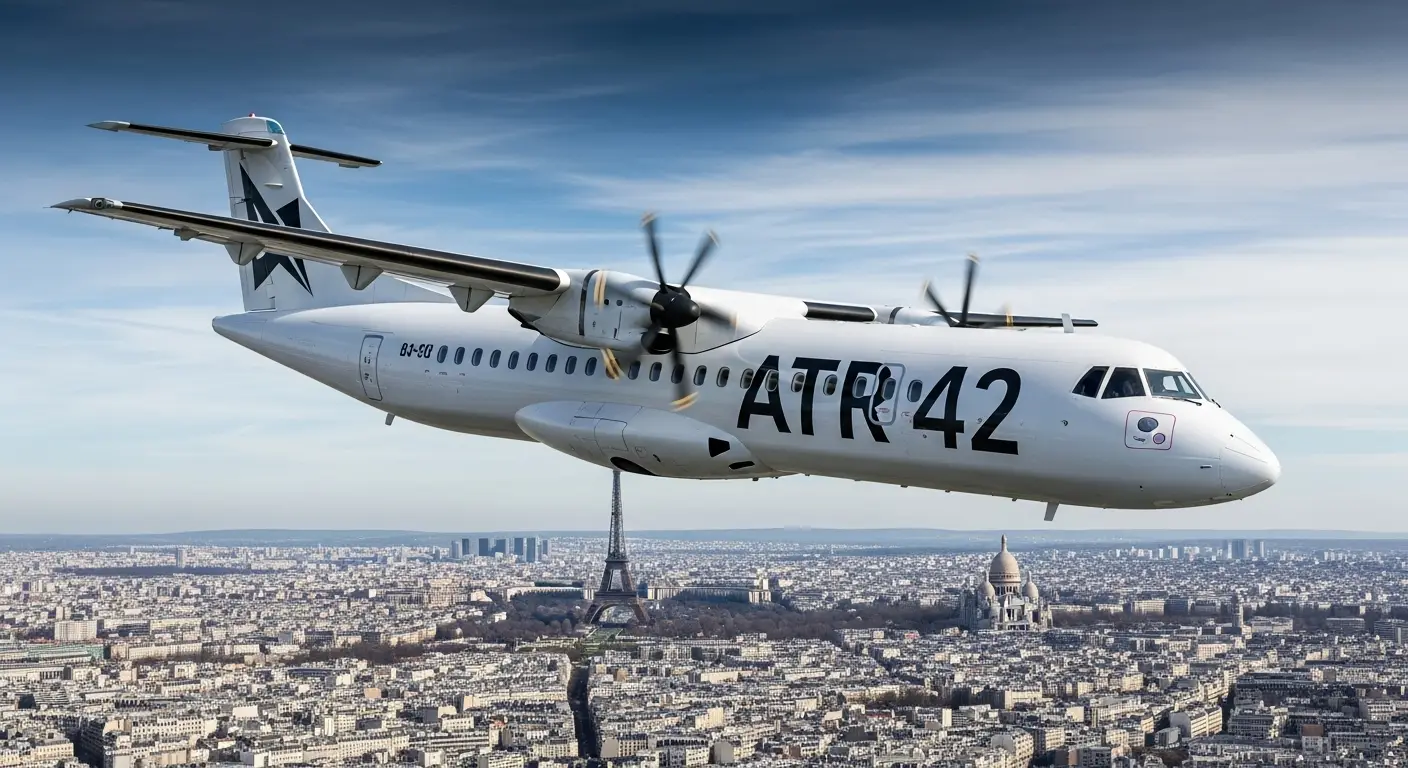
ATR 42 | |
|---|---|
| Land | Frankrig/Italien |
| Rolle | Turboprop regionalt passagerfly |
| Første flyvning | 16 August 1984 |
| Bygget | 500+ |
Den ATR 42 is a regional airliner produced by Franco-Italian manufacturer ATR, with final assembly in Toulouse, France. On 4 November 1981, the aircraft was launched with ATR, as a joint venture between French Aérospatiale (now part of Airbus) and Aeritalia (now Leonardo S.p.A.).
Kilde: ATR 42 on Wikipedia
| ATR 42-300 Walk Around | |
|---|---|
| Fotograf | Vladimir Yakubov |
| Lokalisering | Capital Air Show 2012, Sacramento, CA |
| Billeder | 150 |
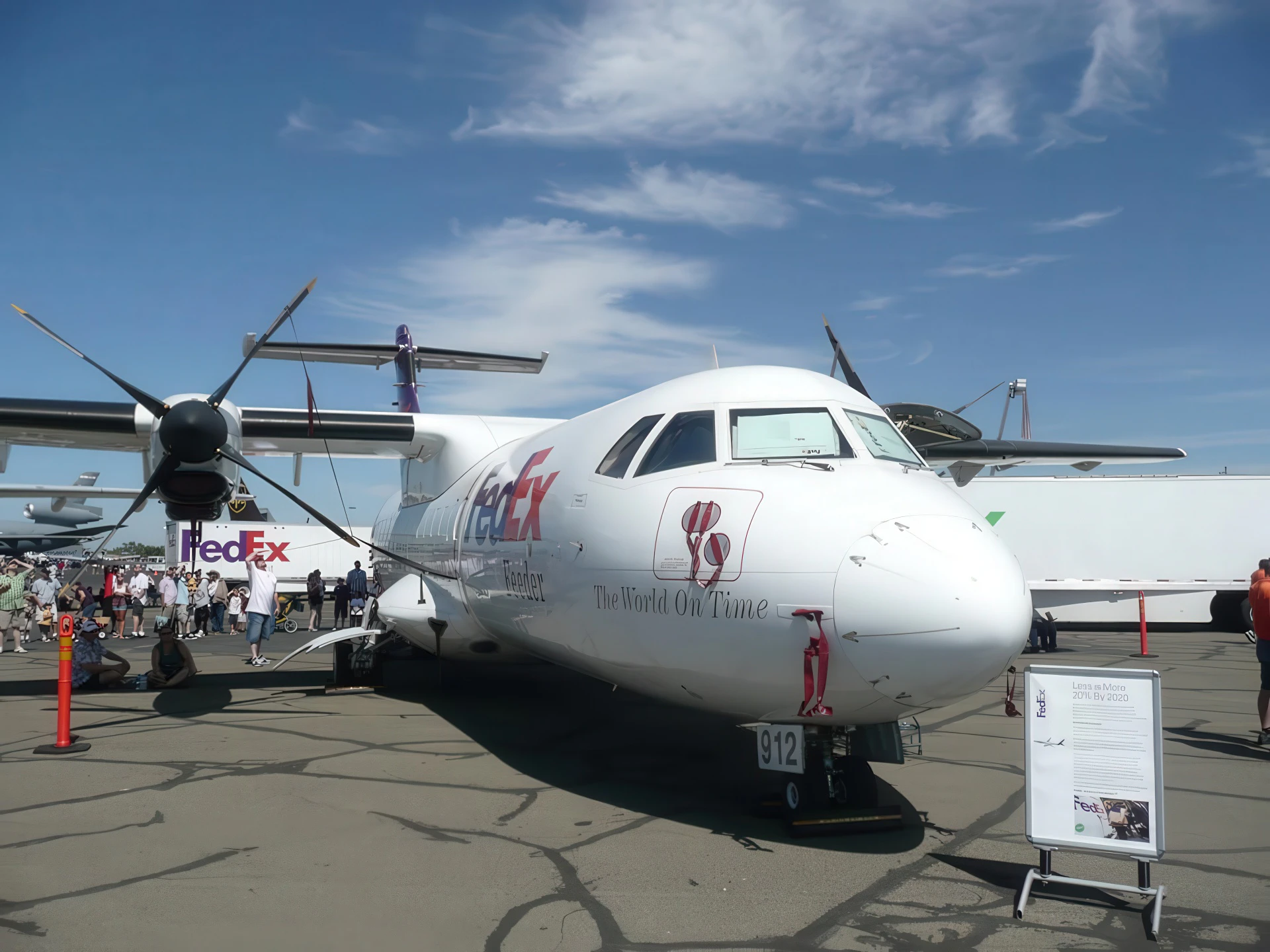
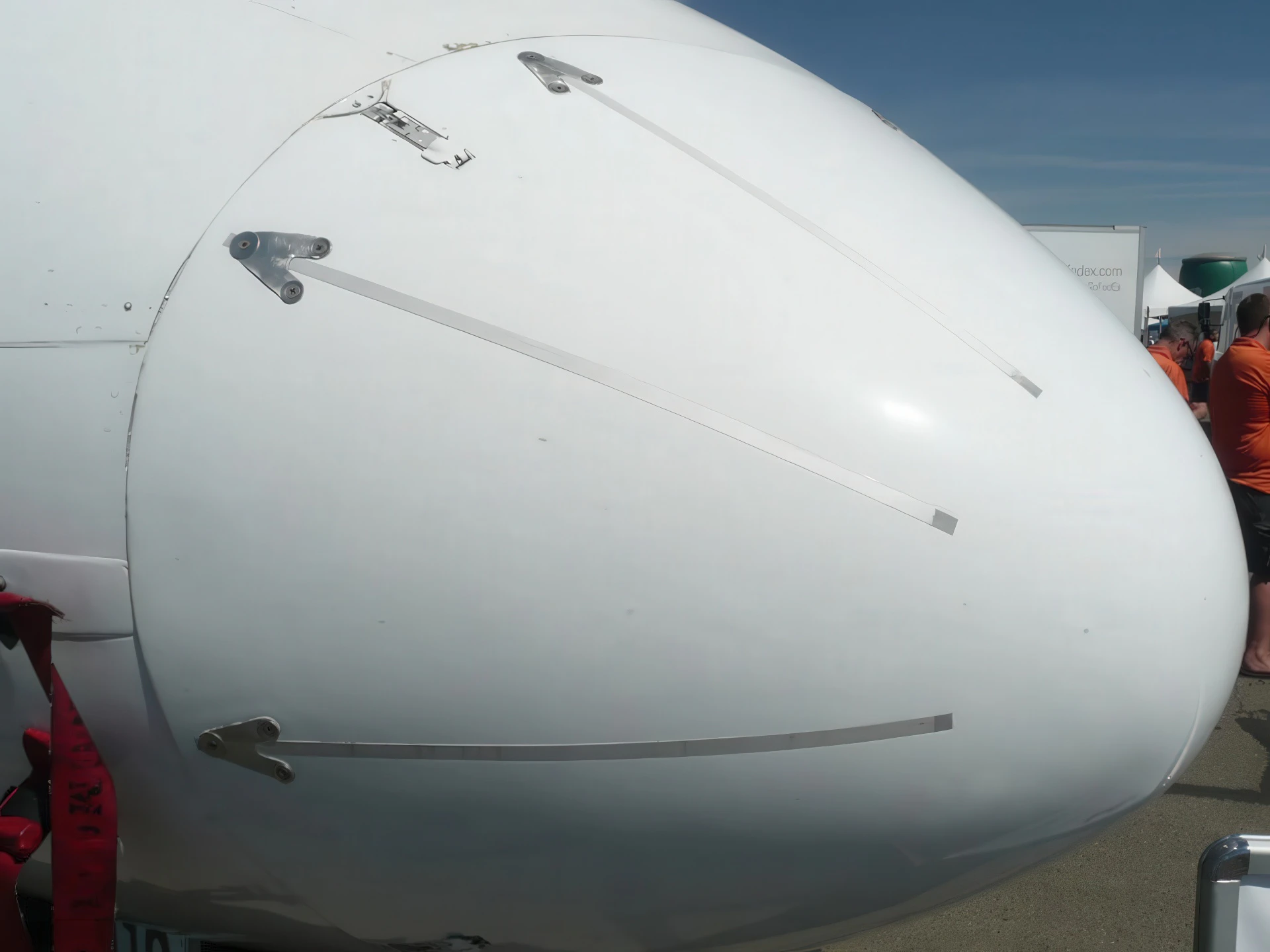
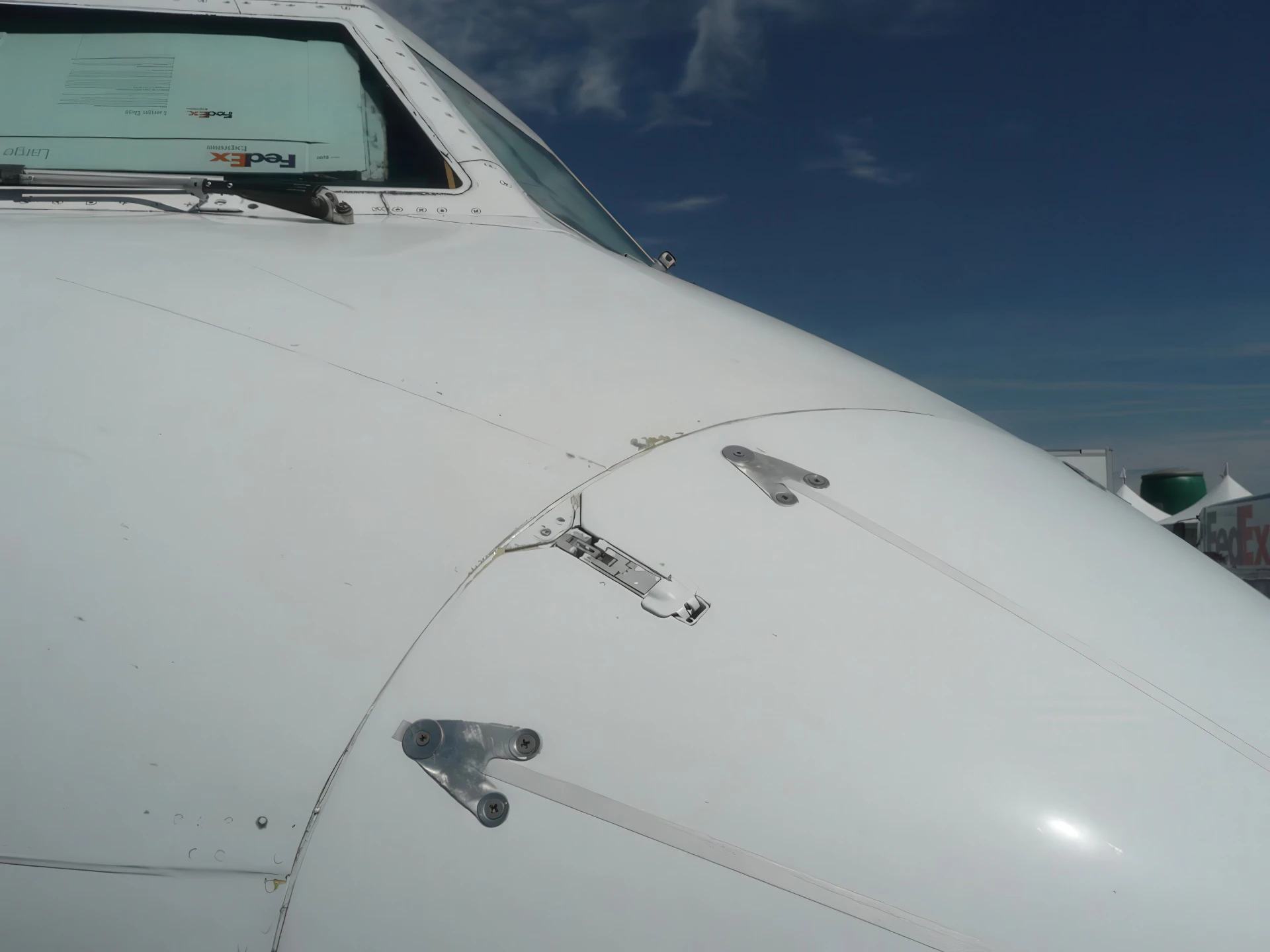
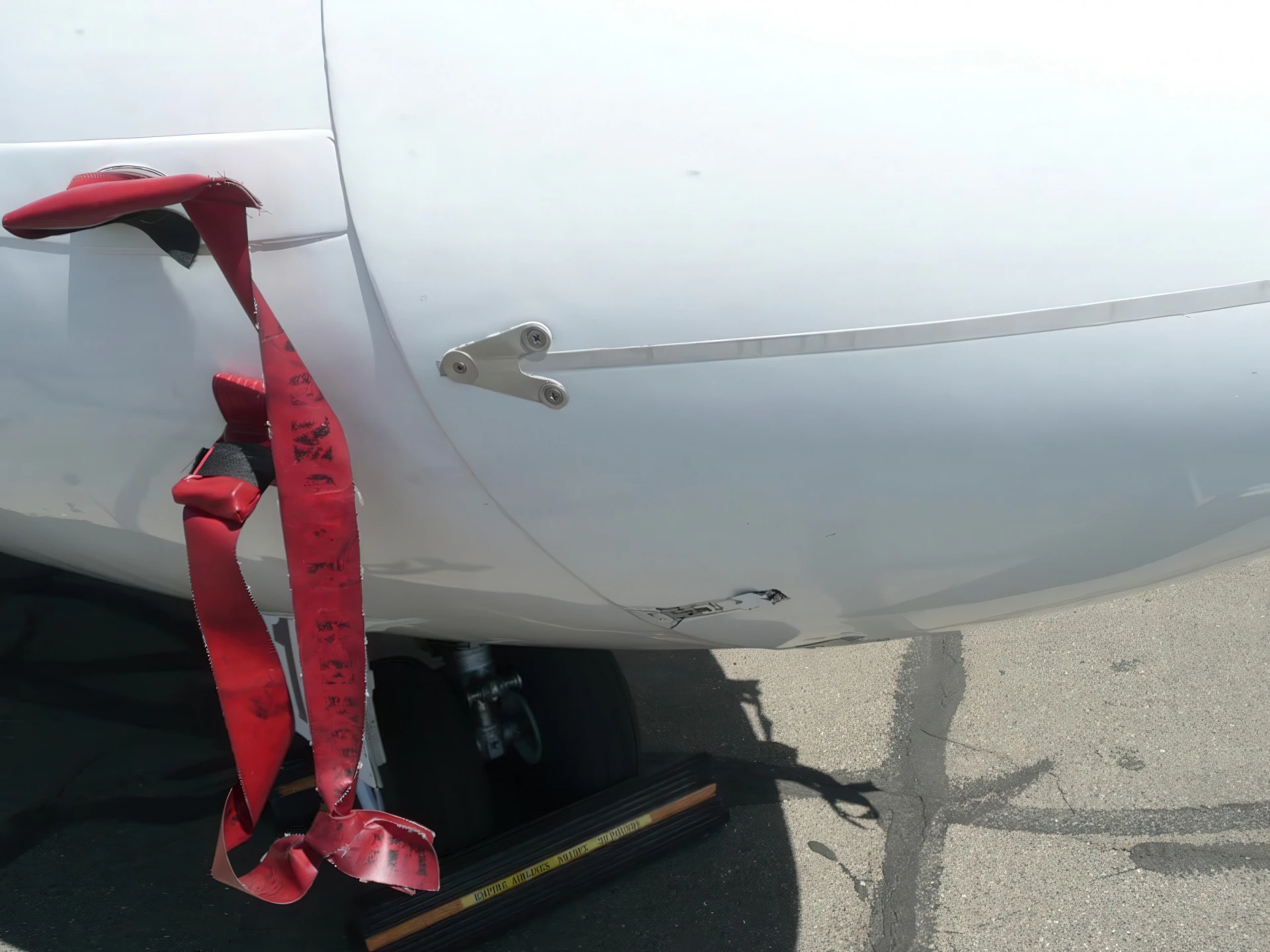
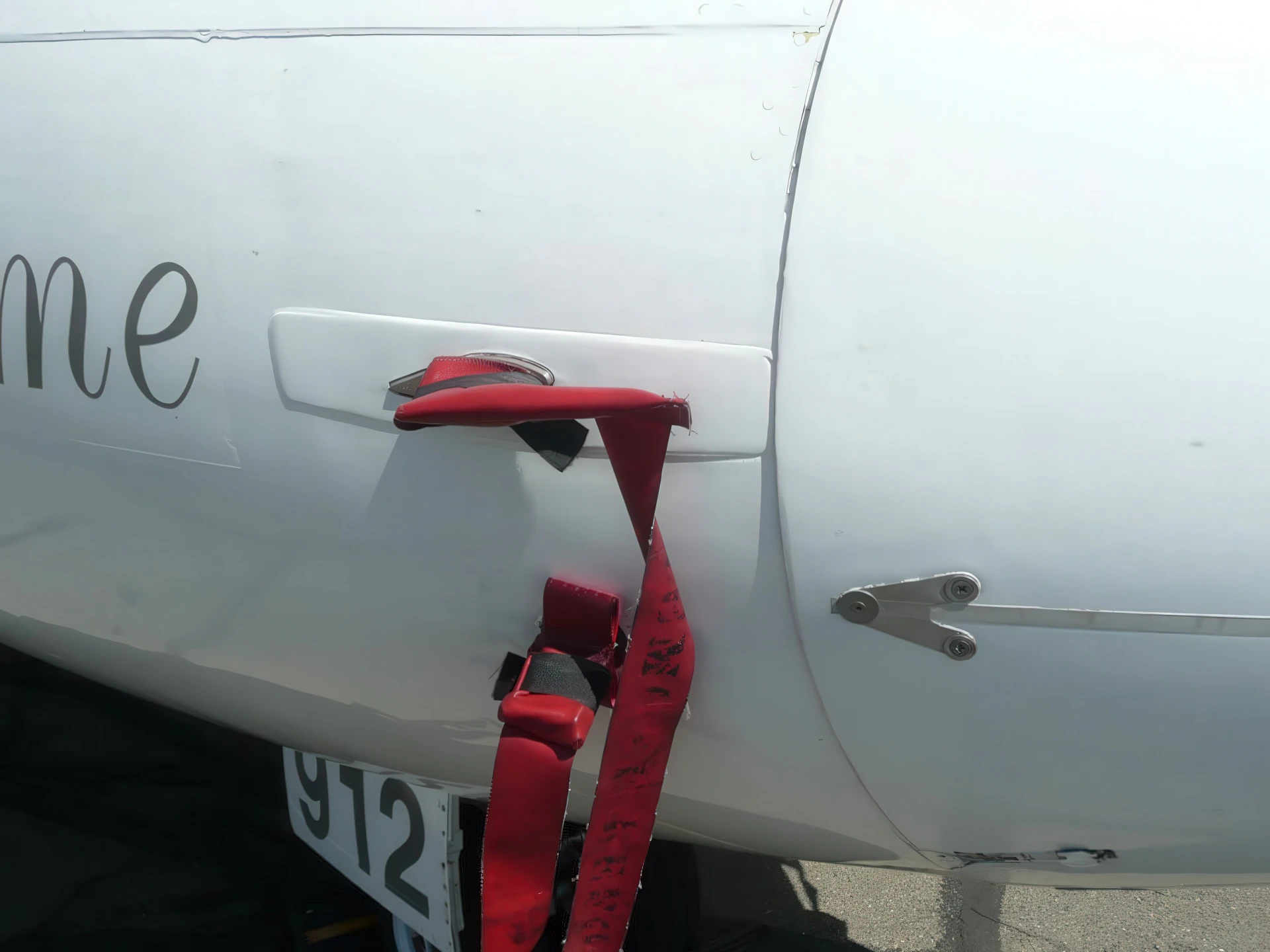
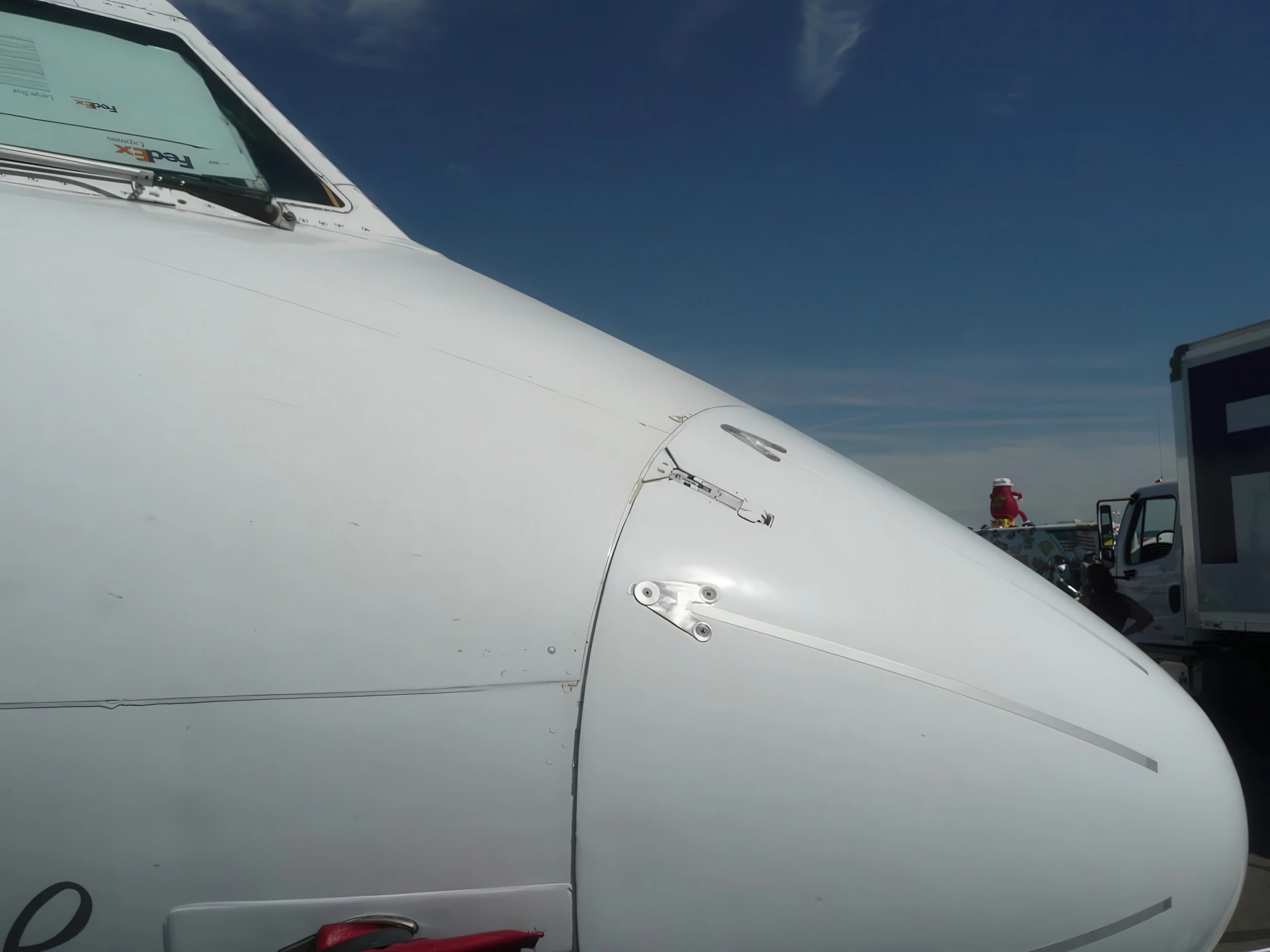
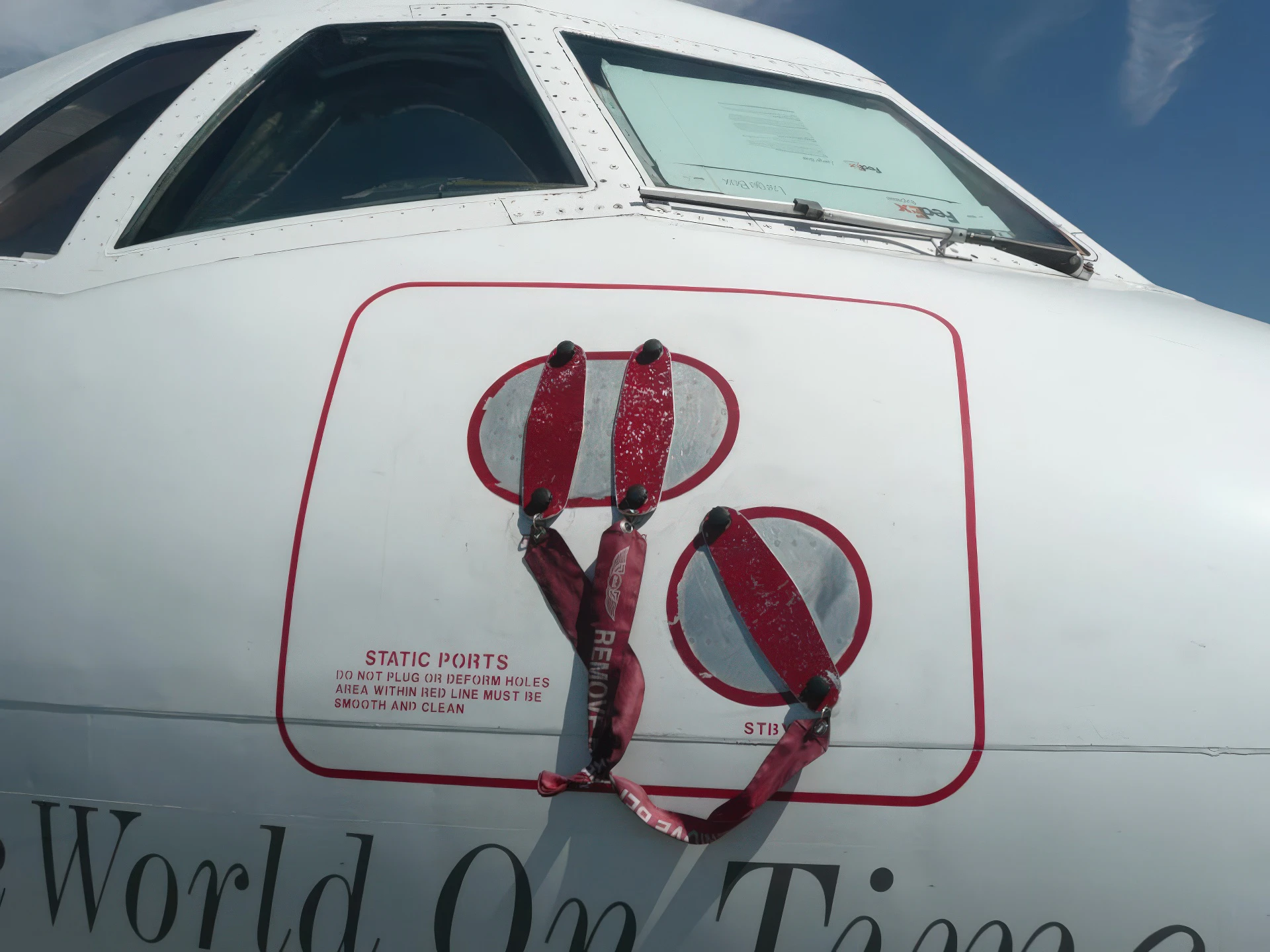
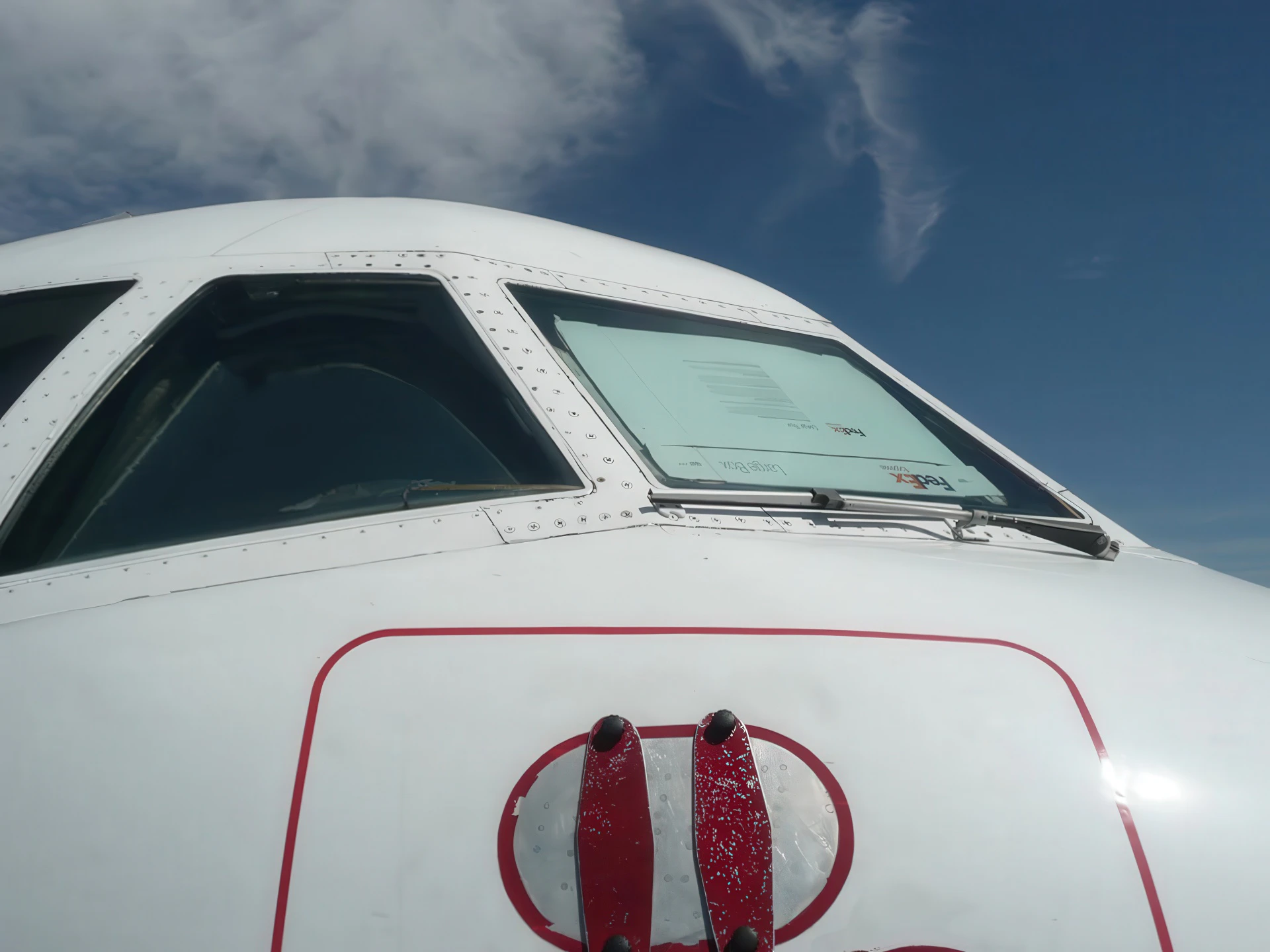
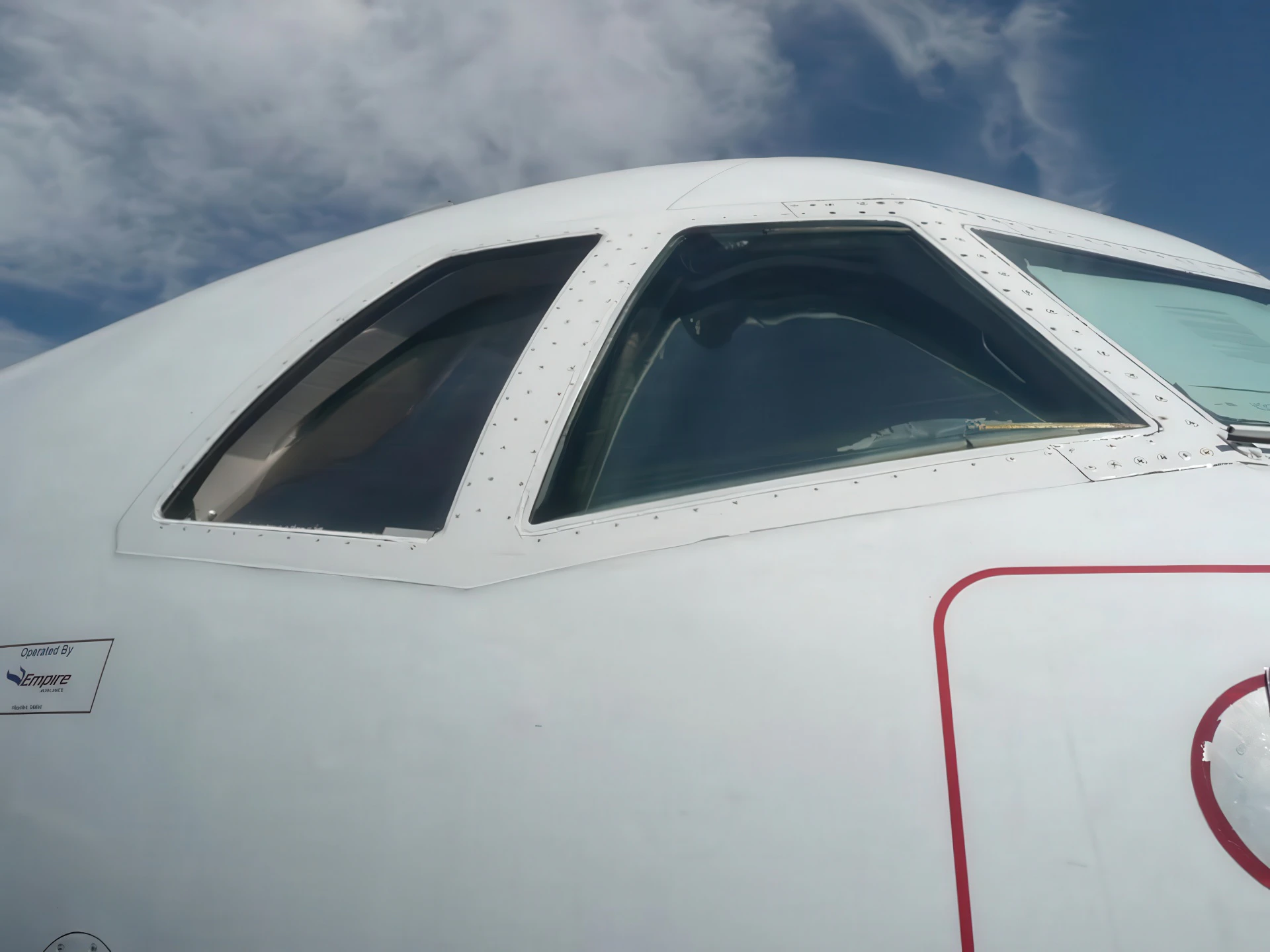

 Køb mig en kop kaffe
Se også:


Genesis of a Commuter Icon
The ATR 42-300 was the initial production version of the ATR 42 family, a joint venture between France’s Aérospatiale (now Airbus) and Italy’s Aeritalia (now Leonardo). First entering service in 1985 with Air Littoral, the -300 was designed specifically for the short-haul regional market. It filled a critical niche for an aircraft that was more efficient than pure jets on short hops while offering better passenger comfort than older generation turboprops. Its success laid the foundation for ATR becoming the world’s leading manufacturer of regional turboprop aircraft.
| Property | Standard Specification (ATR 42-300) |
|---|---|
| Rolle | Regional Airliner / Short-haul Transport |
| Besætning | 2 Pilots + 1 or 2 Flight Attendants |
| Passenger Capacity | 42 to 50 seats |
| Kraftværk | 2 x Pratt & Whitney Canada PW120 turboprops |
| Horsepower | 2,000 shp (1,491 kW) per engine |
| Maximum Speed | 491 km/h (305 mph / 265 knots) |
| Maximum Range | approx. 1,600 km (860 nmi) with full payload |
| Vingefang | 24.57 meters (80 ft 7 in) |
Engineering and Operational Features
- High-Wing Design: The high-wing configuration allows for a low-to-the-ground fuselage, facilitating easy passenger boarding and cargo loading without the need for complex airport stairs or high-lift loaders.
- Propeller Brake (Hotel Mode): A unique feature of the ATR is the ability to run the right-hand engine (No. 2) with a propeller brake engaged while on the ground. This allows the engine to provide electrical power and air conditioning to the cabin without the prop spinning, acting as a built-in APU.
- Pratt & Whitney PW120: The -300 was powered by the PW120, a rugged and reliable engine that utilized a two-spool concept, which significantly improved fuel efficiency compared to earlier turboprop designs.
- Short-Field Performance: Engineered for versatility, the -300 can operate from runways as short as 1,100 meters, making it ideal for connecting remote communities with major hubs.
Variants and Evolution
- ATR 42-320: A minor upgrade to the -300 that featured improved PW121 engines for better “hot and high” performance (operations at high altitudes or in high temperatures).
- Cargo Conversions: As they aged out of passenger service, many -300s were converted into freighters (ATR 42-300F), featuring a large cargo door on the forward port side.
- The Legacy Lineage: The -300 was eventually succeeded by the -400, -500, and the current -600 series, which introduced glass cockpits, six-bladed propellers, and even more efficient engines.
Service Legacy
- Global Adoption: The ATR 42-300 saw massive success in Europe, North America, and Southeast Asia, with major operators including FedEx (Feeder), American Eagle, and Olympic Airways.
- Pålidelighed: Many original -300 series aircraft remained in active service for over 30 years, speaking to the durability of the airframe and the simplicity of its mechanical systems.
Visninger : 200
Du kan også se:
 Ryan Navion – Billeder og video
 Stinson L-5 Sentinel – Billeder & Video
 Piper L-4 græshoppe – Billeder & Video
 Lockheed U-2 – Billeder & Video
 P-47G Tordenkile - WalkAround
 Hawker Sea Fury FBII vol2 - Gå rundt
 P-51D Mustang vol2 - Gå rundt
 B-17G flyvende fæstning - WalkAround
 Messerschmitt Bf 109G-2 - Gå rundt
 General Motors FM-2 Wildcat – WalkAround